10 Closet Organization Mistakes That Make Getting Dressed More Stressful
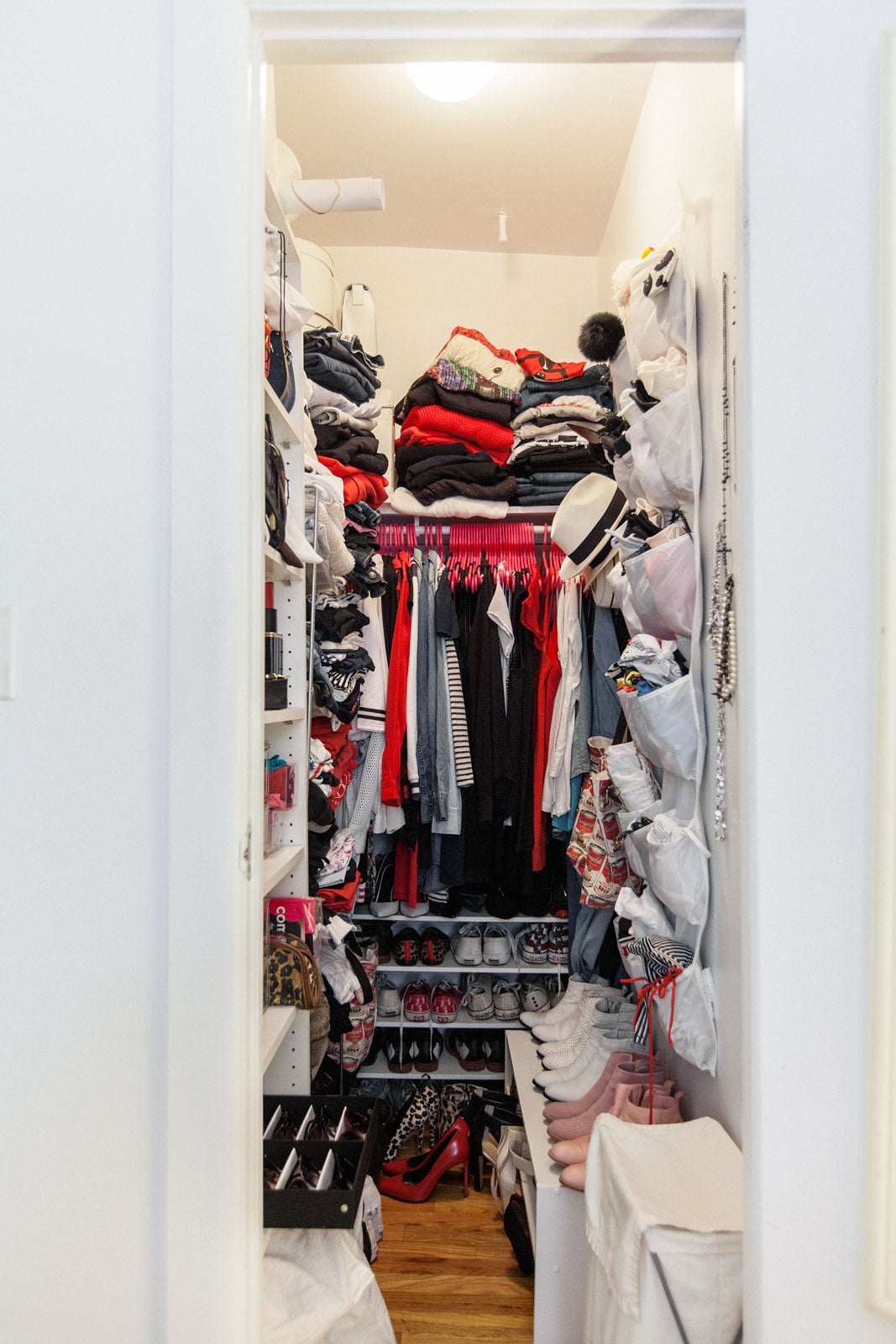
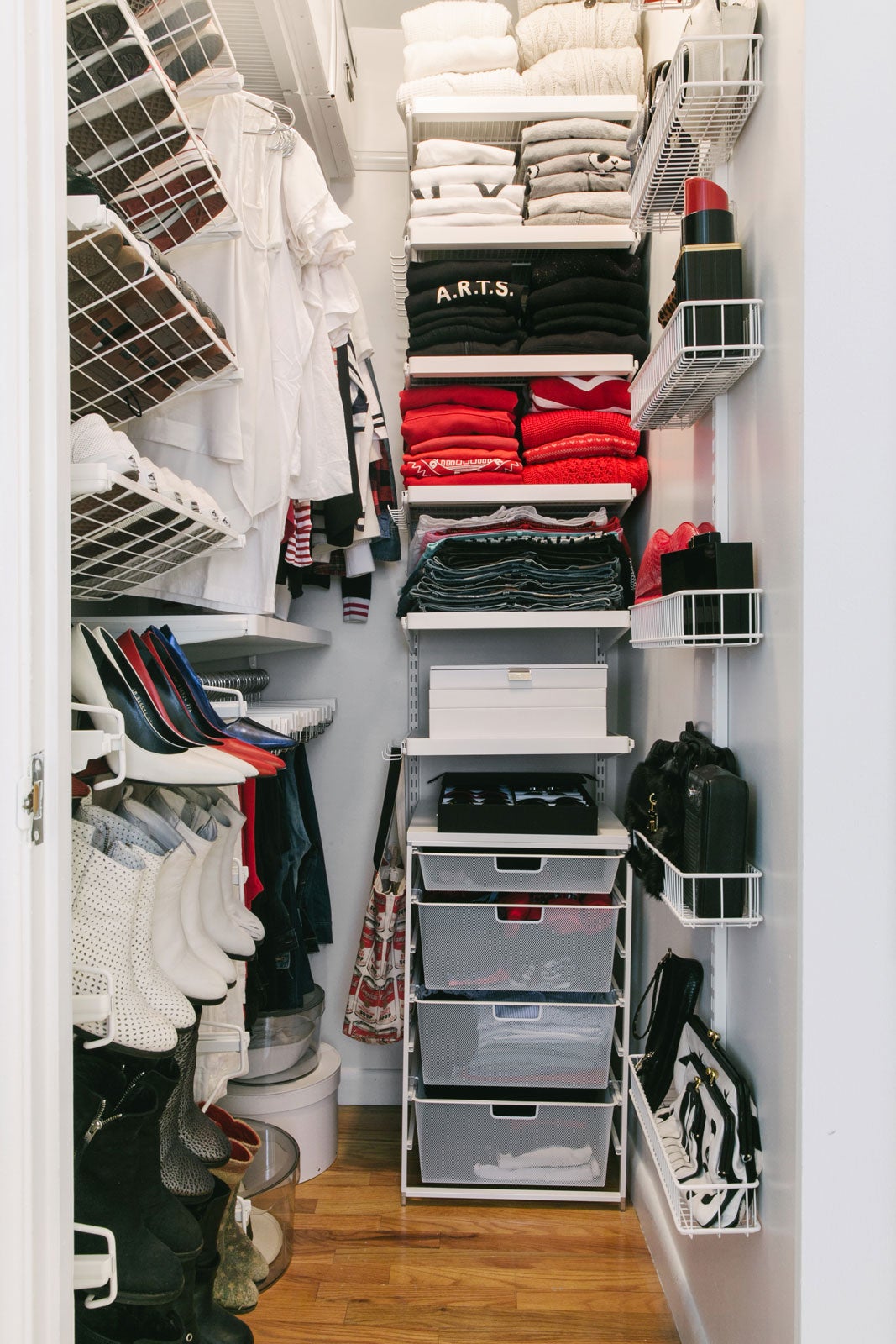
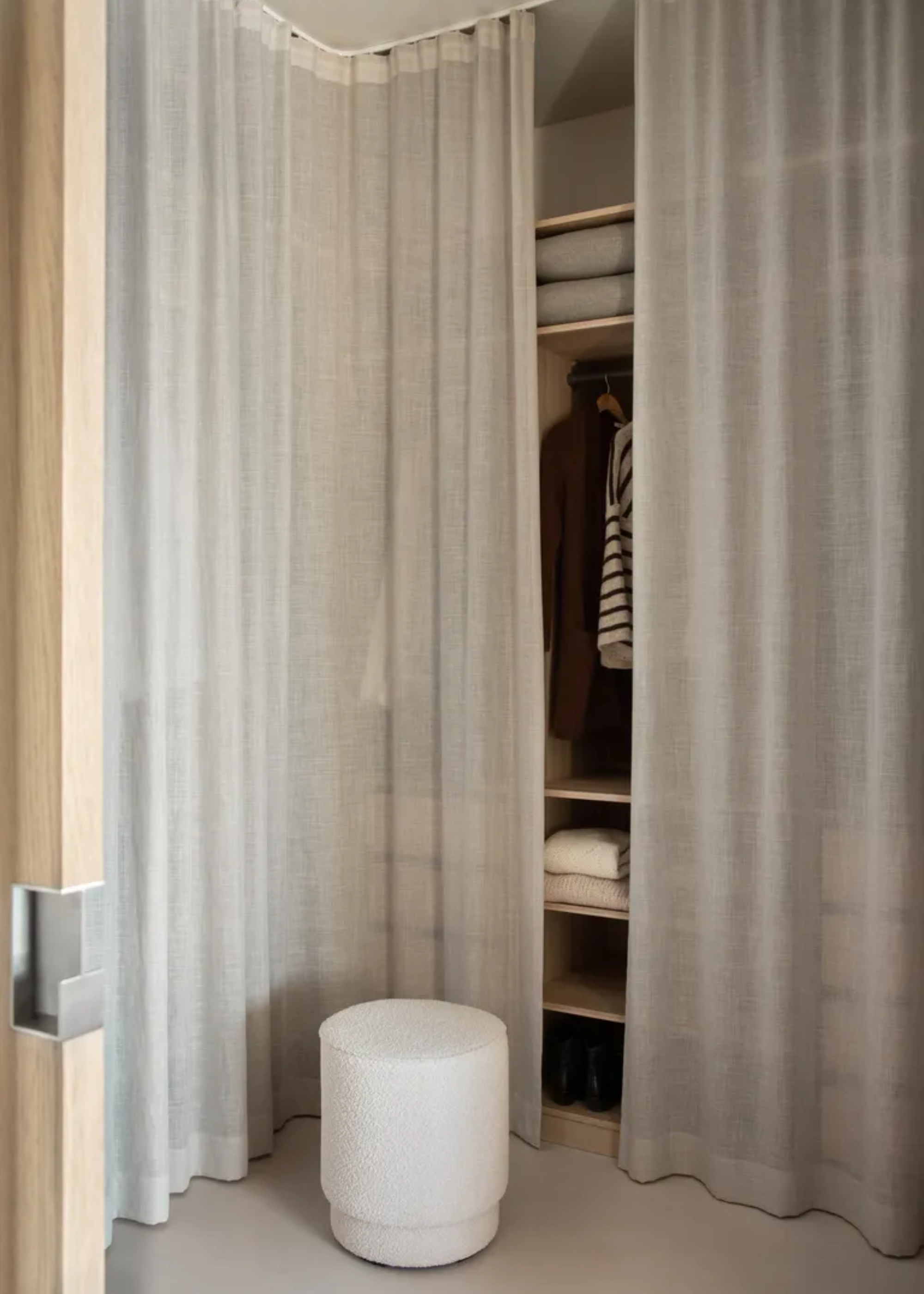
A well-organized closet offers significant benefits, reducing stress when choosing outfits, preventing wrinkled clothing, and even saving money by avoiding duplicate purchases. Many common closet organization mistakes can lead to disarray, but these issues often come with straightforward solutions. Professional organizer Nicole Gabai and Amanda Wiss, founder of Urban Clarity, offer insights into common pitfalls and how to rectify them.
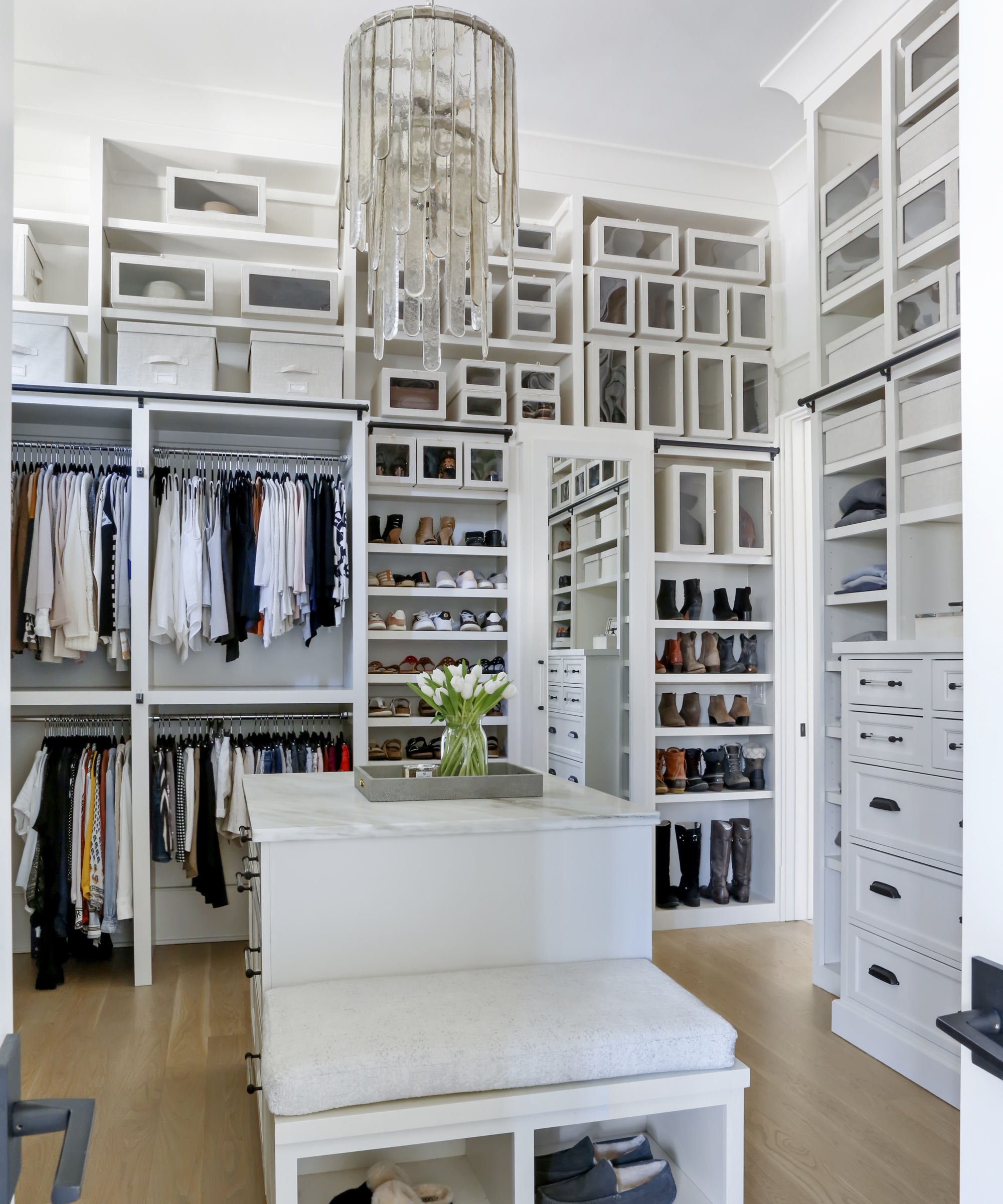
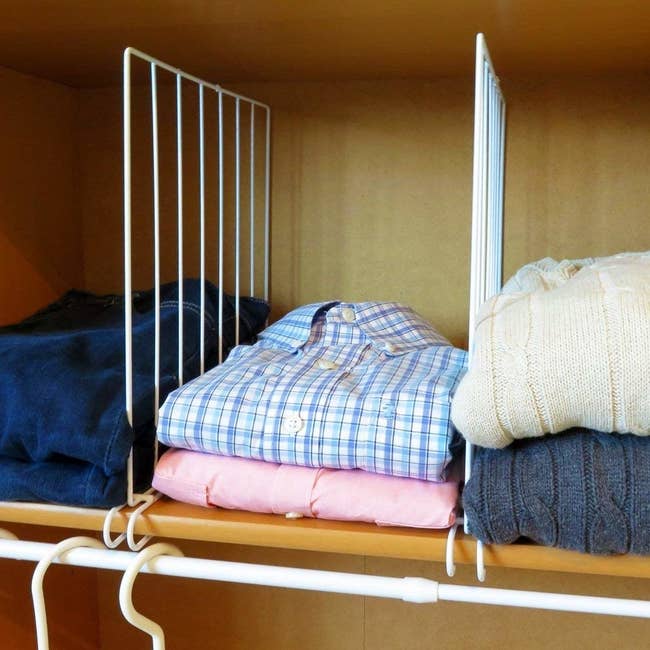
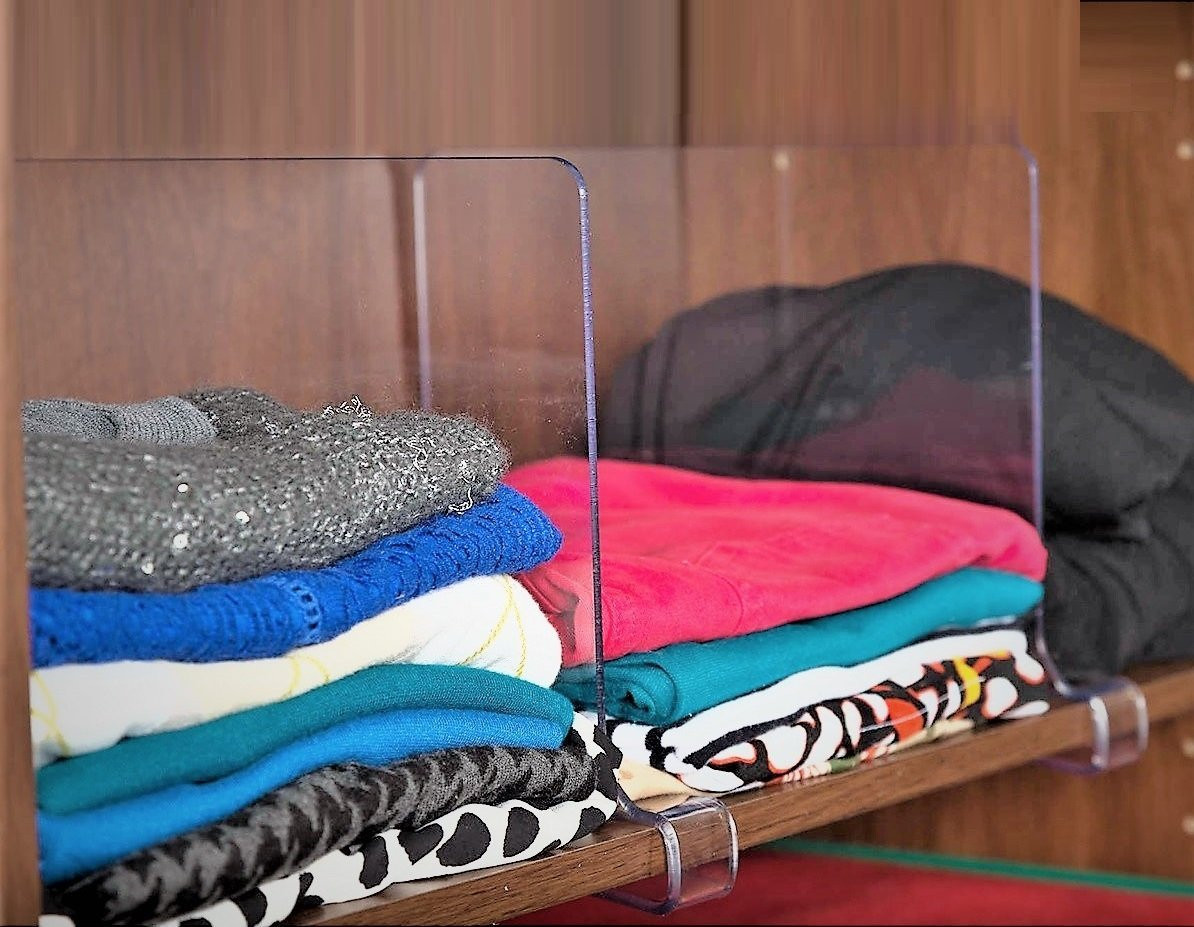
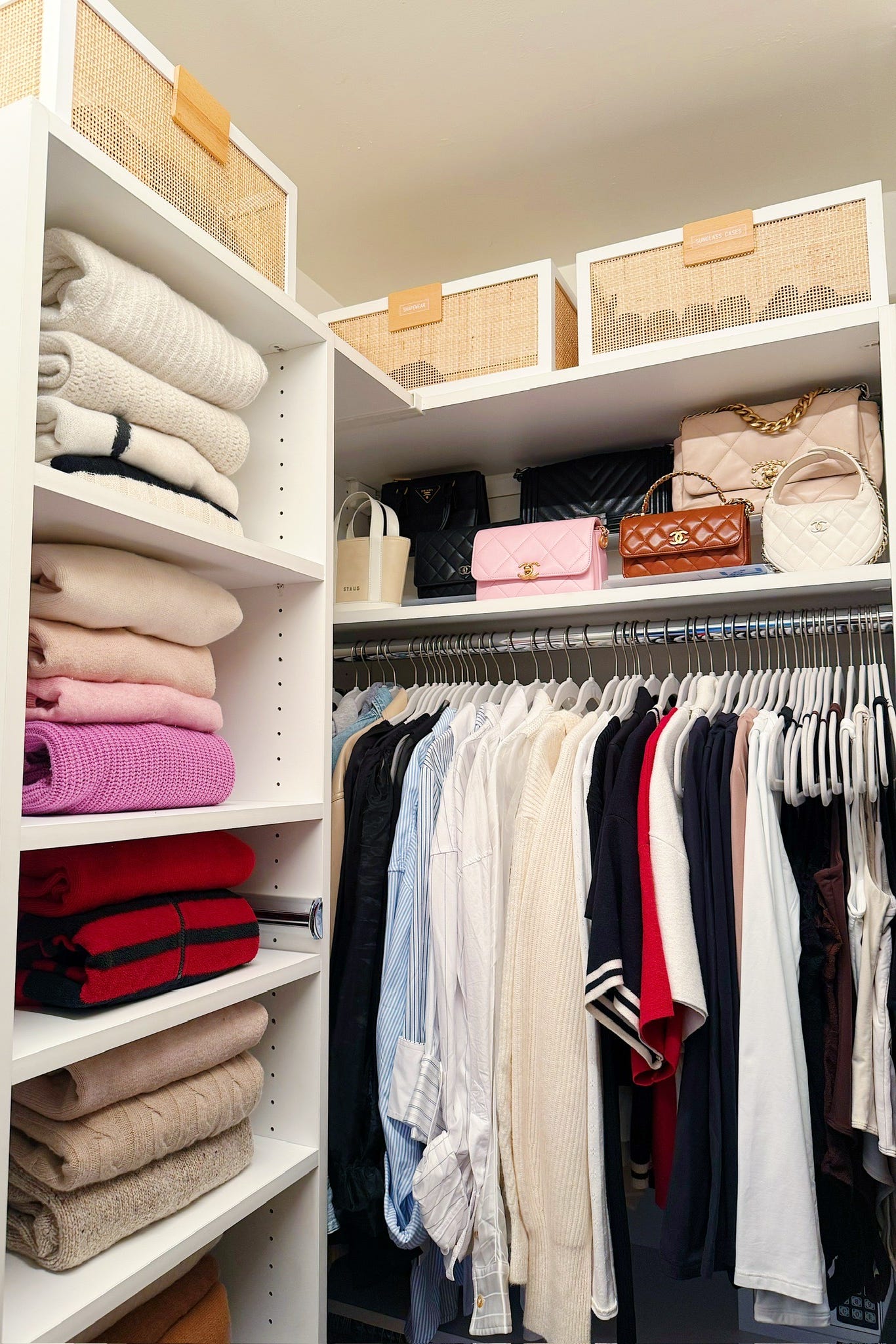
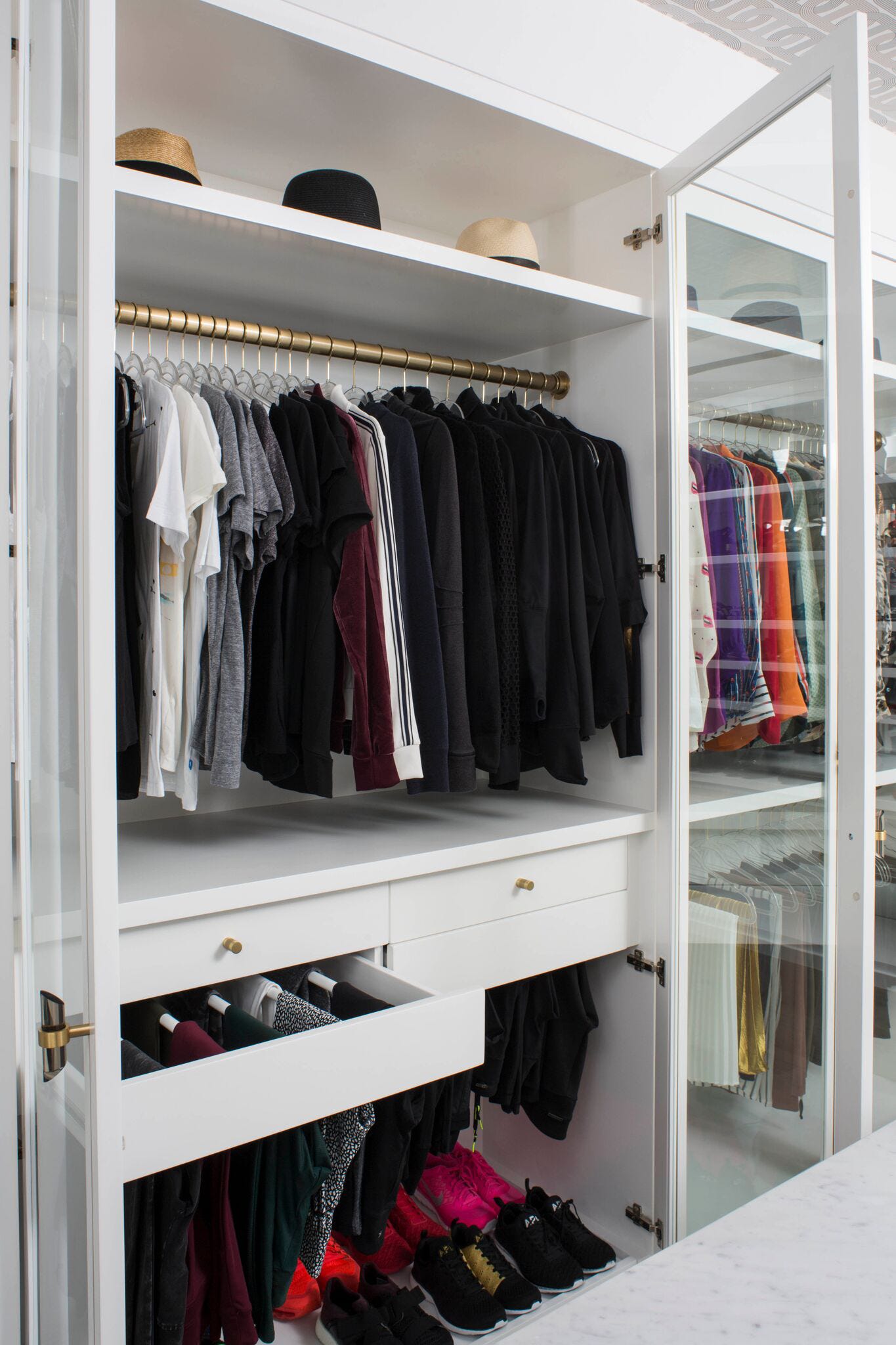
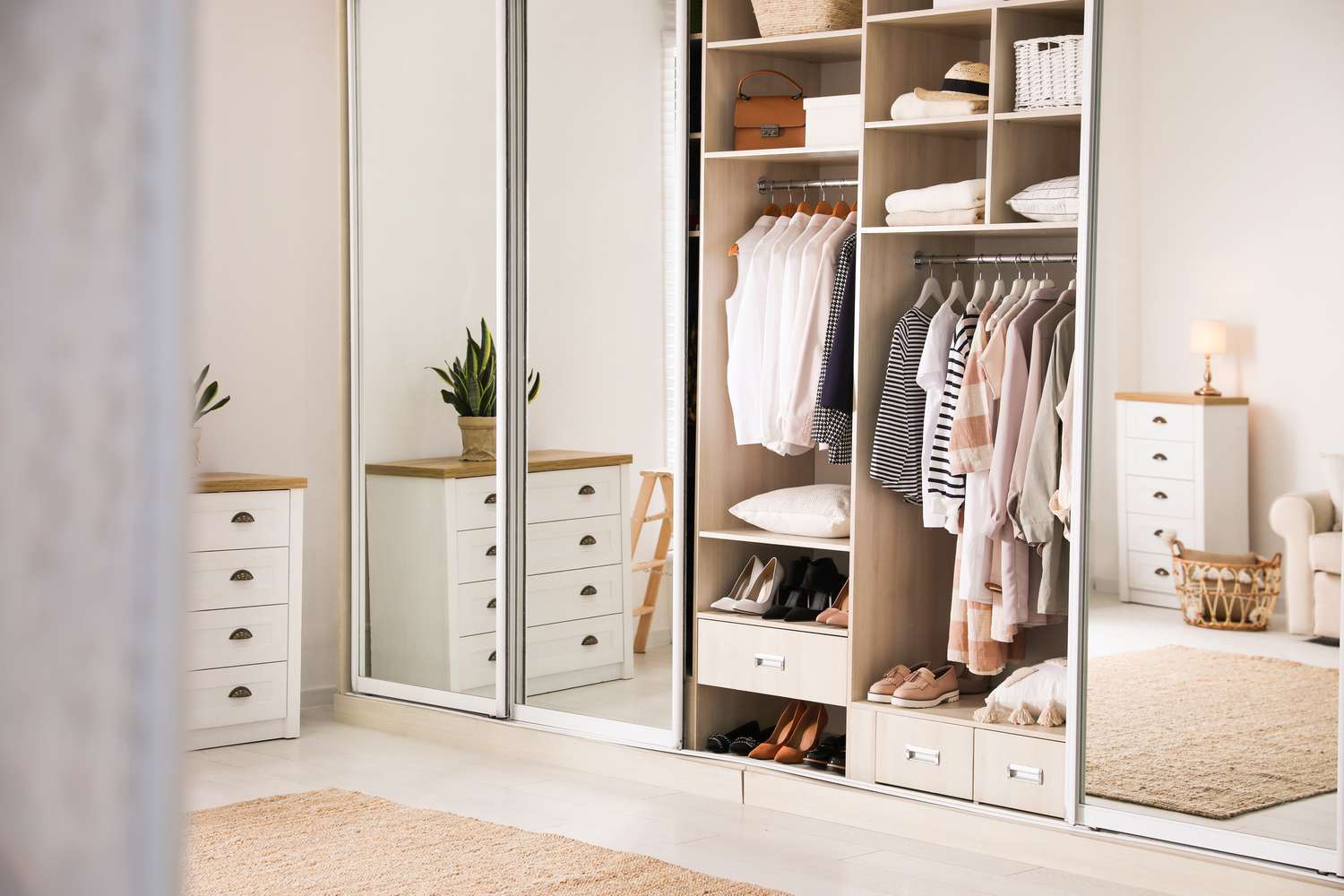
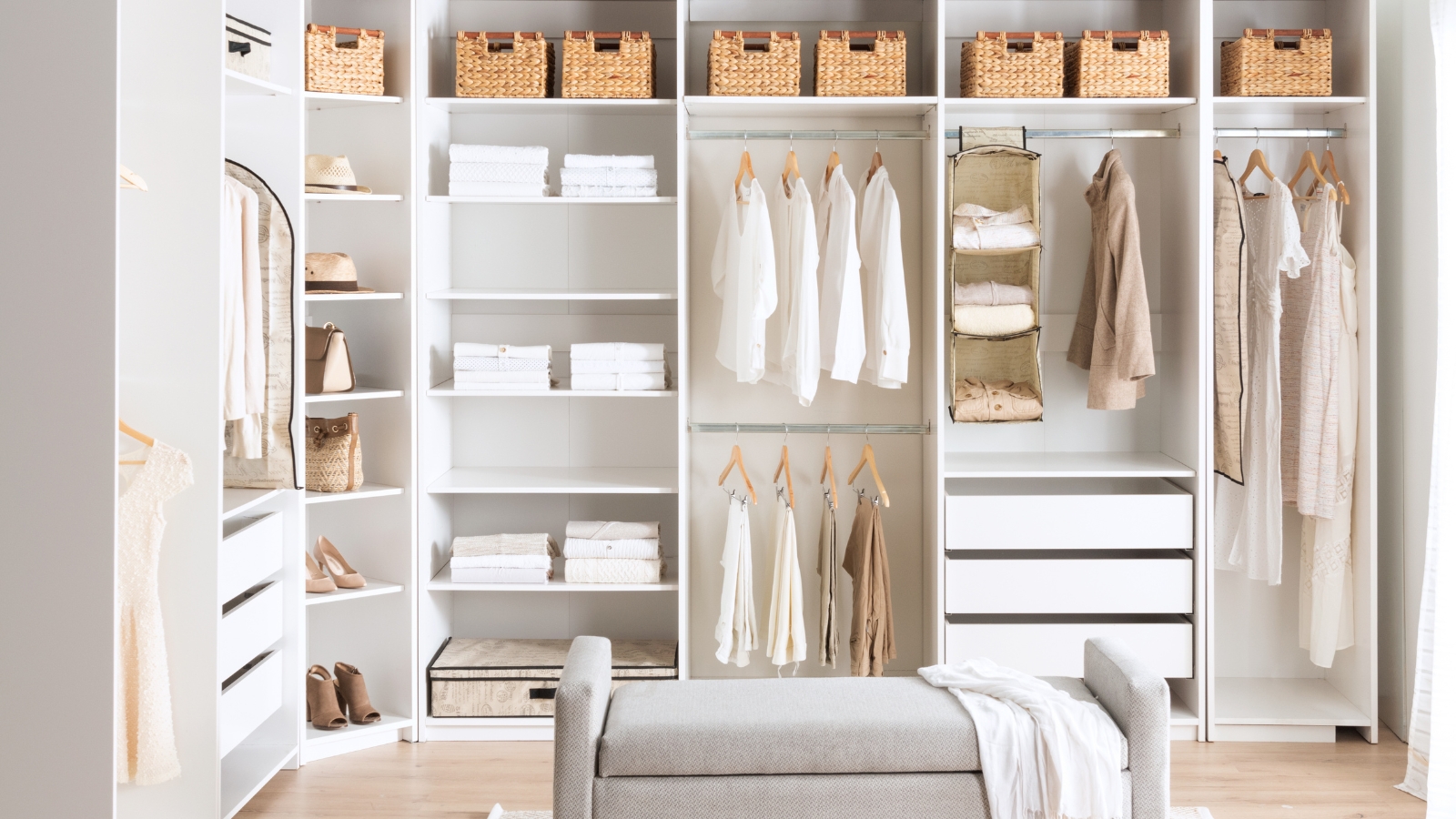
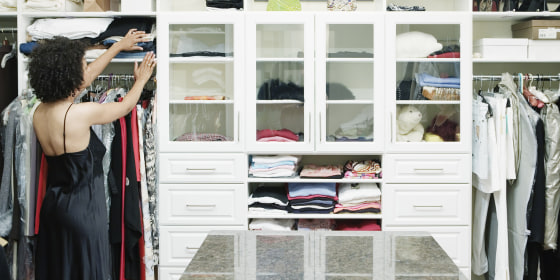
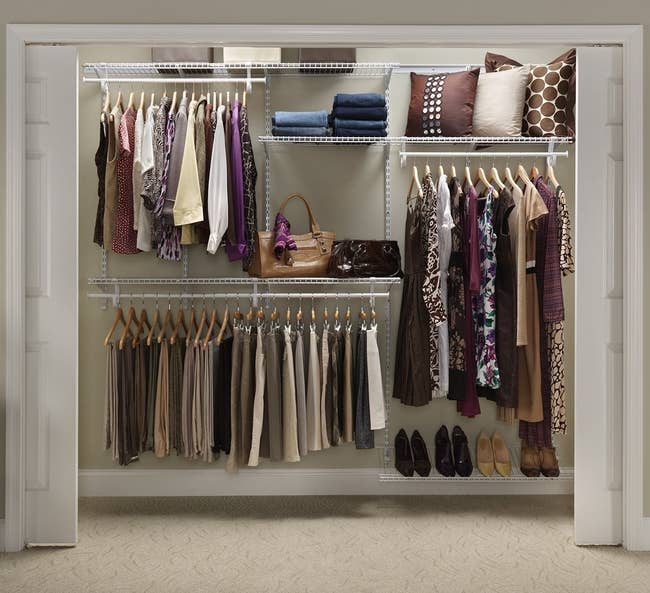
One fundamental mistake is failing to group like items. Gabai emphasizes the importance of dividing a closet into sections and zones, such as grouping activewear or formal wear. This sectional organizing allows for easier selection and a more efficient wardrobe. Closely related is the error of assigning equal importance to all objects. Items used frequently, like daily business casual attire, should be easily accessible, while less frequently used items can be stored further back.
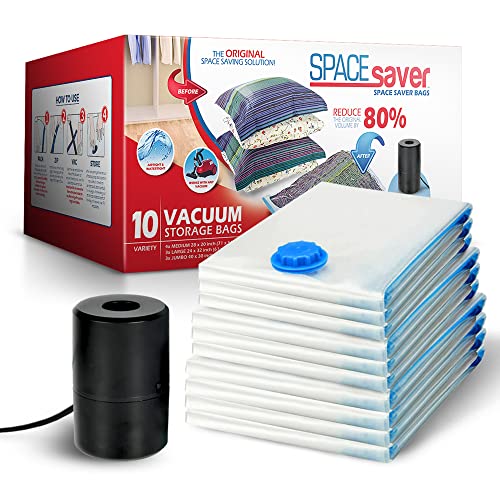
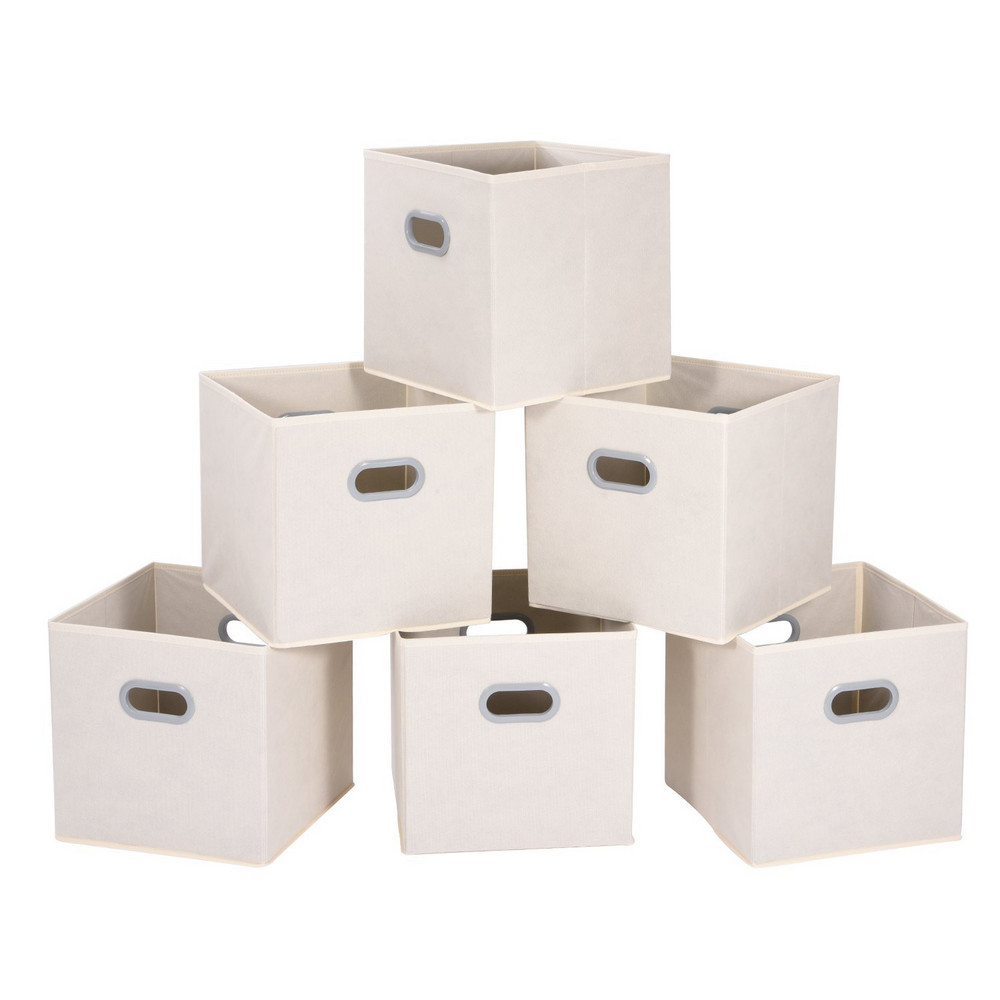
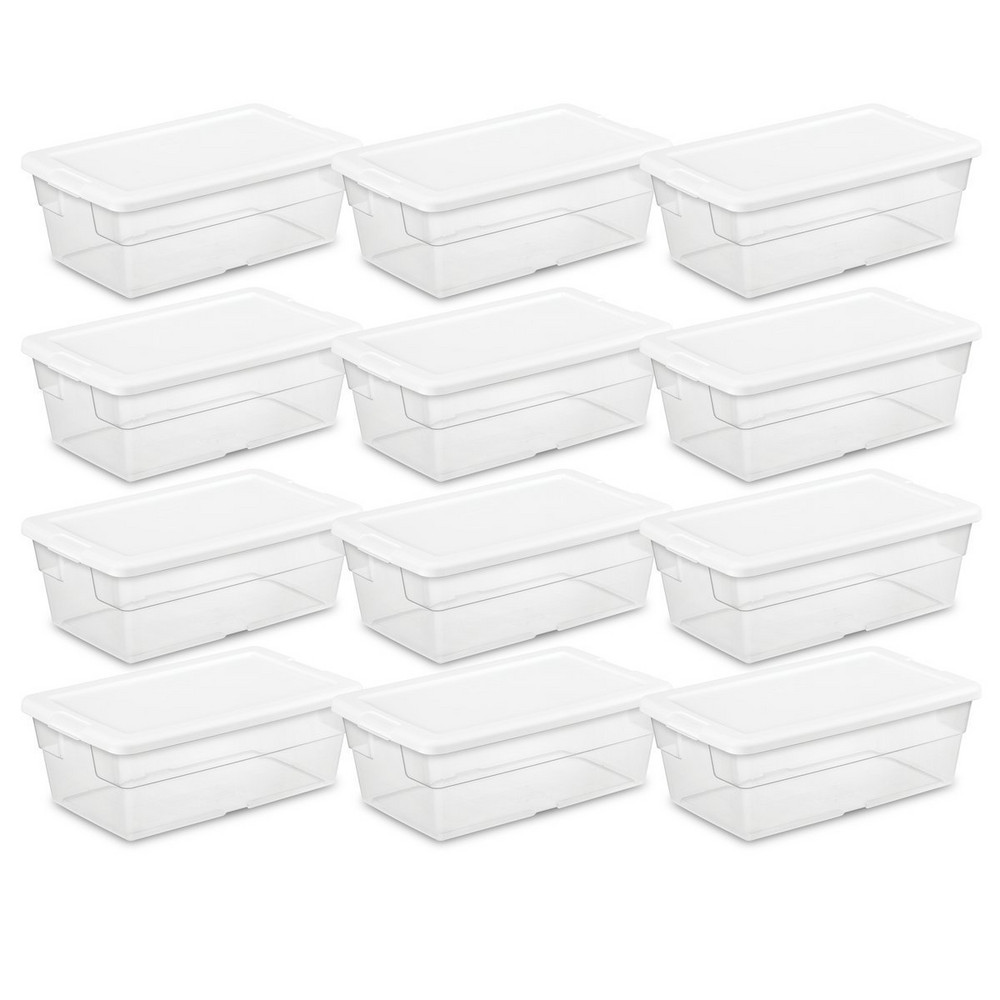
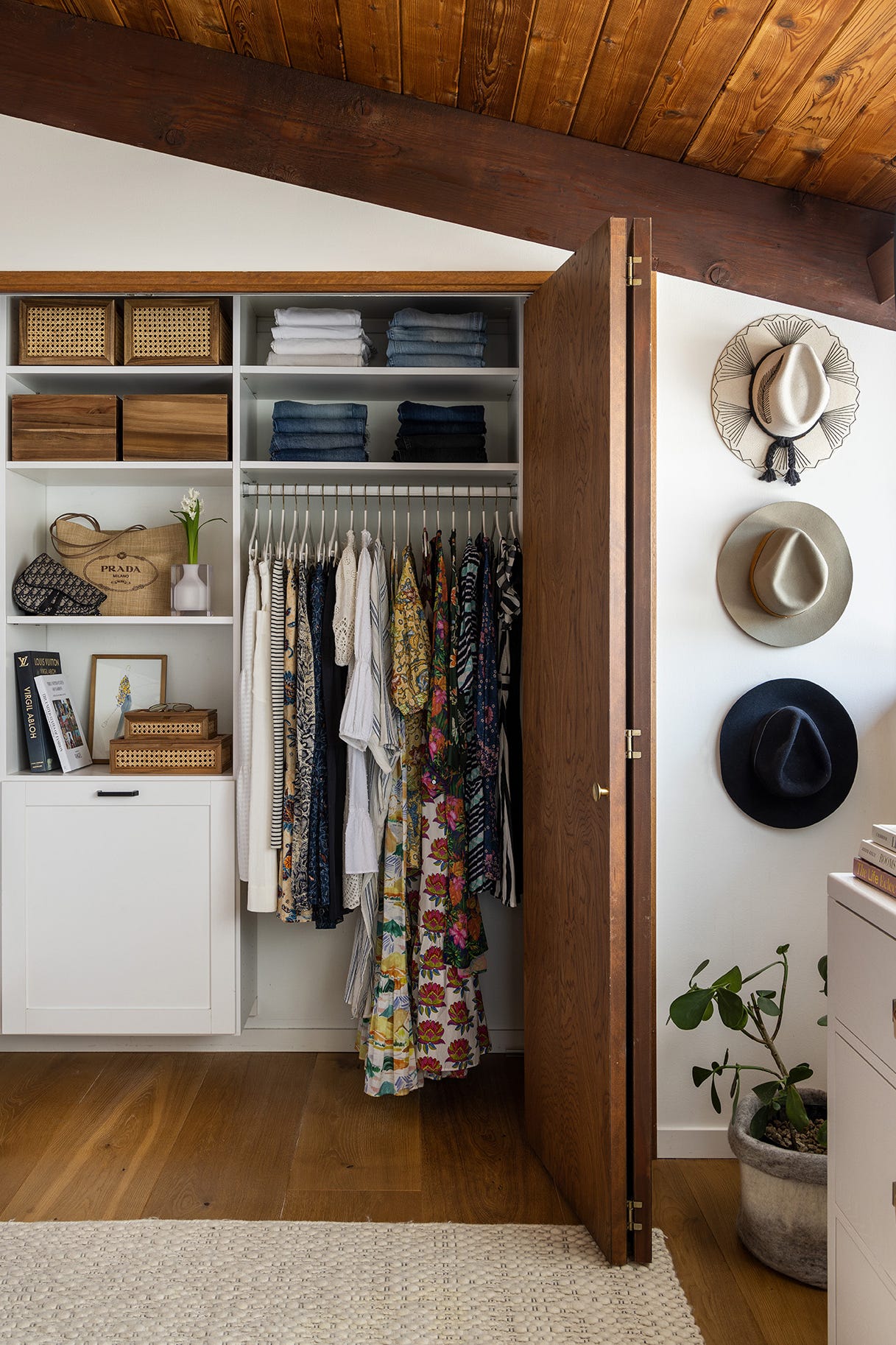
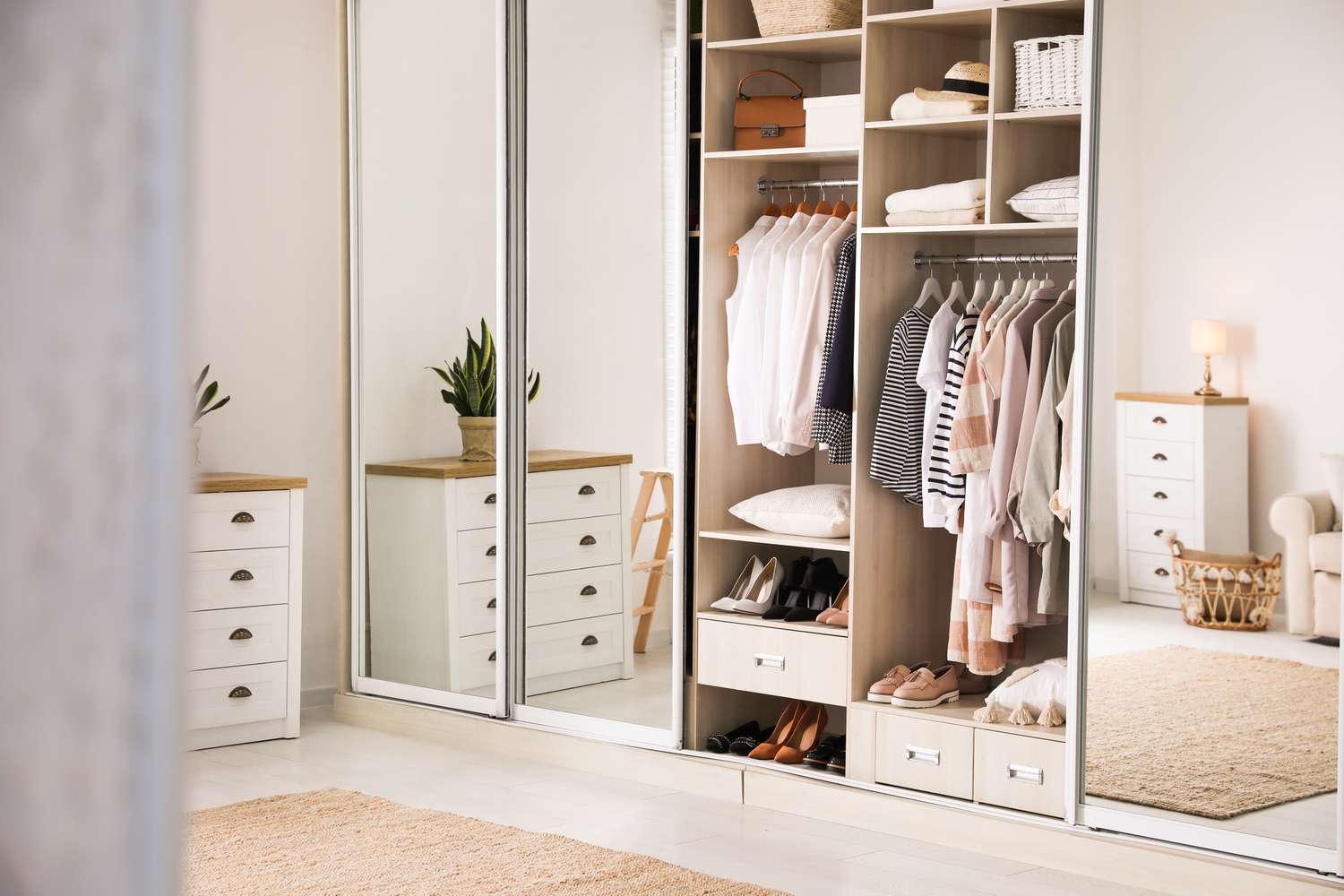
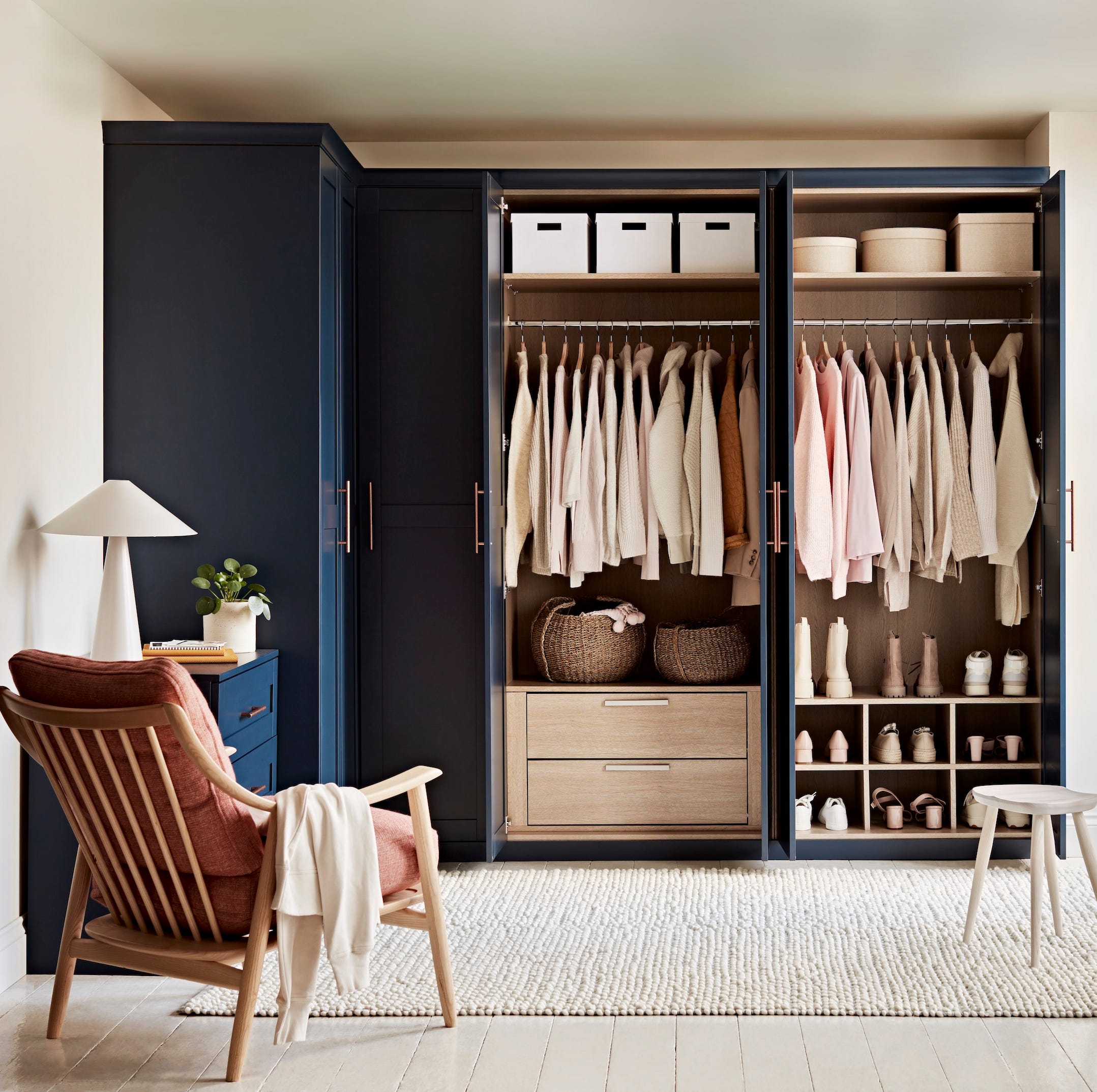
Storing clothes from every season together is another common misstep. If space permits, Wiss suggests moving out-of-season garments to alternative storage like bins on top shelves or under the bed. This maximizes valuable closet space for current-season clothing. A critical planning error is buying storage solutions before properly planning and measuring. Gabai advises organizing clothes into like groups (e.g., all shirts, all dresses) and then categorizing them further (e.g., long-sleeved, short-sleeved shirts). This detailed sorting reveals the exact quantity and type of storage needed, preventing impulse purchases of ill-fitting organizational tools.
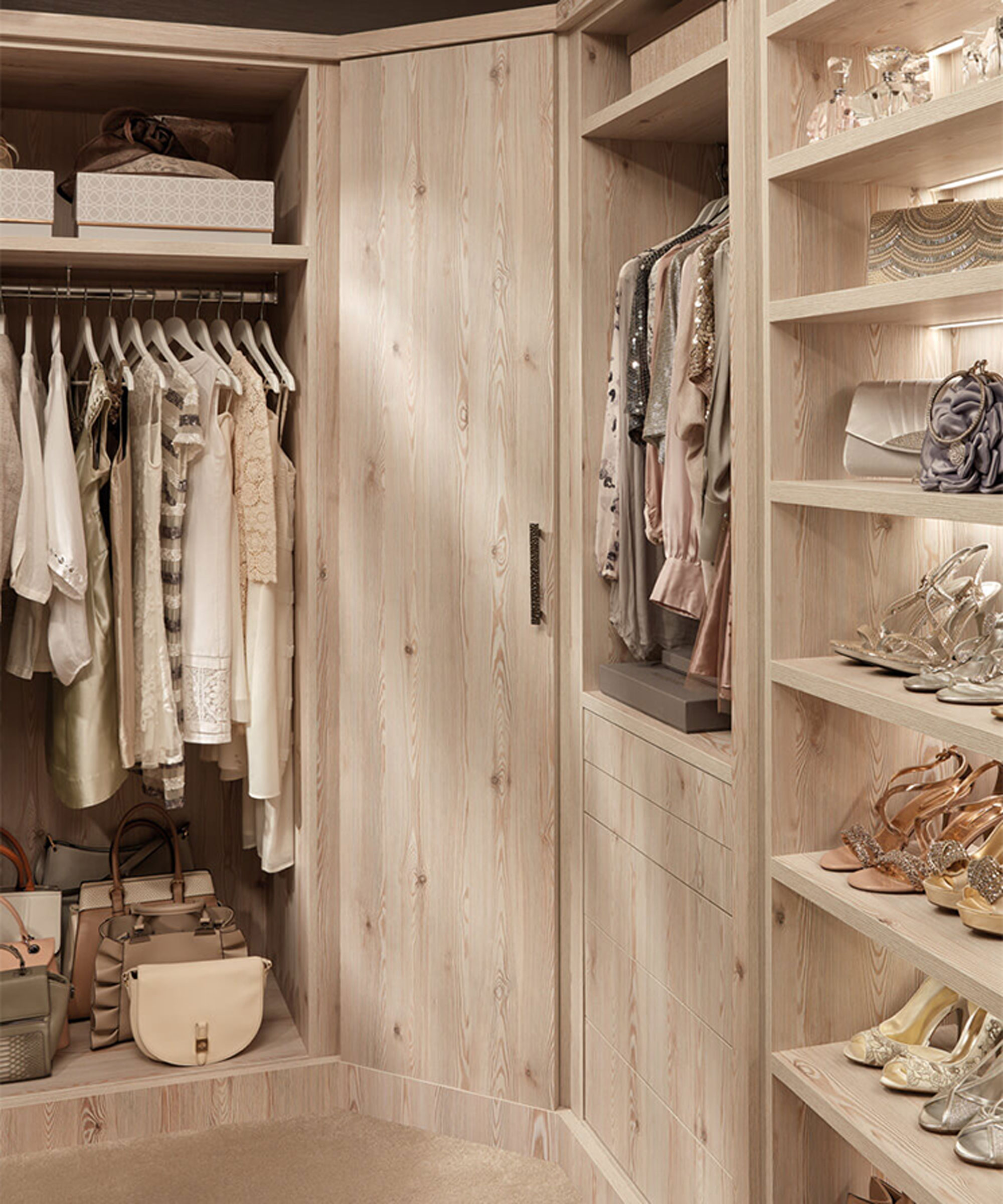
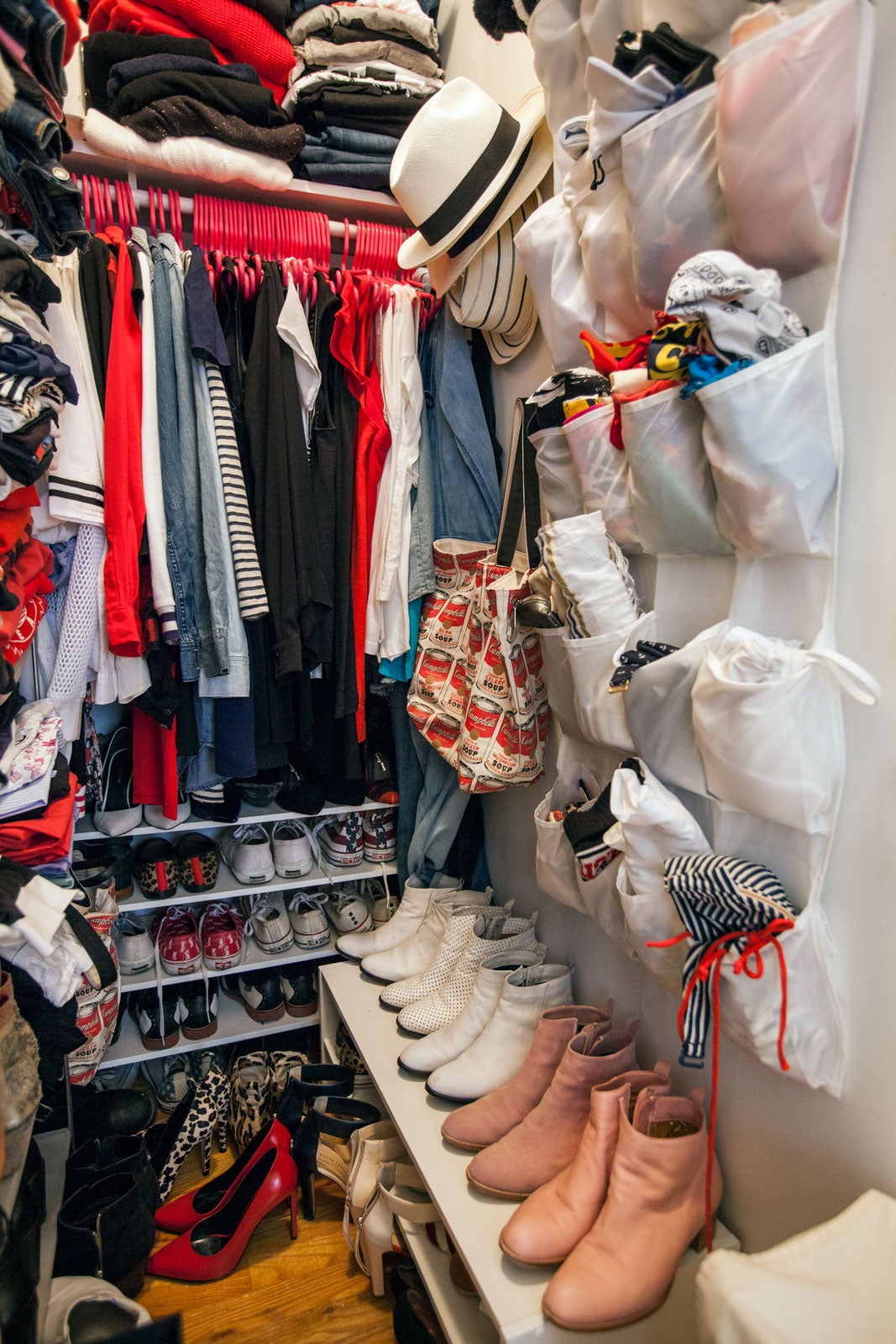
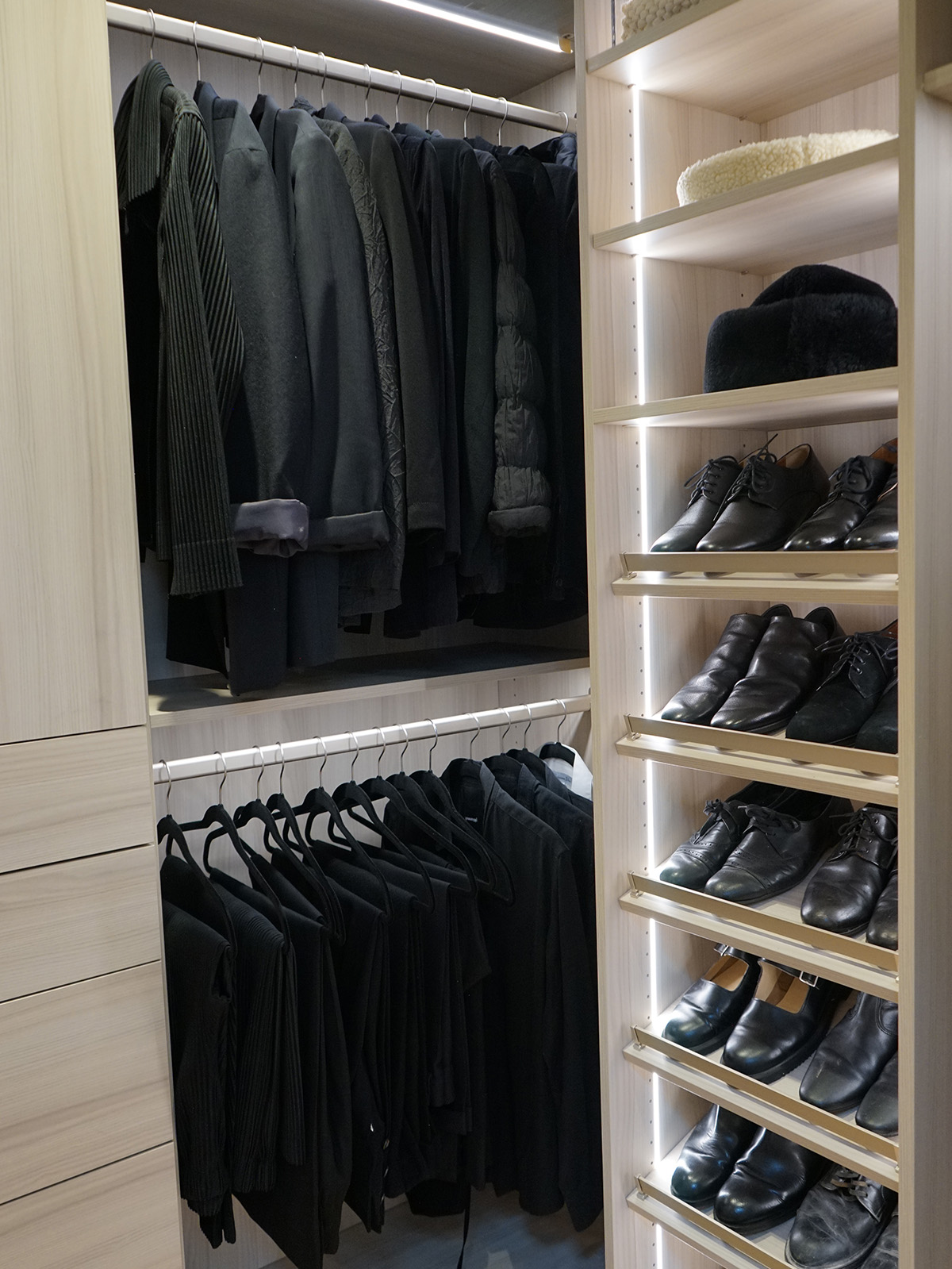
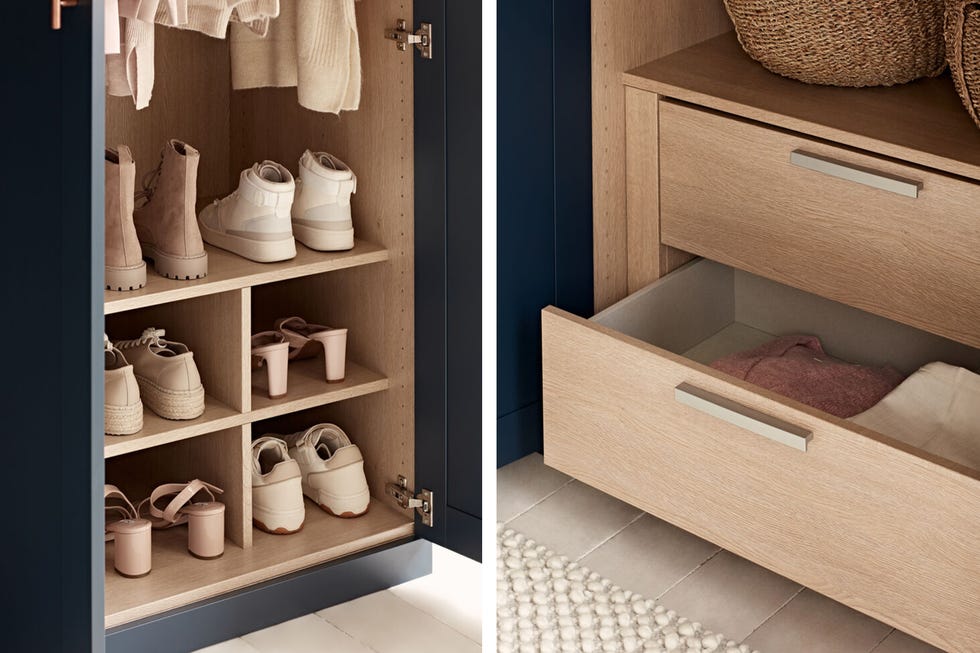
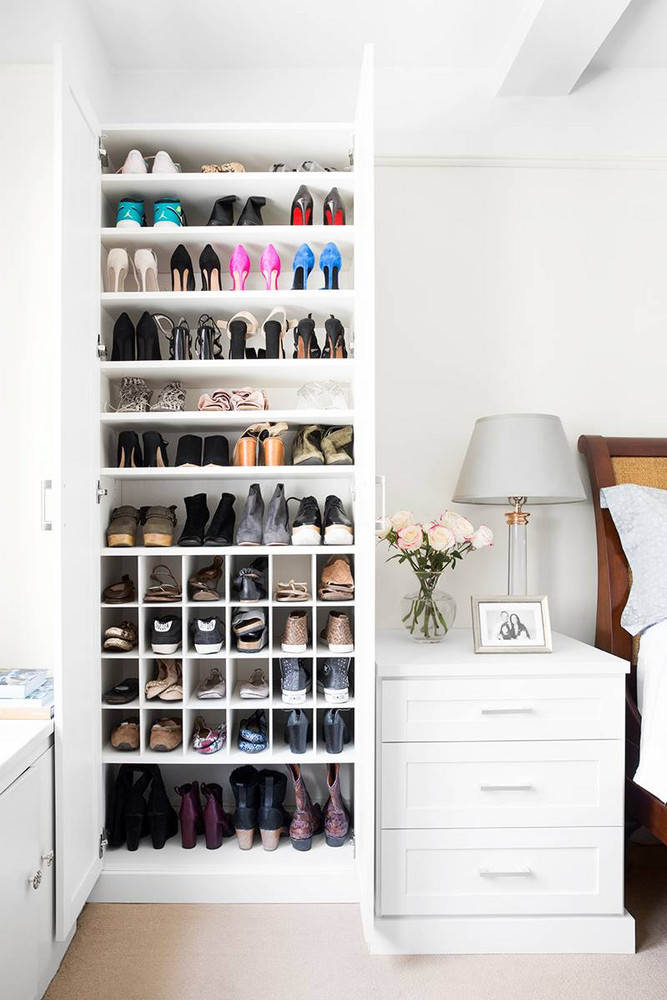
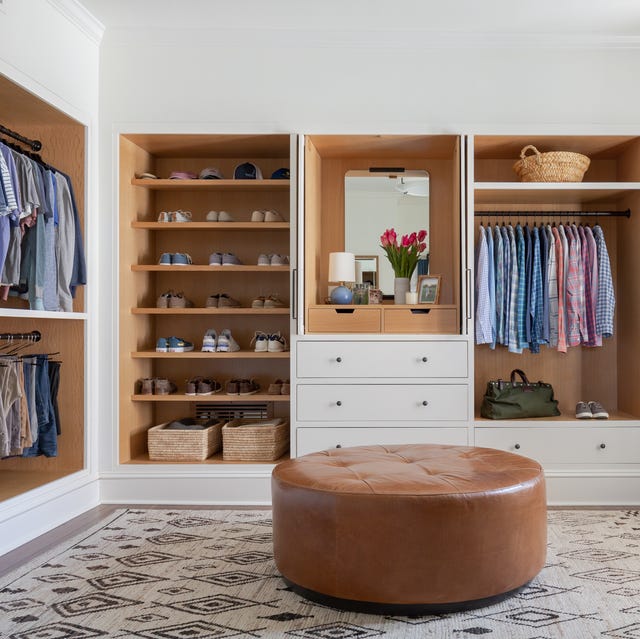
Not organizing based on personal preferences can lead to ineffective systems. While aesthetically pleasing layouts from social media might be tempting, Gabai highlights the importance of considering individual habits. For example, if someone tends to lose items in drawers, shelving might be a more effective solution. Another common mistake is utilizing valuable closet floor space for shoe storage. Wiss suggests vertical stacking tiers or over-the-door shoe organizers to free up floor space for larger storage solutions like dressers.
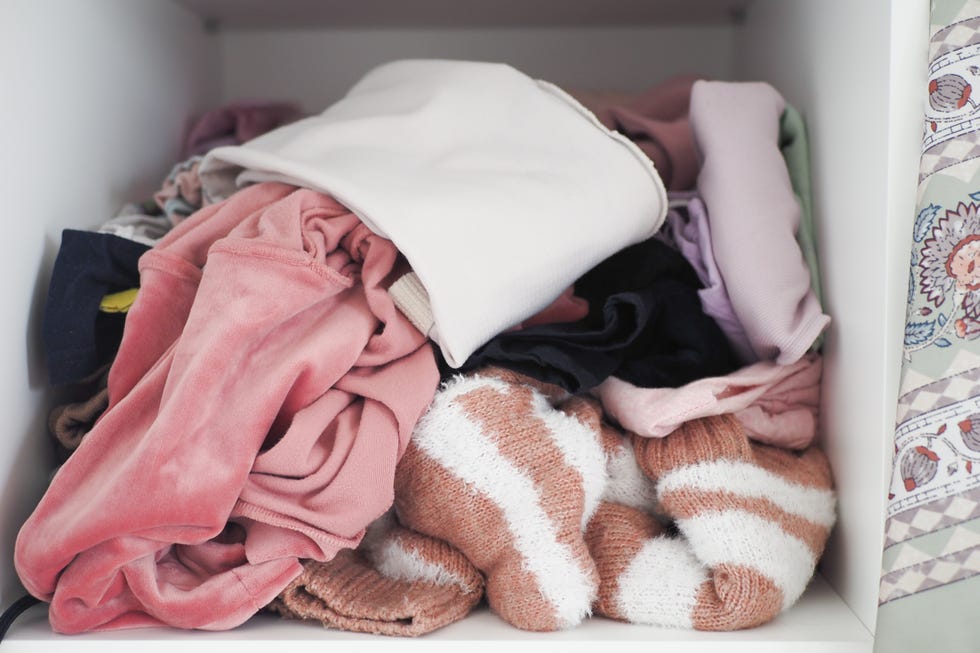
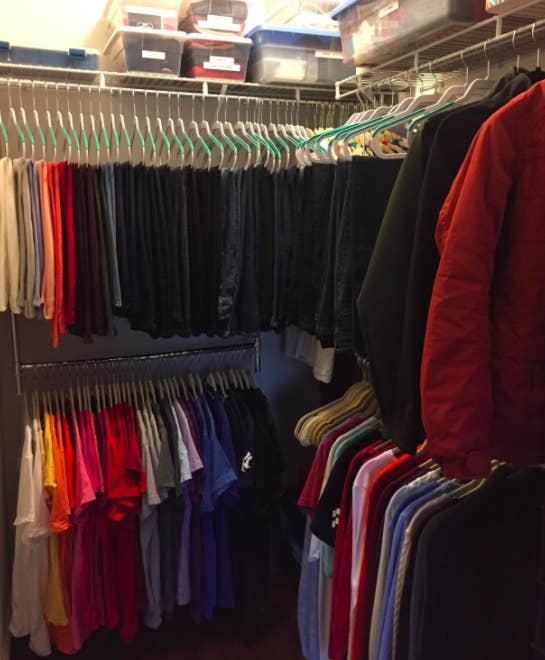
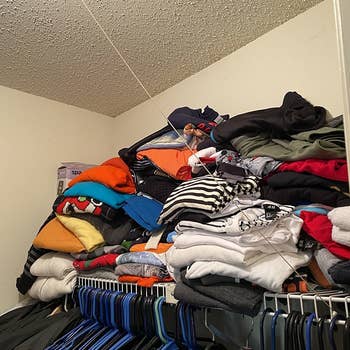
Holding onto unworn or unused items is a significant contributor to clutter. Gabai recommends donating clothes not worn in one to two years or discarding stained or torn garments. She notes that most people wear only about 20% of their wardrobe, encouraging self-reflection with questions like: "Does it fit? Do you love it? Does it love you back?" If an item doesn't fit or flatter, it's time to let it go.
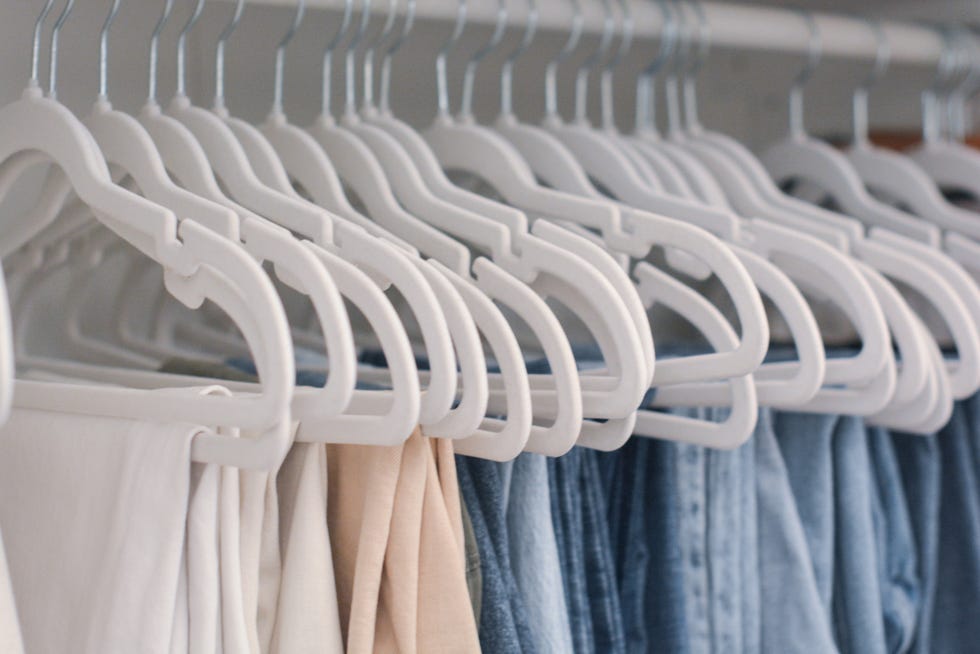
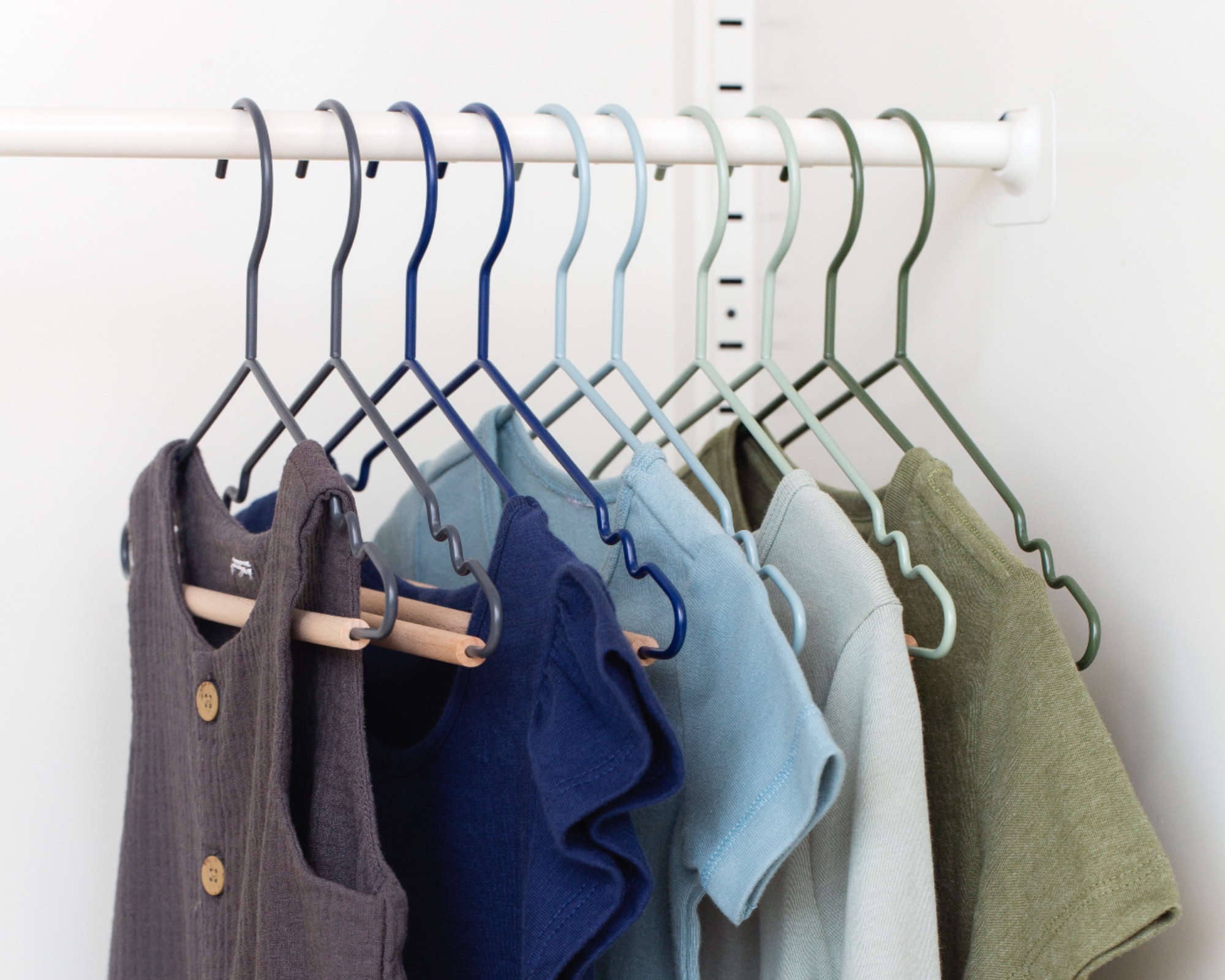
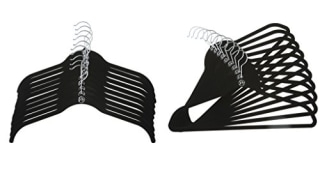
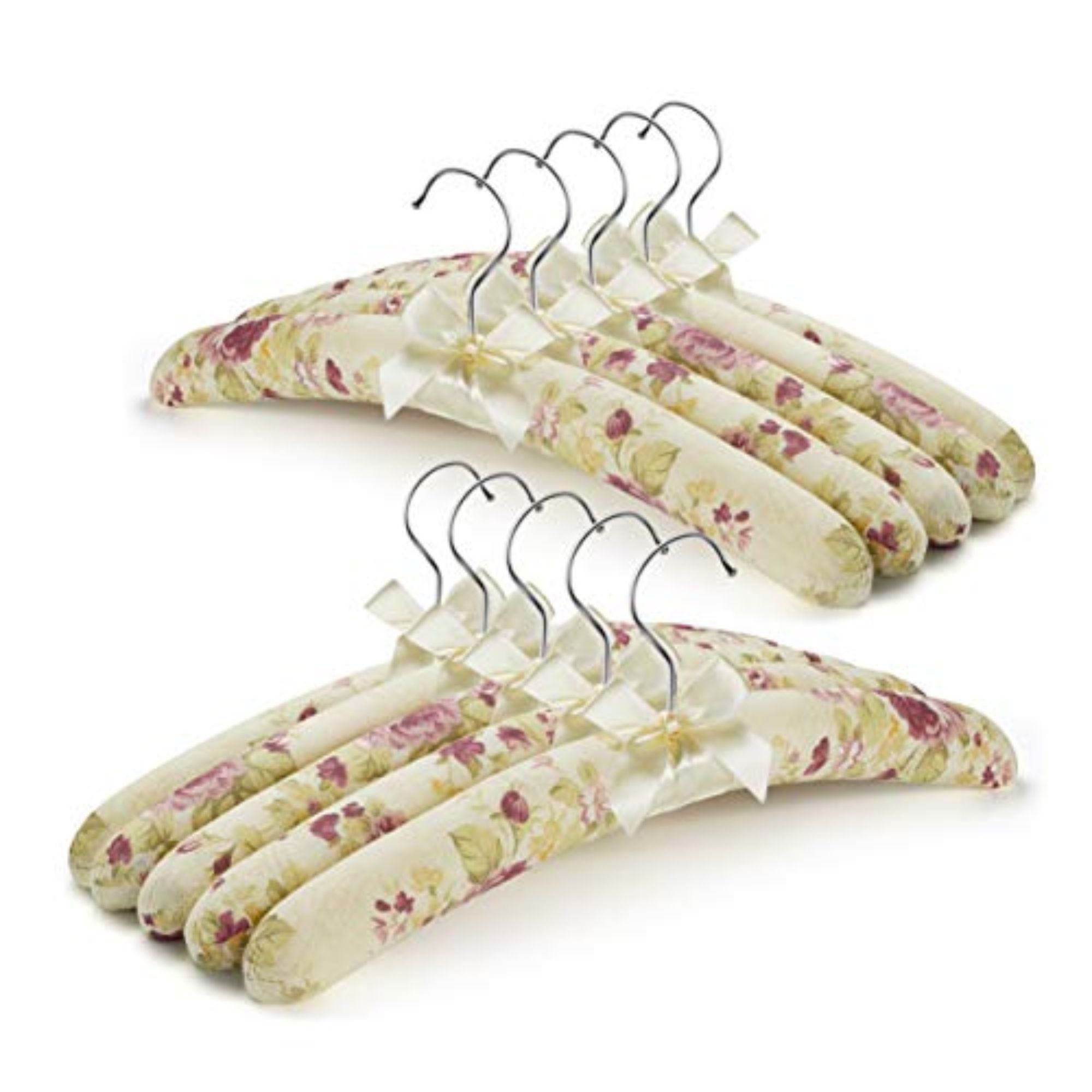
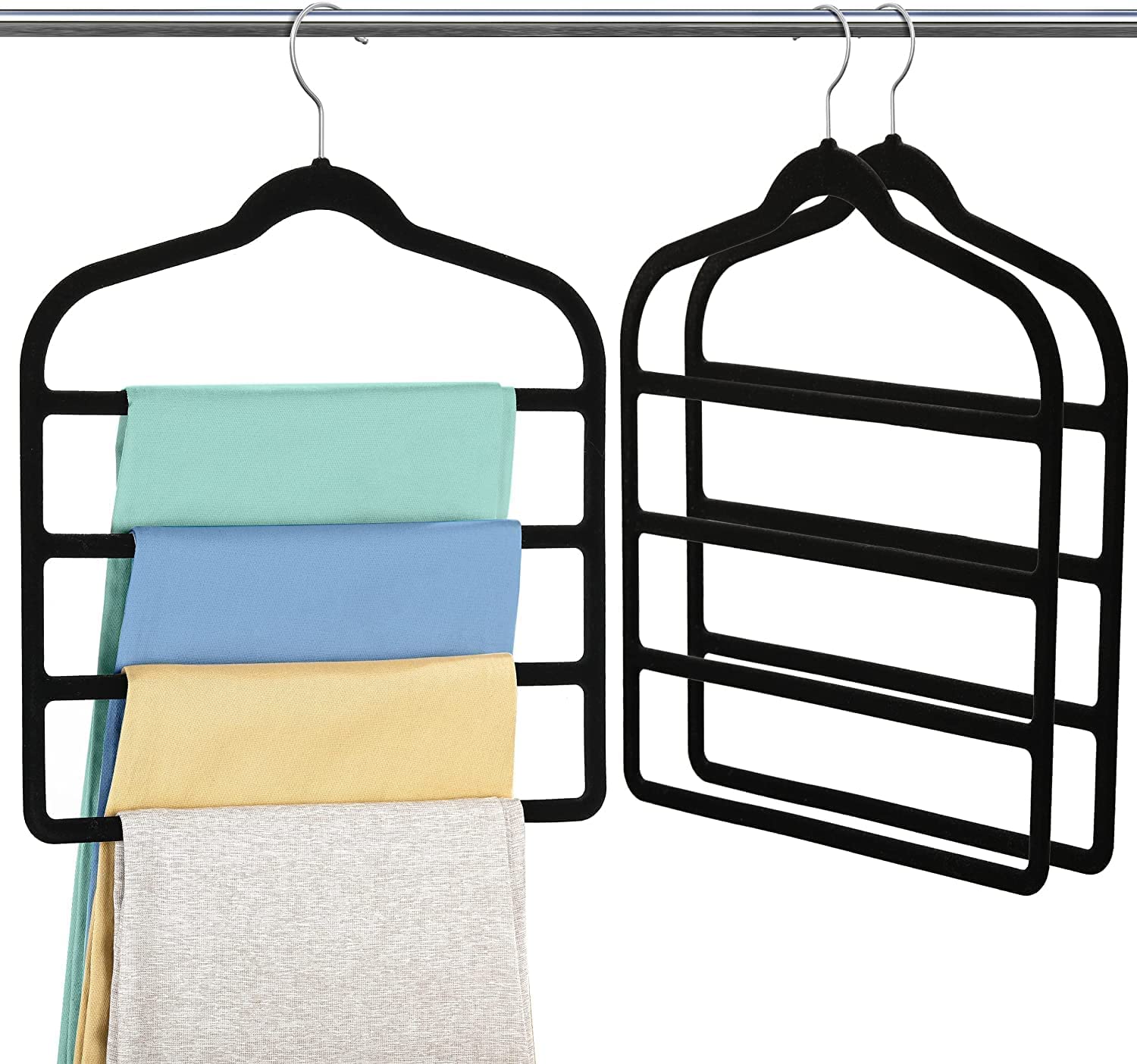
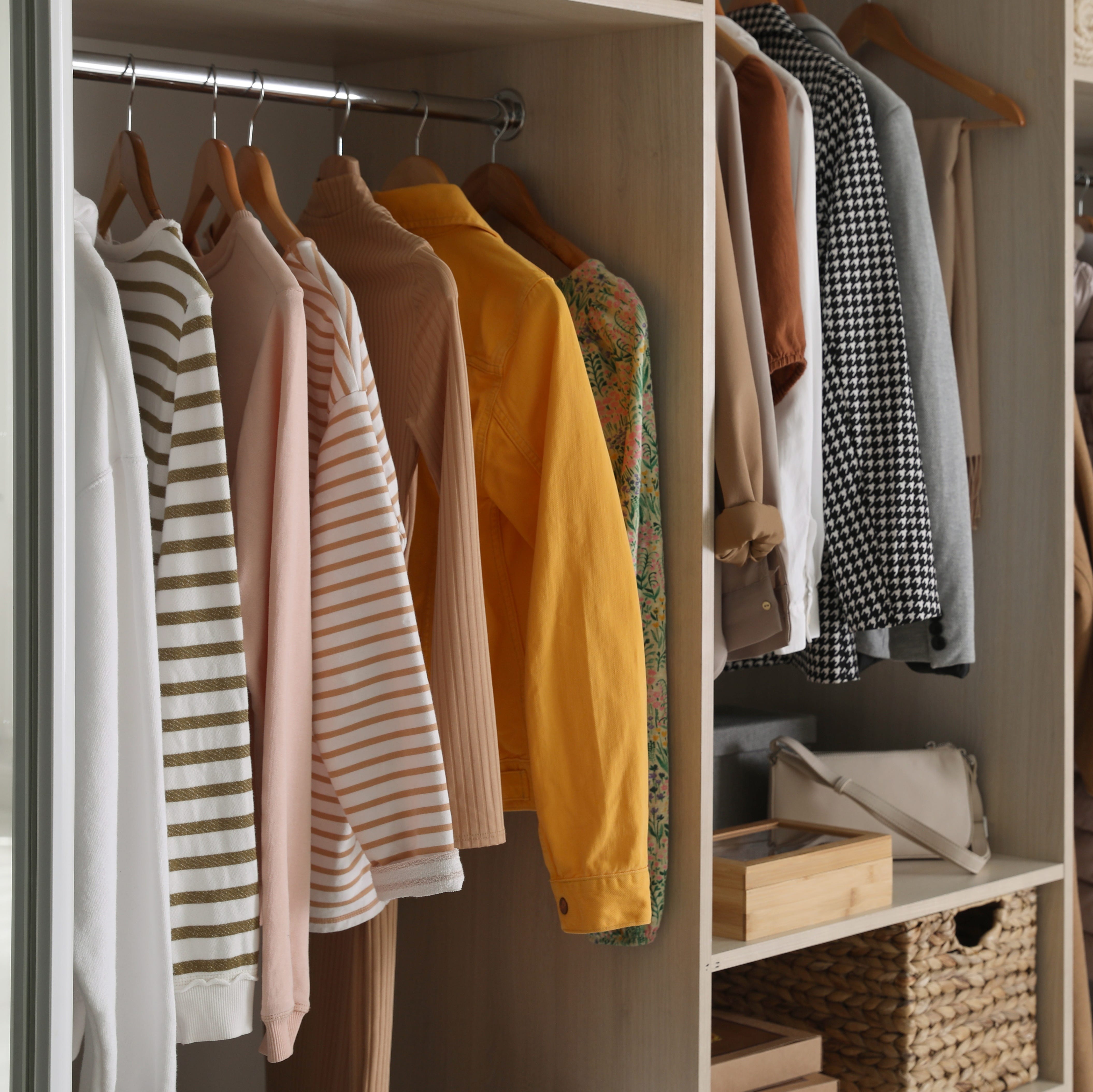
Improper hanger usage can also damage clothes and lead to disorganization. Wiss advises folding pants vertically with back pockets facing out to maintain their shape and prevent snags. For tops, utilizing the garment's extra support straps prevents slippage and protects delicate fabrics. Storing clothing in cardboard boxes is another pitfall, as the cardboard and glue can transfer odors to clothes that are difficult to remove. Finally, allowing random items to accumulate in the closet indicates a need for reassessment. Gabai suggests identifying what is accumulating, determining its appropriate section, and deciding where it truly belongs to maintain an organized space.
#ClosetOrganization #HomeOrganization #StorageSolutions #Decluttering #WardrobeManagement #OrganizationalMistakes #ExpertTips #SeasonalStorage #ClosetOrganization #HomeOrganization #StorageSolutions #Decluttering #WardrobeManagement #OrganizationalMistakes #ExpertTips #SeasonalStorage
合計0件のコメント
 まだコメントはありません
あなたも好きかもしれません
These 5 Linen Closet Organization Mistakes Are Costing You Space and Losing You Time


6 warning signs it is time to quickly reorganize your closet and make stressful mornings easy to navigate again

If Your Closet Is A Total Horror Show, These 30 Things Will Turn It Into An Organized Dream Come True

6 Things That Are Making Your Closet Feel Cramped, According to Designers

Never Make These Closet Organization Mistakes, Warn Experts

10 Must-Haves For an Organized Closet
Are You Making These Closet Organization Mistakes? Read Our Expert Tips on What Not to Do

10 Laundry Room Design Choices You'll Regret, According to Pros

7 things the most organized people have in their closets – and what they always do first
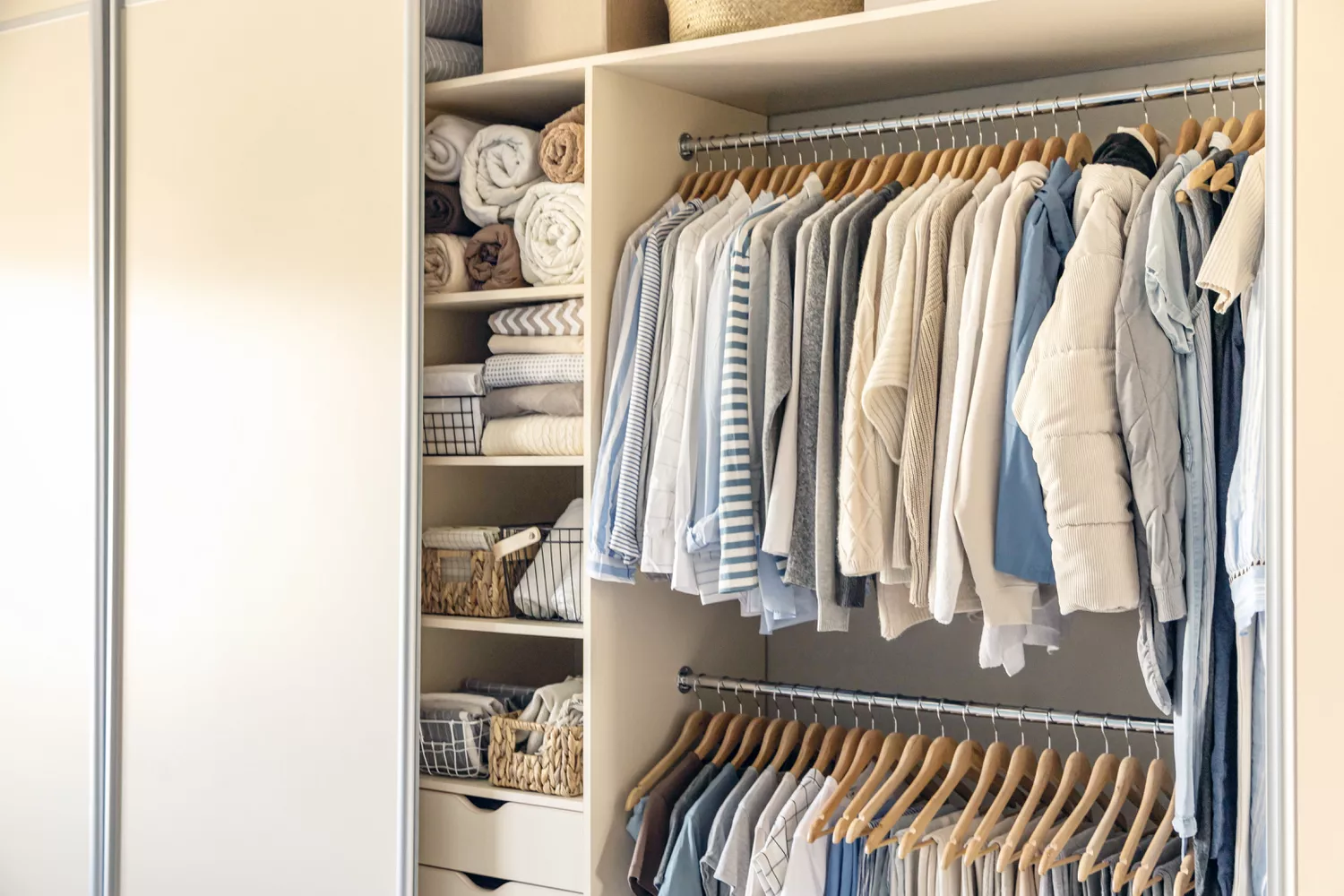
8 Closet Organization Mistakes That Annoy Pro Organizers—and Make Your Space Way Less Functional

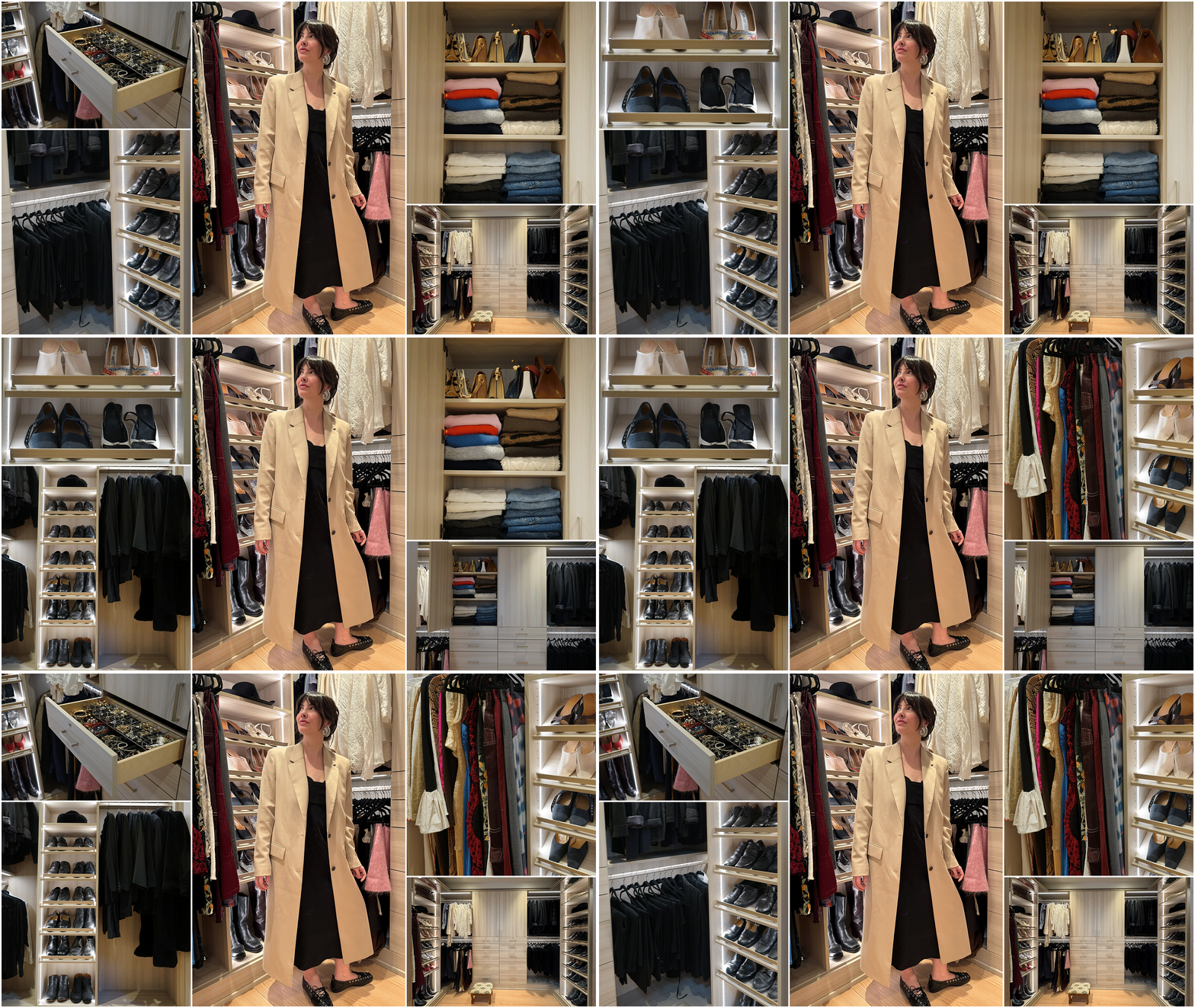
I Spent a Year Designing My Closet—Here Are My Top 8 Organizing Tips


Think twice before throwing out this often recycled item – it's the key to crease-free clothes in your closet
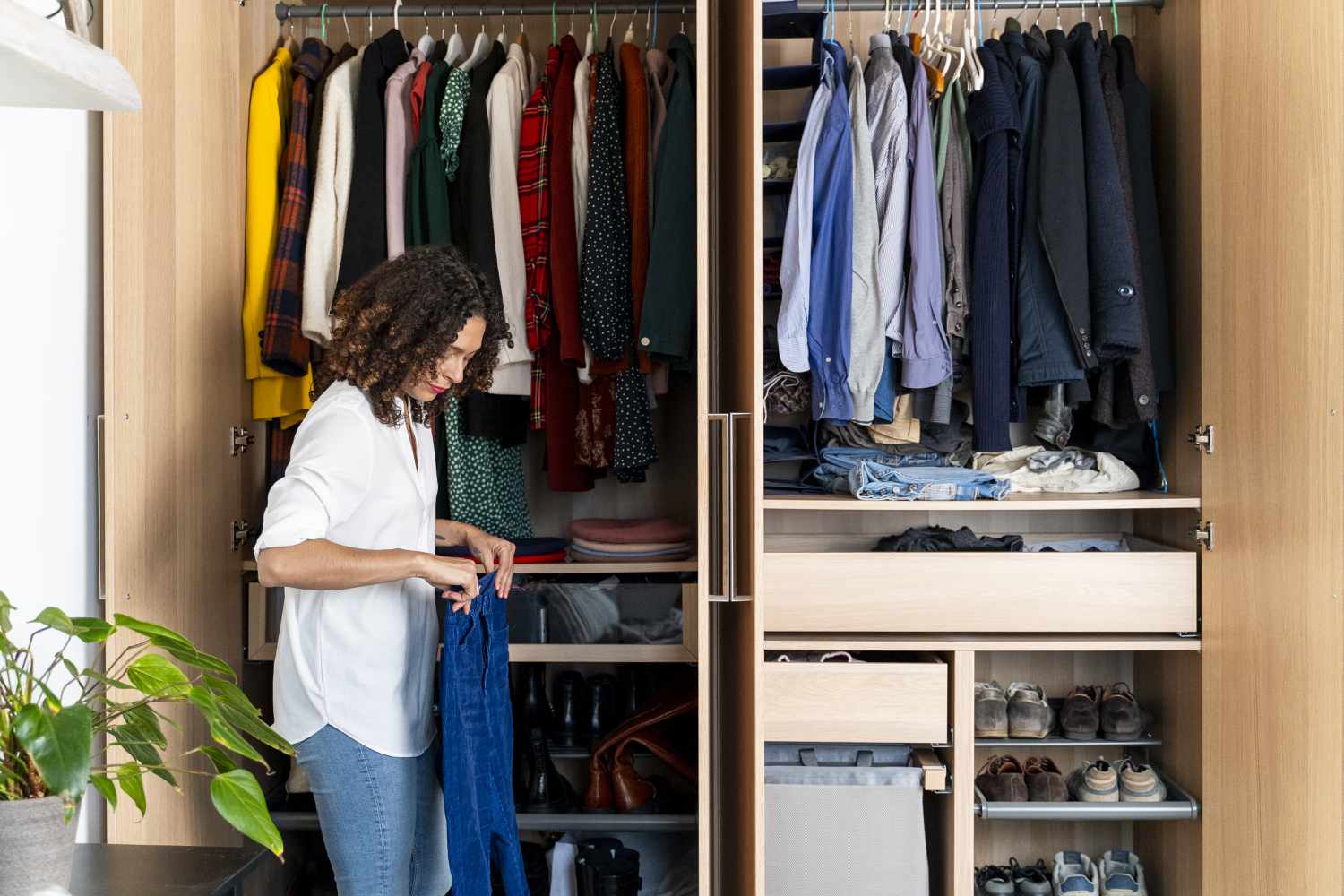
10 Closet Organizing Mistakes You're Probably Making
How To Organize Your Messy, Crowded Closet

7 of the best space saving hangers to organize your closet

How To Declutter Your Wardrobe Like A Pro: Expert-Approved Tips And Easy Storage Hacks
21 Ways To Organize Your Clothes If You Can’t Bring Yourself To Downsize Your Wardrobe
10 Clever Ways to Organize a Small Laundry Room

Give Your Wardrobe an Energy Glow-Up by Ditching These 5 Feng Shui Closet Mistakes Now (And Forevermore)
5 Mistakes People Make When Organizing Their Closets—and How to Fix Them