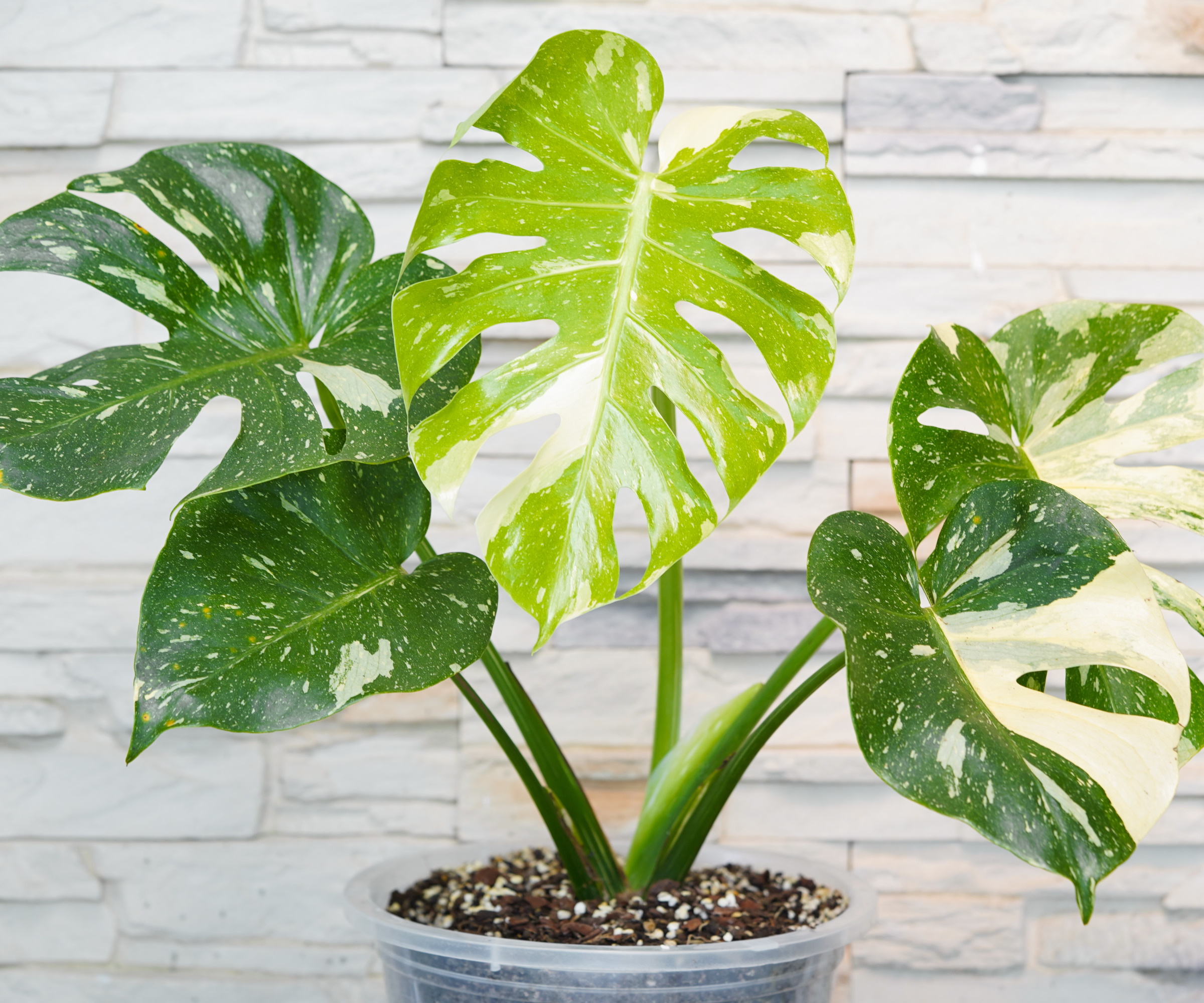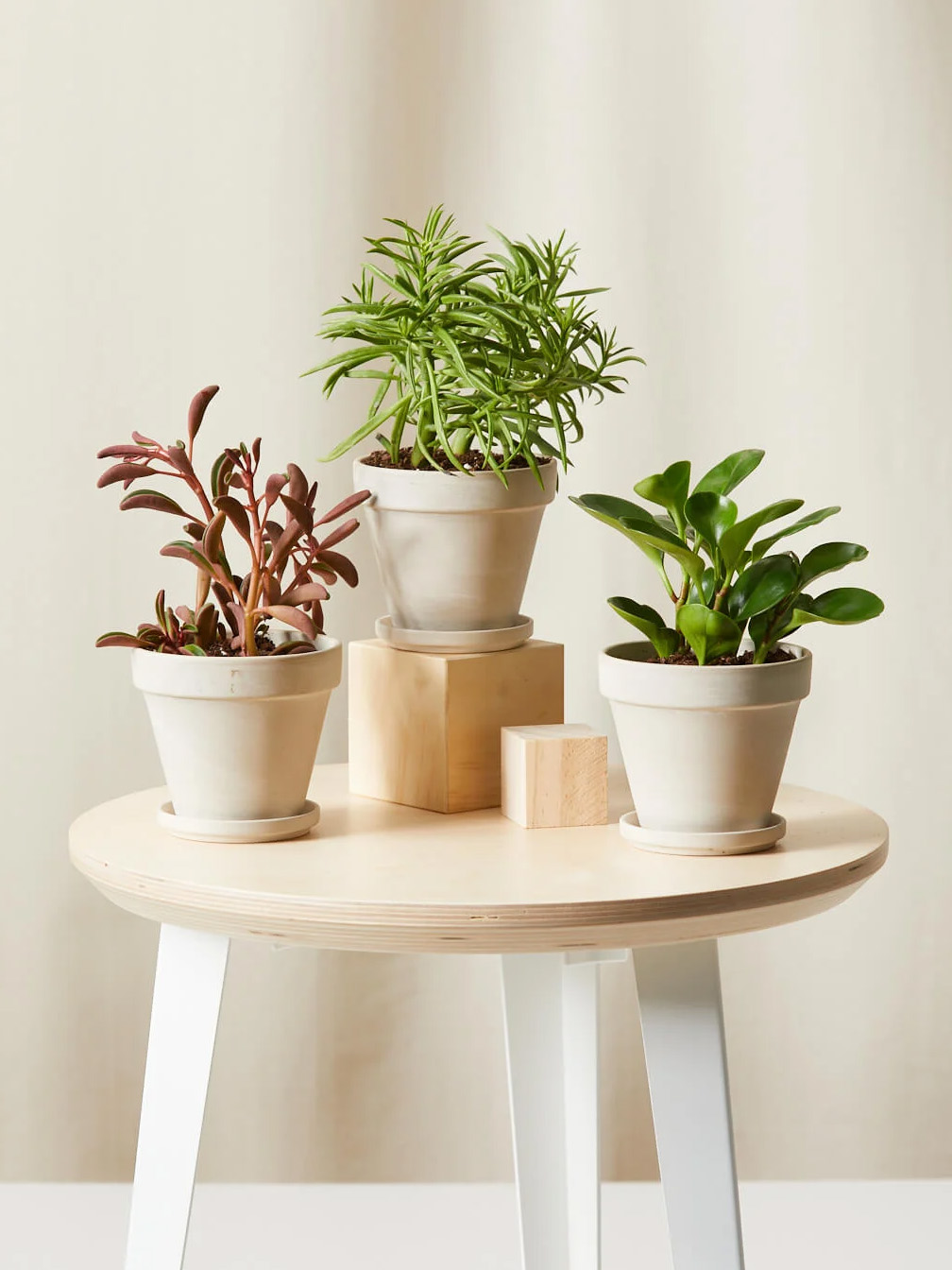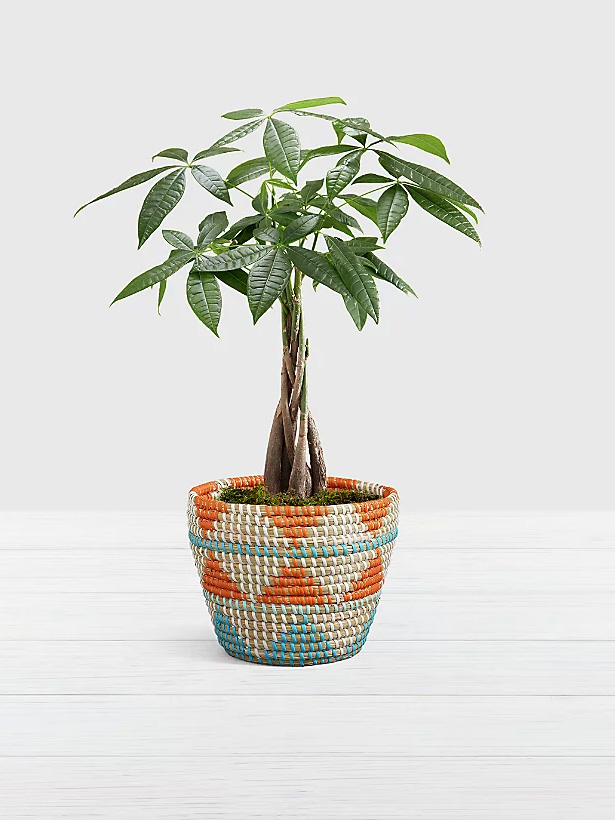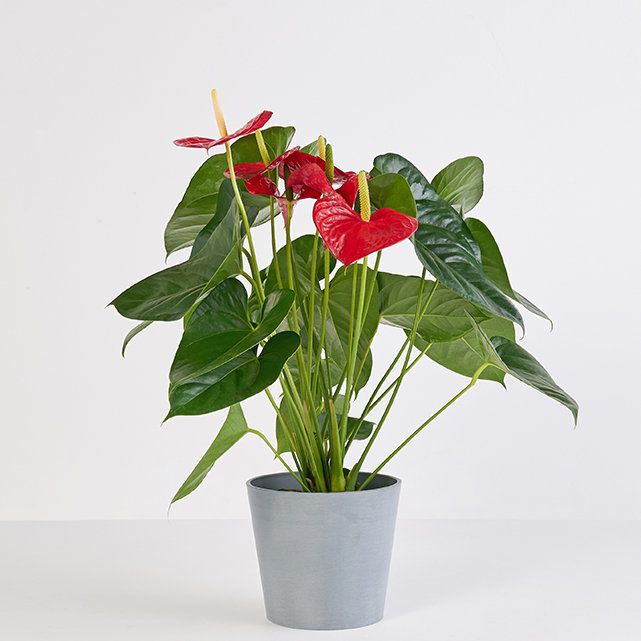
We Found the Perfect Planters for Monsteras, Snake Plants, and Every Other Plant in Your Home
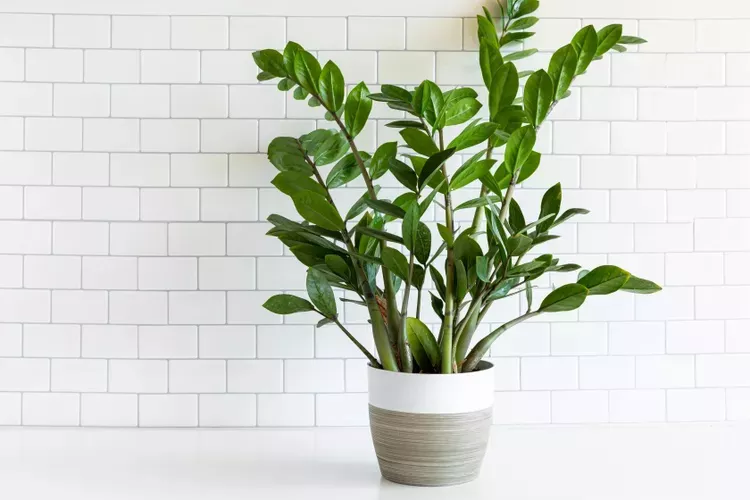
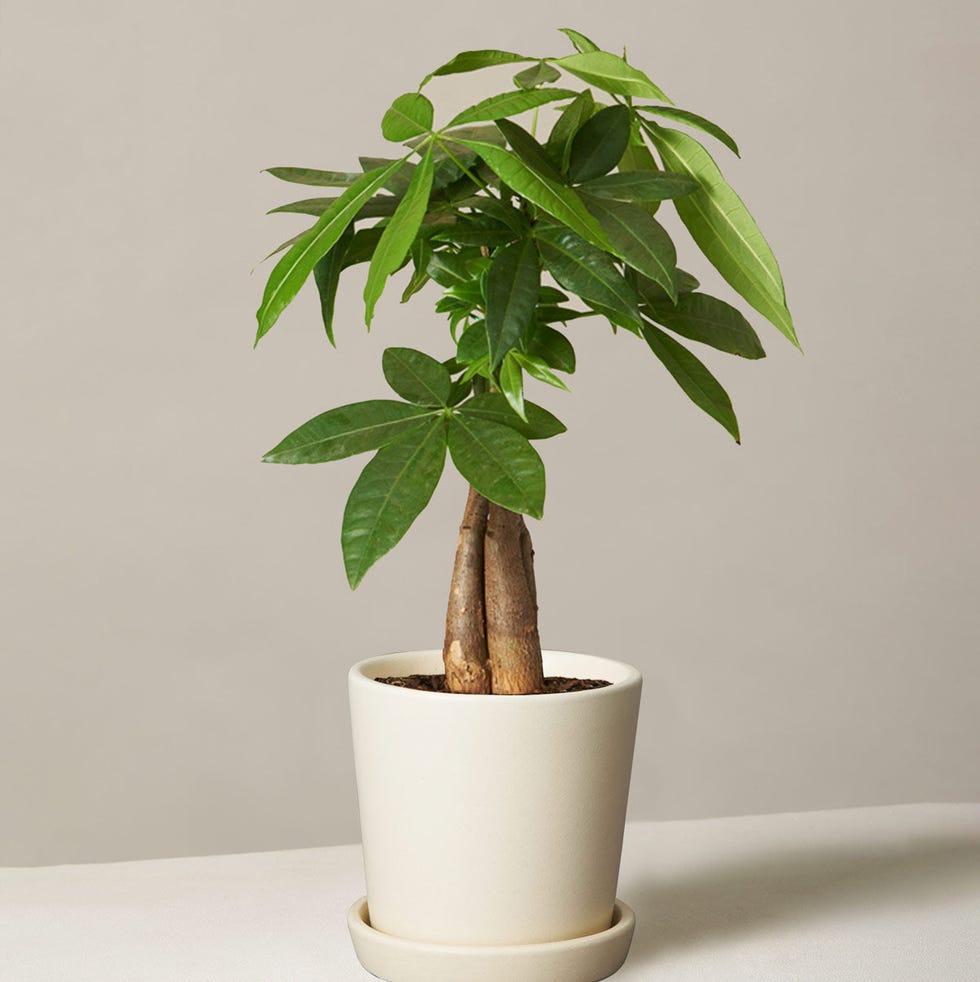
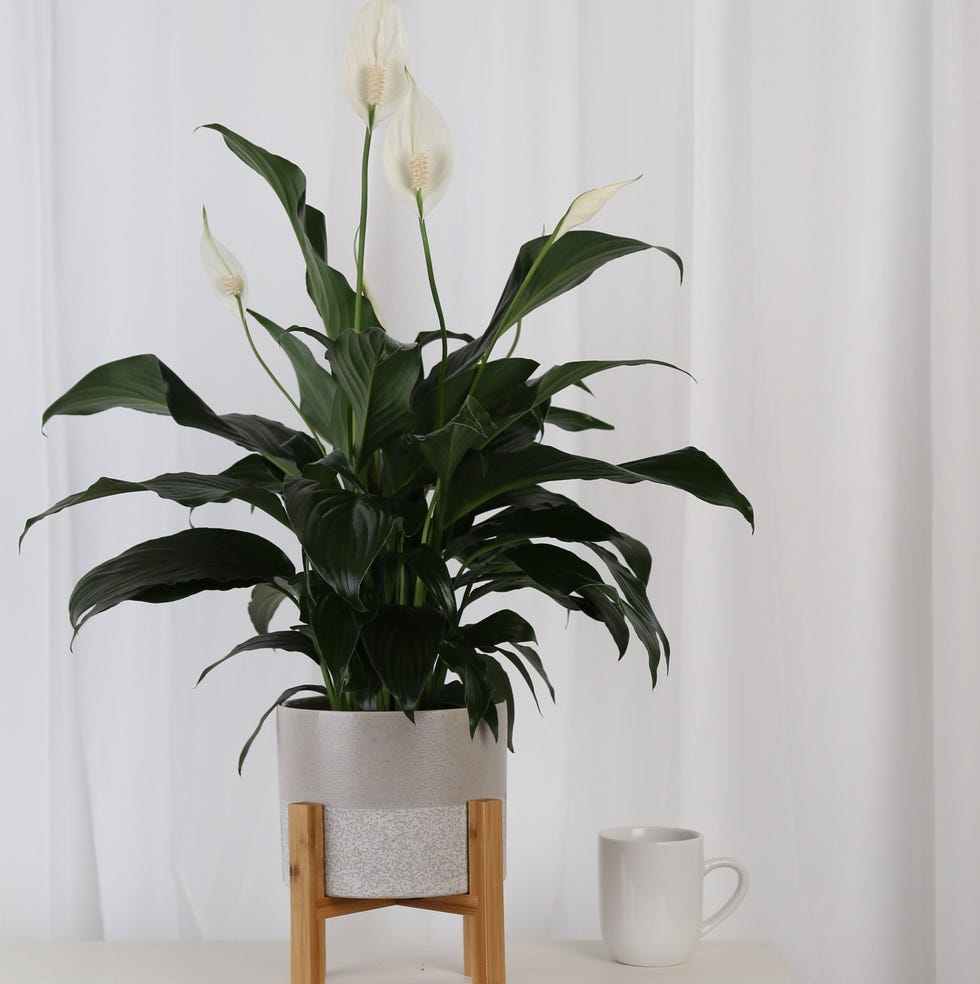
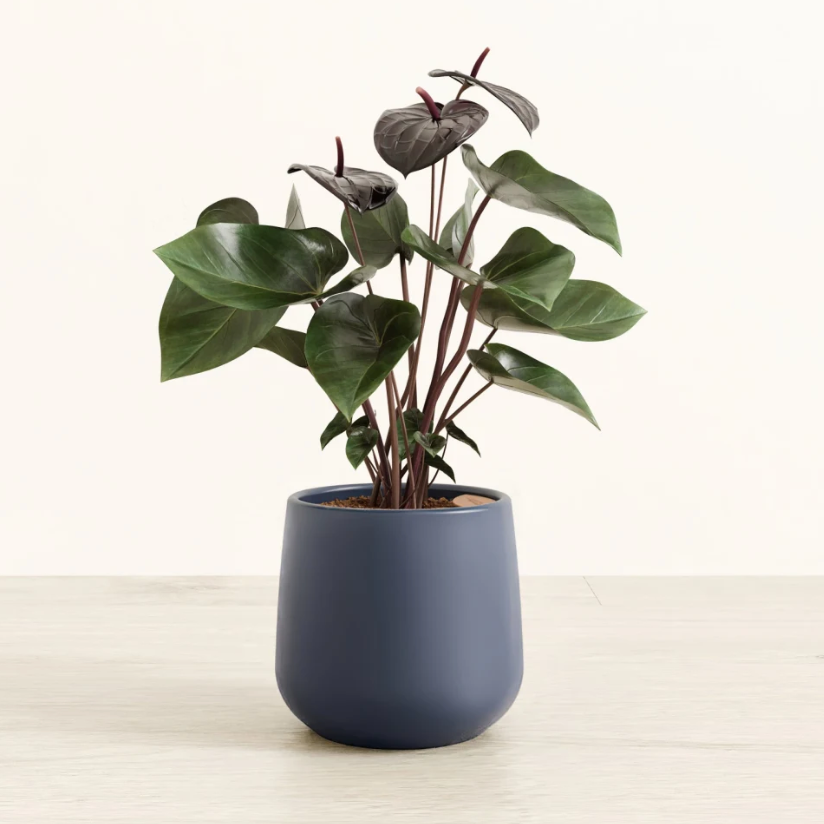
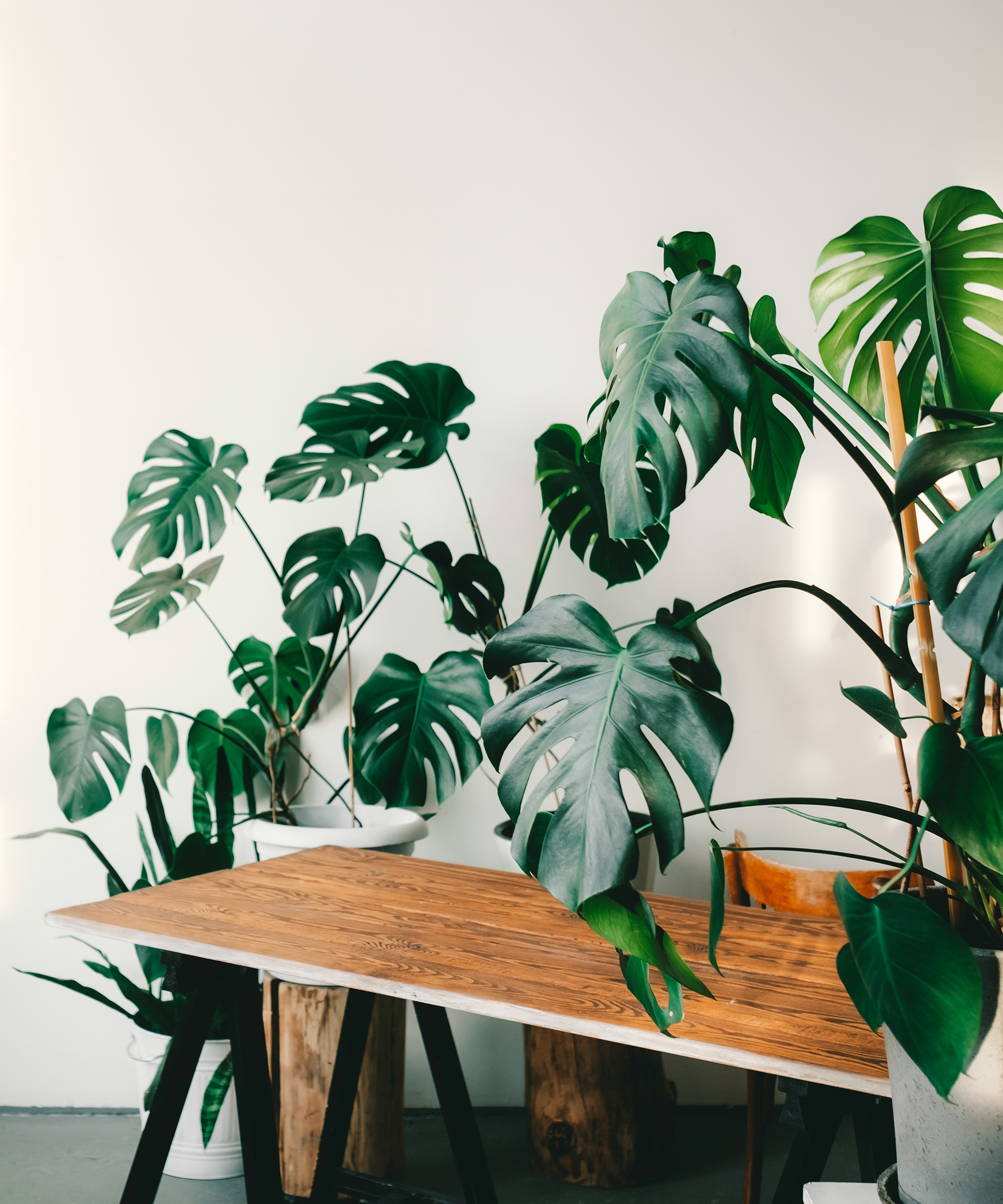
Selecting the appropriate planter for houseplants is crucial for both their health and enhancing home decor. The right planter can transform an ordinary houseplant into a statement piece, or even provide a stylish home for artificial greenery. Before purchasing a plant pot, key considerations include the available space, the specific plant type, and the absolute necessity of a drainage hole. A drainage hole is vital to prevent waterlogging and disease, making its presence a non-negotiable feature for optimal plant health. This guide exclusively features planters that ensure proper drainage.
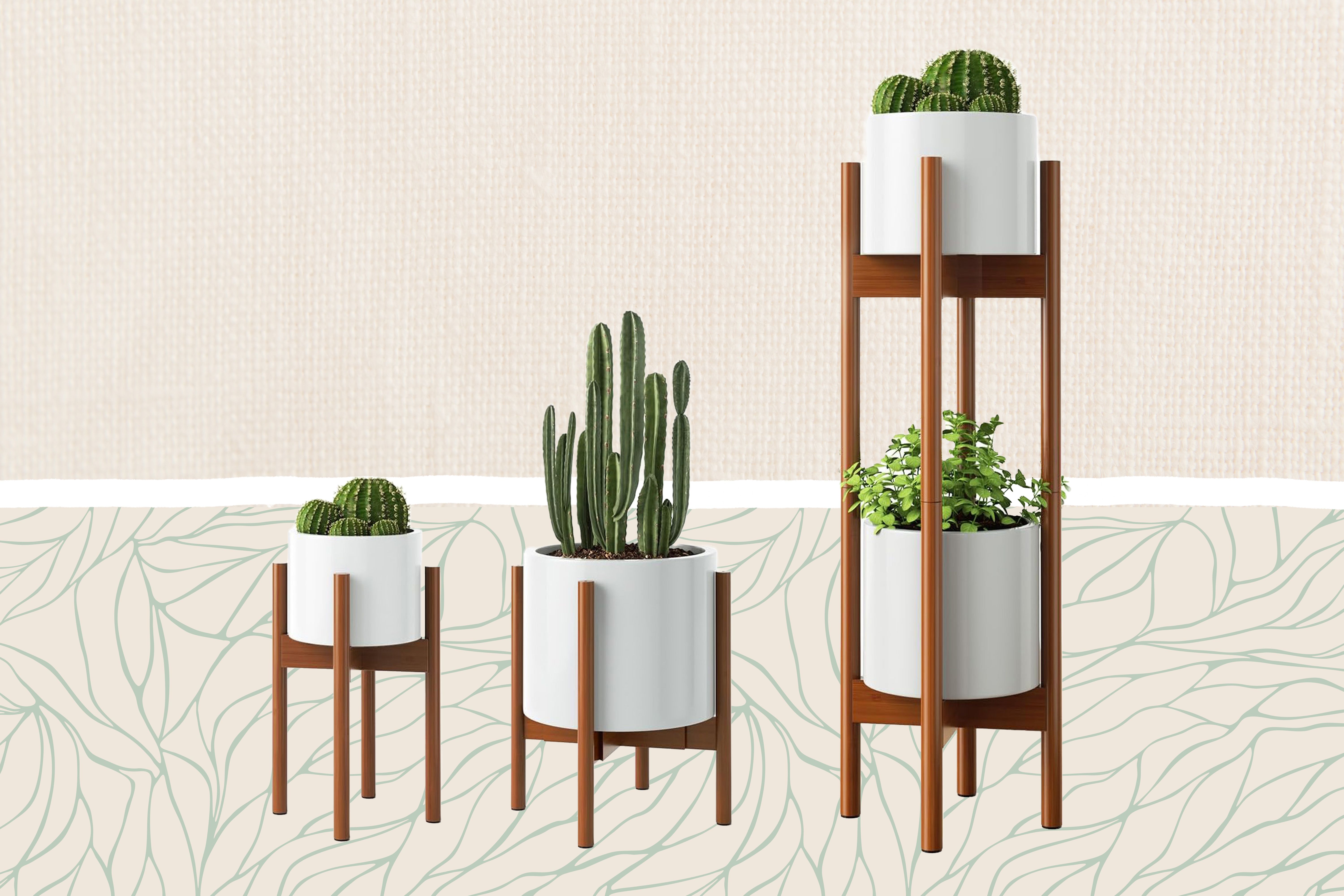
The guide categorizes and reviews various indoor planters, starting with ceramic options. Ceramic pots are highlighted for their durability and sleek appearance, despite often being more expensive. The Rifle Paper Co. x Target Indoor Planter is featured for its playful designs, such as jungle animals or hydrangeas, suitable for adding personality to a room. For those preferring a more subdued aesthetic, the Amazon Basics Fluted Ceramic Planter offers a creamy white option that blends seamlessly with existing decor. Another notable ceramic choice, the Mercury Row Surles Modern Ceramic Planter, provides a pop of color with its wood legs, though care is advised during watering to prevent spills.
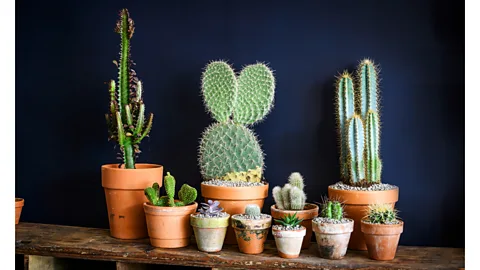
Terracotta planters are favored for their classic appeal, strength, and breathability. The Orceler Terracotta and Clay Planters are recommended for their high-quality, ultra-high-temperature fired clay construction, which makes them durable and more breathable. For a more decorative option, the Bergs Copenhagen Terracotta Pot + Saucer Set, handcrafted in Italy, offers a refined design in various sizes. The Better Homes & Gardens Ellington Clay Planter integrates built-in legs to facilitate drainage and protect surfaces from water marks.
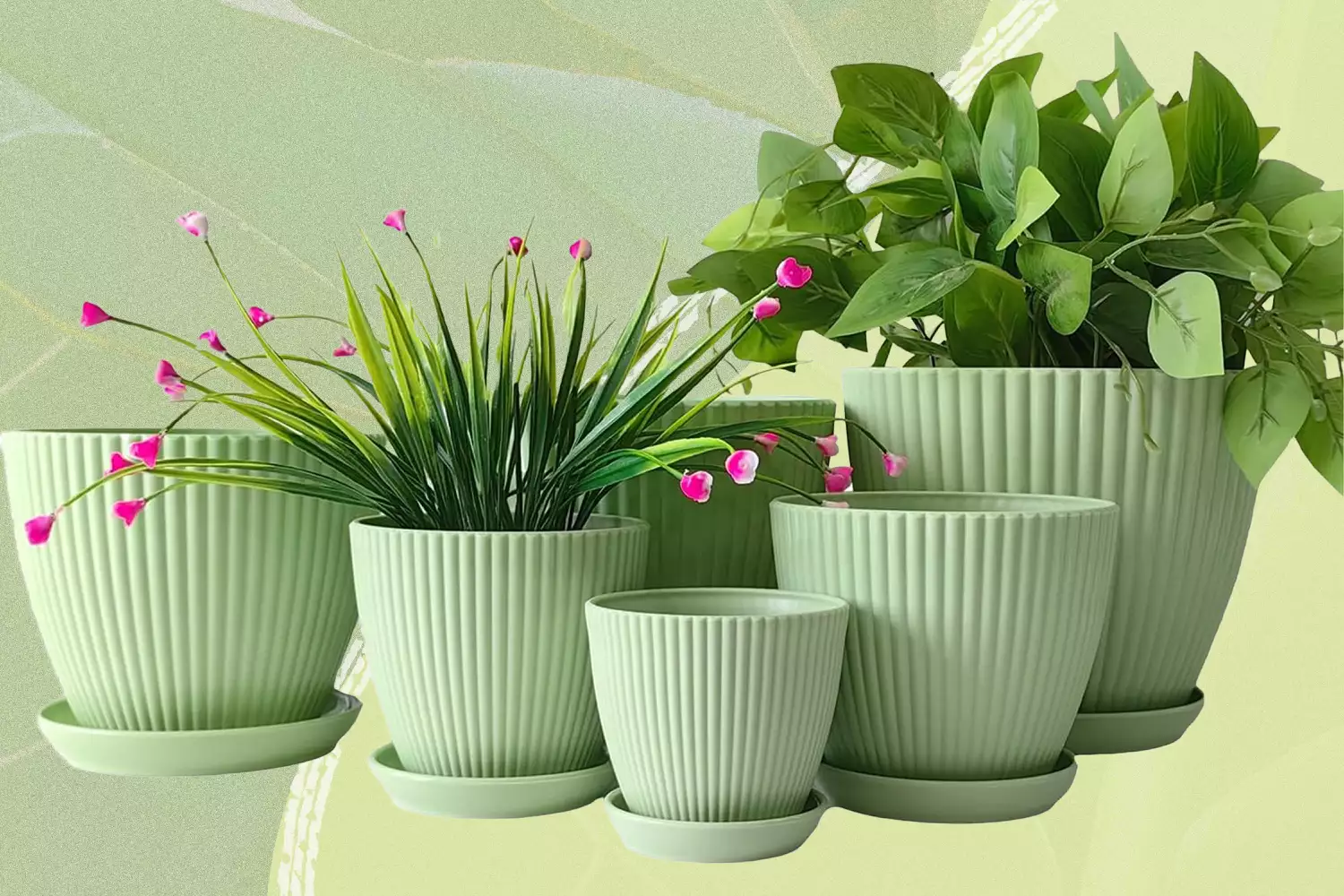
Plastic planters are presented as a more affordable yet stylish and practical alternative. The RooTrimmer Plant Pots, available in multiple sizes and colors like green, include saucers to catch excess water, a significant advantage for indoor use. While less sturdy than ceramic, they are practical. The Ecopots Terracotta Plastic Planter is singled out for its realistic terracotta appearance and availability in neutral shades. Other plastic options, such as the O Ecopots by TPC Plastic Planter and the D'vine Dev Planter Pot with Stand, are also noted for their functional and aesthetic qualities.
Self-watering planters are lauded as a beneficial solution for plant owners, simplifying plant care. These planters feature a reservoir that gradually supplies water to the plant, ensuring consistent hydration. The Chubacoo Self-Watering Plant Pot is recognized for its elegant design, smart self-watering mechanism via a cotton rope, and durable ceramic construction, making it suitable for both indoor and outdoor use. Other innovative self-watering options include the MoMA Design Store Self-Watering Wet Pot, which combines terracotta and glass, and the Winston Porter Clywd Window Box Planter, designed for outdoor windows with minimal watering effort.
Hanging planters are recommended for showcasing trailing plants like pothos or philodendrons. The Terrain Hanging Round Cement Planter is highlighted for its sturdy cement construction and a drainage hole with a rubber plug, allowing for mess-free watering. Additional hanging planter suggestions include the midcentury-inspired Abetree Hanging Planter and the whimsical Connova Smiley Face Flower Pot, both designed to add character to any space while accommodating plant growth.
Ultimately, the selection of an indoor planter depends on several factors: material, drainage, and size. Materials like ceramic, terracotta, wood, stone, fiberglass, and plastic each offer different benefits in terms of weight, porosity, and aesthetic. Optimal drainage is crucial, with at least one drainage hole being essential. Planter size should correspond to the plant's needs, avoiding pots that are too small or excessively large to prevent stunted growth or root rot. For indoor gardens, well-draining soil and porous materials like unglazed clay or wood are ideal. To manage drainage for hanging planters, options include watering in a sink or using planters with integrated saucers. The guide emphasizes finding planters that balance functionality with personal style to create a healthy and aesthetically pleasing indoor plant collection.
#IndoorPlanters #HouseplantCare #HomeDecor #CeramicPlanters #TerracottaPots #PlasticPlanters #SelfWateringPots #HangingPlanters #PlantDrainage #IndoorPlanters #HouseplantCare #HomeDecor #CeramicPlanters #TerracottaPots #PlasticPlanters #SelfWateringPots #HangingPlanters #PlantDrainage
0 commenti in totale
 Nessun commento ancora
Potresti anche gradire
10 Ideas for Decorating With Monstera That Will Make These Tropical Plants Your Favorite Part of Your Home

What are the best plants with green and white leaves? 8 of the most stylish variegated houseplants

Indoor garden ideas: 9 ways to create a plant-filled haven

The top 10 stores for indoor plants in Toronto
5 placements for Monstera deliciosa plants that will fill your home with prosperity

Types of spider plants – 8 varieties of this low maintenance favorite to grow at home
We Found the Best Apartment Plants That You Can Actually Grow, We Promise
The Best Places to Buy Plants Online

6 Trending Houseplants For 2025 That You Won't Want To Miss

The 8 Best Places to Buy Indoor Plants in 2025
Eight ways indoor plants can improve your home

Where to Buy the Healthiest Plants Online (Even if You're a Beginner)

Are Monsteras As Houseplants Going Out Of Style?
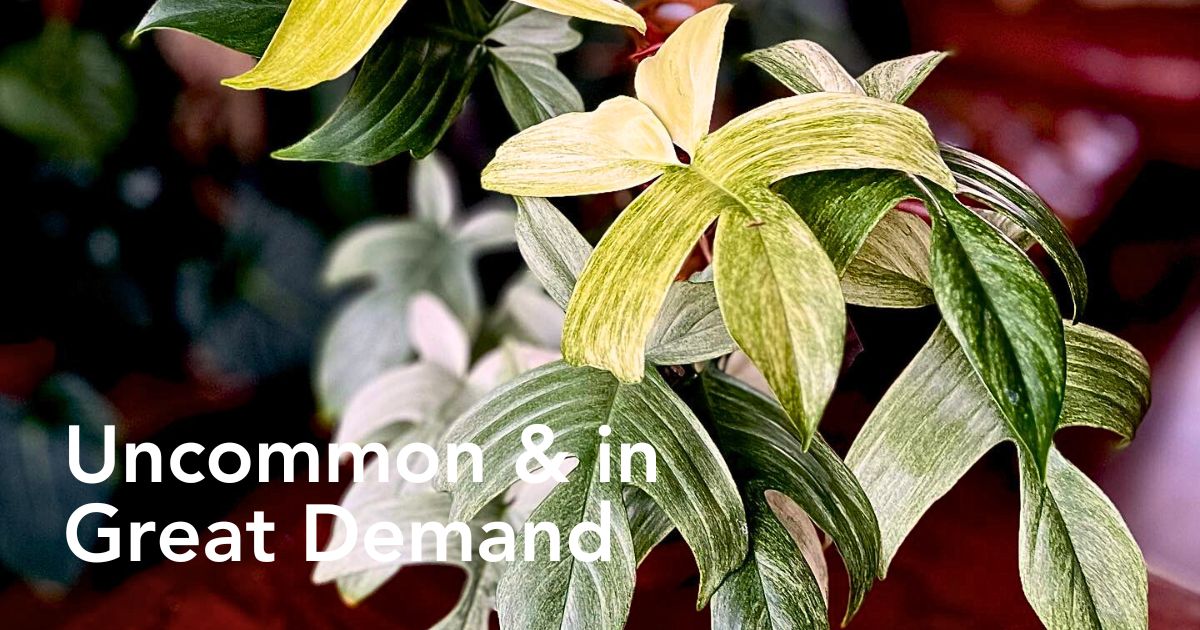
Are Rare and Expensive Houseplants the New Interior Design Objects?

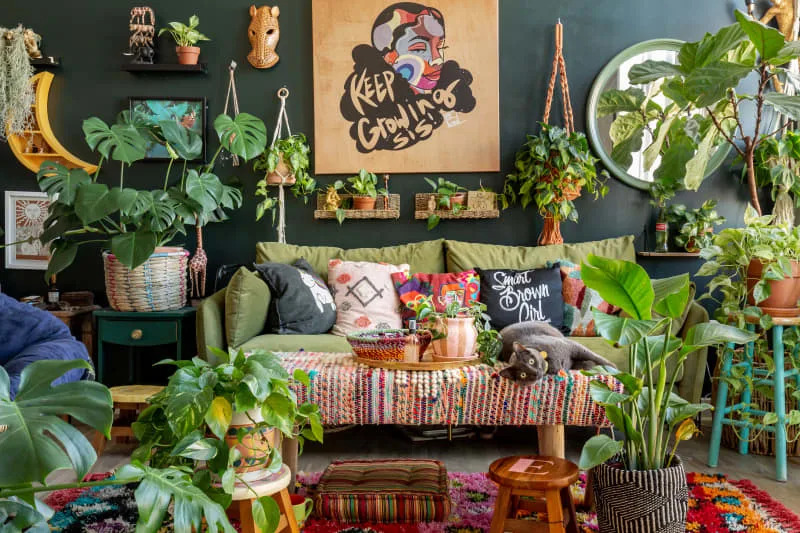
9 Houseplants You’ll See Everywhere in 2024, According to Influencers
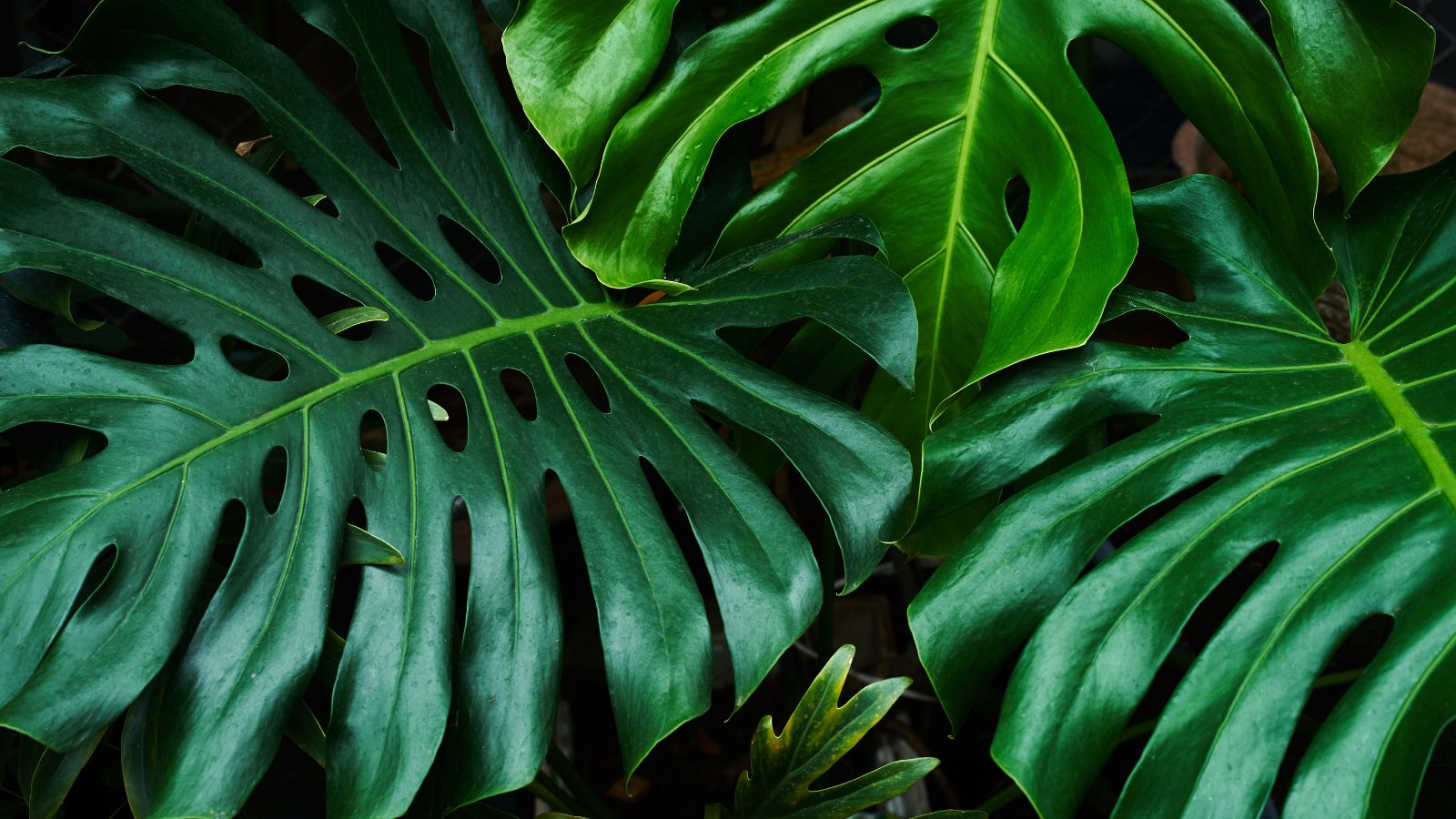
Where to place a monstera according to Feng Shui
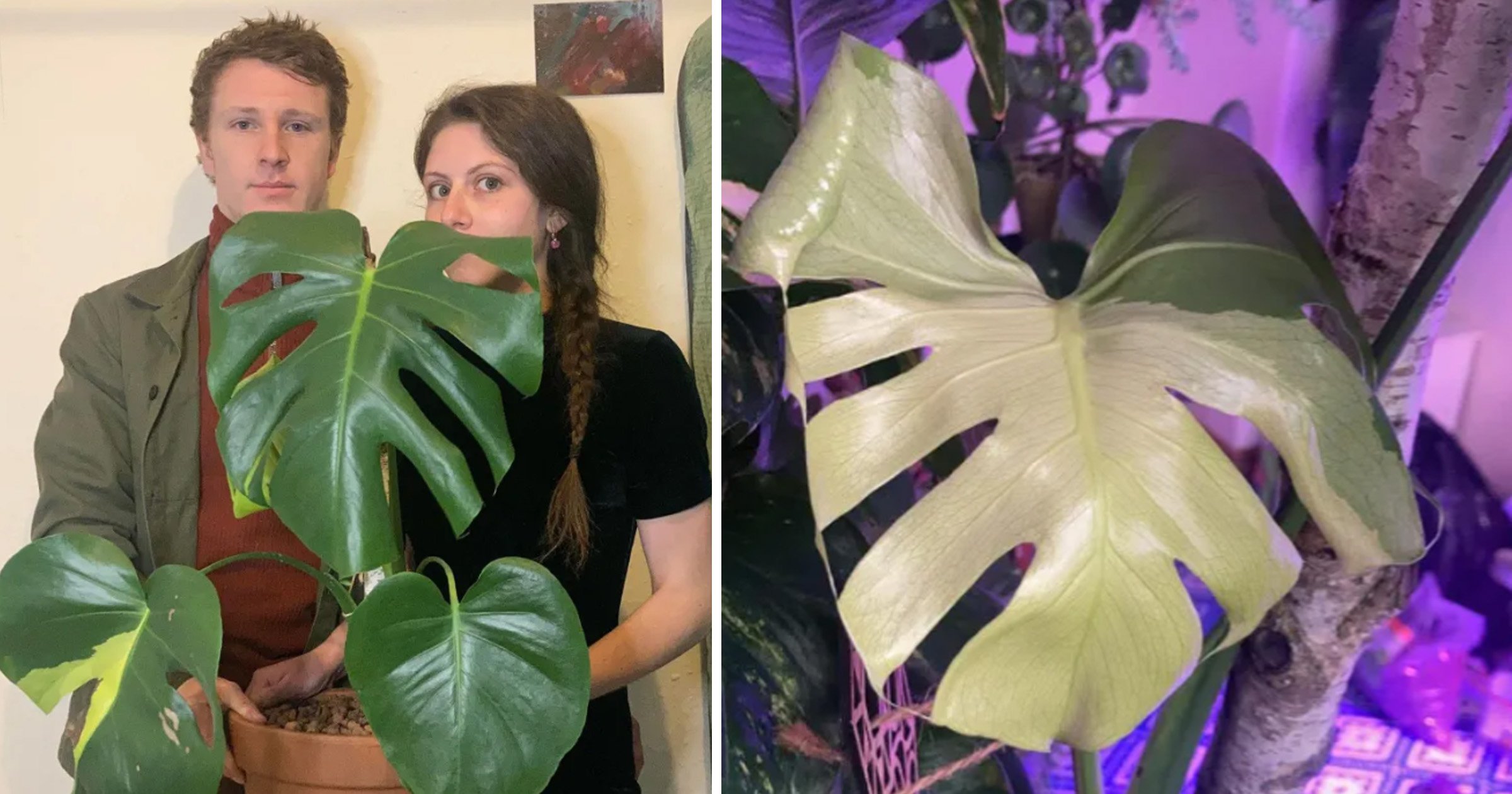
Couple buy £12 plant from B&Q worth thousands - how to spot your own

Monstera Albo Variegata: Why This Plant Costs Thousands
Best variegated indoor plants – 4 varieties with an unusual aesthetic
Elevate Your Indoor and Outdoor Plants with Our Favorite Plant Stands