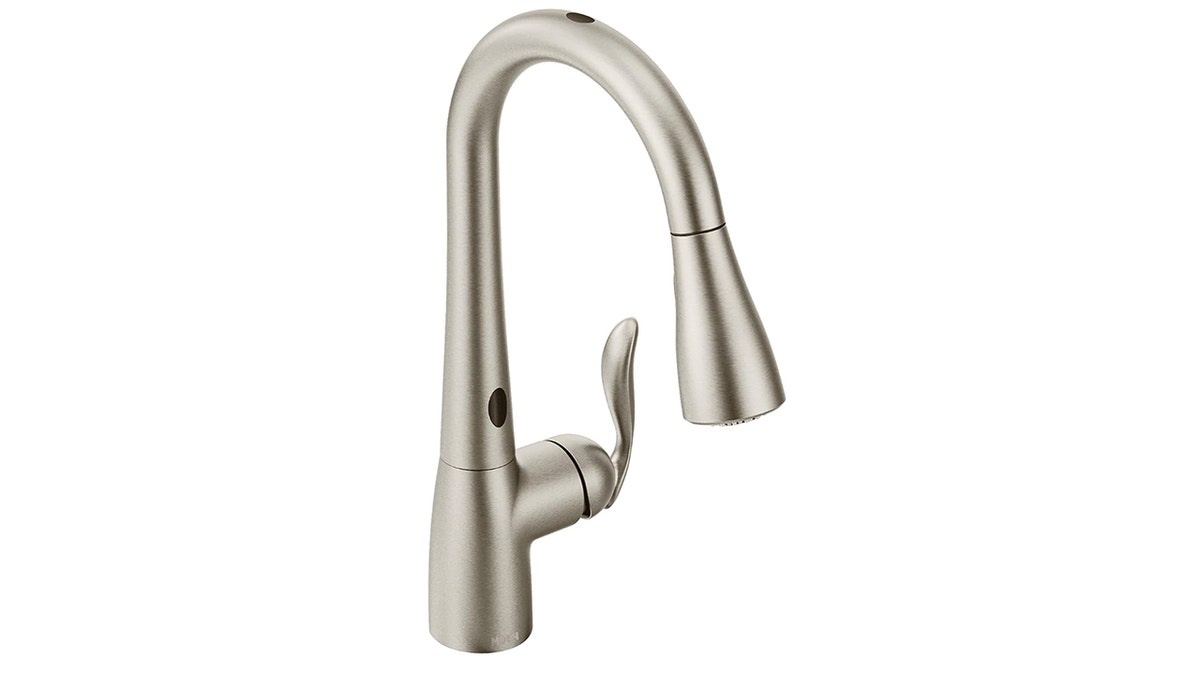

Top 7 home renovations that can increase your property's value — and quality of life as you age
With home prices at historic highs and mortgage rates remaining volatile, a growing number of Americans are opting to renovate their existing homes rather than relocate. A recent survey by Discover Home Loans indicates that over 55% of homeowners prefer investing in their current properties, with 57% either undertaking or planning renovations within the next year. As individuals age, renovation priorities often shift from purely resale value to encompass comfort, safety, and the ability to age in place. The advantage is that many renovations can achieve both objectives simultaneously.
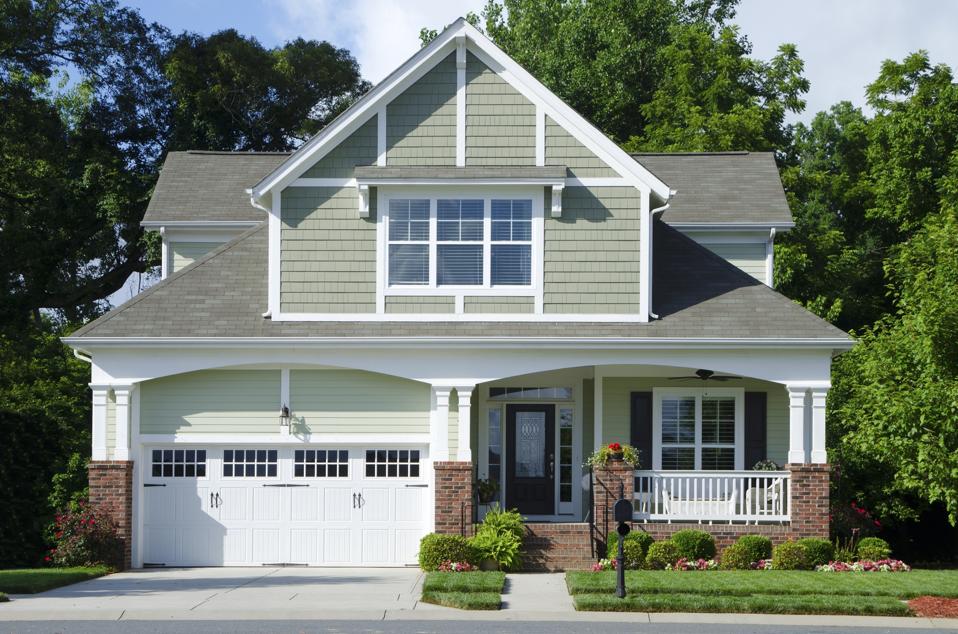
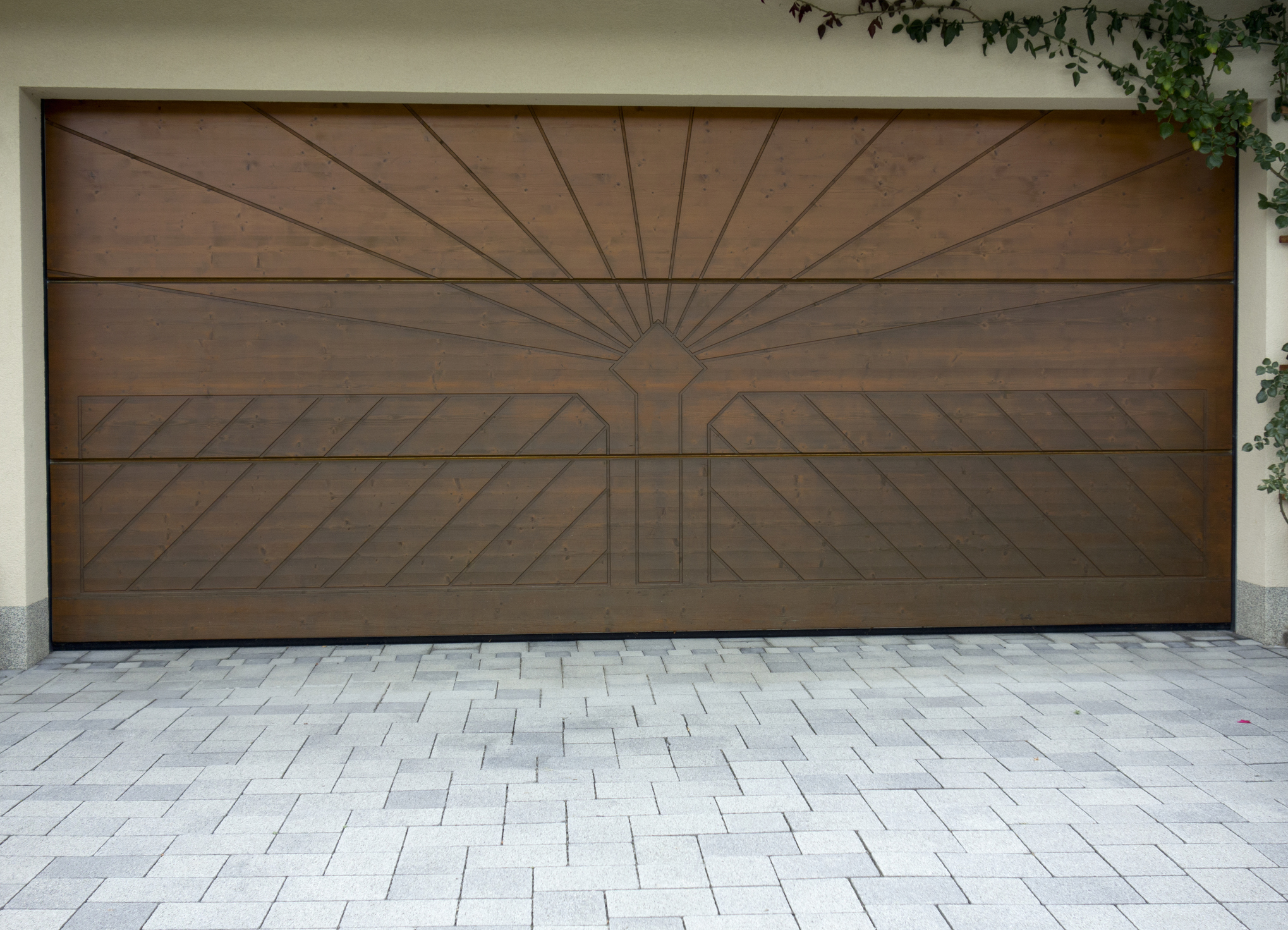
This article outlines seven home renovations that offer significant returns on investment while also improving quality of life for aging homeowners. The list is based on national averages and estimated ROI from Remodeling magazine’s 2024 Cost vs. Value data, emphasizing the importance of considering local market conditions, personal budgets, and long-term goals. The top renovation for 2024 is garage door replacement, boasting an average recoup of 193.9%. This improvement enhances curb appeal and offers a substantial ROI. Recommendations include using durable materials like steel, aluminum, or fiberglass, and installing automatic openers for convenience and accessibility. Entry door replacement, specifically with a steel door, follows closely with a 188.1% recoup. Beyond boosting curb appeal and energy efficiency, a new entry door can be adapted for aging in place by installing wide, flat thresholds, easy-to-grip handles, and keyless entry systems.
Manufactured stone veneer, designed to mimic natural stone at a lower cost, provides an average ROI of 153.2%. It’s highly durable and low-maintenance, making it suitable for long-term residency, provided it’s installed correctly to prevent moisture issues. A fiberglass grand entrance, which includes a new fiberglass door, sidelights, a transom window, new hardware, and a doorbell, yields a 97.4% recoup. Fiberglass is chosen for its low maintenance, energy efficiency, and durability, and can be enhanced with flat thresholds, lever-style handles, and smart locks for accessibility.
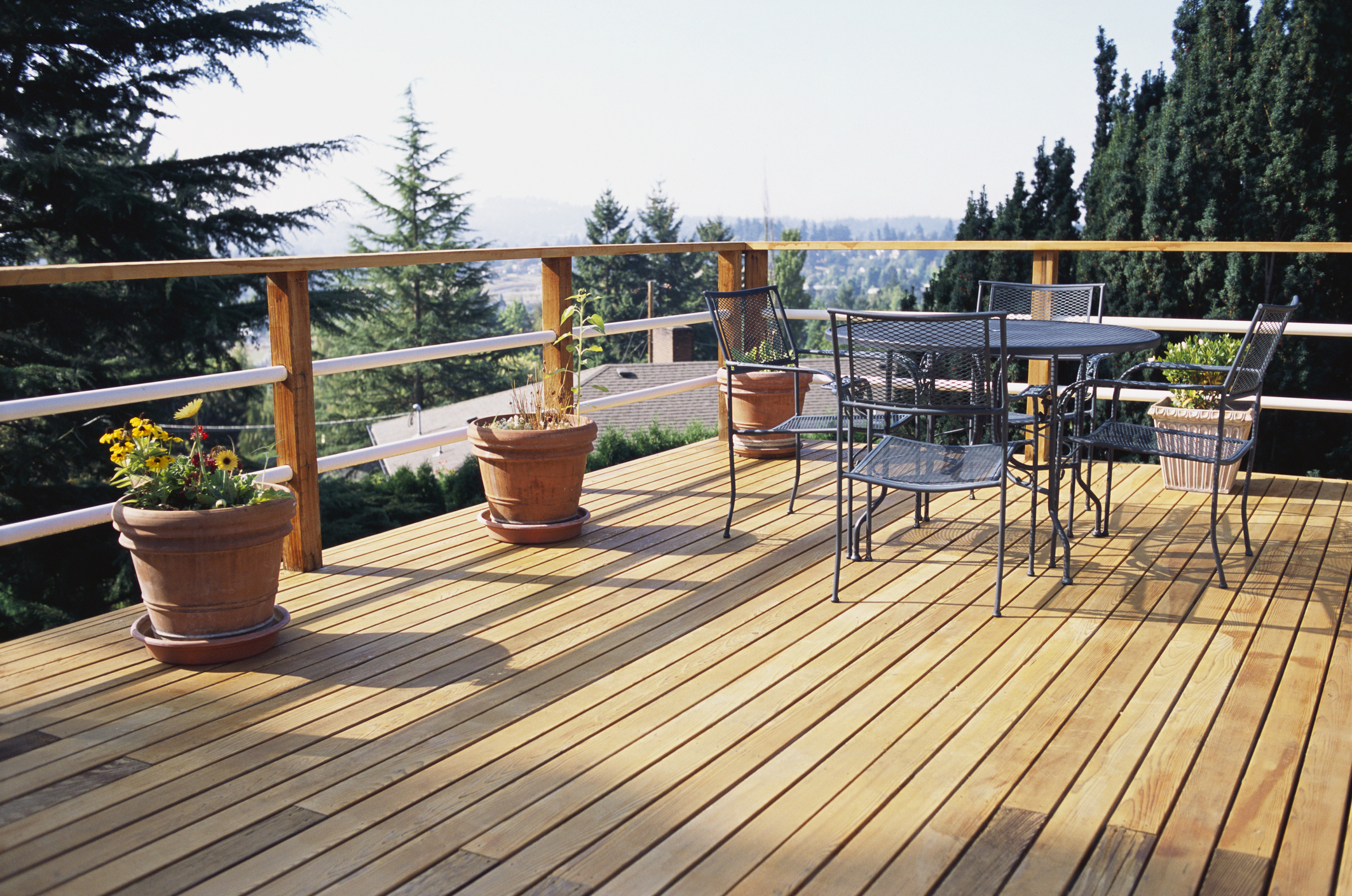
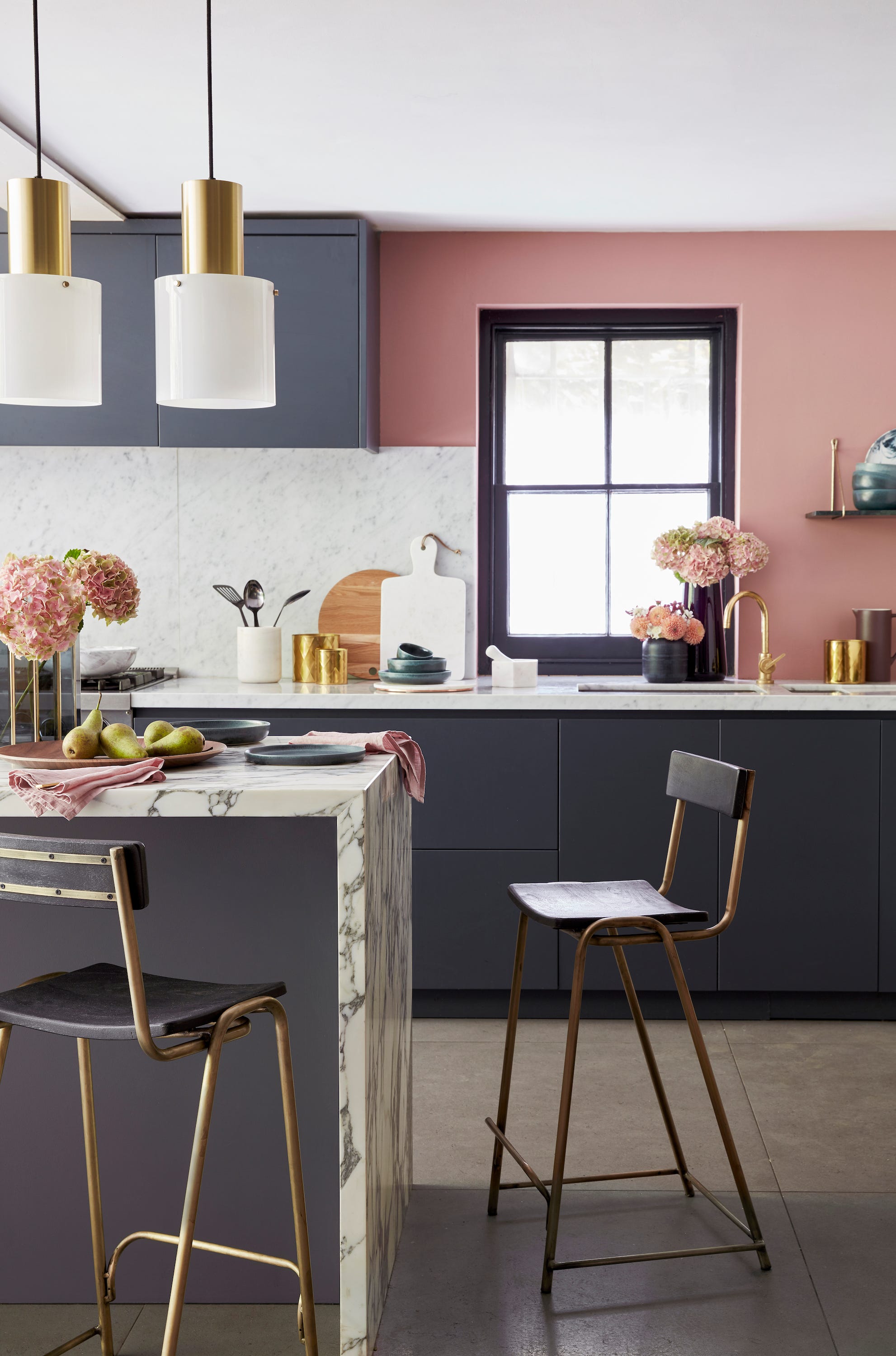
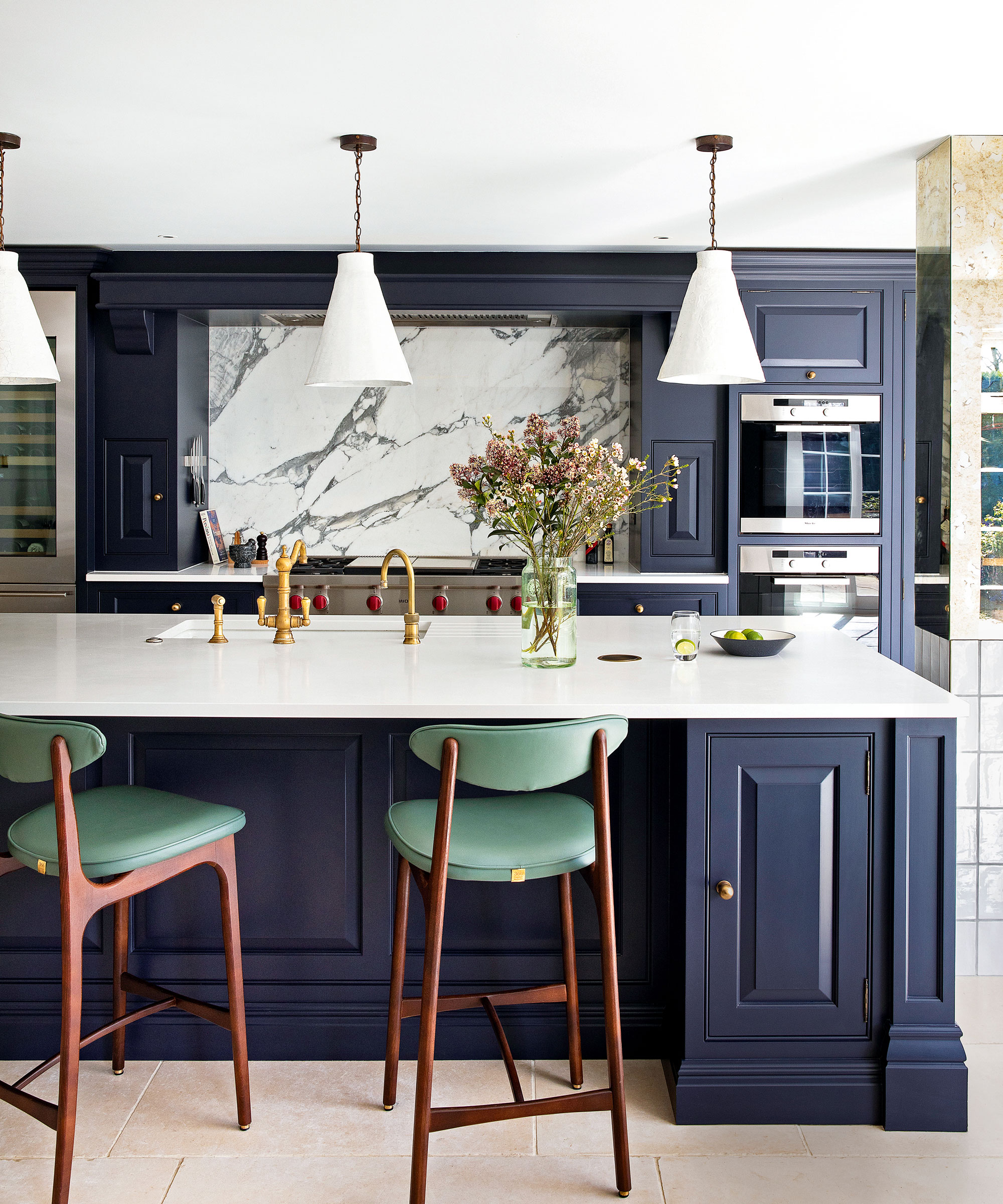
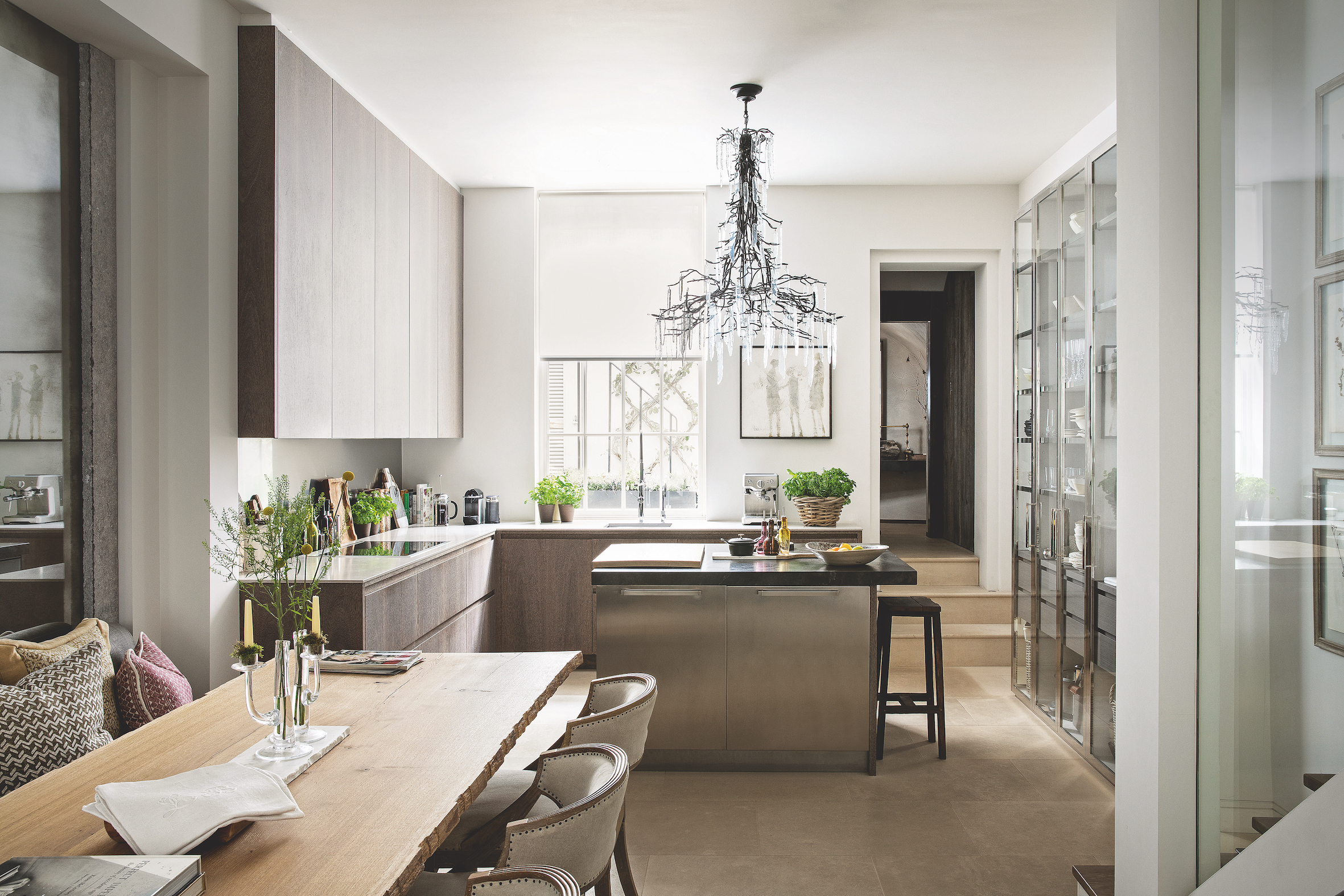
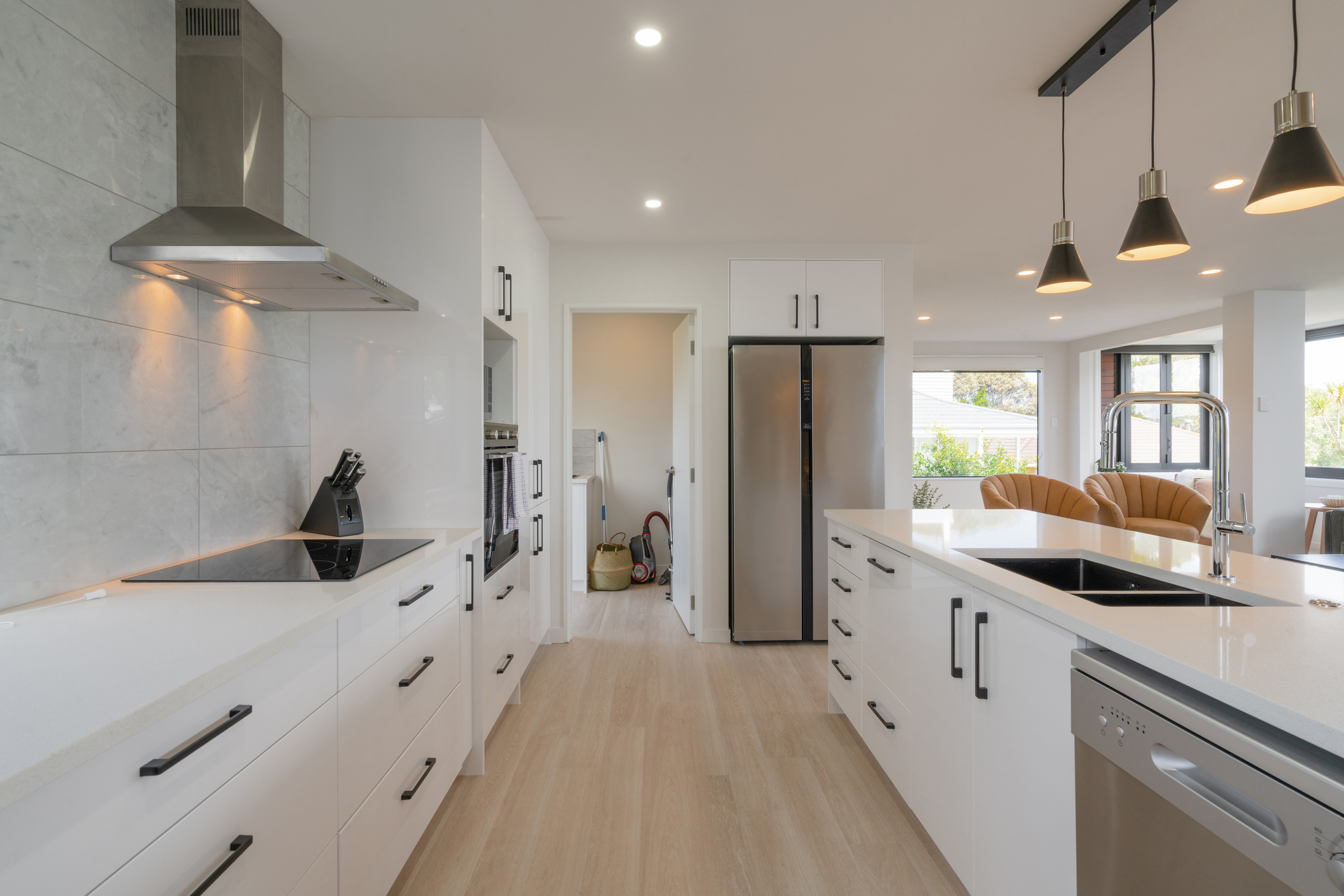
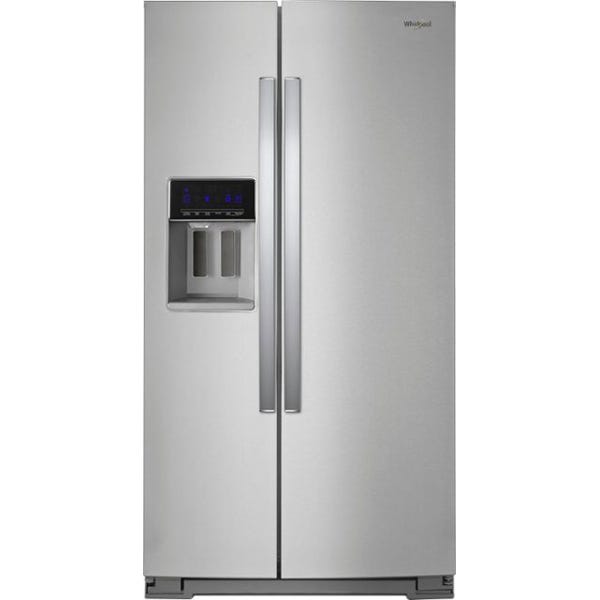
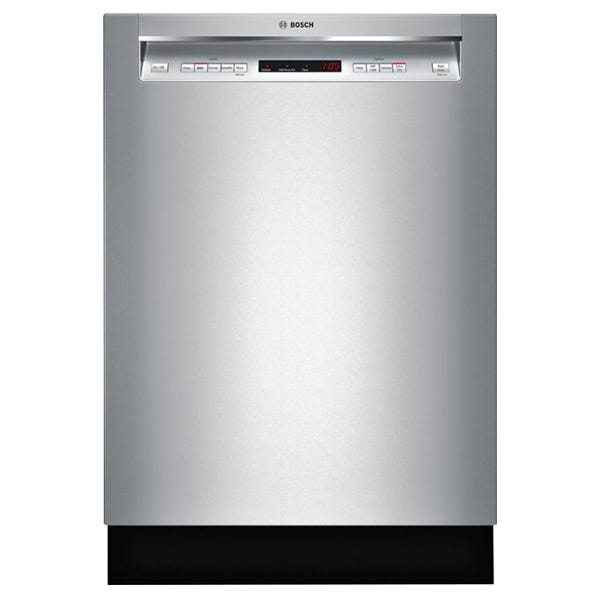
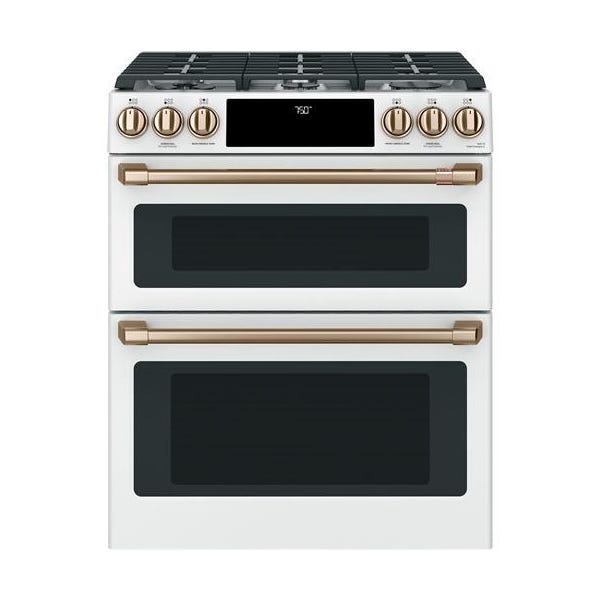
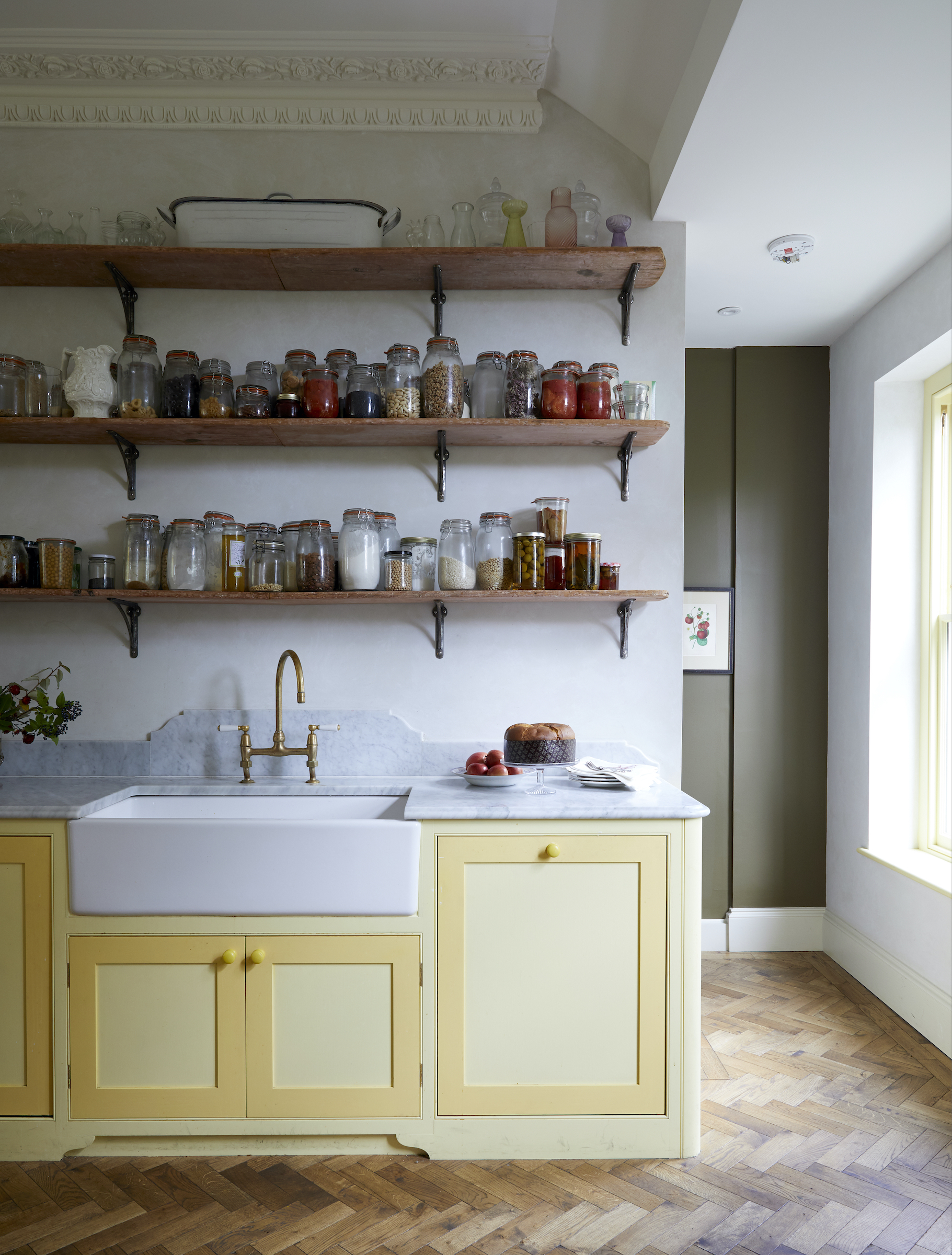
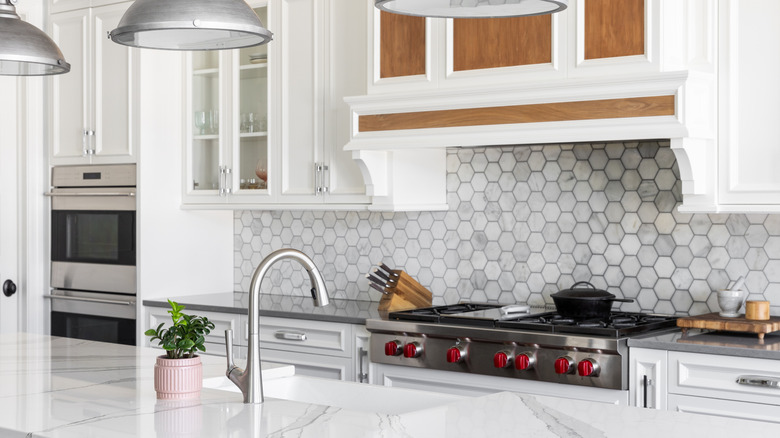
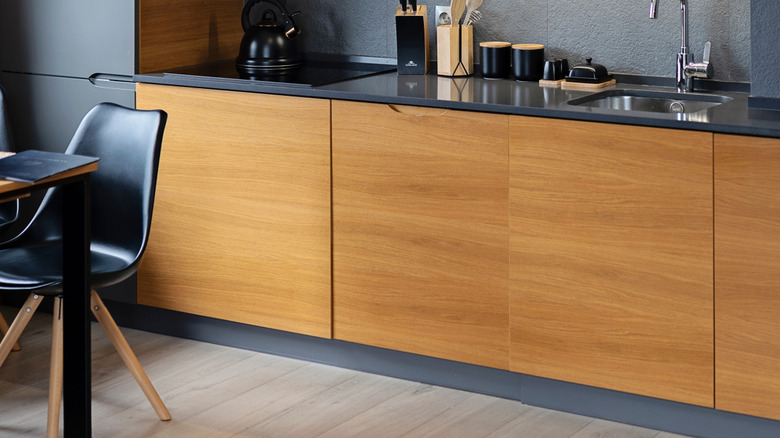
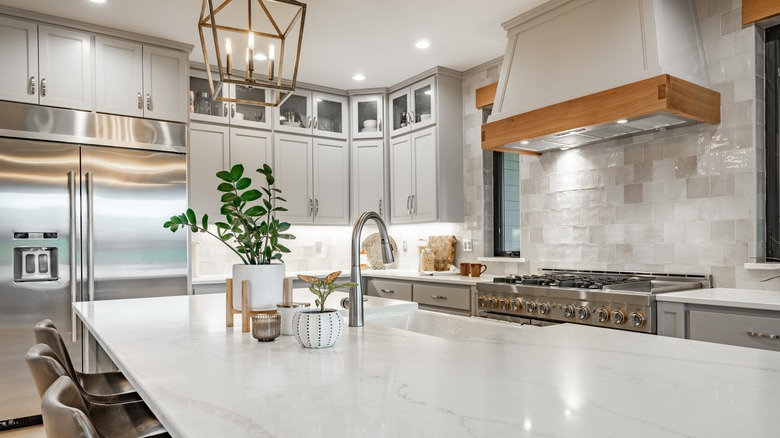
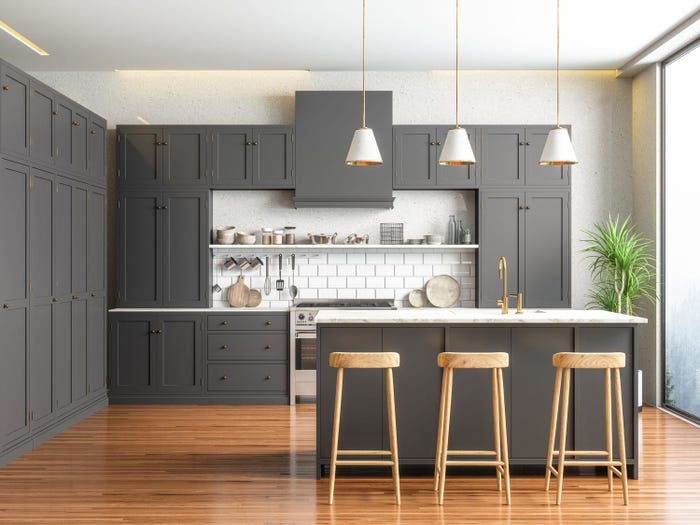
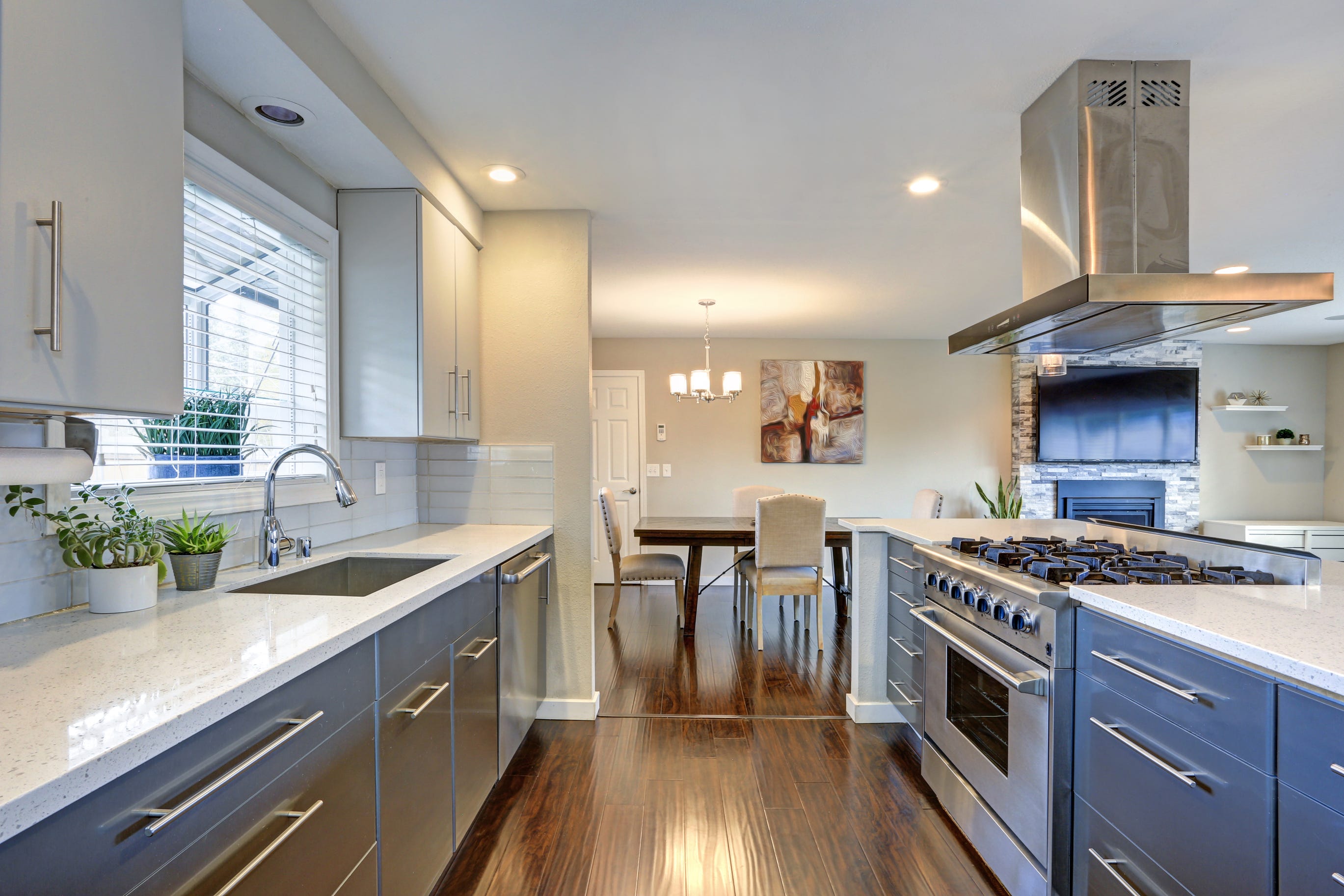
A minor kitchen remodel, focusing on updates like refaced cabinets, energy-efficient appliances, new countertops, and fresh paint, has a 96.1% recoup. This approach is more cost-effective than a major overhaul and can include aging-friendly features such as easy-to-read smart appliances, lower-profile shelving, and accessible storage solutions. Fiber cement siding replacement offers an 88.4% recoup, improving curb appeal and energy efficiency with the look of wood but without the maintenance. Combining this with other accessibility upgrades like wider thresholds or improved lighting can further enhance its value for aging homeowners. Lastly, a wood deck addition, with an 82.9% recoup, creates an outdoor living space. While composite decks are lower maintenance, wood decks provide a better ROI. Features such as smooth handrails, nonslip surfaces, built-in seating, and proper lighting can increase safety and usability for older individuals.
The article also covers various financing options for renovations, including Home Equity Lines of Credit (HELOCs) and Home Equity Loans, personal loans, and 0% intro APR credit cards. HELOCs are revolving credit lines against home equity, suitable for uncertain project costs, while home equity loans offer a lump sum with fixed rates. Personal loans provide an unsecured option for those with good credit, and 0% intro APR credit cards can be useful for smaller projects if paid off within the promotional period. Building equity faster through biweekly mortgage payments or refinancing is also mentioned.
Tax deductibility for home improvements is discussed, noting that medical-related renovations and energy-efficient upgrades may qualify for deductions or credits, subject to IRS guidelines. Most renovations, considered capital improvements, adjust the home’s cost basis upon sale rather than being deductible in the year they are completed. The article cautions that not all renovations increase home value; highly personalized or overly expensive upgrades might deter buyers. However, renovations that enhance comfort, accessibility, and independence for aging homeowners can significantly improve quality of life, justifying the investment even without a high financial return.
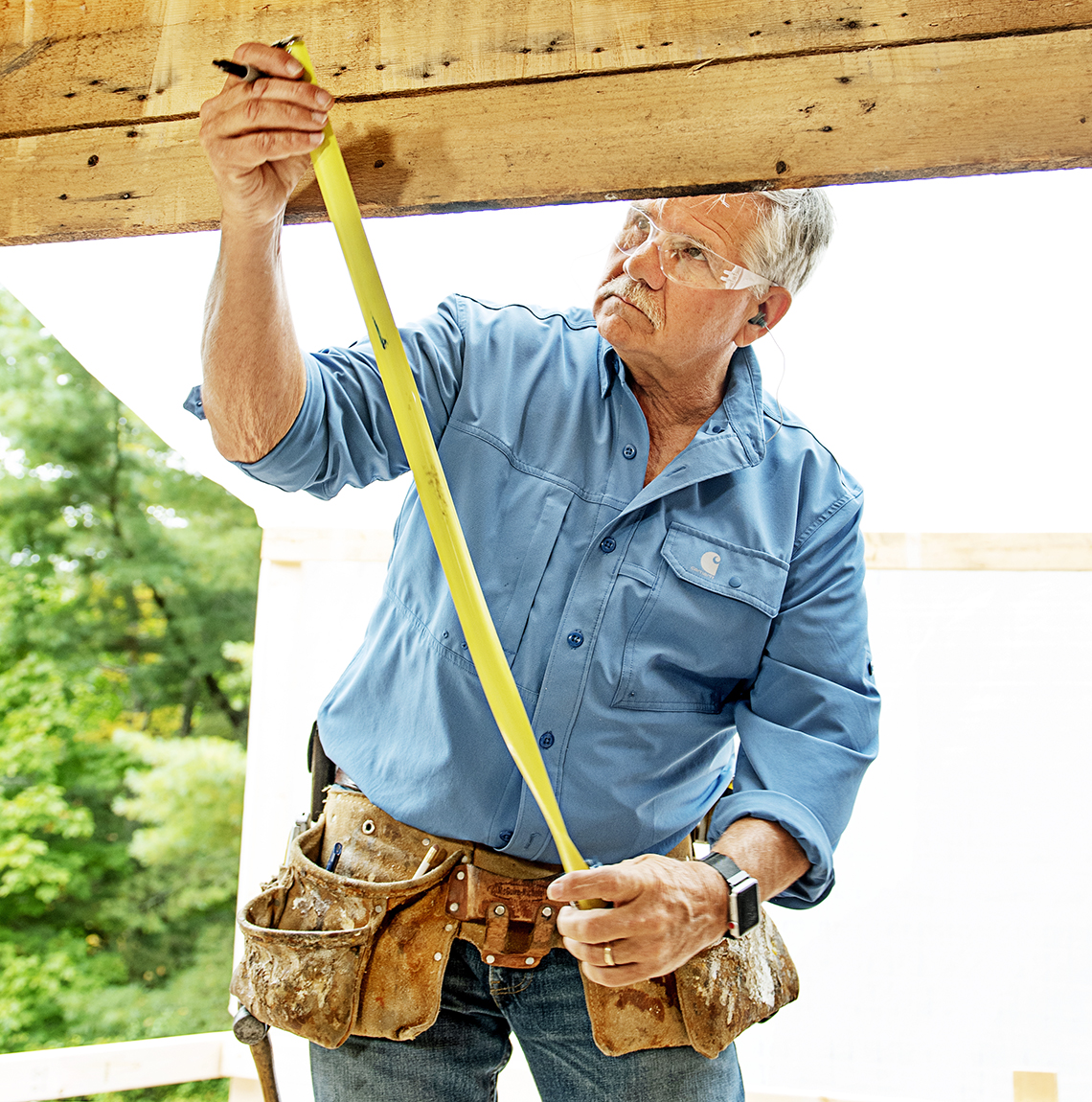
Practical advice for aging in place includes specific modifications for bathrooms (grab bars, walk-in showers), kitchens (pull-out shelves, accessible appliances), flooring (slip-resistant materials, lower thresholds), and lighting/electrical (strategically placed light switches, accessible outlets, smart home systems). The importance of hiring reputable contractors is stressed, with recommendations to verify licenses and insurance, check professional affiliations, research reputations, obtain itemized estimates, and secure written contracts. Warnings against common home repair scams targeting older adults are also provided, alongside guidance on filing complaints with state and federal agencies.
#HomeRenovations #PropertyValue #AgingInPlace #HomeImprovementROI #HomeFinancing #KitchenRemodel #SidingReplacement #DeckAddition #AccessibilityUpgrades #HomeRenovations #PropertyValue #AgingInPlace #HomeImprovementROI #HomeFinancing #KitchenRemodel #SidingReplacement #DeckAddition #AccessibilityUpgrades
0 commenti in totale
 Nessun commento ancora
Potresti anche gradire
Home Upgrades That Pay Off


Money-wasting home improvements to avoid

10 DIY kitchen upgrades to boost your home's value, according to real estate experts and designers

Home Renovations That Are Worth Your Time And Money


3 affordable features that can increase the value of your home

7 DIY Home Improvement Ideas for Your Forever House

When Moving Isn't an Option, How to Turn Your Old Home Into Your Dream Home

8 easy updates that will make an old home look new


5 home updates to increase your property's value by 20%

10 Must-Have Home Upgrades That Are Actually Worth It

Remodeling
15 Kitchen Upgrades To Increase The Value Of Your Home

Do-It-Yourself Projects to Boost Home Value


5 renovation projects that will add value to your home in 2024


Home Remodeling Projects That Pay Back The Most In Happiness

5 home renovation products to help upgrade your space

Invest In Your Nest: 41 Home Upgrades That Pay Off In Comfort And Value

Experts Predict These 5 Home Improvements Will Have the Highest ROI in 2025


7 DIY projects that will elevate your home
At Home with Marni Jameson: Home renovations that get the best returns