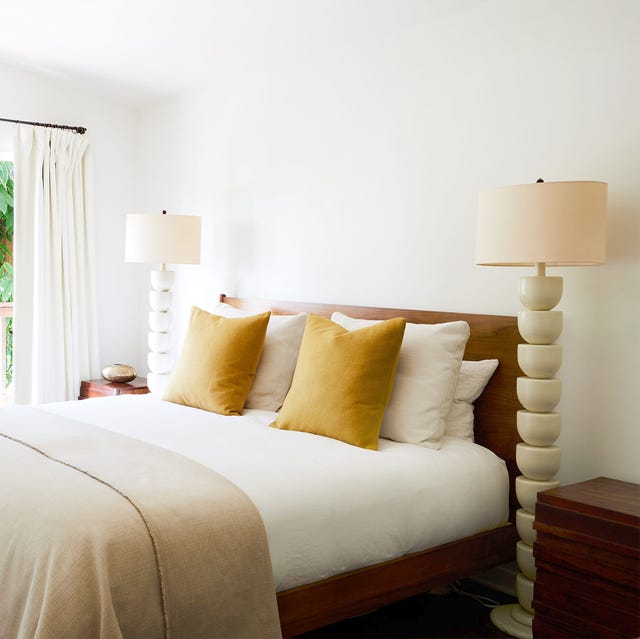
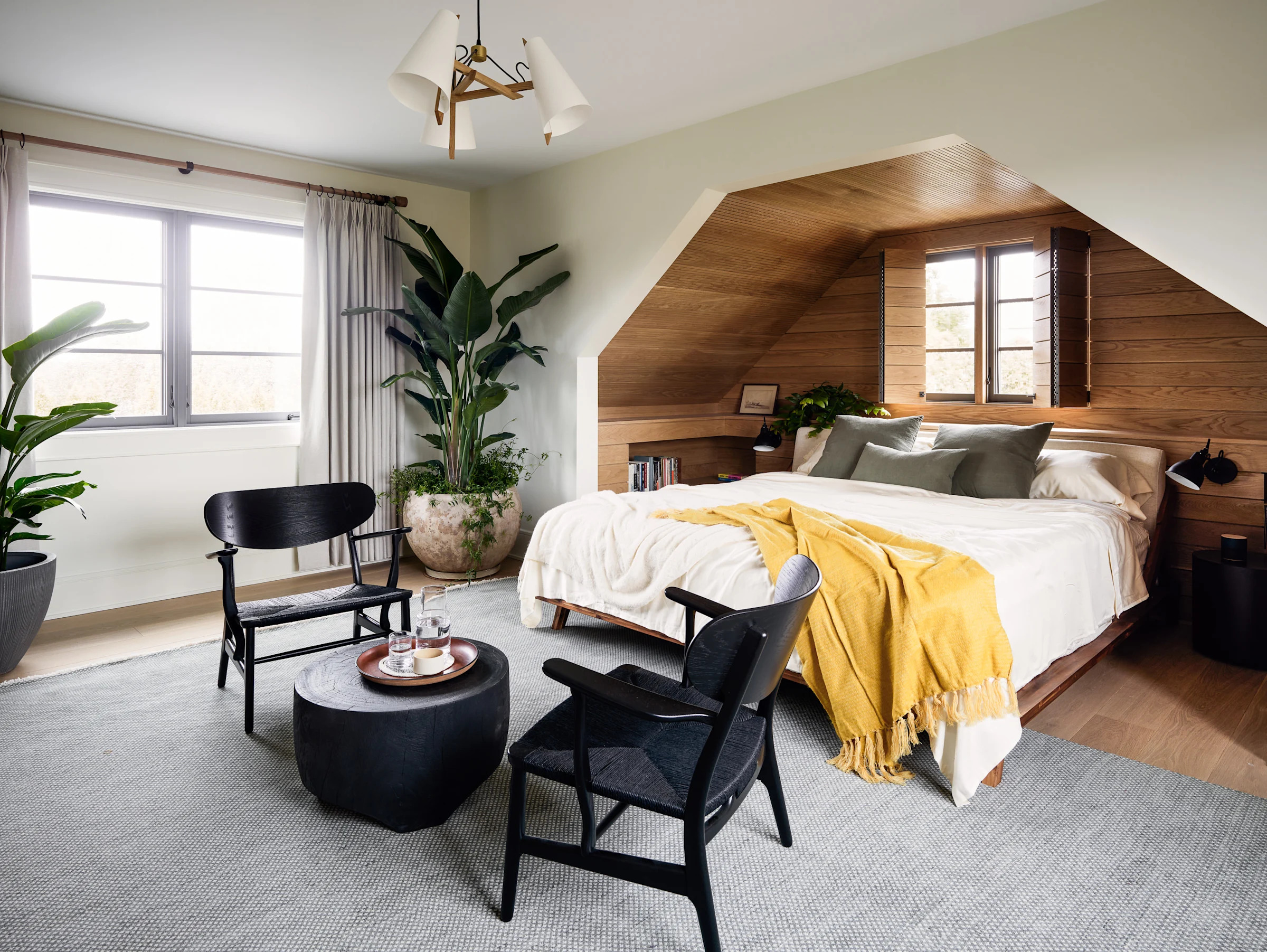
1/12
The Only Direction Your Bed Should Be Facing, According to Feng Shui Experts
The article presents 11 feng shui bedroom ideas to promote optimal rest and relaxation. The principles of feng shui, an ancient Chinese art, aim to create balance, peace, and prosperity through harmonious environmental relationships. Interior designer Andrea Schumacher and certified feng shui consultant Anjie Cho emphasize that these principles can be incorporated into various design styles, from minimalist to maximalist. The primary goal is to create a peaceful environment that fosters relaxation, improves sleep, and ultimately contributes to overall well-being and productivity.
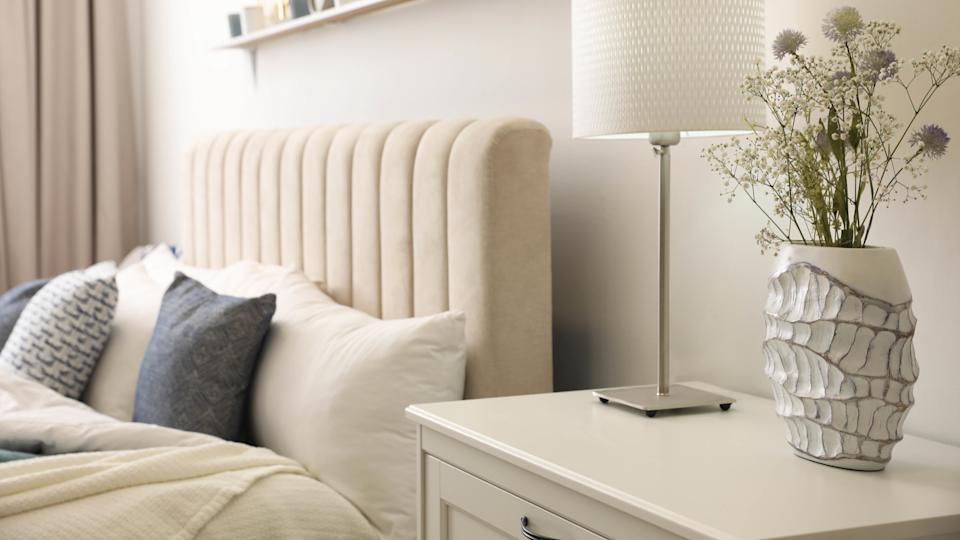
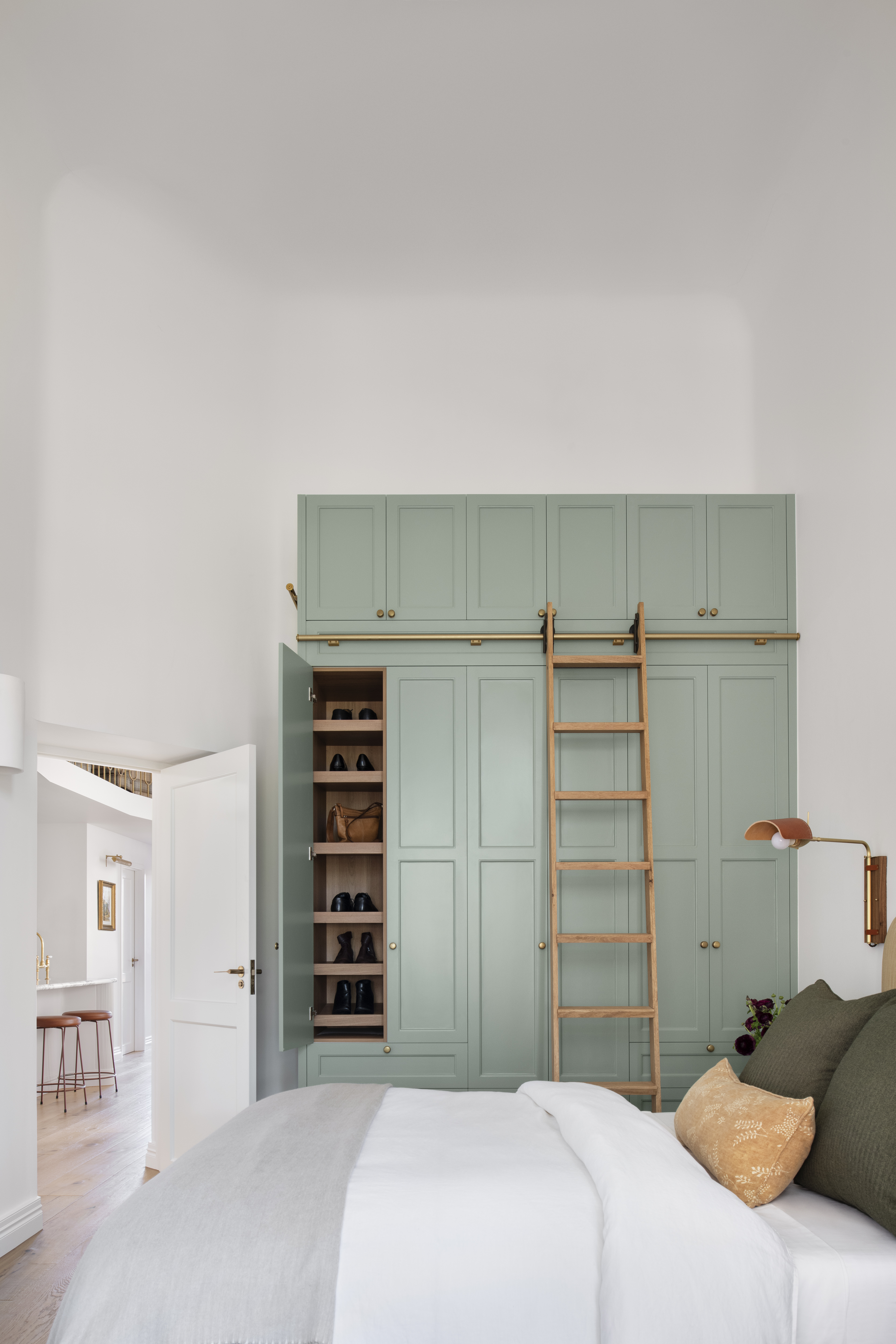
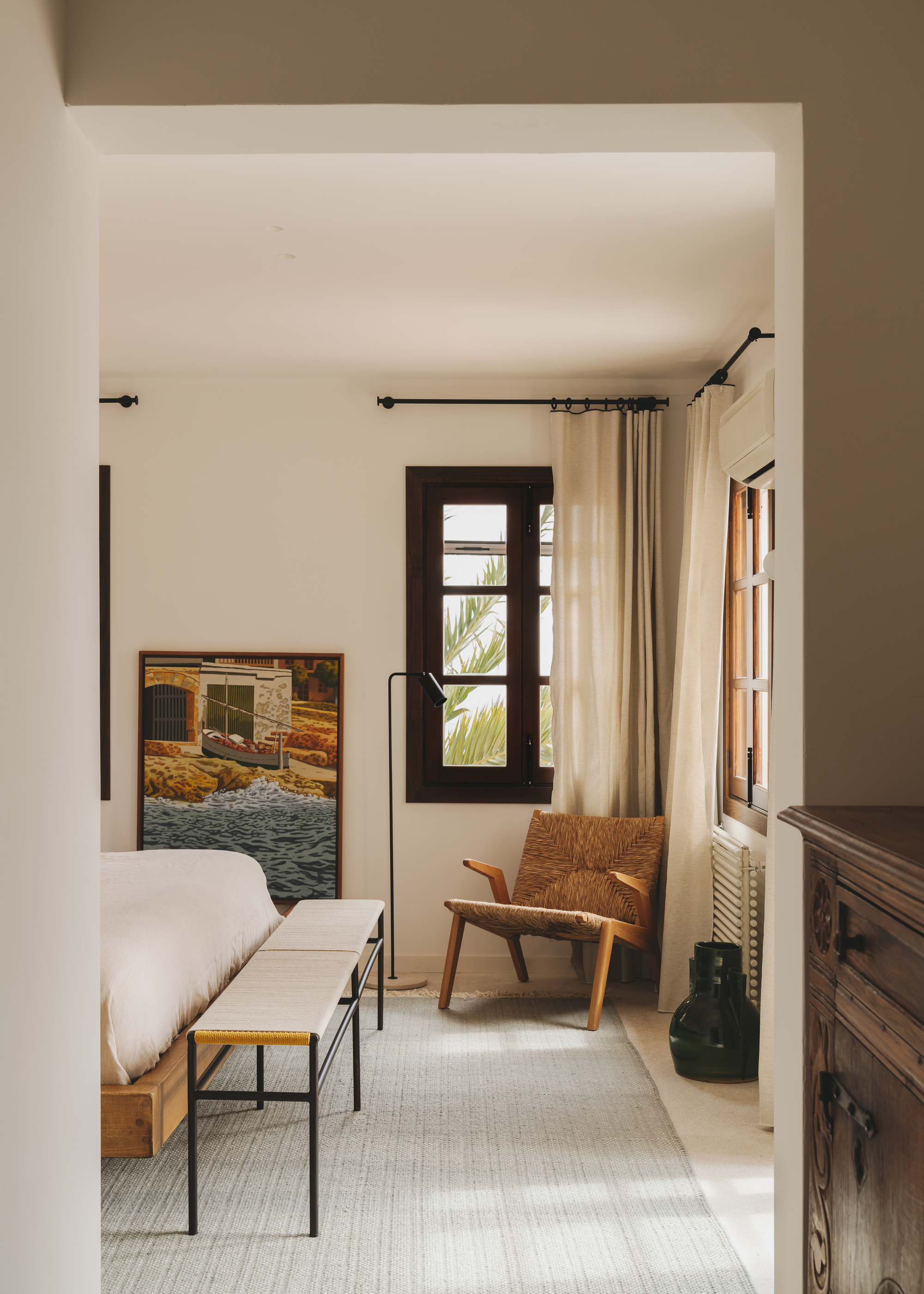
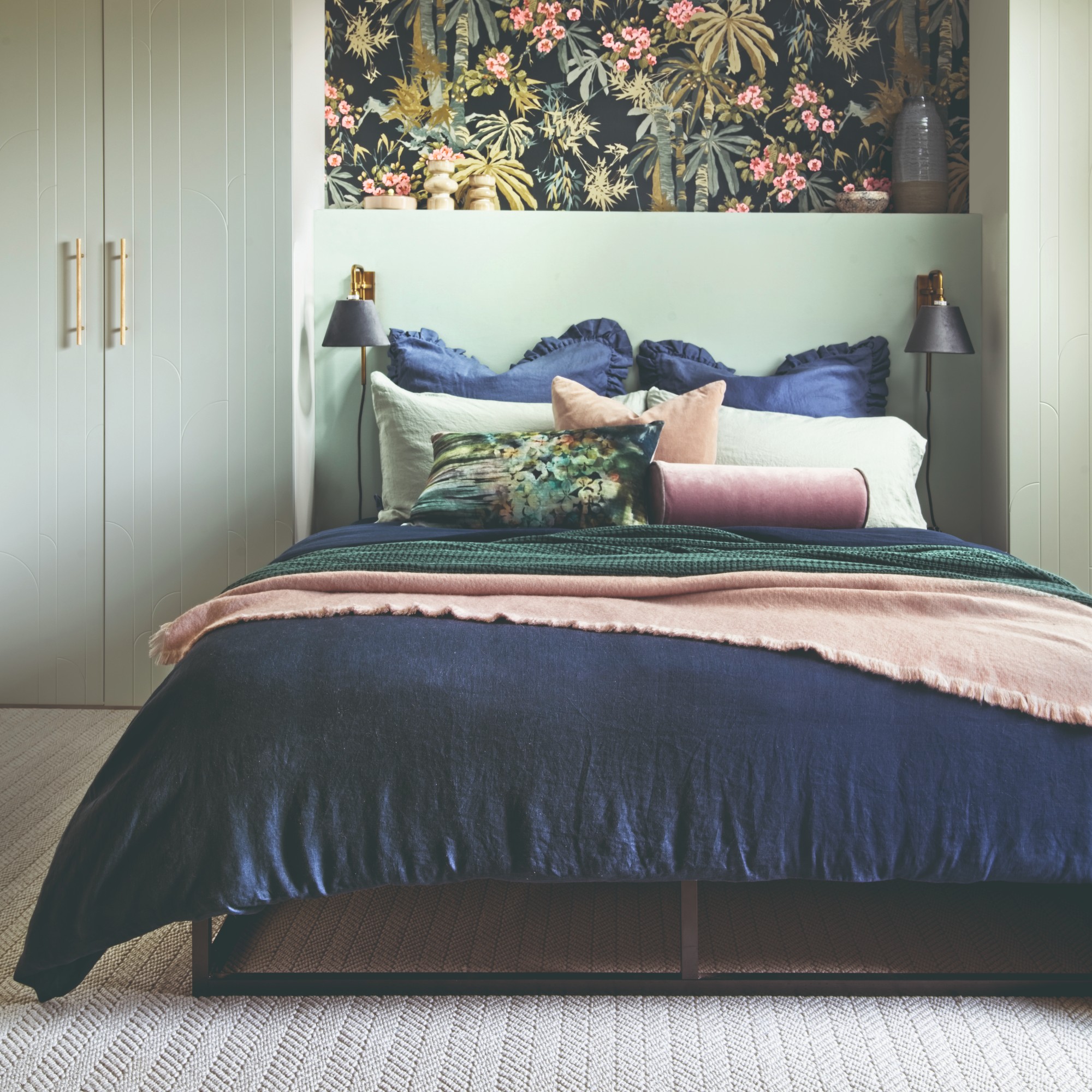
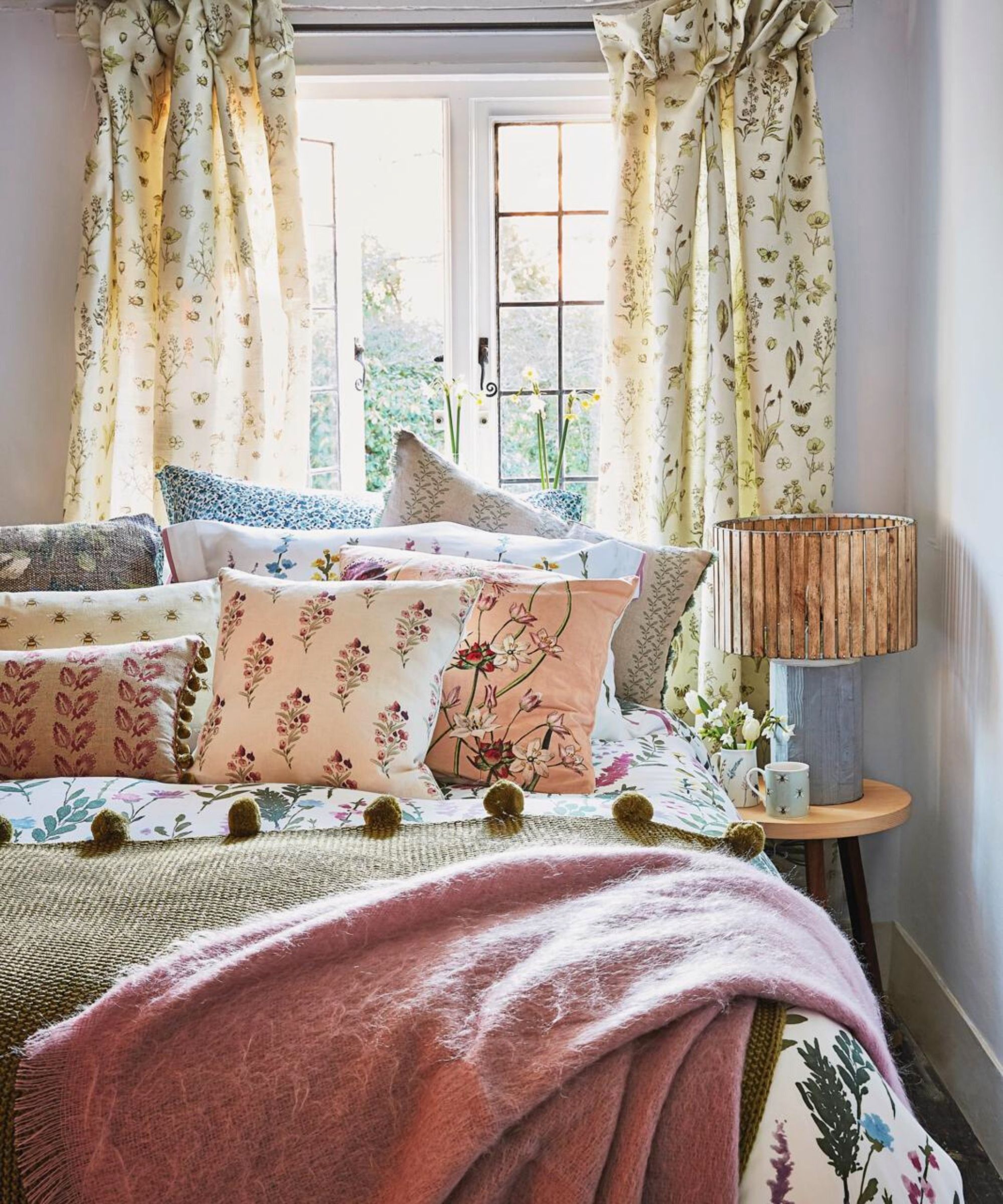
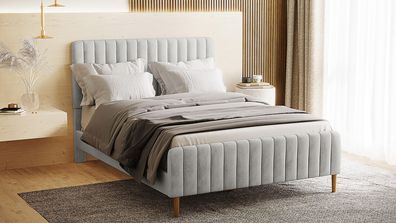
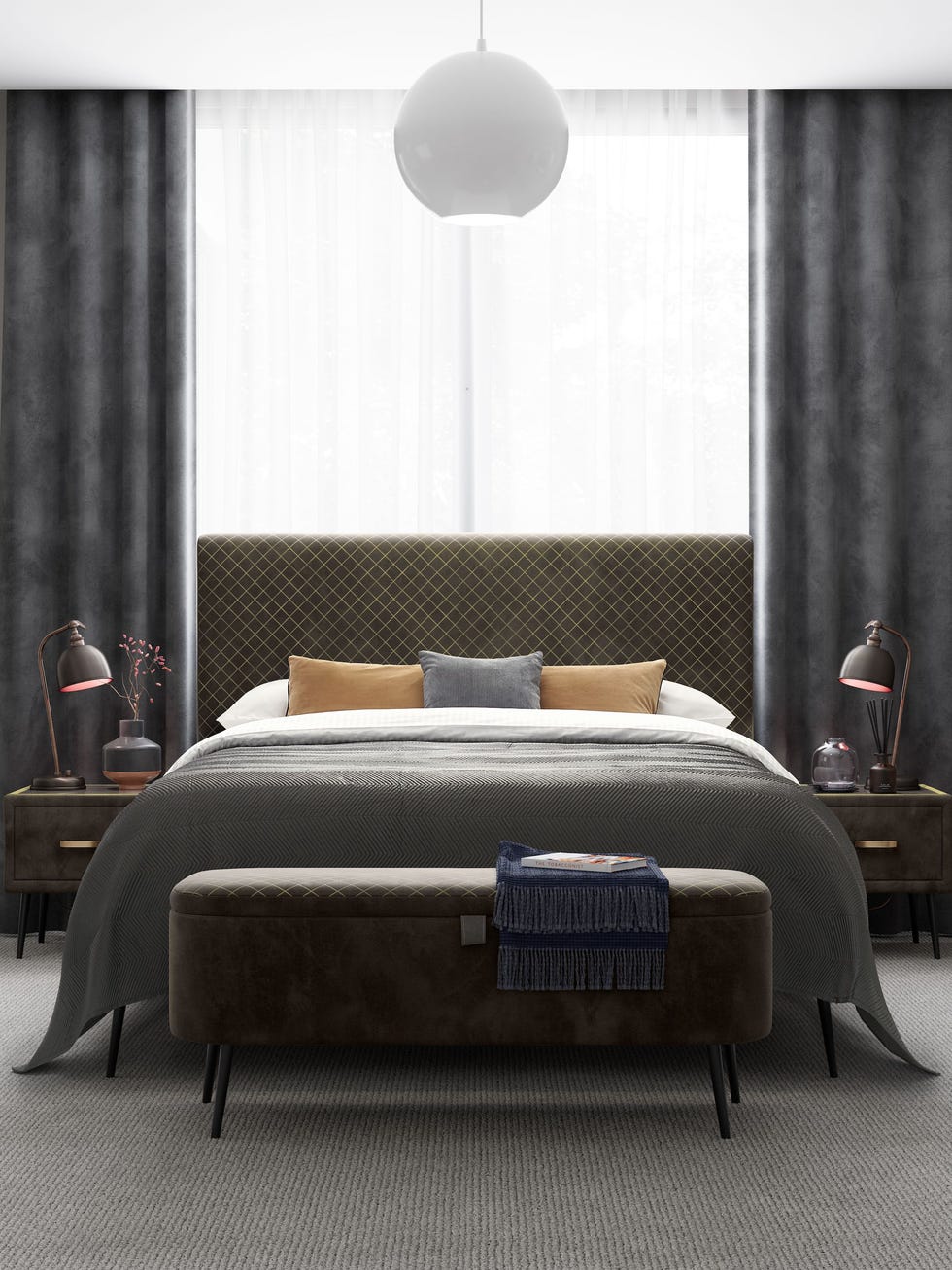
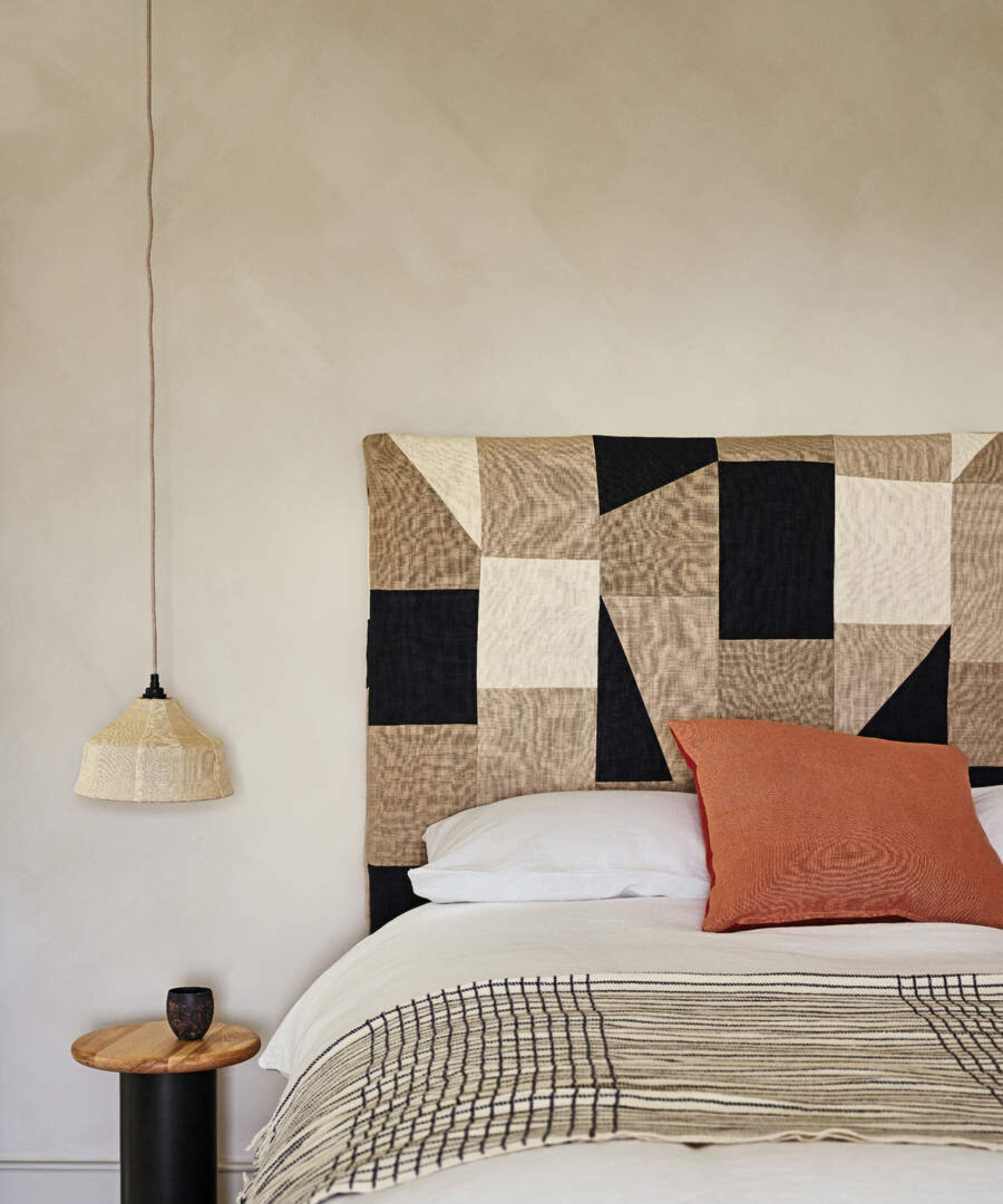
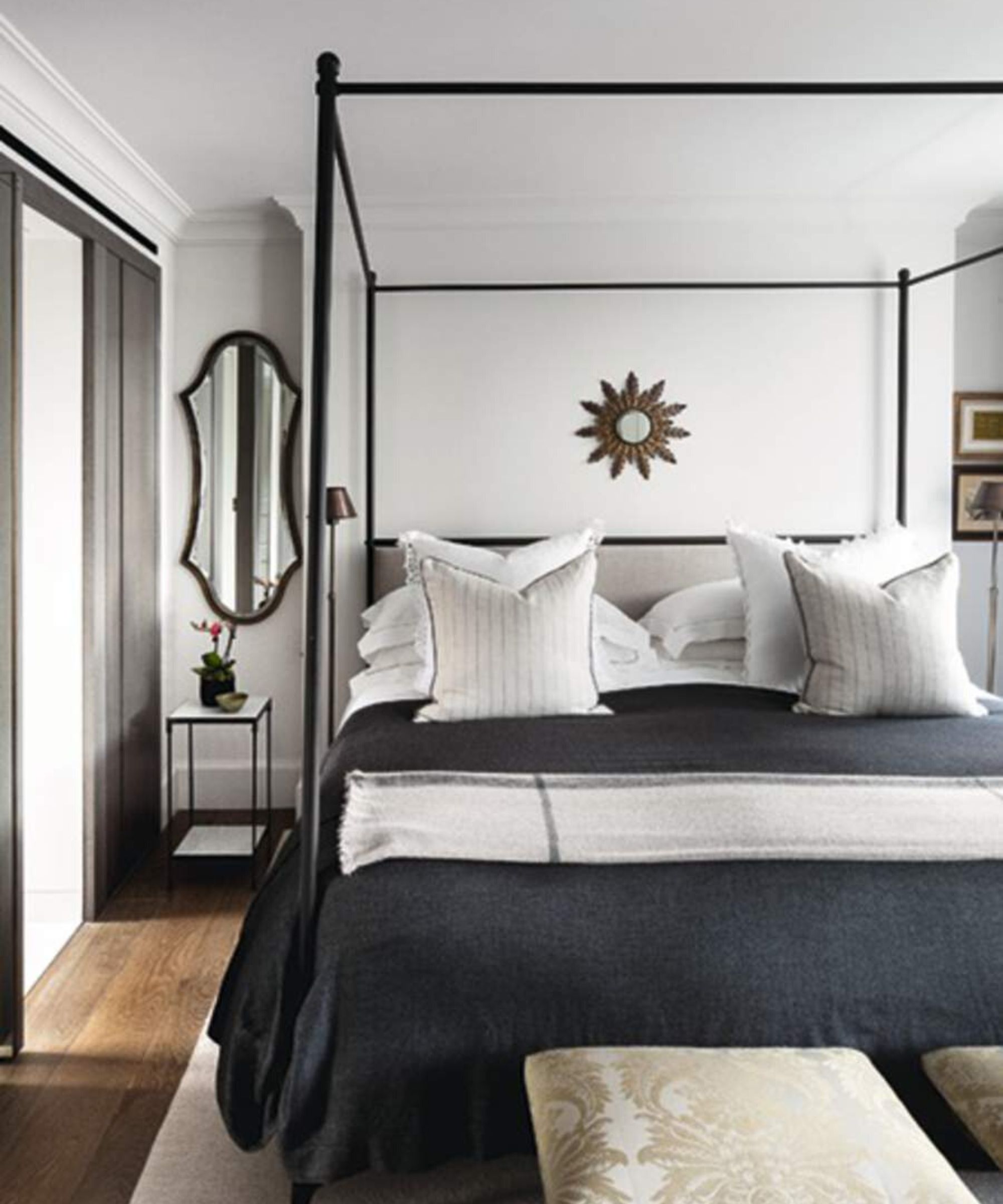
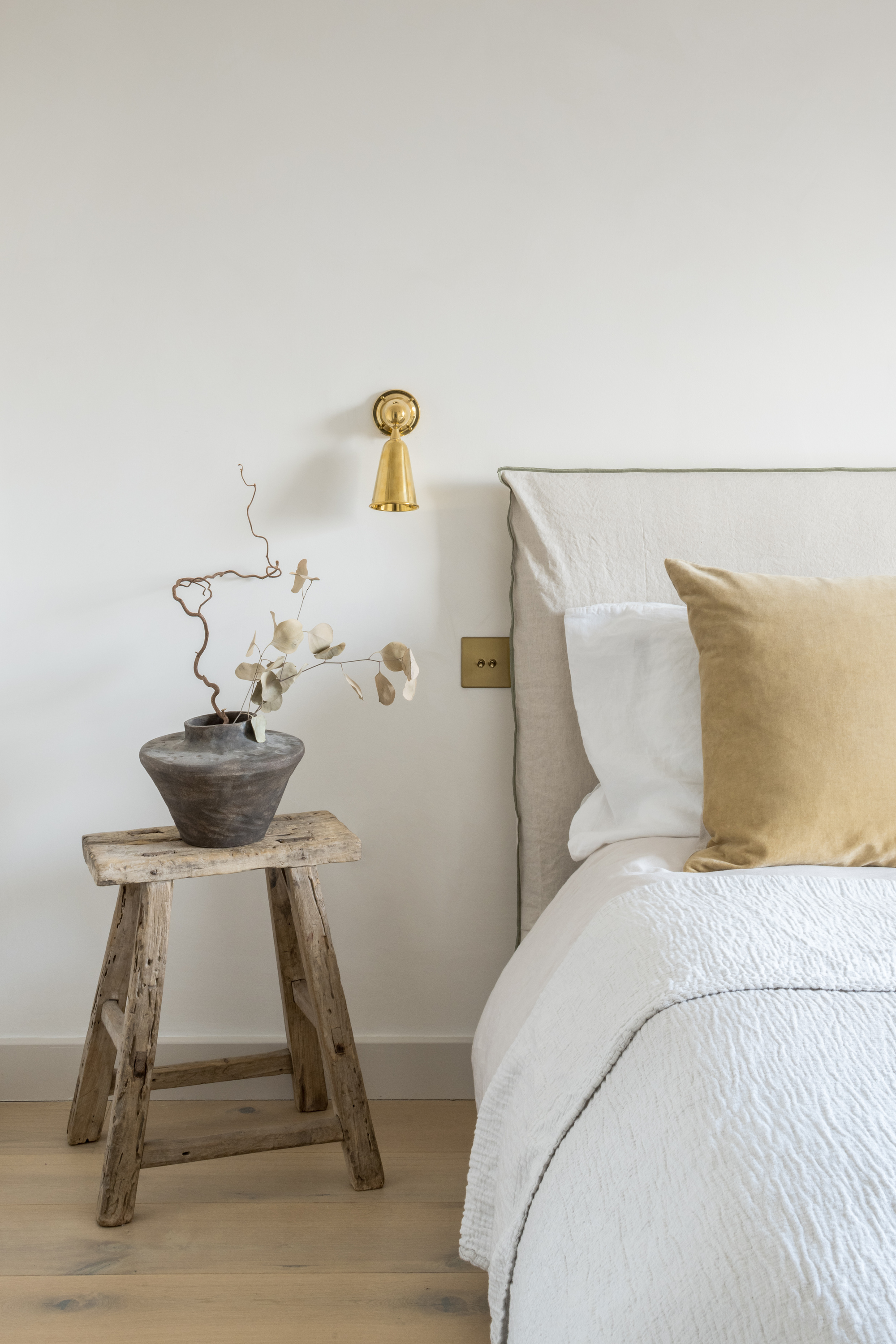
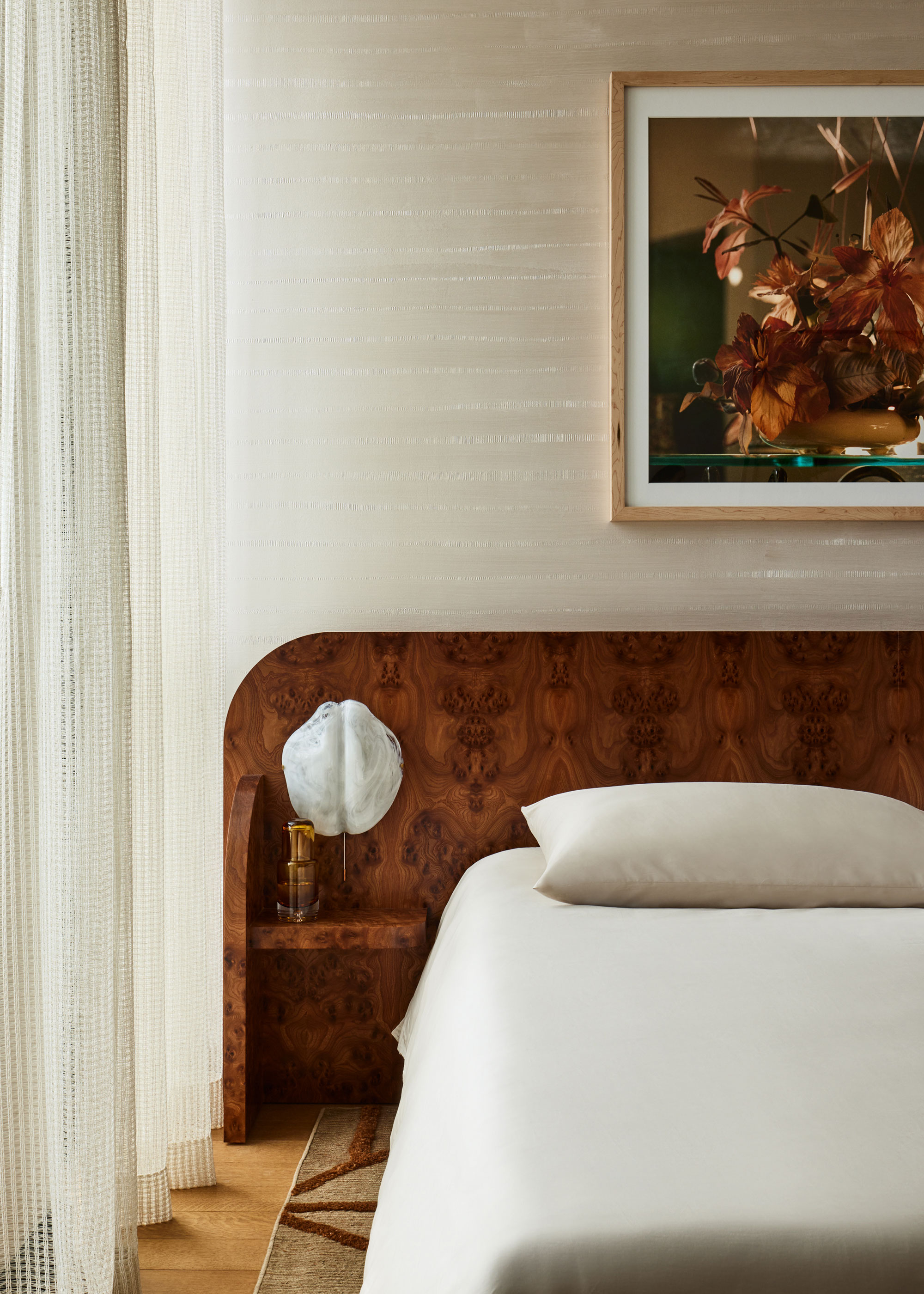
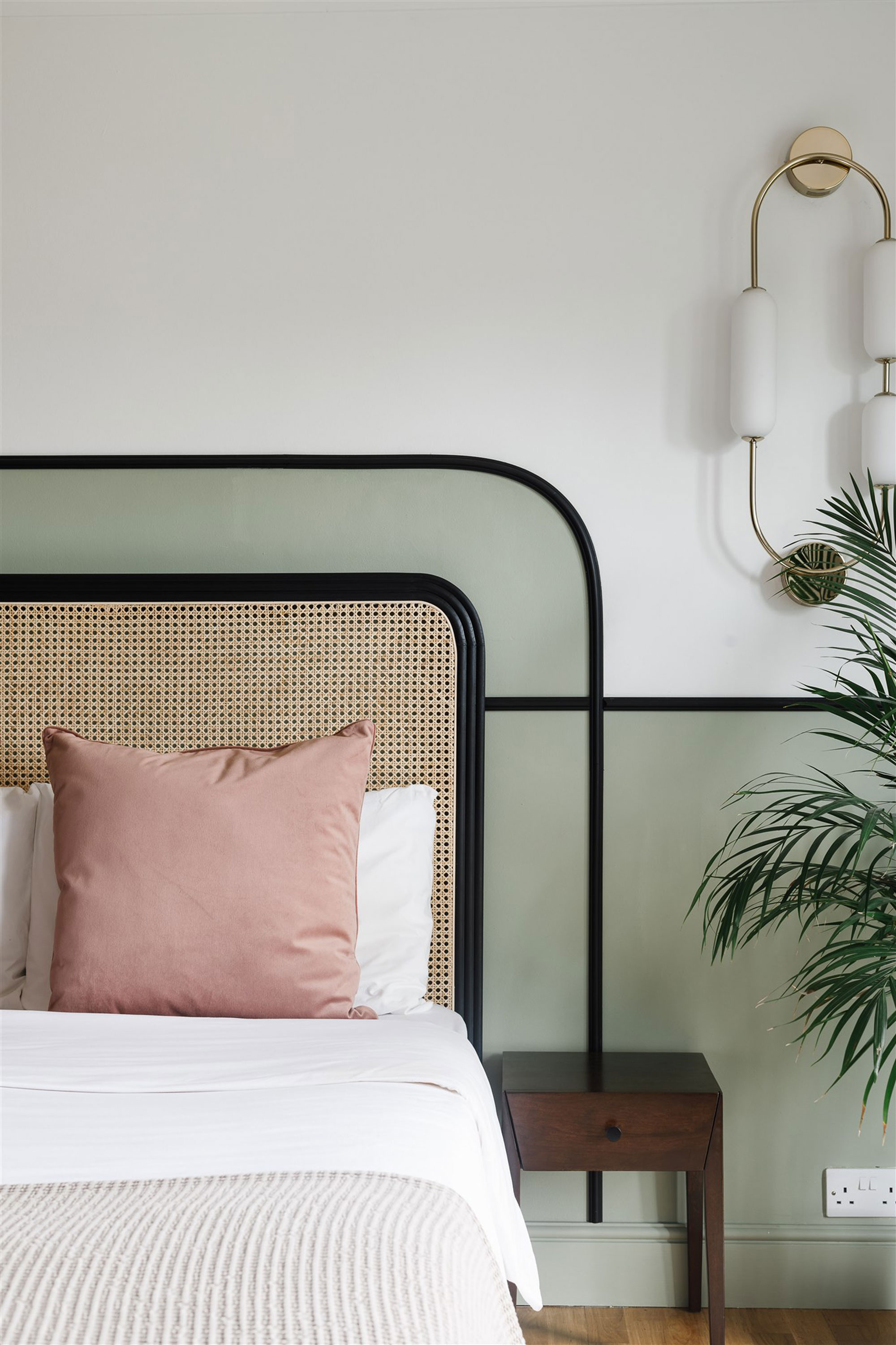
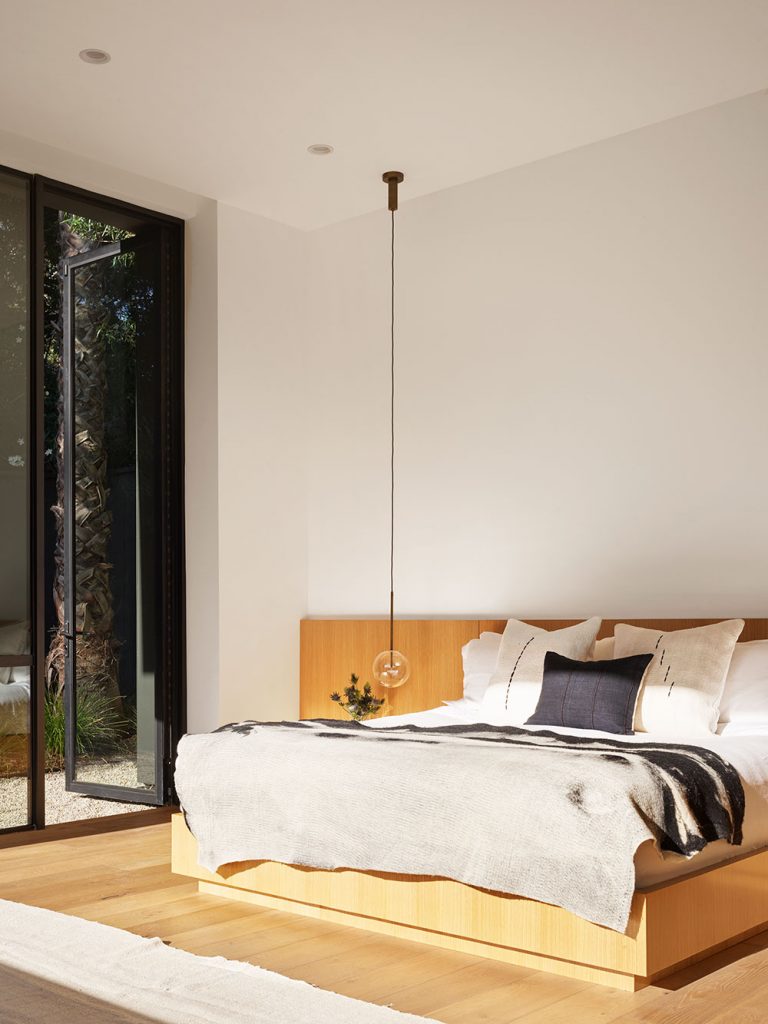
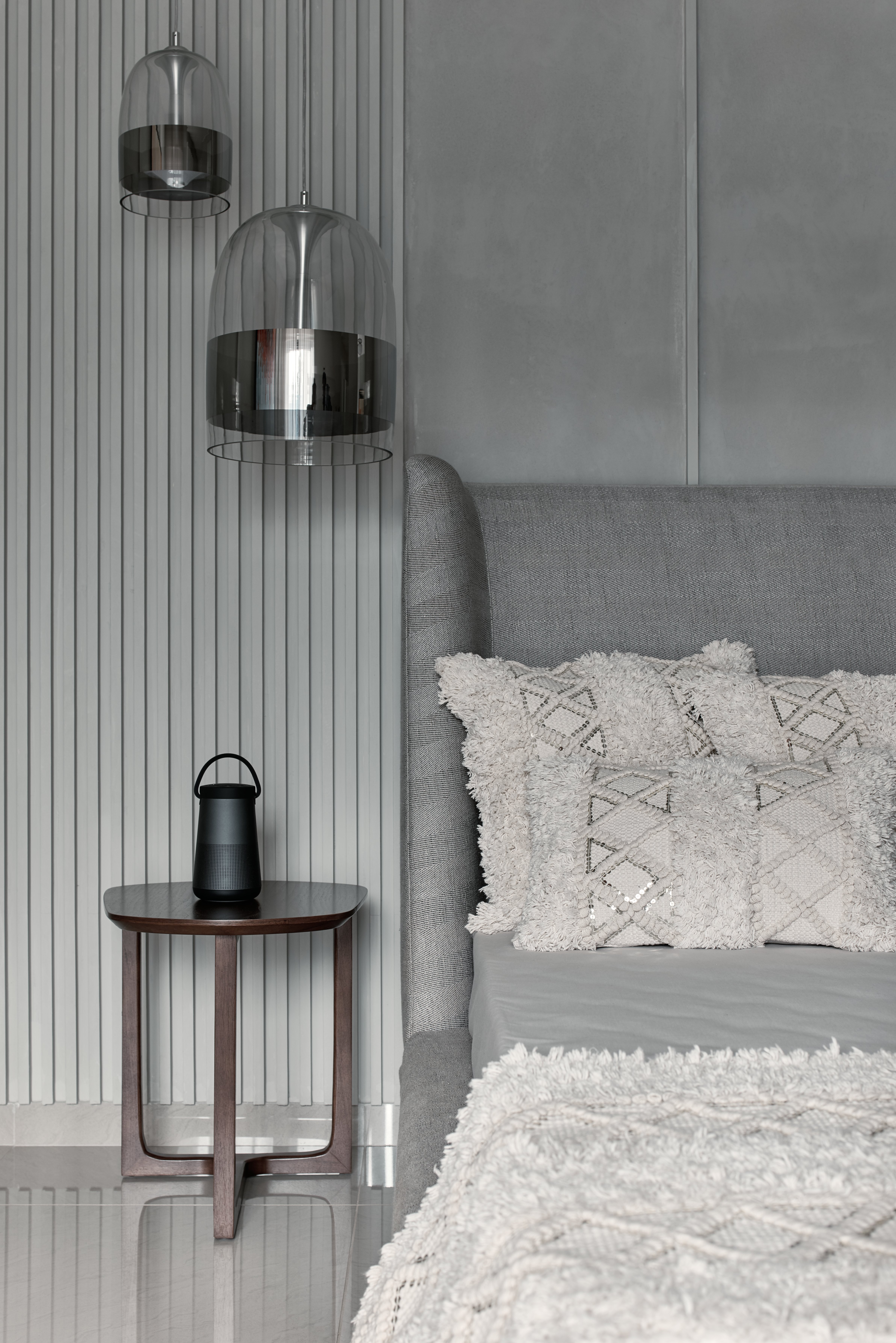
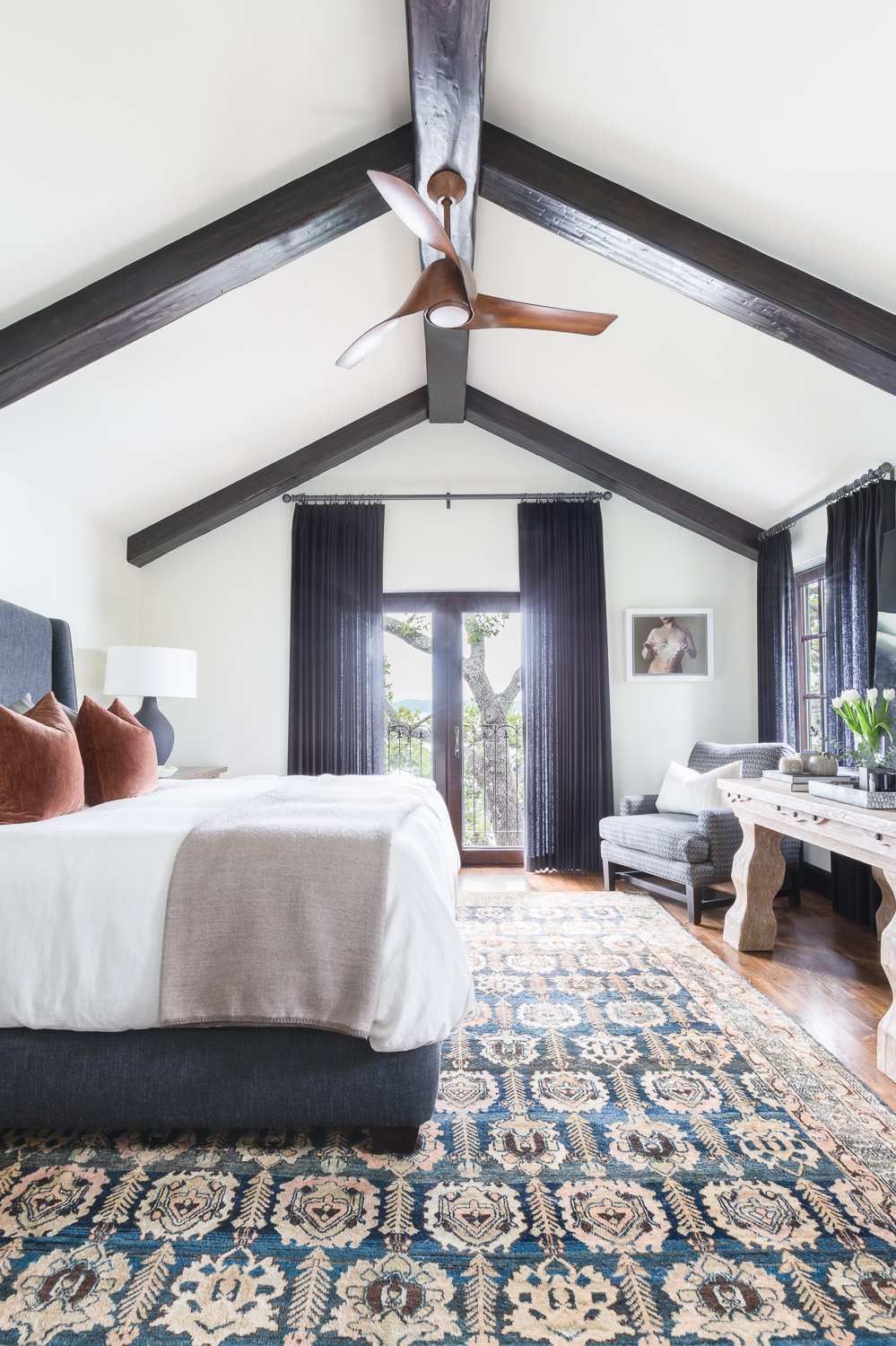
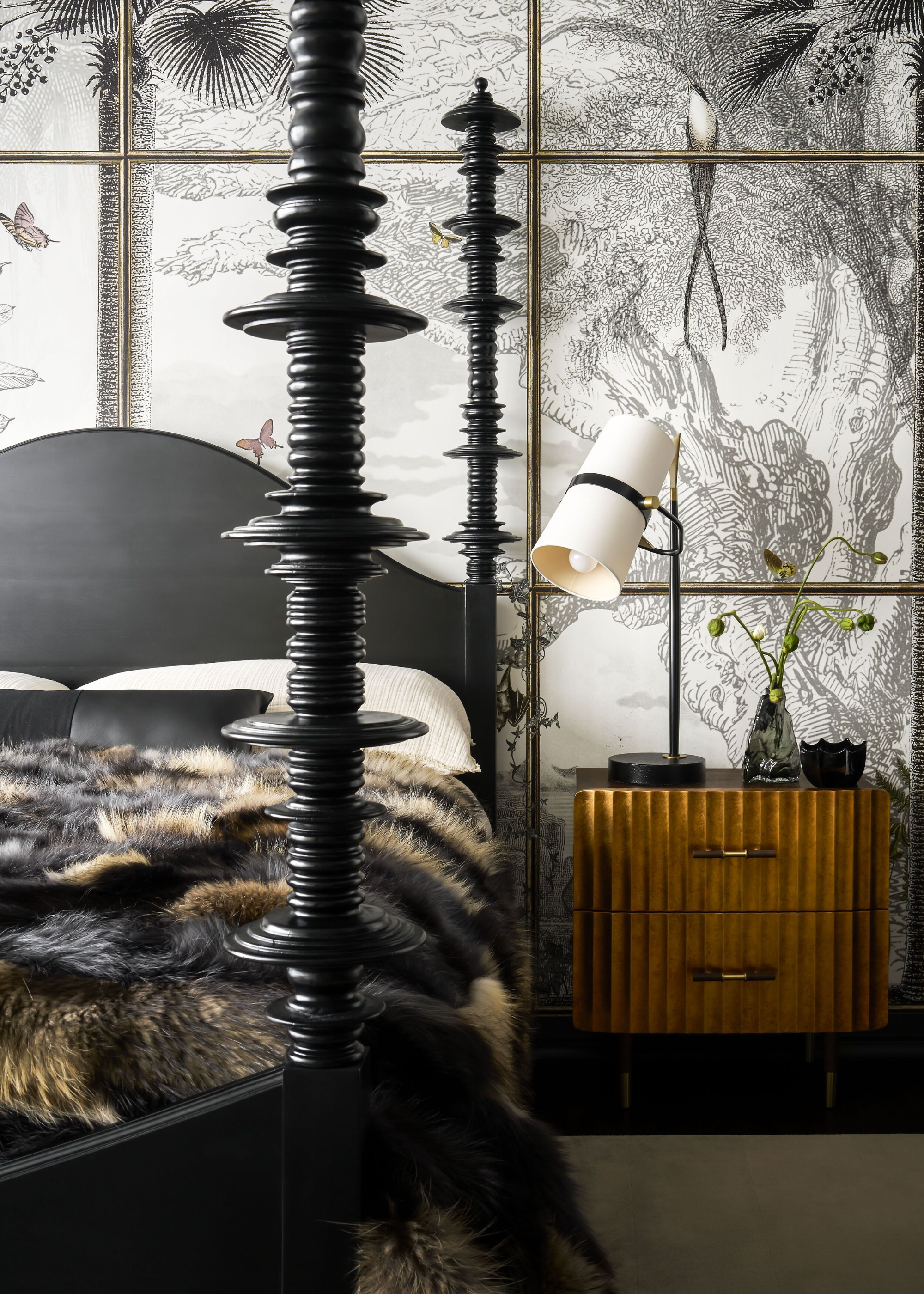
The first key idea is to minimize clutter. Experts advise keeping bedrooms orderly, free from distractions, and incorporating soft textures, rounded shapes, and calming colors. Storing items under the bed should be avoided, with exceptions for sleep-related items like seasonal clothing or linens. Intense reads on nightstands are also discouraged to prevent overstimulation before sleep. The second principle involves selecting a sturdy headboard, preferably made of wood, and attaching it firmly to the bed, symbolizing a strong and solid relationship. The bed should be in a "commanding position," diagonal from the door but not directly facing it, to enhance feelings of security and safety. Free space around the bed is crucial for good energy flow.
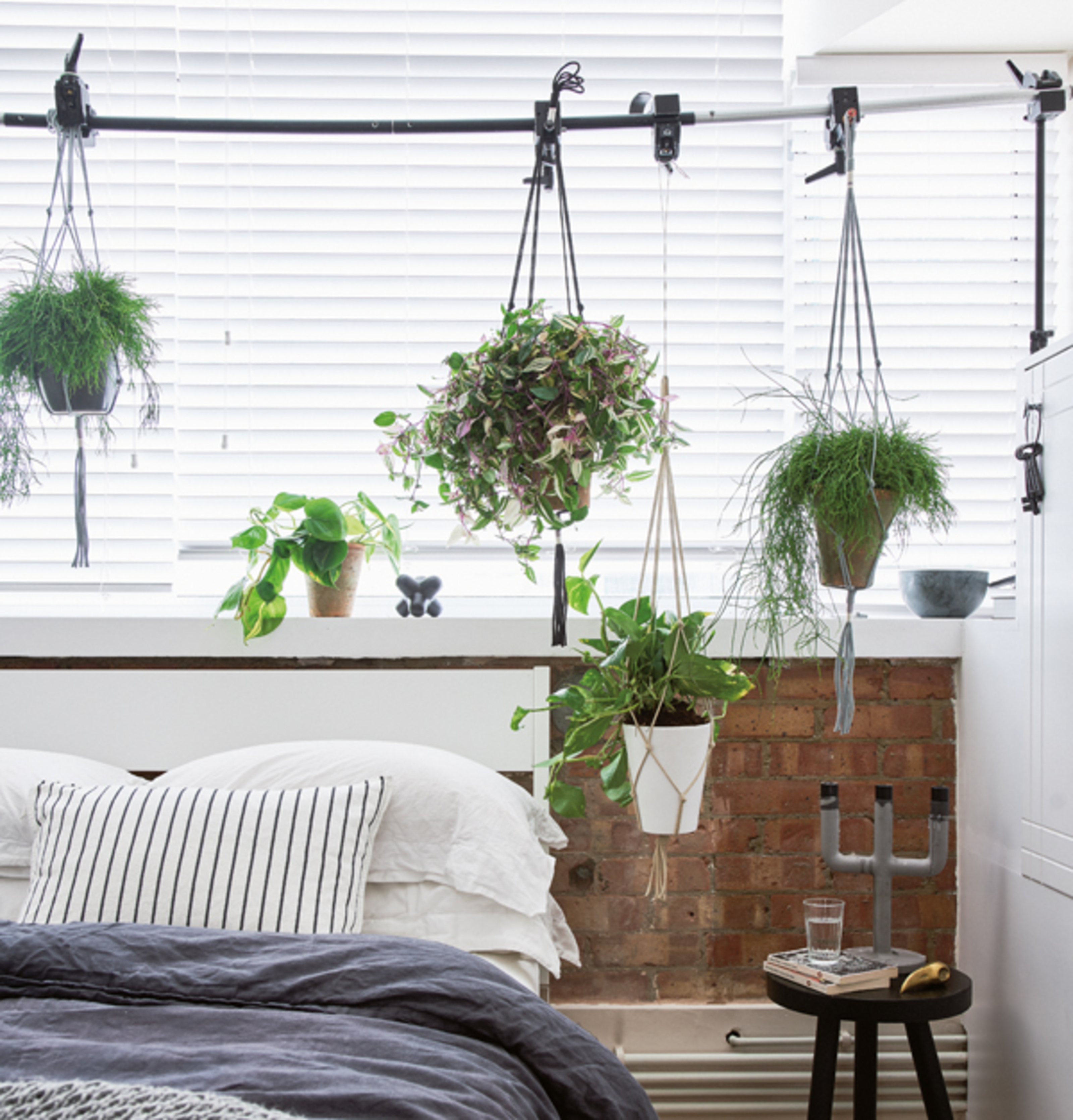
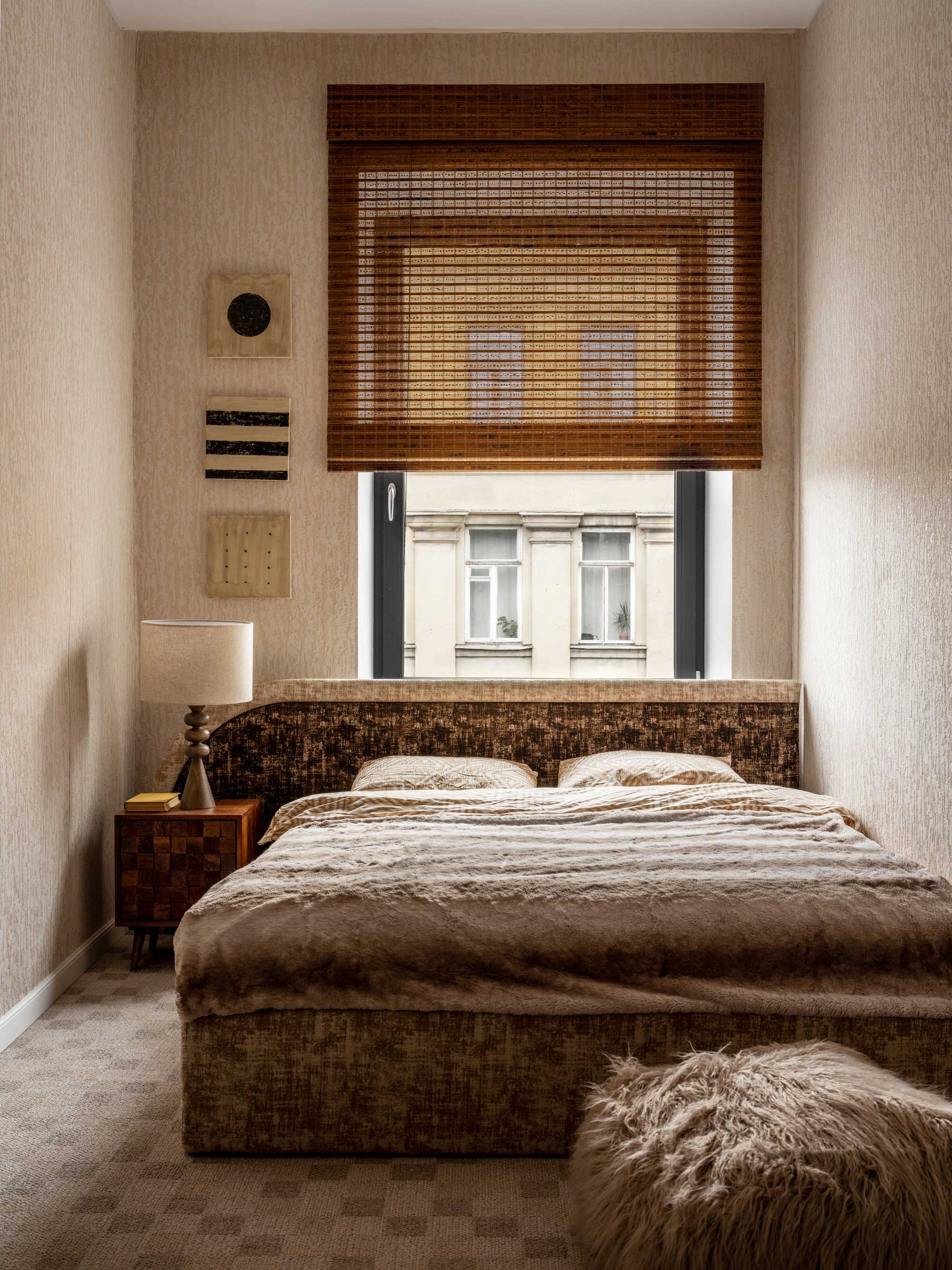
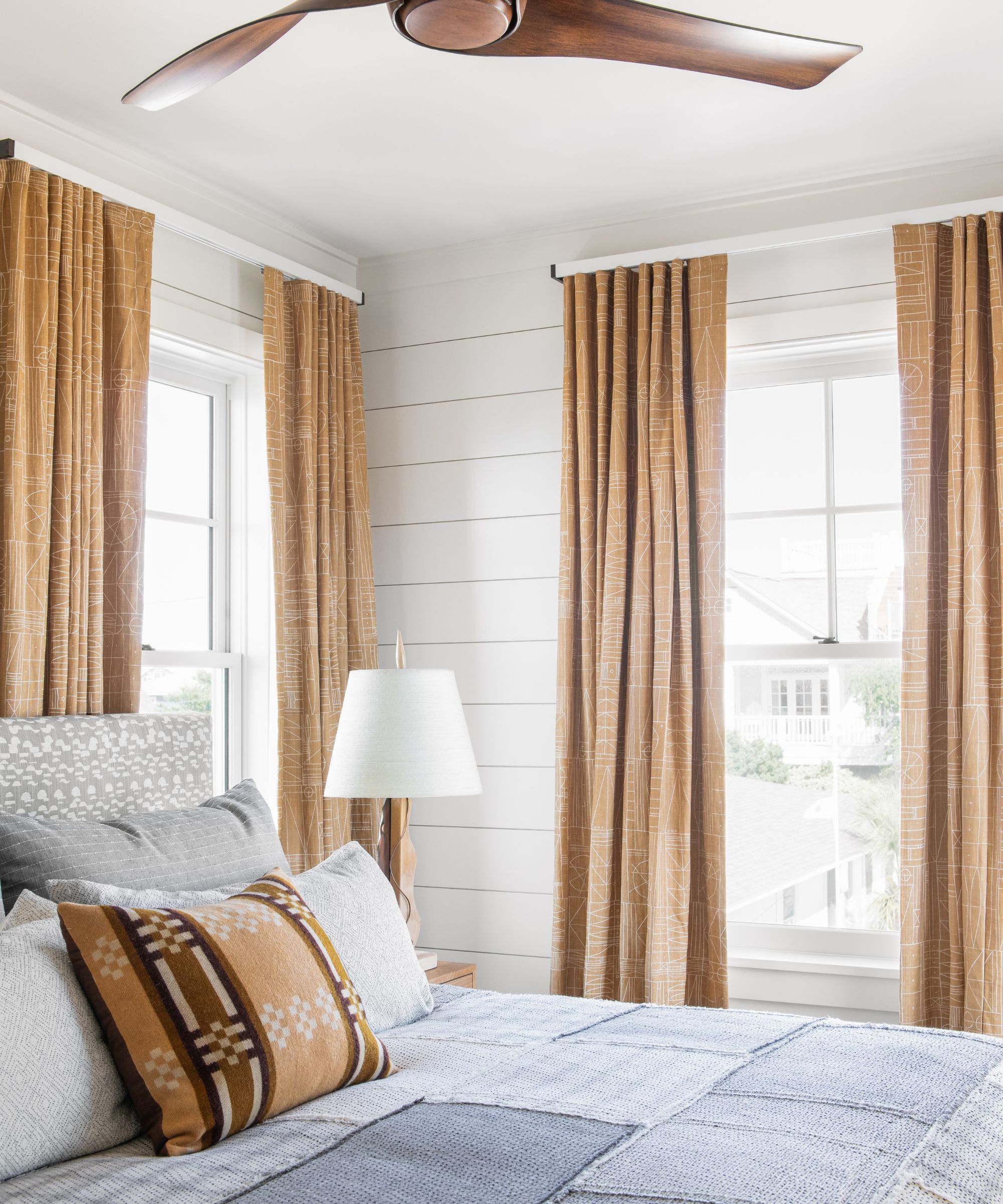
The third recommendation focuses on using soft shapes and materials. Harsh, angular elements are to be avoided in favor of soft bedding and rounded furniture, which promote harmony and ease and ensure smoother traffic flow. Fourth, dim lighting is essential for creating a restful ambiance. Dimmers or low-wattage bulbs are suggested, and bright overhead lighting, along with disruptive external light, should be avoided, potentially by using blackout curtains. Fifth, maintaining a clear view of the door from the bed, while not directly facing it (the "funeral position"), is vital for a sense of security.
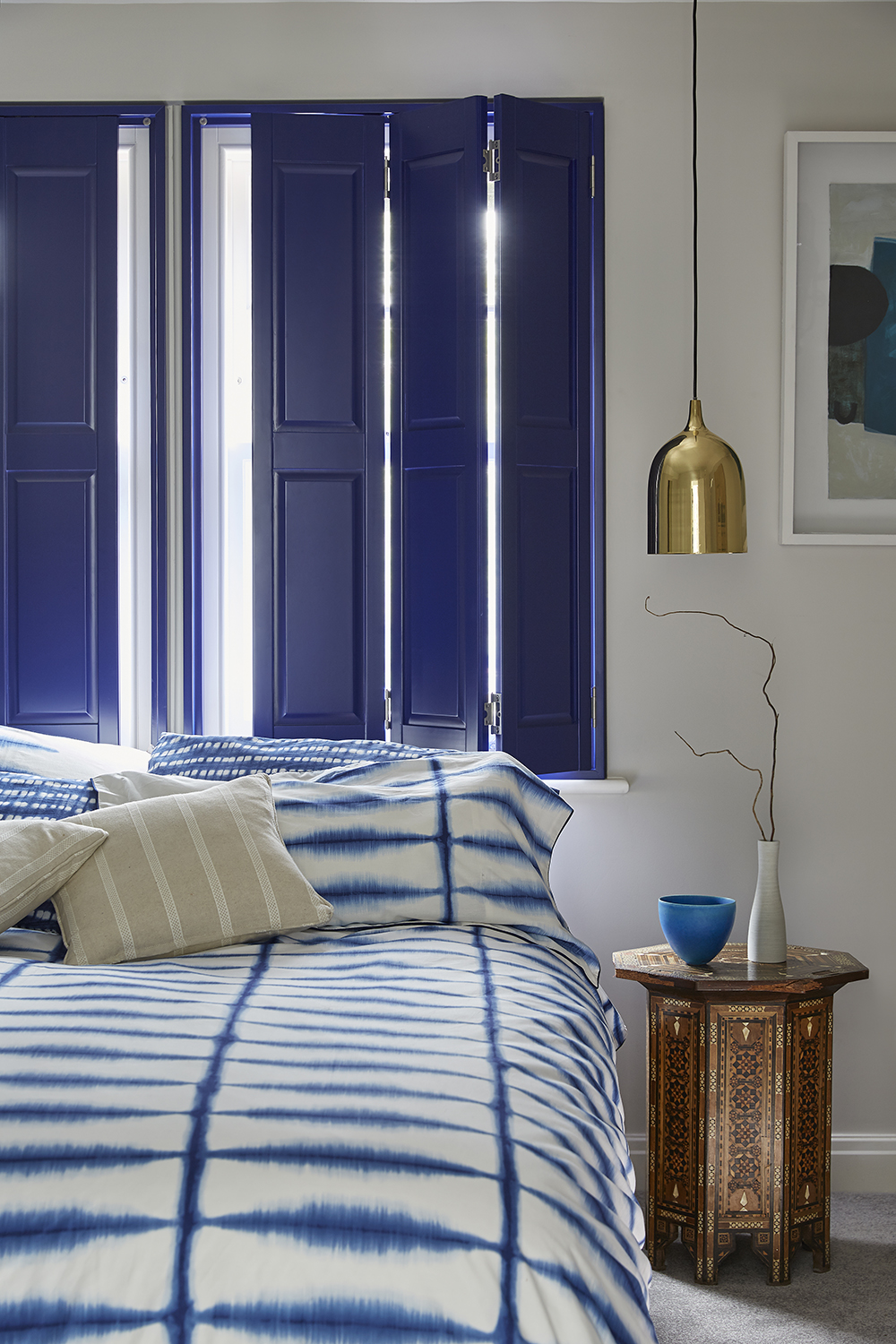
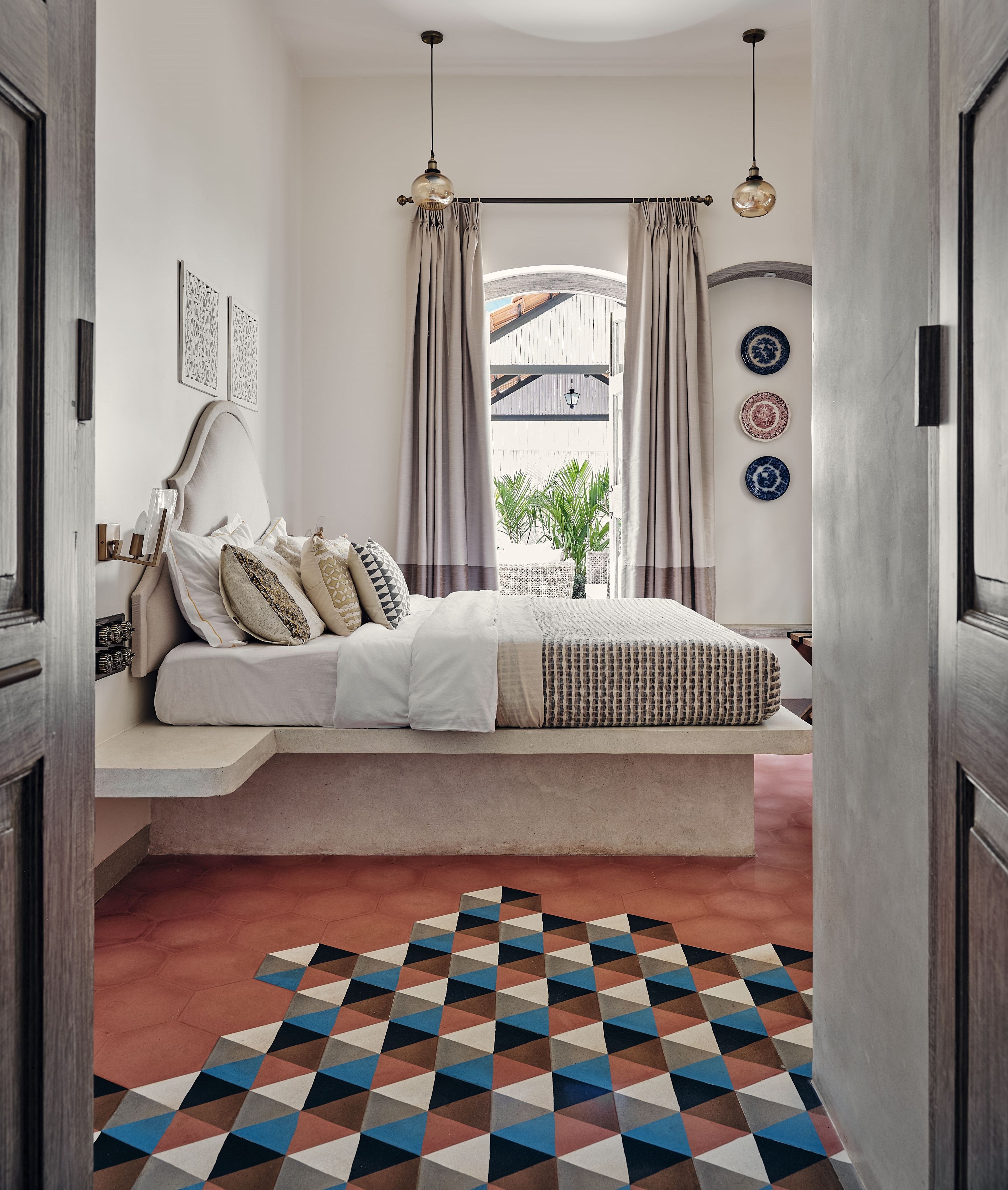
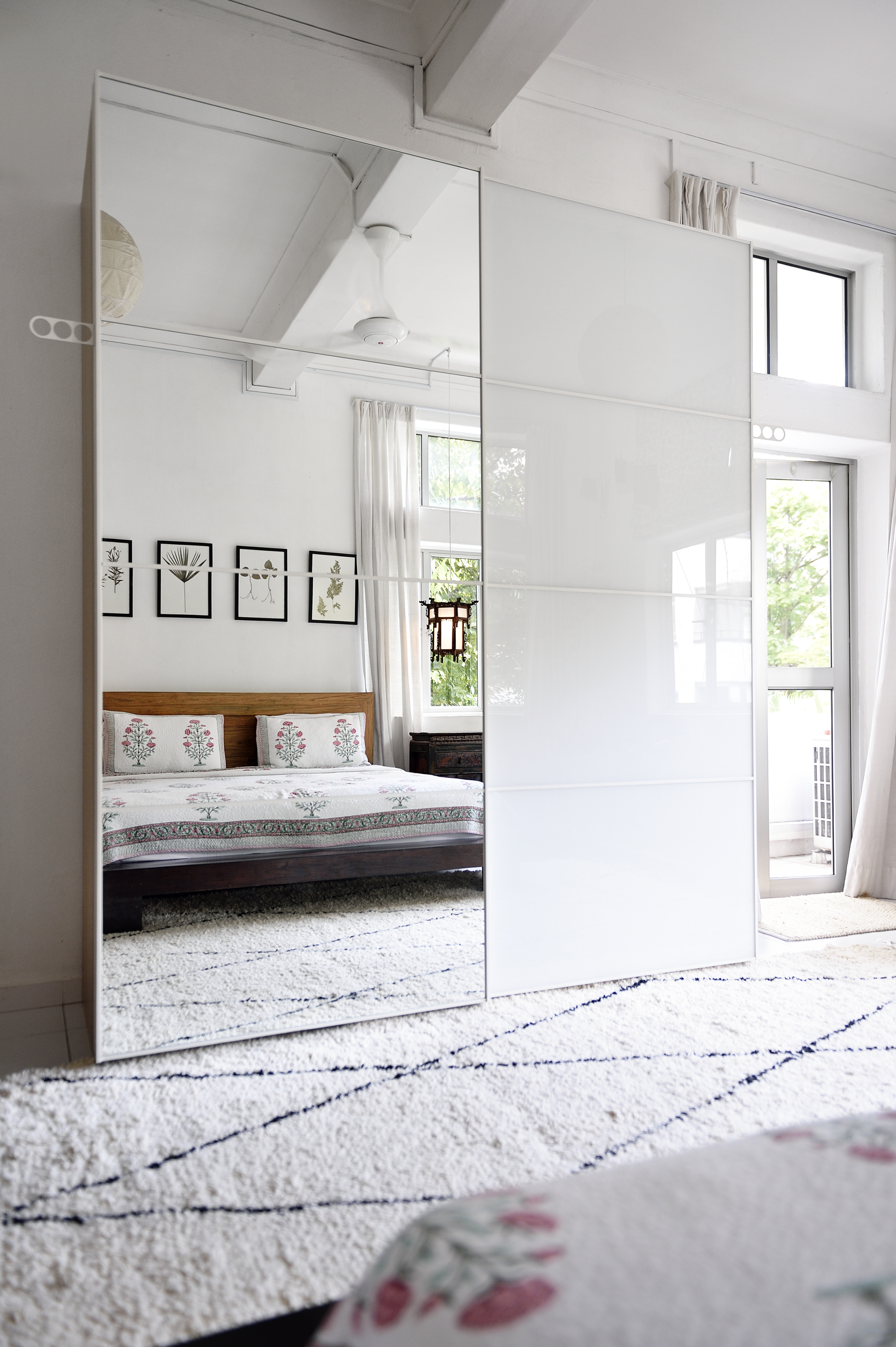
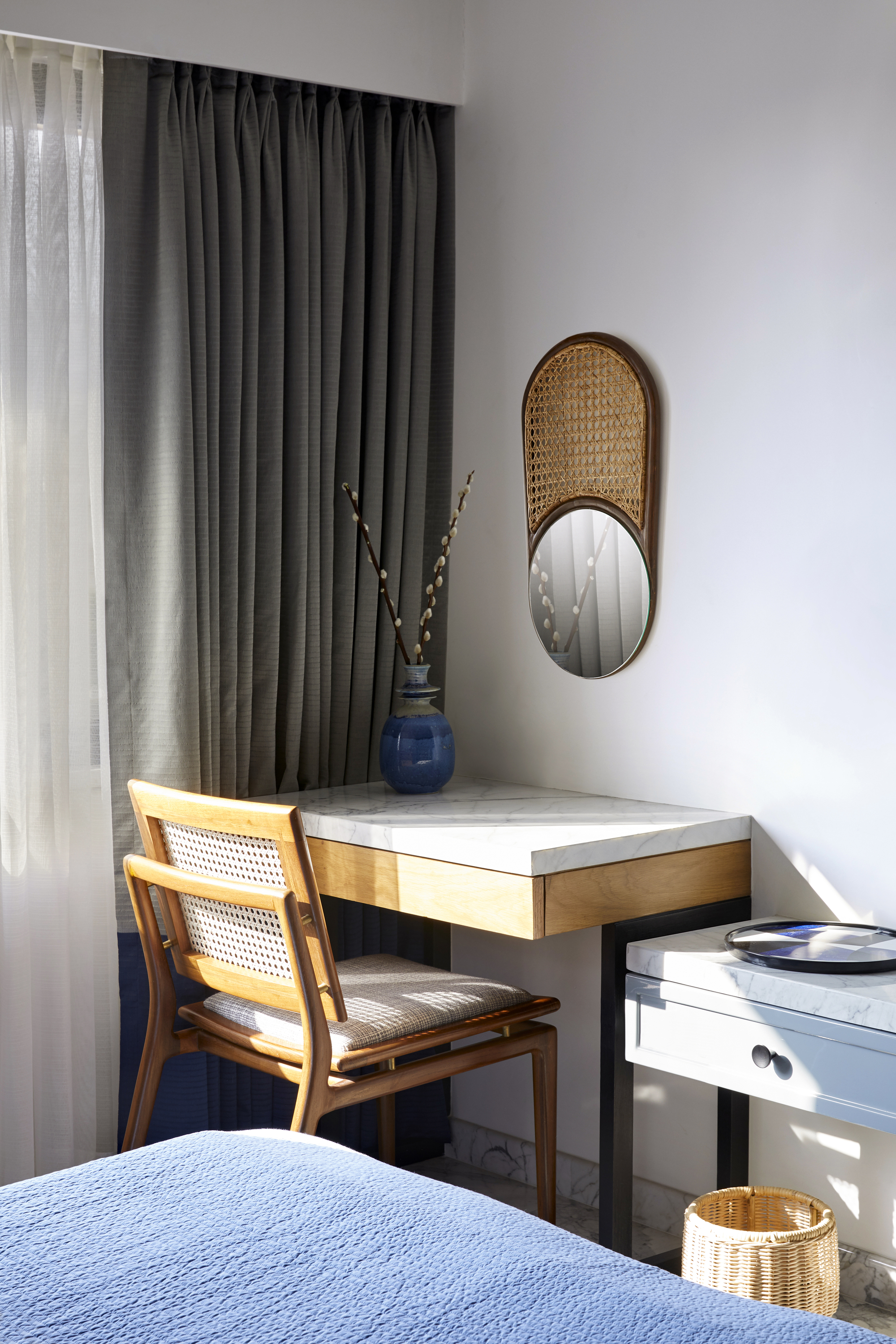
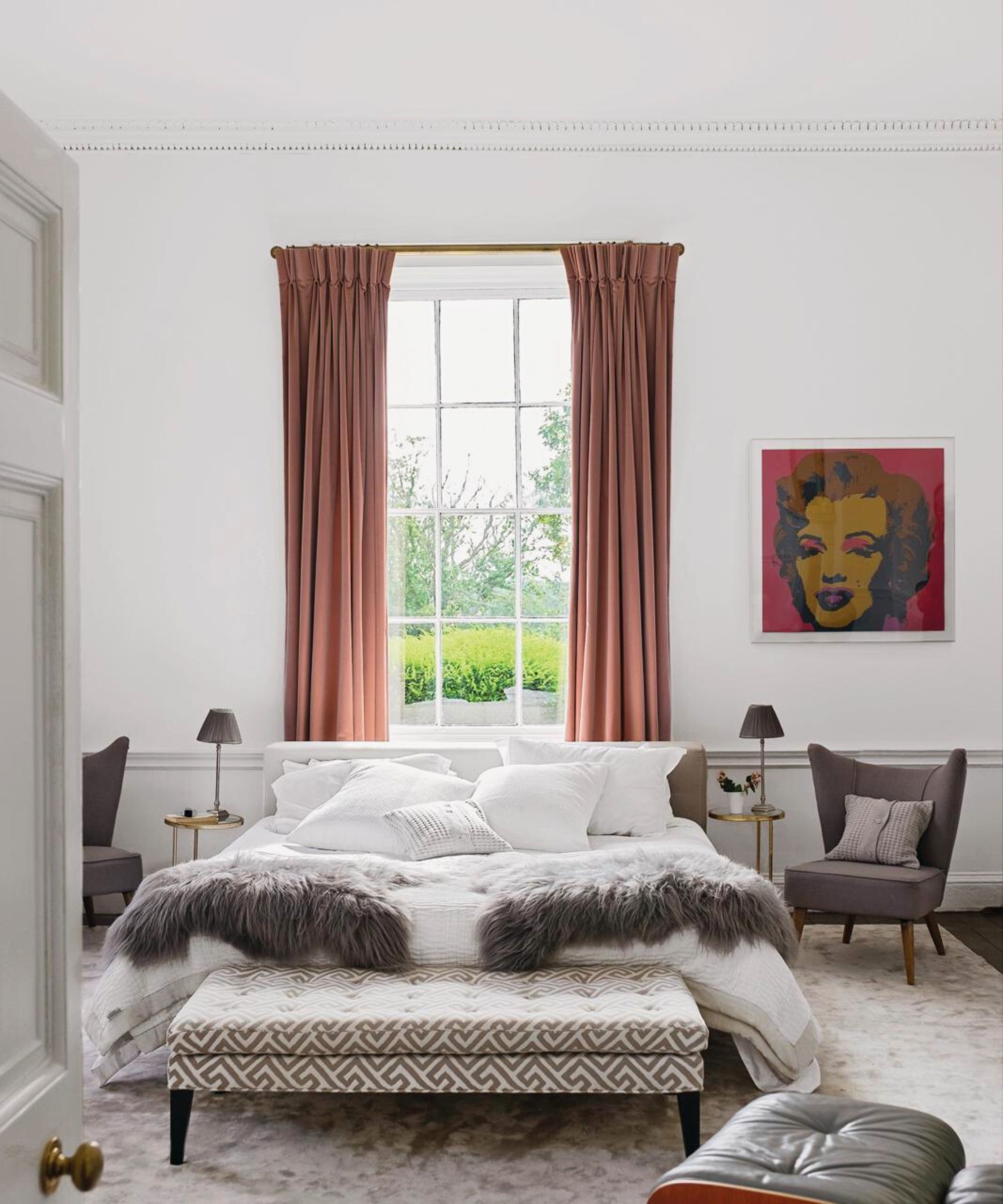
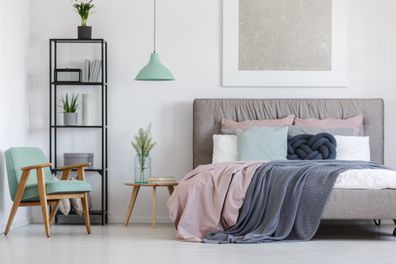
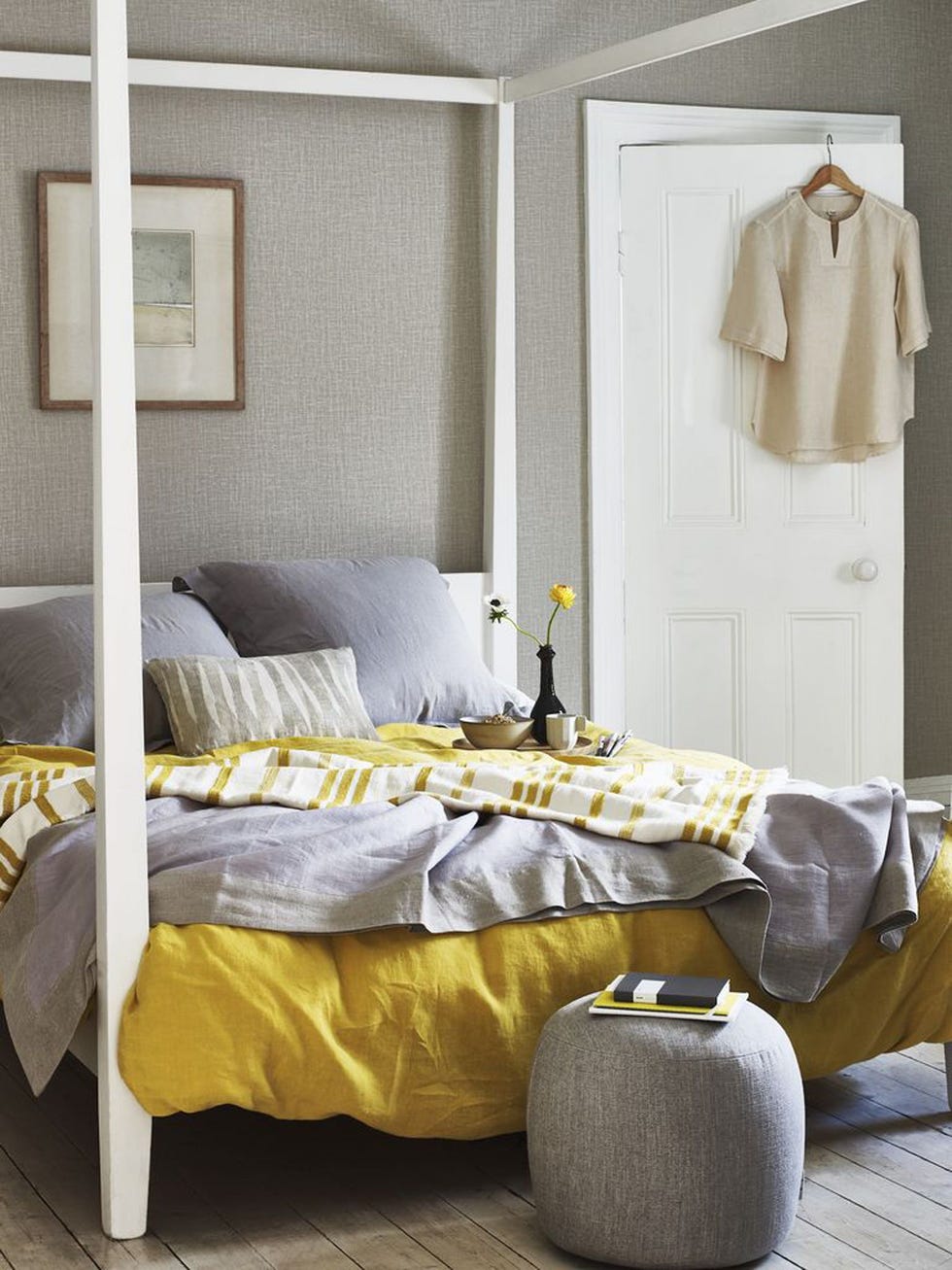
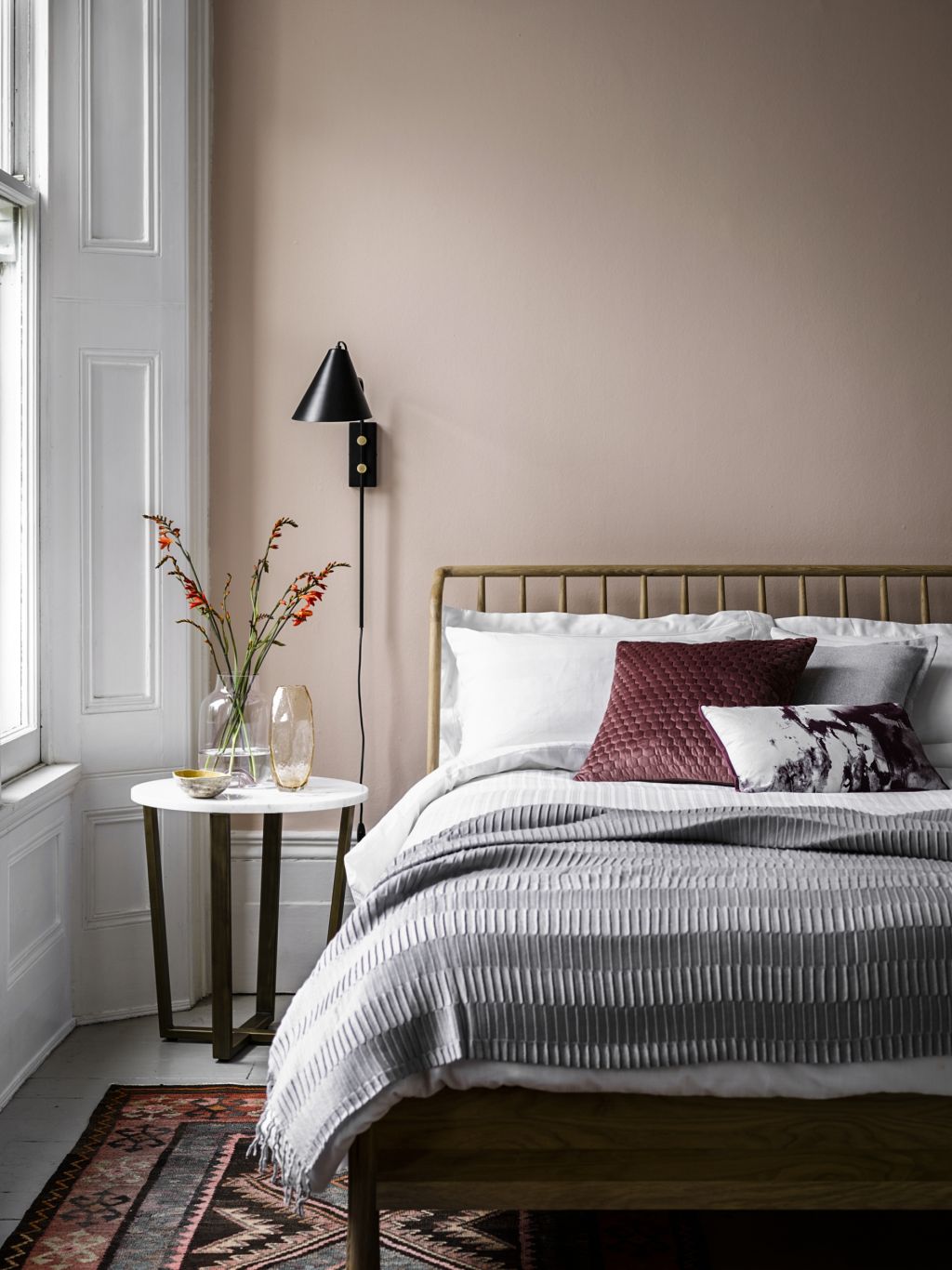
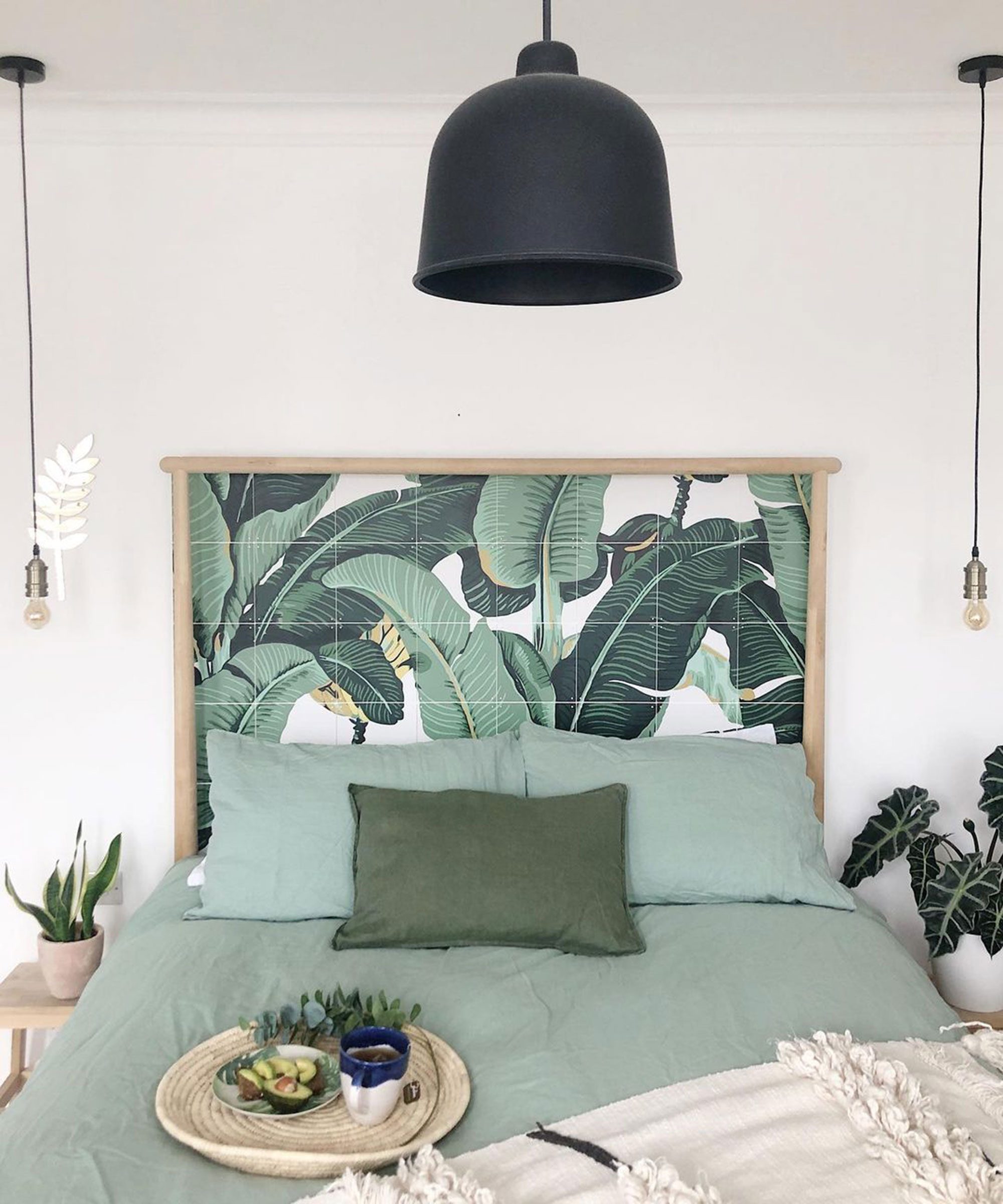
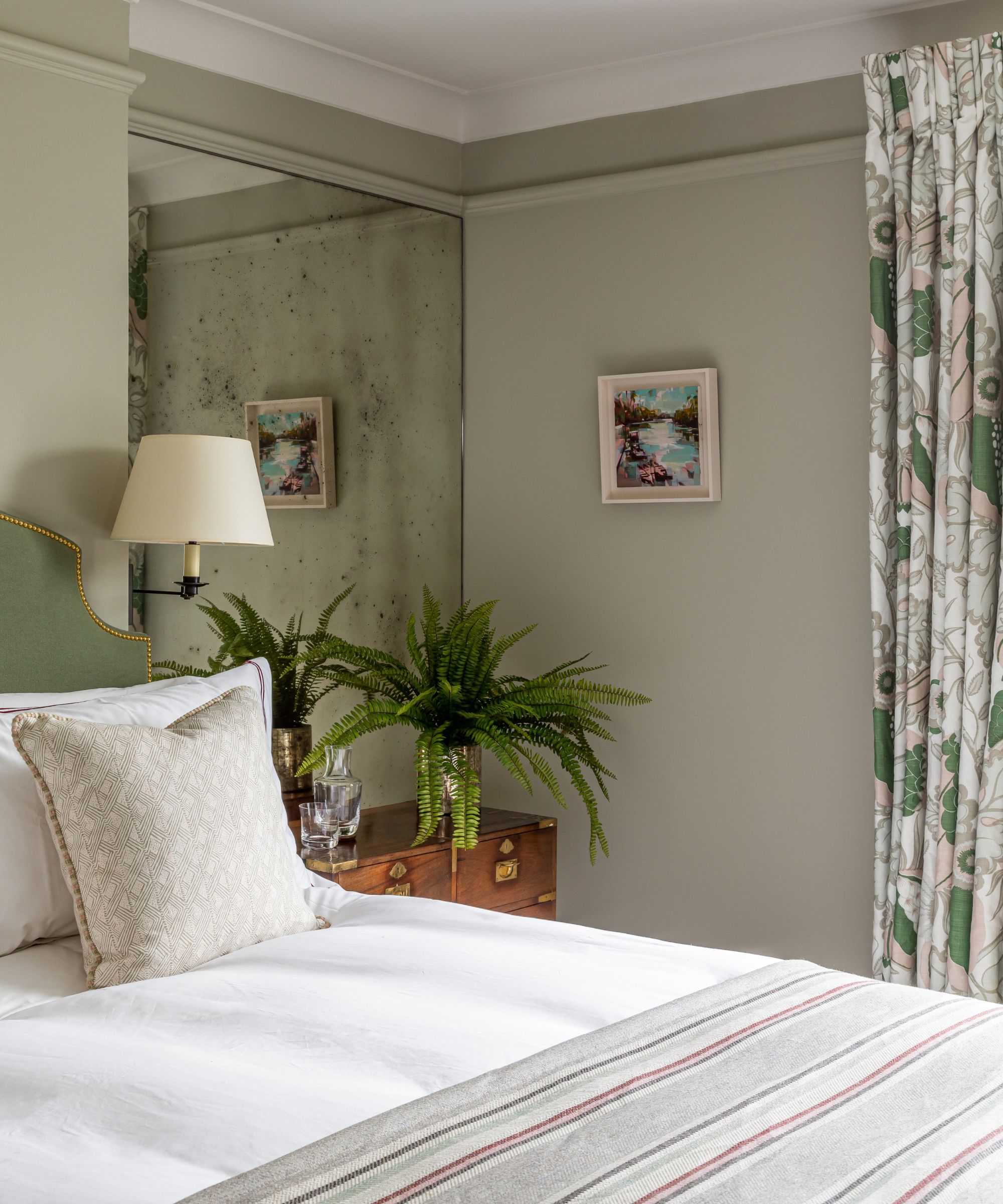
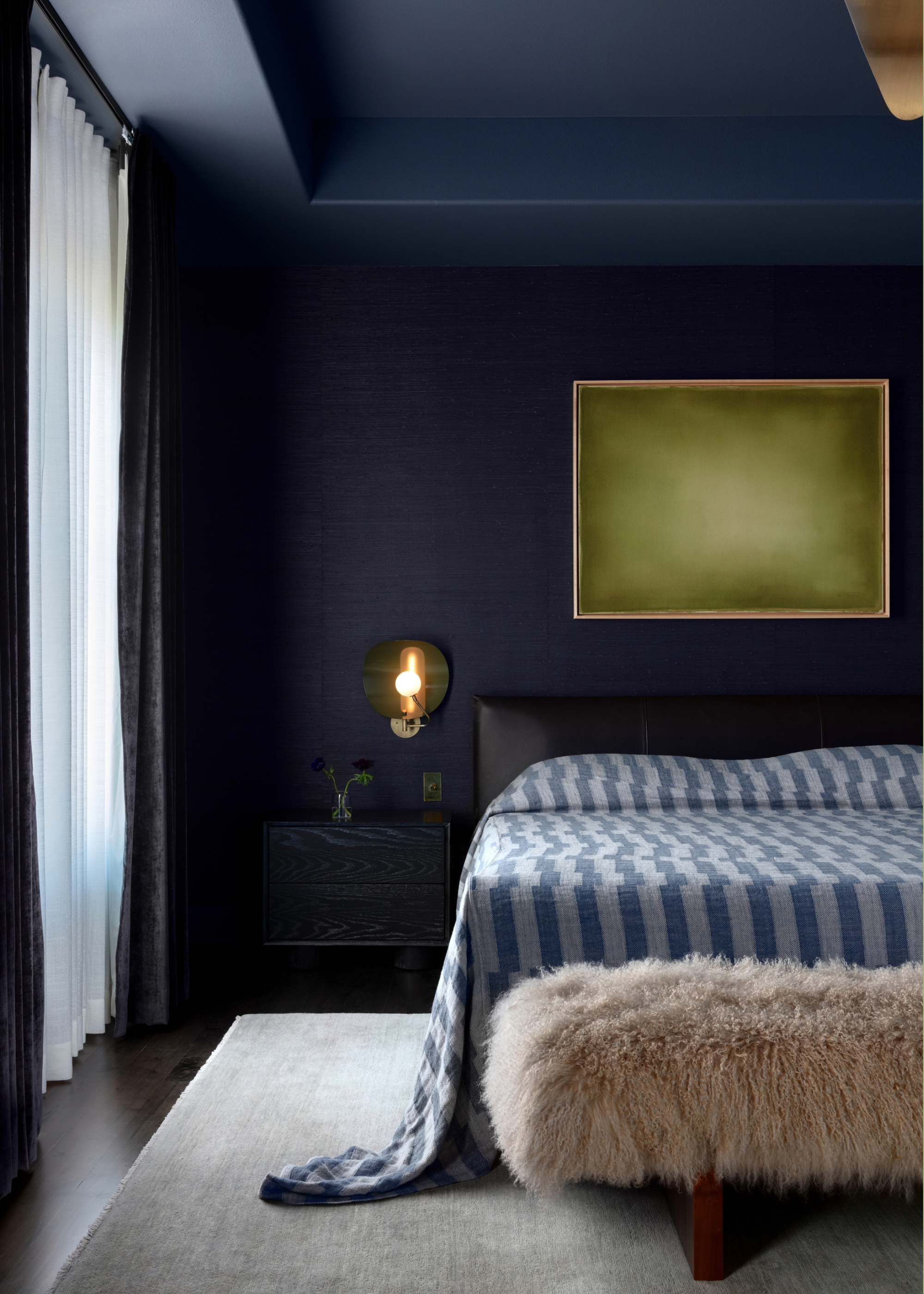
The sixth principle highlights the importance of a calming color palette. Balancing yin and yang energy involves blending hard and soft elements. Nature-inspired hues are recommended, and a darker floor with lighter walls and ceiling can help ground the space. Feng shui experts caution against an all-white palette, as it can disrupt balance. The article stresses that color is welcome, and personal preferences should guide choices to promote positivity. Seventh, mirrors should be positioned carefully to avoid reflecting the bed directly, as they can disrupt calming energy, especially if they reflect clutter. Eighth, technology should be avoided in the bedroom. TVs and cell phones introduce energizing 'chi,' disrupting sleep and relaxation. Work-related items should also be removed to maintain the bedroom as a space for romance and rest.
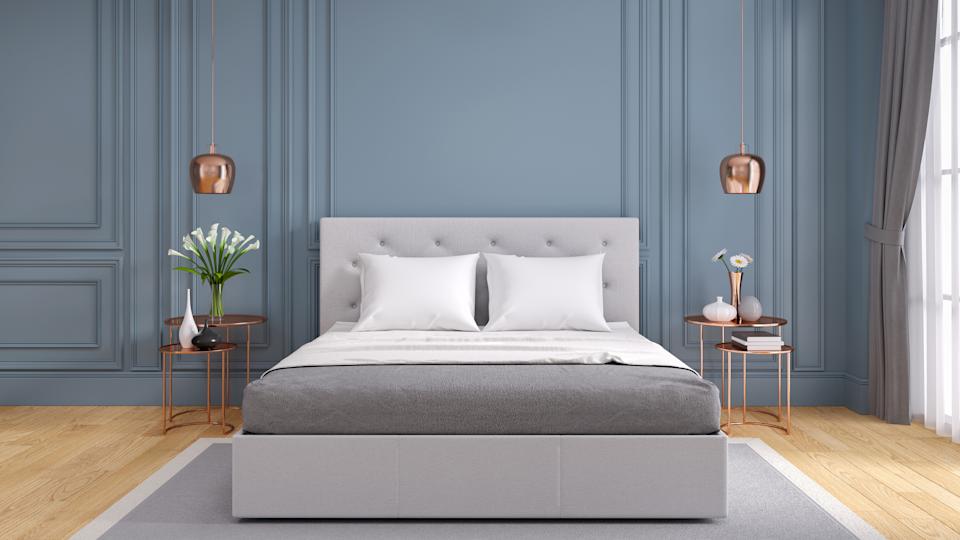
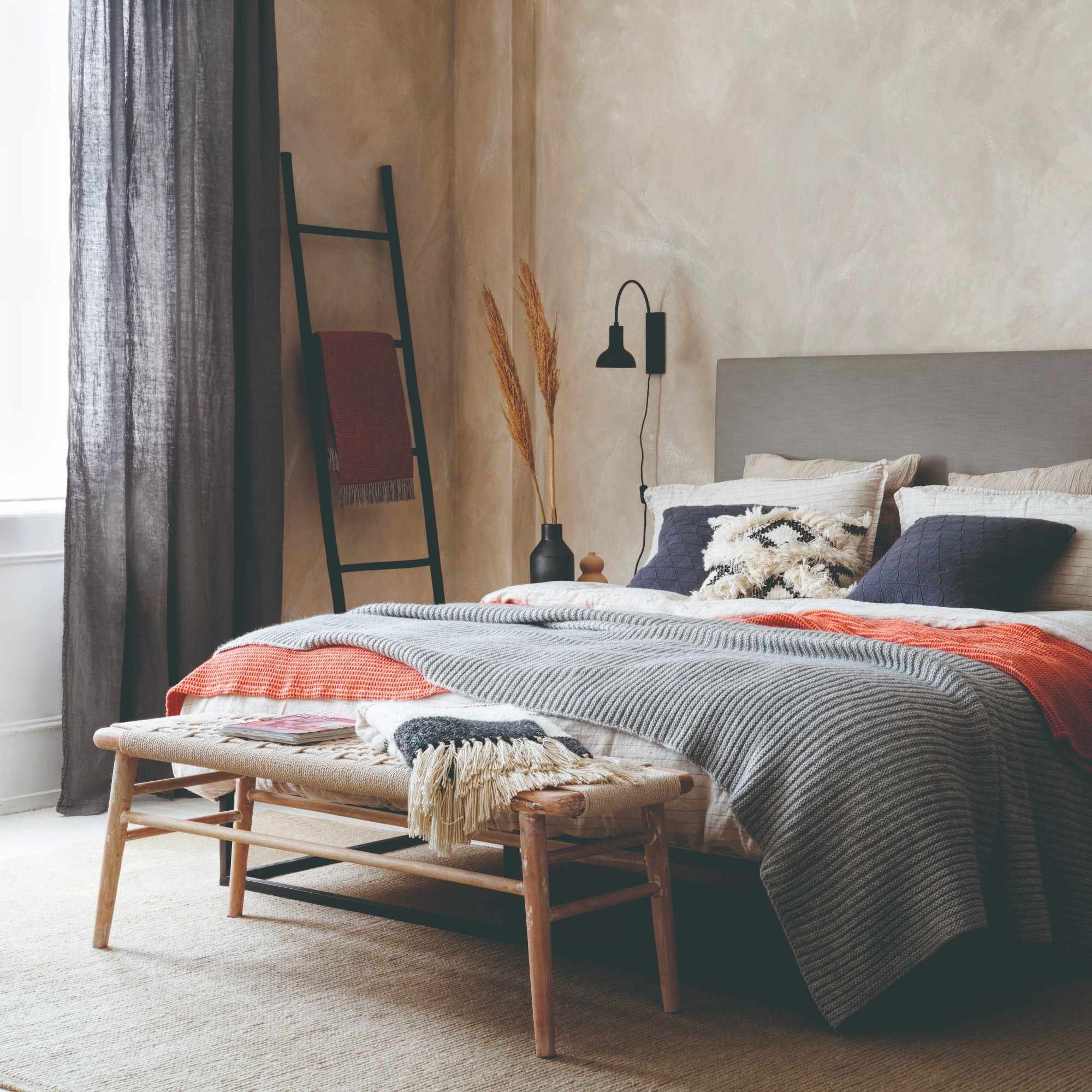
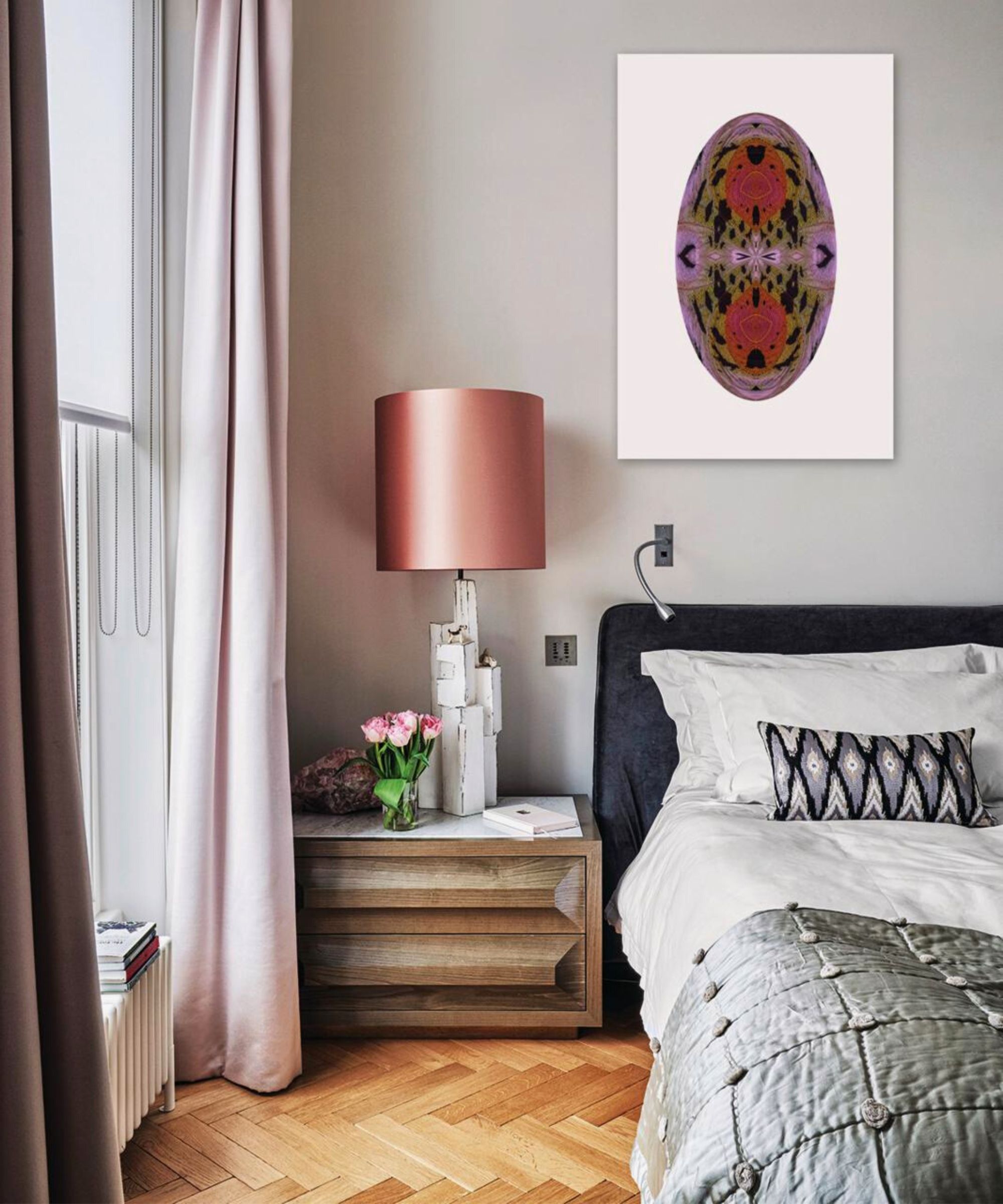
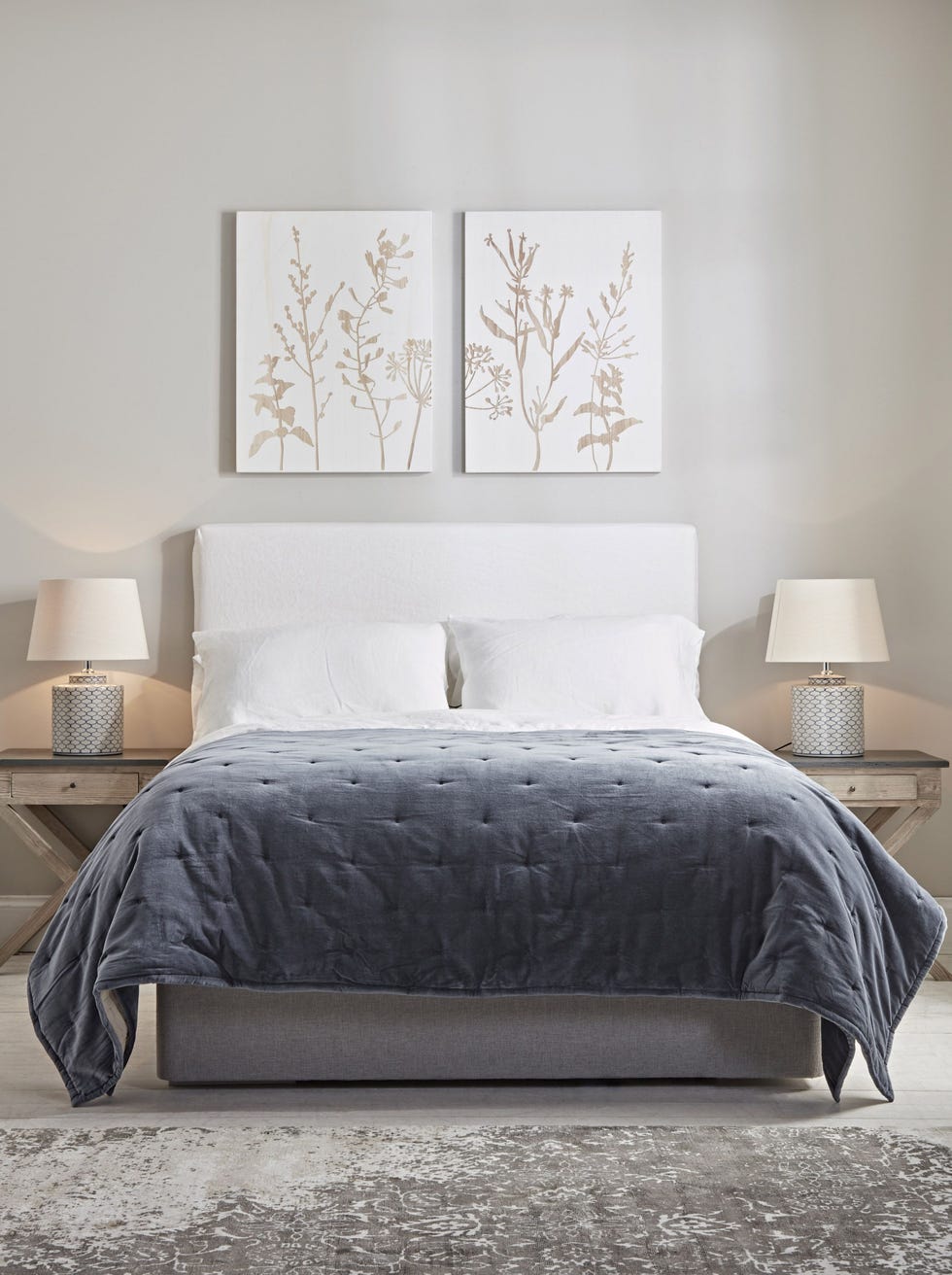
Ninth, adding a soft rug is recommended to provide a comfortable surface for starting the day and to help ground the room with earth elements. Tenth, striving for symmetry in design helps balance energy and create harmony. While not necessarily perfectly matched, nightstands and lamps or sconces should have complementary sizes and weights. Finally, the eleventh tip encourages hanging favorite artwork. Personalizing the space with beloved pieces ensures the bedroom is a welcoming and happy sanctuary, reinforcing the overall goal of feng shui to foster harmony and positivity through intentional design choices. #FengShui #BedroomDesign #HomeDecor #InteriorDesign #Wellness #Mindfulness #SleepImprovement #Decluttering #HomeHarmony
0 commenti in totale
 Nessun commento ancora
Potresti anche gradire
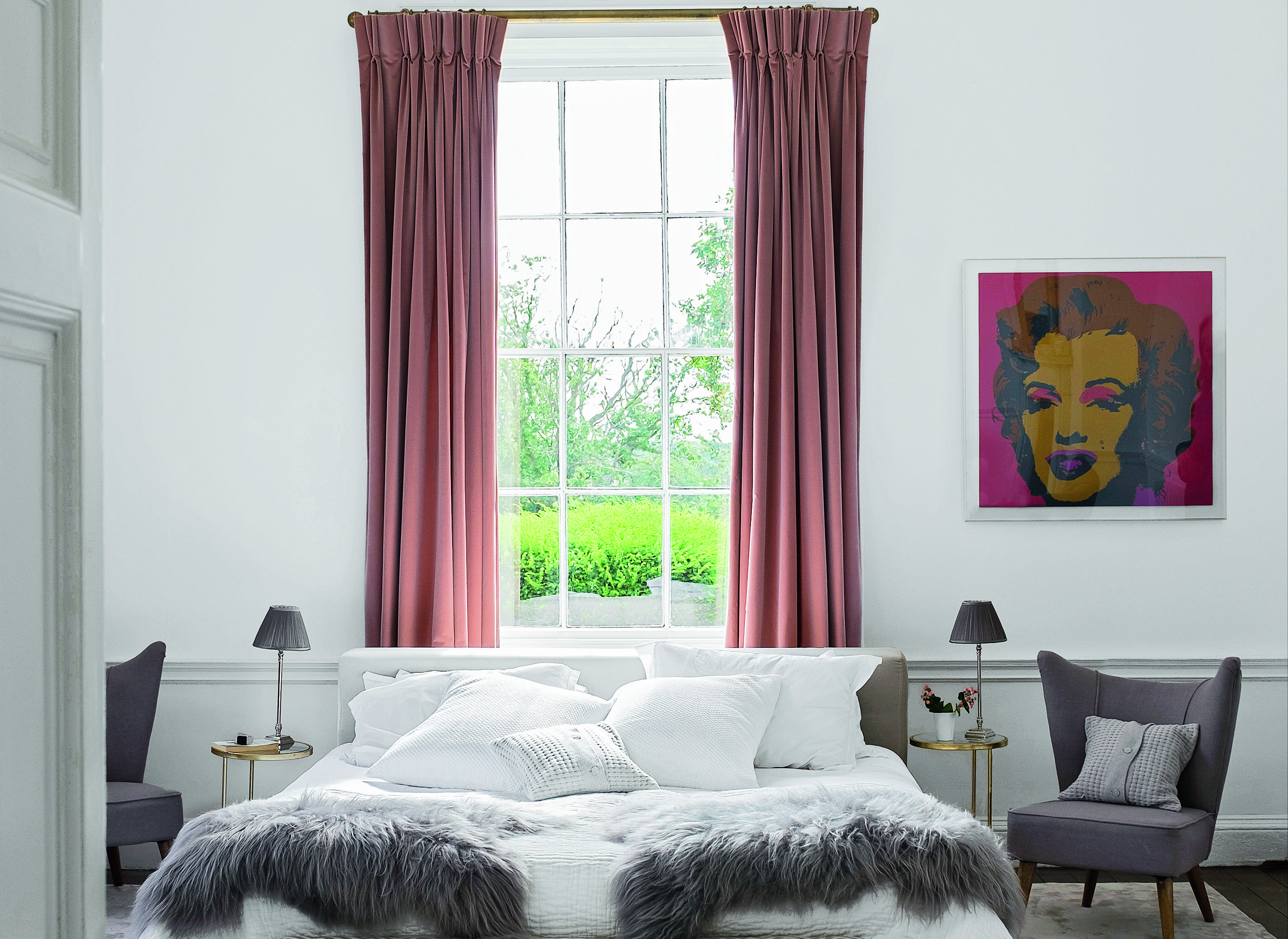
These Feng Shui experts say you shouldn't position your bed like this if you want to sleep well — and it's a common layout idea

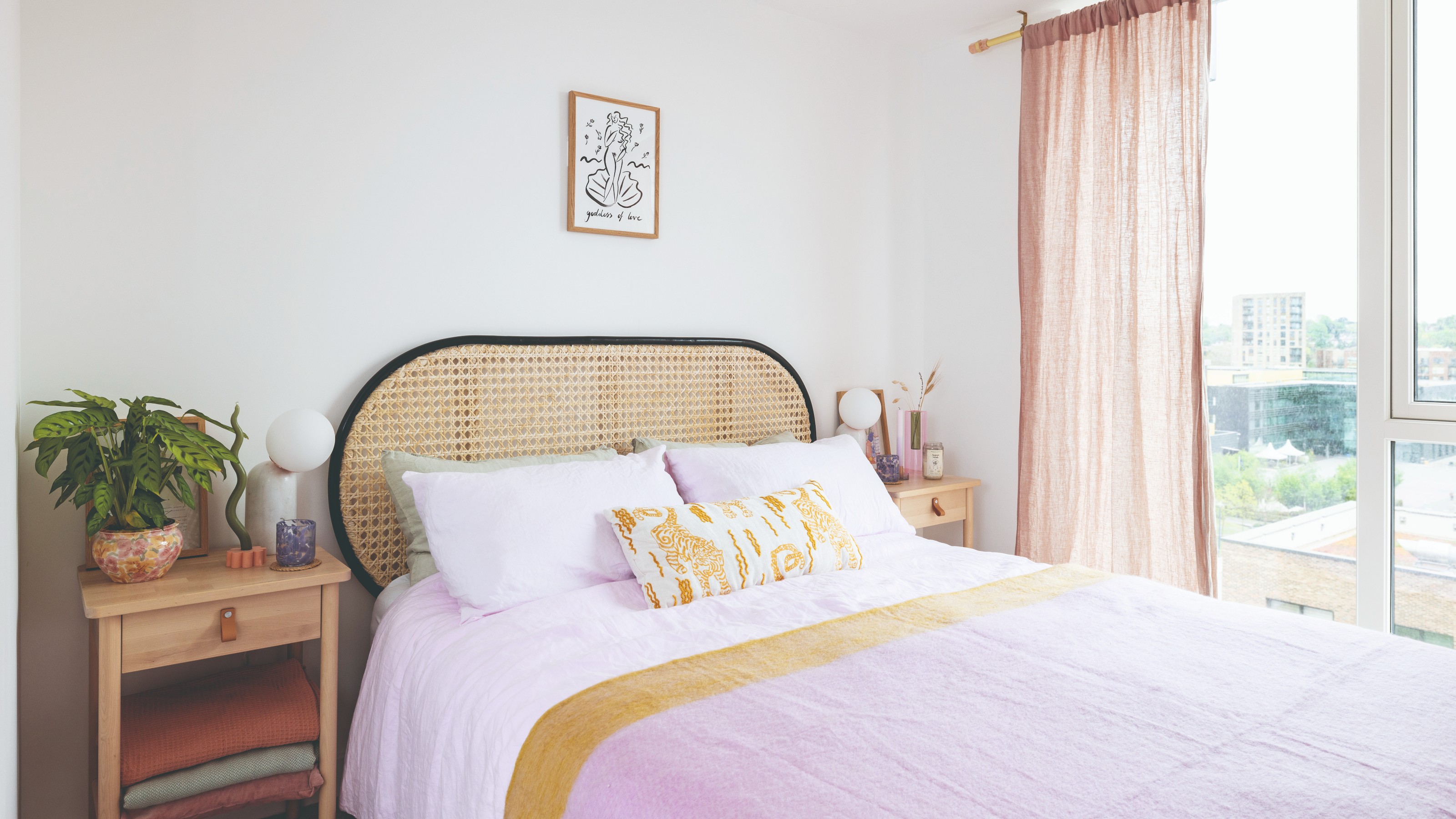
Do you sleep facing north? According to sleep experts you really should be
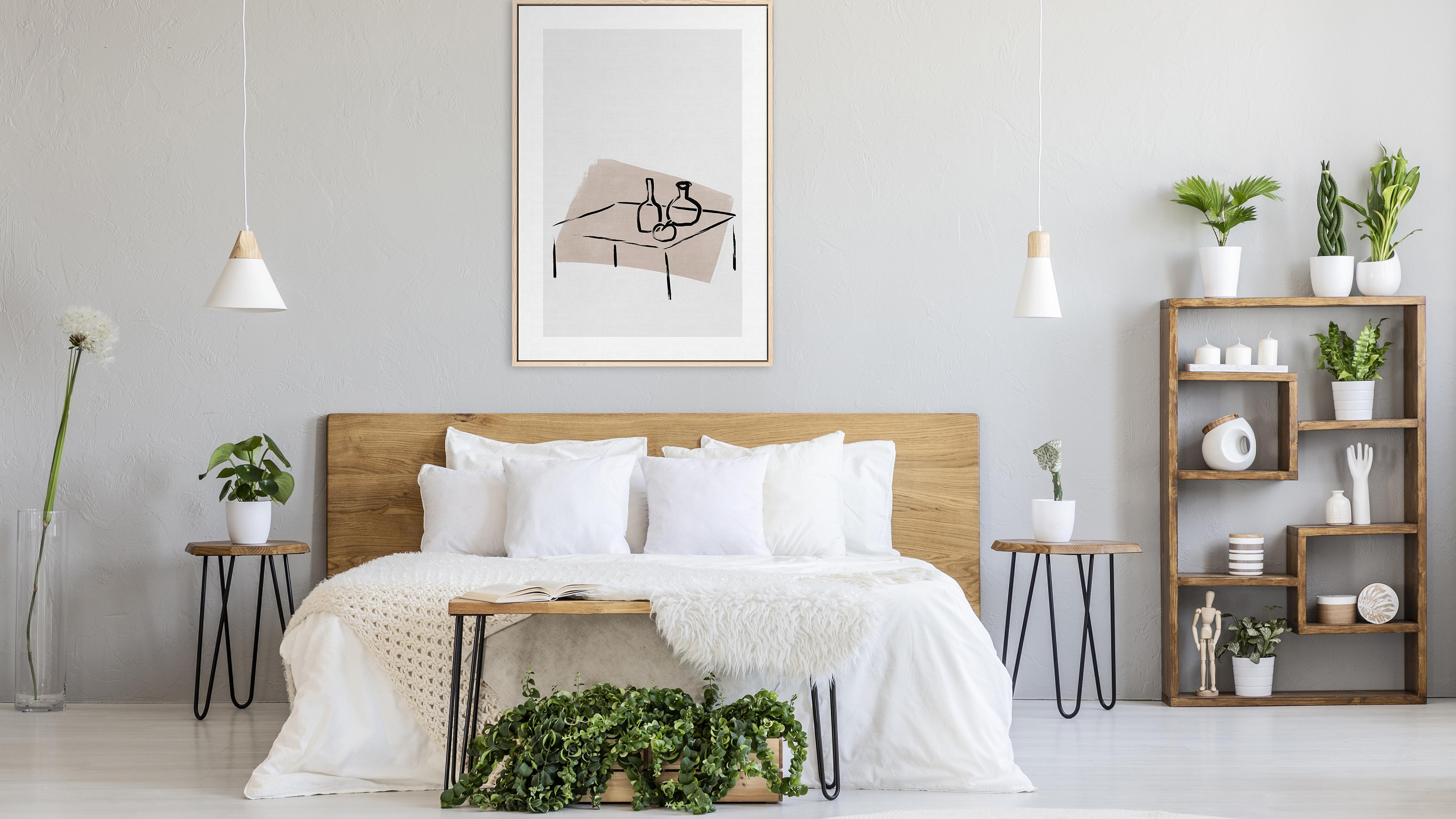
Feng shui bedroom layout tips and rules – how to create a zen sleeping space

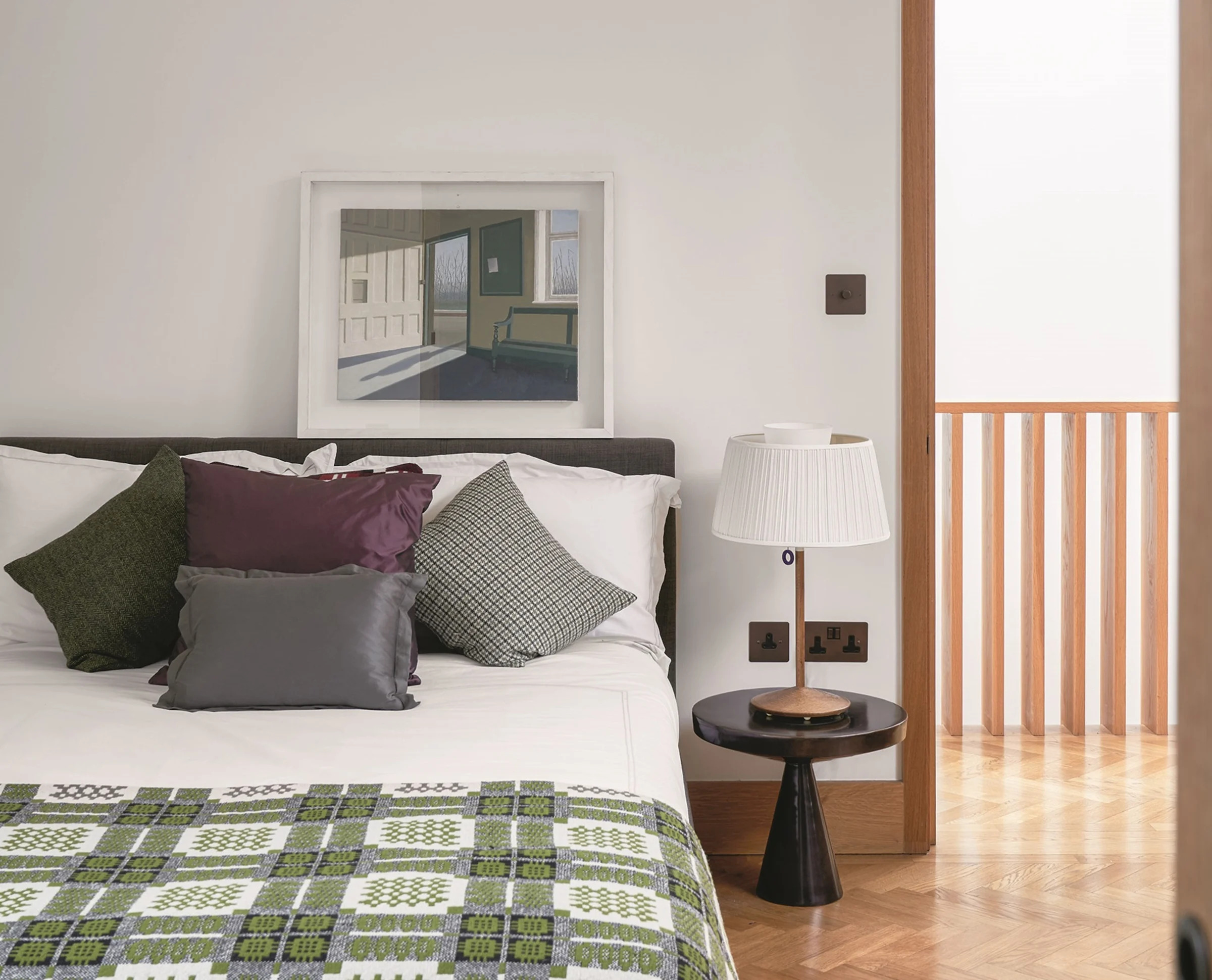
Feng Shui experts warn you to avoid this mistake so that you sleep better, and to choose this bedroom layout instead

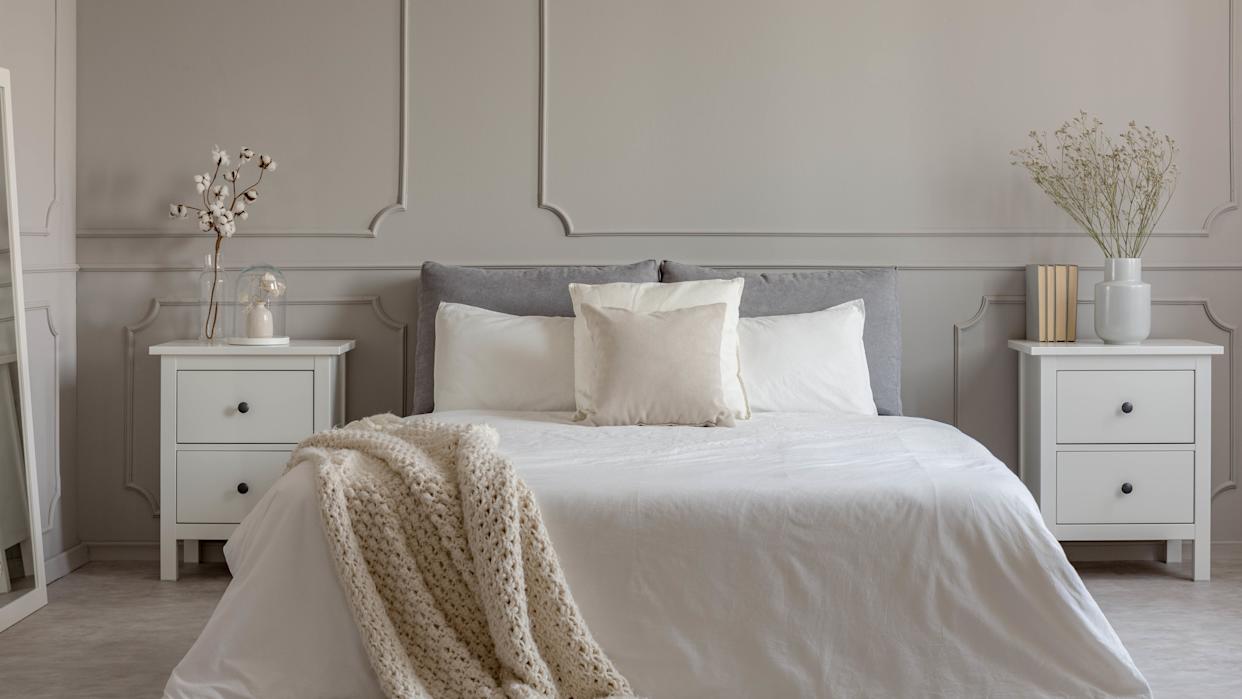
Should your bed face the door? Here's what the experts think


Is it okay to place a bed under a window? Feng Shui experts offer their advice

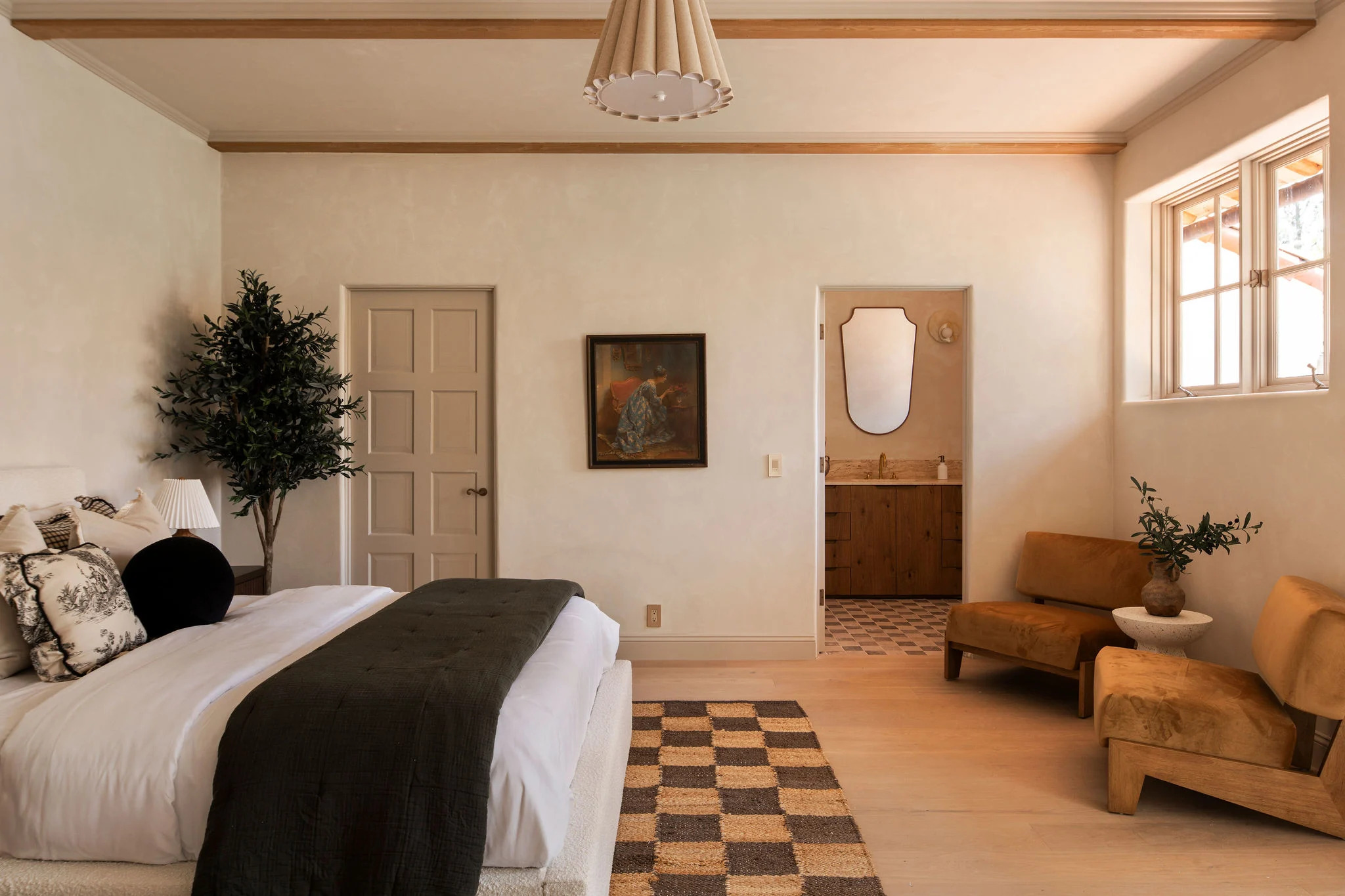
Is Your Bed Facing North Really the Best Way to Get Good Night's Rest? Sleep and Feng Shui Experts Weigh in
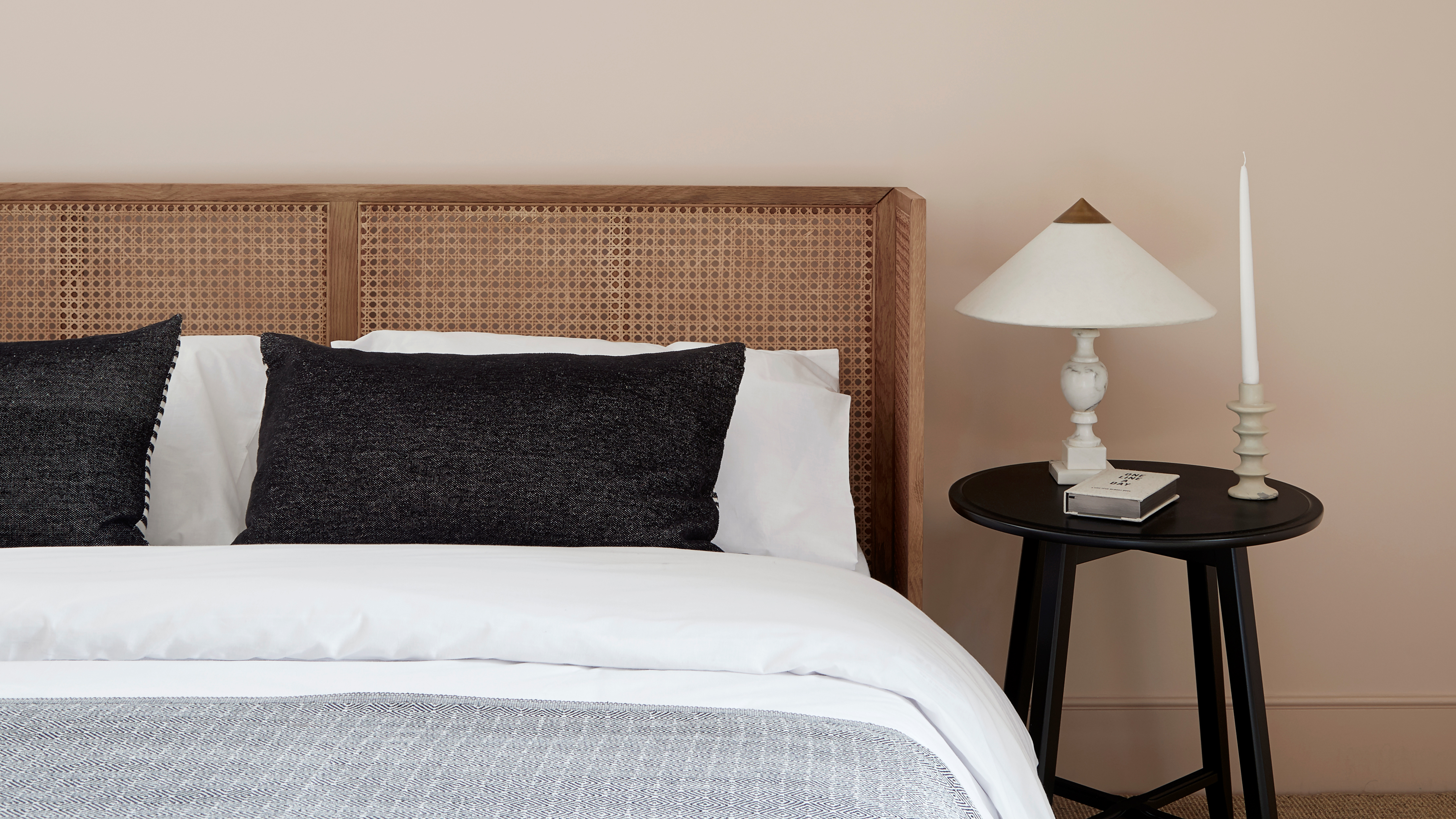
Bedroom Feng Shui – 10 tips for creating a zen-like space to encourage sleep

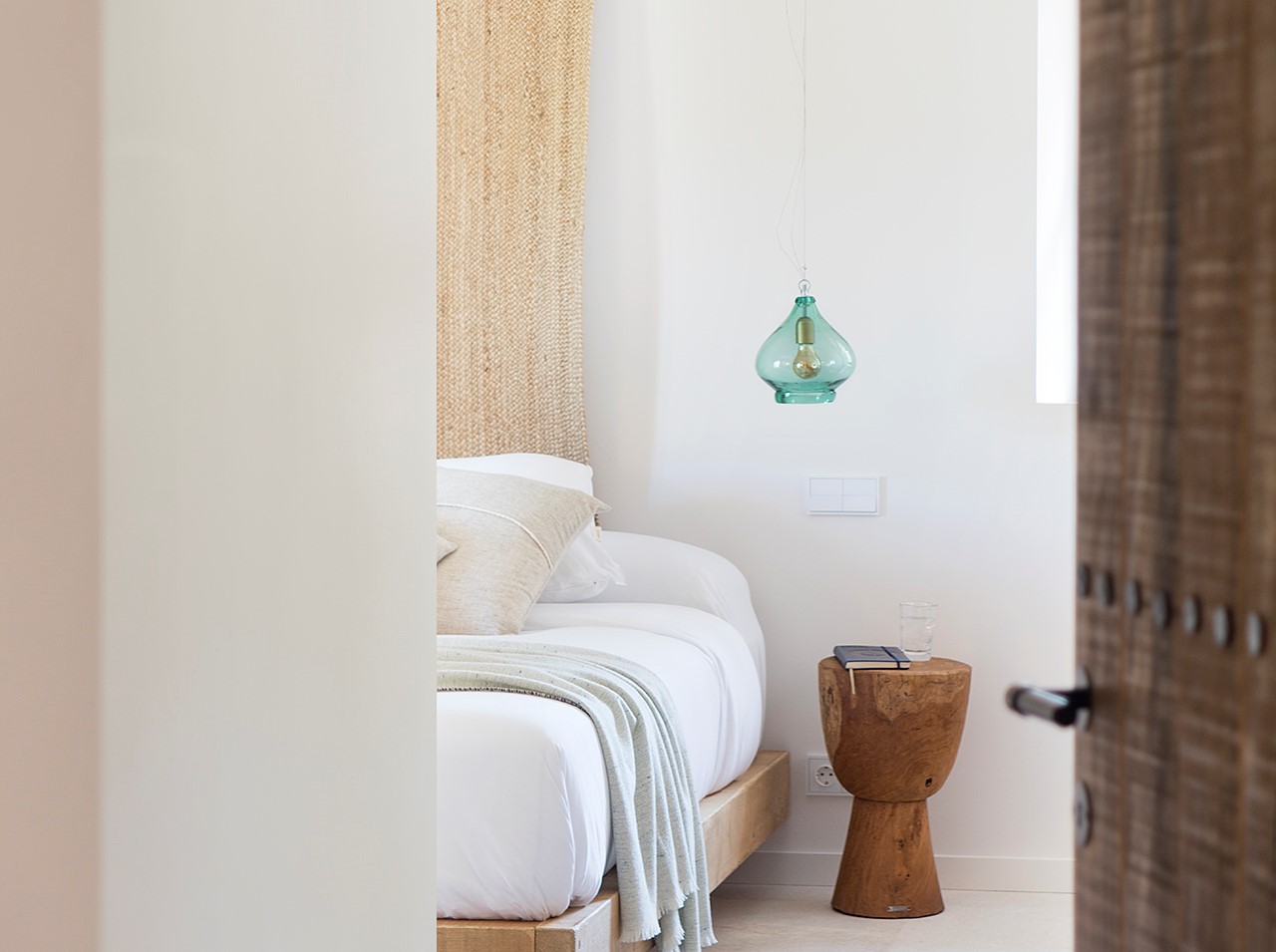
Should my bed be facing the door? Why the wrong bedroom layout could be disrupting your sleep

Why your bed should never face away from the door, plus 3 more Feng Shui bedroom rules
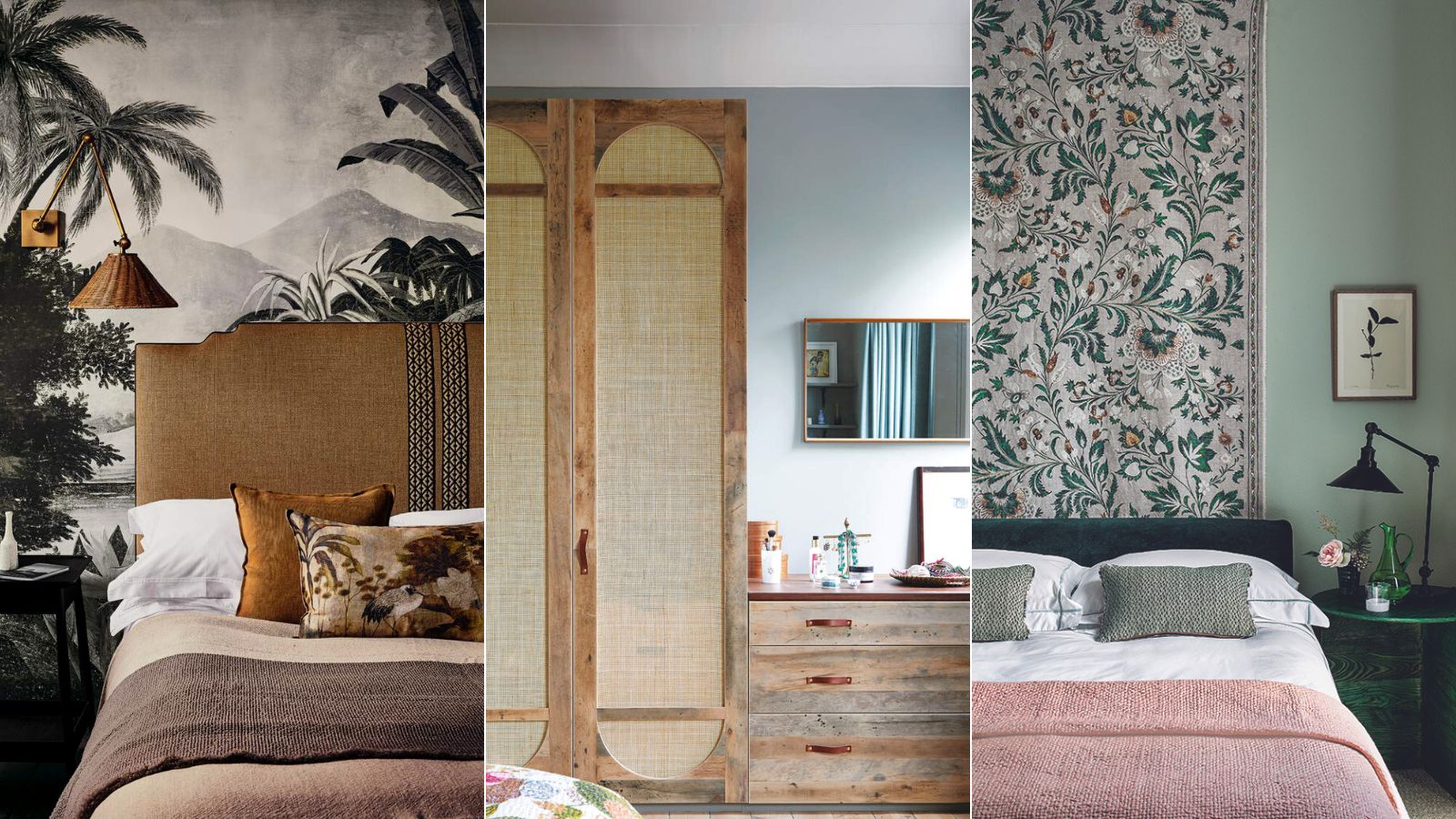
Feng Shui bedroom layout – 8 ways to curate a rejuvenating space
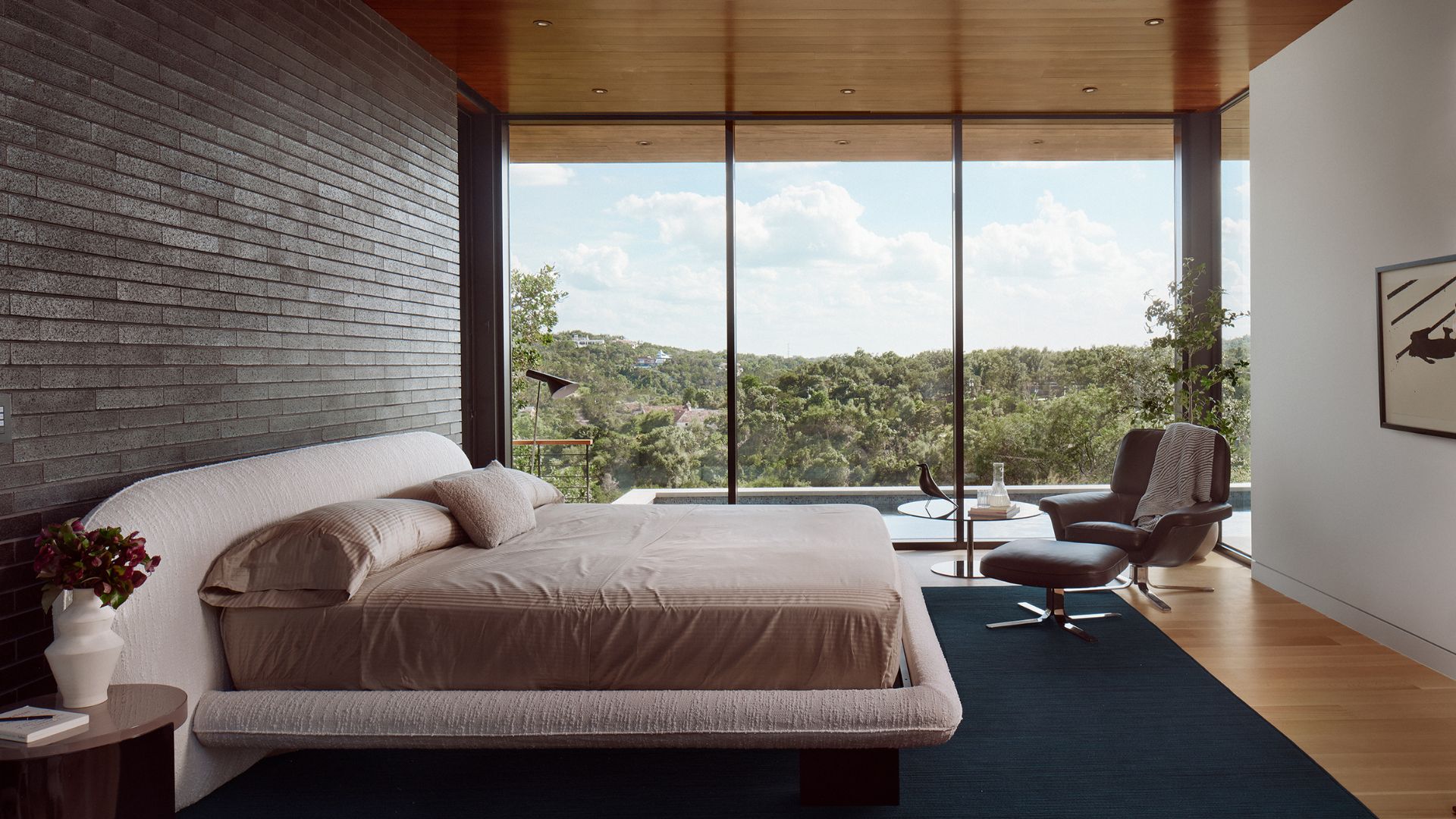
5 Things You Should Never Put Above Your Bed — Especially If You Want Good Feng Shui in Your Home
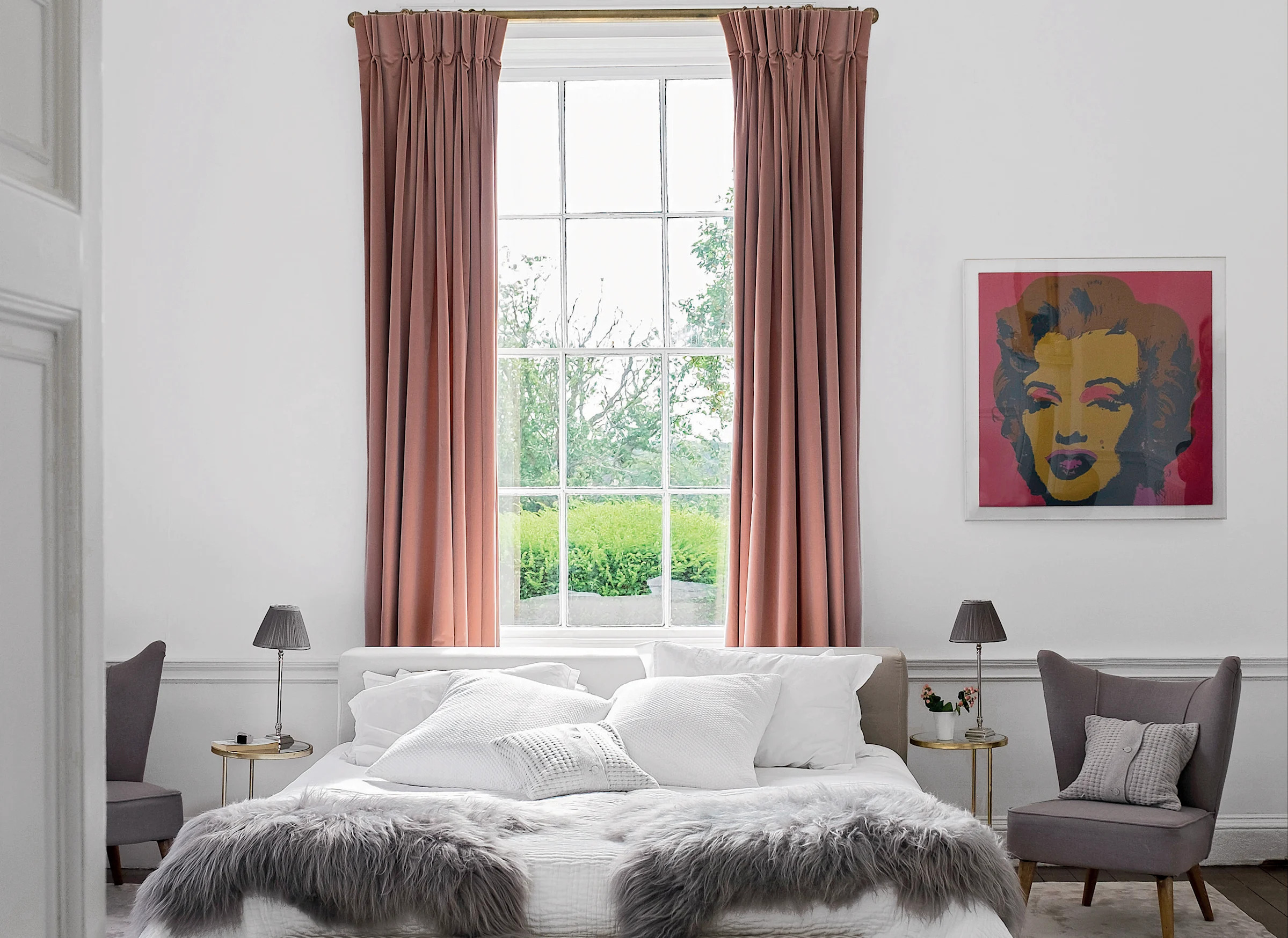
These Feng Shui experts say you shouldn't position your bed like this if you want to sleep well – and it's a common layout idea

This big Feng Shui mistake in your bedroom could be causing your poor sleep
This is where your guest room should be in your home, according to Feng Shui
14 ways to bring feng shui to your bedroom for harmony and balance
'Never sleep with a chair facing you' – Feng Shui experts bust this viral myth about your bedroom layout

How to Feng Shui your bedroom
'Waking feeling drained' - bad Feng Shui headboard choices explained
'Never sleep with a chair facing you' – Feng Shui experts bust this viral myth about your bedroom layout