The 6 commandments of mid-century modern design
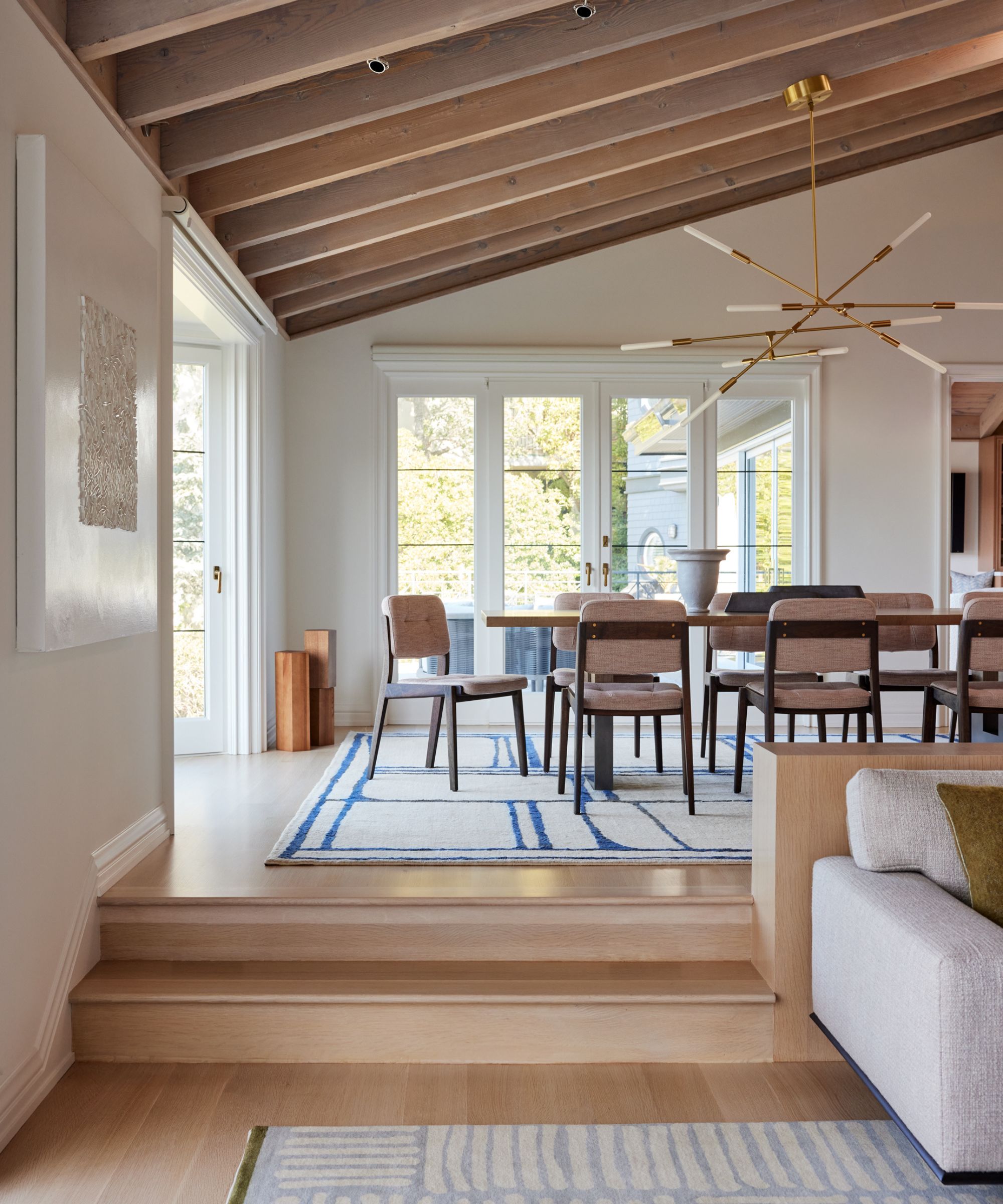
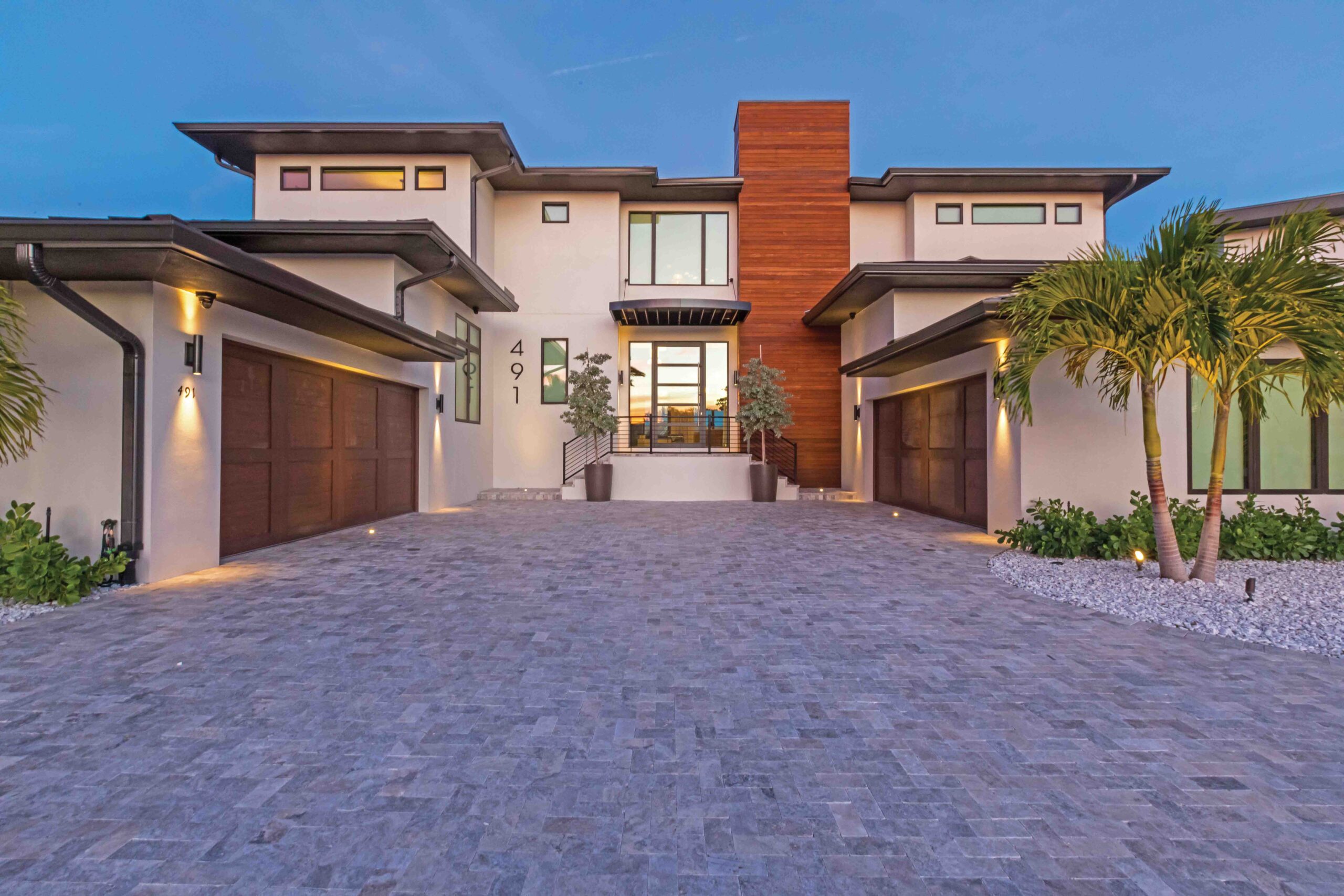
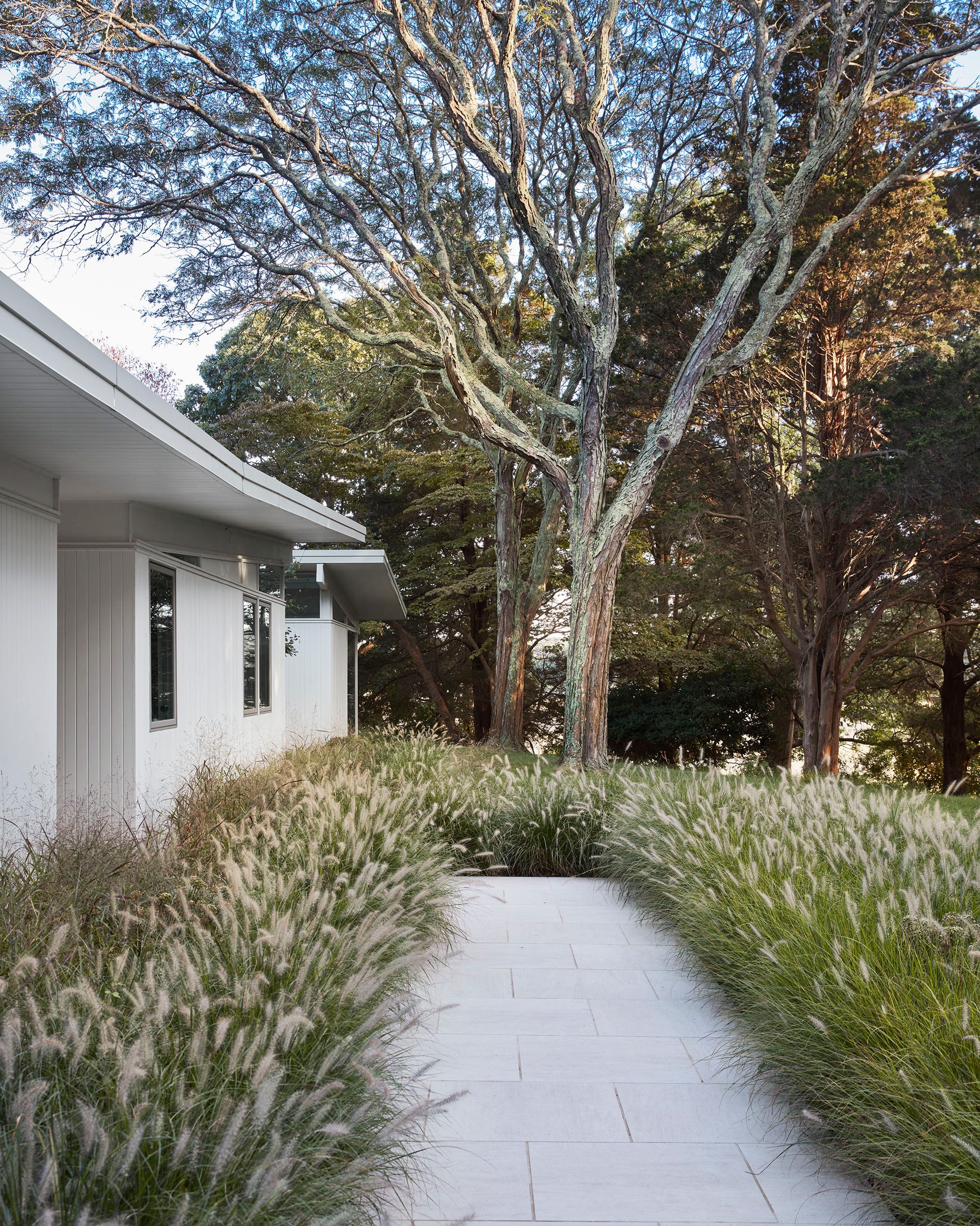
Mid-century modern design, a style that emerged in the 1940s and continued through the late 1960s and early 1970s, remains highly influential in contemporary home design. Its enduring appeal is attributed to its distinctive features, which blend functionality with aesthetic simplicity. The style originated from German architects and designers who immigrated to the United States post-World War II, building upon earlier movements like Bauhaus. This foundational influence is evident in its characteristic clean lines, organic and geometric forms, minimalist orientation, and high functionality, making it a perennially popular choice for interior designers and homeowners.


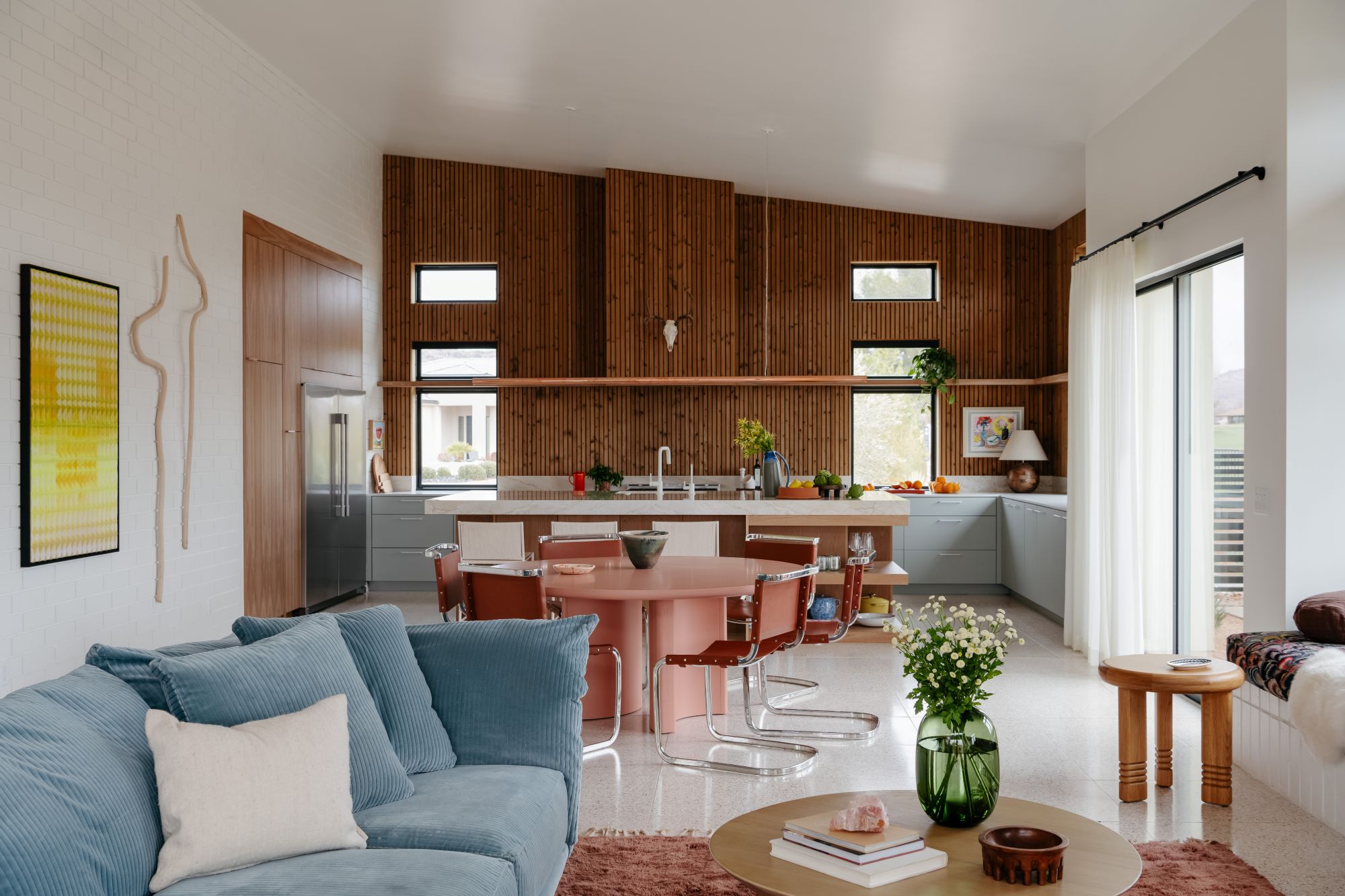
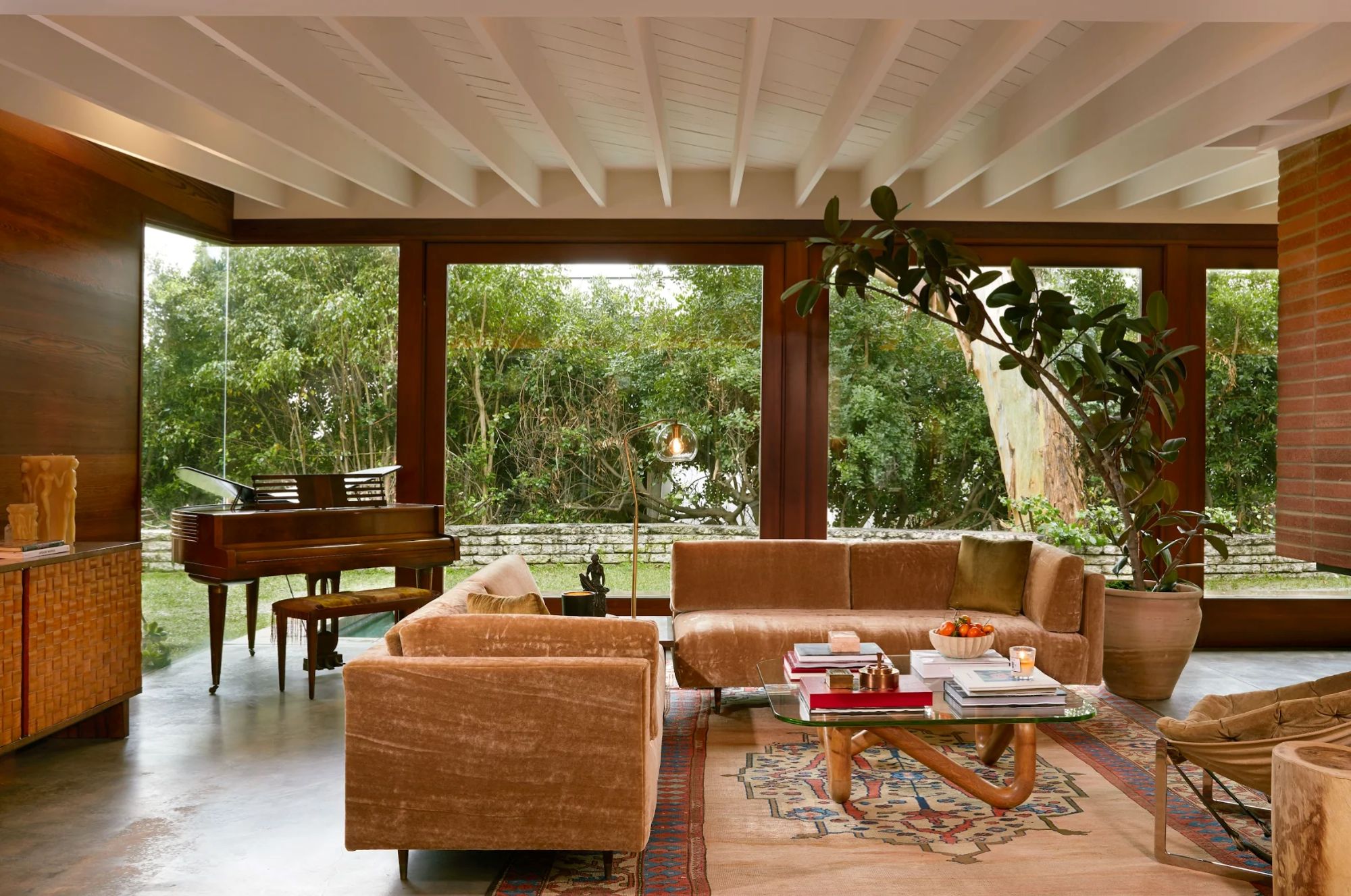
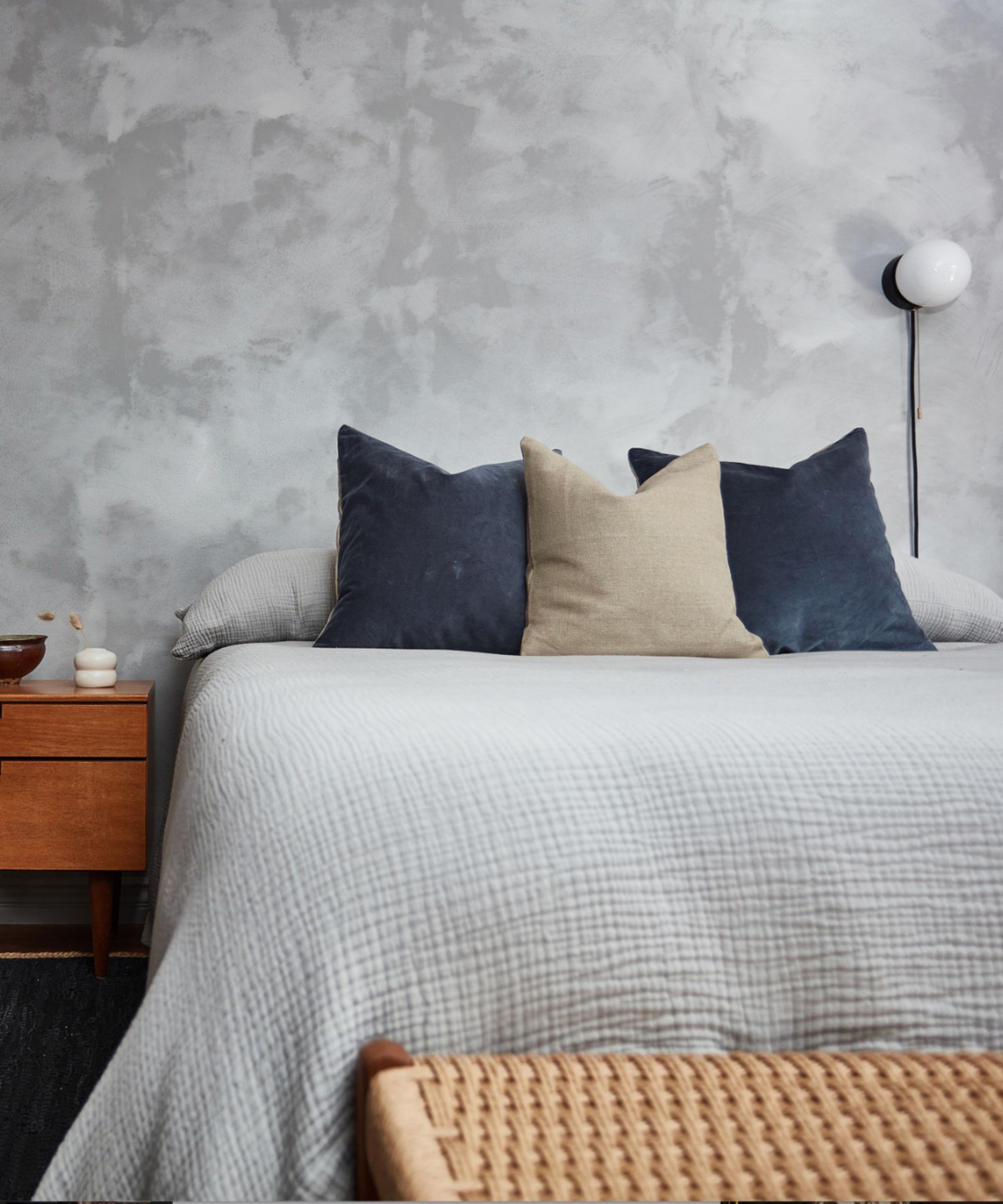
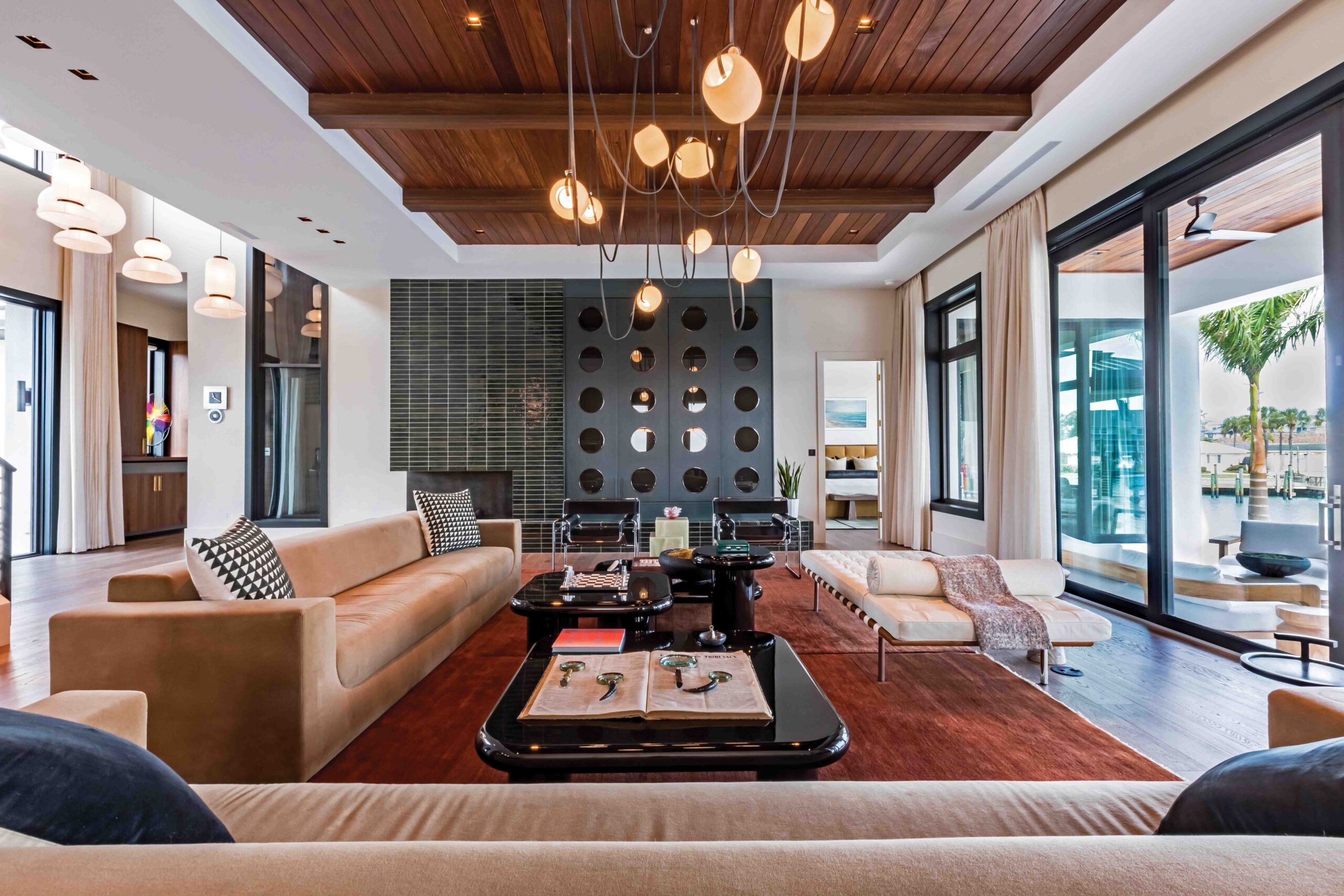
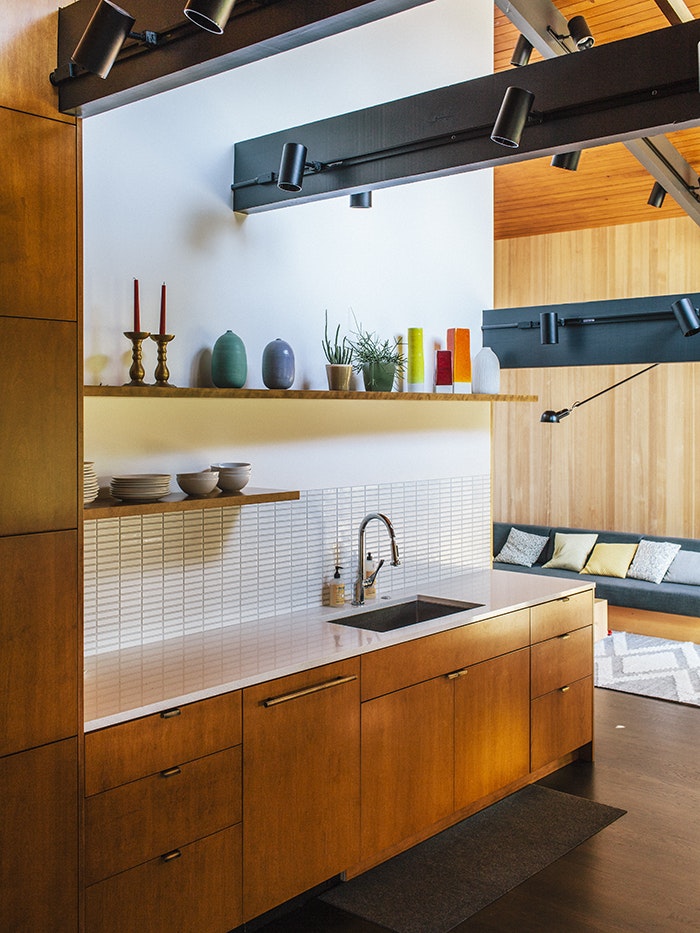
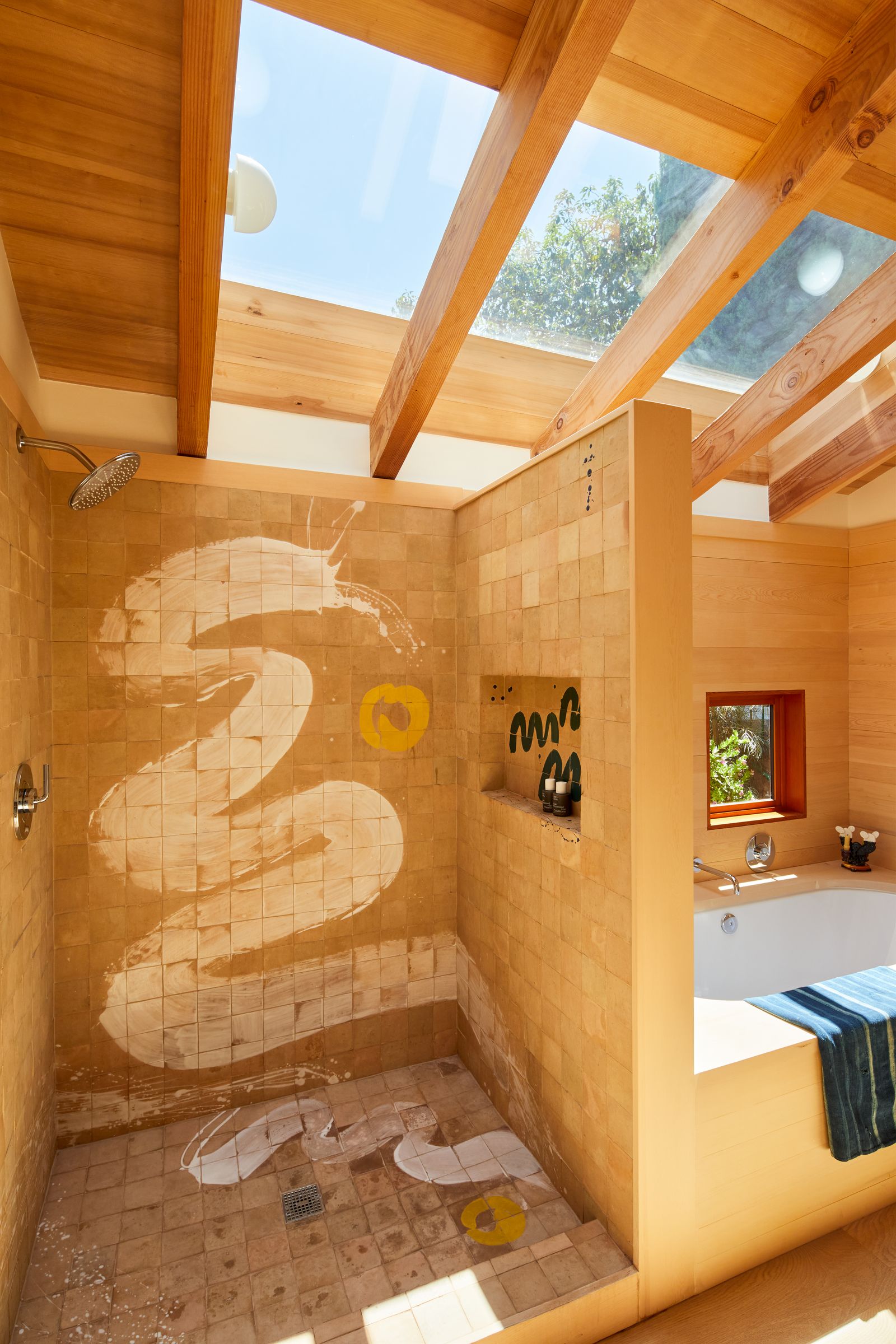
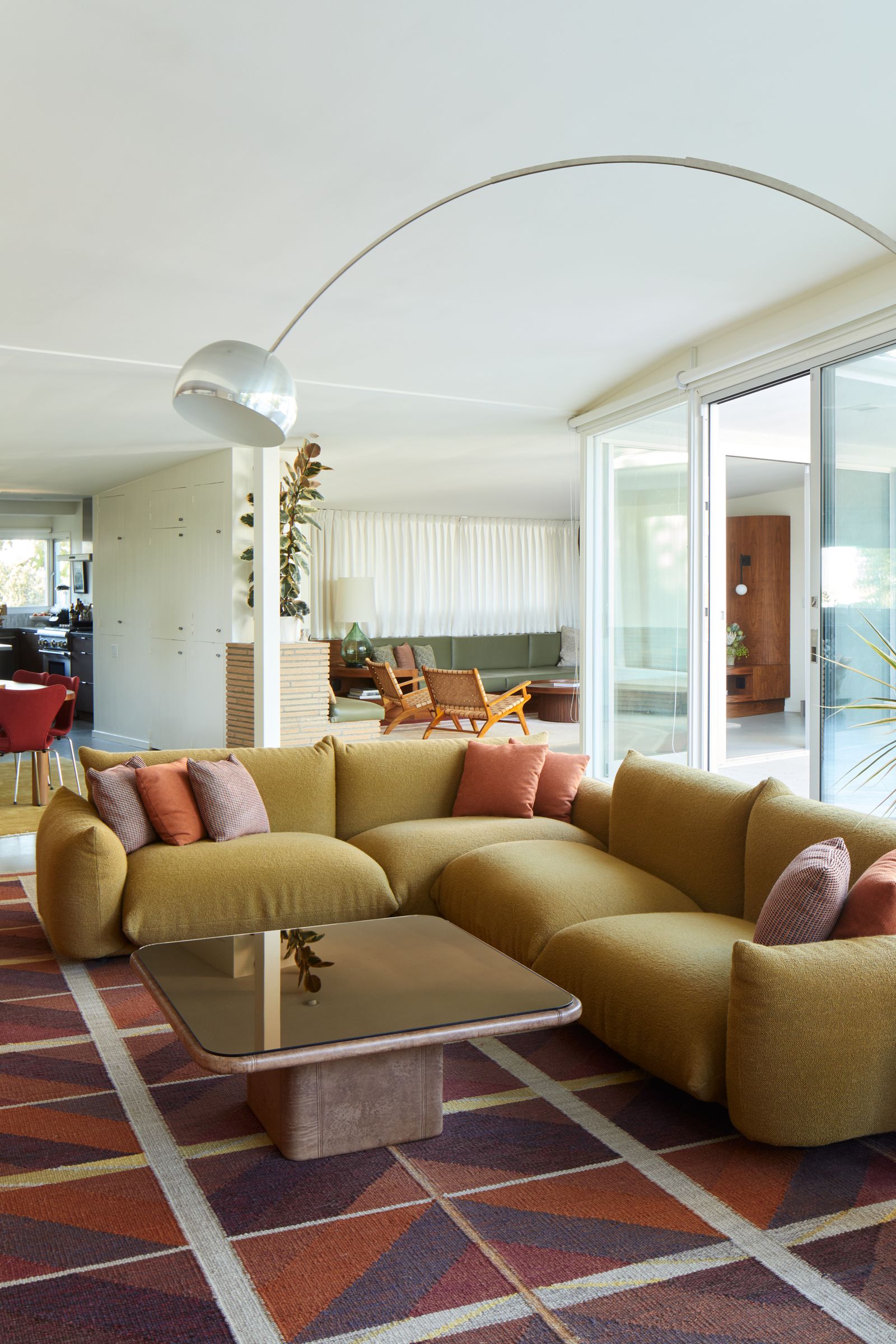
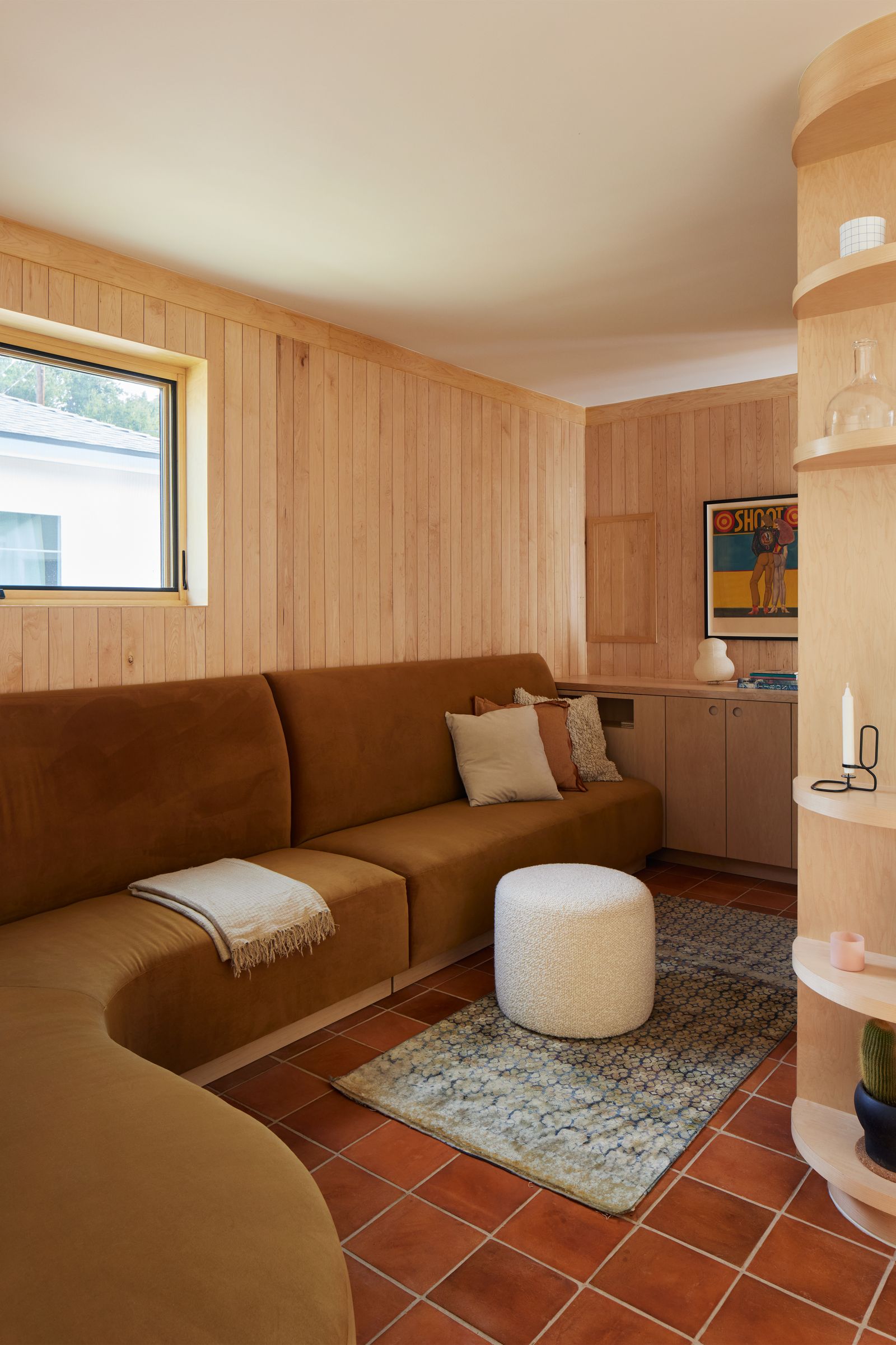
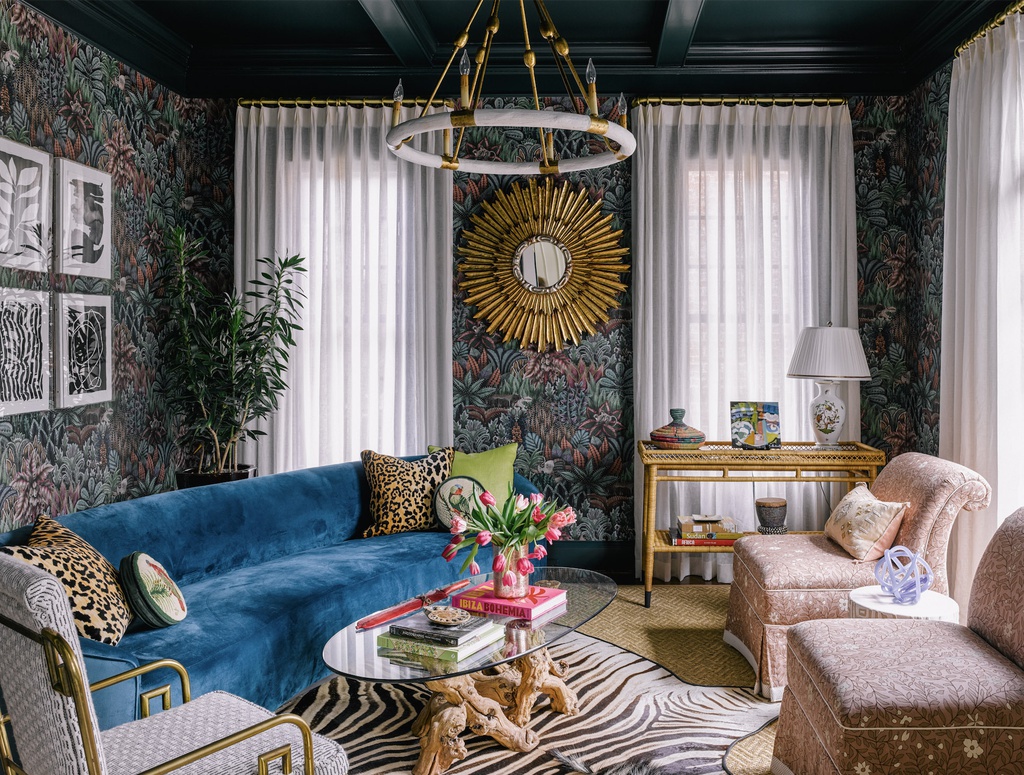
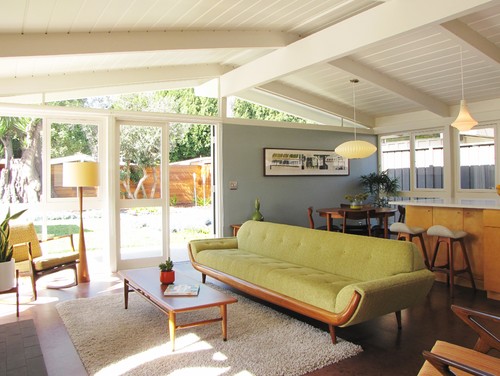
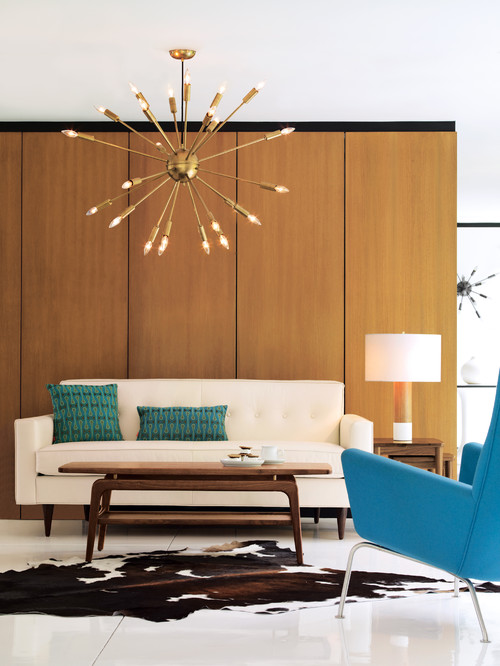
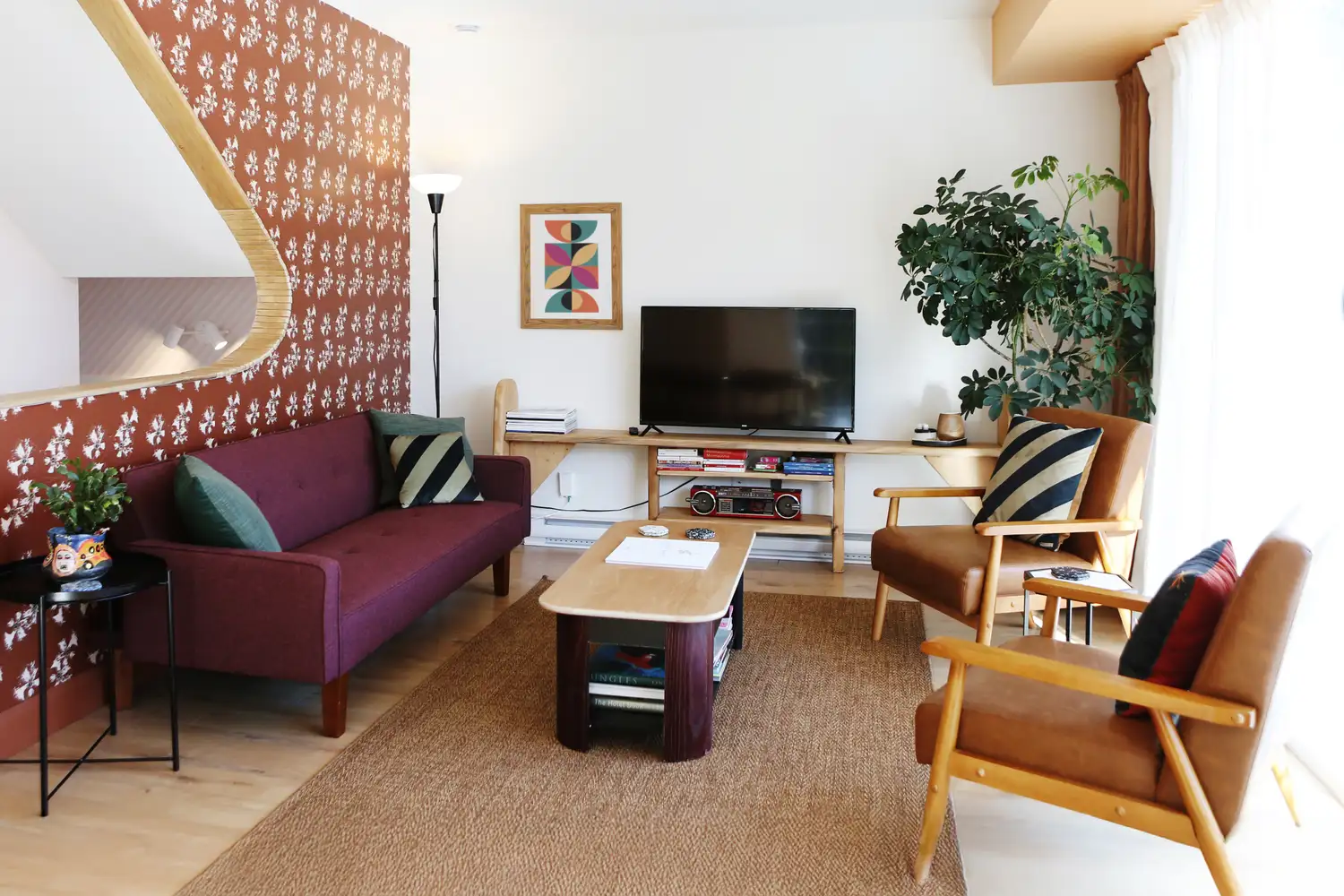
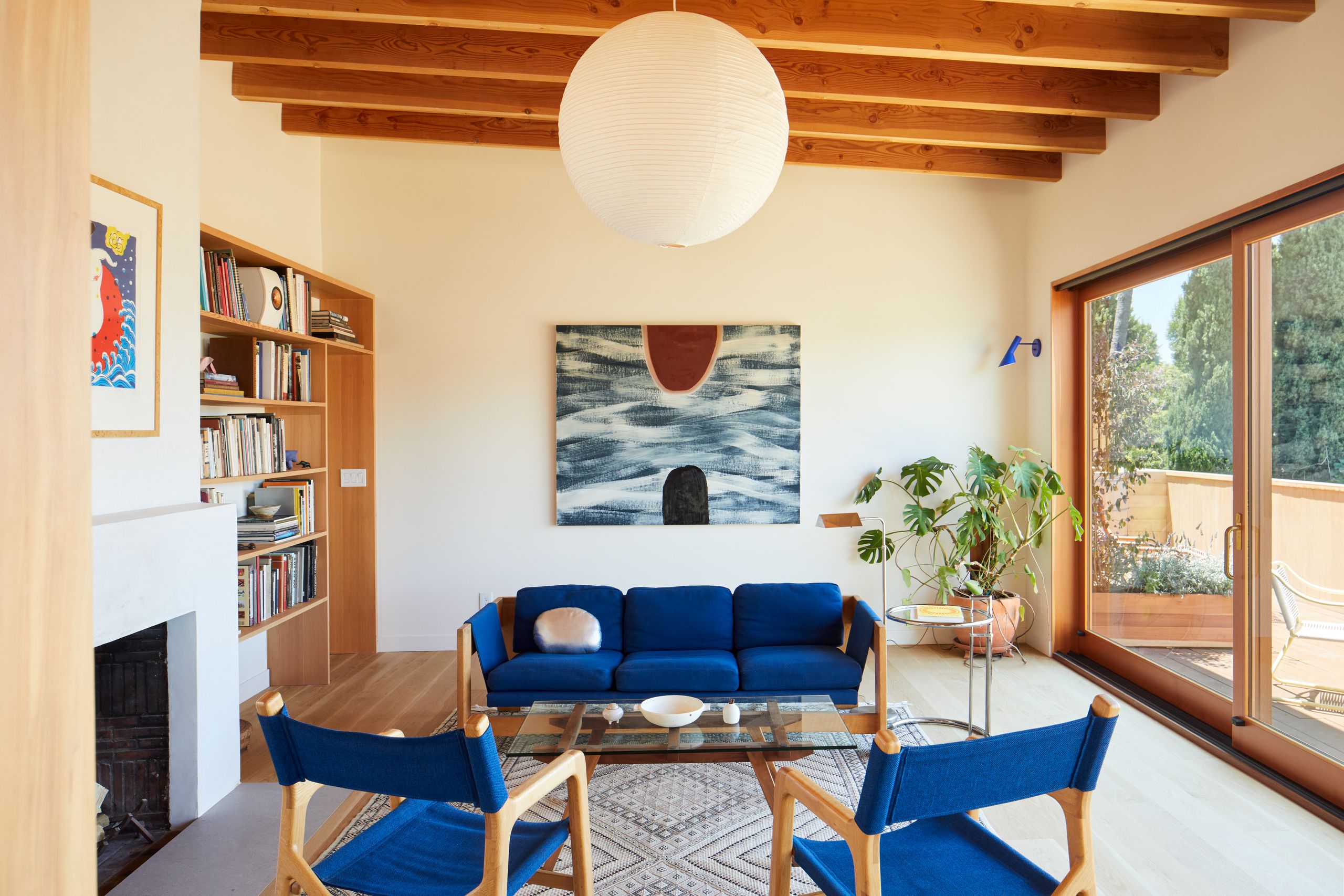
One of the defining aspects of mid-century modern is its versatile color palette. This includes a range of whites, muted orange tones, smoky blues, deep yellows, and olive greens. This broad spectrum allows for creative flexibility, from bold and vibrant combinations to more understated, minimalist applications of color. The style is also synonymous with iconic designers such as Charles and Ray Eames, known for their innovative use of bent plywood and molded plastic in furniture that conformed to the human body. Other notable figures include Alvar Aalto, Hans Wegner, Ludwig Mies van der Rohe, Arne Jacobsen, Florence Knoll, Isamu Noguchi, and Charlotte Perriand, all of whom contributed significantly to the movement with their unique Scandinavian and other international influences.

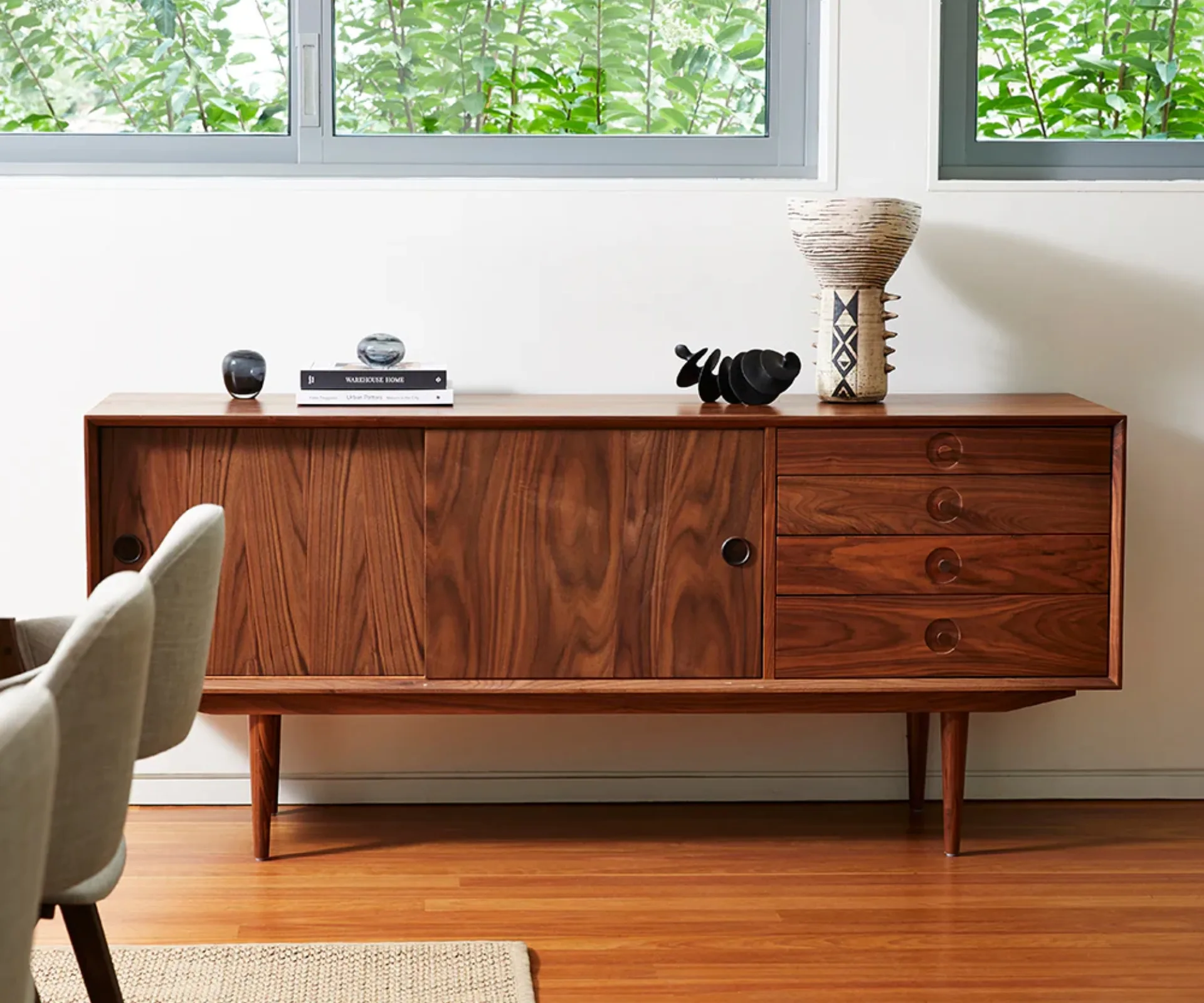
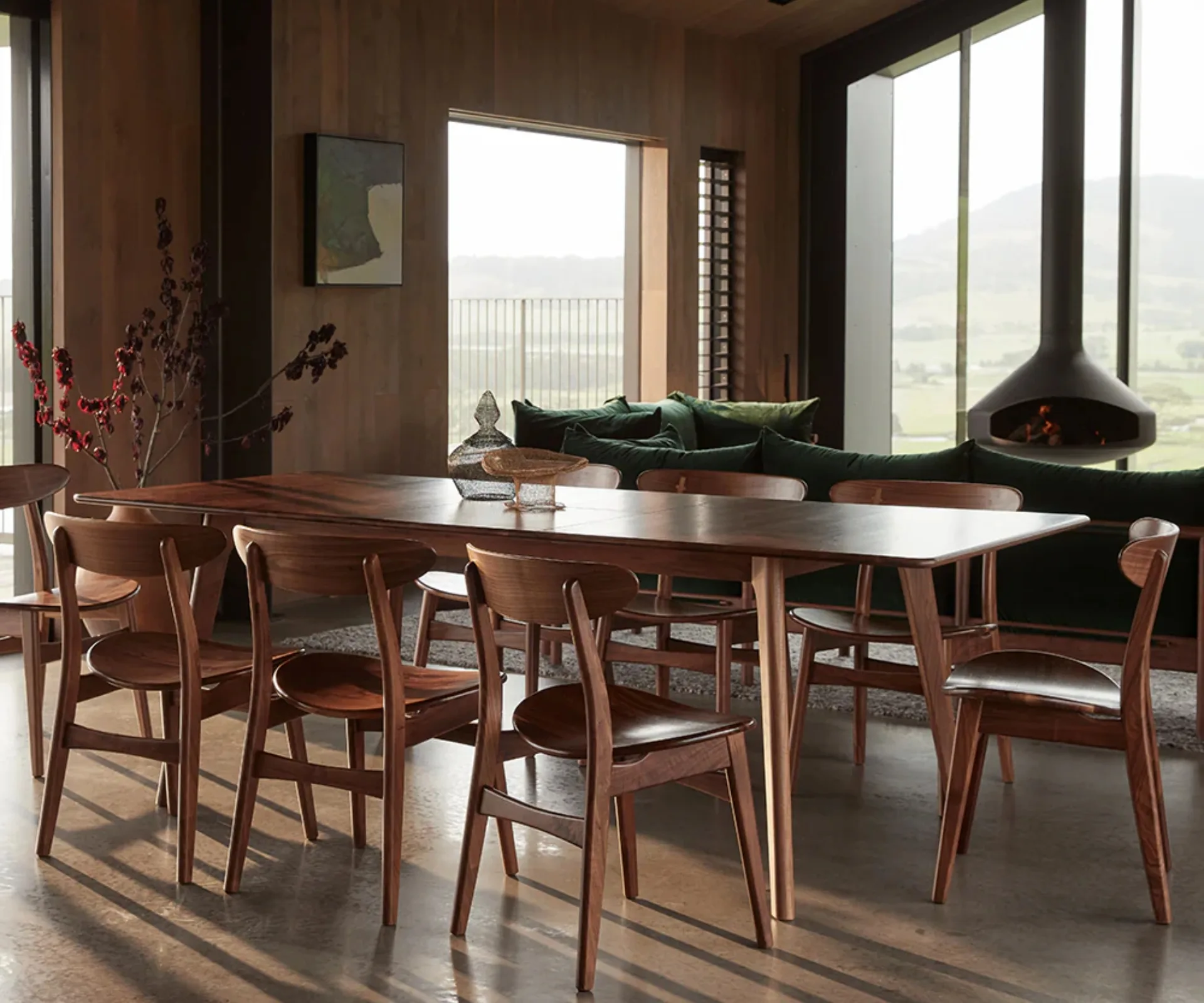

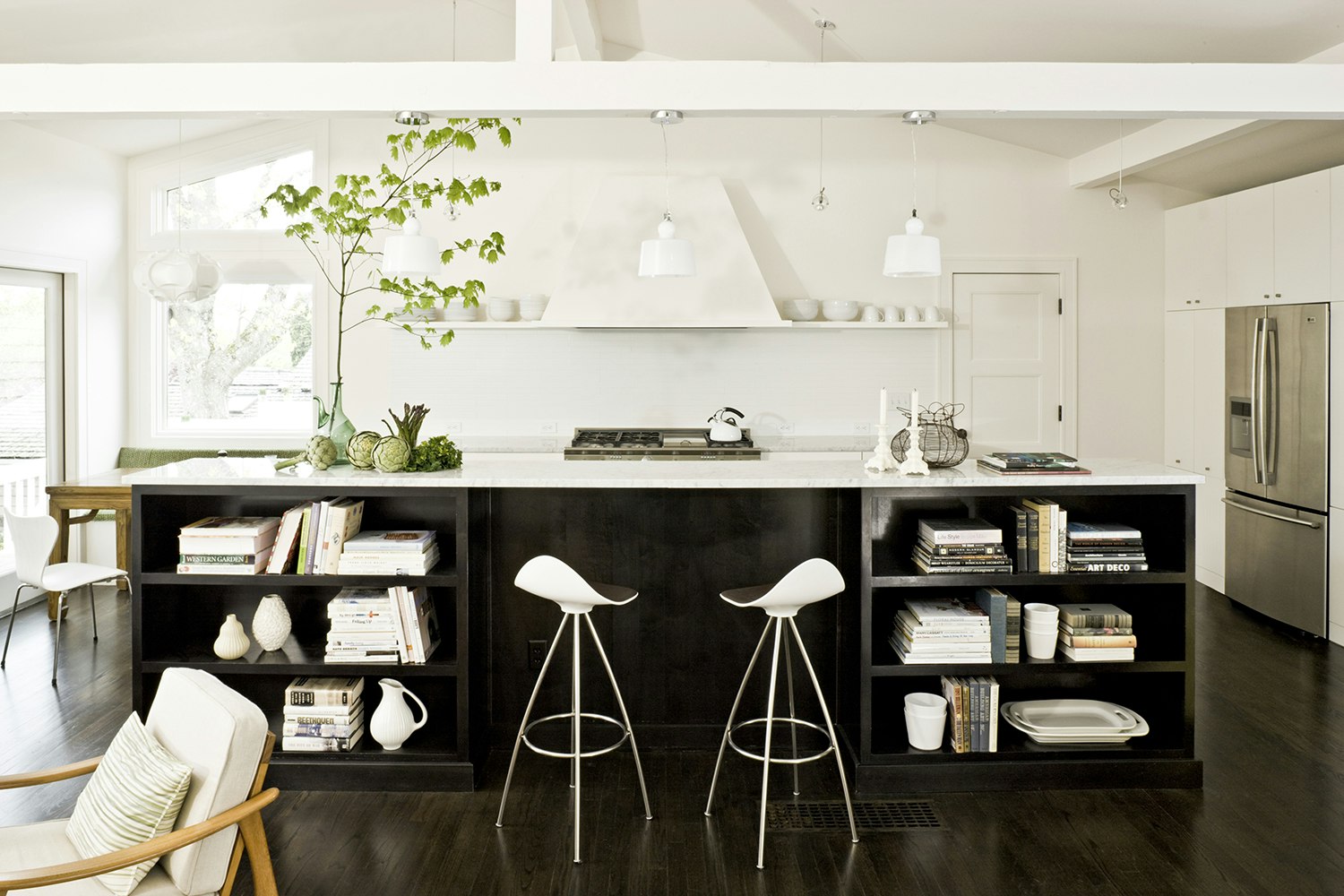
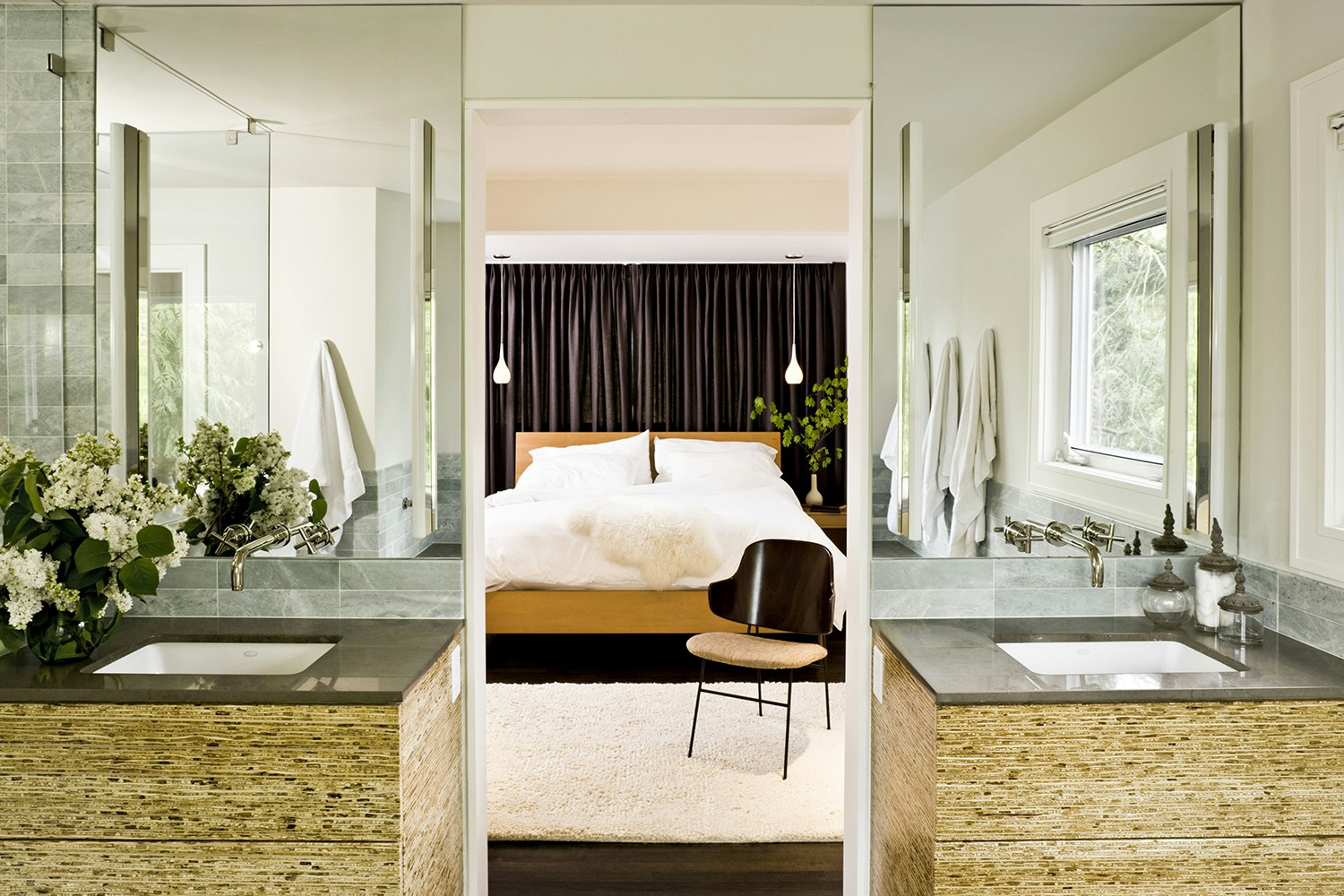
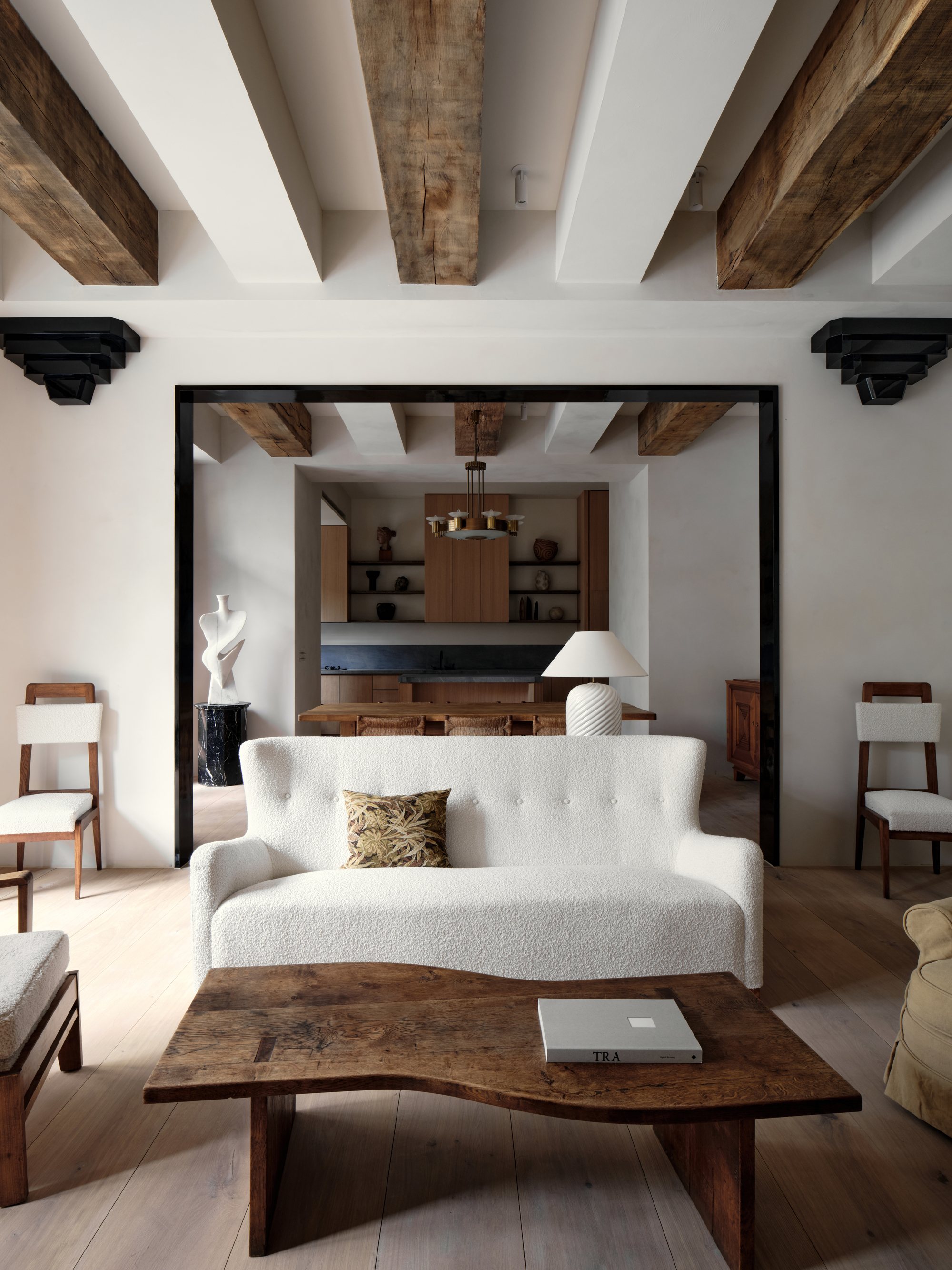
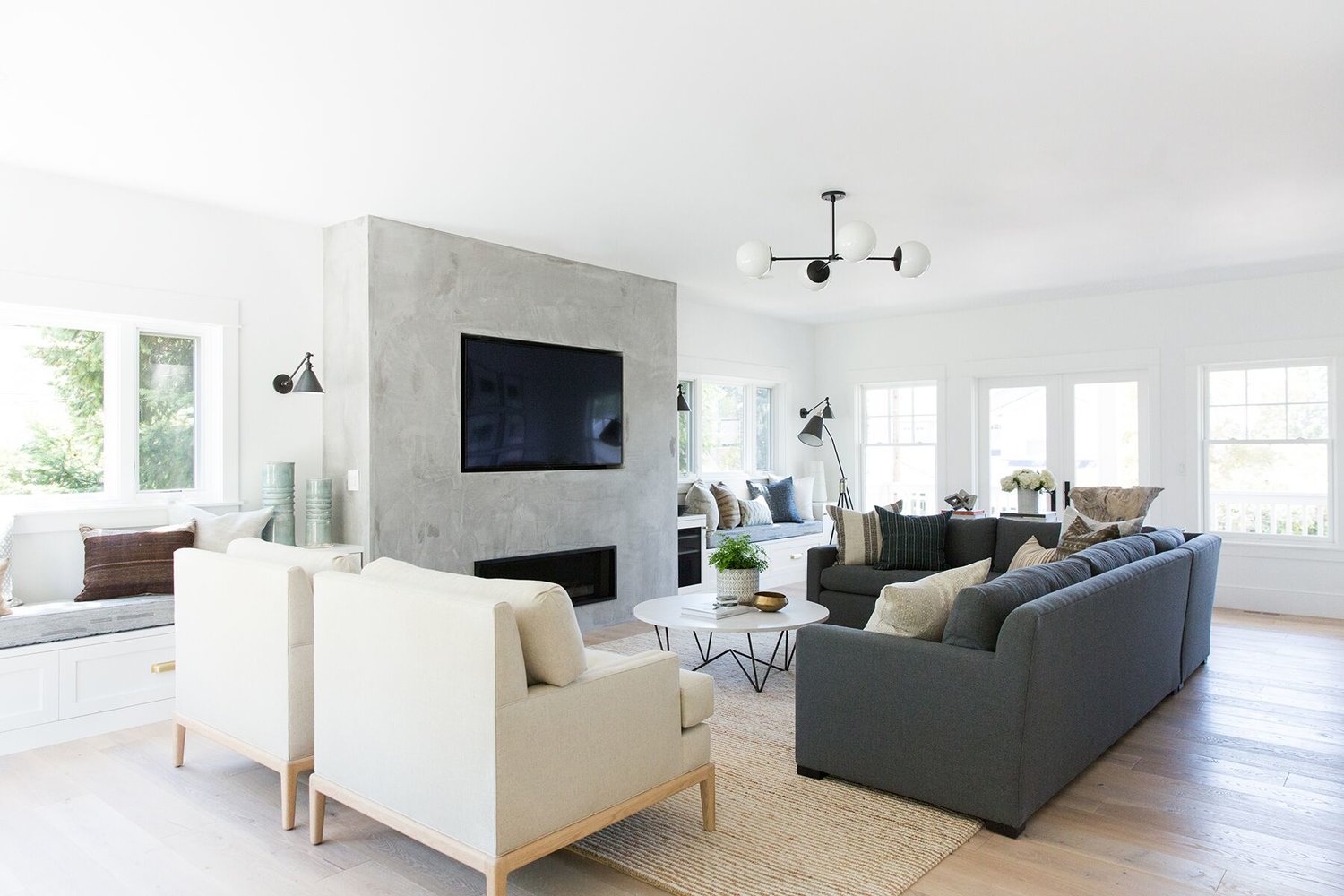
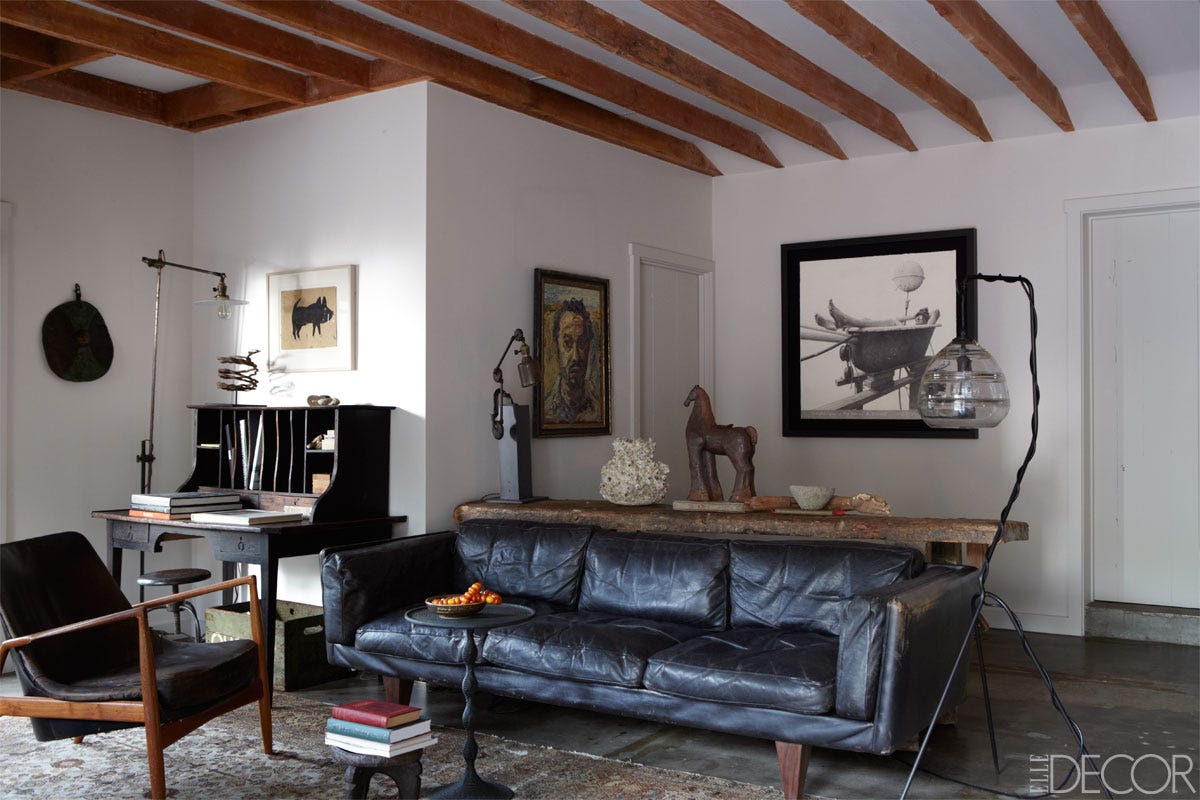
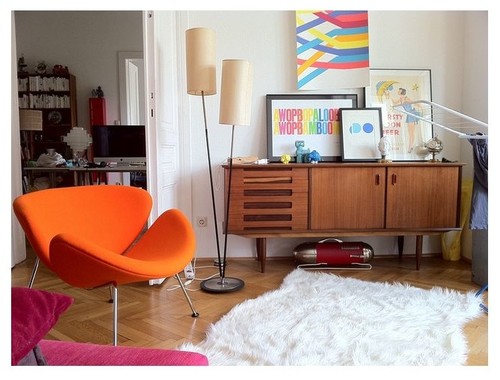
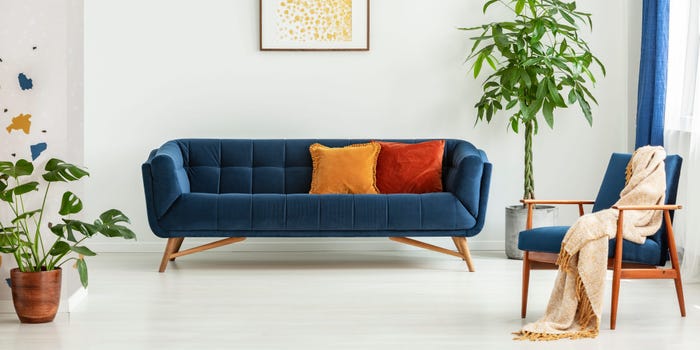
Mid-century modern furniture is characterized by its clean, minimal, and sleek appearance. This design philosophy was driven by the desire for efficiency and affordability, utilizing industrial techniques developed during the war effort to create light yet robust pieces. While the frames often maintained a neutral and simple aesthetic, upholstery frequently incorporated bold colors and vivid prints, adding a dynamic contrast. Several retailers today offer furniture inspired by or directly adhering to mid-century modern principles, including Edloe Finch, Moving Mountains, Article, Goodee, Claude Home (for vintage pieces), and West Elm, making the style accessible to a broad audience.
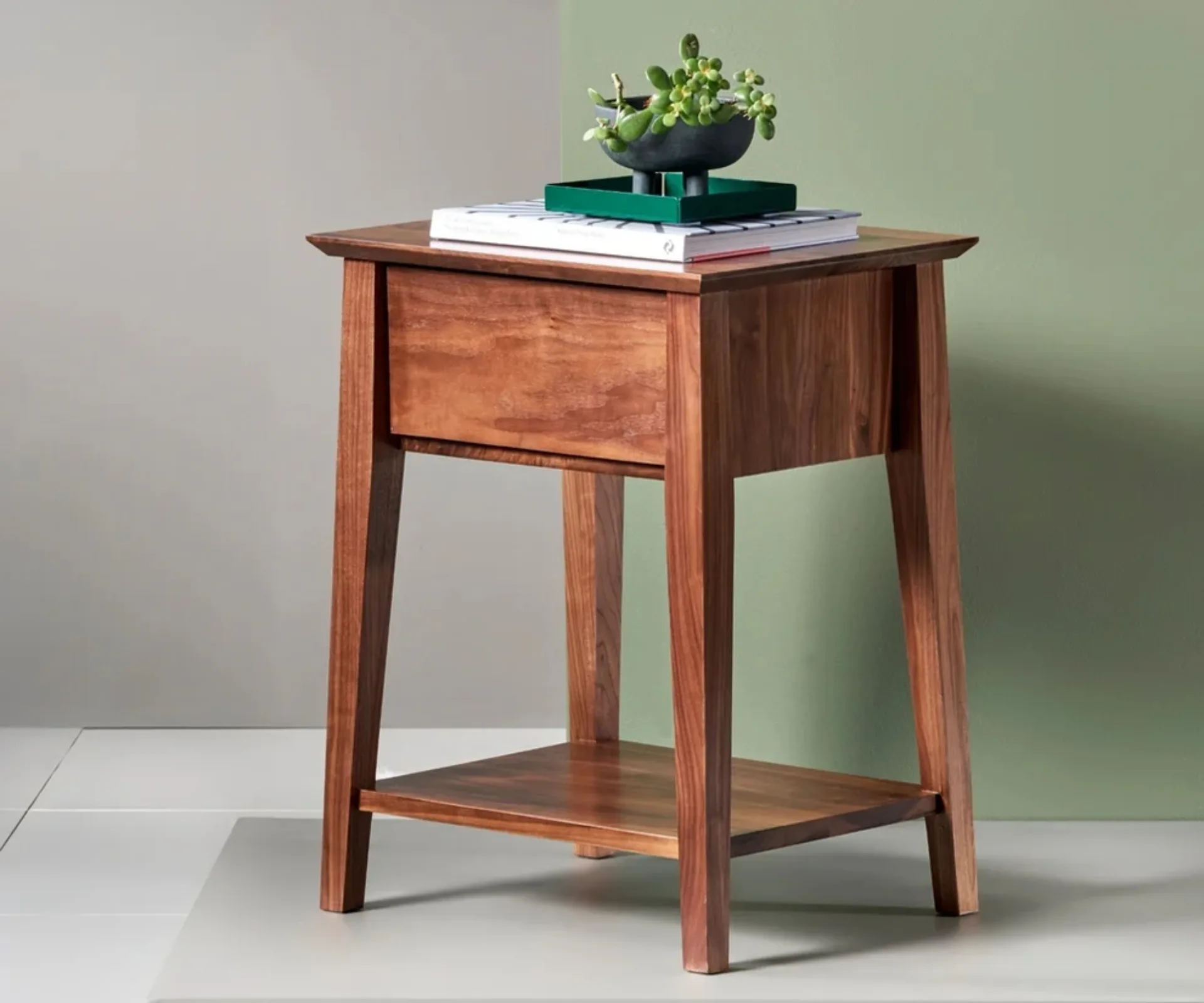
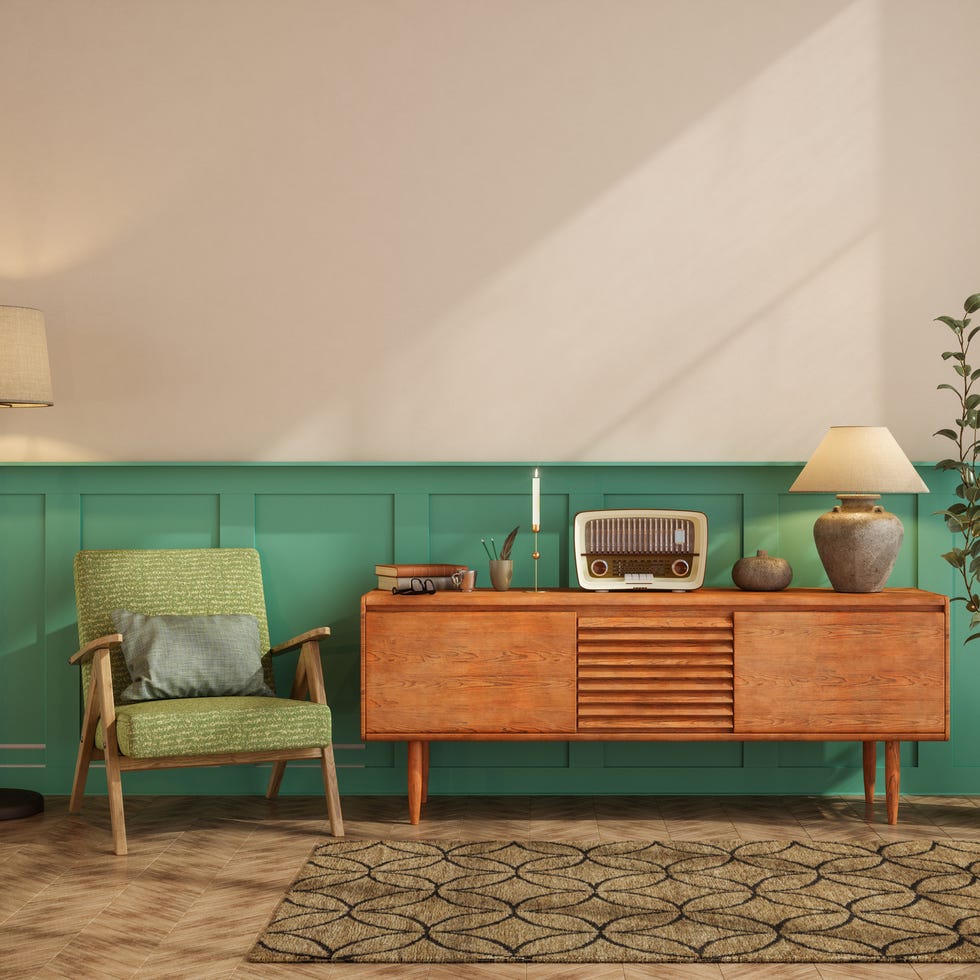
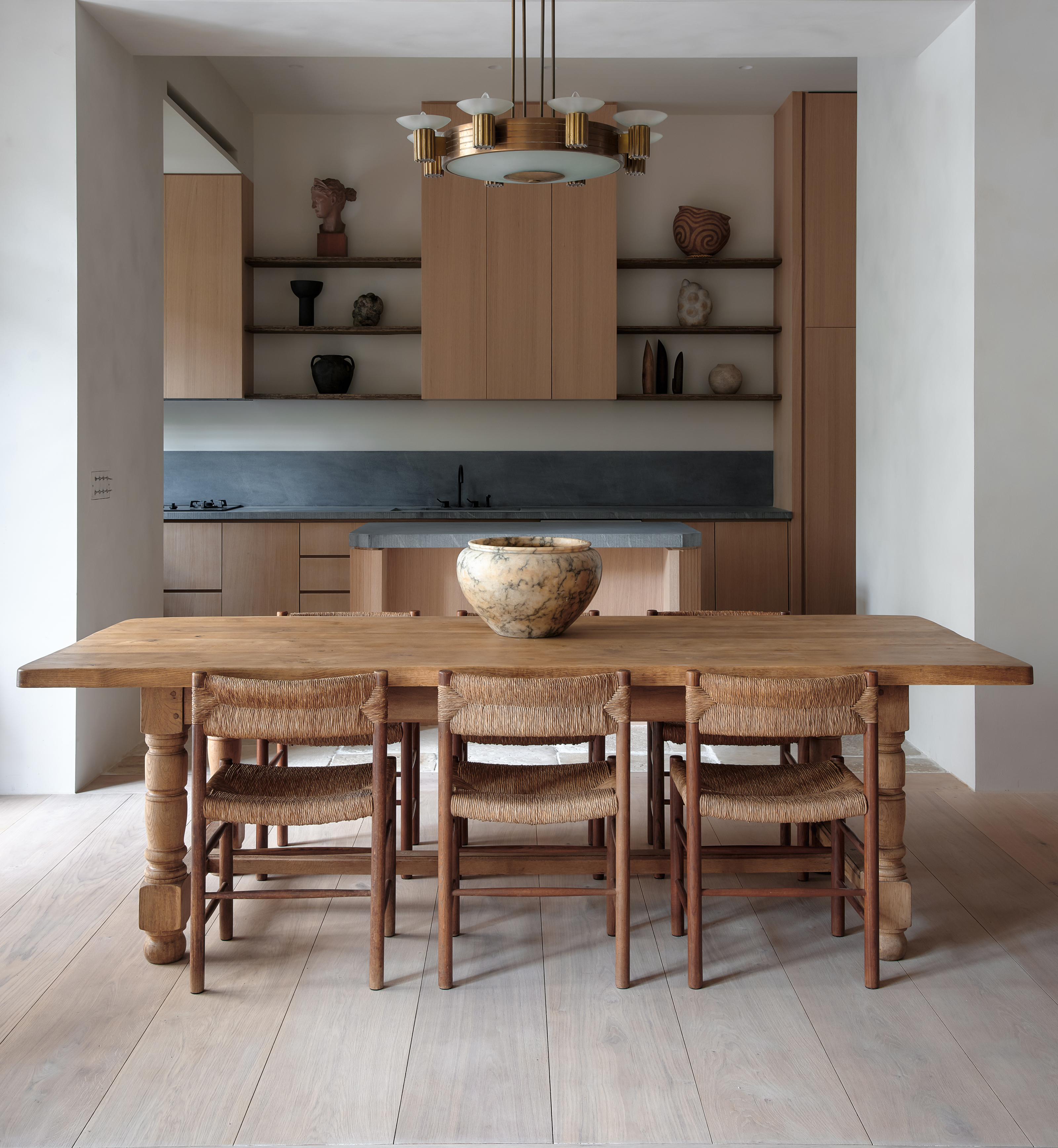
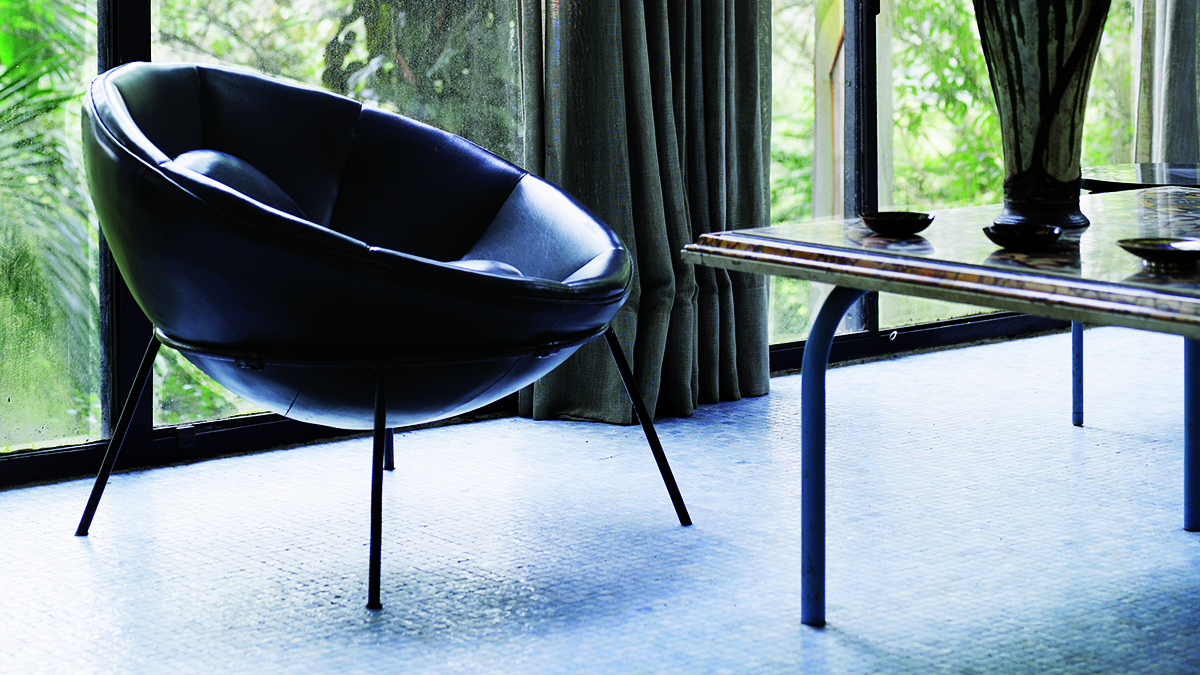
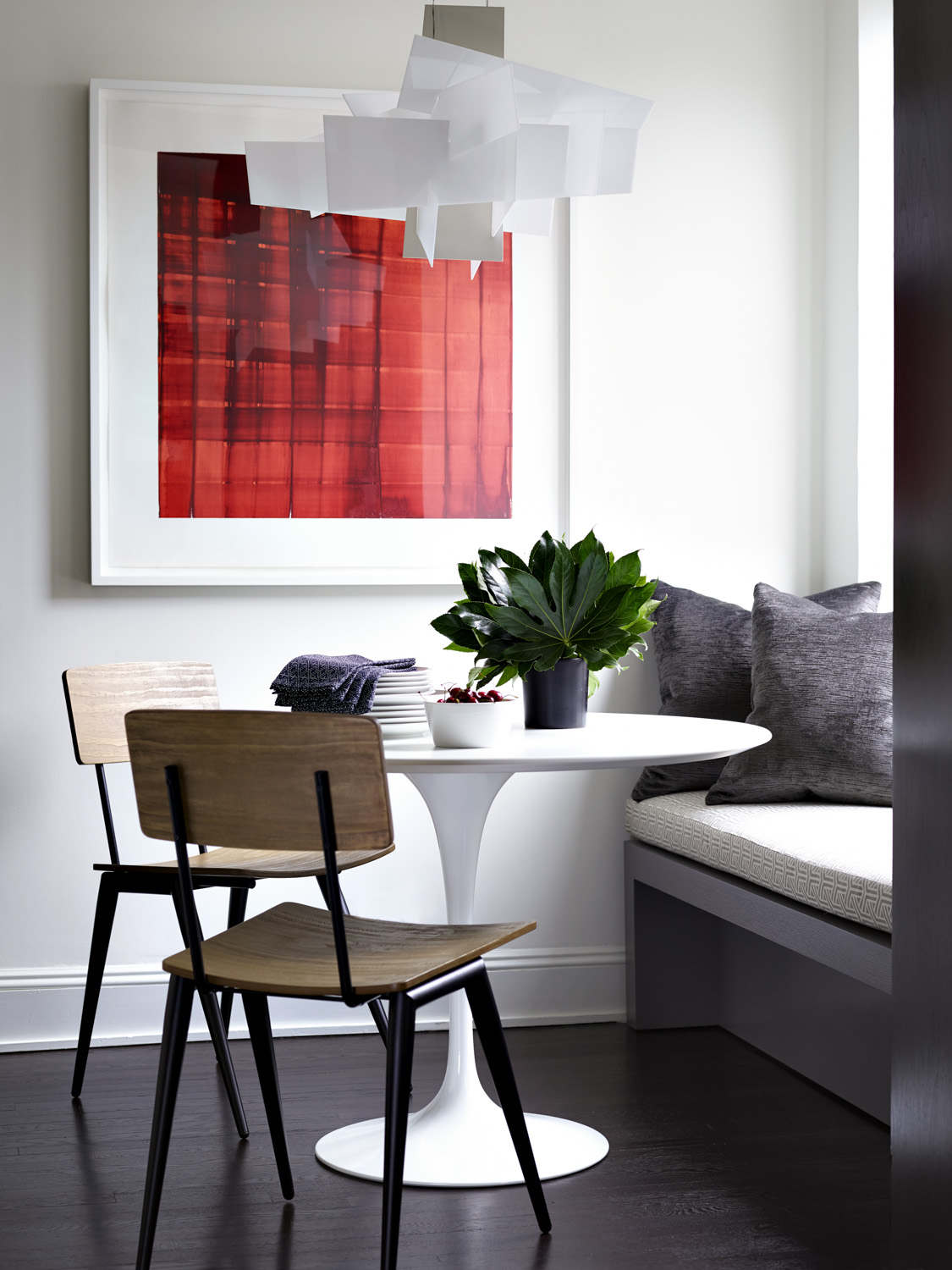
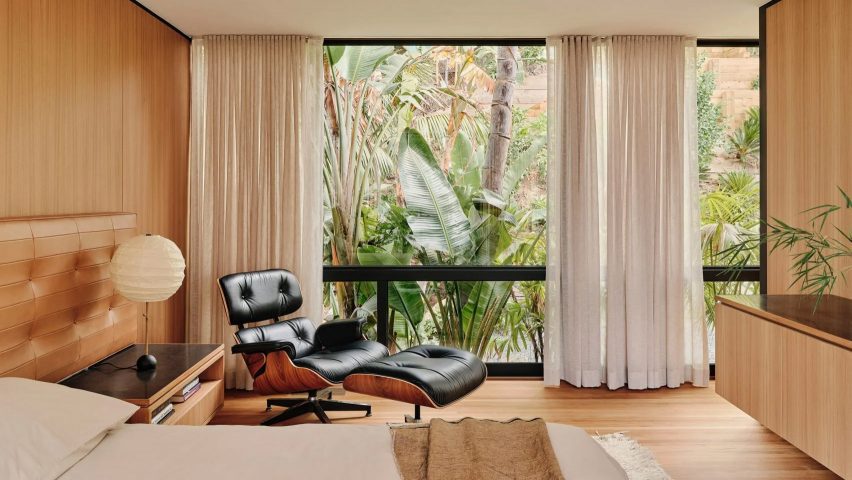
Another key feature is the elevation of furniture from the floor, typically achieved through thin legs made of chromed steel or bent wood. This design choice serves a dual purpose: it emphasizes a sense of lightness and spaciousness, making rooms feel larger and more visually continuous, a particularly beneficial aspect for smaller living areas. The harmonious coexistence of soft curves and sharp lines is a hallmark of mid-century modern design. Iconic pieces like the Eames chair, egg chair, and Saarinen dining table exemplify this blend, showcasing how angular geometric shapes can perfectly complement rounded forms. This duality encourages designers to experiment with contrasting elements within a single space.
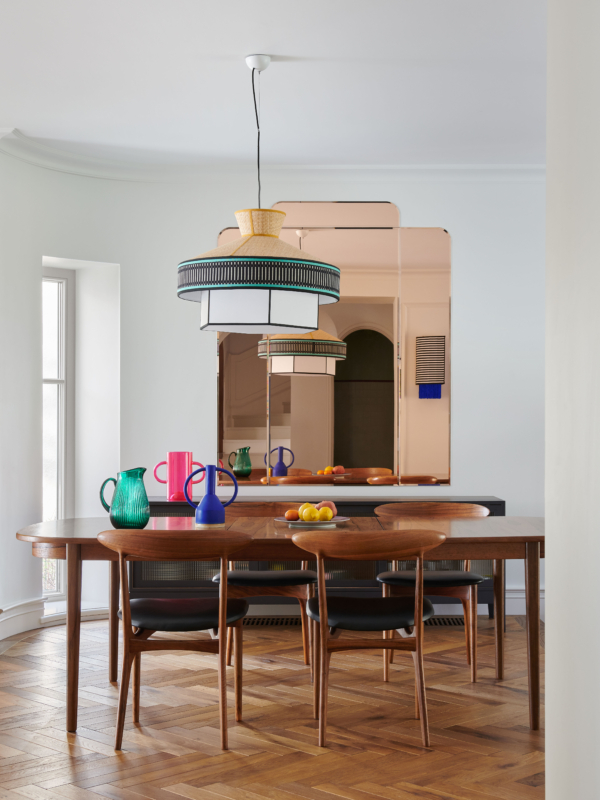
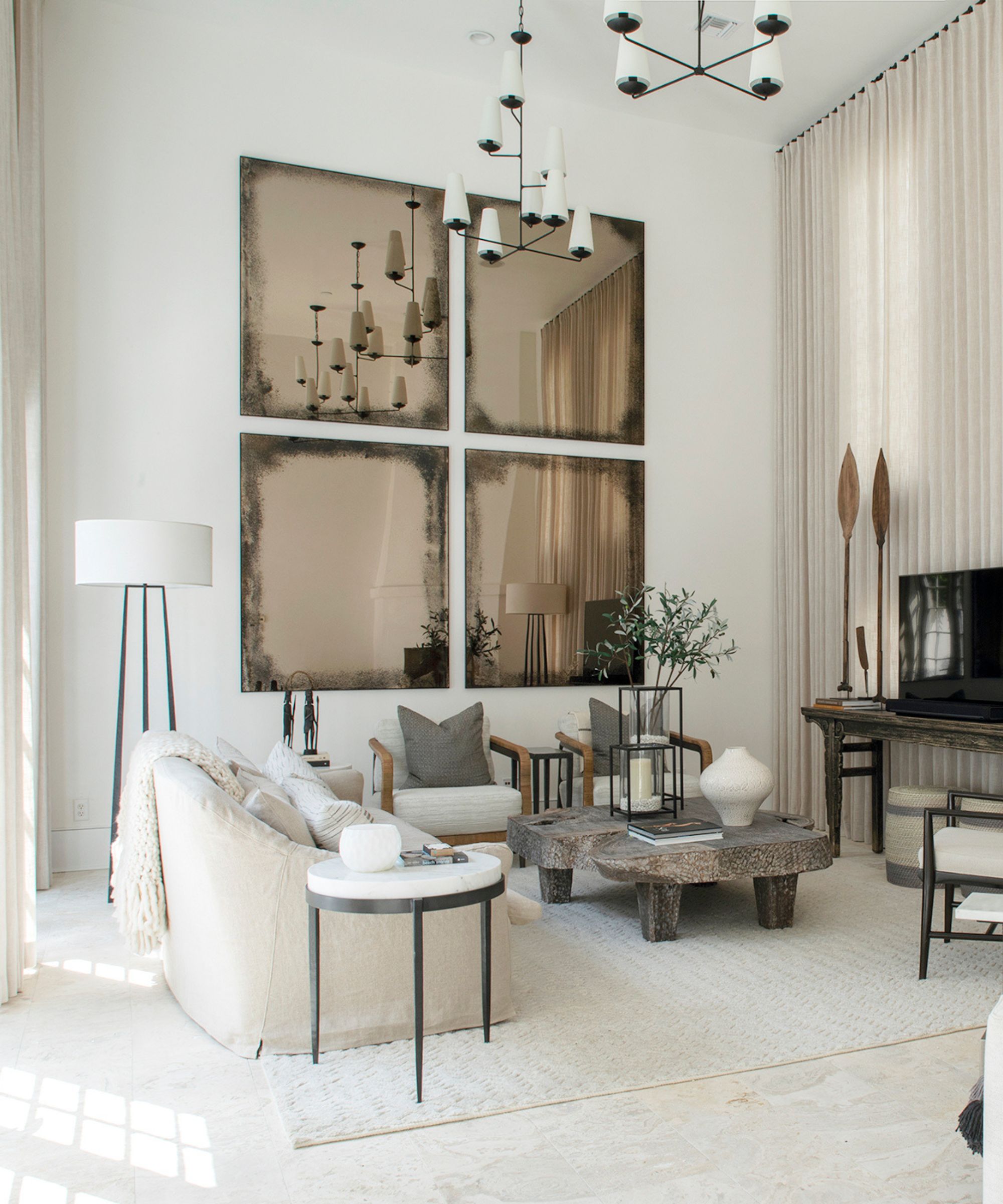
Finally, the adaptability of mid-century modern allows it to be seamlessly integrated with other interior styles. It is highly versatile, enabling individuals to incorporate a few key pieces into a contemporary setting or combine it with complementary styles like Art Deco, without overwhelming the space. This flexibility makes it an ideal choice for those looking to gradually introduce the aesthetic into their homes, offering both timeless elegance and practical application.
#MidCenturyModern #HomeDesign #InteriorDesign #FurnitureDesign #DesignHistory #ColorPalette #IconicDesigners #MinimalistDesign #ArchitecturalInfluence #MidCenturyModern #HomeDesign #InteriorDesign #FurnitureDesign #DesignHistory #ColorPalette #IconicDesigners #MinimalistDesign #ArchitecturalInfluence
0 commenti in totale
 Nessun commento ancora
Potresti anche gradire
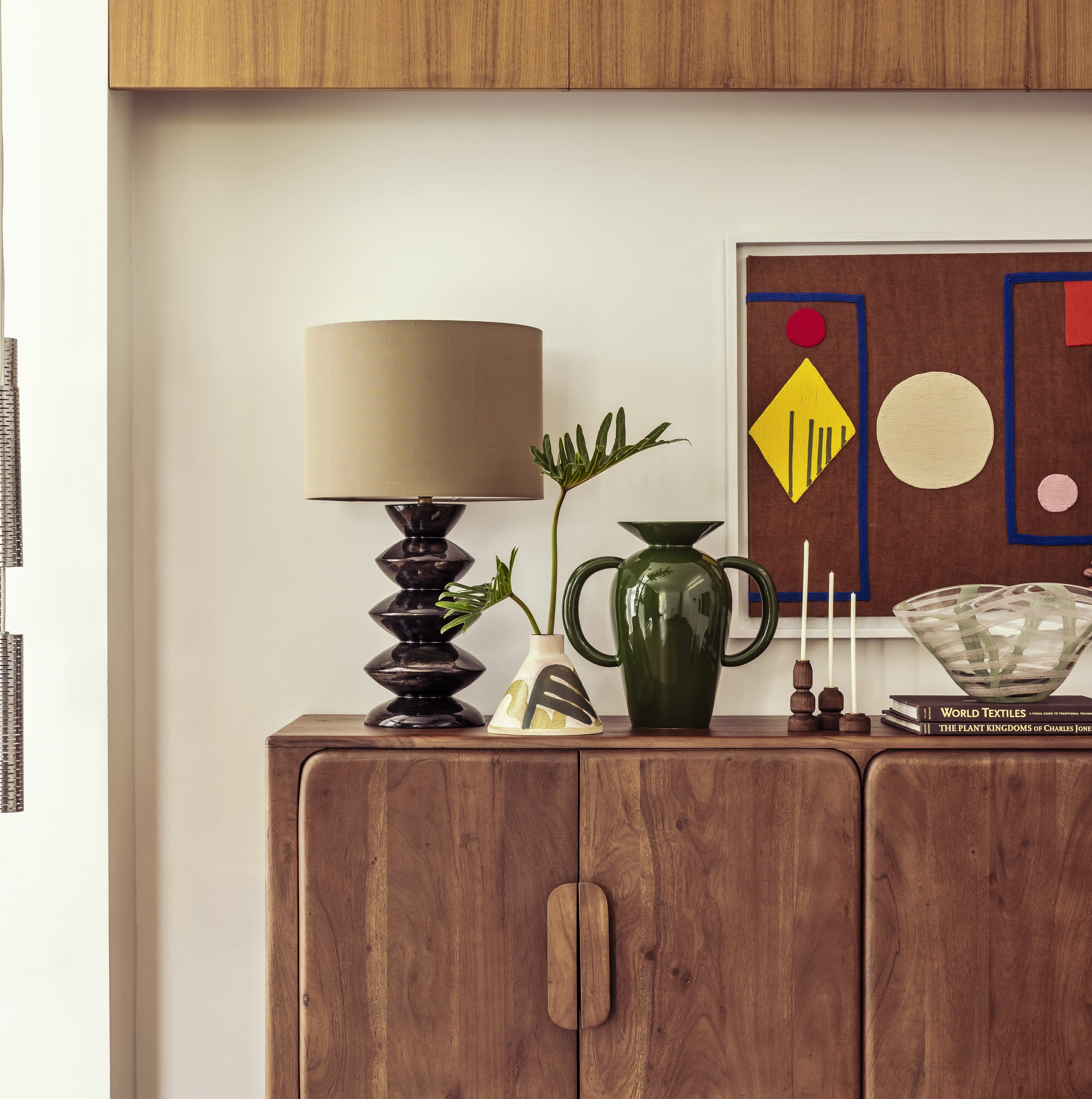
9 Decorating Tips To Master The Mid-Century Modern Look

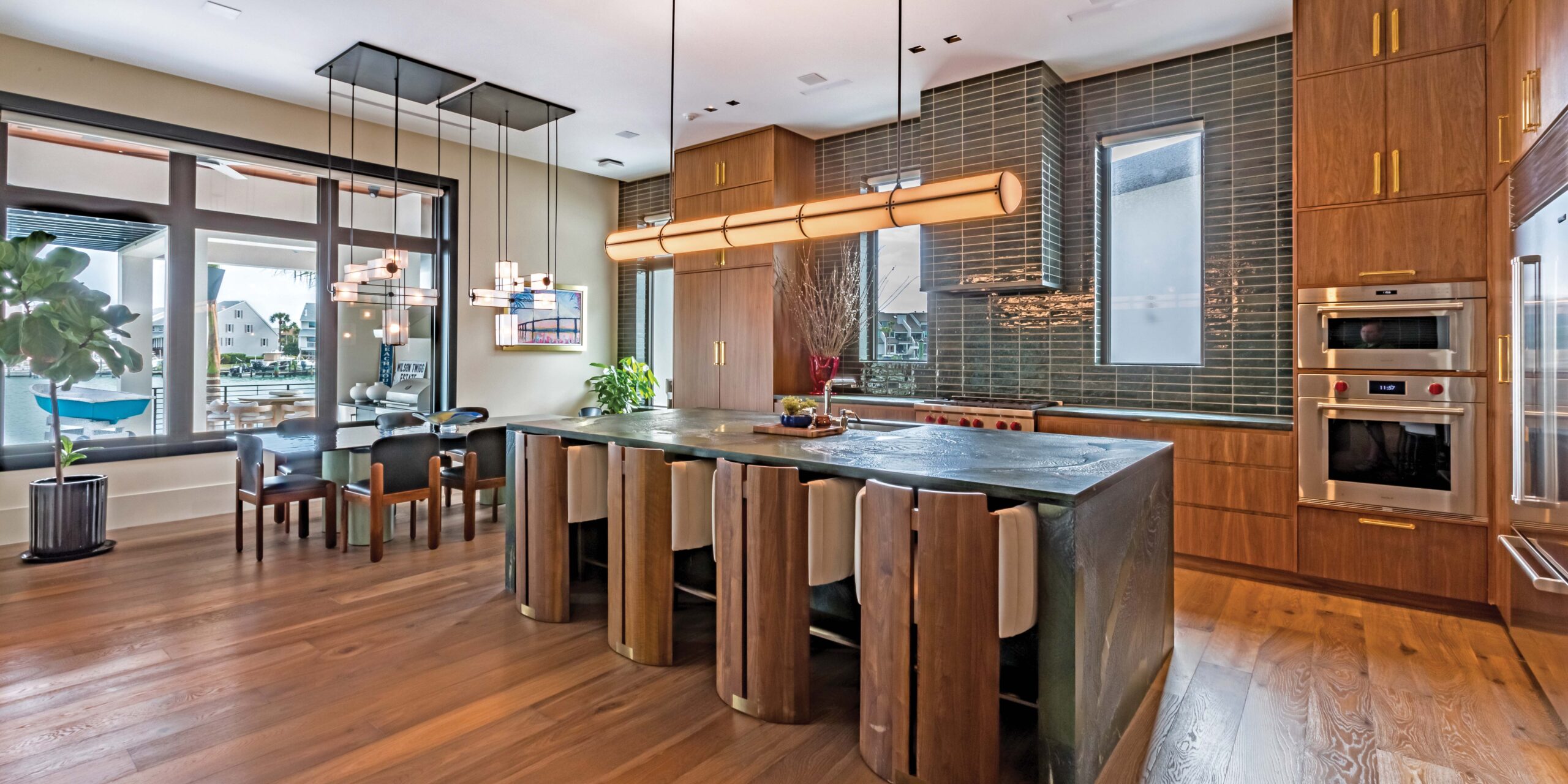
Home Design: Reinvented Midcentury Modern


41 Home Products To Consider If You Love The Mid-Century Modern Look
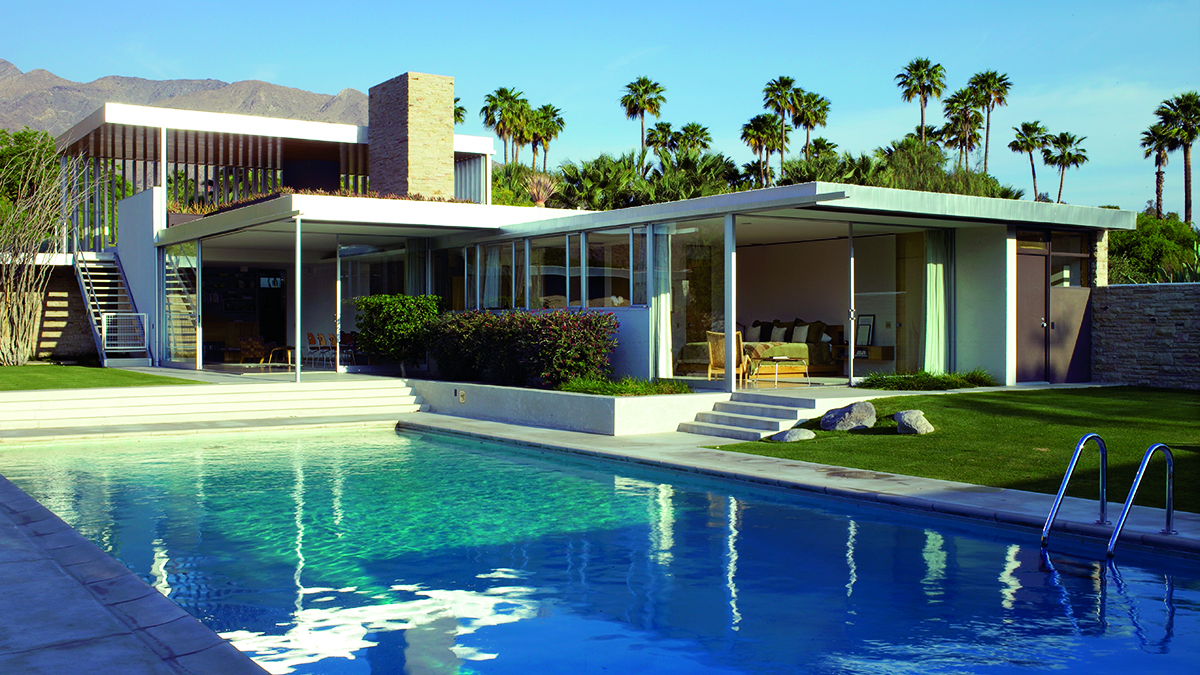
The enduring appeal of Mid-century Modern

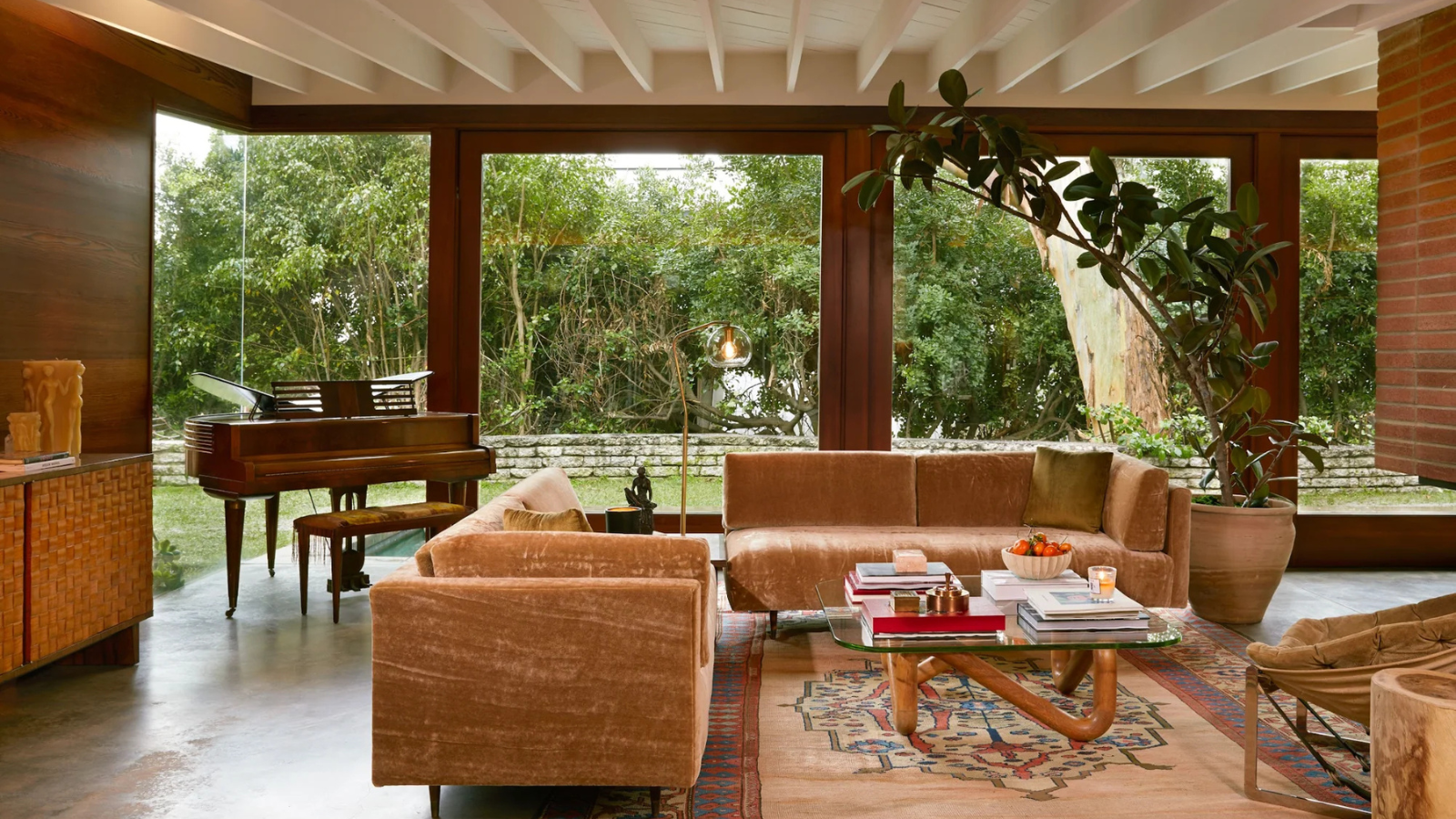
'Good design holds up' – 16 mid-century modern ideas that prove this design style will always be trending

6 "Essential" Architecture Trends Design Lovers Need to Know
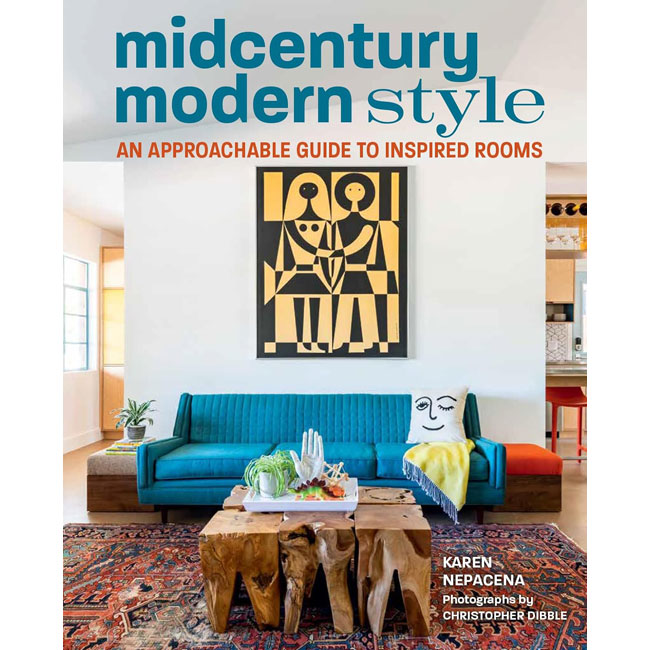
Midcentury Modern Style: An Approachable Guide to Inspired Rooms

Don’t Know Your Design Style? These Are the 5 Most Popular Ones
6 key characteristics of modern decor to follow for a more contemporary space
We Asked Designers If Midcentury Modern Is Out of Style—and Their Answer Might Surprise You

Why Mid-Century Modern Interior Design Continues to Reign Supreme
These 27 Stylish Rooms Do Mid-Century Modern Right
Here's What You Should Know About Midcentury Modern Style
A Designer's Tips For Renovating a Midcentury Modern Interior

8 "Tacky" Home Trends That Are Tragically Dead to Designers in 2026
Weekend Design: 5 Color Palettes for a Midcentury Modern Look

How to do mid-century modern style in 5 easy steps

"I love mid-century modern but it makes me sad"
Modern rustic decor – top designers reveal their secrets for styling the trend

What Is Midcentury Modern Architecture?