Stop Pests Before They Move In: 5 Places You Need to Seal Around Your Home Right Now
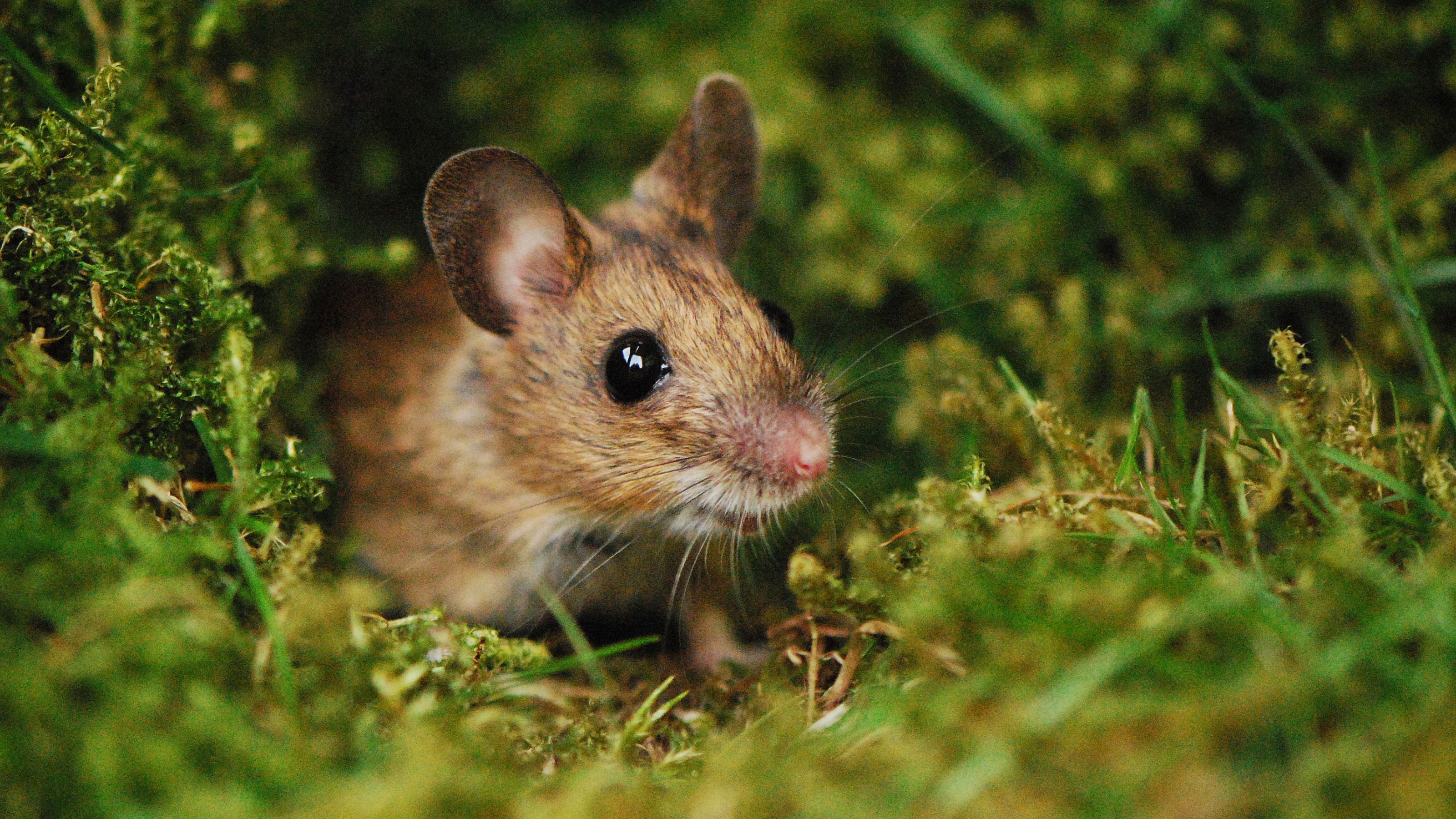
Mice pose a significant threat to home safety, often nesting in walls, insulation, and basements where they can chew through wires and foam insulation. As they seek warmth, rodents become a major winter concern for homeowners. To prevent pest infestations, particularly mice, it is crucial to seal cracks and openings around the house. Experts emphasize that while pests are not strictly seasonal and reproduce continuously given food and shelter, outdoor sealing tasks are best undertaken before winter sets in. This is because sealants are harder to apply in cold weather, and many exterior sealants have temperature limitations, typically not suitable for application below 40 degrees Fahrenheit.
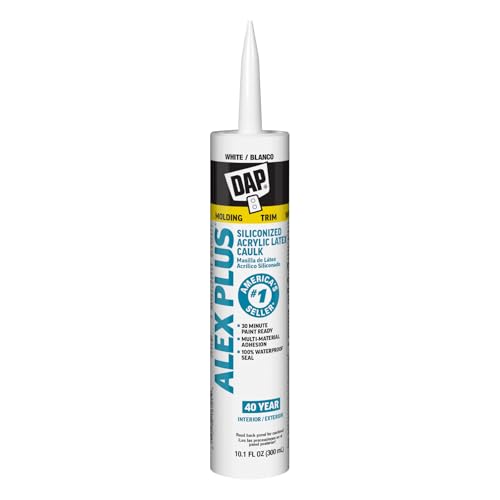
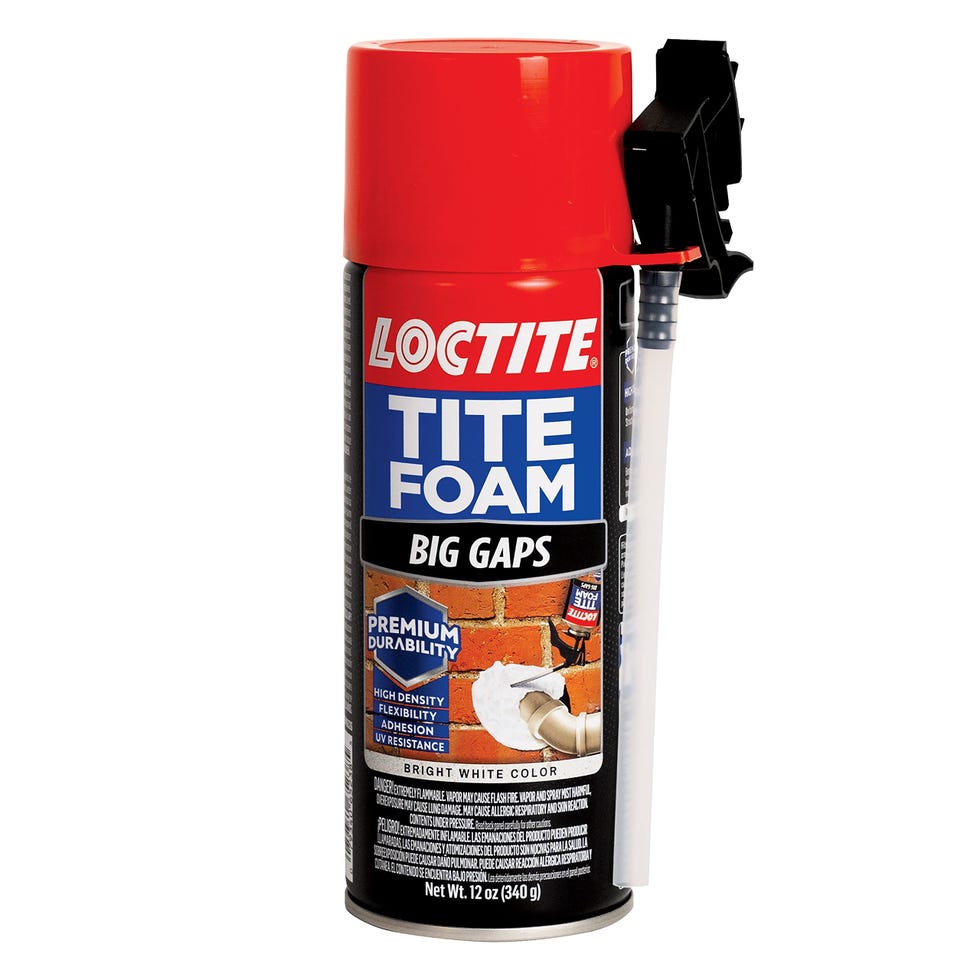
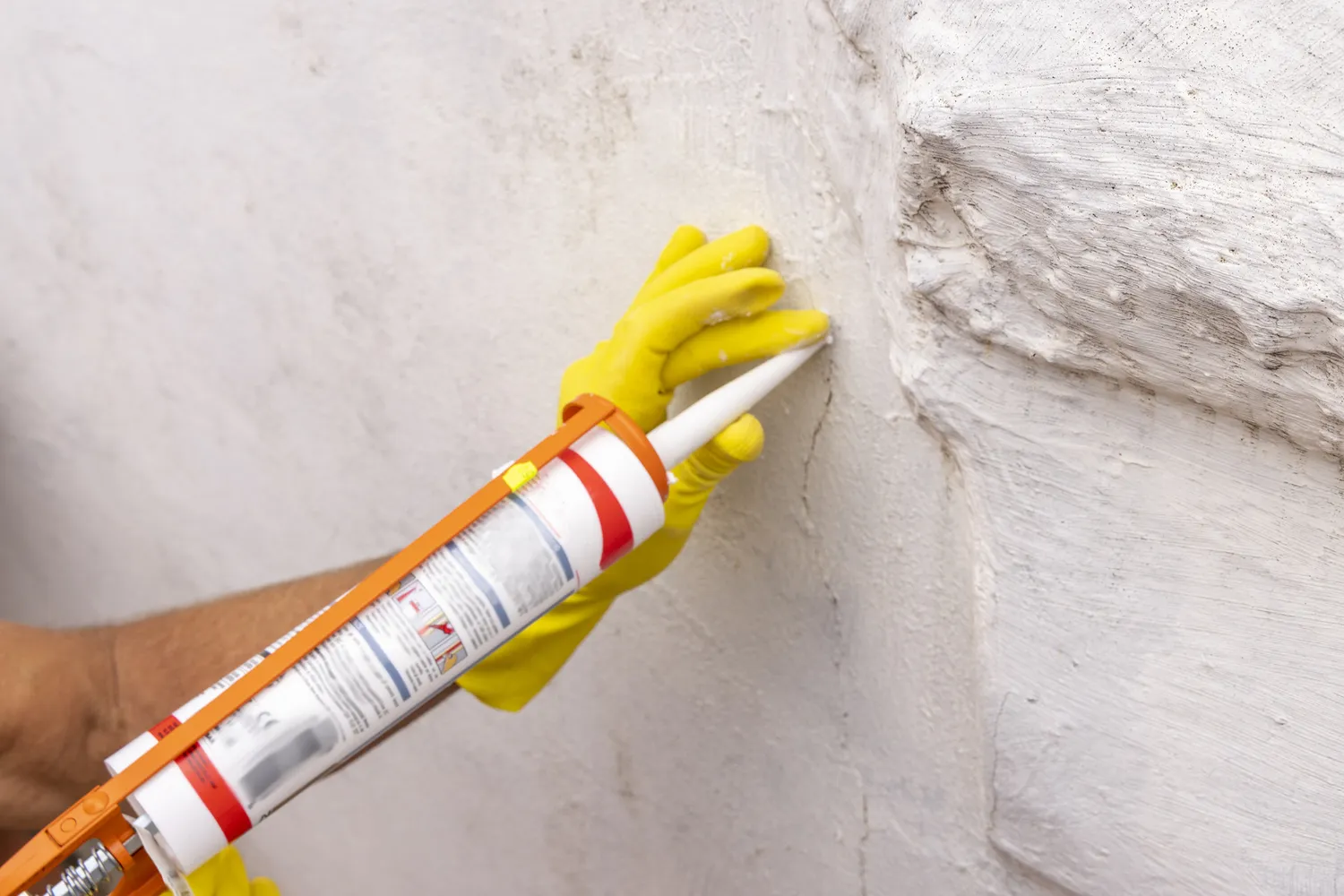
Several key areas around the house require attention to prevent pest entry. Doors and windows are common entry points. For minor gaps around these areas, weatherstripping is recommended, which not only excludes mice but also helps with insulation by keeping cold air out and warm air in. Silicone or elastomeric caulk can also be used for small gaps, but foam should be avoided as it can be chewed through by rodents and may become a breeding ground for bacteria. The home's foundation is another critical area, as cracks in concrete foundations provide easy access for mice. Instead of foundation sealer, which is primarily for moisture control, concrete and masonry caulk should be used to seal these openings.
Upper-level entry points such as roof vents and eave holes also need to be addressed. While these areas must remain open for proper attic ventilation, they can be secured with fine mesh or screen repair kits with openings smaller than 1/4-inch to prevent pest entry. Various pipes and utility lines entering the home, including AC refrigerant lines, water condensate lines, water main pipes, and cables for electrical panels, TV, or internet, are also vulnerable. Over time, sealants around these entries can shrink and harden, creating gaps that rodents can exploit. Regular inspection and re-sealing of these points are essential.
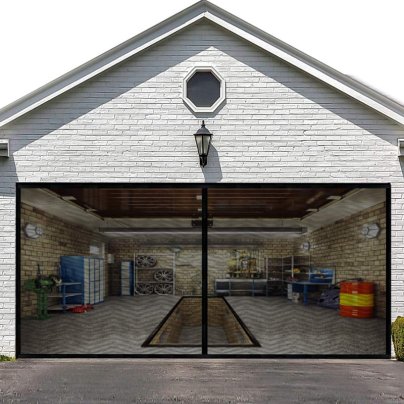
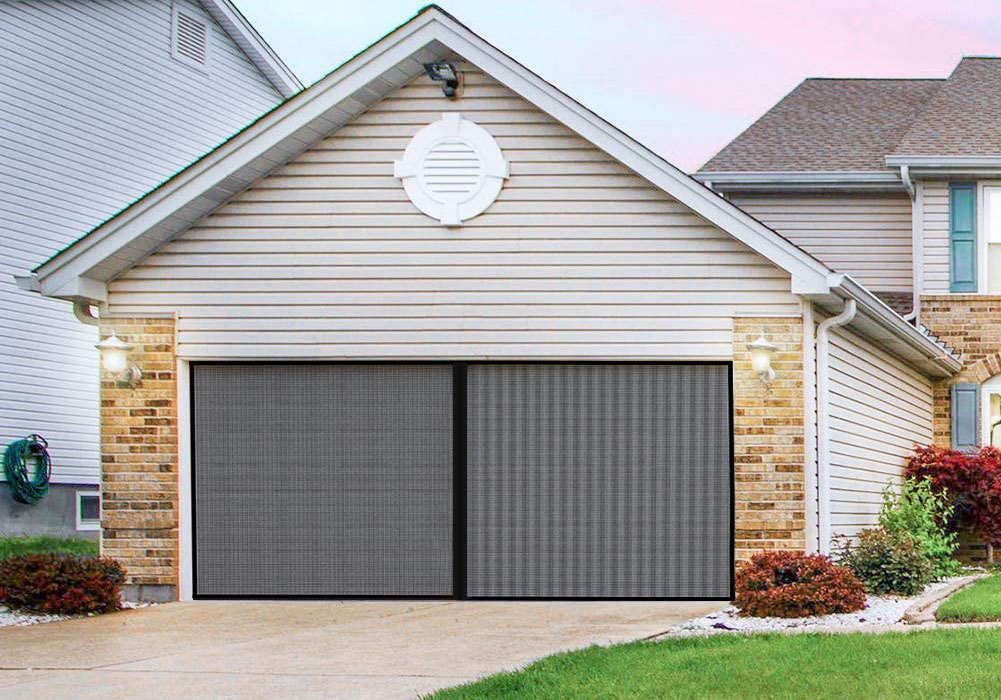
Finally, garages often serve as an intermediary entry point for mice before they access the main living areas of the house. Worn weatherstripping at the bottom of garage doors and exterior door thresholds with degraded seals should be replaced. Homeowners and DIY enthusiasts can handle many of these preventative measures, especially for small, easily accessible jobs like sealing minor cracks and crevices with caulk, applying weatherstripping, and using fine mesh for vents. However, if a pest problem is already suspected or if tasks involve difficult-to-reach areas like upper floors, roofs, attics, or require extension ladders, it is advisable to consult professionals. Professionals are also recommended for sealing larger gaps (greater than 1/4-inch), addressing chimneys and flashing, and implementing full-home pest exclusion strategies.
#PestControl #HomeMaintenance #RodentExclusion #WinterPreparation #HomeImprovement #Weatherproofing #DIYHomeProjects #PestPrevention #PestControl #HomeMaintenance #RodentExclusion #WinterPreparation #HomeImprovement #Weatherproofing #DIYHomeProjects #PestPrevention
0 commenti in totale
 Nessun commento ancora
Potresti anche gradire
The best 5 ways to repel mice from a house — pest pros swear by these tips


After 10 Hours of Hands-On Tests, These Are The 5 Best Magnetic Screen Doors for Keeping Bugs Out

6 Best Hurricane Shutters to Protect Your Home During Storm Season


The reason you need to vacuum your baseboards this month


How to get rid of cluster flies – simple expert-approved methods to banish these pests

I'm a landscaping expert advice - here's the five plants you NEED to keep pesky insects away this summer

10 Easy Ways to Keep Cluster Flies Out of Your House for Good This Fall

5 Things You Should NEVER Leave in Your Shed, According to an Expert


This simple $3 long-lasting winter-proof DIY gem will keep kissing bugs out of your house this fall and beyond – thousands of Amazon shoppers swear by it
Rock River Valley Insider: Keep the creepy crawlies outside

Hidden dangers hiding in your upholstery: Experts reveal harmful bugs living in YOUR home


5 best indoor screening plants to protect your privacy

8 Home Design Fixes That Keep Pests Out and Look Great

Designers Share 6 Ways to Rid Your Home of Hidden Toxins
My Battle With Carpenter Bees Is About To End. Here’s How to Repair Holes and Prevent Damage.

The 10 Best Hacks To Control Gross Smells In Your Home


5 things people with clean home storage always do to protect belongings, curb hidden mold, and prevent pests
8 natural home remedies to remove lizards from your house this summer

This Inexpensive Upgrade Keeps Bugs Out of Your Garage Year-Round


5 Easy Tricks to Keep Bugs Off Your Patio All Summer, According to Pest Pros