1/6
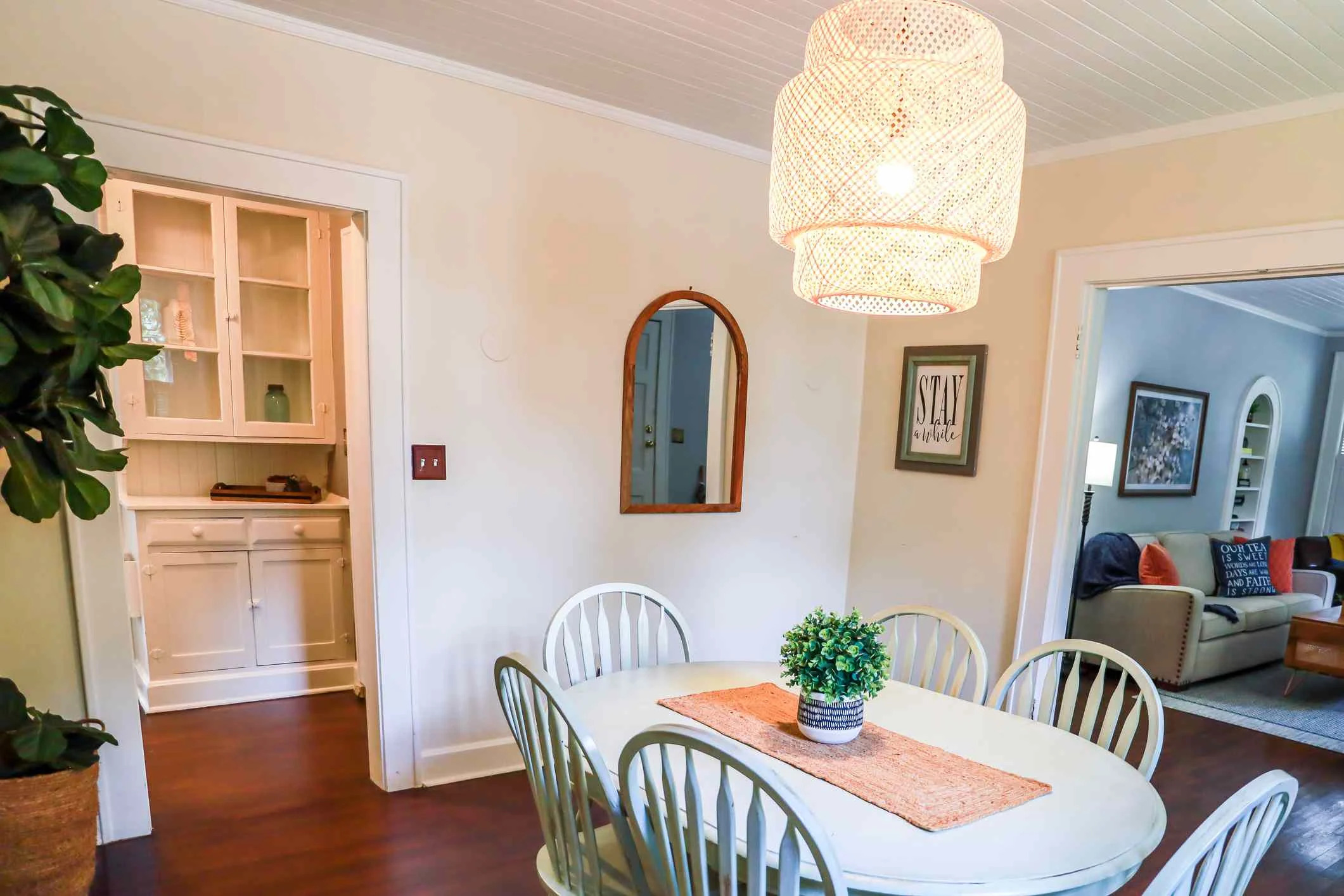
Round vs rectangular dining room tables – which one is best for your space?
Choosing the right dining table shape is a crucial decision that impacts both the aesthetics and functionality of a dining space. The primary contenders are round and rectangular tables, each offering distinct advantages depending on the room's dimensions, the number of people to be seated, and the desired atmosphere. While both can be stylish and functional, their suitability often hinges on specific spatial and social requirements.
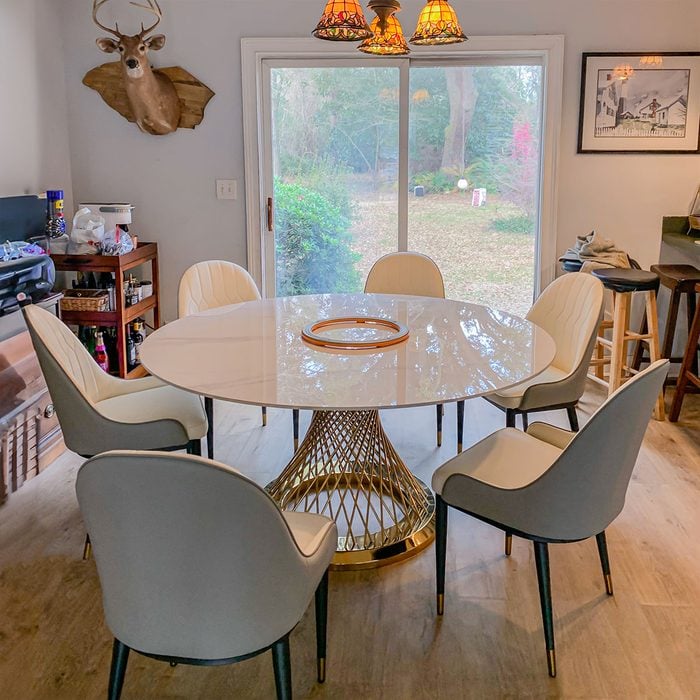
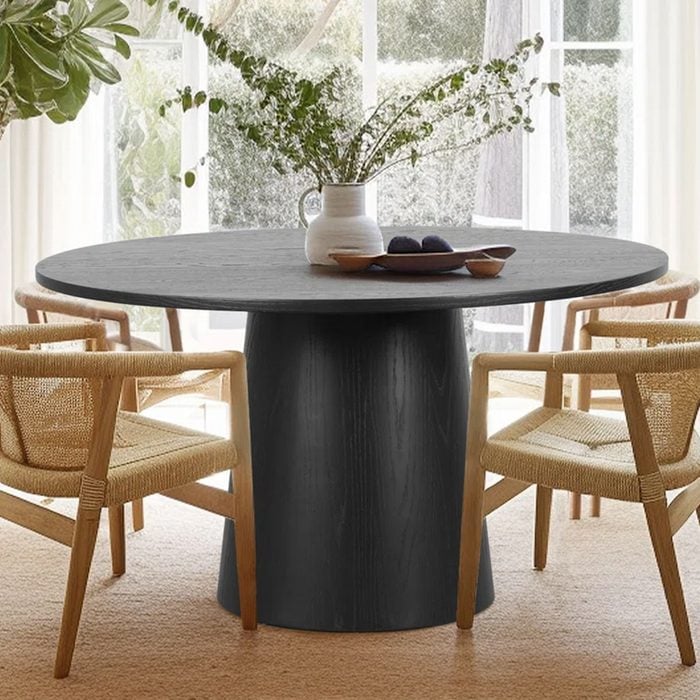
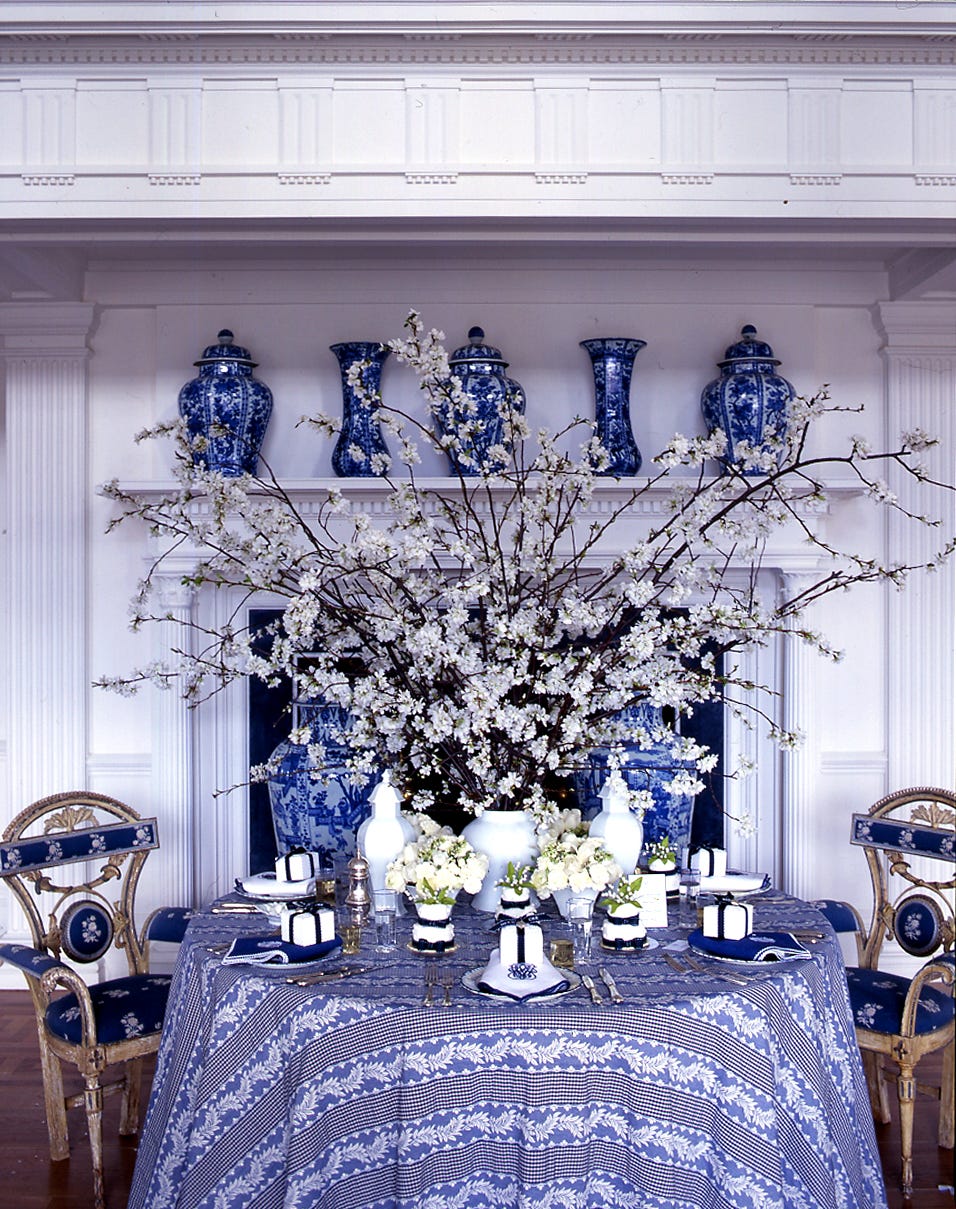
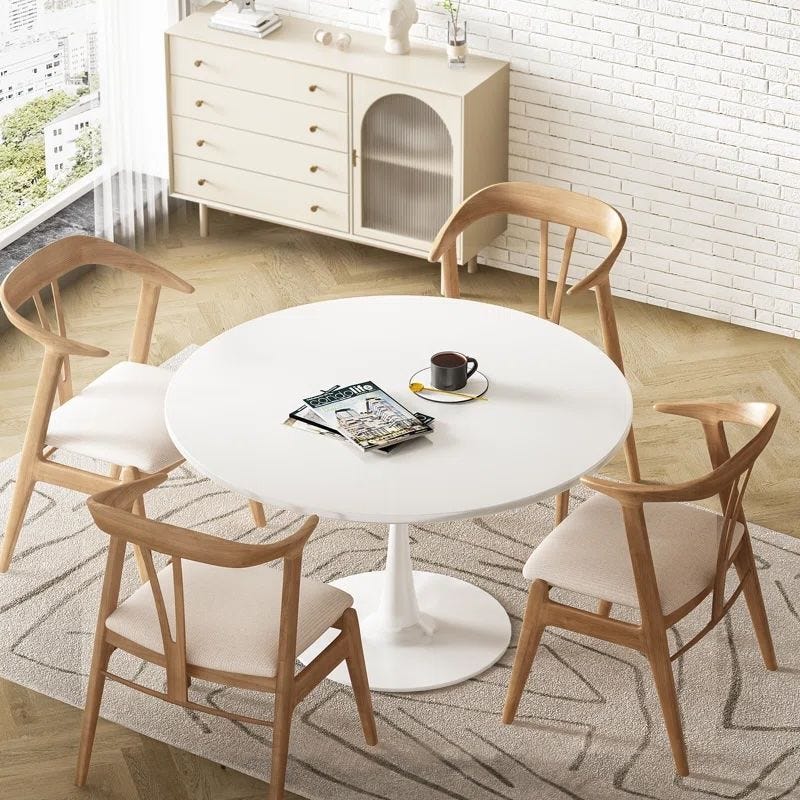
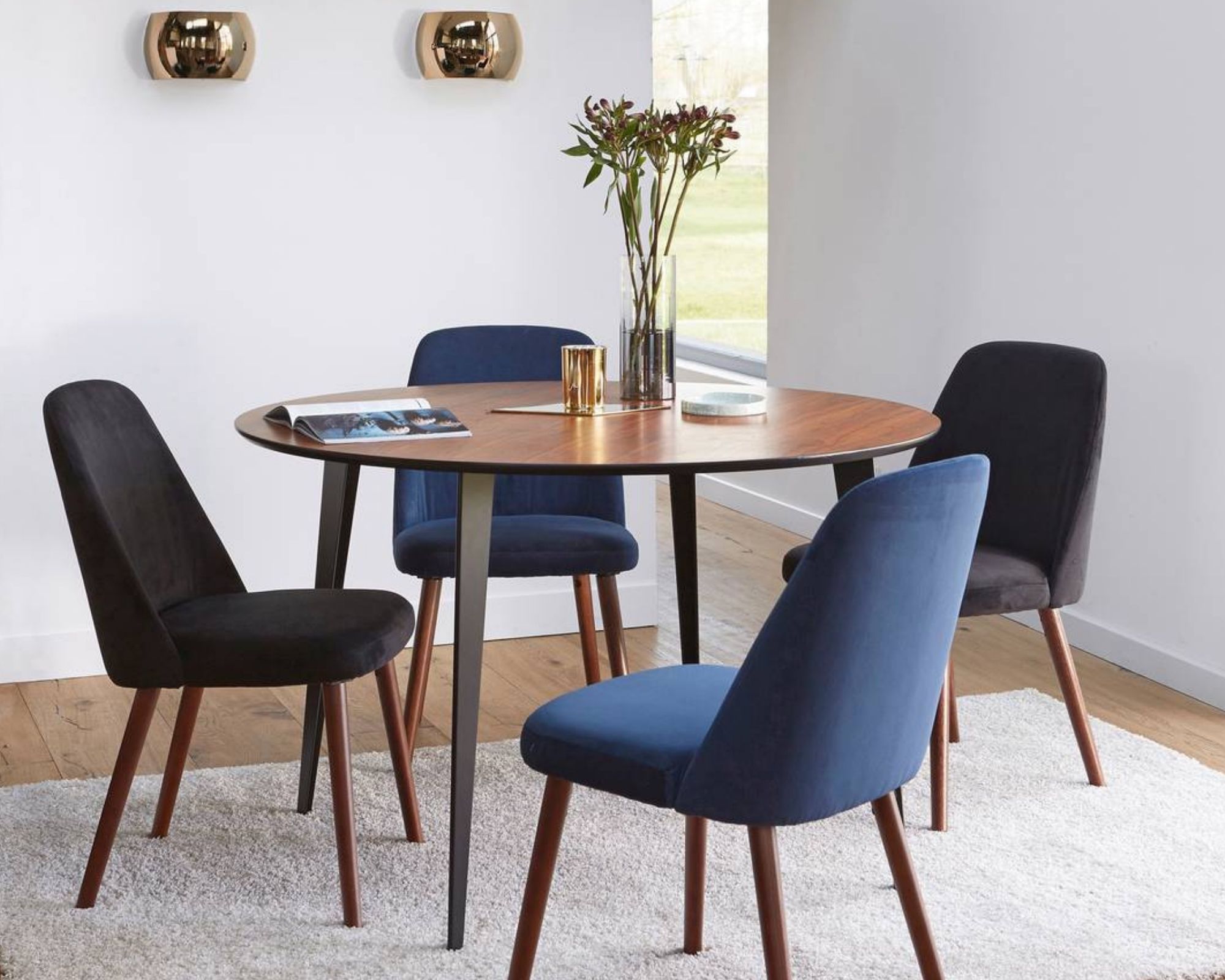
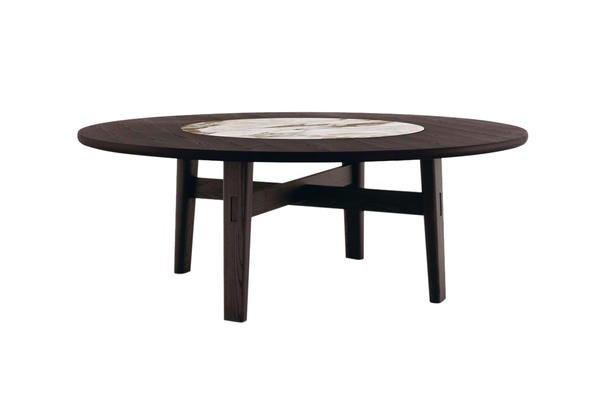
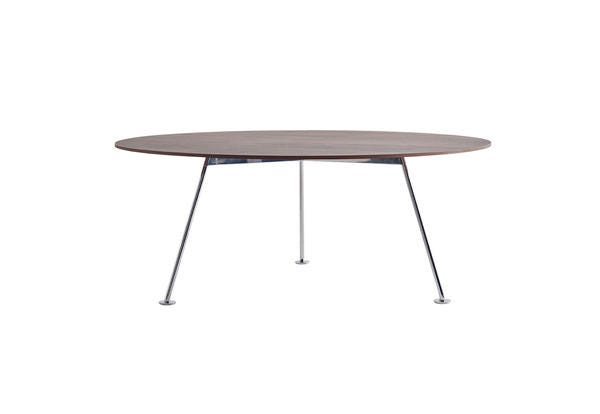
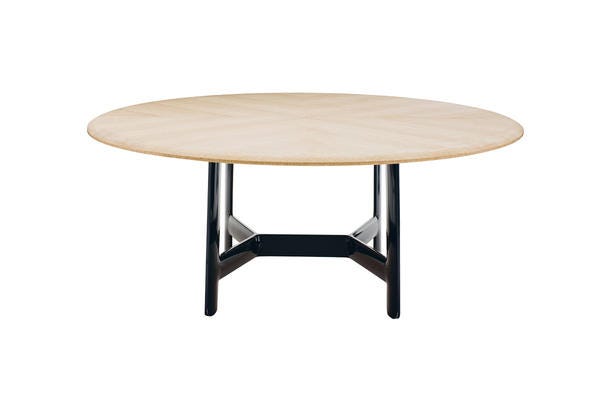
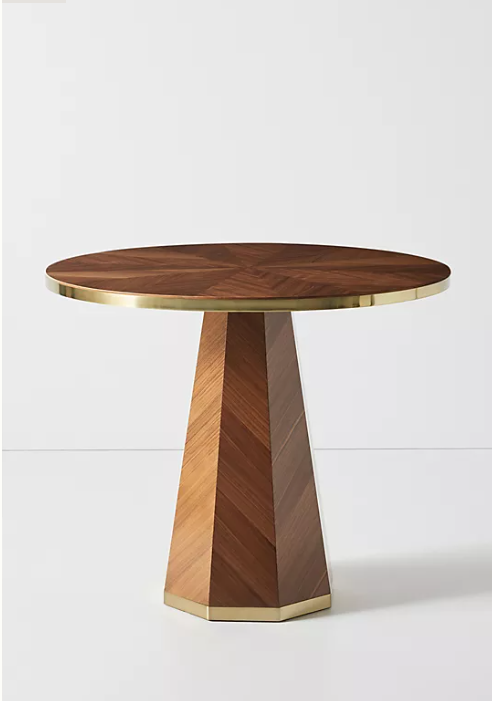
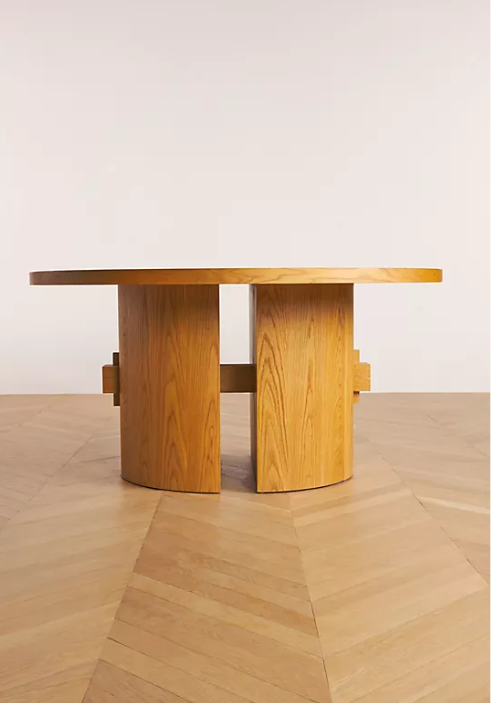
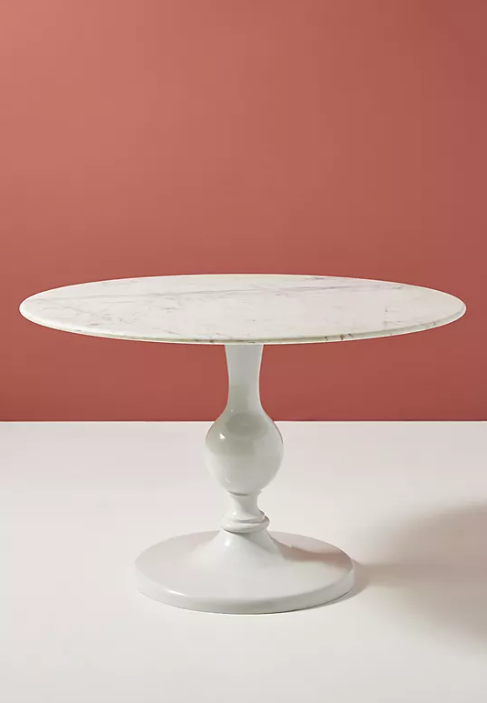
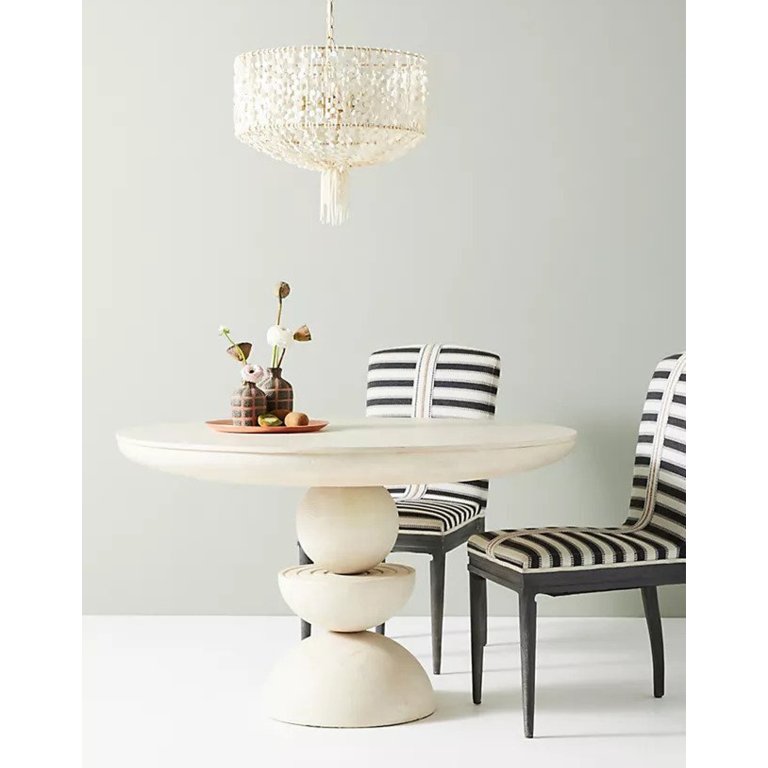
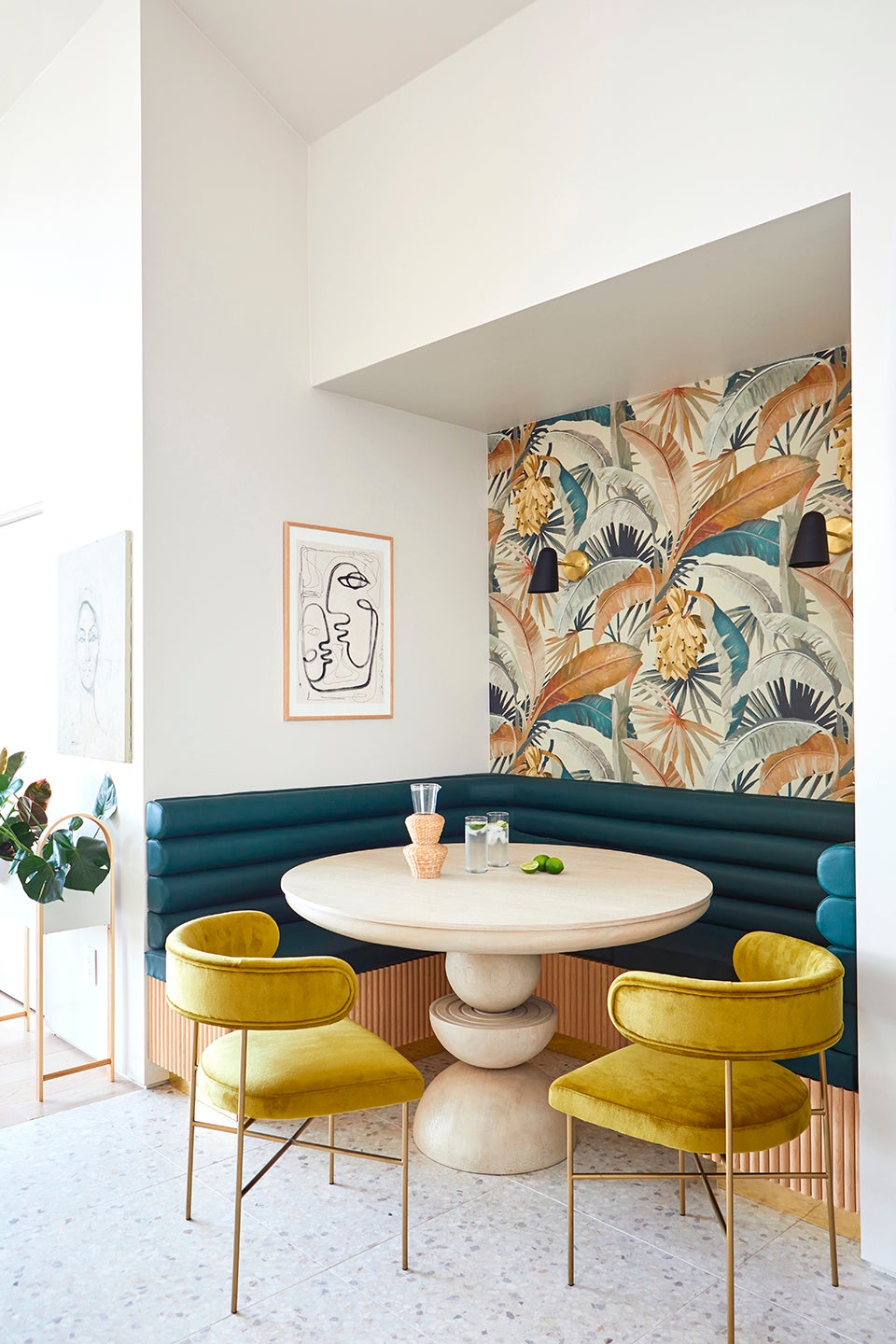
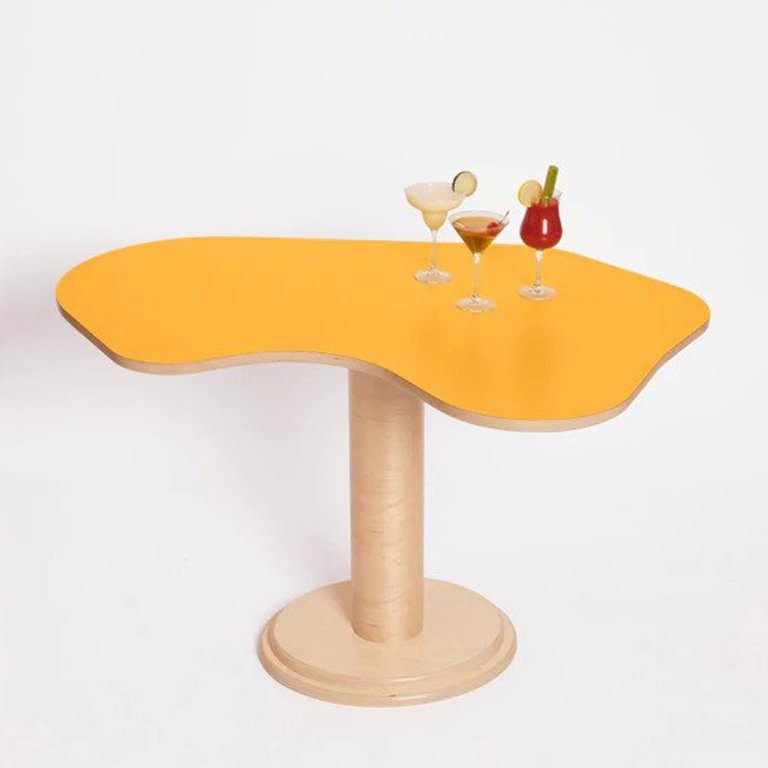
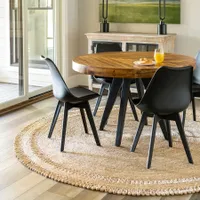
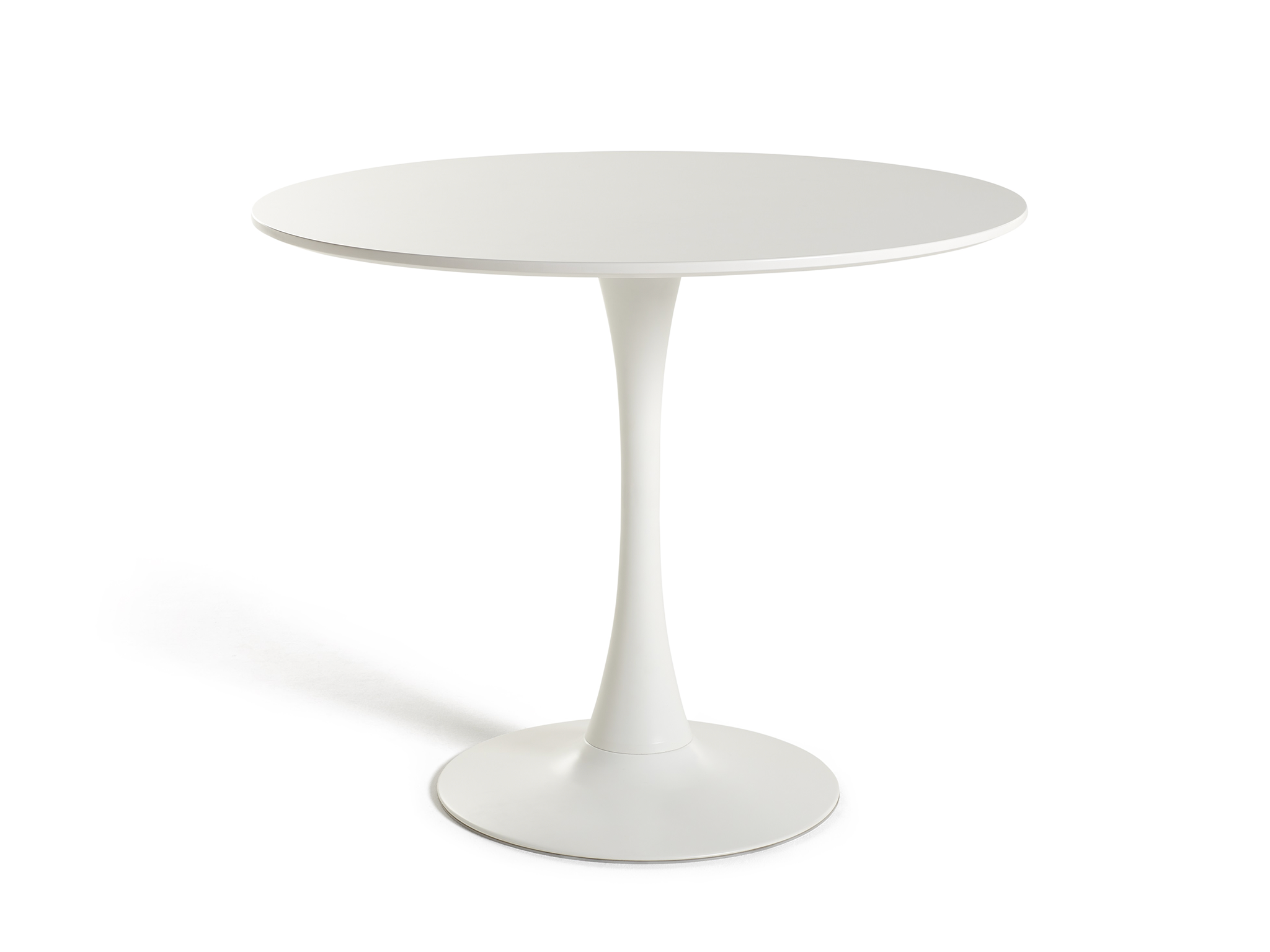
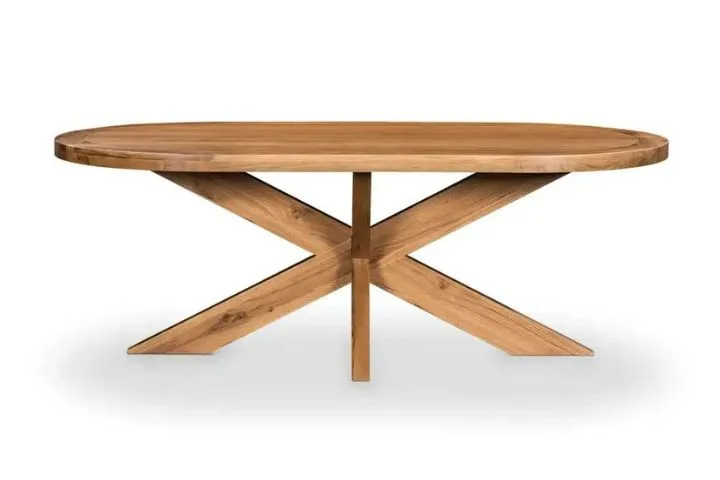
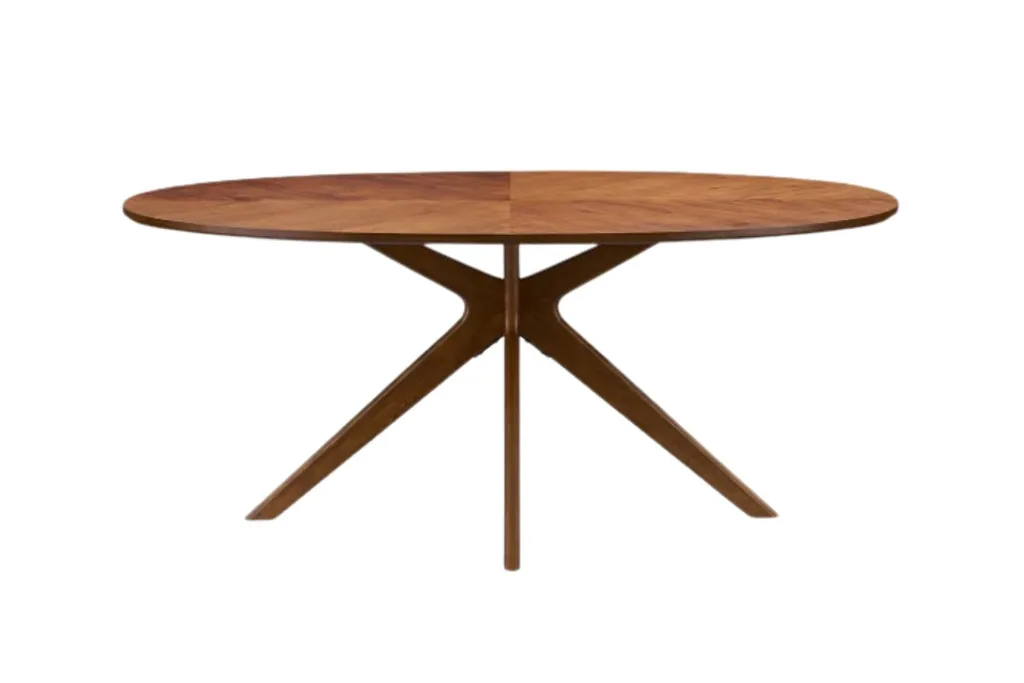
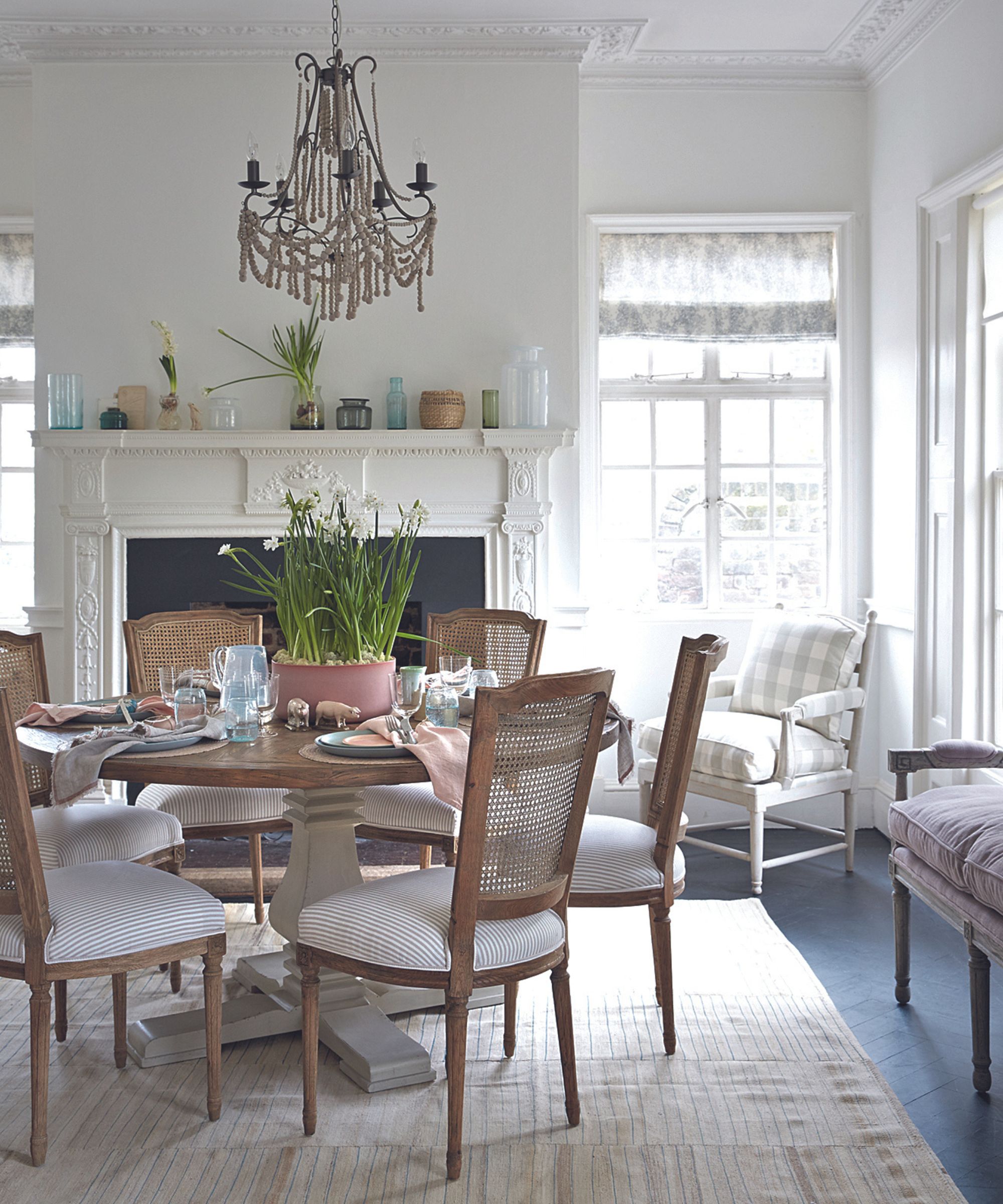
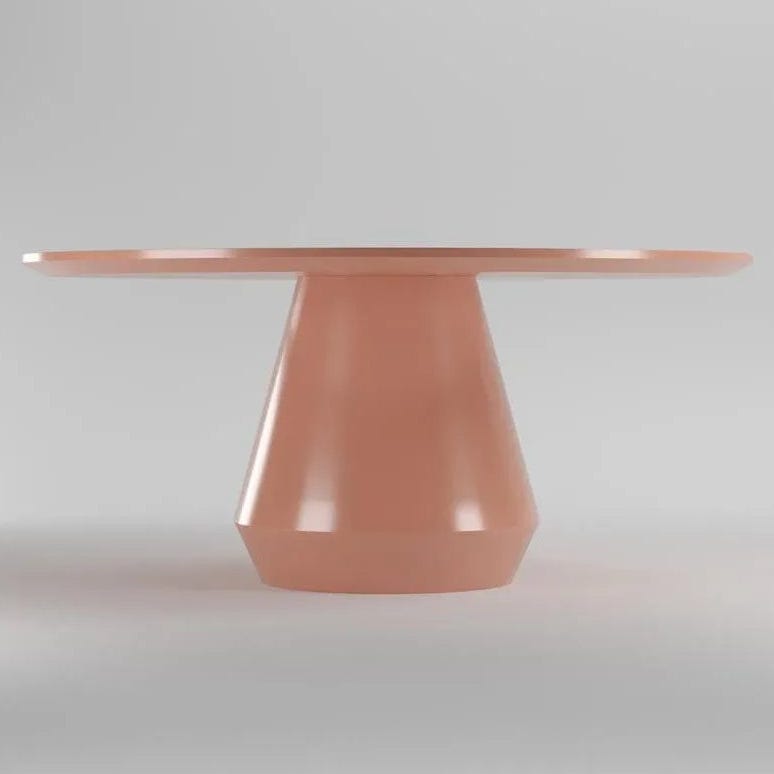
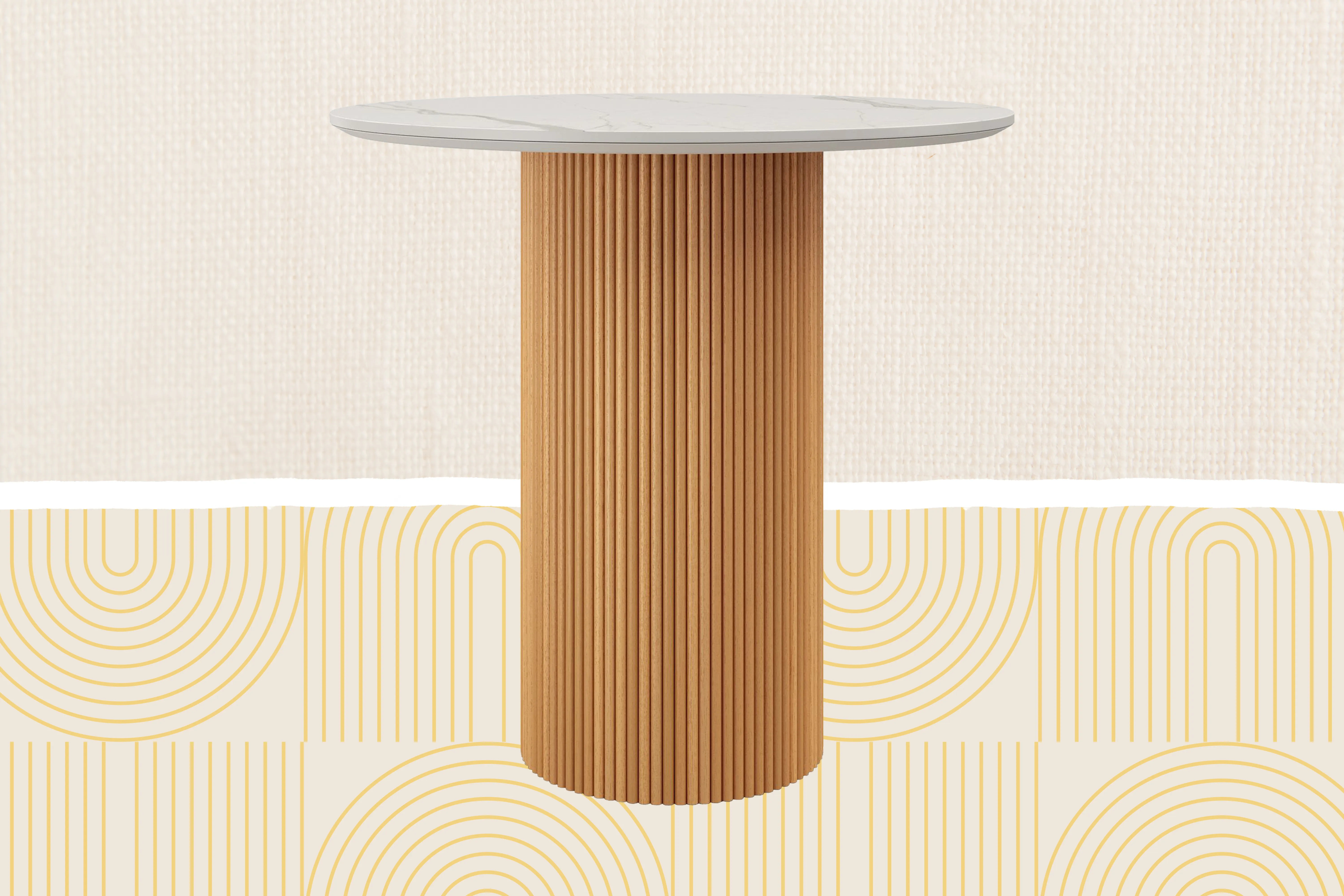
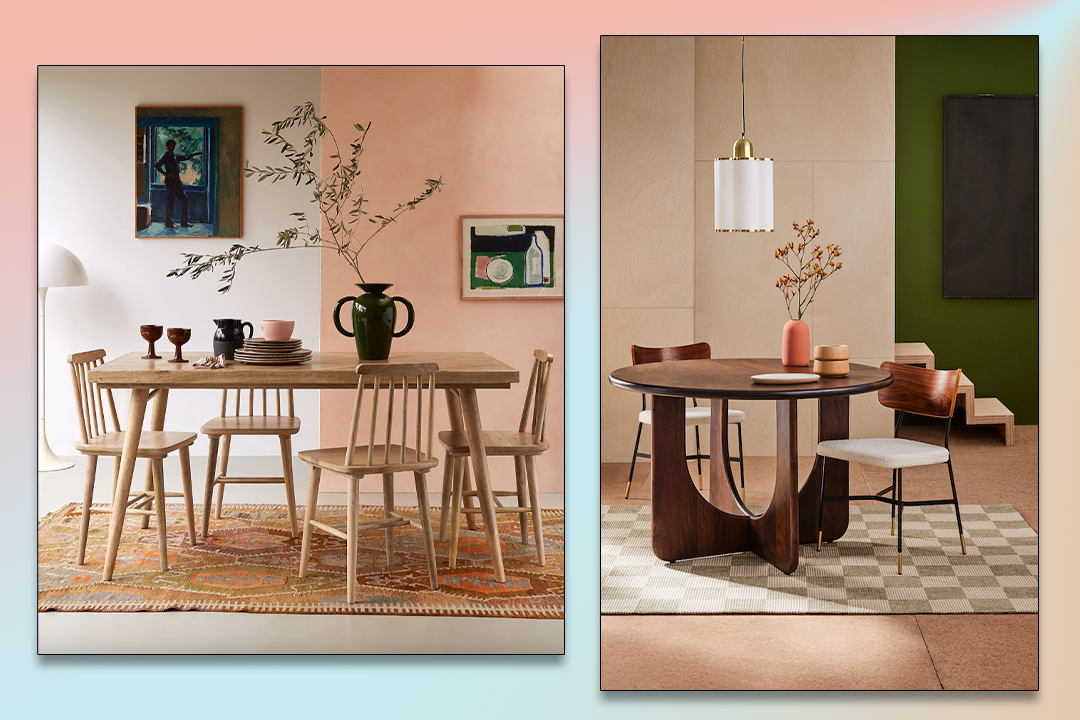
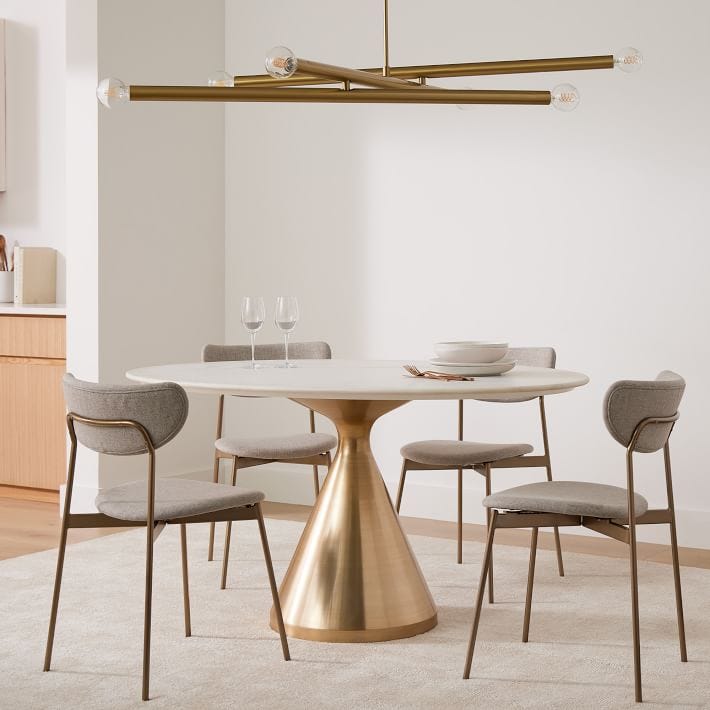
Round dining tables are particularly well-suited for fostering a sense of togetherness and intimacy. Their lack of a defined 'head' promotes equality among diners, making them ideal for social gatherings, family dinners, and informal settings where conversation and interaction are prioritized. Interior designers emphasize that round tables create a cozy vibe, allowing everyone to see and engage with each other easily. This intimate atmosphere is enhanced by the absence of sharp edges, which also makes them a safer option, especially in homes with children. Furthermore, the curved aesthetics of a round table can introduce a softer balance to interiors that primarily feature straight lines, contributing to a more harmonious design.
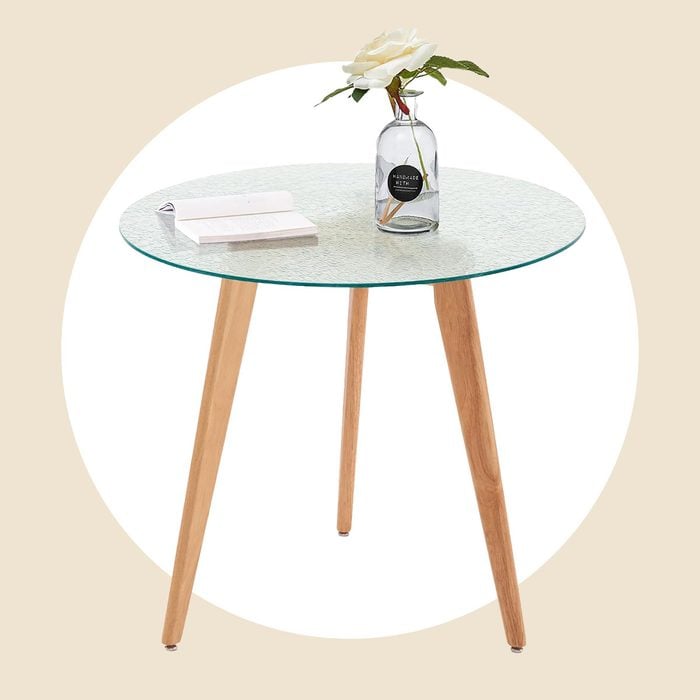
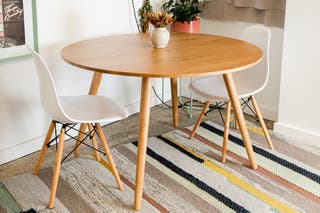
In terms of versatility, round tables perform well in various room sizes, including small dining rooms or uniquely shaped spaces where their spatial efficiency can be a significant advantage. It is crucial, however, to ensure proper scale and adequate space per person, typically 24 to 30 inches, to allow for comfortable seating and movement. Chairs without arms are often recommended to maximize space around round tables.
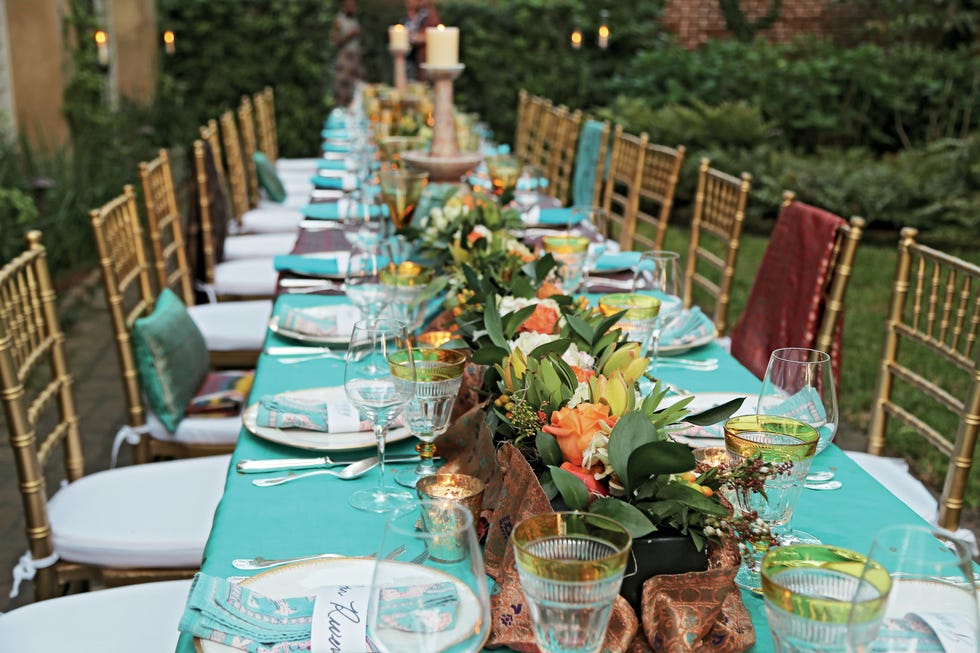
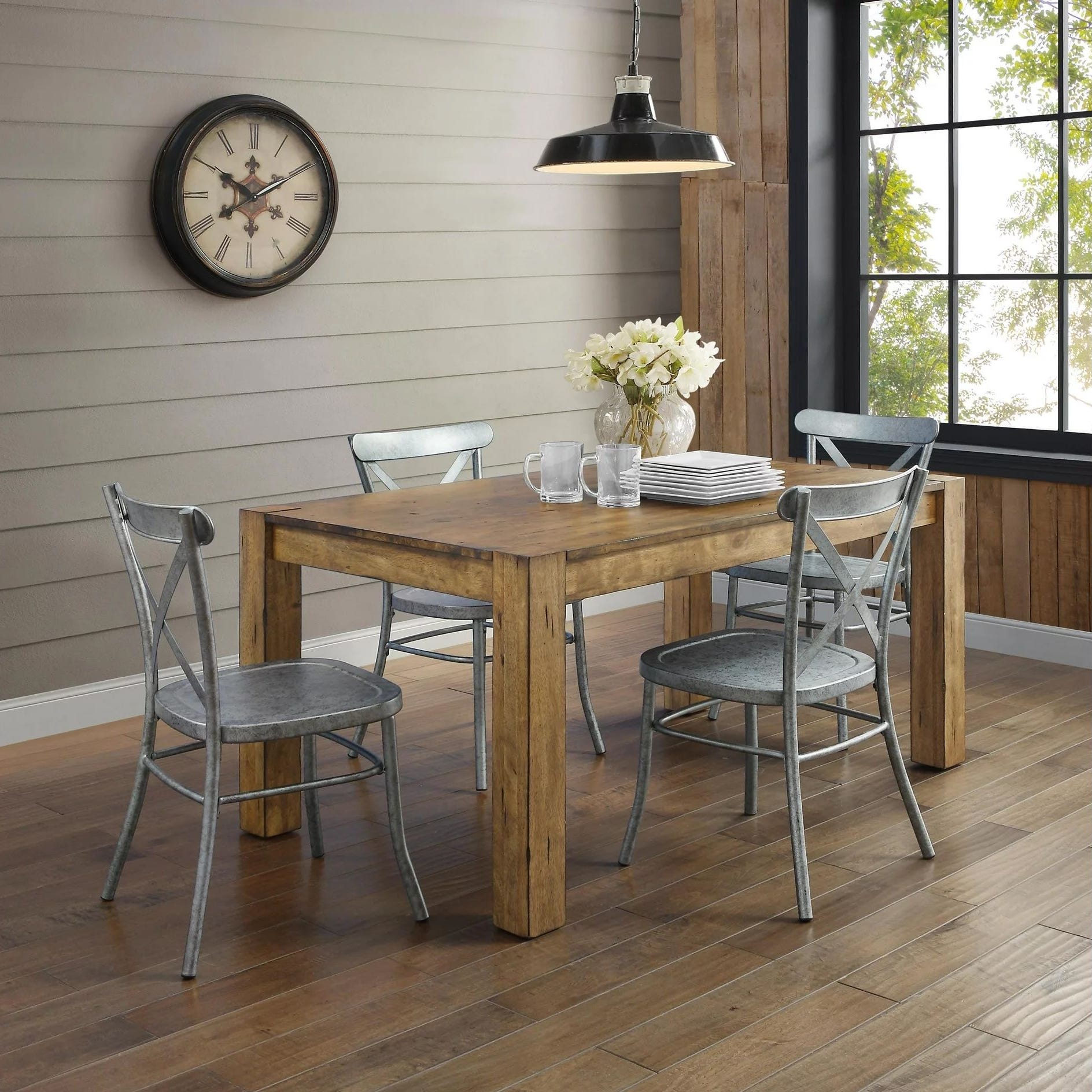
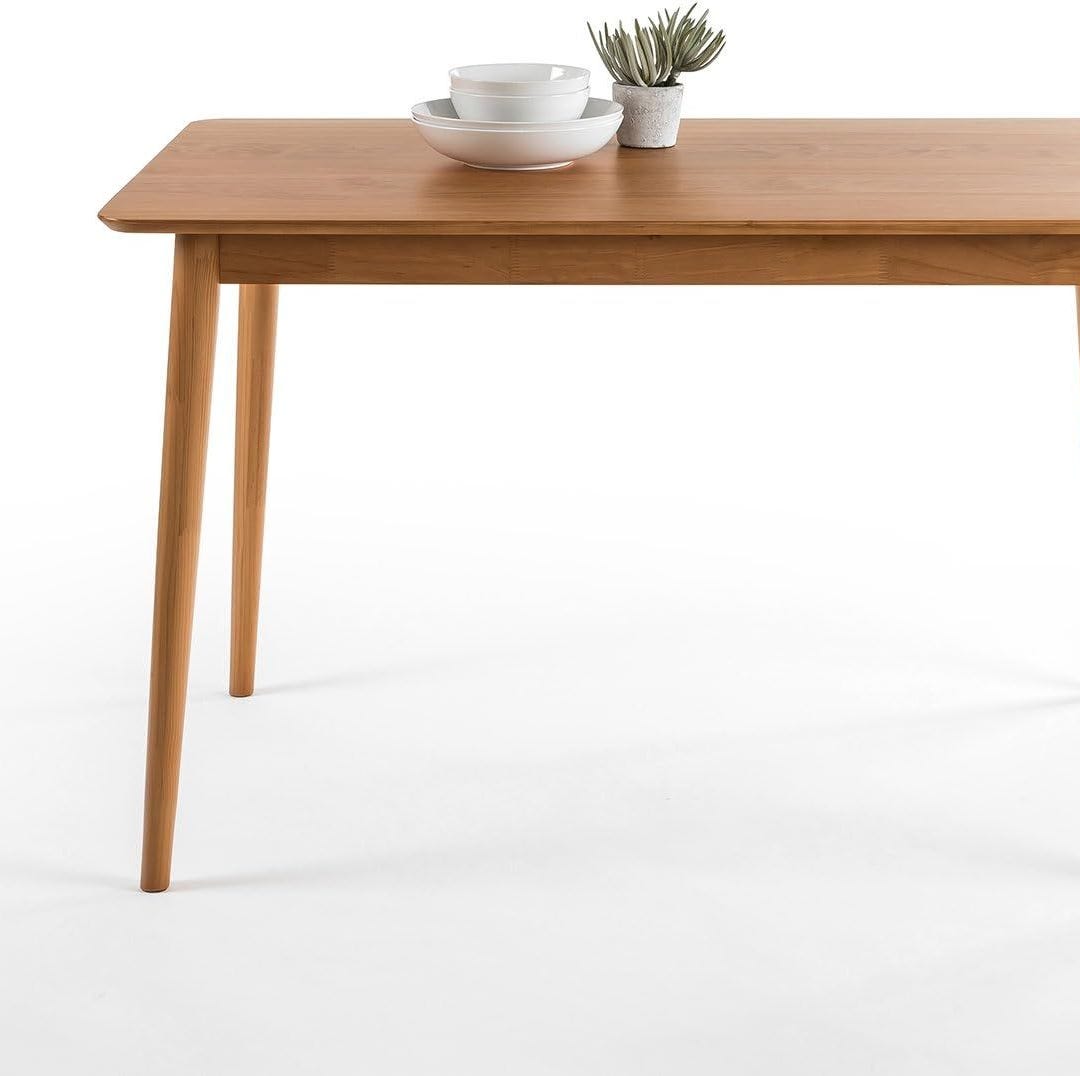
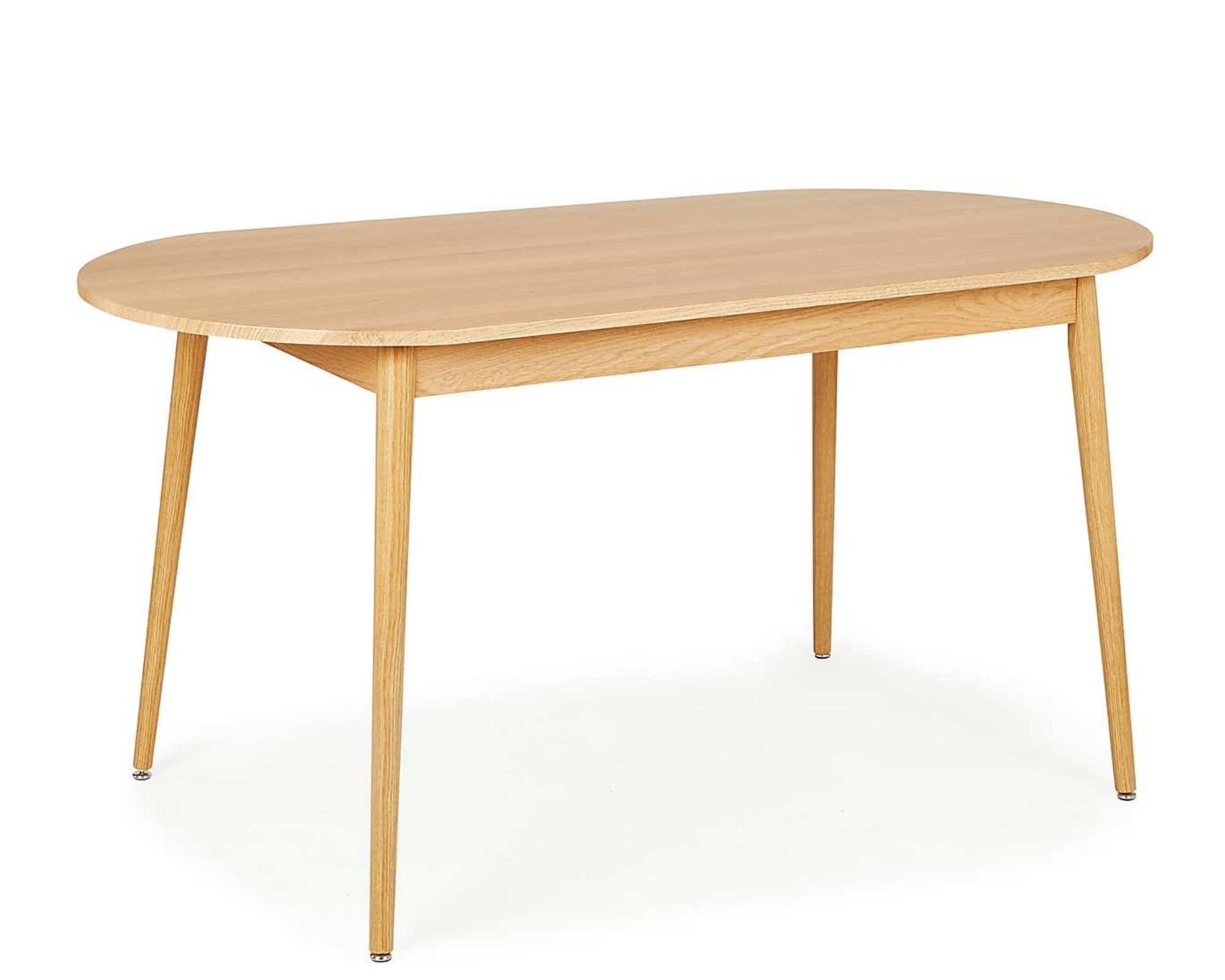
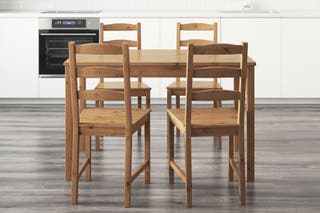
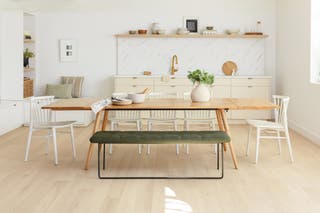
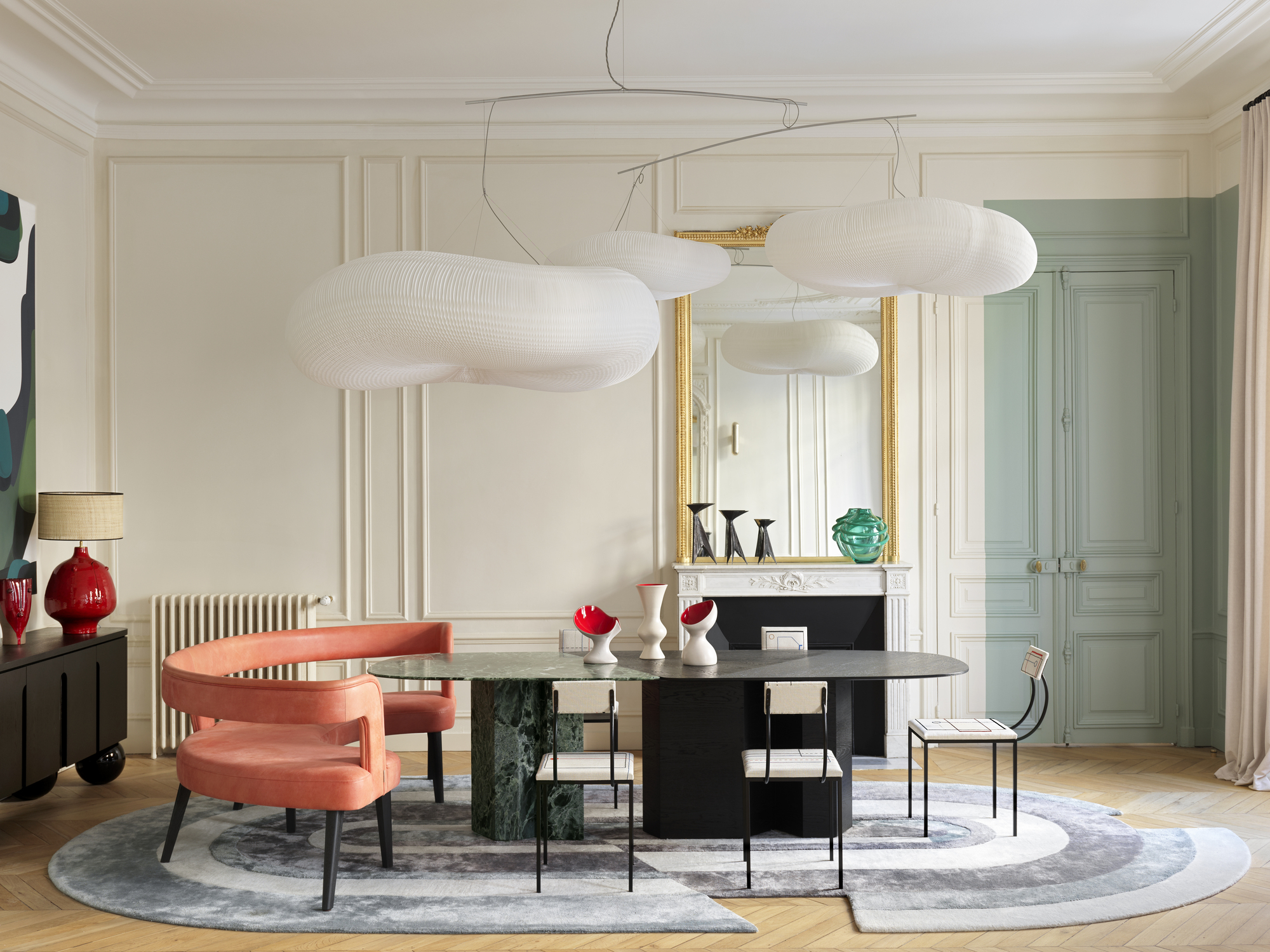
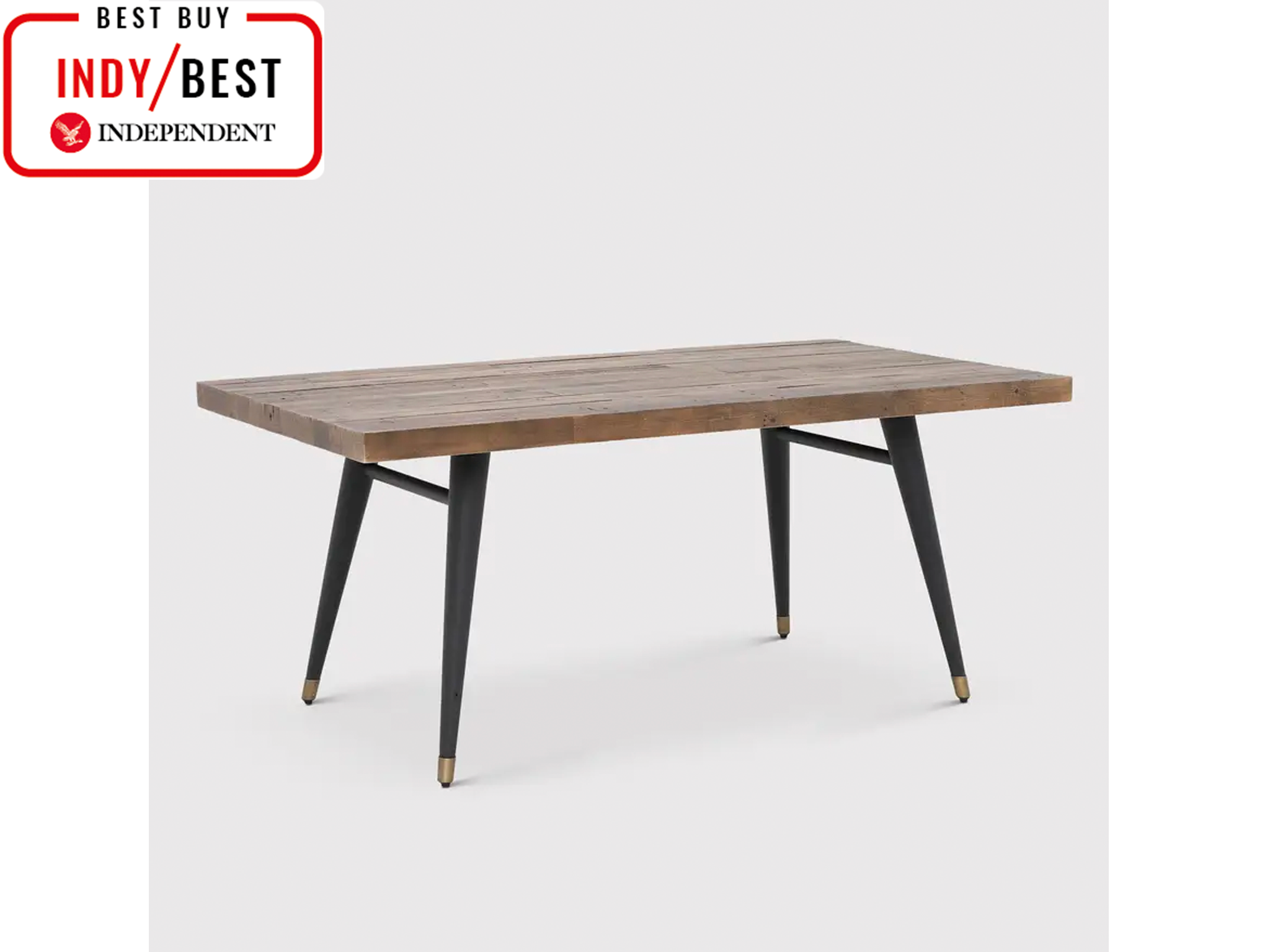
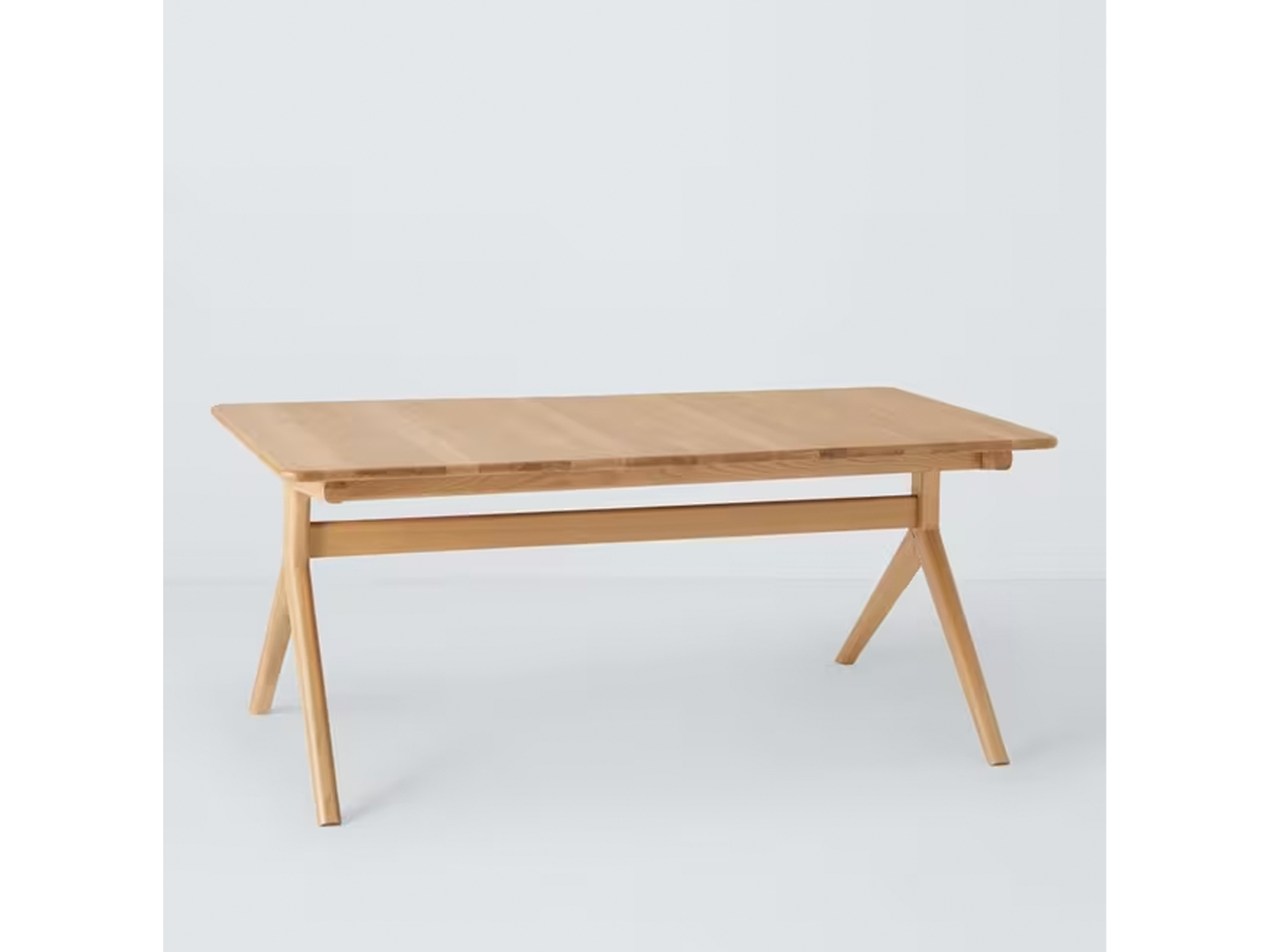
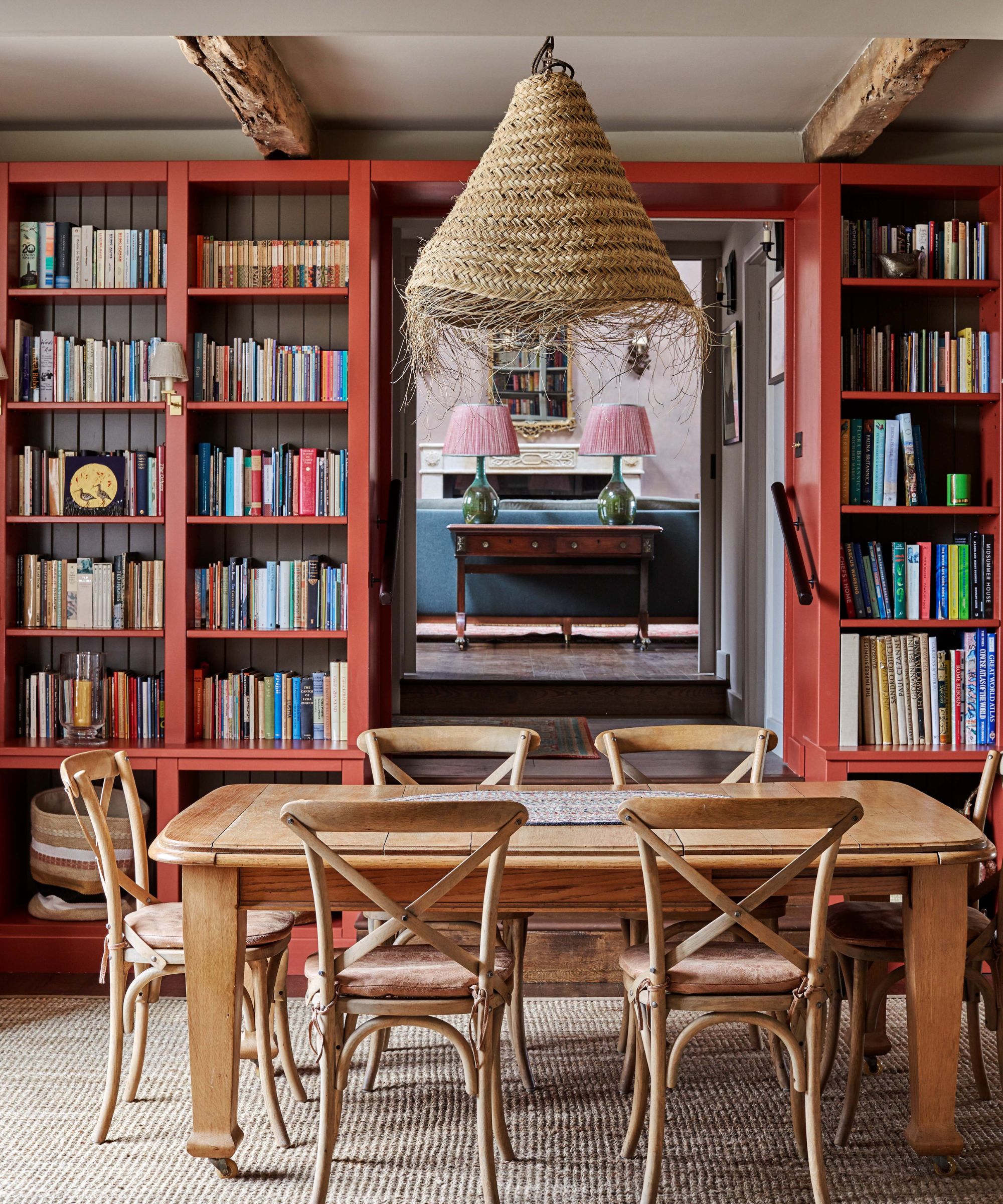
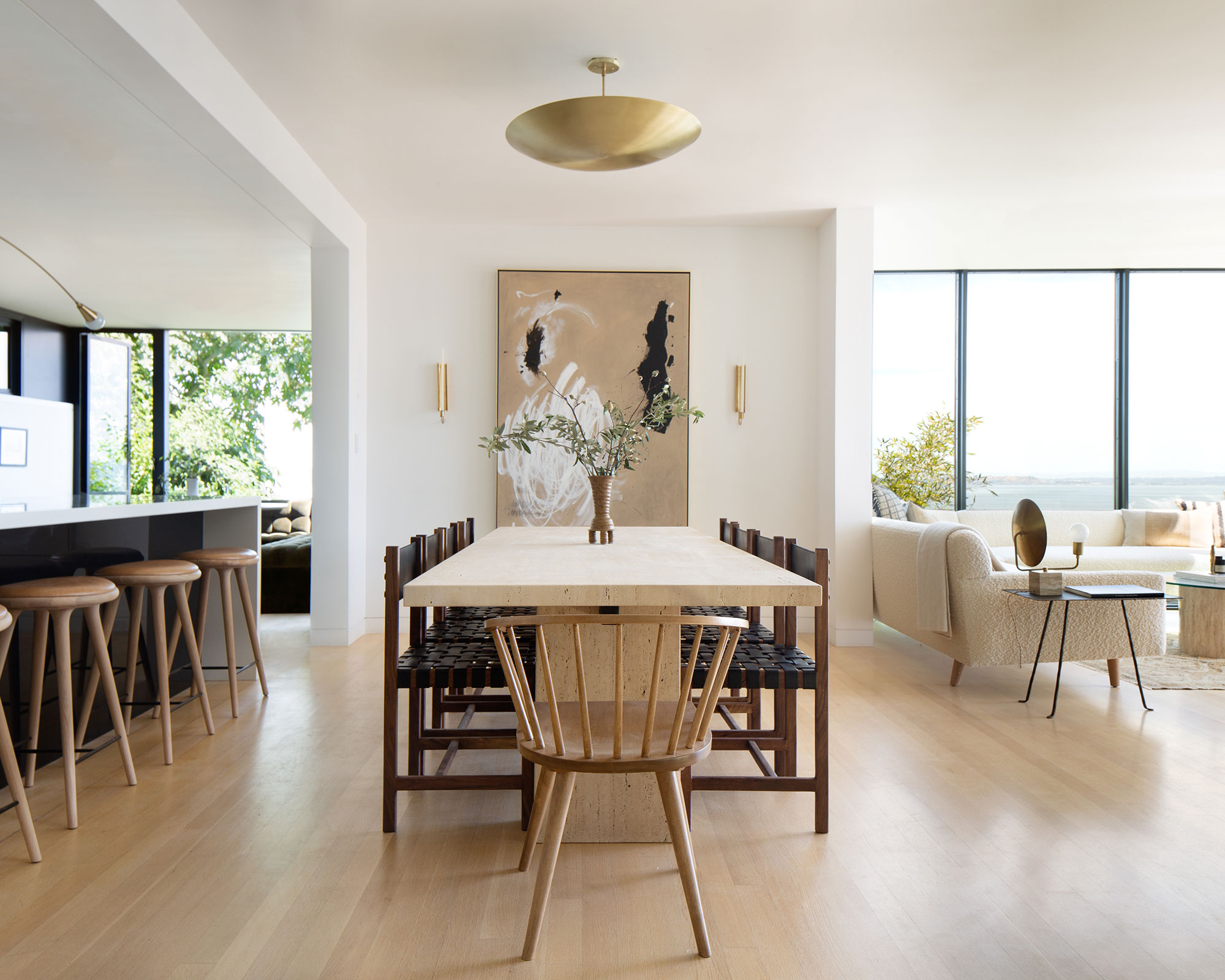
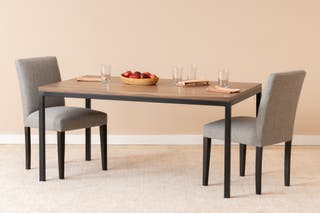
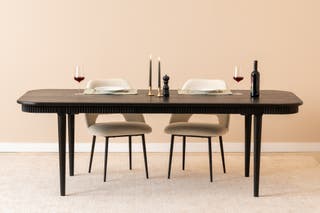
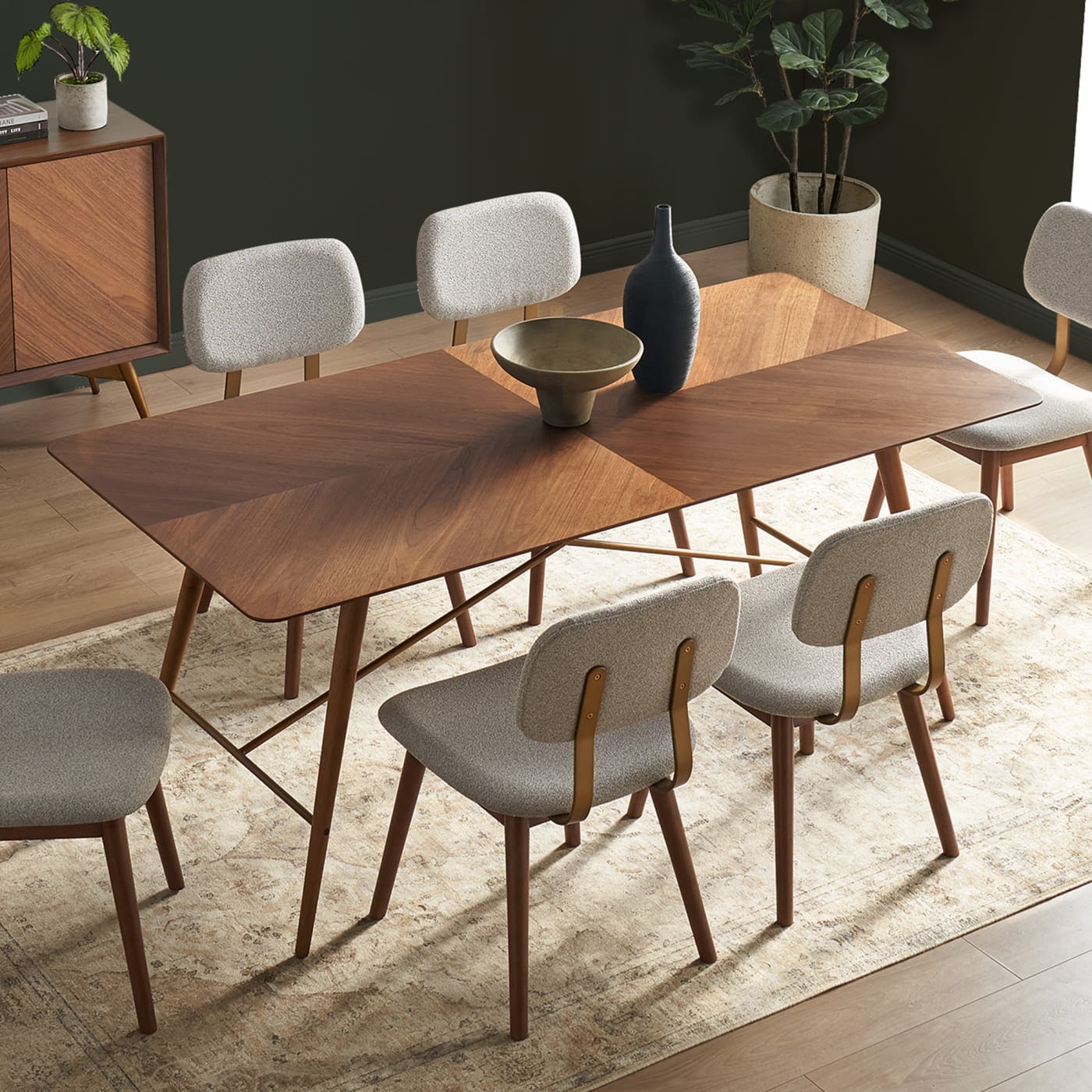
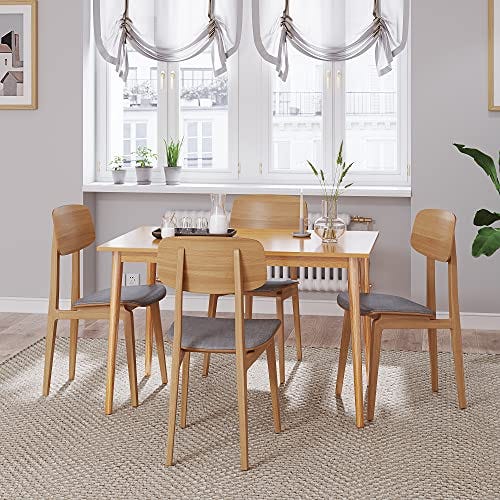
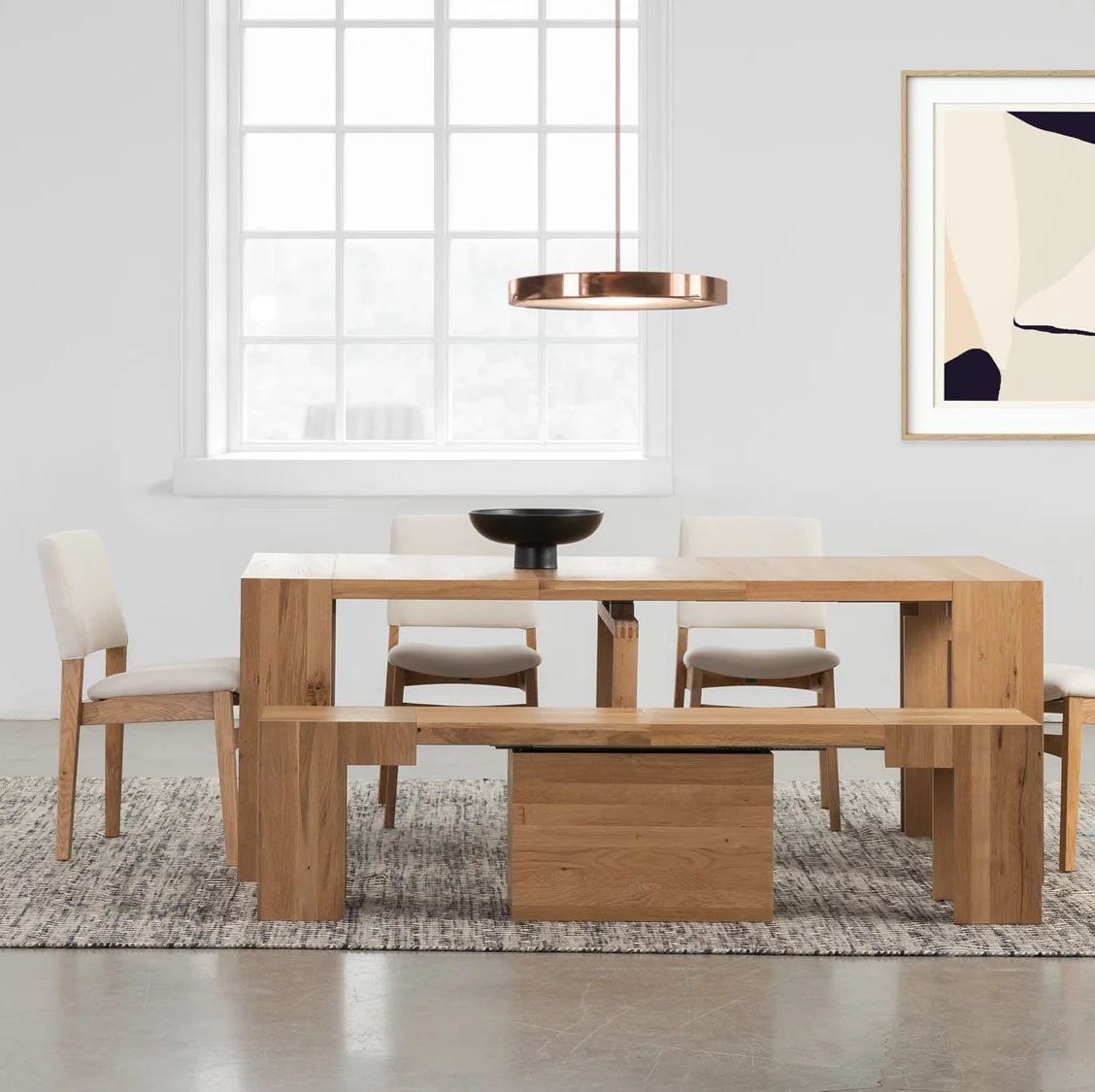
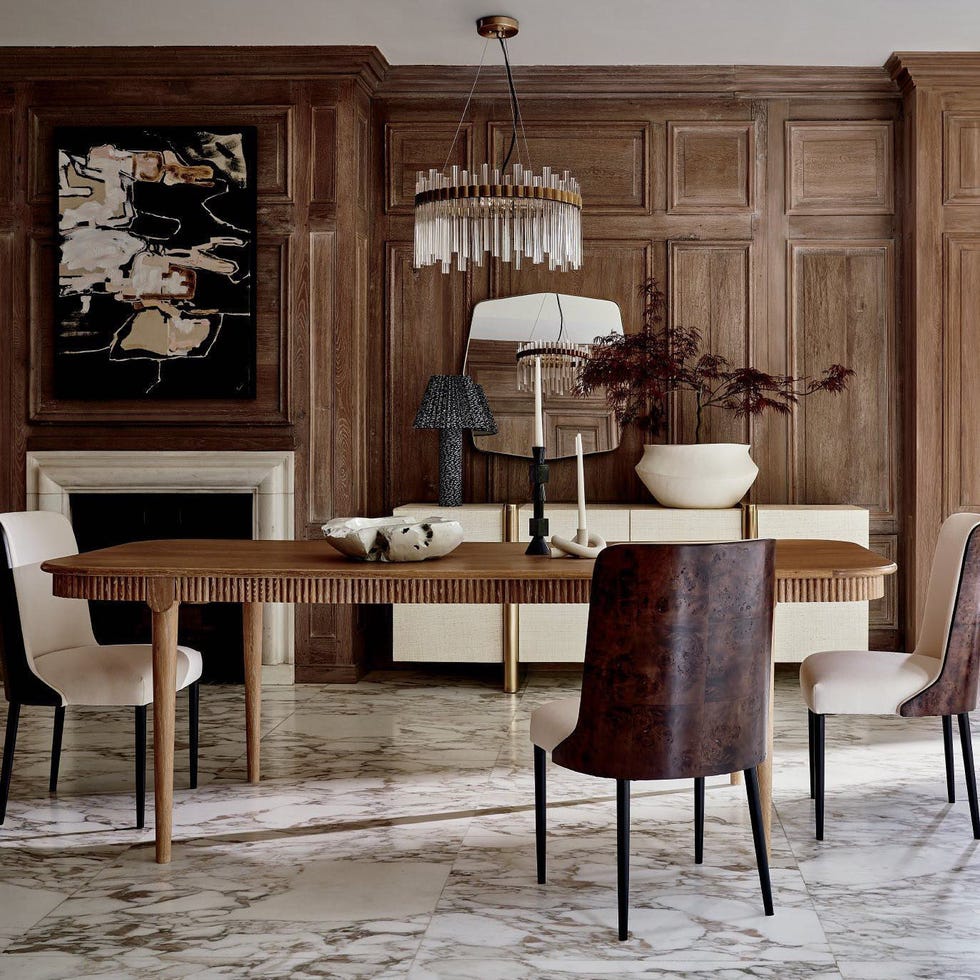
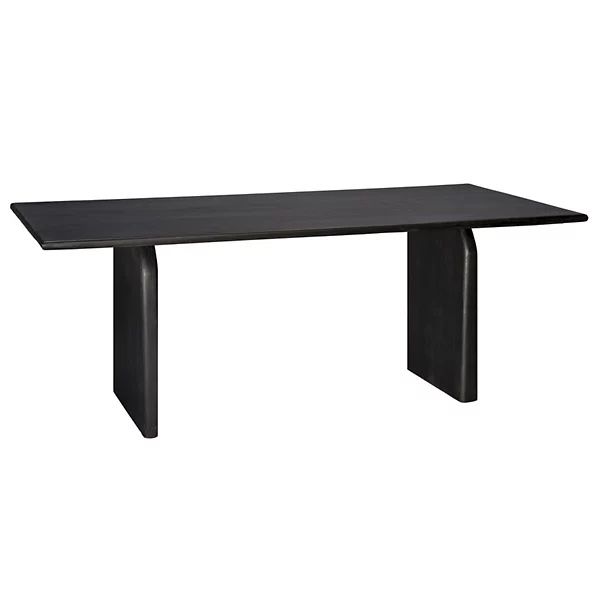
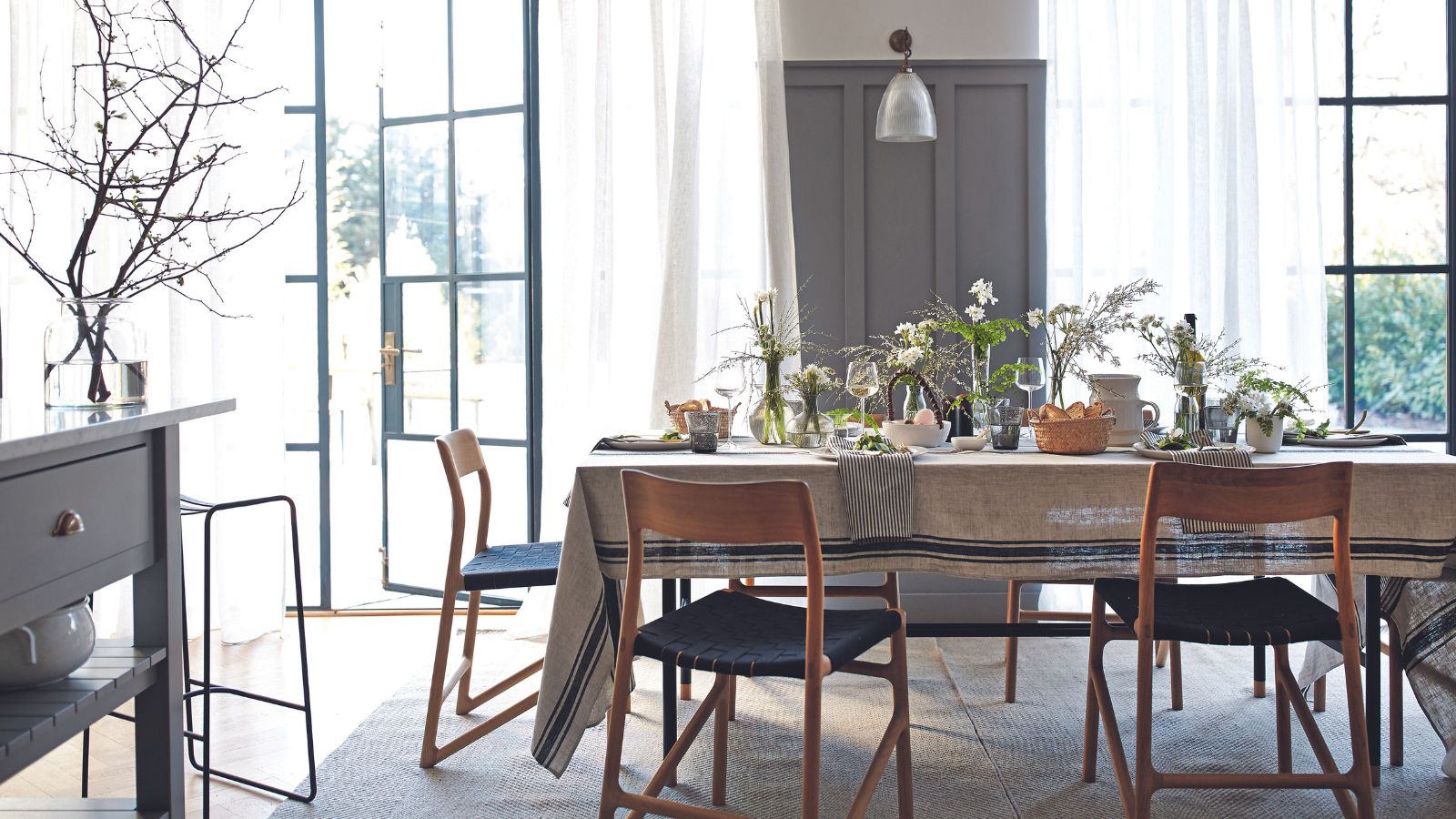
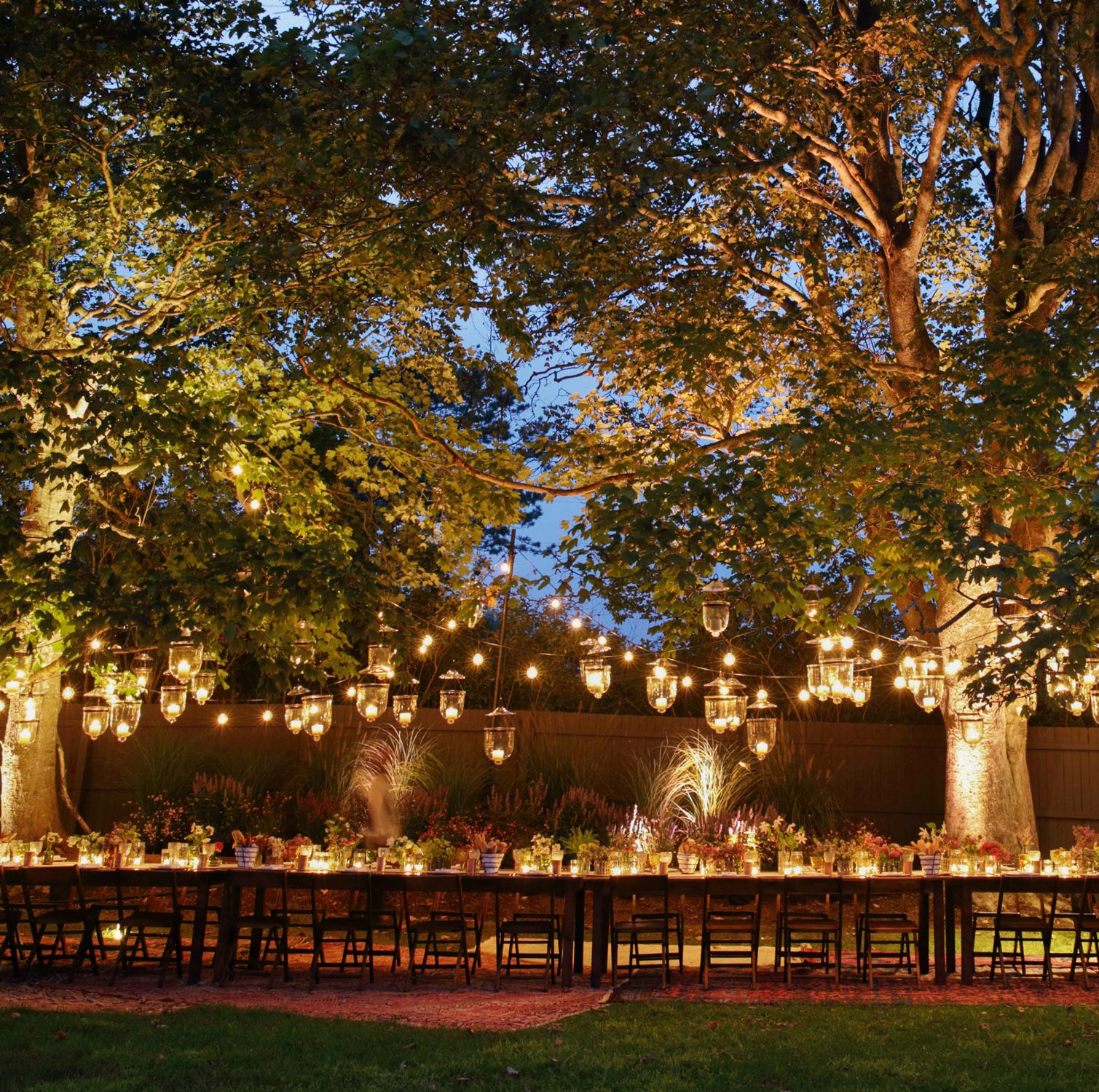
Conversely, rectangular dining tables excel in accommodating larger gatherings and more formal settings. Their linear form naturally complements elongated rooms, maximizing seating capacity and aligning with the room's geometry. For larger groups, rectangular tables facilitate multiple conversations simultaneously at different ends. They also offer a clear structure beneficial for formal events or situations requiring a defined hierarchy or focal point, such as buffet arrangements.
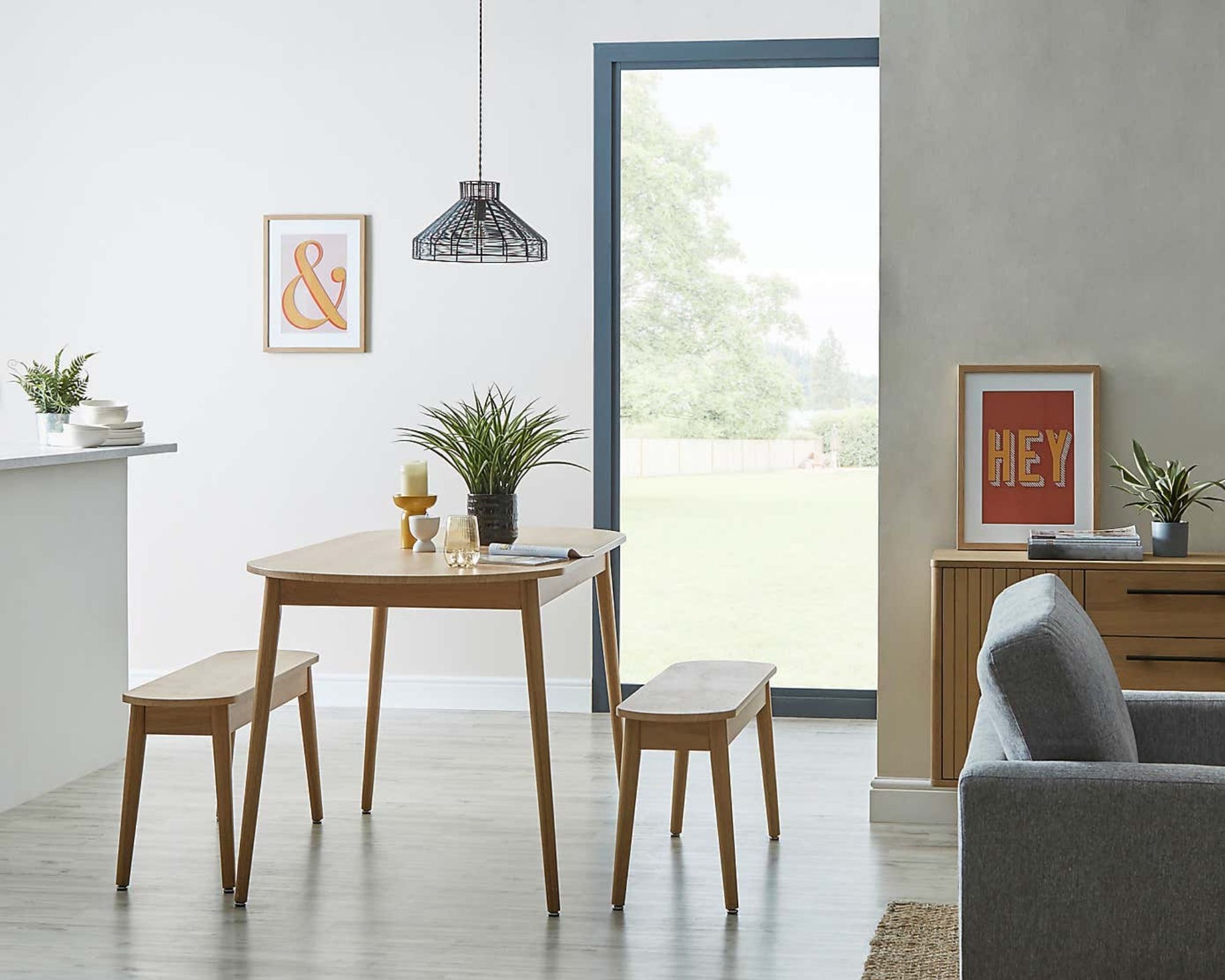
Rectangular tables also provide flexibility in seating options, allowing for a mix of chairs, captain chairs at the ends, and benches along one side, offering both casual and formal appeal. Additionally, their extended surface makes them practical for dual-purpose rooms where dining areas might also serve as a workspace. For rectangular tables, a minimum of 36 inches of space around the table is recommended for ease of movement.
The ultimate choice between a round and a rectangular dining table depends on individual needs, available space, and personal style preferences. For limited spaces or a desire for a more intimate, casual atmosphere, a round table is often the better option. However, for larger spaces, accommodating more people, or preferring a formal setting, a rectangular table is more suitable. Some homeowners opt for both, using a casual round table for daily meals and a formal rectangular table for entertaining guests. Regardless of the shape, careful consideration of the table and chair heights is essential, especially in rooms with low ceilings or hanging light fixtures, to achieve the best overall design and functionality.
#DiningRoomDesign #DiningTable #InteriorDesign #HomeDecor #FurnitureChoice #SpacePlanning #TableShapes #DecoratingTips #DiningRoomDesign #DiningTable #InteriorDesign #HomeDecor #FurnitureChoice #SpacePlanning #TableShapes #DecoratingTips
0 commenti in totale
 Nessun commento ancora
Potresti anche gradire
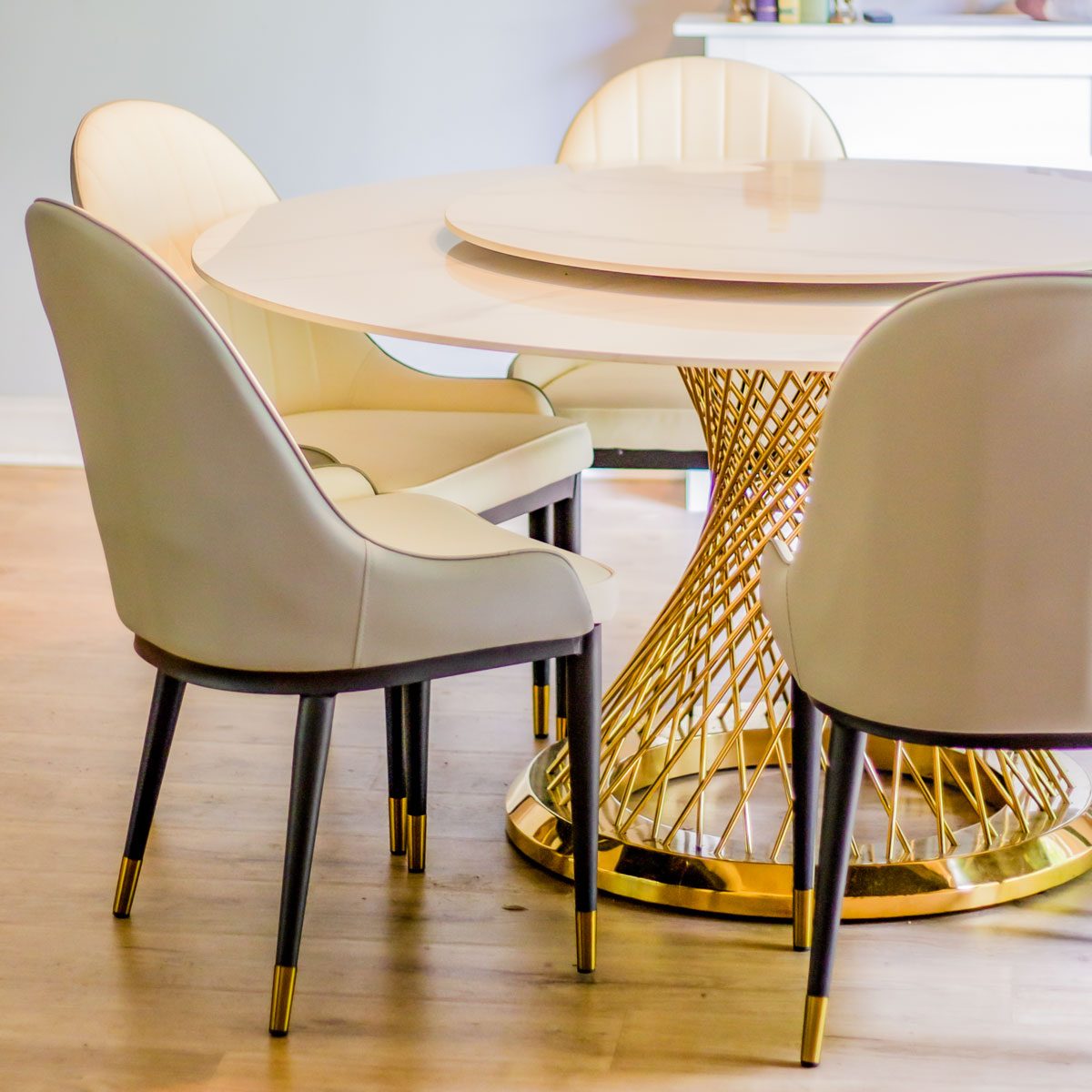
The Best Round Kitchen and Dining Tables

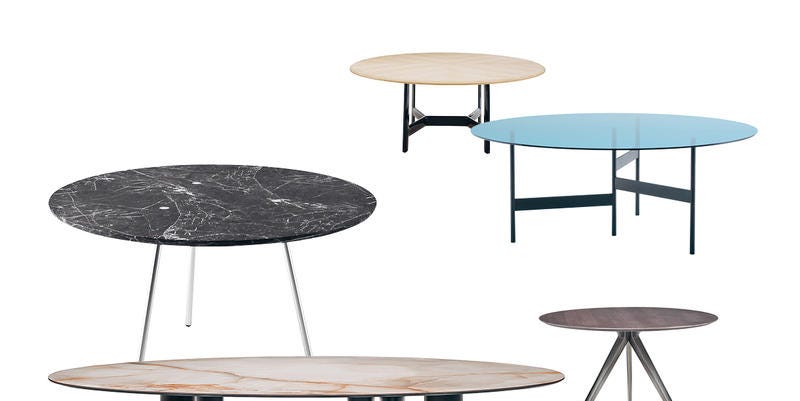
7 round dining tables inspired to nature
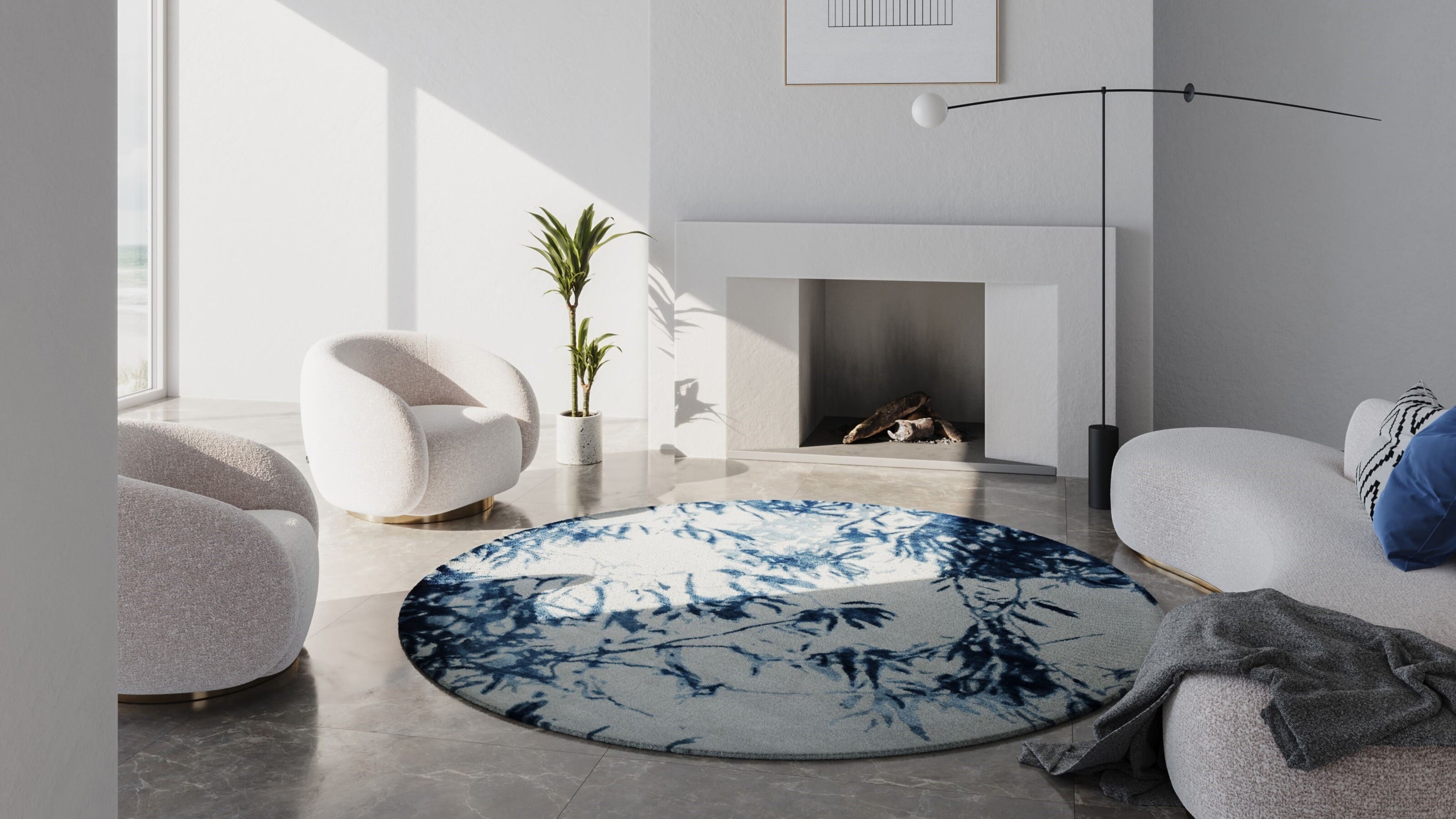
'They're not for every room' – designers say they'll never use a round rug in these 5 spaces, and neither should you

No Space? No Problem. These Dining Tables Fit Just Right

Did Instagram Kill Round Tables at Dinner Parties?

The Best Dining Tables (and How to Shop for One)
How to choose the right dining chairs for your dining room

Our Favorite Dining Tables

The Best Dining Room Tables, According to Design Pros

How to Choose the Right Dining Table for Your Home (Published 2018)
The best dining tables for entertaining in style, tried and tested
11 Top-Rated Dining Tables for Every Style and Budget

My Favorite Dinner Conversations Have Taken Place Around a Round Dining Table—Shop Some of Our Favorites

Anthropologie Dining Tables — 12 Brilliant New Designs Our Style Editors Love
7 stylish oval dining tables for all your wining and dining needs

The 20 Best Dining Room Tables, According to Designers

The best dining tables for all styles and budgets

The Best Dining Tables, as Seen in Our Favorite Spaces

Dining room layout ideas – 6 ways to configure this hardworking space
7 Dining Room Layout Mistakes That Ruin the Flow of Your Space, Designers Say