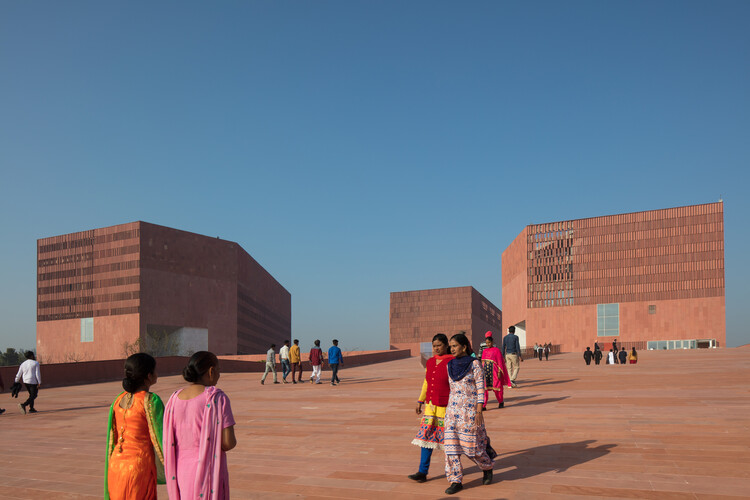
1/10
Reimagining Air Conditioning: Traditional Cooling Methods for the Future
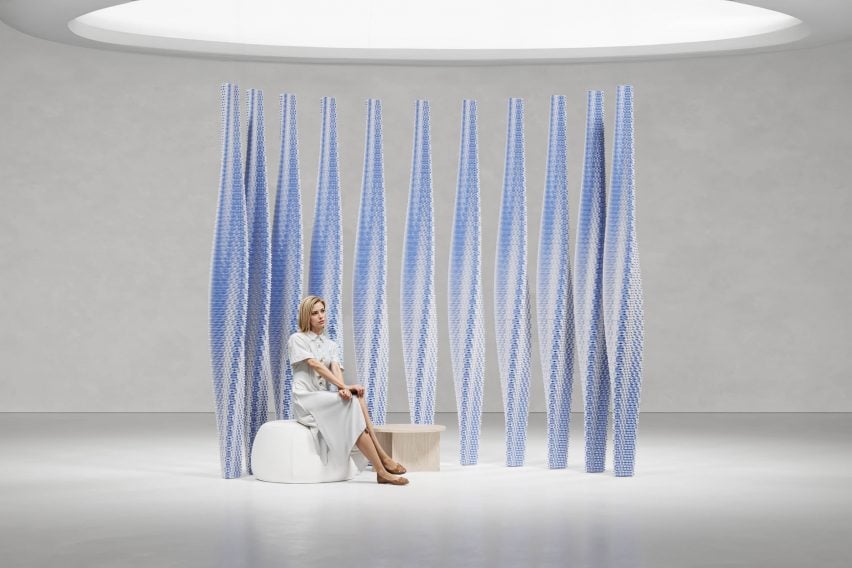
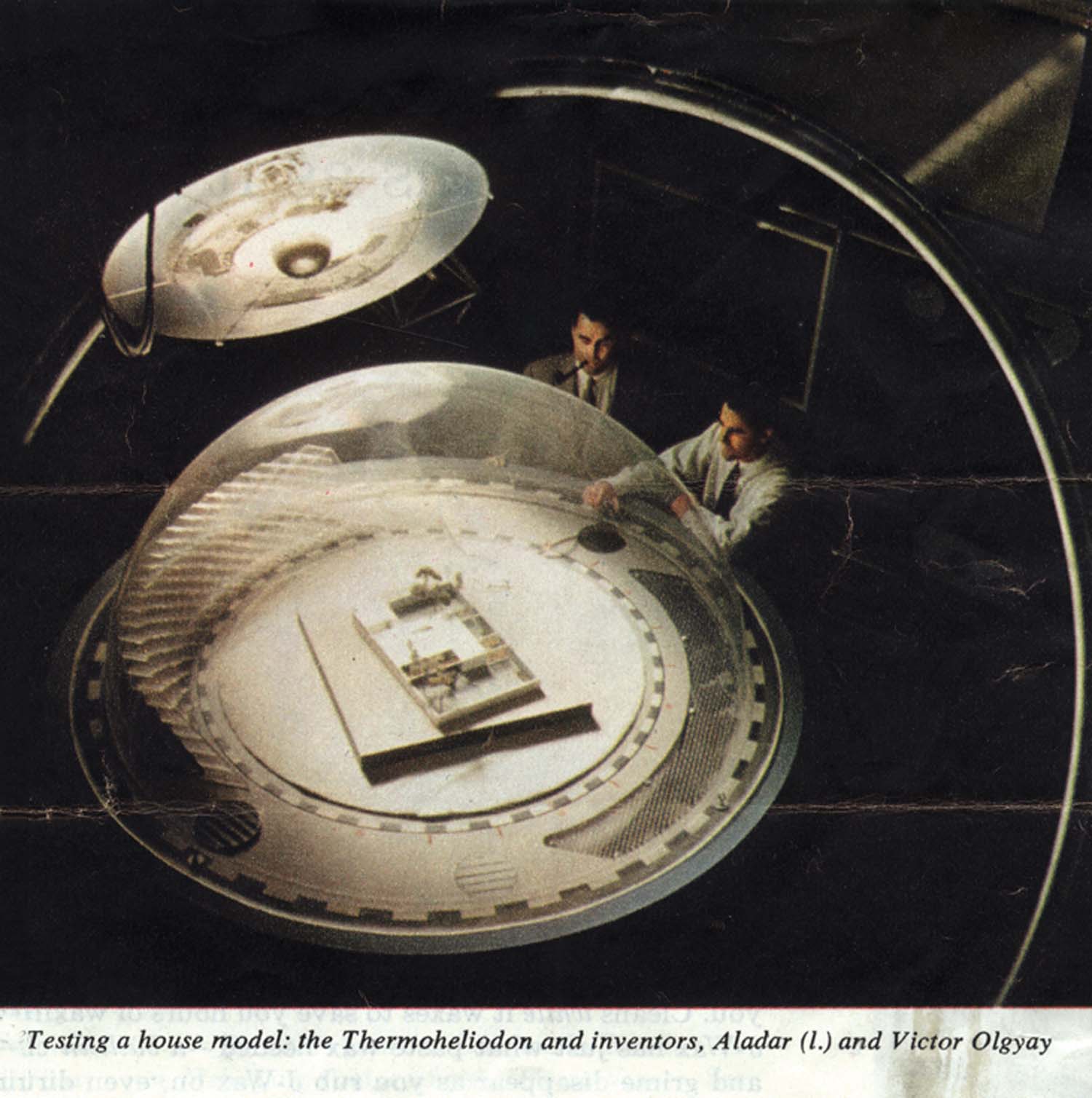
Traditional building solutions, honed over centuries and utilizing local materials and techniques, offer effective passive cooling strategies that are experiencing a resurgence in relevance. While globalization and technological advancements have introduced modern comforts and new opportunities in construction, they have also led to the homogenization of building solutions and increased reliance on global supply chains, often at the expense of traditional knowledge. The current climate crisis, coupled with rising energy costs and projected population growth in hot climates, underscores the urgent need to revisit these time-tested methods.
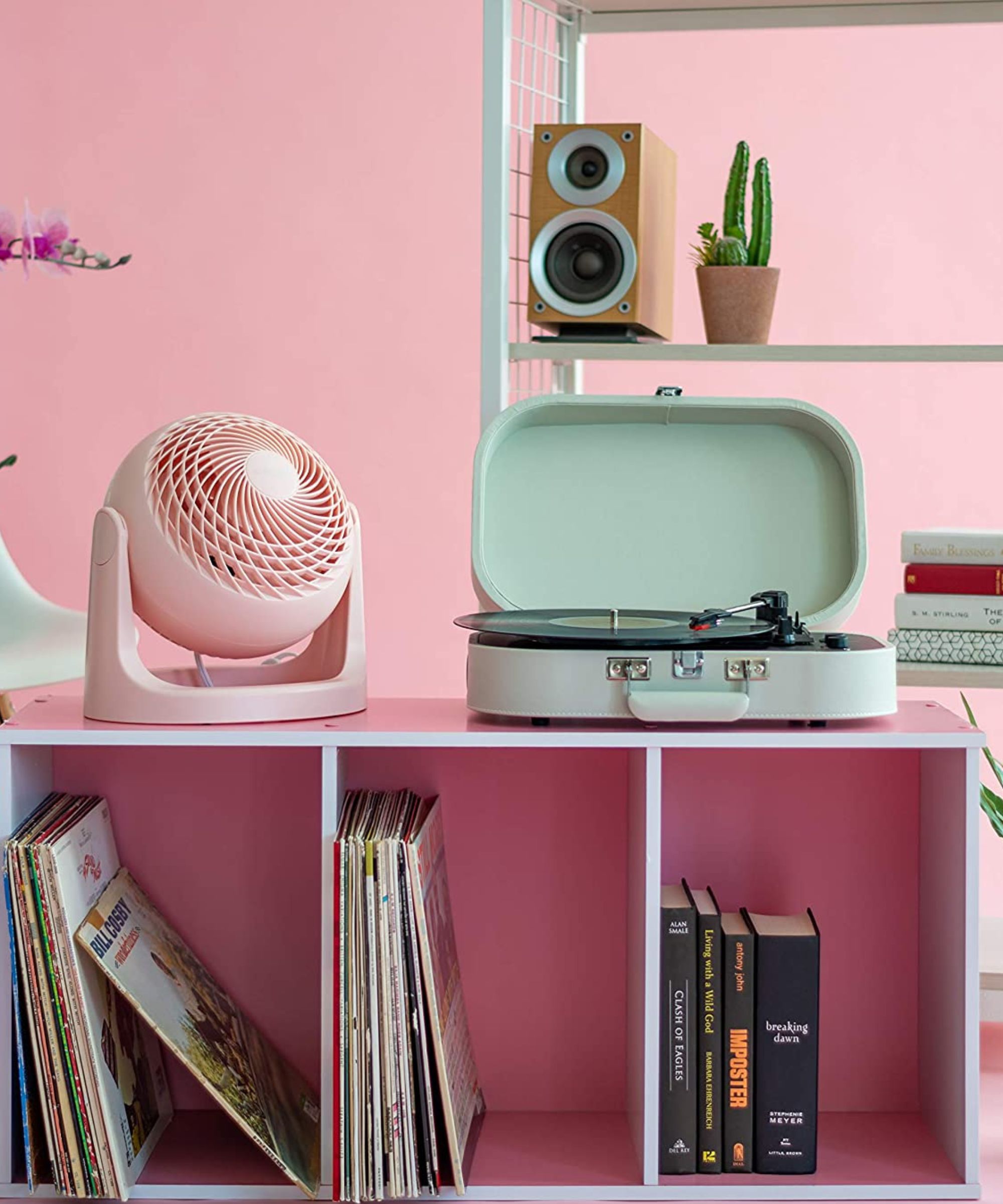
Fatih Birol, Executive Director of the International Energy Agency (IEA), highlights the critical oversight of growing air conditioning demand in contemporary energy discussions. Air conditioning and electric fans currently account for nearly 20% of global electricity consumption in buildings. Projections indicate a threefold increase in air conditioning units by 2050, demanding electricity equivalent to the current combined energy consumption of India and China. This trend is further exacerbated by increasingly long and intense heat waves worldwide.
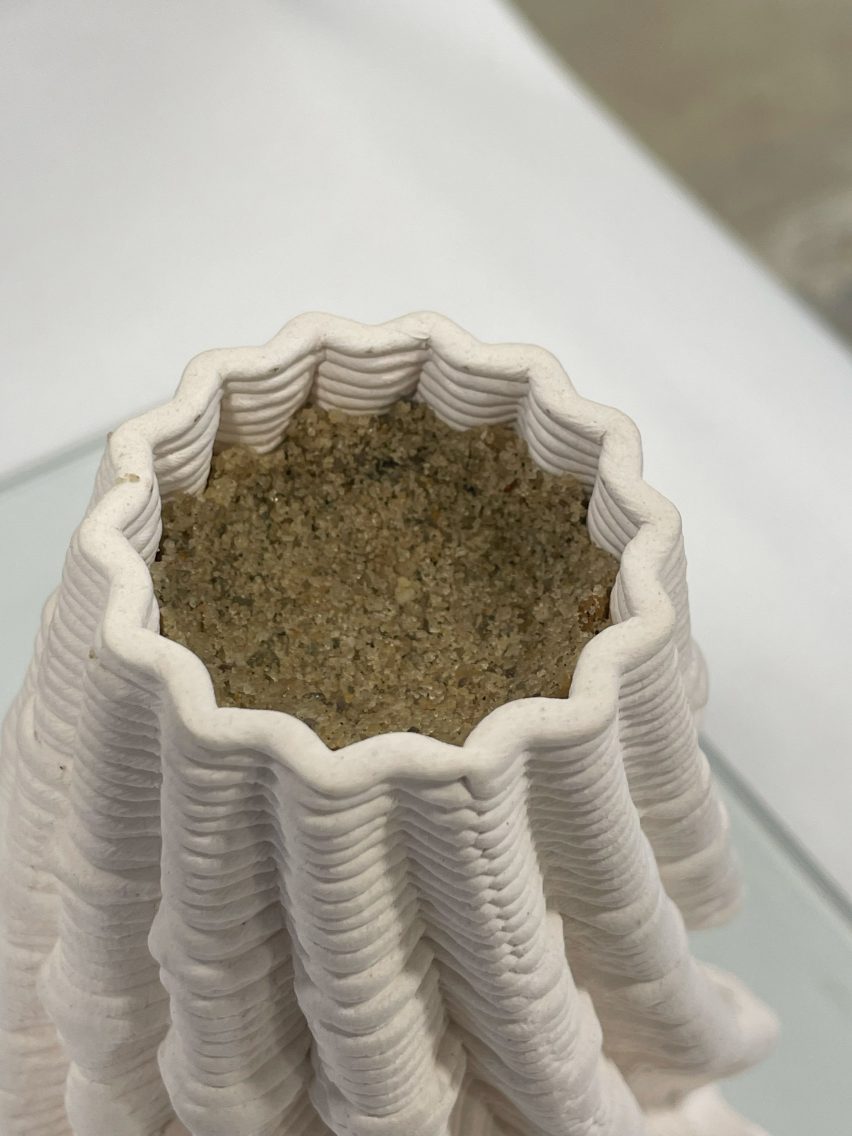
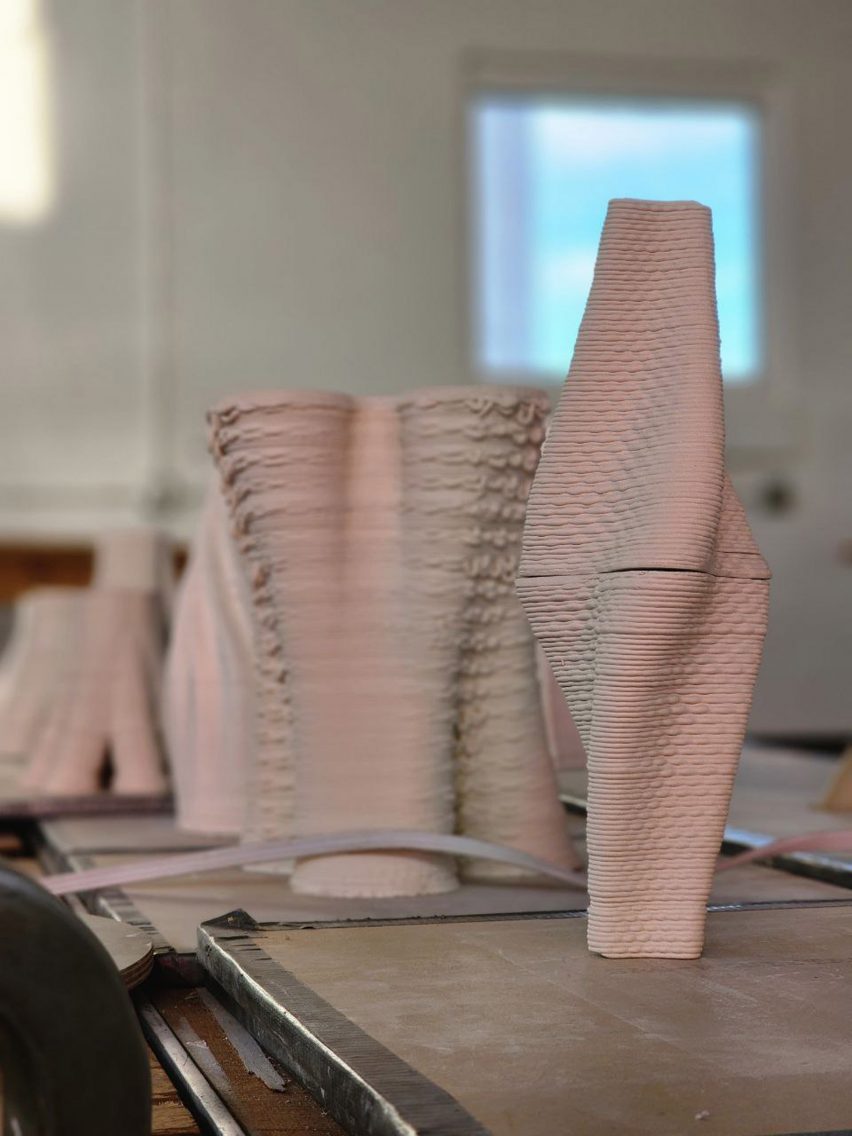
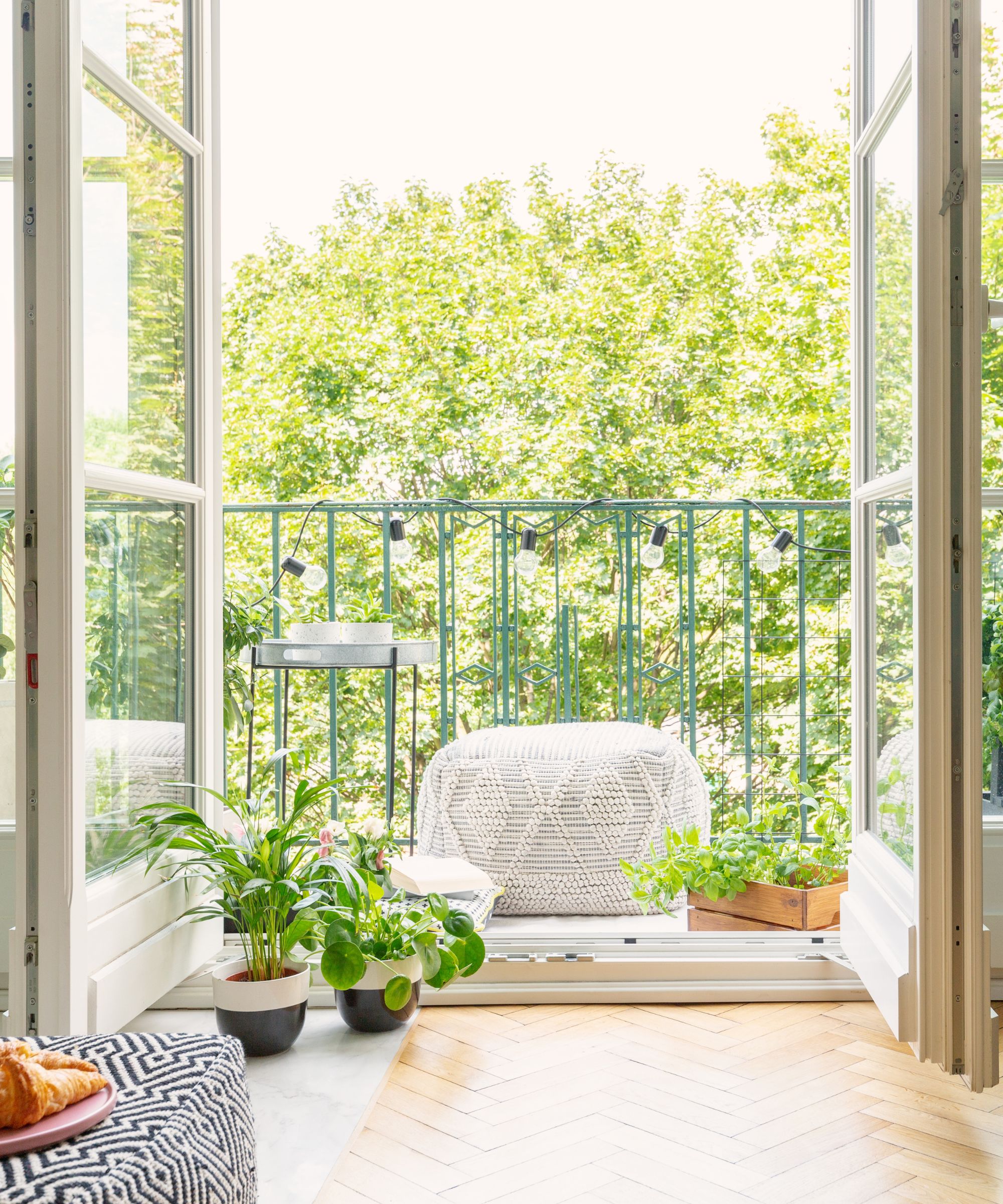
In response to these challenges, there is a growing interest in integrating ancient cooling techniques into modern architecture. This approach seeks to reduce the environmental impact of cooling while enhancing comfort. Key traditional methods include natural ventilation, which uses strategic building orientation and openings to facilitate airflow, and passive evaporative cooling, which leverages water evaporation to lower temperatures. Buildings incorporating green roofs and walls can also benefit from reduced heat absorption and improved insulation. The use of thermal mass, such as thick walls and floors, helps regulate indoor temperatures by absorbing heat during the day and releasing it at night.
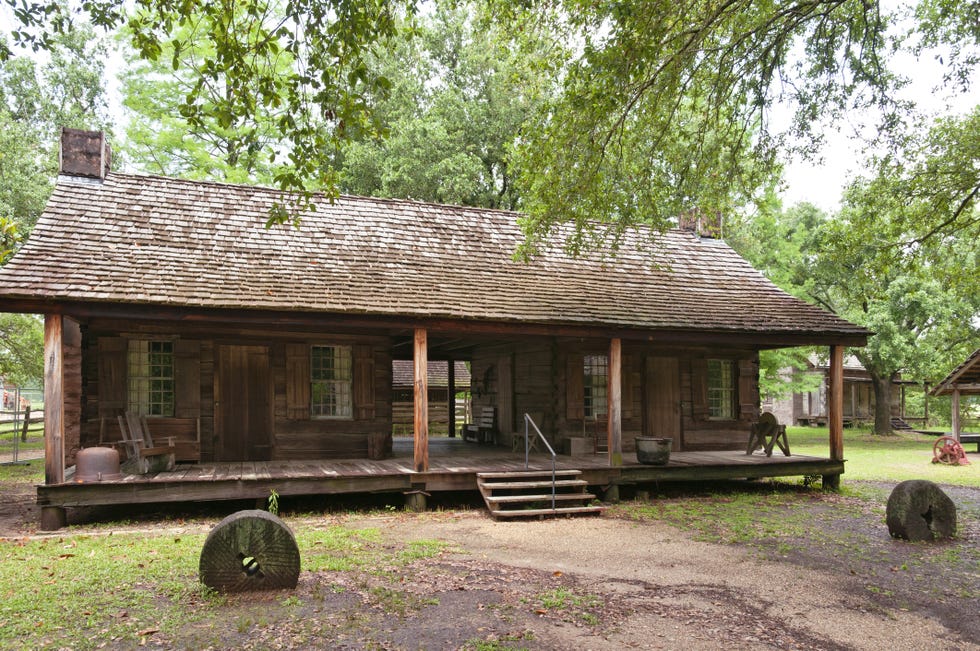
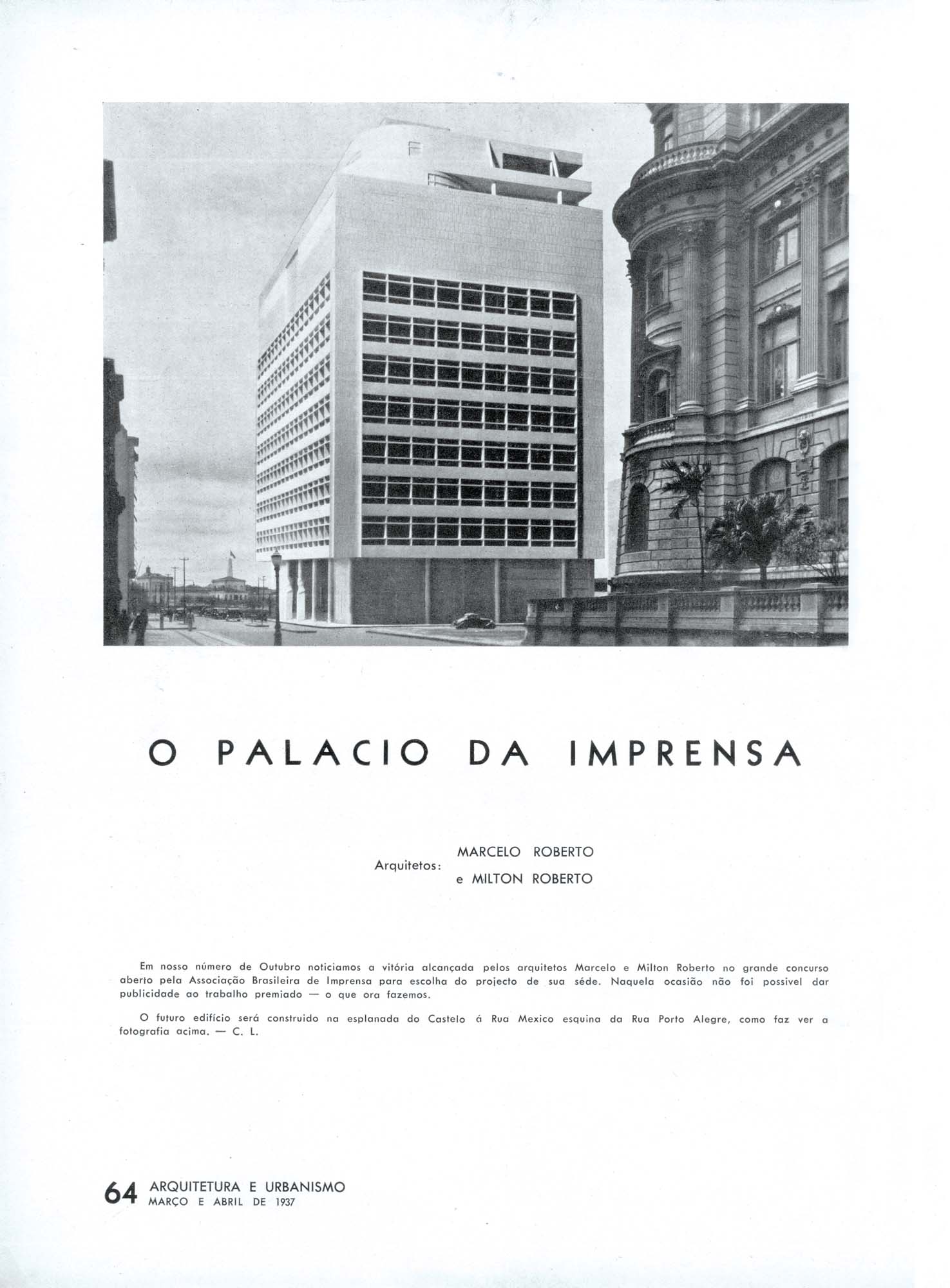
Traditional design principles, such as optimizing building orientation to minimize solar heat gain, implementing effective shading elements, and utilizing courtyard designs to create microclimates, are crucial. Additionally, traditional materials like adobe, stone, and certain types of wood offer inherent thermal properties that support passive cooling. These methods are not only energy-efficient but also promote local material sourcing, reduce carbon footprints, and contribute to the preservation of cultural heritage.
The integration of these historical approaches with contemporary architectural design and technological advancements can lead to innovative and sustainable cooling solutions. By drawing inspiration from the past, architects and designers can develop buildings that are more resilient to extreme heat, less reliant on energy-intensive mechanical systems, and more attuned to their local environments, thereby addressing the escalating demand for cooling in a sustainable manner.
#TraditionalCoolingMethods #PassiveCooling #SustainableArchitecture #EnergyEfficiency #ClimateChangeAdaptation #ArchitecturalInnovation #BuildingDesign #Ventilation #ThermalComfort #TraditionalCoolingMethods #PassiveCooling #SustainableArchitecture #EnergyEfficiency #ClimateChangeAdaptation #ArchitecturalInnovation #BuildingDesign #Ventilation #ThermalComfort
0 commenti in totale
 Nessun commento ancora
Potresti anche gradire

The best air conditioners, and why we still recommend the Midea U

There’s a New Generation of Window AC Units. We Found the Best Ones.
The 6 Best Window Air Conditioners Of 2025: Our Top Energy-Efficient Picks


You Should Turn on Your Ceiling Fan Every Time You Use Your AC | Reviews by Wirecutter
Cooling Canvas: When Air Conditioning Meets Interior Design


The Best Garage Air Conditioners for Garages and Workshops

The Future Of HVAC
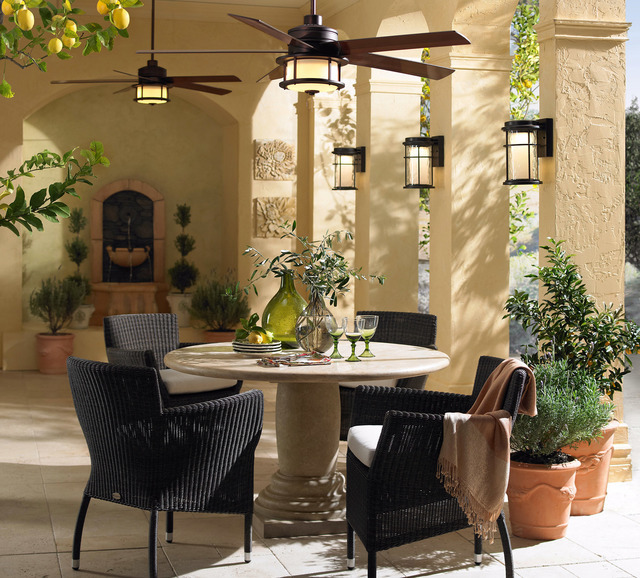
Ceiling fans: A new spin on cooling your home | Home and Garden | Life
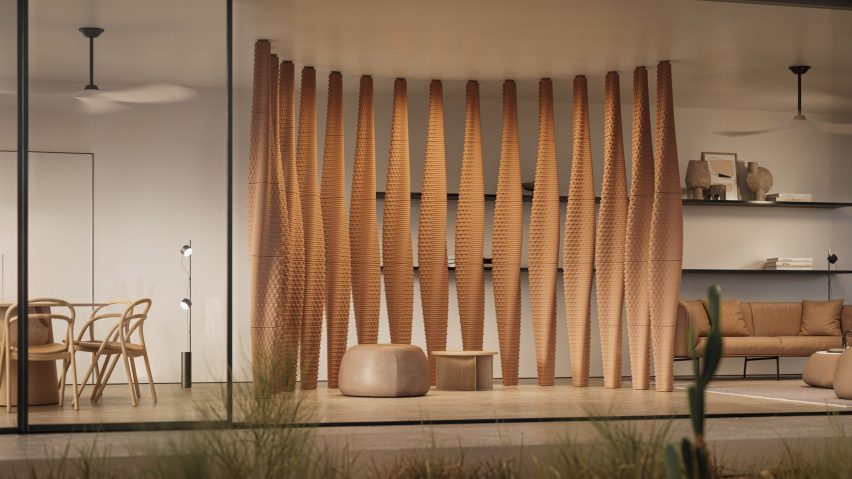
"Ancient cooling techniques" integrated into 3D-printed partitions
Polytron New Ice AC Features Colorful Backlit Remote and Powerful Cooling Performance

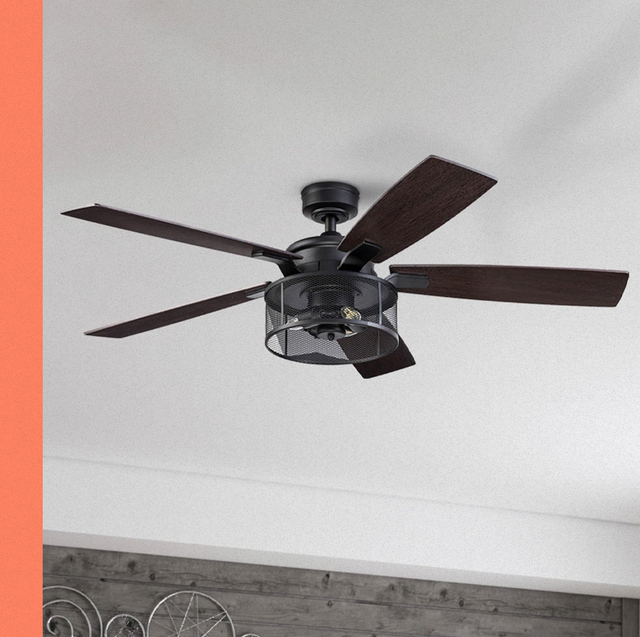
Our Editor Recommendations for Ceiling Fans Can Supplement or Even Replace an A/C
Here's How I Cooled My Bedroom Fast Without Turning On the AC

Magnetic Air Conditioners: A High Tech Way Of Keeping Cool
Our Favorite ACs Keep You Cool Quietly and Efficiently
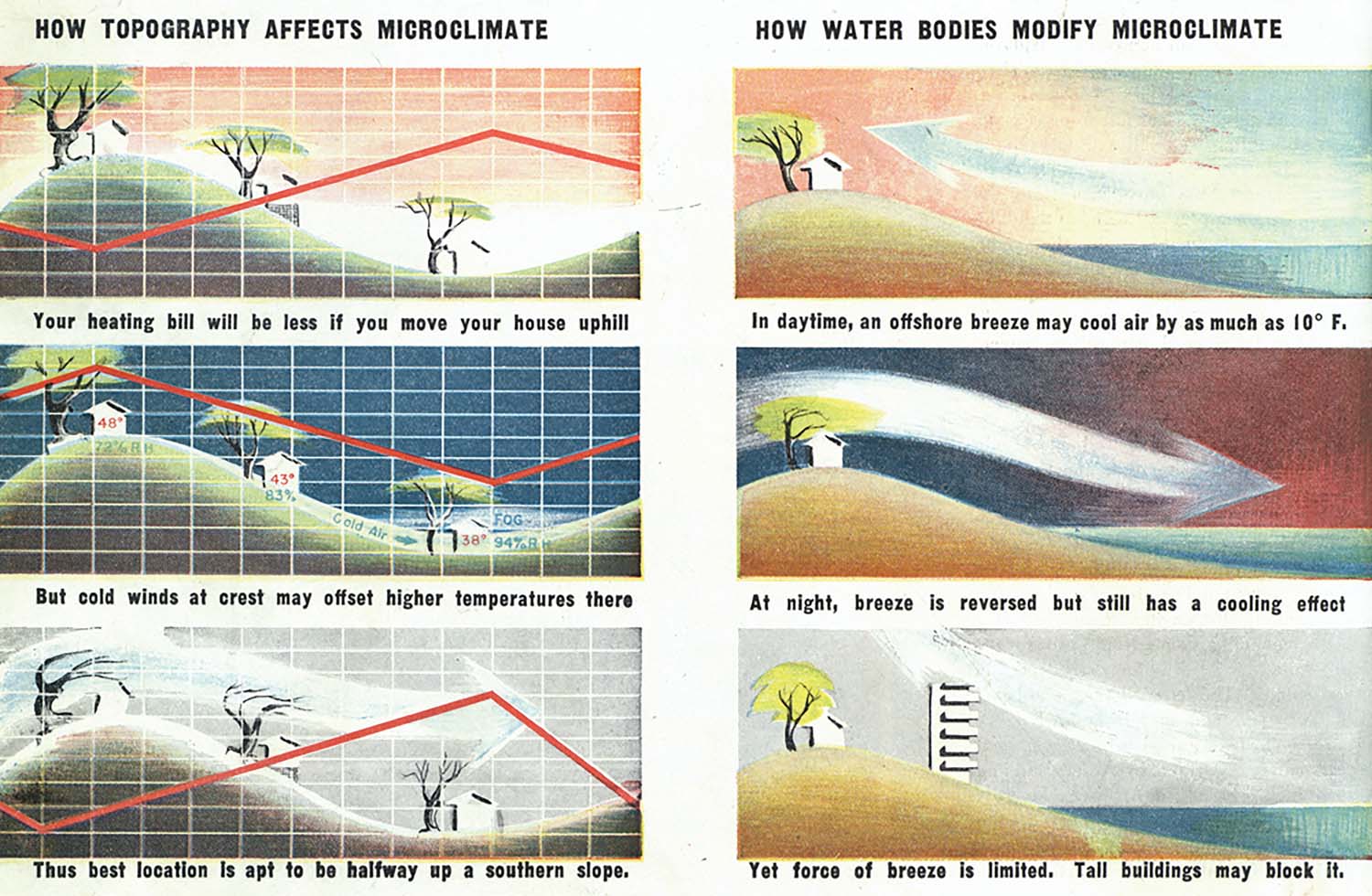
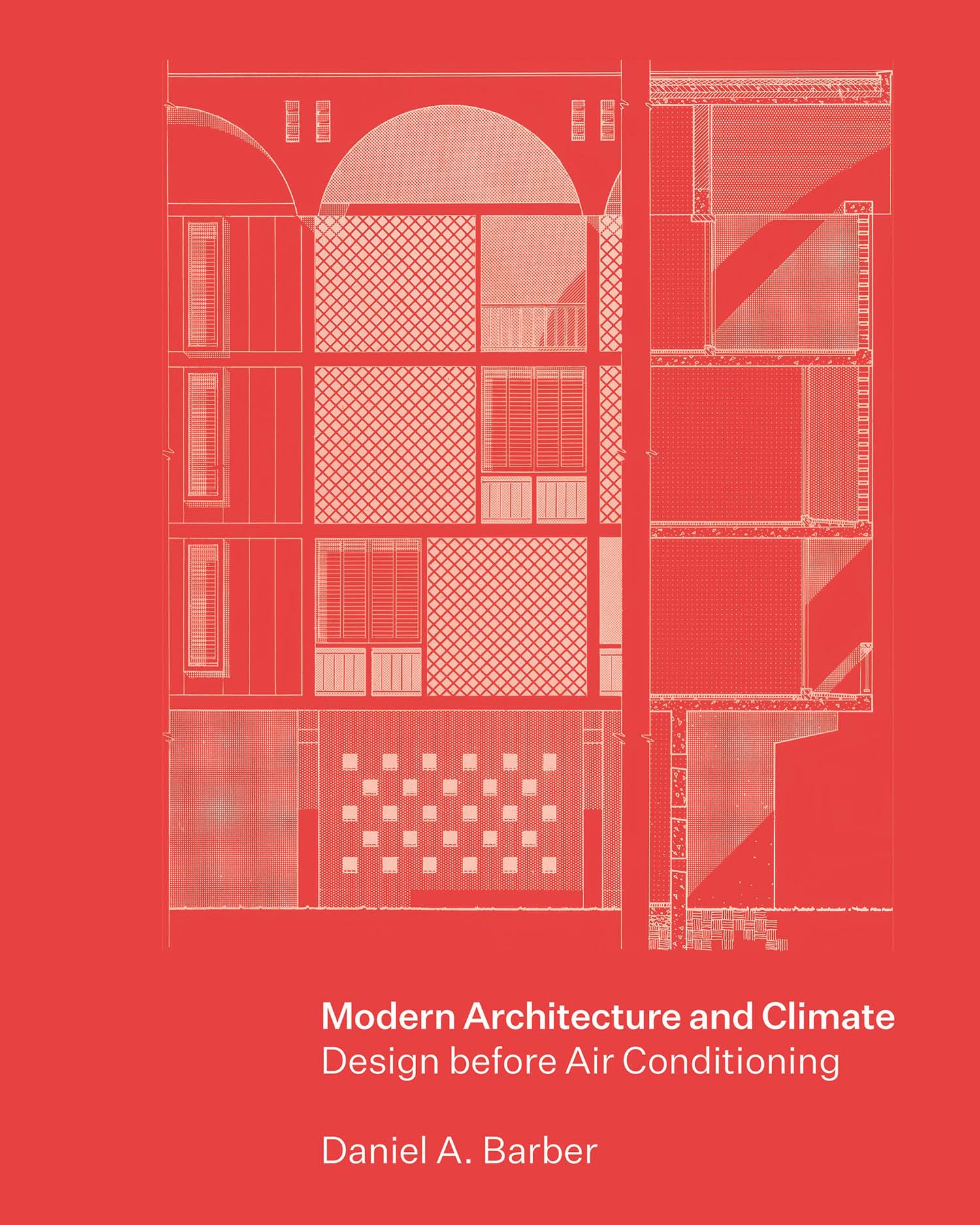
Book Review: Modern Architecture and Climate—Design before Air Conditioning

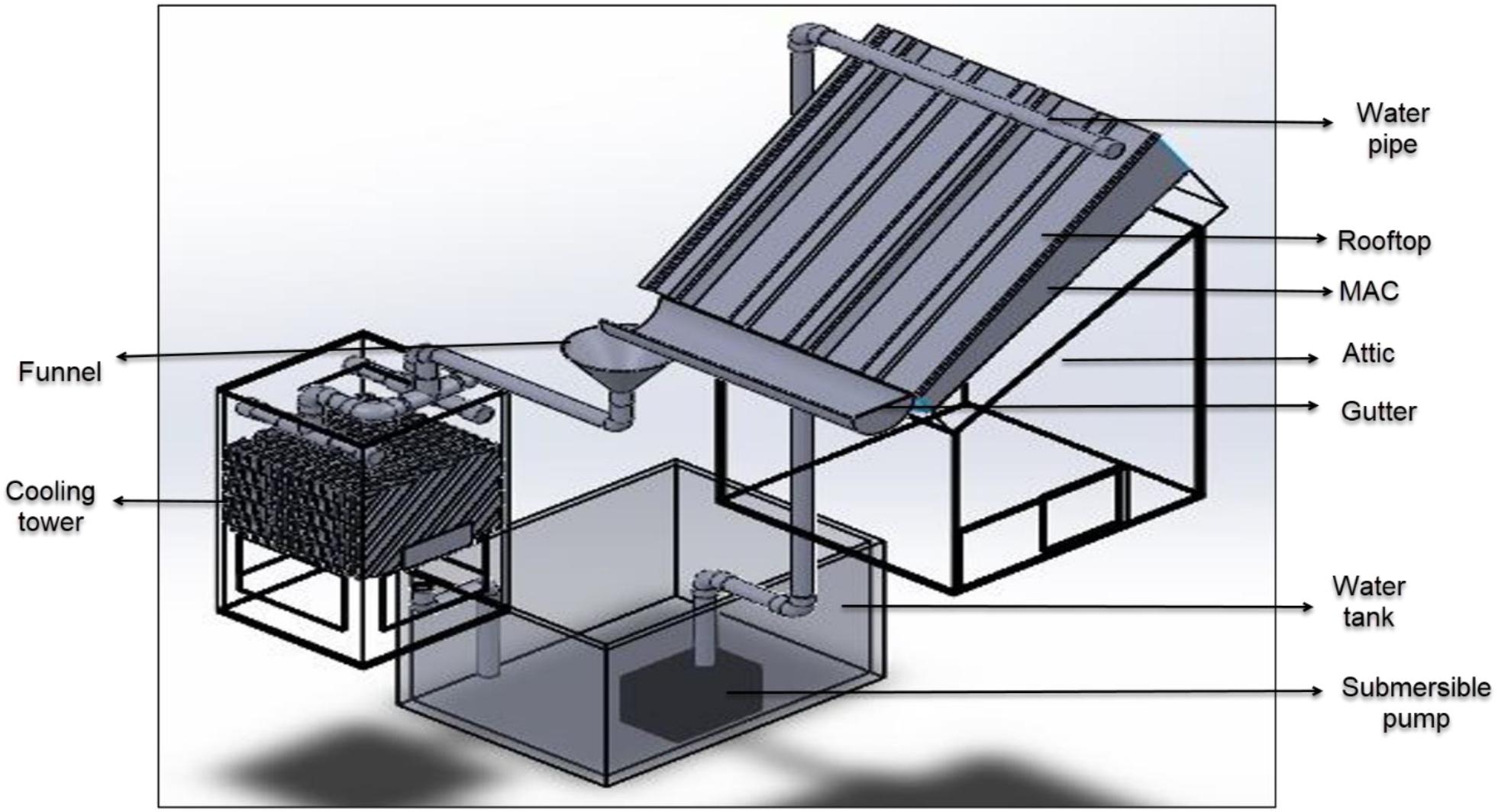
Rainwater Harvesting System Integrated With Sensors for Attic Temperature Reduction
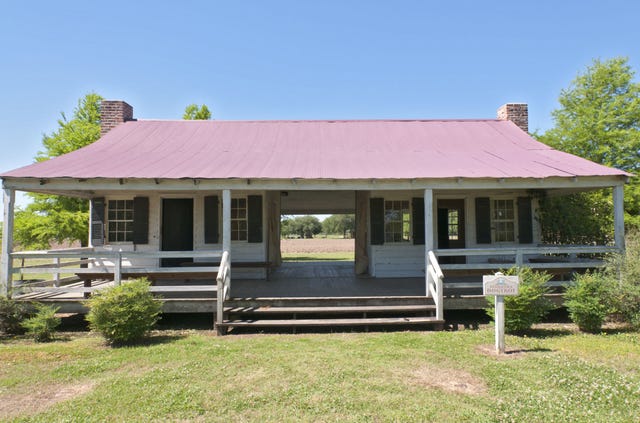
This is How People Dealt with Summer Heat Before Air Conditioning
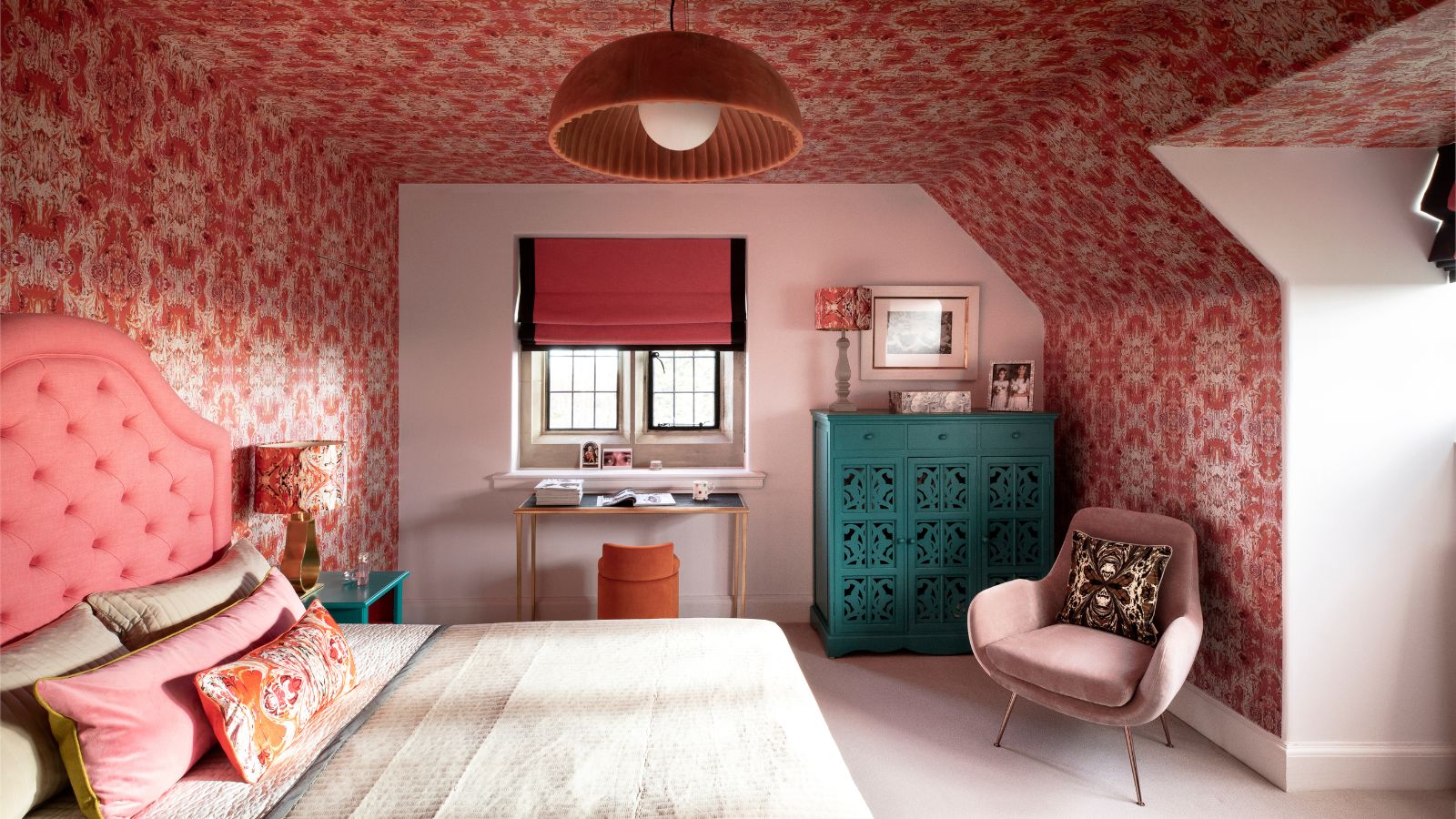
Sick of the heat? Here's how to keep your home cool, heatwave or not, if you don't have AC
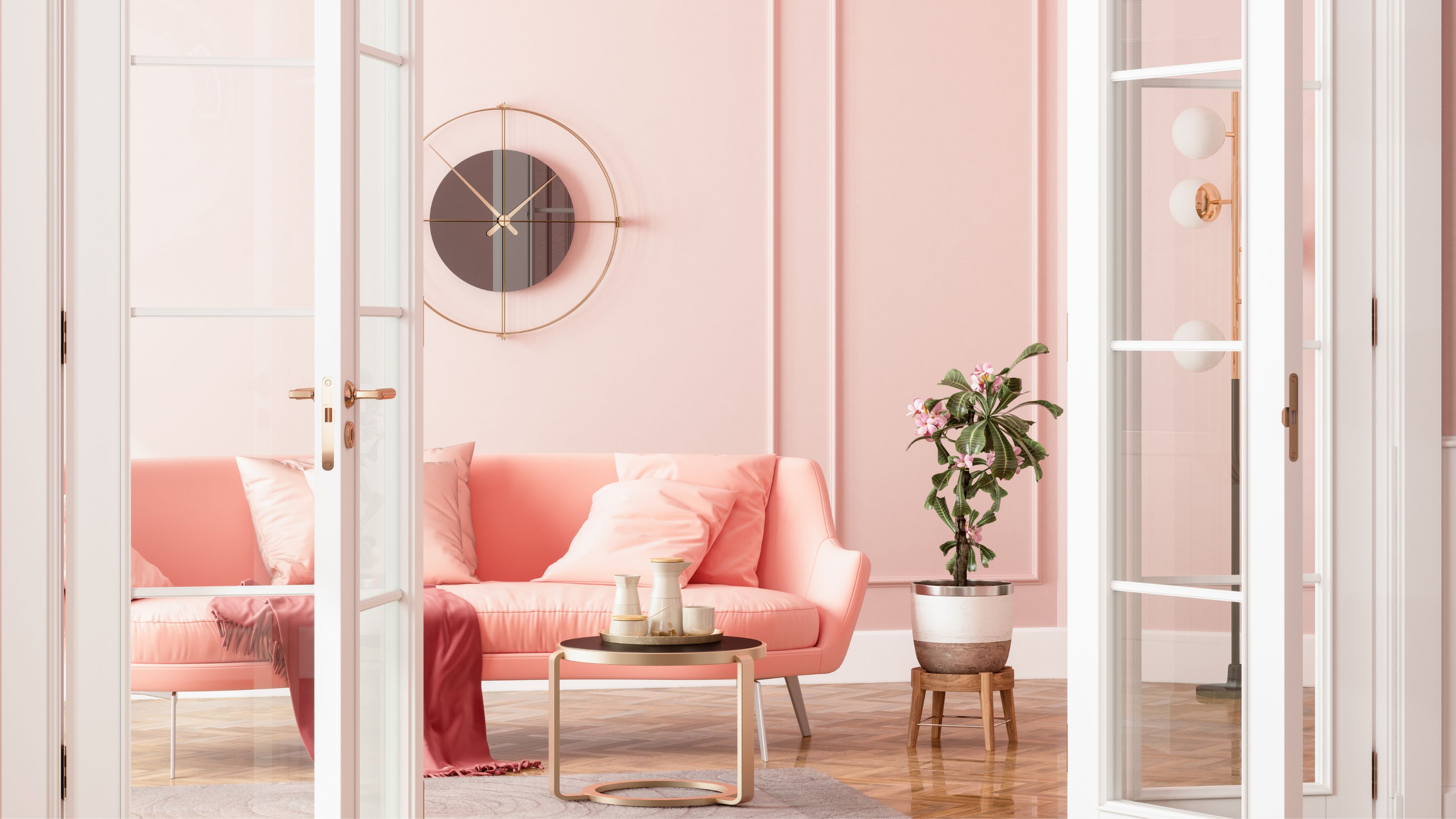
How to keep a top-floor apartment cool in summer

Should We Keep Ceiling Fan On While Using AC? Let’s Find Out