1/11
Patterned bathroom ideas – 10 perfectly patterned wash spaces
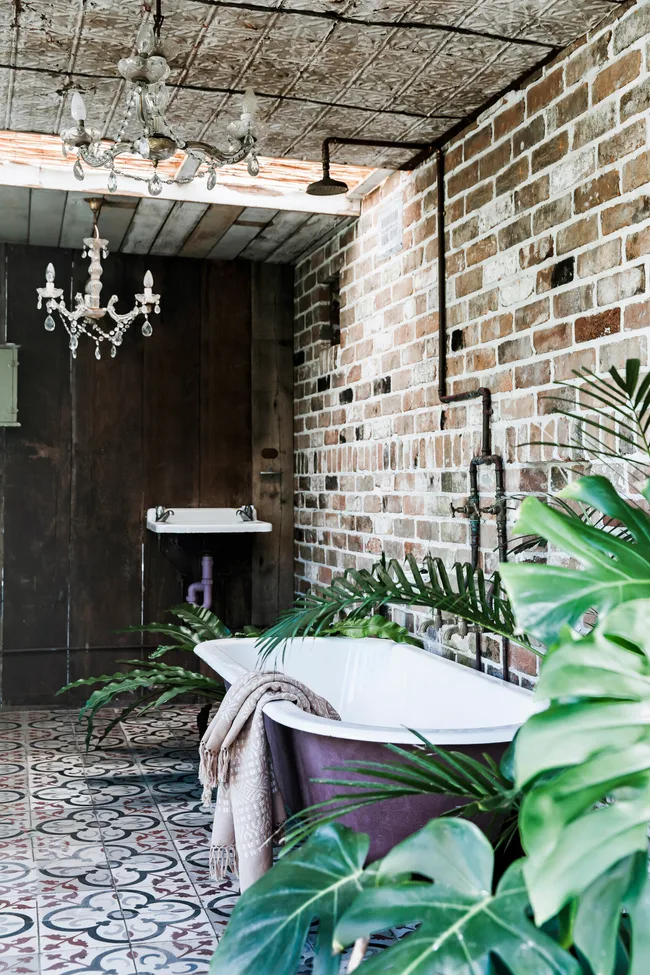
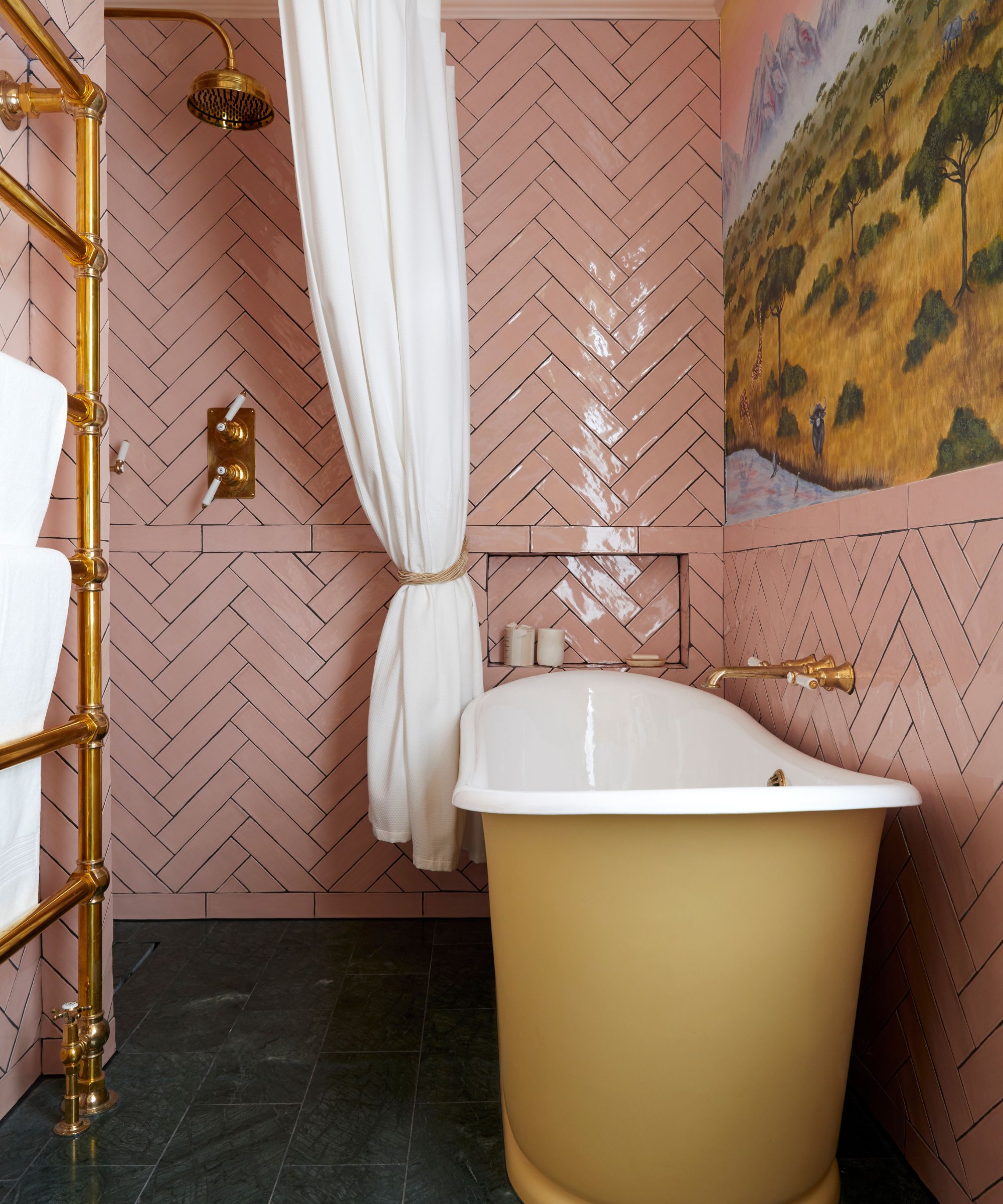
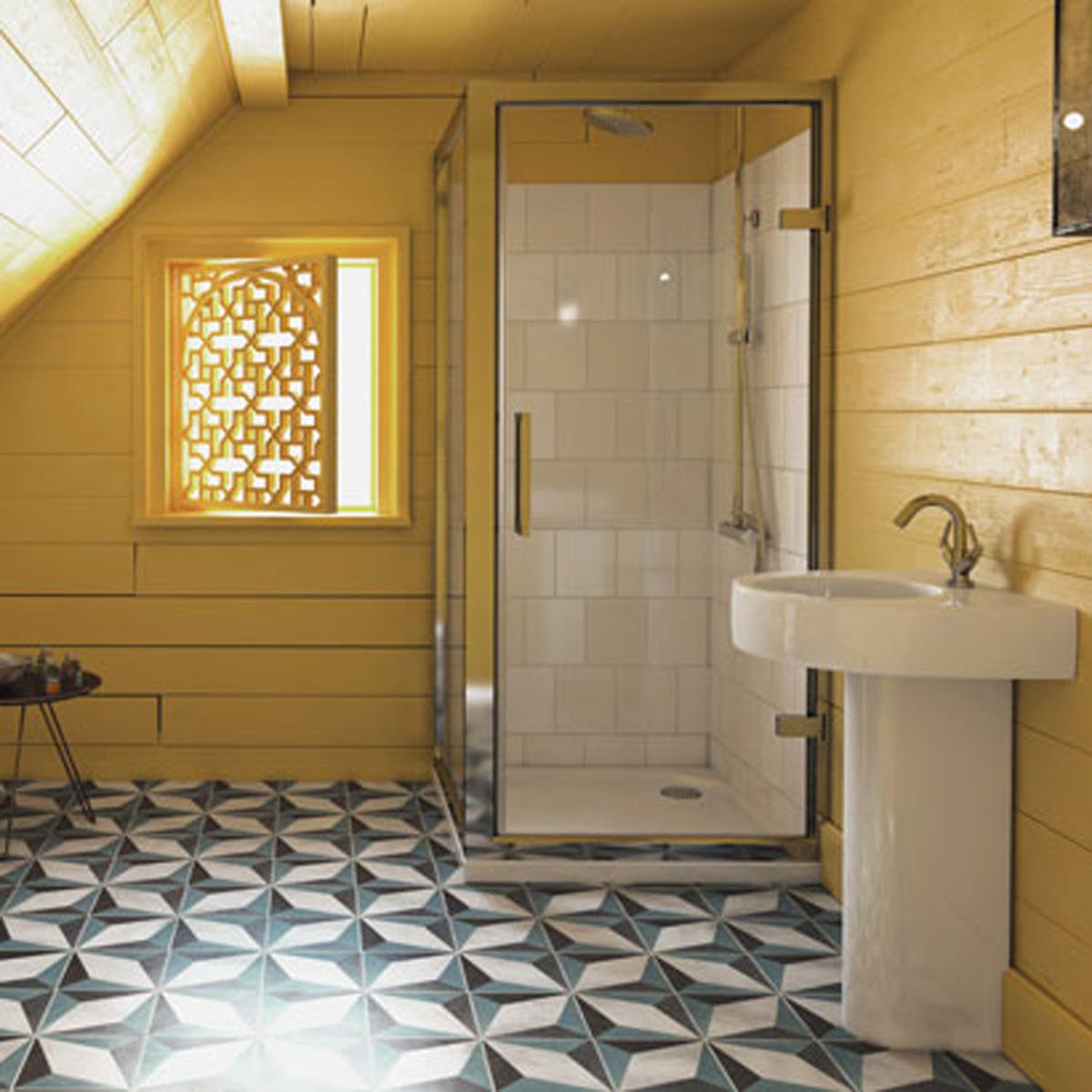
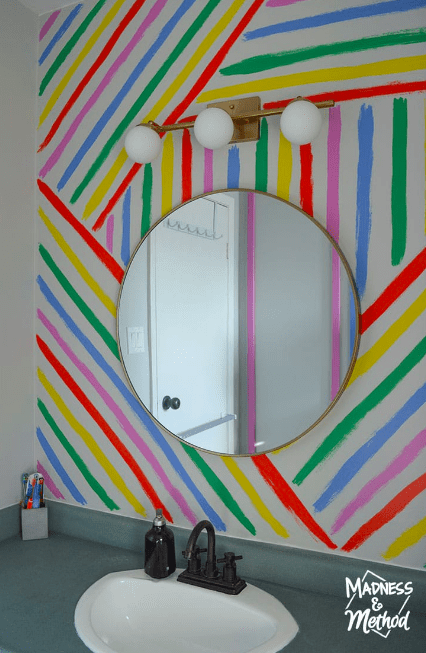
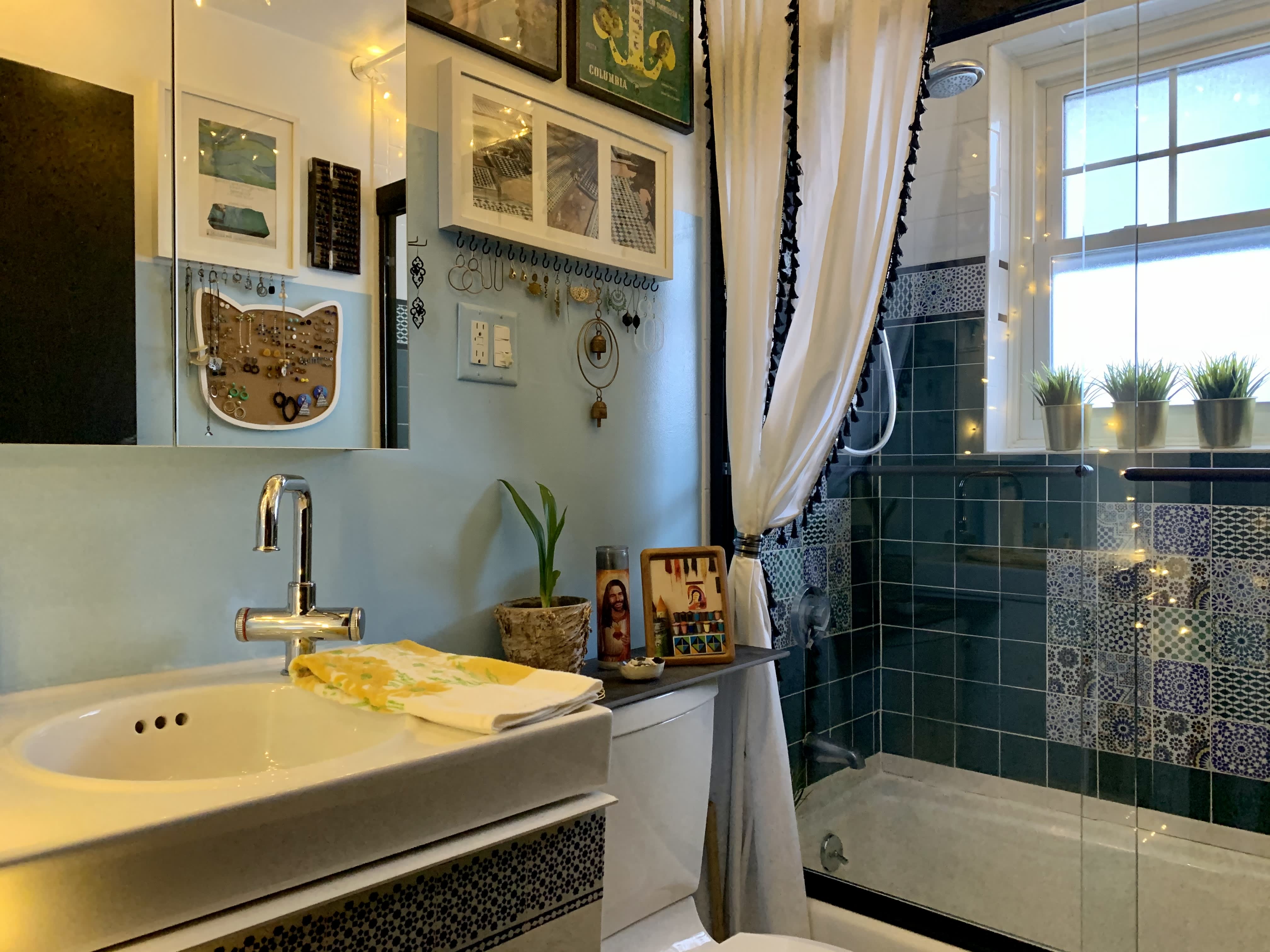
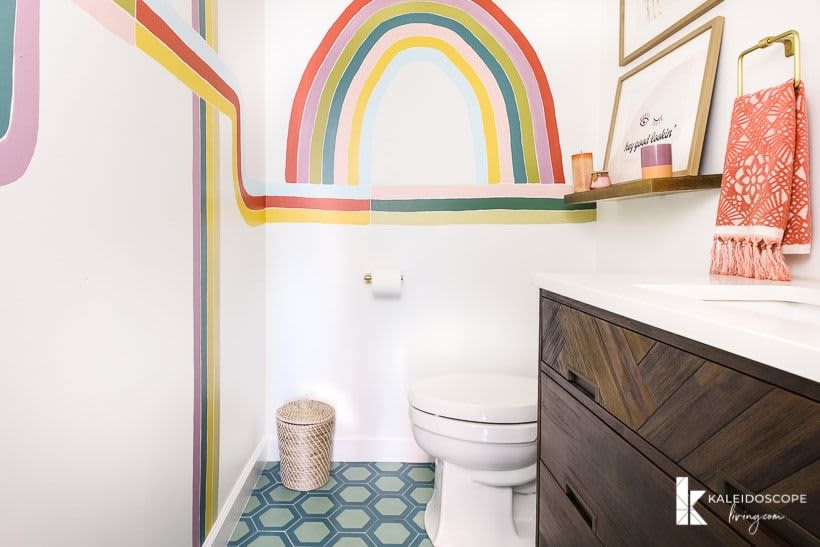
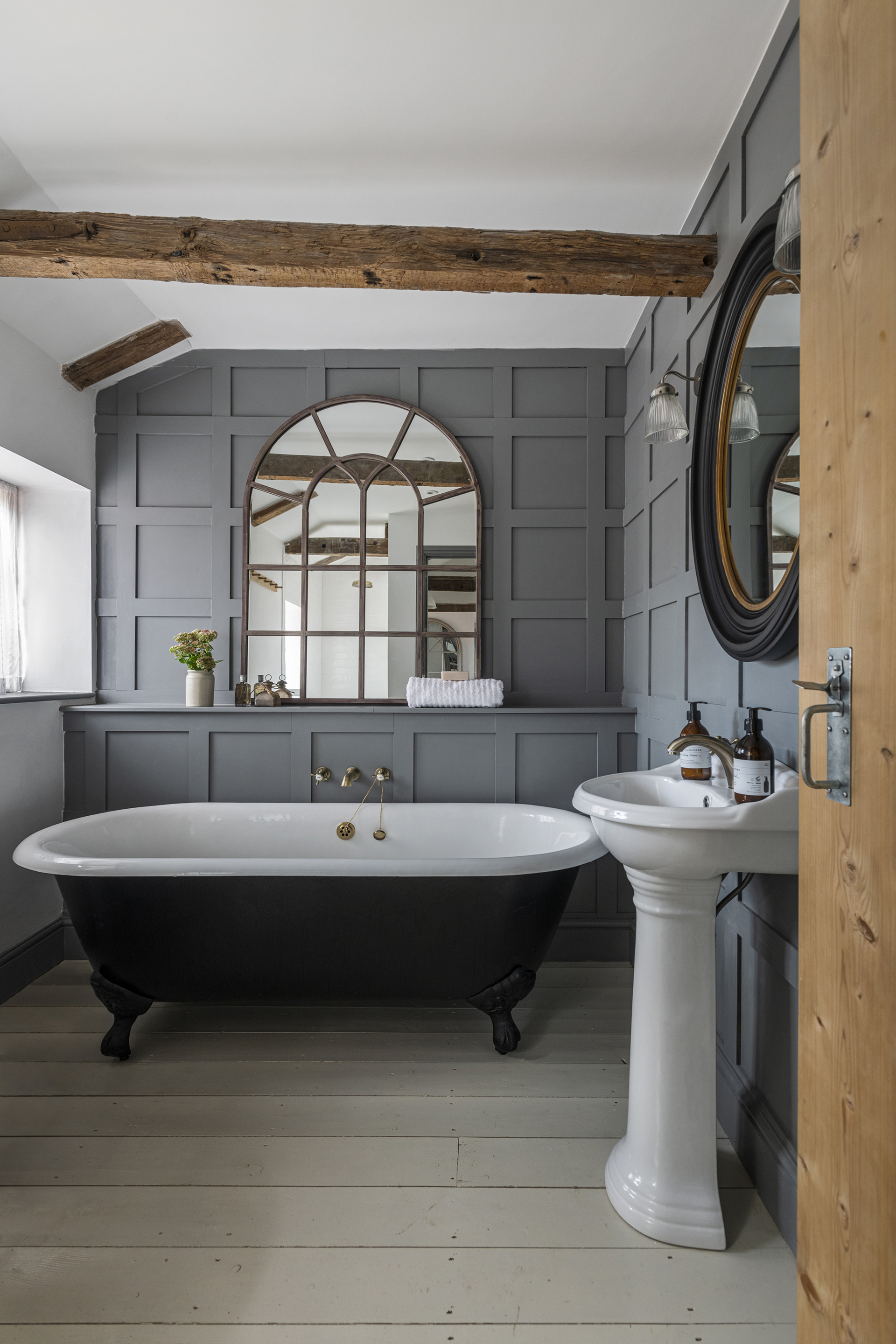
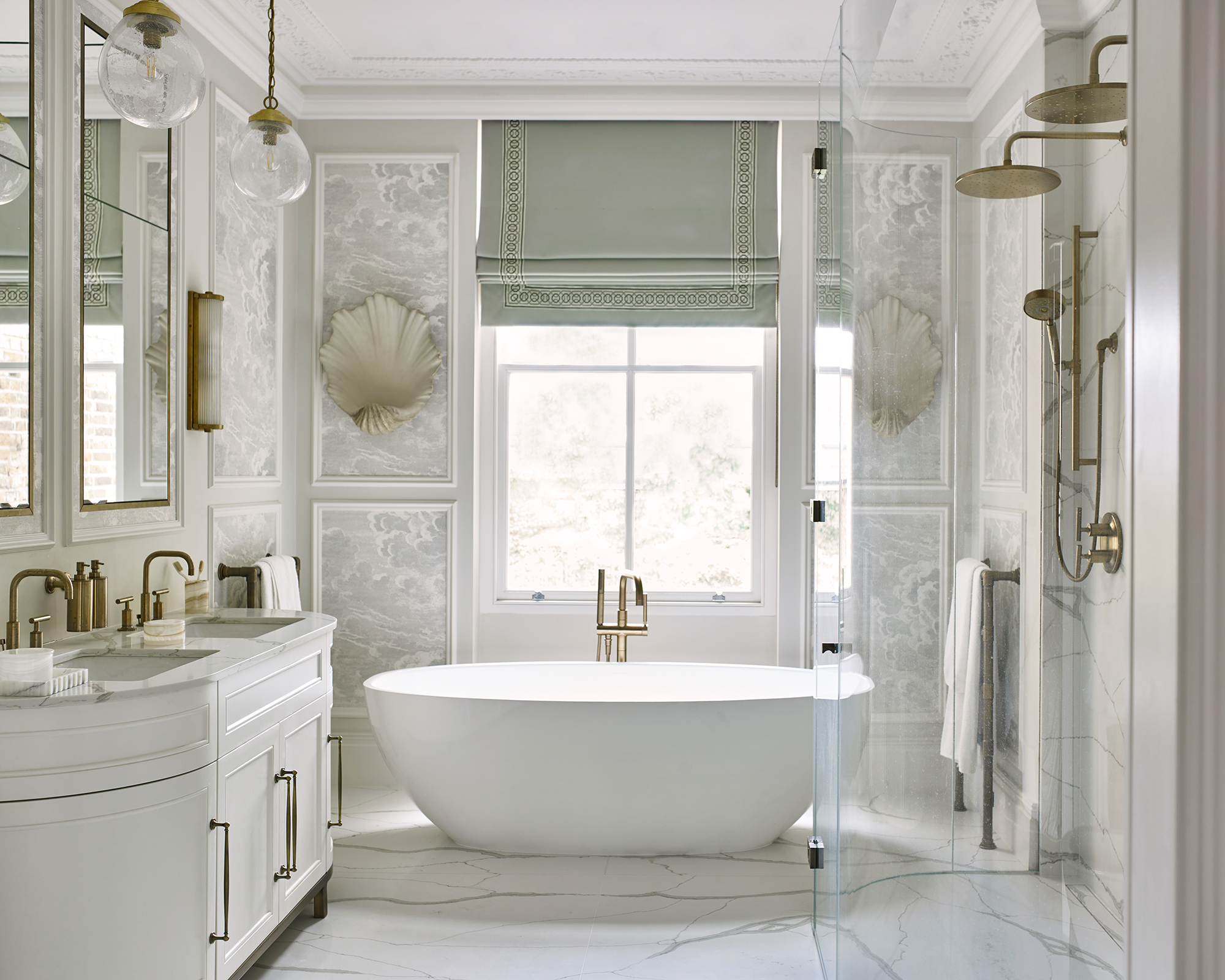
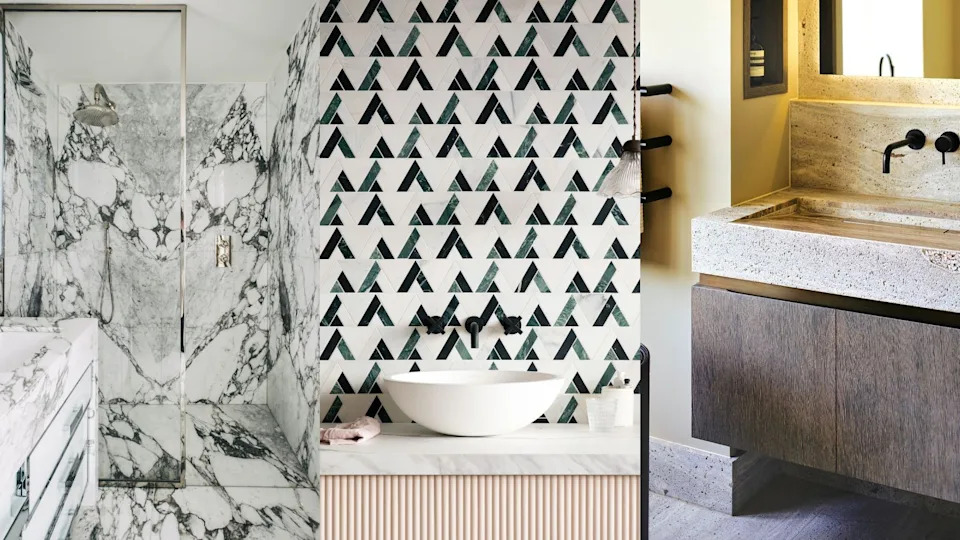
The article explores various ways to incorporate patterns into bathroom design, moving beyond traditional minimalist approaches. It emphasizes that interior designers are increasingly embracing bolder, more colorful, and patterned schemes, akin to living room aesthetics. The article details ten distinct ideas, starting with patterned flooring. It suggests using herringbone, chevron, or basketweave parquet patterns, noting that wood-look vinyl or porcelain are practical options for bathrooms. An example highlights the use of travertine and Macael White marble to create a Parisian-inspired chevron pattern.
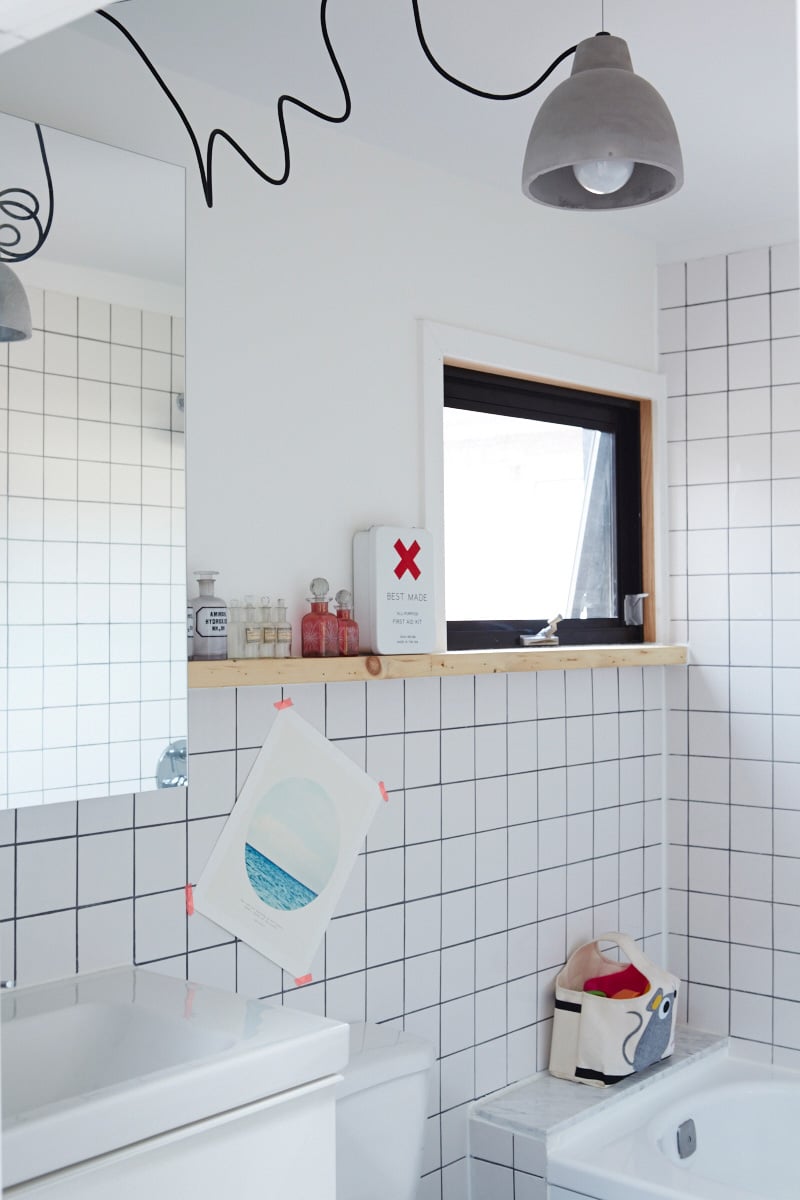
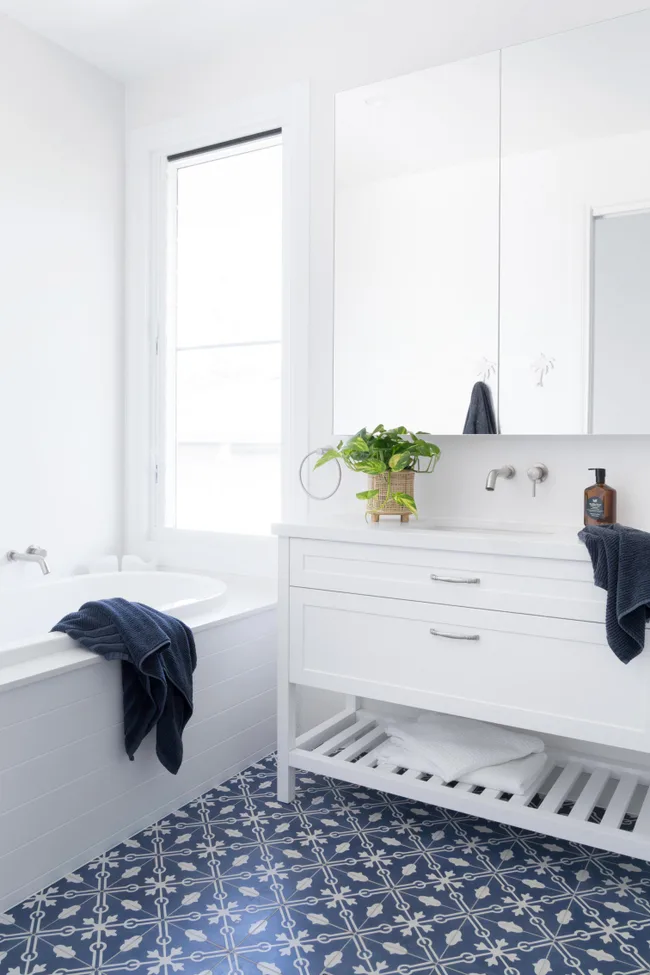
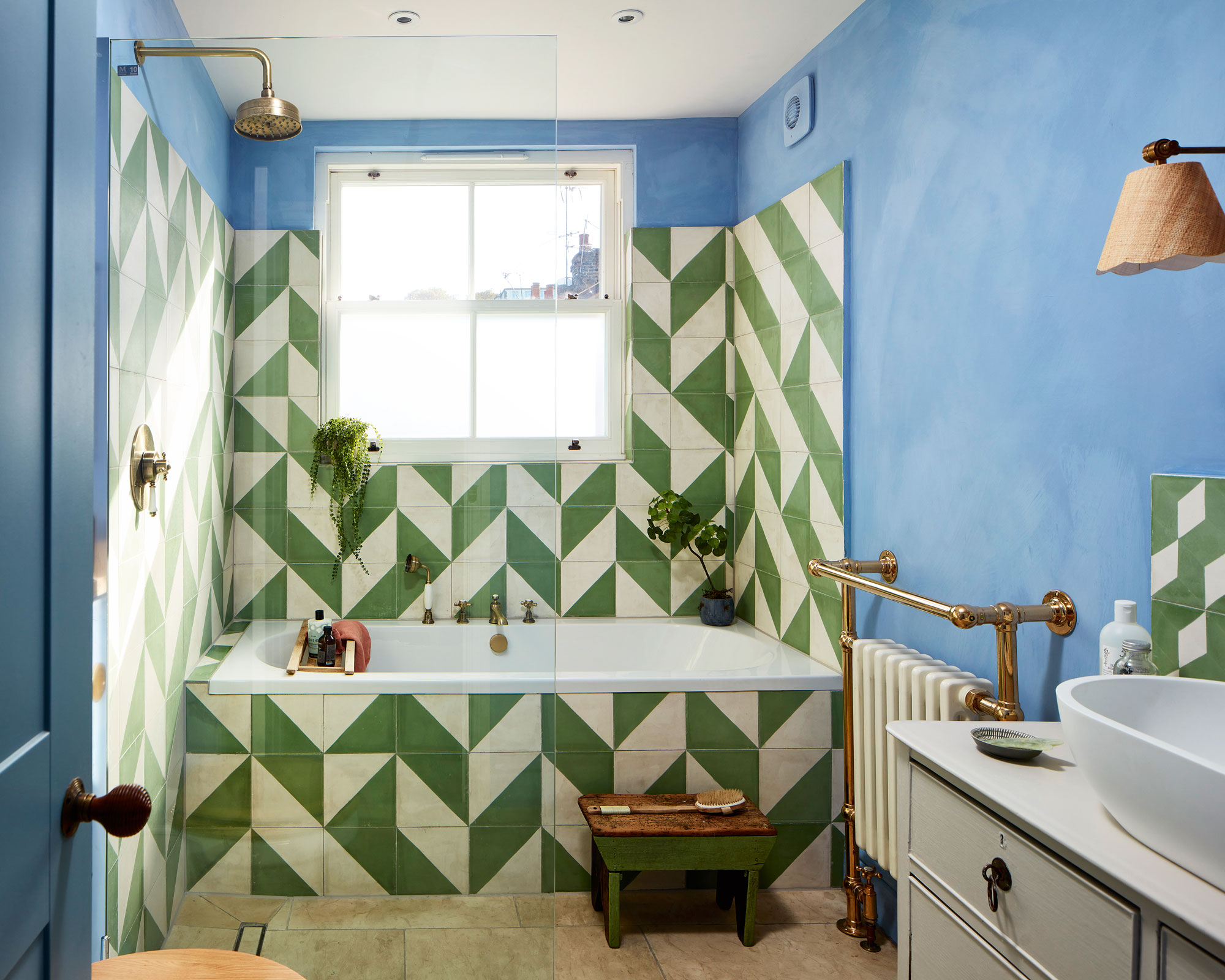
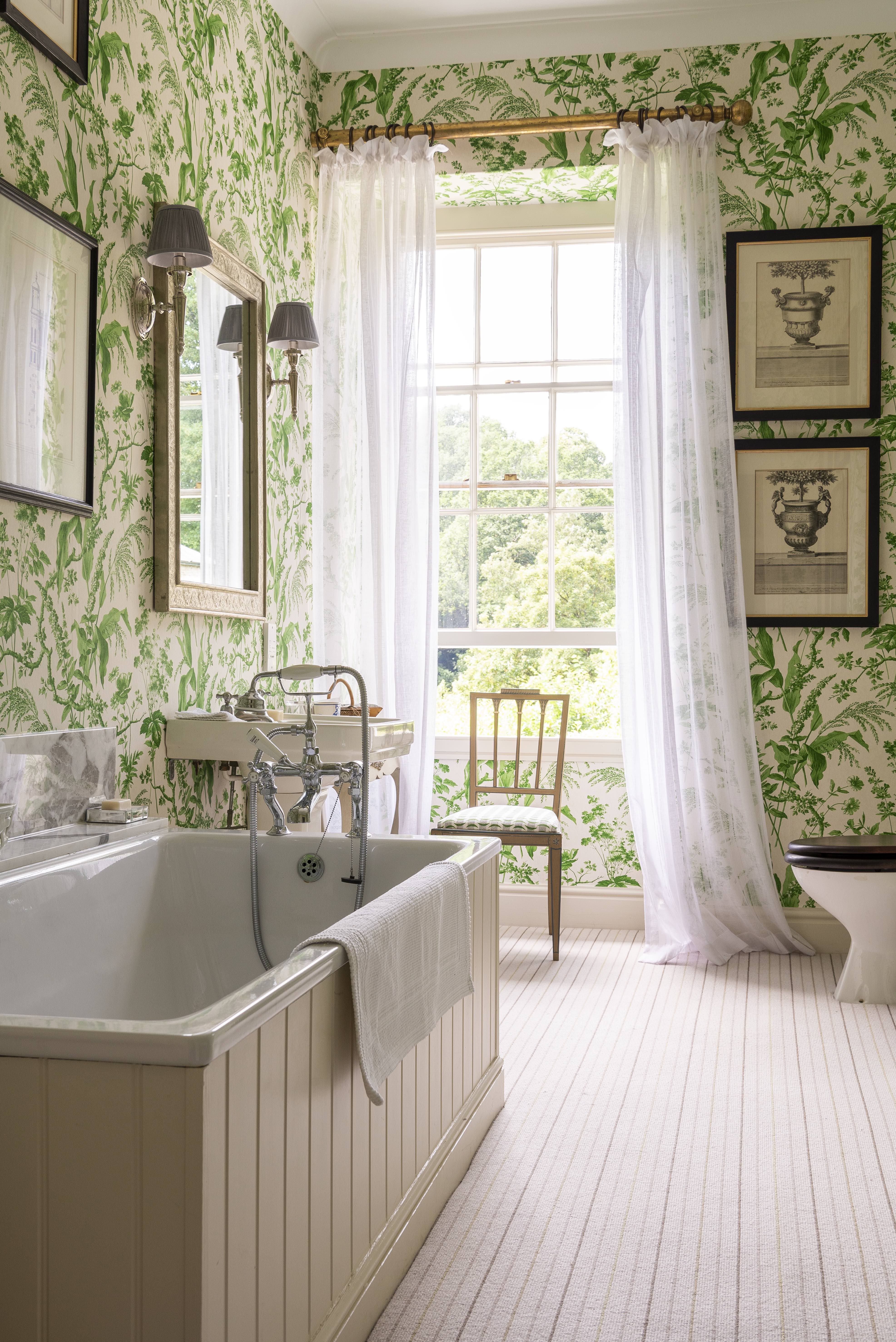
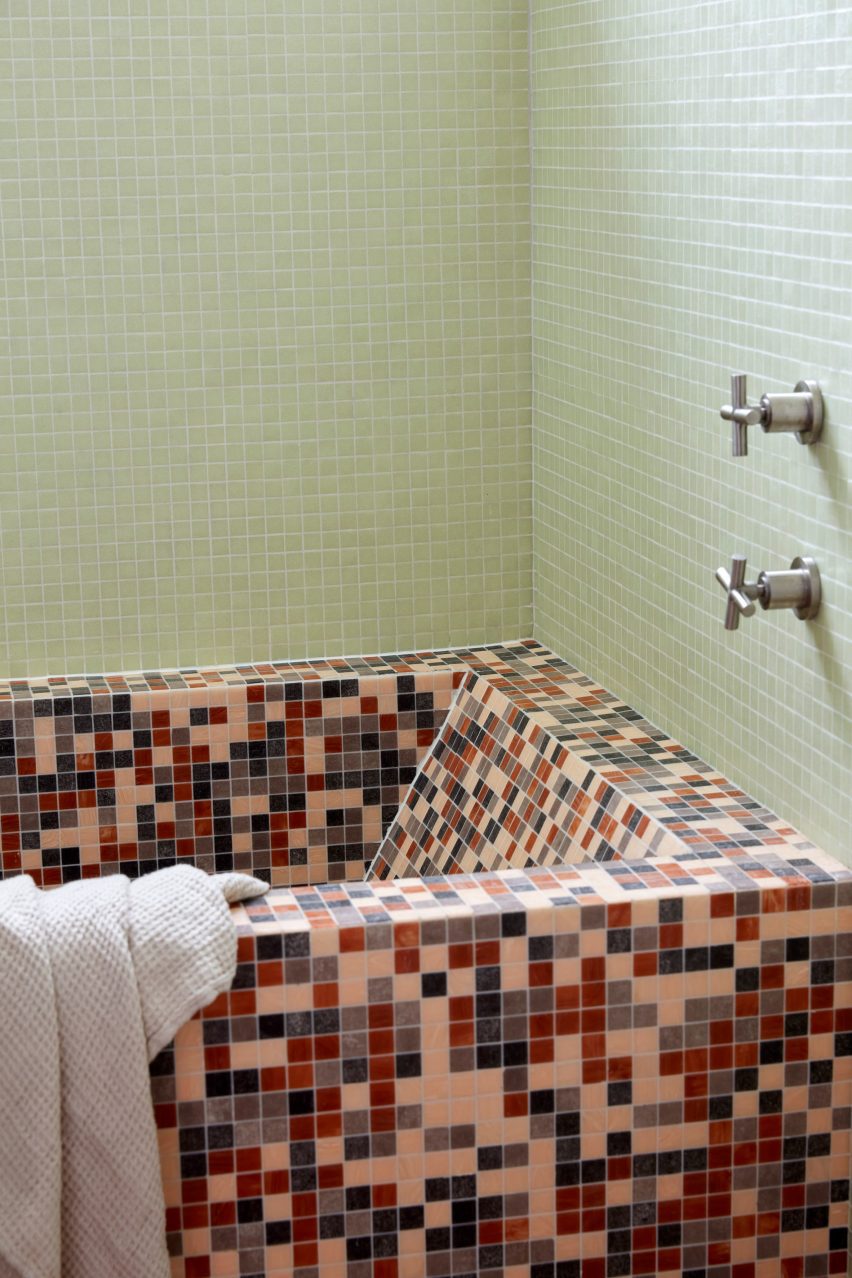
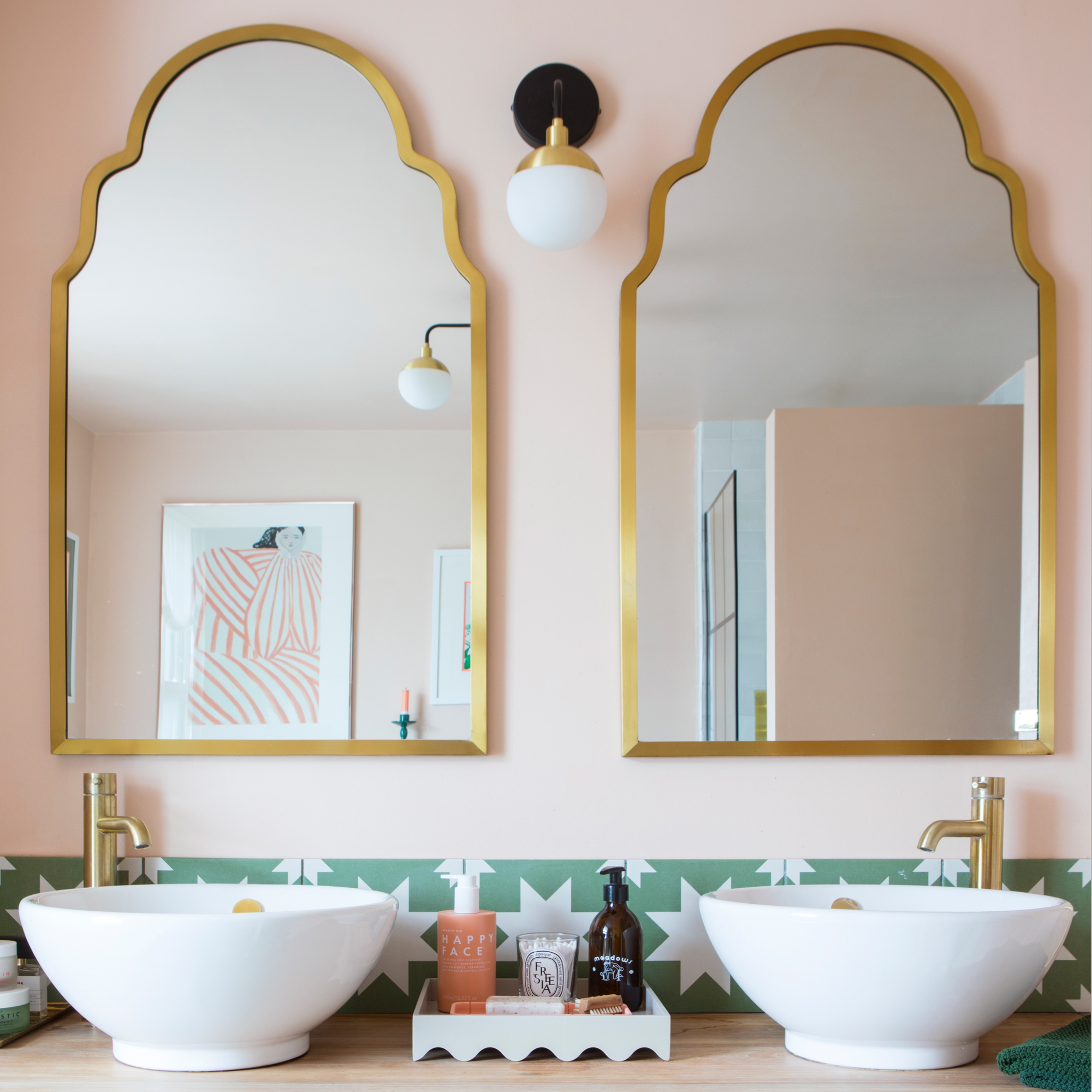
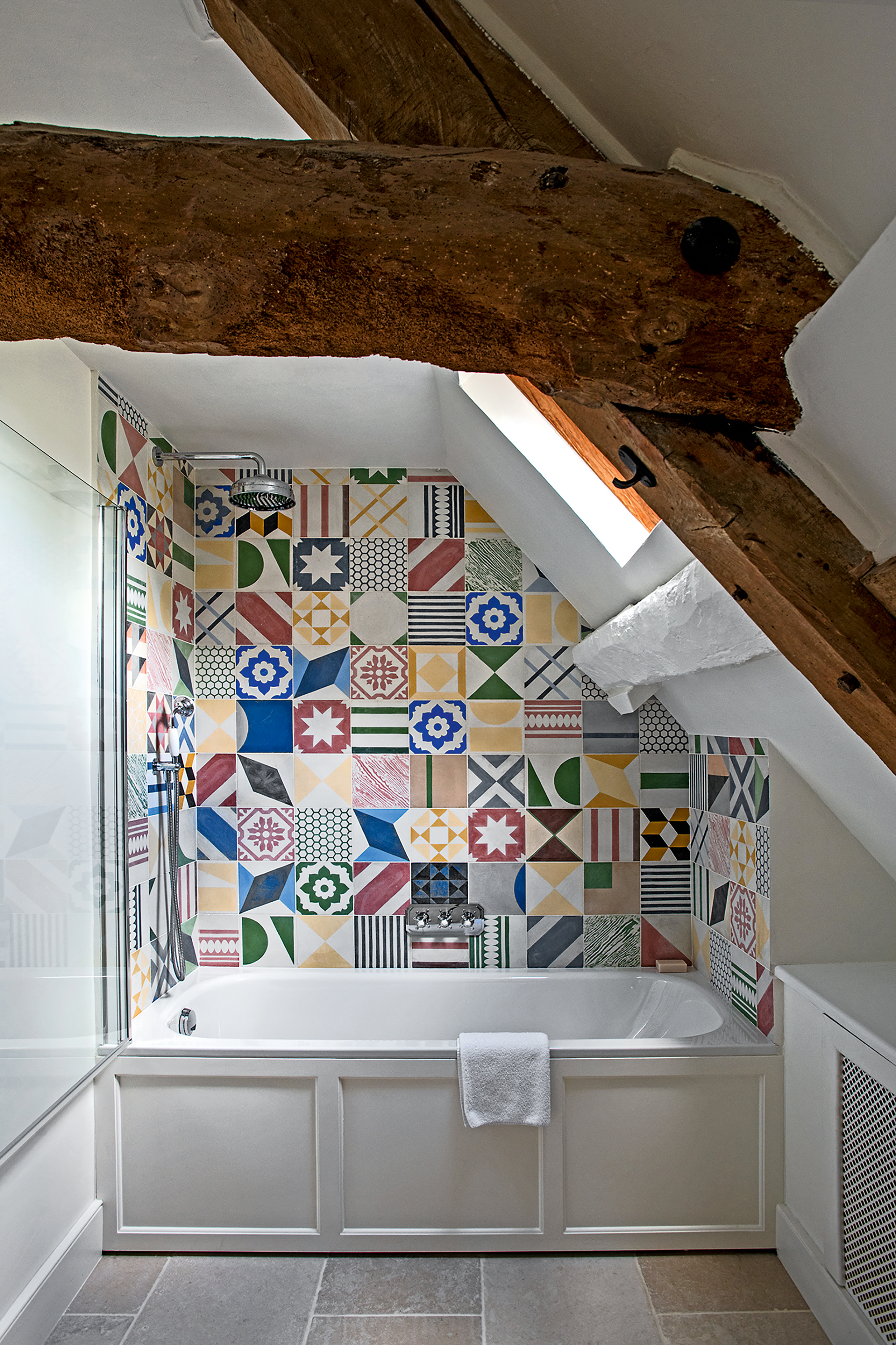
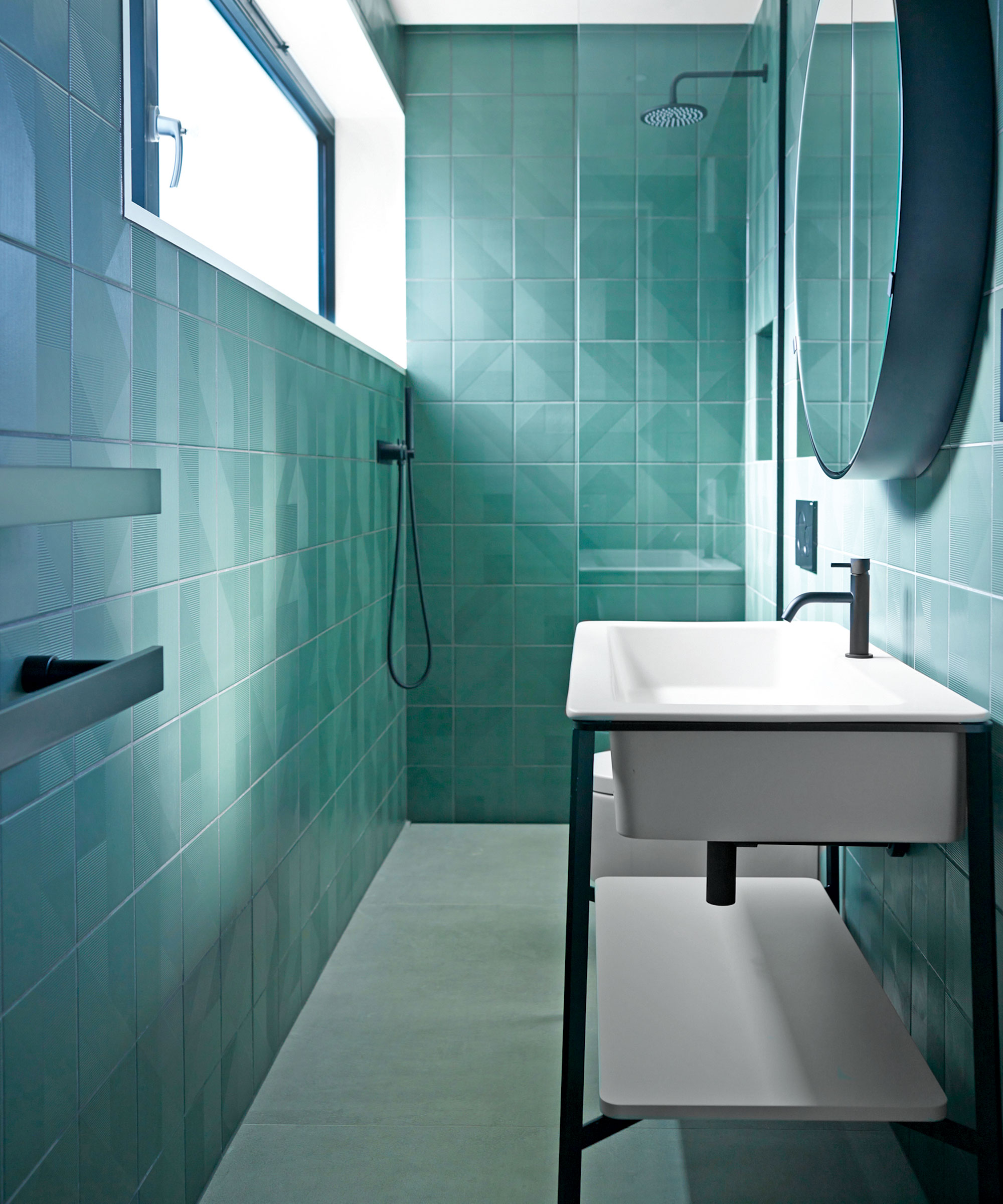
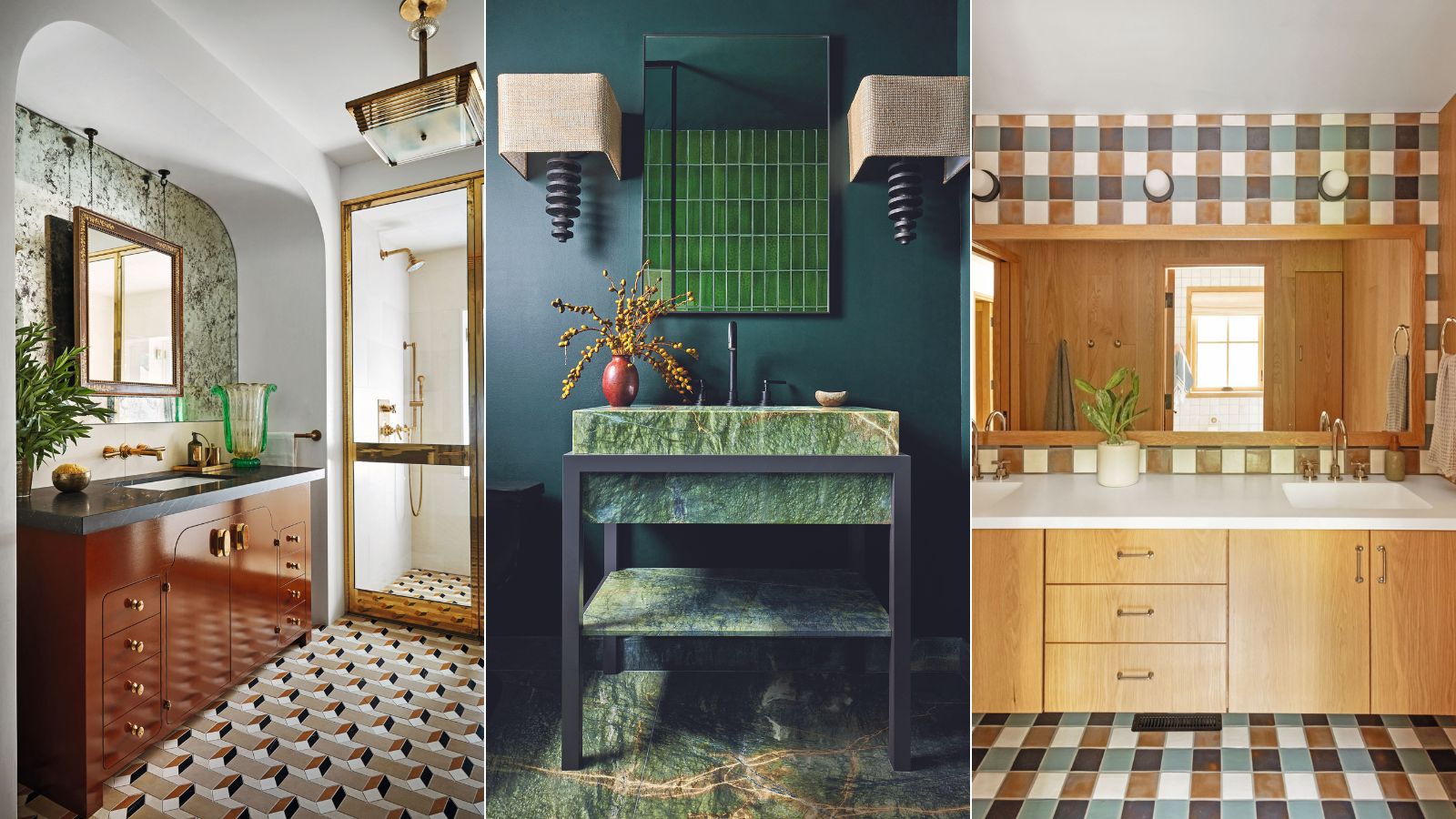
Another approach involves extending patterned wallpaper beyond the bathroom into adjacent spaces like a dressing room to create visual flow and expand the perceived area. This technique, favored by designers like Flora Soames, effectively boosts the impact of the pattern, color, and dynamism across a suite of rooms. The use of patterned tiles is also discussed, offering a fresh perspective on incorporating designs. Designers recommend experimenting with different sizes and arrangements of rectangular and square tiles, even within a limited color palette, to create interesting rhythms. One example uses checked tiles to add visual interest.
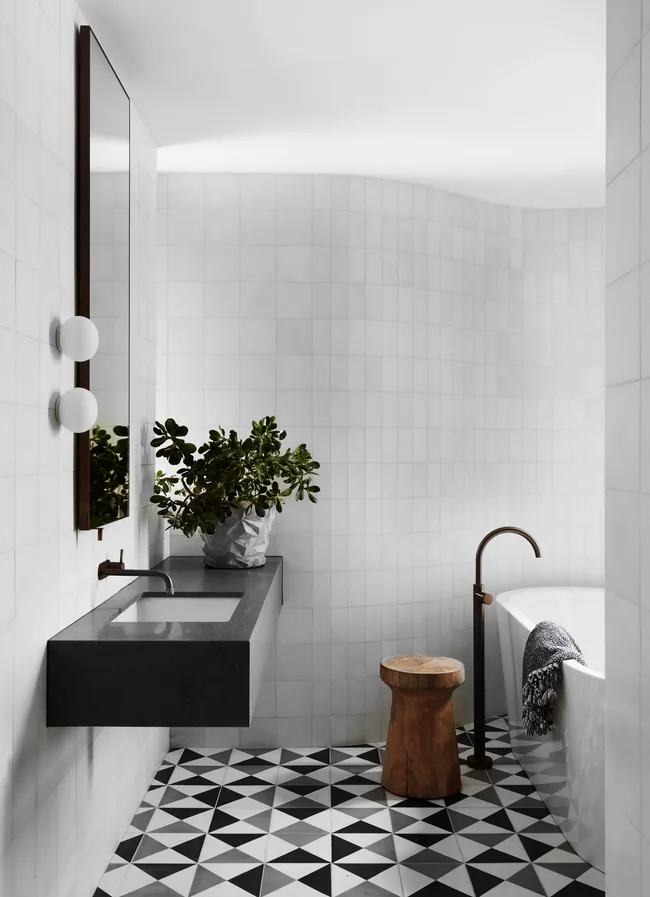
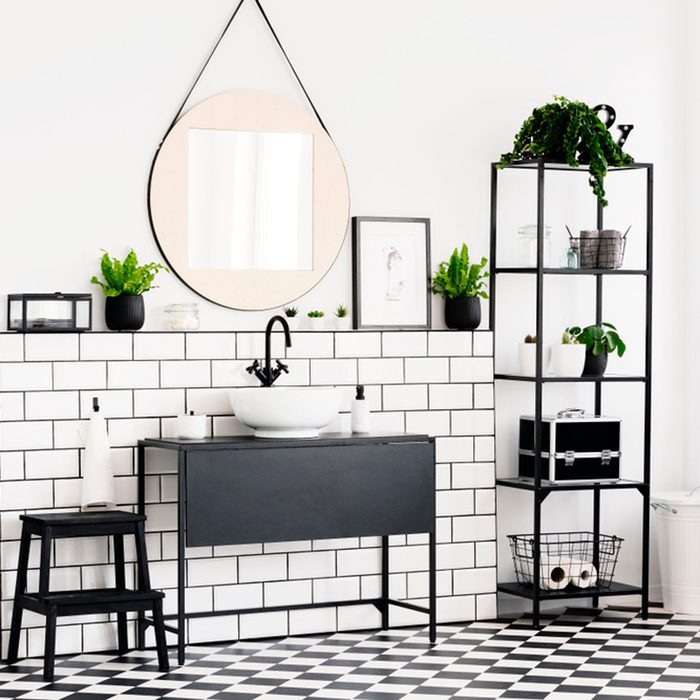
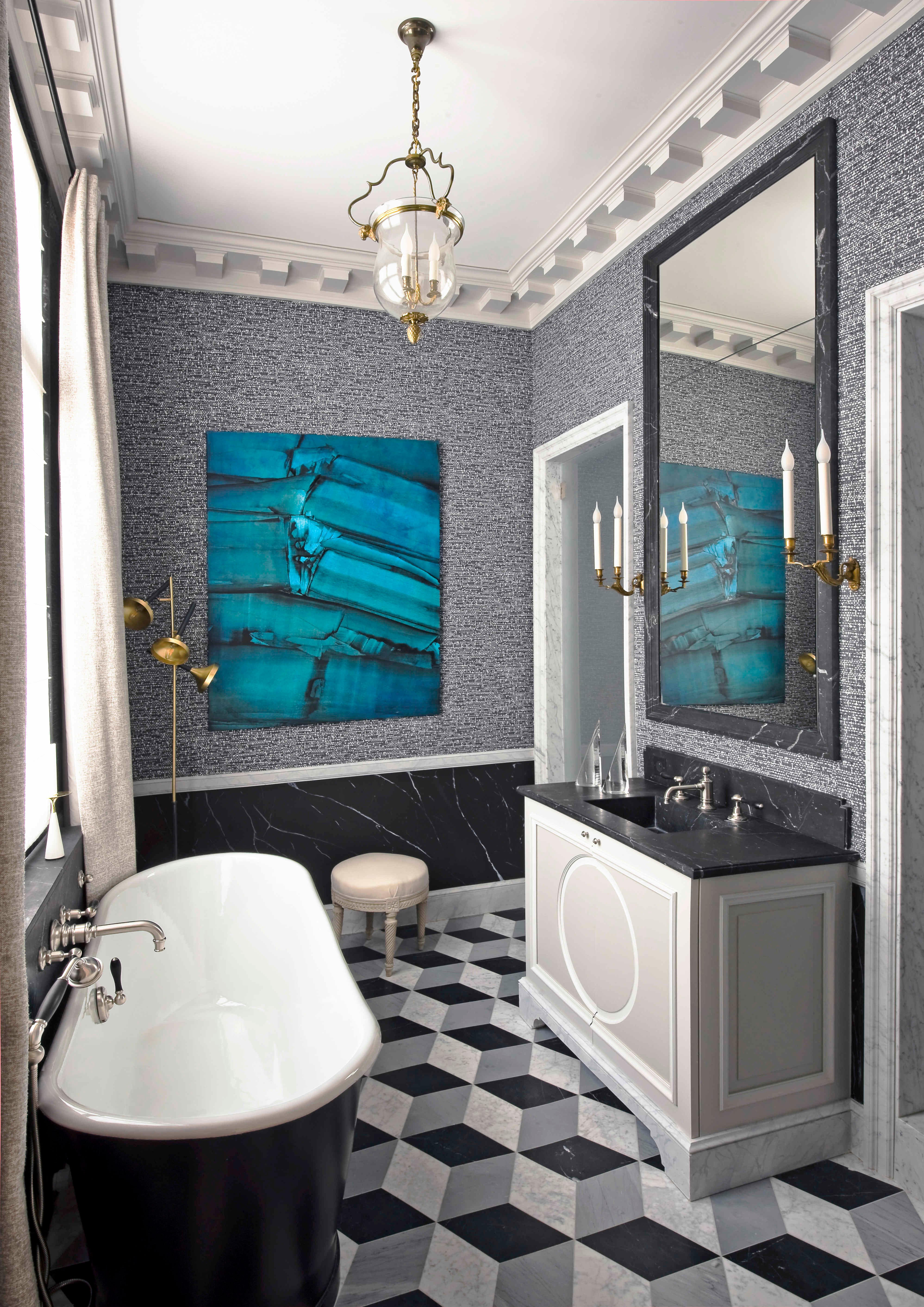
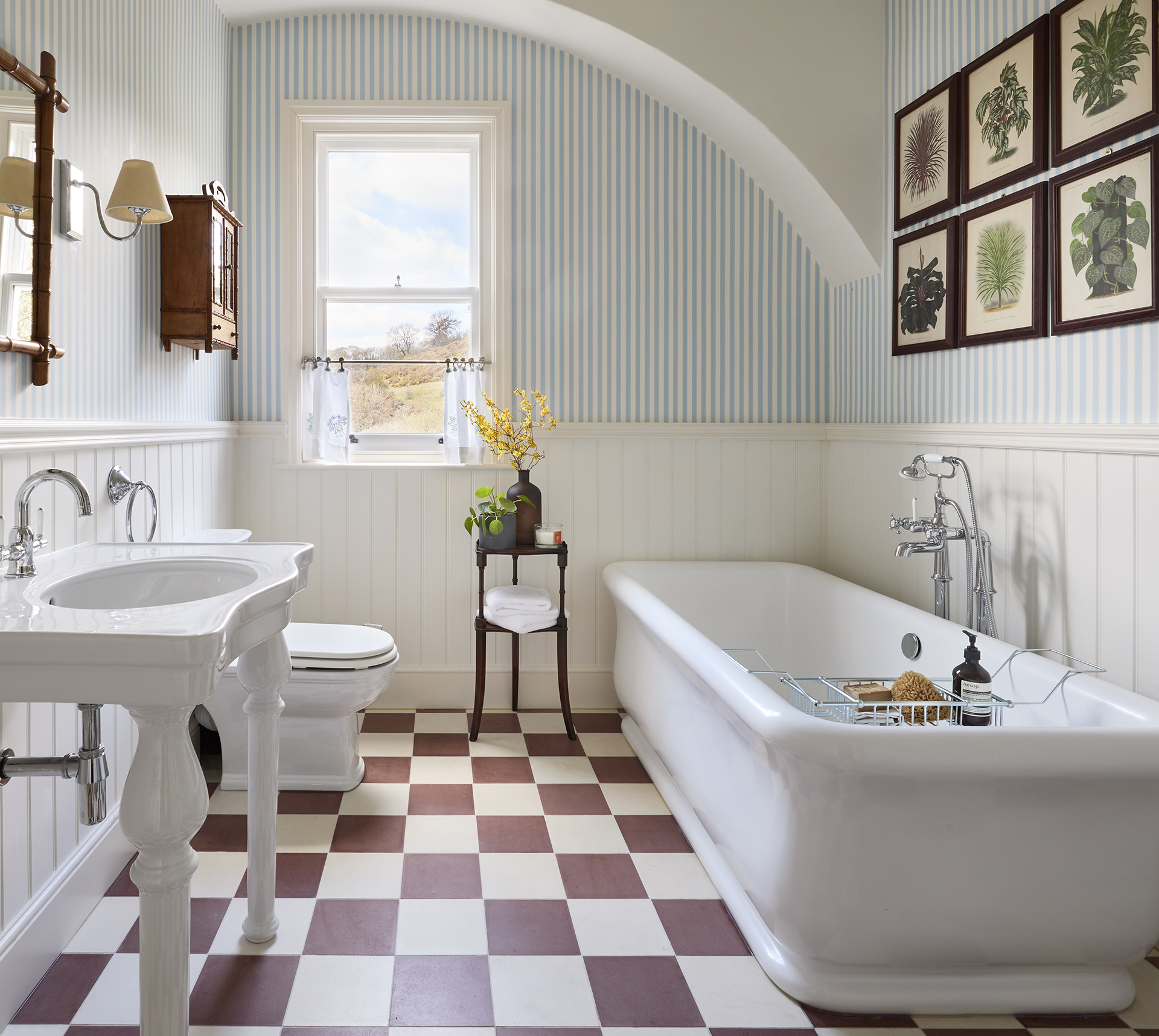
Combining multiple patterns is presented as a way to achieve a playful mood, with the advice to play with contrasts and interesting combinations. An example showcases a bathroom where walls are lined with flamestitch velvet and high-performance Empress velvet, demonstrating how different textures and shades can create a dramatic and unexpected luxury. Pattern can also be used strategically to zone a room, particularly in open-plan designs. Chequerboard tiles, for instance, can define a bathing area within a larger space, with one color kept neutral to ground the pattern while a stronger color adds impact.
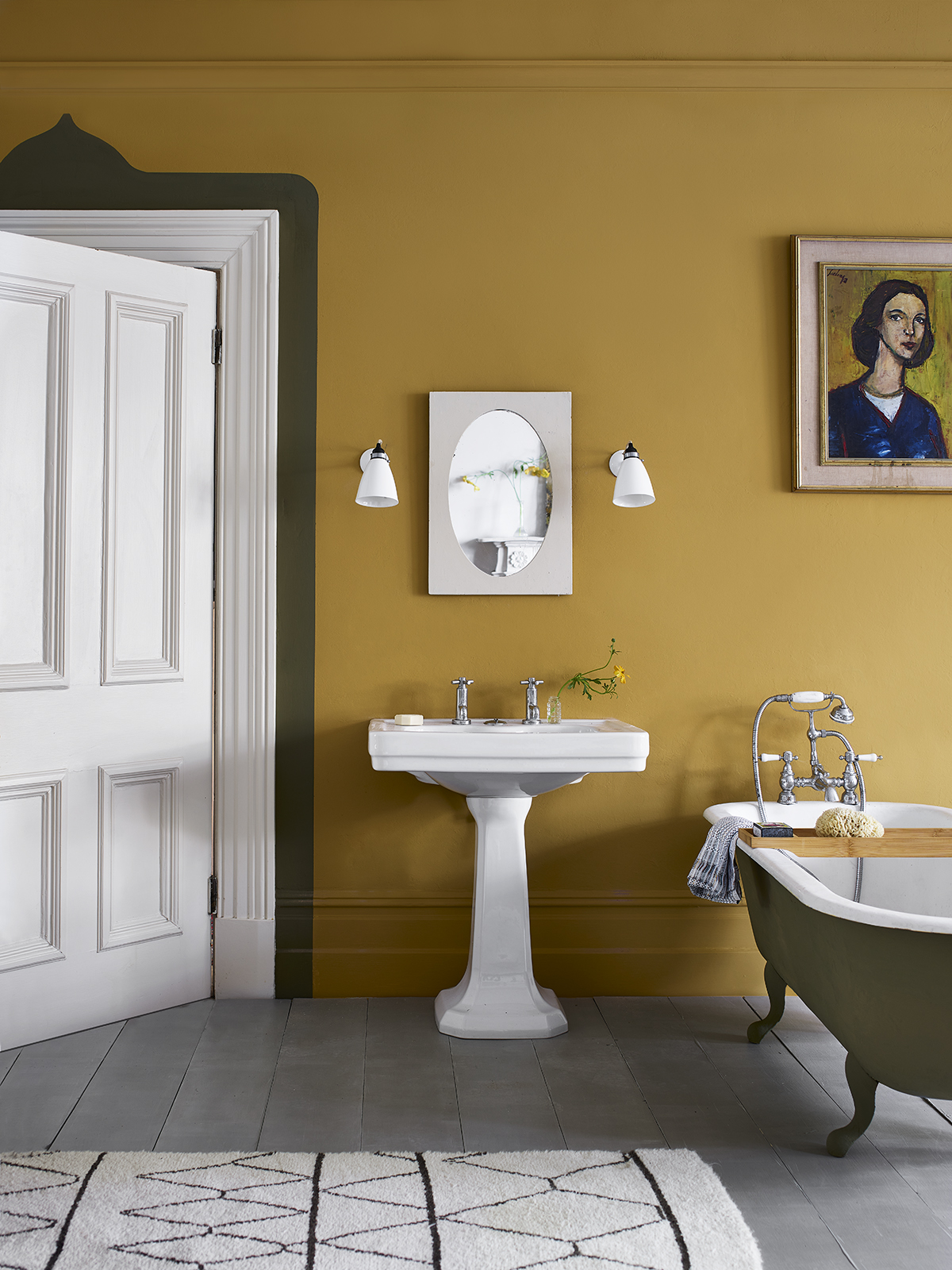
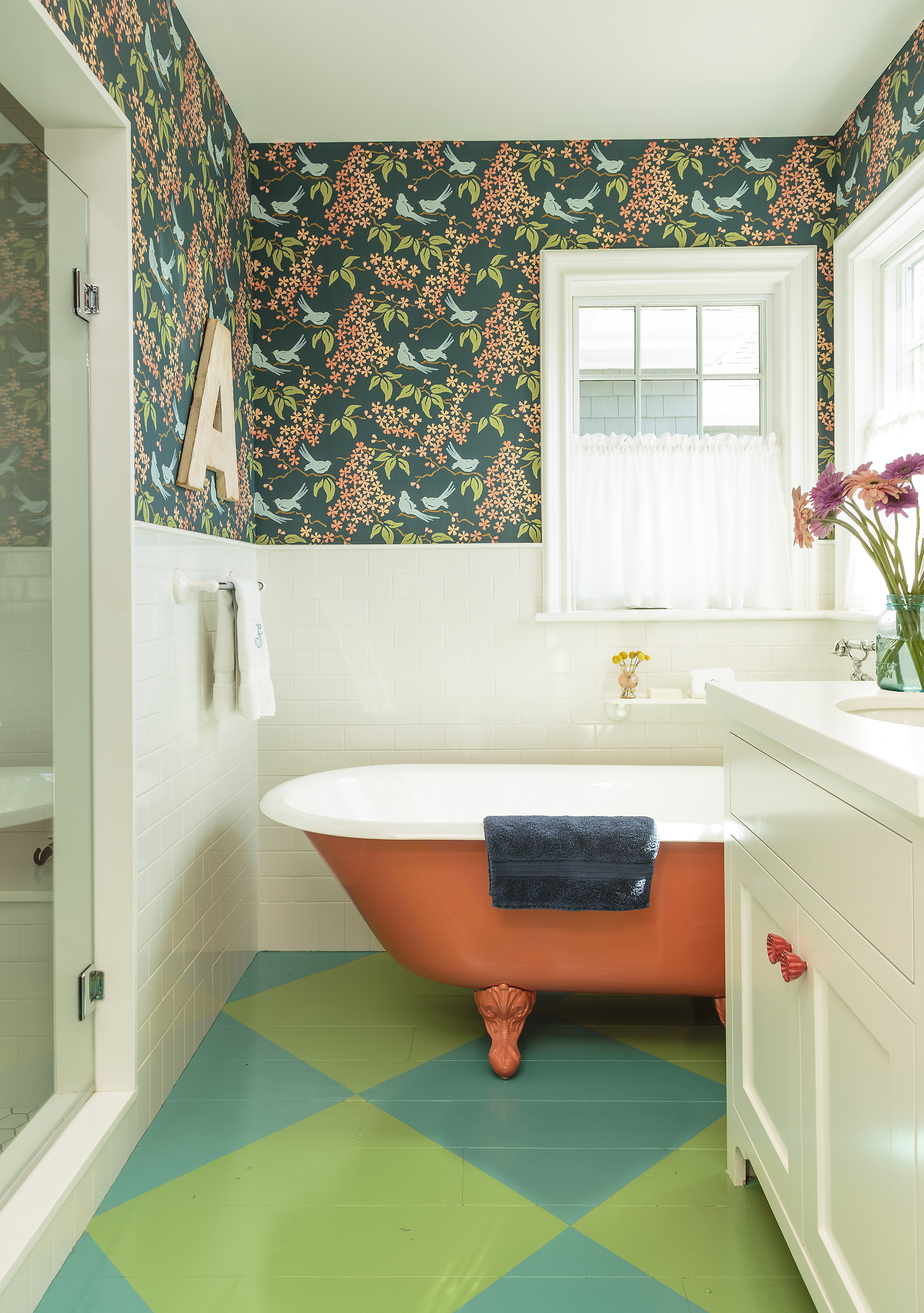
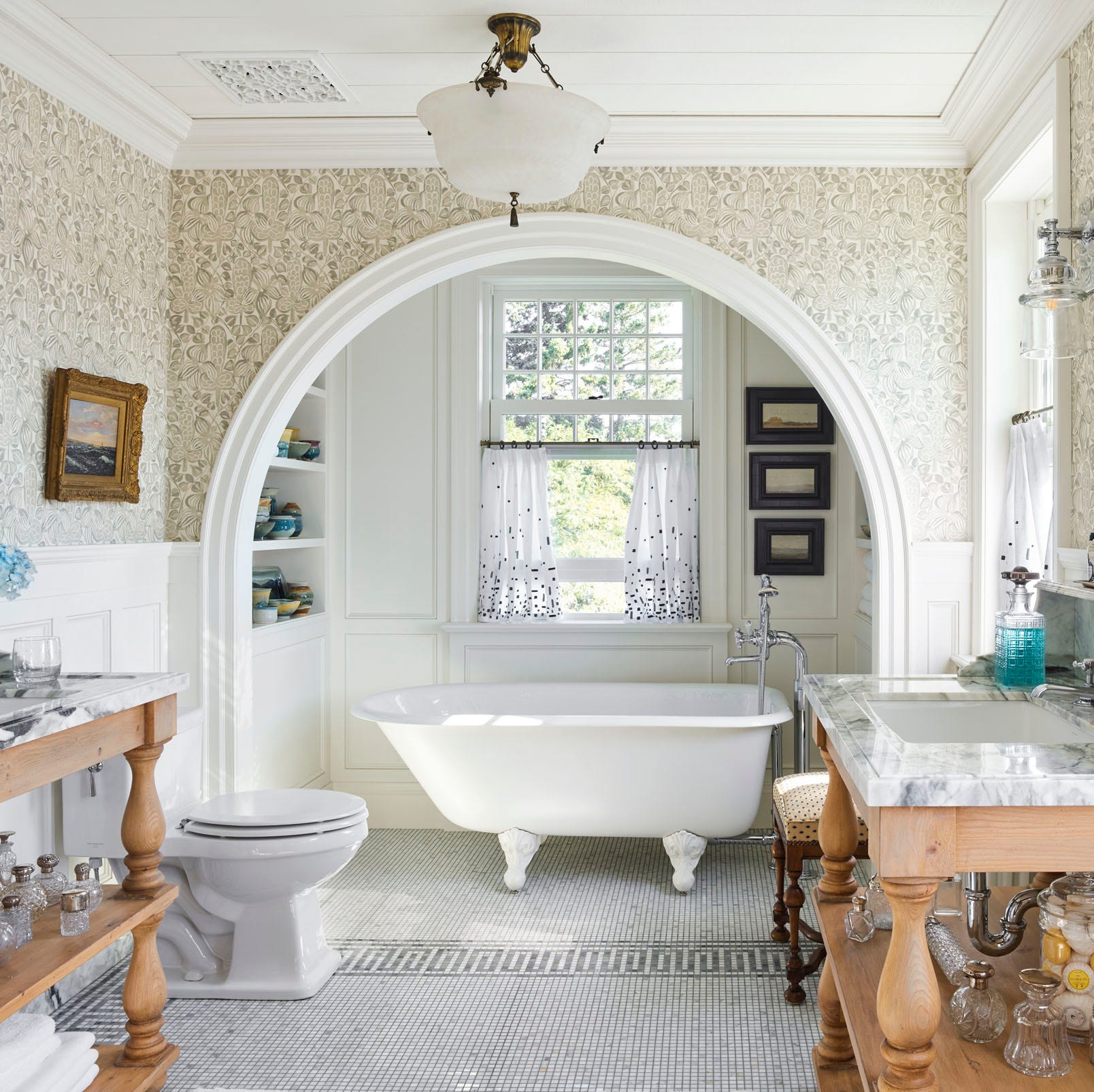
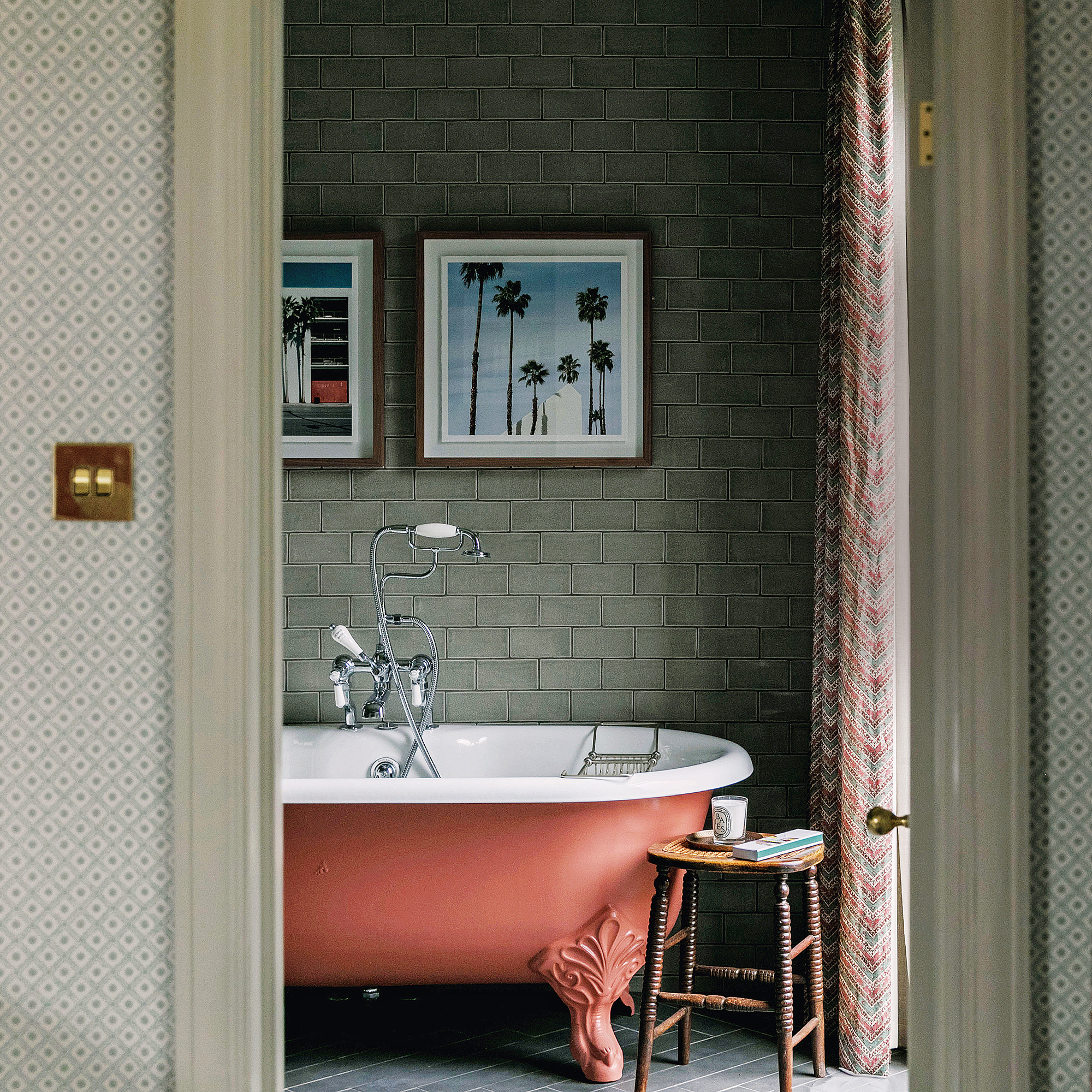
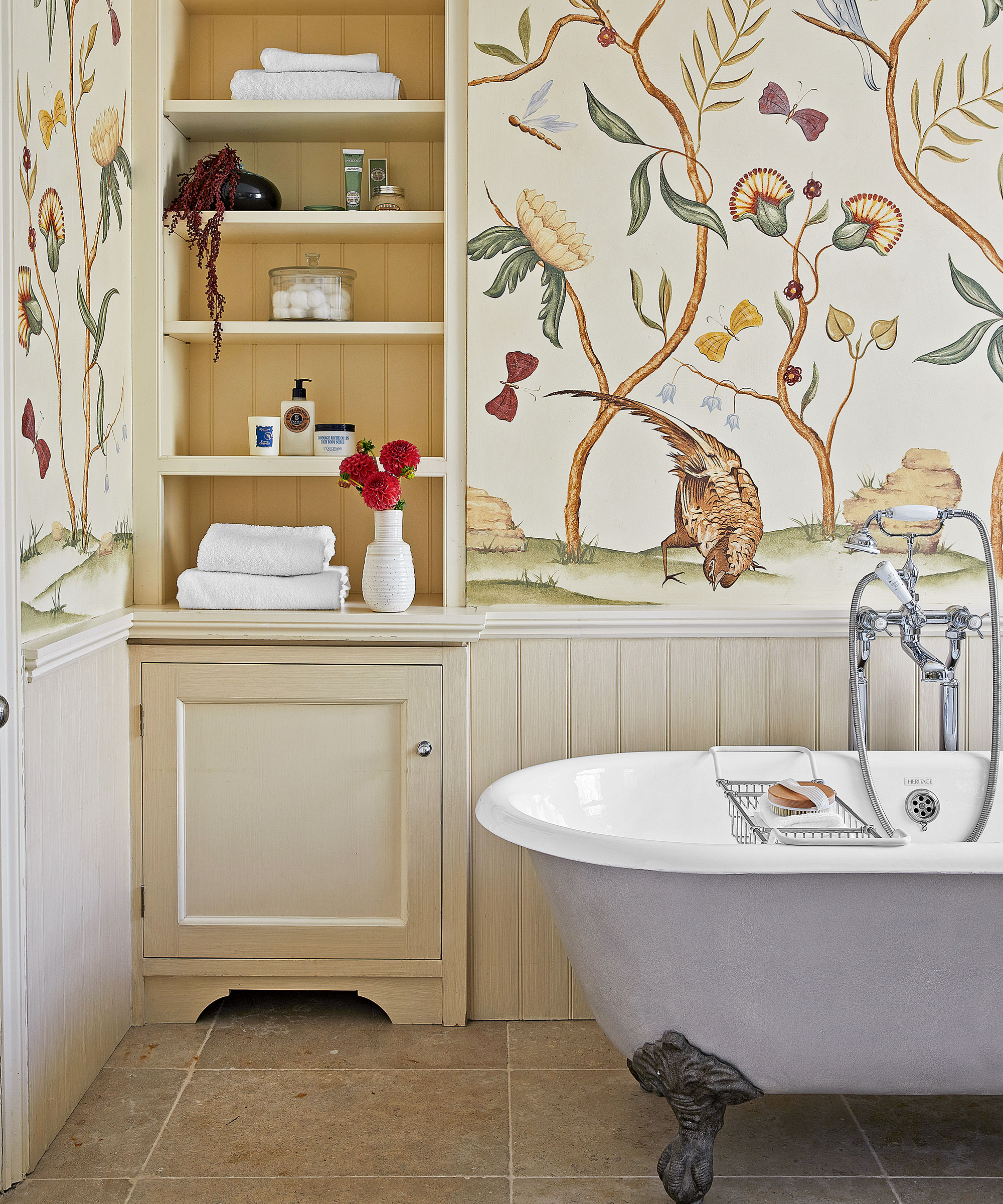
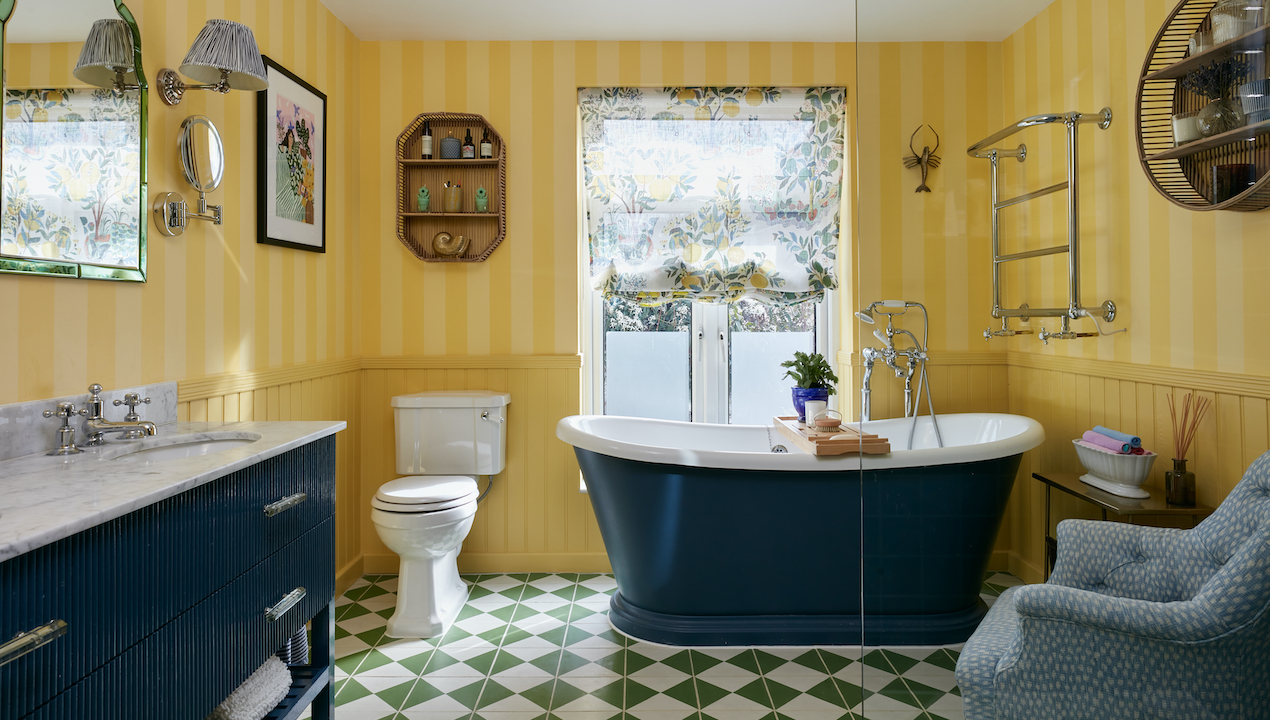
Color-matching a statement bathtub with patterned wallpaper is highlighted as a sophisticated design move, requiring the bath color to be an exact match to the wallpaper's secondary accent color for optimal visual effect. Antiqued or foxed mirrors are suggested as a way to introduce a softer, organic pattern and texture, contrasting effectively with geometric floor tiles. This also helps diffuse natural light without creating an 'infinity effect' when placed opposite other mirrors. Playing with scale through wall murals is another key idea, using oversized patterns like cherry blossoms to create a show-stopping feature while balancing it with simpler fittings.
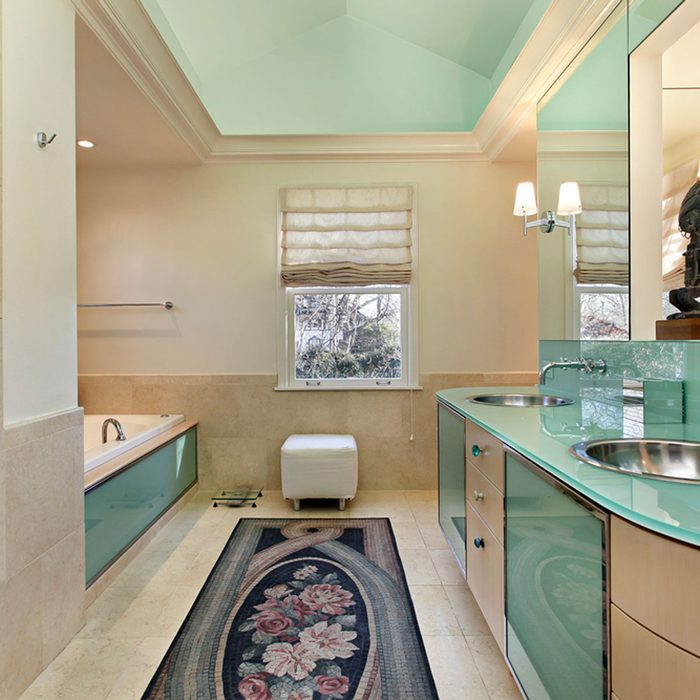
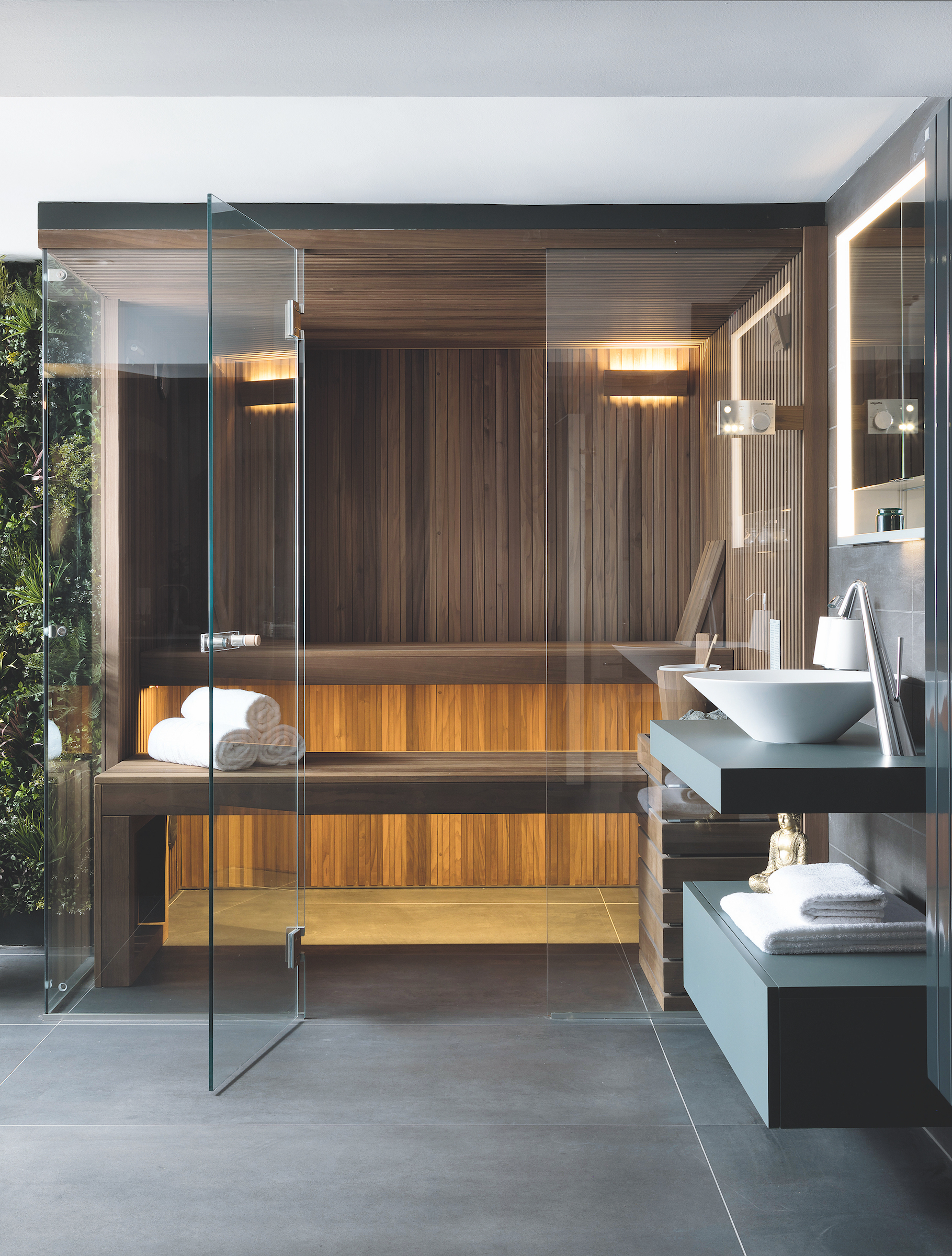
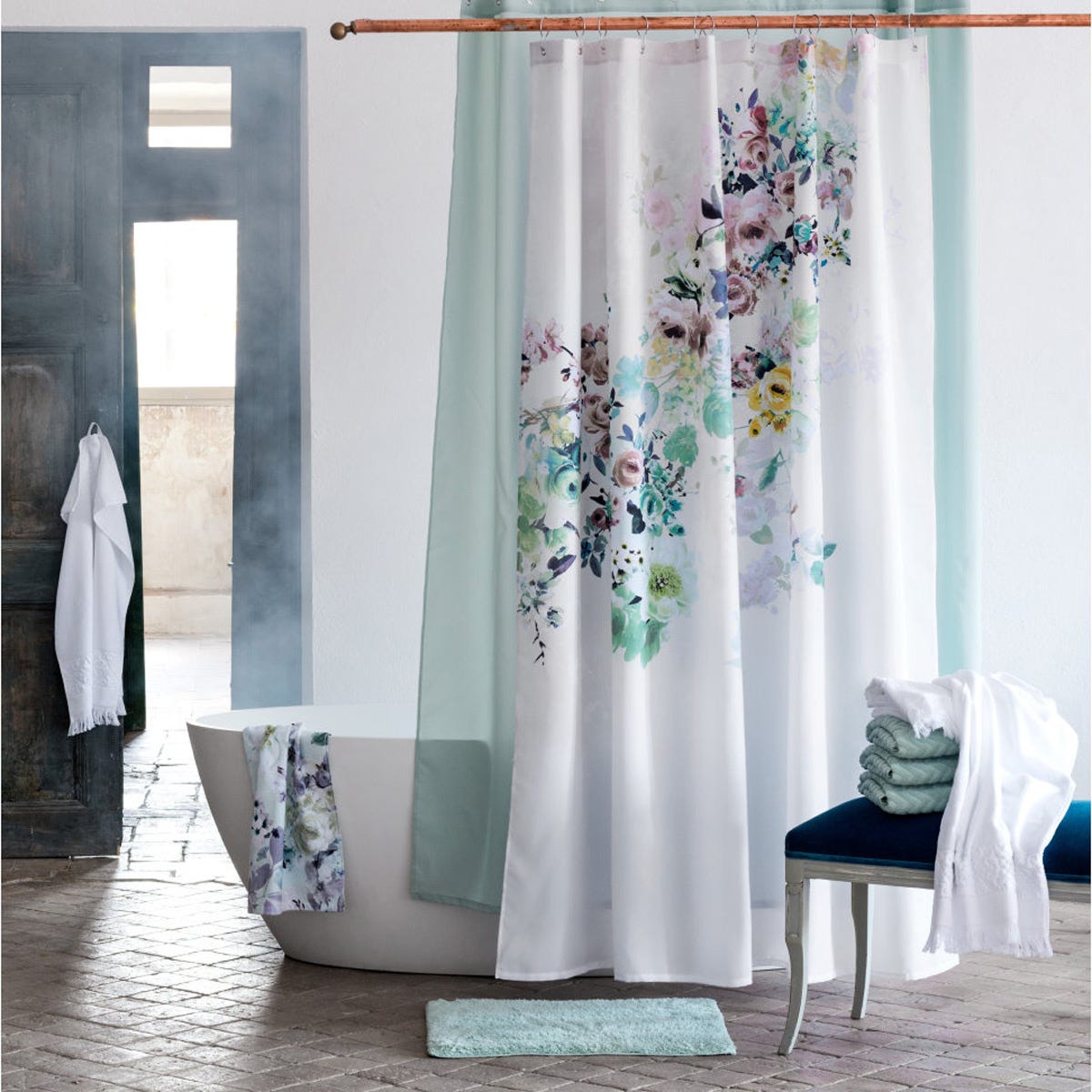
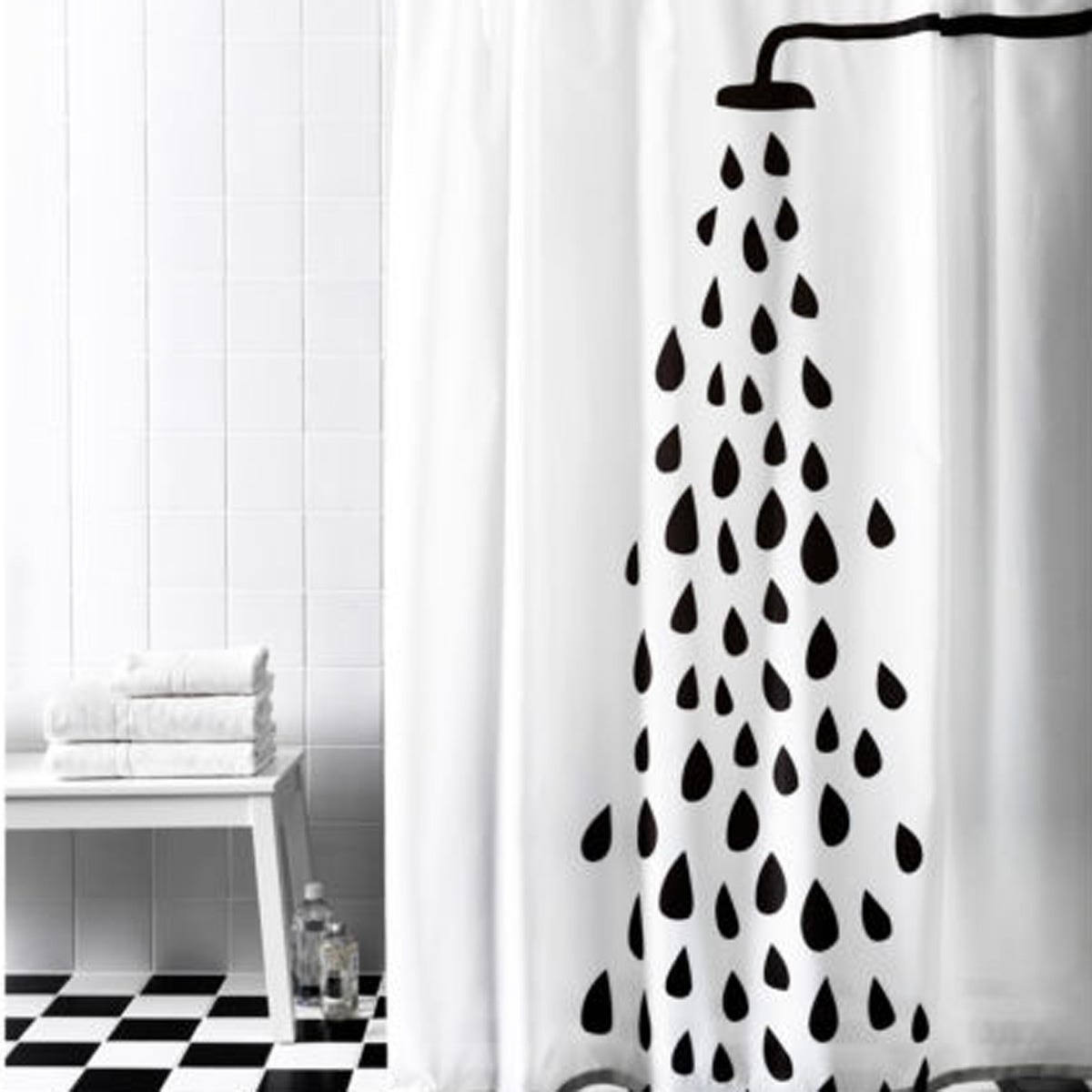
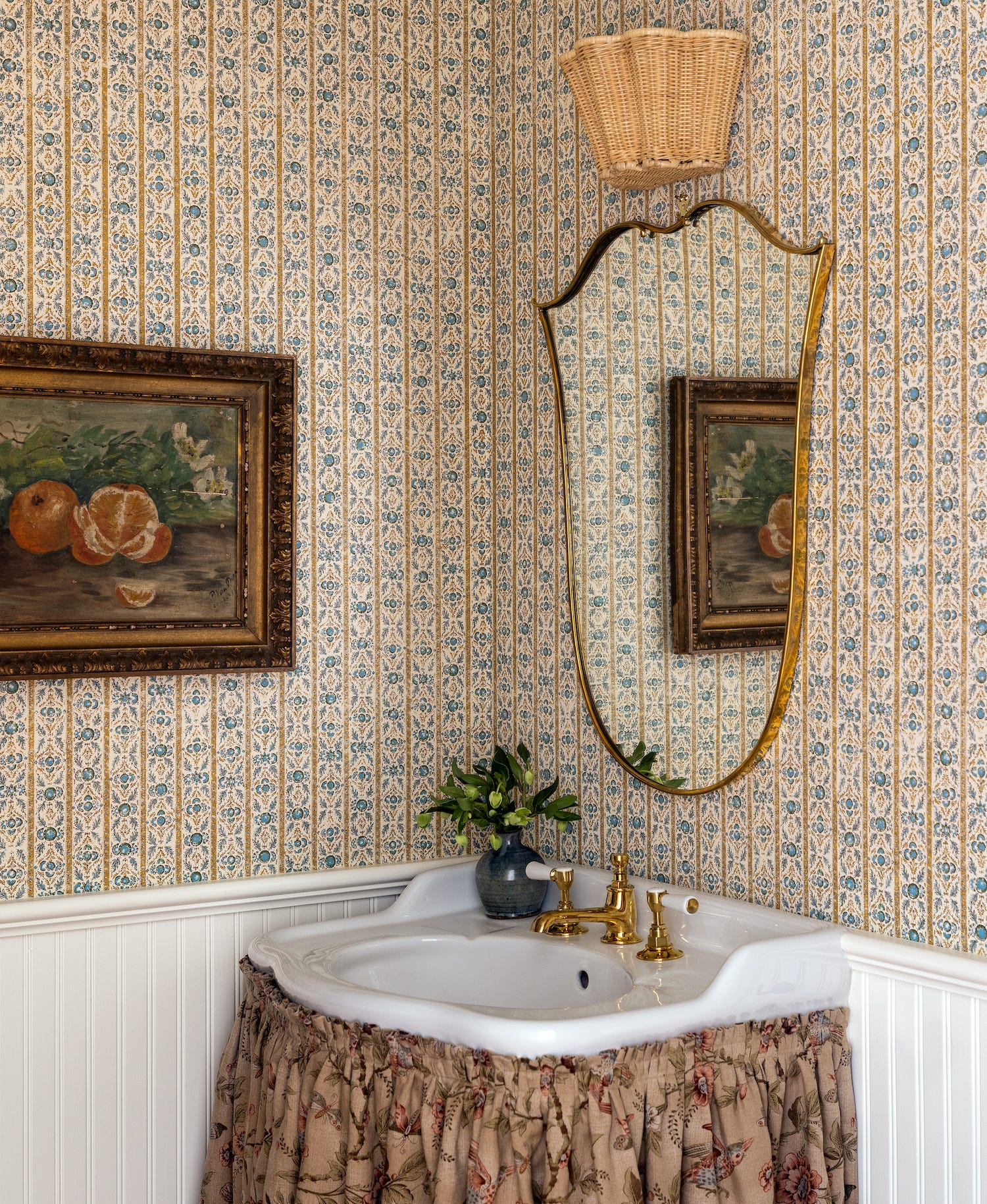
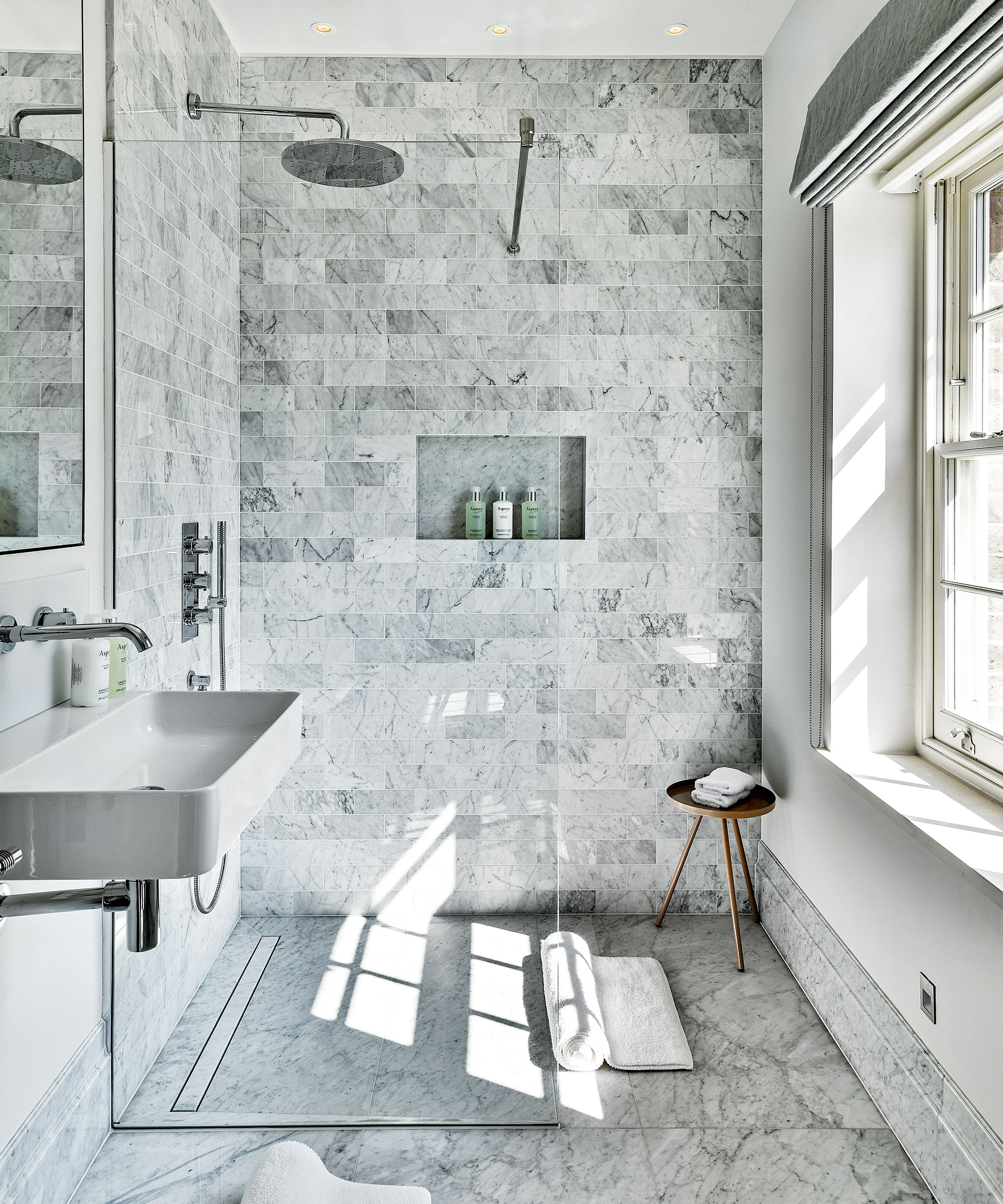
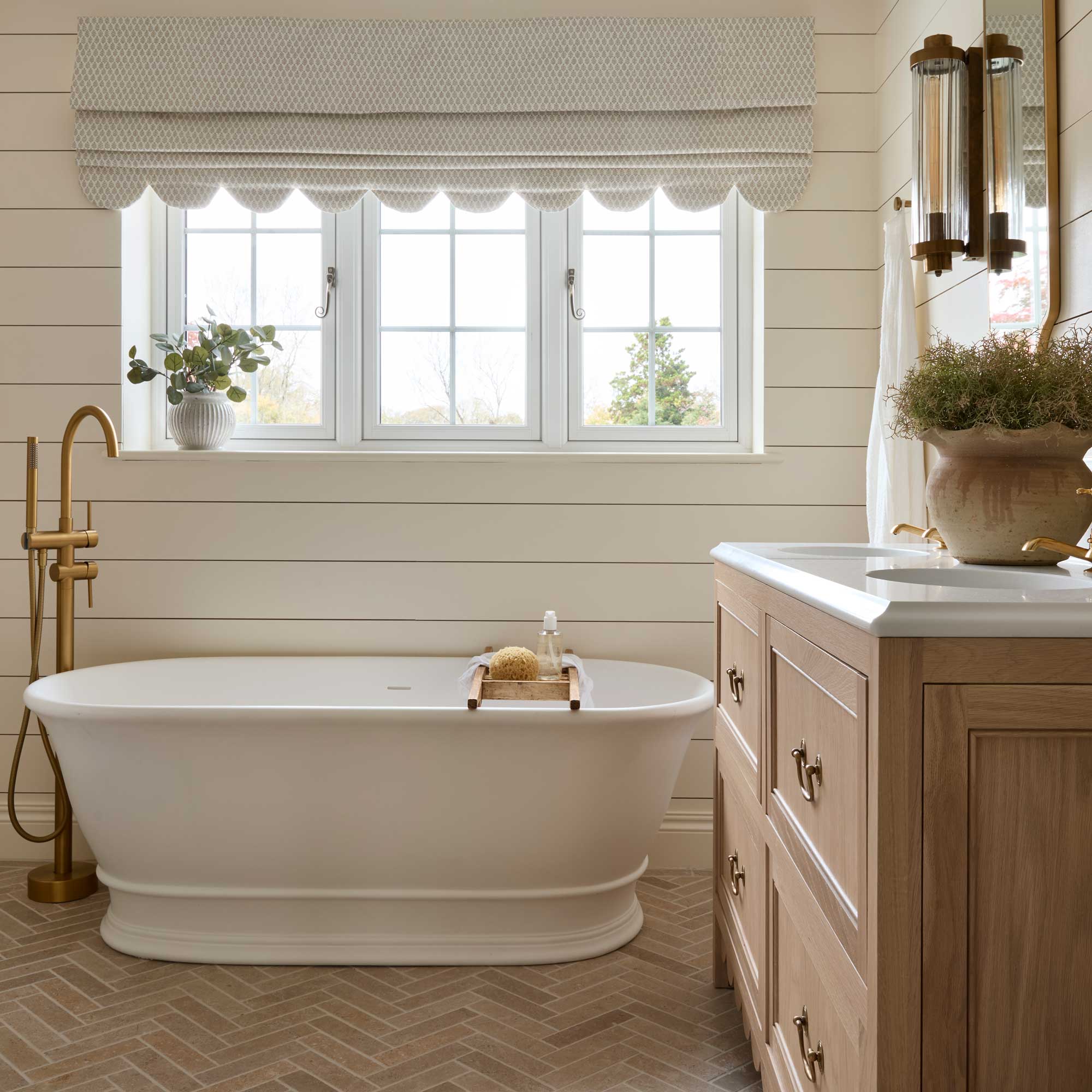
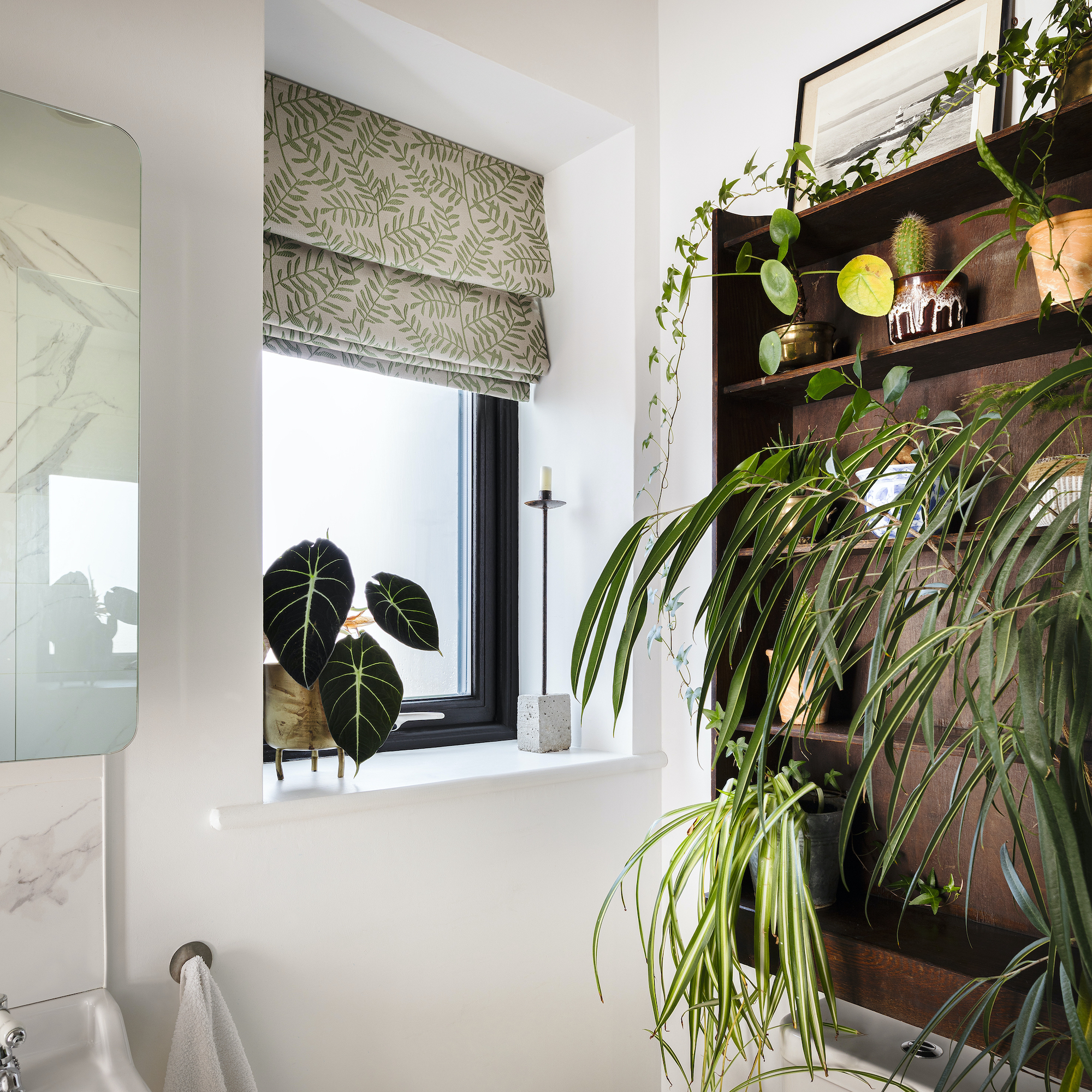
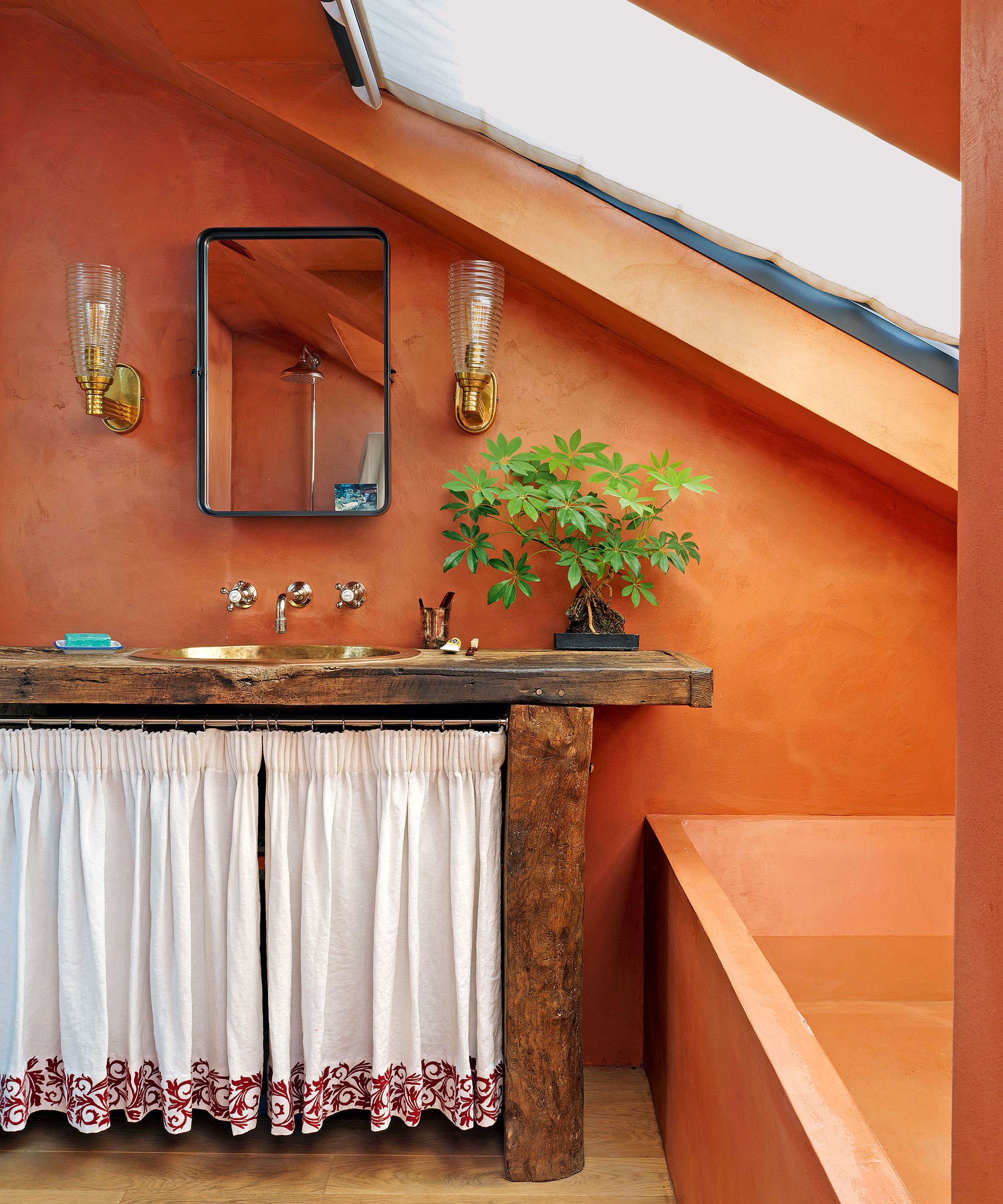
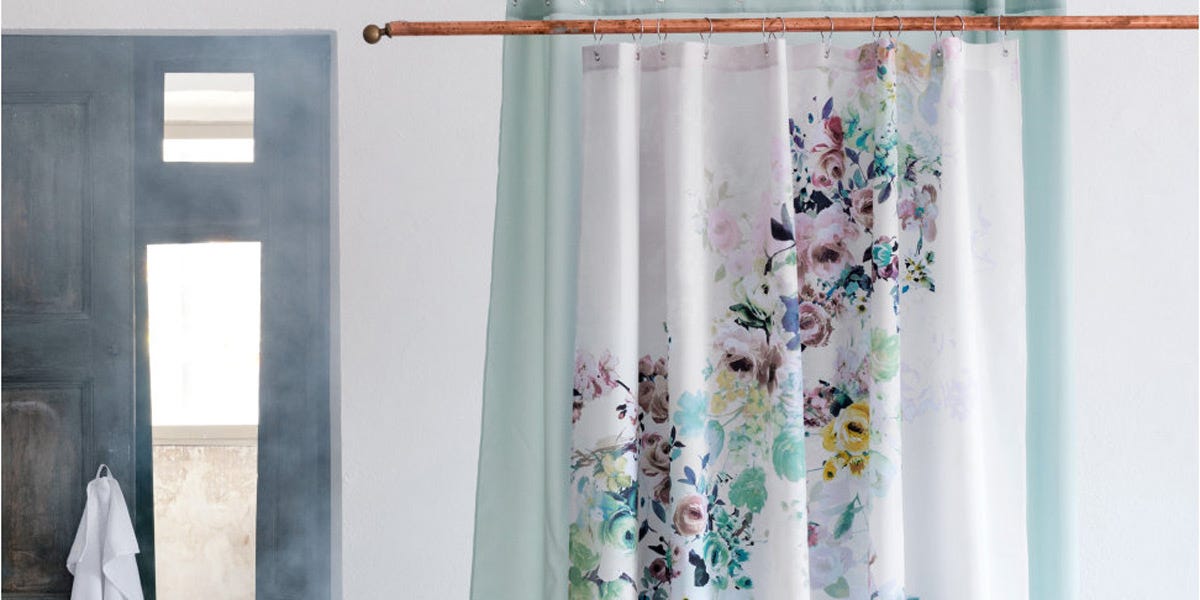
The article further recommends incorporating fabric to introduce patterns, such as through sink skirts, blinds, or shower curtains. Small-scale floral or striped fabrics are ideal for pleated skirts, optionally enhanced with frills or decorative trim. Lastly, decorative natural materials like marble with striking striations can provide all the necessary pattern, as seen in a Miami home bathroom with Forest Green marble. The article concludes by addressing common questions, affirming that patterns can be successfully combined in a bathroom by limiting the color palette and varying pattern scales, and noting that patterns can create a cozy, intimate feel even in smaller spaces.
#PatternedBathrooms #InteriorDesign #BathroomDecor #TileDesign #WallpaperIdeas #ColorMatching #DecorativeMaterials #SpaceZoning #FabricAccents #PatternedBathrooms #InteriorDesign #BathroomDecor #TileDesign #WallpaperIdeas #ColorMatching #DecorativeMaterials #SpaceZoning #FabricAccents
0 commenti in totale
 Nessun commento ancora
Potresti anche gradire
10 Bathroom Design Ideas from Inspiring Homes

Colorful bathroom ideas – 10 bold and playful schemes
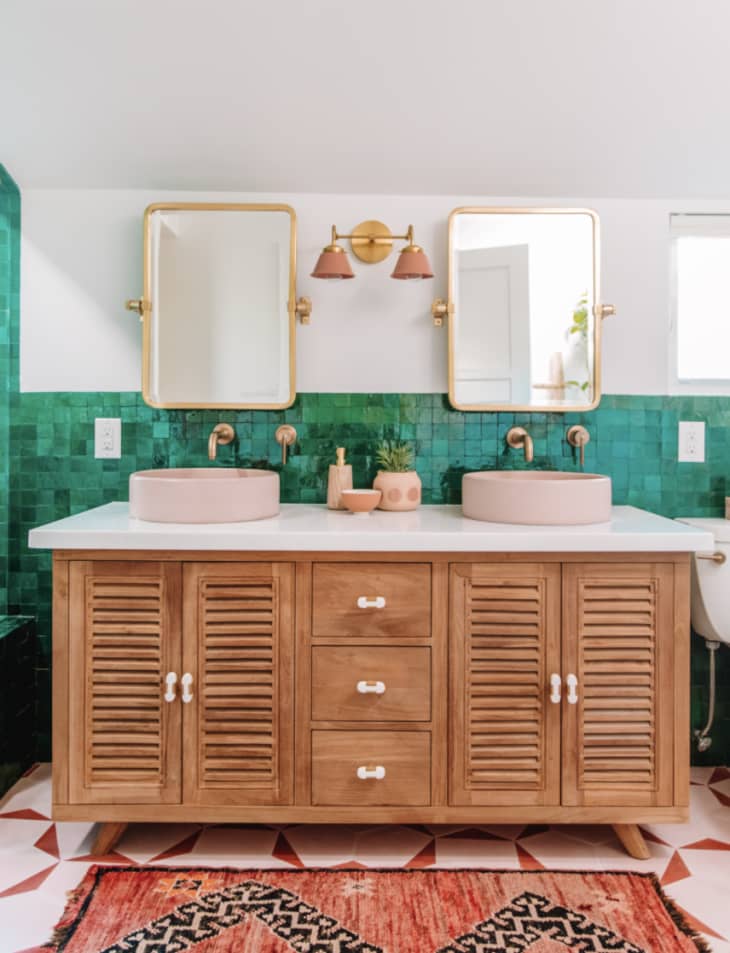
A Bathroom Is the Perfect Place for Color, and These 20 Spaces Are Proof
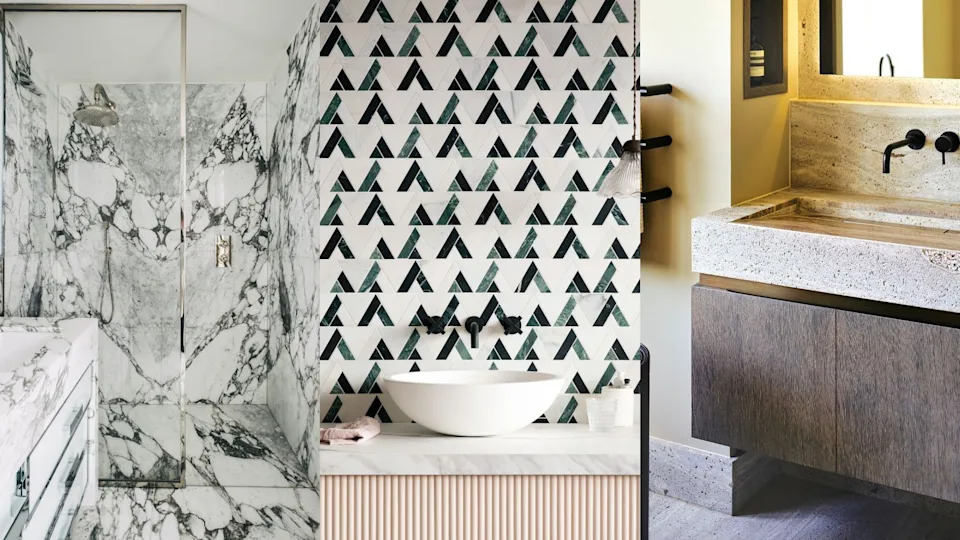
Bathroom ideas – beautiful bathroom designs you will love

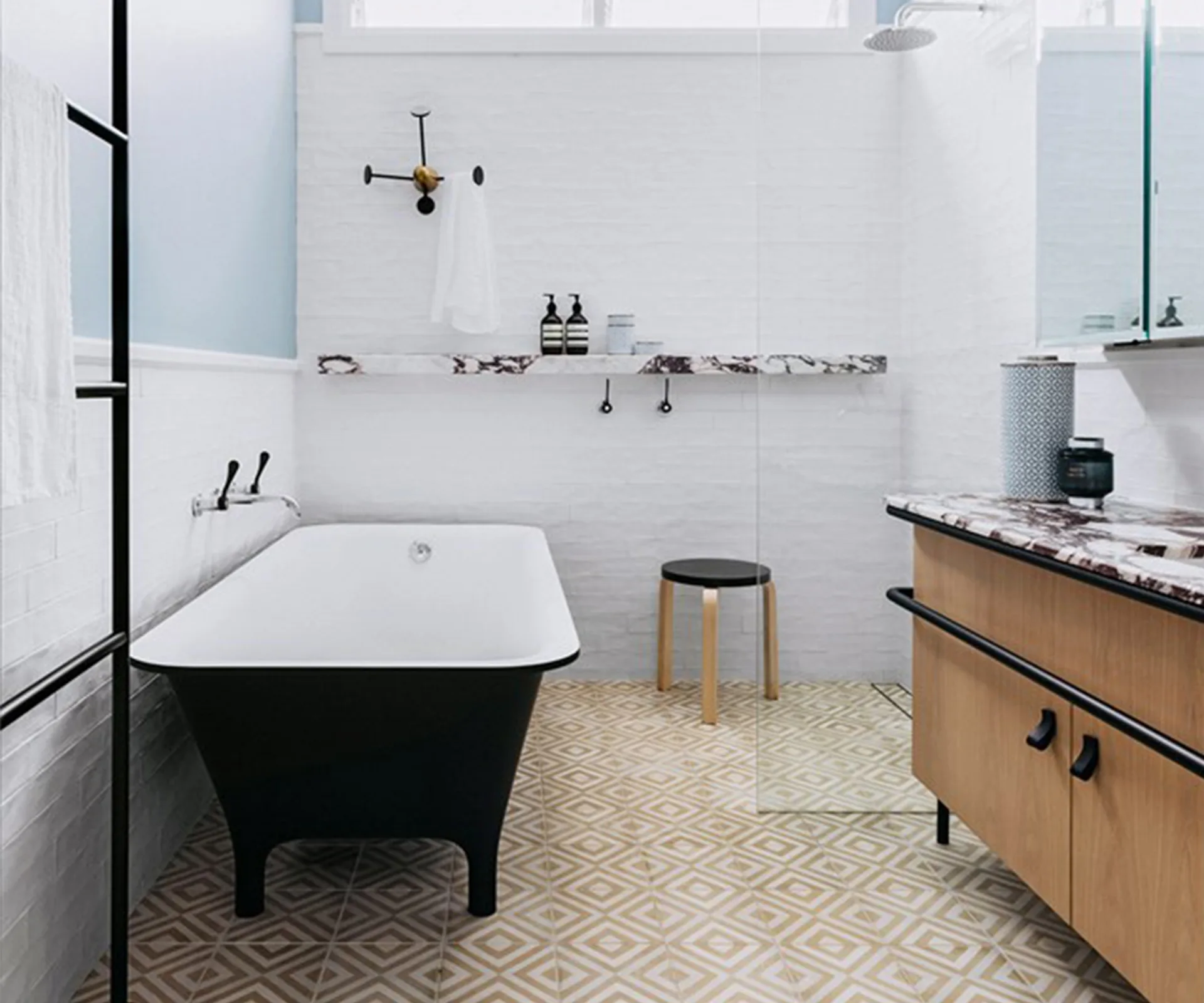
14 bold ideas for using patterned tiles in your bathroom

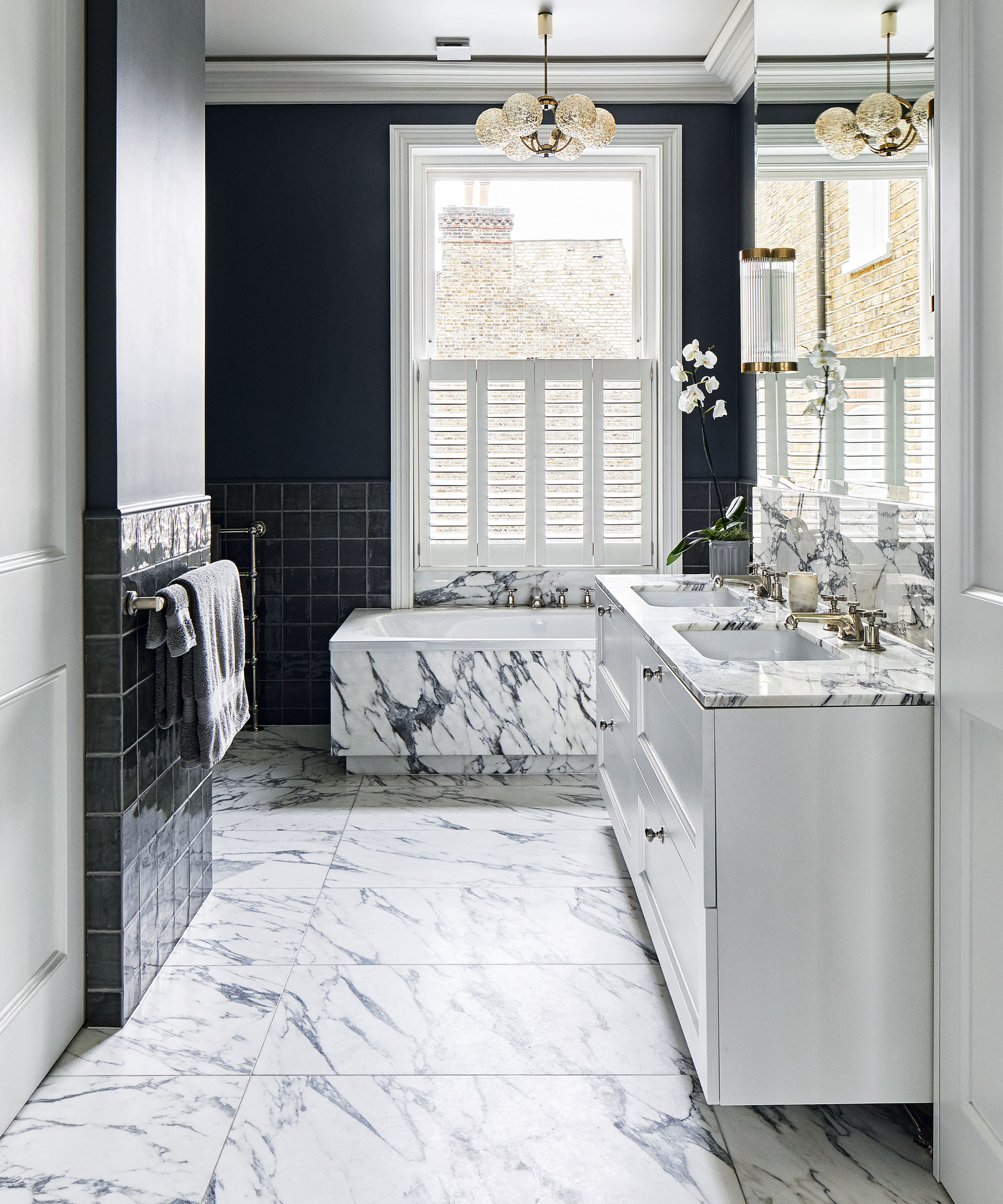
Luxury bathroom ideas – 13 elegant designs for wash spaces

Bathroom ideas – beautiful bathroom designs you will love
10 bathroom window dressing ideas to add style and privacy to a wash space
Home Designers Reveal 10 Details That Make a Bathroom Beautiful

Beautiful Bathrooms: Interiors Inspiration
Bathroom Ideas, Designs, Trends and Pictures
10 space-saving bathrooms – clever tricks to steal from interior designers
10 Stylish Bathroom Design Ideas for Your Home Makeover
10 amazing shower rooms for your dream bathroom

20 Art-Filled Bathrooms We Can't Get Enough Of
Bathroom paneling ideas – 10 innovative ways to dress your walls
51 stunning bathroom ideas to copy

Ten bathroom design ideas from Dezeen's lookbooks

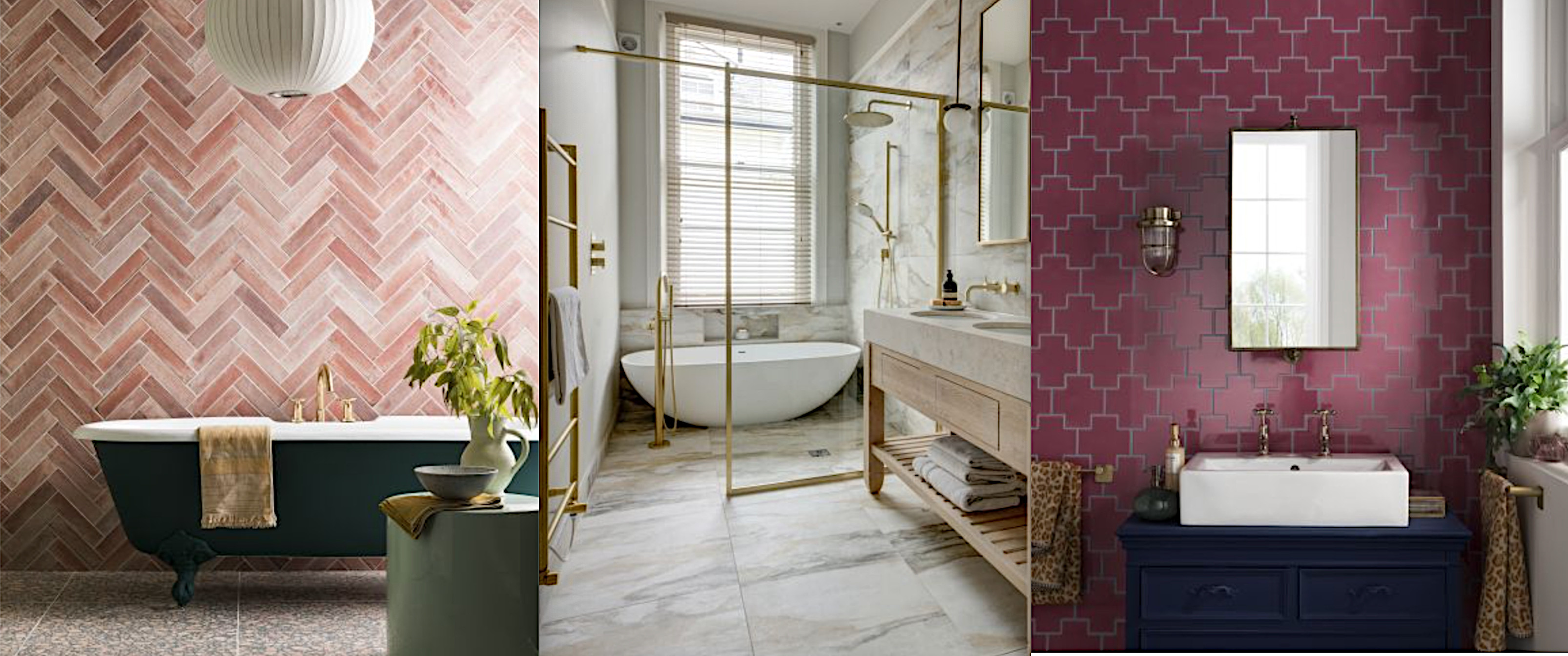
Bathroom wall tile ideas – 10 inspiring looks for your space
20 Bathroom Organization Ideas That Will Create a Space for Everything