1/3
Designers Say This Classic Kitchen Feature Is Going Extinct
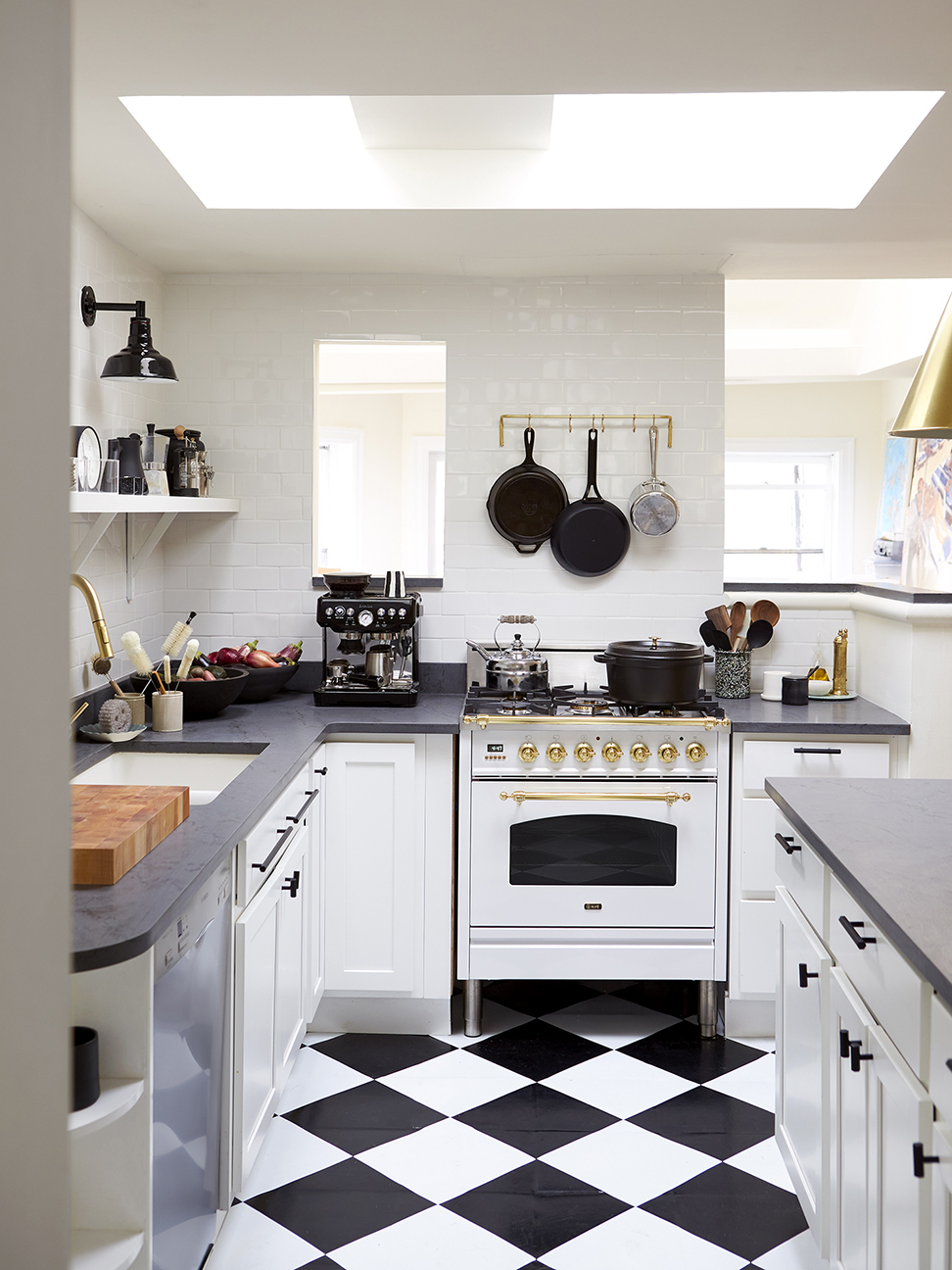
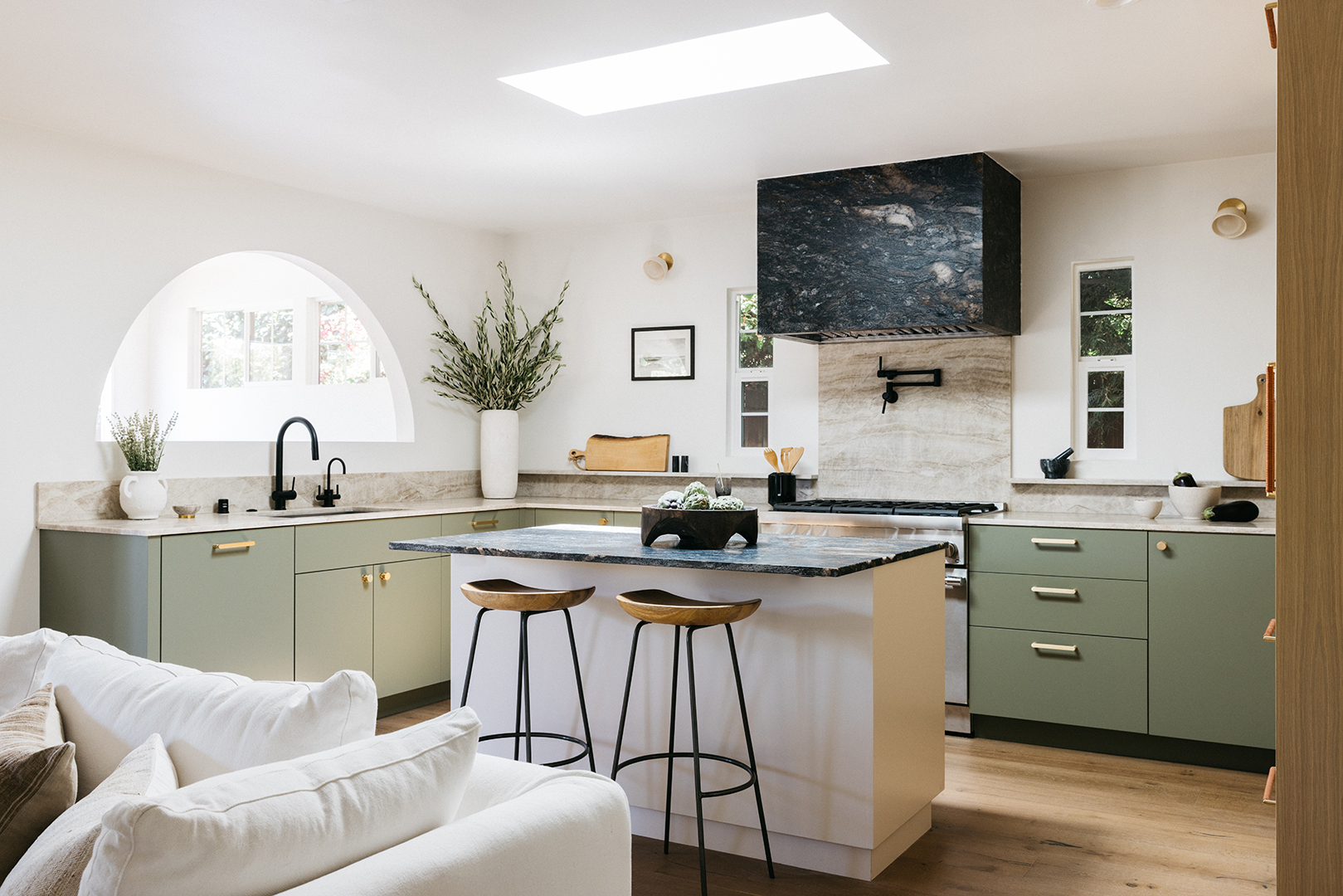
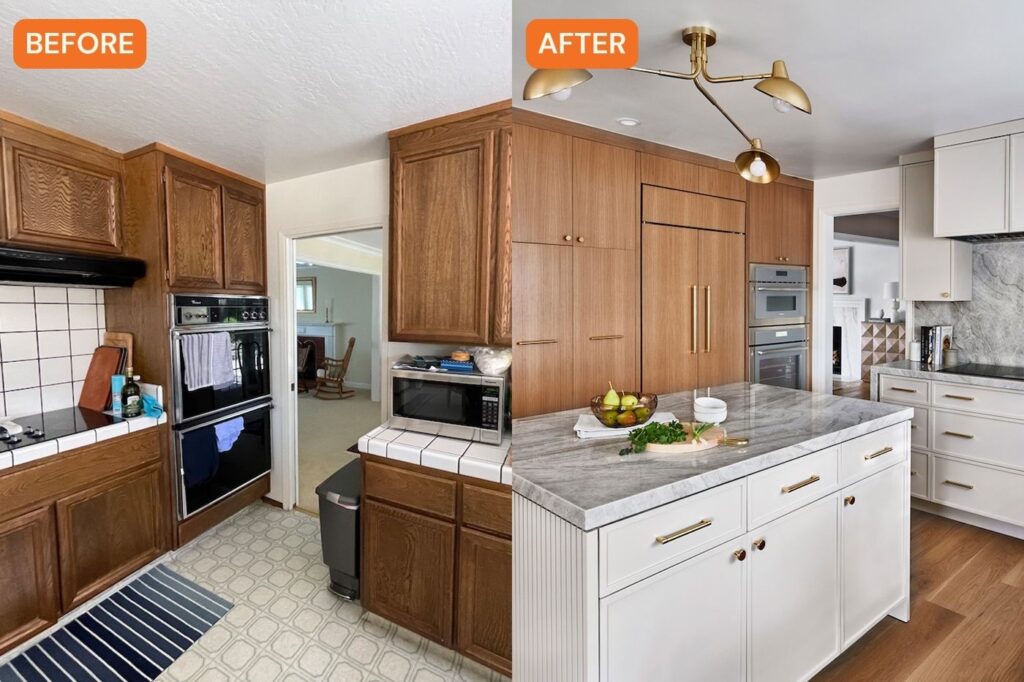
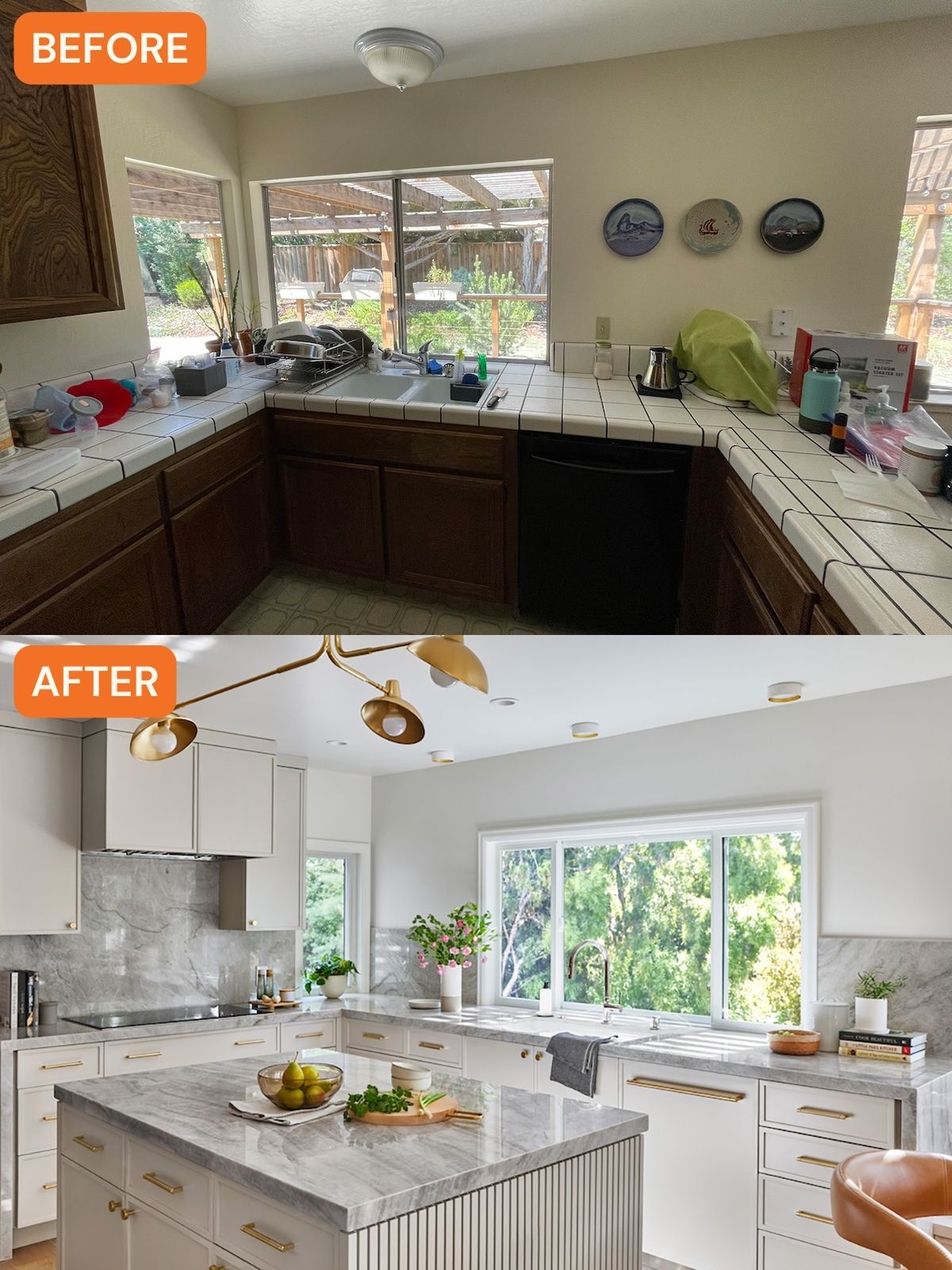
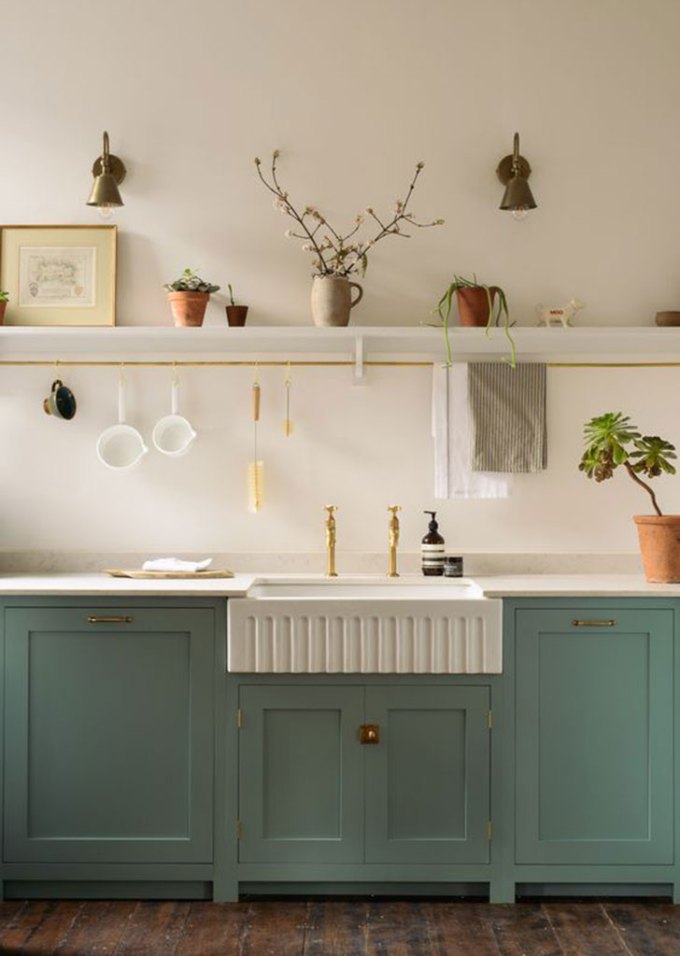
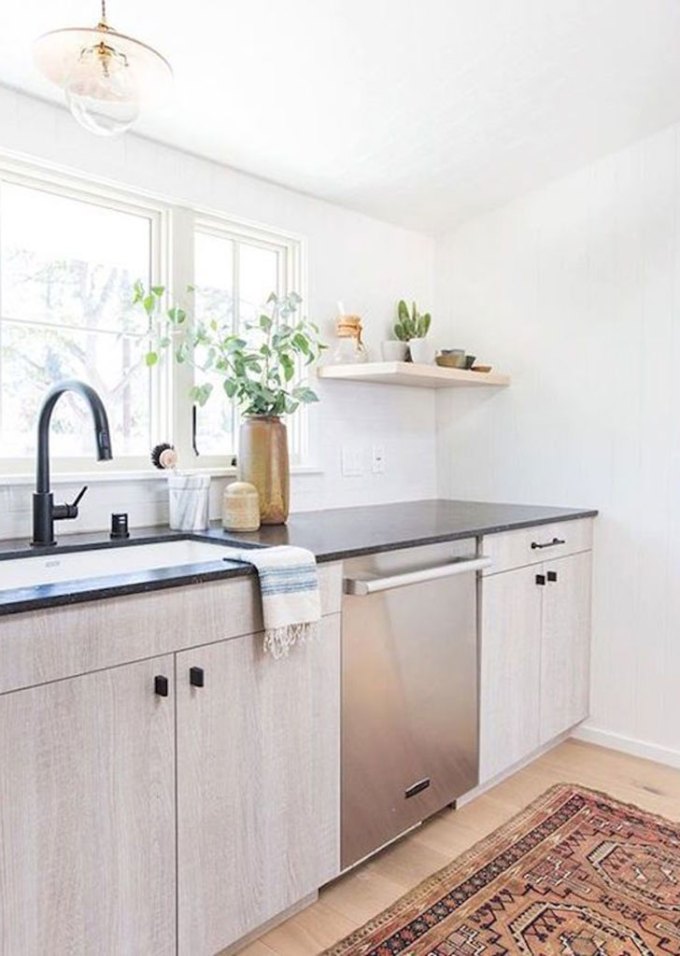
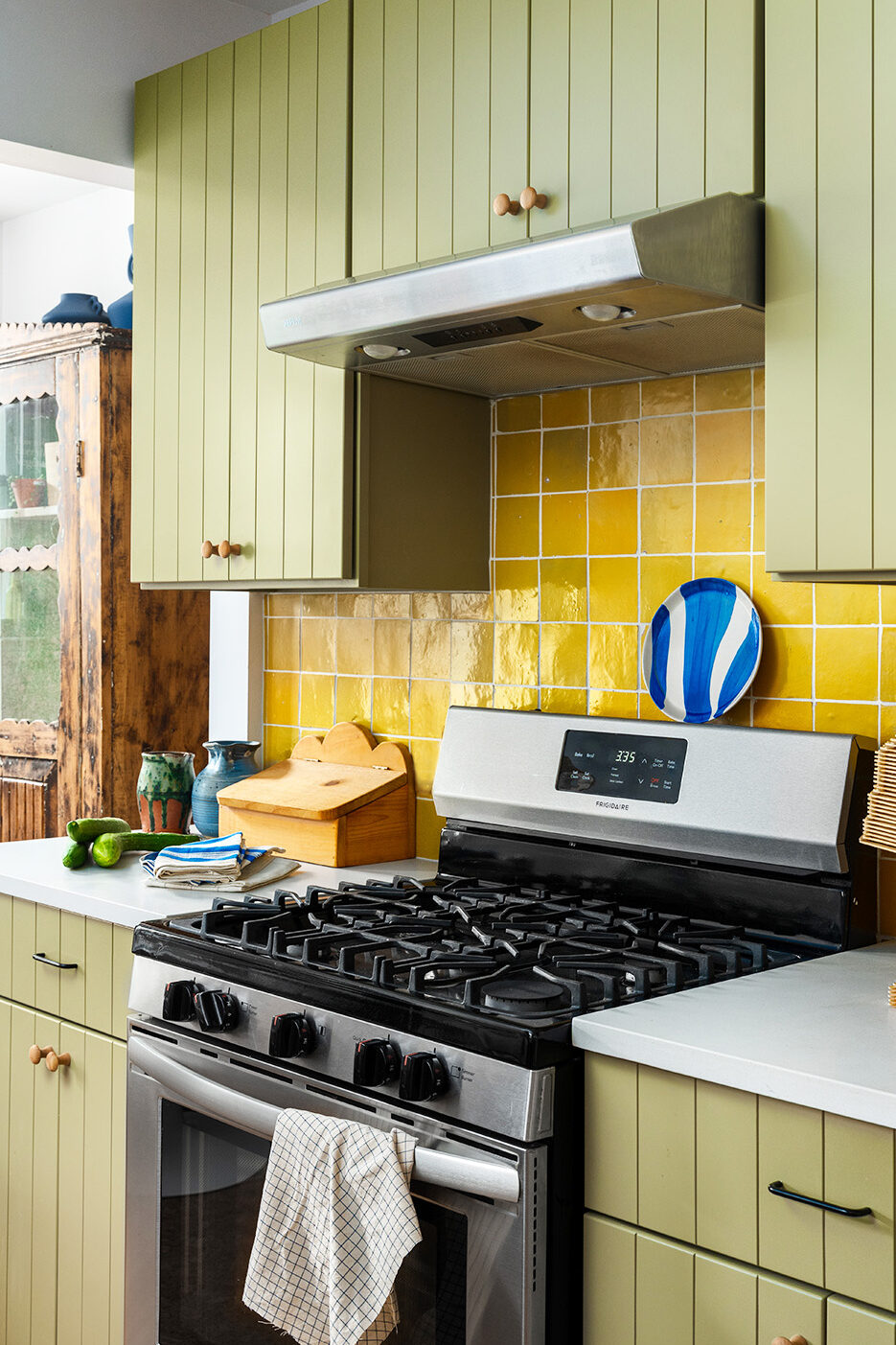
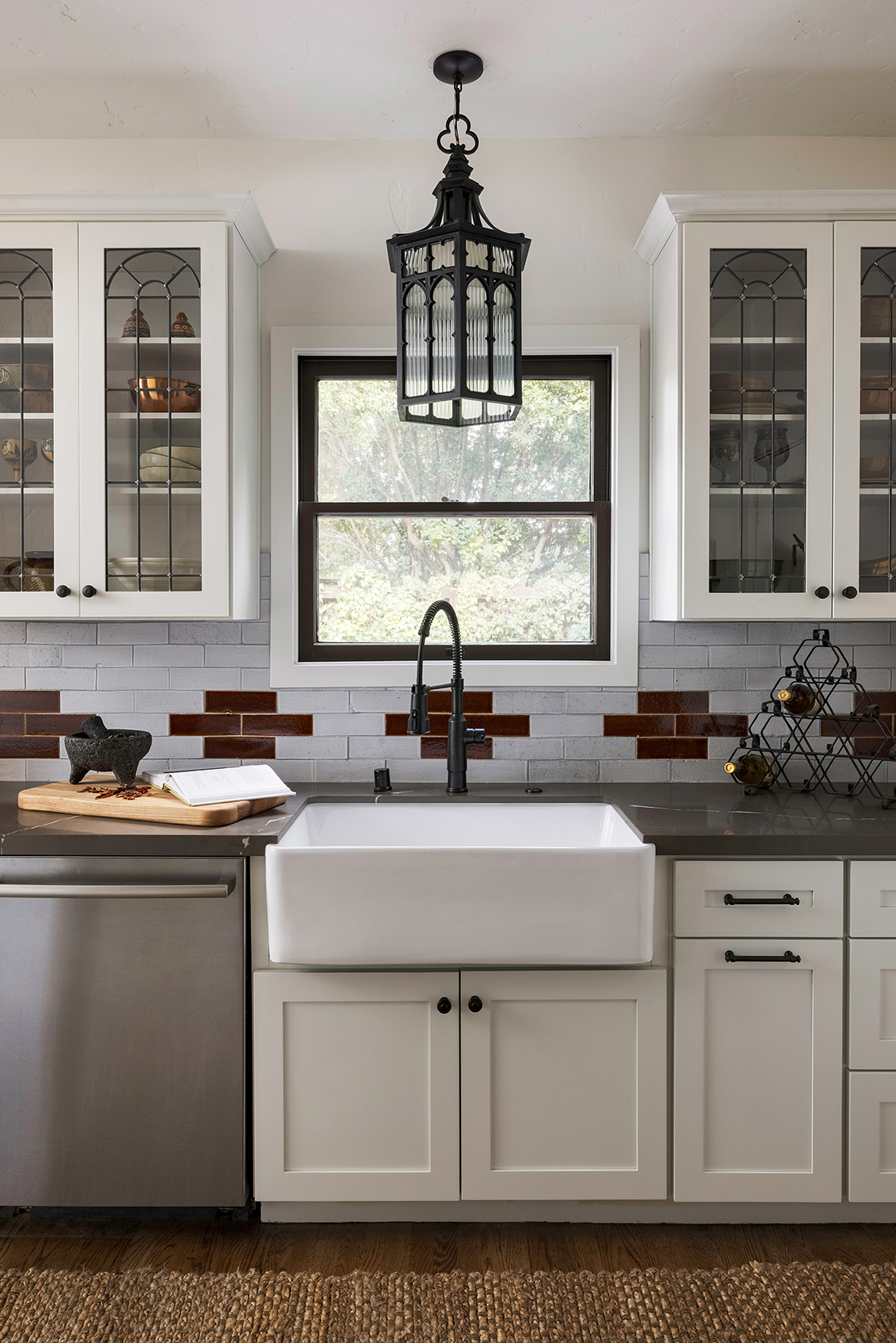
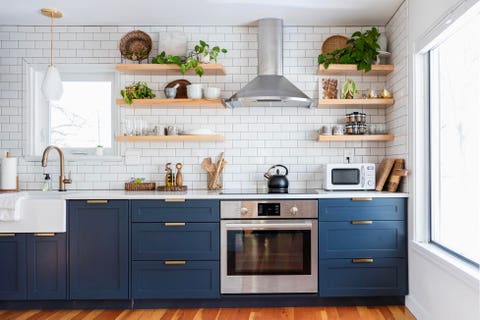
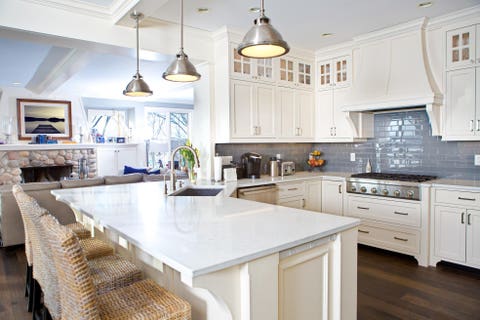
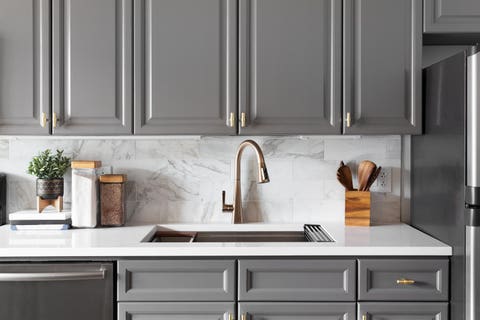
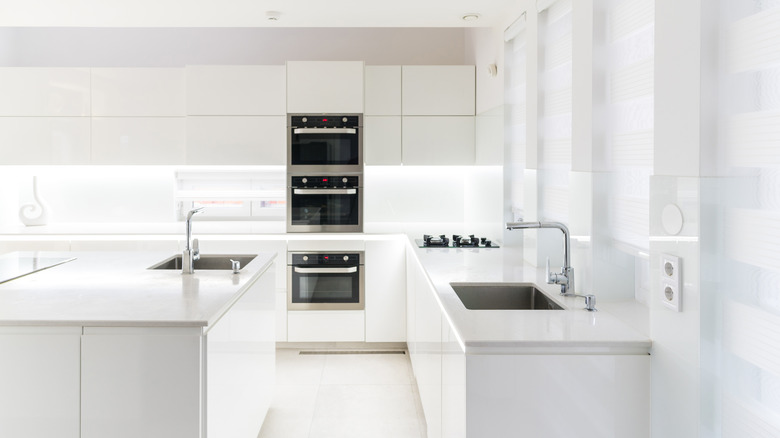
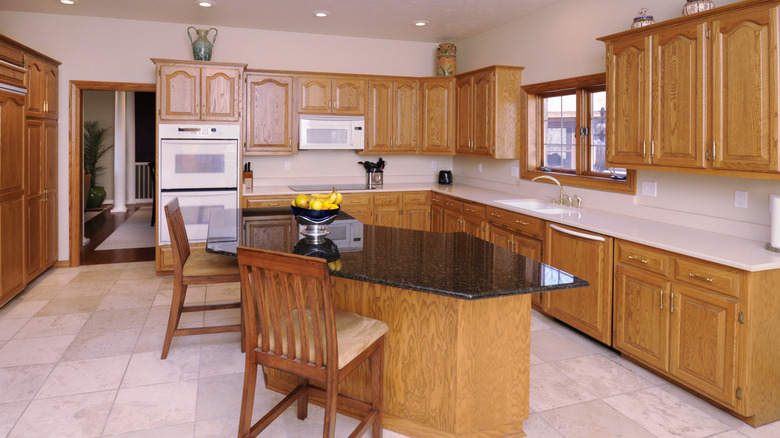
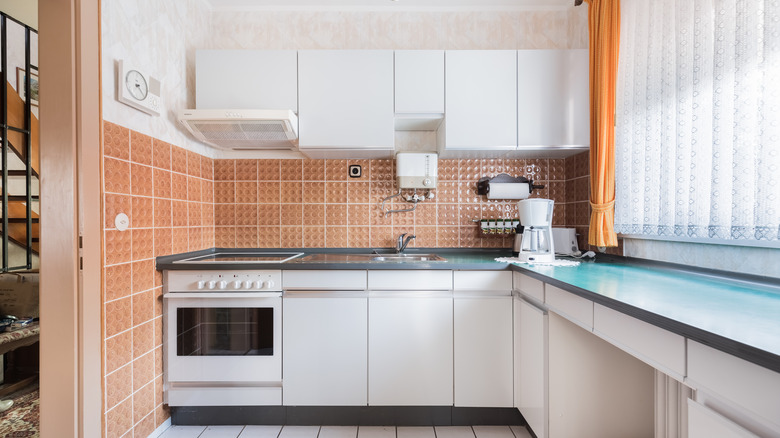
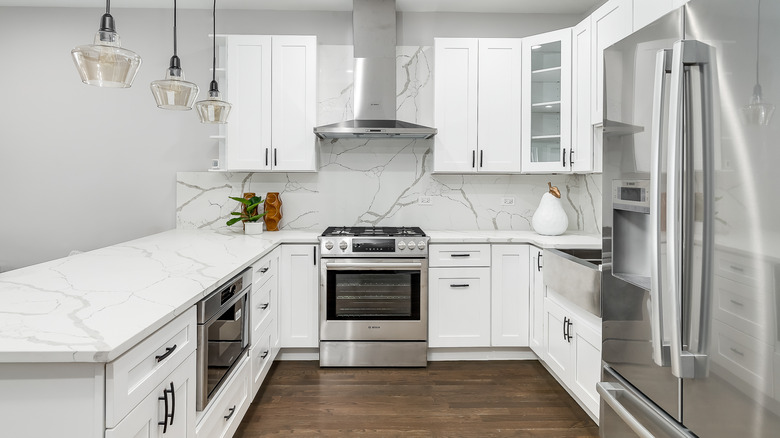
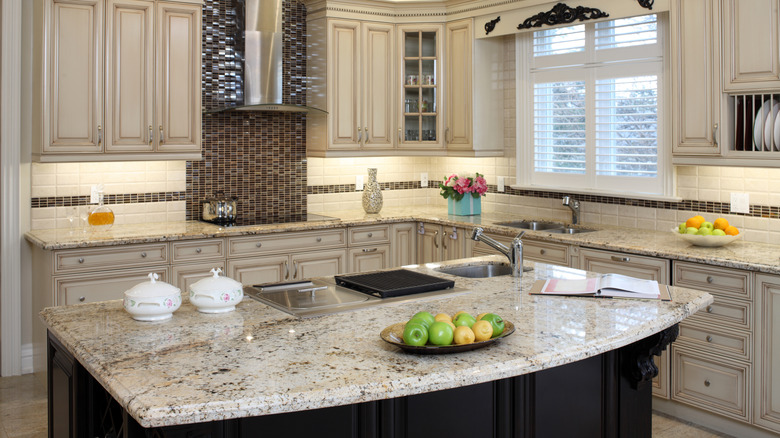
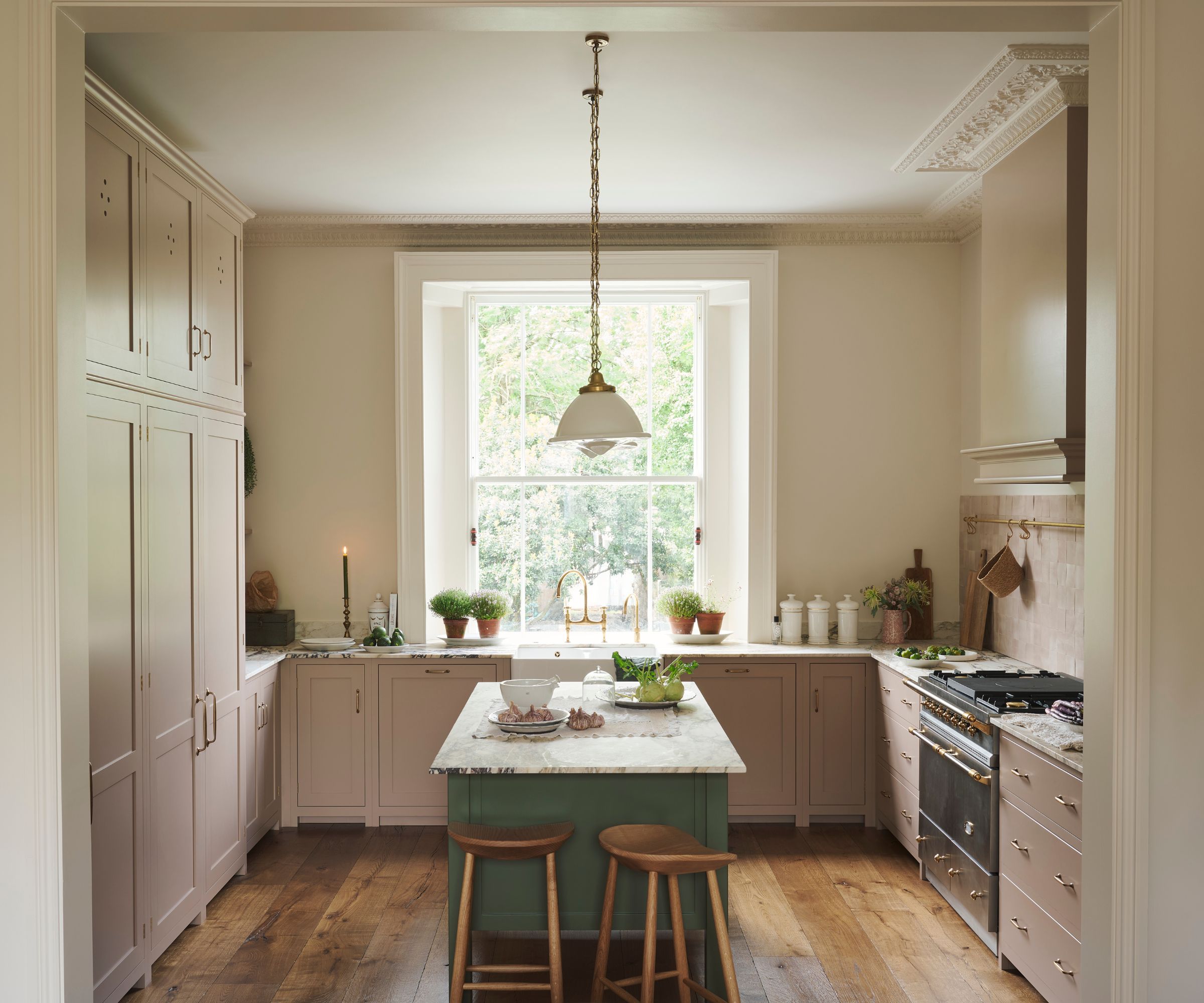
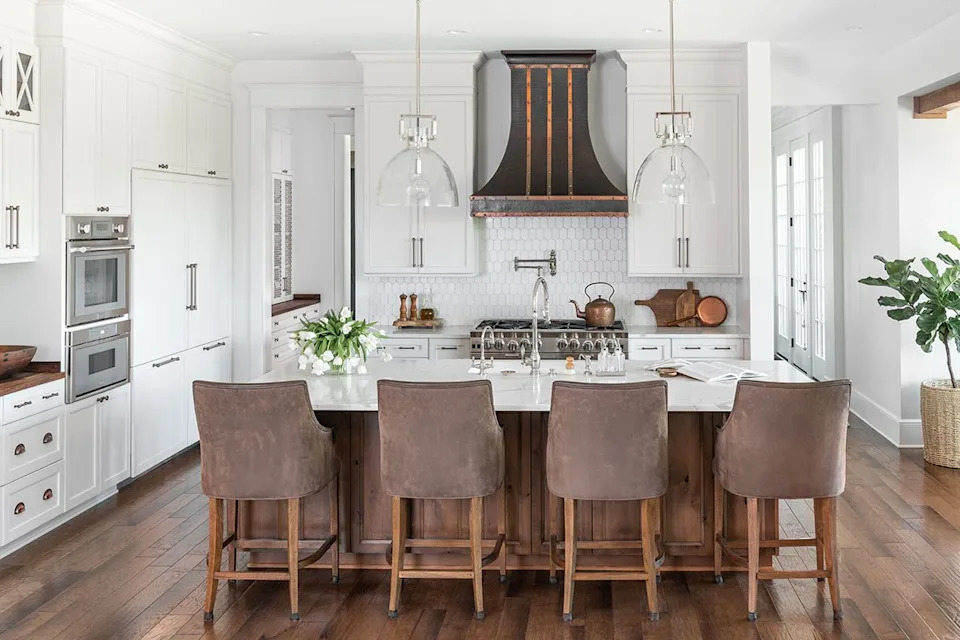
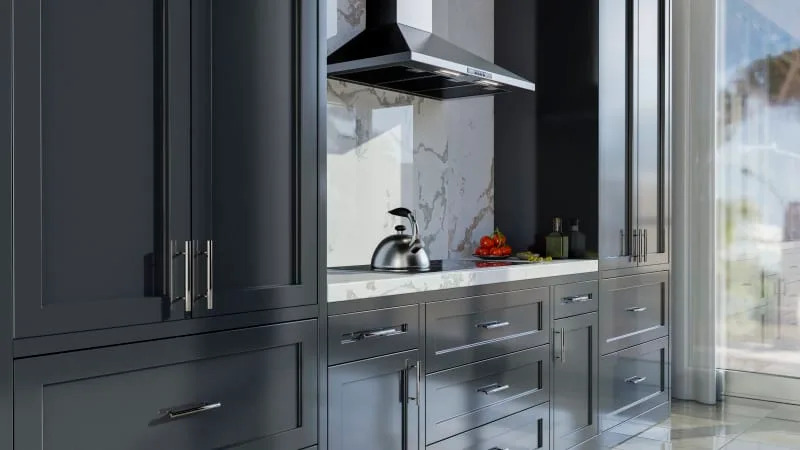
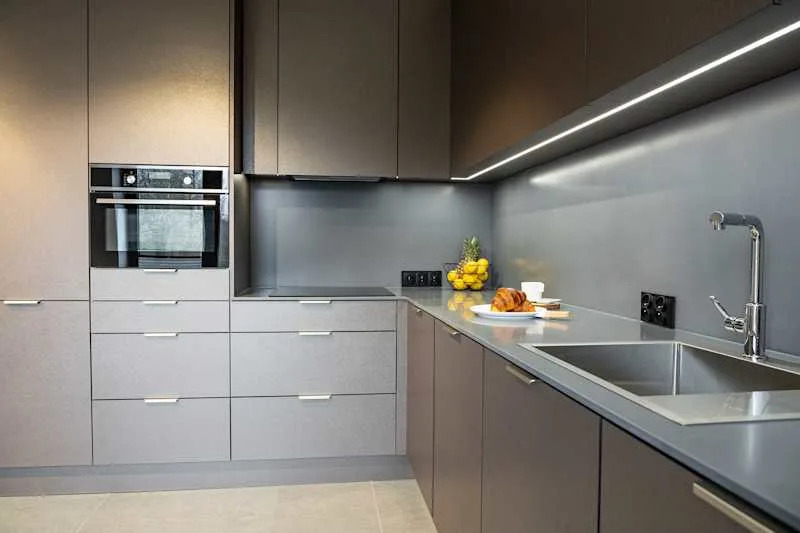
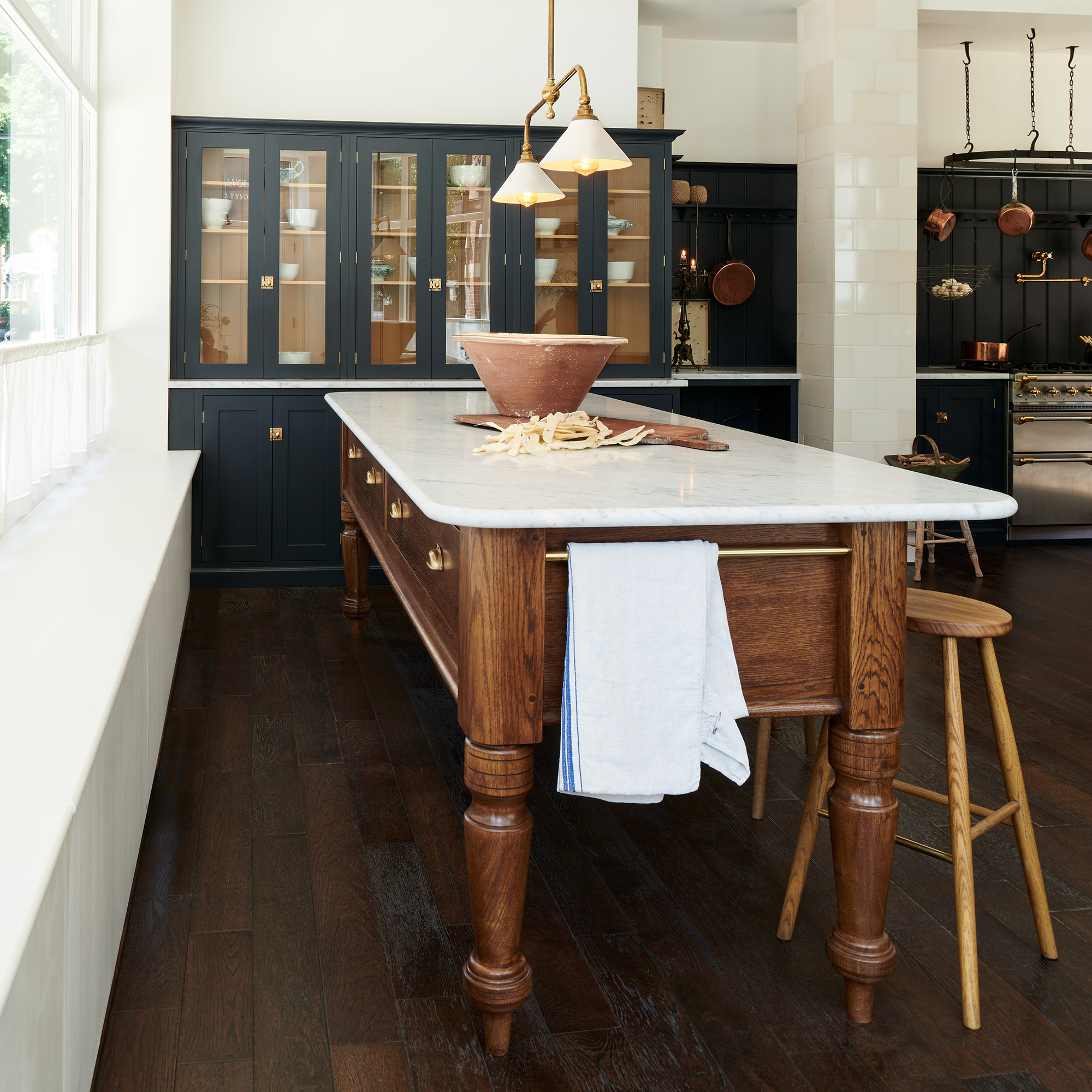
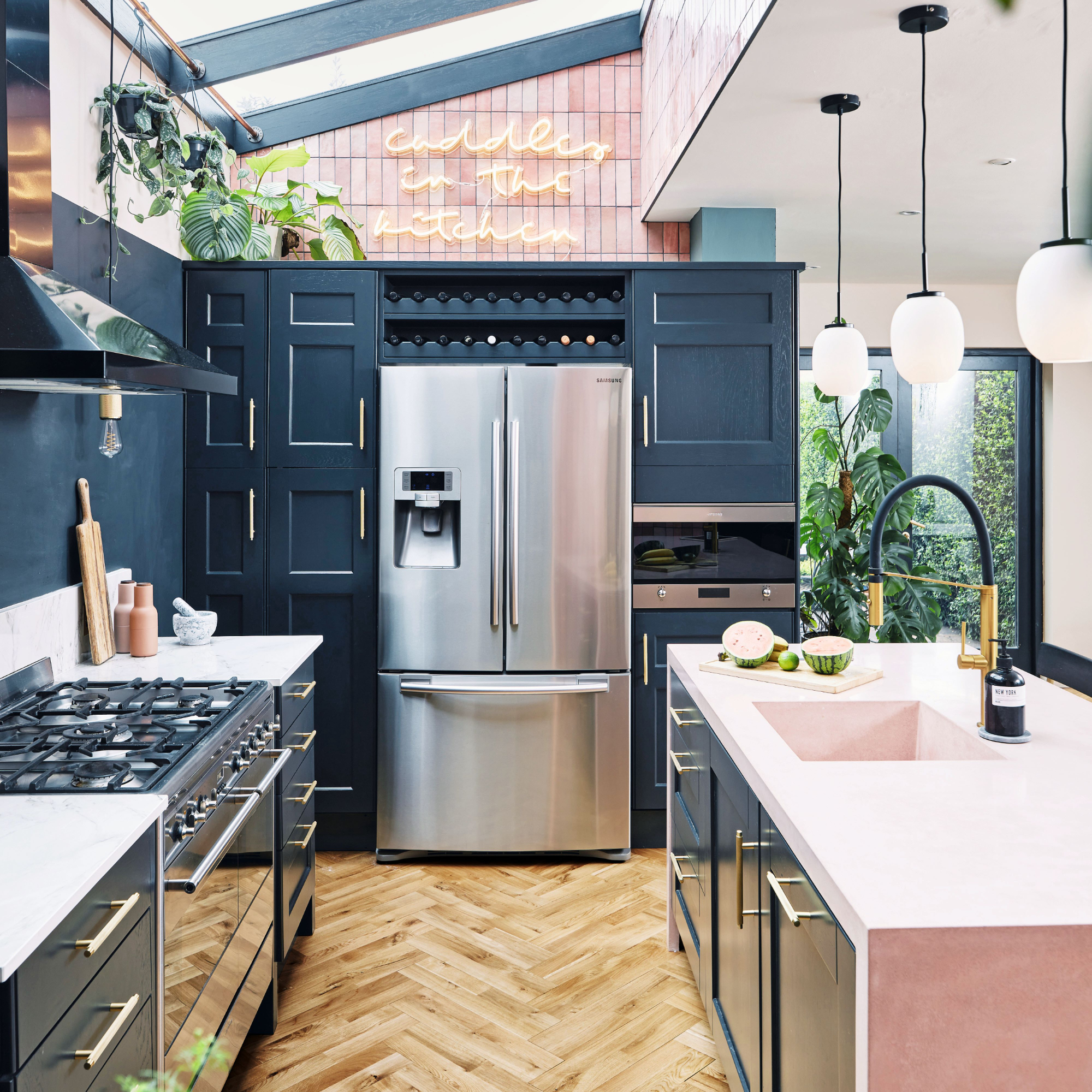
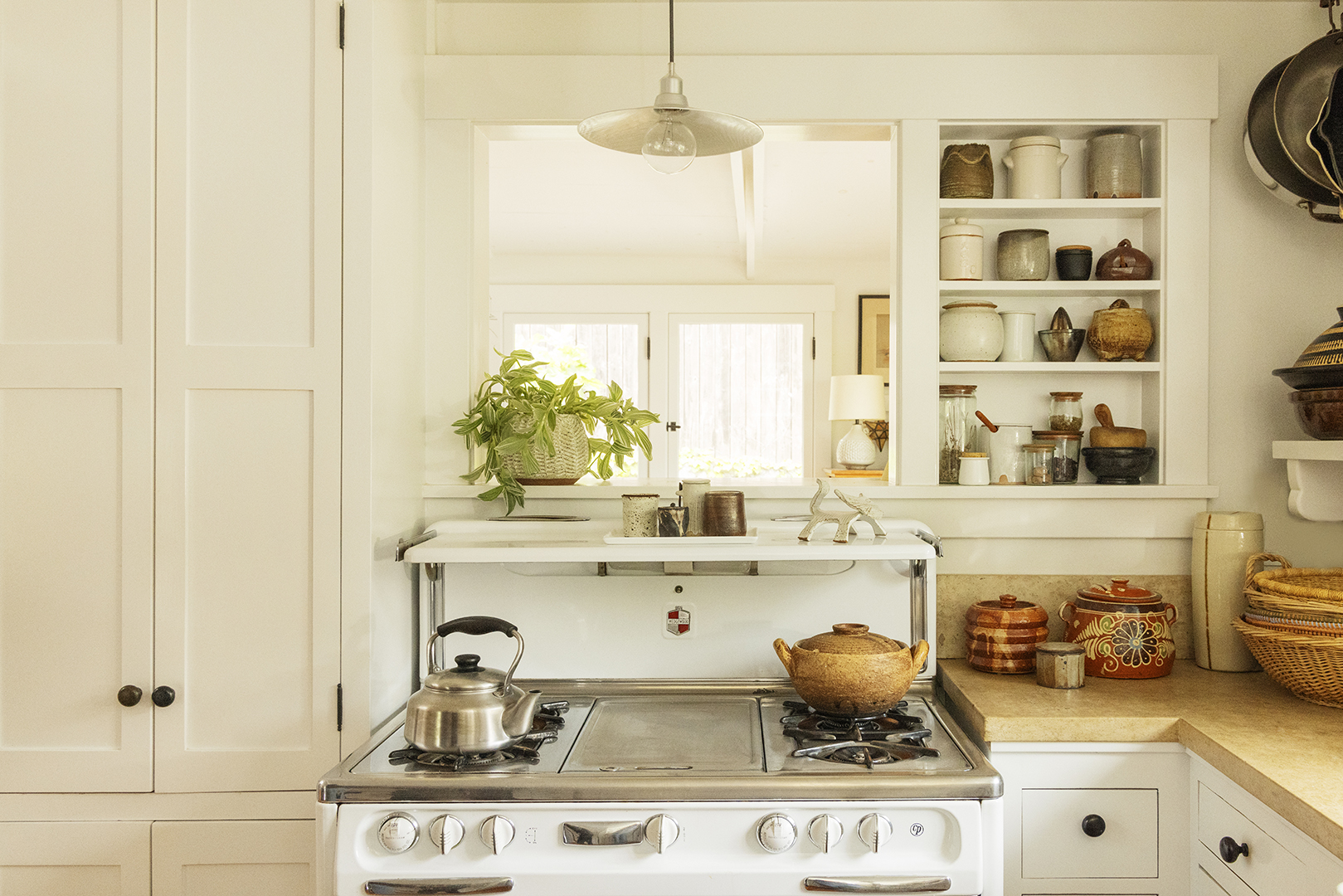
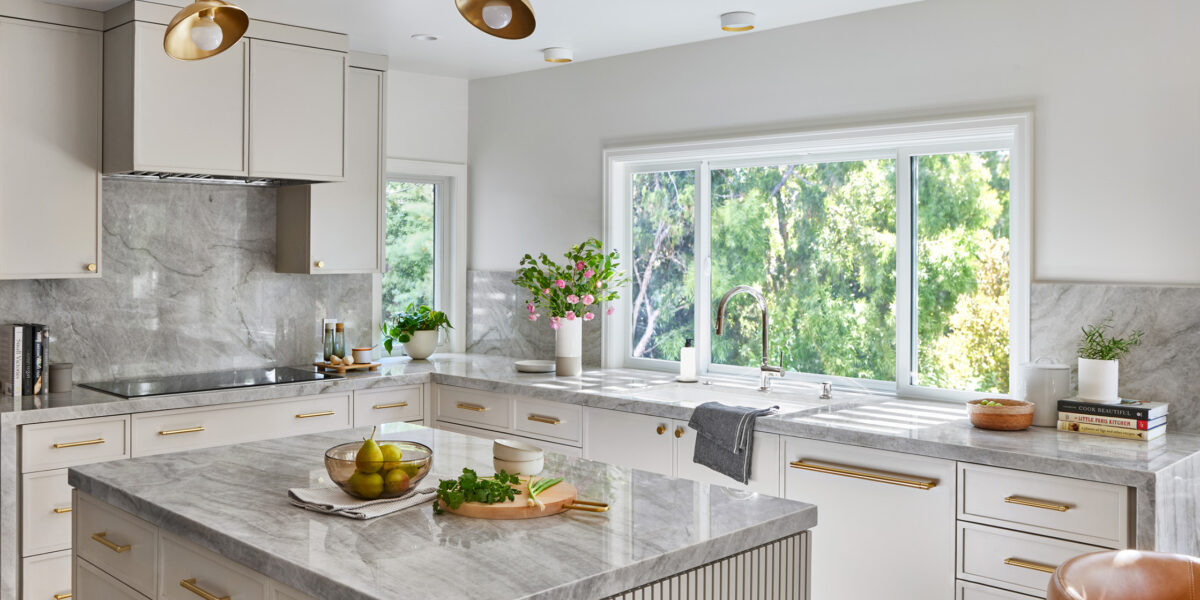
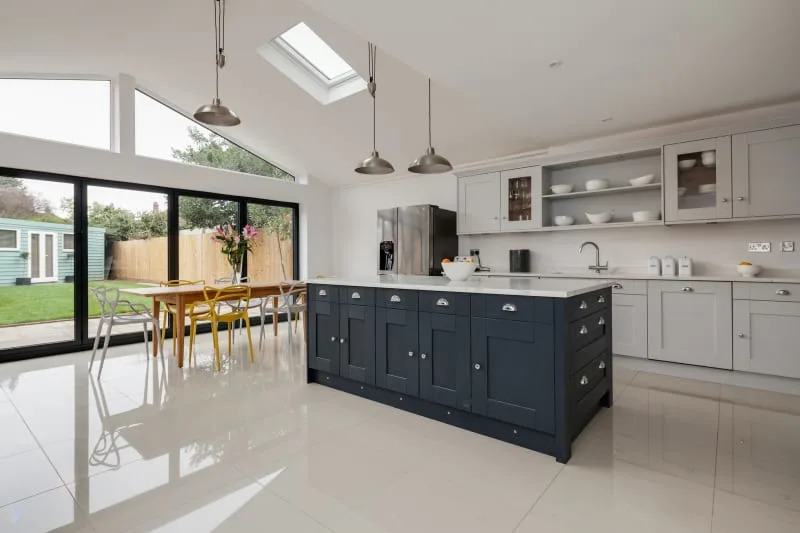
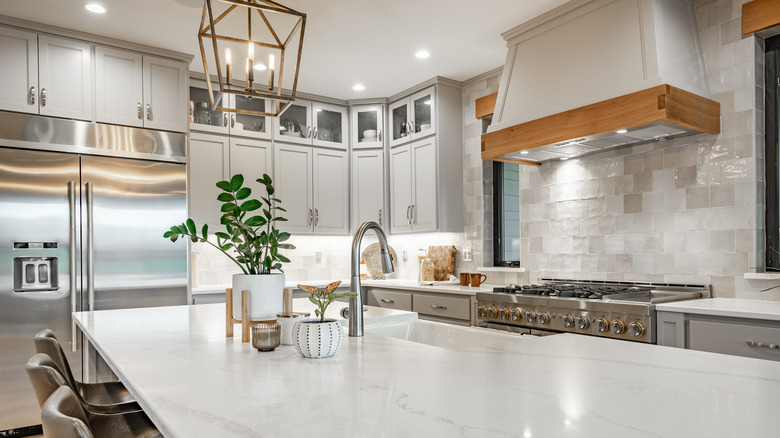
The kitchen, often considered the heart of the home, requires meticulous planning and organization due to the array of pots, pans, and appliances it houses. Historically, homeowners have maximized kitchen space by installing cabinets that extend to the ceiling. However, recent trends indicate a shift, with designers increasingly deprioritizing upper cabinets in favor of alternative storage and aesthetic solutions. Stephanie Mahaney, a designer, notes that upper cabinets can appear clunky and create shadows, making the countertop area feel cluttered. Eliminating them can contribute to a lighter and more open feel in the kitchen, allowing for more windows and natural light, according to Jeanne Barber of Camden Grace Interiors.
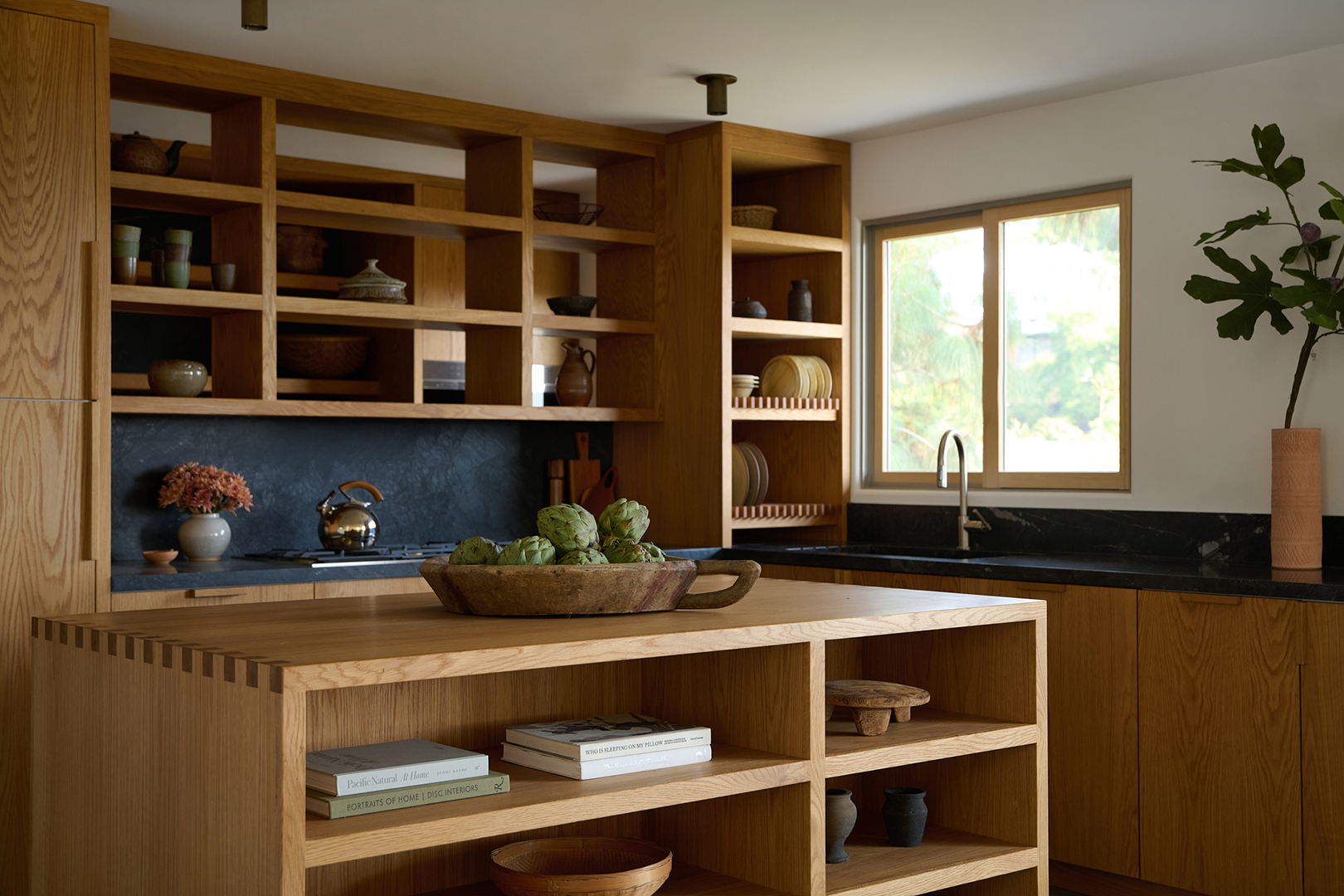
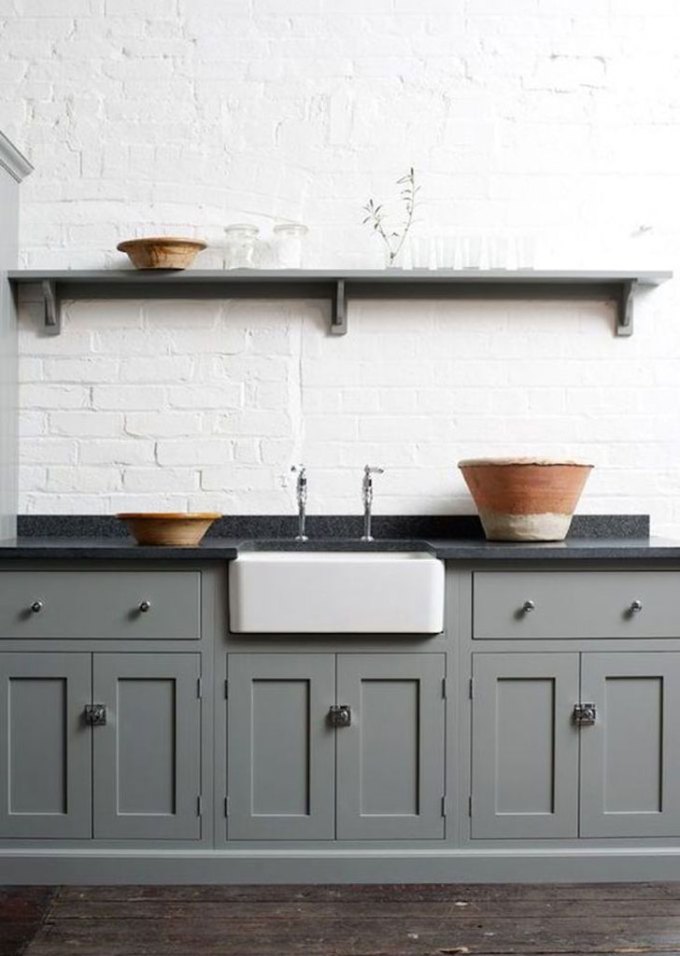
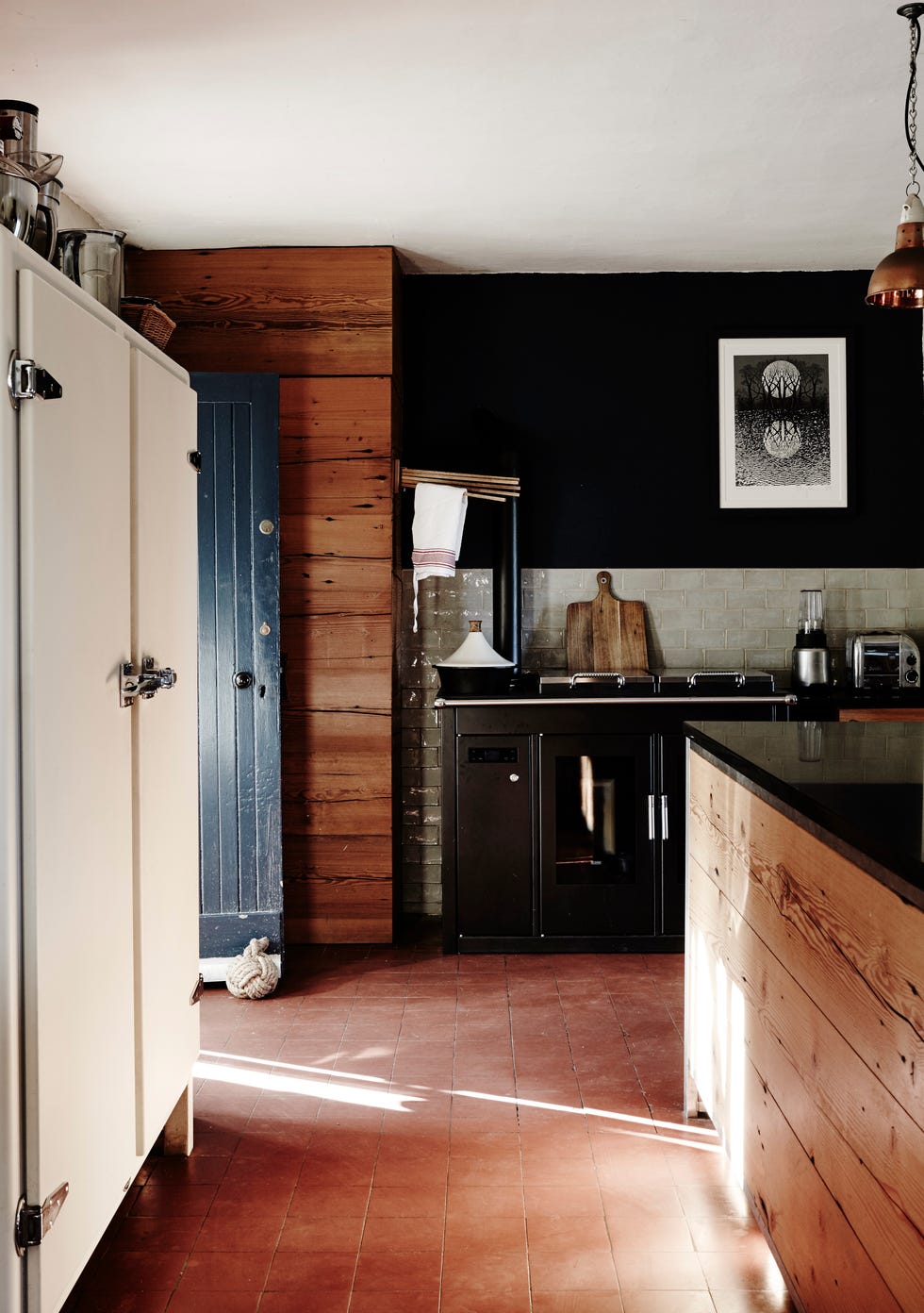
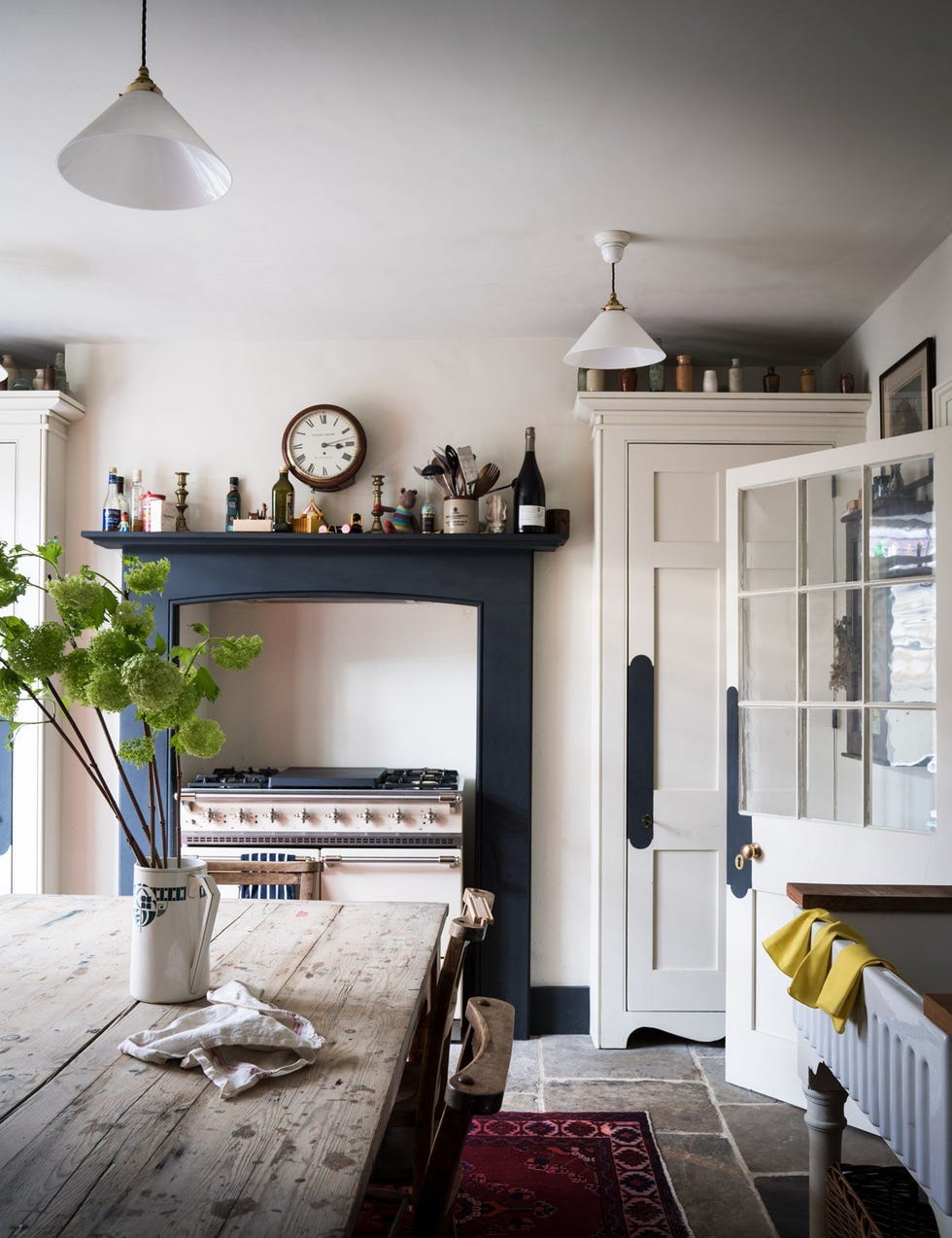
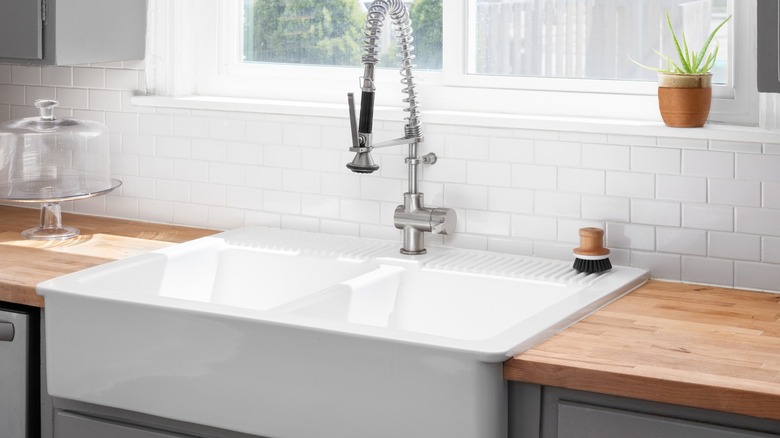
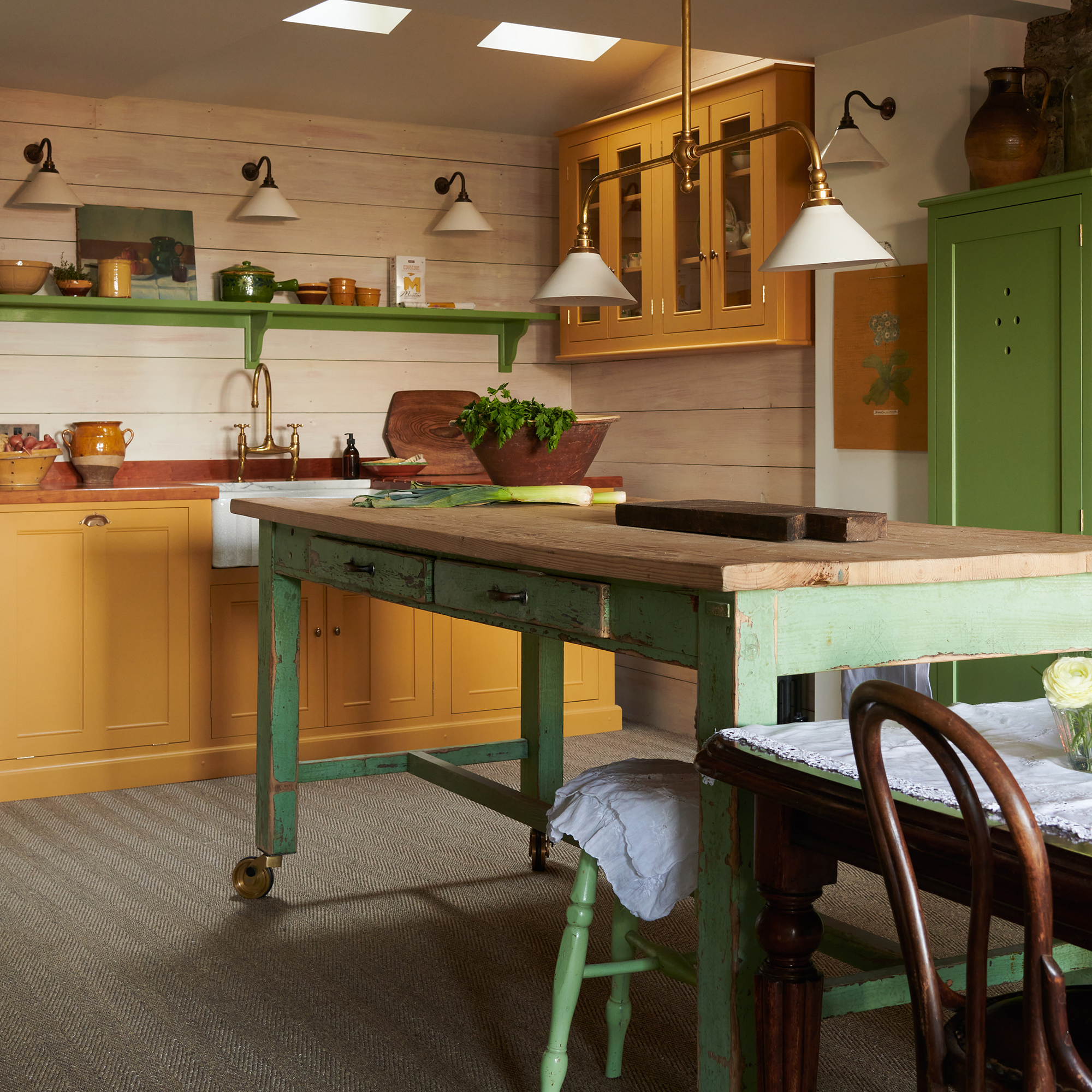
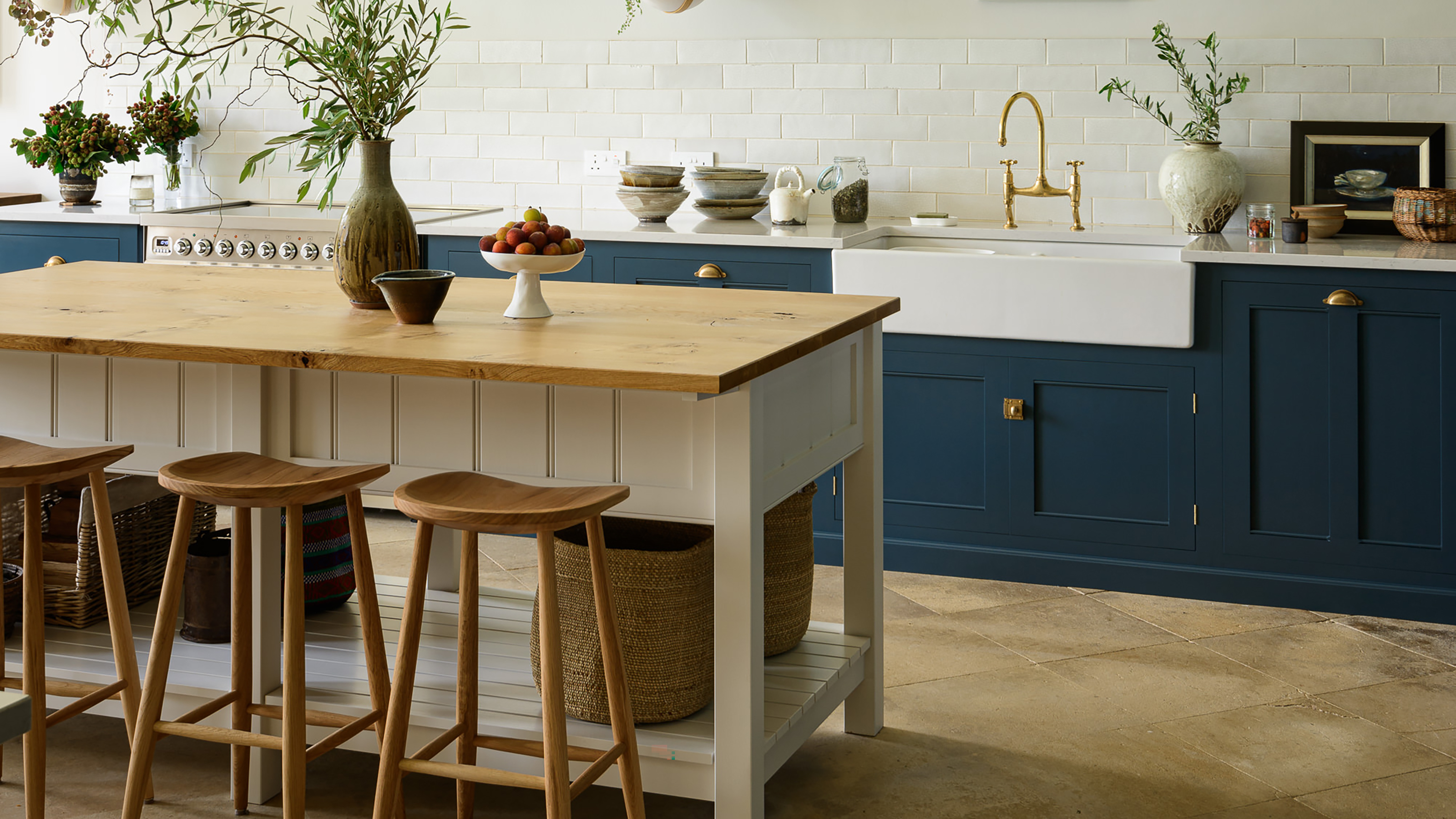
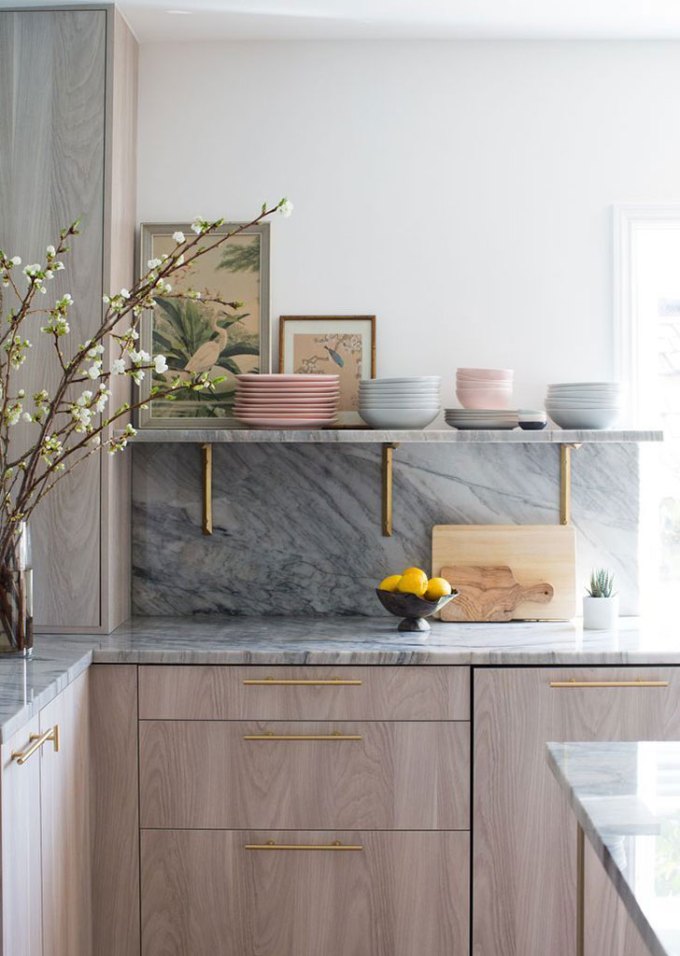
This departure from traditional upper cabinetry reflects a broader evolution in kitchen design, moving away from a purely utilitarian aesthetic. Hillary Cohen of HCO Interiors observes that kitchens are being designed to integrate more seamlessly with living spaces, emphasizing aesthetics as much as functionality. The increased time spent in kitchens during the shelter-in-place period highlighted the need for these spaces to be not only functional but also visually appealing and comfortable. Ditching upper cabinets offers an opportunity to infuse personality into the kitchen, creating a space that reflects the homeowner's style rather than just their cooking habits. Stephanie Martin, a Canadian designer, suggests that openly displaying sentimental items, art, or beautiful serveware can offer a more elevated and personal touch than monotonous upper cabinetry. Additionally, the absence of upper cabinets allows for the installation of sconces or task lighting, enhancing the room's ambiance.
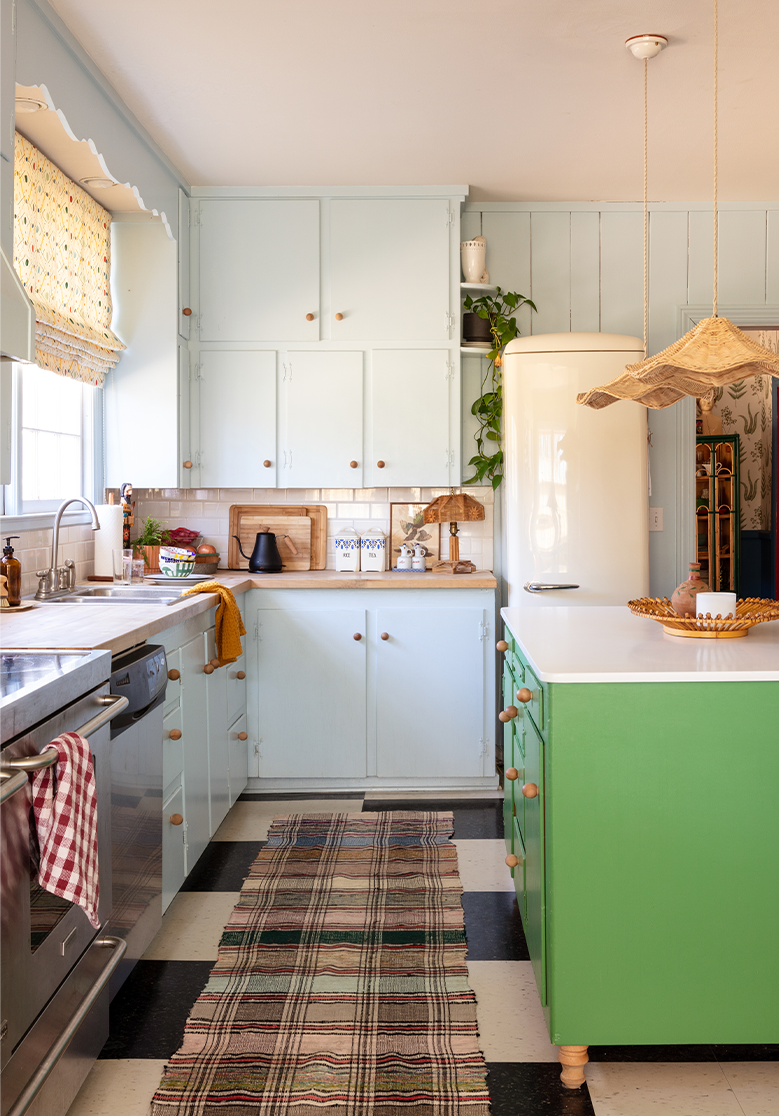
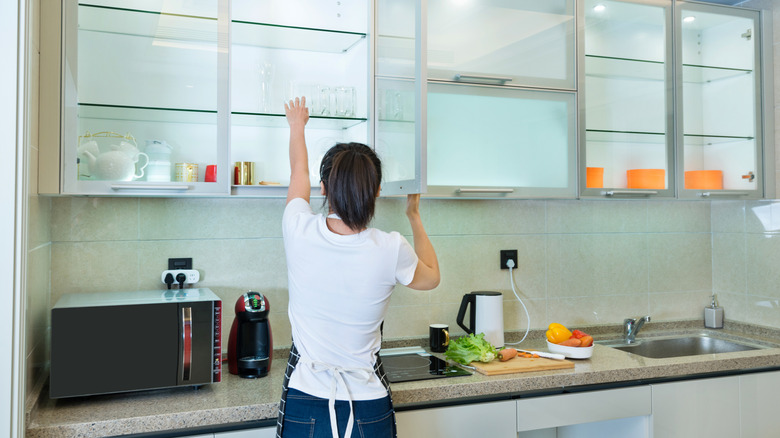
Beyond aesthetics, there are practical advantages to reducing or eliminating upper cabinets. Miranda Cullen of Inside Stories points out that traditional upper cabinets often require reaching or climbing to access everyday items. Modern storage solutions, such as deep drawers and tiered, roll-out shelves in lower cabinets, alleviate this issue by placing frequently used items within easier reach. This functional evolution allows for a simpler upper design or complete omission of overhead storage. However, the decision to forgo upper cabinets is often dependent on the kitchen's size and layout, as storage is a critical consideration. Grey Joyner, a designer, cautions that in homes where storage is at a premium, eliminating upper cabinets might prioritize style over practicality.
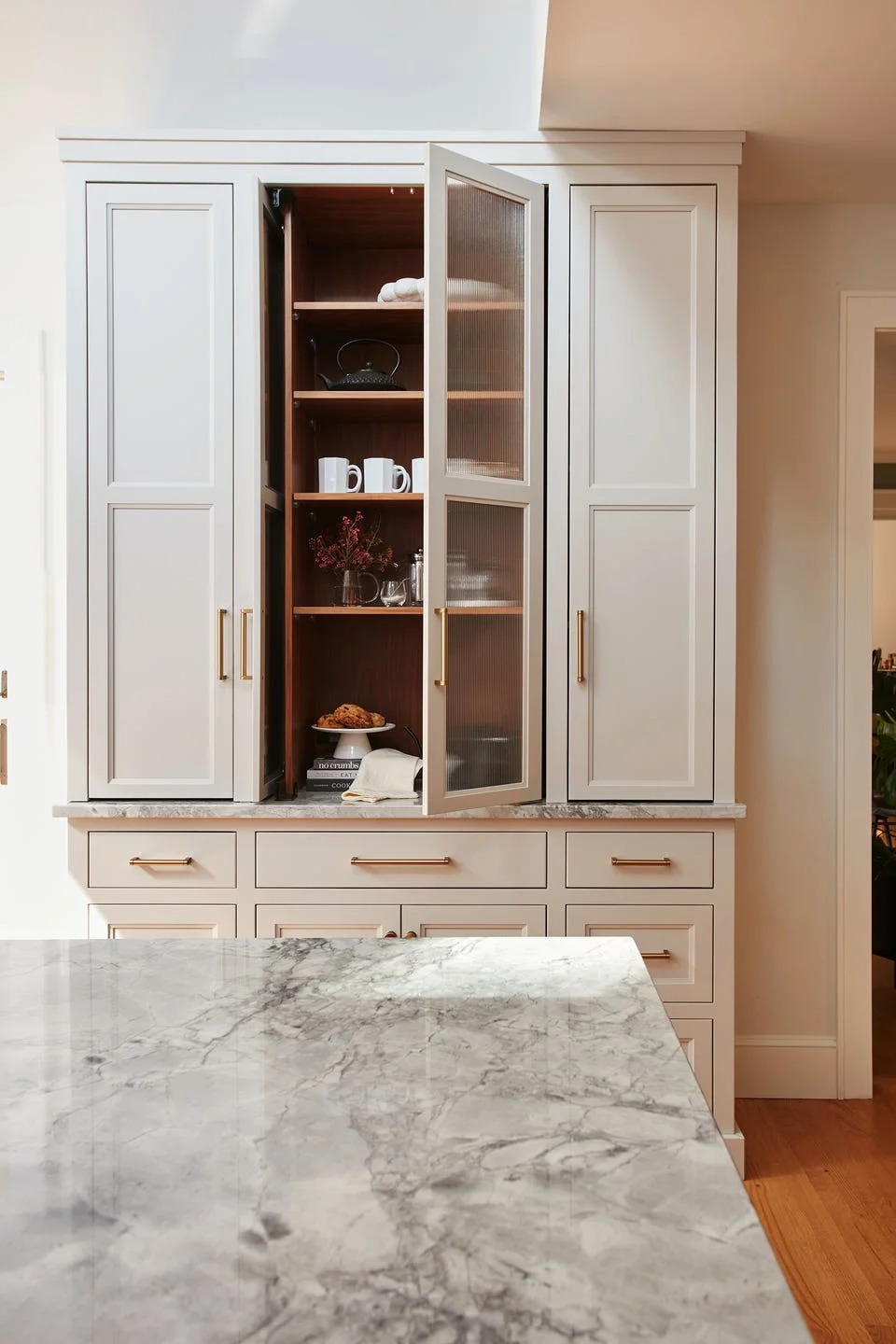
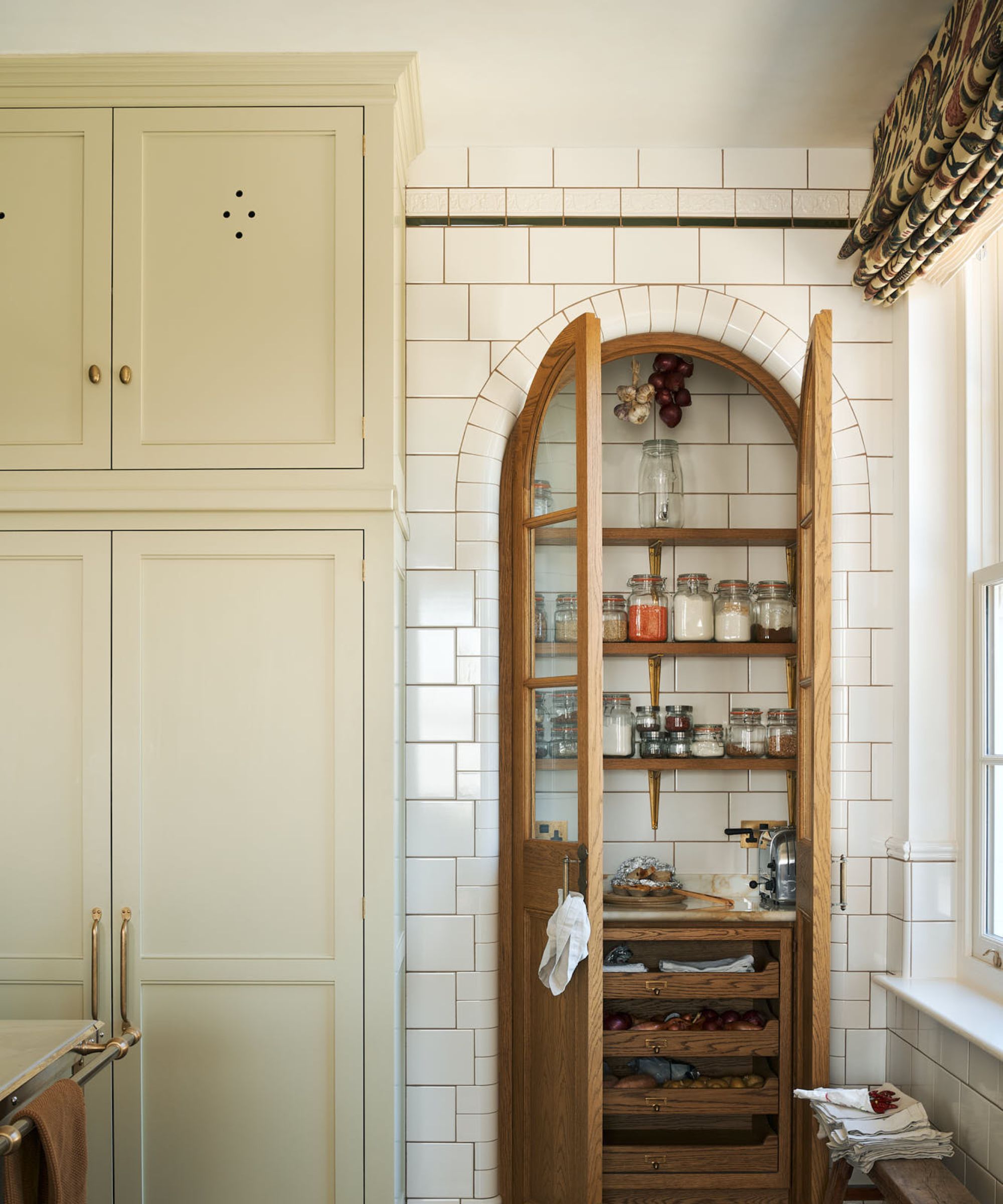
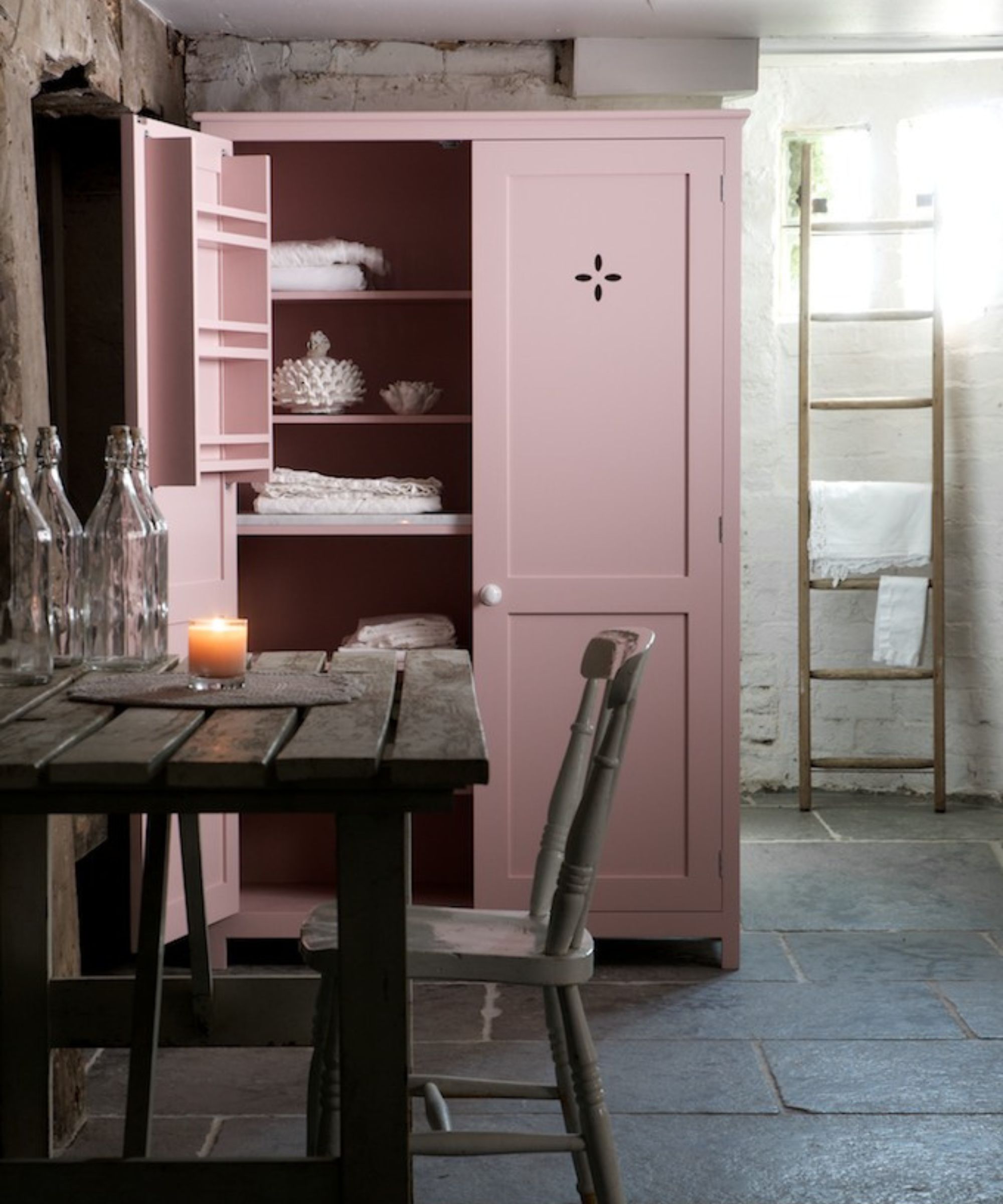
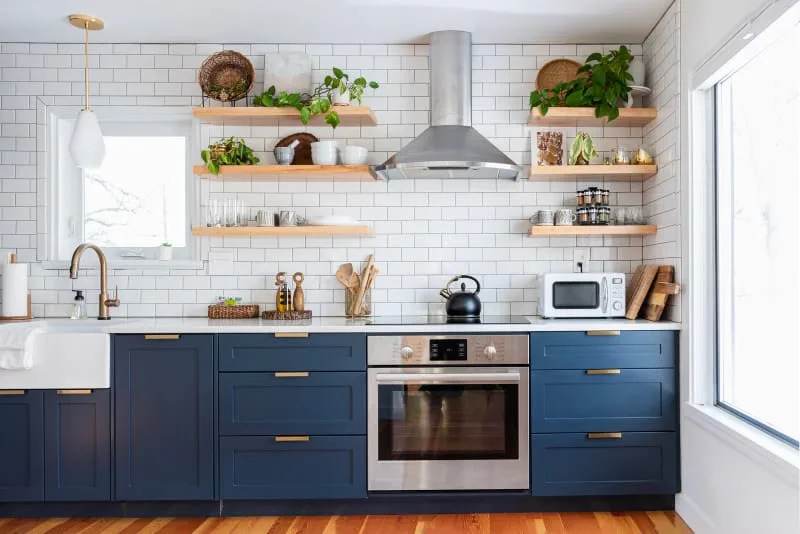
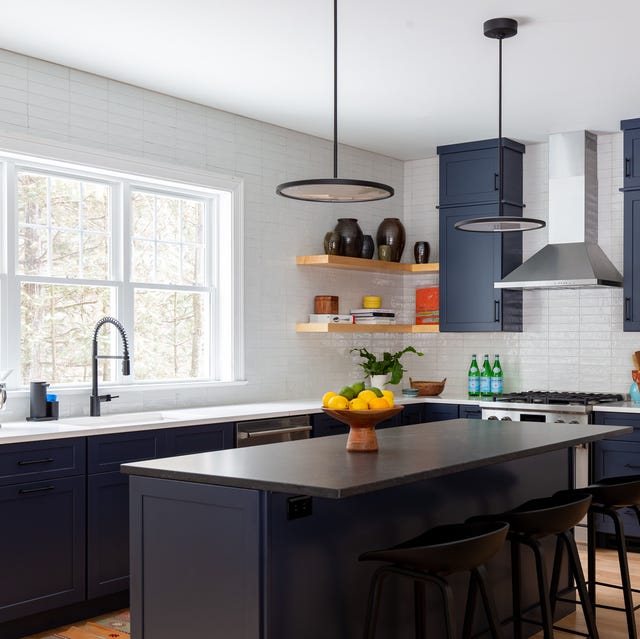
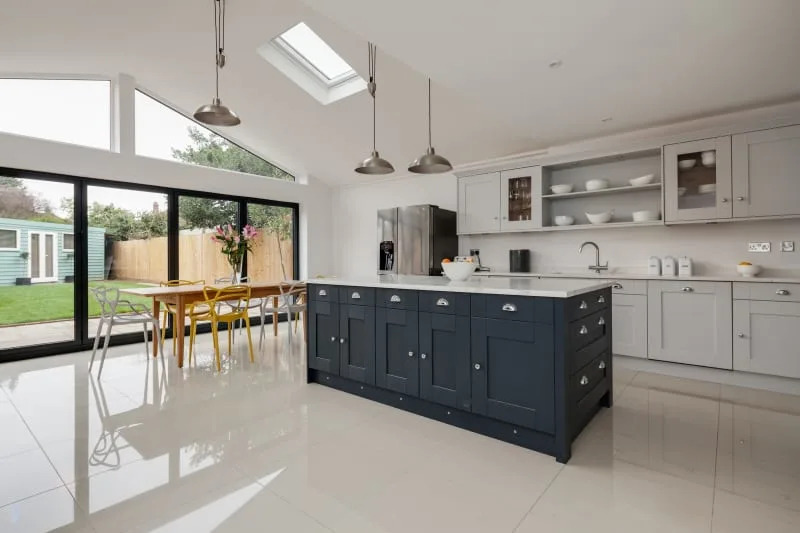
Jen Stevens of Fonde Interiors argues that removing upper cabinets doesn't necessarily mean sacrificing storage. Instead, it encourages thoughtful design solutions, such as full-length pantries or vintage armoires, which can provide ample storage while maintaining an elegant, European-inspired aesthetic. Shallow open shelves can also serve as a practical alternative for frequently used items, offering easy access without the need to open doors. Despite the growing trend, upper cabinets are not expected to disappear entirely. Designer Brianna Scott believes that while their style and placement may change, they will remain relevant for storing collected kitchen items. She advocates for a balanced approach, incorporating a mix of open and closed storage to create a functional yet open kitchen space, highlighting that creativity in design can optimize every square inch.
#KitchenDesign #InteriorTrends #HomeRenovation #KitchenStorage #ModernKitchen #HomeDecor #DesignIdeas #KitchenCabinets #KitchenDesign #InteriorTrends #HomeRenovation #KitchenStorage #ModernKitchen #HomeDecor #DesignIdeas #KitchenCabinets
0 comment in total
 No comments yet
You may also like
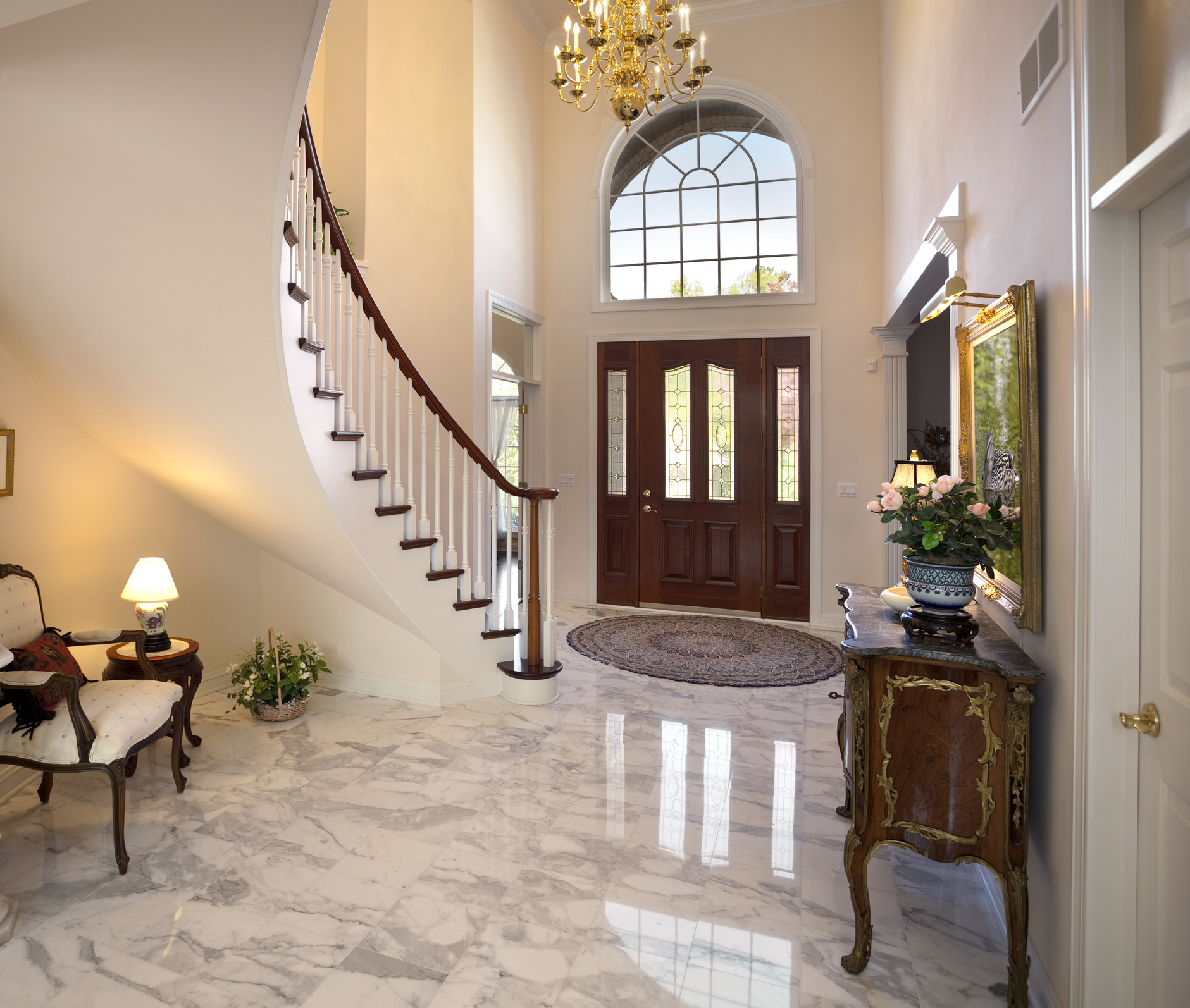
This Once-Popular Home Feature Is Falling Out of Favor

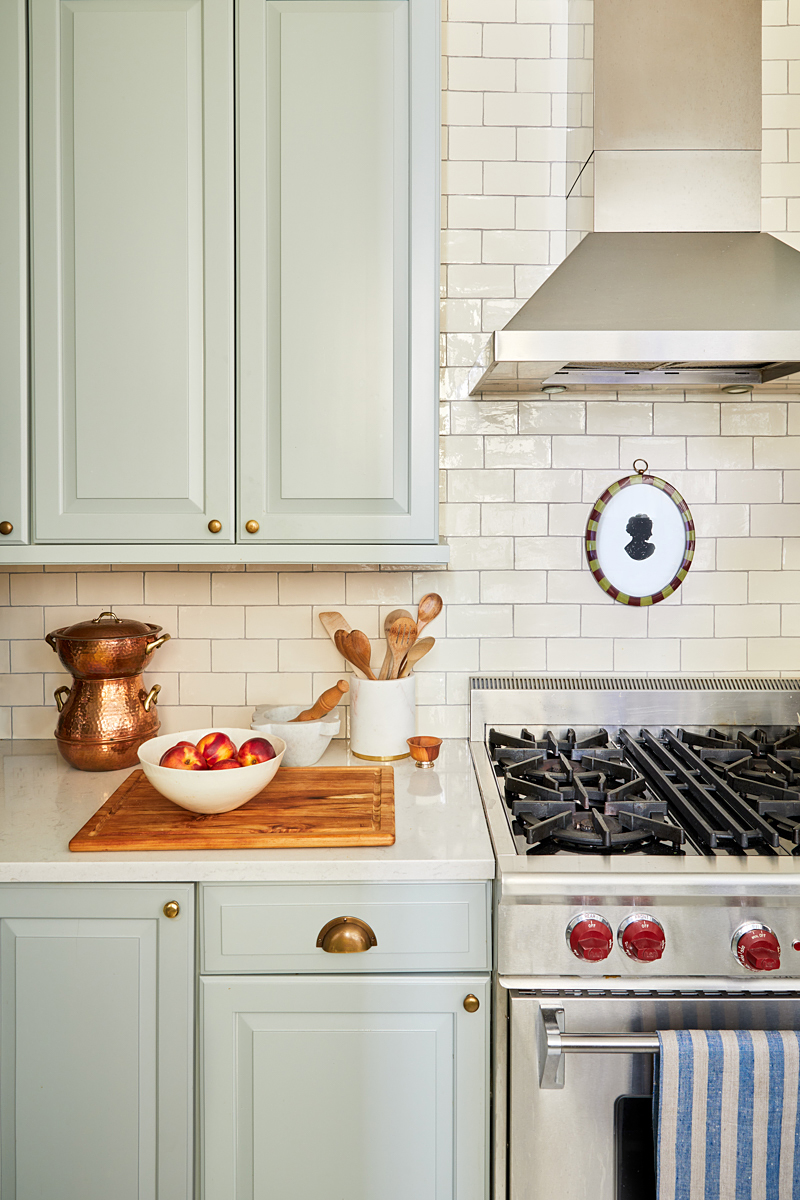
Designers Are Shifting Away From Classic Shaker Kitchen Cabinets in 2023

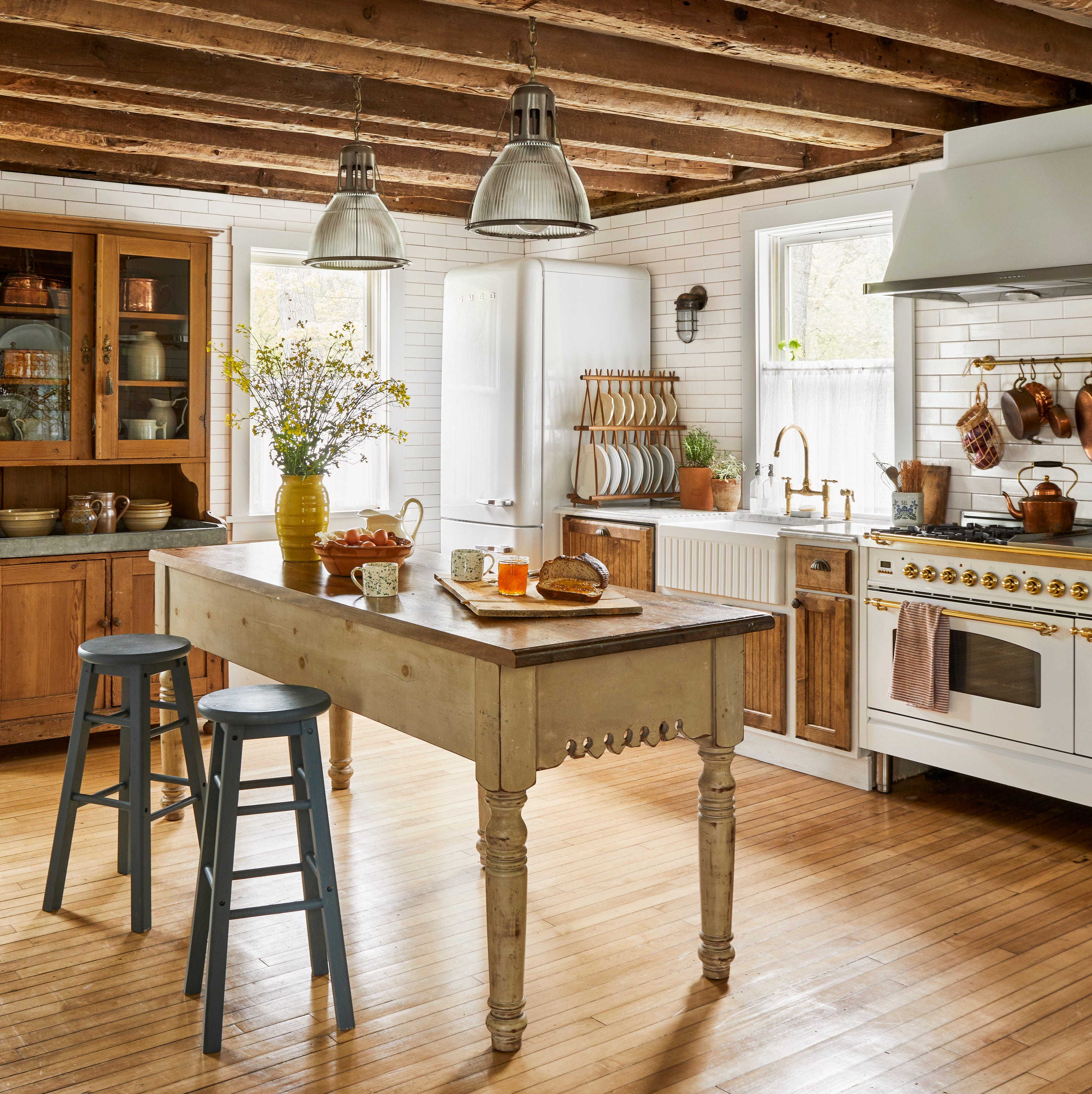
Why the 'unfitted kitchen' is fast becoming one of 2025's biggest trends
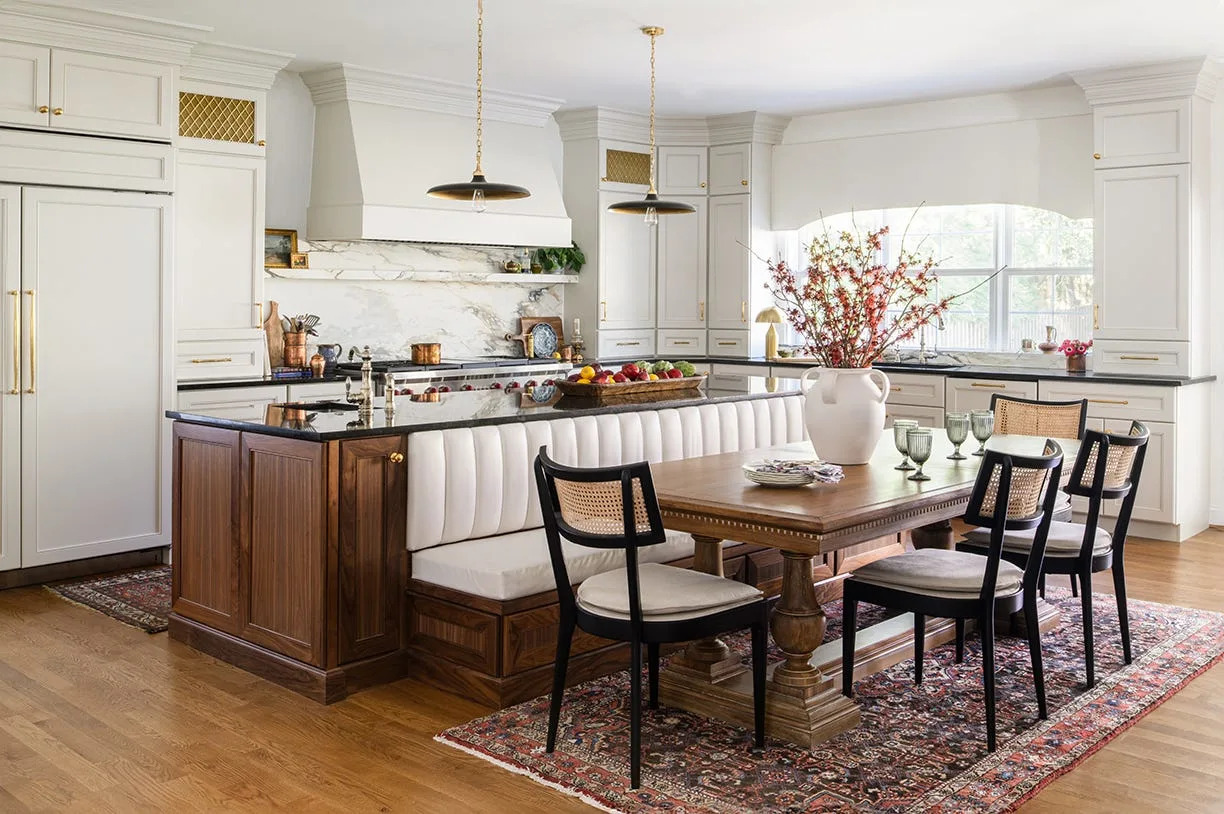
Design Experts Agree: This Kitchen Style Is Making a Major Comeback
This Forgotten Kitchen Feature Is Popping Up More and More

5 Kitchen Design Trends Going Away In 2026

Design Pros Reveal the Surprising Kitchen Trend That's About to Take Over
5 Kitchen Fads That Will Disappear In 2026

This Once-Popular Kitchen Trend Is Actually a Huge Pain—Here’s One Designer’s Solution
The Once-Popular Kitchen Counter Style Real Estate Pros Say Is Outdated
12 Once-Popular Kitchen Trends That Won't Be Coming Back Anytime Soon
6 Kitchen Trends on Their Way Out in 2025, According to Designers
The Once-Popular Kitchen Counter Style Real Estate Pros Say Is Outdated
This Once-Popular Bathroom Feature Is Falling Out of Favor (and What’s Replacing It)
Outdated Kitchen Design Trends Being Replaced In 2024
Are kitchen islands out? Kitchen experts agree that the prep table might be it's trendy replacement
The Controversial Kitchen Trend the Design World Is Buzzing Over
This Once-Popular Bathroom Feature Is Falling Out of Favor (and What’s Replacing It)

This Traditional Kitchen Detail is Making an Unexpected Comeback This Year

Designers Say They Secretly Hate This Popular Kitchen Design Trend