1/2
Interior Design Trends in the UK – 2024 Updated
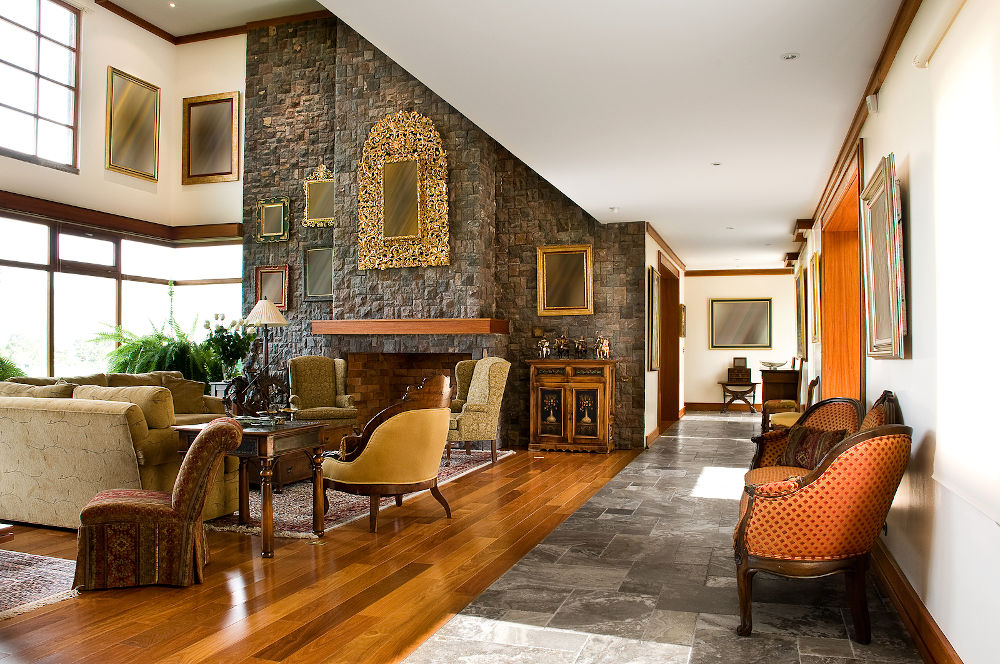
The interior design landscape in the UK for 2024 is characterized by a blend of traditional and innovative elements, focusing on comfort, sustainability, and personalized aesthetics. This year's trends reflect transformations in living and working spaces. Sustainable design remains a primary concern, promoting eco-friendly materials and practices such as recycled materials, energy-efficient appliances, and sustainably sourced woods and textiles like bamboo and natural stone. This approach aims to bring an organic touch to interiors while upholding environmental responsibility.
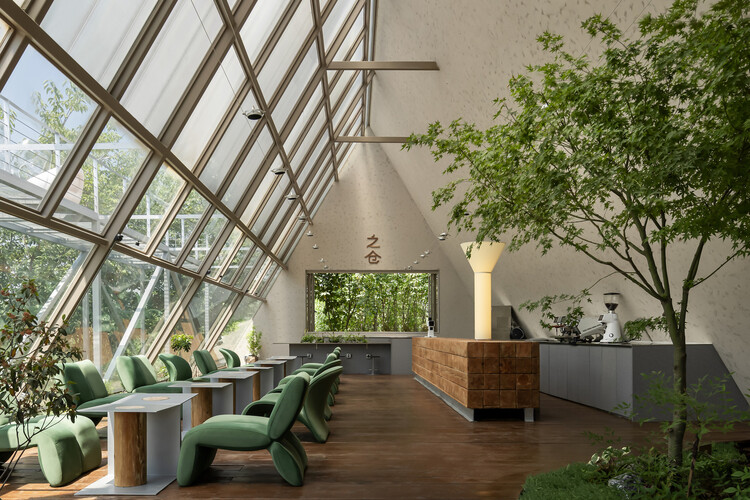
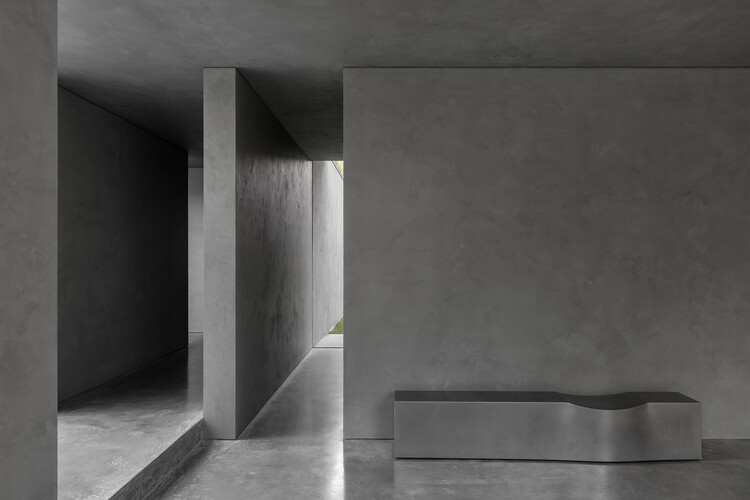
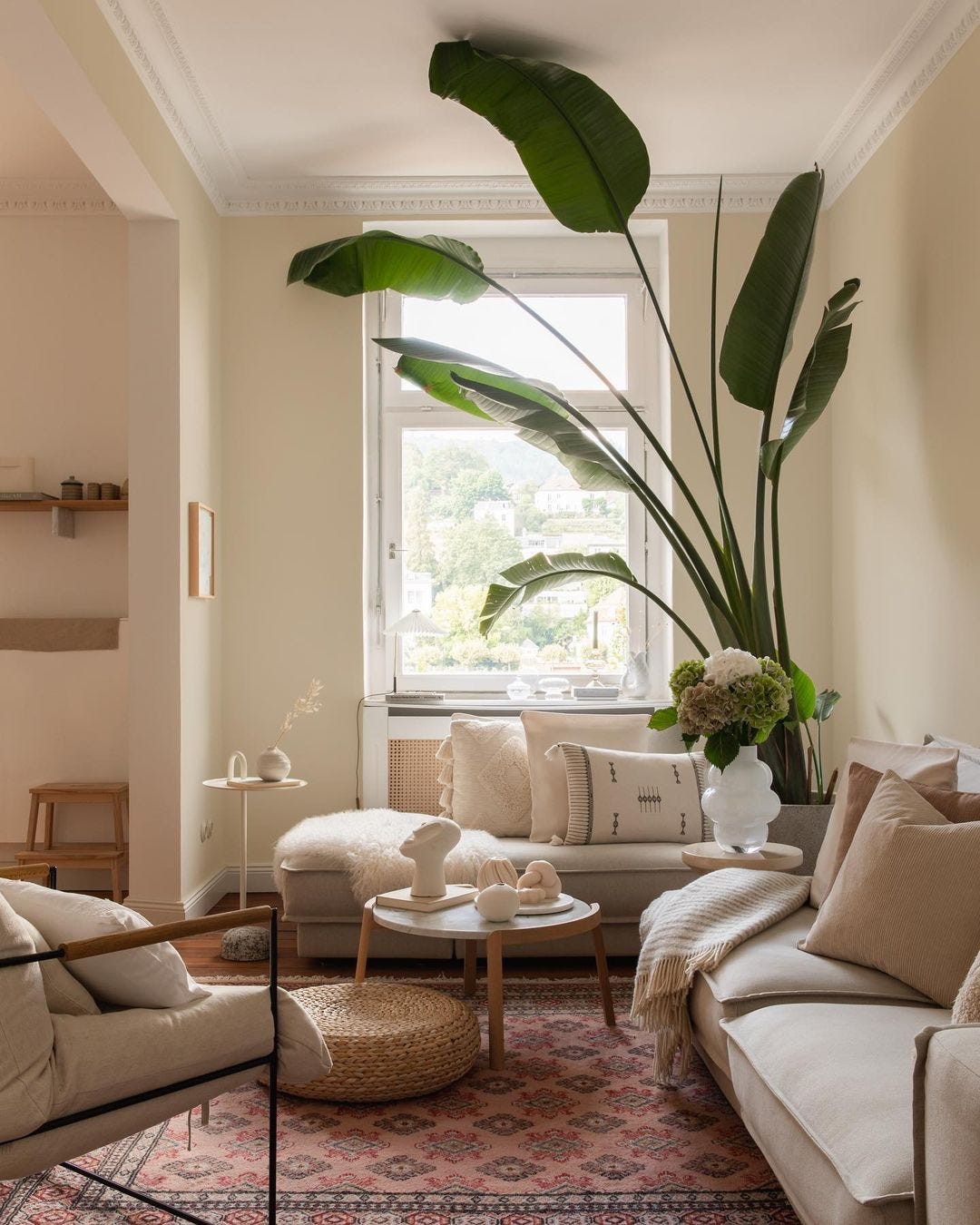
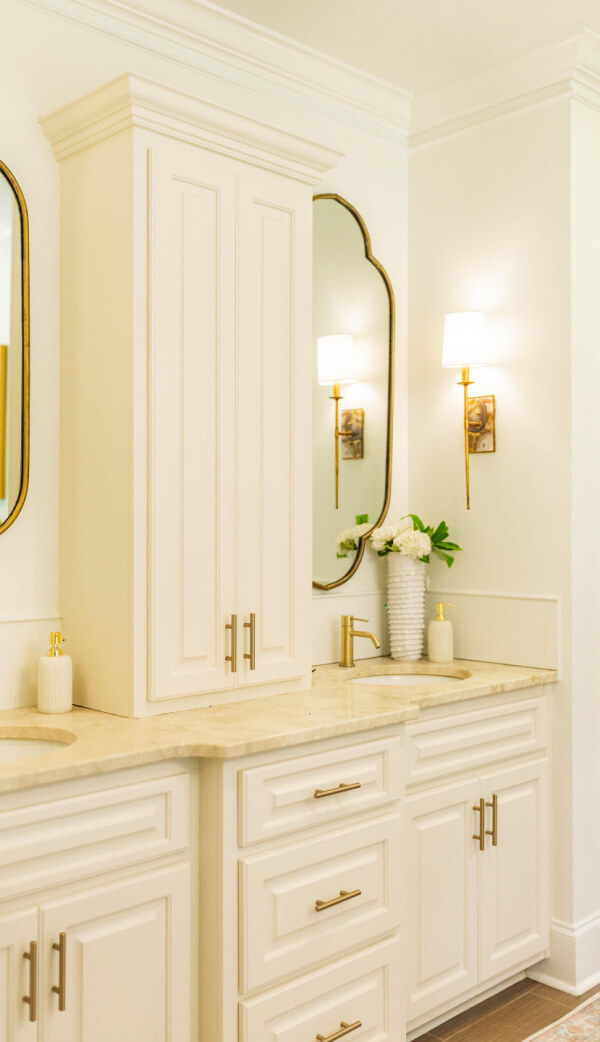
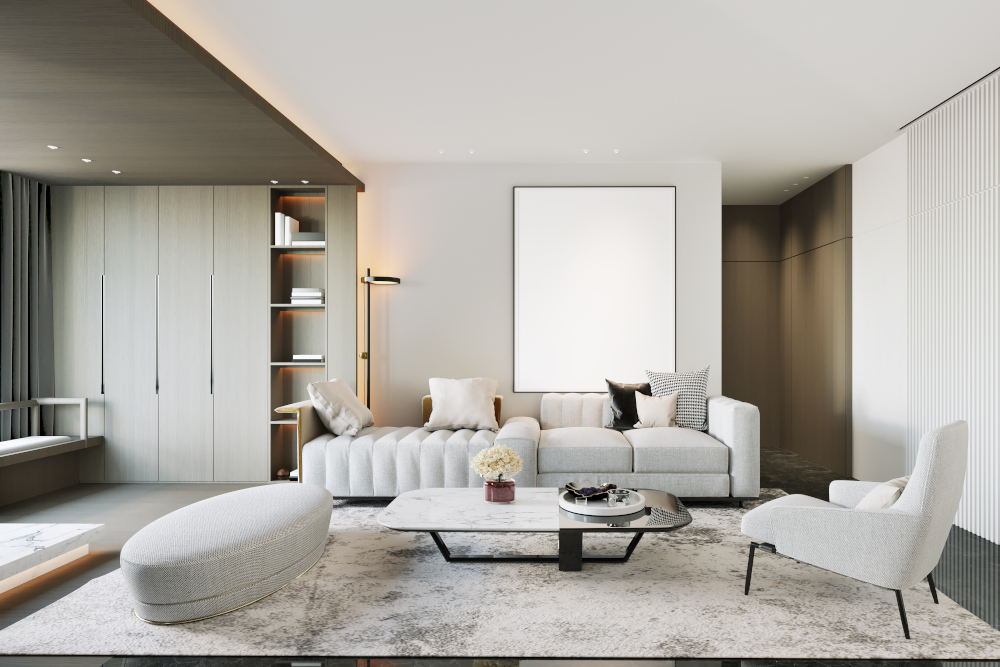
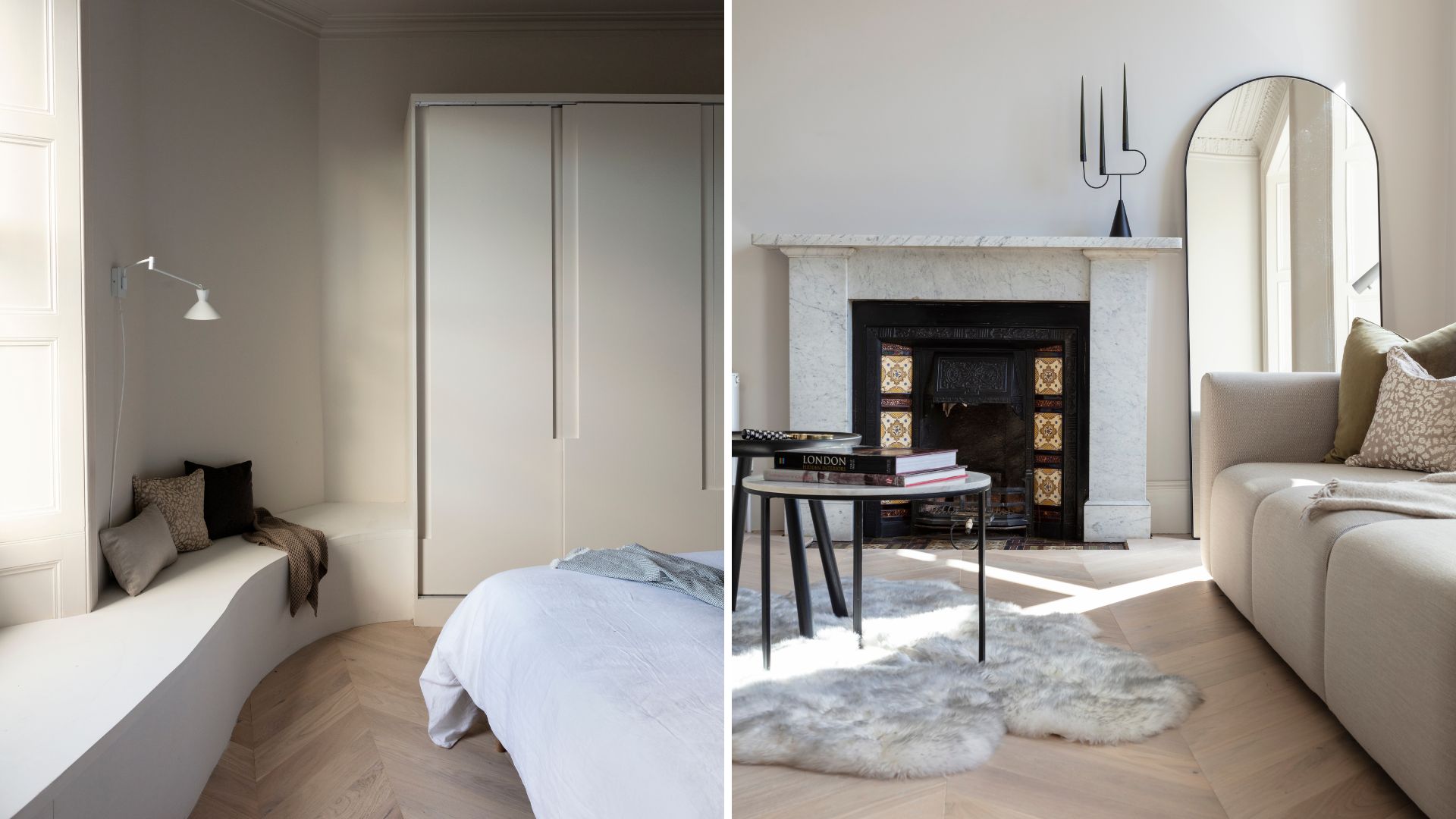
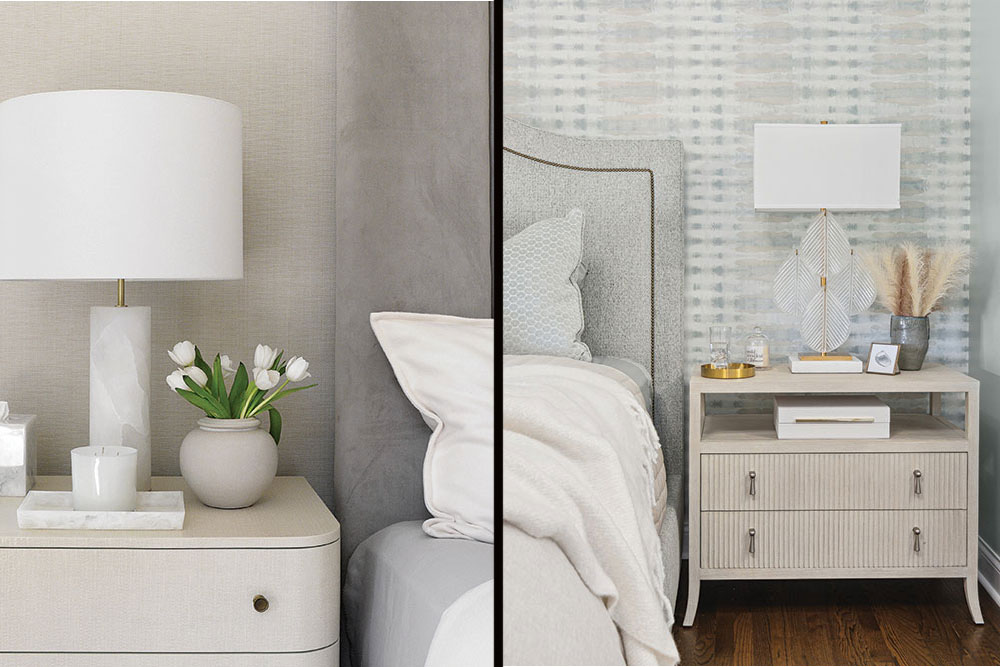
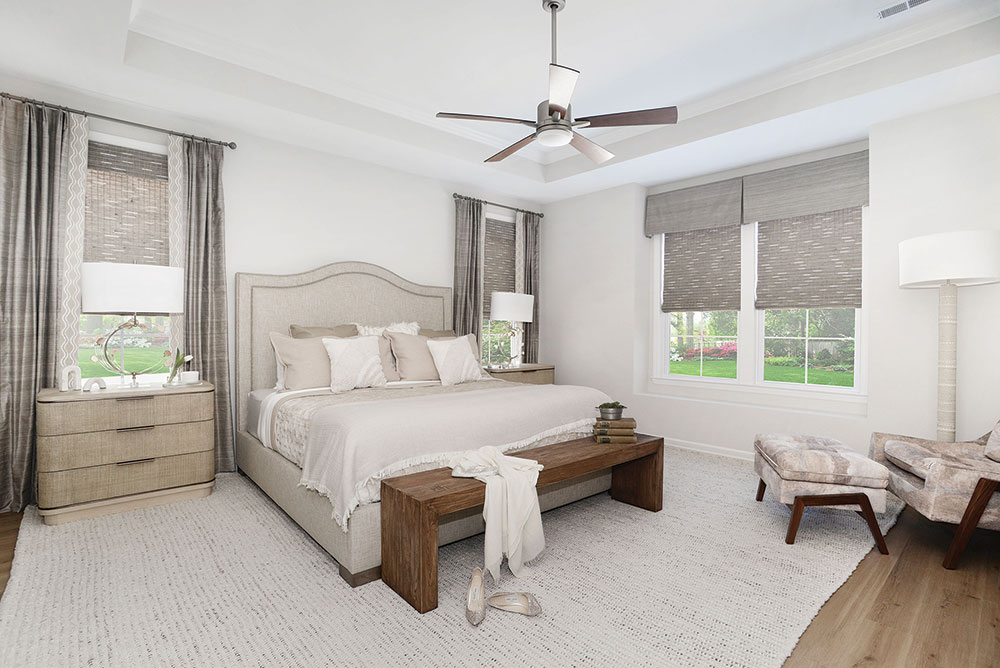
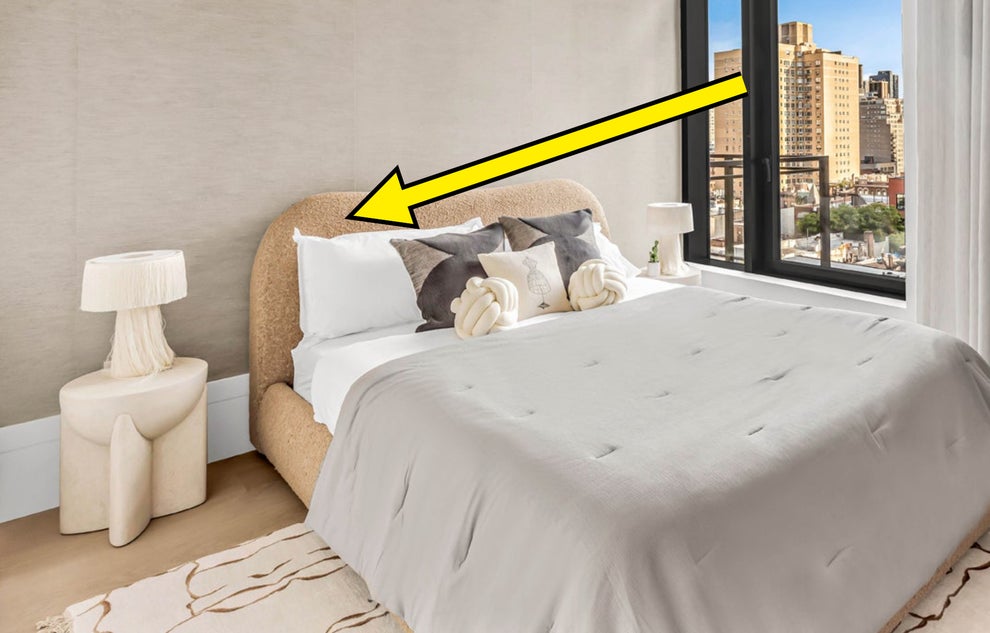
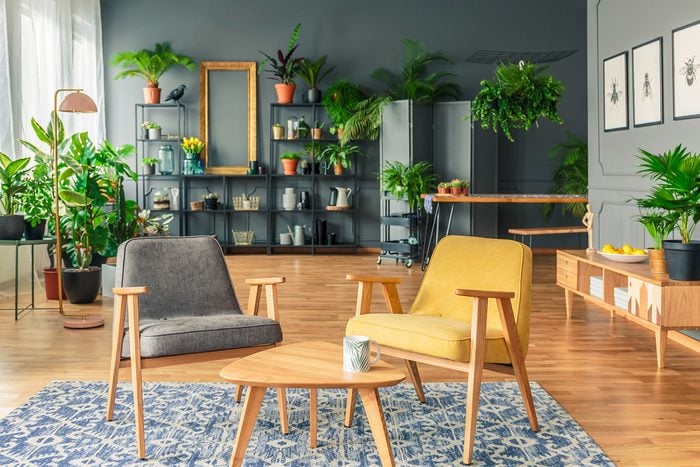
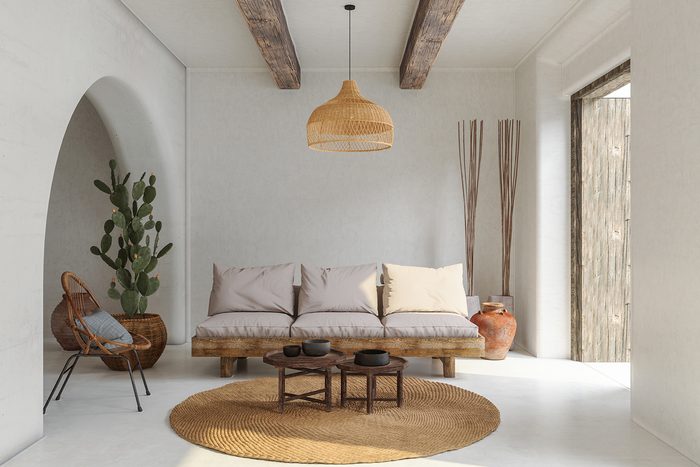
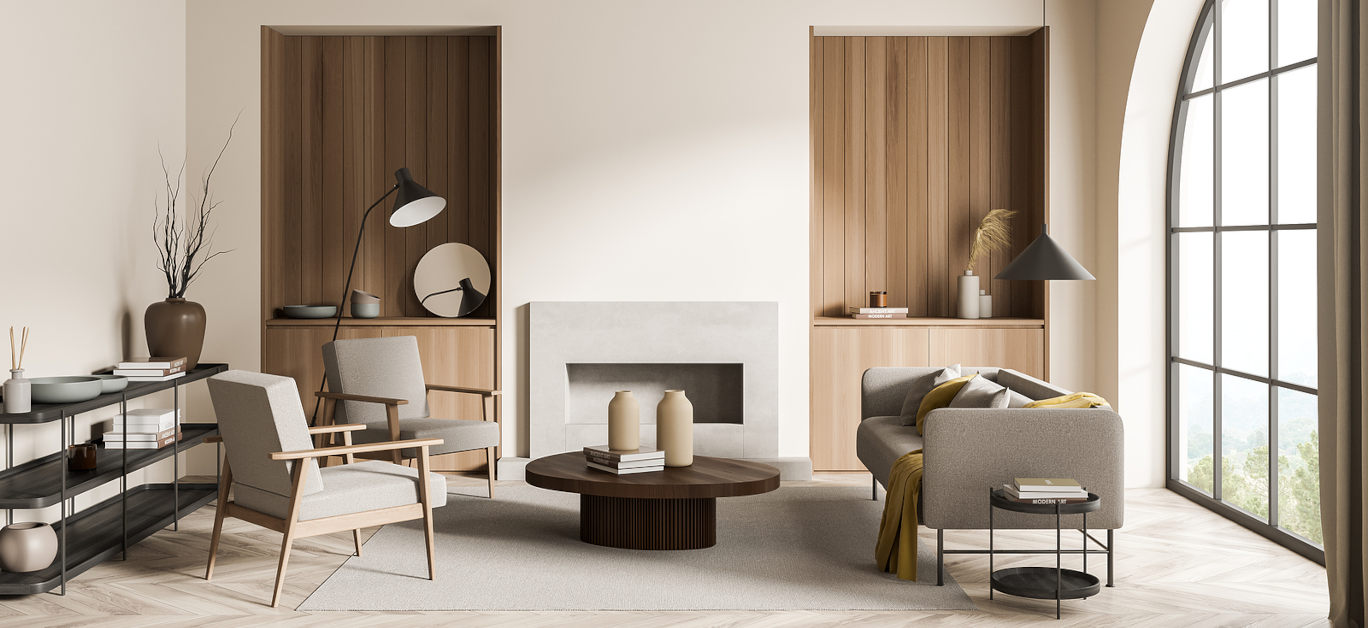
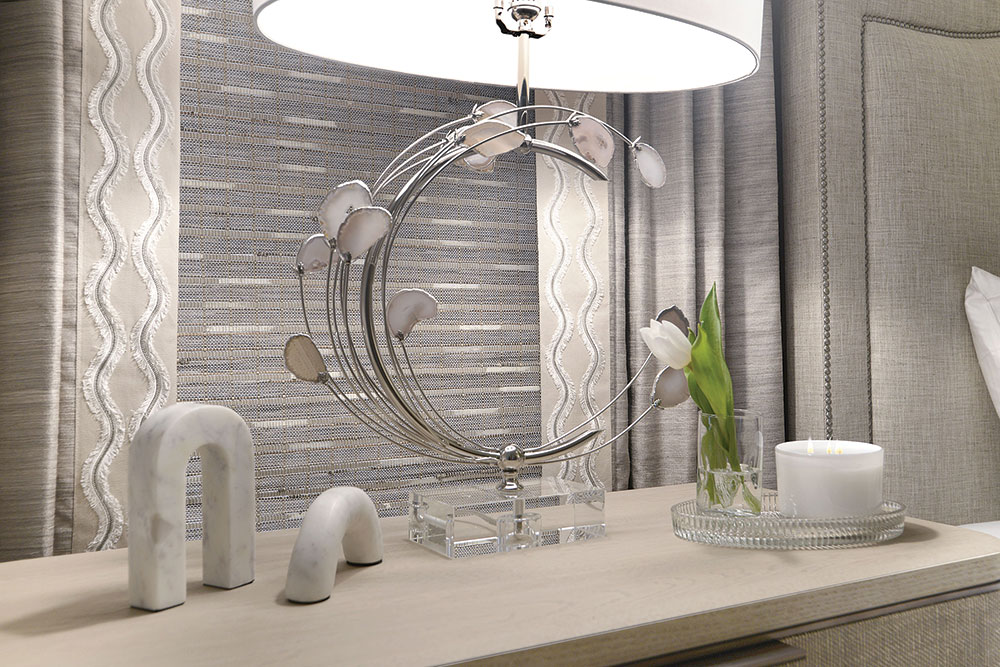
Building on sustainability, biophilic design emphasizes harmonizing indoor environments with nature. This involves integrating natural elements like plants, water features, and natural light, with living walls, indoor gardens, and large windows being key features. The objective is to enhance well-being and create serene, health-positive living spaces. Minimalism continues to be influential, but with a "warm minimalism" twist in 2024, focusing on softness, warm neutrals, and inviting, functional spaces using plush rugs, comfortable furniture, and a palette of warm whites, beiges, and soft greys.
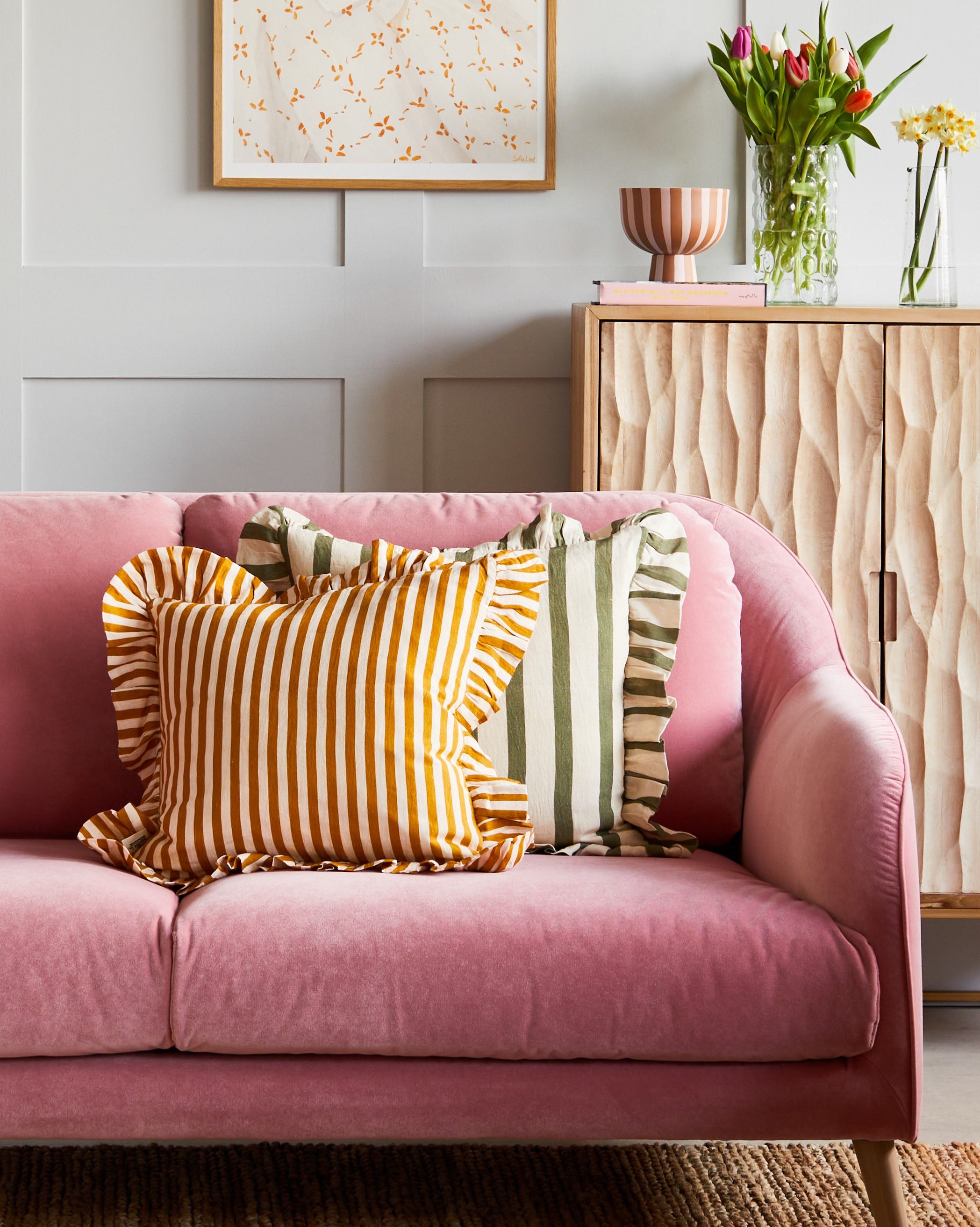
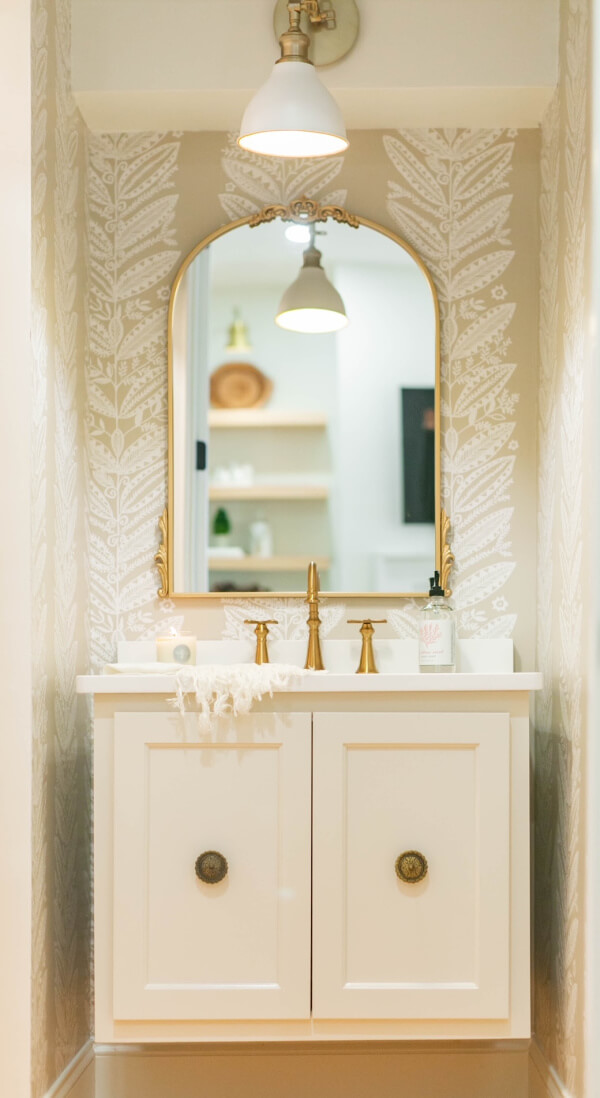
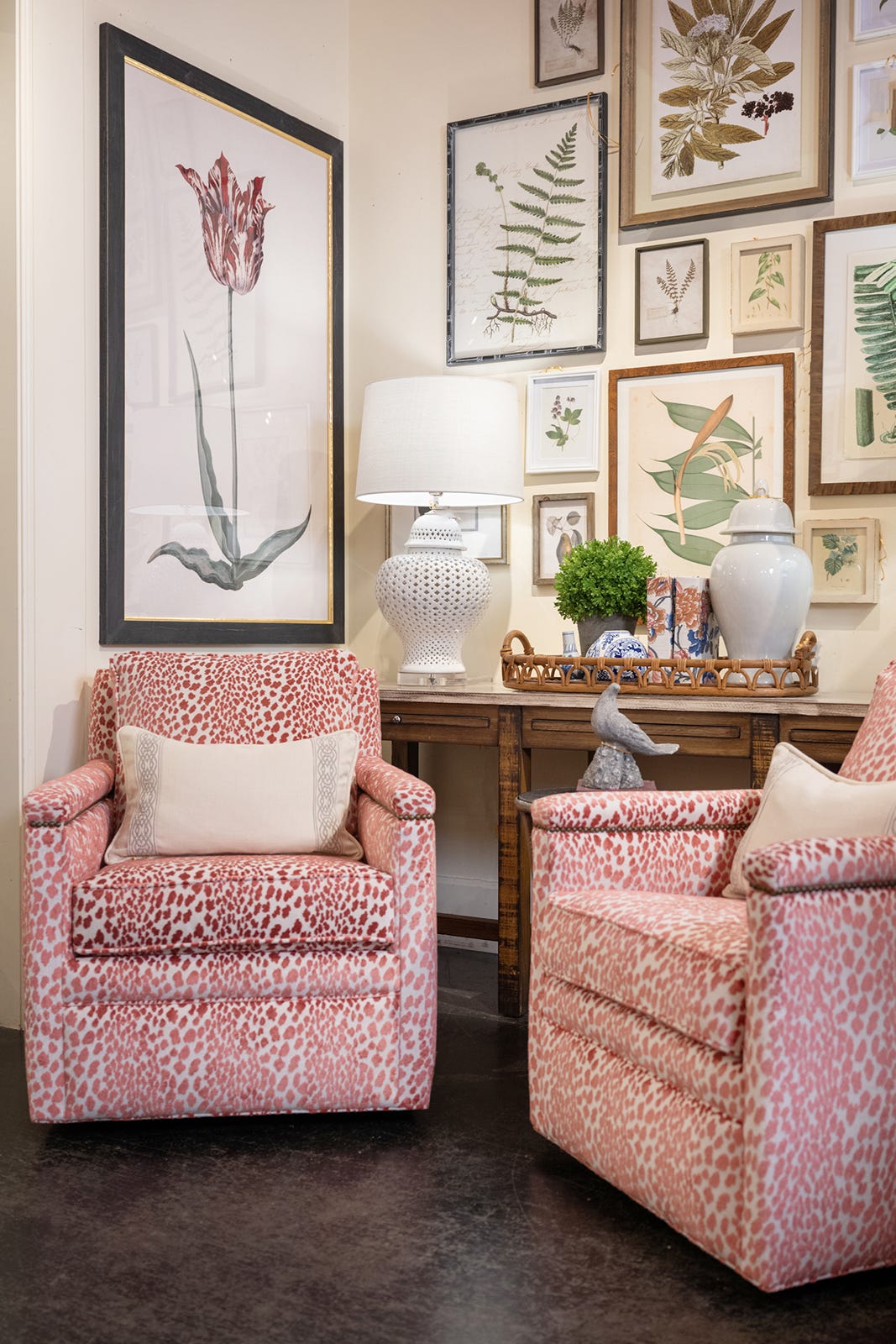
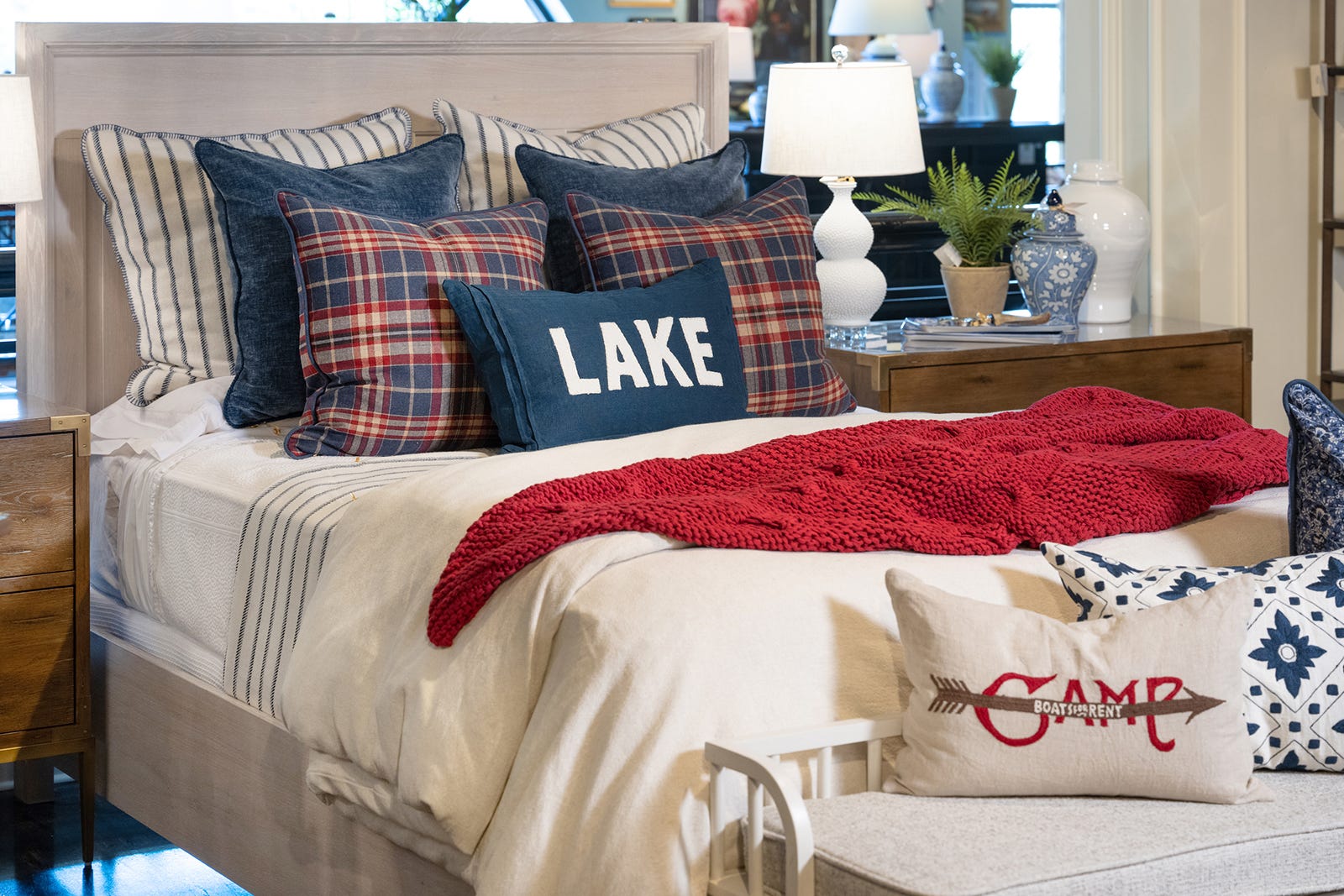
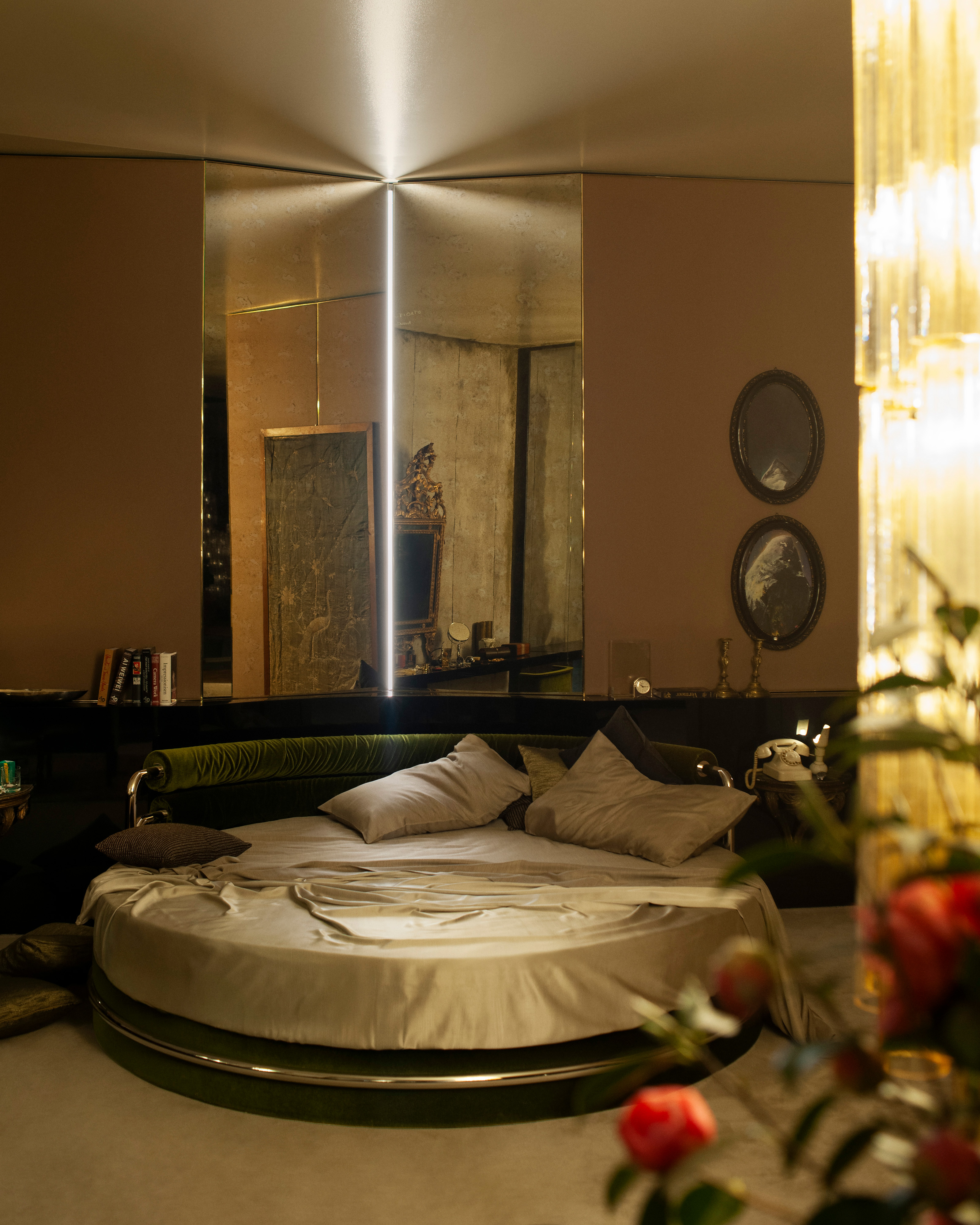
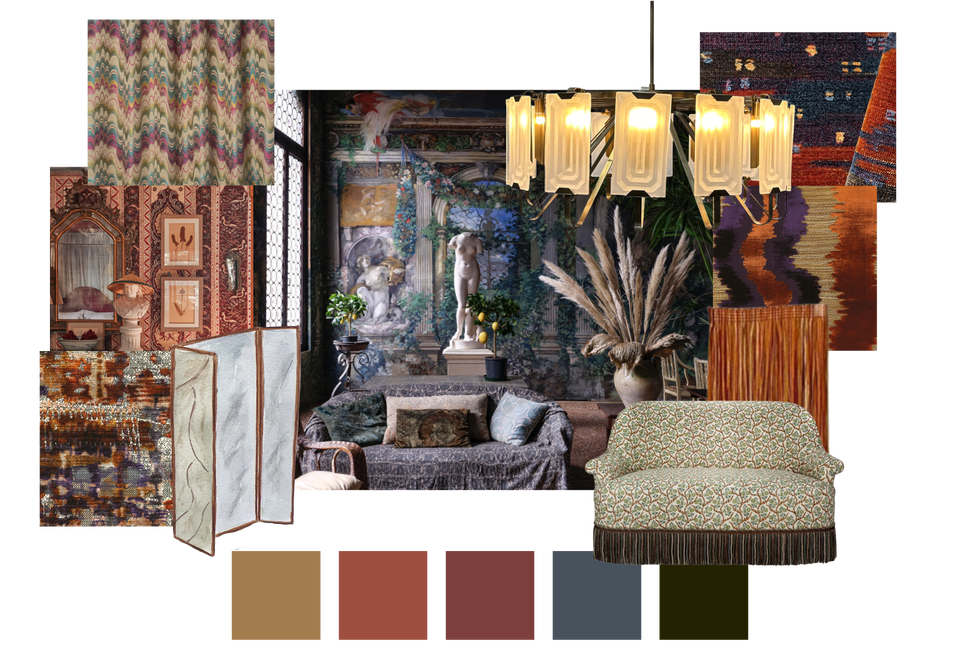
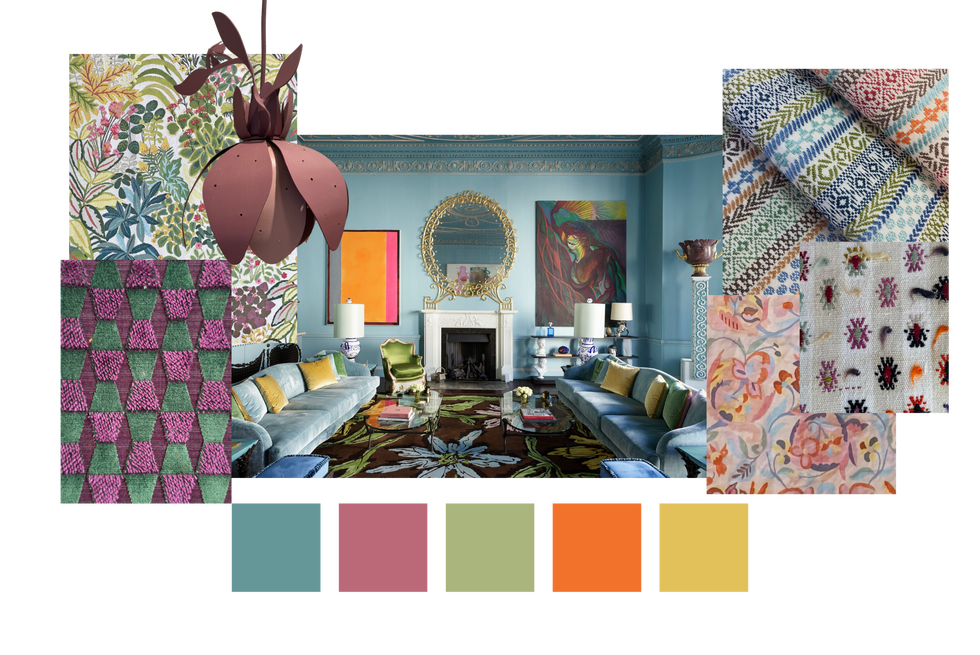
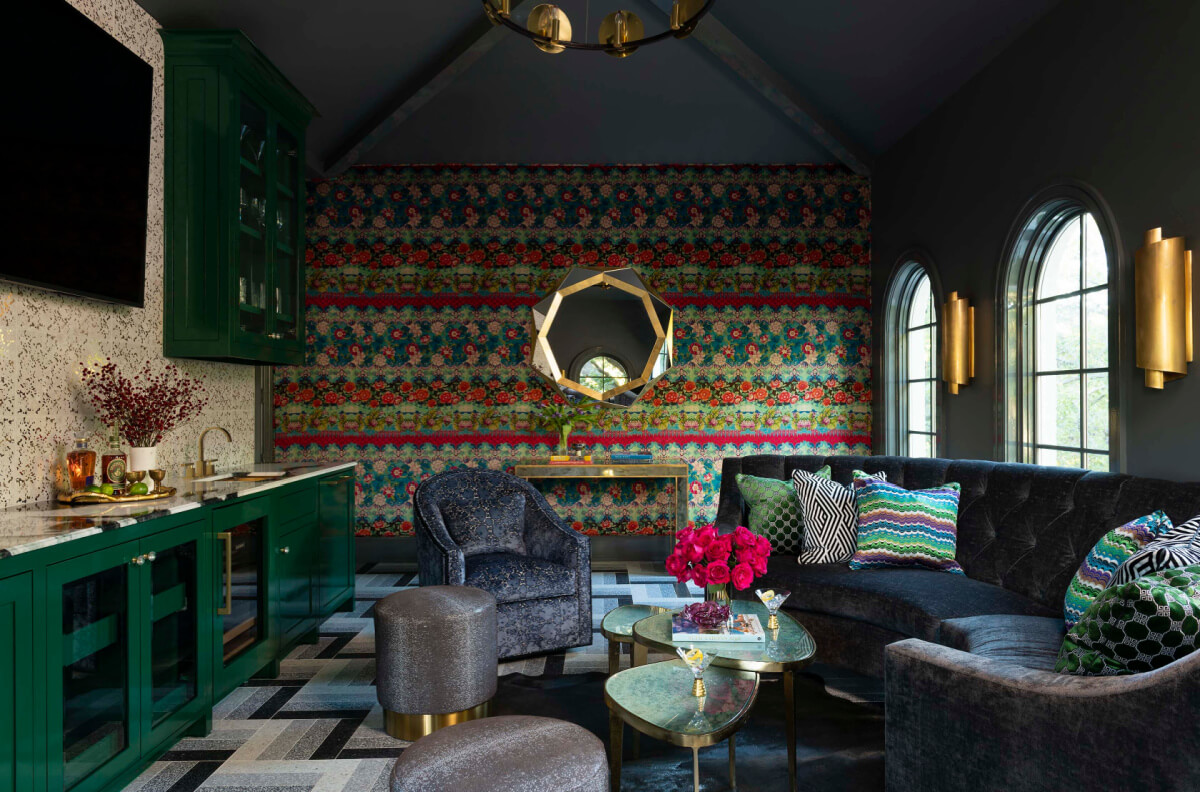
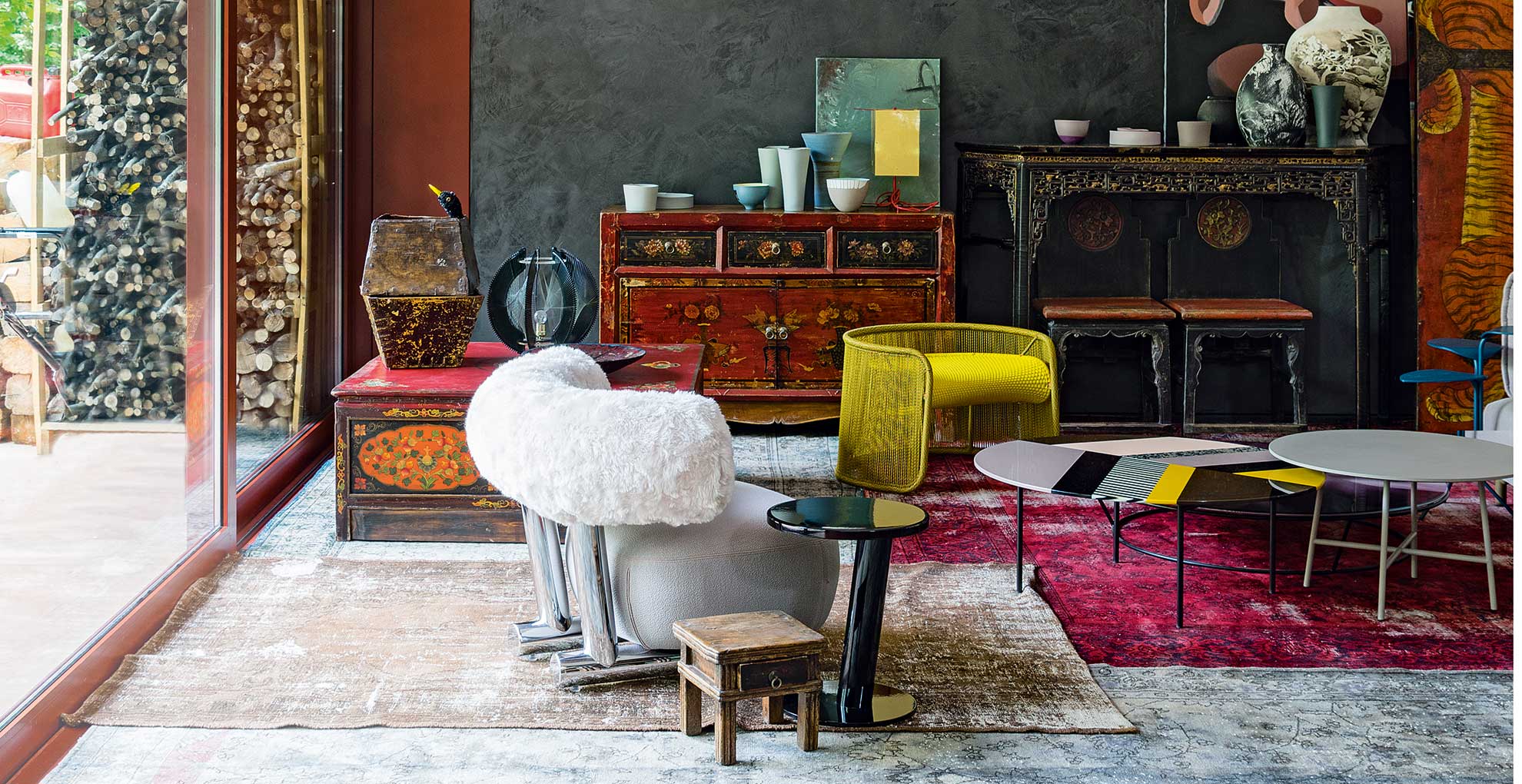
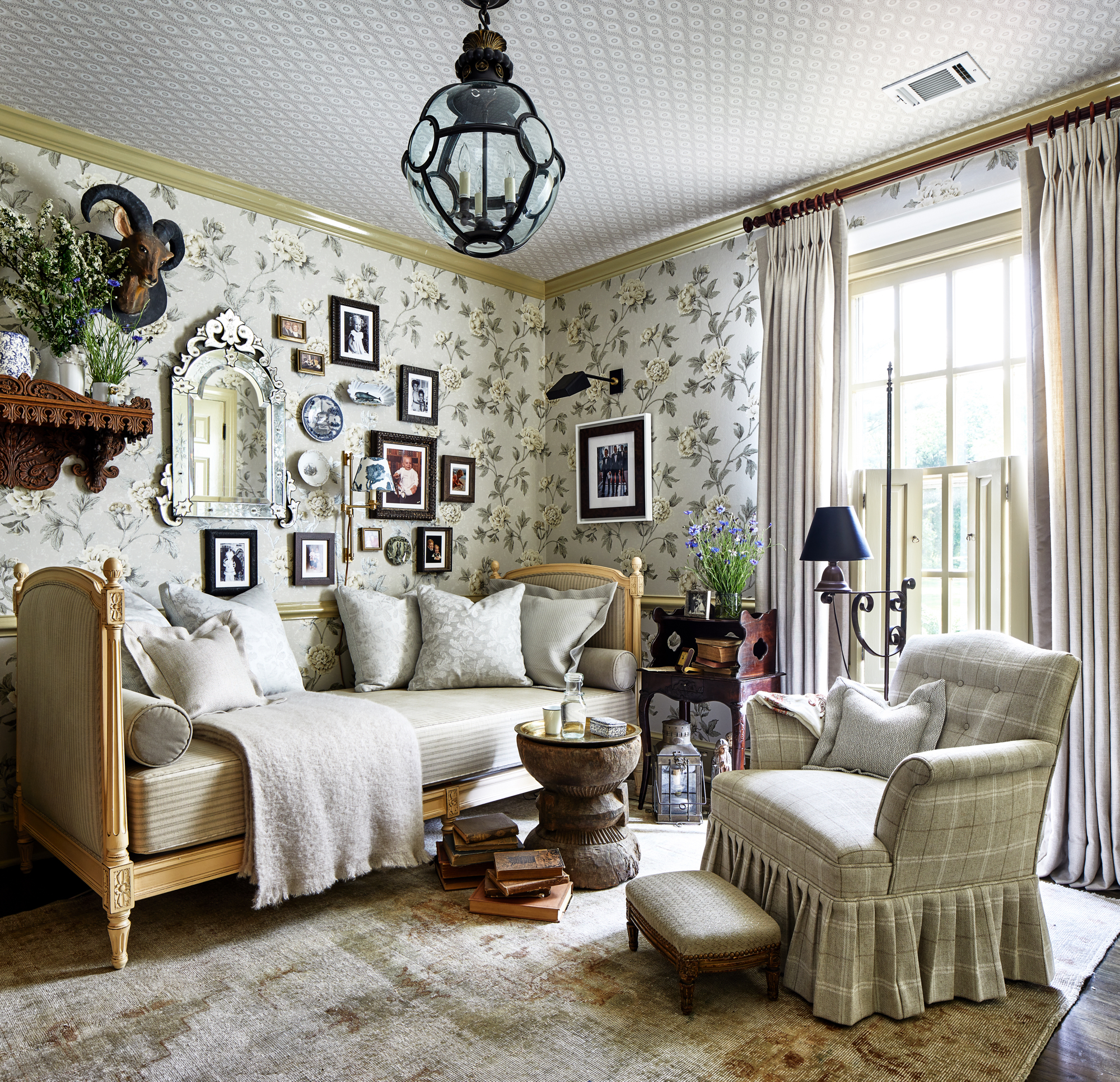
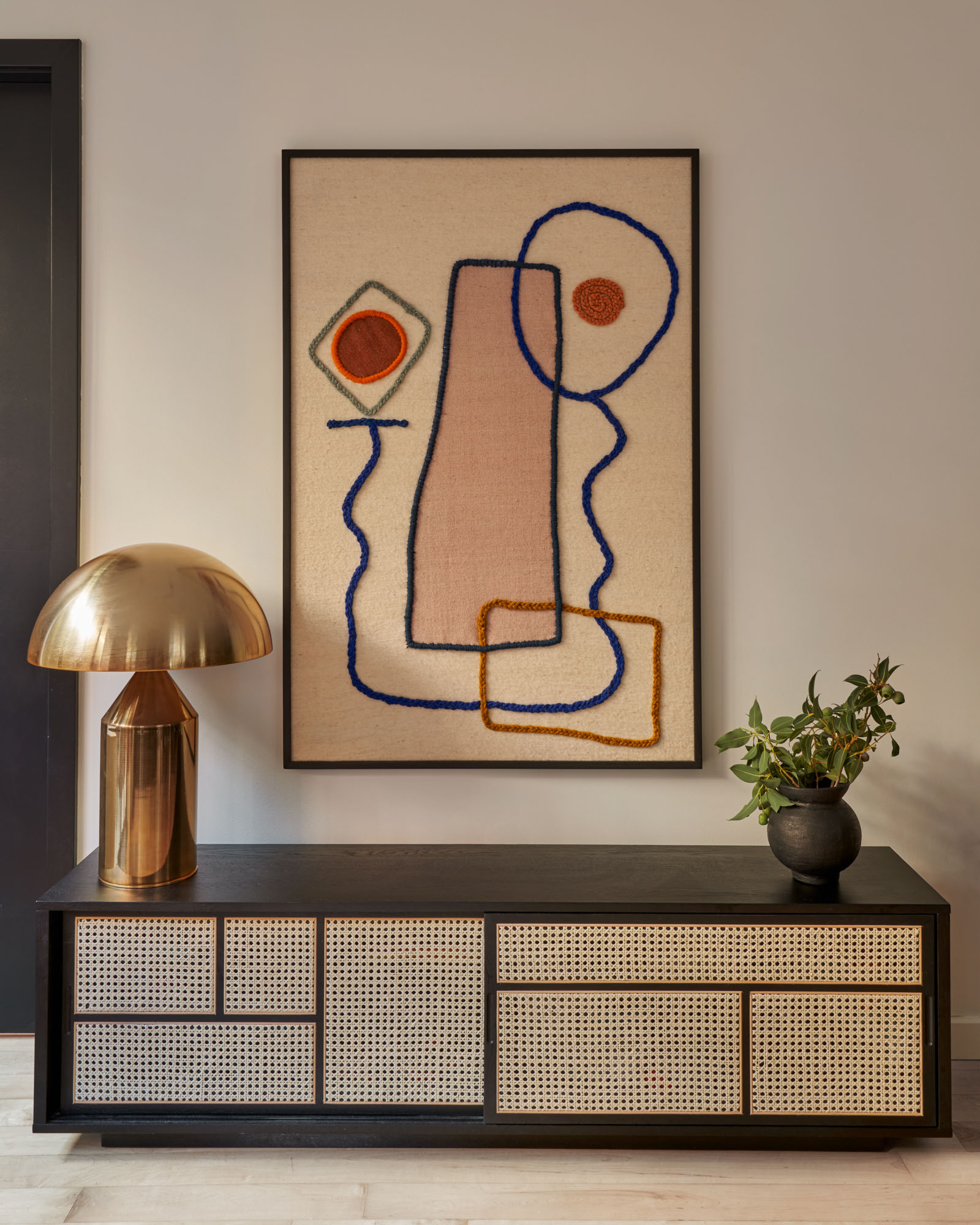
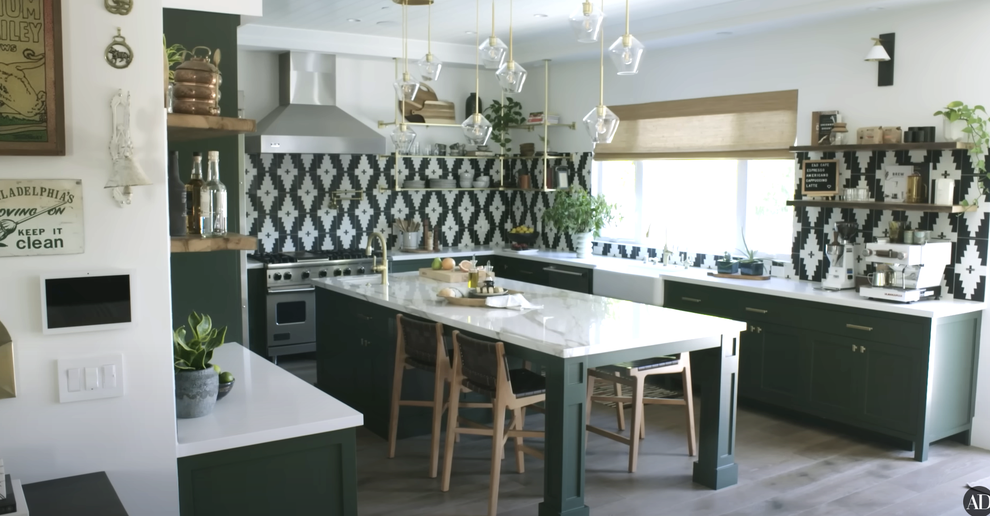
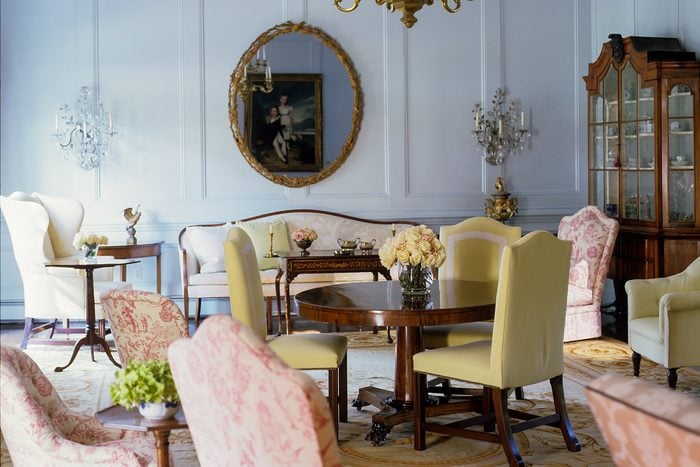
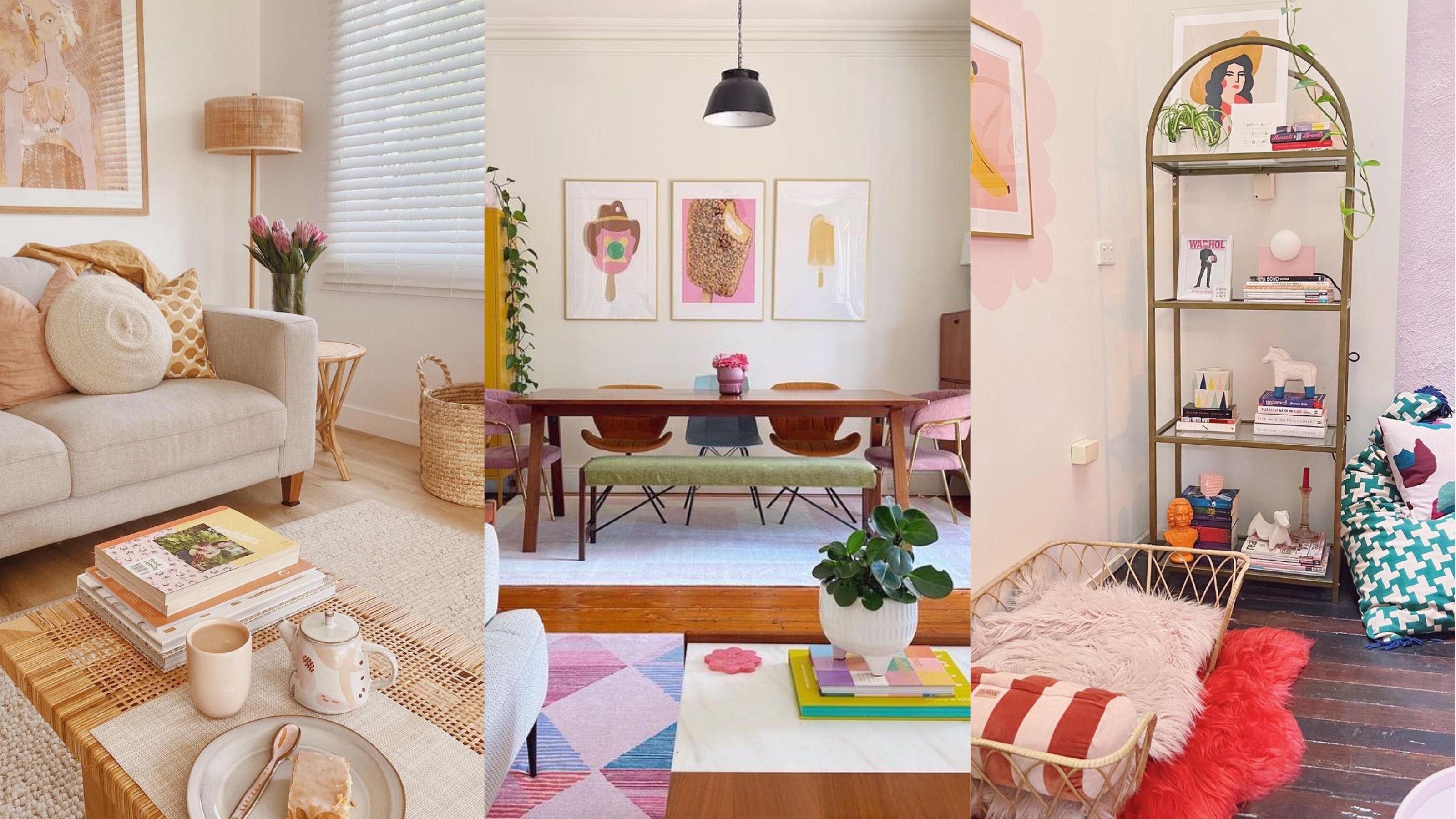
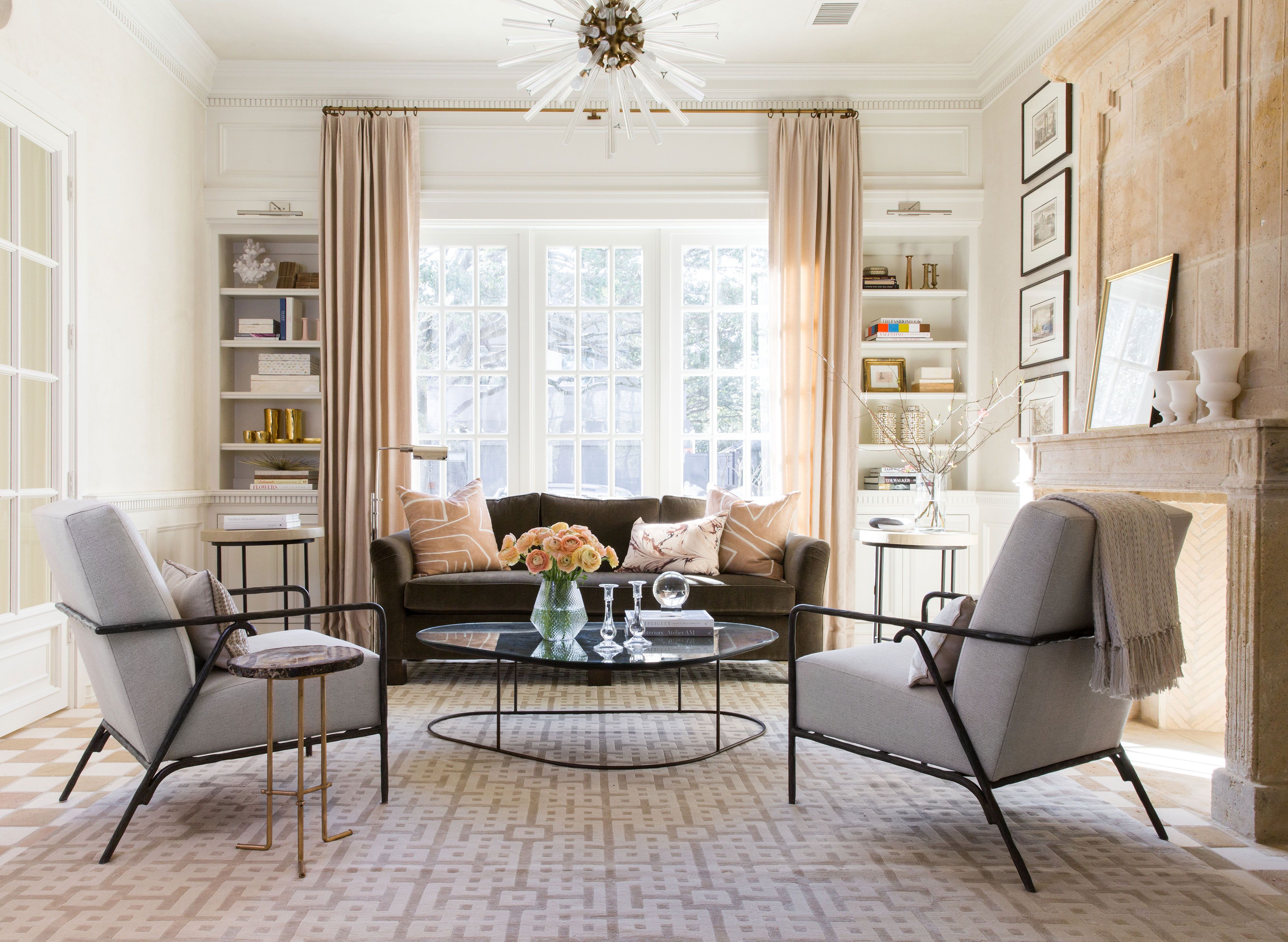
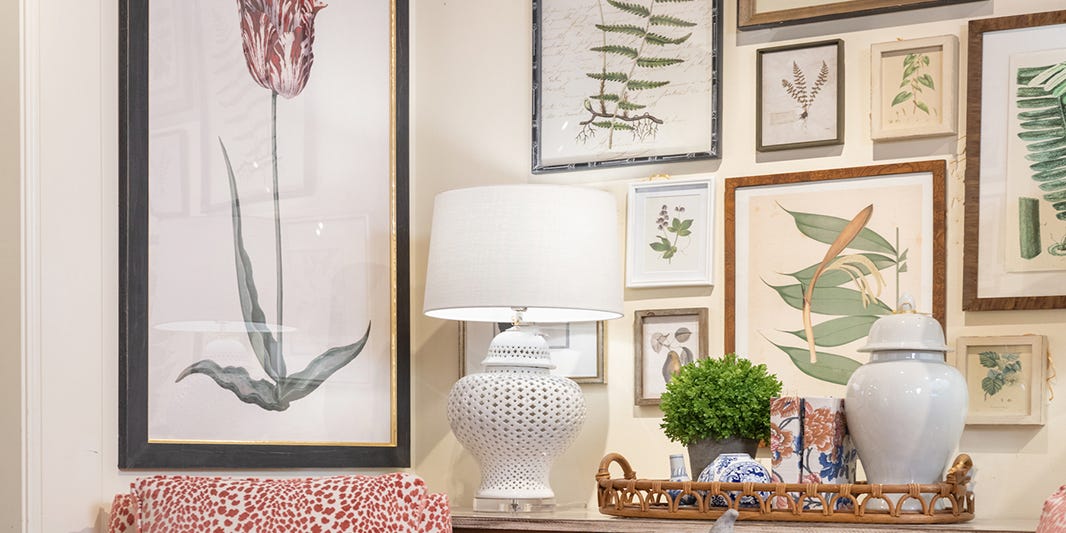
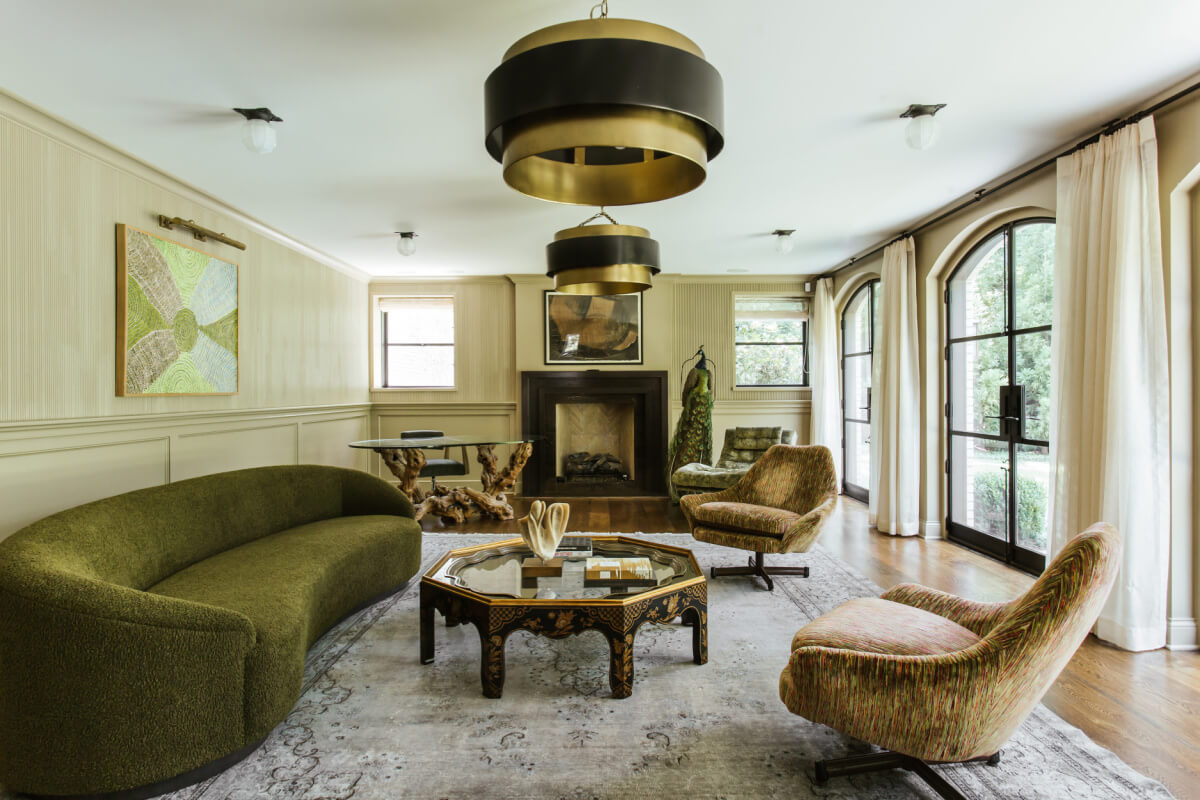
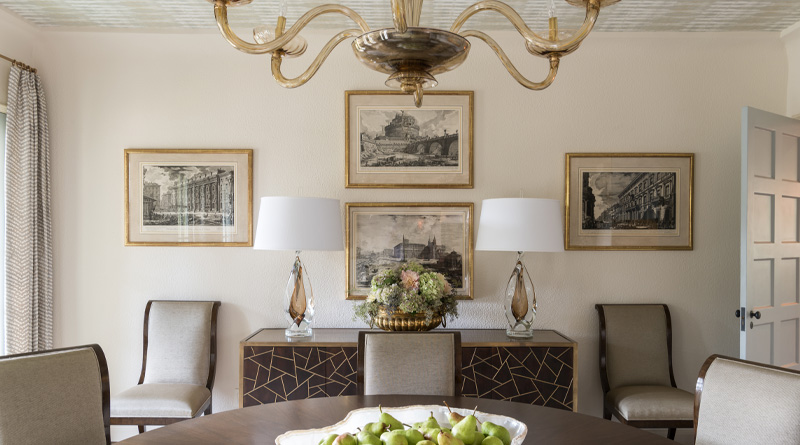
In contrast, maximalist eclecticism makes a bold statement, encouraging the mixing of patterns, textures, and colors to create vibrant, personalized spaces. This style involves layering, collecting, and showcasing individuality through rich jewel tones, bold wallpapers, and diverse art pieces. A vintage revival trend brings back mid-century modern and Art Deco influences, featuring curved furniture, brass accents, and geometric patterns, emphasizing elegance, history, and the quality of vintage pieces.
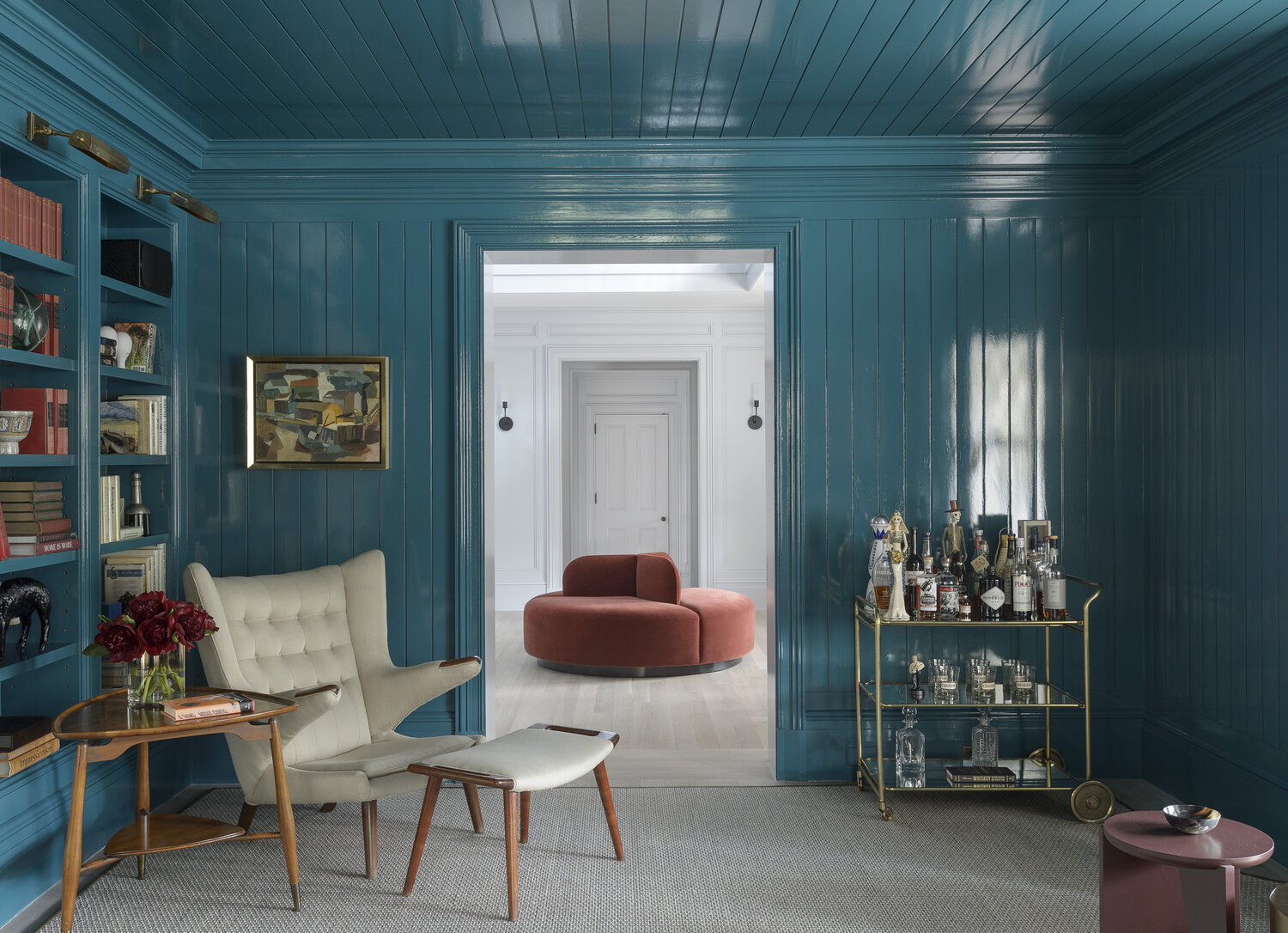
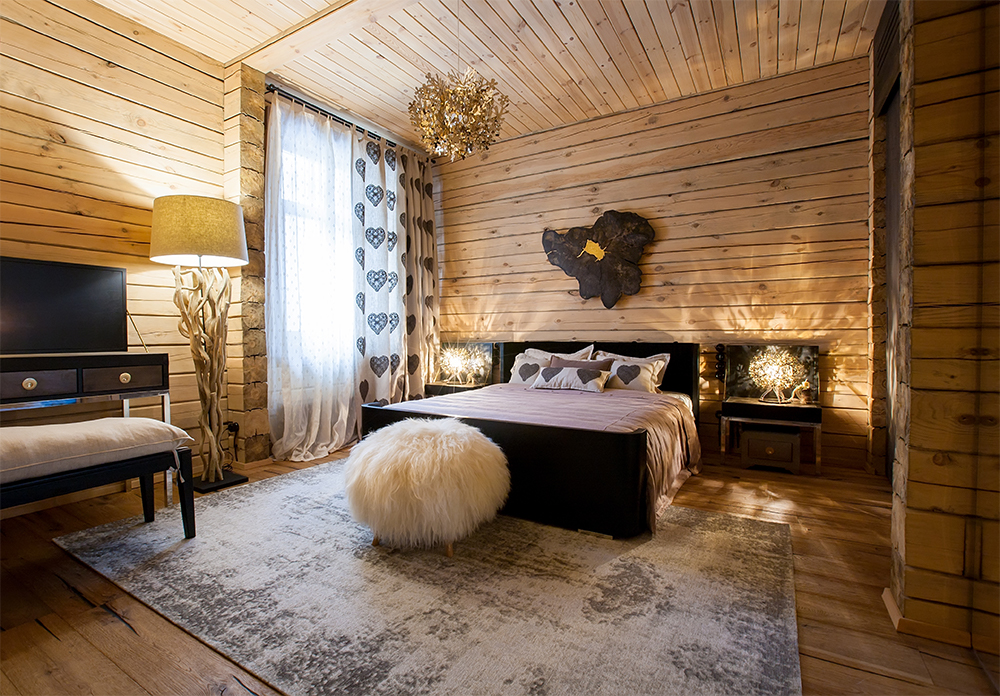
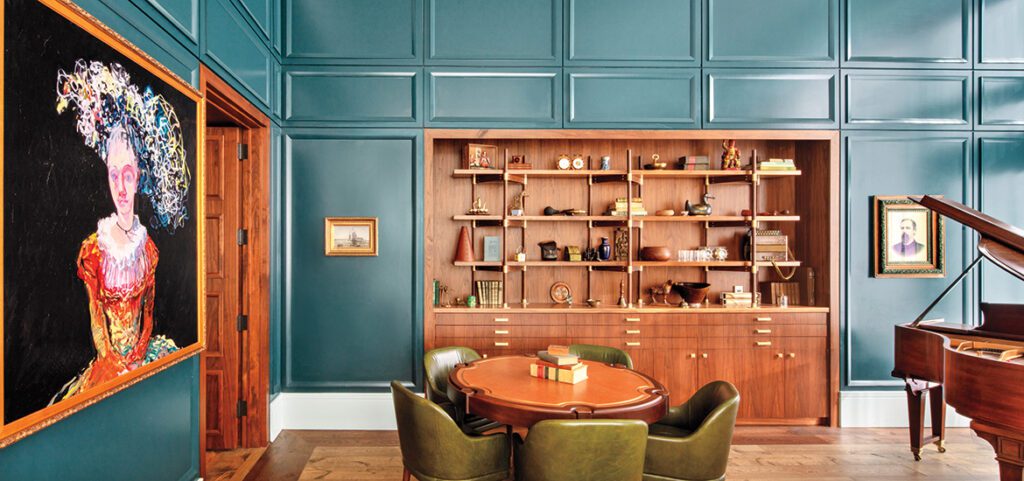
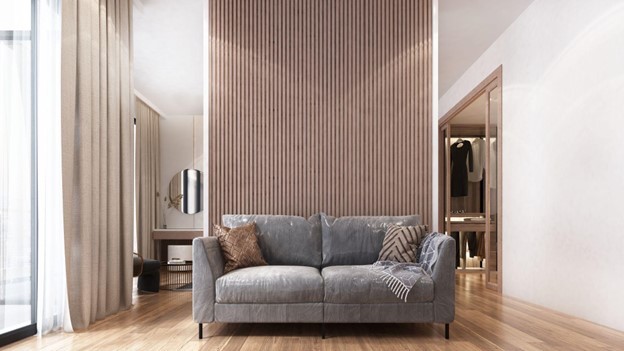
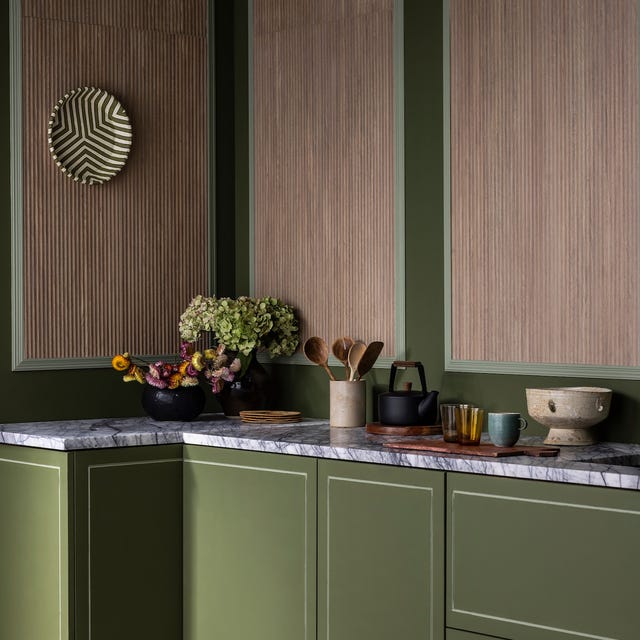
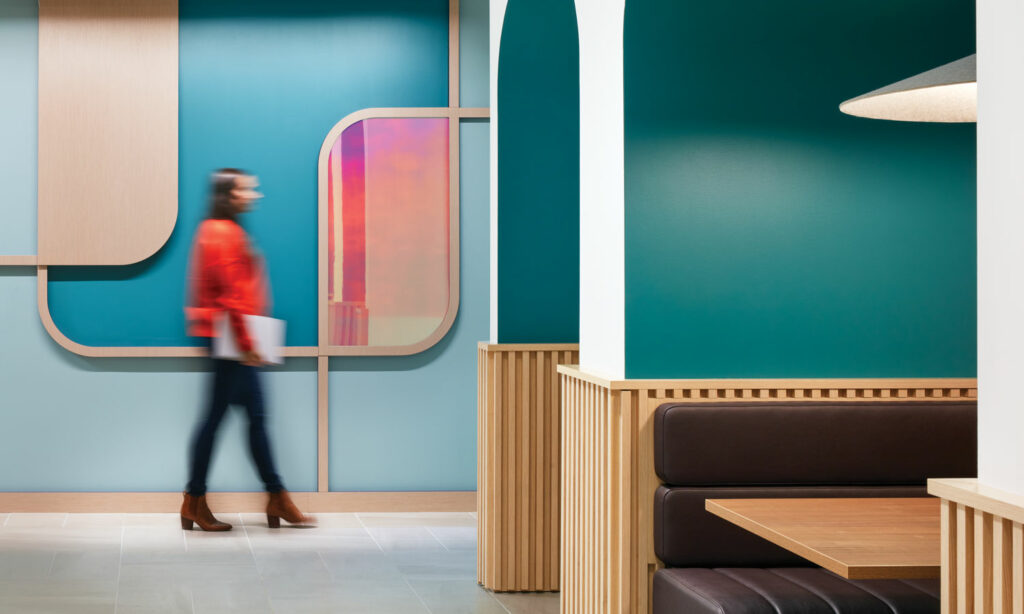
Technology's role in interior design is evident through smart home integration, with voice-activated lighting, automated climate control, and smart security systems becoming standard components. Designers are focusing on seamless and aesthetically pleasing incorporation of these technologies. Panelling, particularly wood wall panels, sees a resurgence, offering texture and depth. These versatile panels can be used for feature walls, ceilings, or as backdrops for built-in furniture, bringing warmth and natural beauty, with reclaimed wood panels being popular for sustainable design.
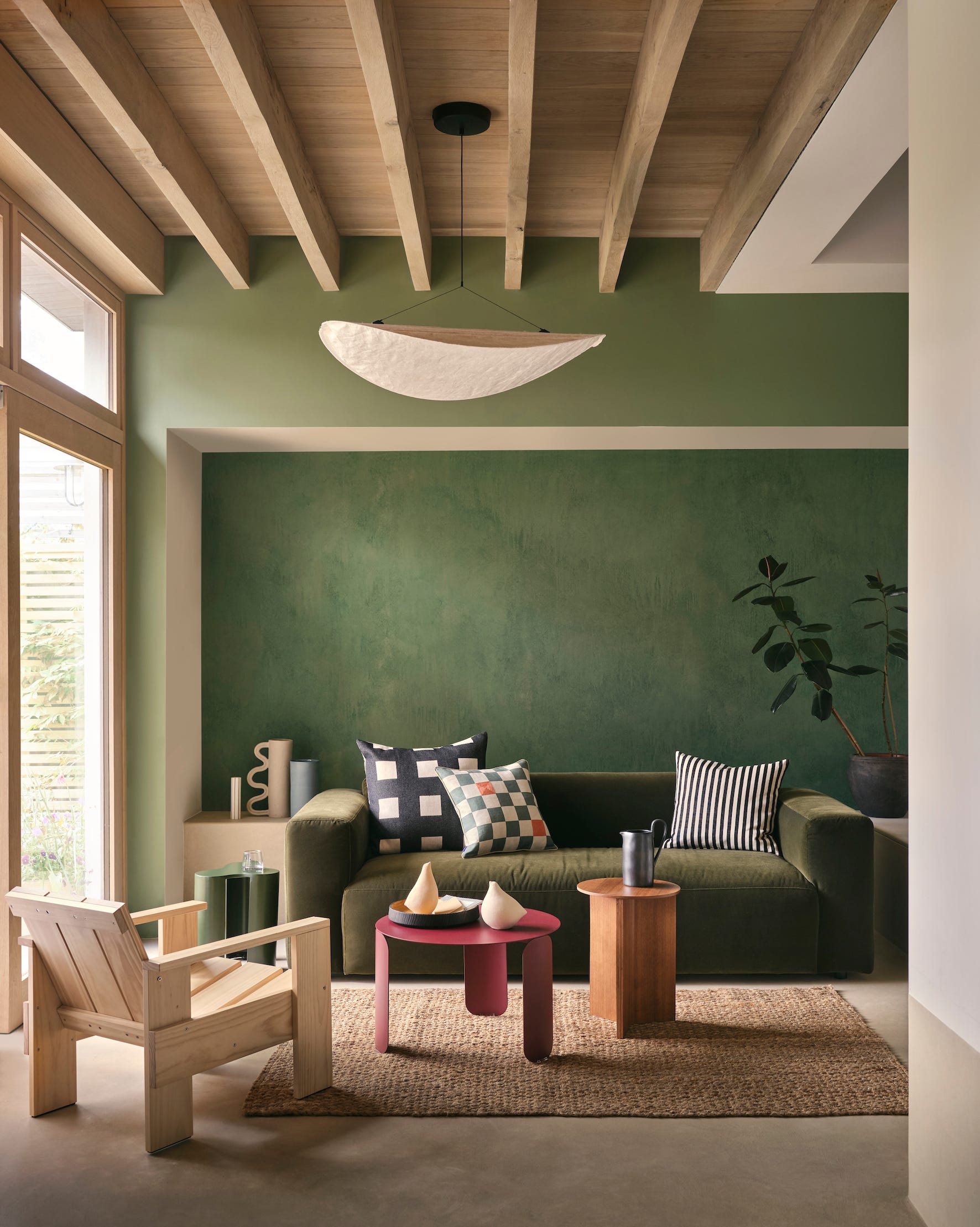
Curved lines and organic shapes are replacing sharp edges, creating a sense of movement and comfort in furniture and decor, enhancing overall harmony. Ceilings are transformed into creative canvases with bold colors, intricate wallpapers, and exposed beams, adding unique style and an unexpected element. Texture plays a crucial role, with mixing smooth leather, coarse linen, and plush velvet creating tactile experiences and visual appeal. Personalized spaces are central, with homeowners seeking bespoke furniture, custom art, and unique color schemes to reflect their individual tastes and lifestyles.
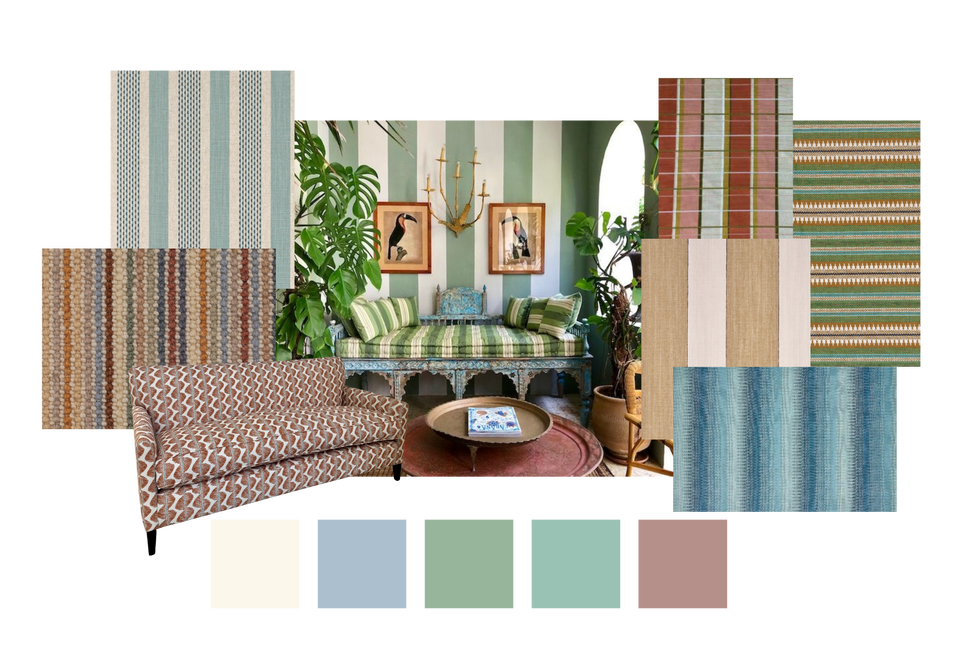
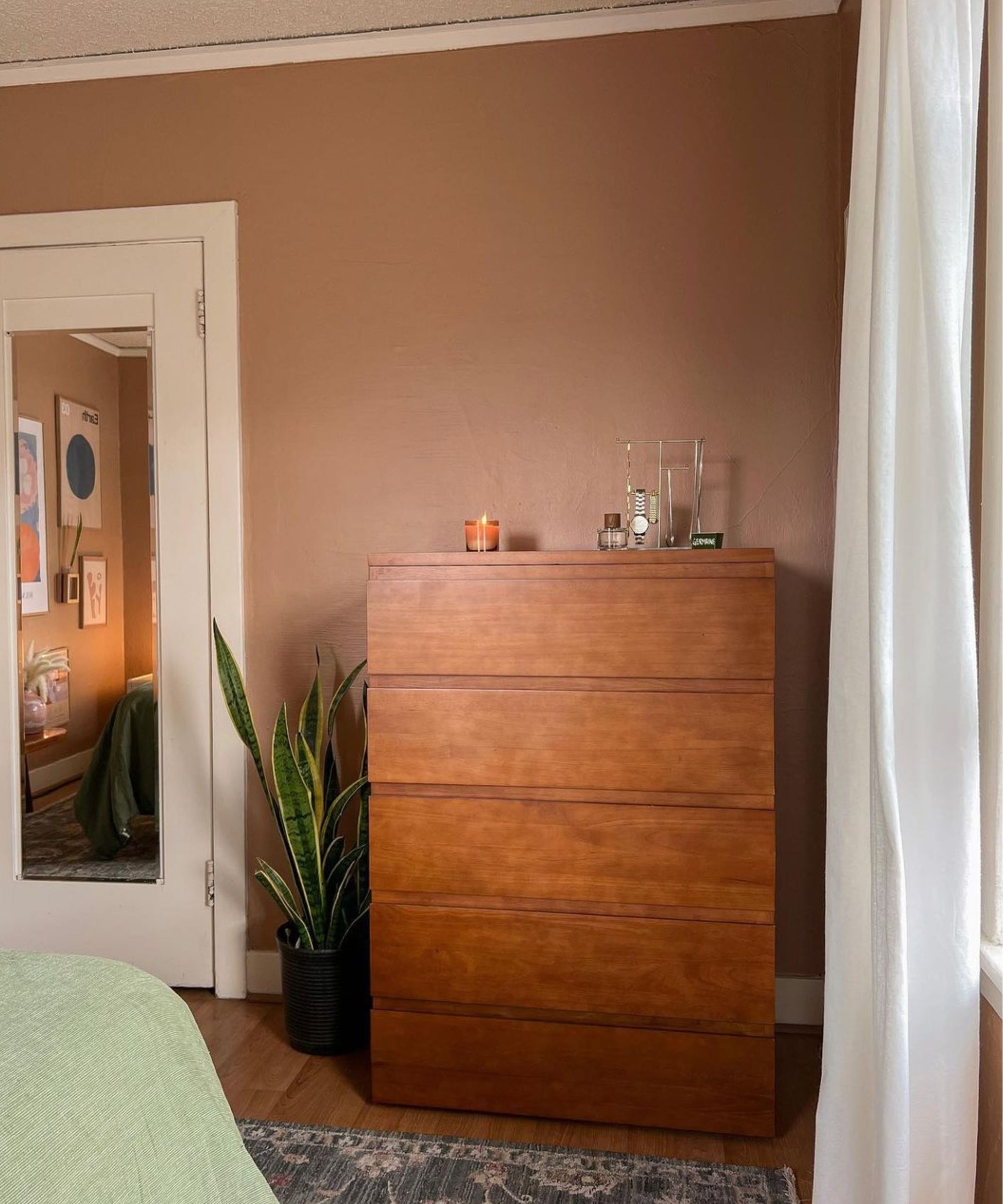
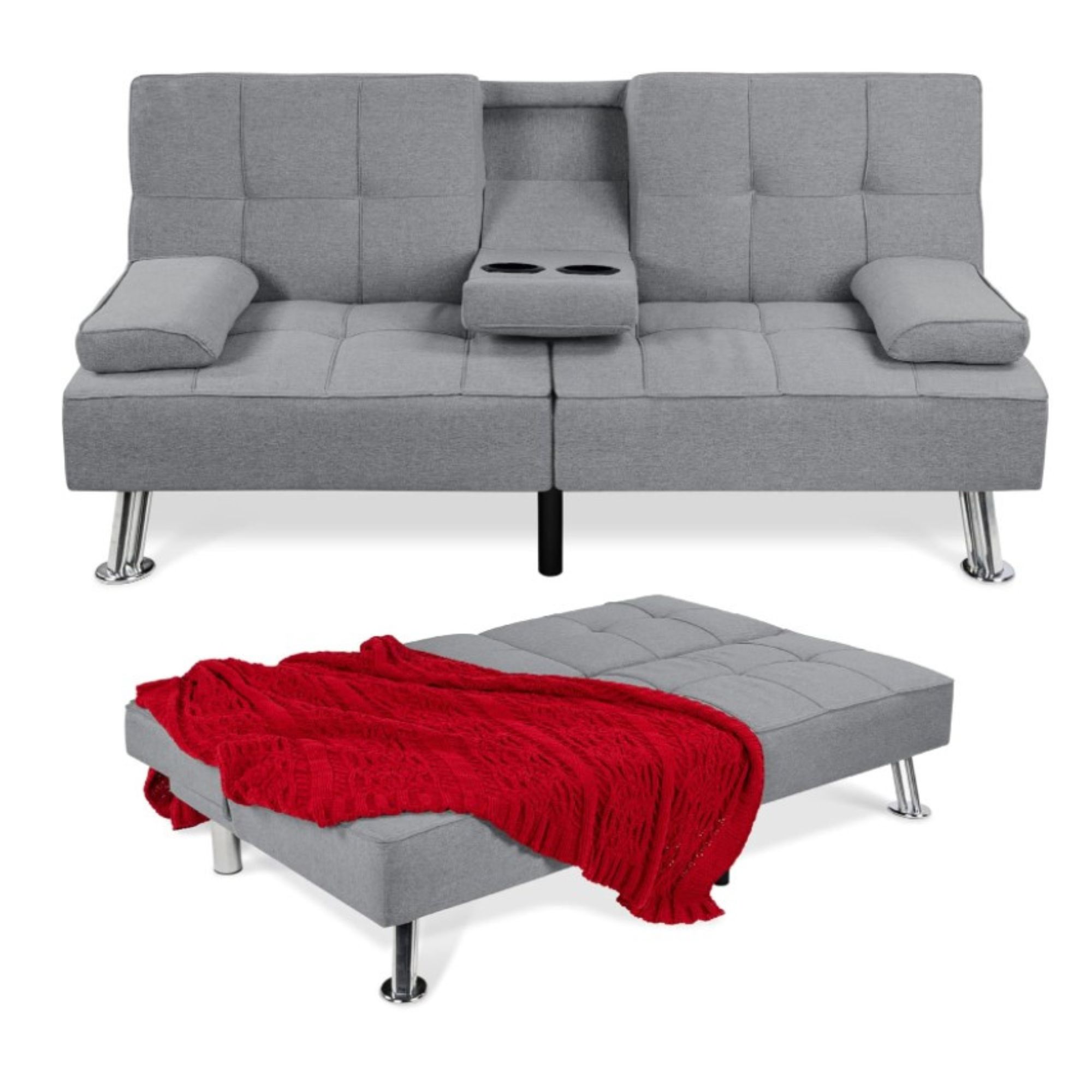
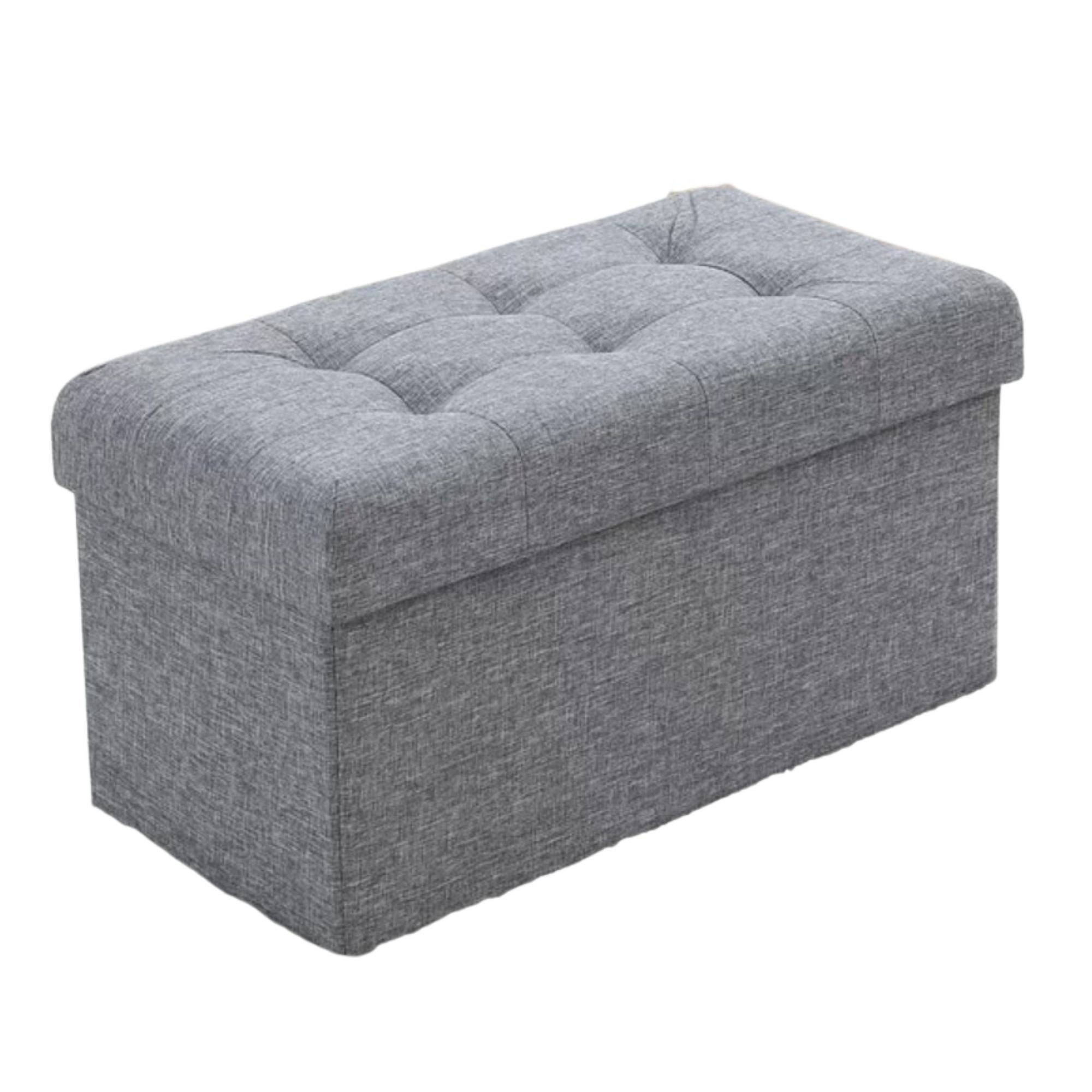
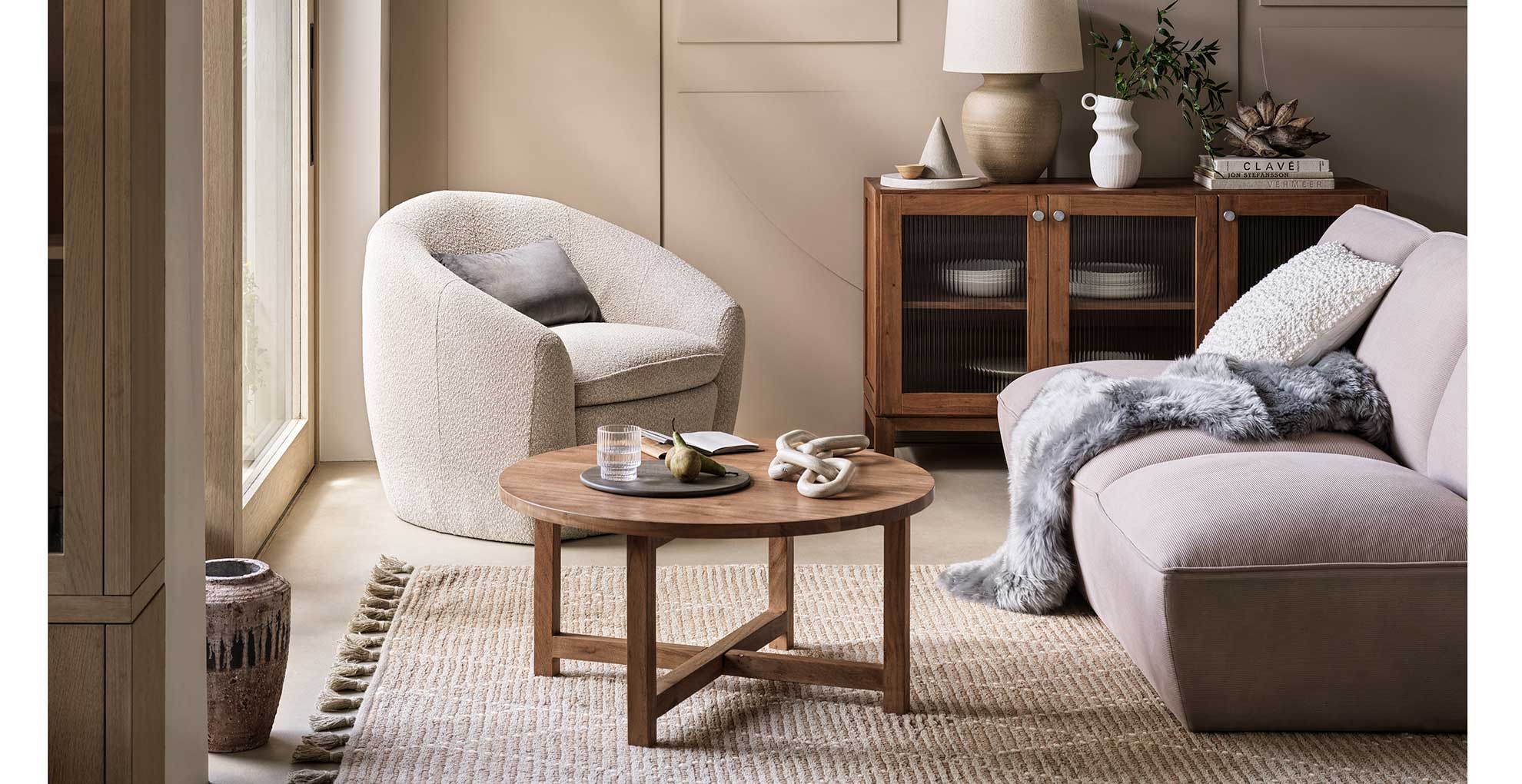
Multi-functional spaces are essential due to remote work and flexible living, leading to modular furniture, clever storage, and adaptable room layouts. Earthy color palettes, inspired by nature, bring warmth and serenity through shades like terracotta, olive green, ochre, and deep browns. Artisanal craftsmanship is appreciated, with handmade and locally crafted items adding authenticity and character. Outdoor living spaces are becoming extensions of the home, integrating outdoor kitchens, dining areas, and composite decks.
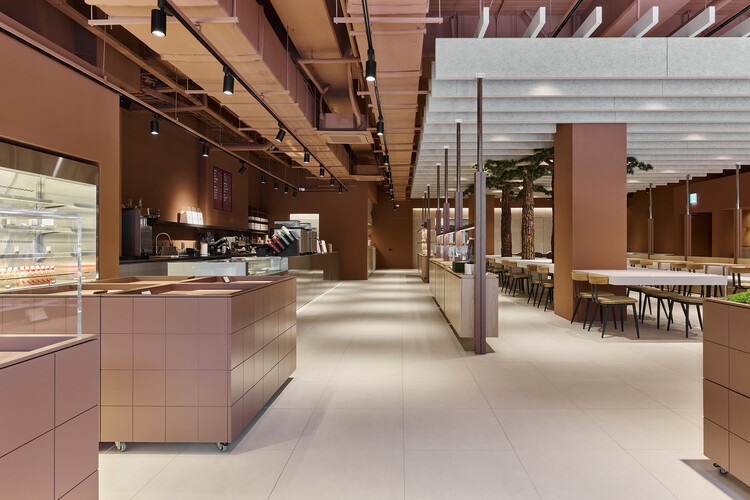
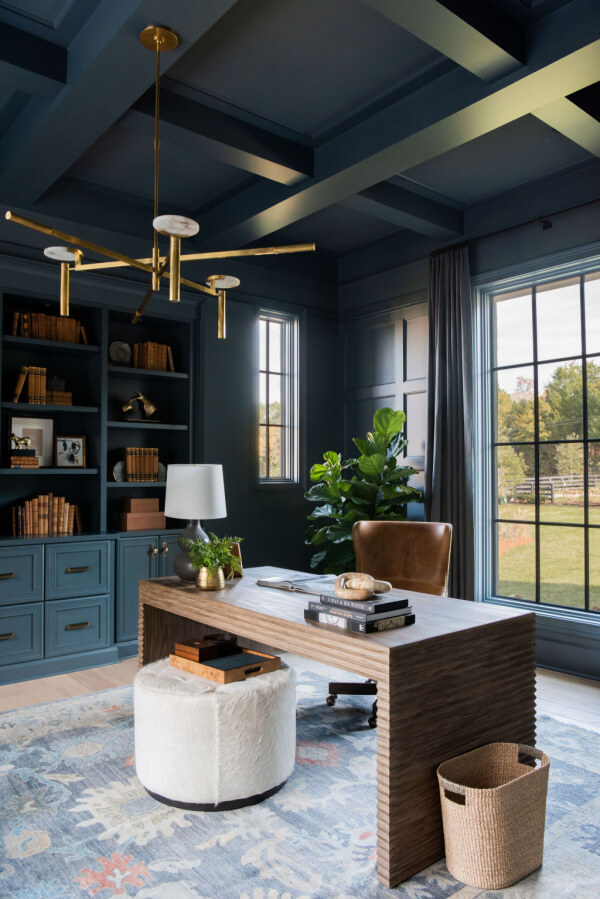
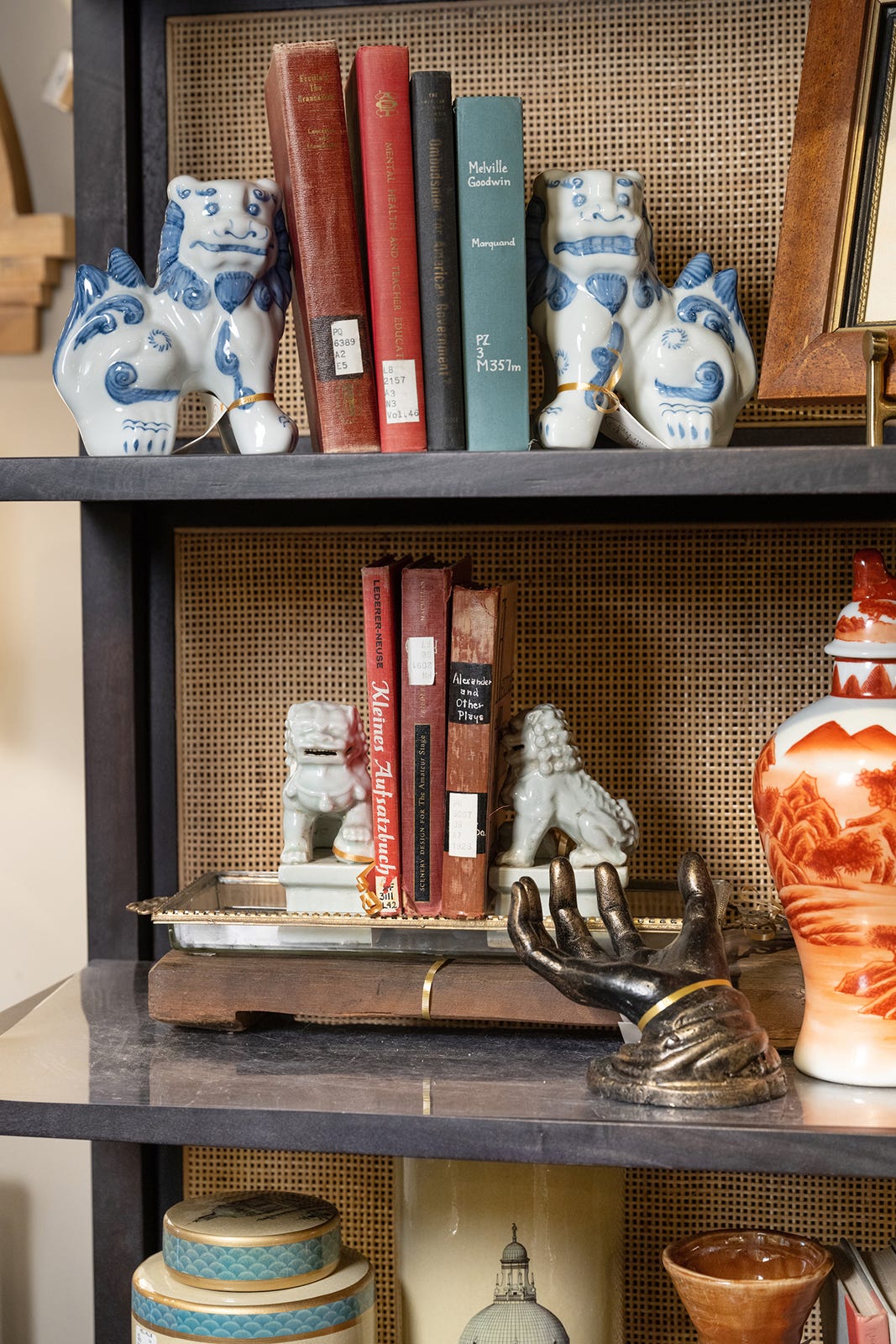
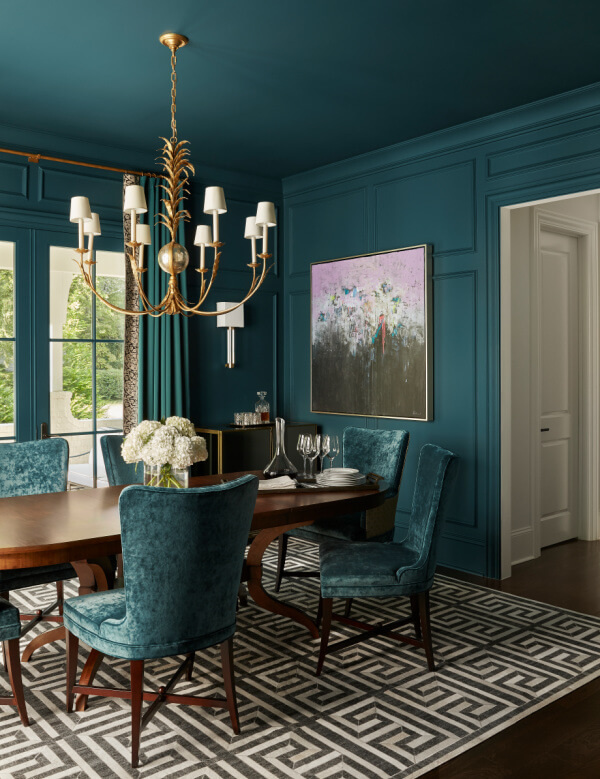
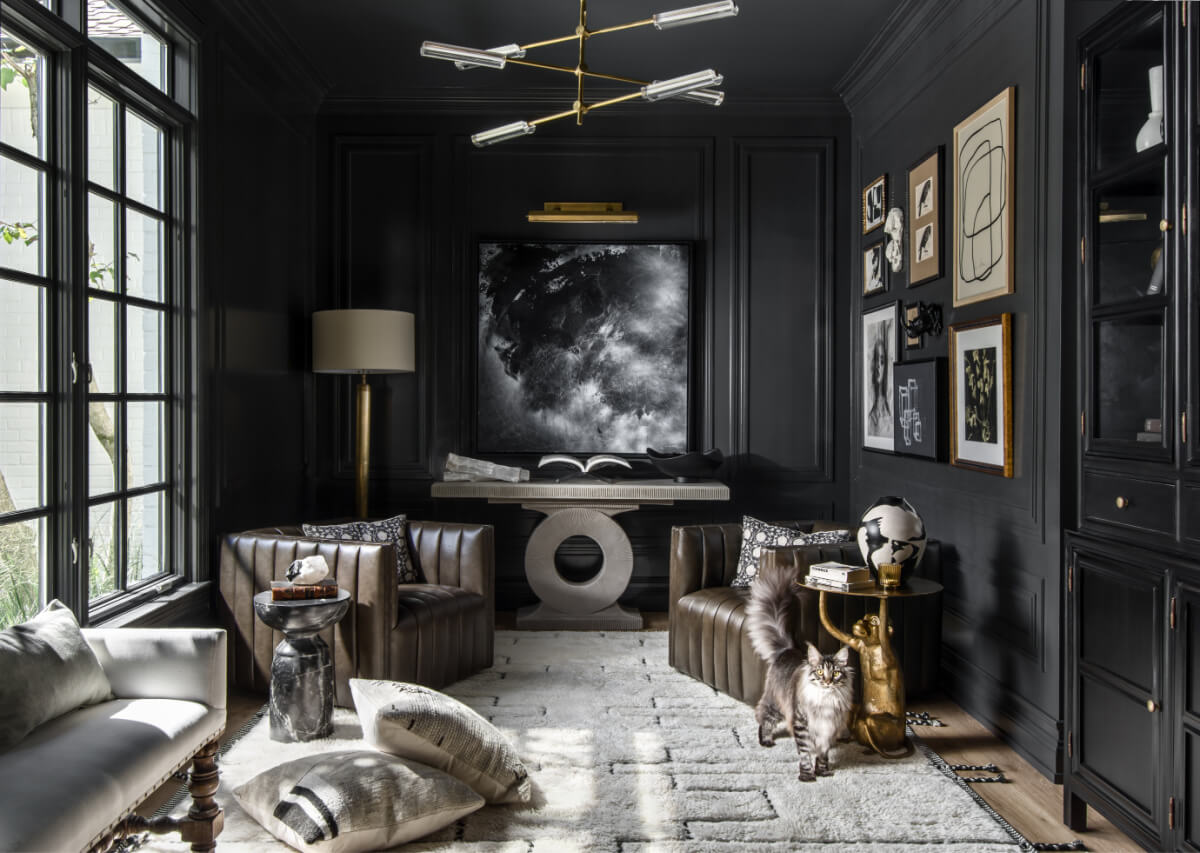
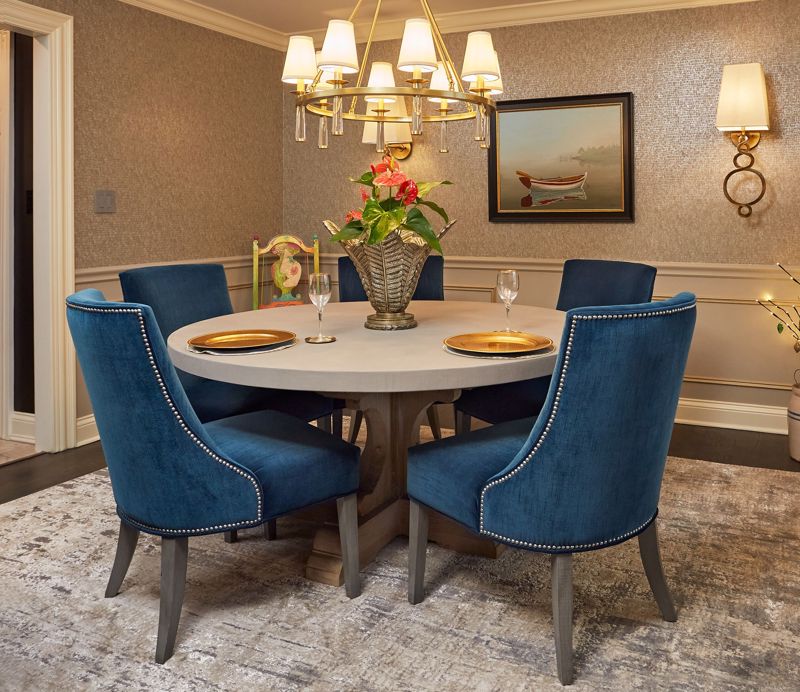
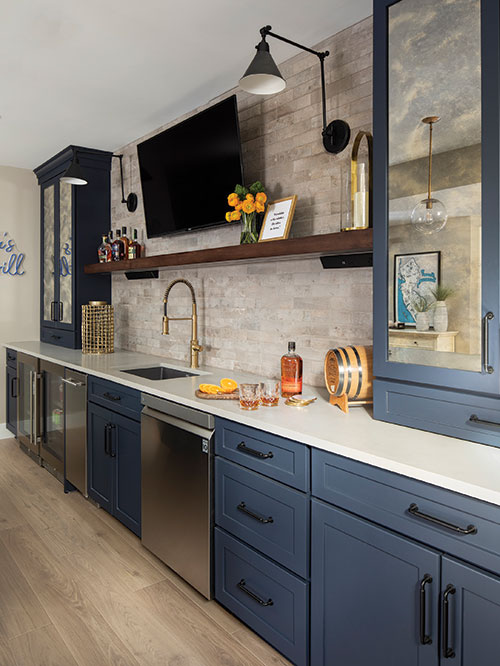
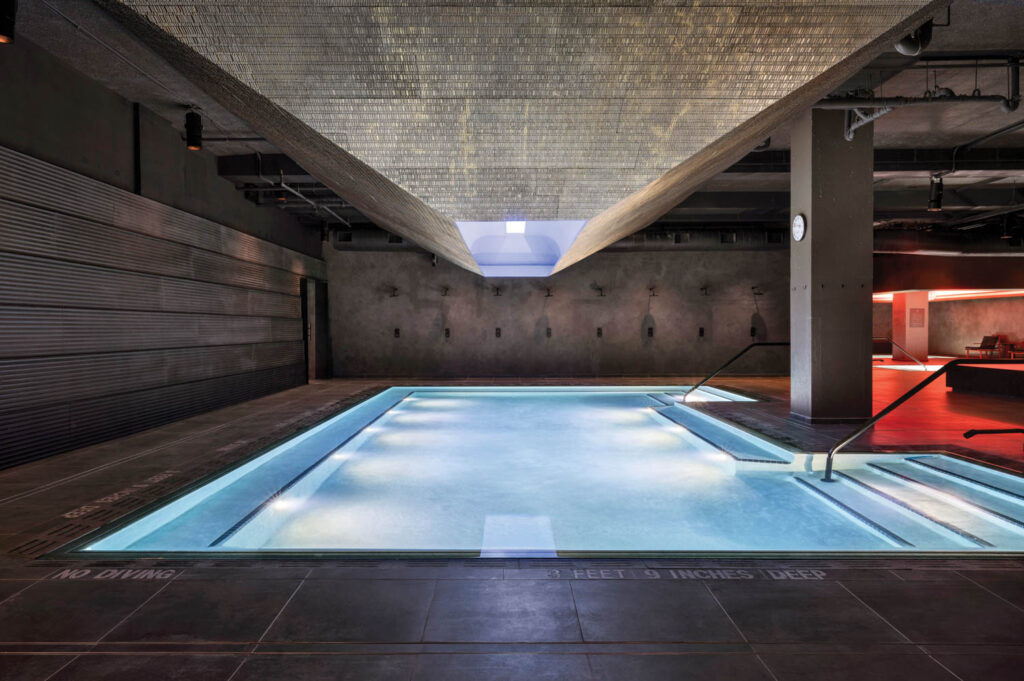
Moody interiors, with deep saturated hues such as navy blue, charcoal grey, and forest green, add drama and sophistication. Global influences are celebrated, incorporating elements from various cultures like Moroccan tiles or Japanese minimalism. Wellness design prioritizes physical, mental, and emotional well-being through holistic principles, focusing on air quality, natural light, and ergonomic furniture. Vintage industrial aesthetics combine rugged, utilitarian elements with nostalgic charm, featuring exposed brick and reclaimed wood. Fluid design emphasizes adaptability with open floor plans and modular furniture, accommodating changing needs.
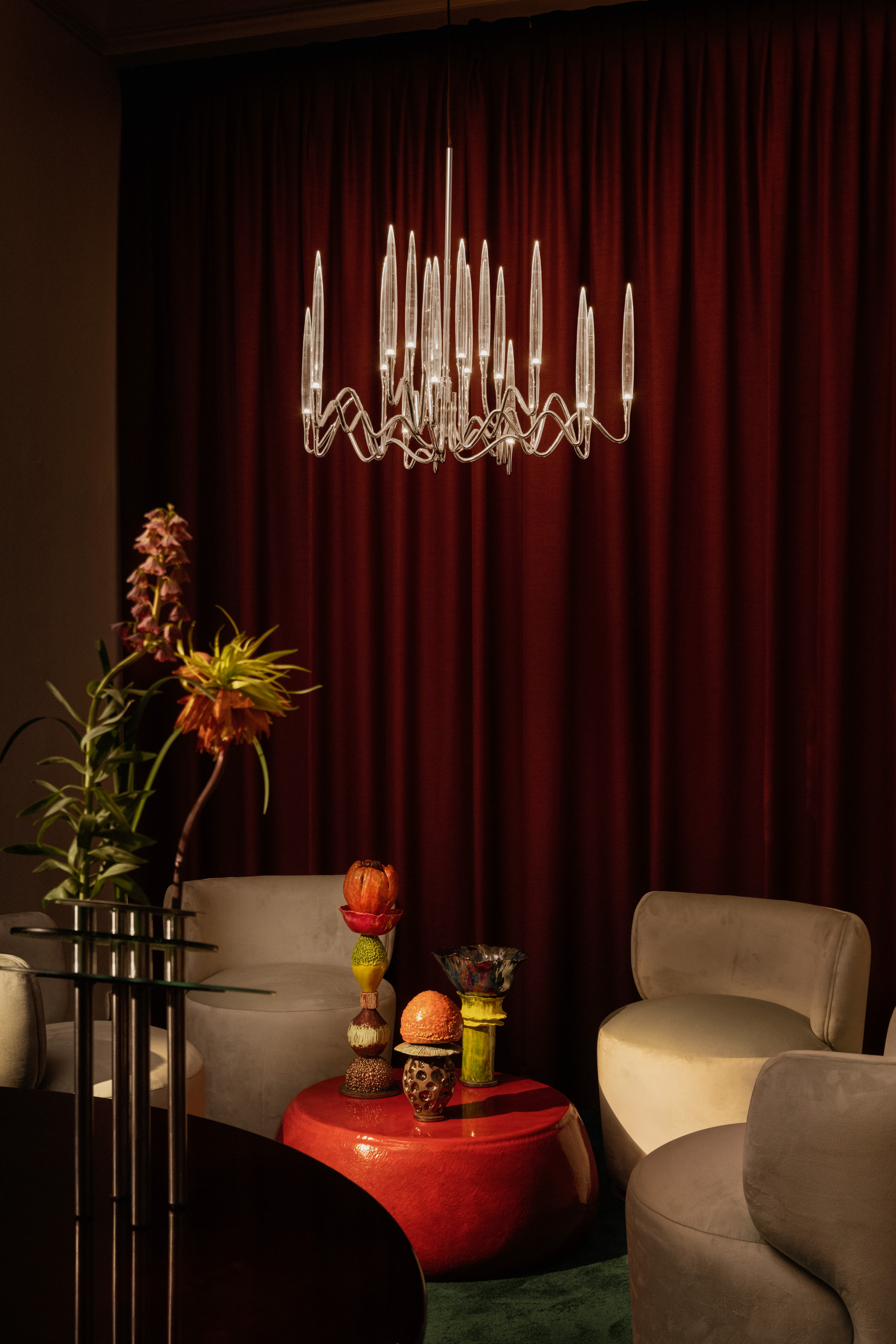
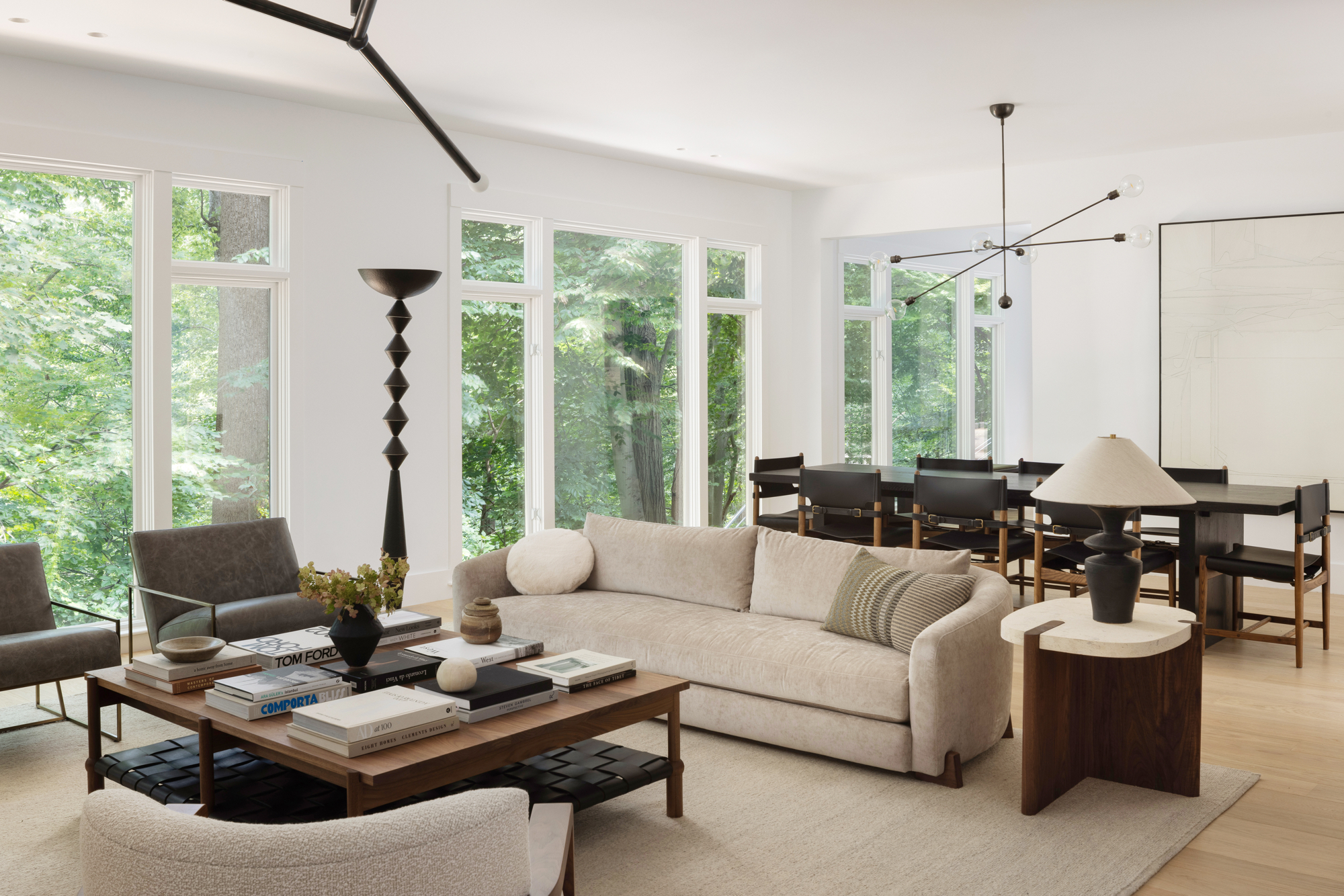
Finally, multifaceted lighting design is crucial, transforming spaces with statement chandeliers, sculptural pendant lights, and dynamic LED installations. Layering different light sources—ambient, task, and accent—creates depth, drama, and visual interest, allowing homeowners to adapt their interiors to various moods and activities throughout the day. These evolving trends reflect society's changing needs and preferences, enabling homeowners to create aesthetically pleasing, functional, sustainable, and deeply meaningful spaces.
#InteriorDesign #UKDesignTrends #SustainableDesign #BiophilicDesign #WarmMinimalism #MaximalistEclecticism #VintageRevival #SmartHomeIntegration #WoodPanelling #InteriorDesign #UKDesignTrends #SustainableDesign #BiophilicDesign #WarmMinimalism #MaximalistEclecticism #VintageRevival #SmartHomeIntegration #WoodPanelling
0 commenti in totale
 Nessun commento ancora
Potresti anche gradire
Interior Design Trends of 2024

The Biggest Interior Design Trends for 2025

Top interior design trends 2020

The Top Interior Design Trends Experts Predict for 2026
The new interior design trends: 24 looks for 2024

5 of the finest interior design styles that will define 2024

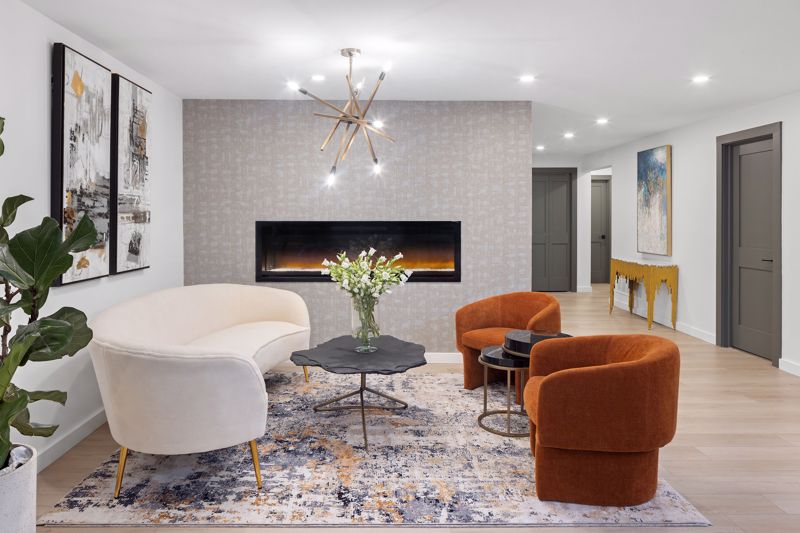
8 Interior Design Trends for 2025
"It Will Go Out As Quickly As It Came In": Interior Designers Are Sharing Their Honest Takes About 2024 Home Decor Trends

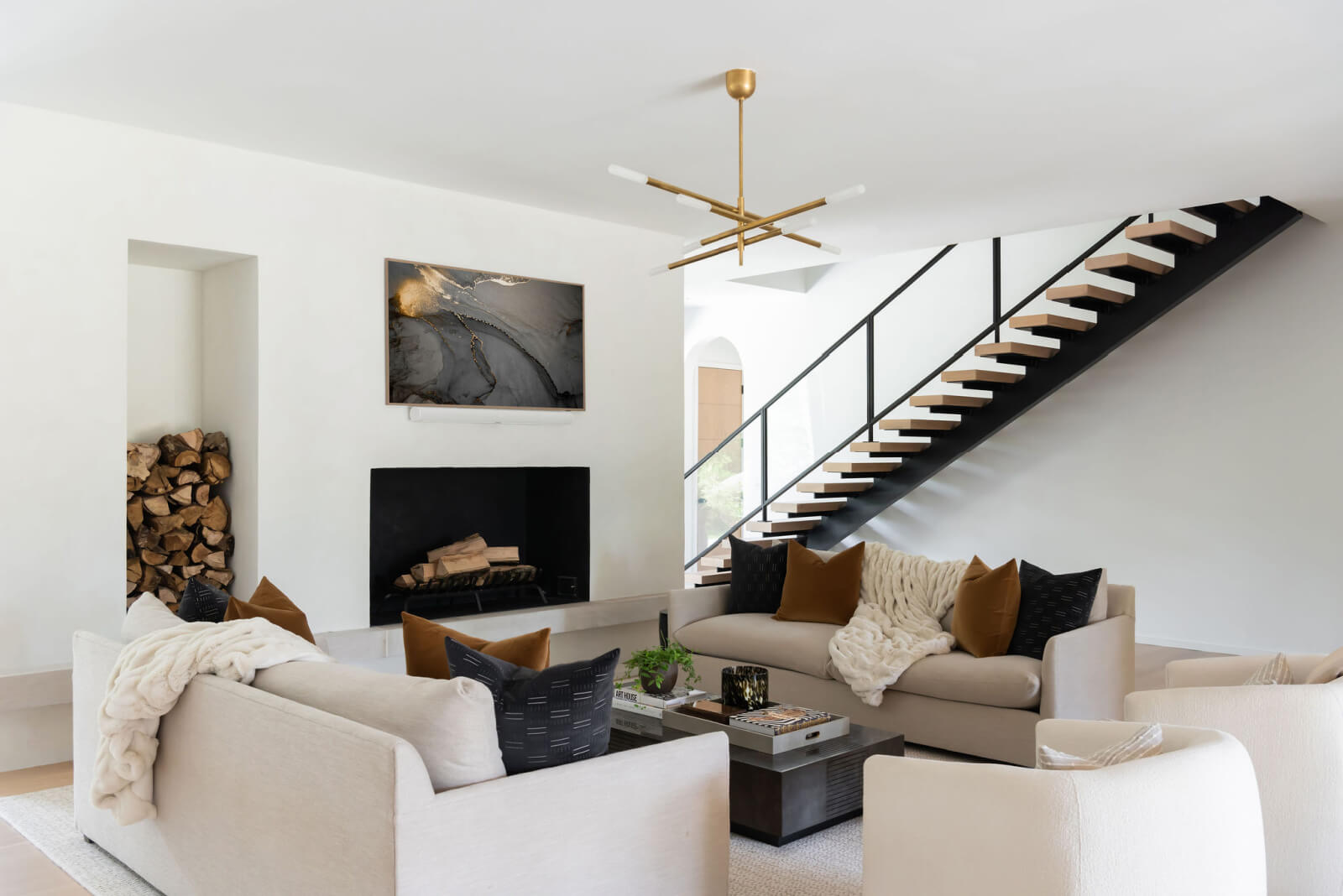
8 Interior Design Trends to Watch in 2024

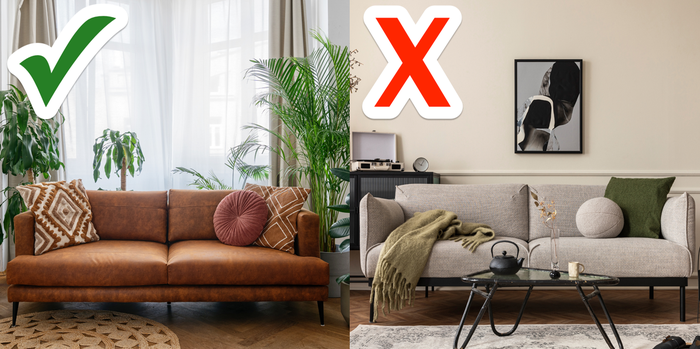
7 interior-design trends you'll see everywhere in 2024, and 5 that'll disappear
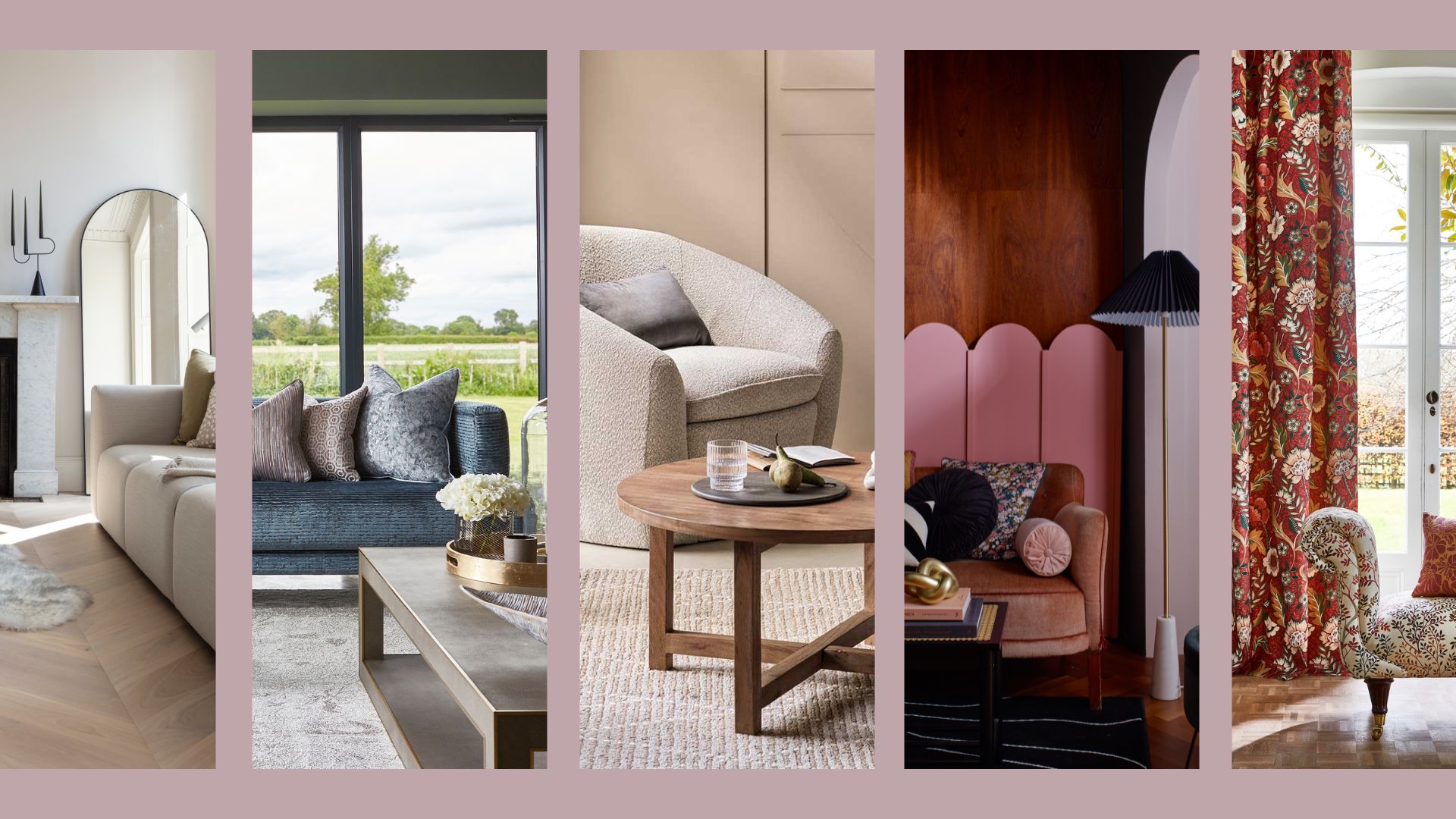
Interior Design Trends 2024: 10 home decor trends to inspire

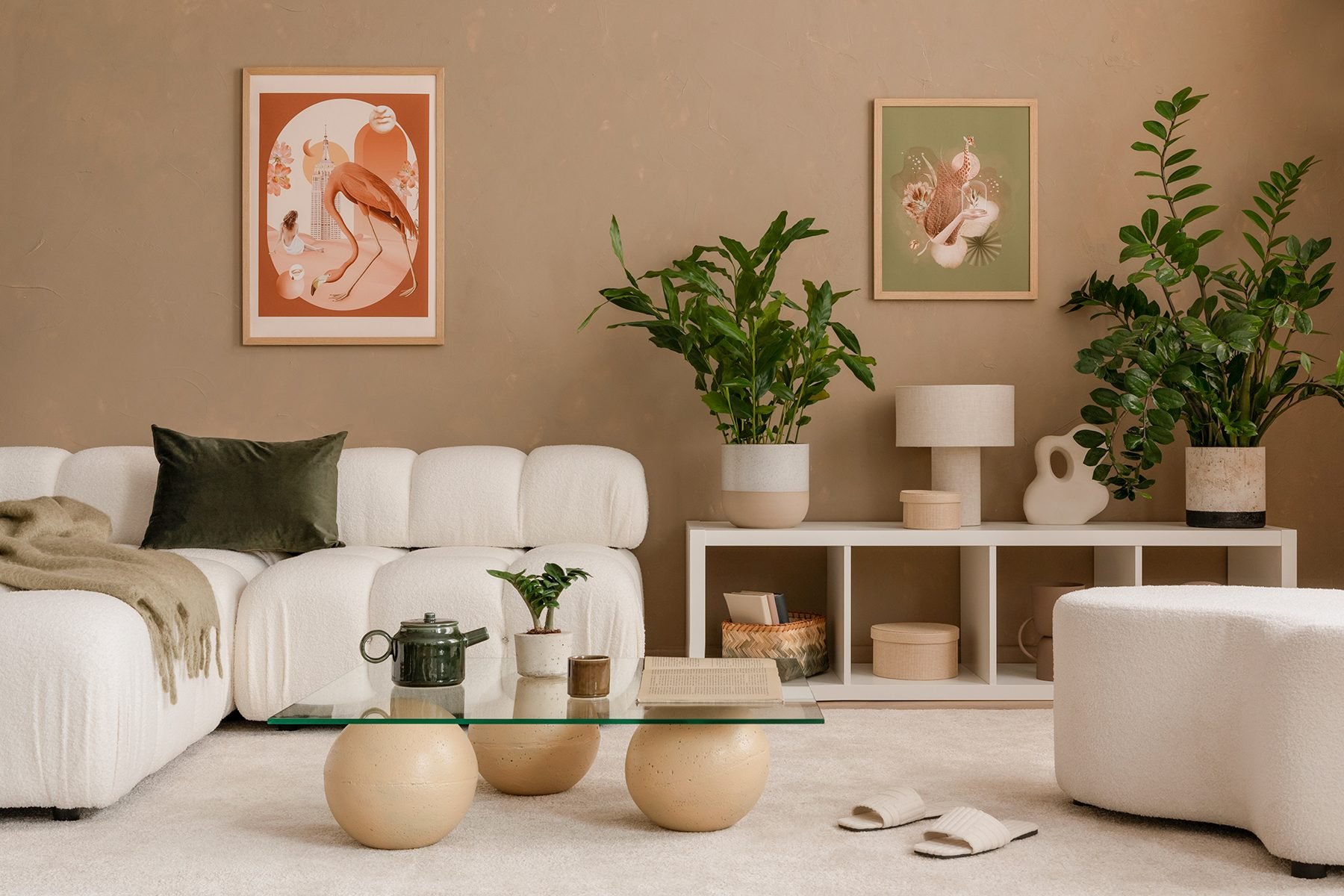
Design Forward: 4 Must-Know Interior Trends for 2025


Tech-infused trends and how it's shaping interior design in 2024

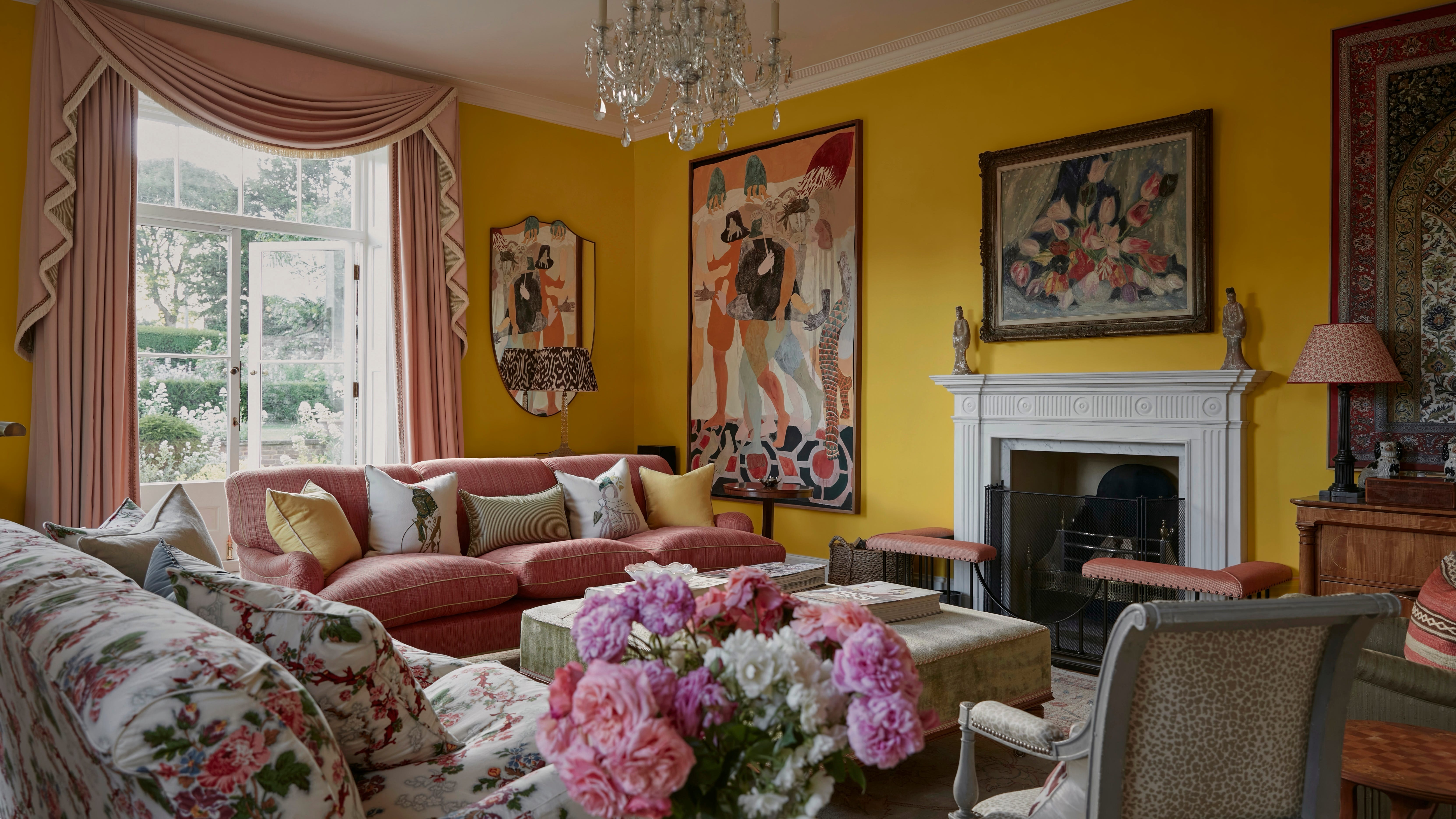
4 British Interior Design Trends Americans Are Going to Be Obsessed with in 2025
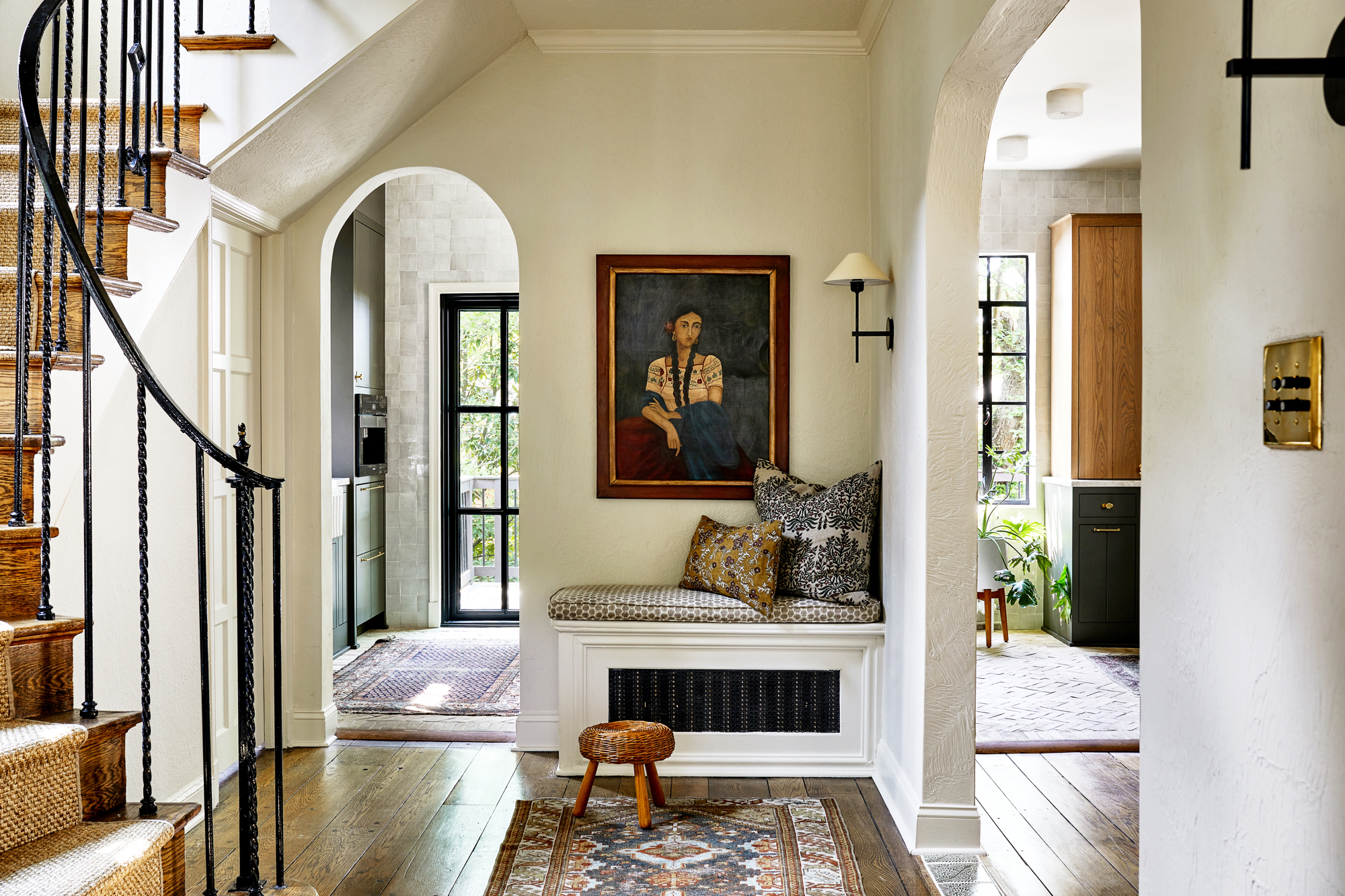
Home-Design Trends You’ll See Everywhere in 2024

Introducing Interior Design’s 2024 Rising Giants

Style at Home: Top 2024 interior design trends making waves across the web
10 Interior Design Trends to Watch in 2025
What Are the Hot Home Styles for 2024?

Five Interior Design Trends for 2025