1/4
How to texture a wall – 5 expert methods for intriguing wall textures
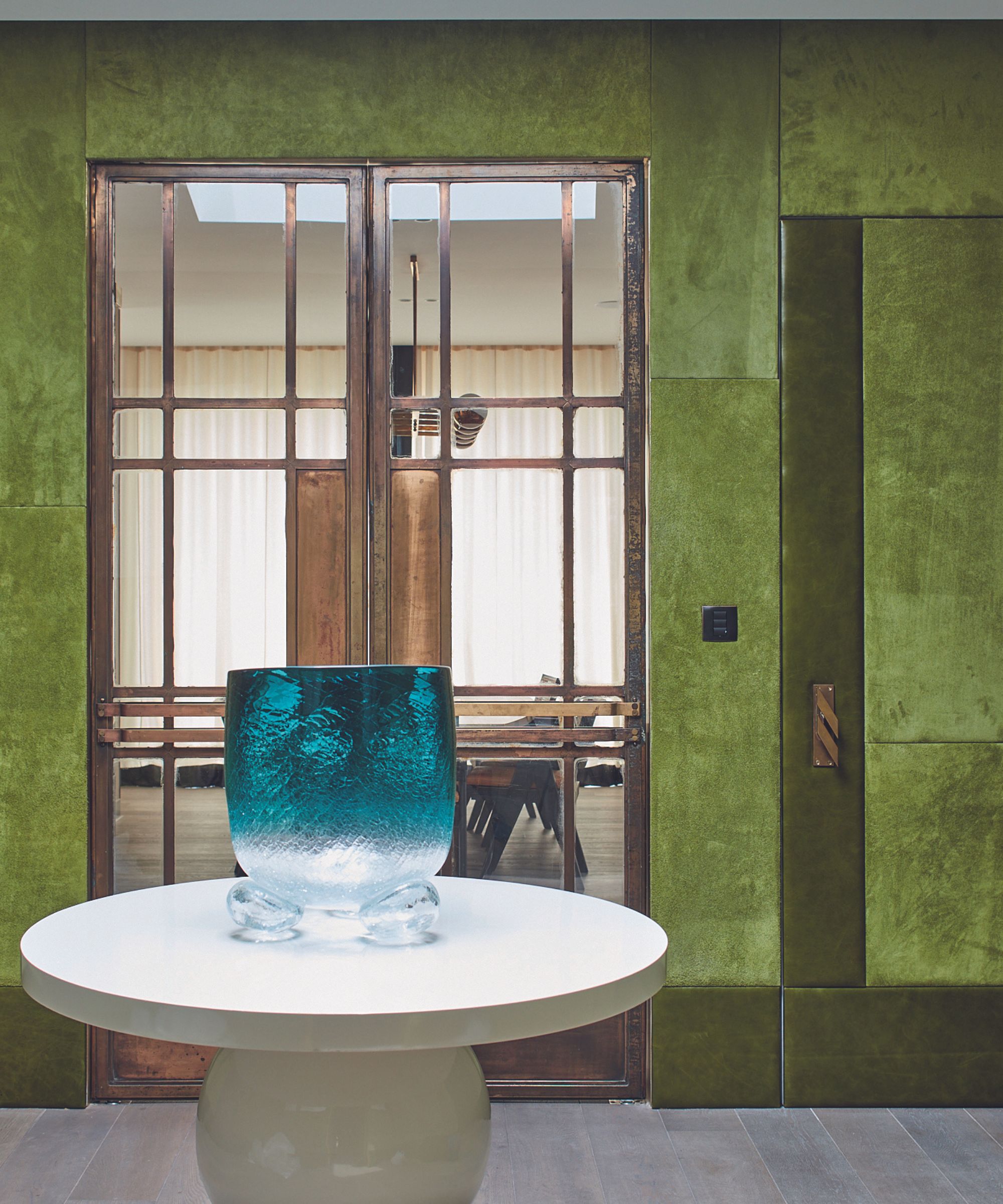
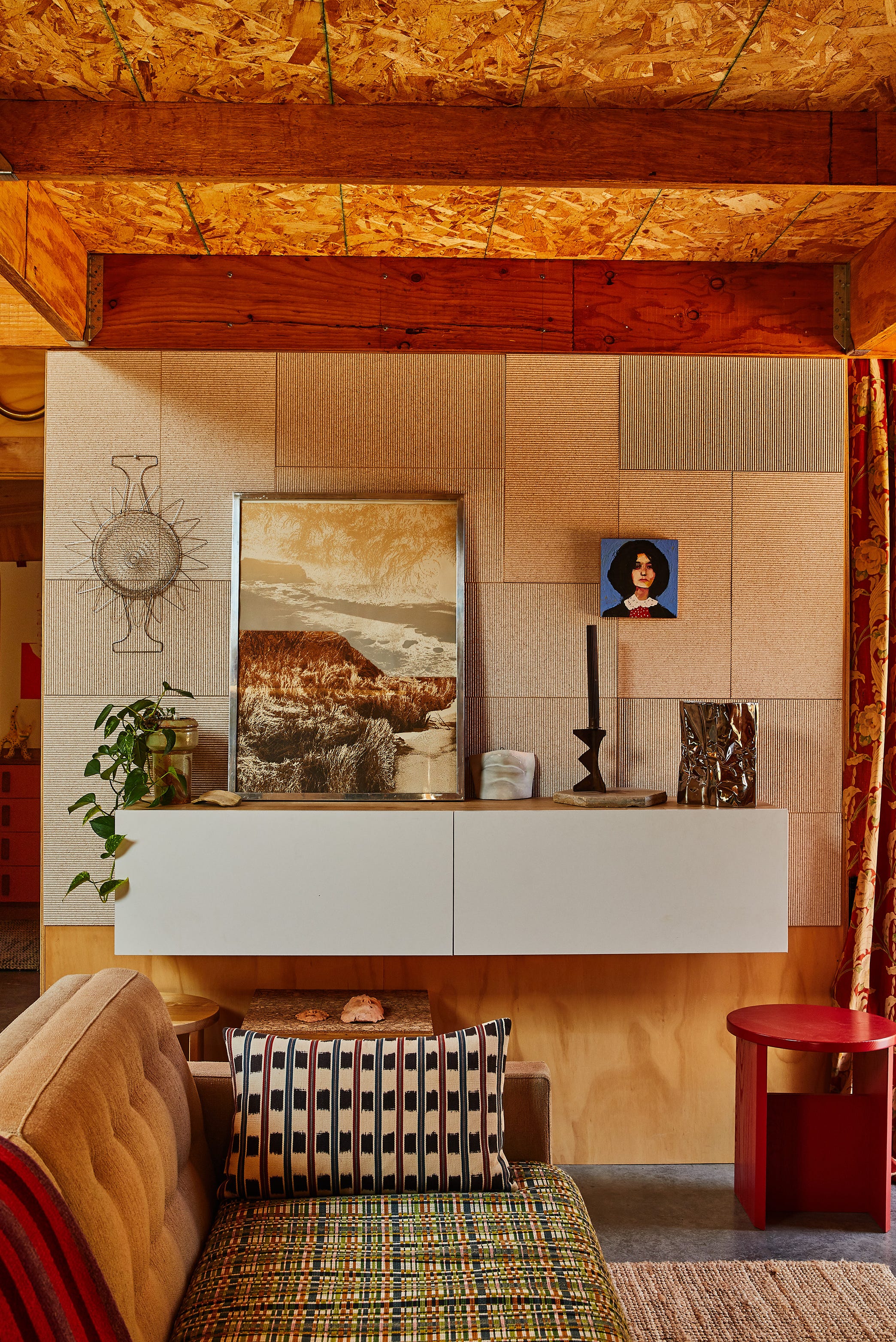
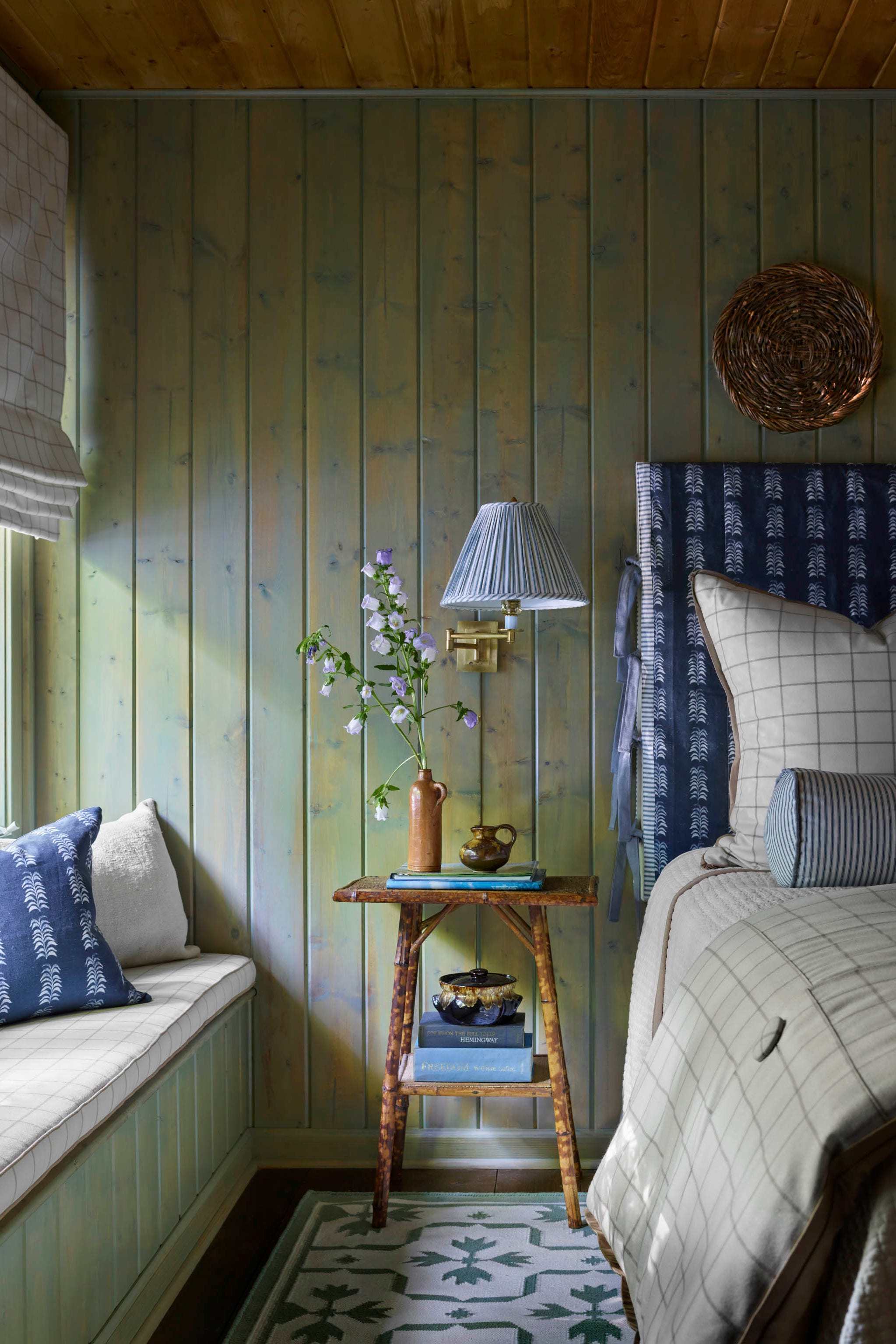
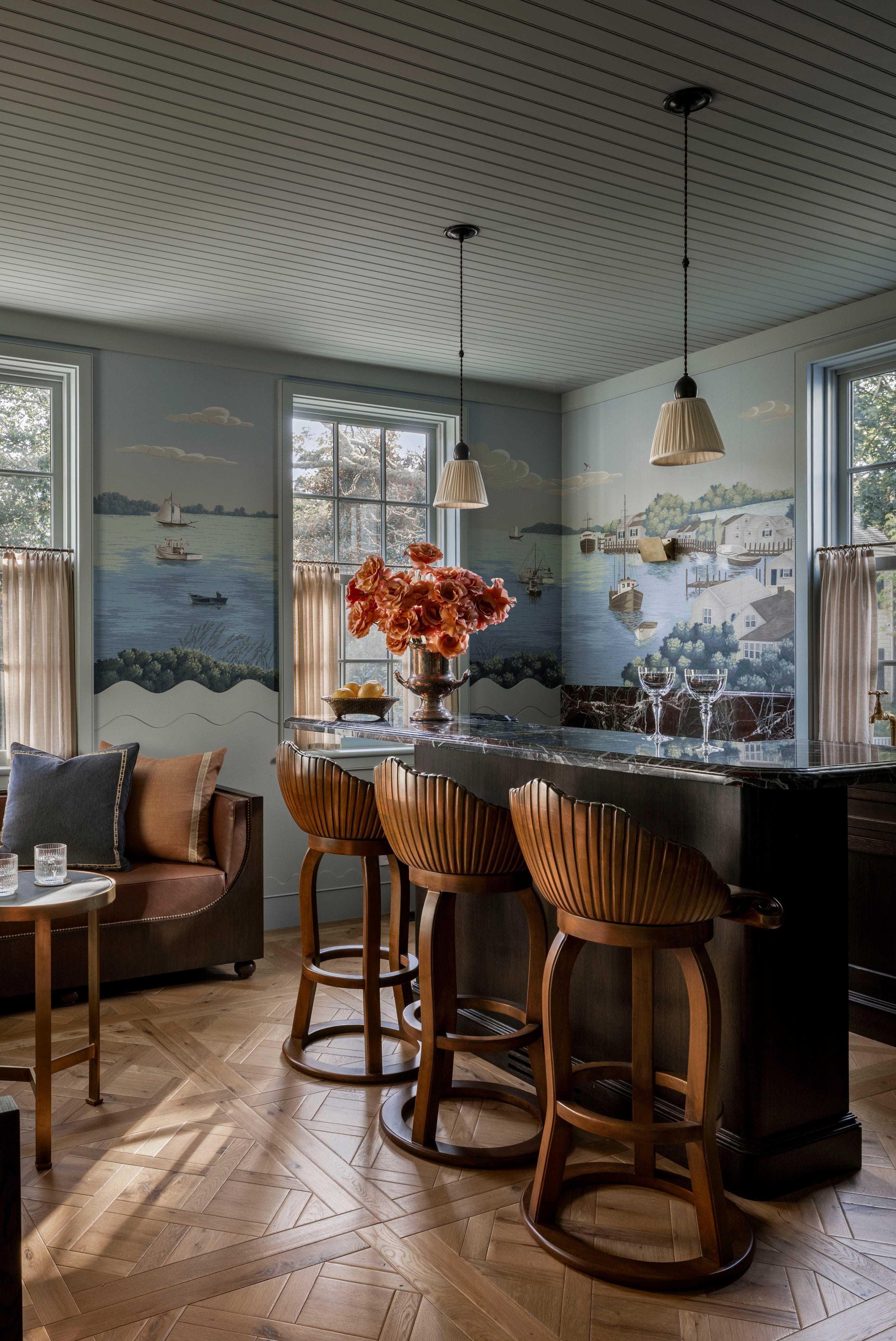
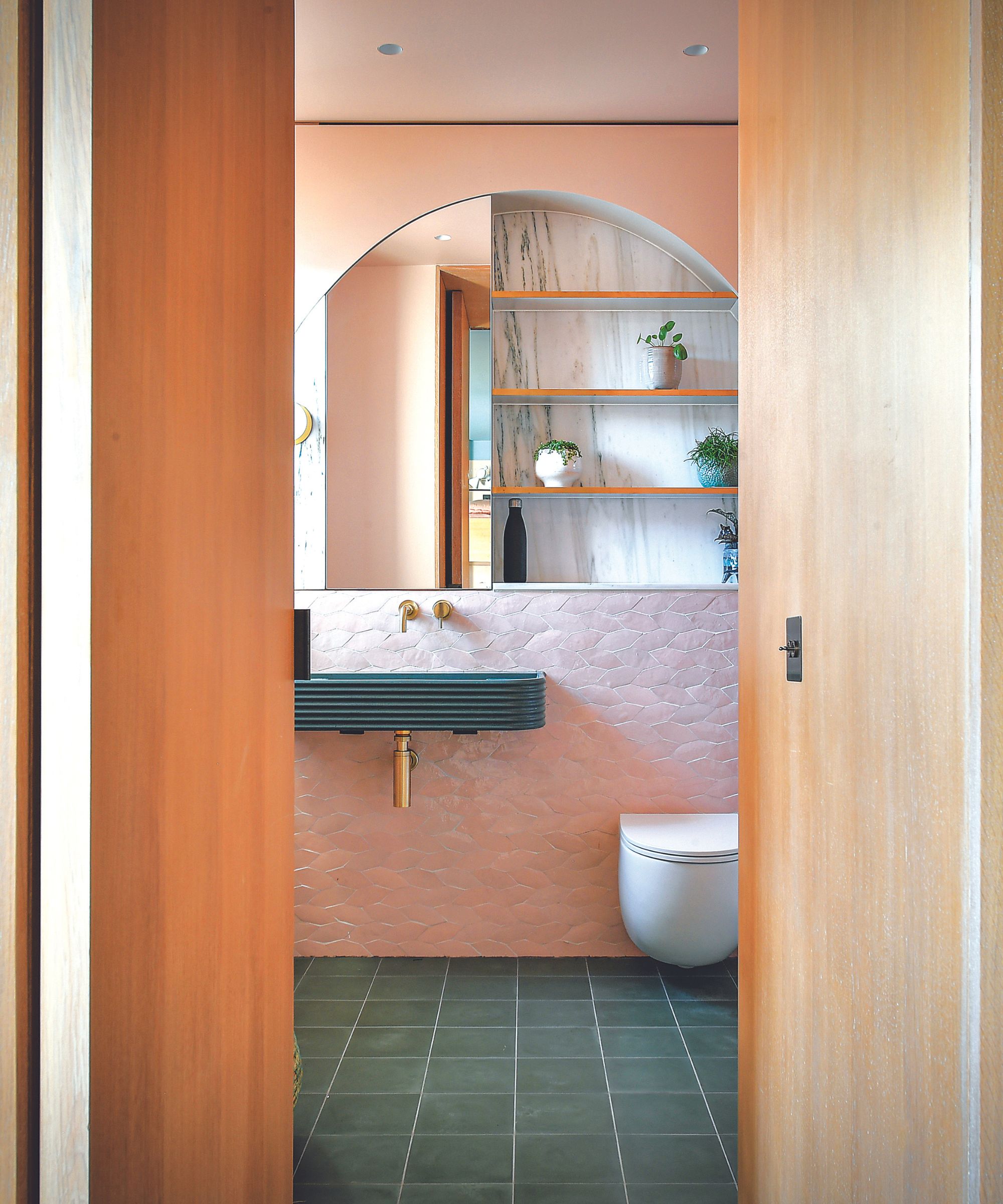
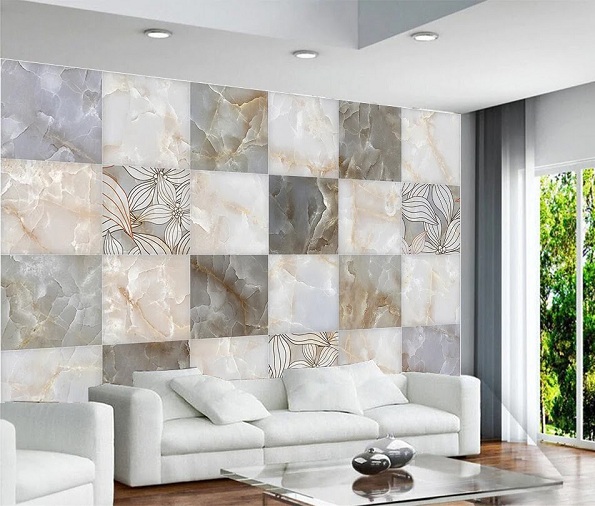
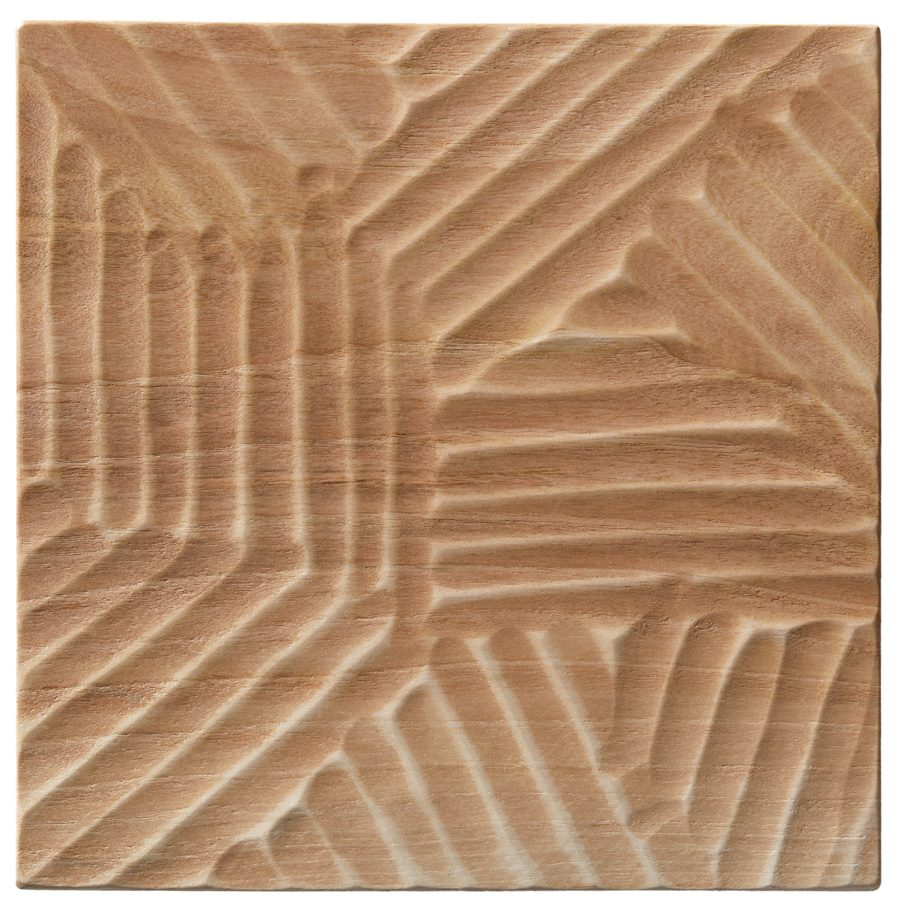
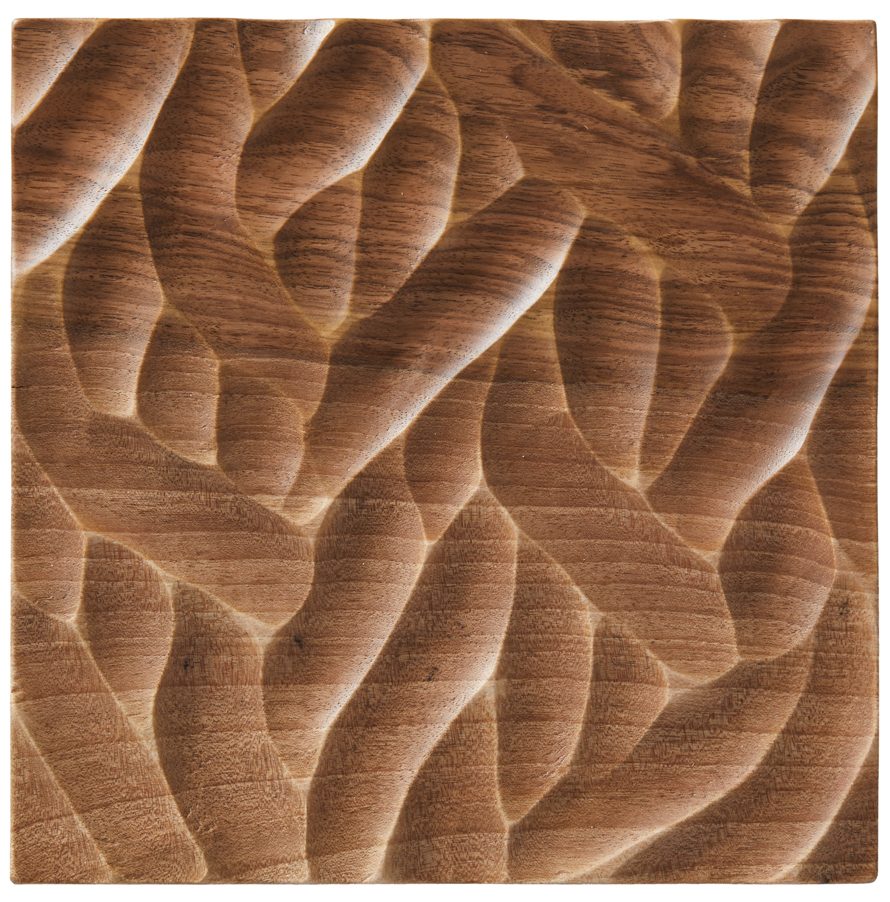
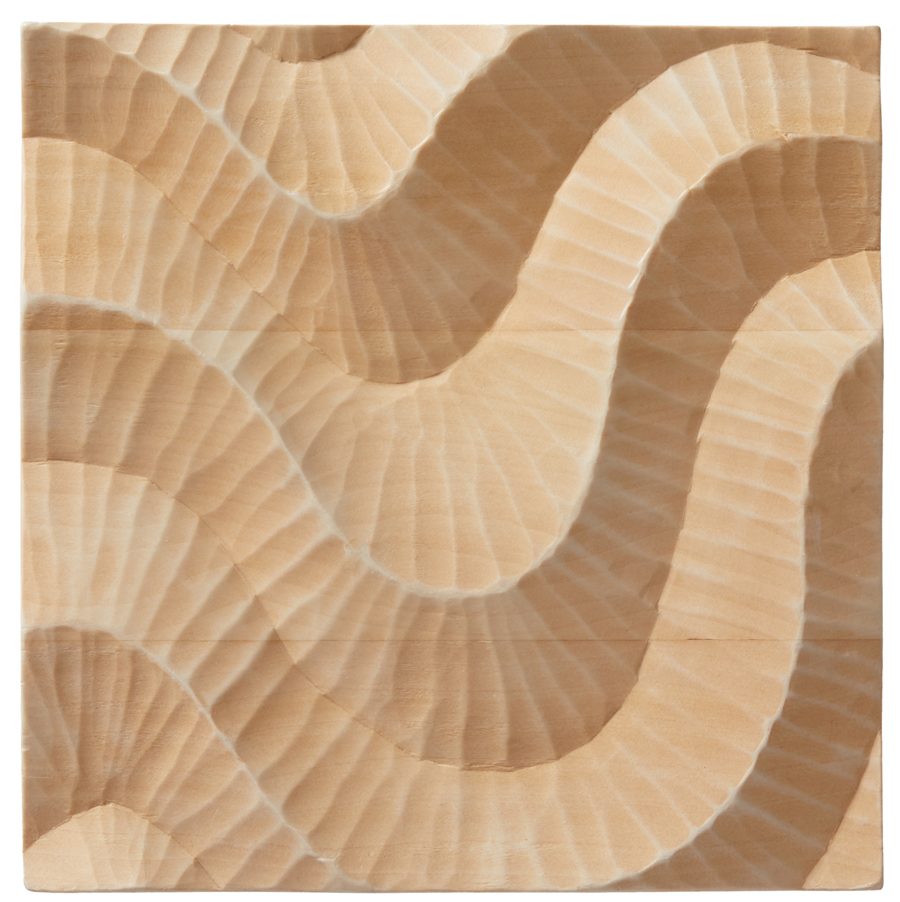
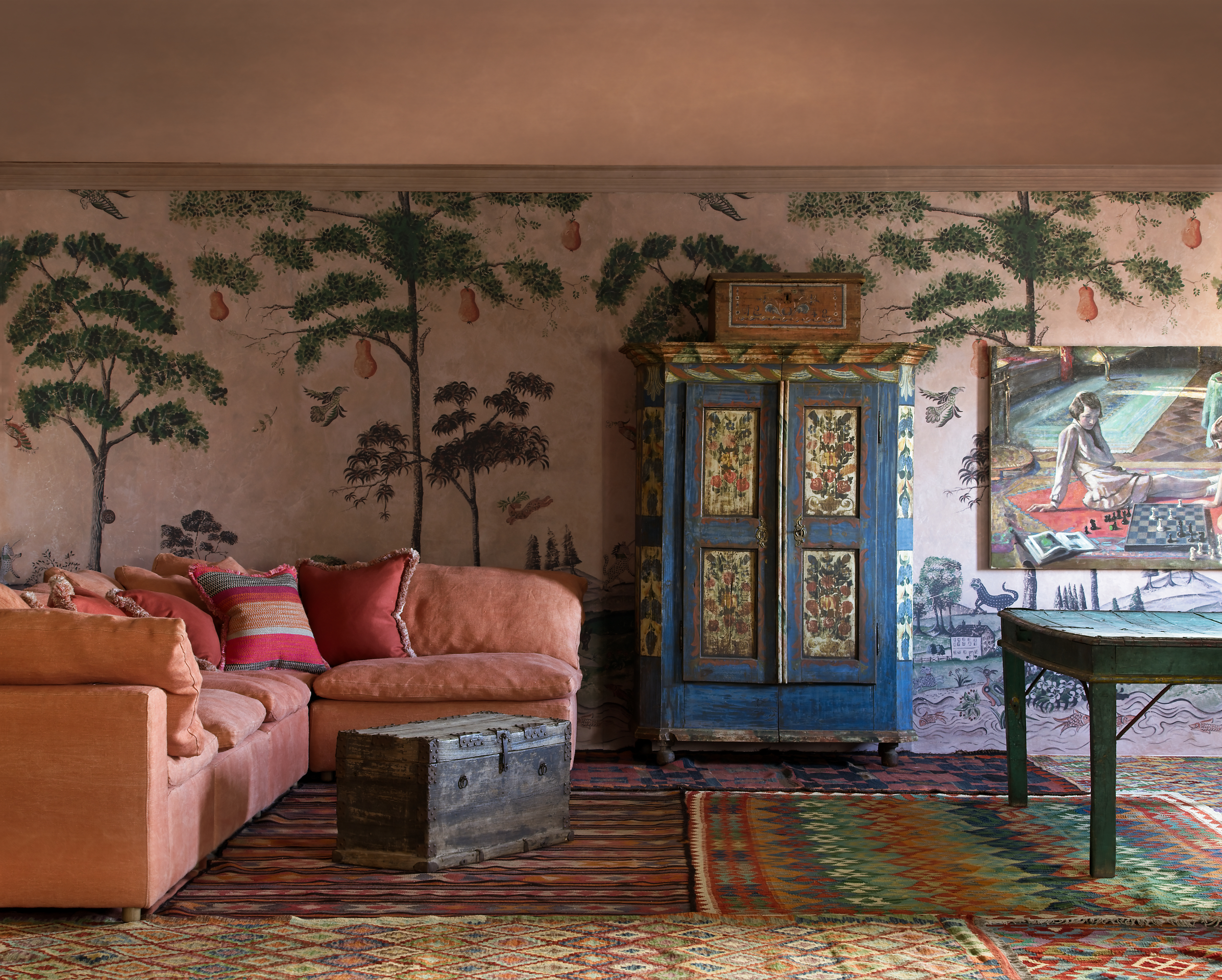
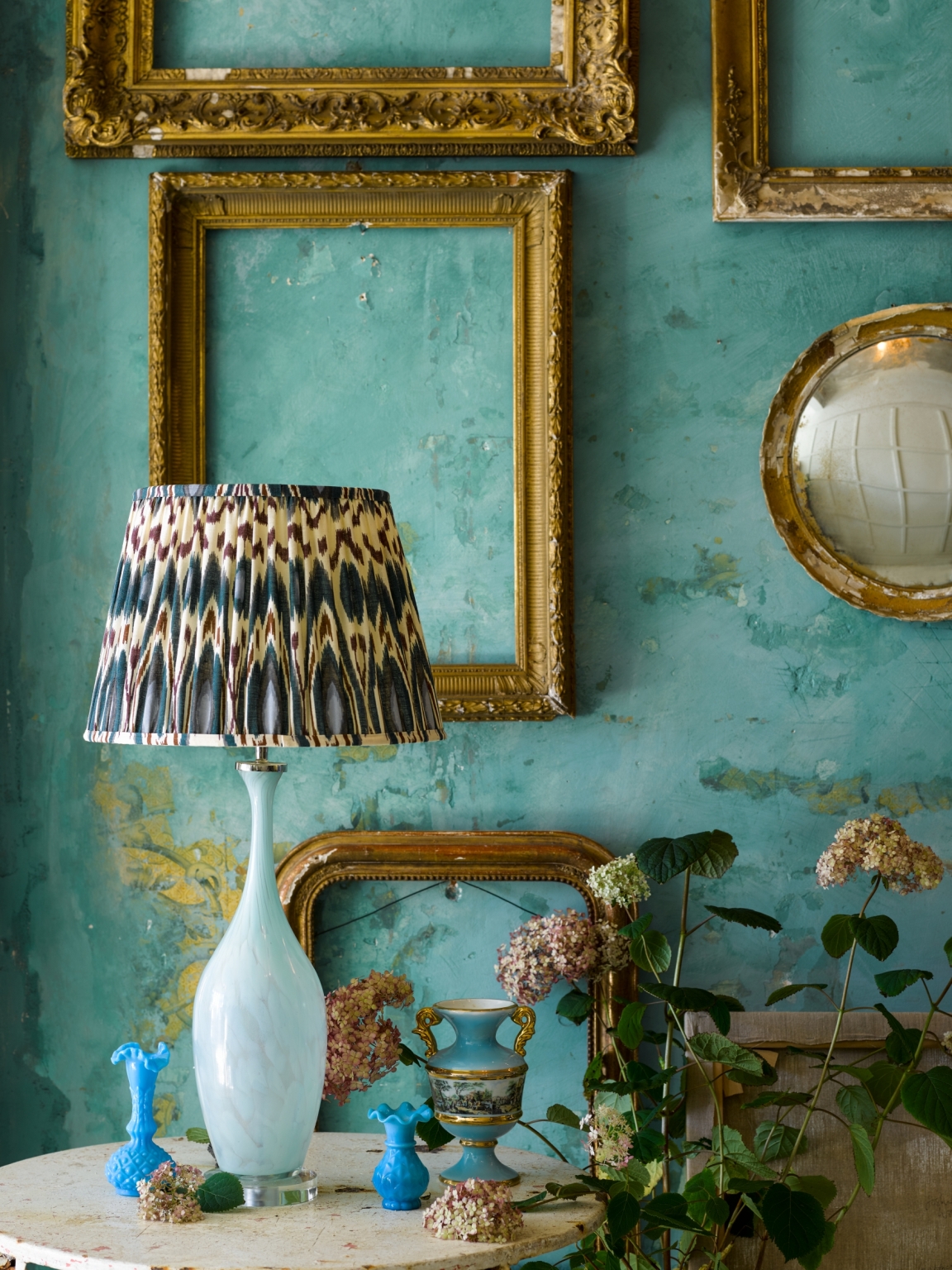
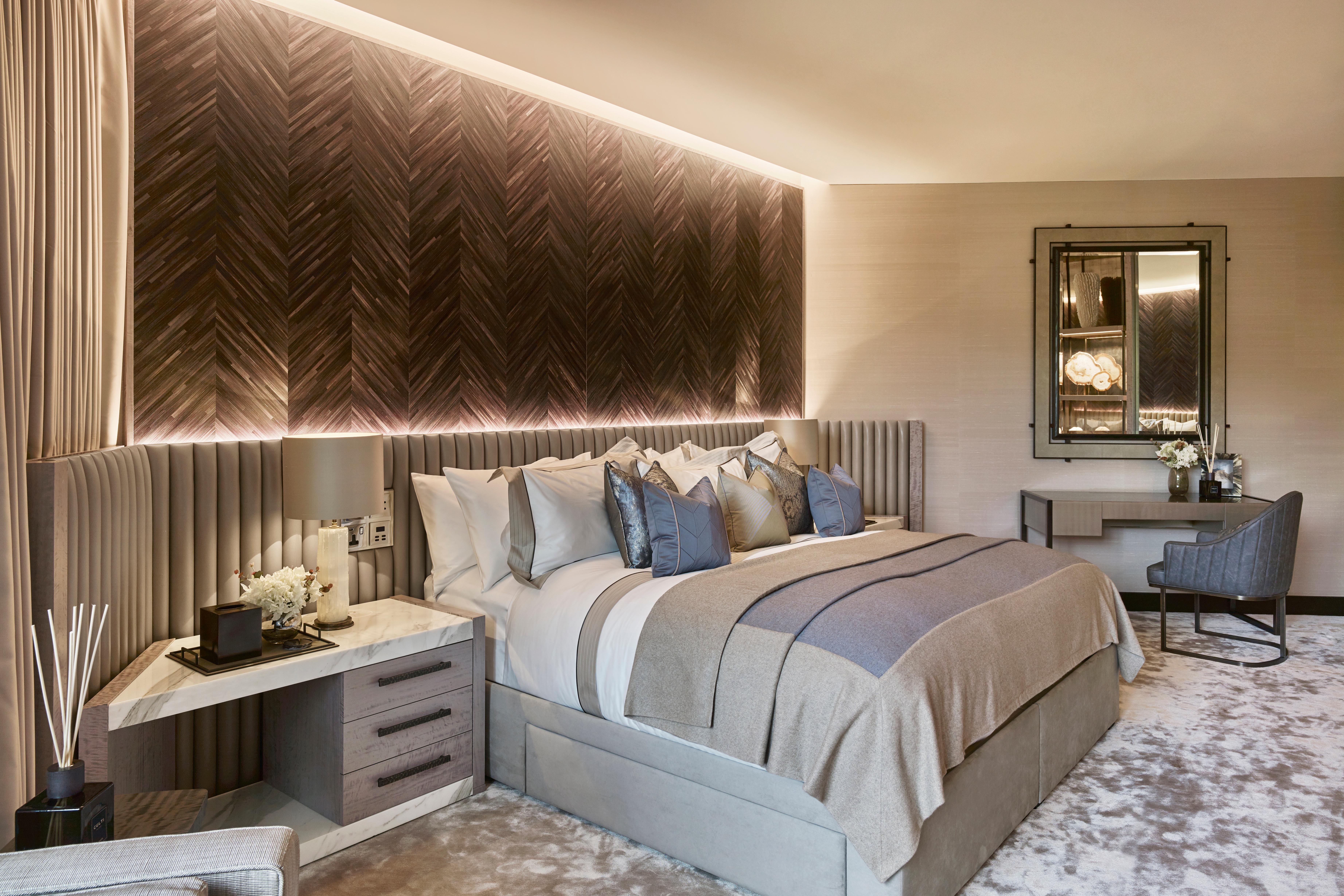
Redecorating often involves repainting or wallpapering, but texturing walls offers a creative way to add visual intrigue and tactile finishes without a complete overhaul of a room's layout or furniture. Textured wall ideas are gaining popularity, providing an opportunity to hide imperfections and add depth to a space. Professional decorators and designers recommend several methods for texturing walls, ensuring a result that is appealing both visually and to the touch.
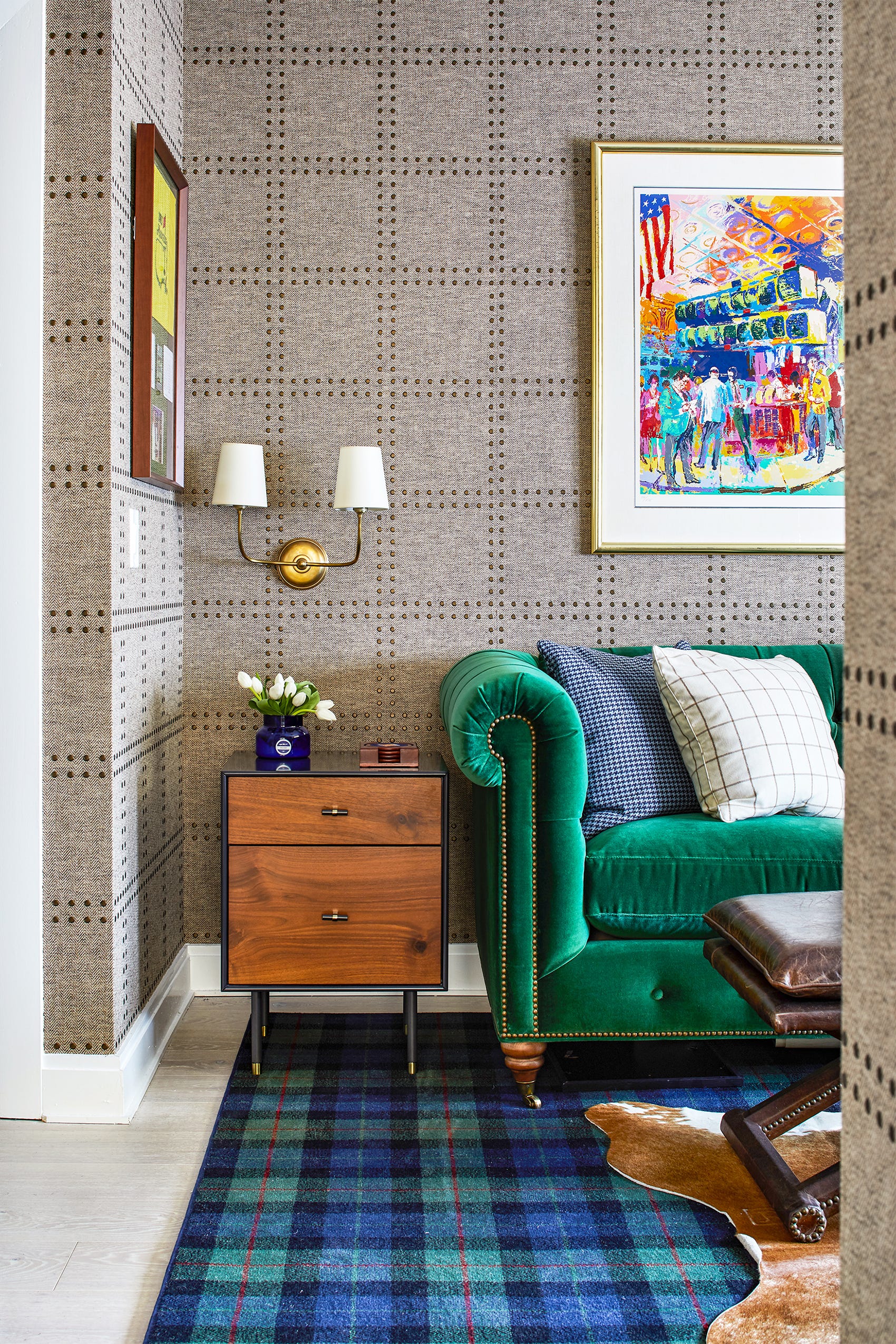
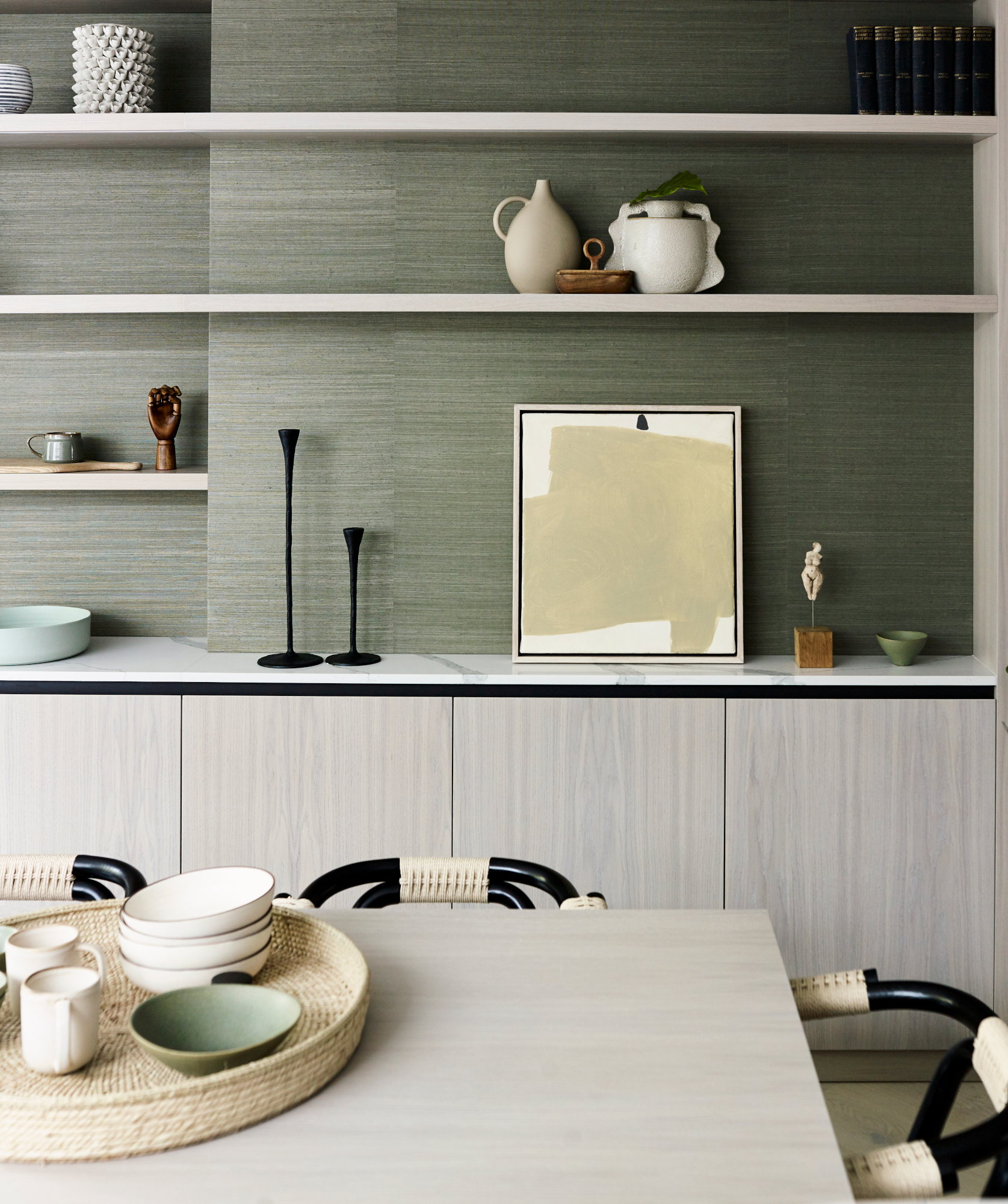
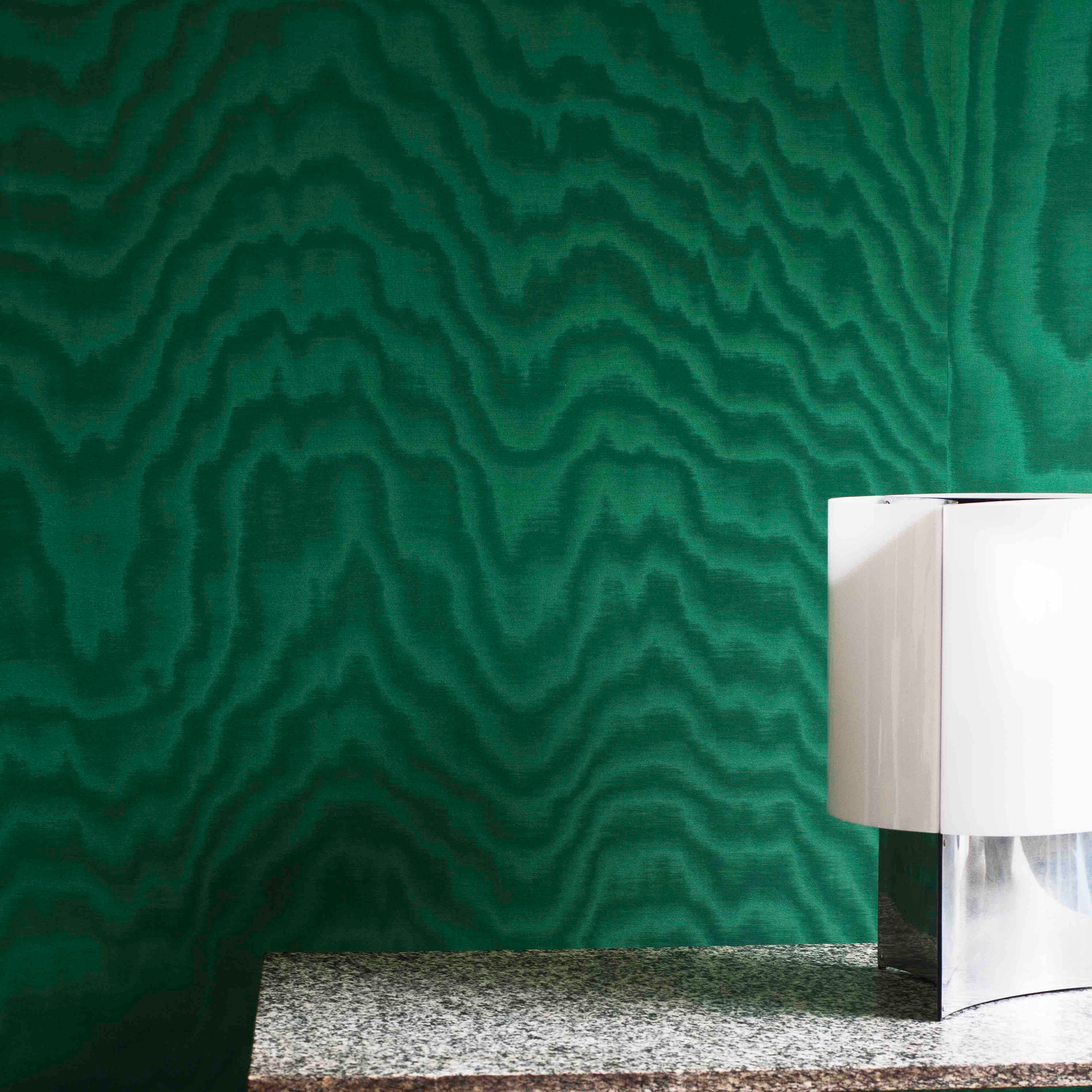
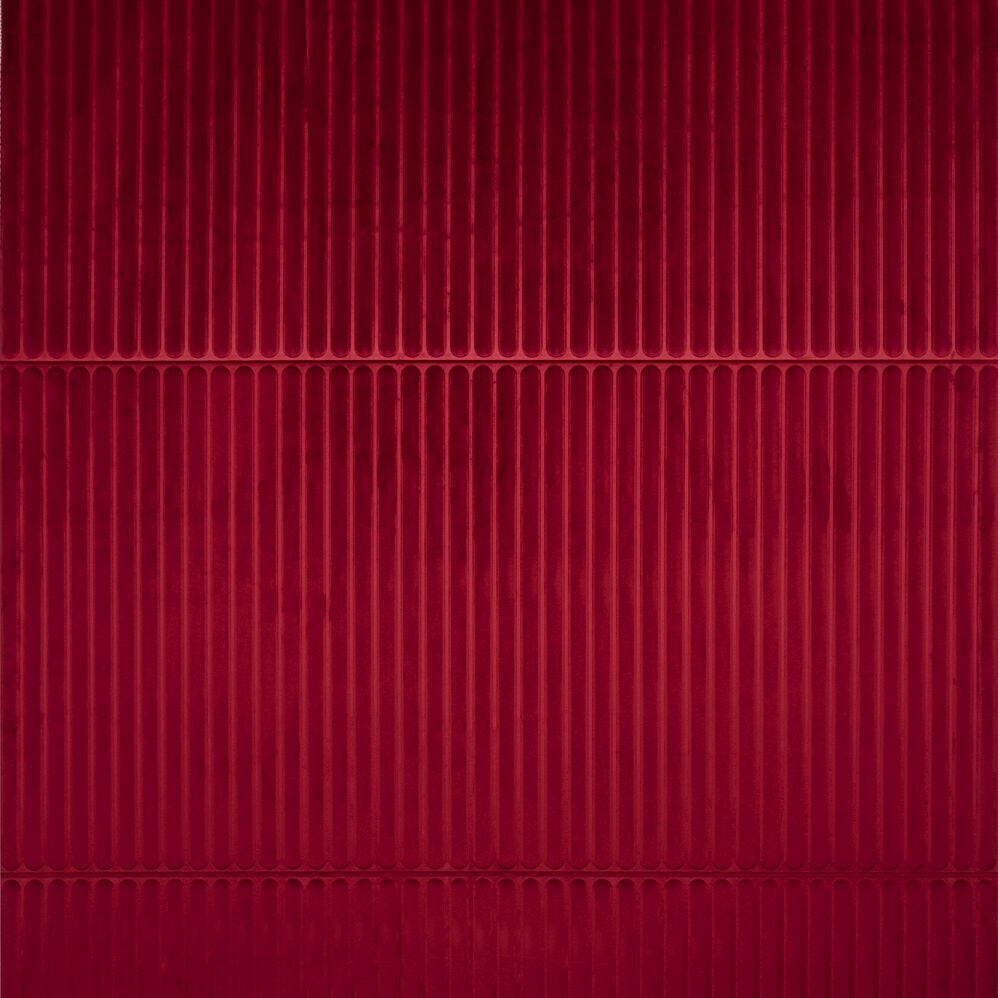
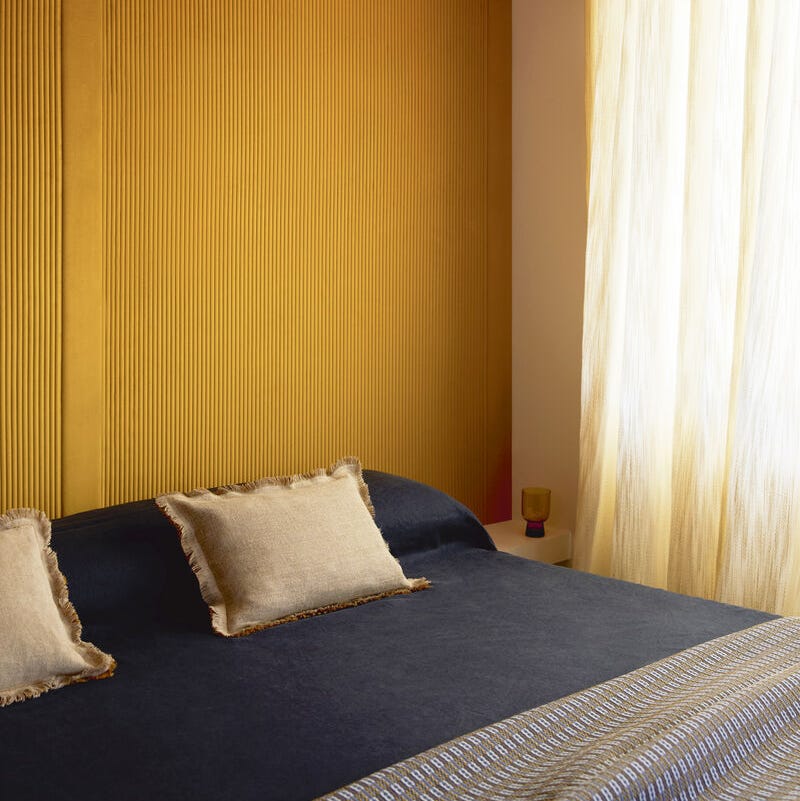
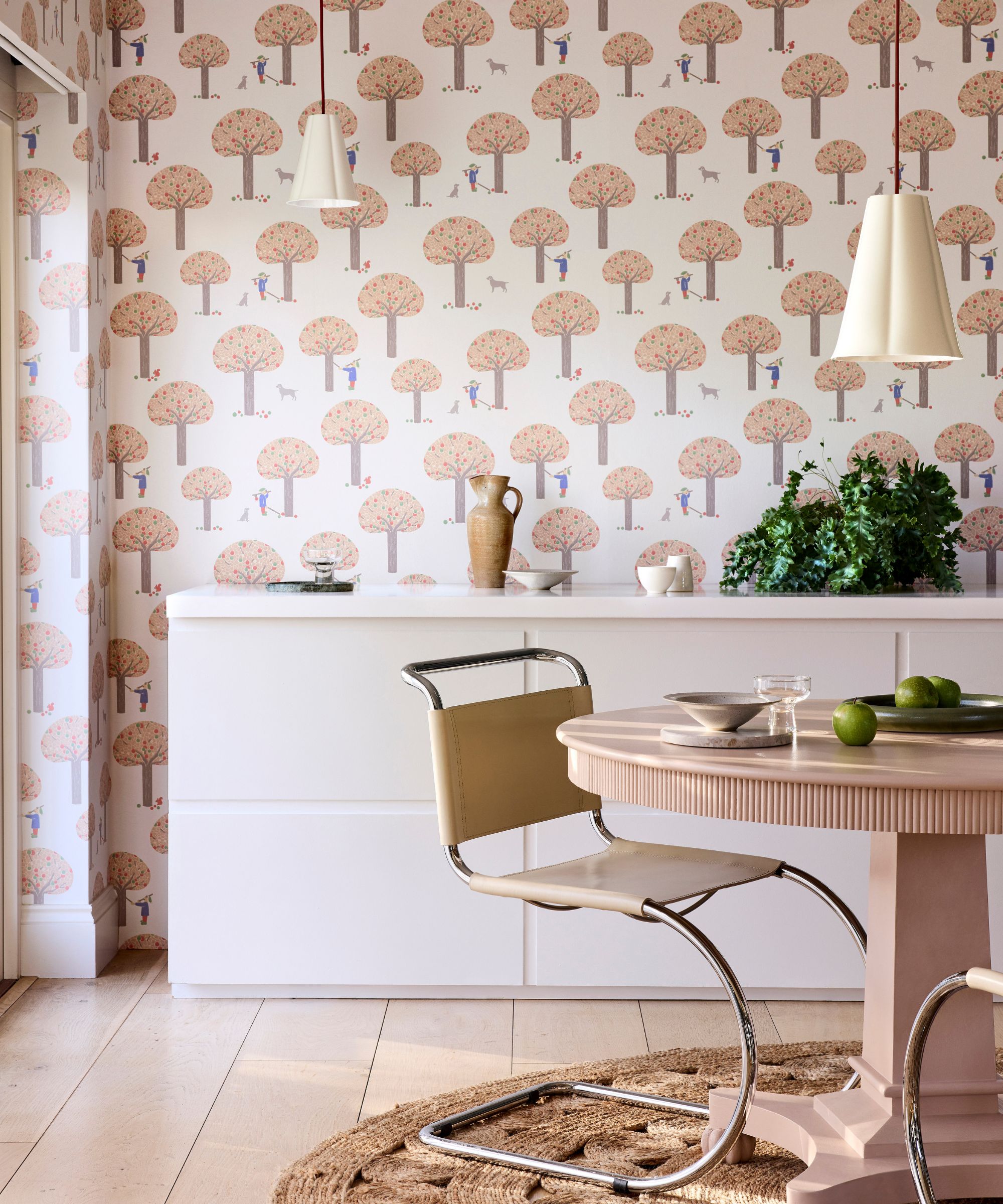
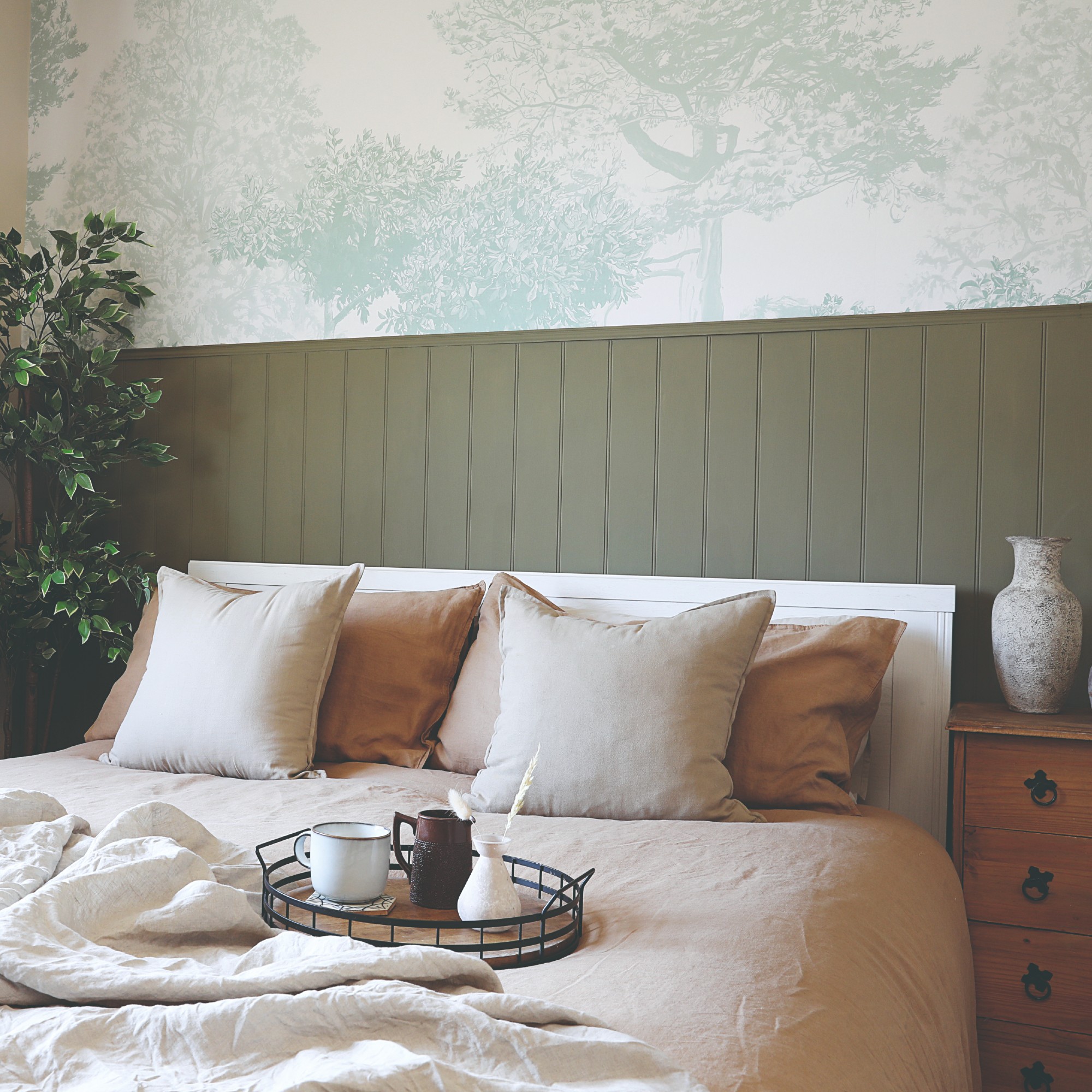
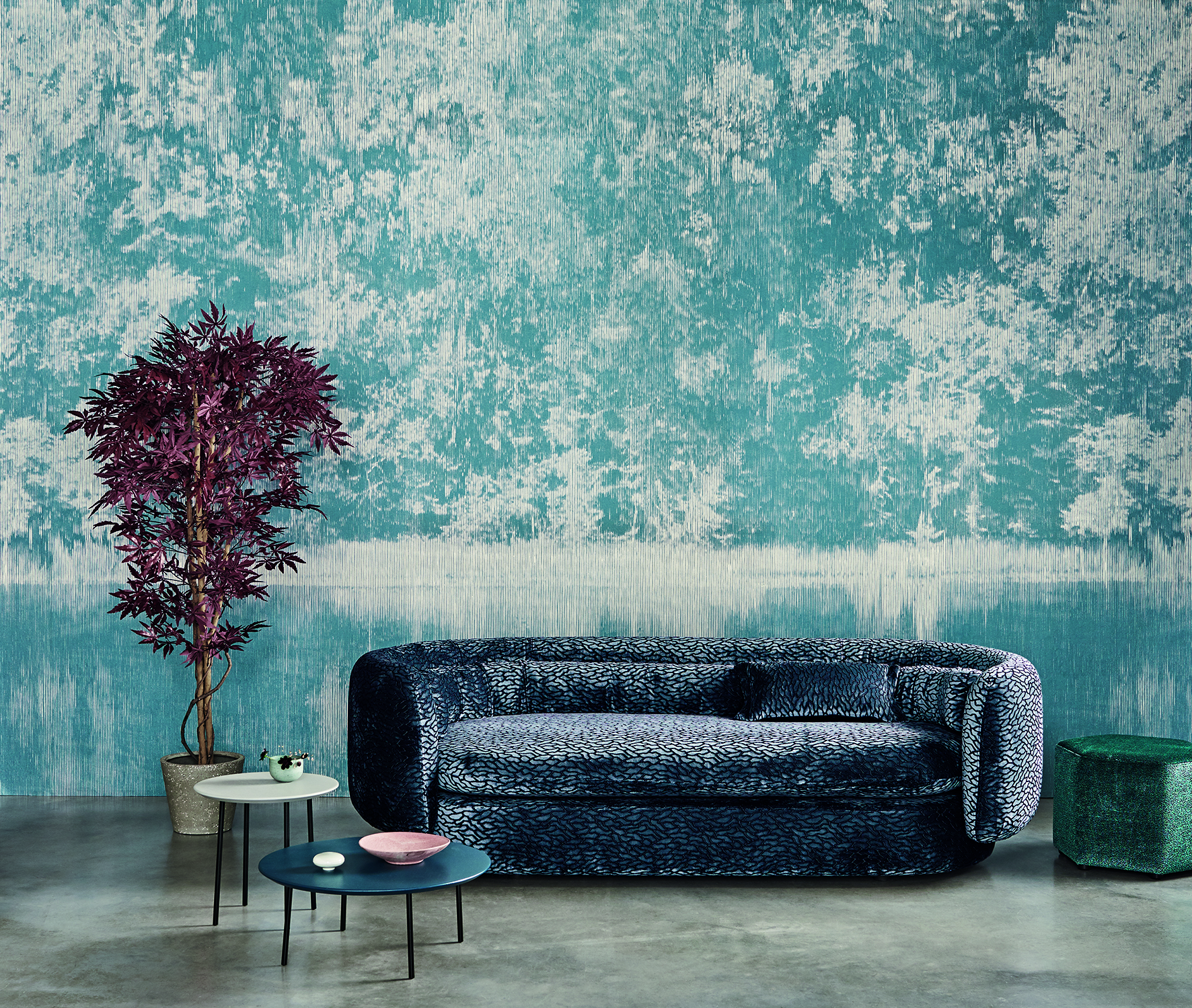
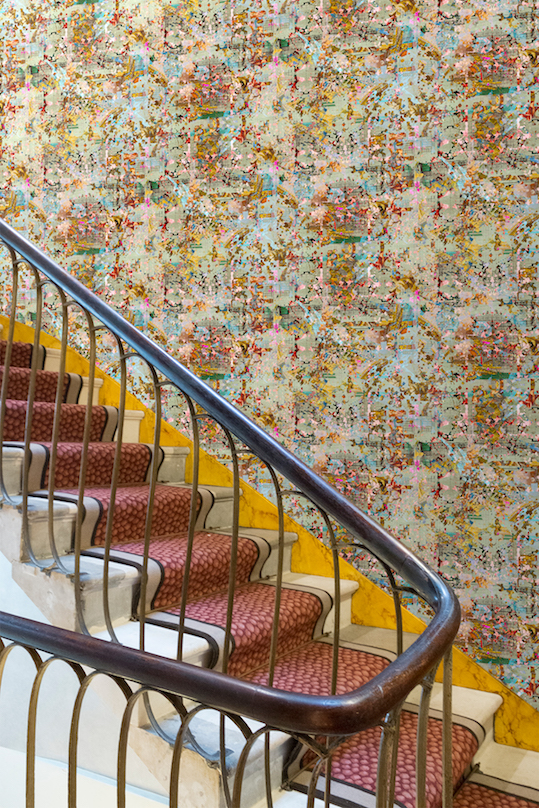
One of the simplest ways to introduce texture is through the use of tactile wallpaper. This can be a pre-printed or colored option, or a paintable wallpaper that allows for customization. Artem Kropovinsky, an interior designer and founder of Arsight, highlights this as a great alternative for those who prefer not to use powders, pastes, or sprays indoors. He emphasizes that this method provides a quick and clean way to achieve textured walls.
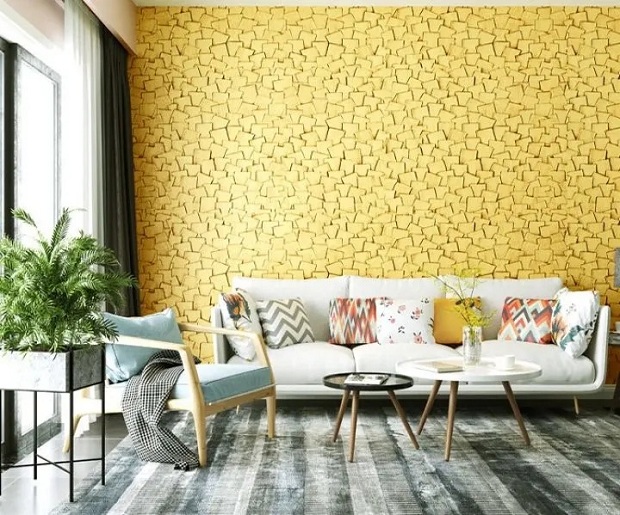
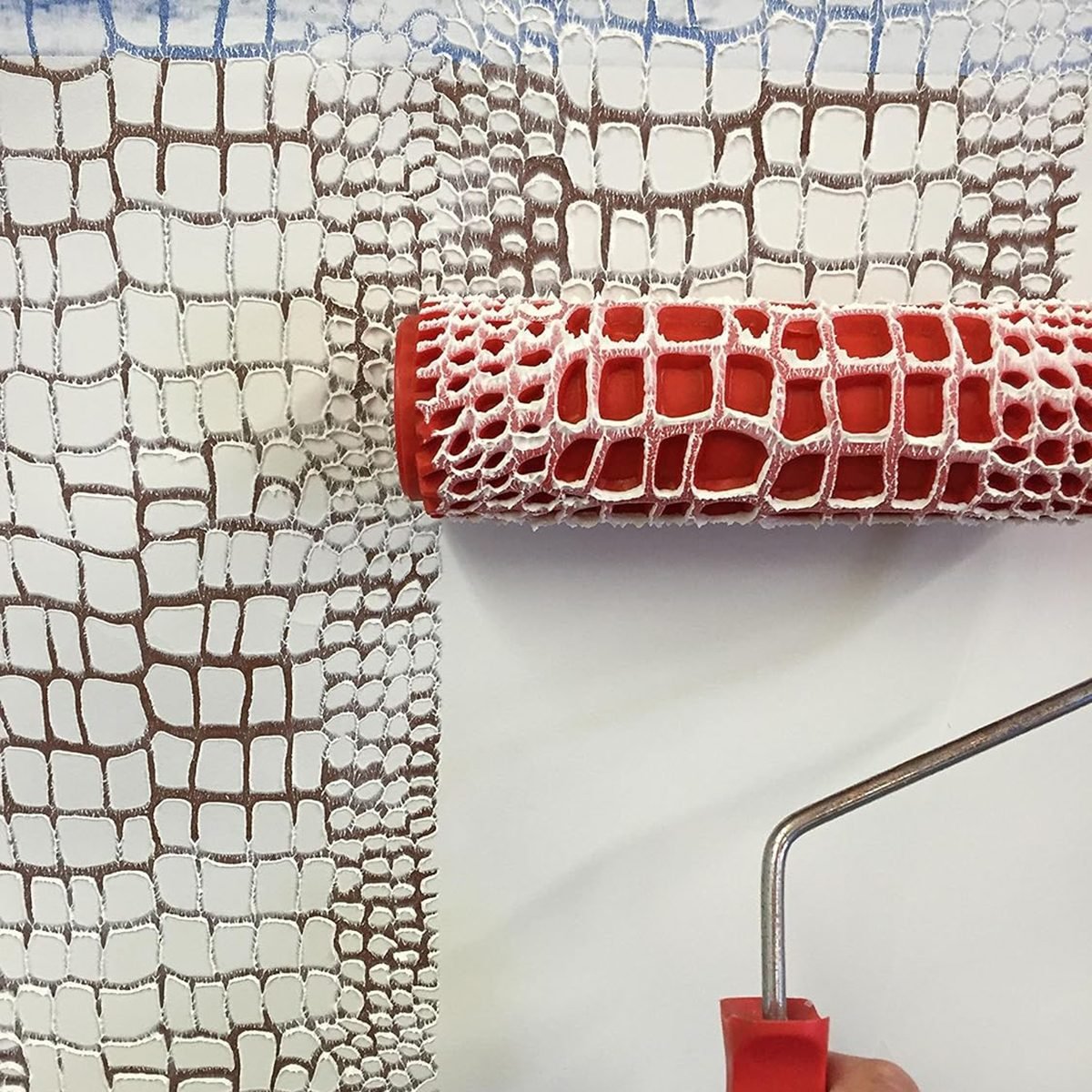
Another accessible method involves using texturing rollers. These tools, familiar to anyone who has painted a room, come with unique surfaces like stippling or sponge-like textures. Shanade McAllister-Fisher, an interior designer, explains that stippling rollers create a delicate speckled effect, ideal for a subtle texture on white walls. Sponge rollers, conversely, offer a more rustic feel, suitable for Mediterranean or farmhouse-style kitchens, mimicking natural stone. She advises experimenting with different pressures and angles to achieve the desired effect and visual impact.
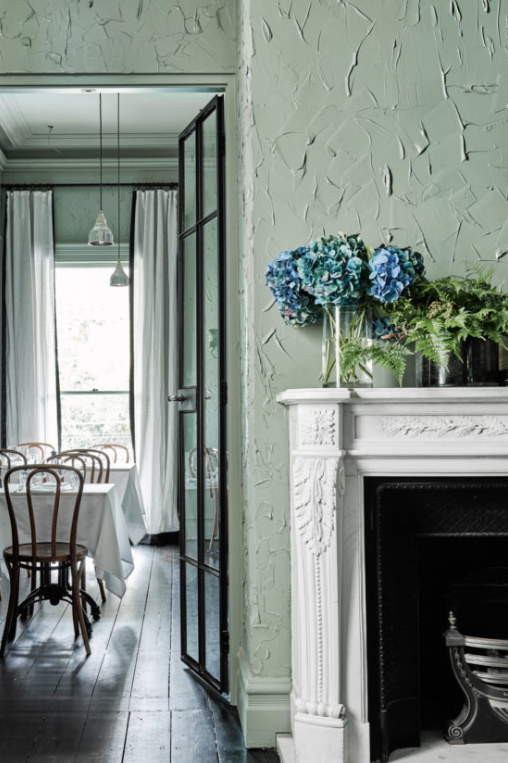
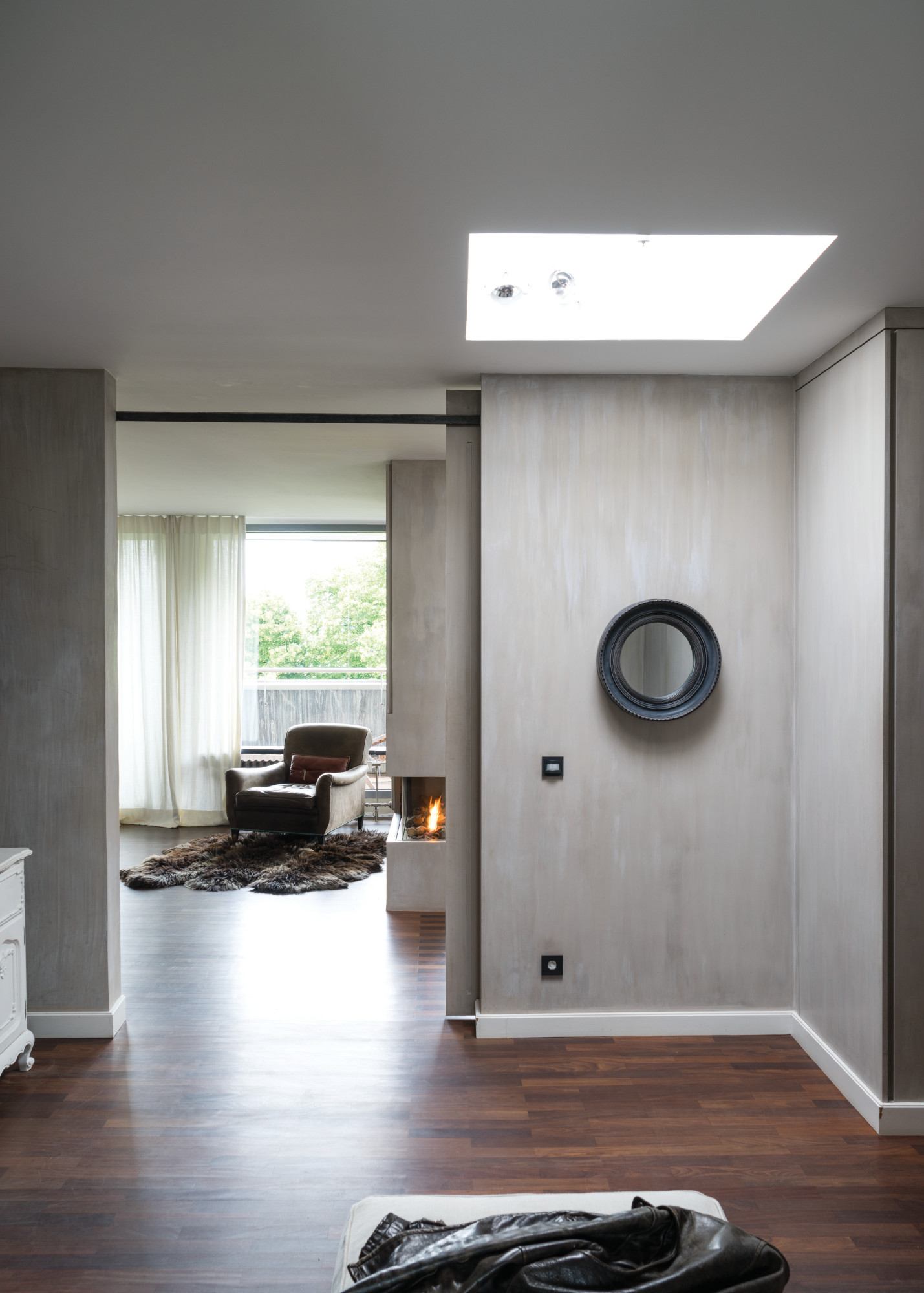
For a more industrial and modern aesthetic, applying a concrete compound is an option. Chris Campos, a contractor at Gold Coast Bricklayers, suggests that drywall compound can be easily troweled onto various surfaces, including existing tiles, concrete, and drywall. This technique can result in either a rough, industrial look or a polished, refined texture, depending on the application and finishing. It also offers a cost-effective solution for updating surfaces without demolition.
When seeking a more defined texture without re-wallpapering, spray-on, paint-over texturizers are effective. Artem Kropovinsky notes that these products can be applied and then painted over once dry. However, caution is advised, and proper safety measures, such as wearing a mask and goggles and ensuring adequate ventilation, are necessary due to the nature of the sprays.
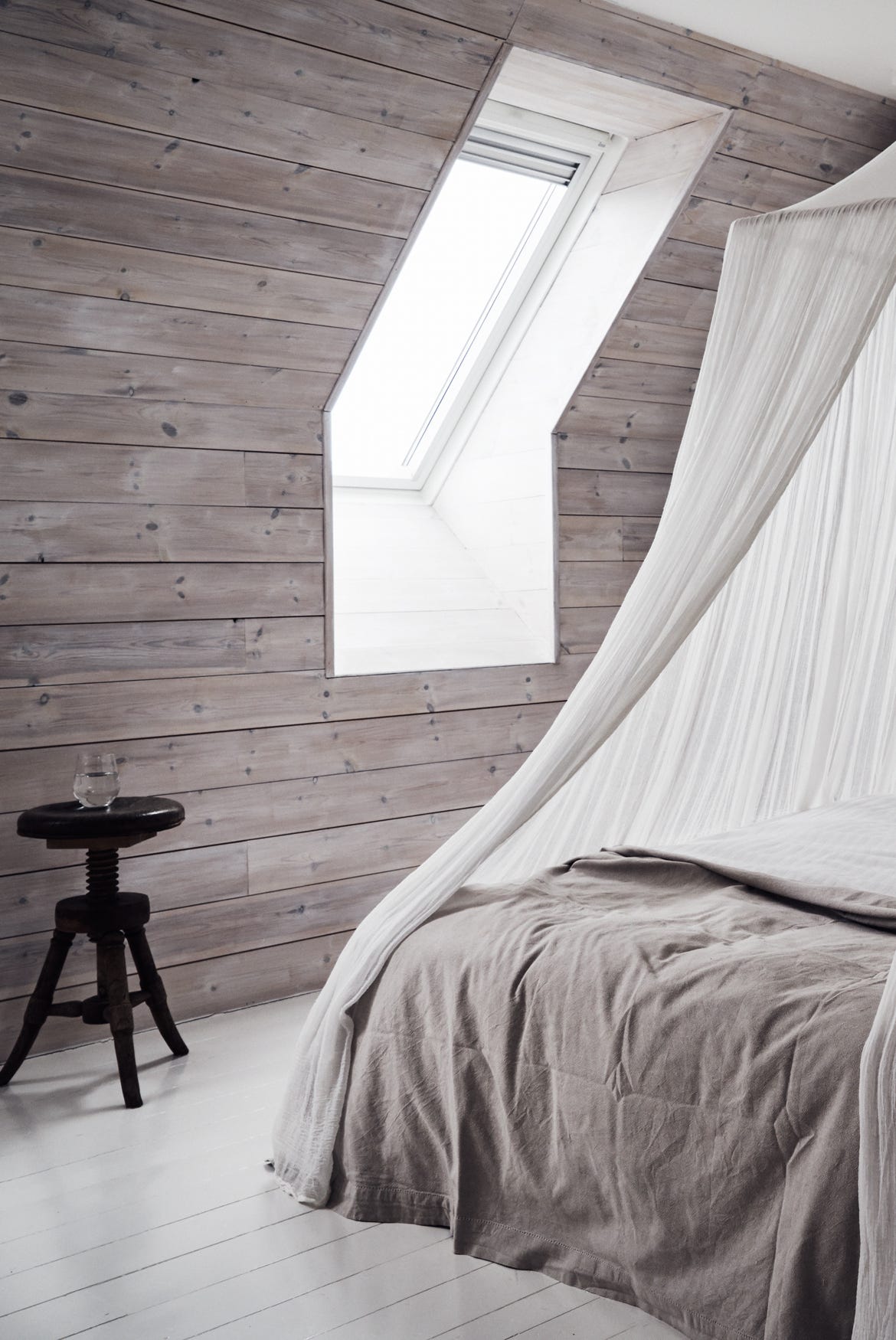
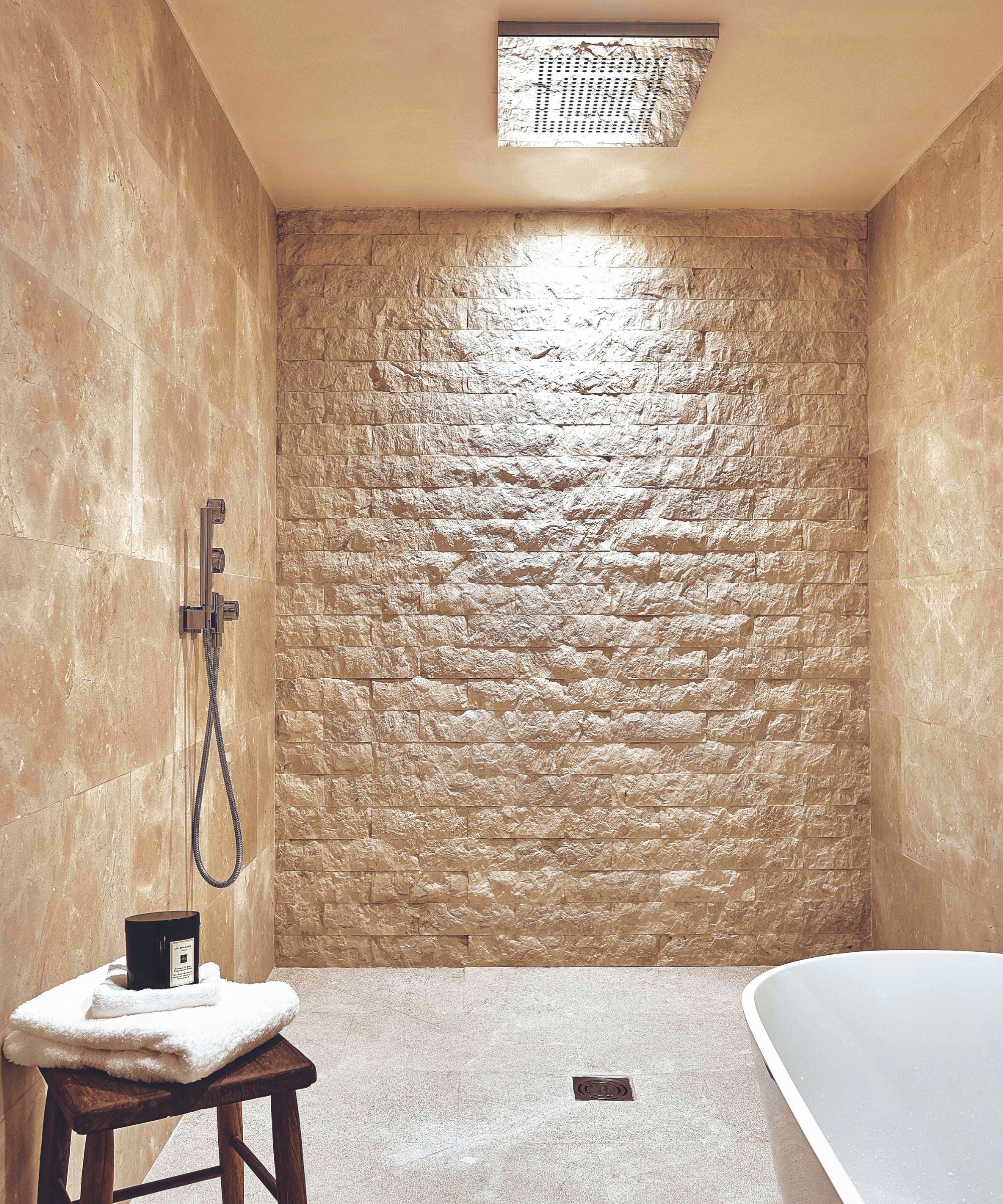
Finally, for a classic and enduring textural statement, a brick facade can be installed. Tim Leese of Glen-Gery, a premium brick specialist, points out that while a running bond pattern is common, unexpected patterns like stacked or herringbone bonds can add a modern or rustic touch. This method typically requires professional application due to the specialized skills involved in bricklaying or tiling.
Before undertaking any wall texturing project, it's important to consider potential drawbacks. Textured walls can accumulate dust more easily, requiring more frequent cleaning. Additionally, certain texturing materials, particularly sprays and paints, can be difficult to remove if a decor change is desired. Some textures, like popcorn, may also impart an outdated appearance. To avoid this, it's recommended to align with current painting and wallpapering trends, opting for timeless options such as bricks, classic wallpapers, or drywall finishes. Techniques like limewashing can also provide an attractive, flat texture while remaining contemporary.
#WallTexturing #InteriorDesign #HomeDecoration #DIYProjects #TexturedWallpaper #TexturingRollers #ConcreteCompound #BrickFacade #HomeImprovement #WallTexturing #InteriorDesign #HomeDecoration #DIYProjects #TexturedWallpaper #TexturingRollers #ConcreteCompound #BrickFacade #HomeImprovement
0 commenti in totale
 Nessun commento ancora
Potresti anche gradire
The Best Wall Texture Ideas for Adding Depth to Any Room
What are the best paint techniques for walls? 11 inventive effects that go beyond basic

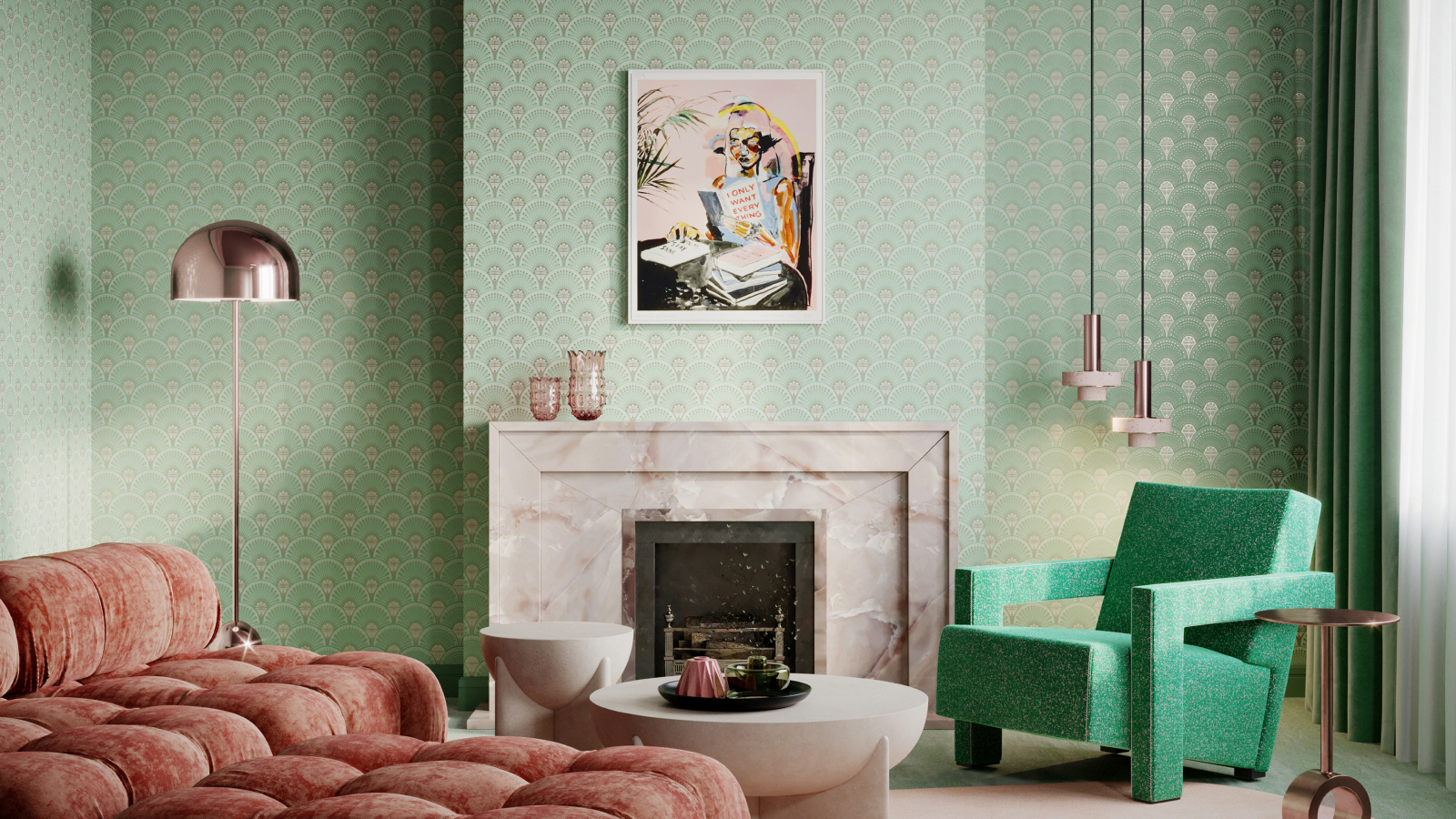
Can you put wallpaper on textured walls? Experts reveal it is indeed possible with this vital step
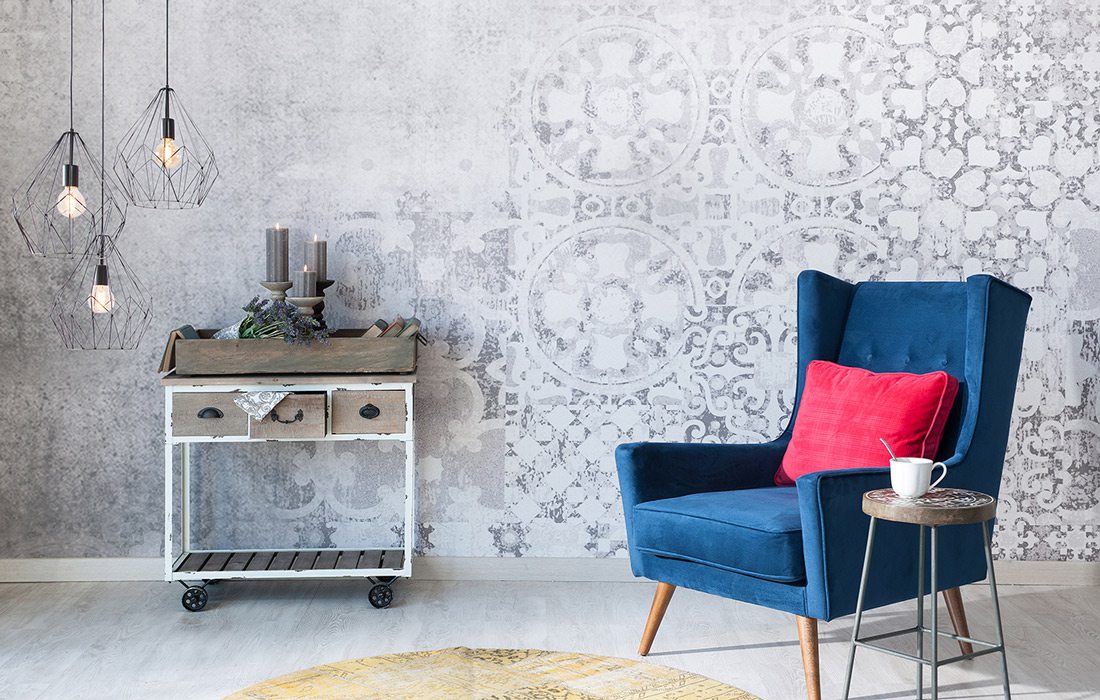
How to Use Textured Wallpaper in Your Home
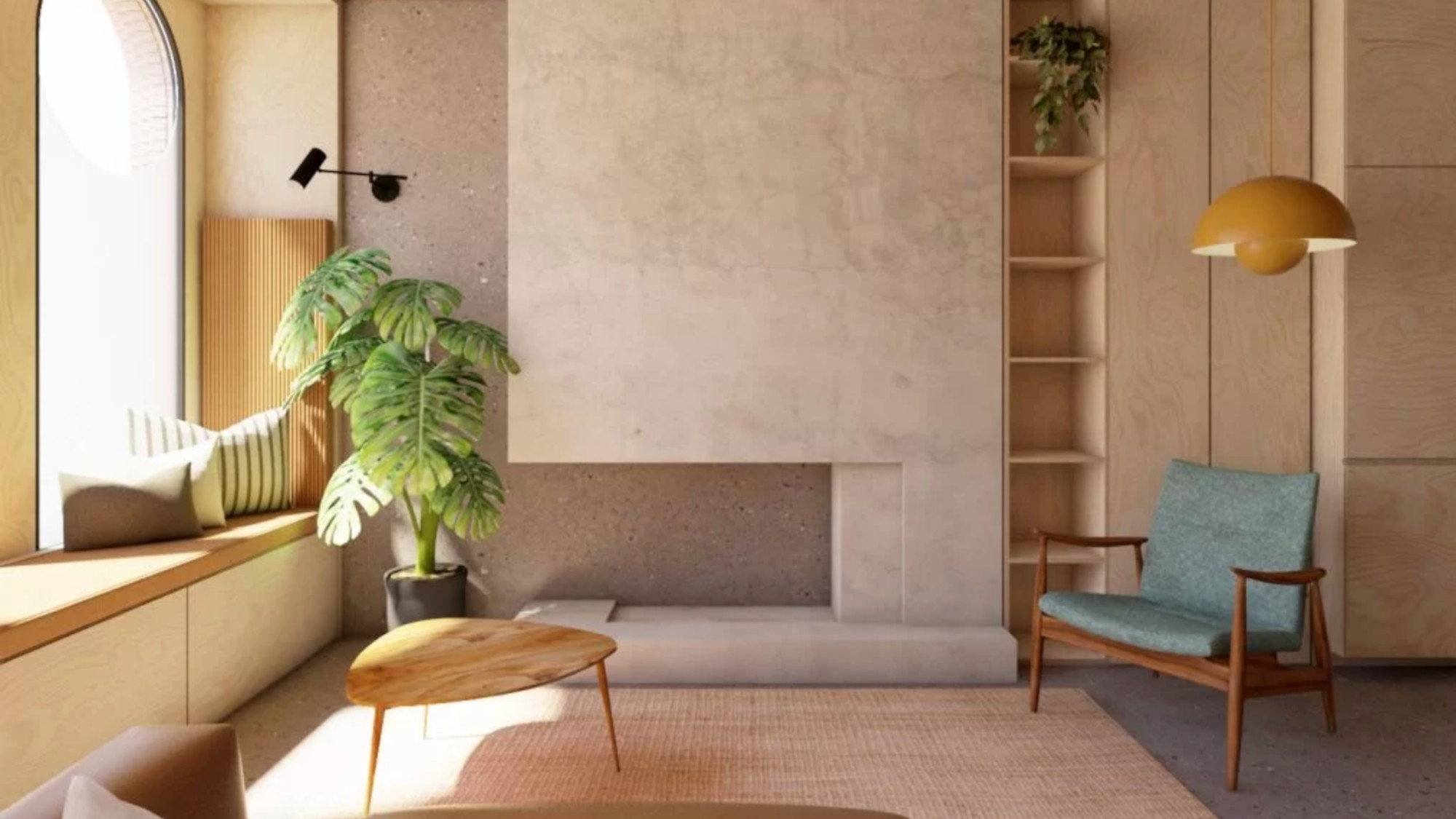
How to add texture to your walls - a beginner's guide to the many beautiful plaster finishes
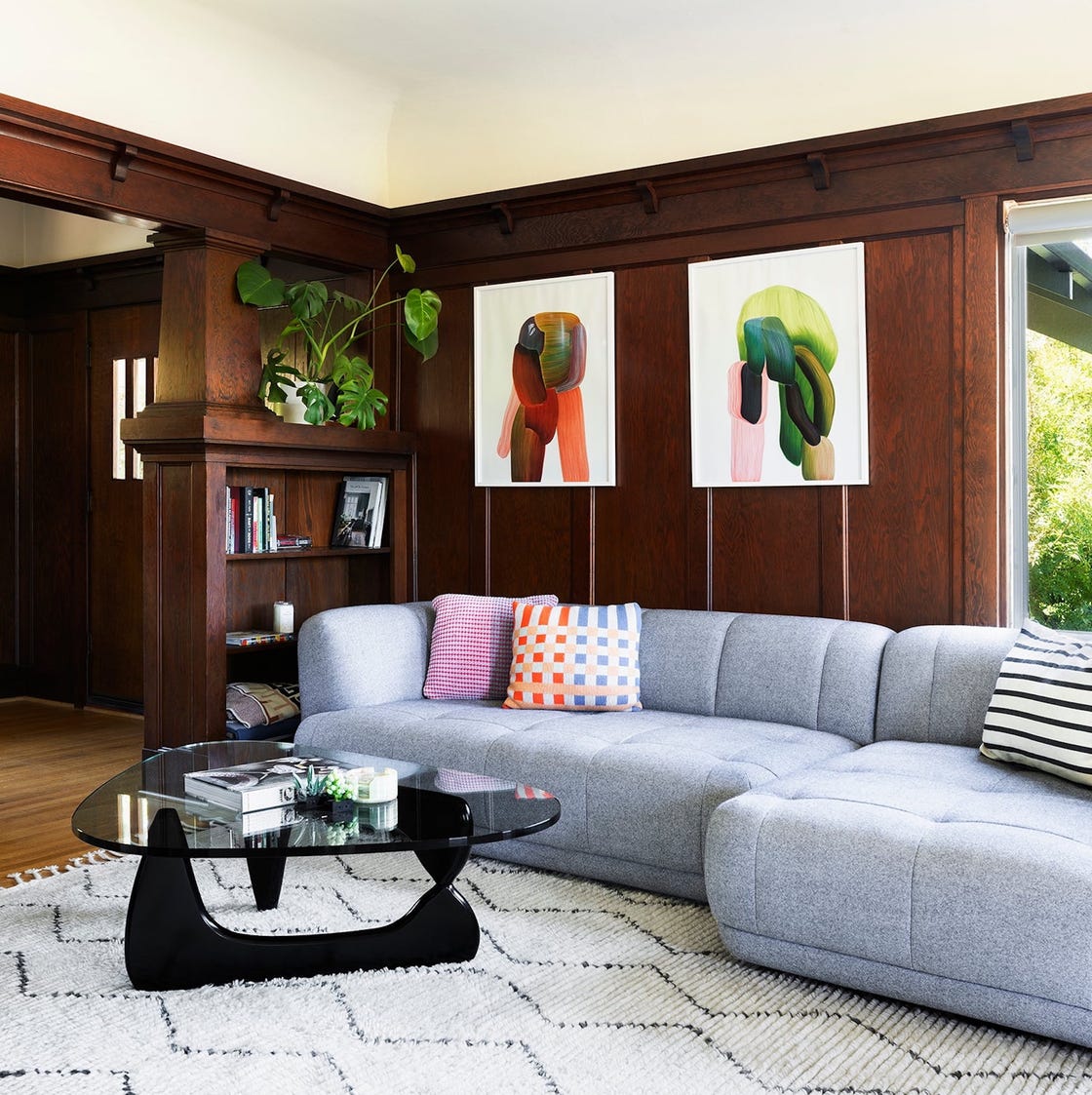
Designers Are Ditching "Flat Painted Walls" for THIS Unexpected Trend

We Asked Designers If Accent Walls Make Your Home Look Tacky—and They Didn’t Hold Back

10 ways to use textured paint in your home
Textured wall ideas – 13 surfaces you'll want to reach out and touch
Textured Walls Are The Latest Interiors Trend For Adding Warmth To Your Space
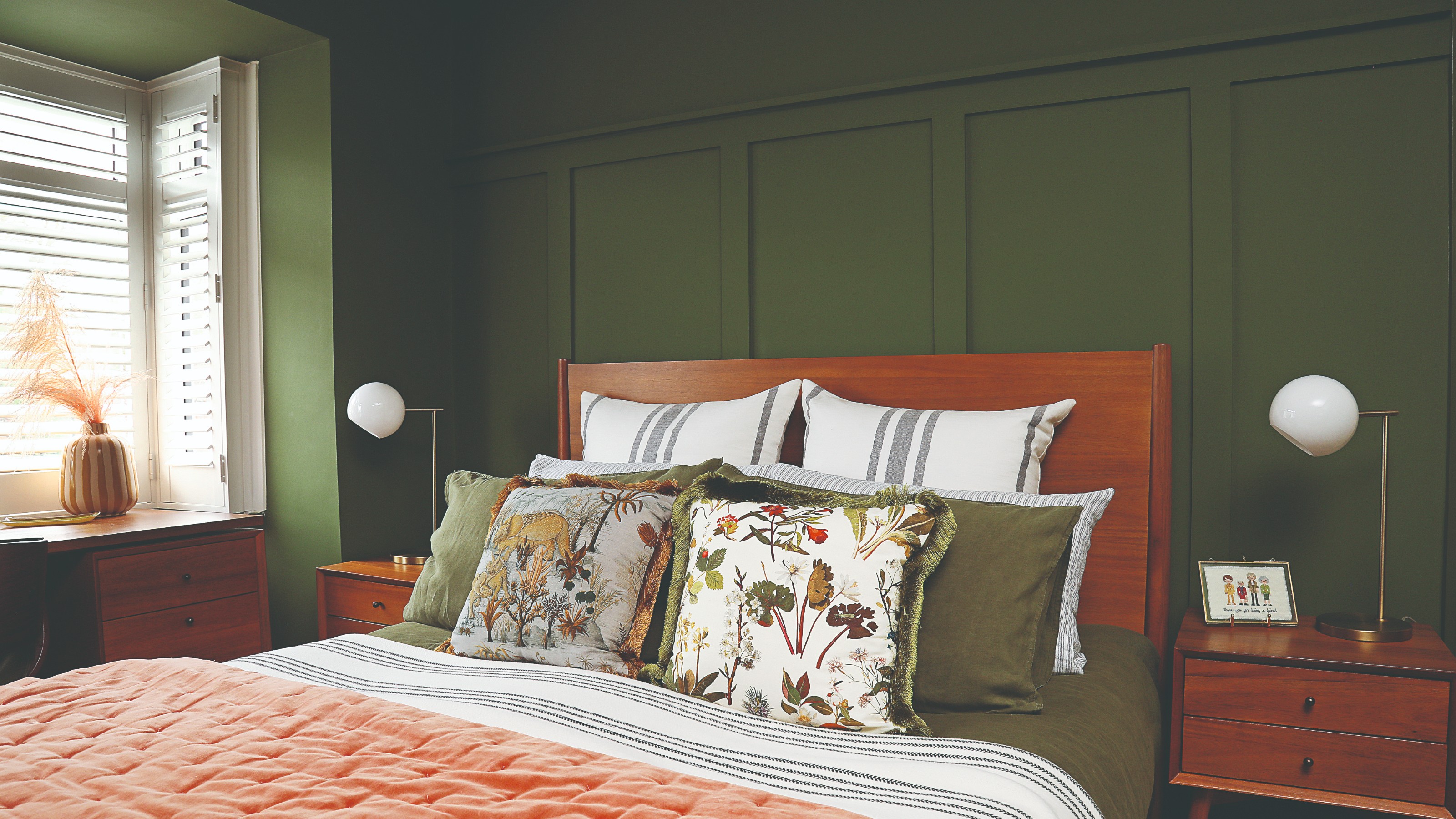
Bedroom wall panelling ideas – 13 ways to bring texture and interest to your bedroom walls
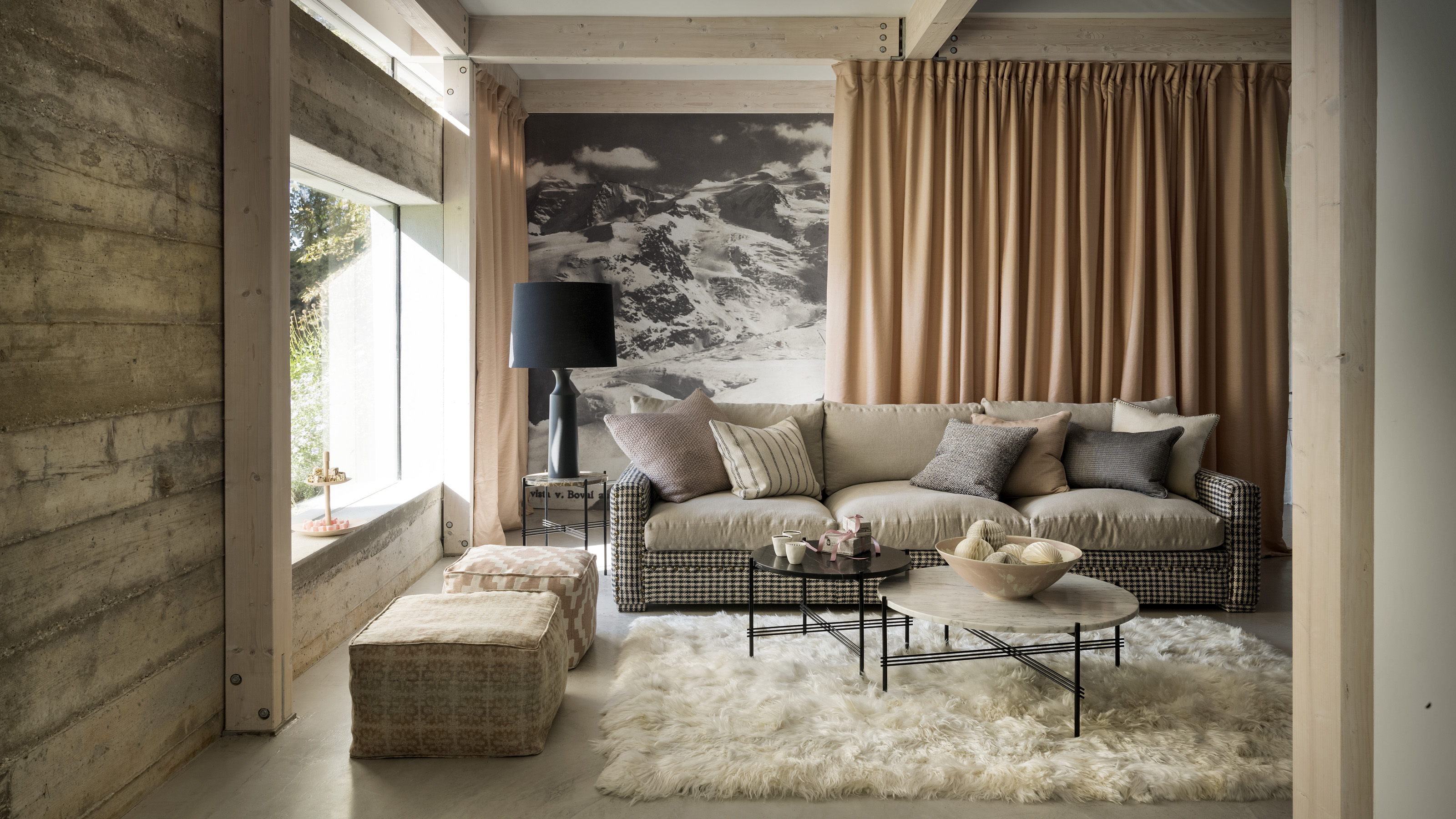
Wall mural ideas – 10 stunning looks for totally unique walls
5 Textured Wall Paint Designs: Hallway extravaganza
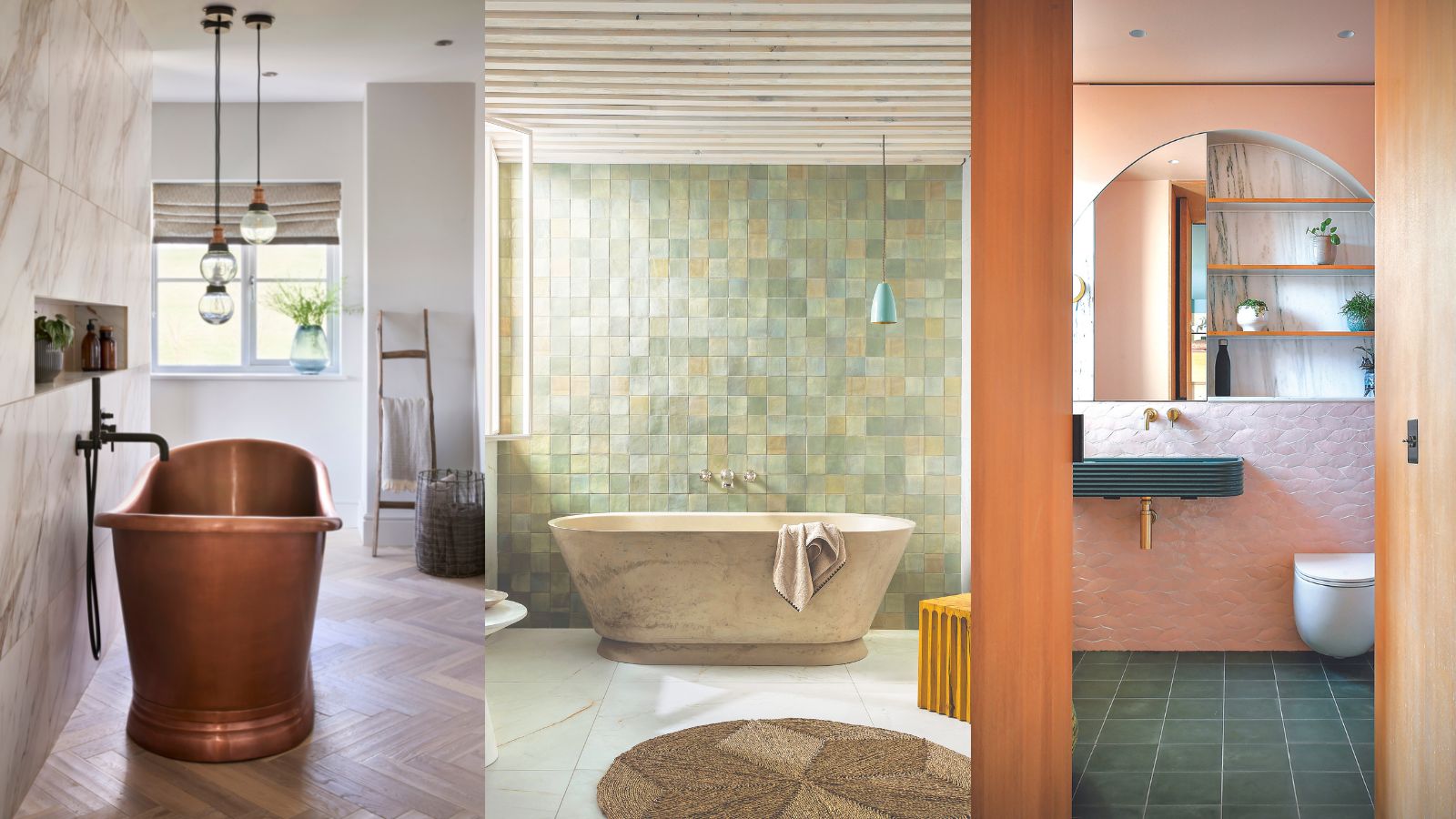
Textured bathroom wall ideas – 10 ways to create interest with imaginative treatments
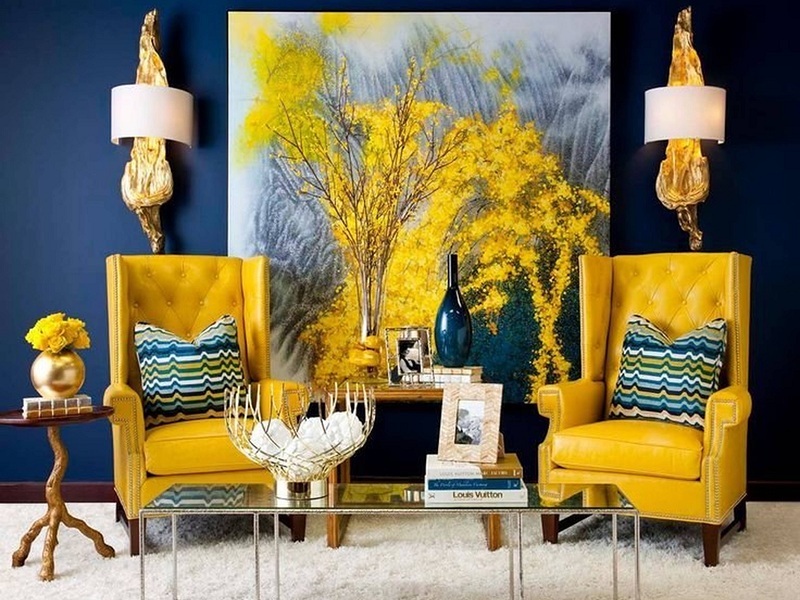
15 Inspiring Wall Designs for Hall with Pictures in 2023
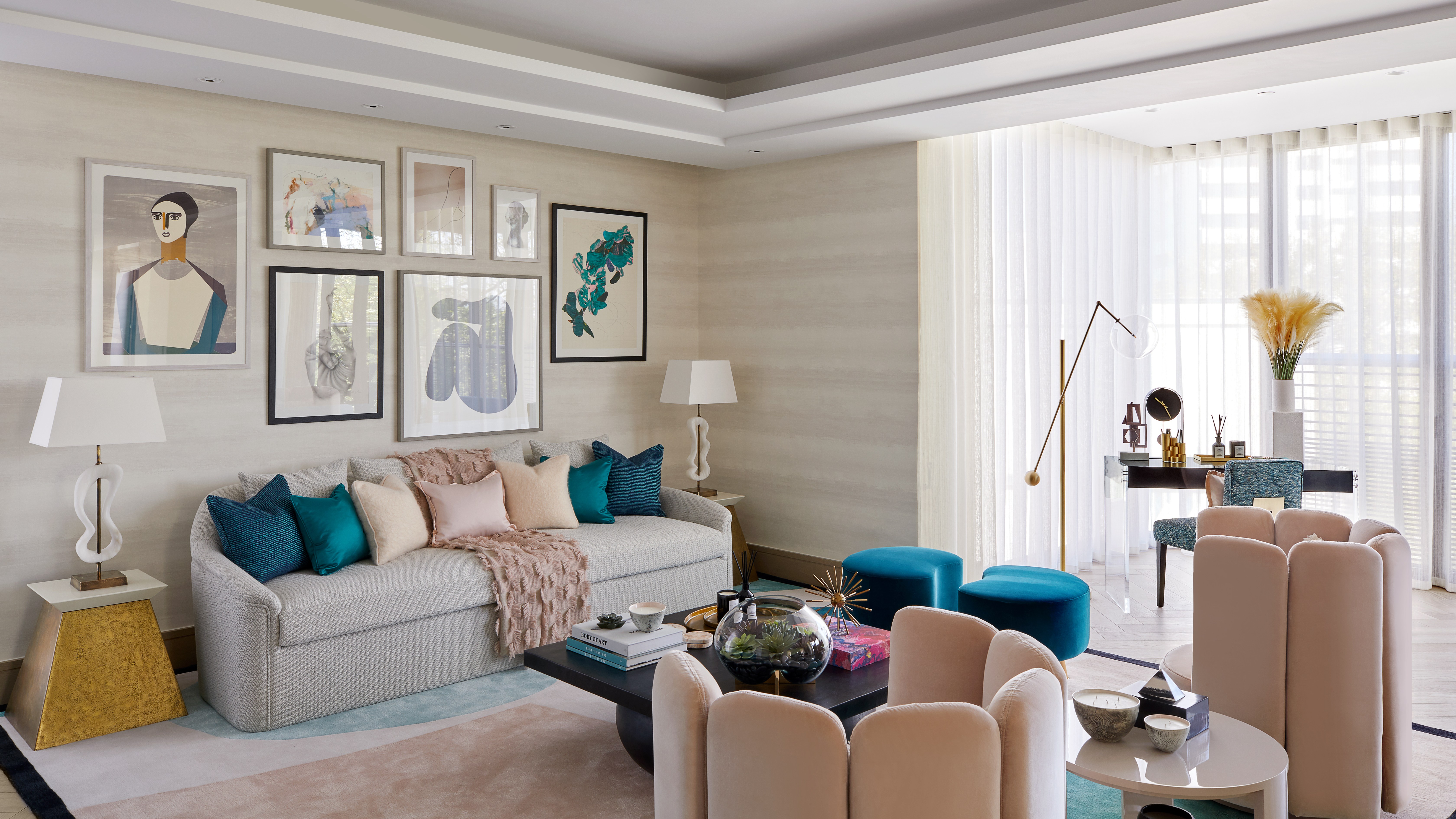
Forget painting your walls grey, it’s time to sparkle
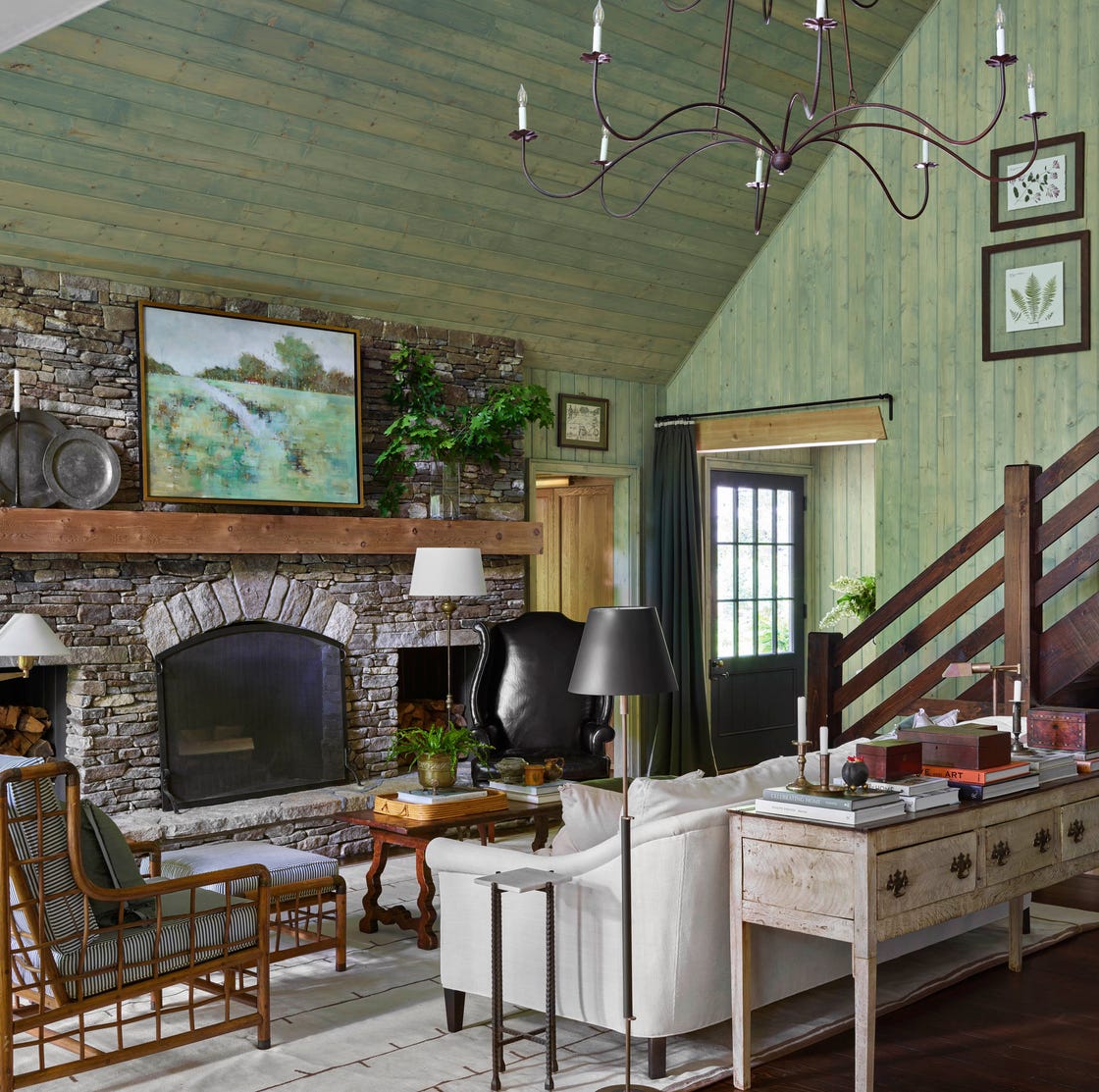
Step Aside, Paint: These Are the 10 Most Creative Wall Treatments We Saw This Year
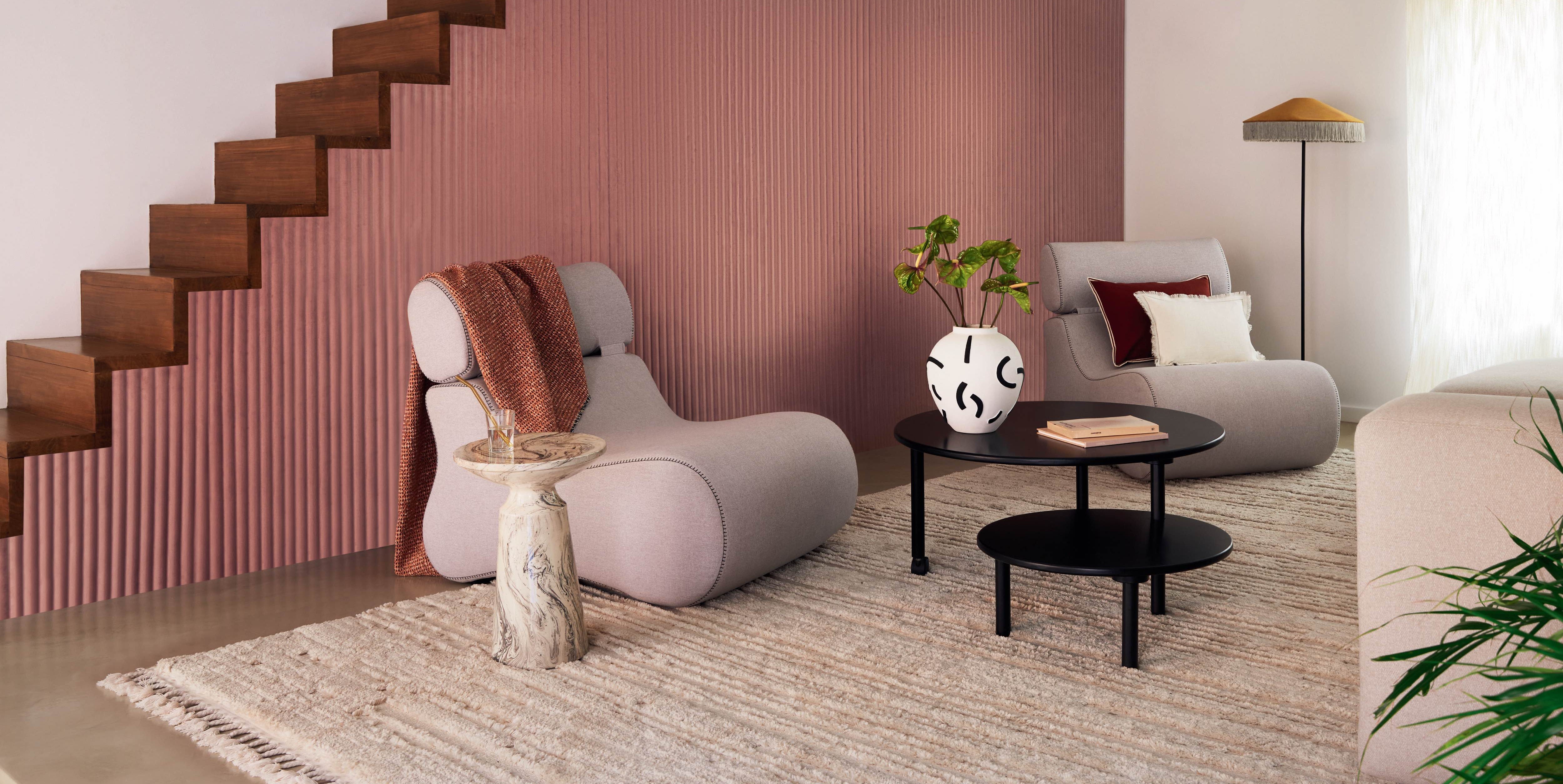
The fabric effect: 8 of the best textural wallcoverings

Textured walls: New season wallcoverings are going 3D |
8 Tips for Painting With a Textured Roller