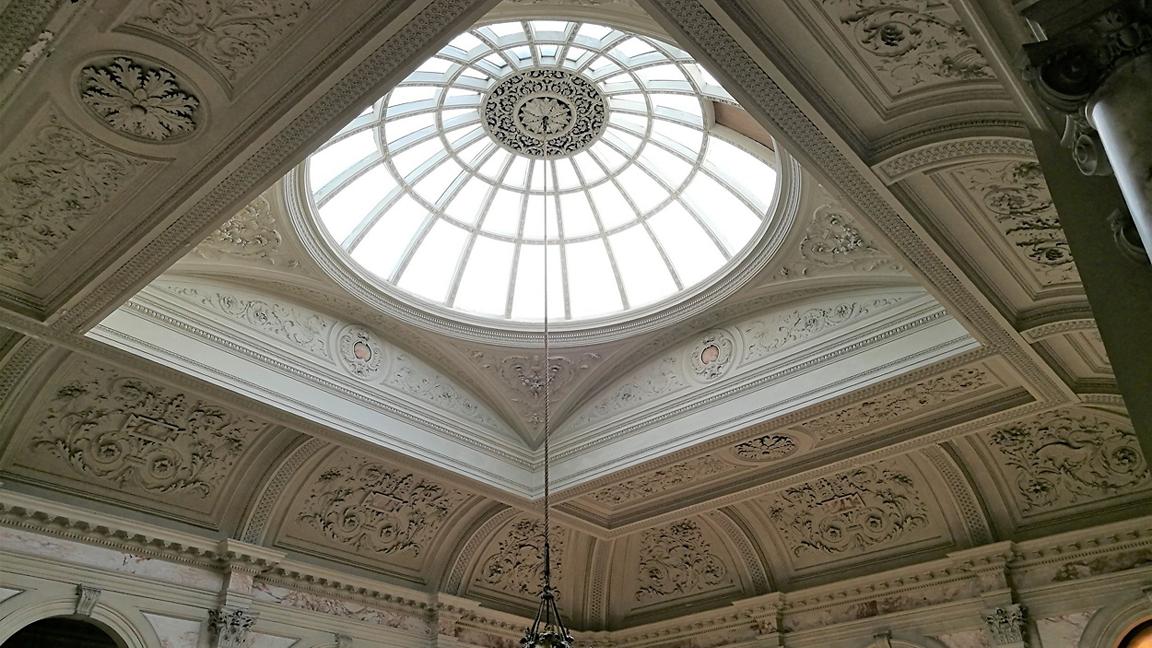
How to survey and assess fibrous and traditional plasterwork
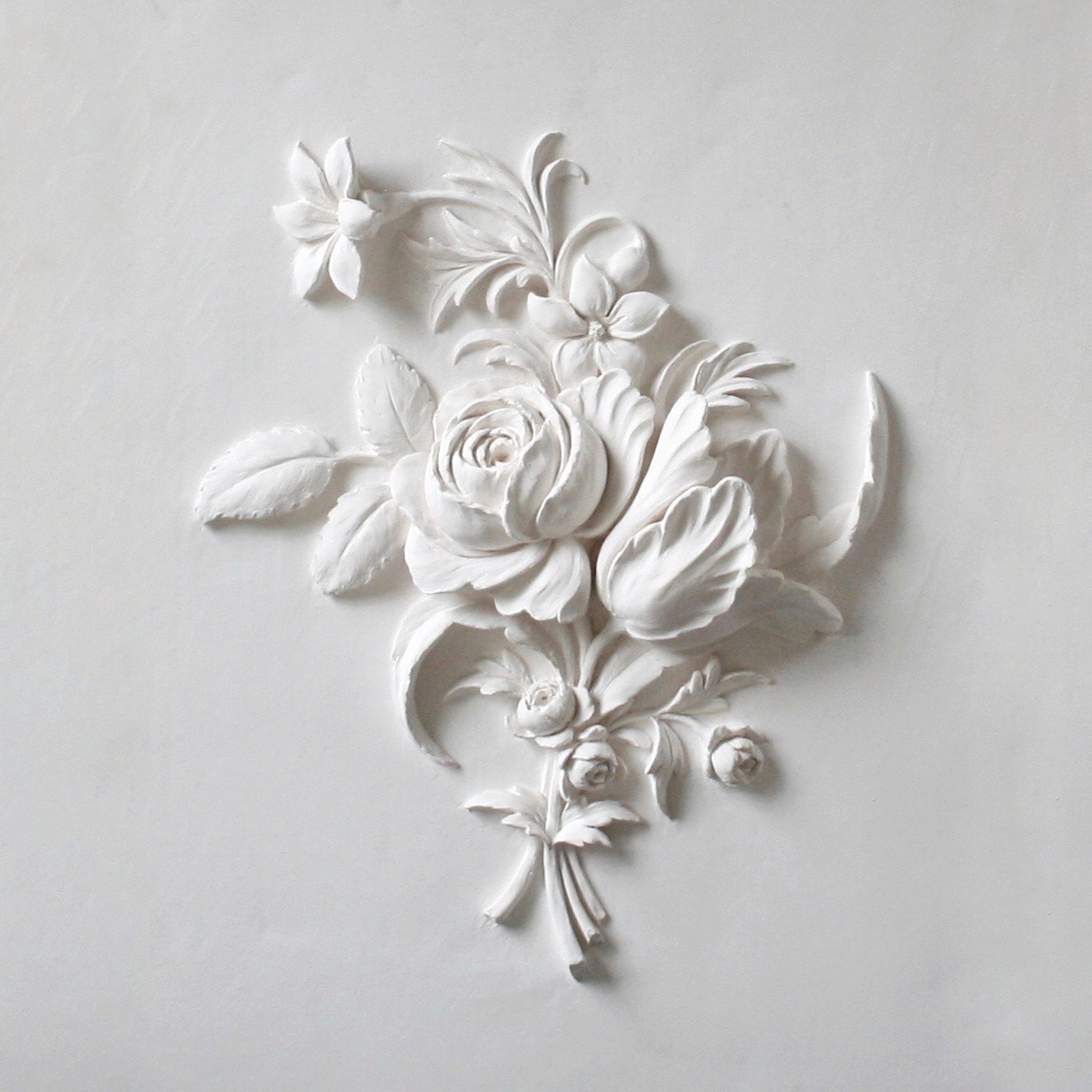
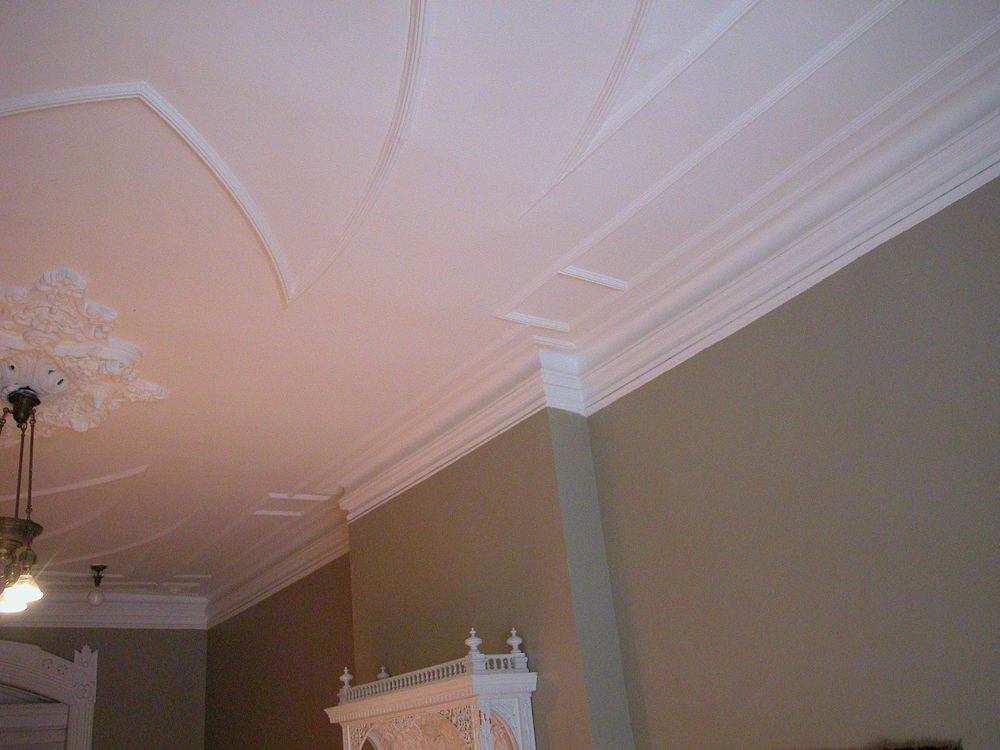
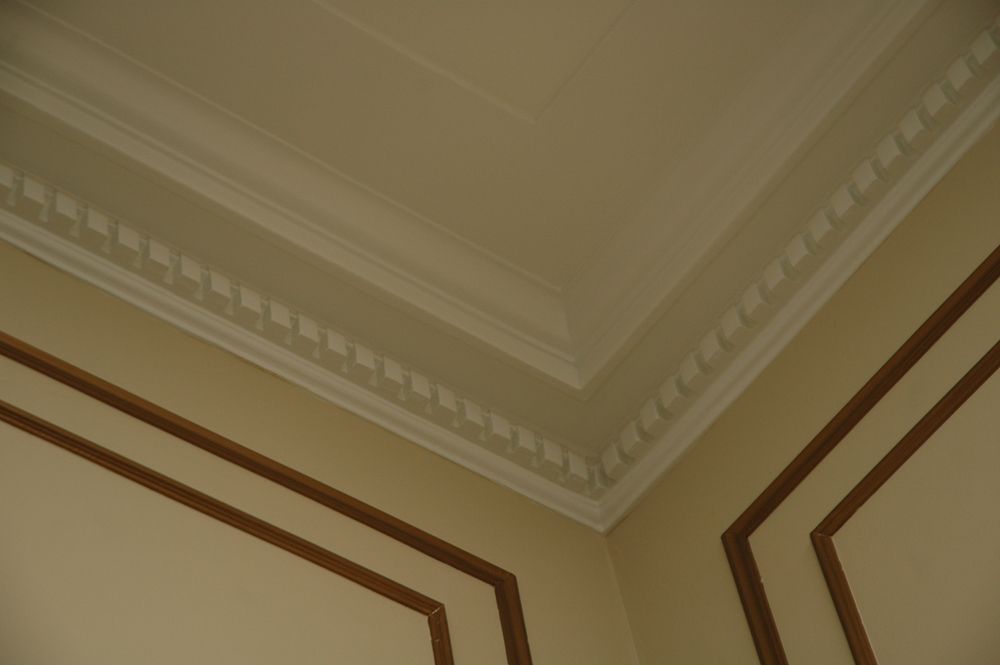
This article discusses the identification, survey, and assessment of fibrous and traditional lime-based plasterwork in buildings, particularly in light of recent guidance following the collapse of a decorative plaster ceiling at the Apollo Theatre in Westminster in 2013. The Association of British Theatre Technicians (ABTT) published guidance in 2015, followed by Historic England's interim guidance in 2019, to assist conservation professionals and building managers. Fibrous plasterwork, a lighter, quicker, and cheaper alternative to traditional lime-based plaster, gained popularity in the mid-to late 19th century. While often associated with public buildings, its presence is increasingly noted in private houses from the late 19th and early 20th centuries, necessitating surveyors' ability to identify its type and appraise defect risks.
The primary method of fixing fibrous plasterwork, known as wadding, involves hessian ties soaked in plaster of Paris. Post-Apollo Theatre collapse investigations revealed that wad ties are vulnerable to environmental conditions, dampness, damage from interventions, and additional loading. Historic England identifies wadding as a significant risk to fibrous plaster integrity. The ABTT guidance, largely incorporated into Historic England's publication, emphasizes regular inspections for fibrous plaster ceilings, especially those supported by unreinforced hessian wads, which are considered deleterious and likely to require reinforcement to prevent collapse. If areas cannot be inspected, the use of unreinforced wads should be assumed.
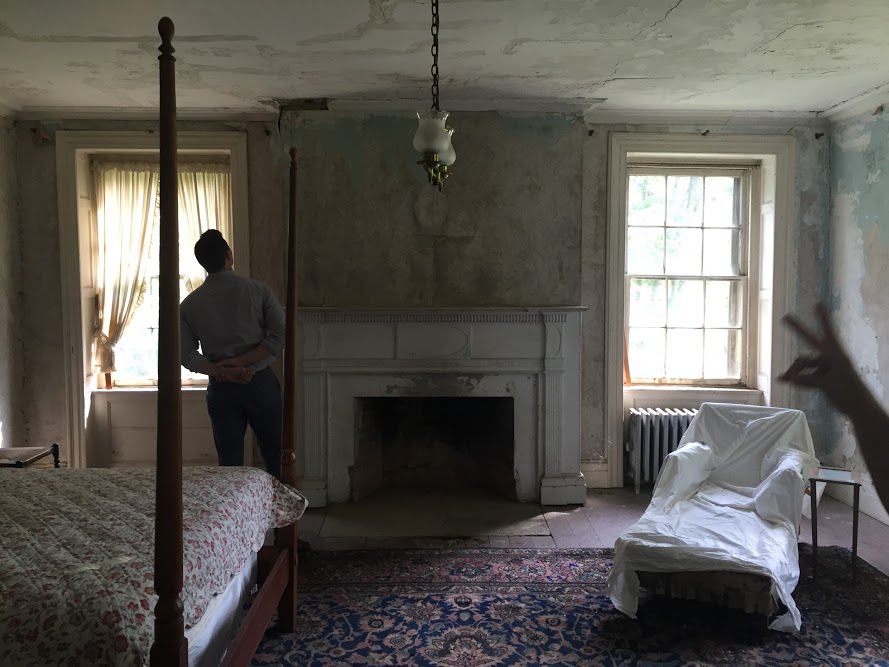
The guidance from both ABTT and Historic England recommends that competent structural engineers inspect supporting structures, and competent plaster inspectors assess plaster parts. Inspections should occur from both above and below, examining surrounding fabric for water ingress and structural movement. A baseline survey is crucial to document construction, including all supports, to inform repairs and future asset management. This may involve adding or replacing support ties, removing debris, reducing loads, consolidation, or replacing ceiling sections. Baseline surveys also dictate the timing of subsequent inspections, with regular checks for changes like cracking and staining required between major inspections.
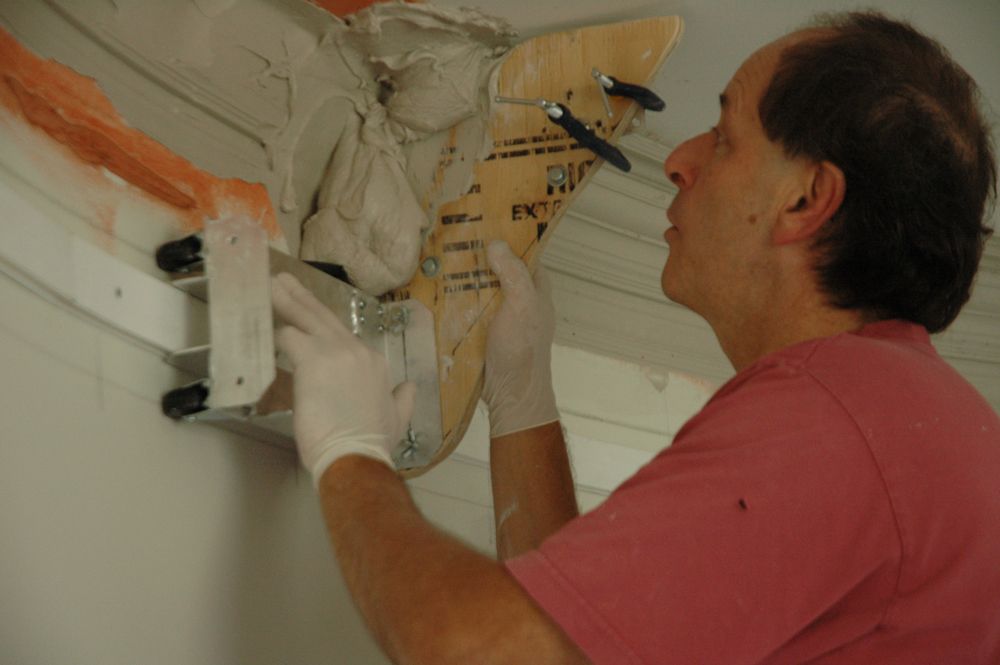
The article extends these principles to traditional lime-based plasterwork, which was more common in British buildings until the mid-20th century and shares similar vulnerabilities. Traditional decorative ceilings, applied to timber laths, form plaster nibs or rivets for mechanical keying. These can be damaged by loading, alterations, insulation upgrades, or vibrations. Inspection should cover timber laths, ties, connections, and surrounding fabric for water ingress. A close inspection of the underside of the ceiling is necessary to record defects such as cracks, detachment, and surface disruption. Accurate recording of construction methods and defects informs repairs and monitoring. Retention and repair of traditional lime-based plasterwork is the preferred approach, especially in significant buildings, with wholesale replacement being a last resort. Guidance from English Heritage, Historic Environment Scotland, and Cadw should be followed for repairs. Key recommendations for working with plaster include identifying plaster type, assessing fixing methods, evaluating surrounding fabric, adopting a conservative repair approach in significant buildings, encouraging training for non-conservation professionals, and implementing regular inspections based on baseline surveys.
#FibrousPlasterwork #TraditionalPlasterwork #BuildingConservation #HeritageBuildings #BuildingSurveying #CeilingCollapse #HistoricEngland #MaintenanceAndRepair #PlasterInspection #FibrousPlasterwork #TraditionalPlasterwork #BuildingConservation #HeritageBuildings #BuildingSurveying #CeilingCollapse #HistoricEngland #MaintenanceAndRepair #PlasterInspection
0 commenti in totale
 Nessun commento ancora
Potresti anche gradire

A Look at Plasterwork, One of the Industry's Most Timeless and Long-Standing Design Trends

Clay Plasters Rustic Range by Clayworks

Plasterboard


Why Plaster Finishes Are Trending Right Now (Plus 5 Types to Know)

Molded perfection: What it takes to restore antique plaster

5 Questions on Decorative Plasterwork You Need to Ask Before Specifying It in 2025 — Answered by Interior Designers

Why Plaster Walls Are So Popular, Plus 3 Ways to Get the Look
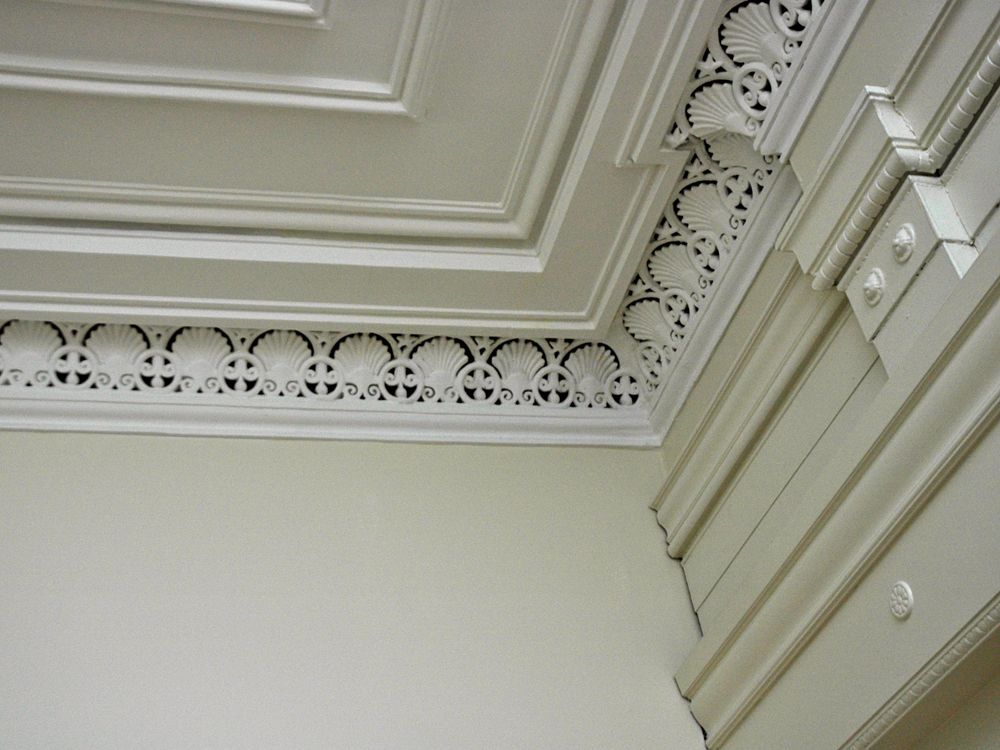
Decor: Artful ceilings by Moulures de Plâtre

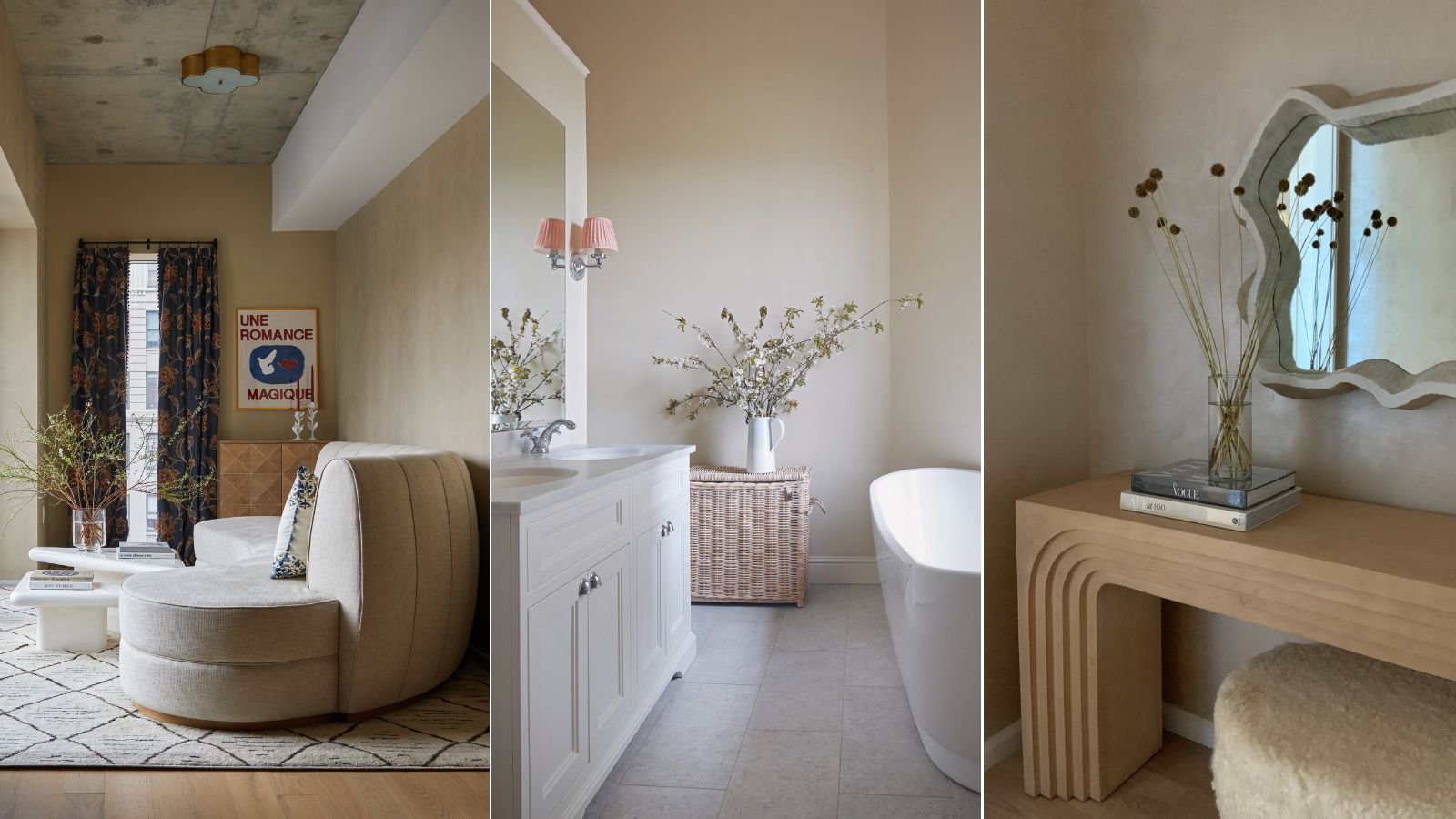
How to use plaster to add character to any style of home – 7 designers share their favorite looks


Minimize Plaster Repair With These 5 Tips for Perfect Plaster Walls


From Tints to Tadelakt, Special Plaster Finishes Polish Brownstone Renovations

How to create plaster effect walls – the modern rustic trend everyone's trying
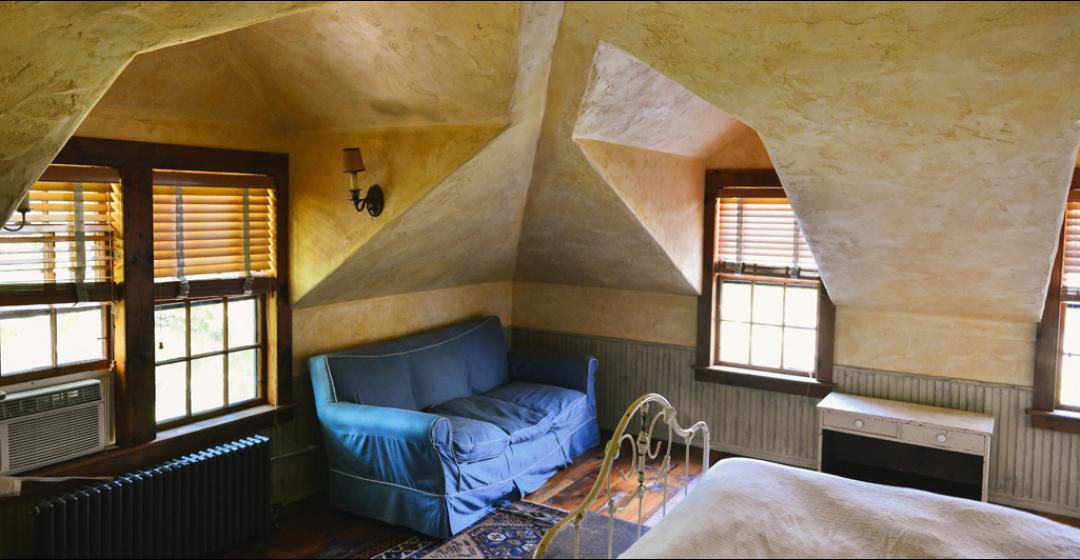
The Art of Plaster

How to plaster a wall

Plastered In Style
Study of materials and techniques in painted ceiling panels from a palace in Cremona (Italy, 15
Everything You Need to Know About Venetian Plaster

Plaster Walls—a Signature of Warm Modernist Interiors—Are Having a Moment
Damage and restoration technology of historic buildings of brick and wood structures: a review
How to Figure Out What Kind of Walls You Have Behind Your Wall Paneling