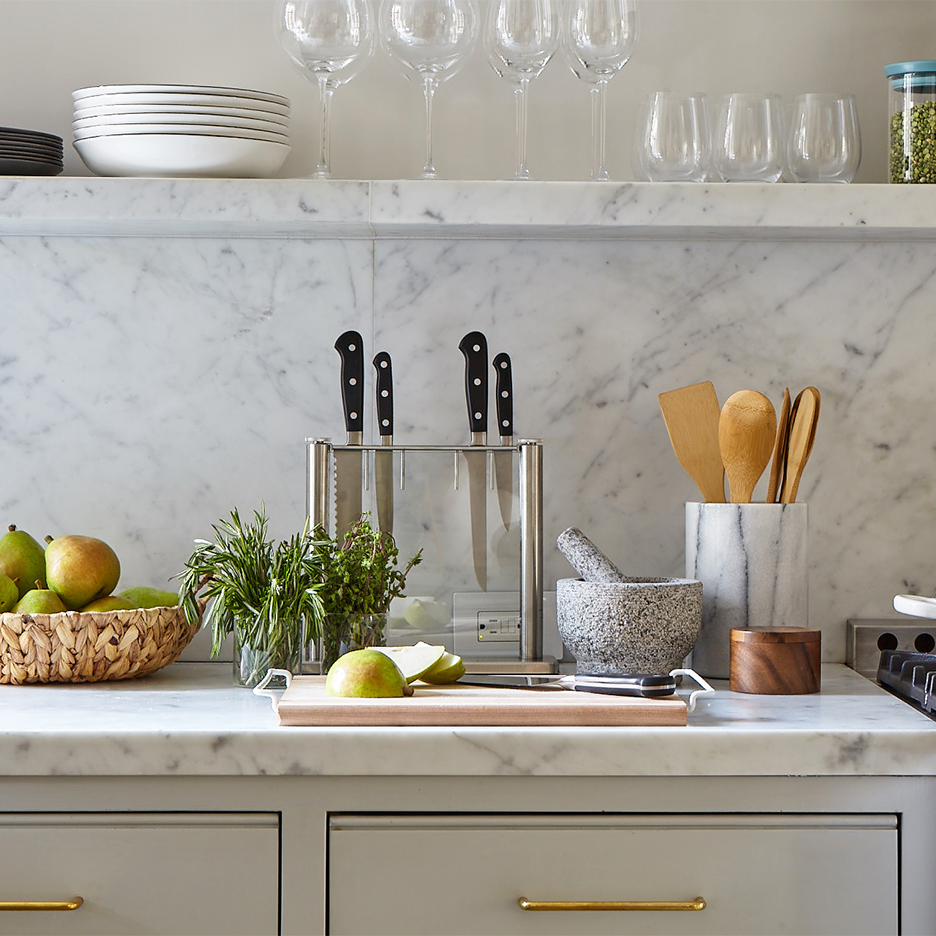
1/7
How to organize kitchen cabinets to improve traffic flow
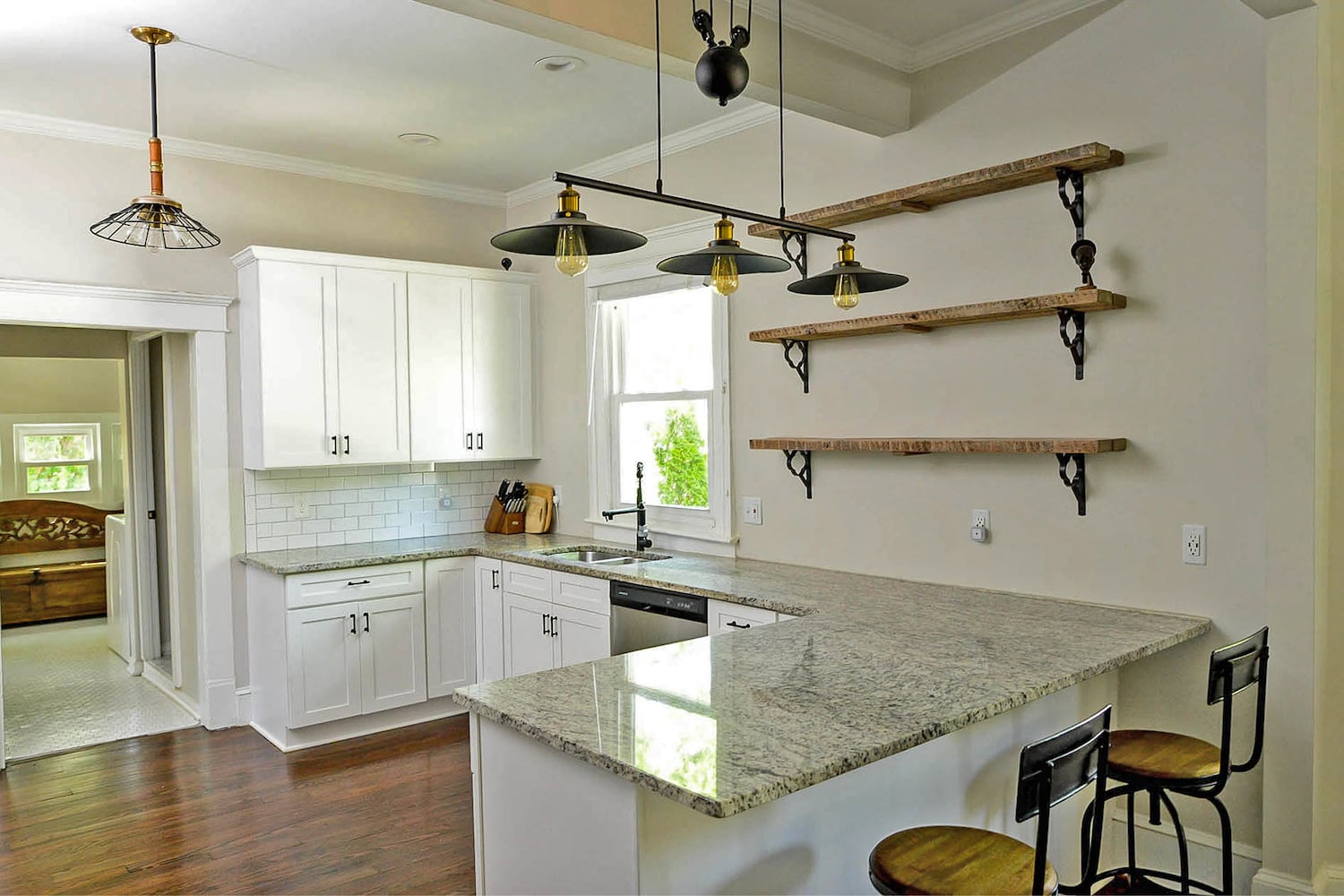
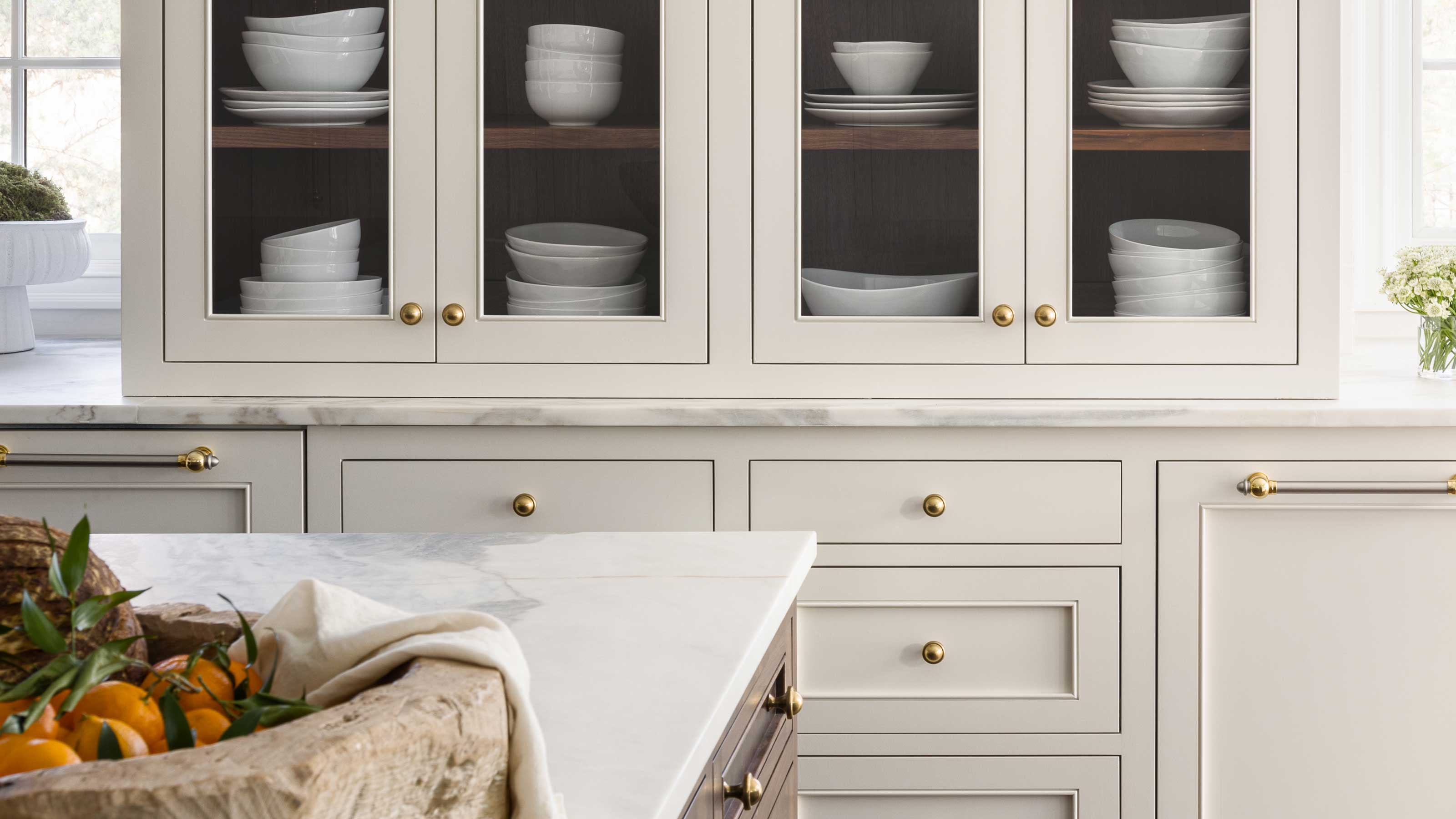
The kitchen, often considered the heart of the home, functions most effectively when its layout and storage are optimized. Efficient kitchen cabinet organization is crucial for enhancing daily activities, streamlining meal preparation, and improving overall traffic flow. This optimization allows for effortless movement and easy access to all kitchen supplies, preventing frustration and congestion among users.
Expert advice emphasizes the importance of a thoughtful approach to kitchen cabinet organization. Richard Davonport, managing director at Davonport, highlights that a lack of logical order in cabinets can significantly hinder kitchen efficiency. He recommends considering existing storage, primary prep and cooking areas, and the accessibility of frequently used items to develop a more effective storage strategy.
One fundamental step is decluttering and prioritizing. This involves removing rarely used items through donation or discarding them to free up valuable space. Streamlining belongings ensures that essential items are easily accessible, minimizing unnecessary movements and improving the functionality of the space.
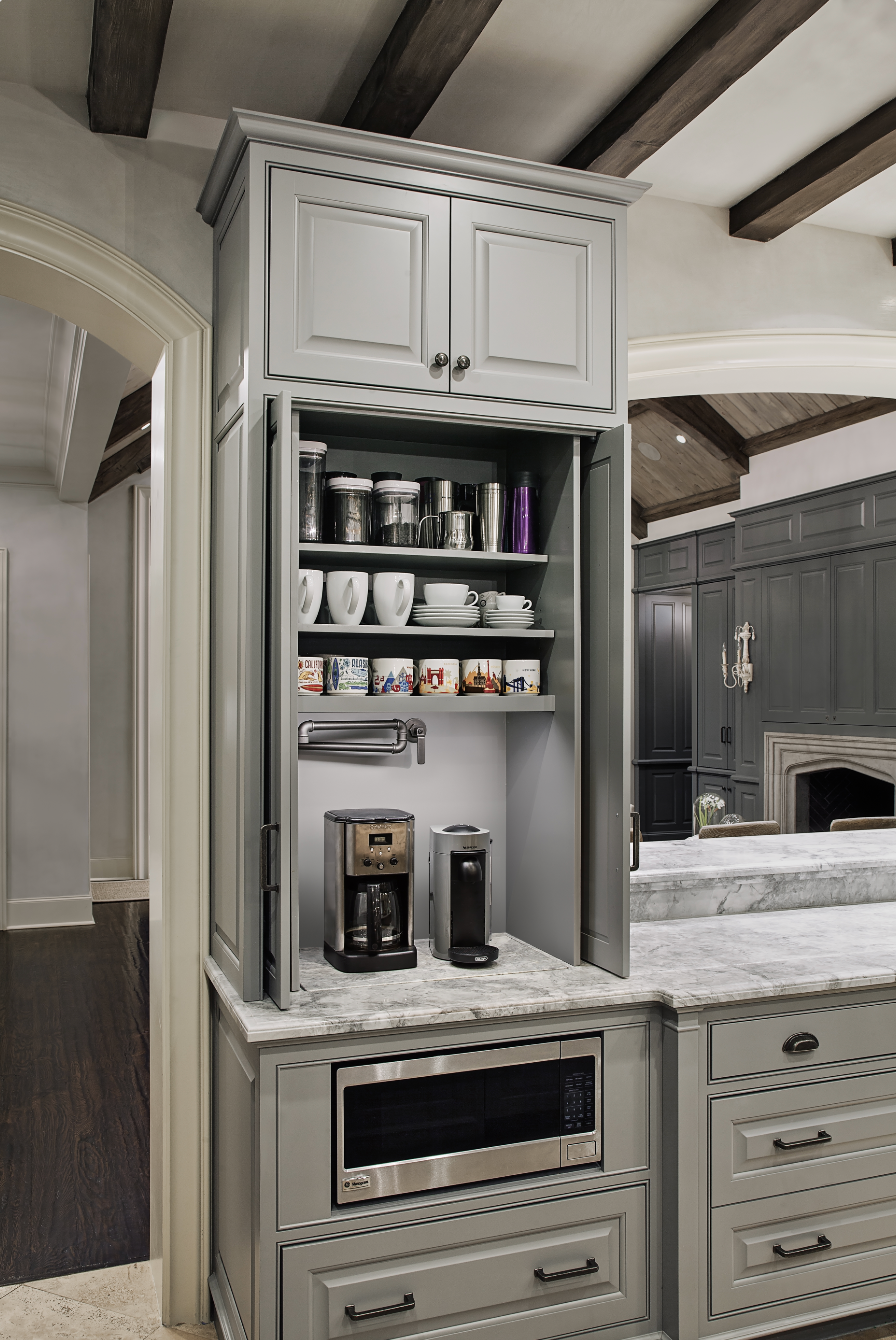
Amanda Liford of Easy Life Organizing proposes the “1-2-3 rule” for determining optimal placement of items. This rule involves asking three questions for each item: Can it be retrieved and put away with one hand? Is it within two steps of its primary use location? Does it take three seconds or less to put away? Applying this rule can lead to logical placement, such as storing cups near the fridge and coffee mugs near the coffee maker, thereby reducing effort and time spent searching or moving.
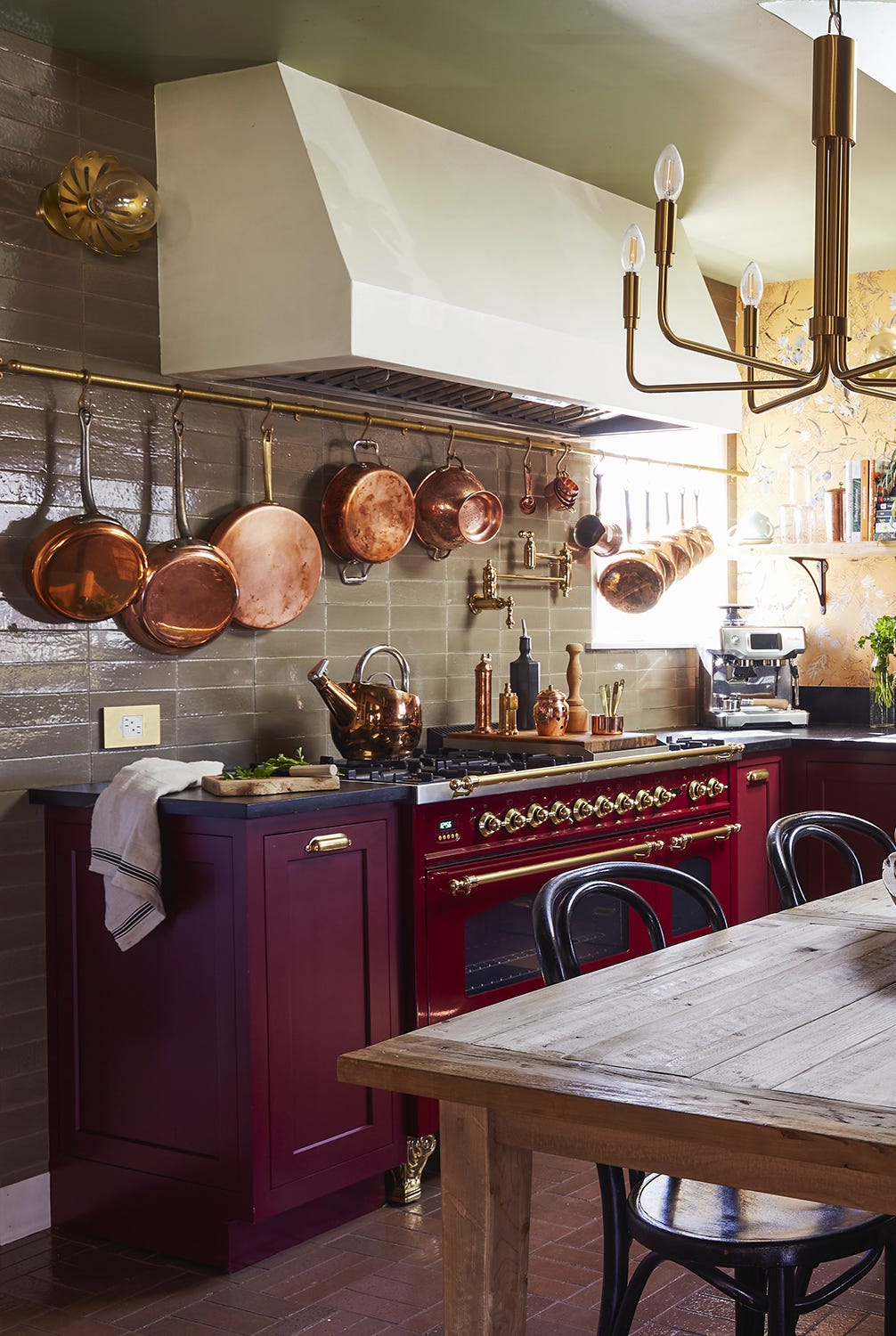
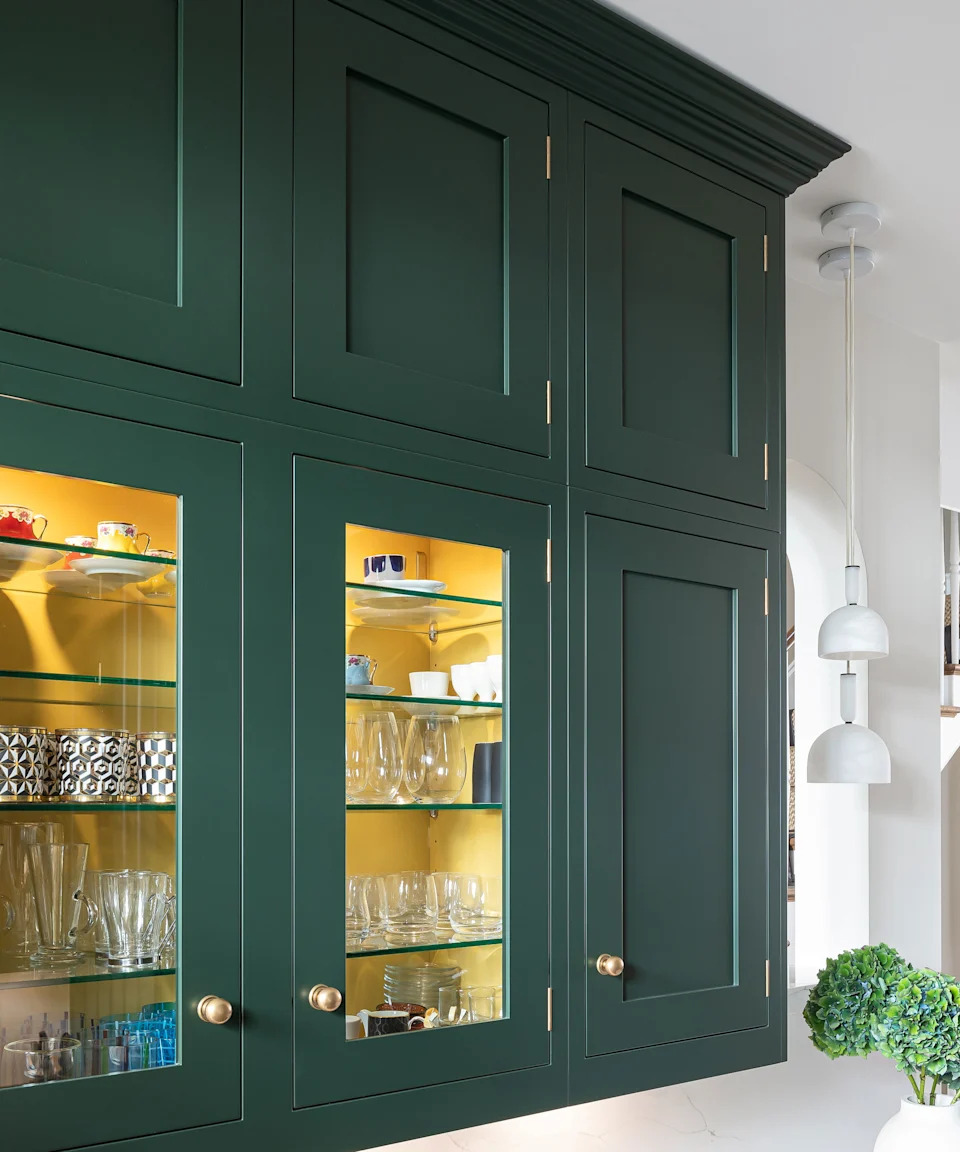
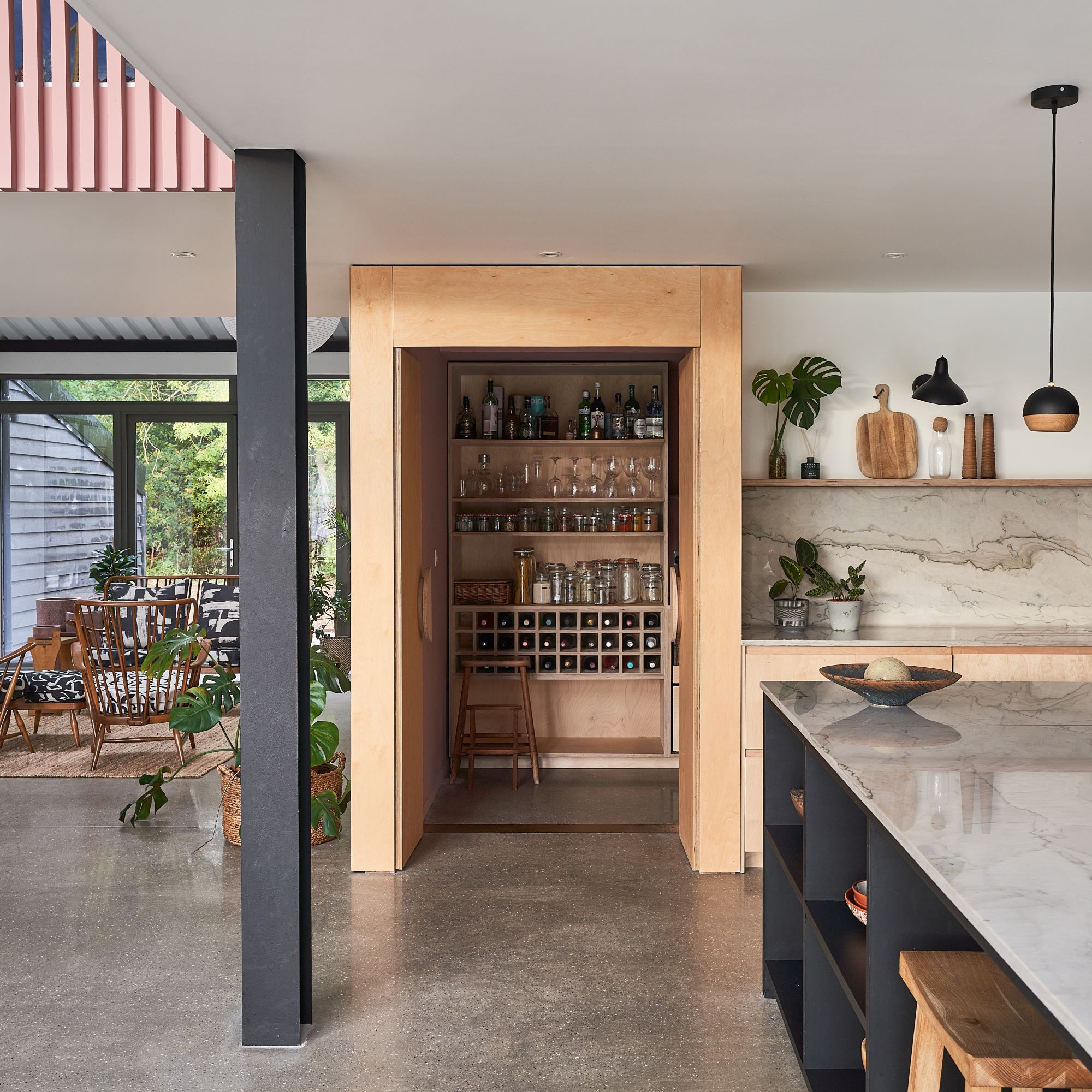

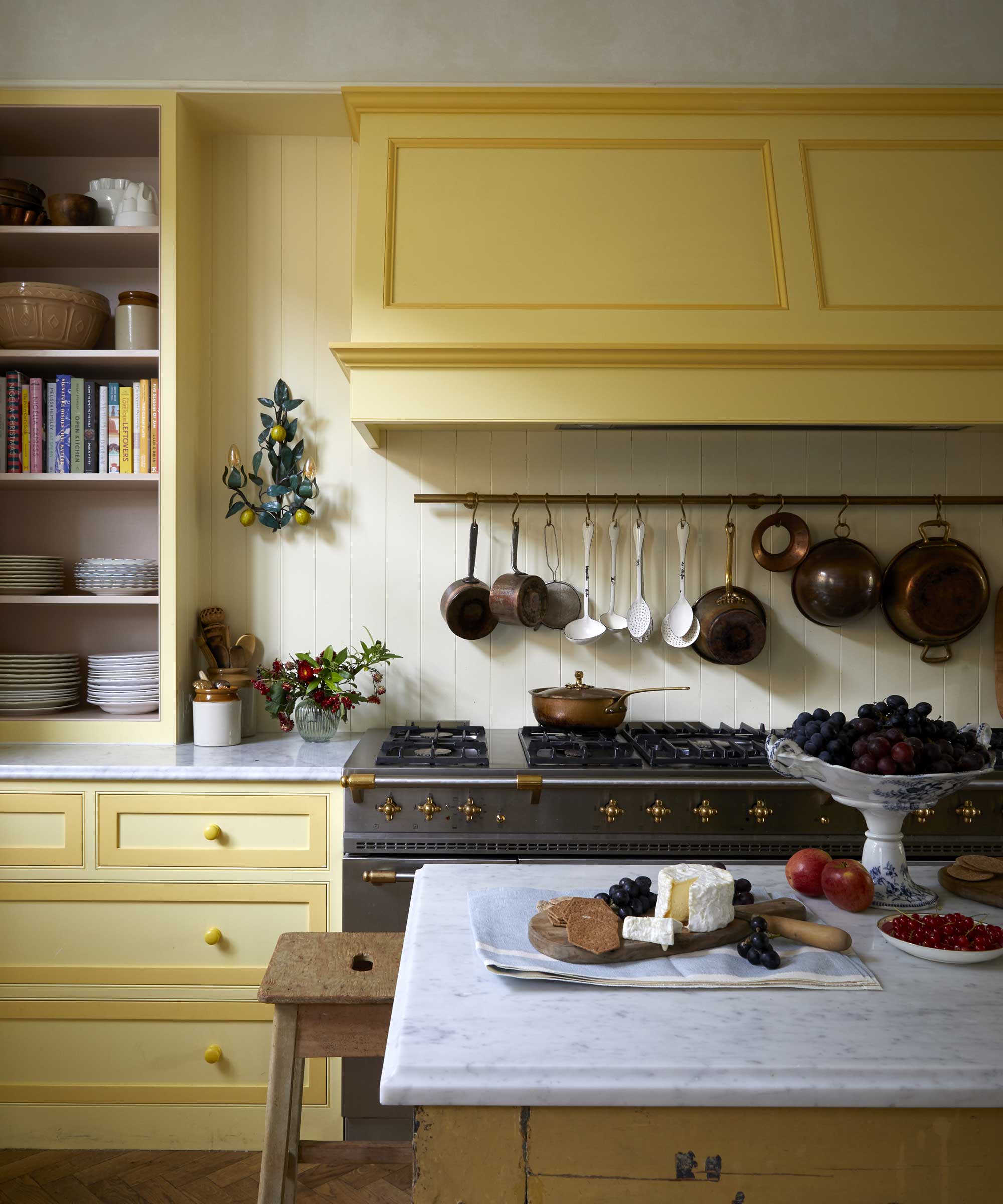
Zone planning is another key strategy. Sarit Weiss, founder of Neat & Orderly, suggests creating designated zones based on function. For example, pots, pans, and cooking utensils should be stored near the stove, while chopping boards and knives belong in the meal prep area. Cutlery drawers are best placed near the dishwasher or sink for easy put-away. This approach minimizes unnecessary movement and prevents congestion during busy periods. Steven Perez, founder of Kitchen and Range Hood, also recommends incorporating a “drop zone” near the kitchen entrance for groceries and everyday items to prevent clutter in main pathways.
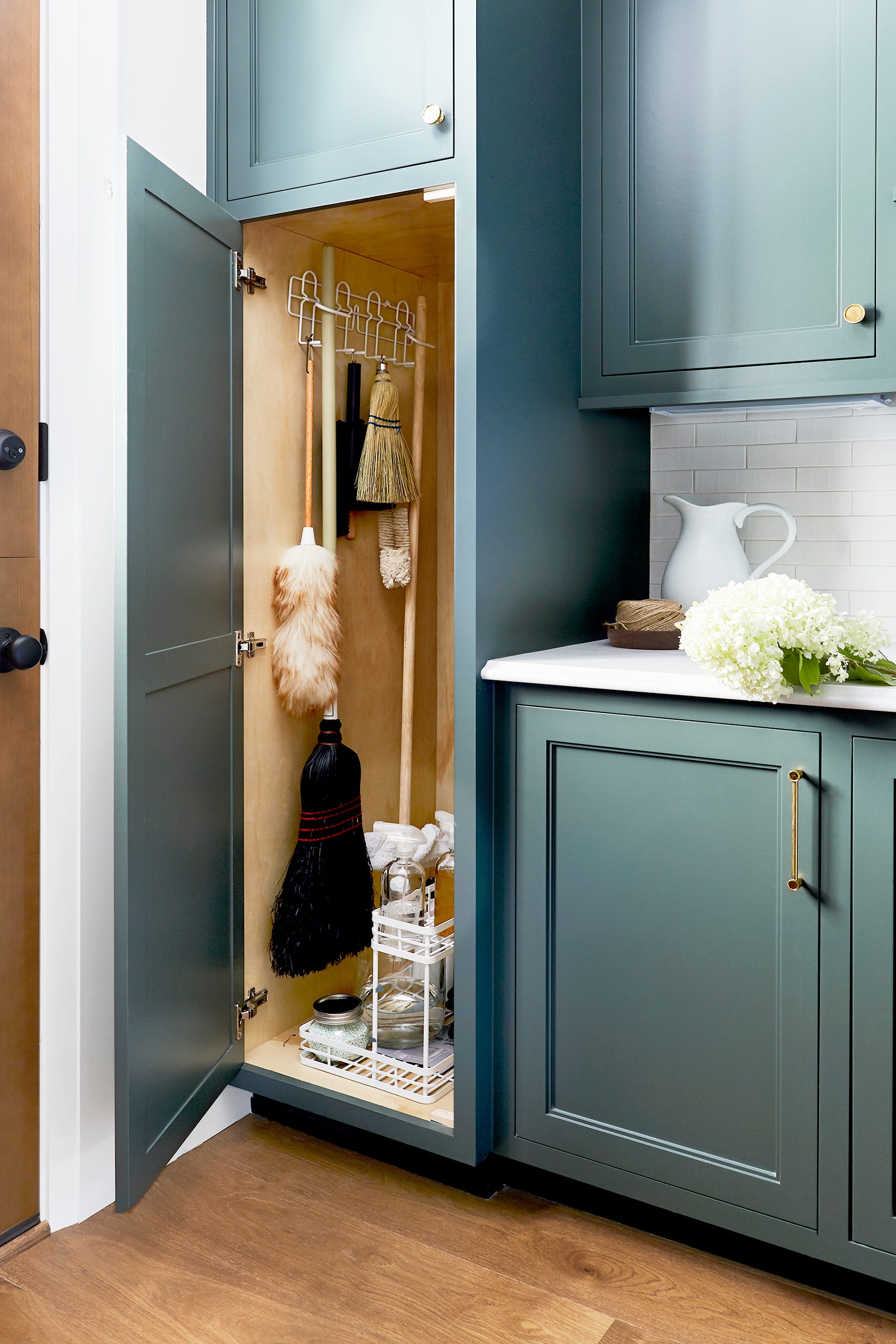
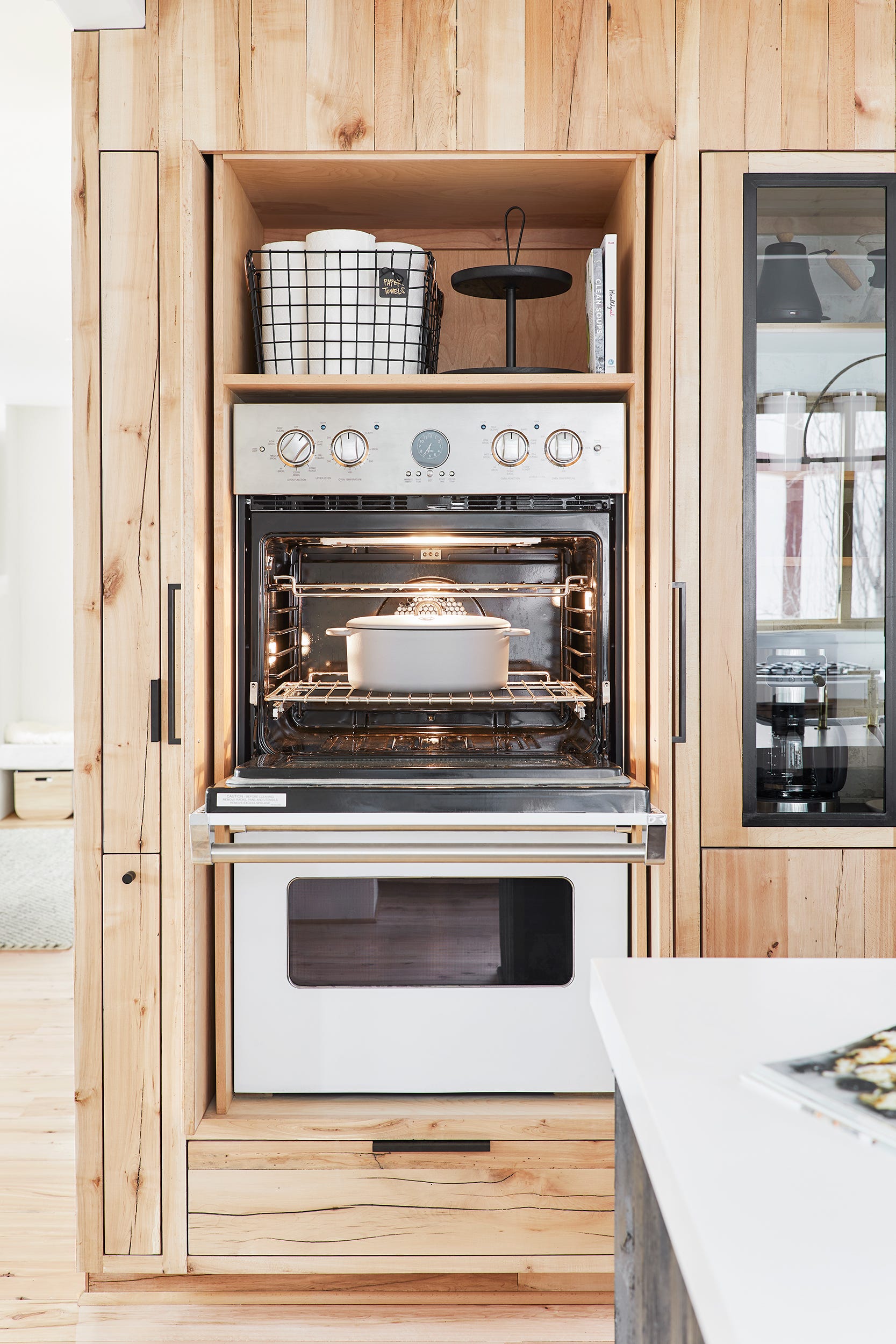
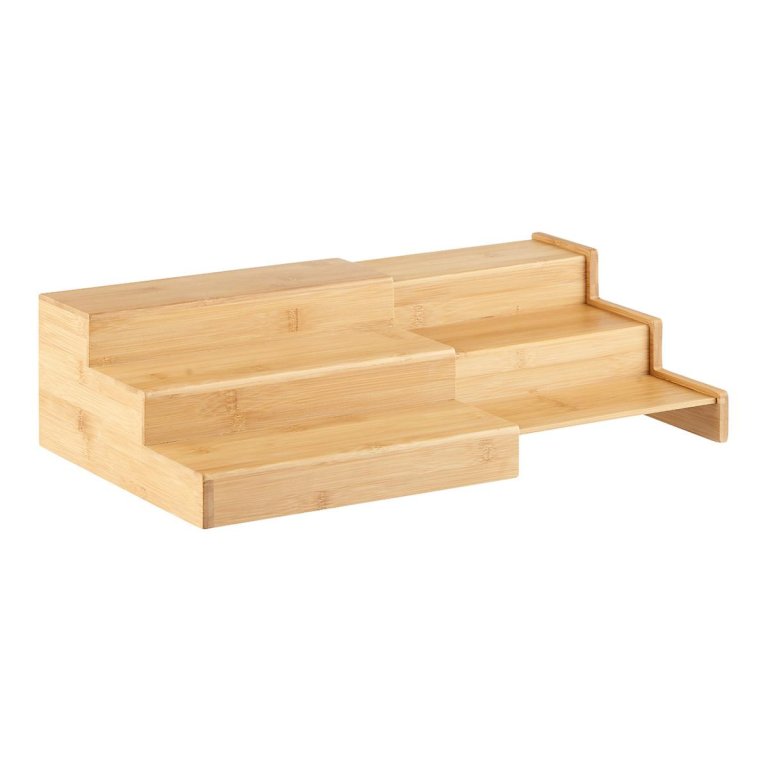
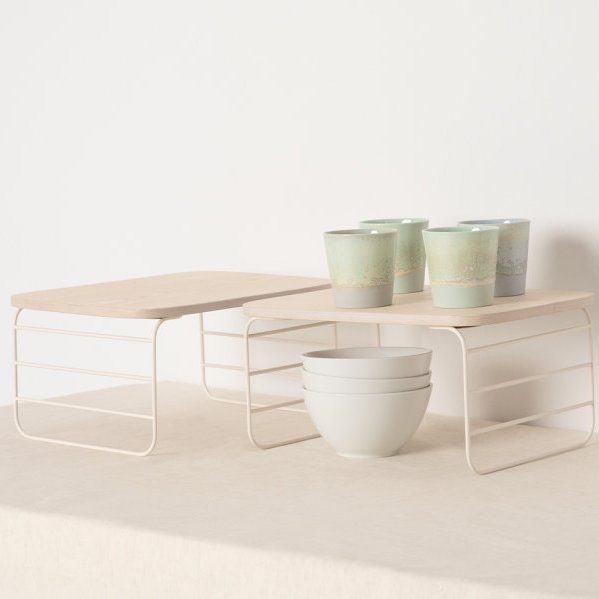
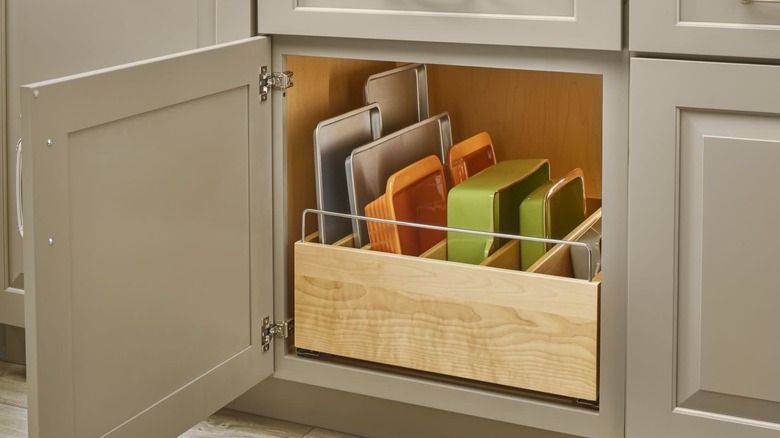
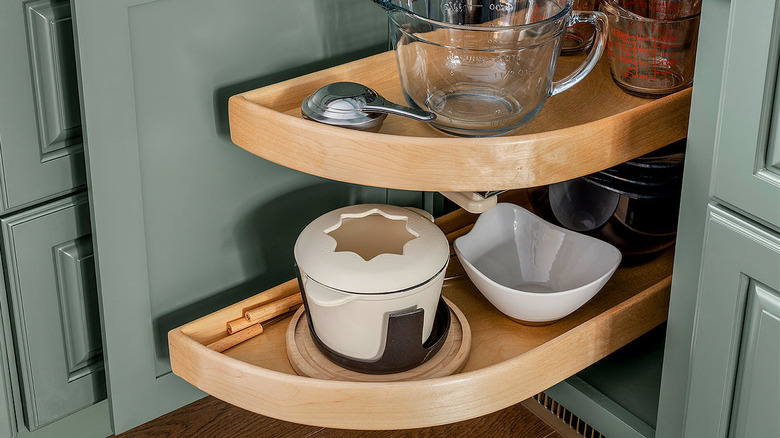
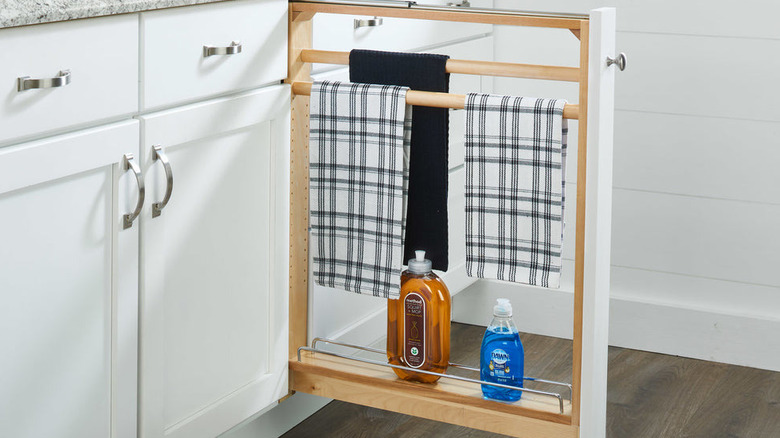
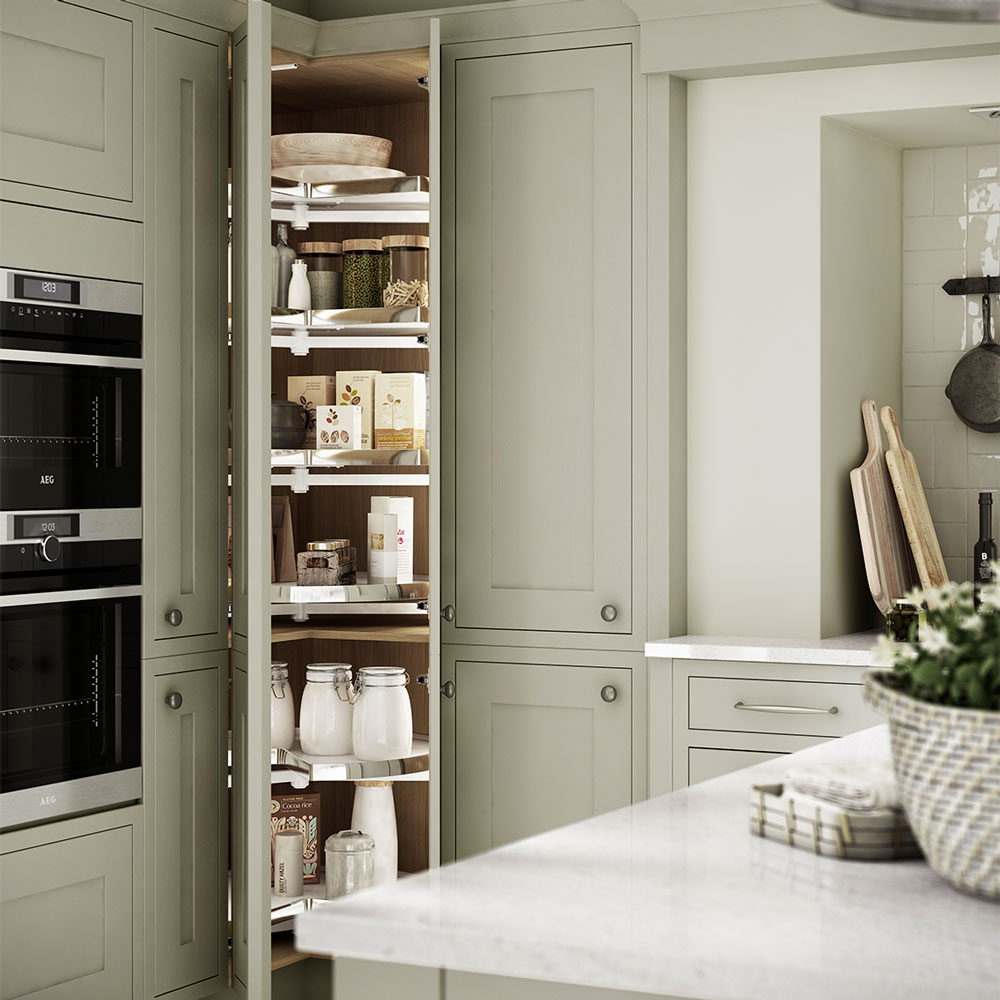
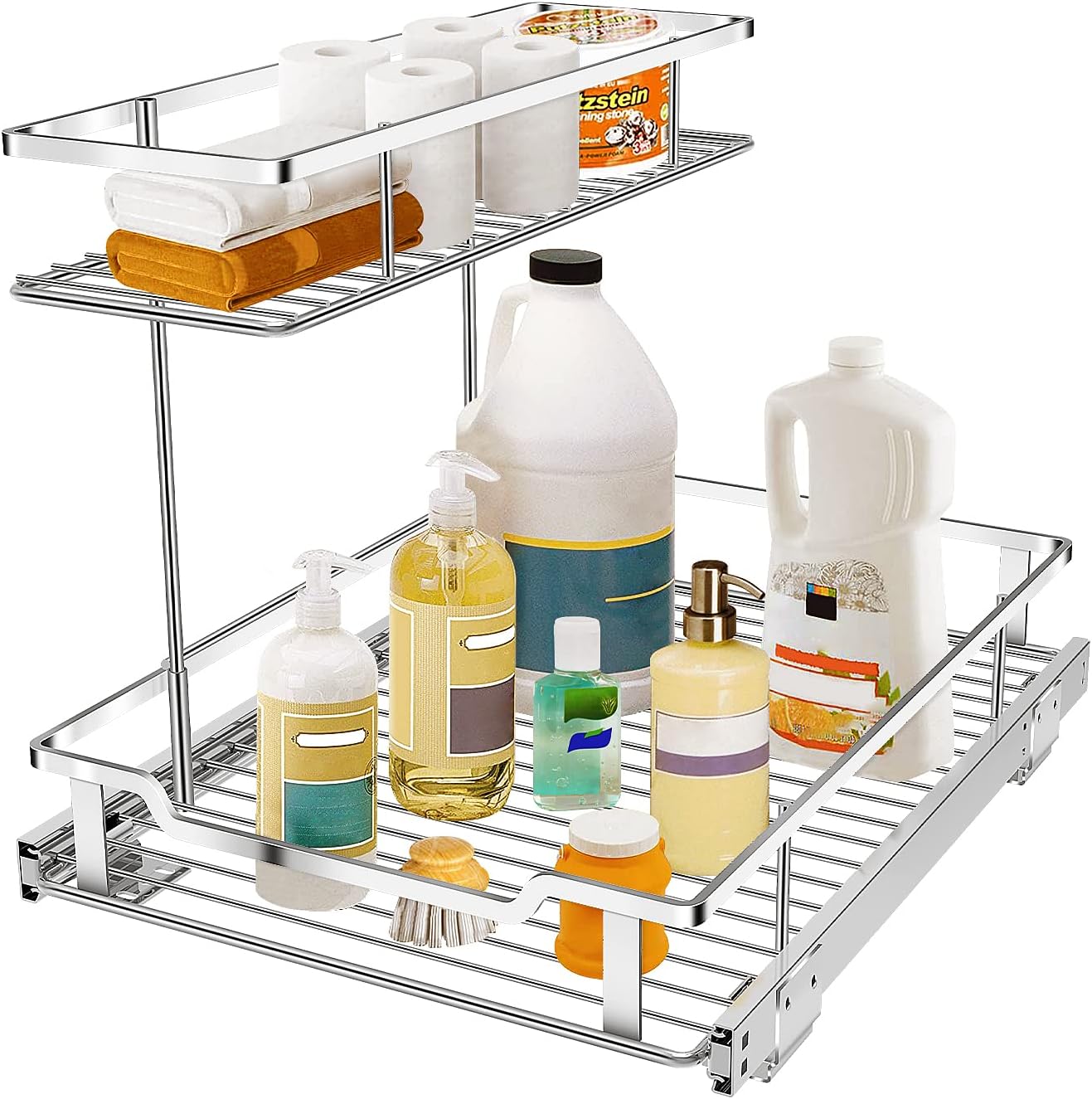
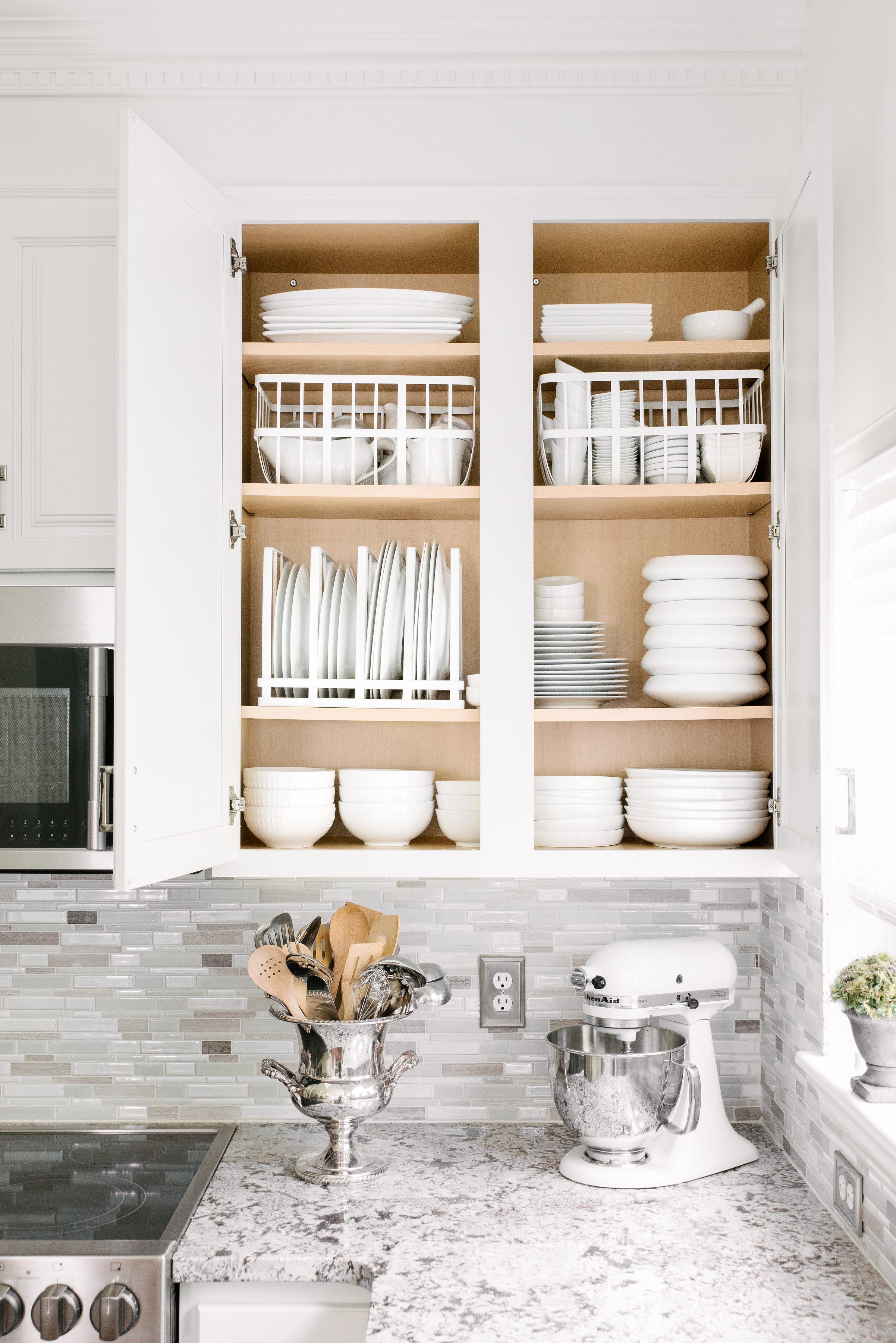
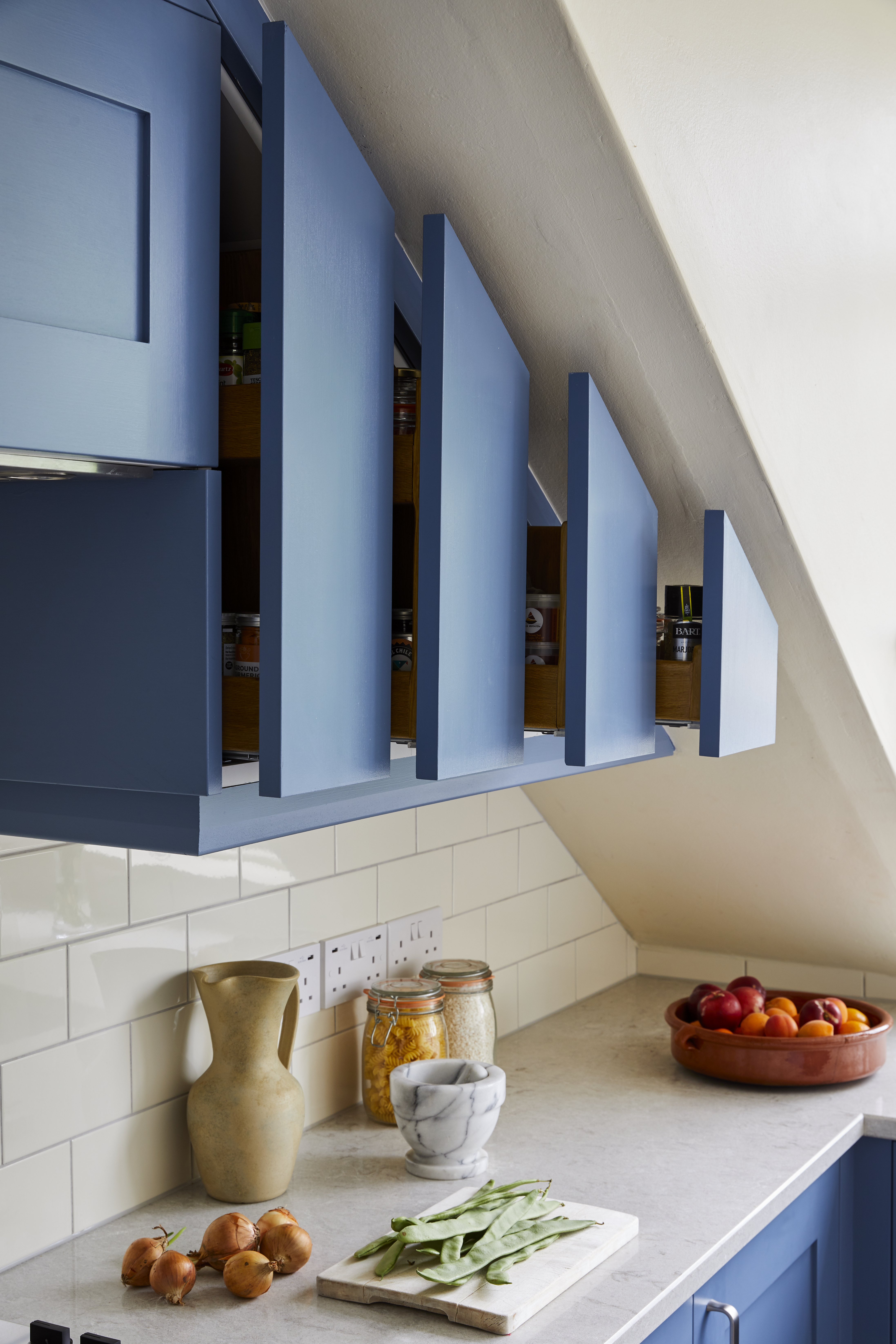
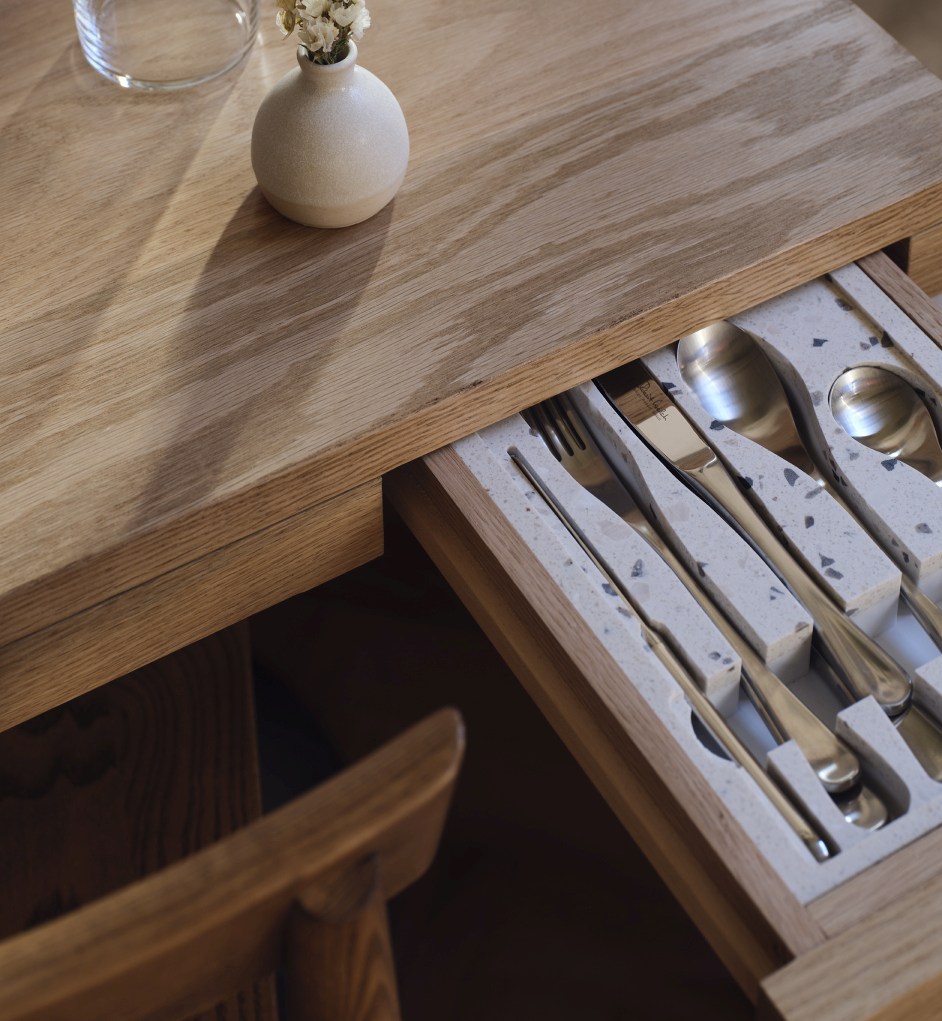
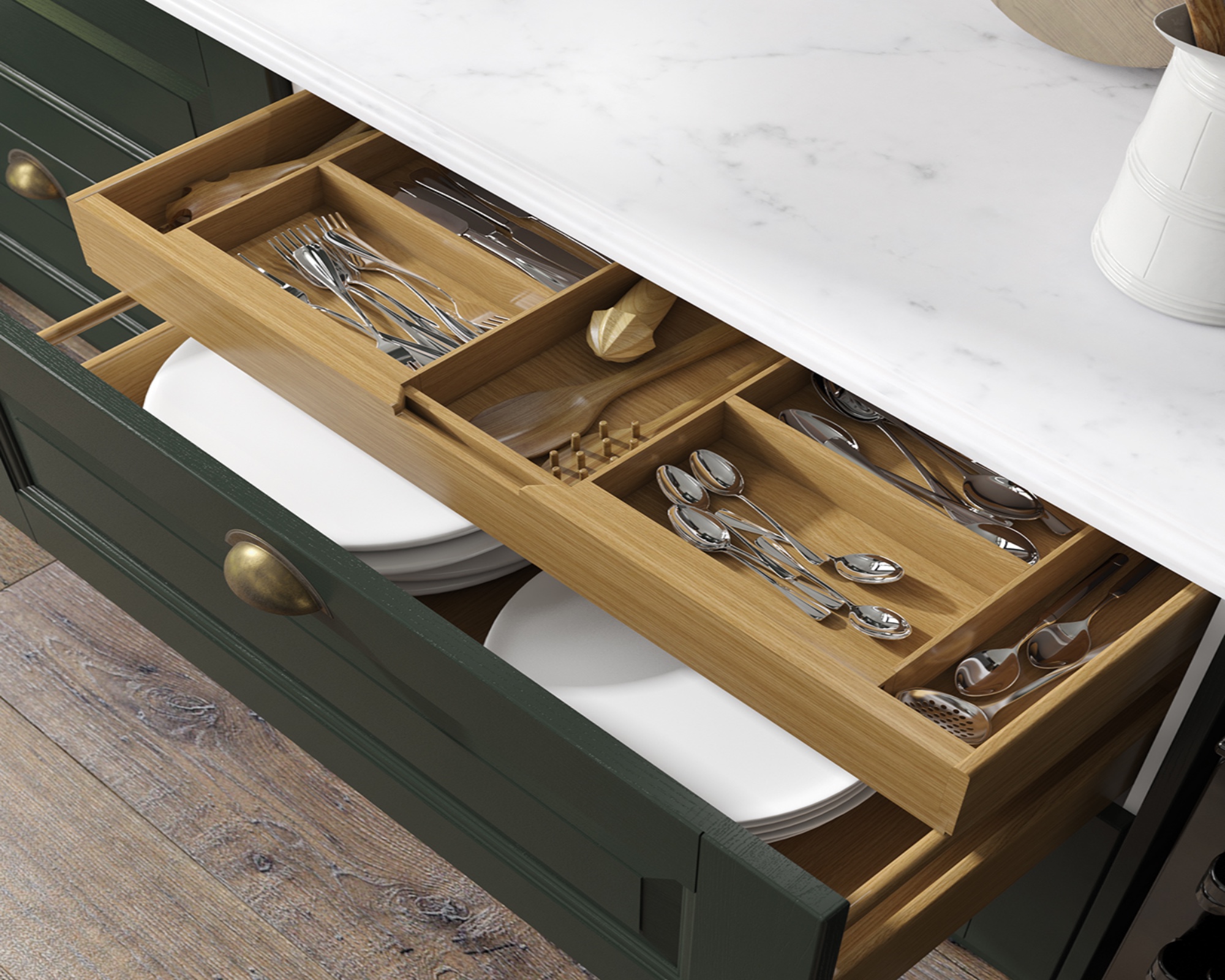
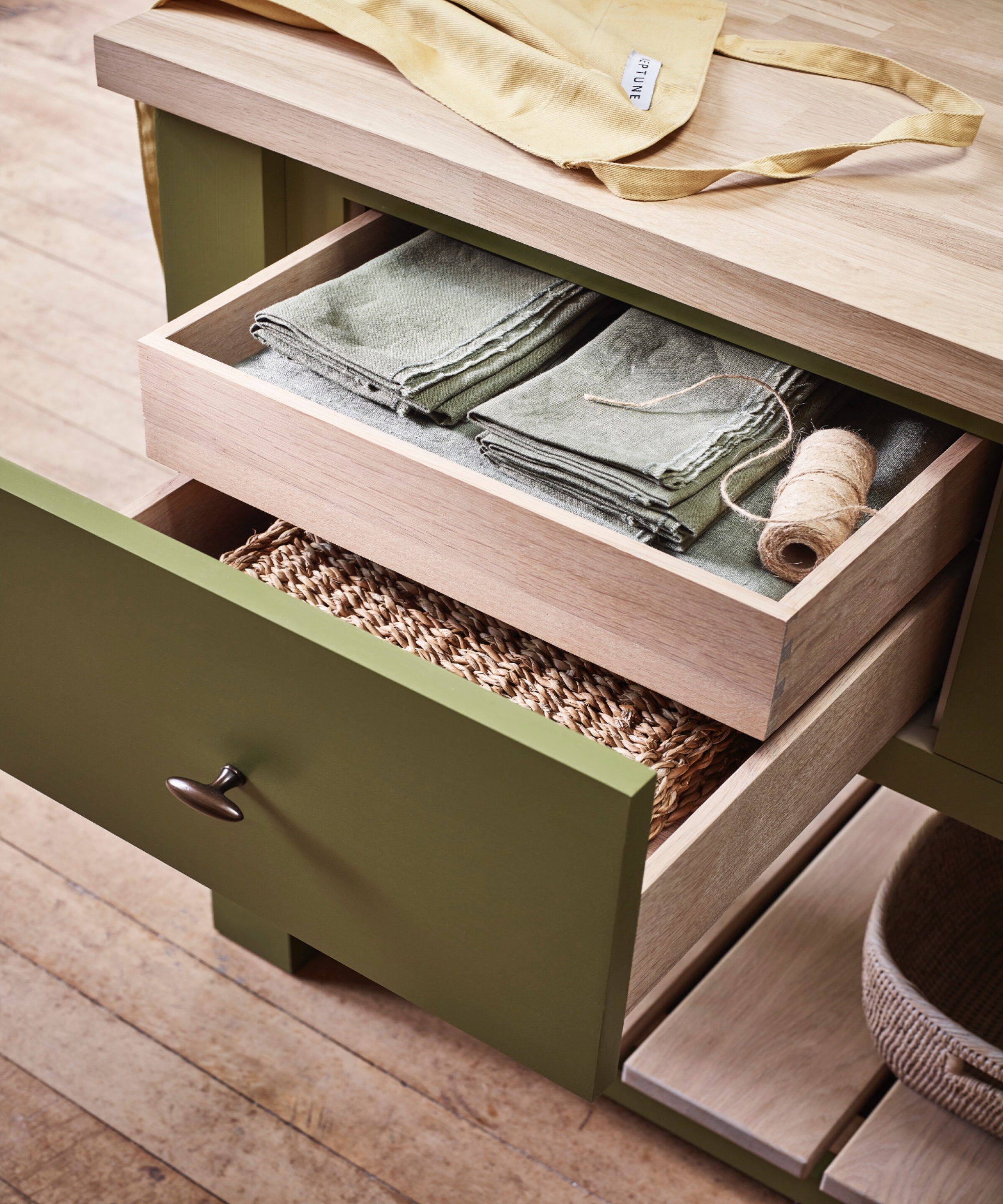
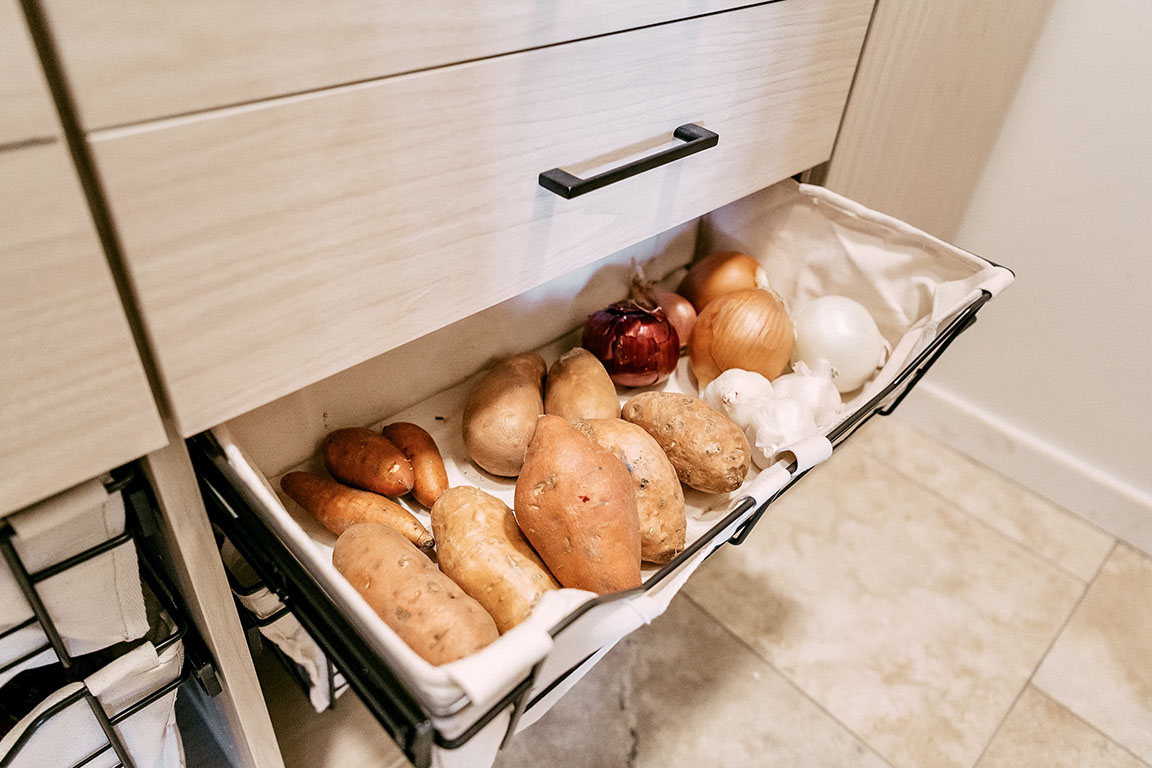
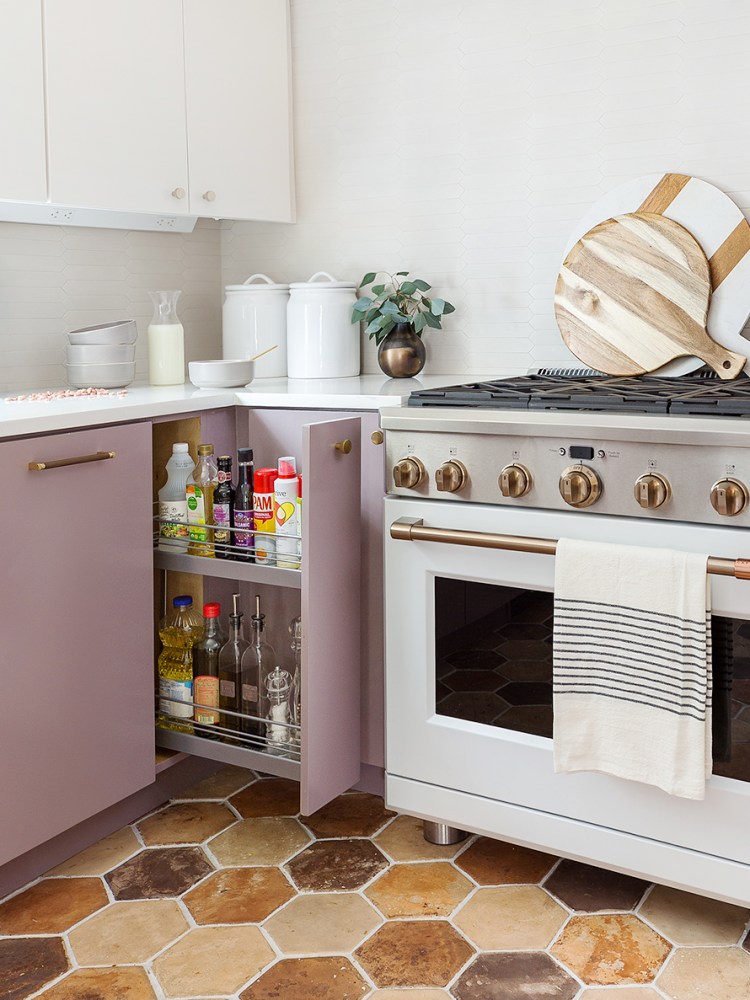
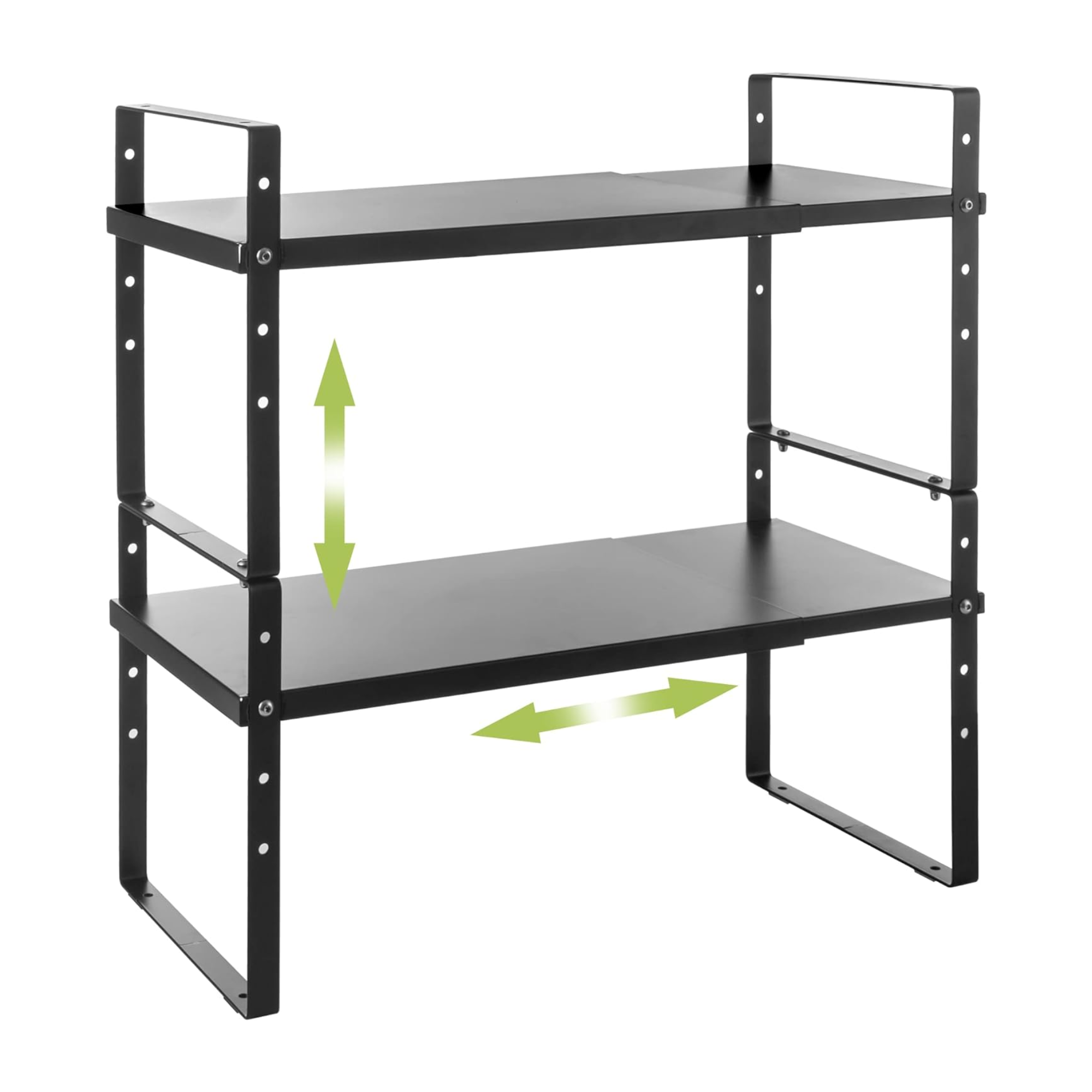
Organizing cabinets based on usage frequency is essential. Frequently used items should be placed in easily accessible cabinets at eye level or within easy reach, particularly near their corresponding work areas. This reduces the need to bend, stretch, or search, making the kitchen more user-friendly. Integrating practical storage solutions, such as drawer dividers for utensils, pull-out shelves, and lazy Susans for deep cabinets, further enhances accessibility and organization. Shelf risers and hanging racks can maximize vertical space and minimize clutter, while adjustable or modular organizers offer flexibility for changing needs.
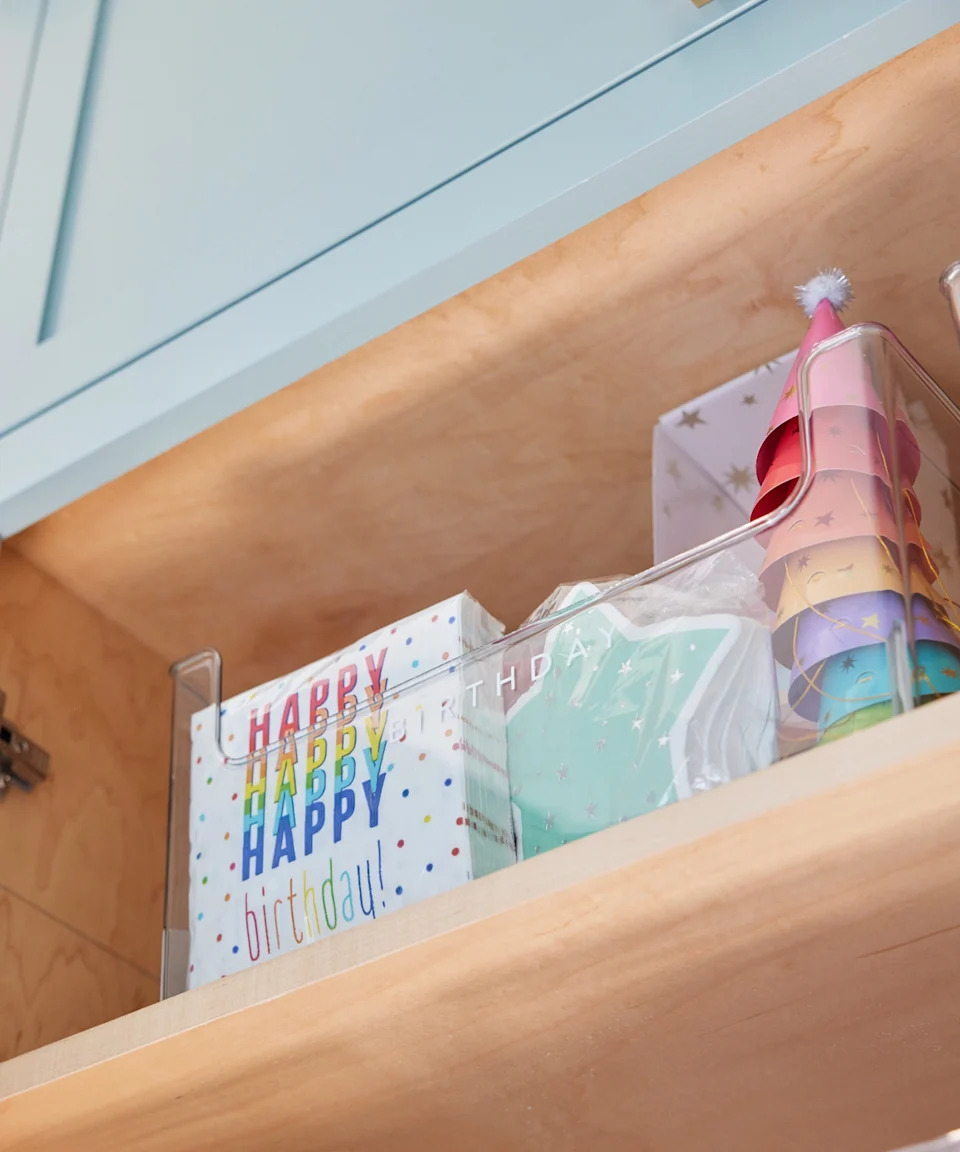
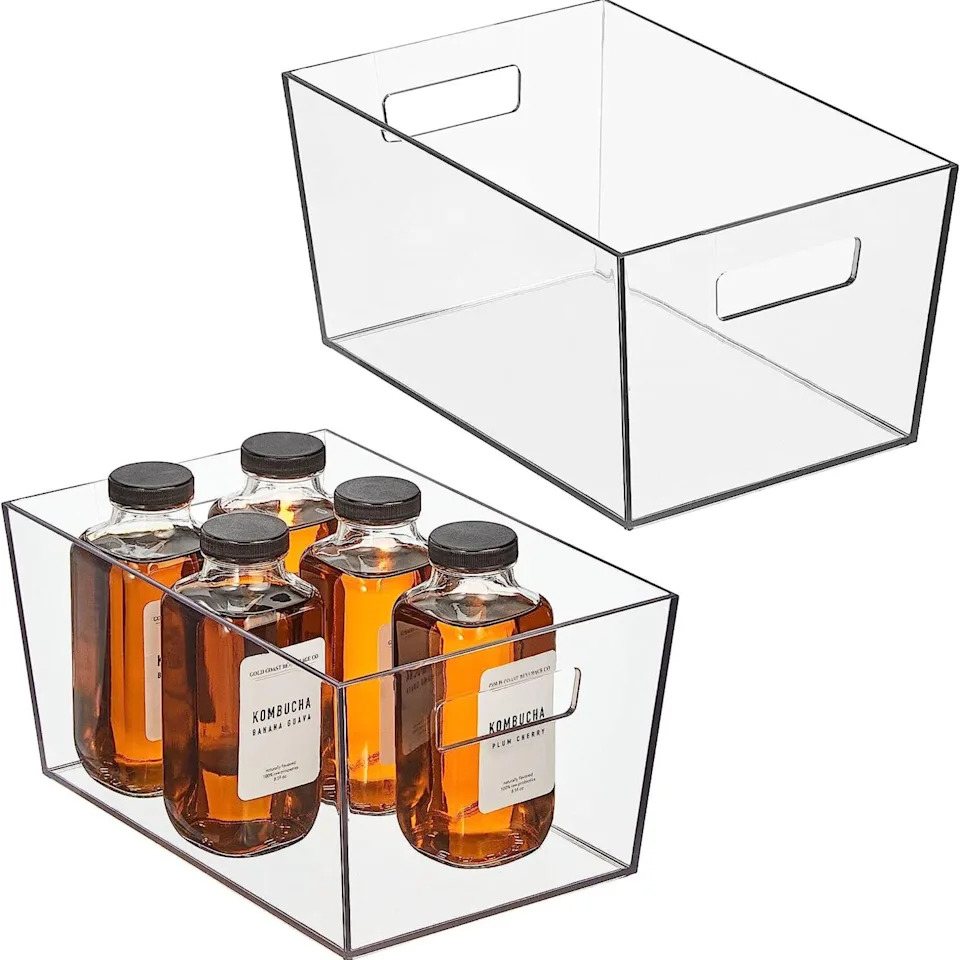
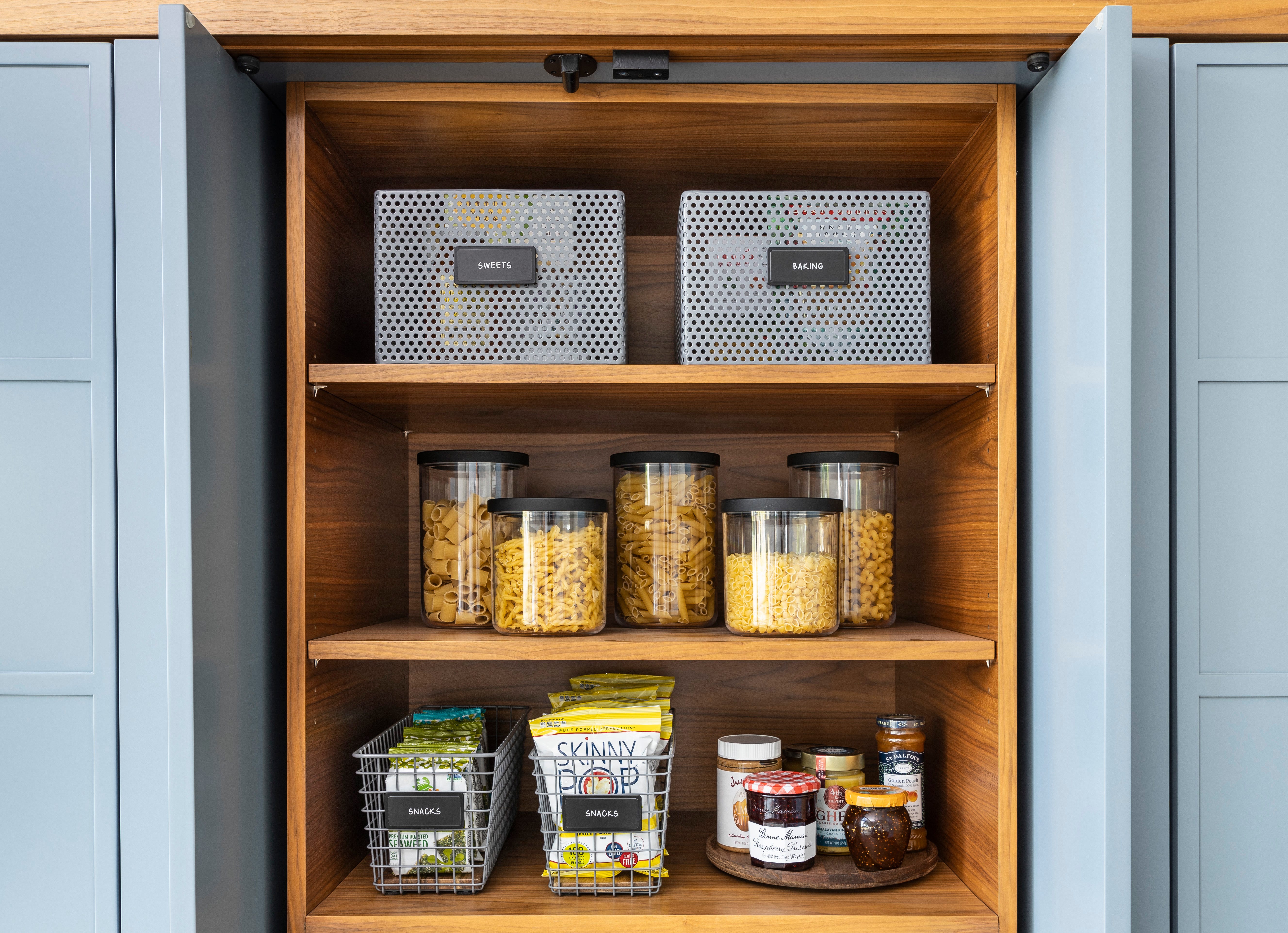
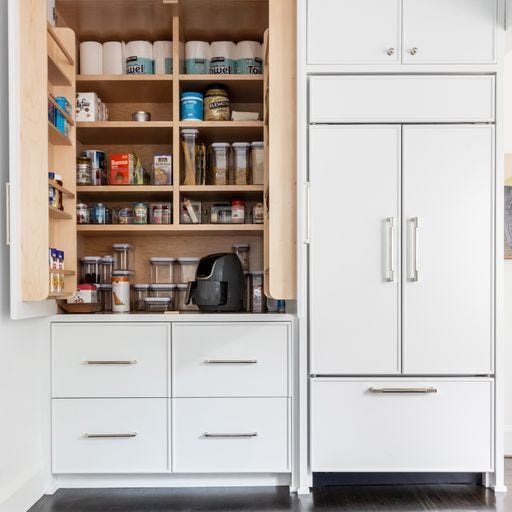
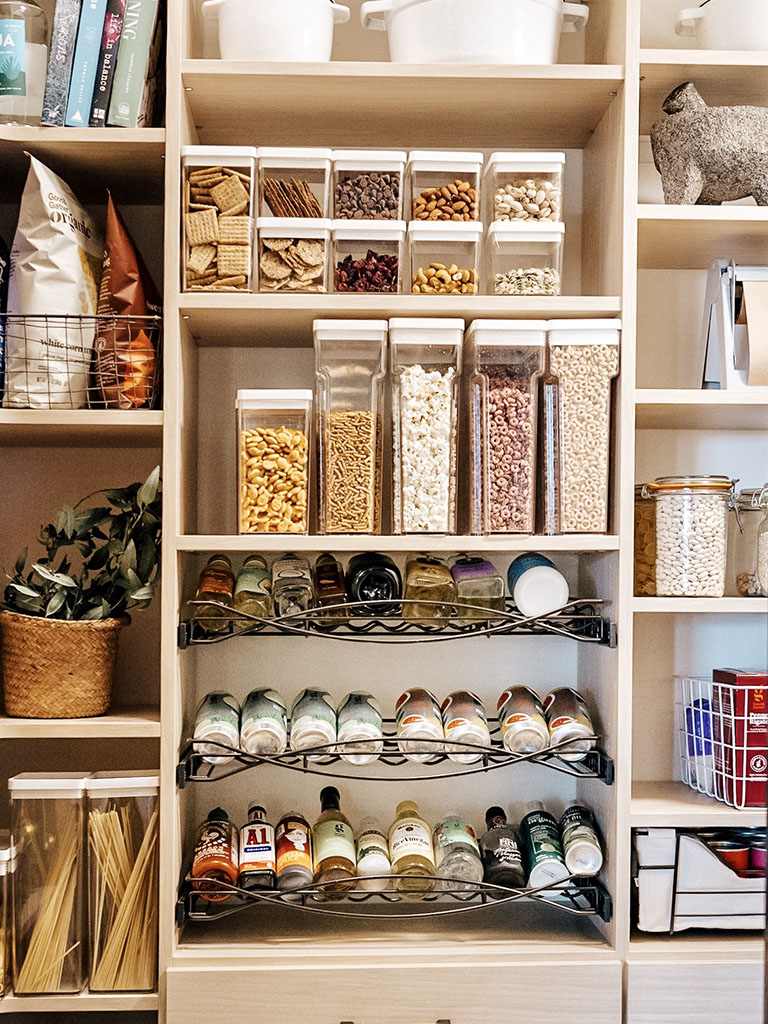
Finally, labeling and transparency play a vital role. Using clear containers and labels for pantry items improves visibility and allows for quicker selection, especially during busy meal prep. This transparency ensures that items are easily found and returned to their designated places, maintaining an orderly and efficient kitchen environment. Regularly assessing and adjusting the organization system as needs change ensures sustained improvement in kitchen traffic flow.
#KitchenOrganization #Cabinetry #TrafficFlow #Decluttering #HomeOrganization #KitchenDesign #StorageSolutions #InteriorDesign #KitchenOrganization #Cabinetry #TrafficFlow #Decluttering #HomeOrganization #KitchenDesign #StorageSolutions #InteriorDesign
0 commenti in totale
 Nessun commento ancora
Potresti anche gradire
This Organization Hack Will Make Your Kitchen Cabinets Feel Like They're Twice the Size

How to organise kitchen cupboards – 23 expert tricks to keep kitchen cabinets tidy
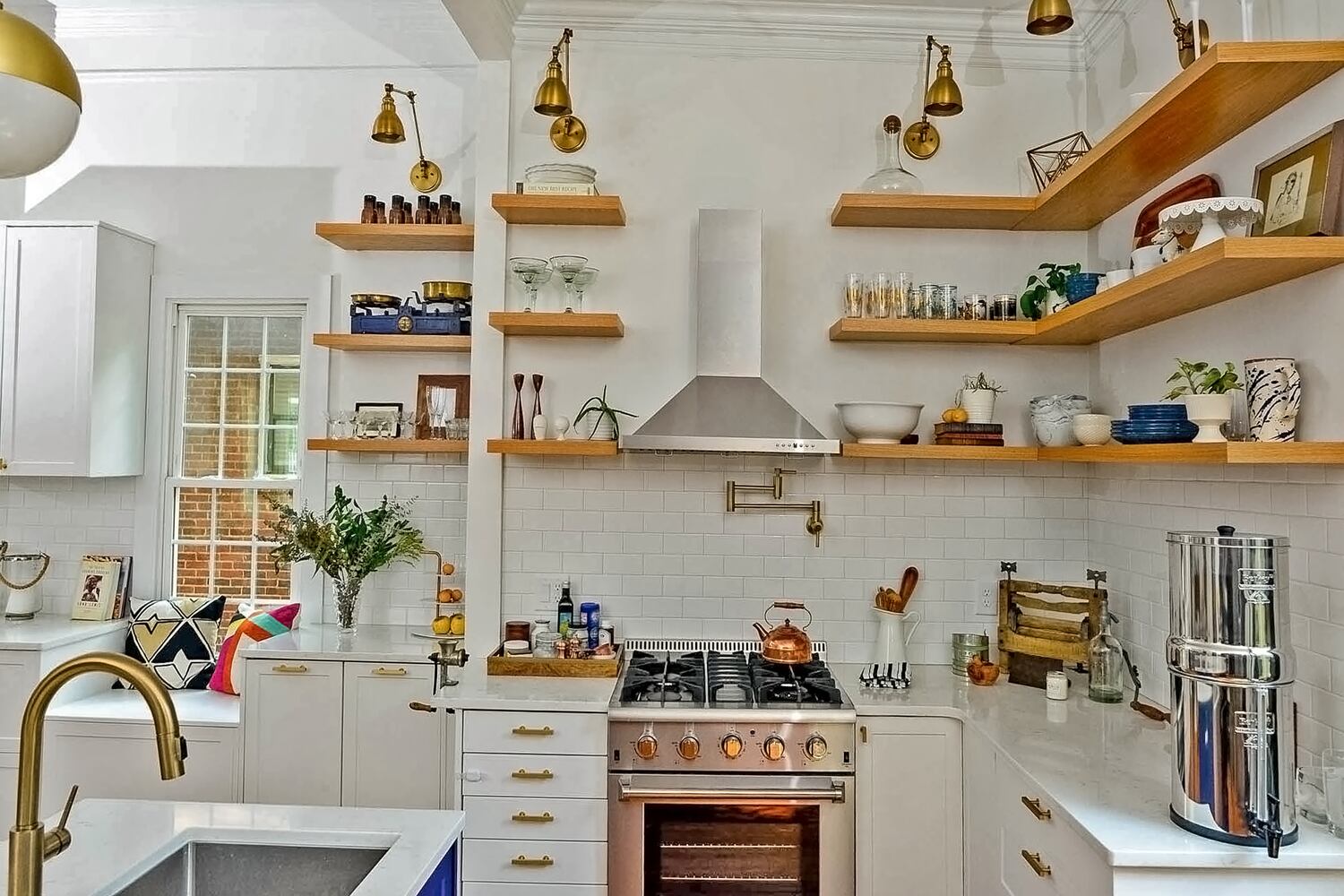
Stunning kitchen cabinet organization designs you can put in your home
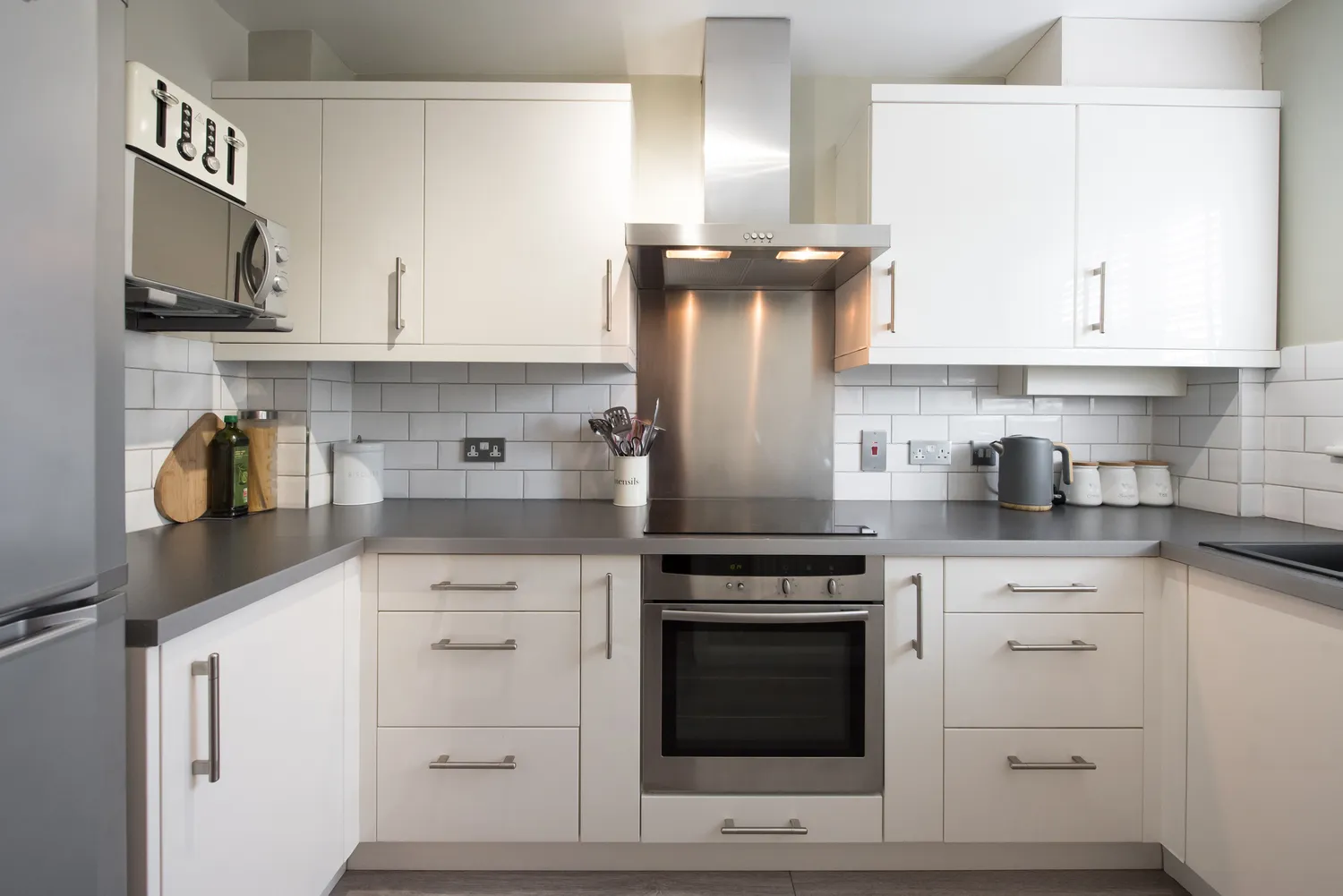
We Asked Designers What Makes a Kitchen Look Cramped and We Wish We Knew This Sooner

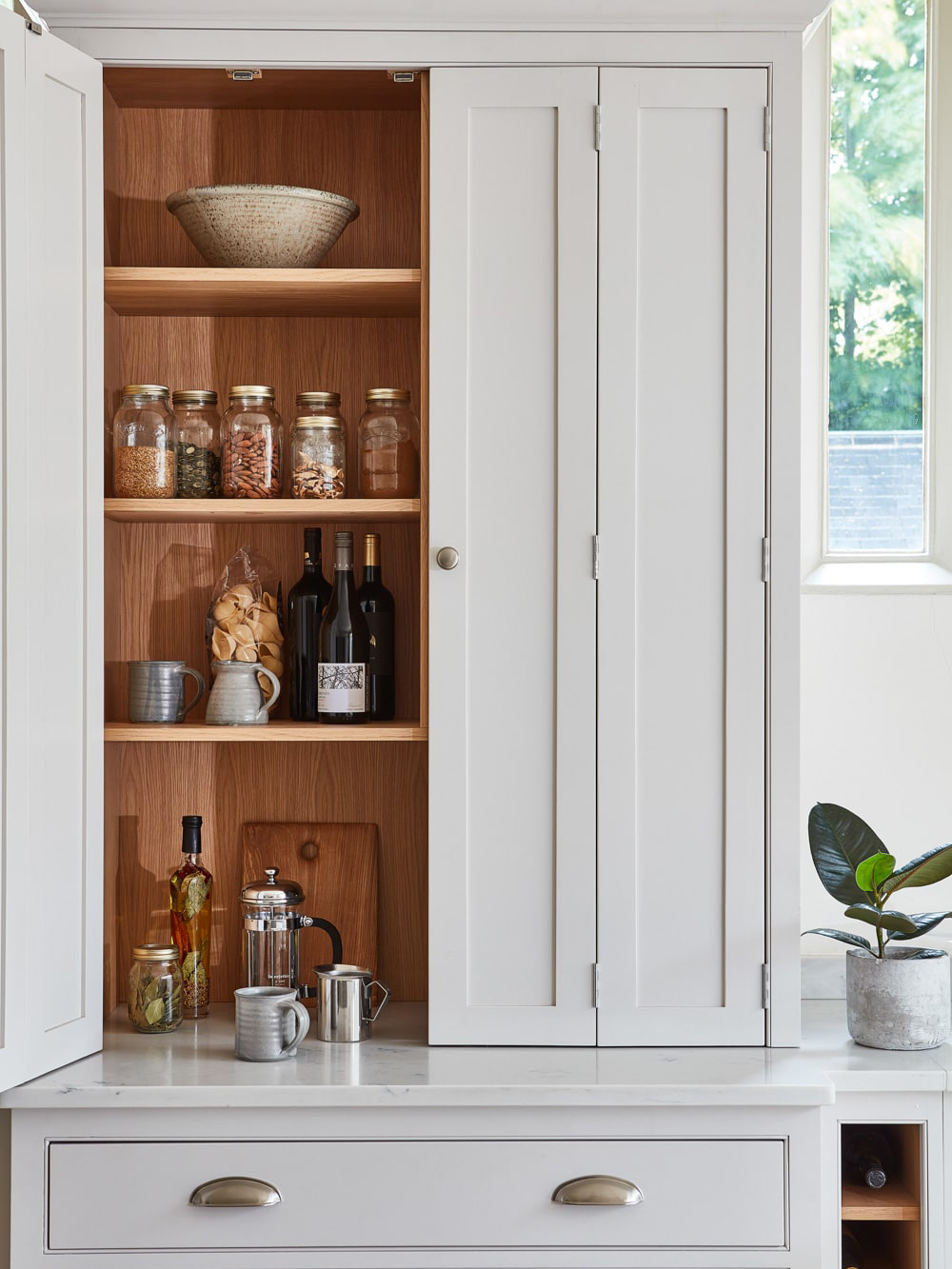
You’re 3 Steps Away from Your Most Organized Kitchen Cabinets Yet
Professional organizers use low kitchen cabinets to store these items – it'll make your storage so much more convenient

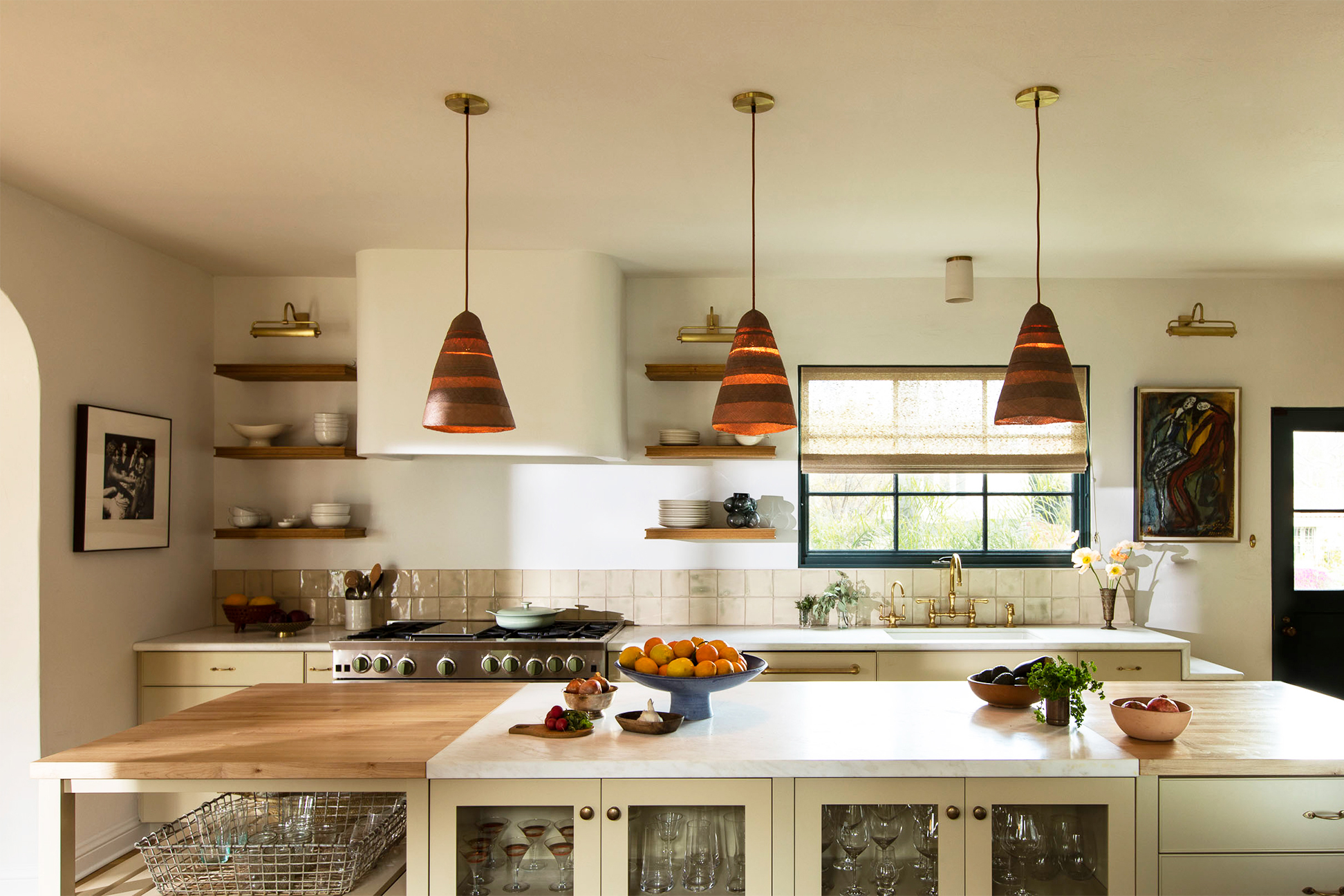
Cluttered Kitchen Counters Are a Non-Issue With This Clever Feature

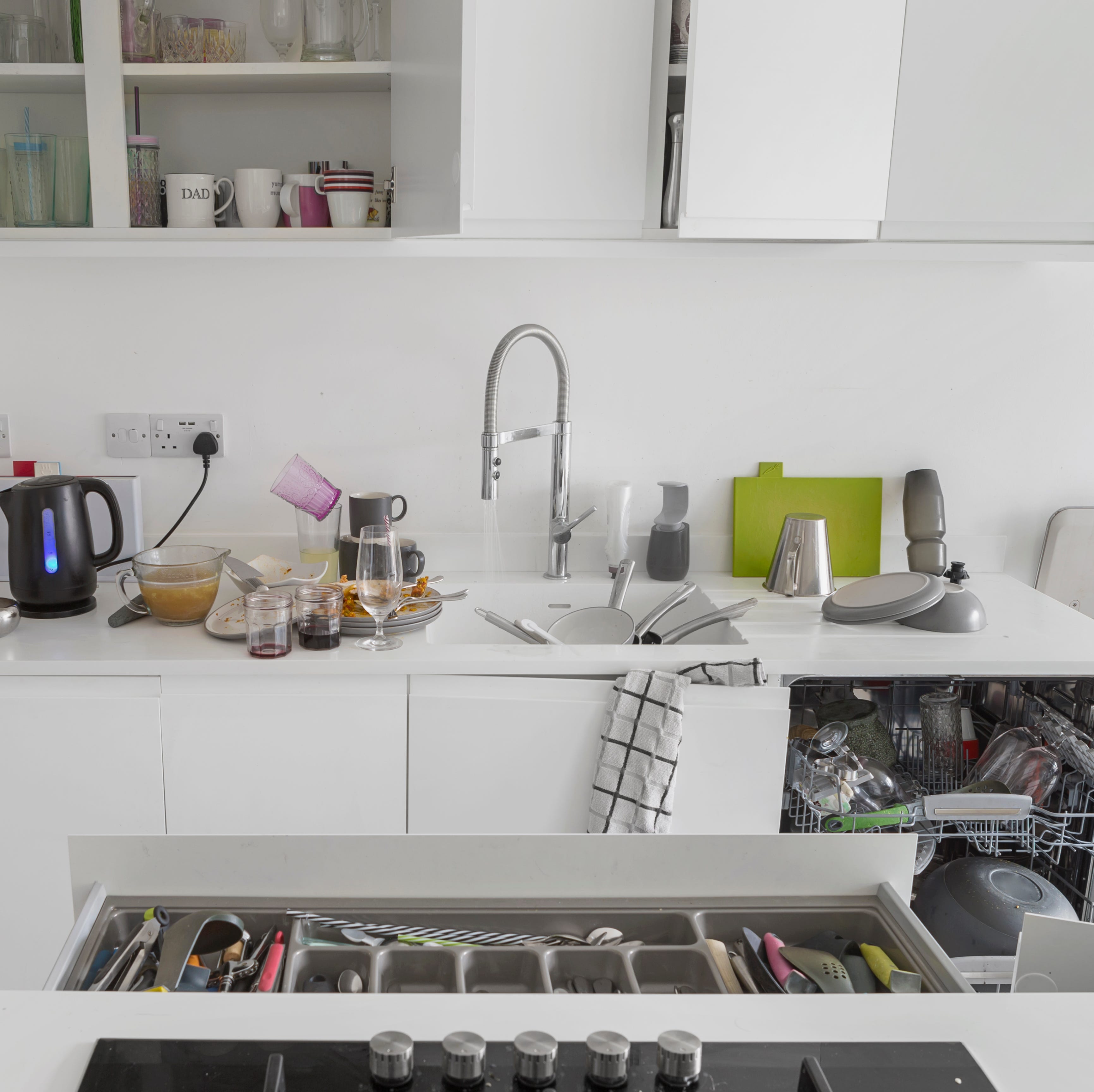
12 Things That People Over 30 Should NEVER Have In Their Kitchen
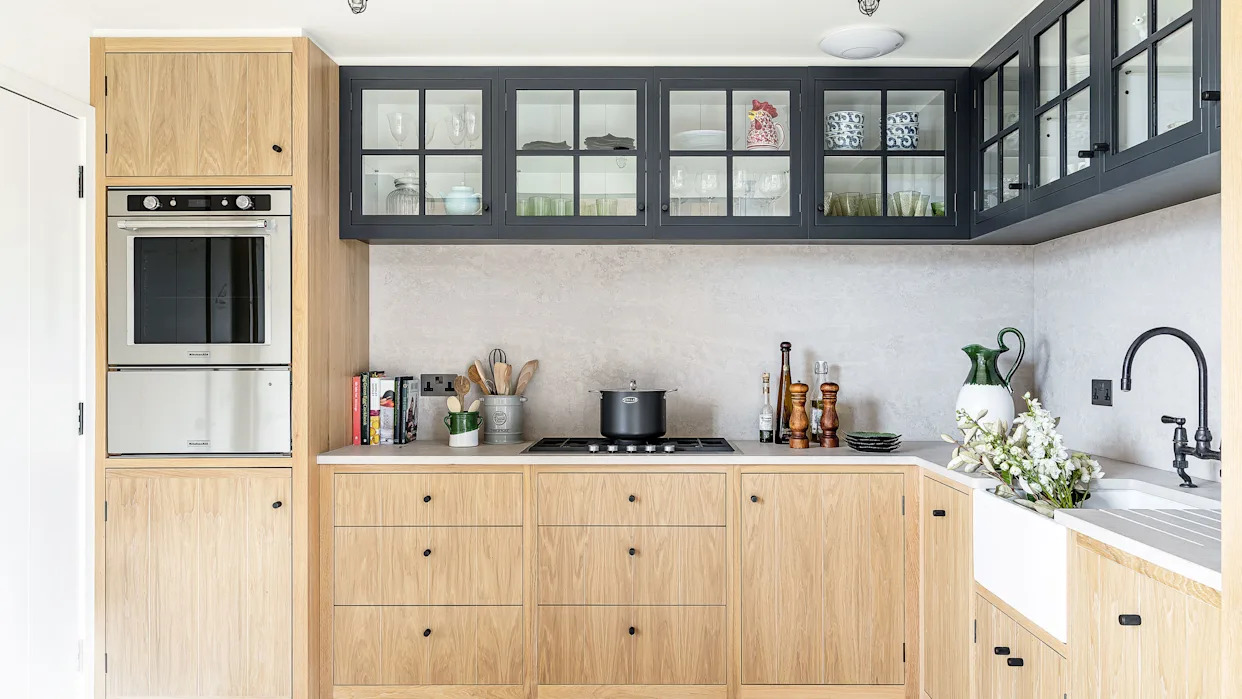
What to put in high kitchen cabinets –according to professional organizers and designers
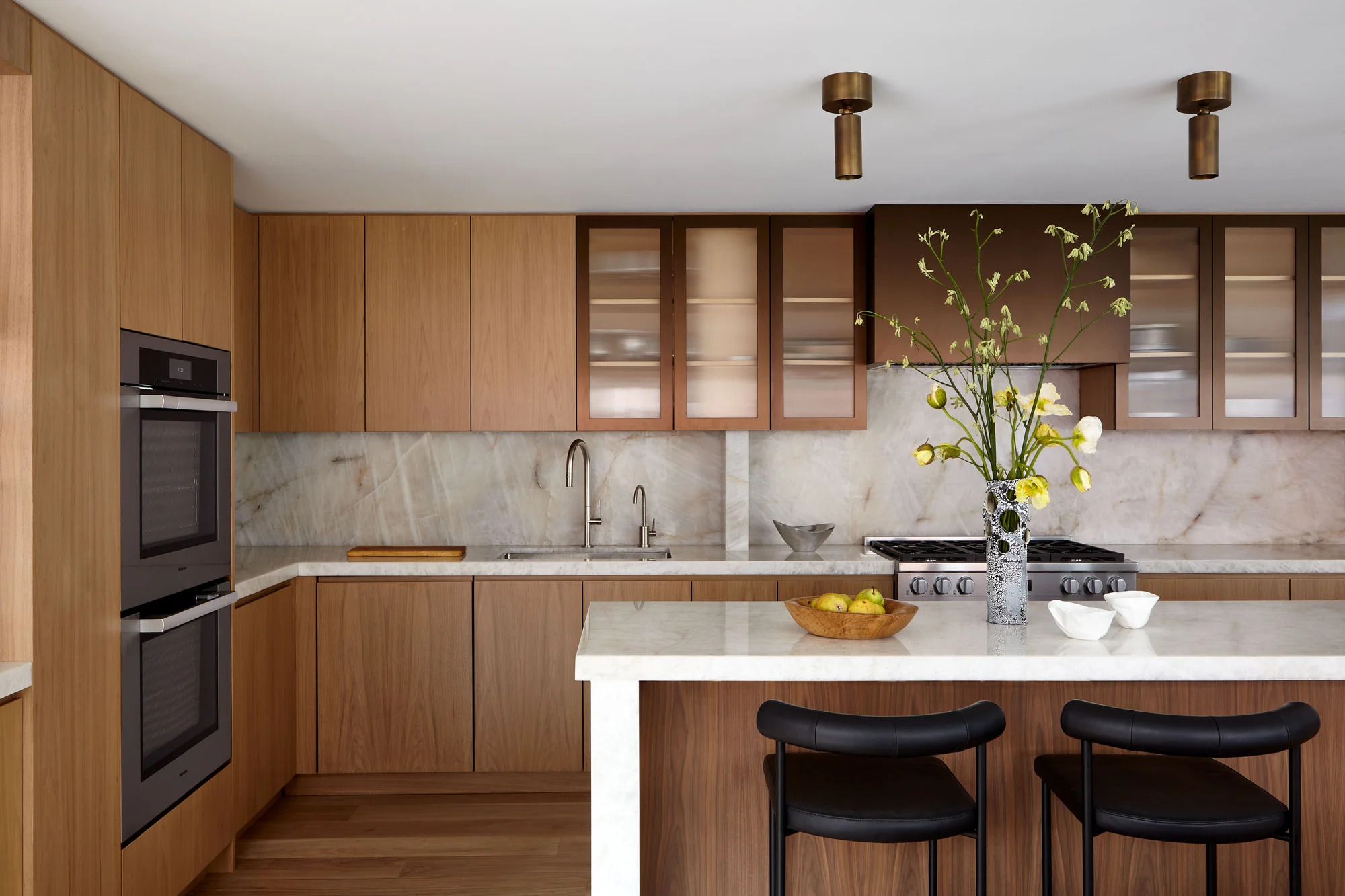
9 Things You Should Get Rid of in Your Kitchen Cabinets Right Now — An Expert Explains Why

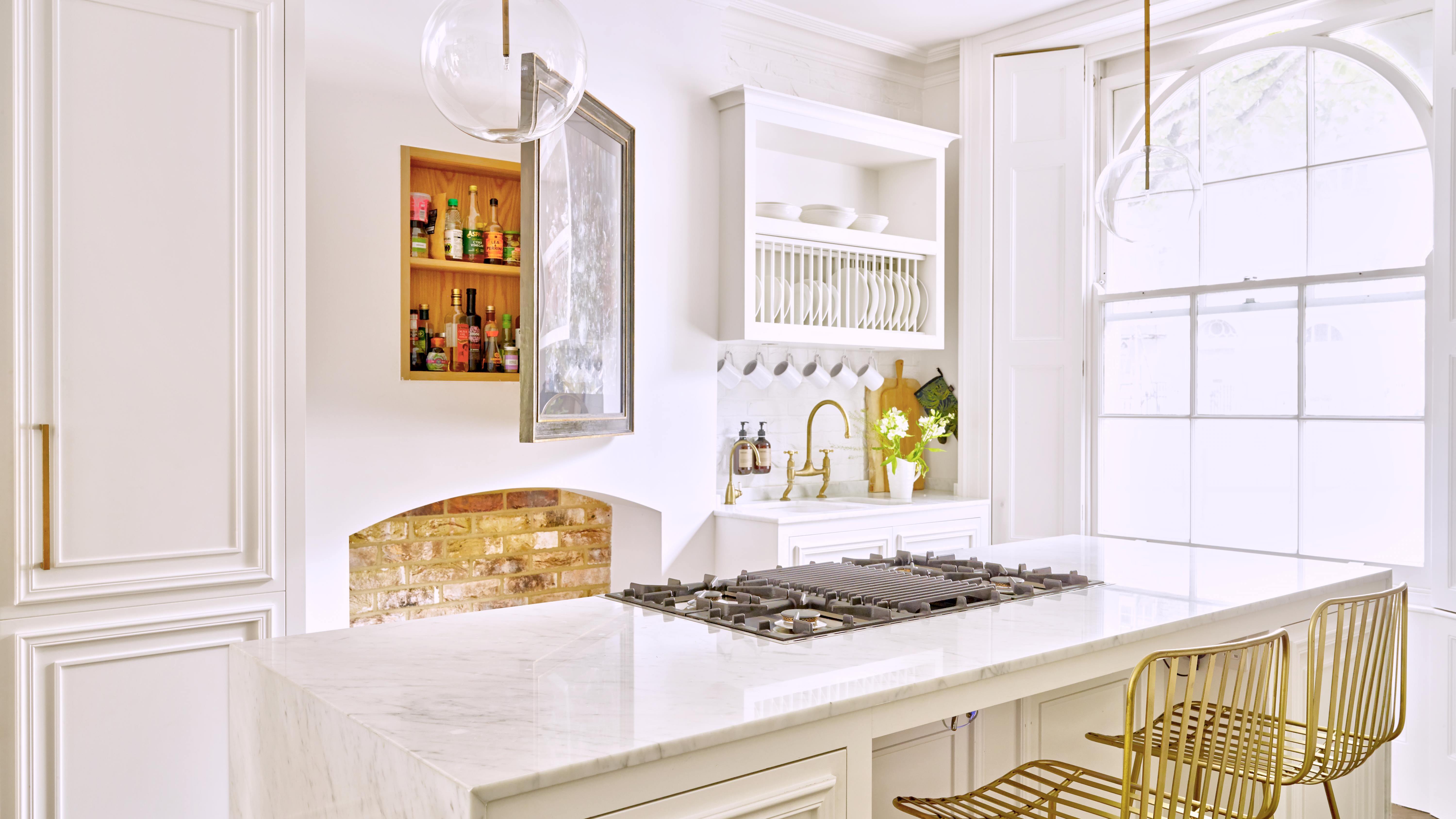
How to contain kitchen clutter
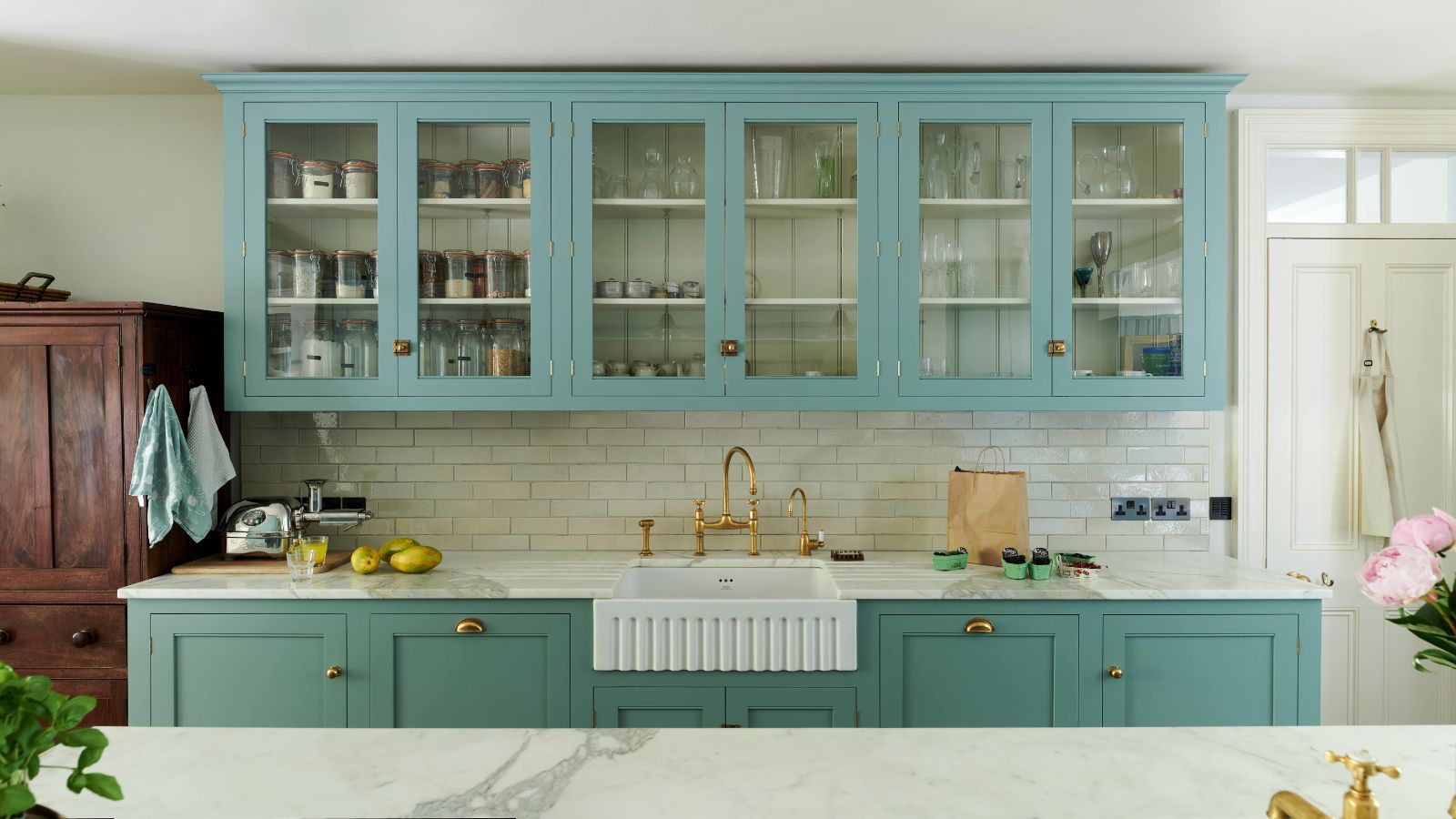
How to Make Your Kitchen Cabinets More Functional — 7 Expert Tips to Optimize Your Storage for Everyday Efficiency
How to Organize Your Kitchen Cabinets | Wirecutter
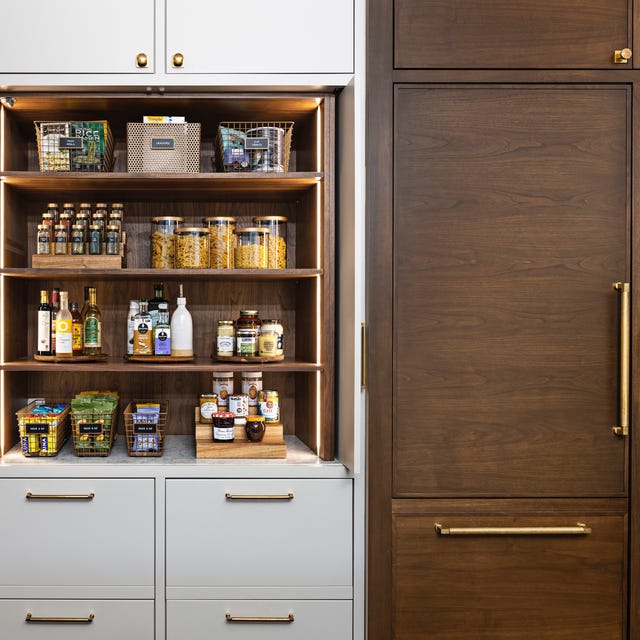
Decluttering Experts Share Their Best Kitchen Cabinet Organization Ideas

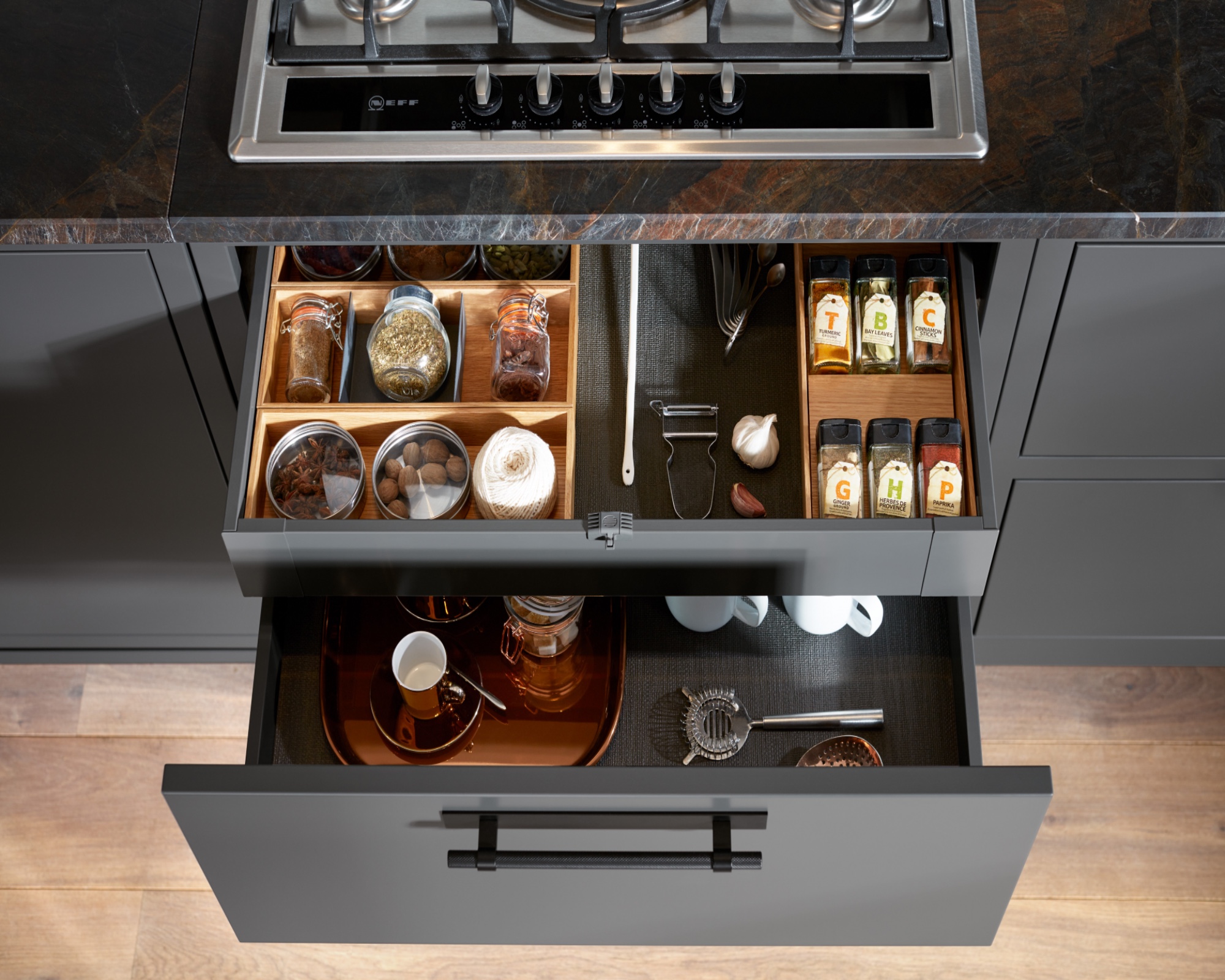
How to organize kitchen drawers – 12 ways to keep cooking essentials orderly

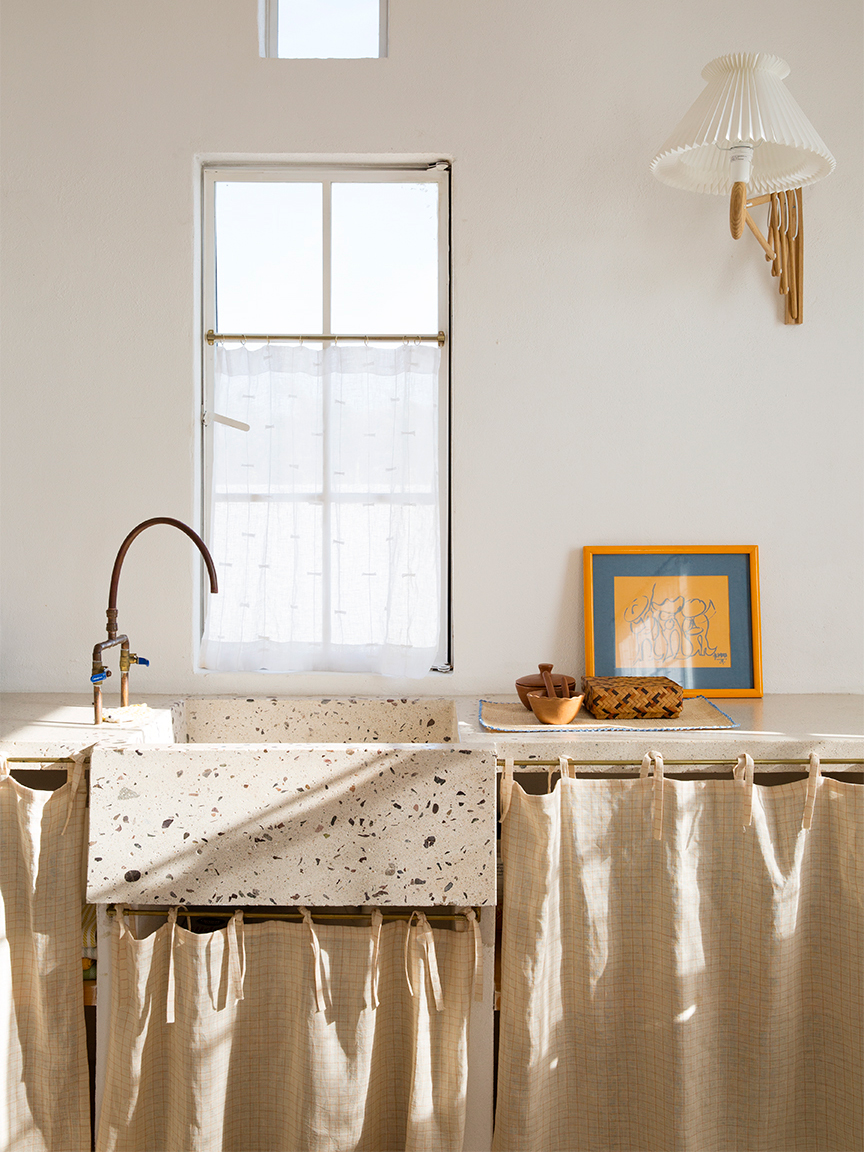
Top-to-Bottom Kitchen Cabinet Storage Ideas Straight From an Expert Organizer
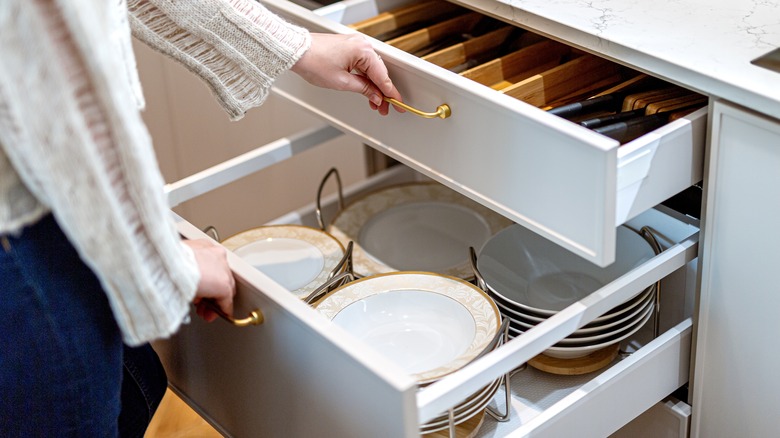
14 Kitchen Cabinet Organizers That Will Make Storage A Breeze
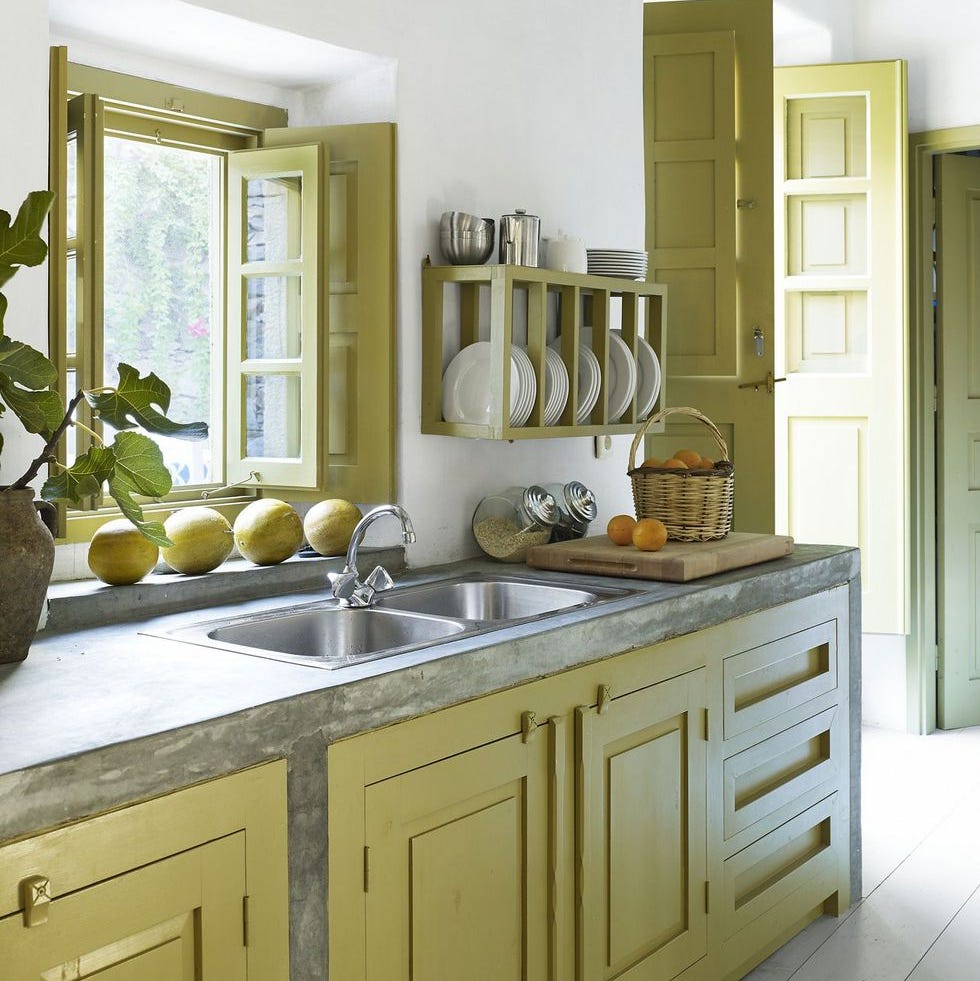
13 Awe-Worthy Kitchen Cabinet Organization Ideas

9 Unexpected Kitchen Storage and Organization Ideas You Didn’t Try Last Spring
4 Clever Ways Designers Keep Kitchen Appliances Out Of Sight