1/5
How to clean encaustic tiles – an expert guide
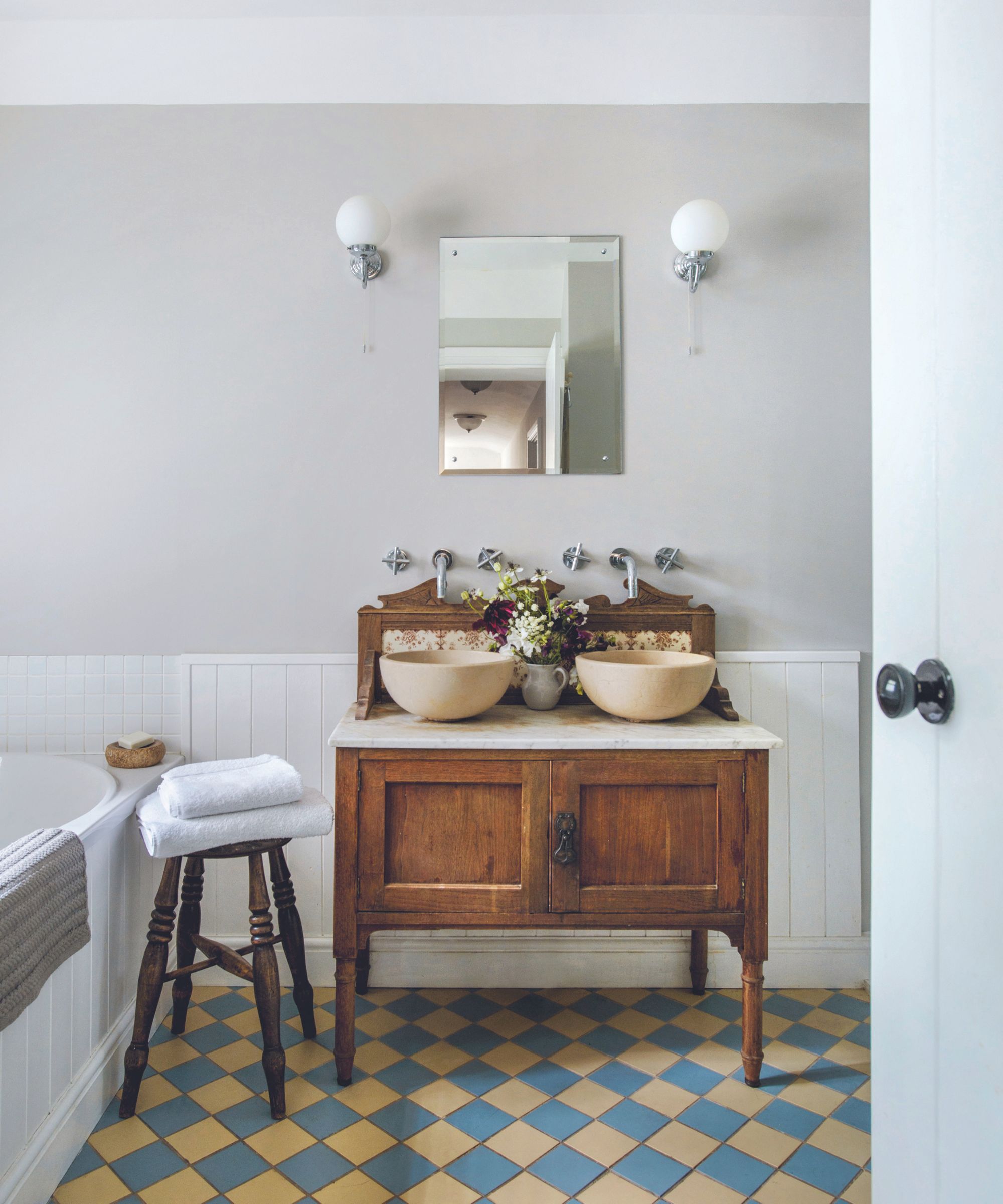
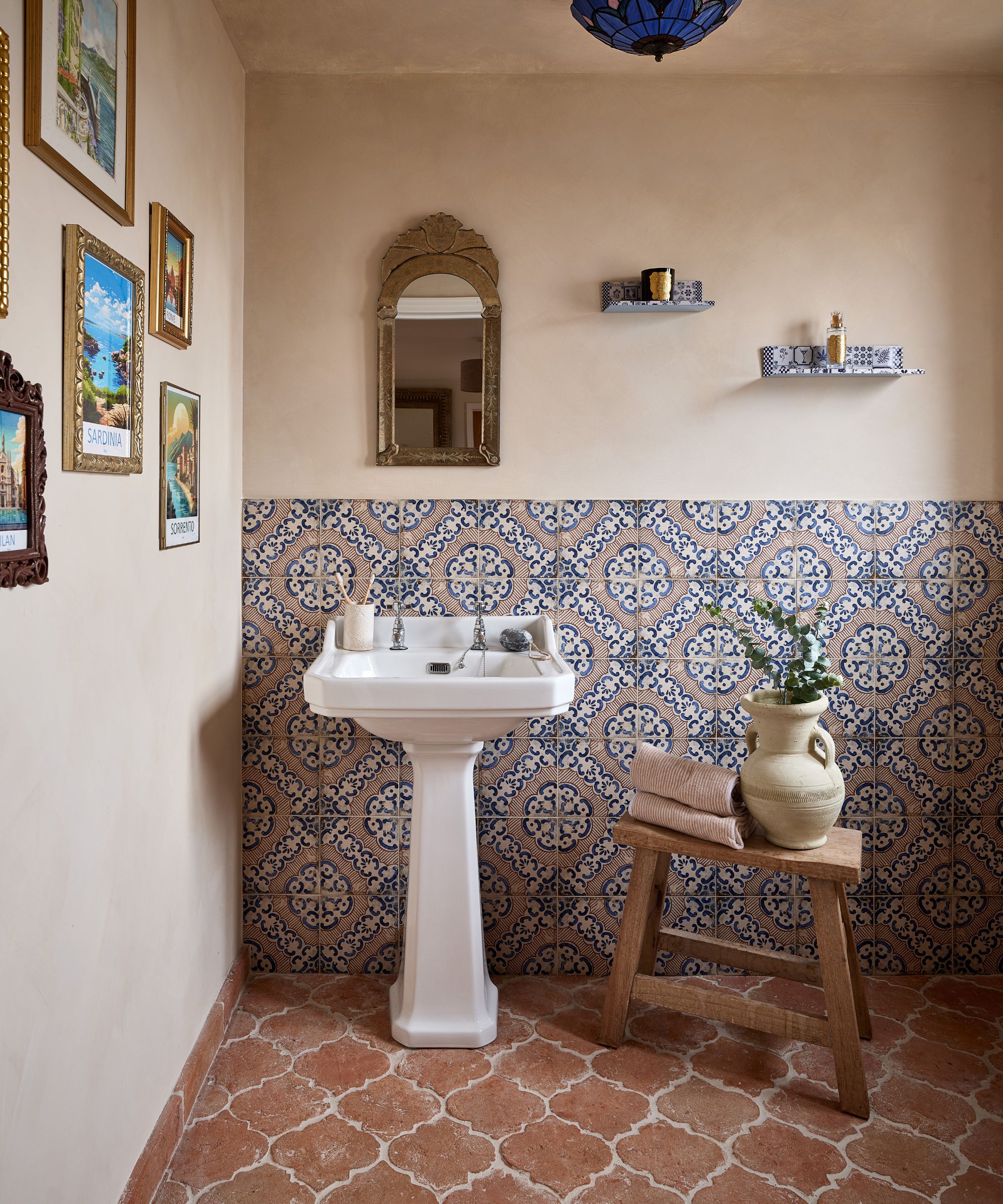
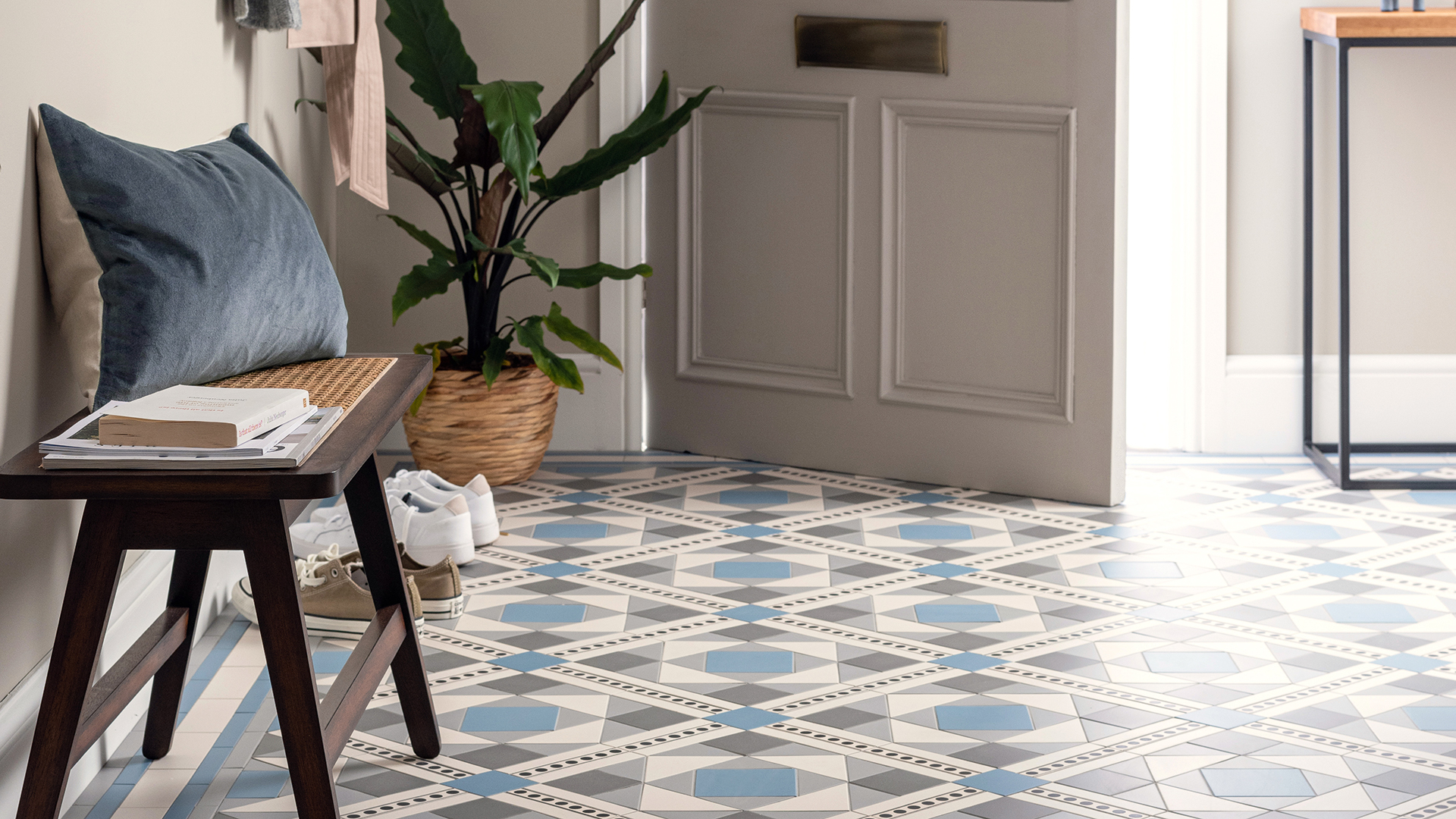
Encaustic tiles, known for their vibrant colors and intricate patterns, require specific cleaning techniques to maintain their beauty and longevity. Whether dealing with original encaustic floors in historical properties or newly installed tiles, proper care is essential to prevent damage and preserve their aesthetic appeal. Roger Hunt, author of 'Old House Handbook,' notes that while original encaustic tiled floors develop an attractive patina over decades, regular maintenance is crucial to prevent the erosion of their beauty. Despite their hard and durable nature, encaustic tiles can crack or loosen, making professional intervention necessary for anything beyond routine cleaning or minor repairs.
Encaustic tiles are traditionally crafted from fired clay, laid on a rubble base with lime bedding, and often combined with plain geometric tiles. The traditional manufacturing process involves building up layers of color, ensuring the pattern runs through the tile's entire depth. This contrasts with modern encaustic tiles, where patterns are often screen-printed on the surface, making them more susceptible to wear. These tiles gained popularity in the Victorian era, initially adorning public buildings, churches, and grand villas, before becoming a common feature in ordinary terraced houses by the late 19th century. Mintons, a Staffordshire-based company, was a leading producer, with their tiles gracing prestigious locations such as the United States Capitol. Andy Triplow, owner of The Vintage Floor Tile Company, highlights their practical benefits, stating that many domestic tiled floors have withstood over a century of use and, with proper care, can last another hundred years.
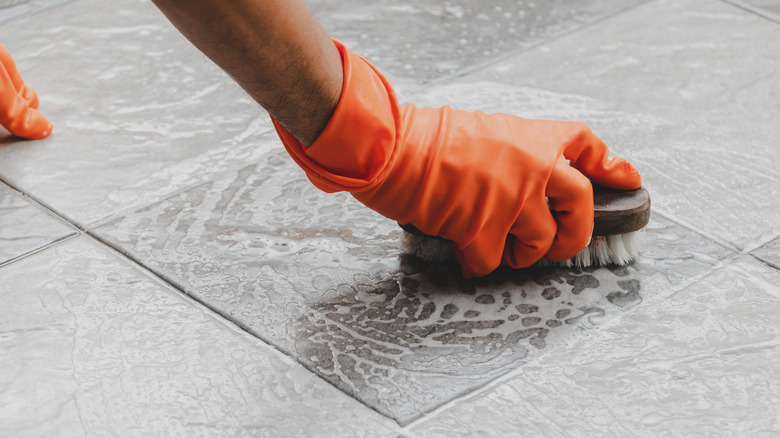
Cleaning encaustic tiles effectively involves specific methods. For general cleaning, stained or dirty tiles can be cleaned with fresh water, detergents, or proprietary tile cleaners, but excessive soaking should be avoided. When water is used, its spread should be controlled, and a wet towel left overnight can be effective for certain areas. Nylon scourers can remove stubborn marks, but wire brushes or other abrasives should not be used to prevent scratching. A key consideration is the potential for efflorescence—a white, salty deposit—which can appear if tiles become too wet or are covered by non-breathable materials. Efflorescence should always be brushed or vacuumed away, never washed, as water can re-penetrate the tiles and exacerbate the issue. Regular sweeping or vacuuming and prompt repair of damaged tiles are vital for maintaining good condition.
For ingrained stains or deposits like glue, cement, or paint, a more intensive deep-clean may be required. Nigel Frost of The Floor Restoration Company suggests using abrasive scouring pads, a sharp blade, and suitable chemicals to loosen and remove contaminants. Independent restoration expert Helaine Clare recommends using a scraper with the blade held at an acute angle to avoid scratching when removing paint splashes. For glue and adhesive removal, solvent-based paint stripper followed by white spirit is effective. Alkaline strippers, such as Carefree Stripper, are recommended for removing old polishes, wax, grime, grease, and oil. For cement and residual floor screed, brick acid (hydrochloric acid) can be used, but a small test patch is crucial to ensure no detrimental effects on the tile surface. It is essential to follow instructions and wear appropriate personal protective equipment (PPE) during deep cleaning. Frost also advises tackling manageable areas and treating the entire floor with each chemical or process to ensure a uniform result.
Traditionally, unglazed encaustic tiles were left unfinished. Applying sealants or impregnators is generally not recommended, especially on ground floors without a damp-proof membrane, as this can trap moisture. If a slight sheen is desired, liquid beeswax can be sparingly applied with a soft cotton cloth. Once finished, encaustic tiles are relatively easy to maintain with regular vacuuming and damp mopping using a household washing-up liquid and warm water. Placing good doormats helps prevent grit and debris from reaching the floor, and using breathable mats, rather than rubber-backed coverings, is advisable to avoid moisture retention.
#EncausticTiles #TileCleaning #FloorCare #HomeMaintenance #InteriorDesign #HistoricHomes #VictorianTiles #DIYCleaning #EncausticTiles #TileCleaning #FloorCare #HomeMaintenance #InteriorDesign #HistoricHomes #VictorianTiles #DIYCleaning
0 commenti in totale
 Nessun commento ancora
Potresti anche gradire
How to Clean Tile Floors—From Ceramic to Cement Surfaces

How to Clean Tile Floors Quickly and Easily

6 Best Grout Cleaners of 2026, Tested and Approved by Cleaning Experts

Pros Reveal the Best Way to Clean Tile Floors + Easy Secret to Get Grout White Again


Professional cleaners never waste their time with standard mops on tile floors – this is the $13 essential they always recommend instead
6 Best Grout Cleaners for a Brilliant Bathroom
The Right Way to Clean Tile and Grout for Sparkling Results

The 7 Best Grout Cleaners of 2025
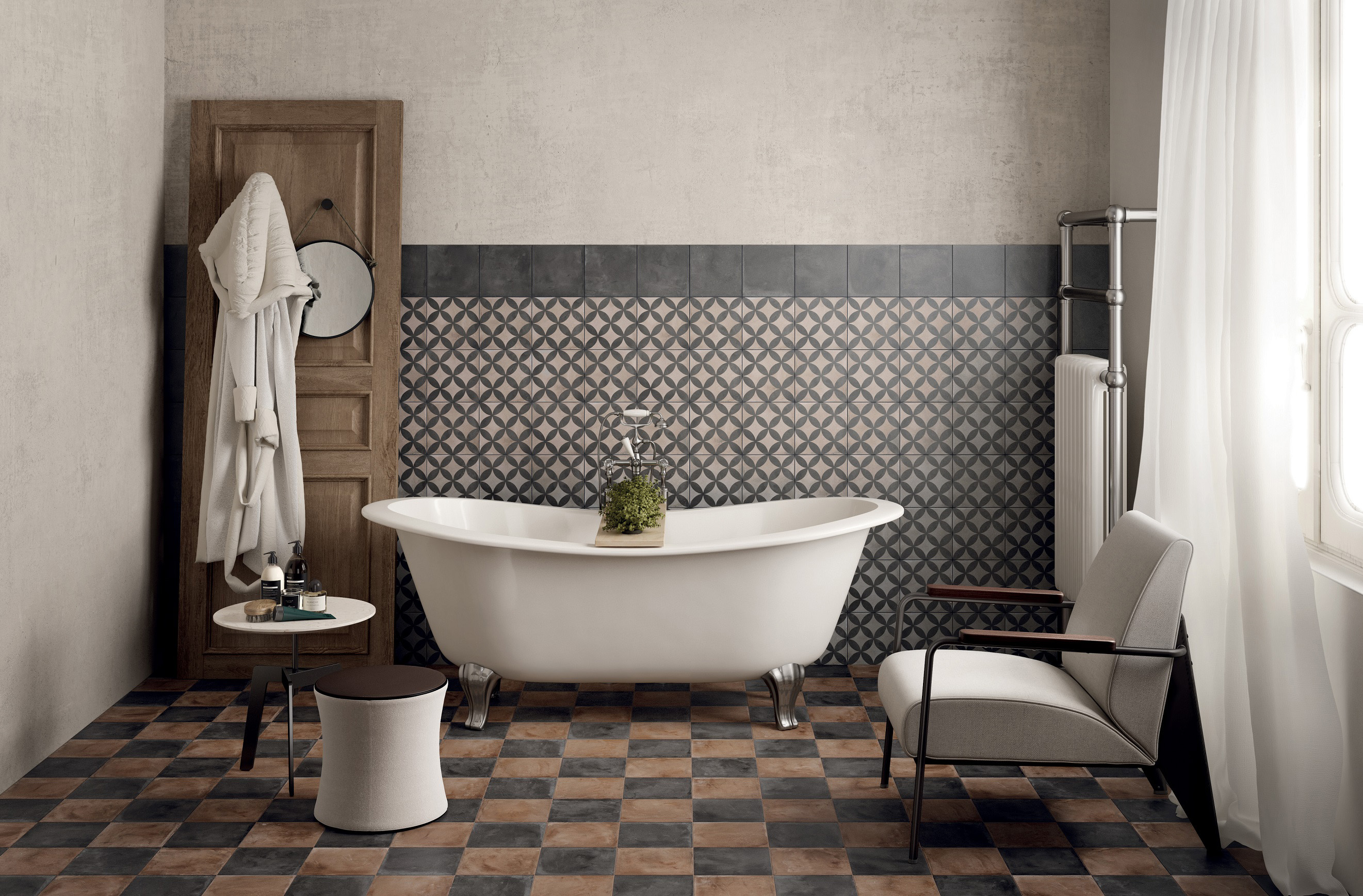
Best tile cleaner: 6 smart picks to spruce up your tiling

How to clean grout on tile, according to experts - TODAY

The Best Grout Cleaners for Pristine Tiles in Every Room
Best Cleaning Advice & Tips

How To Clean Bathroom Tile, According To Professional Cleaners
We Tested 10 Tile Cleaners to Find the Best One


How to clean a bathroom sink – expert tips for a well-scrubbed sink
This electric scrubber finally cleaned my grime tiles
You're cleaning your bathroom floor wrong, experts warn – here's how to get it right
An Expert Tells Us How To Keep Your Tile Grout Stain-Free
What’s making your bathroom tiles look cheap? 7 things to look out for, according to experts
Cleaning tile floors is an art — if you're patient, the results will shine