1/5
How high should I hang my curtains? The rules designers follow
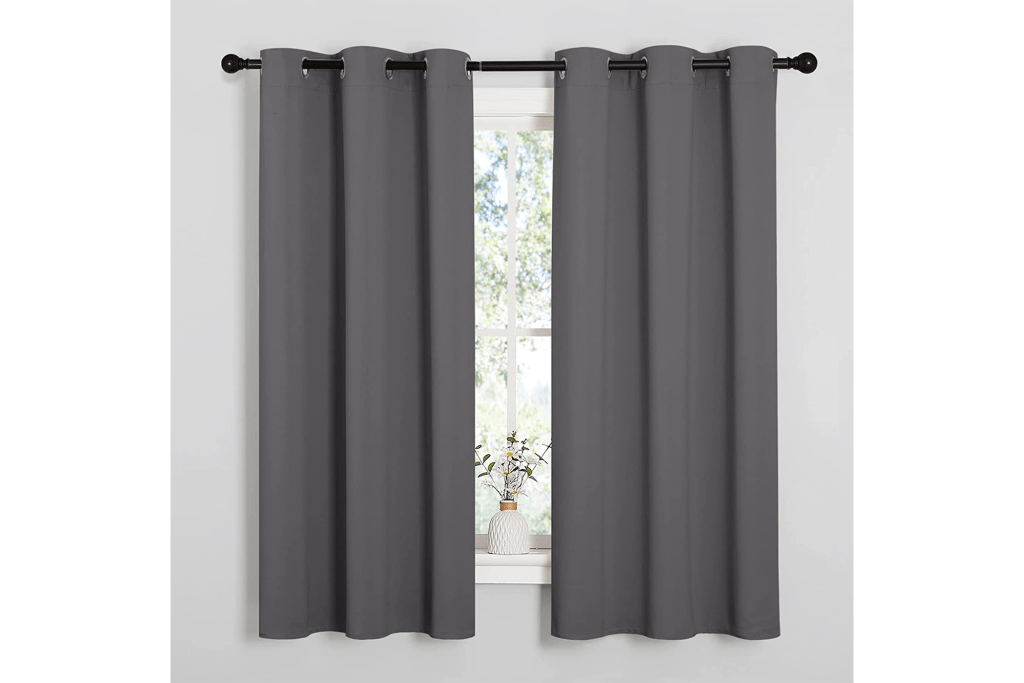
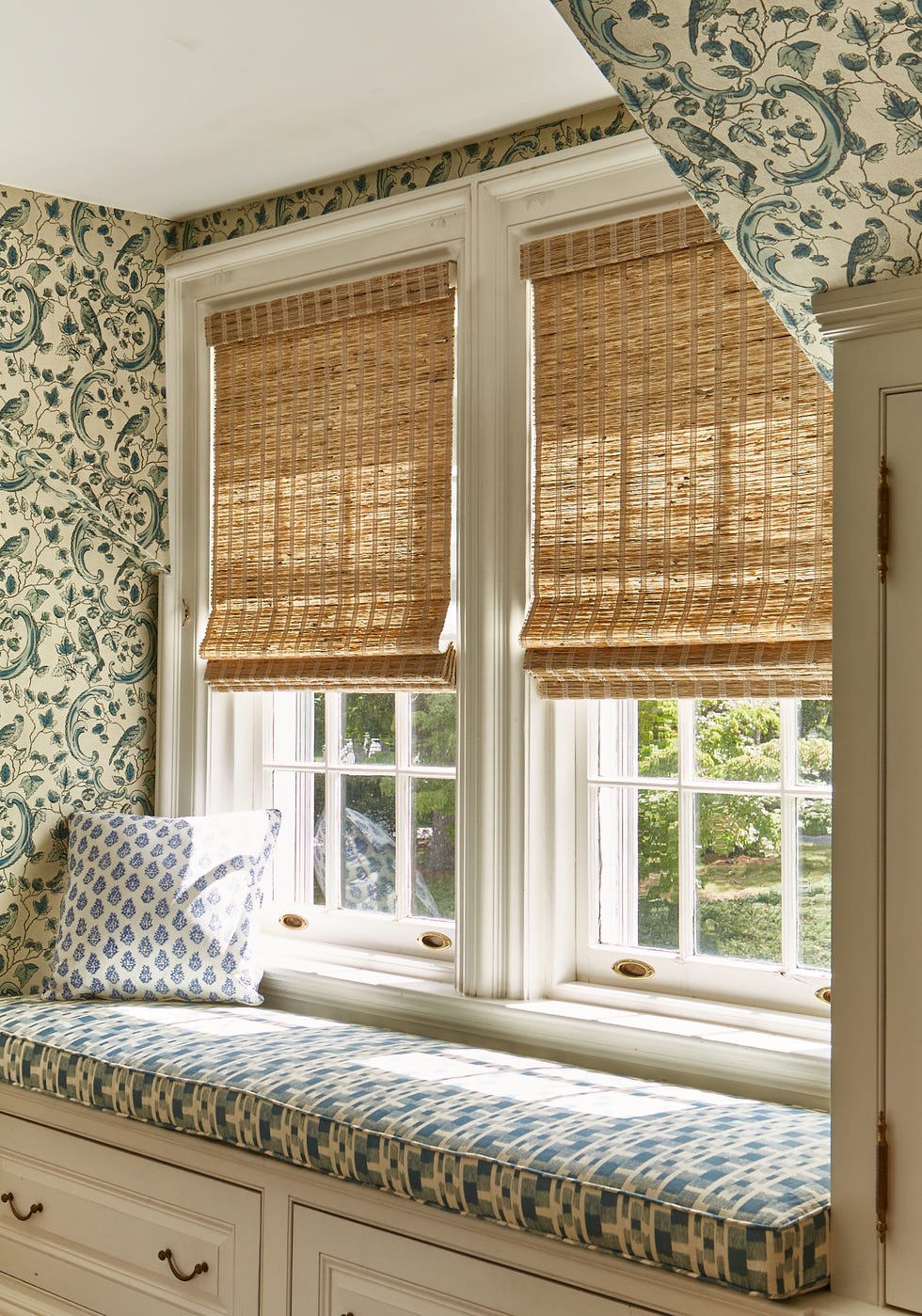
Deciding on the correct height to hang curtains is a crucial aspect of interior design that can significantly impact a room's aesthetic and perceived proportions. While window treatments serve practical purposes such as light control, privacy, and temperature regulation, their visual appeal largely depends on proper installation. Interior designers and curtain professionals adhere to specific guidelines to ensure curtains look their best, transforming them into a stylish feature rather than a poorly placed accessory.
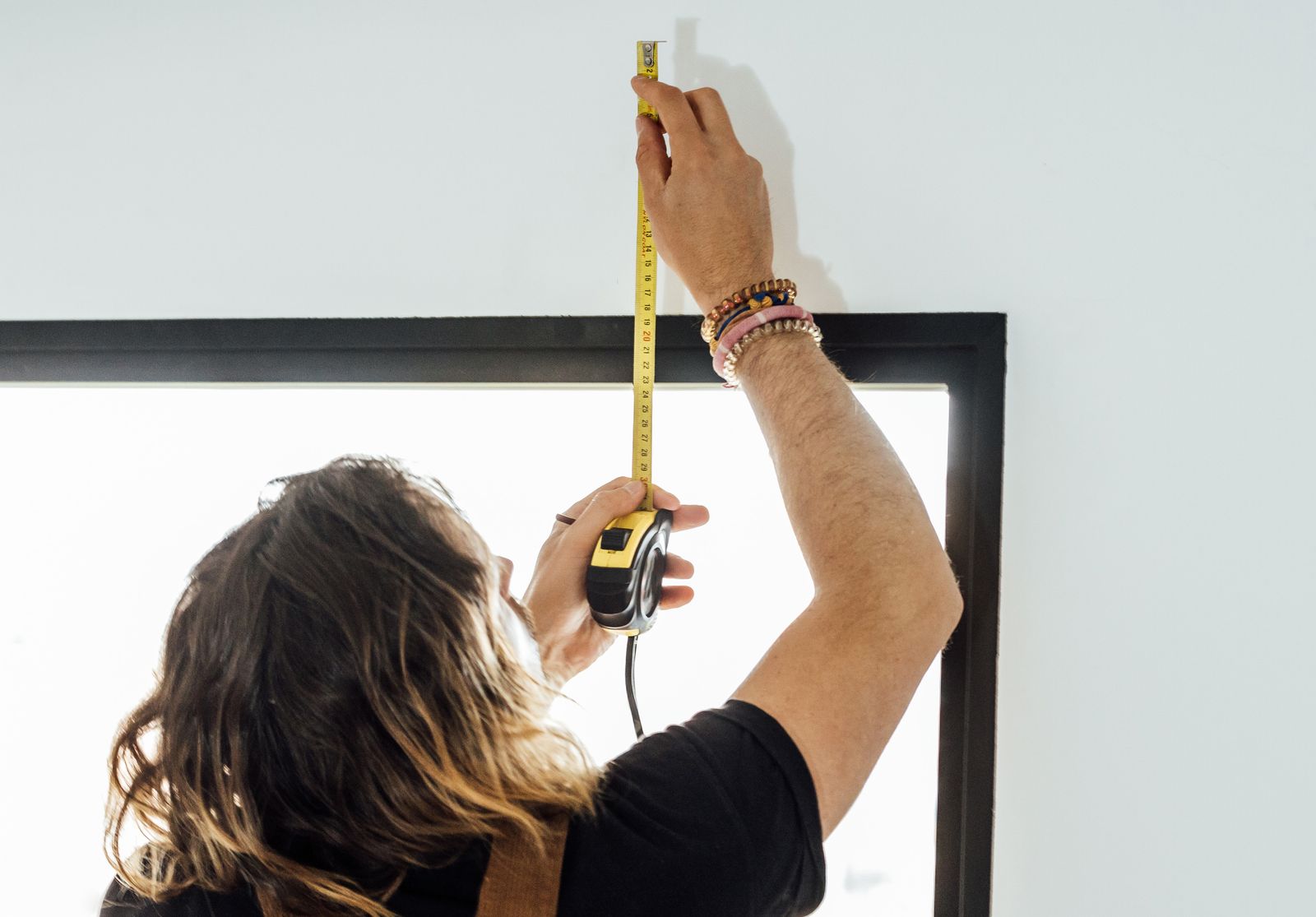
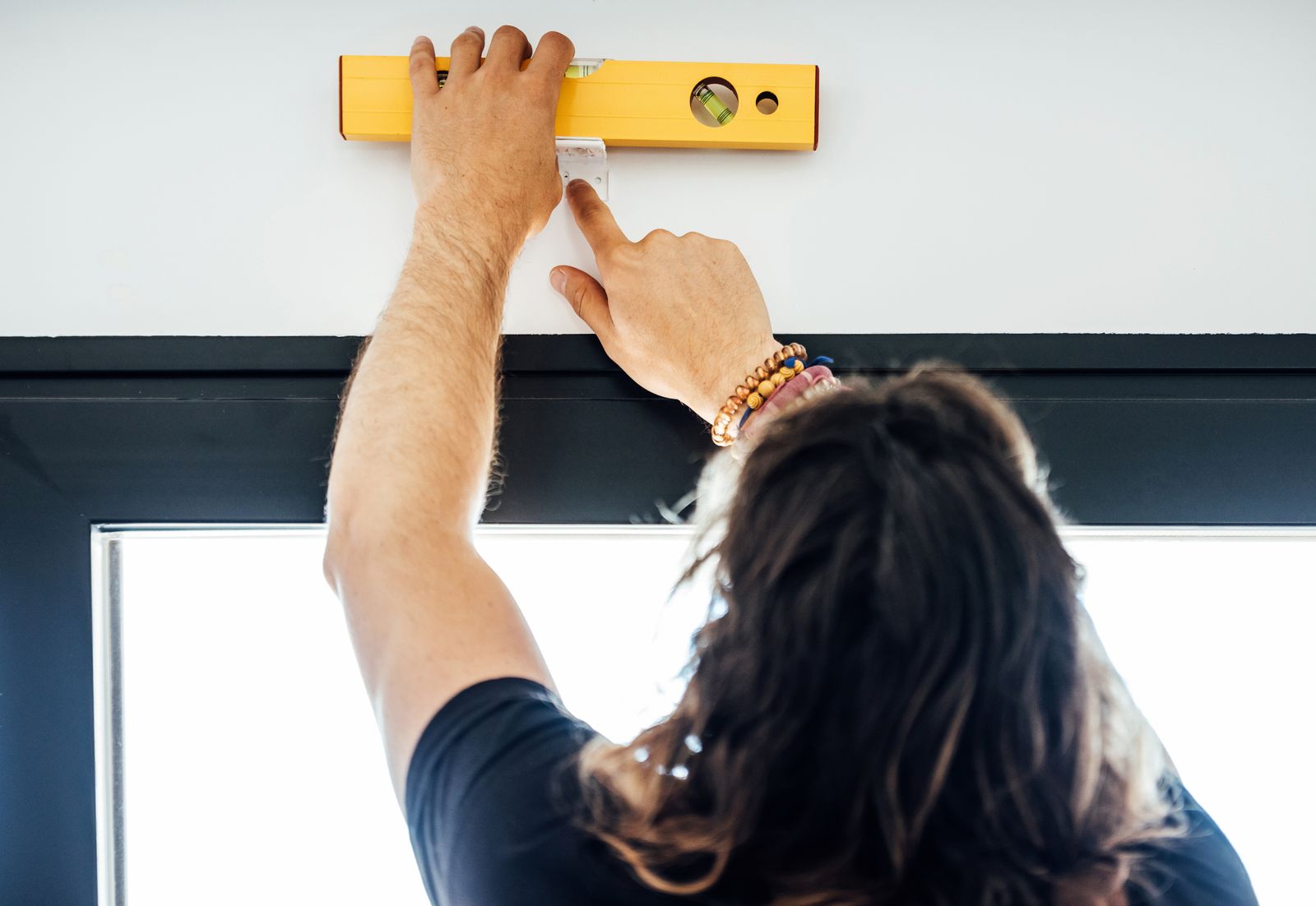
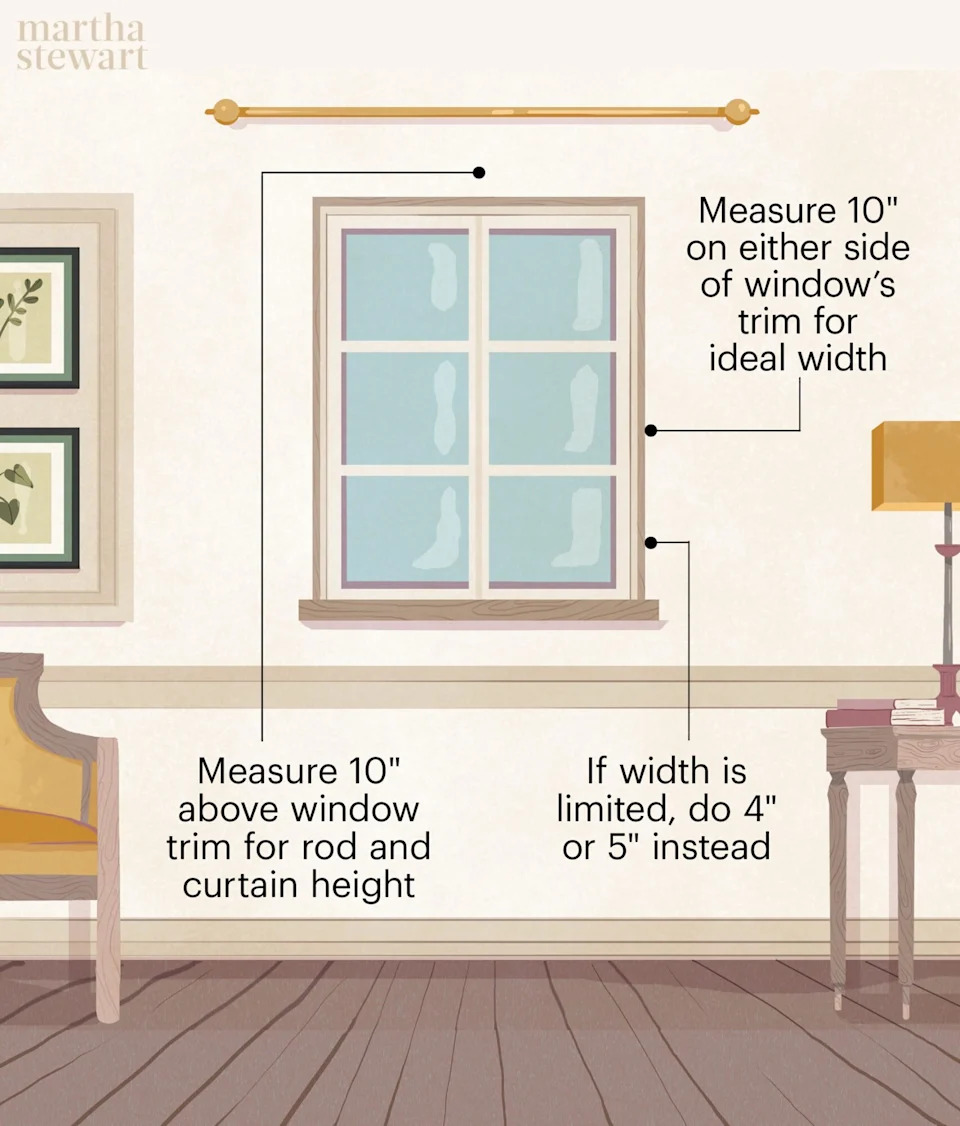
The primary rule of thumb for curtain height suggests hanging the rod higher than the window frame. Experts recommend positioning the curtain rod approximately 4 to 6 inches above the top of the window frame. This elevation helps to create an illusion of greater window height and more expansive walls, contributing to a more spacious feel in the room. If there is a larger gap, specifically between 6 and 12 inches between the ceiling and the window frame, the ideal placement for the curtain rod is midway between the ceiling and the top of the window frame.
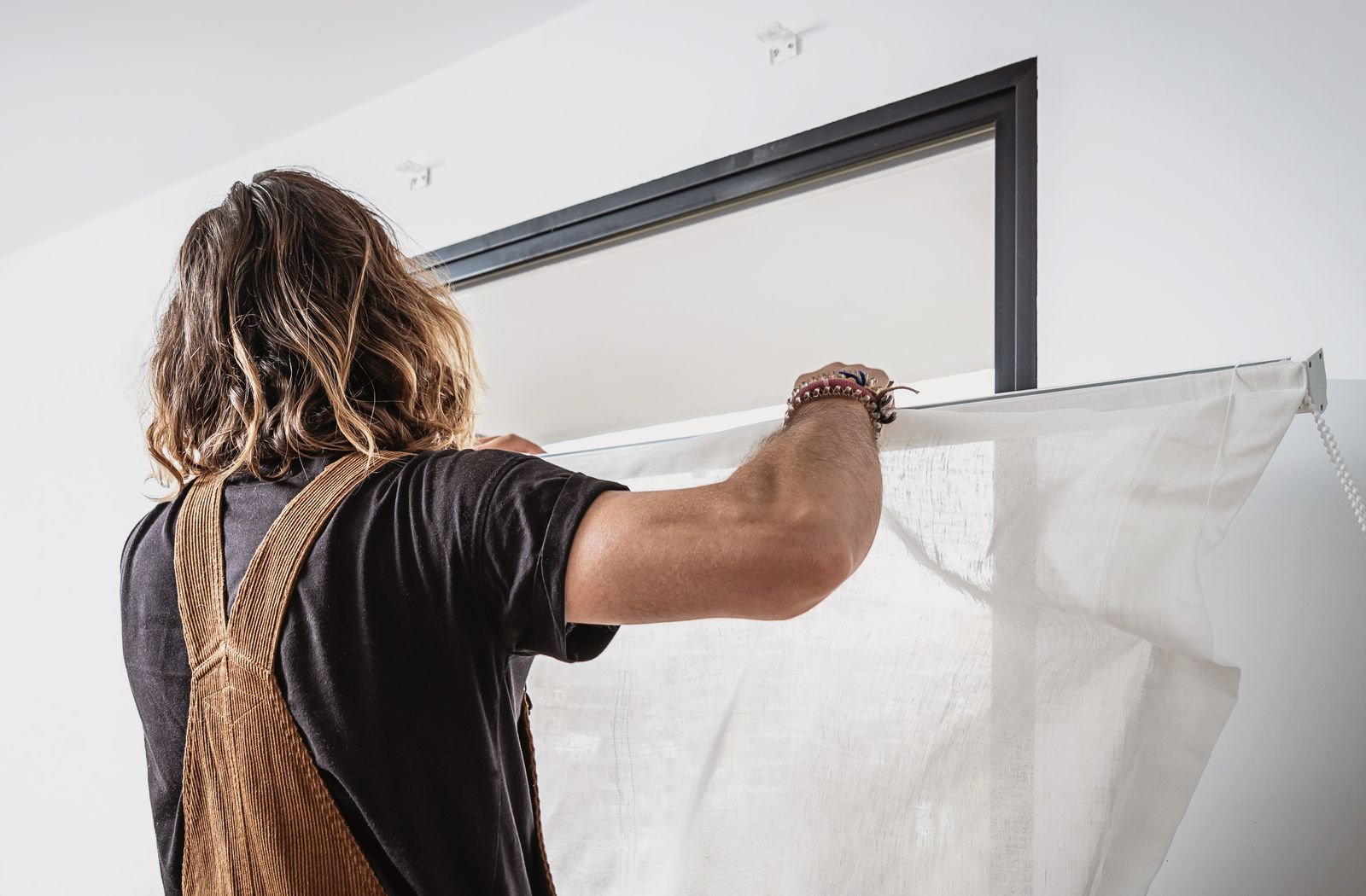
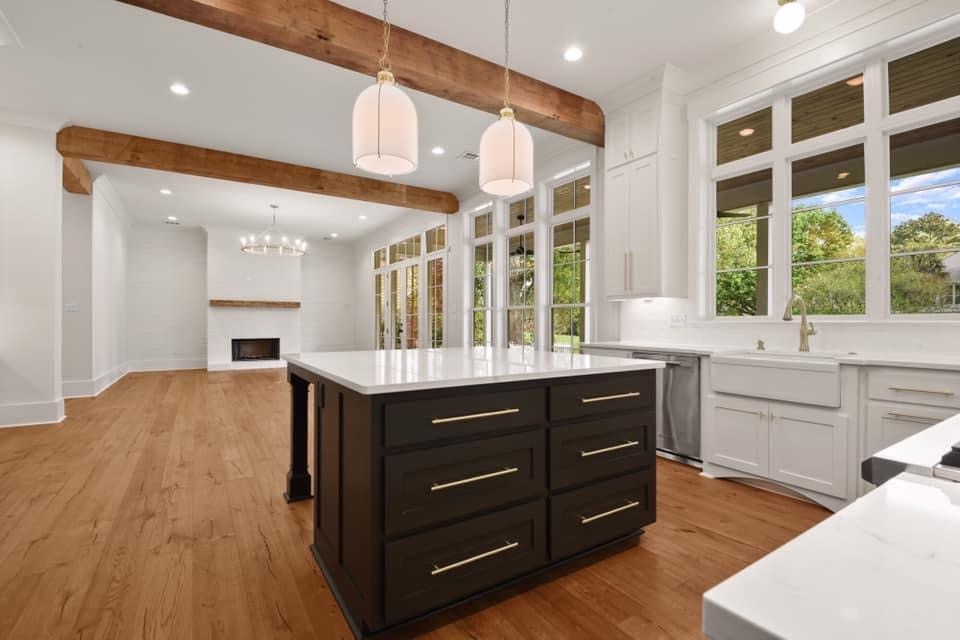
One of the most effective strategies designers employ is using curtain height to visually elevate the ceiling. By mounting drapery significantly higher than the window or door header, even up to just shy of the ceiling height, a room can appear taller and more open. This technique is particularly beneficial for spaces with lower ceilings, as it effectively cheats the eye into perceiving greater vertical space. The decision on how high to go should also consider surrounding architectural elements, aligning with them to create a cohesive and harmonious look.
However, this general rule has exceptions, especially in rooms with exceptionally high ceilings. For instance, in rooms with ceilings that are 20 feet tall, taking the drapery all the way to the crown molding (the area where walls meet the ceiling) would be disproportionate. In such cases, designers revert to the standard guideline of hanging curtains around 4 to 6 inches above the window trim, maintaining a sensible relationship between the window and the drapery without overwhelming the space.
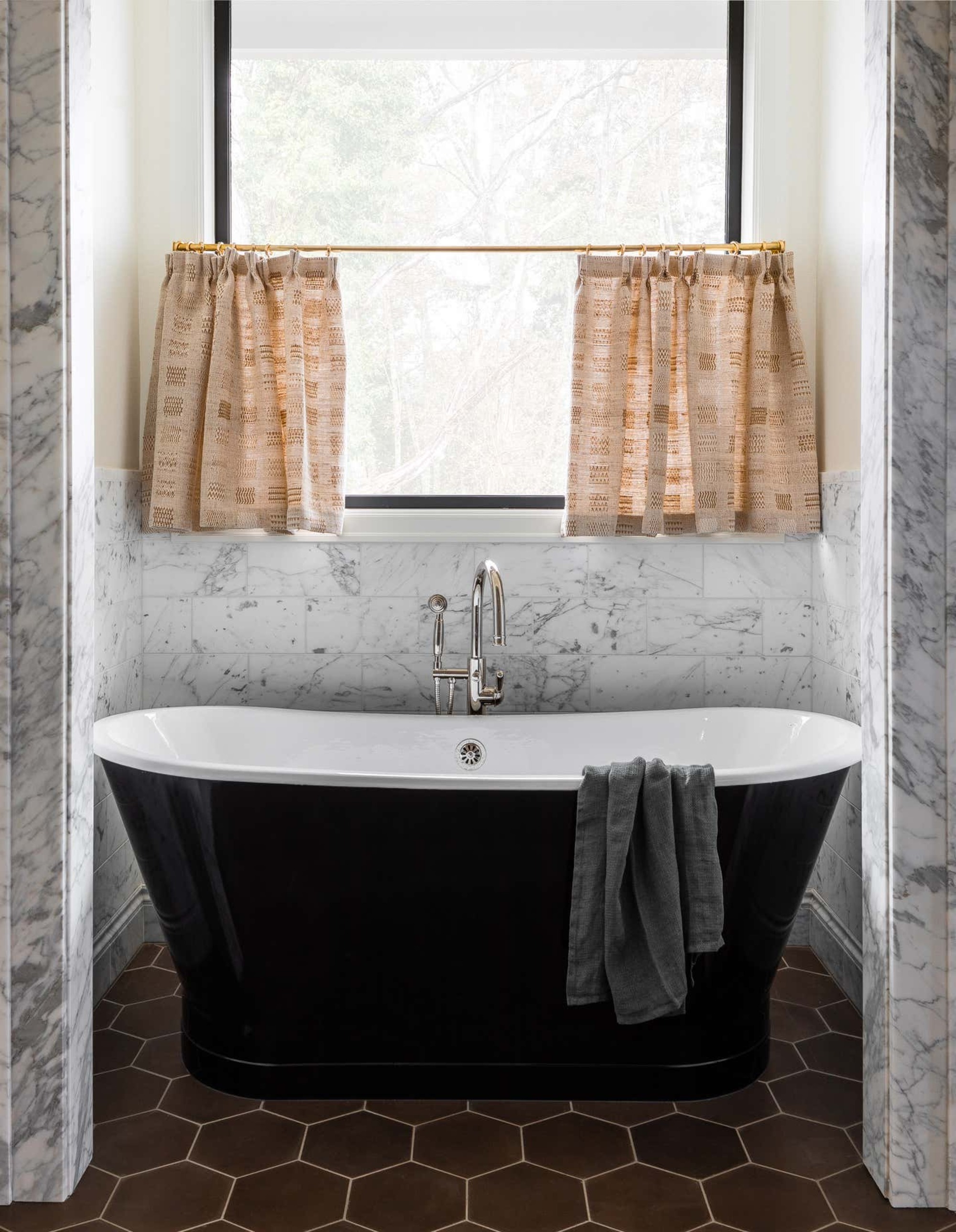
When dealing with unusual window shapes, such as arched windows, the fundamental rules for height remain consistent. For arched windows, the highest point of the arch should be used as the starting reference for measurement. Consistency in curtain heights across all windows in a room, even if they have different shapes, is important for a unified design. Alternatively, if choosing café curtains, they should be hung at the height of the window just before the curve begins.
In terms of minimum elevation, curtains should ideally be at least 2 inches taller than the window, creating a visible gap between the window trim and the curtain rod. However, a more advantageous height is between 4 and 6 inches above the window, as this upward extension guides the eye, enhancing the perception of a generous ceiling height. While hanging curtains as high as possible is generally recommended to favorably alter room proportions, it is crucial that the drapery maintains a visual connection with the window itself. If the window frame is very close to the ceiling, a ceiling-mounted or top-fixing curtain rod can be a more effective alternative to a wall-mounted rod, further contributing to a more spacious and airy atmosphere.
#CurtainInstallation #InteriorDesign #WindowTreatments #HomeDecor #DesignRules #RoomProportions #CeilingHeight #DesignTips #CurtainInstallation #InteriorDesign #WindowTreatments #HomeDecor #DesignRules #RoomProportions #CeilingHeight #DesignTips
0 commenti in totale
 Nessun commento ancora
Potresti anche gradire

How low should a chandelier hang? Experts reveal the crucial measurements for every space

Designer-Approved Tips to Make the Most of High Ceilings


Why You Should Never Skip Curtains, According to Top Designers

How high to hang a curtain rod – experts explain how to make your room feel bigger with this simple trick


How to Hang Curtains the Way an Interior Designer Would — To Balance, Blur Lines, and Bring Impact to a Room

An easy add-on to your curtains makes rooms look expensive - designers explain

How to Choose the Right Curtain Length for Your Specific Windows
11 Decorative Places to Hang Curtains Other Than Your Windows

How to Hang Curtains: A Hassle-Free 5-Step Guide


4 Easy Tips For Measuring Curtain Length Like A Pro
How to hang a curtain pole

Should You Put Wallpaper on the Ceiling? Here’s What Designers Recommend

Should You Hang Curtains Above the Window Frame? We Asked Designers


The 7 best places to buy curtains, with interior designer tips

These rules of thumb make hanging light fixtures easy

Curtain call: How to choose window treatments

Suddenly, Short Curtains Have Got My Attention in the 'Long vs Short Curtain' Debate


5 finishing touches that will elevate your curtains and make them look a hundred times better
15 Must-Try Curtain Holder Designs With Pictures 2023


How To Hang Curtains Like A Professional