1/9
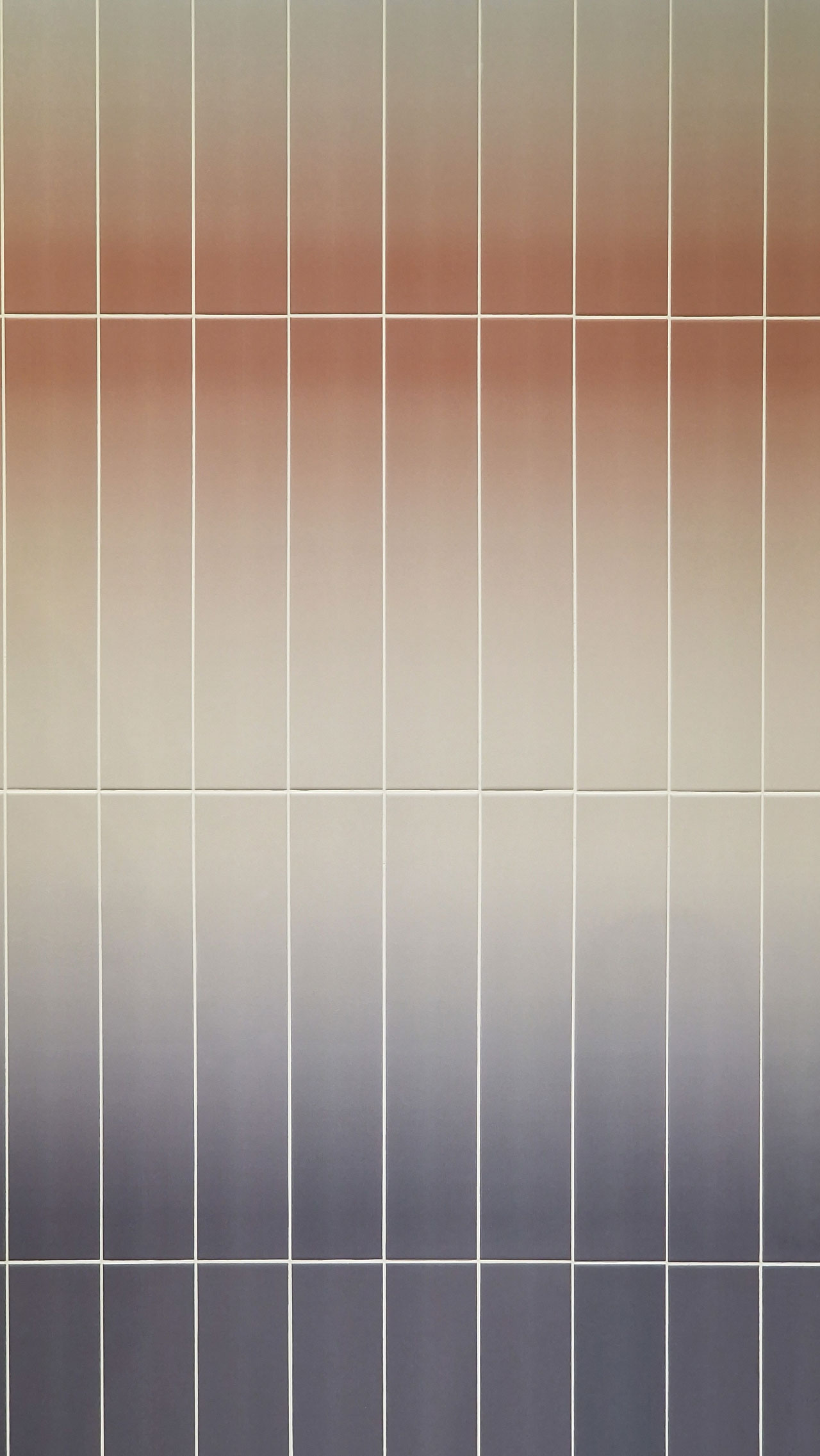
Floor tiles made of coloured snail poo by Lieske Schreuder
Dutch designer Lieske Schreuder has developed an innovative method for creating floor tiles from colored snail excrement. Her project, which combines biology with art and design, involves feeding snails colored paper and then collecting their feces to form new materials. This unconventional approach highlights the potential for utilizing natural processes and unexpected resources in design.
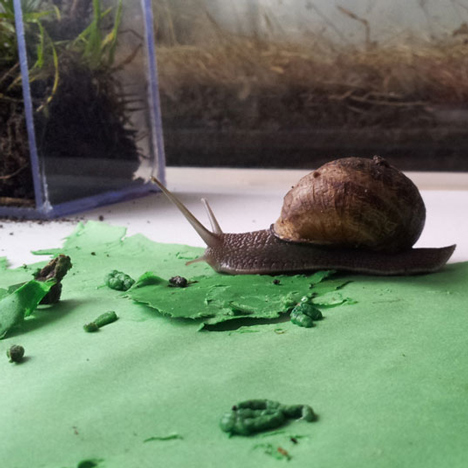
Schreuder's interest in this concept began after observing snails in her garden consuming paper and cardboard. This led her to acquire hundreds of snails from a farm and establish a dedicated laboratory to conduct experiments. In this lab, she systematically fed the snails various colored papers to investigate the resulting excrement. Her findings revealed that snails not only consume colored paper but also produce feces that retain the paper's original hue. The designer explained that snails are unable to absorb the color pigment into their bodies, causing the pigment to pass through their digestive system and be expelled as colored excrement.
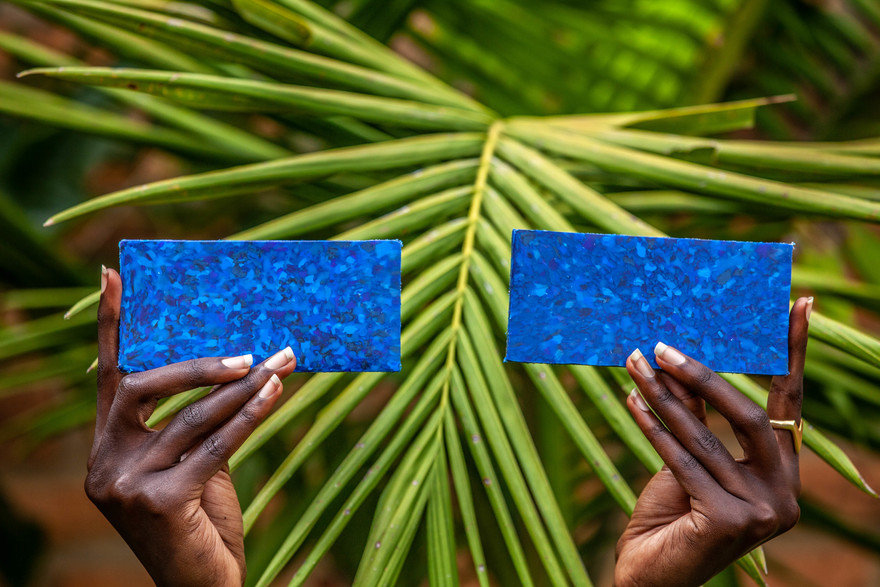
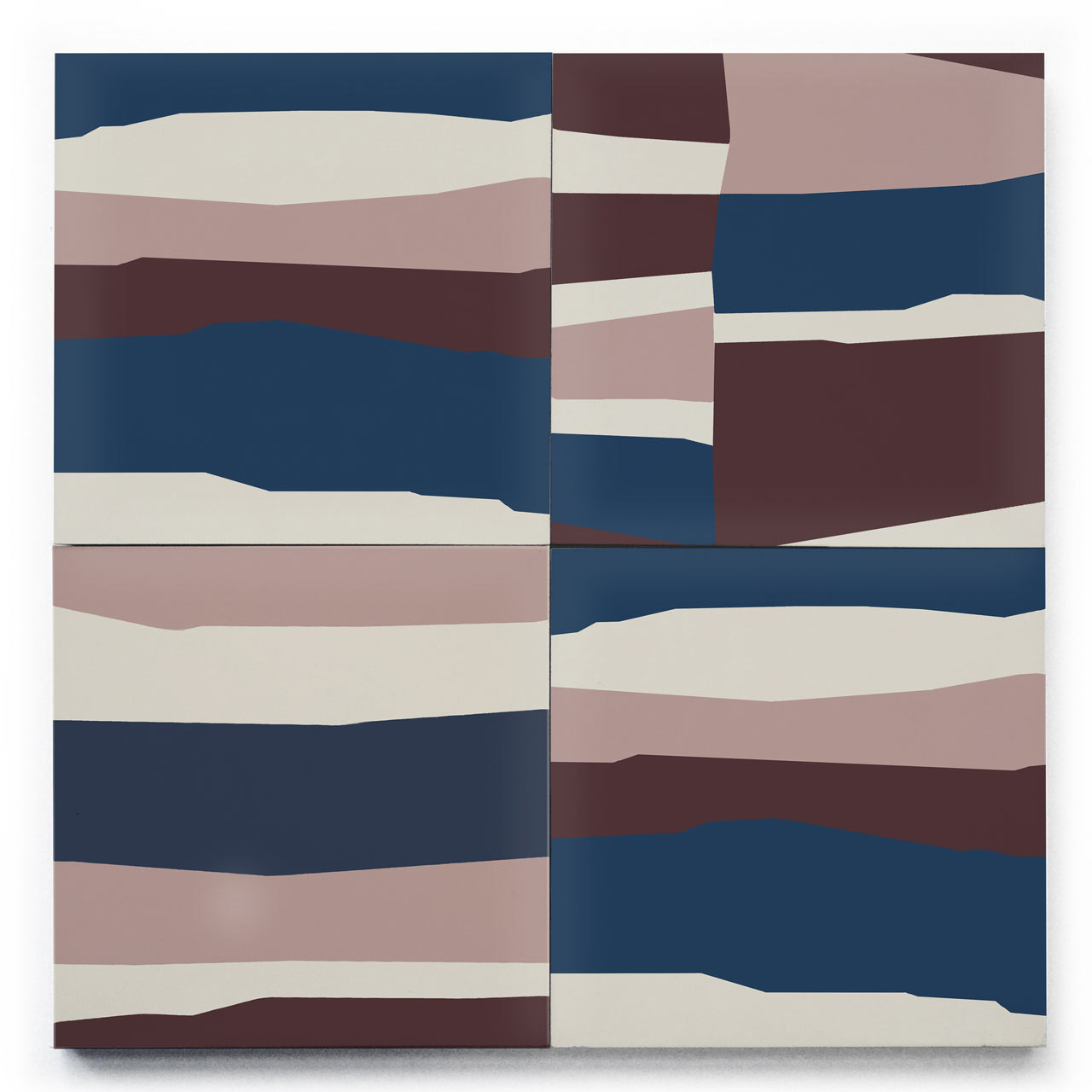
The laboratory setup includes multiple compartments where snails are provided with sheets of colored paper. The paper's cellular structure is similar to the plant matter snails typically eat, making it a suitable dietary substitute for the experiment. Once the colored excrement is produced, Schreuder collects it. The material possesses a malleable texture, which she then processes using a portable machine of her own design. This machine grinds, mixes, and presses the snail excrement into tiles. The resulting tiles have a distinct, roughly textured surface and maintain the vibrant colors of the paper originally consumed by the snails.
Schreuder reflected on the common occurrence of walking on unnoticed snail excrement in gardens and streets, suggesting that if these excrements were colored, they would create a kind of "snail excrement carpet." This observation fueled her exploration into transforming this otherwise overlooked natural byproduct into a visible and functional material. In addition to tiles, the designer has also experimented with pressing the feces into molds using a spatula to create delicate threads. These threads have a five-millimeter diameter, and Schreuder is currently researching potential applications for them. She noted that producing one meter of this thread takes approximately an hour and requires six grams of ground excrement, which is roughly the amount produced by nine snails over five days.
This project is part of a larger exhibition titled "Biodesign," held at The New Institute in Rotterdam. The exhibition showcases 57 different ideas that integrate biology with art, architecture, and design, demonstrating innovative uses of biological processes and materials. Schreuder's work exemplifies the interdisciplinary nature of biodesign, pushing the boundaries of material science and sustainable design by repurposing biological waste into novel products.
#Biodesign #SnailExcrement #SustainableMaterials #LieskeSchreuder #InnovativeDesign #FloorTiles #MaterialExperimentation #RotterdamExhibition #Biodesign #SnailExcrement #SustainableMaterials #LieskeSchreuder #InnovativeDesign #FloorTiles #MaterialExperimentation #RotterdamExhibition
0 commenti in totale
 Nessun commento ancora
Potresti anche gradire
Colorful, Trippy Tiles Made on a Custom-Built Machine

Plasterboard

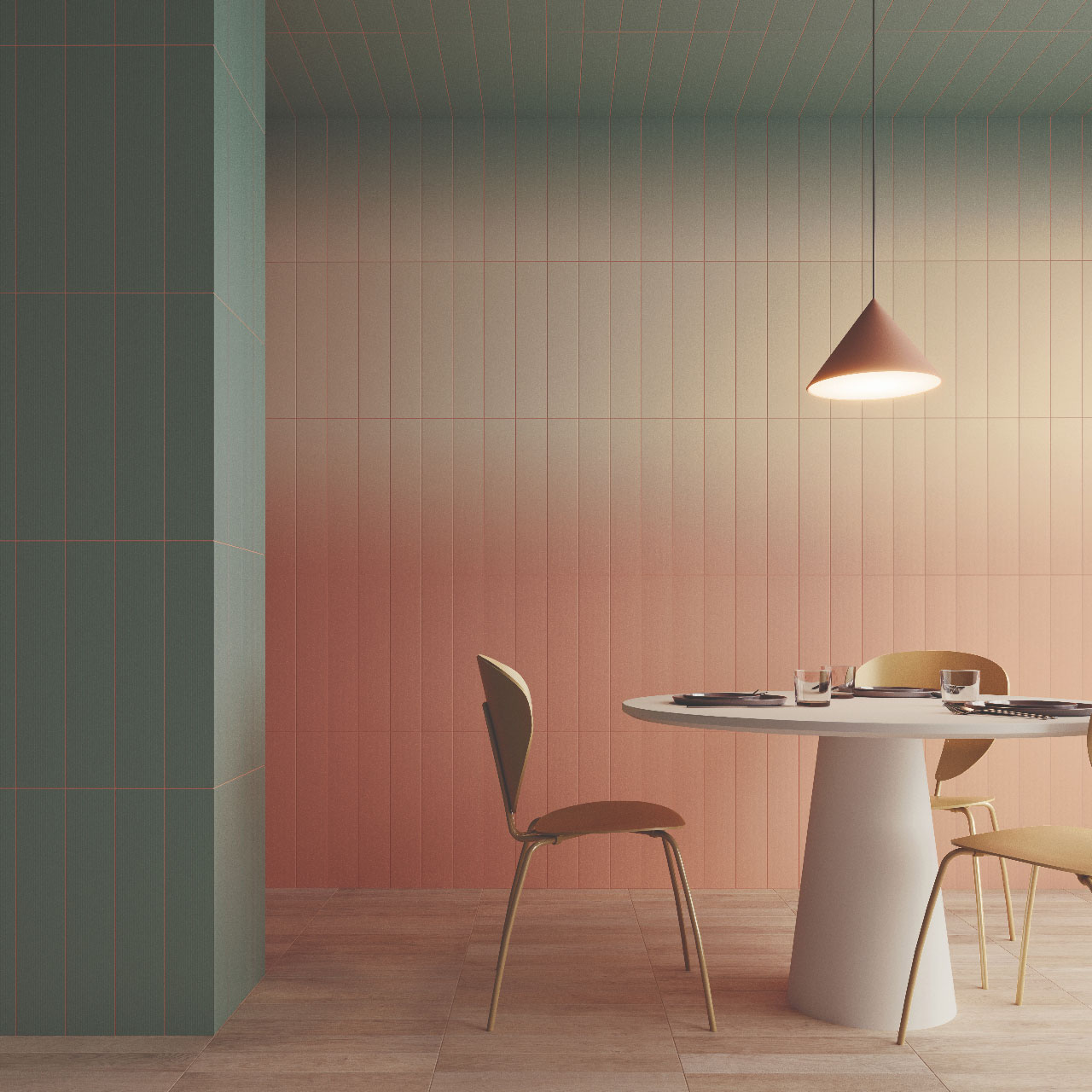
The Melange Tile Collection Showcases Artistic Ombré Effects

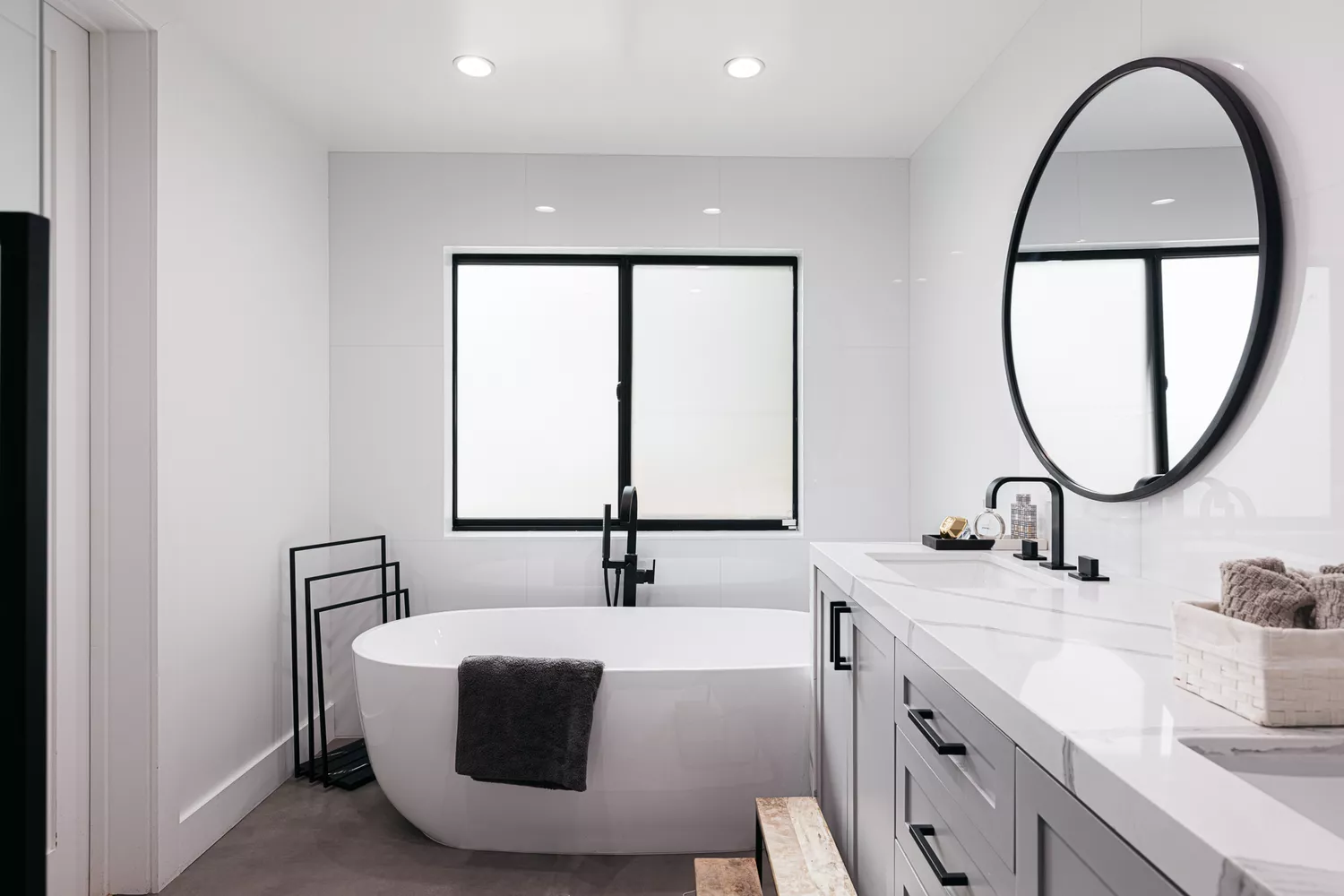
Concrete Flooring Is a Rock-Solid Performer in the Bathroom


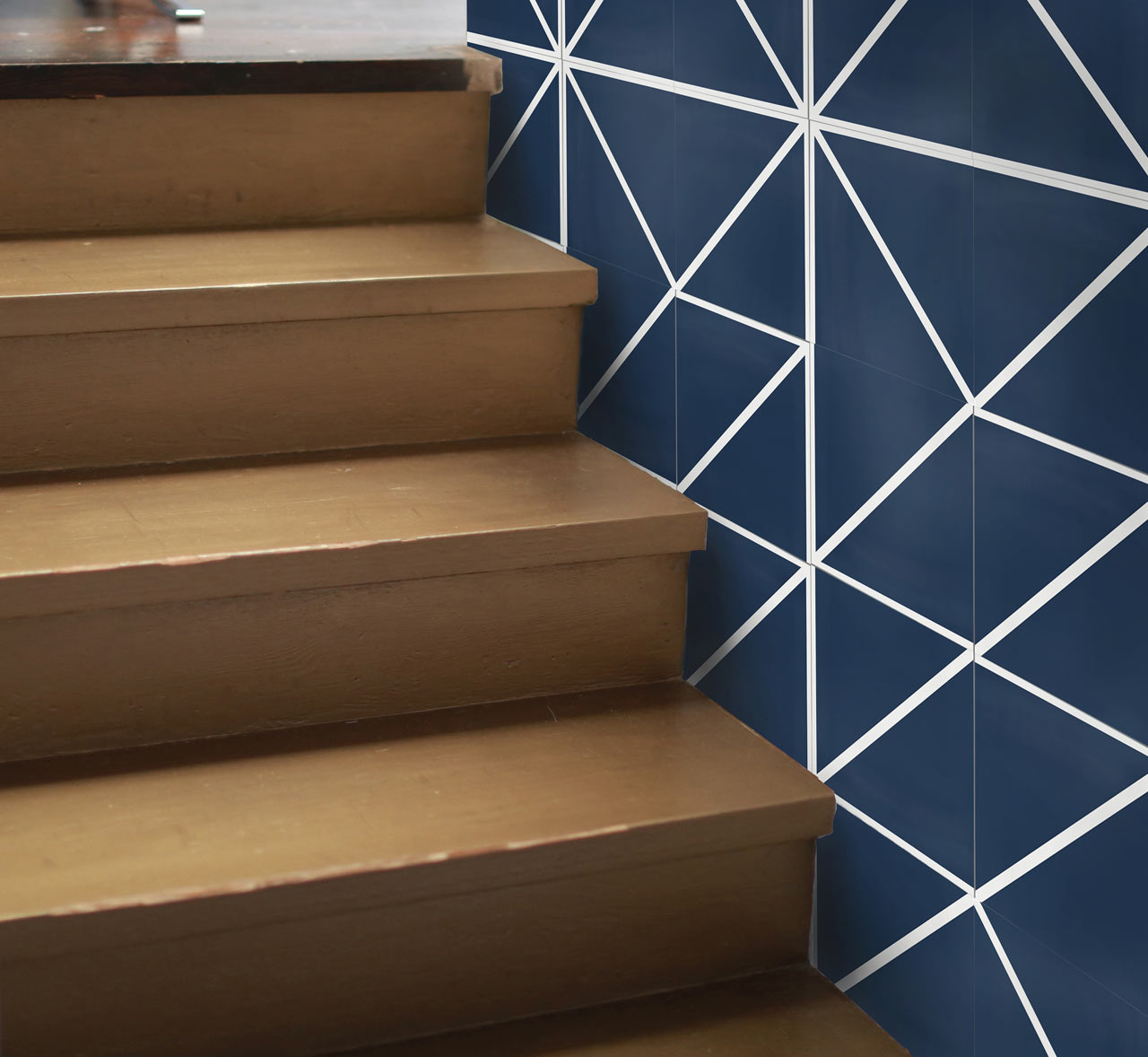
clé Launches Artist-Designed, Cement Tiles
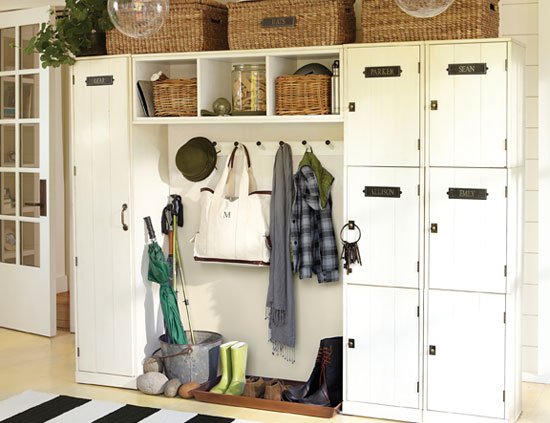
The Dirt on Mudrooms
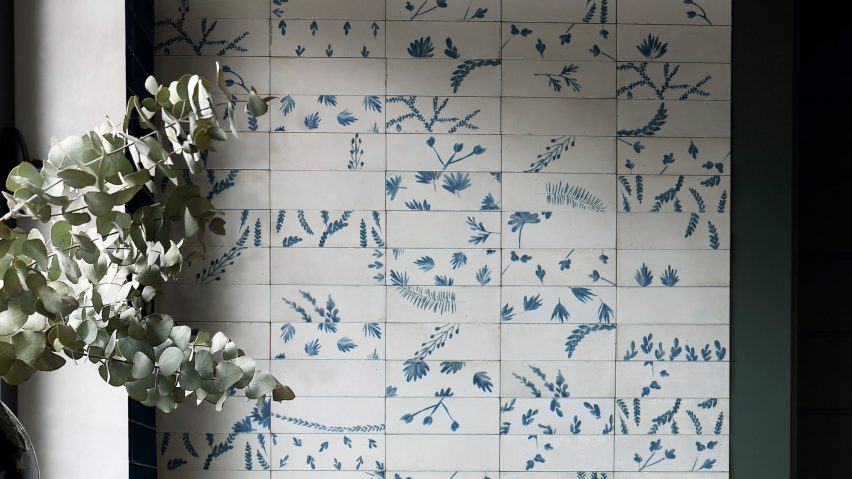
Marazzi unveils Crogiolo Rice handmade tile collection

As Ocean Waste Piles Up, Coldharbour Tiles Propose a Backsplash

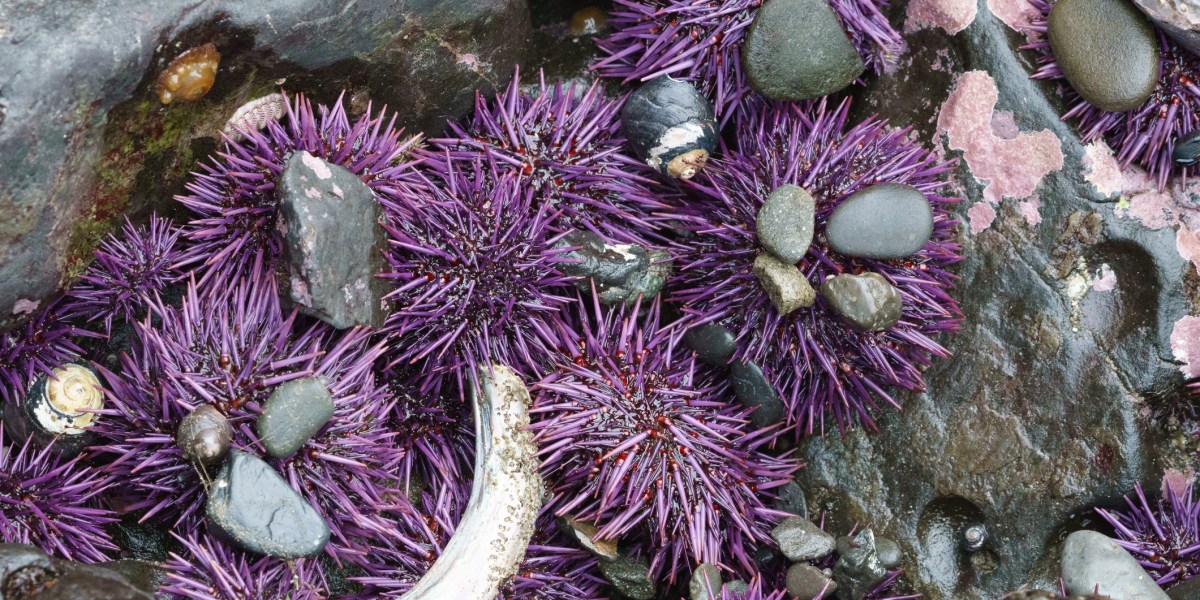
This Outrageously Pretty Purple Tile Is Actually Made out of Sea Urchins

Clayworks natural clay plasters offer a variety of interior finishes

Flooring

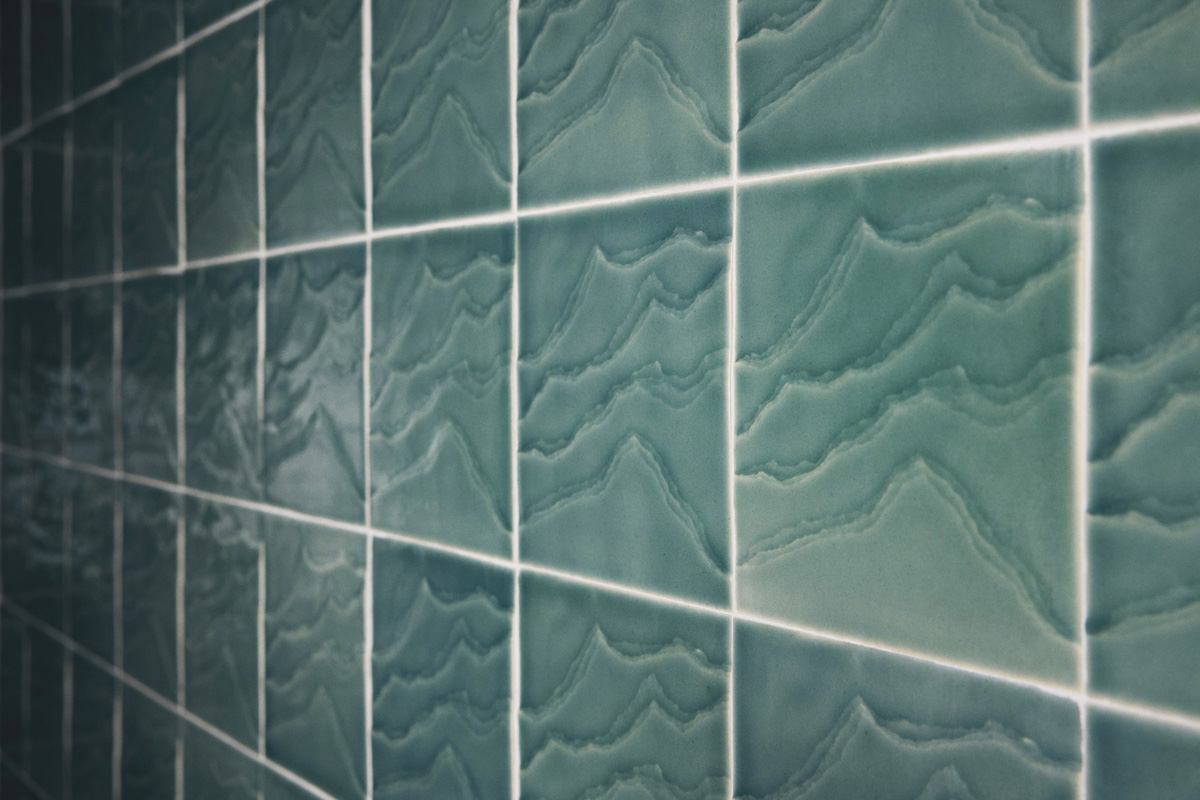
Landshapes by Daniel Arsham Tile Collection

Tile Style: Four Ways to Dress Up Your Home
Marble, Stone and Wood Effect Floors: Ceramics Inspired by Nature

Wet clay replaces upholstery in squishy daybed by Niveau Zéro Atelier

This New Collection Puts a Graphic Spin on Tile
These colorful hexagonal wall tiles are made from sound-absorbing "wood wool"

Clay Plasters Rustic Range by Clayworks
Was This Hallway Designed to Prevent Children from Running?