1/6
‘Design Home’ Has Completely Taken Over My Life
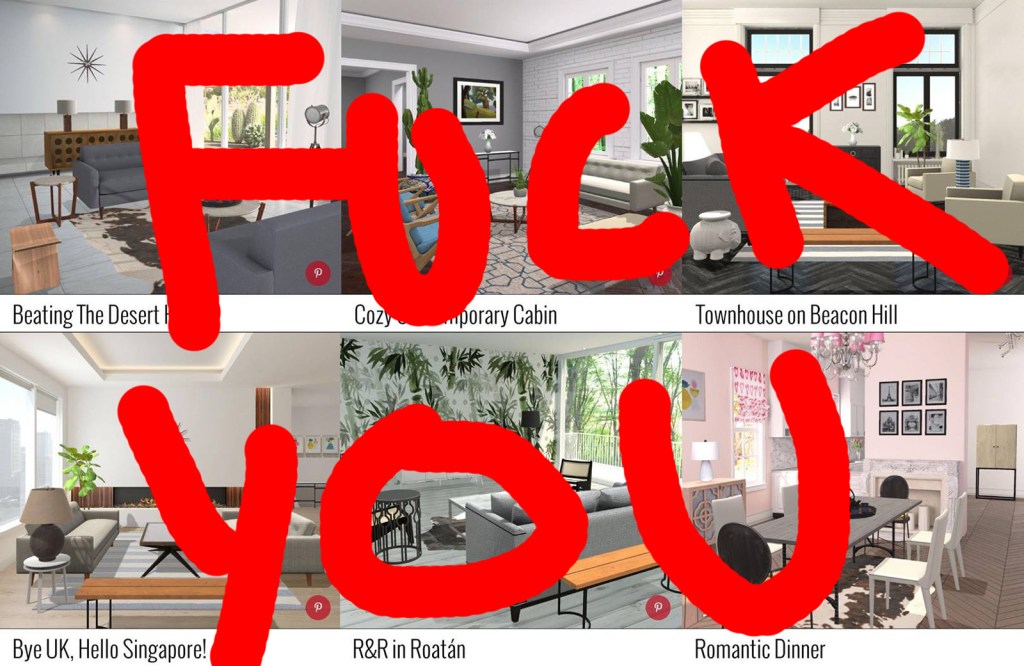
The author shares a personal, in-depth look into the mobile game 'Design Home,' dissecting its gameplay, psychological hooks, and overall user experience. The article begins by explaining the core mechanics of the game, where players act as interior designers tasked with decorating various rooms based on specific briefs. Players select furniture and decor items, often dictated by stylistic requirements, and then submit their designs for voting. The game features two in-game currencies, cash and diamonds, which, despite having different functions, both contribute to a system that consistently puts the player at a financial disadvantage. The author highlights that completing challenges often costs more than the reward received, leading to a continuous deficit and an eventual need to purchase cheaper, less desirable items.
The article then evaluates 'Design Home' through a 'Good vs. Evil' framework, assigning scores based on different aspects of the game. The initial premise, akin to the home decorating aspect of 'The Sims,' is deemed a positive. However, the 'briefs' or fictional backstories for each room are criticized for being overly flowery and irrelevant, drawing comparisons to Carrie Bradshaw's writing style. A significant point of contention is the pervasive presence of 'Kathy Kuo' branded furniture, which constitutes a large portion of the in-game catalog. The author observes the inconsistencies in Kathy Kuo's aesthetic and satirically suggests that Kathy Kuo might be a 'ruthless populist' whose diverse designs appeal to a broad audience, implying a strategic marketing move. The article also points out that these are 3D renders of real-world products, directly linking the game to real-life sales for brands like Kathy Kuo.
Another 'evil' aspect discussed is the financial model. The author reveals that sustained play inevitably leads to in-app purchases, as the game's economy is designed to deplete initial funds quickly. This financial drain is compared to the cost of a three-year interior design course. The voting system, where players rate each other's designs, is also criticized. The author argues that the judges are primarily mothers with different aesthetic preferences, leading to arbitrary and often frustrating scores. Furthermore, the voting mechanism frequently pits good designs against good designs or bad against bad, forcing players to make unfair choices or award undeserved high scores. This system often results in players receiving lower scores than expected, hindering their ability to earn free items and further pushing them towards in-app spending. The article concludes with the author's resigned acceptance of continued play despite the mounting frustrations, likening the experience to an endless, financially draining trip to Ikea.
#DesignHome #MobileGames #InteriorDesign #GamingExperience #FreemiumGames #InAppPurchases #GameReview #CasualGaming #DesignHome #MobileGames #InteriorDesign #GamingExperience #FreemiumGames #InAppPurchases #GameReview #CasualGaming
0 commenti in totale
 Nessun commento ancora
Potresti anche gradire
‘Designing my home was a life-changing move,’ says Interior Design Master’s Temi Johnson
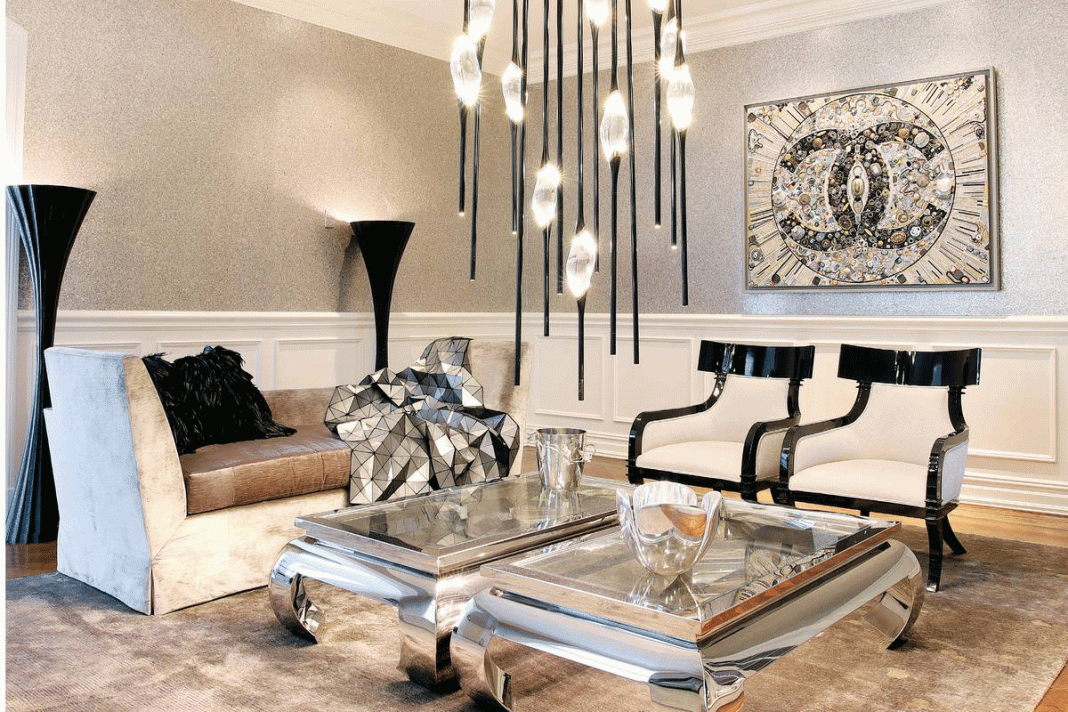
This Purchase Home Design Is All About the Artwork

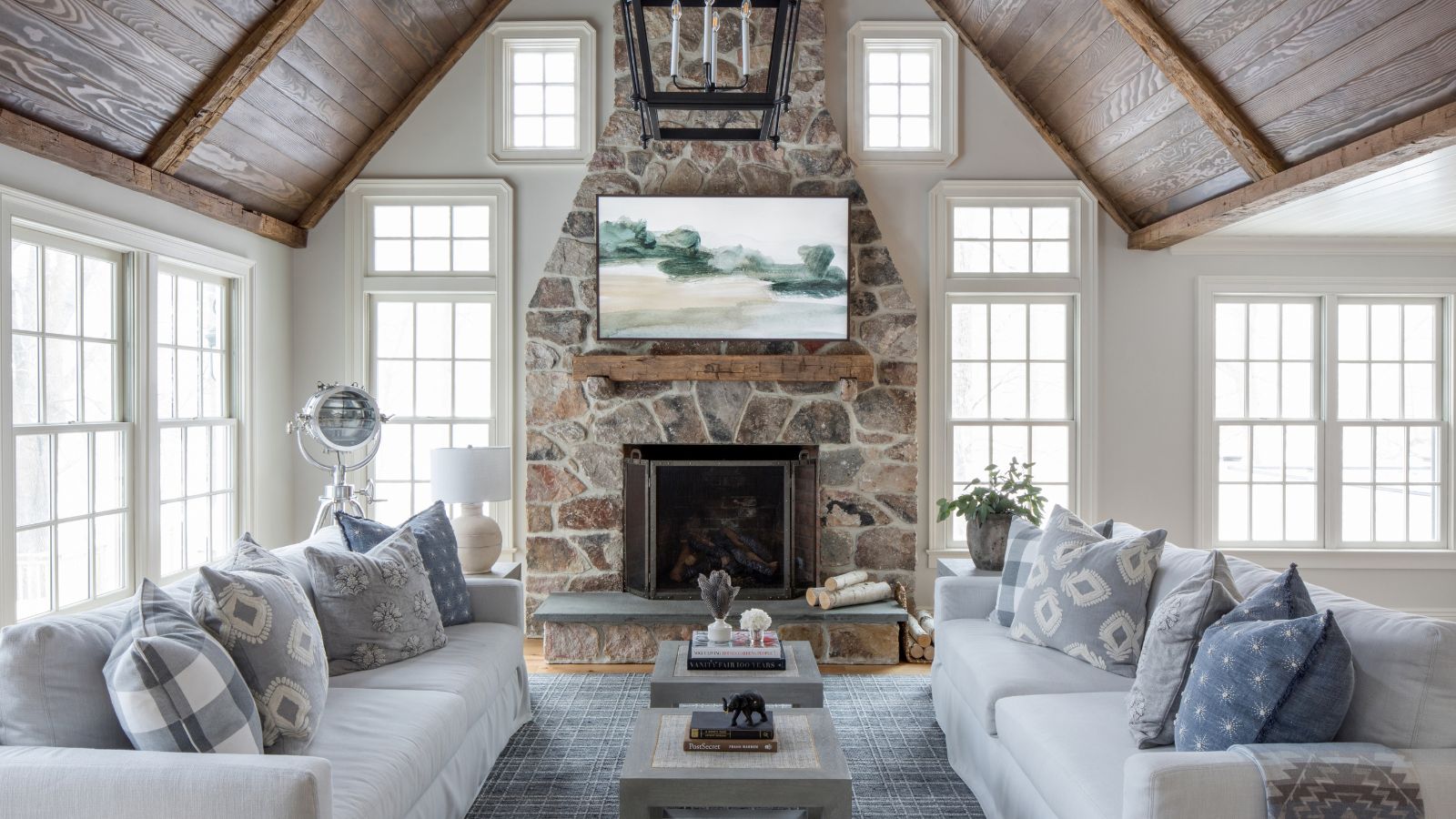
I'm an interior designer and this is how I designed my own family home to be practical, yet elevated
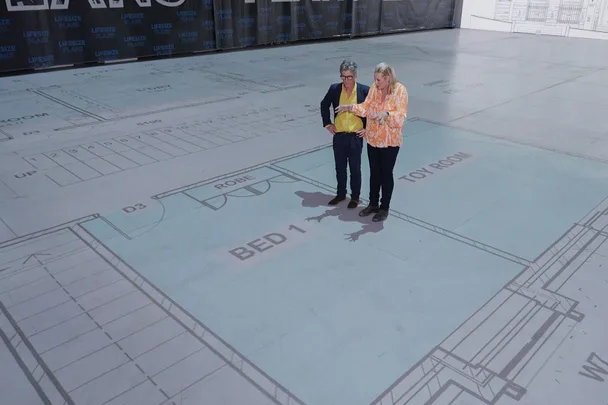
How to design your home with real-life size plans

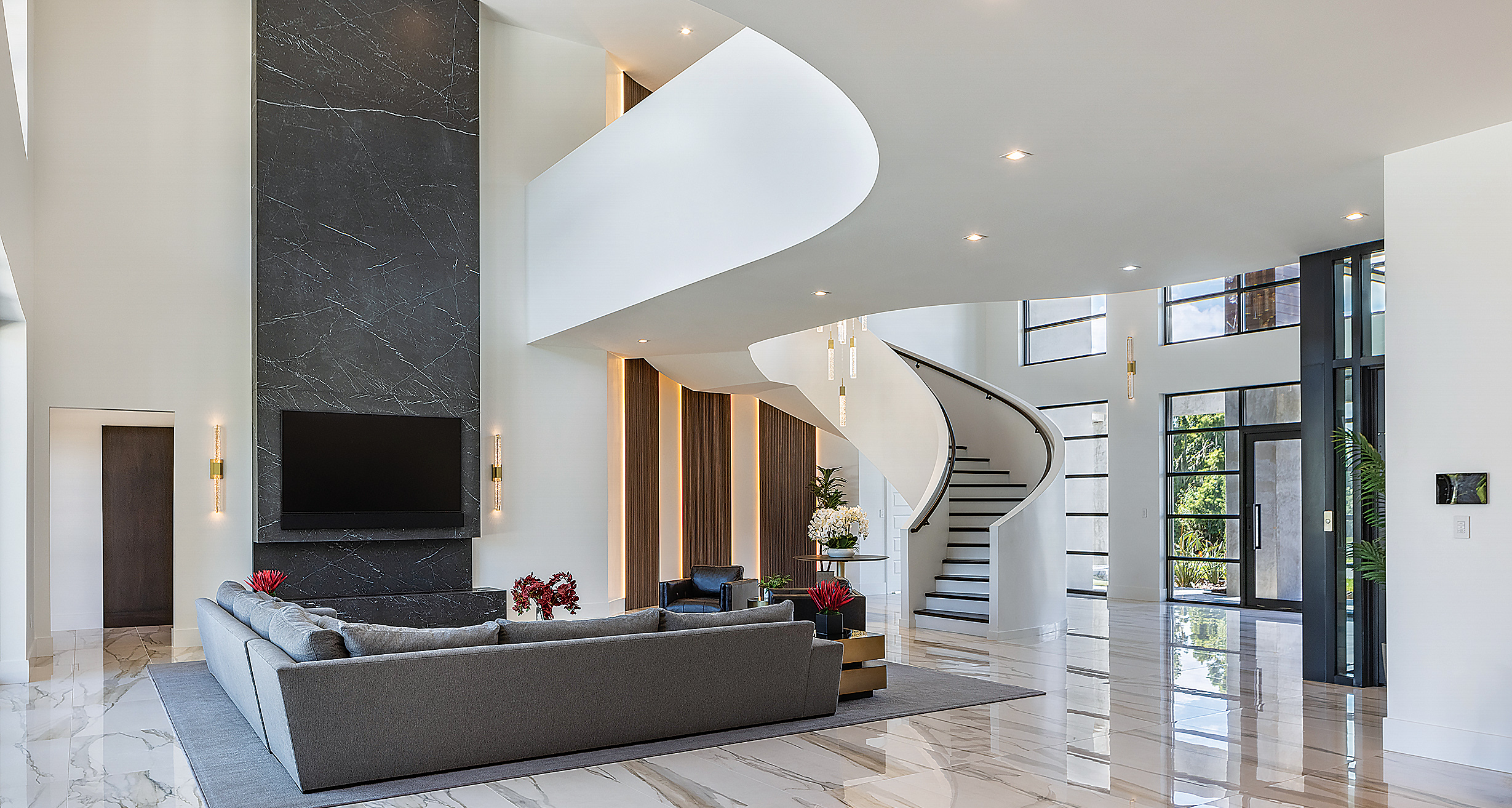
Home Design: Dramatic & Immersive

Home & Design | The Art of Domesticity
Designers Reveal the Bold Design Trend That's Taking Over Homes

Our Best Conversation Stories of 2020

I Found the Next Big Home Décor Trend–And I’m Already Buying Into It

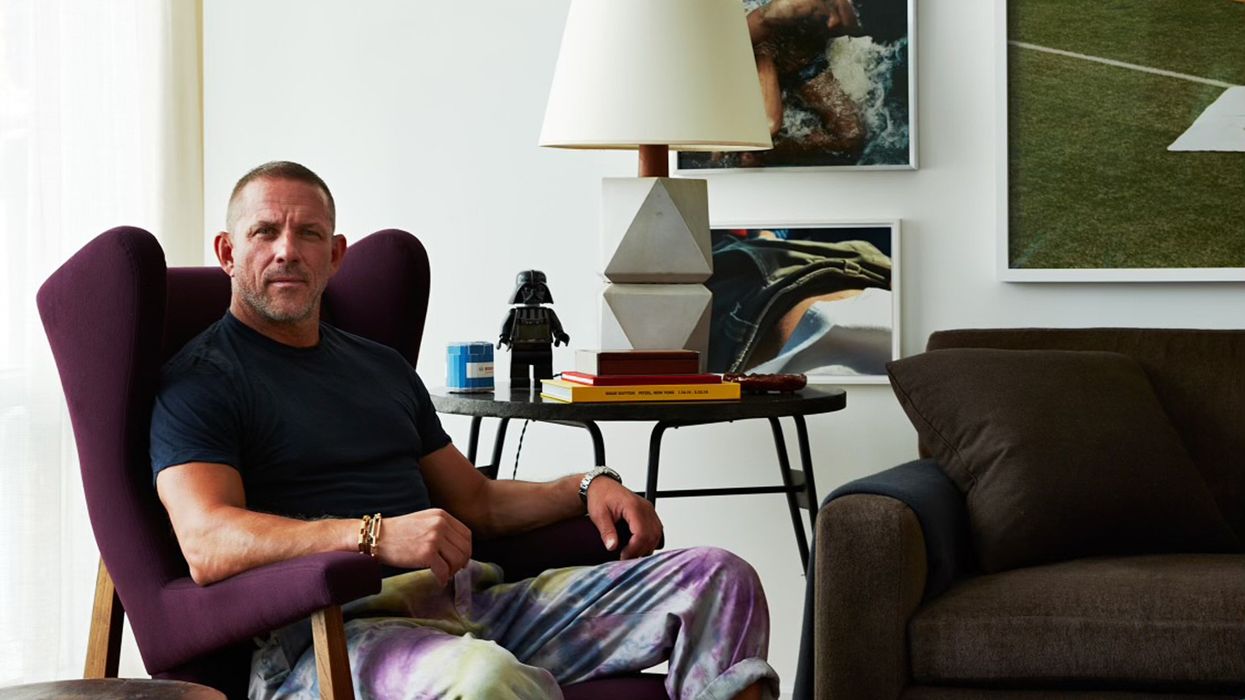
For This Interior Designer, Home is Where the Art Is


The Studio - Explore All Projects On Studio McGee

Copy-And-Paste Interiors: Repeating A Look Isn’t Lazy — It’s Clever
I Let AI Design My Home. Here’s What Happened

Why the Perfect Time to Work with an Interior Designer Is Now
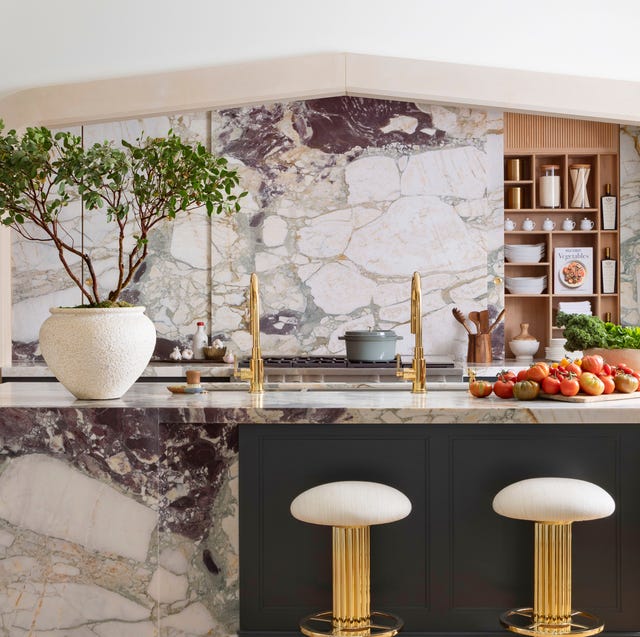
If You Have These 10 Traits, You'd Probably Be a Great Interior Designer

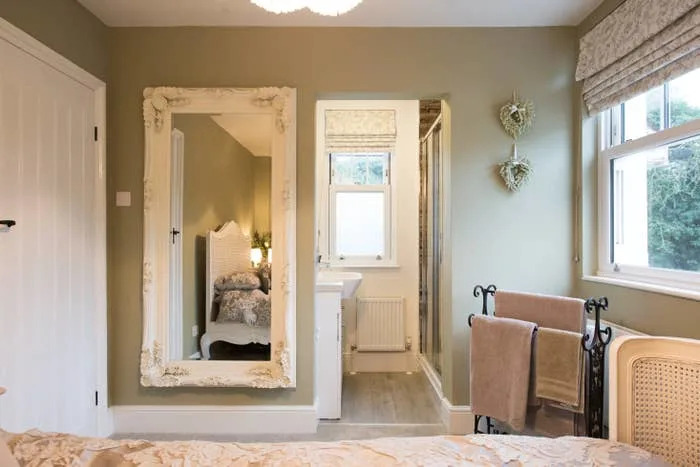
“It Instantly Becomes Tacky": 22 Home Design Trends That Are Mega-Popular For Reasons Many People Will Never Understand

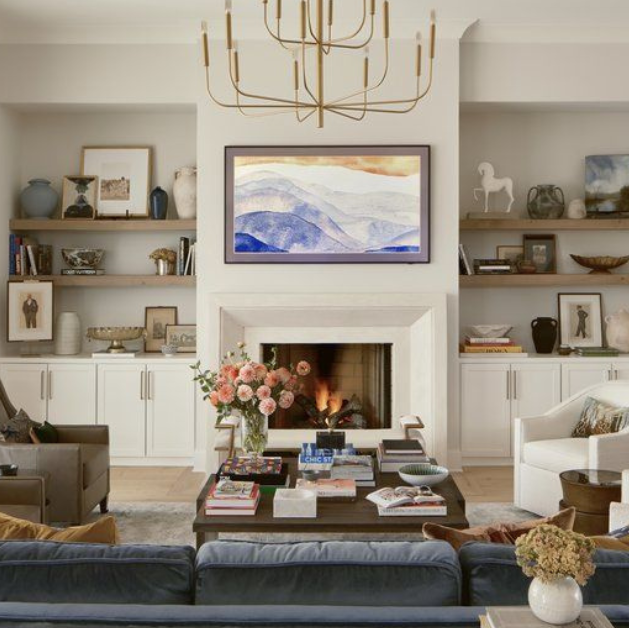
Designers Reveal the Surprising Home Trend That's Taking Over Right Now

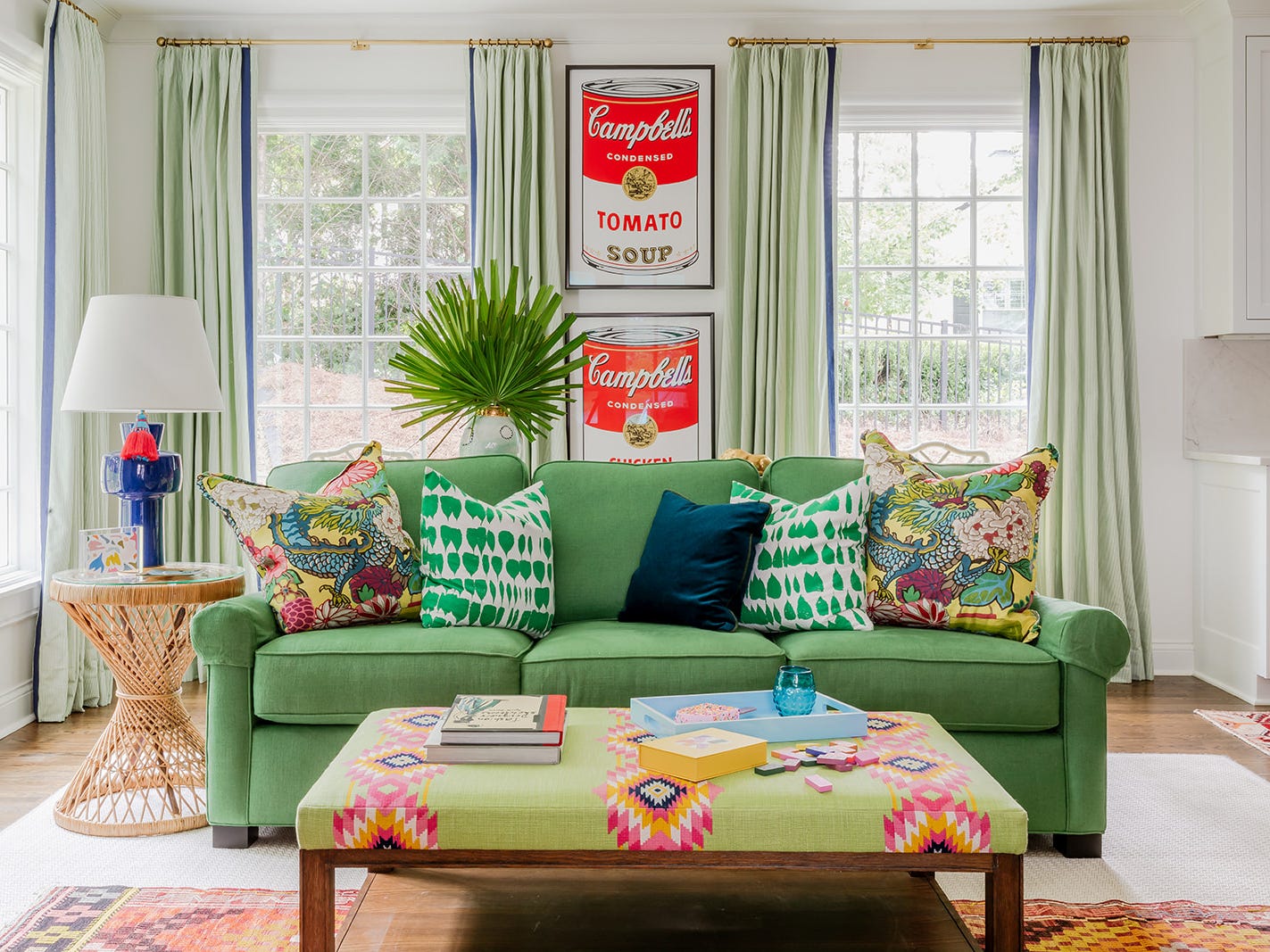
If You're Obsessed with Fashion, You Need to See How a Designer Transformed This Home
Home & Design | Making It Personal
Full-Service Interior Design