Antique and Vintage Furniture Lovers, Here’s What Trump's Tariffs Mean for You
The article discusses the significant impact of newly imposed tariffs on the antique and vintage furniture market, offering insights from Gregg Brockway, co-founder and CEO of Chairish. On April 2, 2025, President Donald J. Trump announced a series of tariffs, including a minimum baseline tariff of 10% on imports from most countries, with higher rates for specific nations like China (34%), Vietnam (46%), and the European Union (20%). These tariffs are set to take effect on April 5 and April 9, respectively.
The announcement has already caused negative repercussions in the retail sector, with major home retailers such as RH, Williams-Sonoma, and Wayfair experiencing a decline in share prices. Additionally, MillerKnoll, an office furniture company, has announced a 4.5% list price increase effective June 2nd, indicating that companies are likely to pass these increased costs onto consumers.
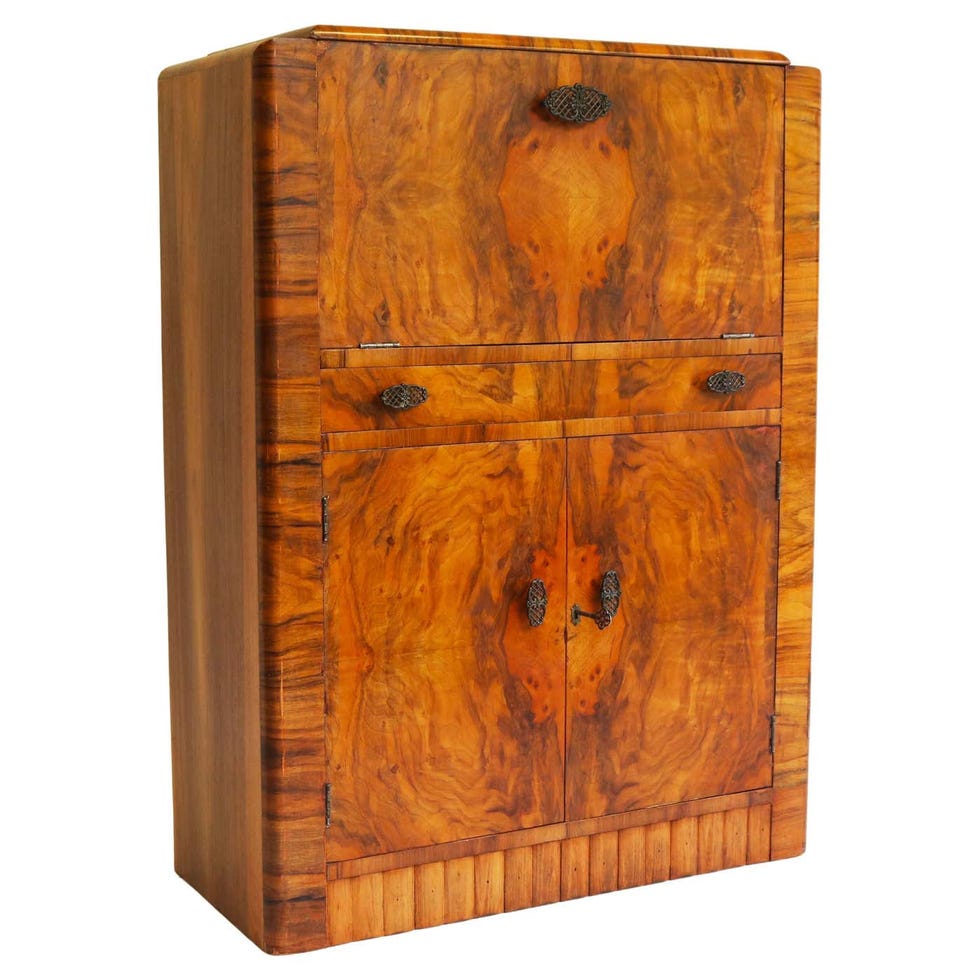
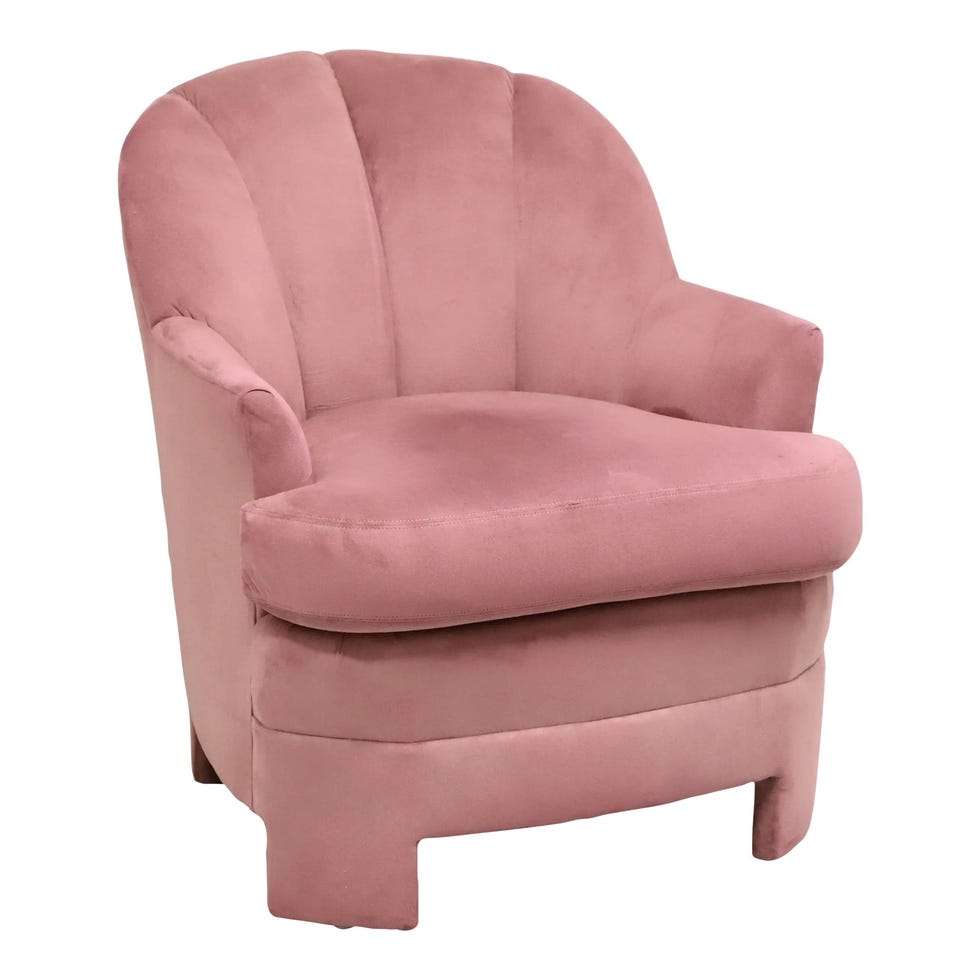
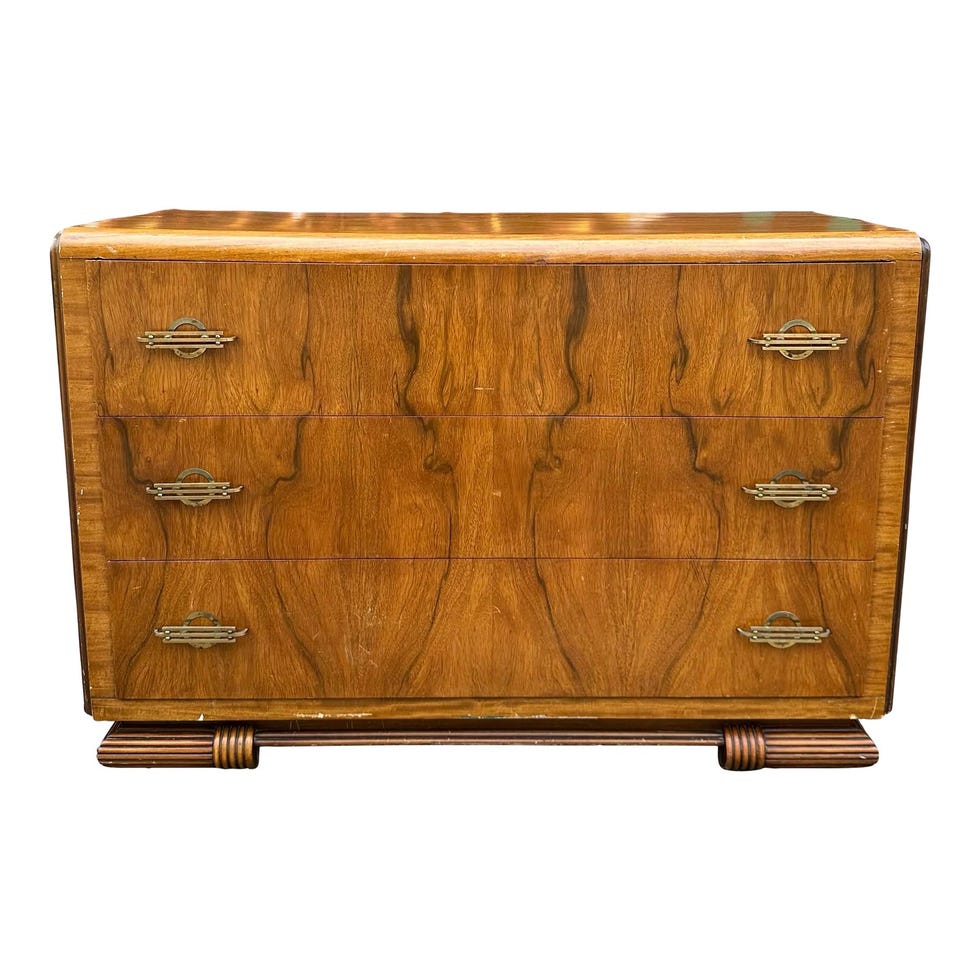
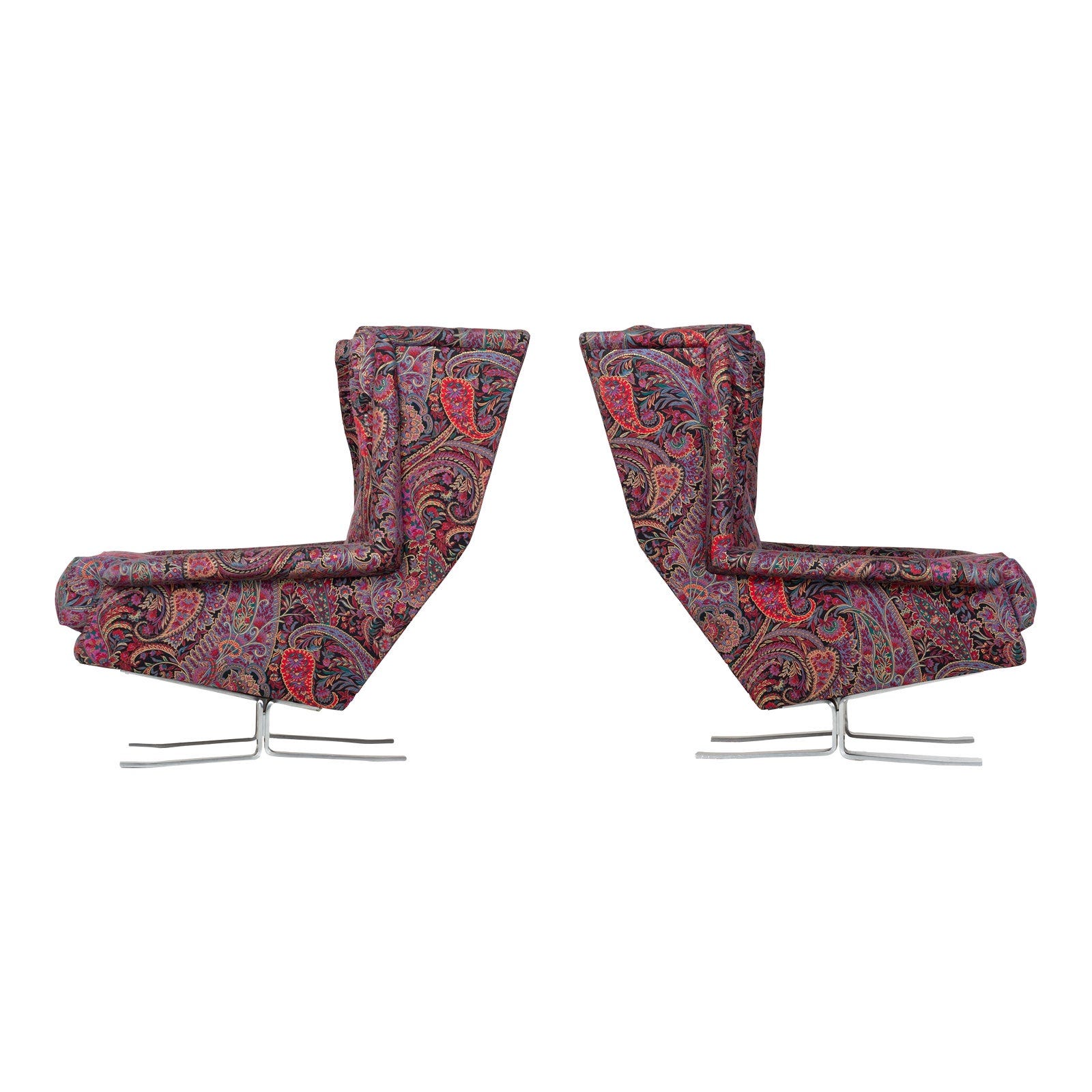
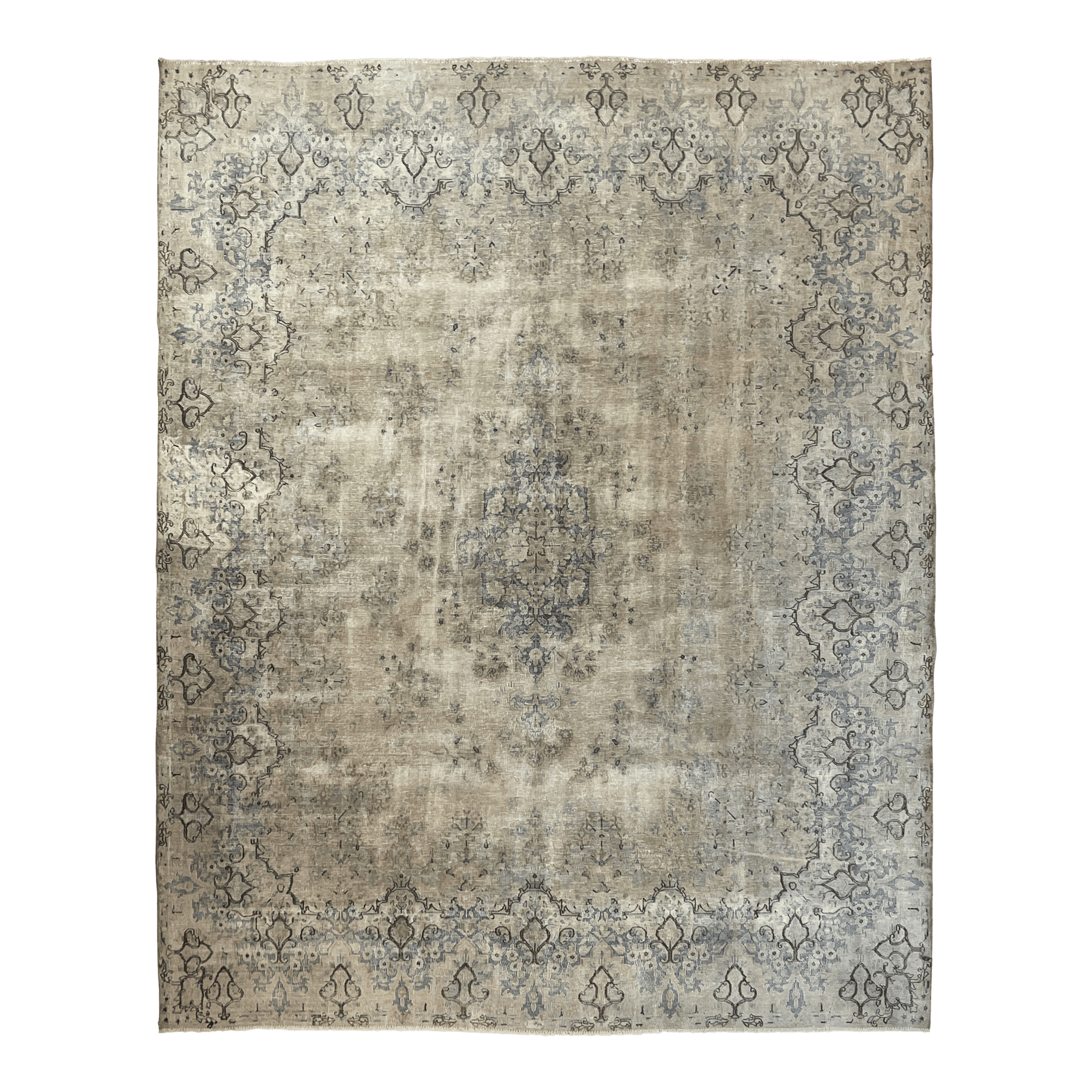
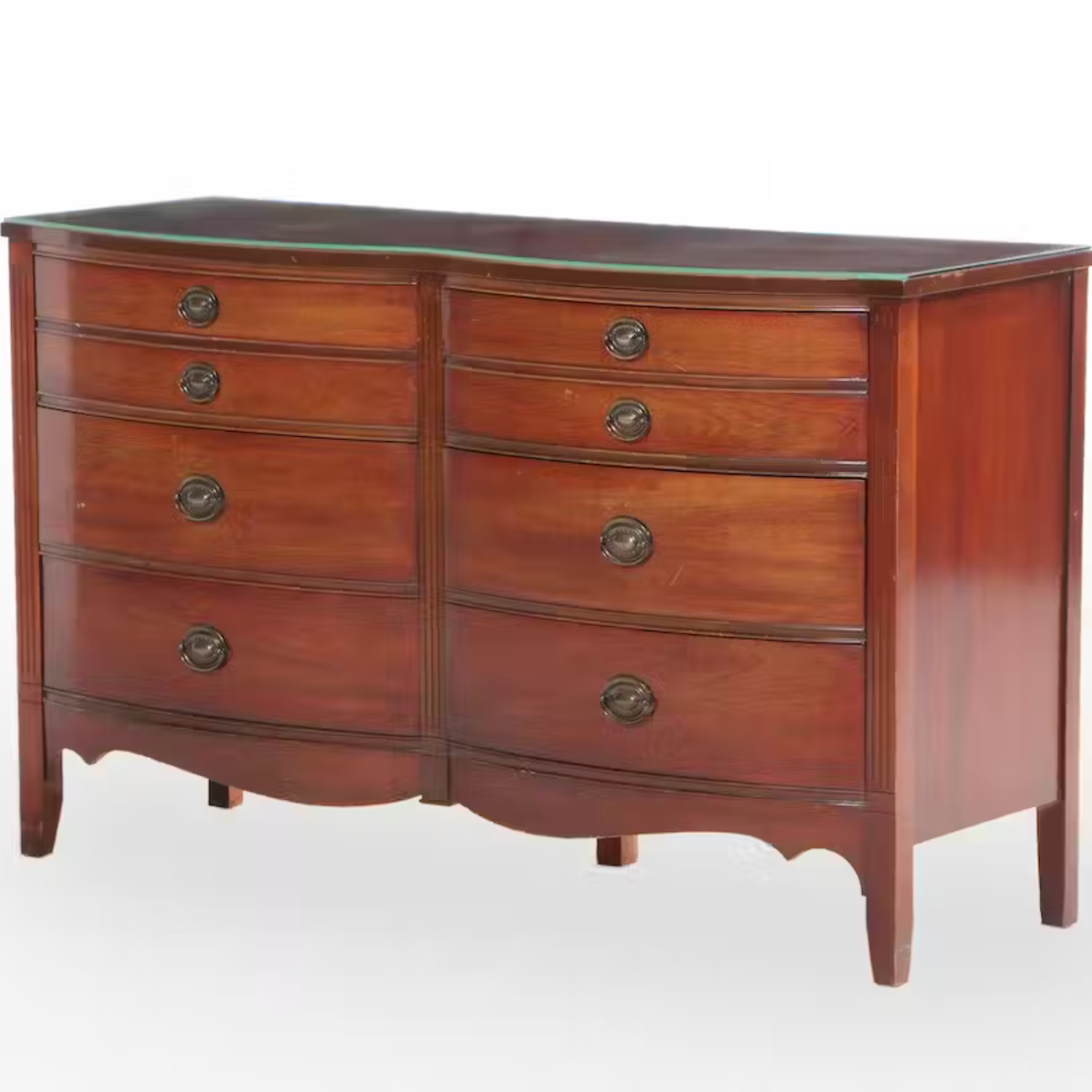
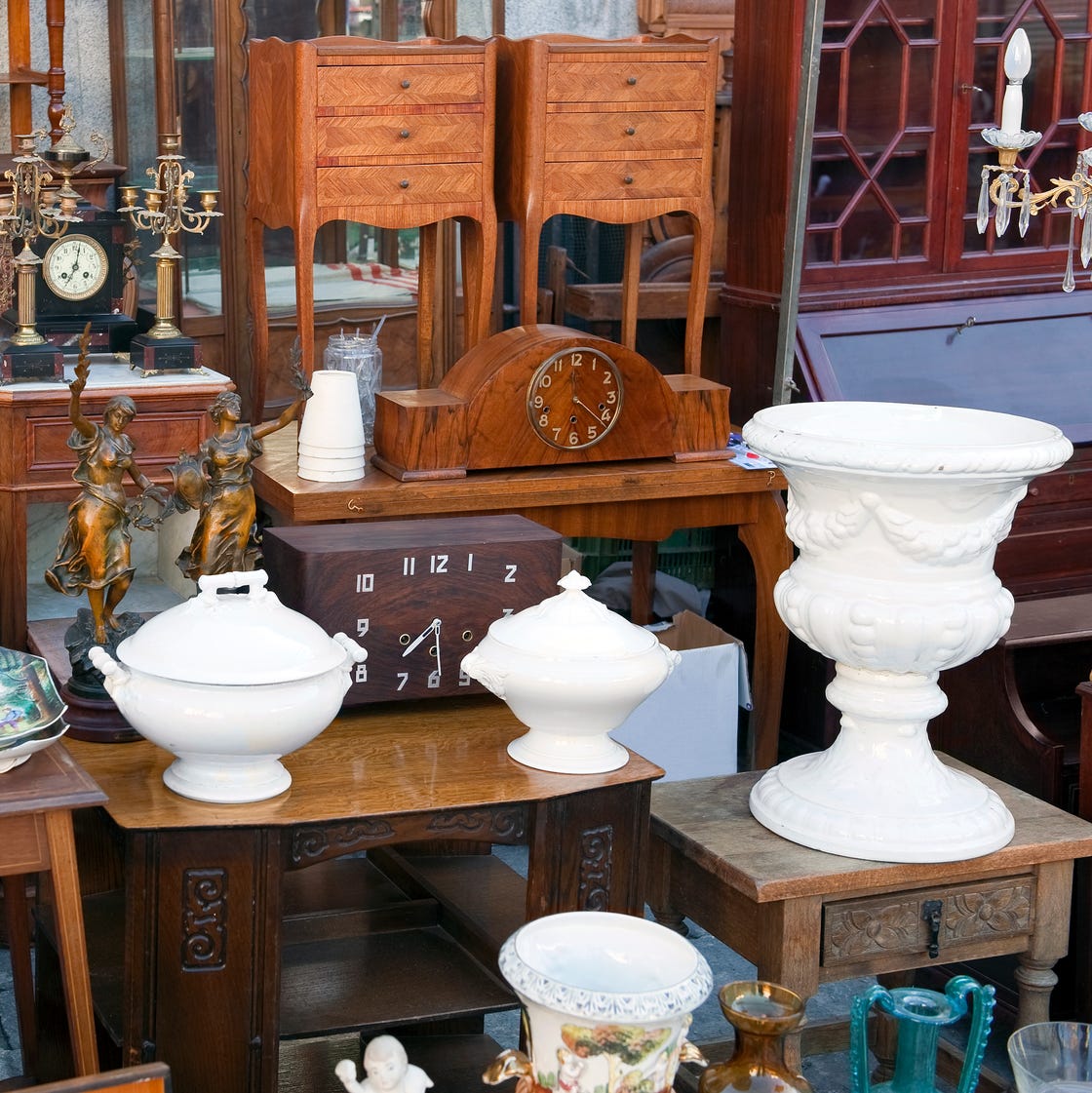
In this context, the article explores whether shopping for antiques and vintage items could provide a way to circumvent these rising costs. Brockway clarifies that while newly manufactured furniture imported from overseas will be subject to these new taxes, vintage and antique pieces already sourced within the U.S. will remain unaffected. He notes that this situation could benefit design enthusiasts, as many dealers, galleries, and collectors already possess inventory located domestically. Furthermore, imported vintage items that are already in the U.S. will also avoid the new tariffs. However, the cost of bringing in new inventory from abroad, especially from Europe and Asia, which are key sources for high-end design, will become significantly more expensive.
The U.S. Customs and Border Protection's guidelines, last updated in May 2024, classify antiques that are demonstrably 100 years old or older under Chapter 9706 of the Harmonized Tariff Schedule (HTS), making them duty-free, provided there is proof of their age. Despite this, Brockway emphasizes that various factors must be considered when importing antiques and vintage furnishings, and dealers and customers should anticipate additional costs. While some antiques might qualify for reduced rates or exemptions, these benefits depend on the item's origin, age, and classification. The crucial point is that if an item needs to cross an international border to be sold in the U.S., tariffs may apply.
Economists have warned that companies will likely transfer the increased expenses of imported goods to consumers, leading to a general rise in prices for furniture. Therefore, in the current economic climate, purchasing vintage and antique items already available within the U.S. presents a practical and economical approach to acquiring unique home furnishings. Presently, prices for these items are stable, but the long-term effects on the industry and market are still uncertain. Brockway explains that while tariffs will not immediately impact the price of vintage and antique pieces already in the U.S., this might not always be the case. As import restrictions increase the cost of international sourcing, dealers and collectors may face difficulties in replenishing their inventory. Most imported items, especially those less than 100 years old or not considered culturally significant, will incur higher costs, which will likely be passed on to consumers as existing inventories diminish.
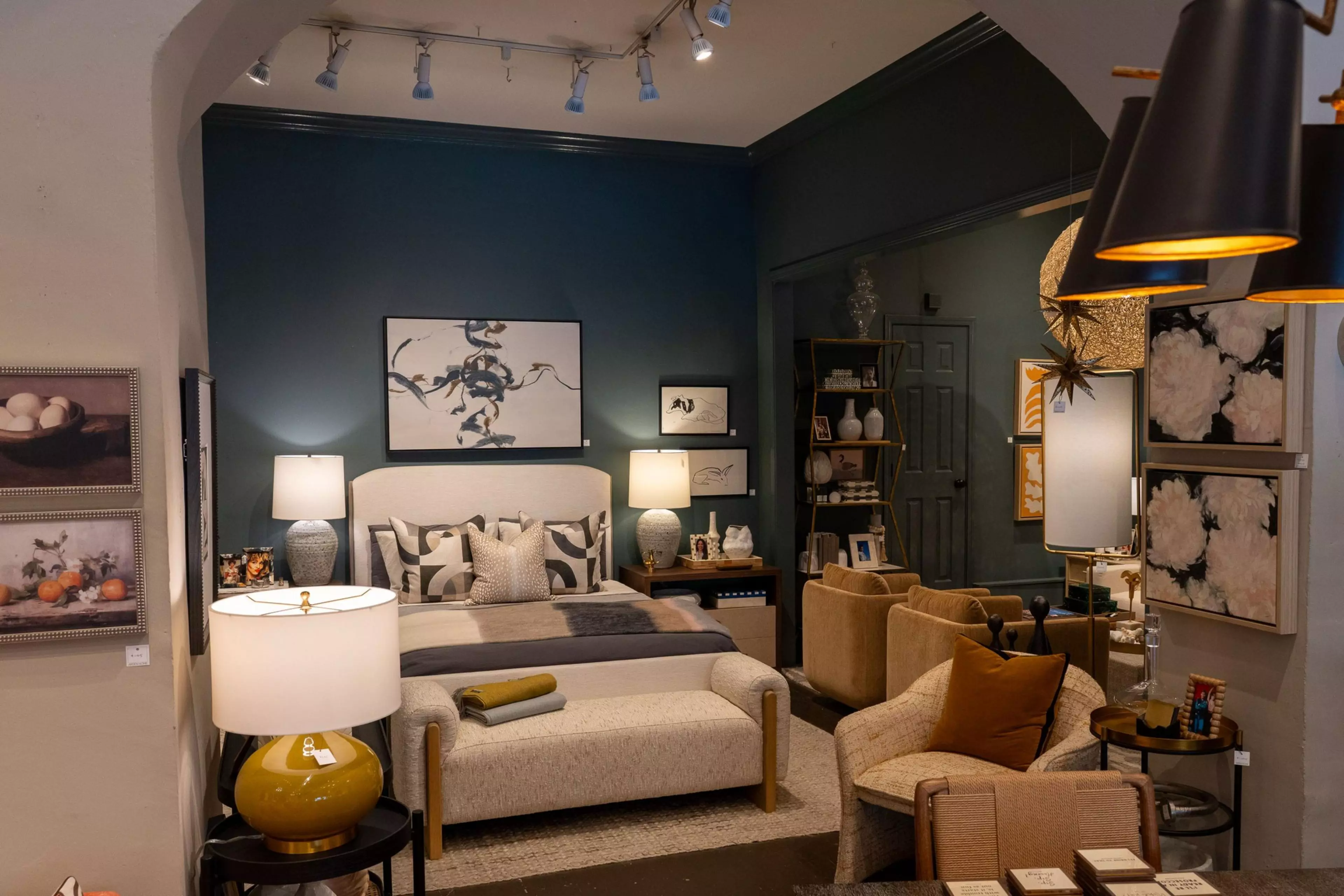
The article concludes by suggesting that domestically sourcing vintage and antique furnishings is becoming increasingly logical given the tightening policies and rising costs of imported goods. While the future remains unpredictable, it is clear that these tariffs will likely reshape sourcing patterns in the design world, potentially boosting demand for historical pieces already in America. For now, patronizing local vintage shops and online marketplaces like Chairish, which primarily features U.S.-based inventory, could offer a stylish and cost-effective solution to the anticipated price increases.
#Tariffs #AntiqueMarket #VintageFurniture #HomeDecor #DesignIndustry #ImportCosts #EconomicImpact #Chairish #InteriorDesign #Tariffs #AntiqueMarket #VintageFurniture #HomeDecor #DesignIndustry #ImportCosts #EconomicImpact #Chairish #InteriorDesign
0 commenti in totale
 Nessun commento ancora
Potresti anche gradire

Home Renovation Projects That Are (Mostly) Tariff-Proof

Your Neighborhood Textile Stores: Where To Go Now That JOANN Is Gone


American Kitchen Cabinet Alliance Leader Perry Miller Applauds President Trump's Announcement of a 50% Tariff on All Kitchen Cabinet Imports


How to Thrift The 1920s Design Trend Gen Z is Making Cool Again
The 8 Best Vintage Furniture Stores to Shop in-Person and Online
Home Design Projects Face Challenges As De Minimis Exemption Ends


5 "Tariff-Proof" Home Renovations That Experts Recommend in 2025


How Tariffs Will Impact Your Next Home Improvement Project

12 Things You Should Never Buy at an Estate Sale, According to Experts

These Are the Home Products That Could Be Impacted by Tariffs—Plus How to Save

Where San Francisco’s top interior designers really shop for furniture
"Digital Antiquing" Is About to Be Your NEW Favorite Grandma Hobby


12 Home Projects That Will Cost More Due to Tariffs