1/11
9 Japandi bedroom ideas to create a serene and stylish scheme
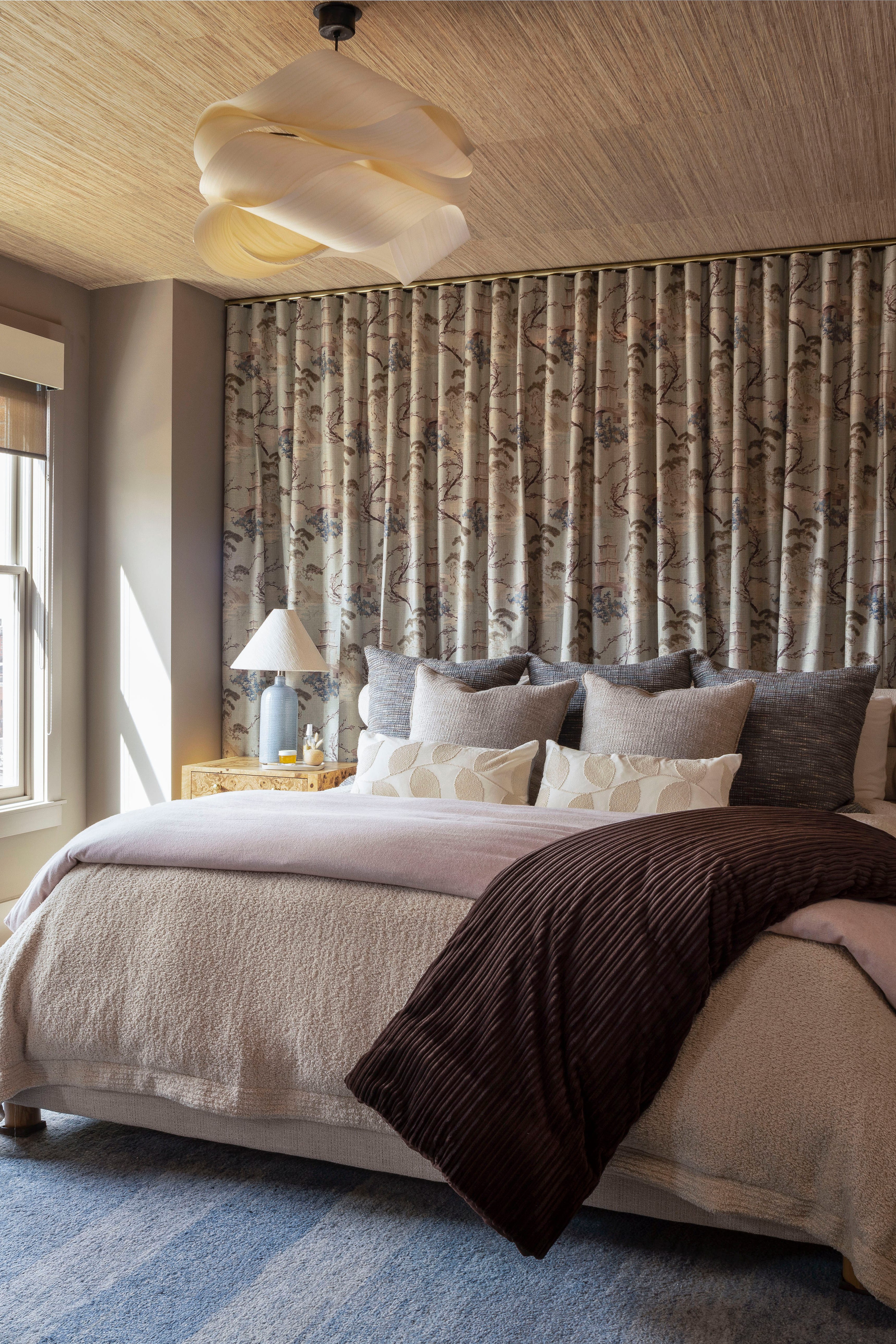
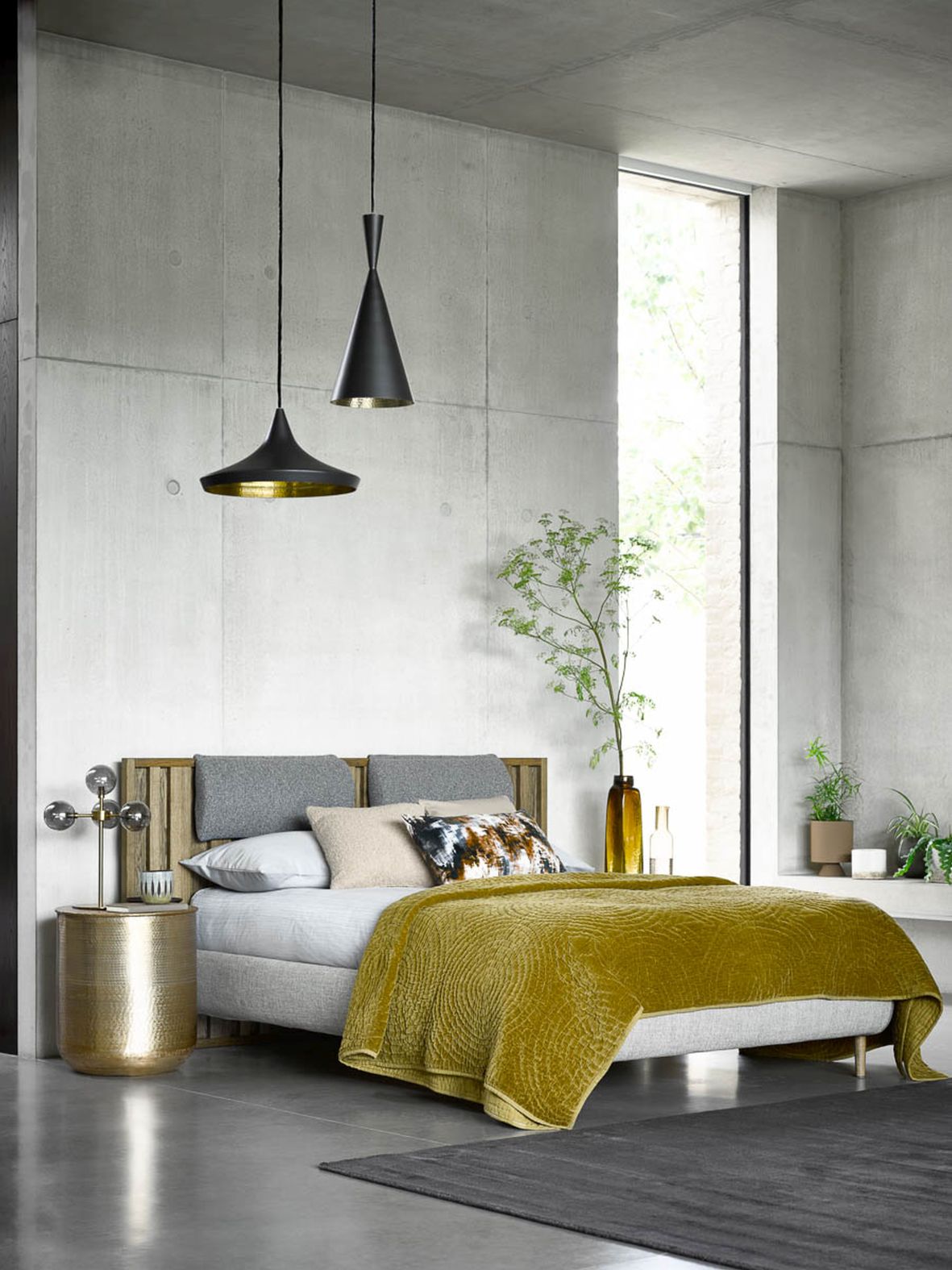
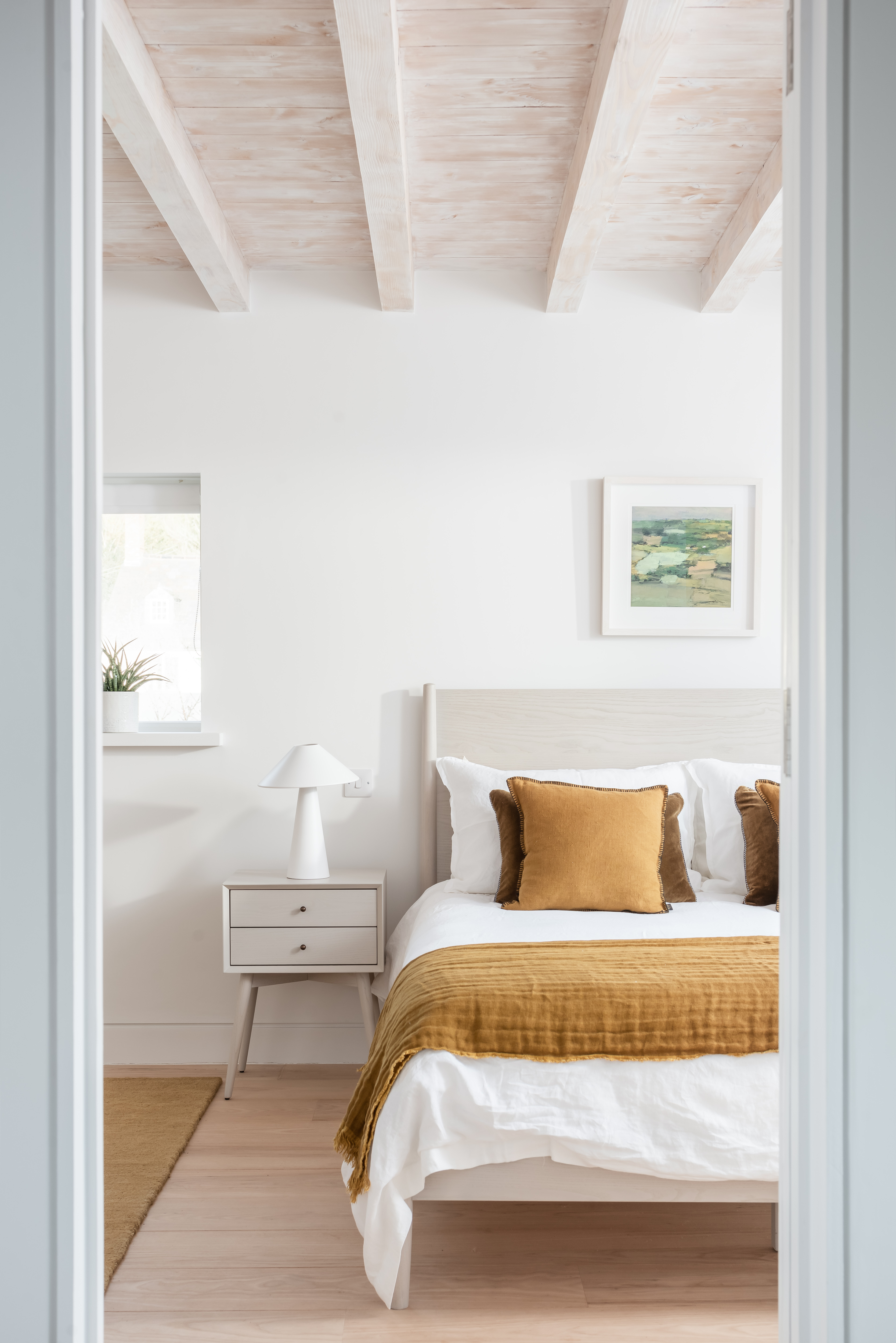
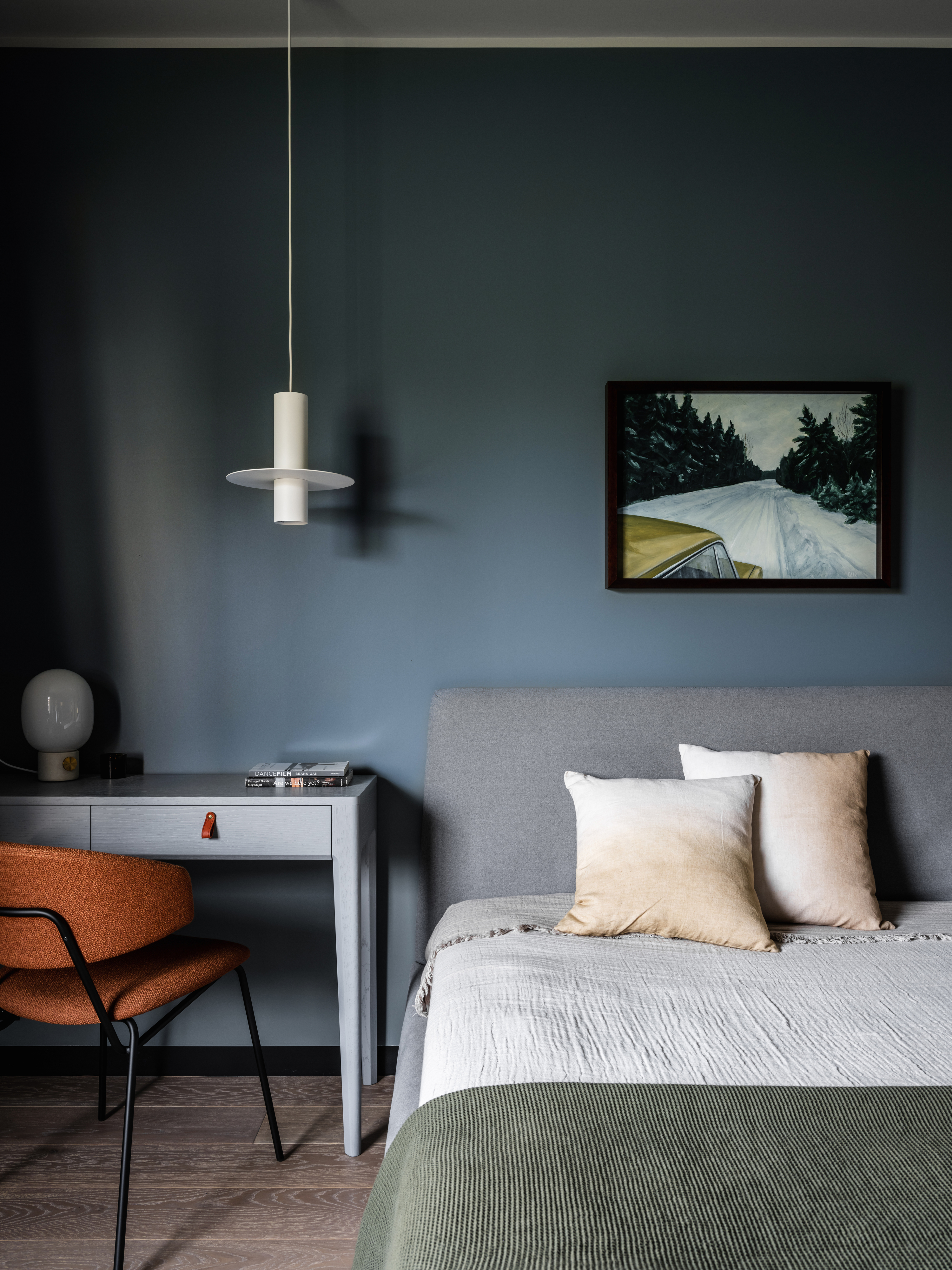
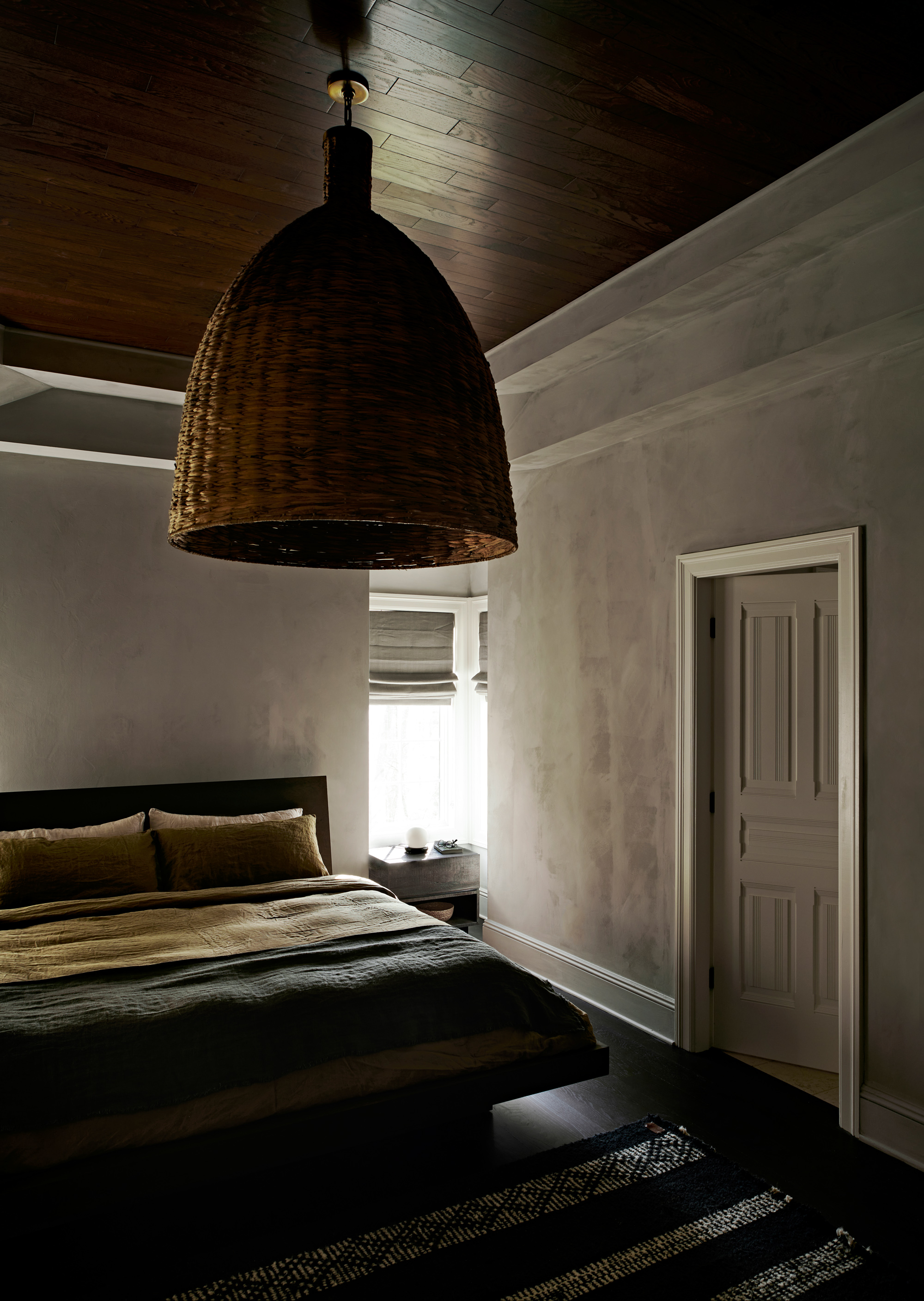
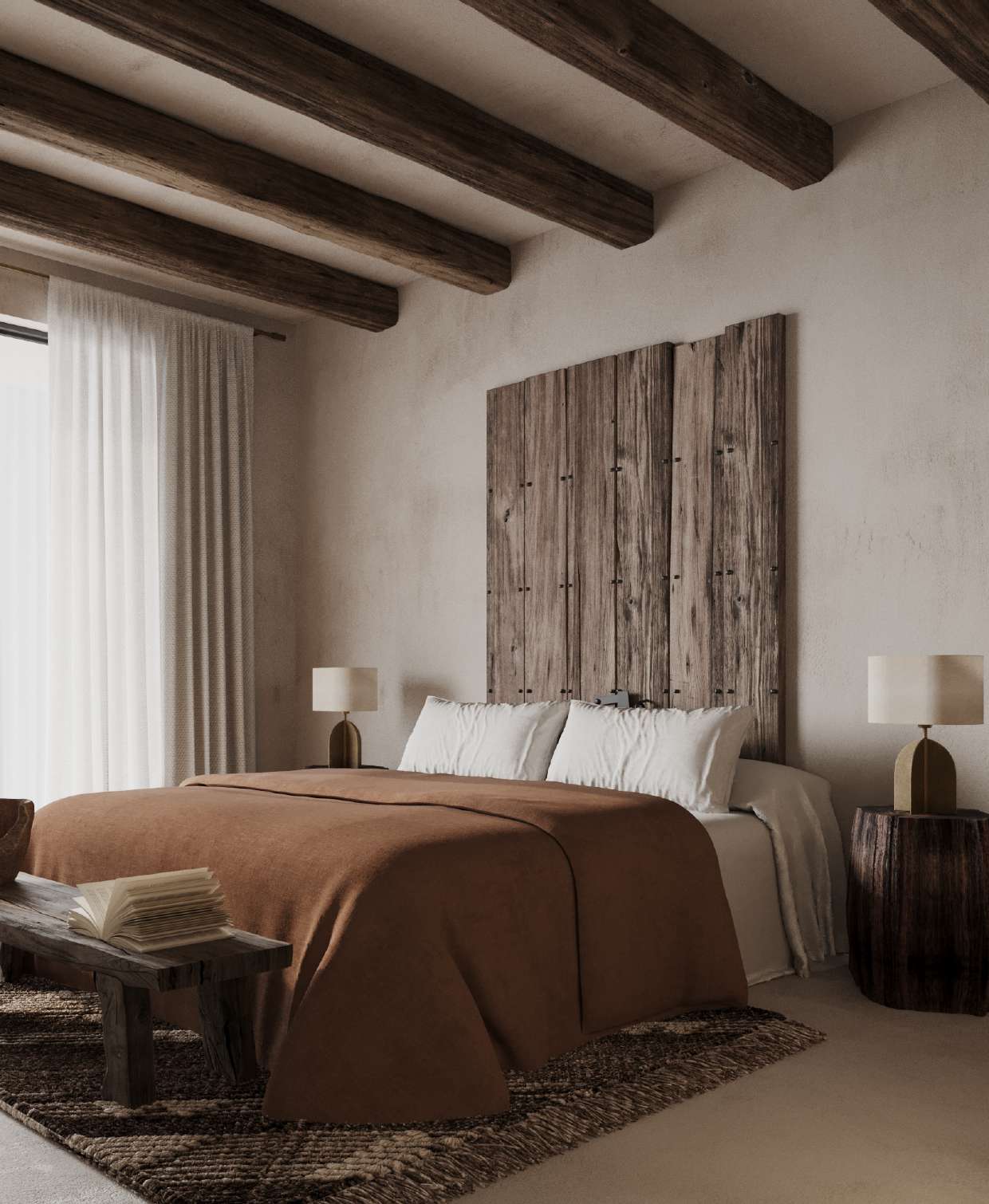
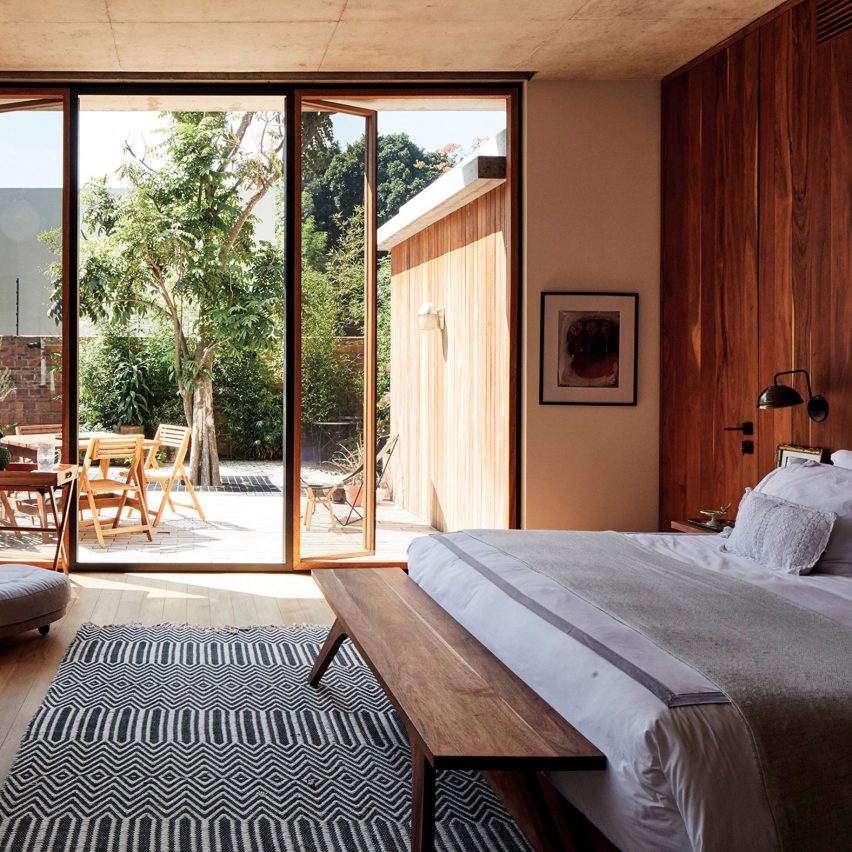
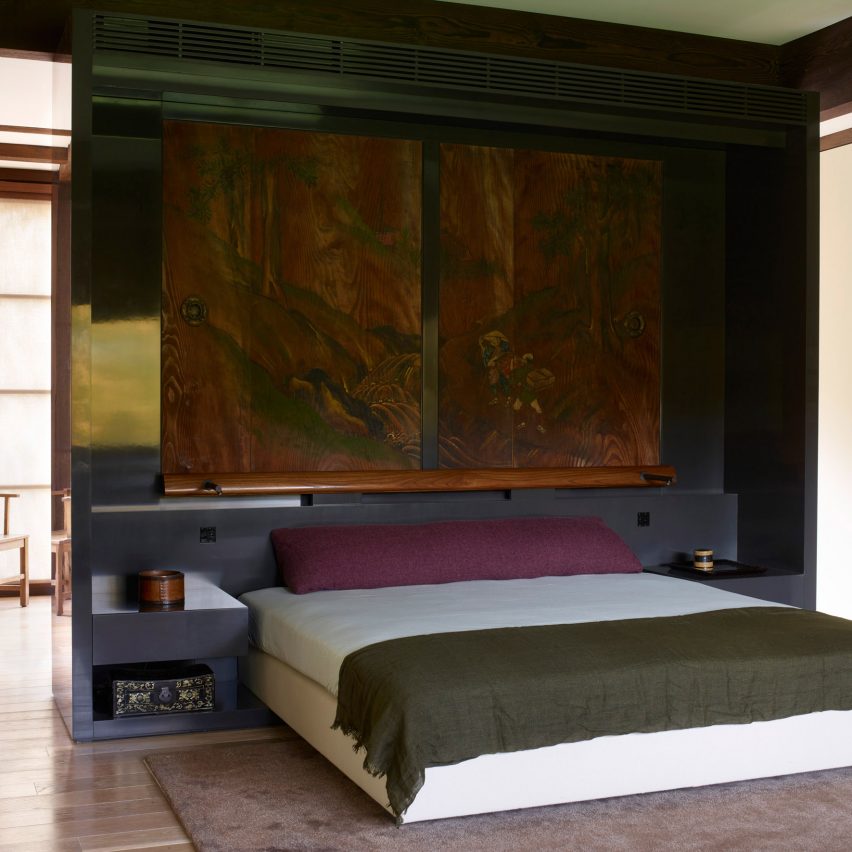
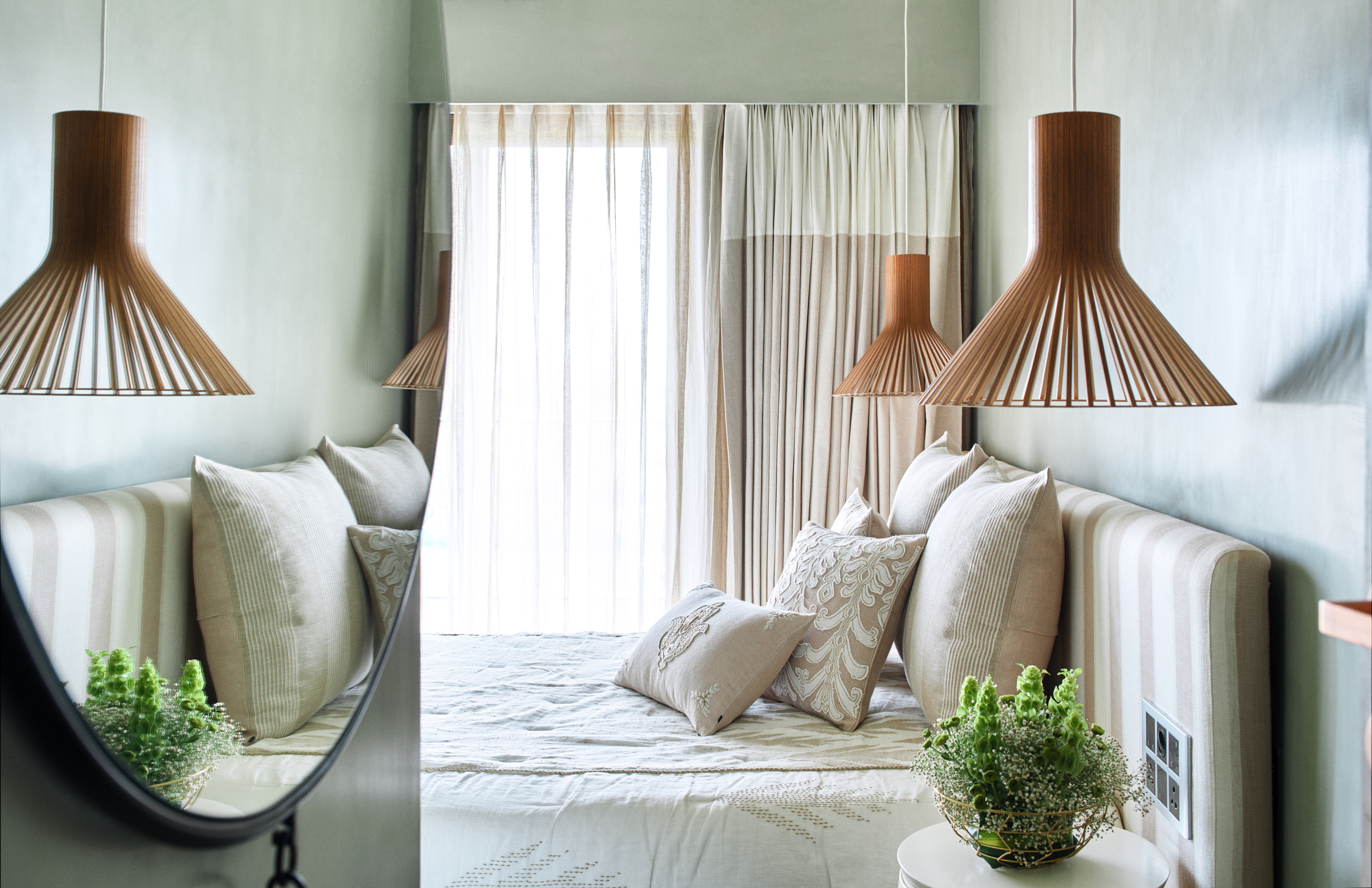
Japandi style, a fusion of Japanese minimalism and Scandinavian simplicity, is currently a prominent trend in interior design, particularly well-suited for creating soothing and serene bedroom environments. This aesthetic emphasizes pared-back minimalism, clean lines, and natural materials, offering a timeless appeal that can be adapted to various room types and properties. At its core, Japandi decor integrates nature into interiors and values fine craftsmanship, principles deeply rooted in both Japanese and Scandinavian design traditions. While Japanese interiors often feature darker colors and woods, Scandinavian design tends towards lighter woods and brighter color accents, and the combination of these elements creates a visually interesting space with diverse natural materials and organic shapes.
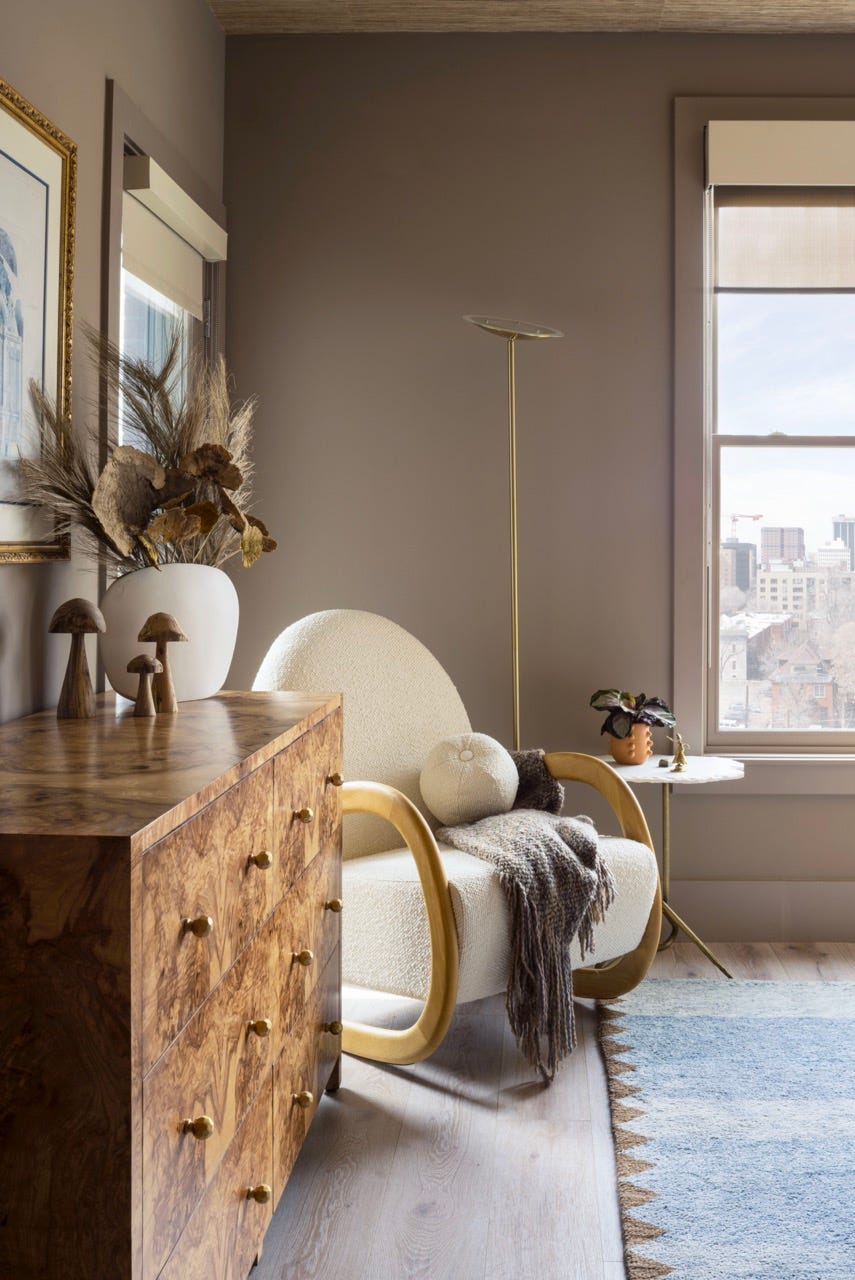
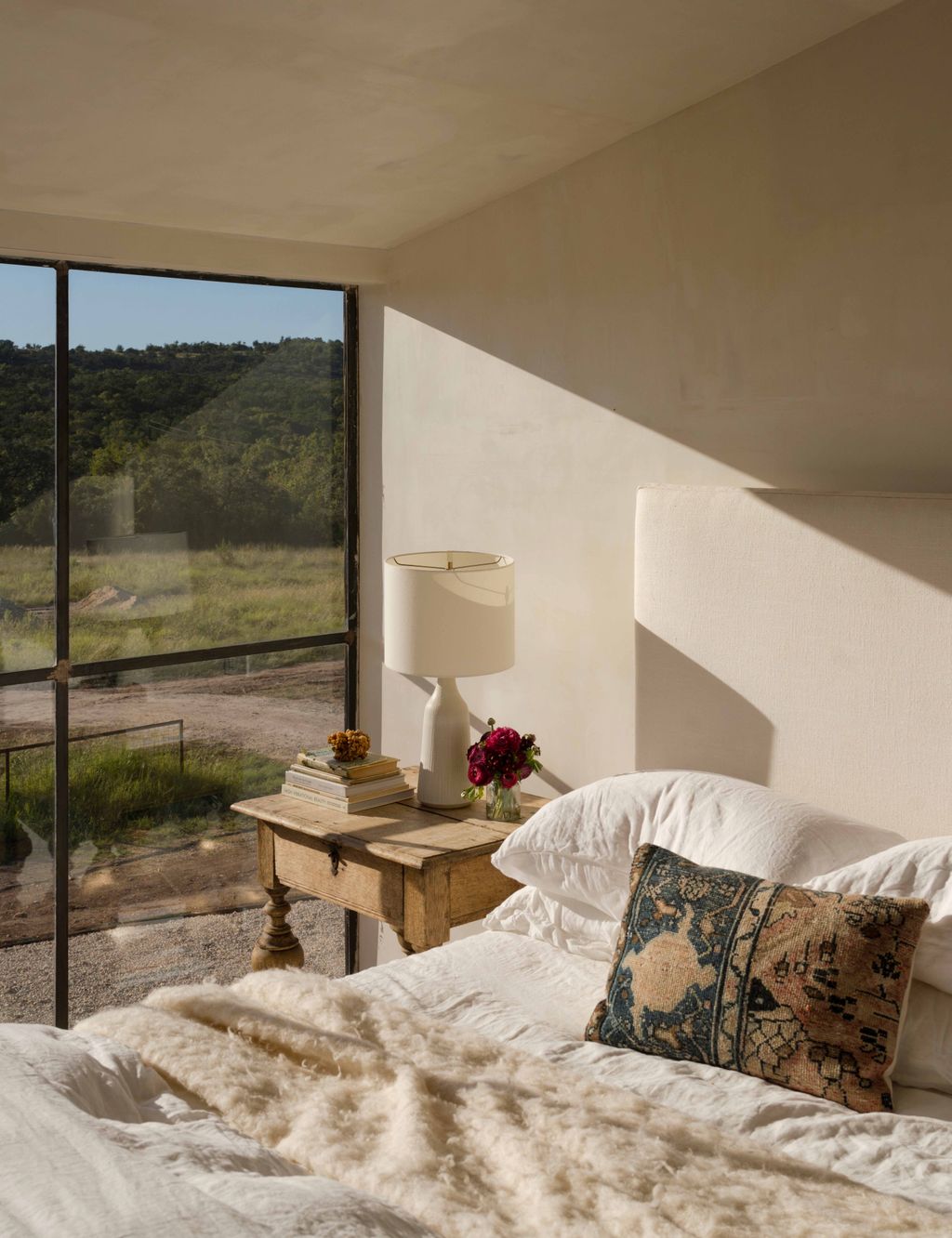
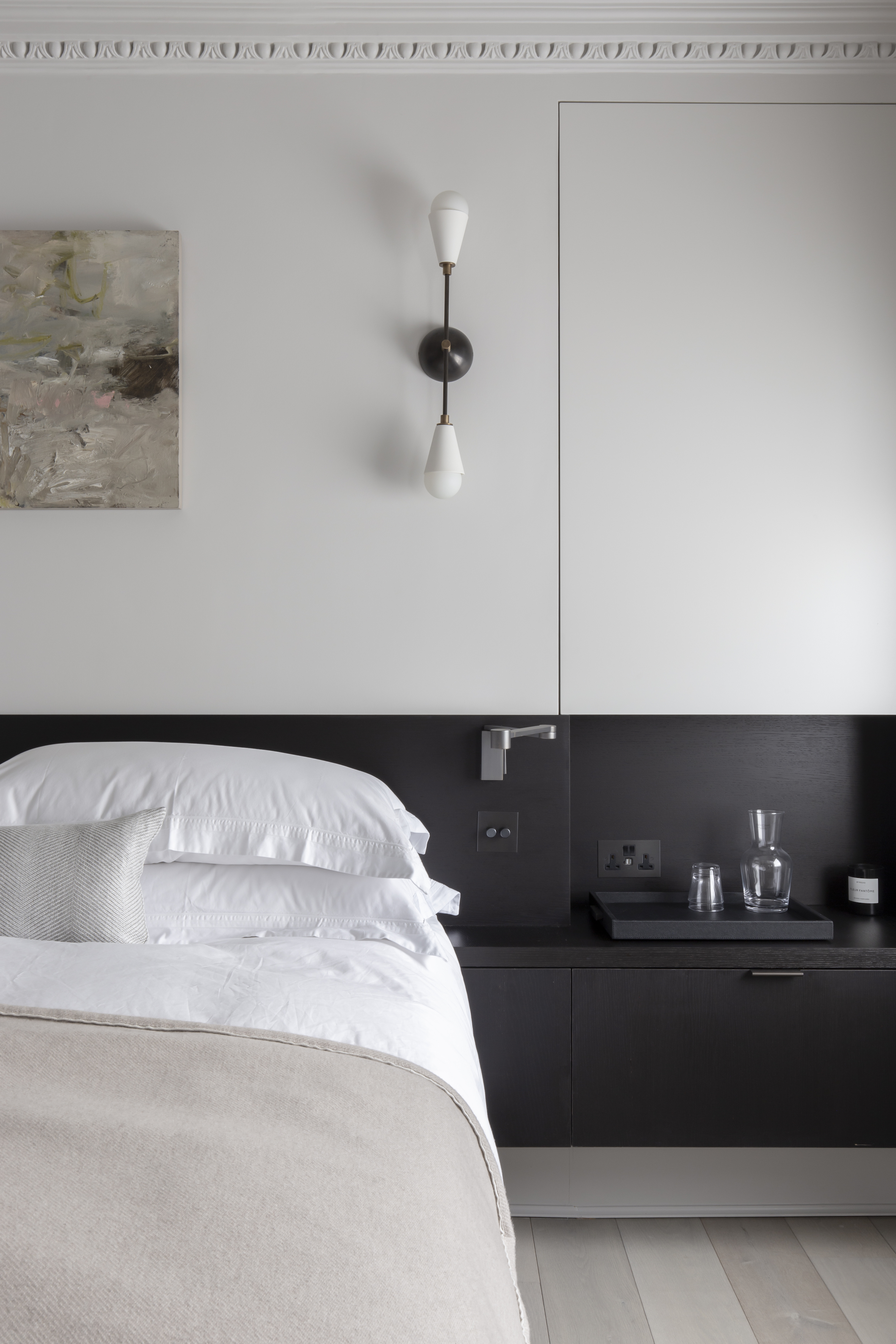
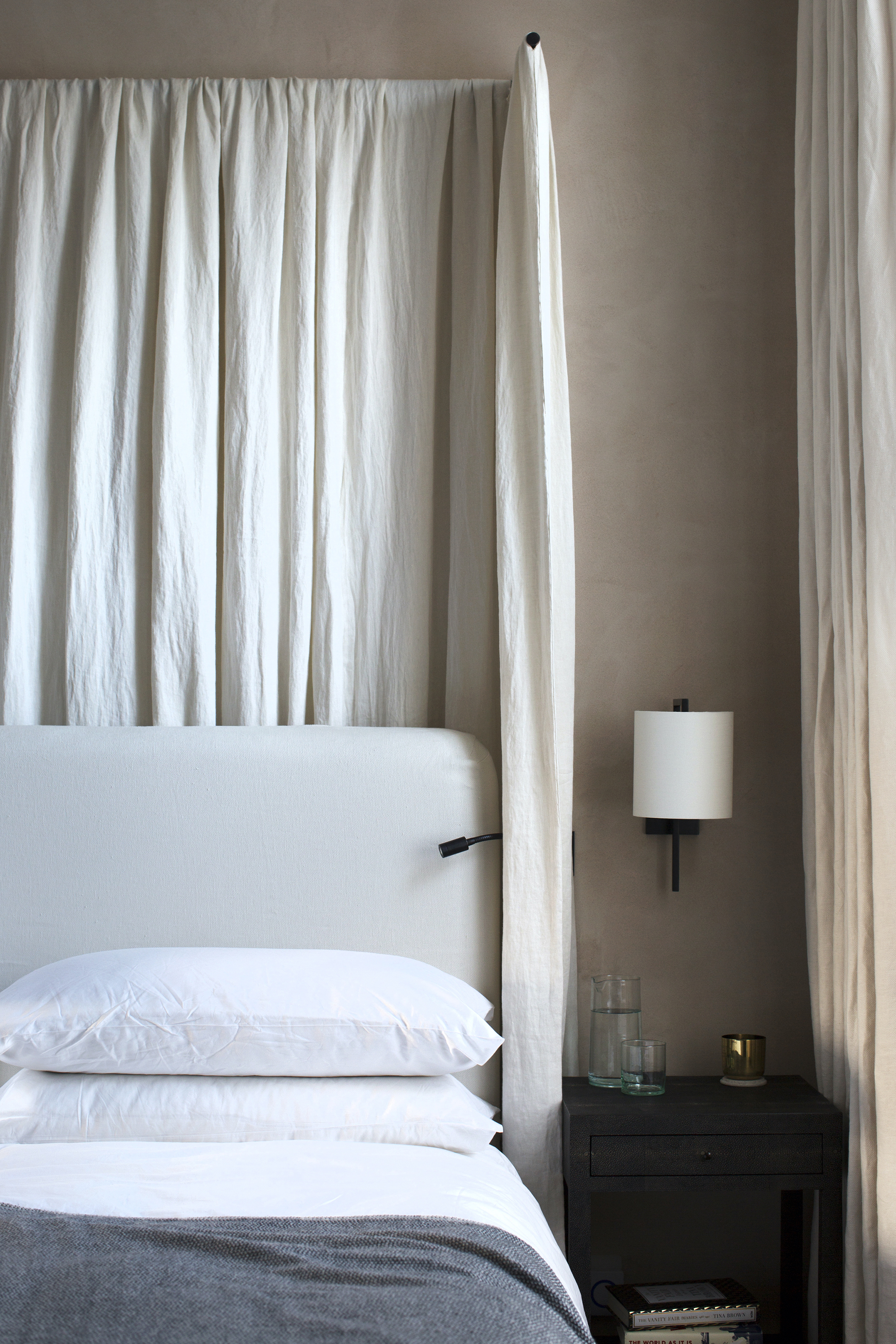
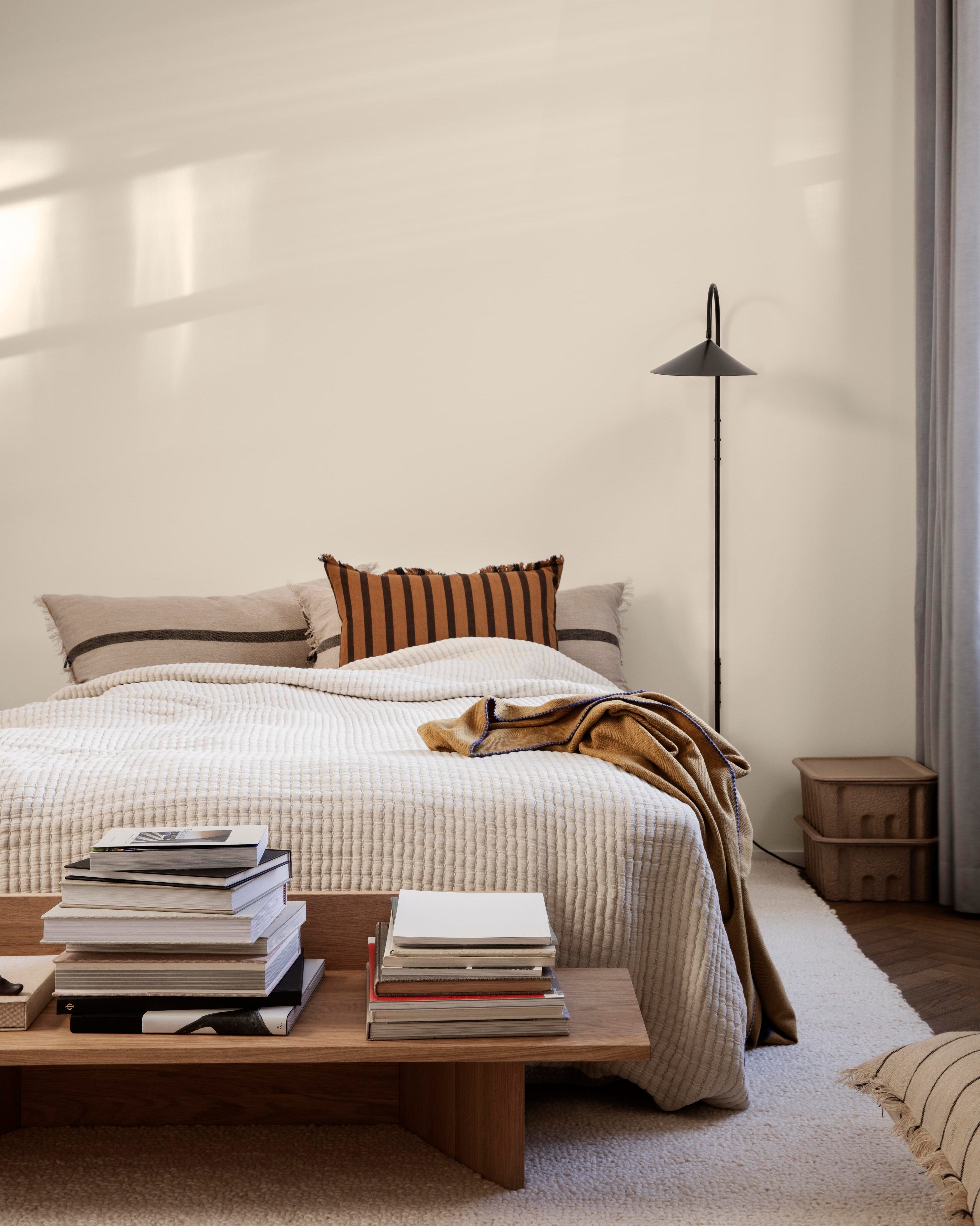
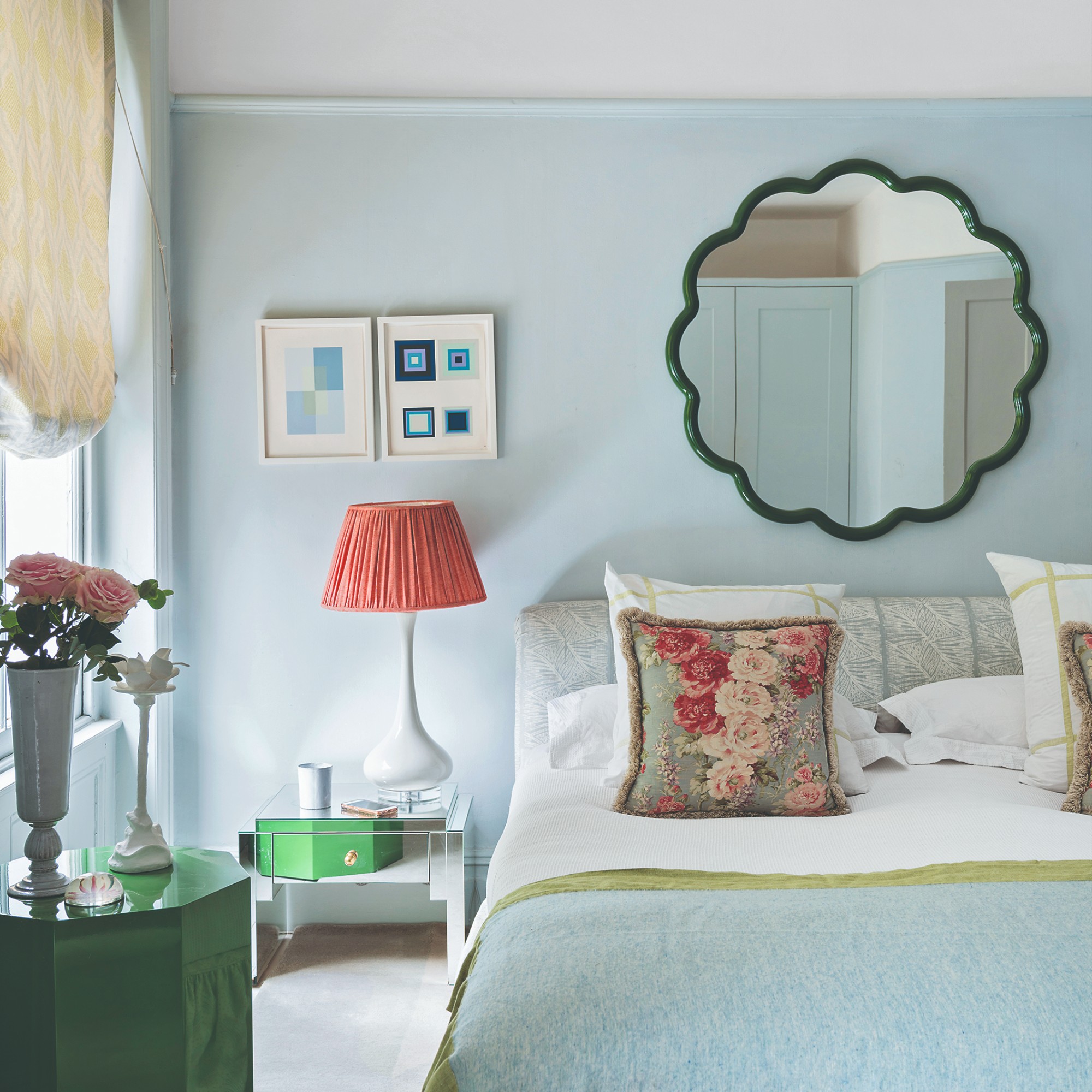
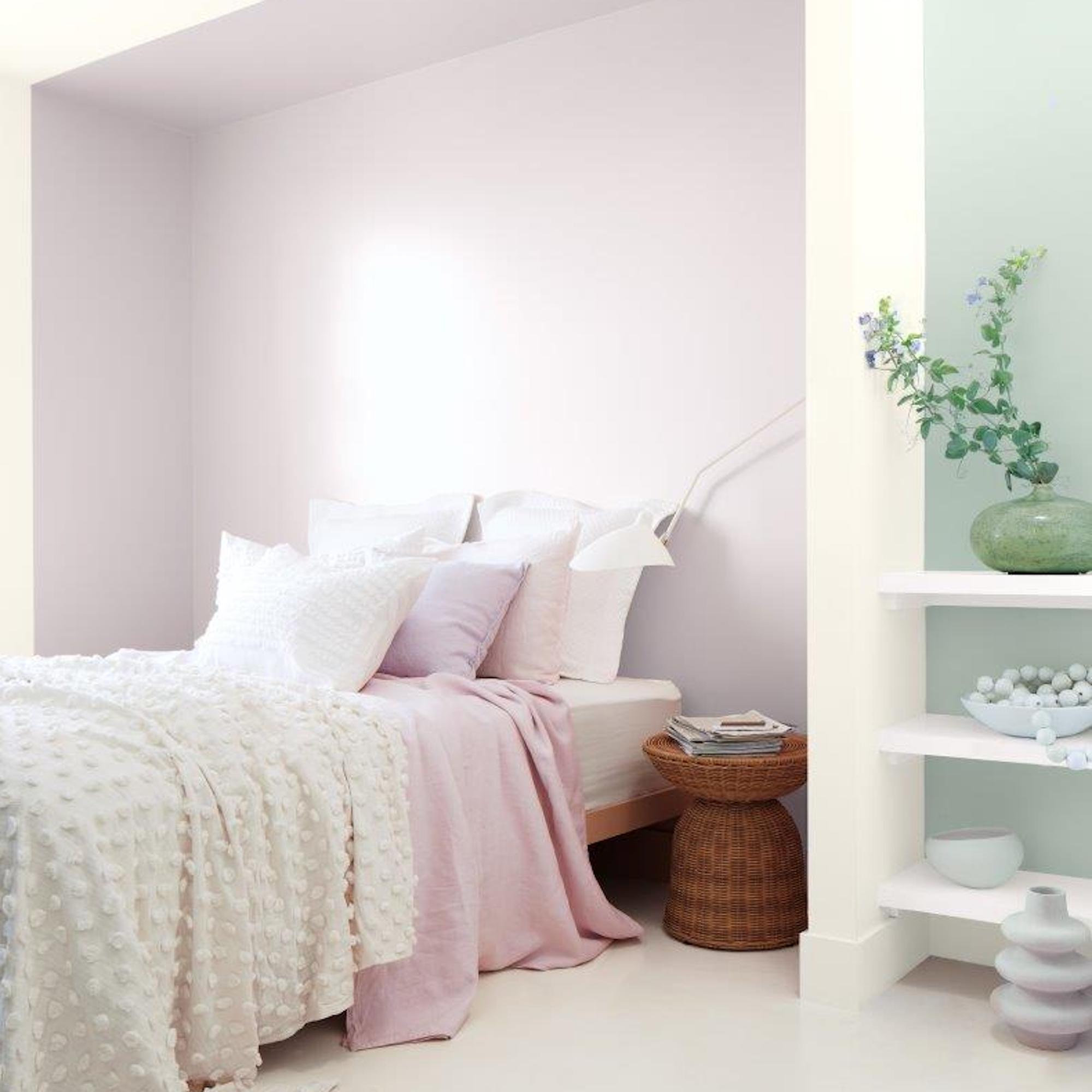
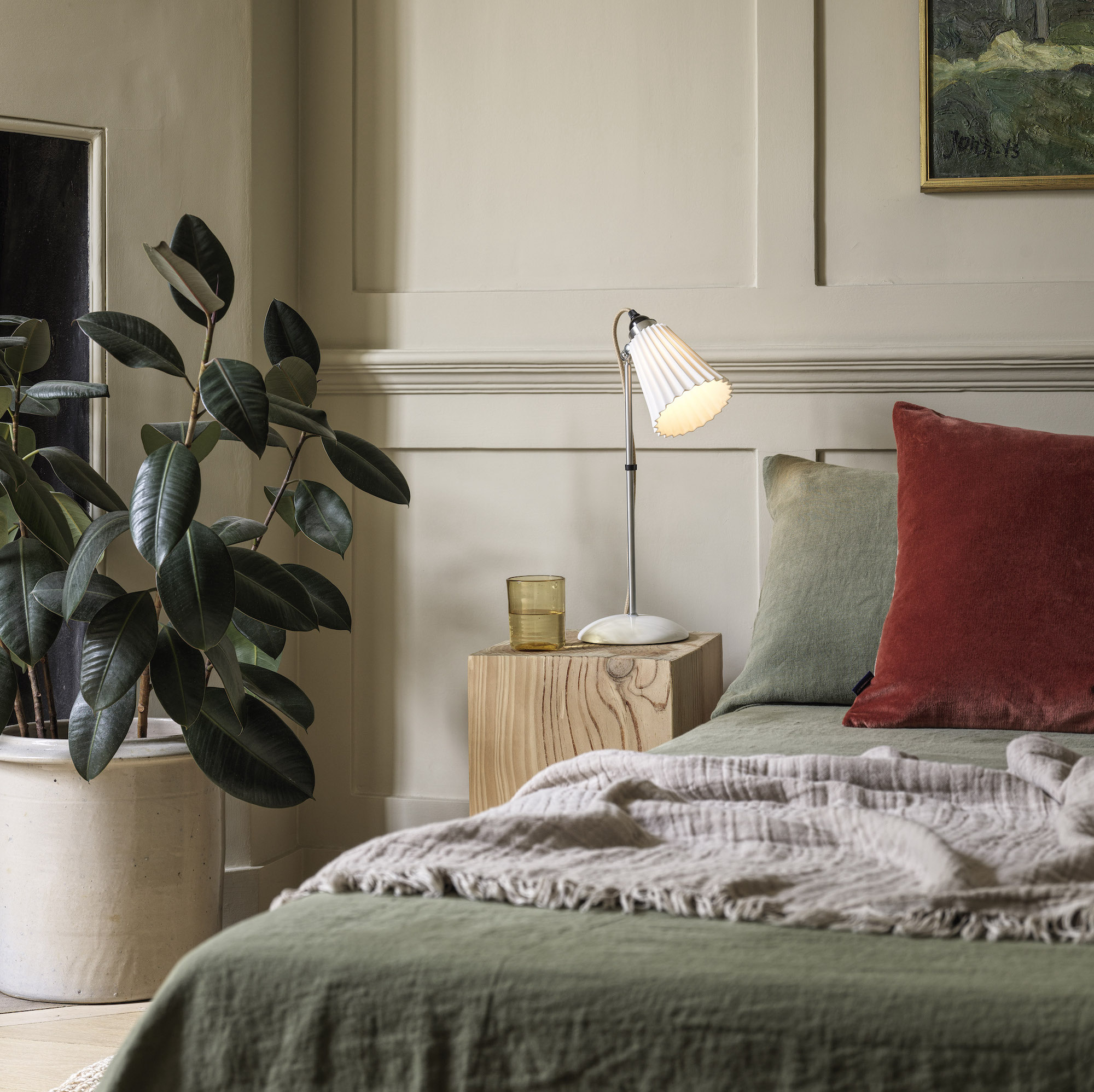
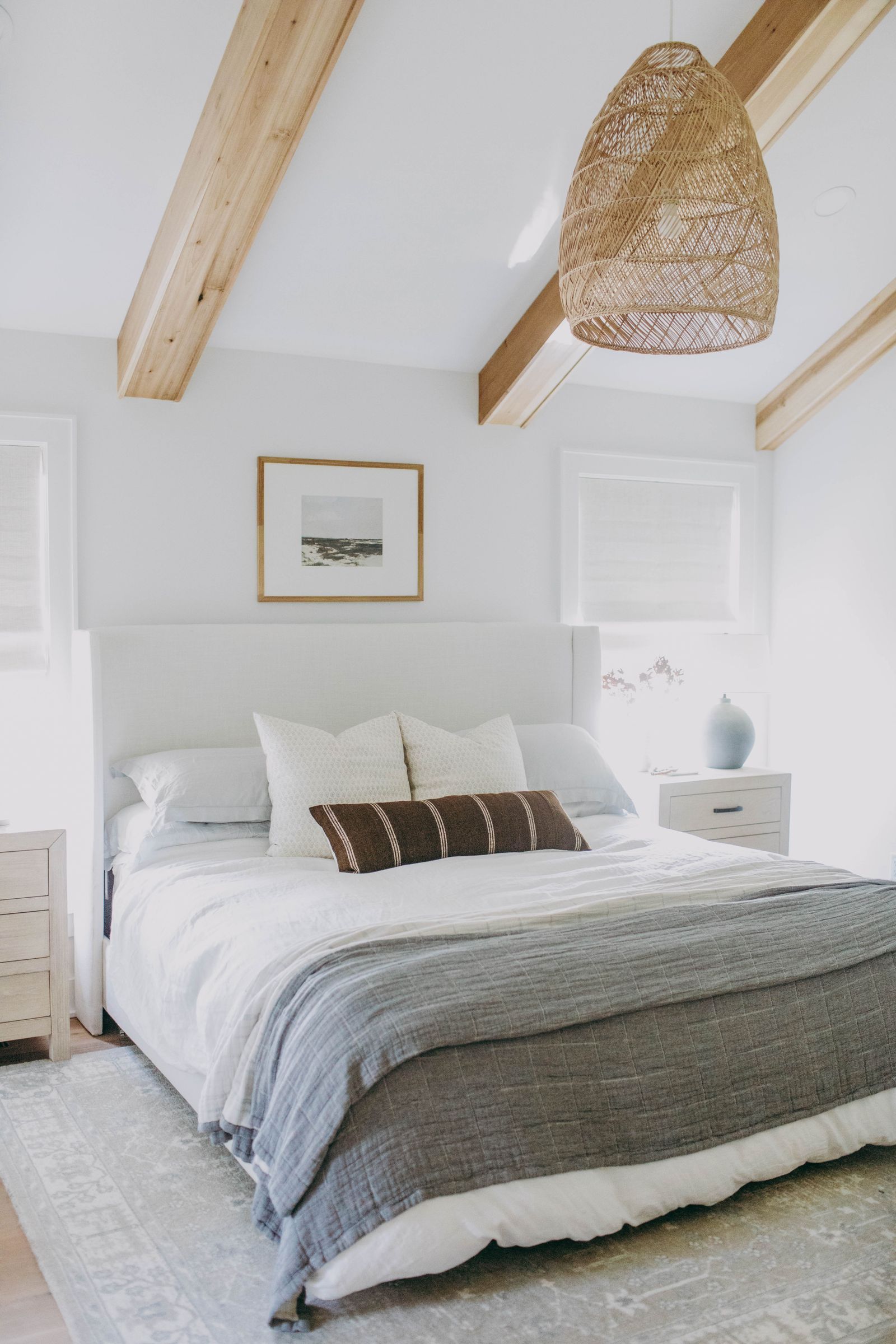
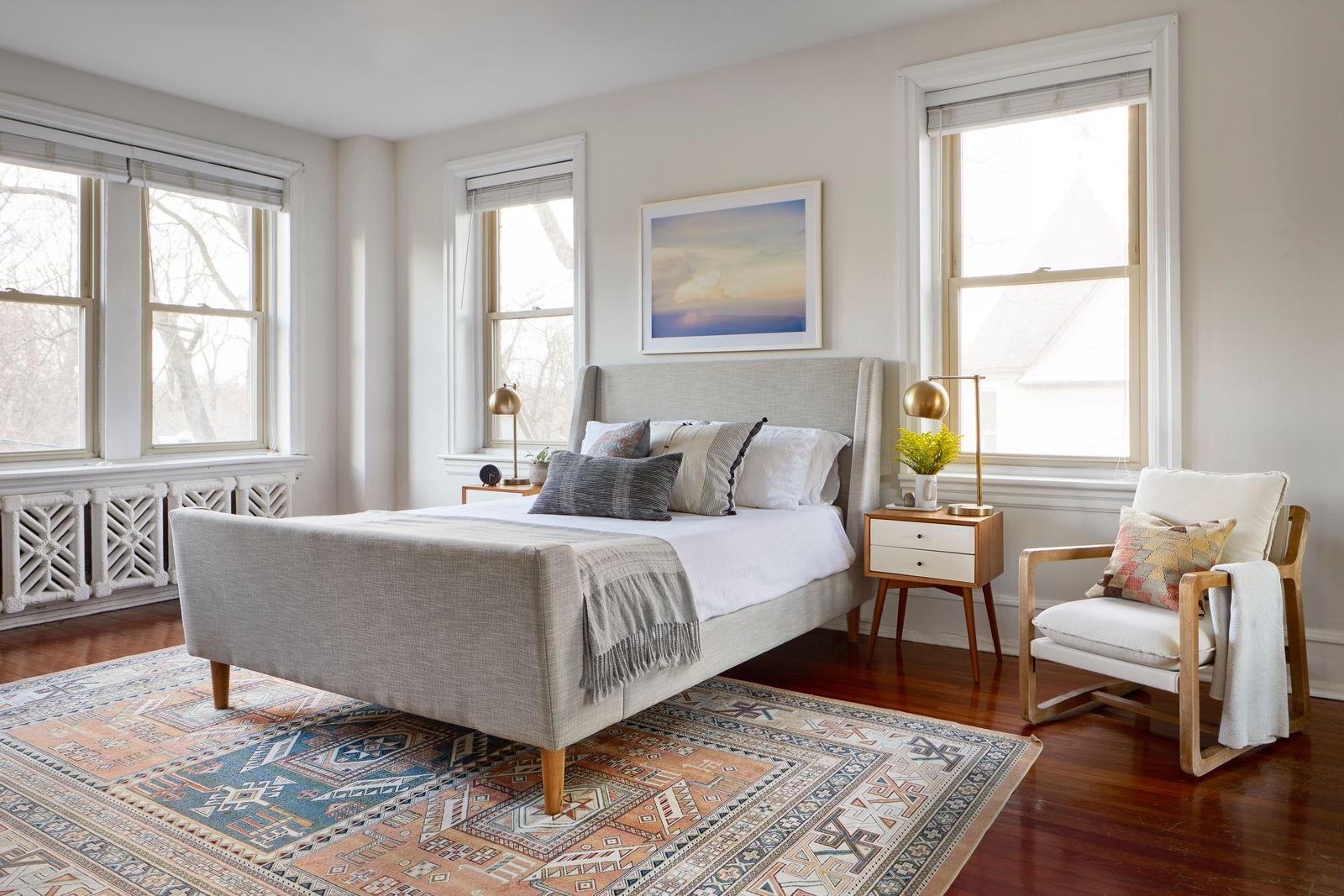
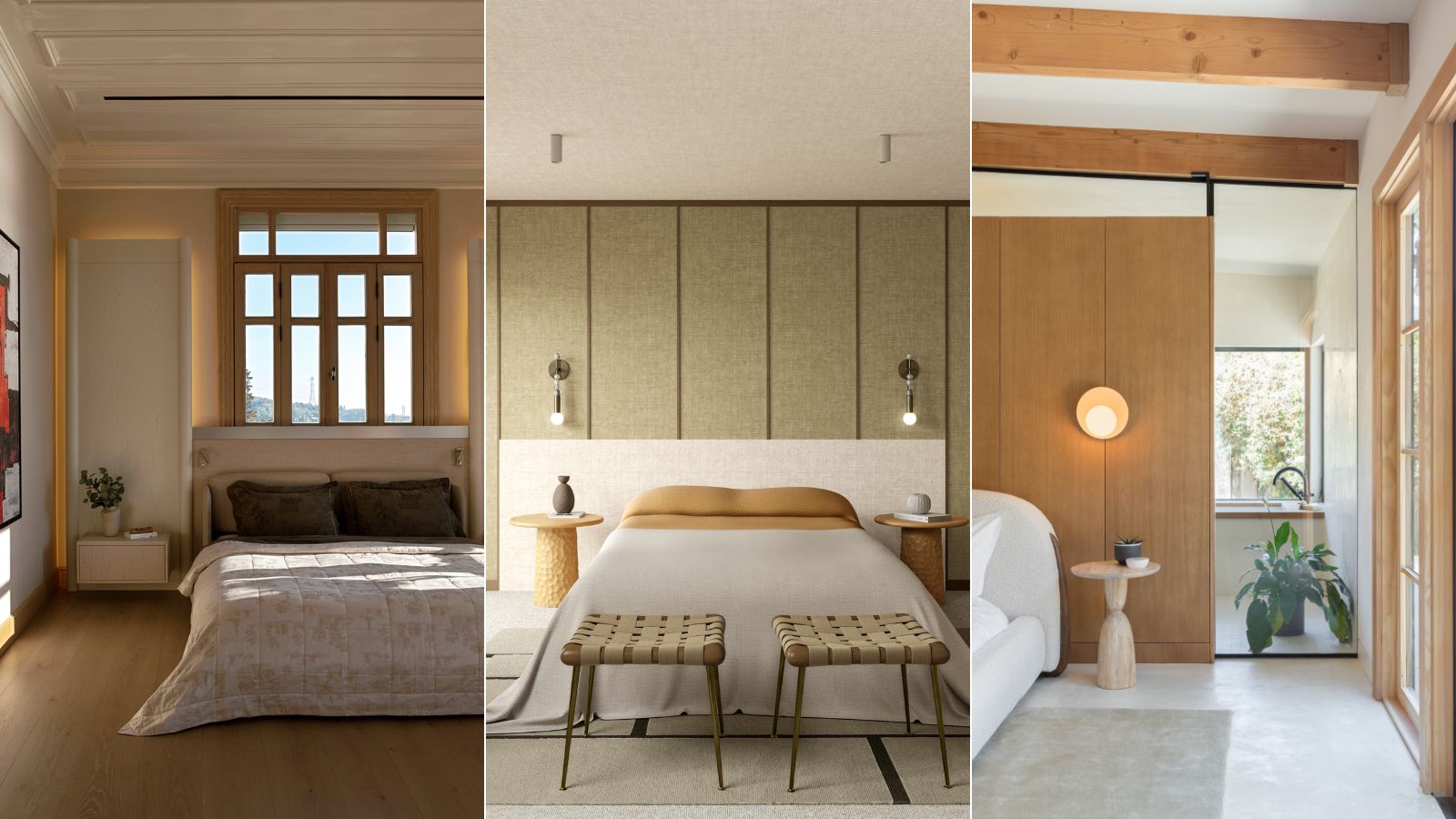
To successfully implement a Japandi bedroom, one should select subtle, nature-inspired tones, such as warm earthy neutrals, soft greens, and gentle blues. These colors form an ideal backdrop for layering various natural textures like wood, rattan, grasscloth, and linen. The foundation of a Japandi bedroom lies in well-made, functional furnishings that are simple yet elegant. This includes streamlined surfaces, integrated storage solutions, and discreet, low-profile beds and side tables, all of which contribute to a clean, spacious, and calming atmosphere. The design philosophy also prioritizes functional decor, such as books and ceramics, which are typically handmade and intended to last.
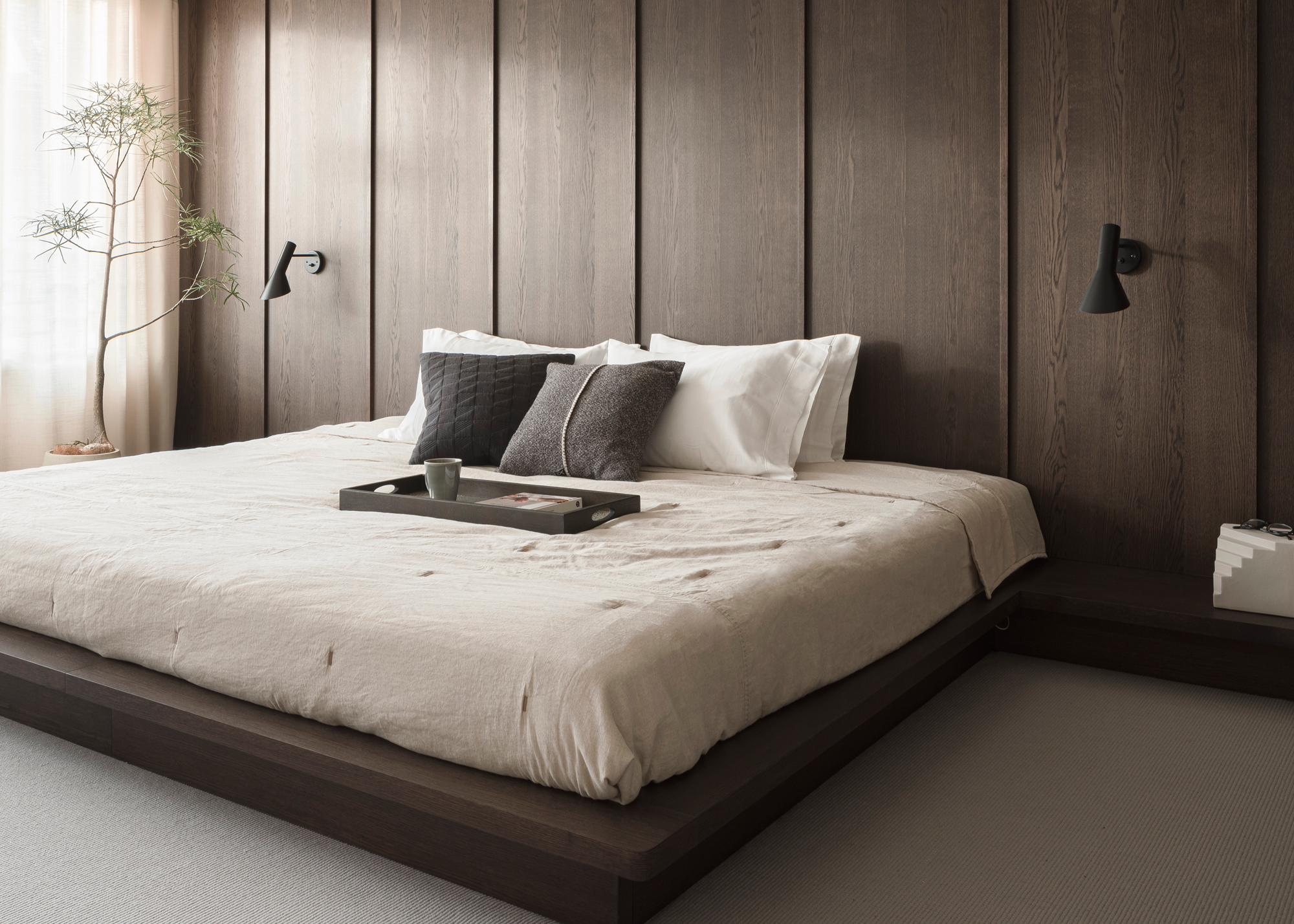
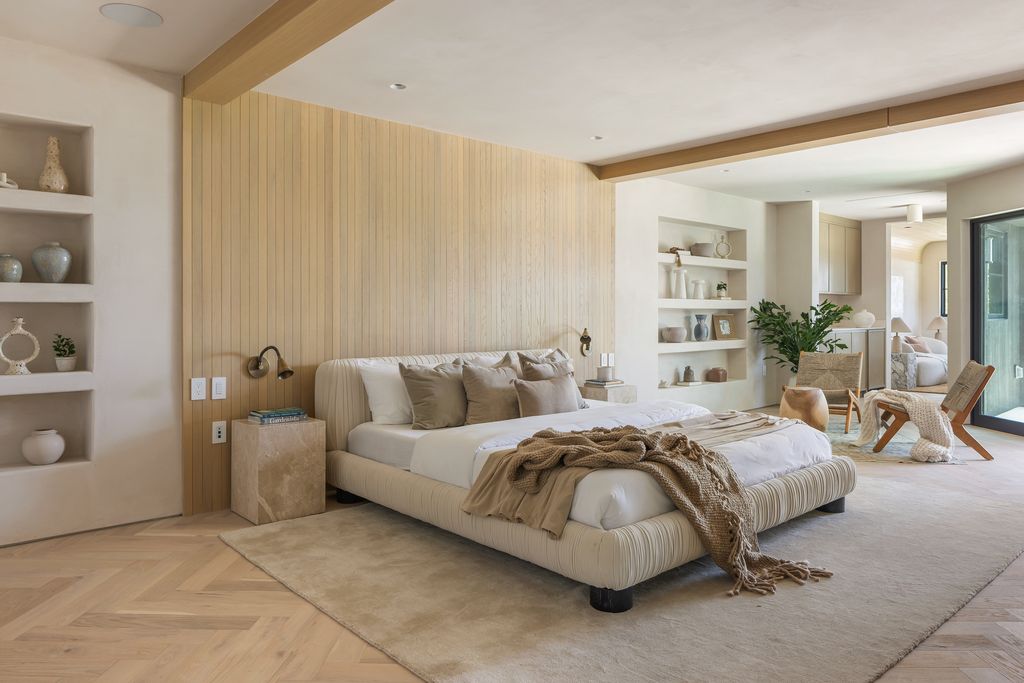
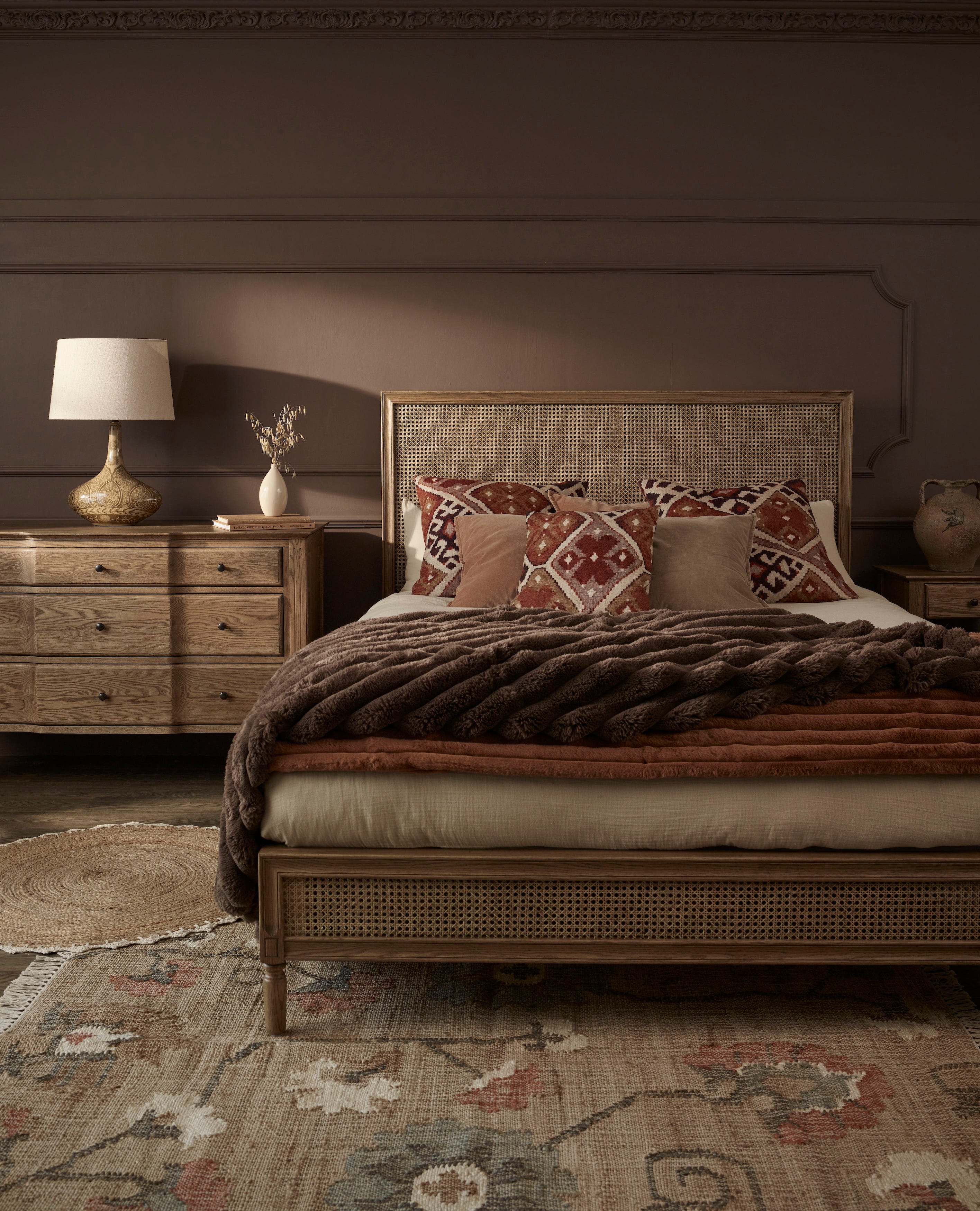
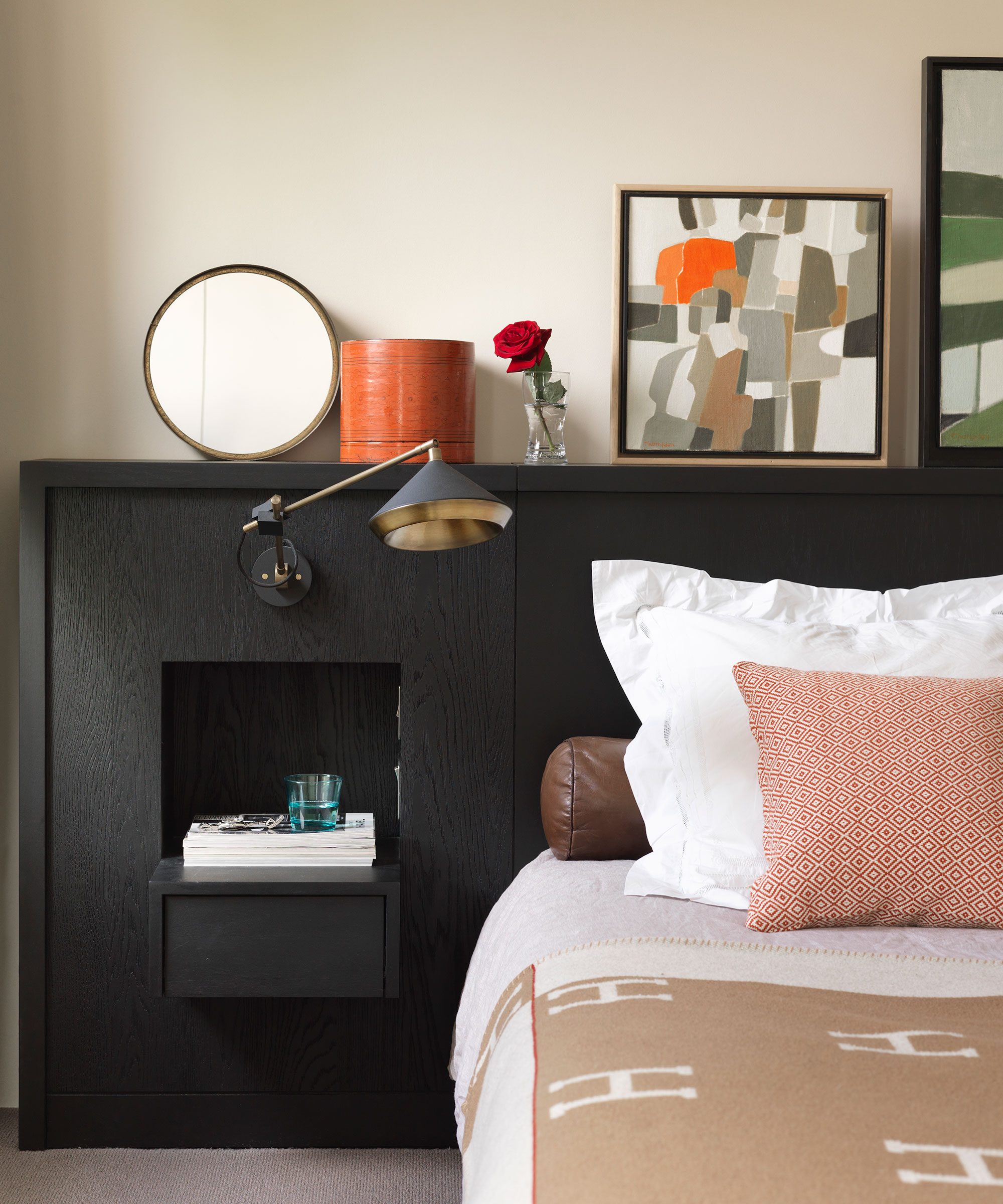
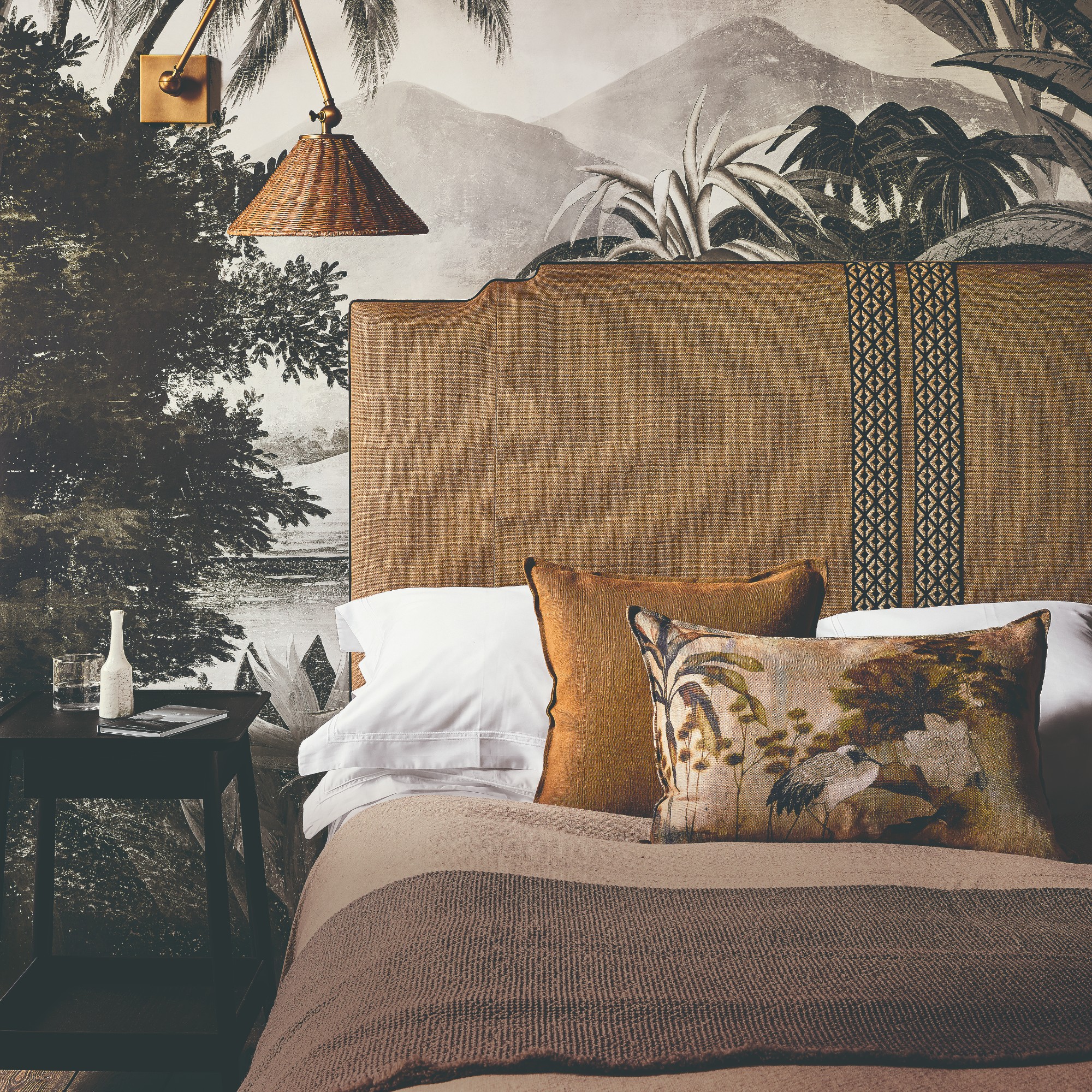
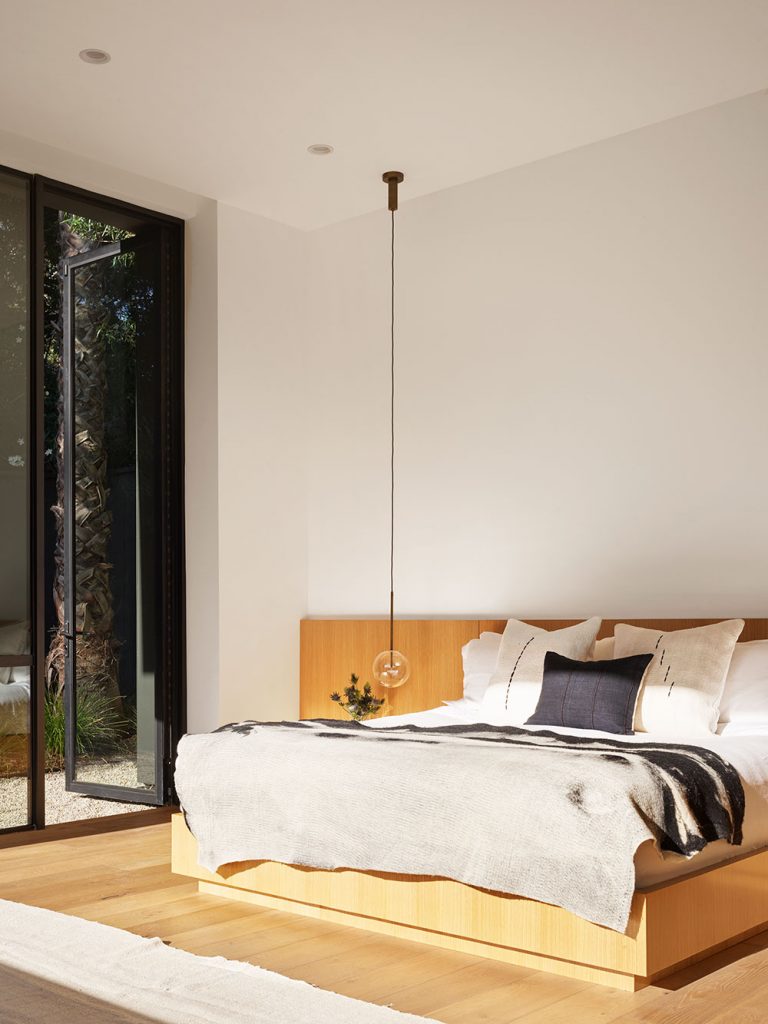
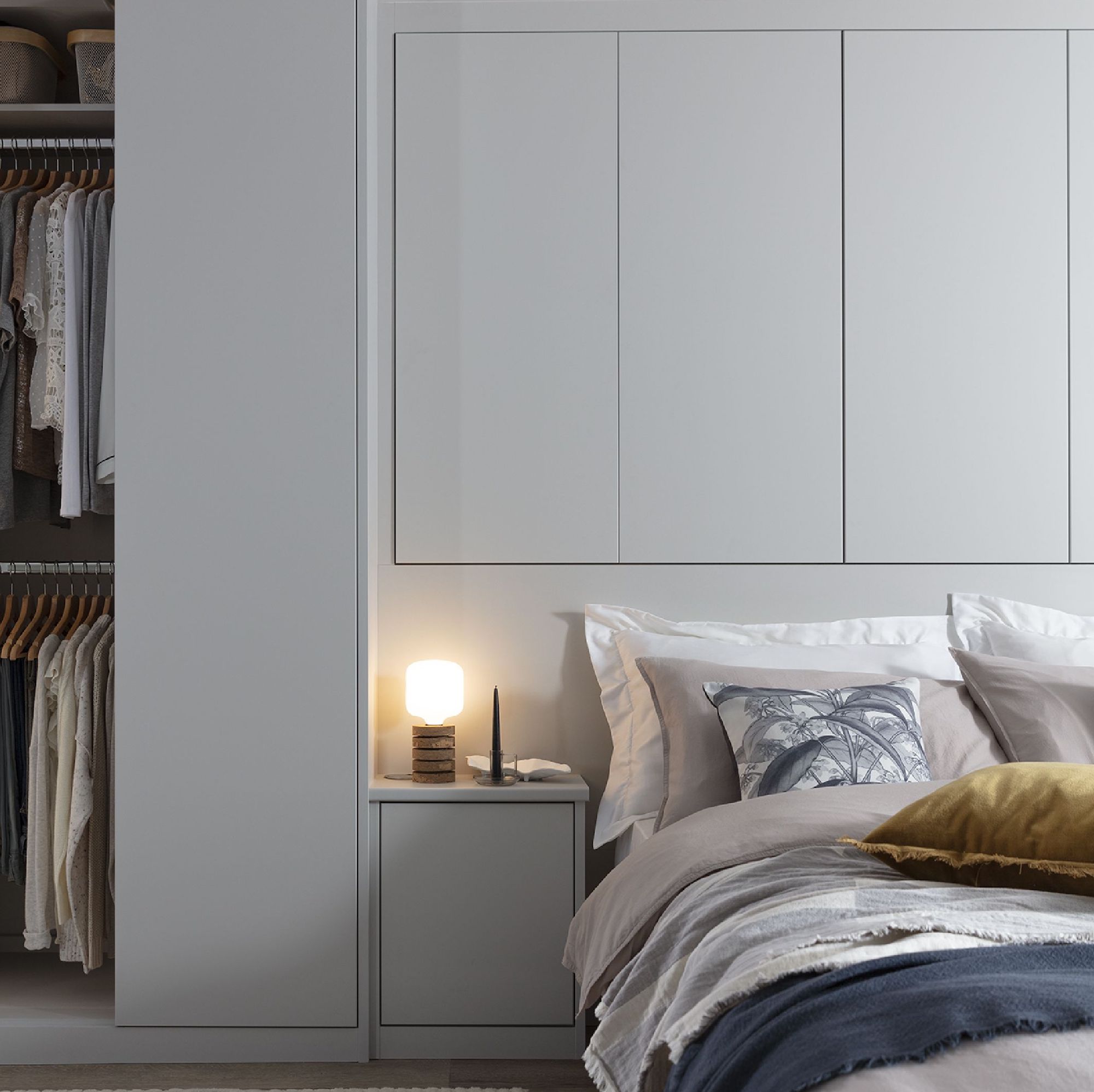
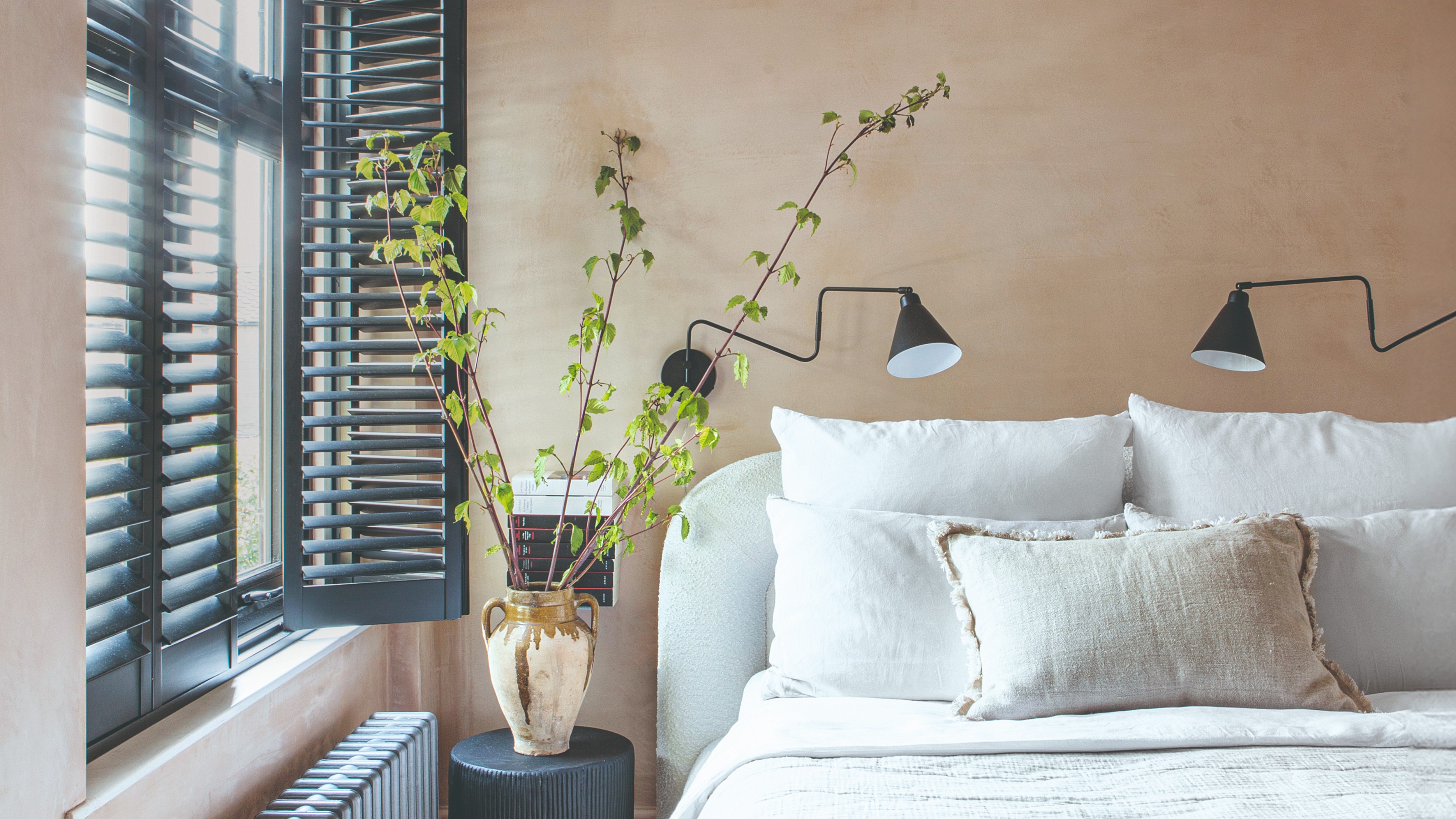
Incorporating wood is a key element in Japandi design, bringing a sense of nature and tranquility to the space. Integrated millwork, particularly in lighter woods like oak, can provide both warmth and hidden storage, essential for maintaining a clutter-free environment. While embracing natural materials, it is important to distinguish Japandi from rustic styles; furnishings should be refined and texturally rich rather than bulky or overtly rustic. Tactile and organic textures are crucial for adding warmth and coziness to neutral color schemes. Elements like rattan headboards or woven tapestries can introduce subtle patterns and focal points without overwhelming the minimalist aesthetic.
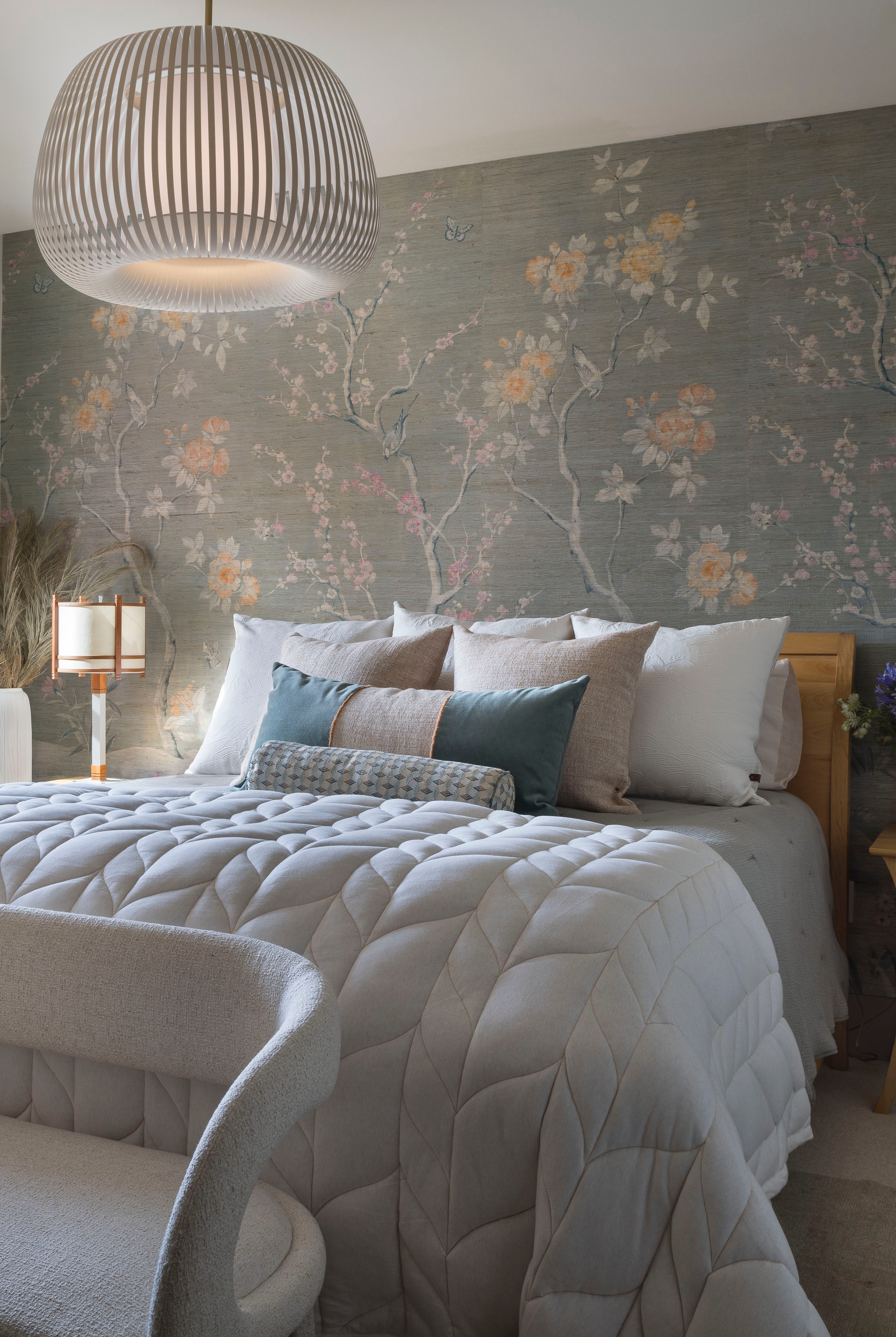
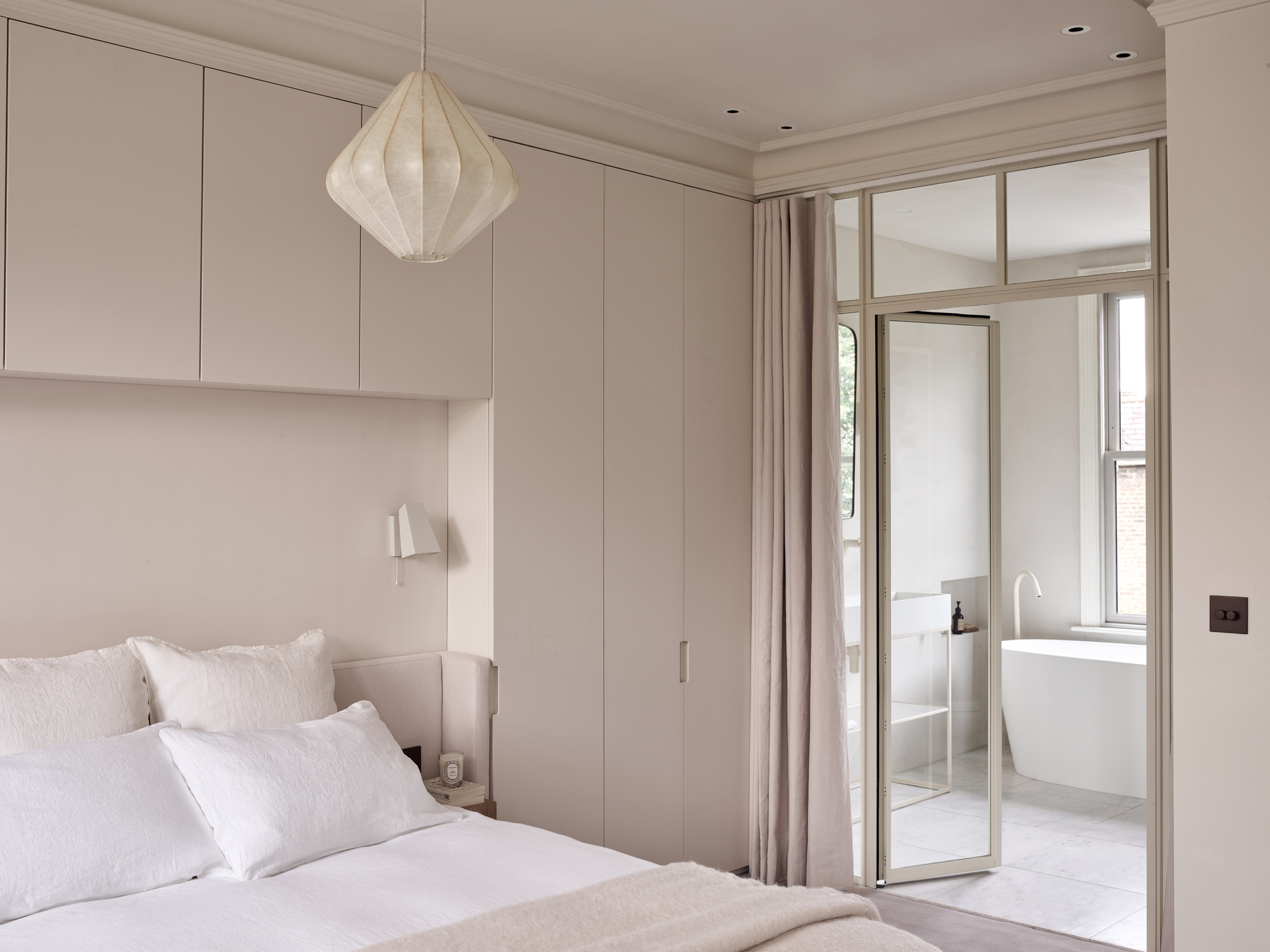
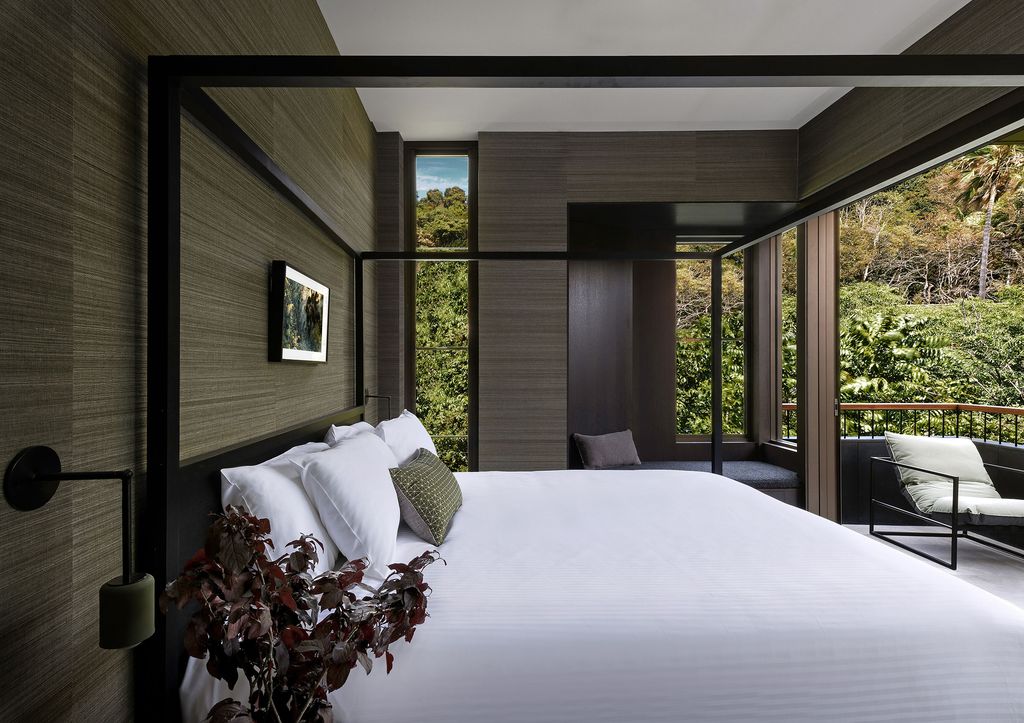
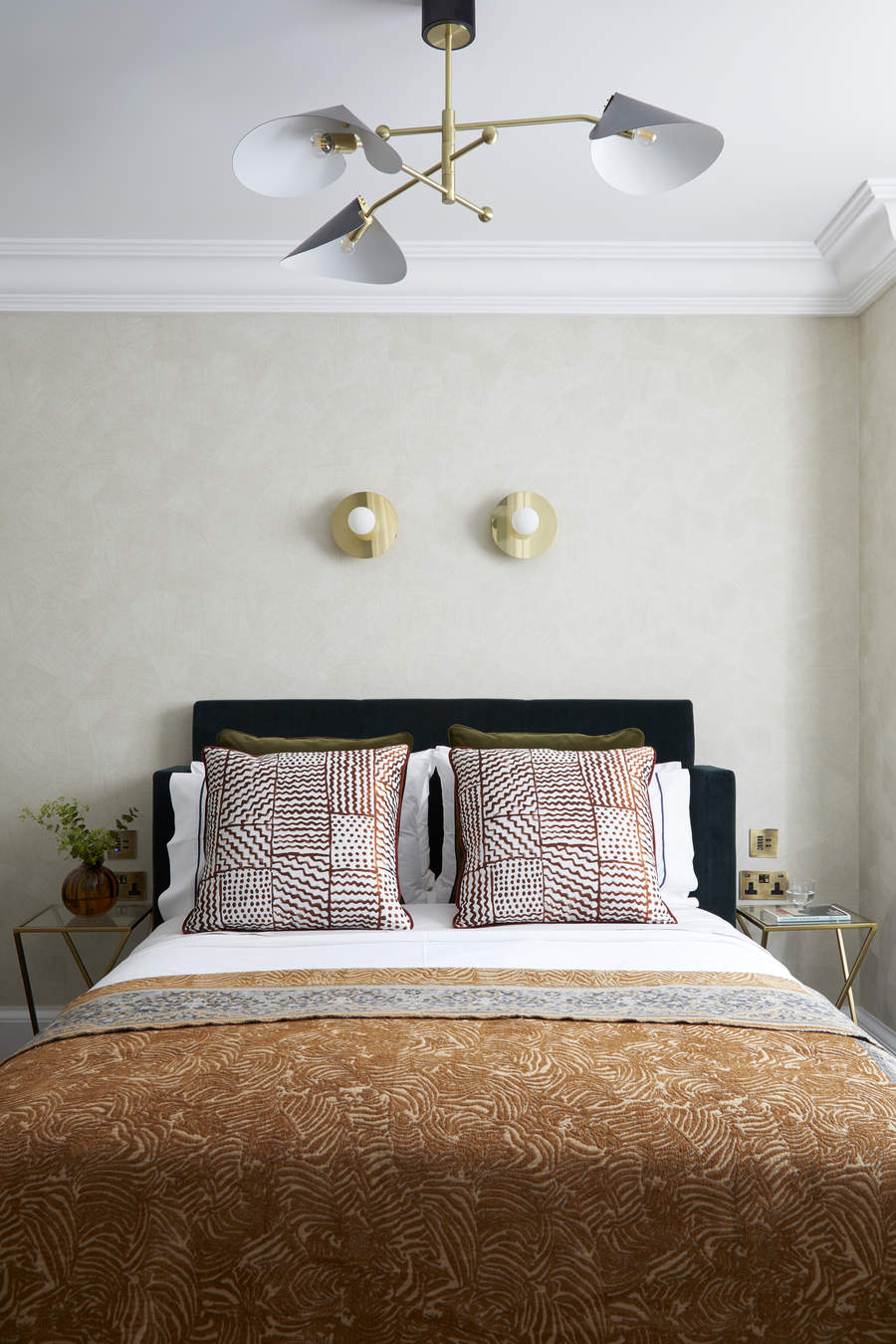
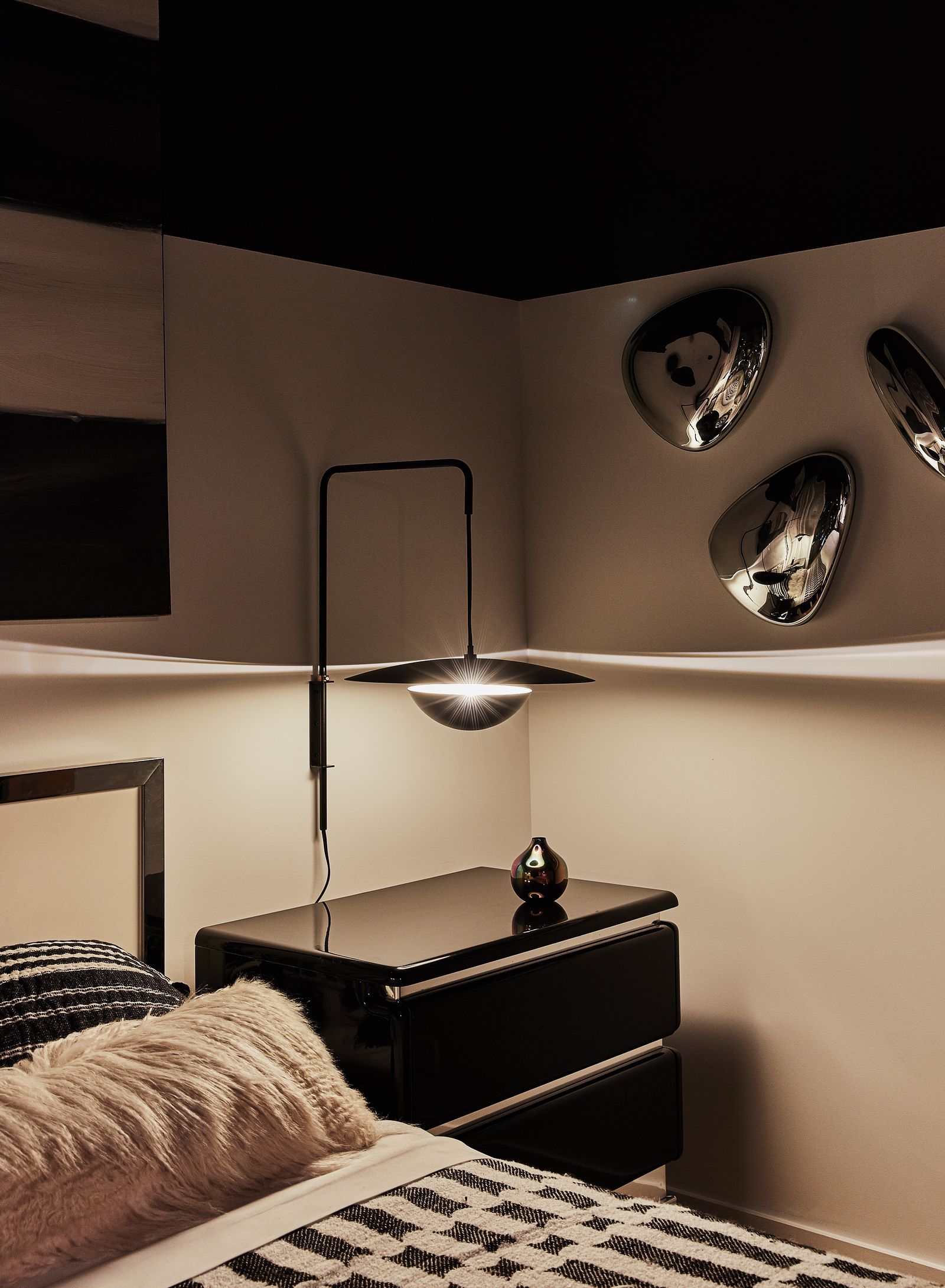
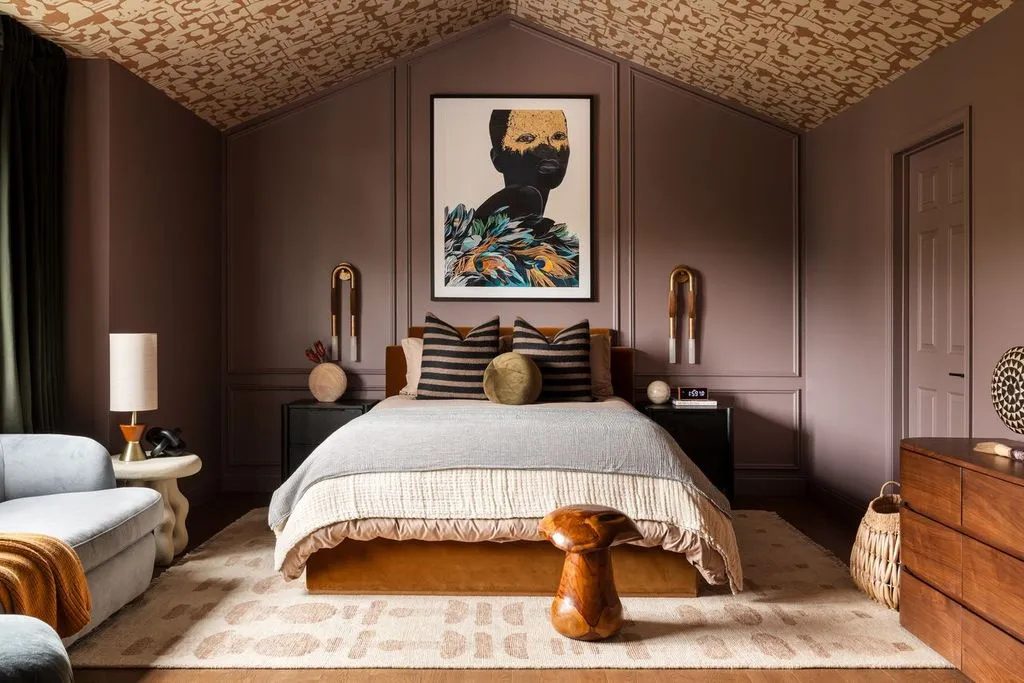
Minimalism is central to Japandi spaces, necessitating efficient storage solutions like walk-in wardrobes or fitted closets to keep the main bedroom area clear and serene. Furniture should be kept to a minimum, focusing on low-profile beds and slender side tables to enhance the sense of openness. Delicate, nature-inspired patterns, often found in fabrics or wallpapers, can add depth and visual interest without detracting from the overall calm. Textured wallpapers, such as those made from brushed suedes or grasscloths, contribute gentle warmth and organic appeal. Thoughtful lighting, particularly ambient lighting integrated into architectural features, helps maintain a clean, minimalist look by eliminating visible wires and lamps.
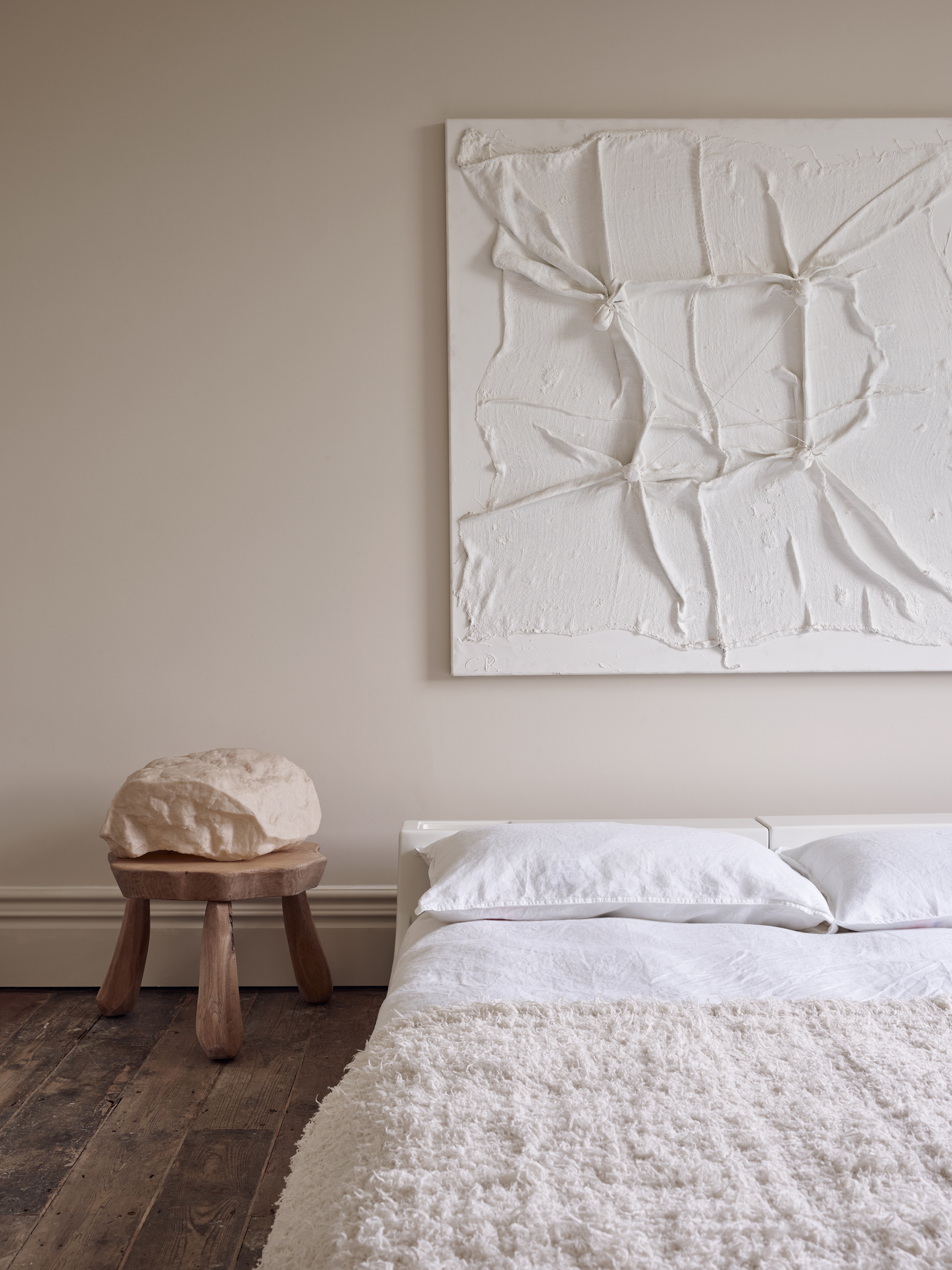
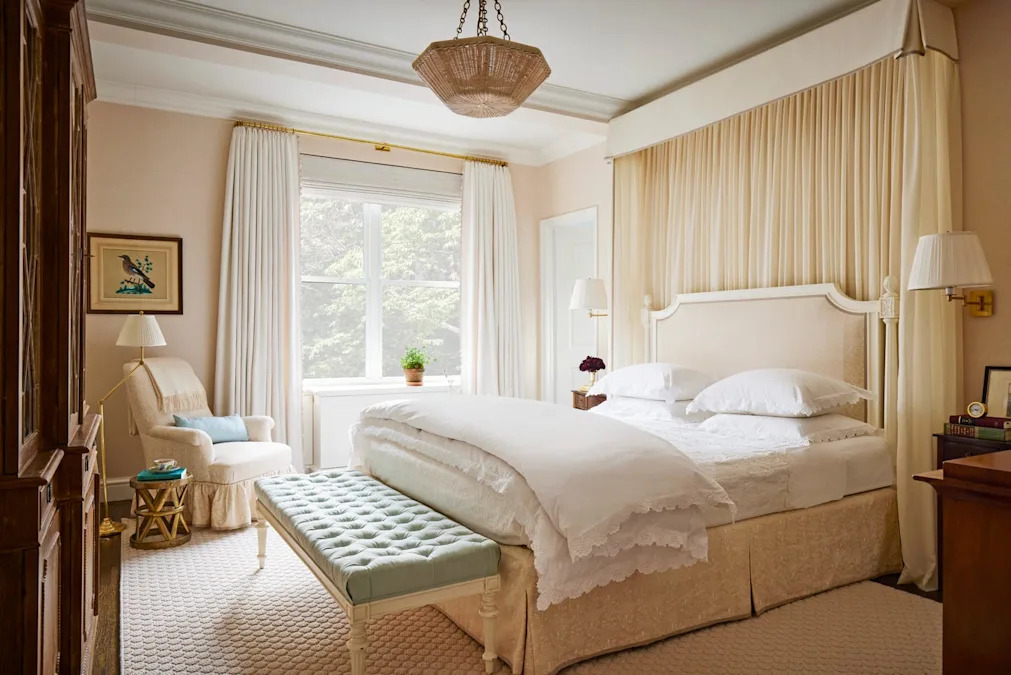
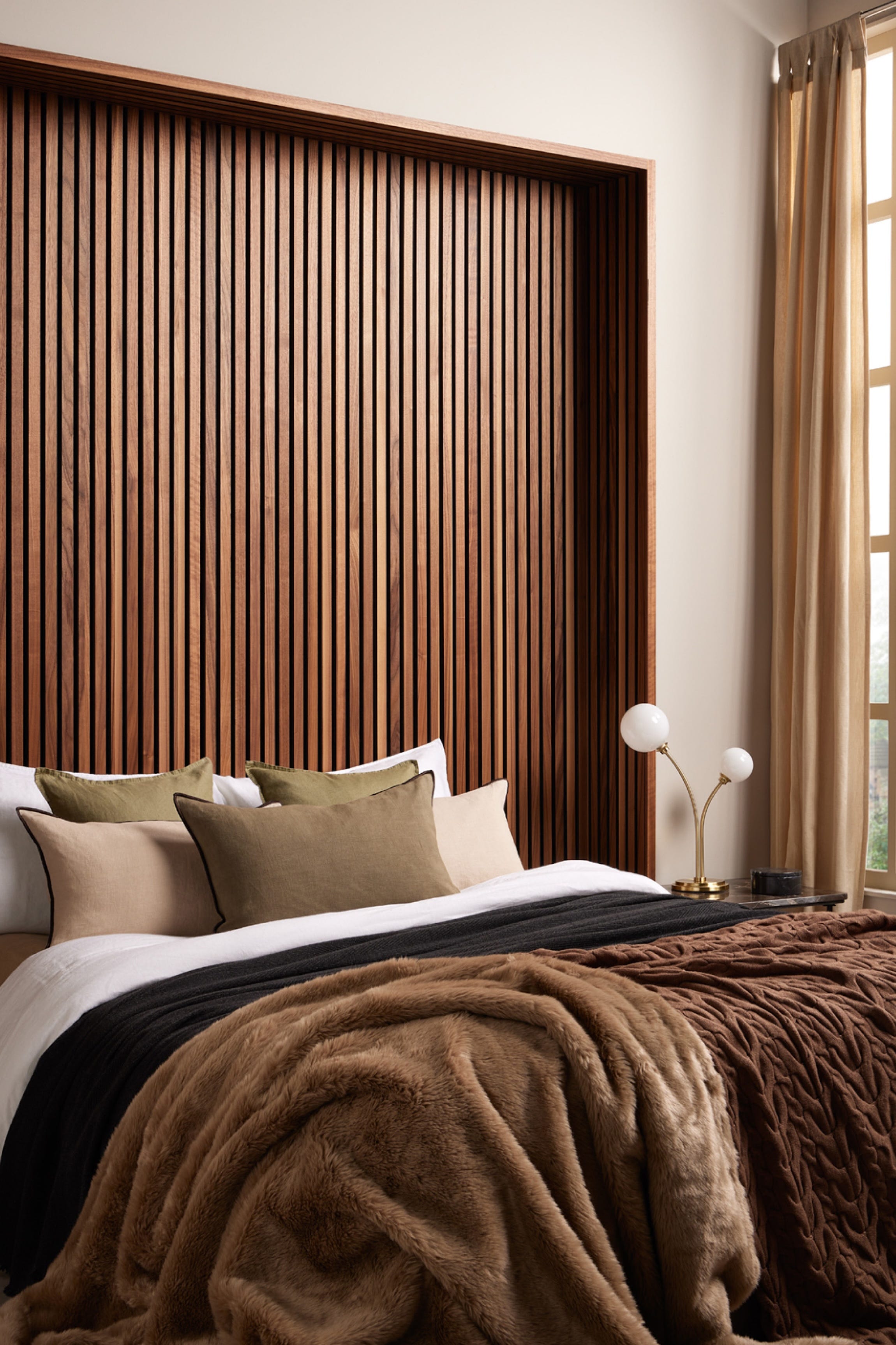
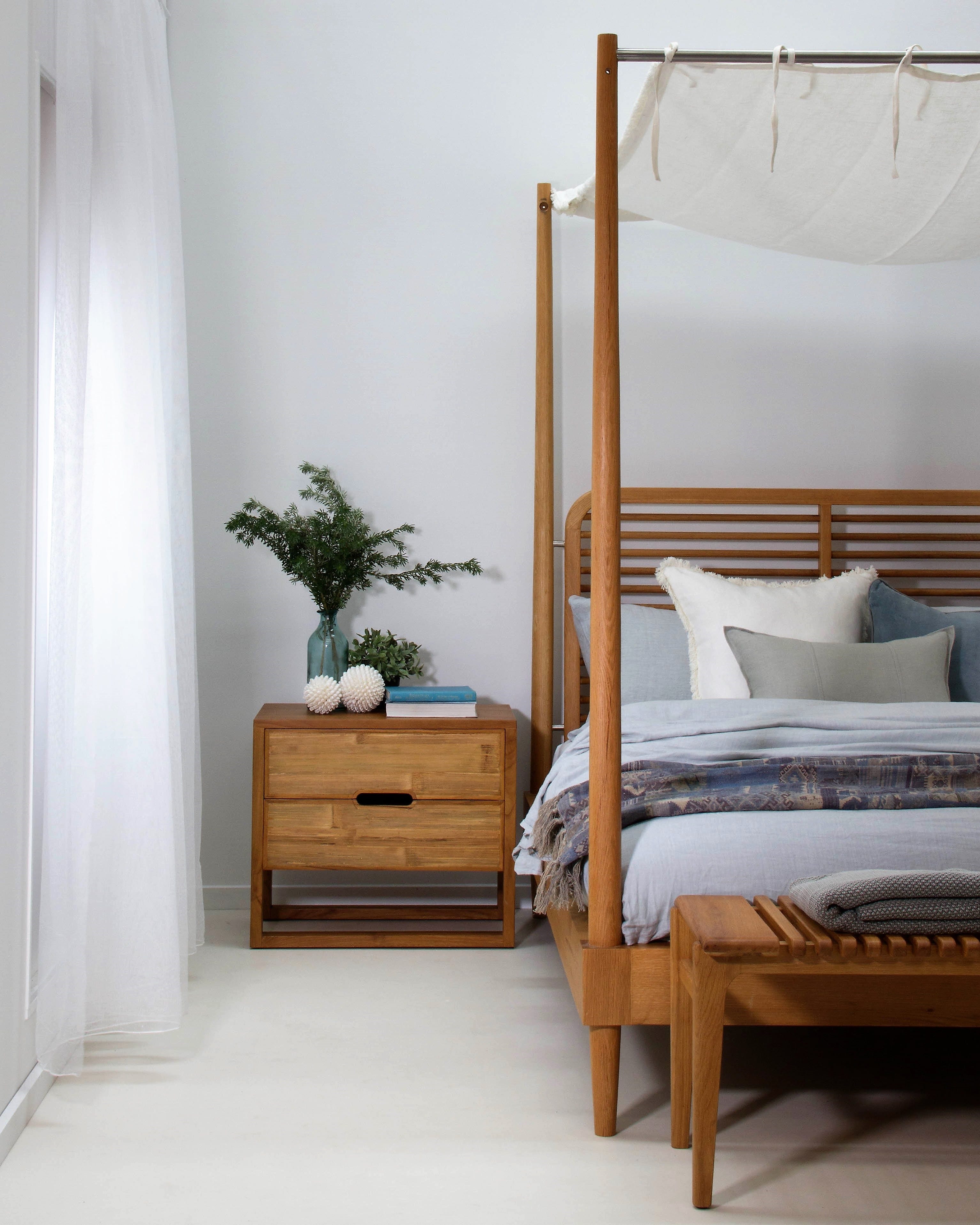
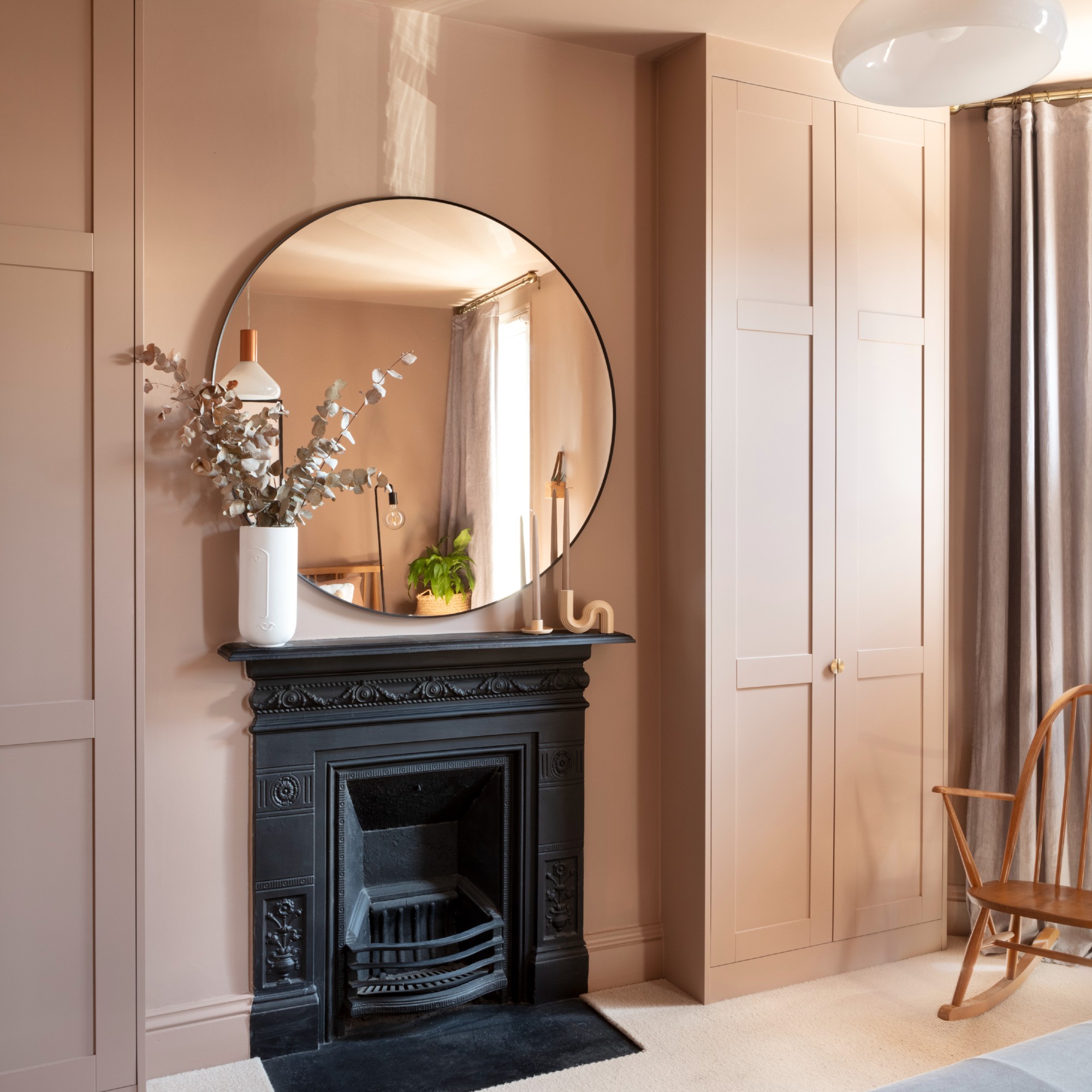
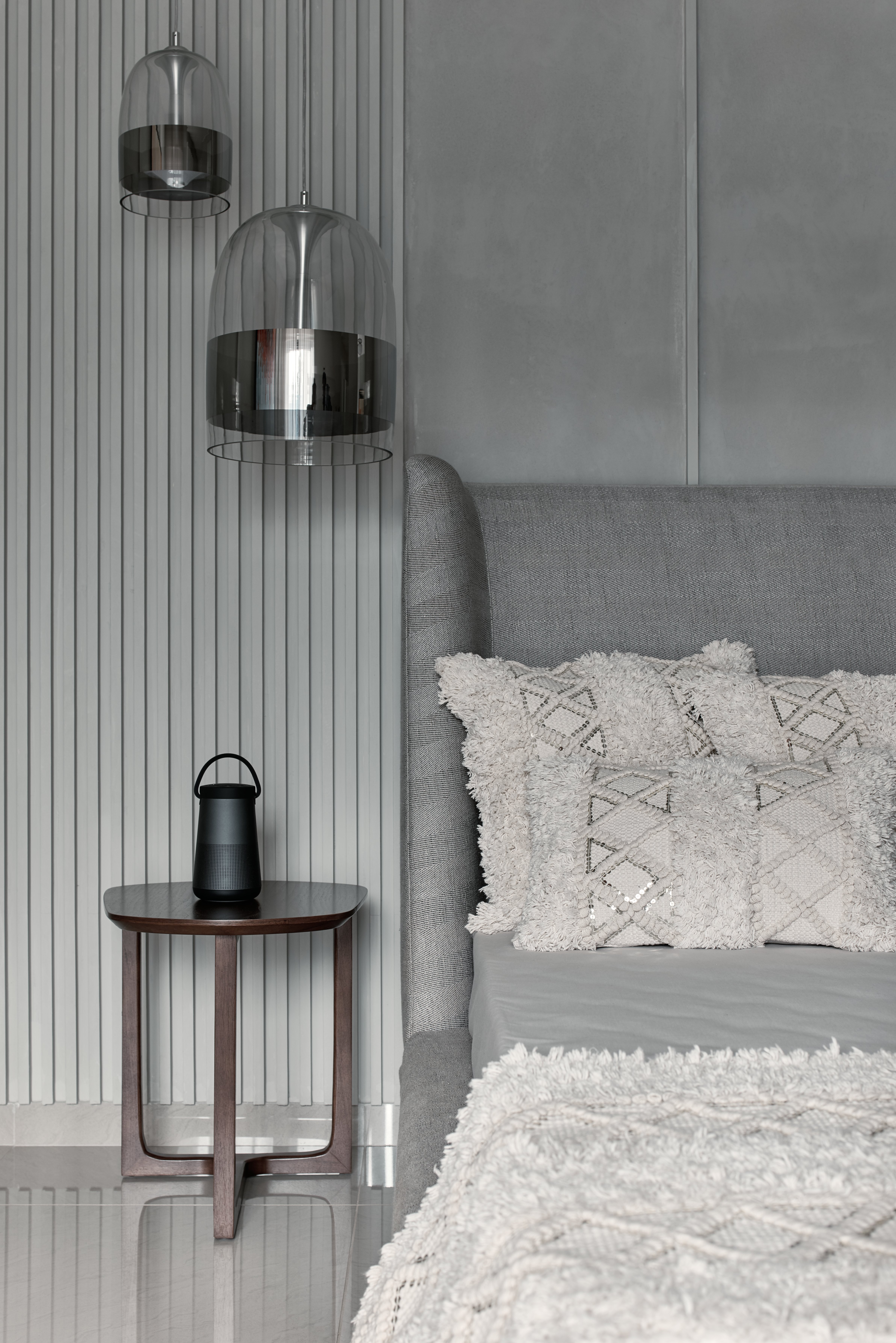
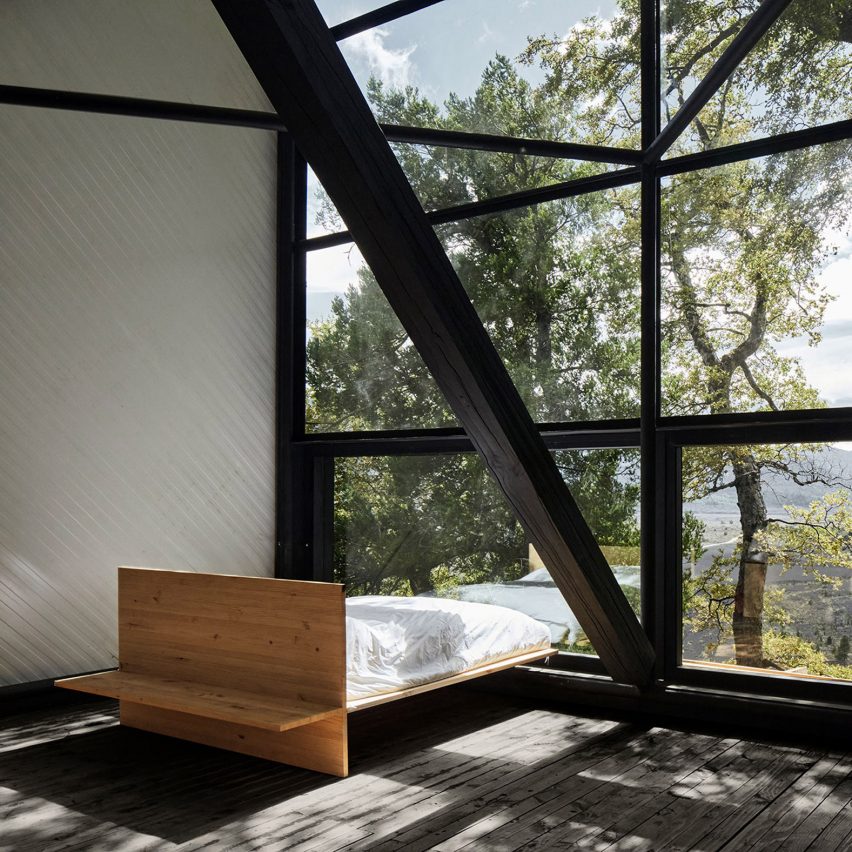
Geometric shapes and straight lines are also prominent in Japandi design, reflecting values of simplicity and balance. This can be seen in slatted headboards or subtle geometric wallpaper patterns. A distinctive feature of Japandi bedrooms is the use of low beds, which make spaces feel more open and airy while connecting to traditional Japanese practices of living closer to the floor. This choice fosters a grounded and mindful experience, aligning with the wabi-sabi philosophy of appreciating natural imperfections and simplicity. The use of warm, earthy color palettes, like pinkish-browns, further enhances the cocooning and serene atmosphere of a Japandi bedroom. #JapandiStyle #BedroomDesign #InteriorDecorating #Minimalism #ScandinavianDesign #JapaneseAesthetic #NaturalMaterials #SereneSpaces #HomeDecor
0 commenti in totale
 Nessun commento ancora
Potresti anche gradire
12 Japandi Bedroom Ideas That Bring Harmony to Your Personal Space

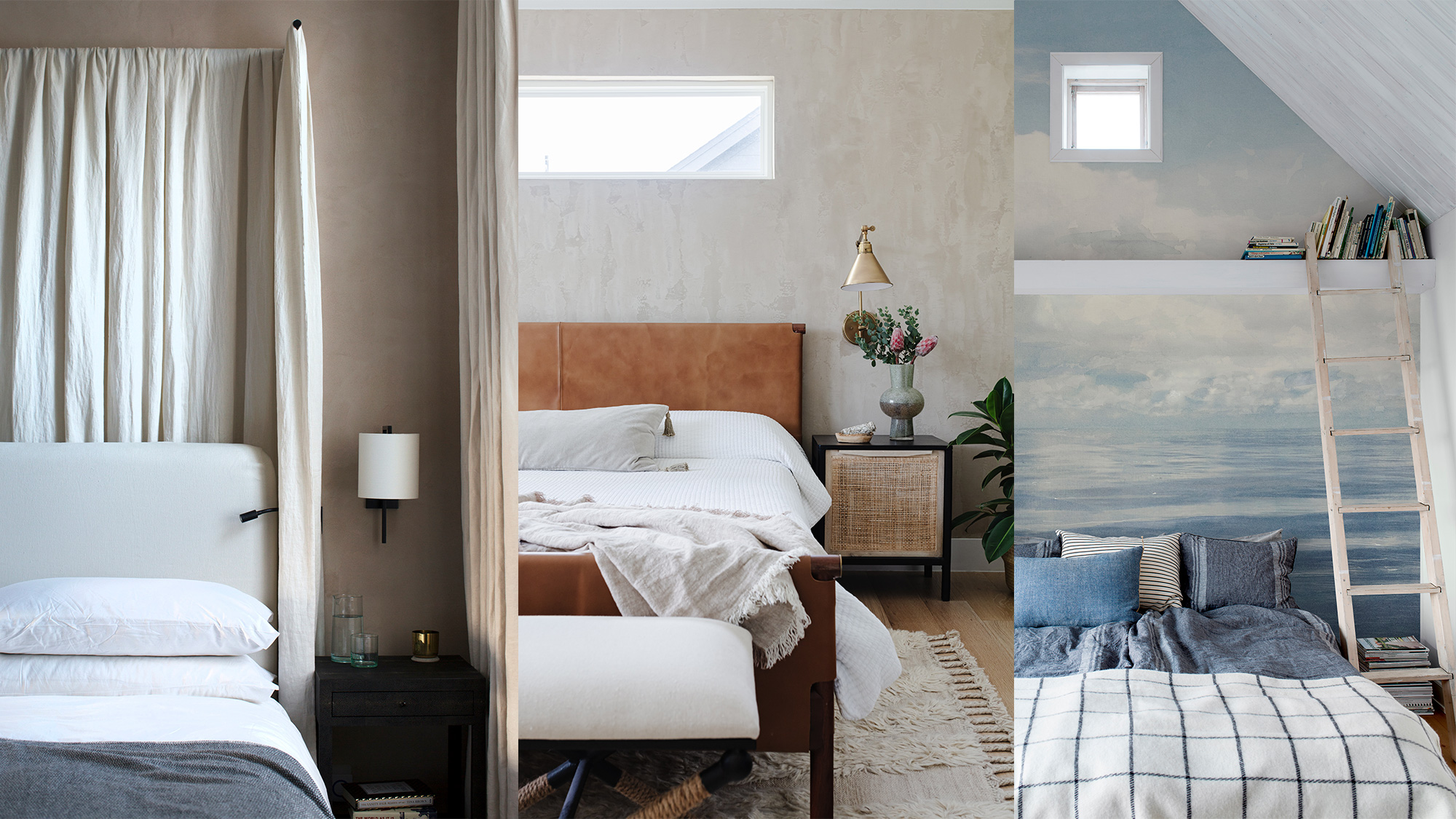
Cool bedroom ideas – 11 schemes that blend style with comfort

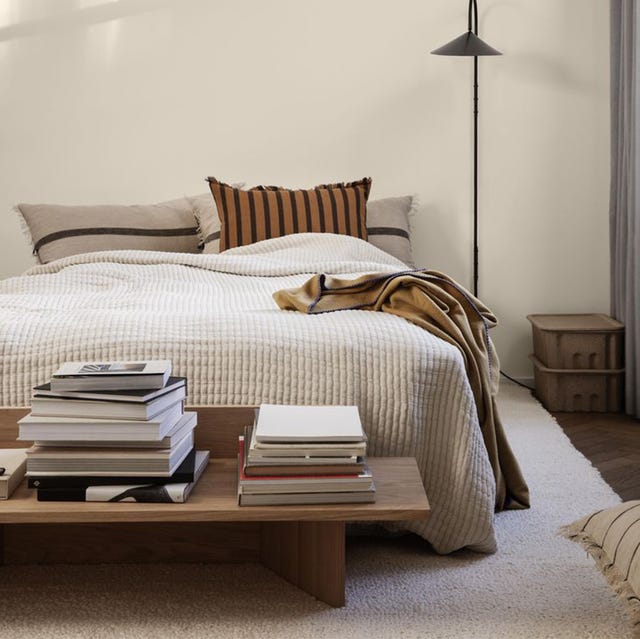
11 understated Scandi bedroom ideas to try in 2024
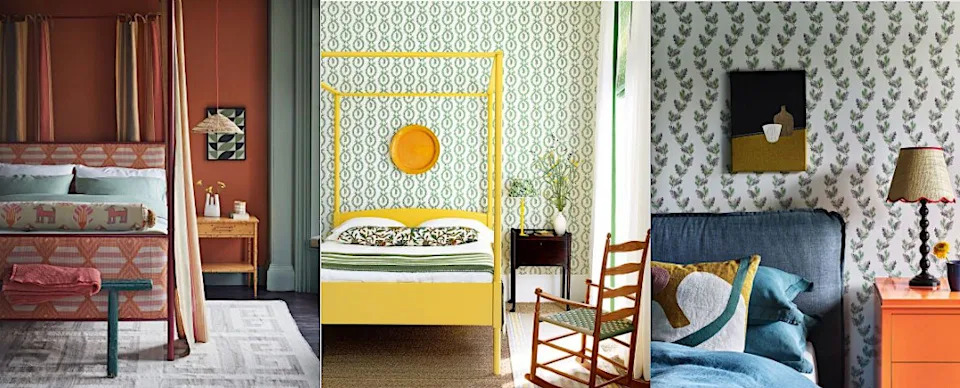
Bedroom ideas to furnish your space stylishly

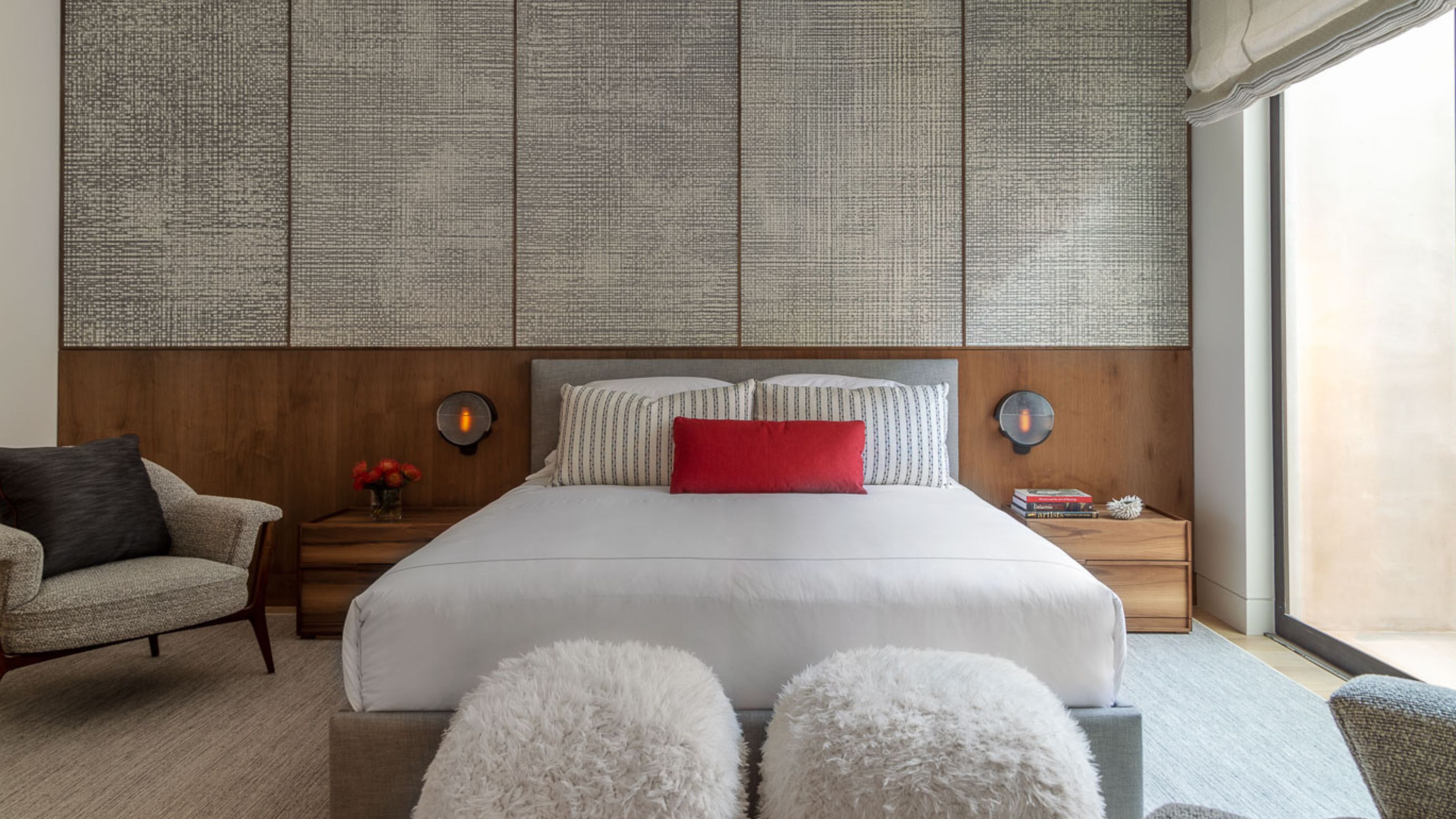
8 Japandi Bedrooms I Dream of Sleeping In — Minimalist and Cozy, They've Got to Be the Most Relaxing Spaces

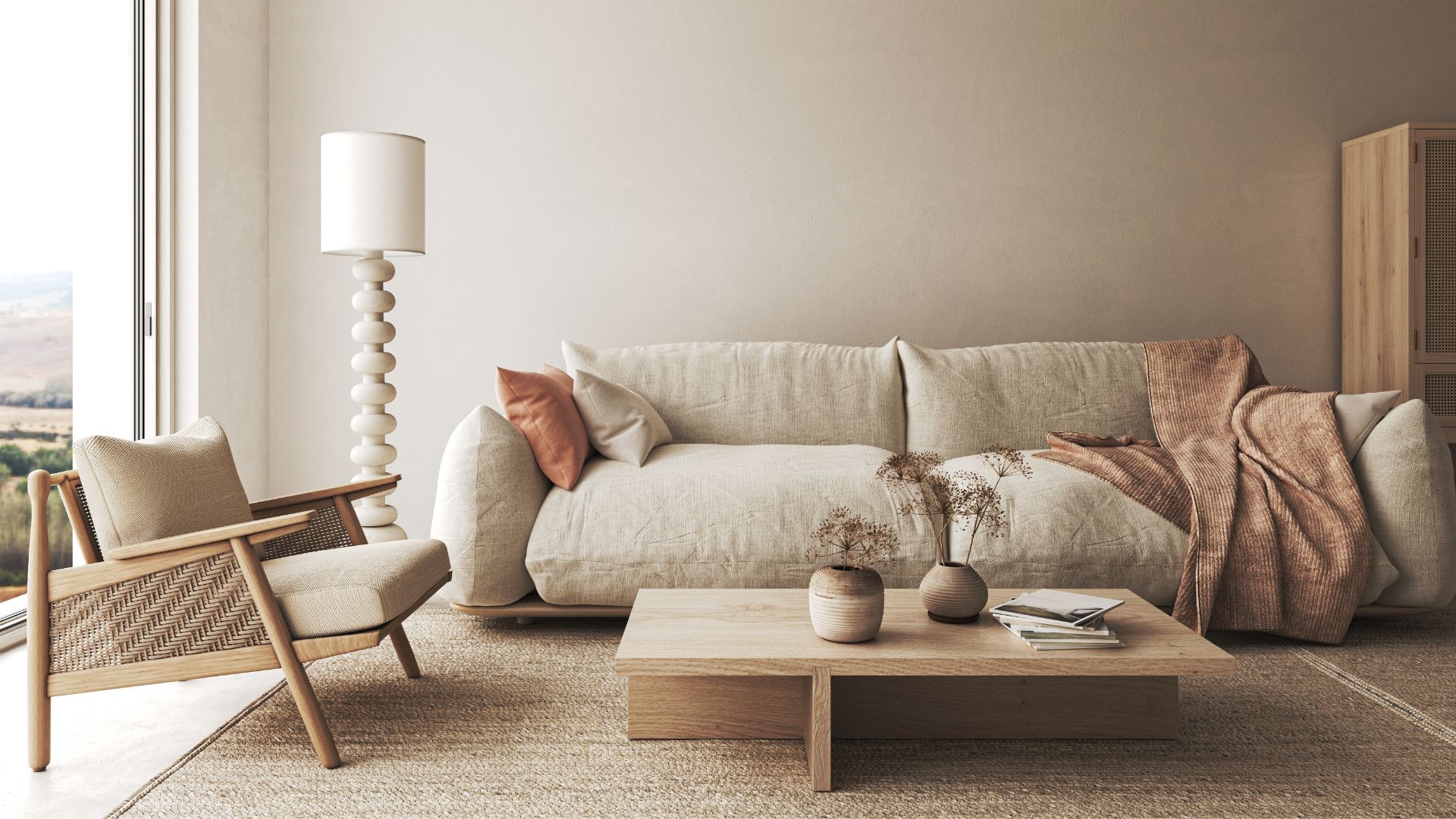
10 essential Japandi living room design tips to create a sense of calm and restfulness

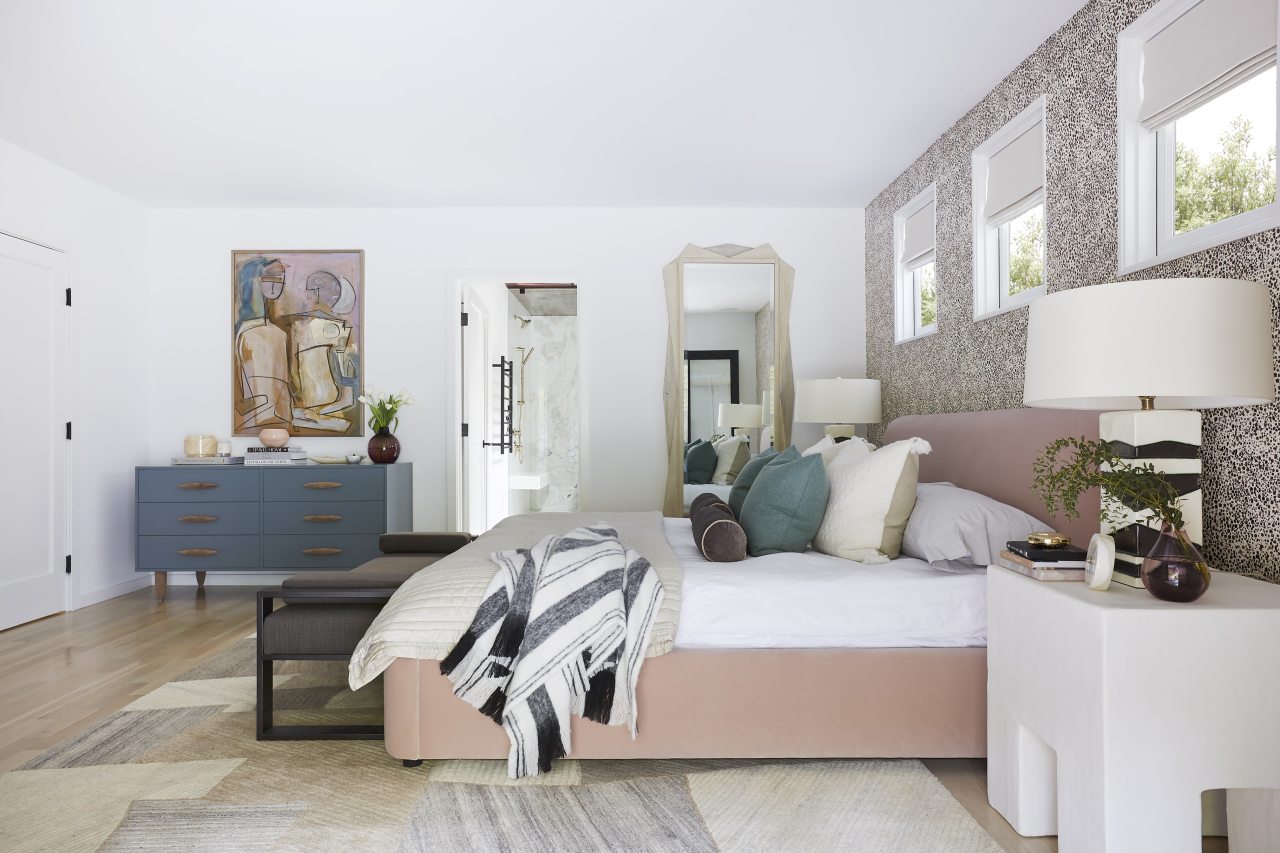
Bedroom Design Ideas: Make It Chic, but Still Restful

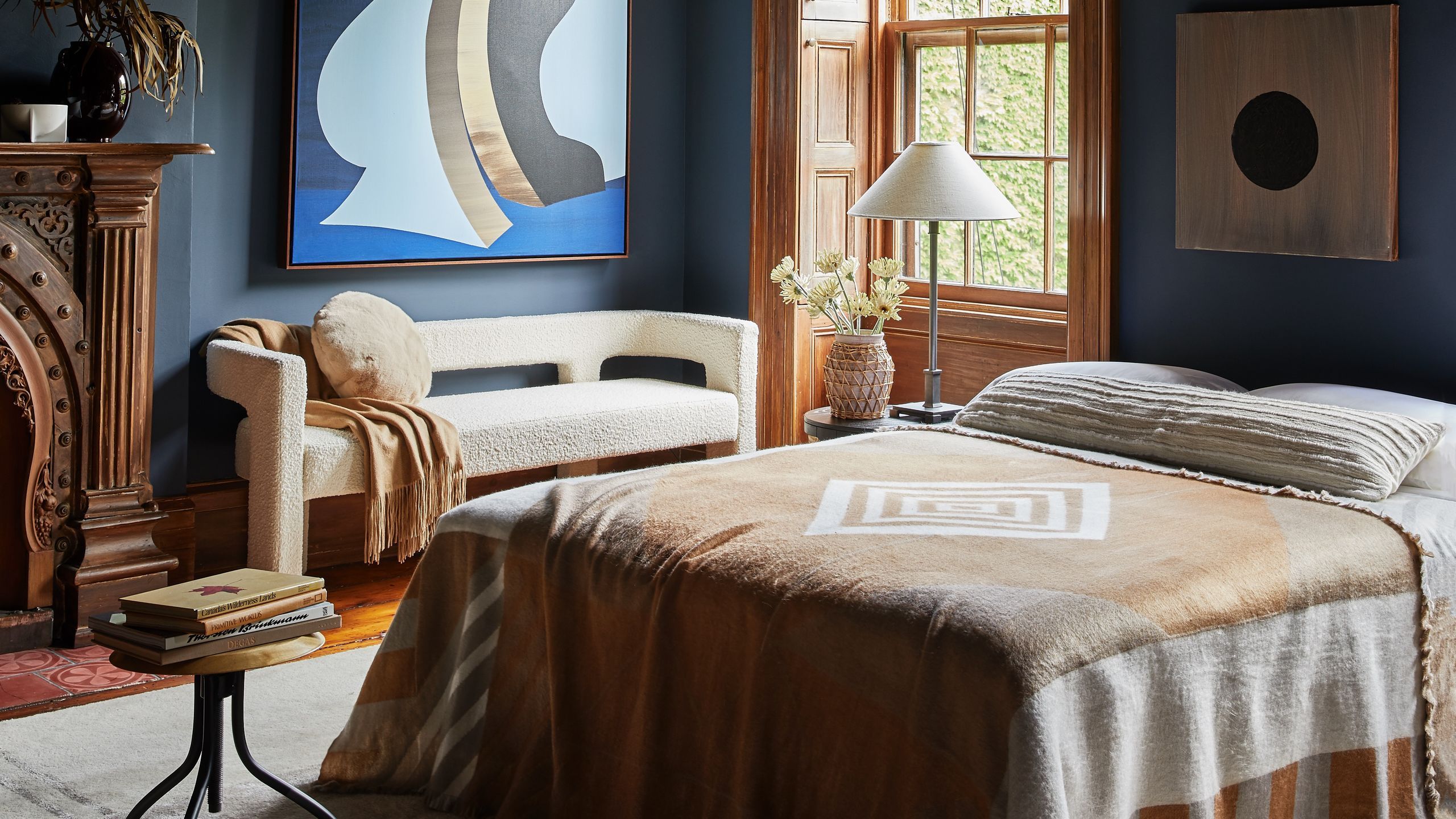
9 bedroom design ideas designers swear by

37 Modern Bedroom Design Ideas With Sleek and Serene Style

11 Bedroom Layout Ideas That Make Any Space Feel Serene and Stylish
18 dreamy bedroom colour ideas to create a rest-promoting, stylish space
Relaxing Bedroom Ideas with Simple Bedding Essentials
16 Relaxing Bedroom Decor Ideas to Make Your Sleep Space as Serene as Possible

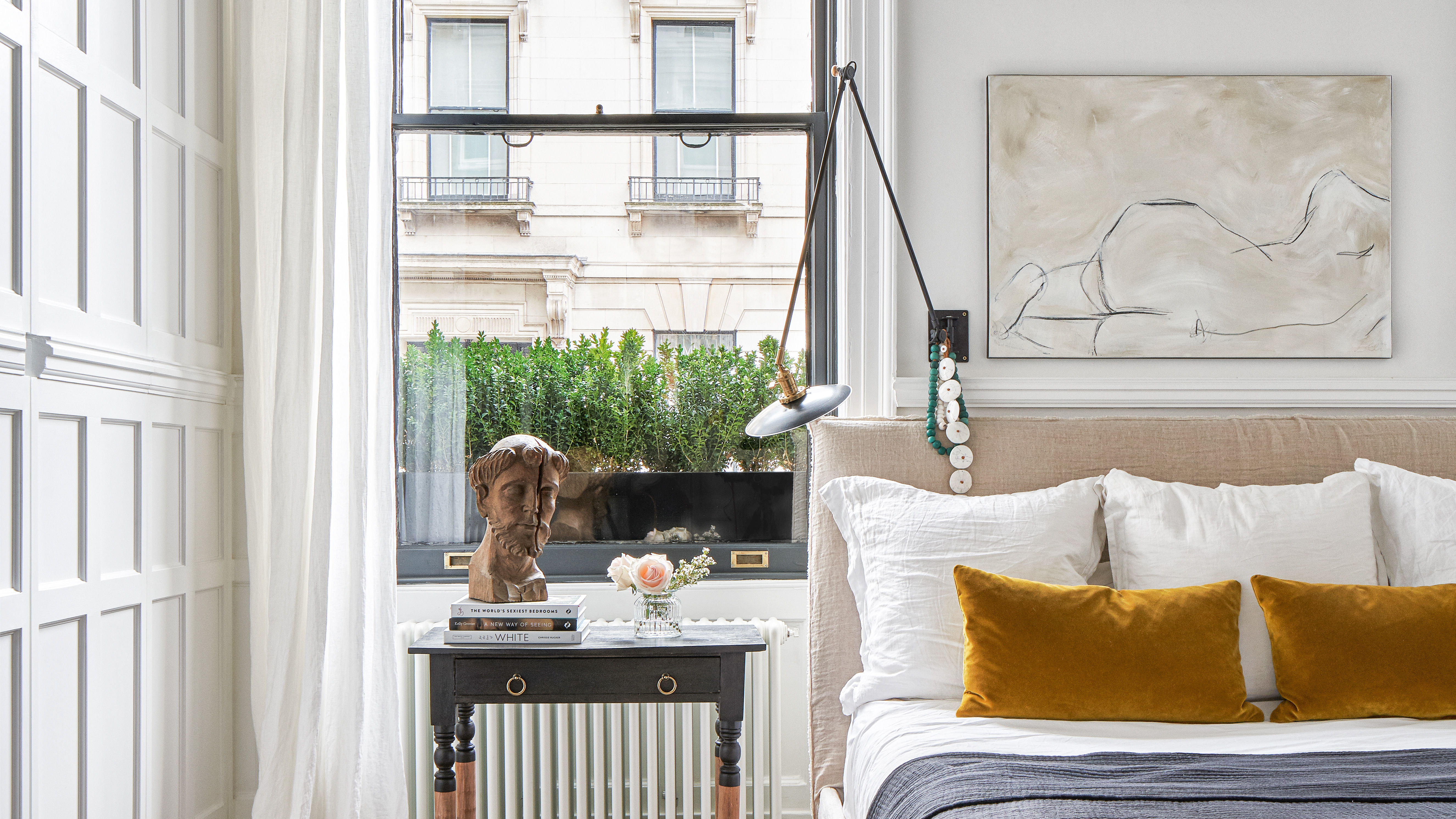
Scandinavian bedroom ideas – 10 looks to create a stylish cocooning space
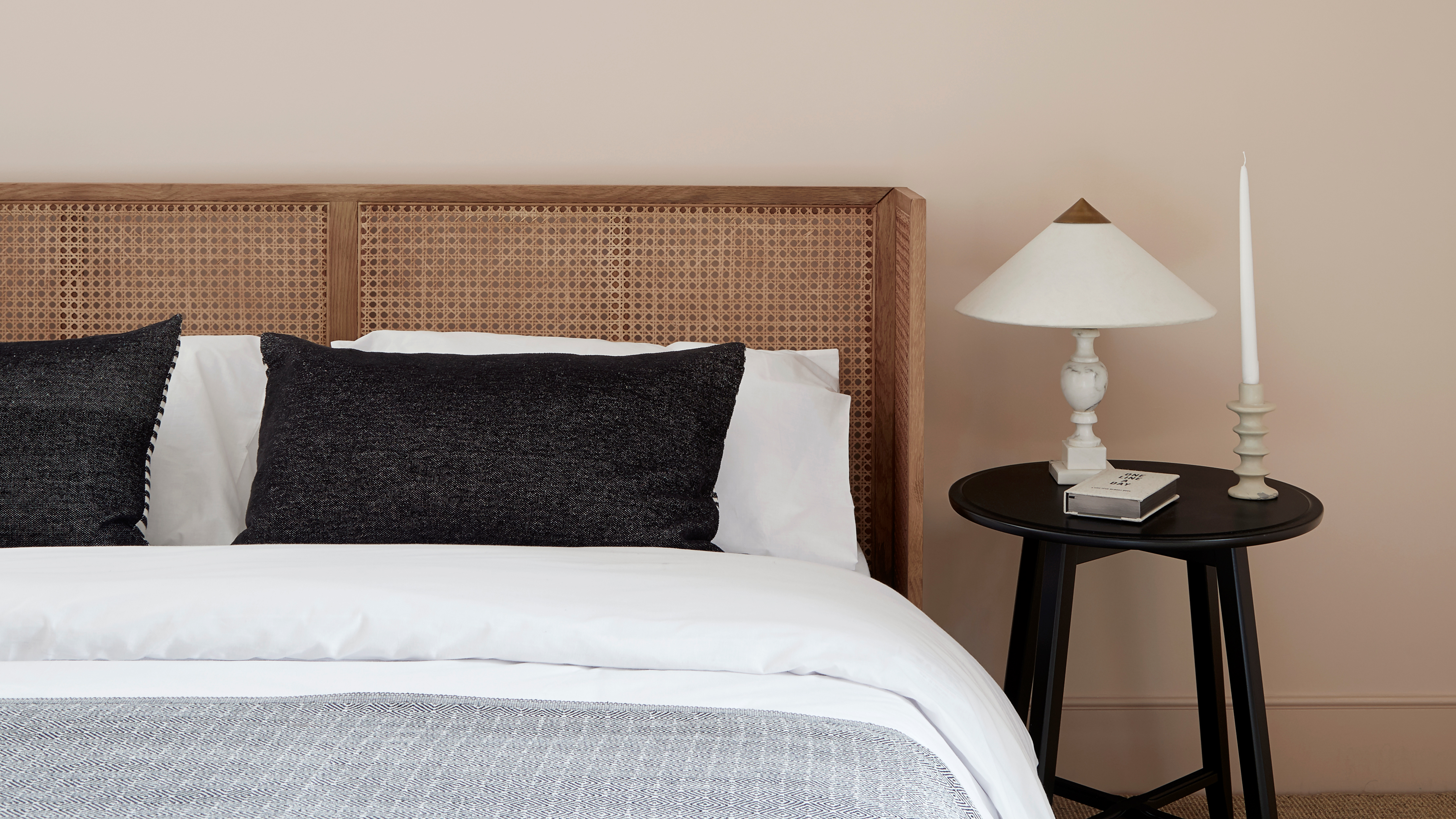
Bedroom Feng Shui – 10 tips for creating a zen-like space to encourage sleep

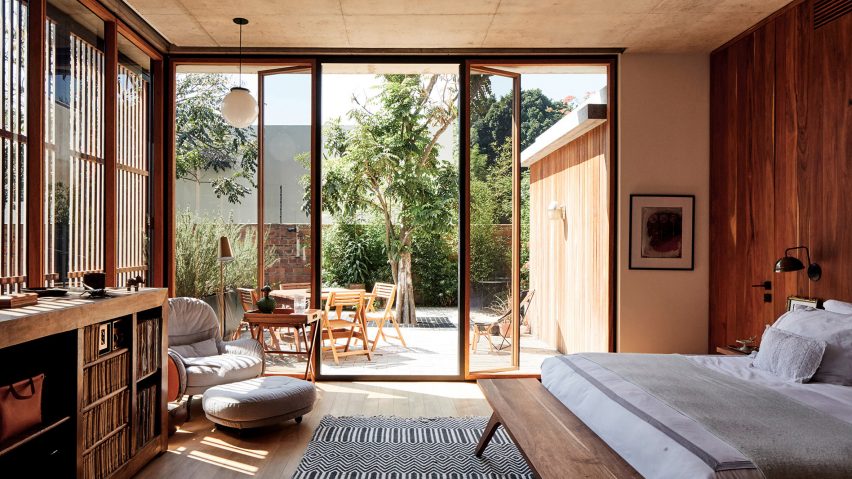
Ten peaceful bedrooms designed by architects

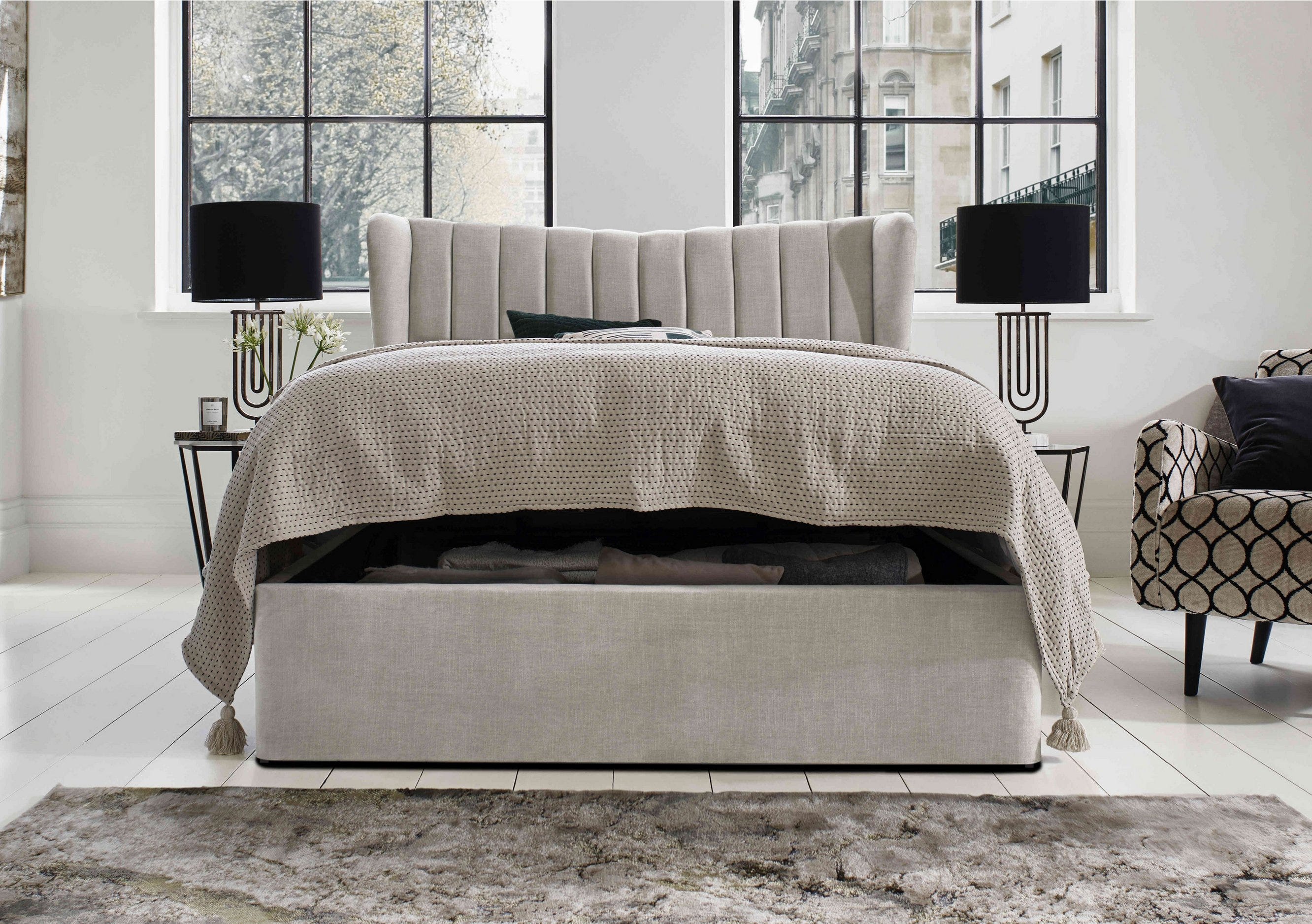
Bedroom inspiration and bedroom decorating ideas
Relaxing bedroom ideas – how to create a more serene space, according to designers
Calm bedroom ideas – 11 style tricks to create a soothing sanctuary

Bedroom Decorating and Design Ideas