3 Outdated Fireplace Trends Designers Secretly Hope Never Come Back
The fireplace serves as a prominent focal point within a home, making its design crucial in reflecting the property's overarching architectural style. A common pitfall in home design involves selecting a fireplace style based on ephemeral trends, which often leads to a dated appearance within a few years. Interior designer Melanie Zaelich emphasizes the importance of aligning architectural elements, particularly a central feature like a fireplace, with the home's overall aesthetic to ensure timeless appeal. This article, featuring insights from Zaelich and fellow interior designer Michelle Hoey, identifies three specific fireplace design trends that have become outdated and offers guidance on how to make more enduring choices.
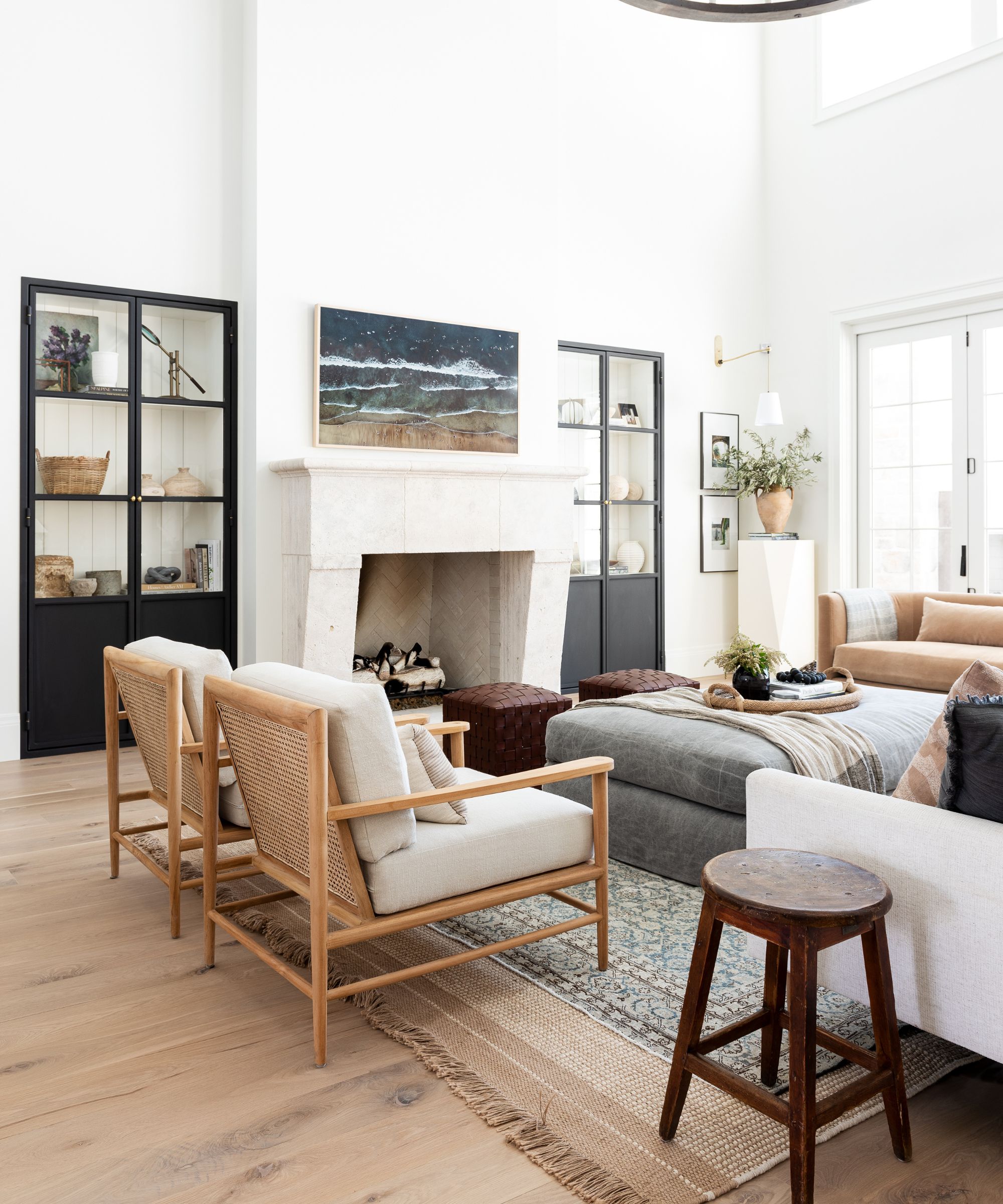
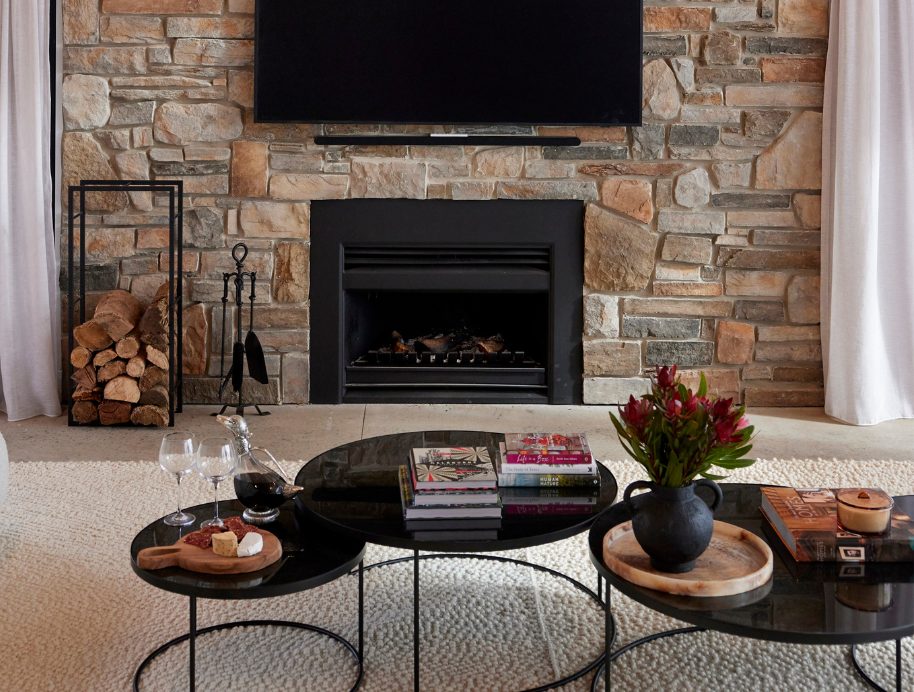
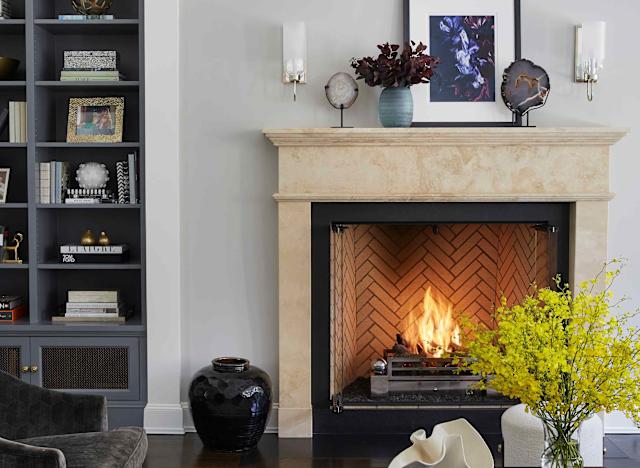
One significant outdated trend is the overuse of fieldstone fireplaces. Popular in the 1990s and early 2000s, fieldstone was often incorporated to give gas fireboxes and new builds a sense of authenticity. However, according to Michelle Hoey, clients now perceive this style as dated and overdone. The large, multicolored nature of fieldstone can be maximalist, dominating a room's style and making it challenging to adapt the surrounding decor over time. While stone remains a highly favored material for fireplaces, contemporary preferences lean towards designs that appear as a single, cohesive piece rather than the stacked, cottage-like aesthetic of fieldstone. This shift aligns with a growing demand for more modern and minimalist aesthetics, which provide homeowners with greater flexibility to redecorate and update their spaces in the future.
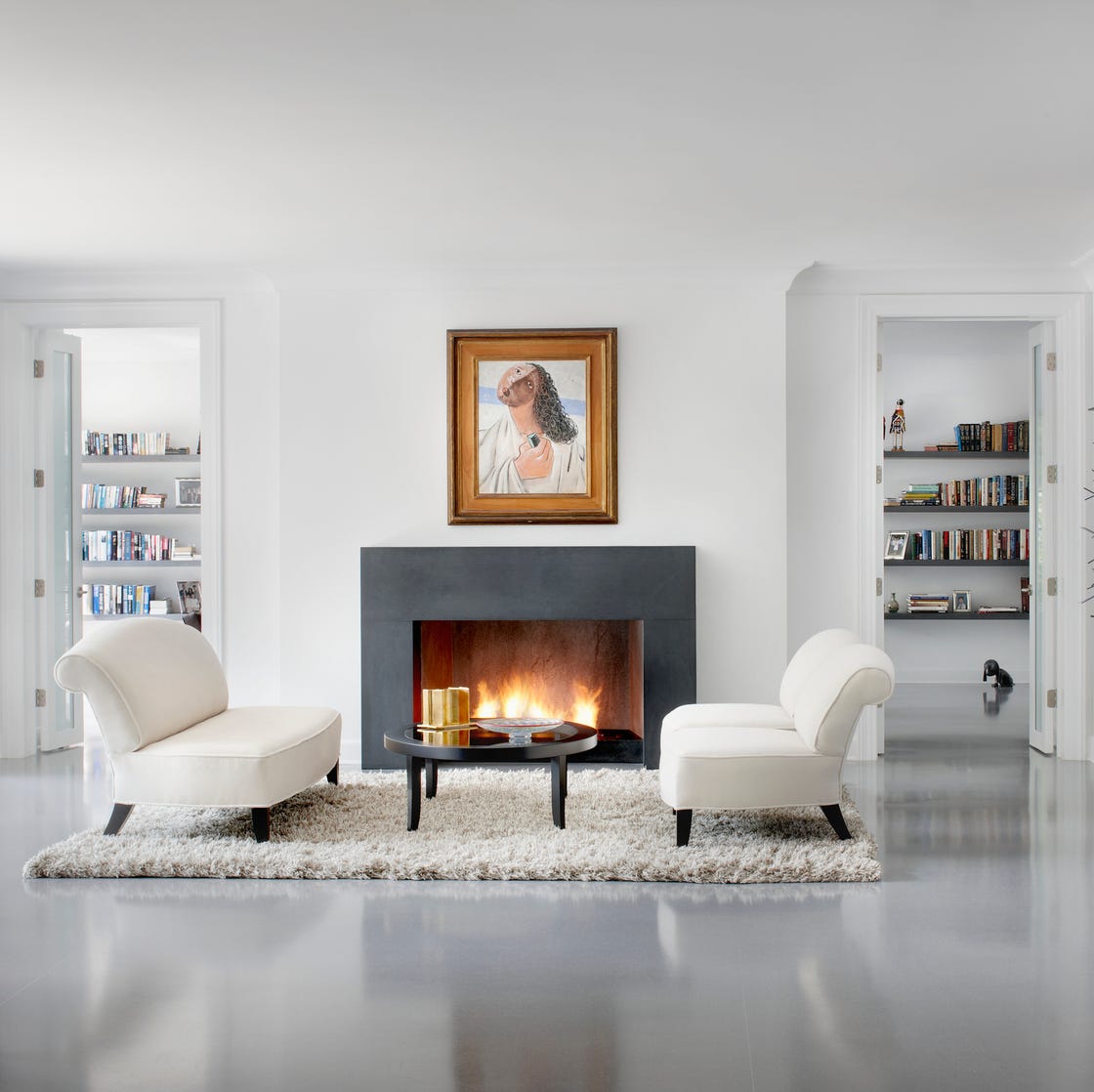
Another trend designers advise against is the arbitrary integration of linear fireplaces. Although linear fireplaces offer a sleek, modern look that appeals to those remodeling older fireplaces, this style is primarily suitable for homes with a distinctly modern architectural framework. Melanie Zaelich points out that adopting a linear fireplace in a non-modern home can result in an architectural incongruity, making it difficult to establish a cohesive decorating scheme. The fireplace, as a key architectural feature, should complement the existing structure to create a harmonious and lasting design.
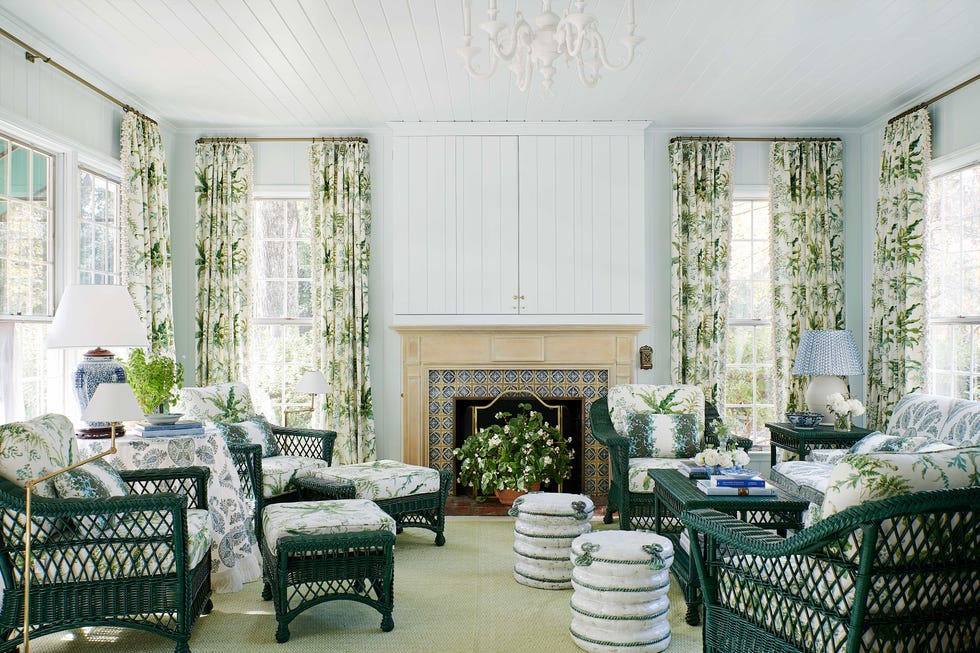
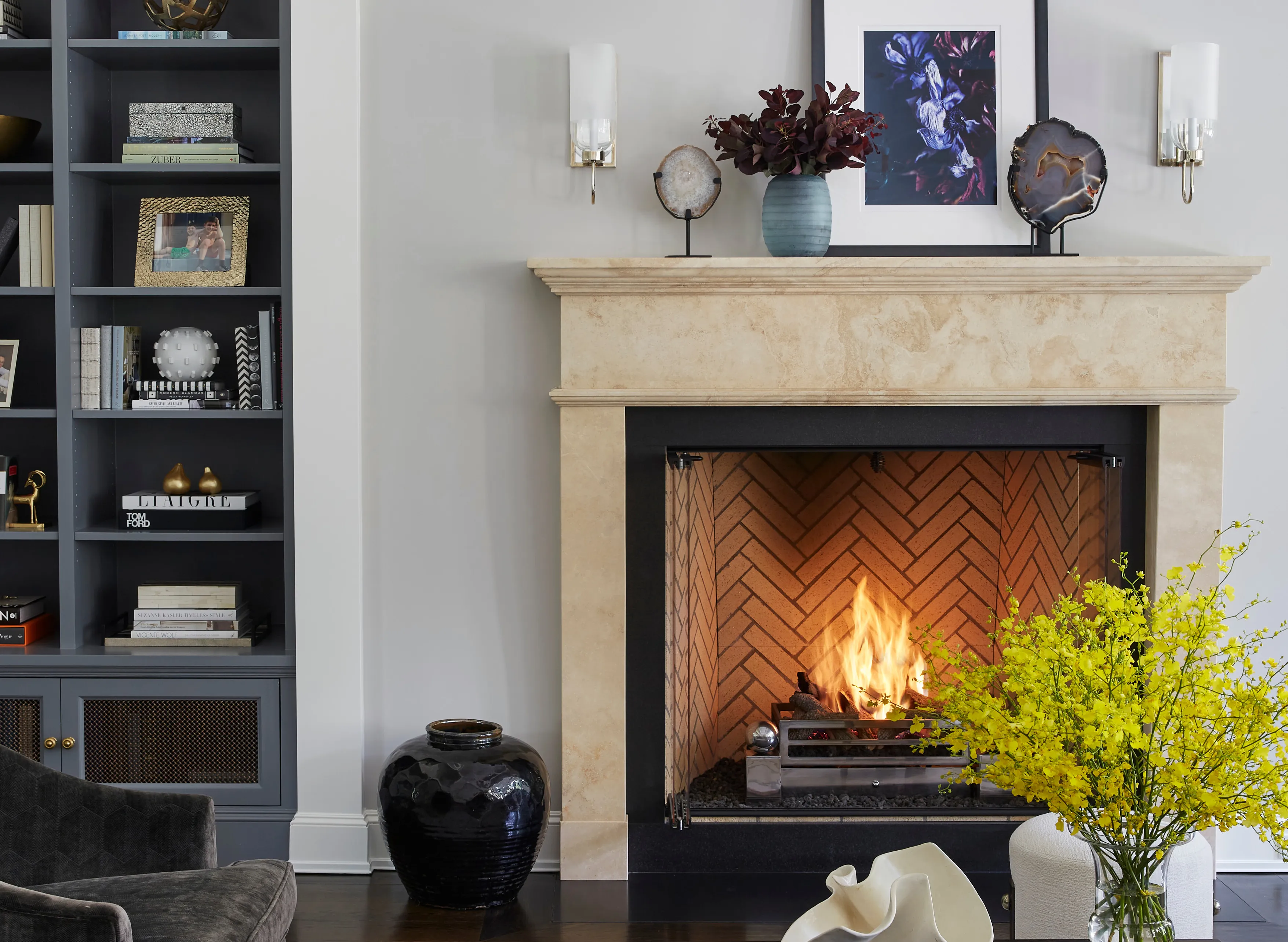
Finally, the article highlights bold decorative hearths as an outdated trend. In recent years, highly ornate fireplaces, characterized by multiple layers of molding, picture molding on the chimney, decorative tiles, and corbels, gained popularity. However, designers argue that such elaborate designs often do not suit the less formal architectural styles of most contemporary homes. Michelle Hoey explains that a very bold fireplace can dictate the entire home's aesthetic, forcing other design elements to conform to its formality. Both designers stress the importance of considering the home's architectural style when designing a fireplace. For instance, antique limestone and marble mantels, while beautiful in a formal Tudor drawing room, would appear out of place in a Craftsman-style house. The molding used on a fireplace should consistently match the molding found throughout the rest of the home. For homeowners uncertain about the appropriate fireplace style for their property, researching historical references, such as "Craftsman-style fireplace," or consulting with an interior designer can help guide their decisions toward a more timeless and appropriate choice.
#FireplaceTrends #InteriorDesign #HomeDecor #ArchitecturalStyle #TimelessDesign #FieldstoneFireplace #LinearFireplace #DecorativeHearths #HomeRenovation #FireplaceTrends #InteriorDesign #HomeDecor #ArchitecturalStyle #TimelessDesign #FieldstoneFireplace #LinearFireplace #DecorativeHearths #HomeRenovation
0 commenti in totale
 Nessun commento ancora
Potresti anche gradire
8 Decorating Trends Designers Wish Would Go Away in 2025

The Best Fireplace Trends 2023
8 Home Trends That Are Tragically DEAD to the Design World

17 popular trends interior designers wish would disappear
5 trends that look good right now but interior designers warn they won't last
8 Tacky Home Trends That Designers Say Are TRAGICALLY Dead
3 "Timeless" Trends Designers Say Are Out—and Making Homes Look Dated in 2026

These 3 Layouts Are Making Your Kitchen Look Dated – Why Designers Say They Don’t Want to See Them in 2026
4 outdated wall decor trends designers are leaving behind – and the one that they're choosing instead

5 Outdated Kitchen Trends Interior Designers Hope Never Come Back

3 once-popular kitchen countertops that have fallen out of favor with designers, and what they're using now instead
The decorating trends designers definitely want you to leave behind in 2025 – from fads to faux pas

3 Outdated Fireplace Trends Designers Secretly Hope Never Come Back
6 Antique Design Features Designers Wish Would Make a Comeback

7 outdated interior trends making a comeback this year

12 Once-Popular Kitchen Trends That Won't Be Coming Back Anytime Soon
40 Outdated Home Trends We Hope Never to See Again

9 Popular Home Trends Interior Designers Say Won't Age Well

Designers are leaving these outdated kitchen trends in 2022 – some of their choices might shock you
17 Trends That Need to Disappear Forever , According to Interior Designers