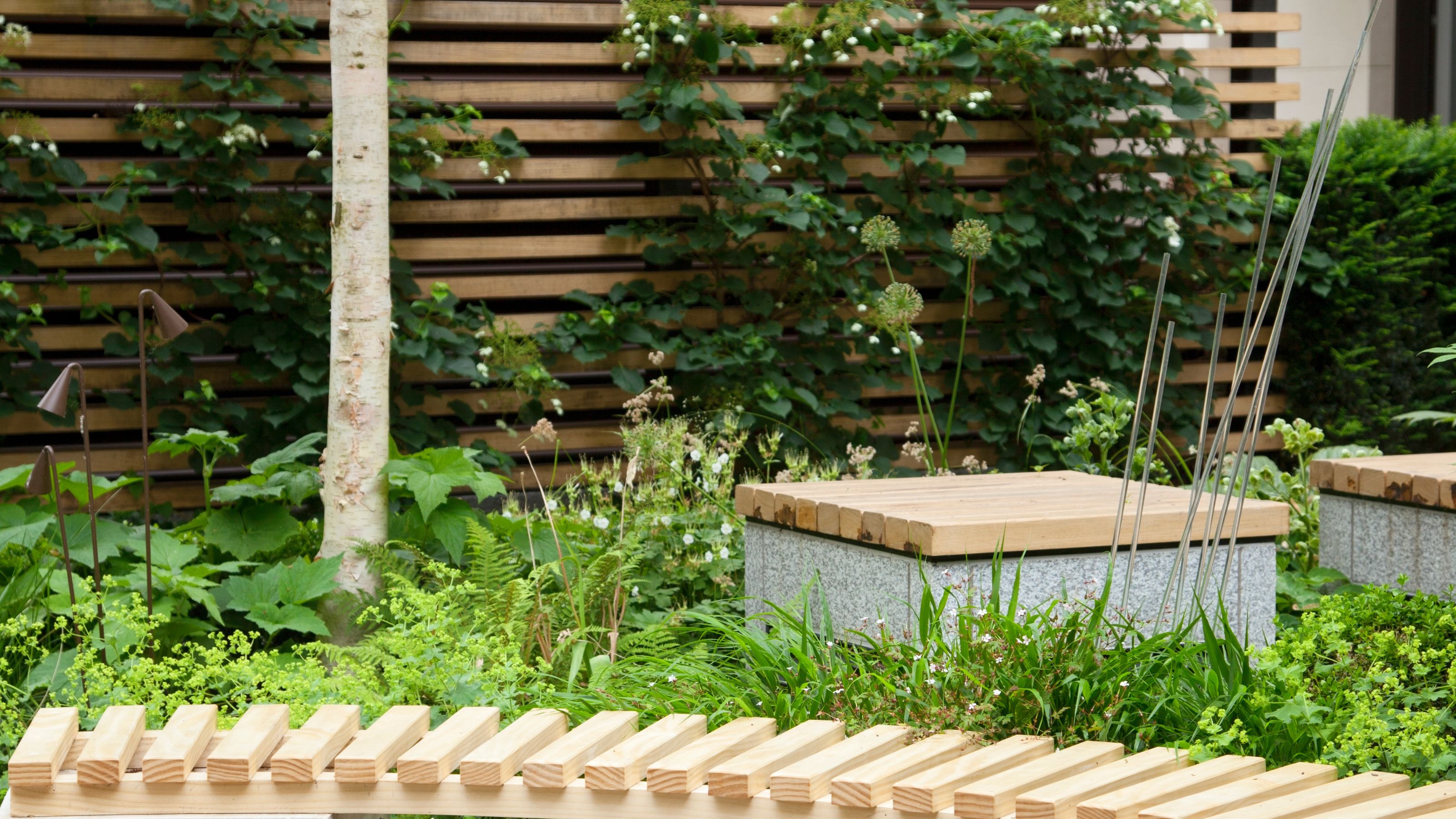
1/24
21 garden screening ideas for privacy and style – with design tips from garden experts
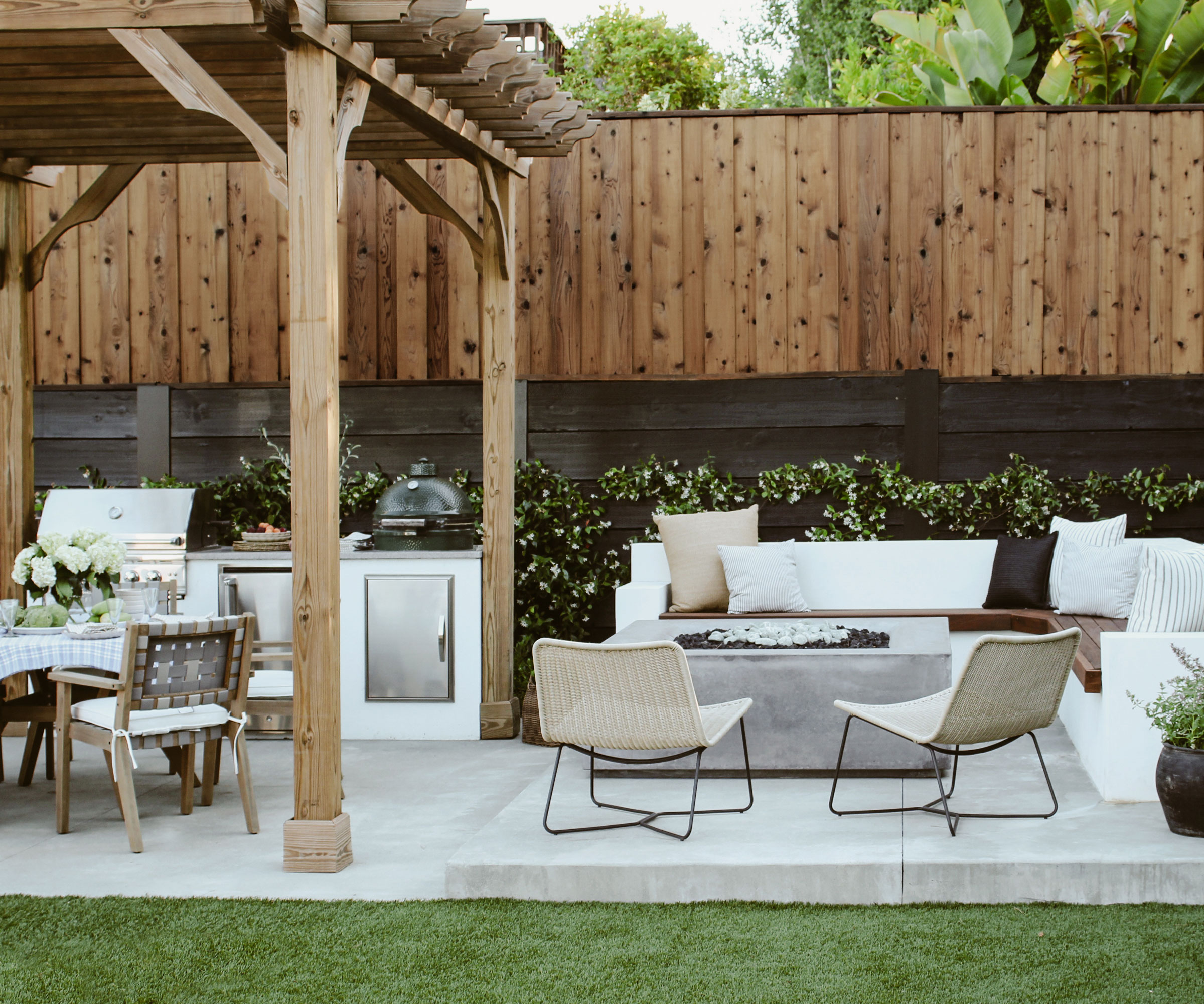
This article explores a comprehensive range of garden screening ideas designed to enhance both privacy and aesthetic appeal in outdoor living spaces. It delves into various creative approaches, moving beyond traditional wooden fences to offer diverse solutions for gardens of all sizes and styles. The discussion highlights the dual benefits of garden screening: effectively shielding areas from intrusive views while simultaneously elevating the garden's overall design.
The article begins by emphasizing the value of garden screening in zoning and adding privacy to outdoor spaces. It quotes Martine Le Gassick, creative director at Stark & Greensmith, who stresses that hard landscaping elements like metal screening, fencing, and trellis can significantly improve a garden's aesthetics, functionality, and value. The guide then systematically presents 21 distinct ideas, each accompanied by expert tips.
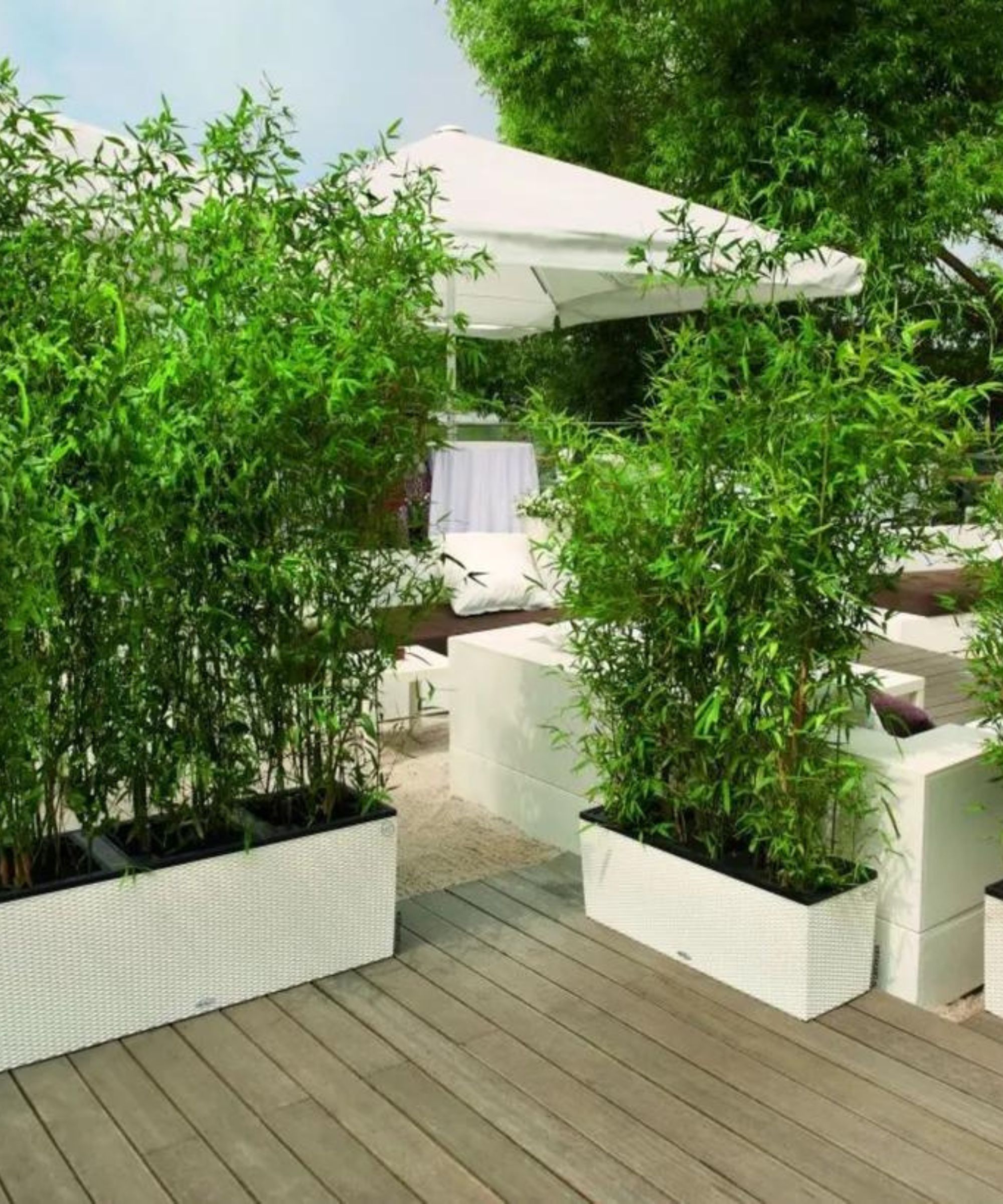
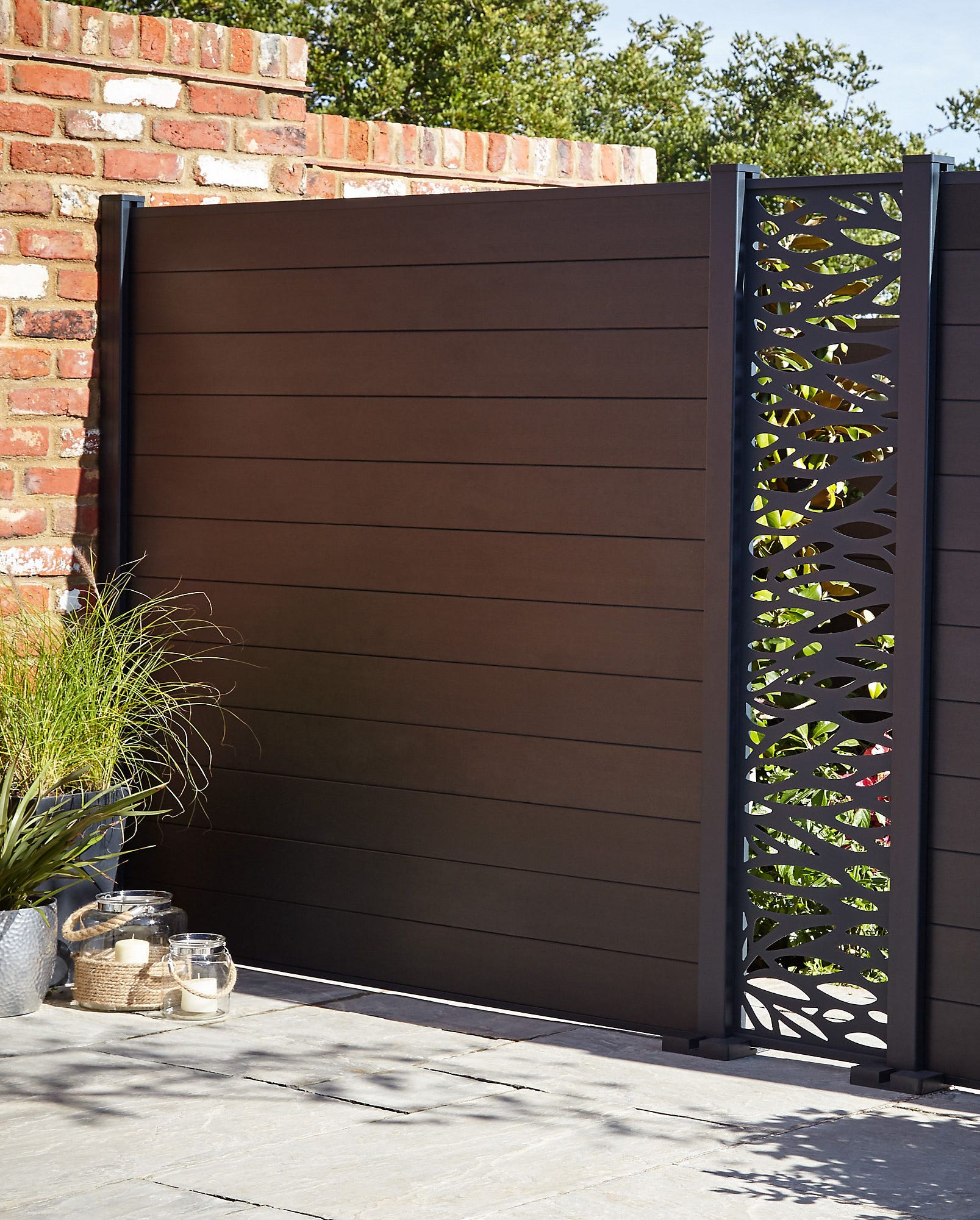
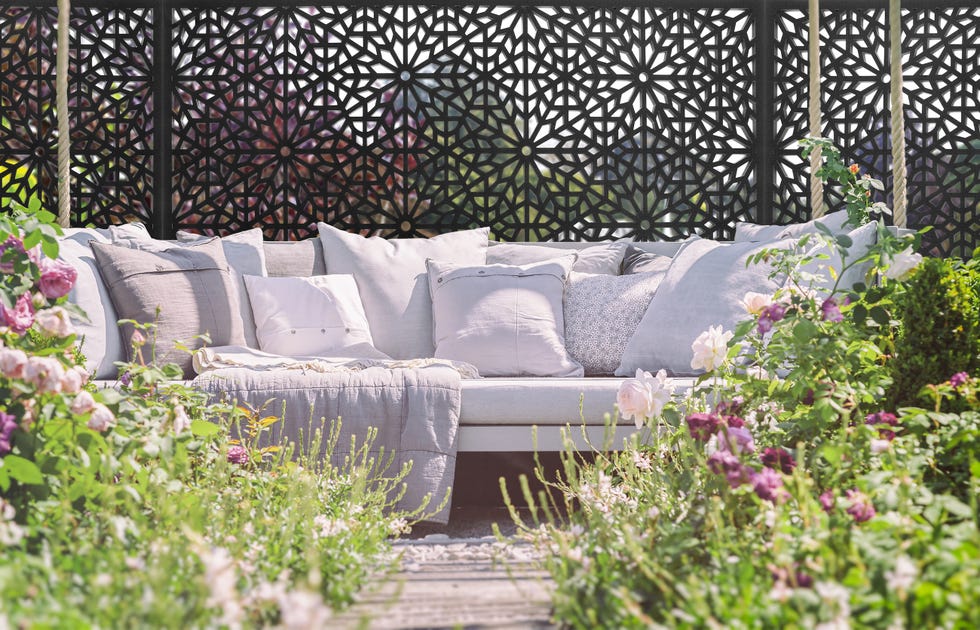
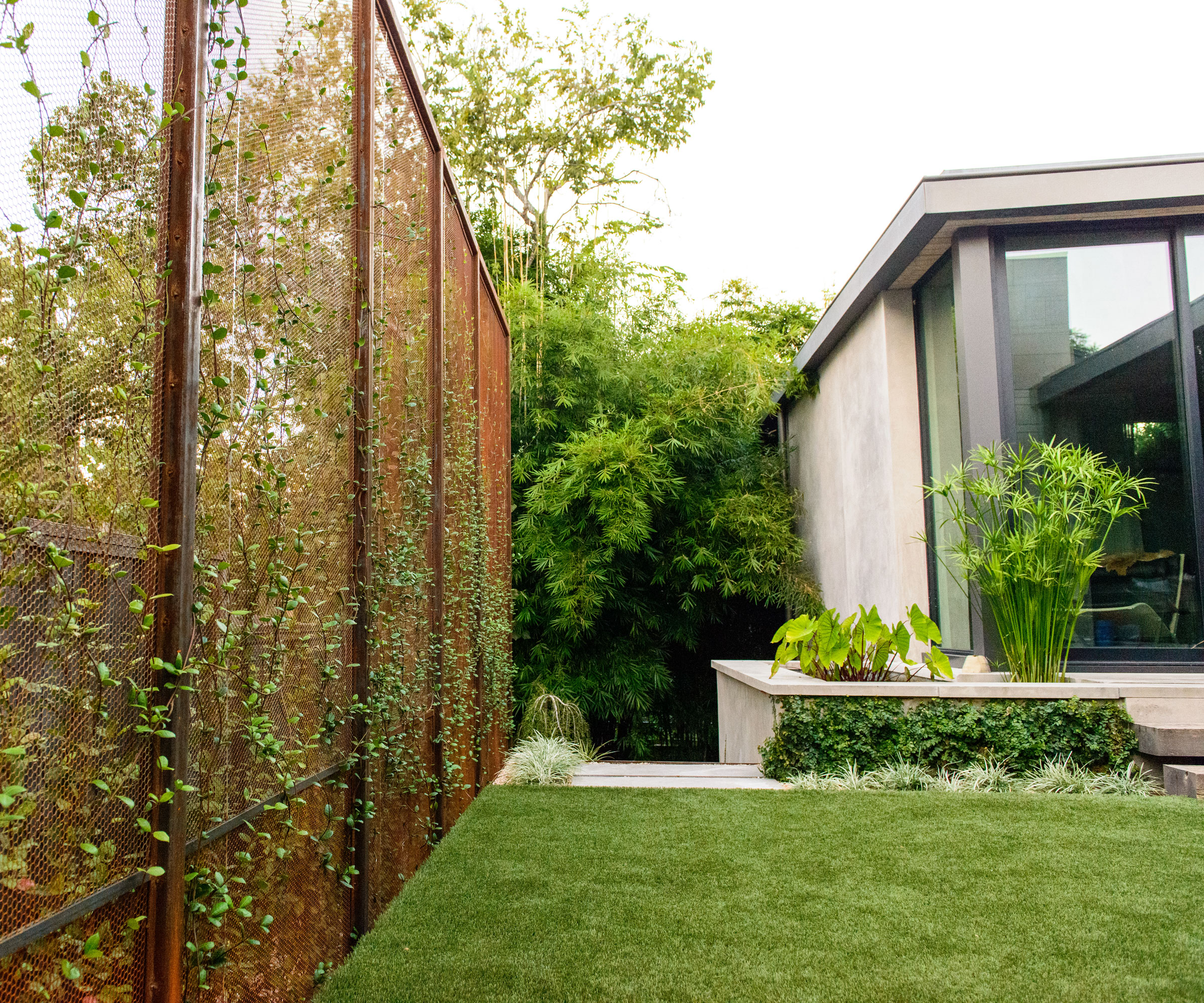
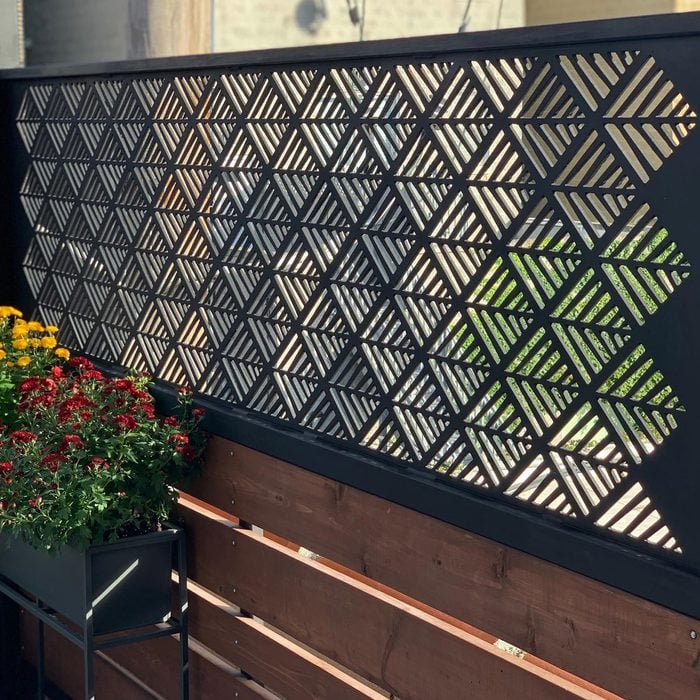
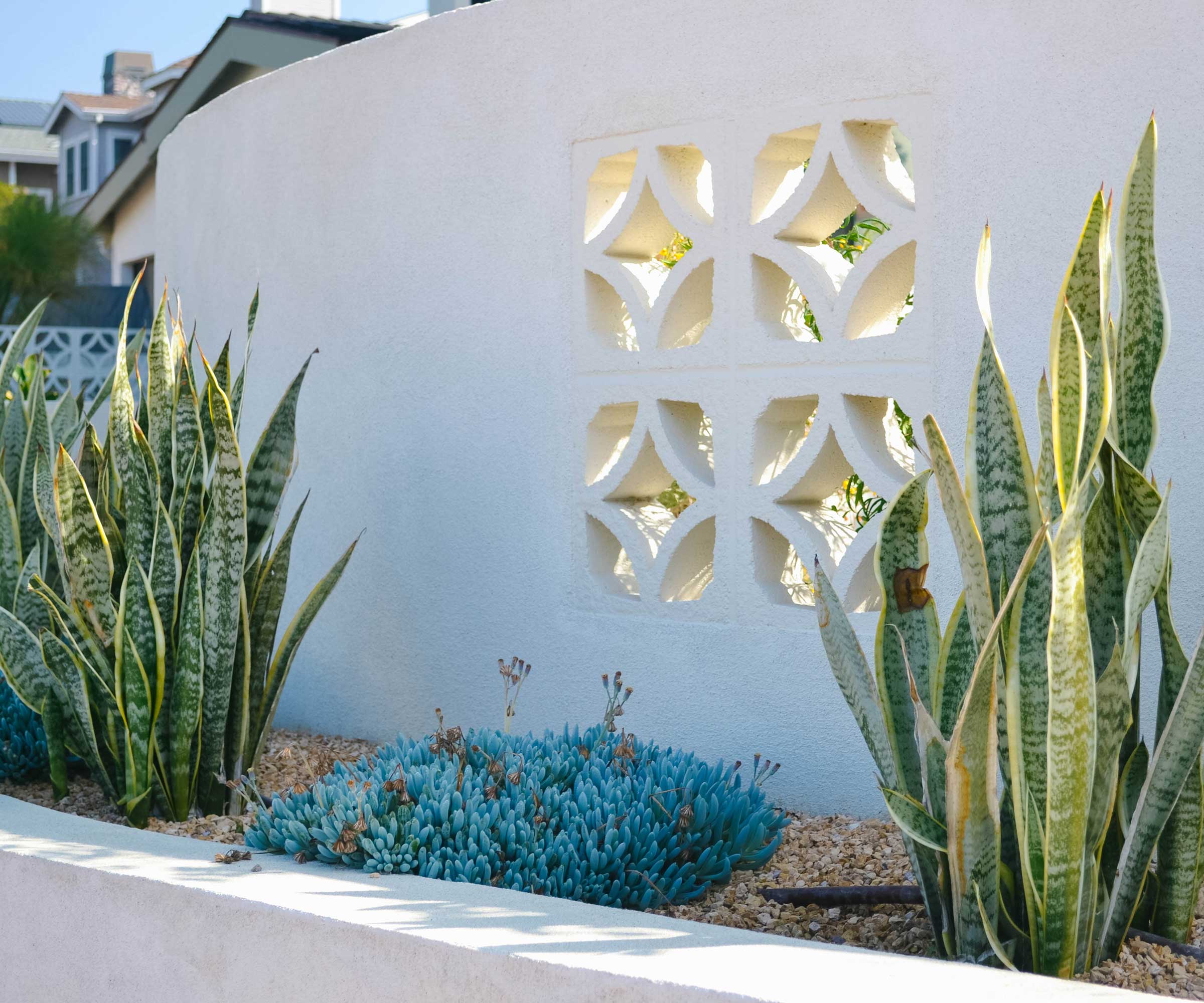
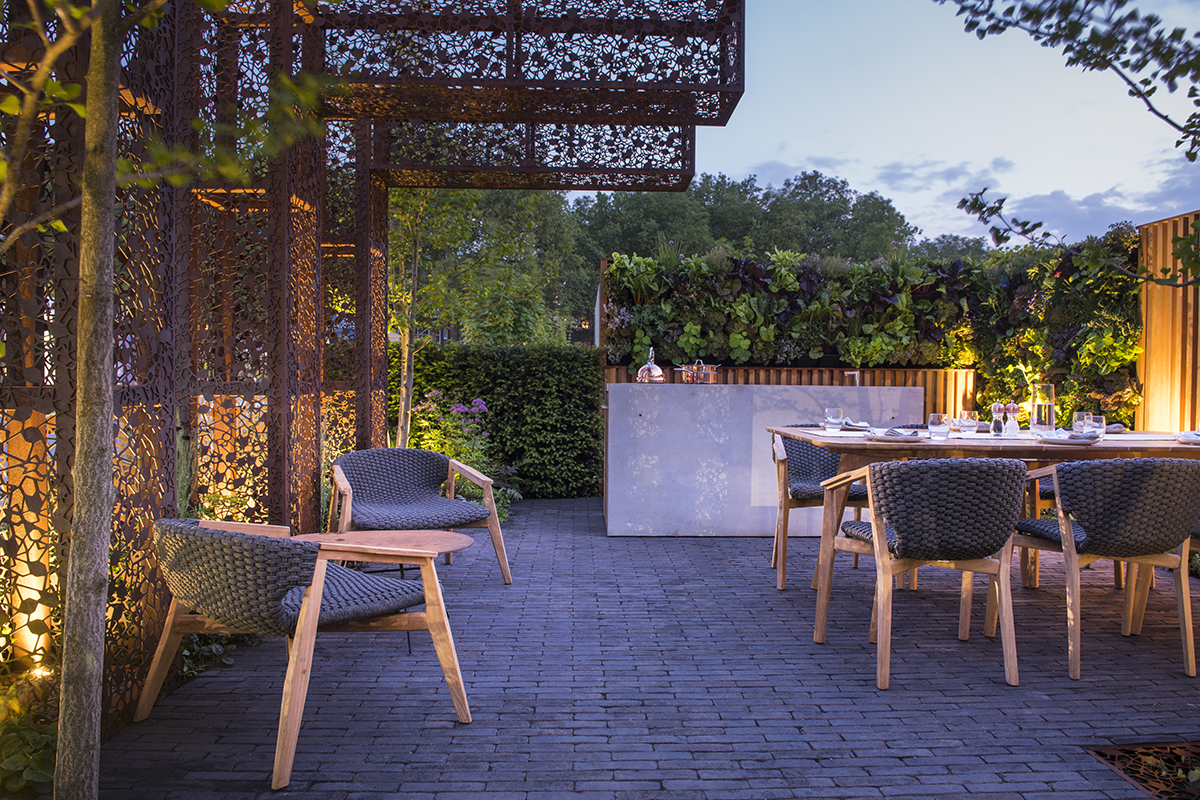
Modern screening options are introduced, showcasing attractive panels made from various materials. Gary Jarman, a landscaping expert at Building Shop, explains that these panels often feature laser-cut decorative patterns and can be made from rust-resistant metal or frosted/patterned glass for privacy while allowing light through. Another practical solution presented is the use of screen planters, which are ideal for freestanding screens and provide additional space for planting. Chris Cooper, senior product manager at Hayter, highlights their versatility in adding artificial height and accommodating various plant types.
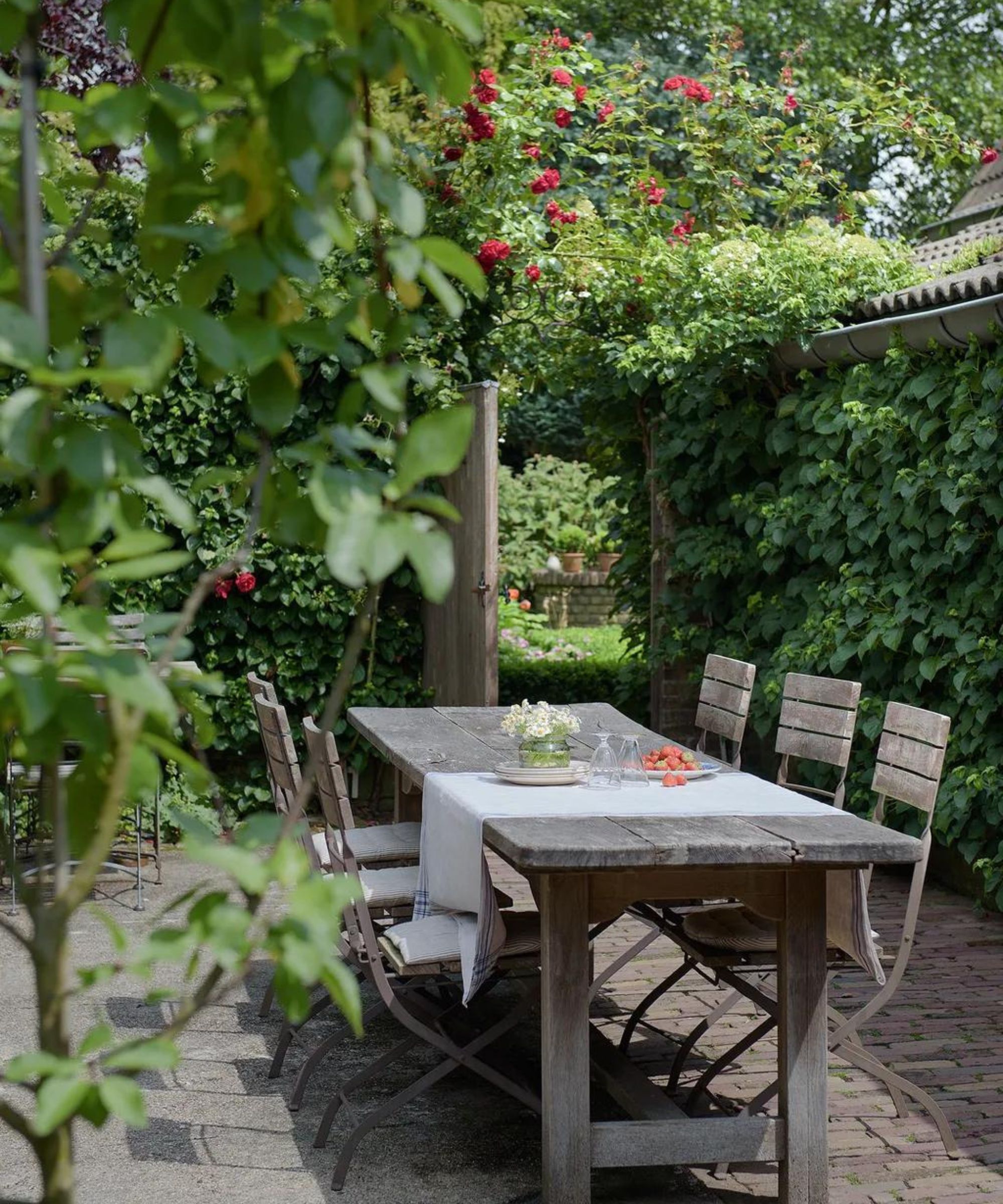
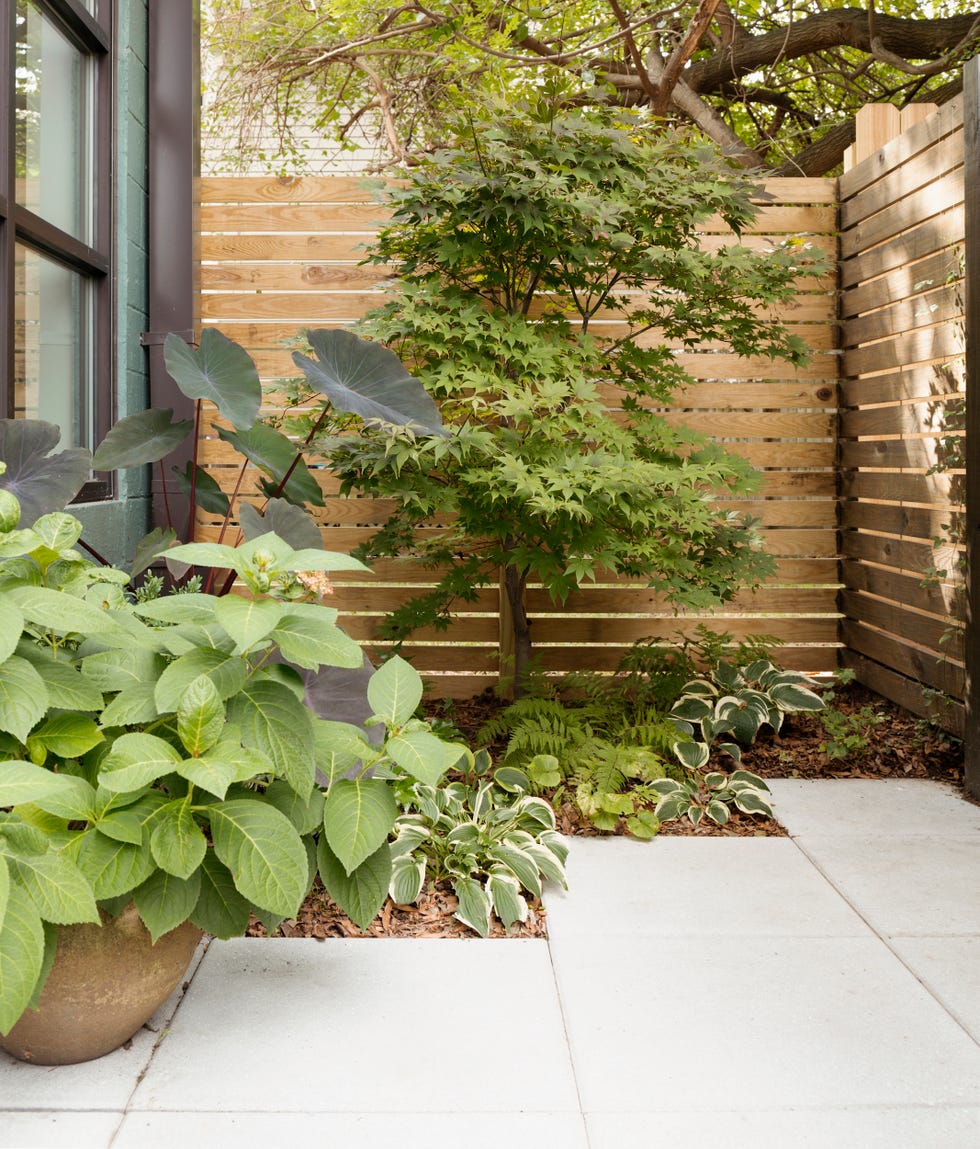
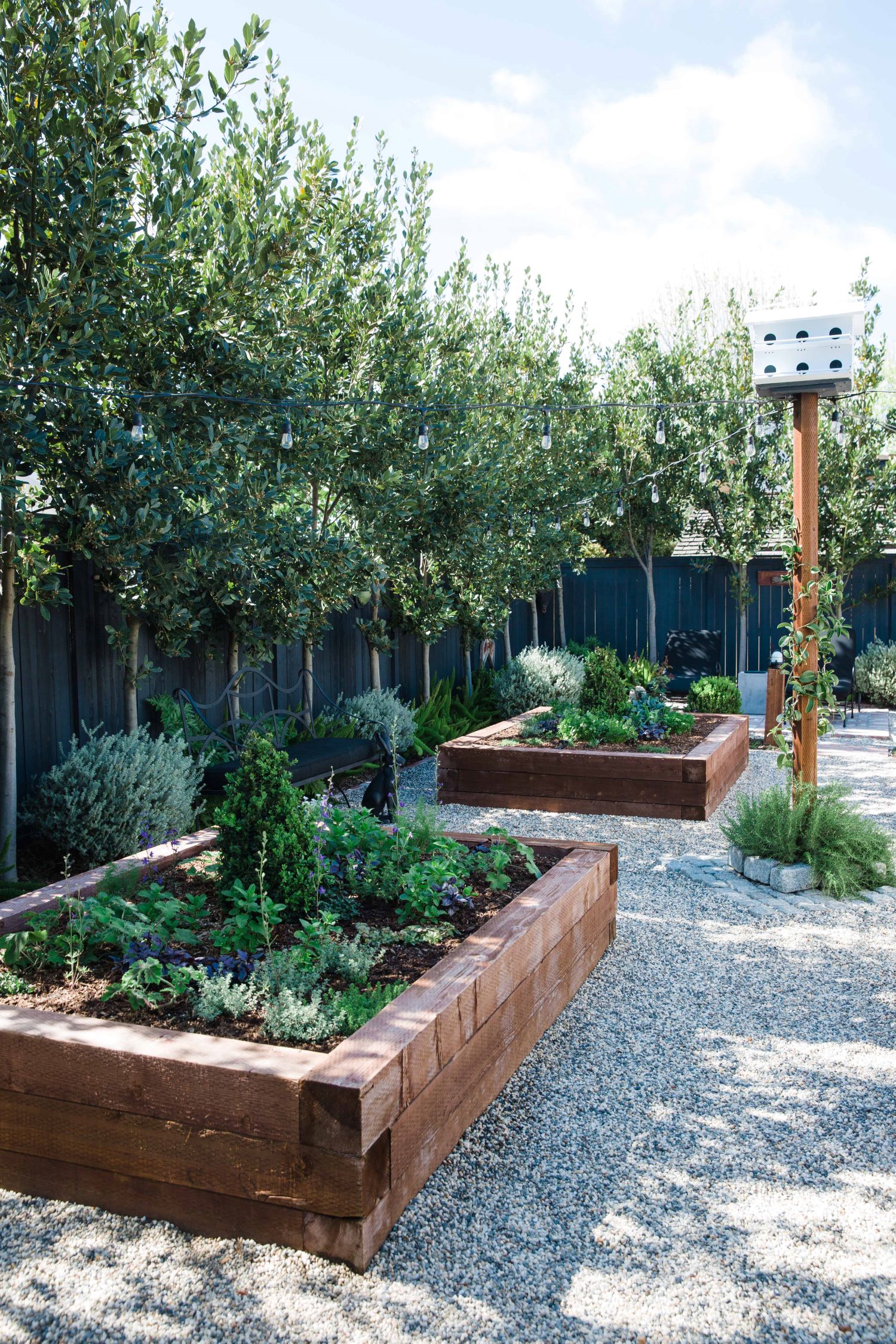
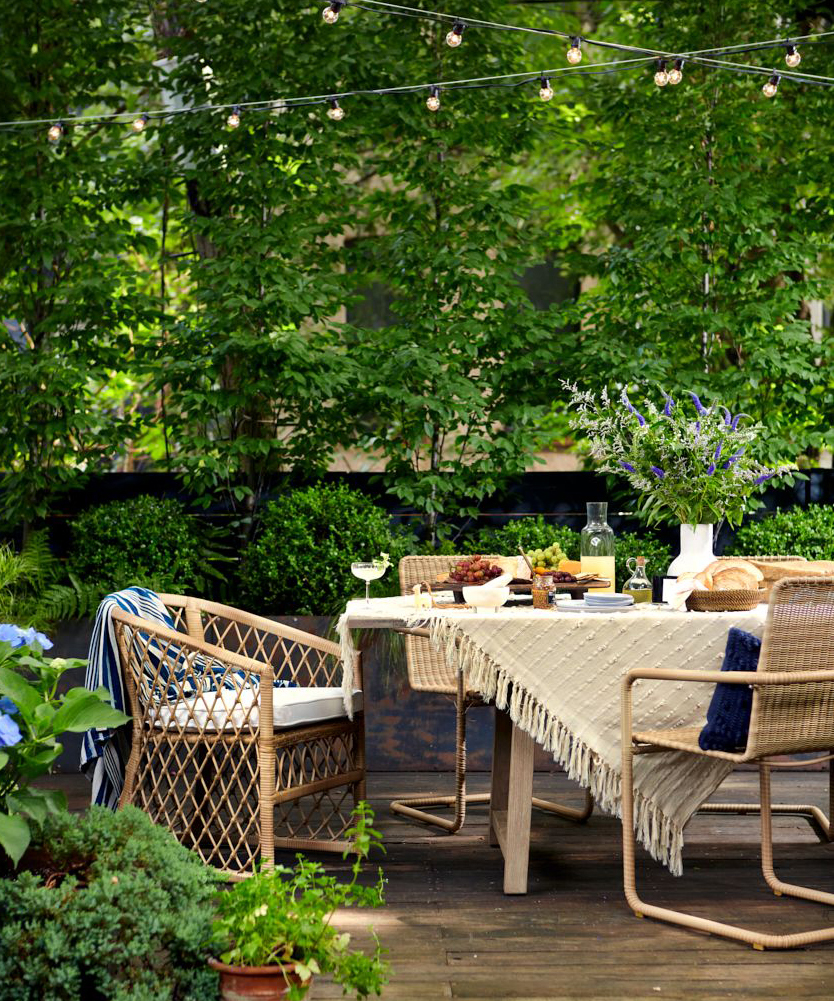
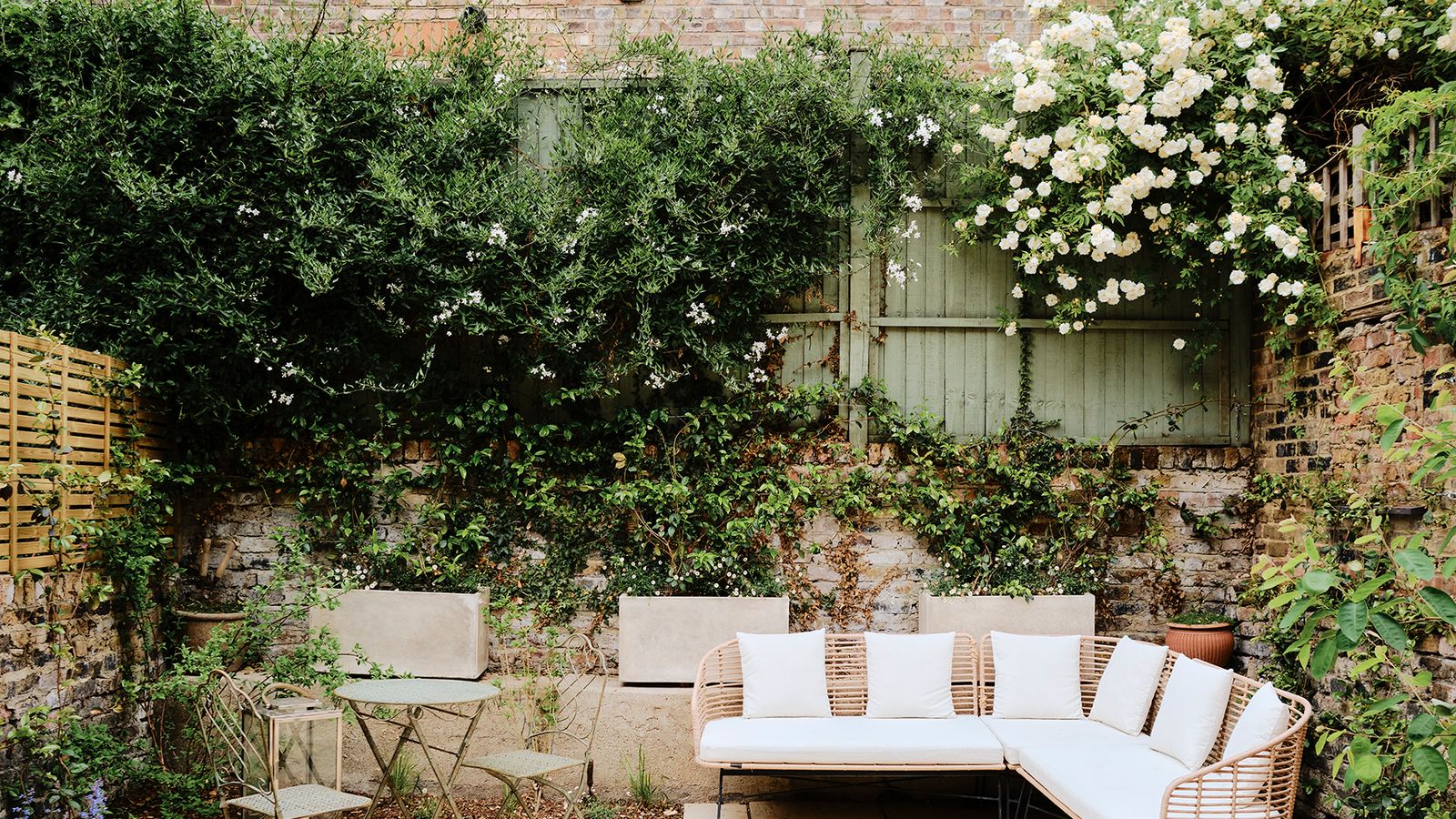
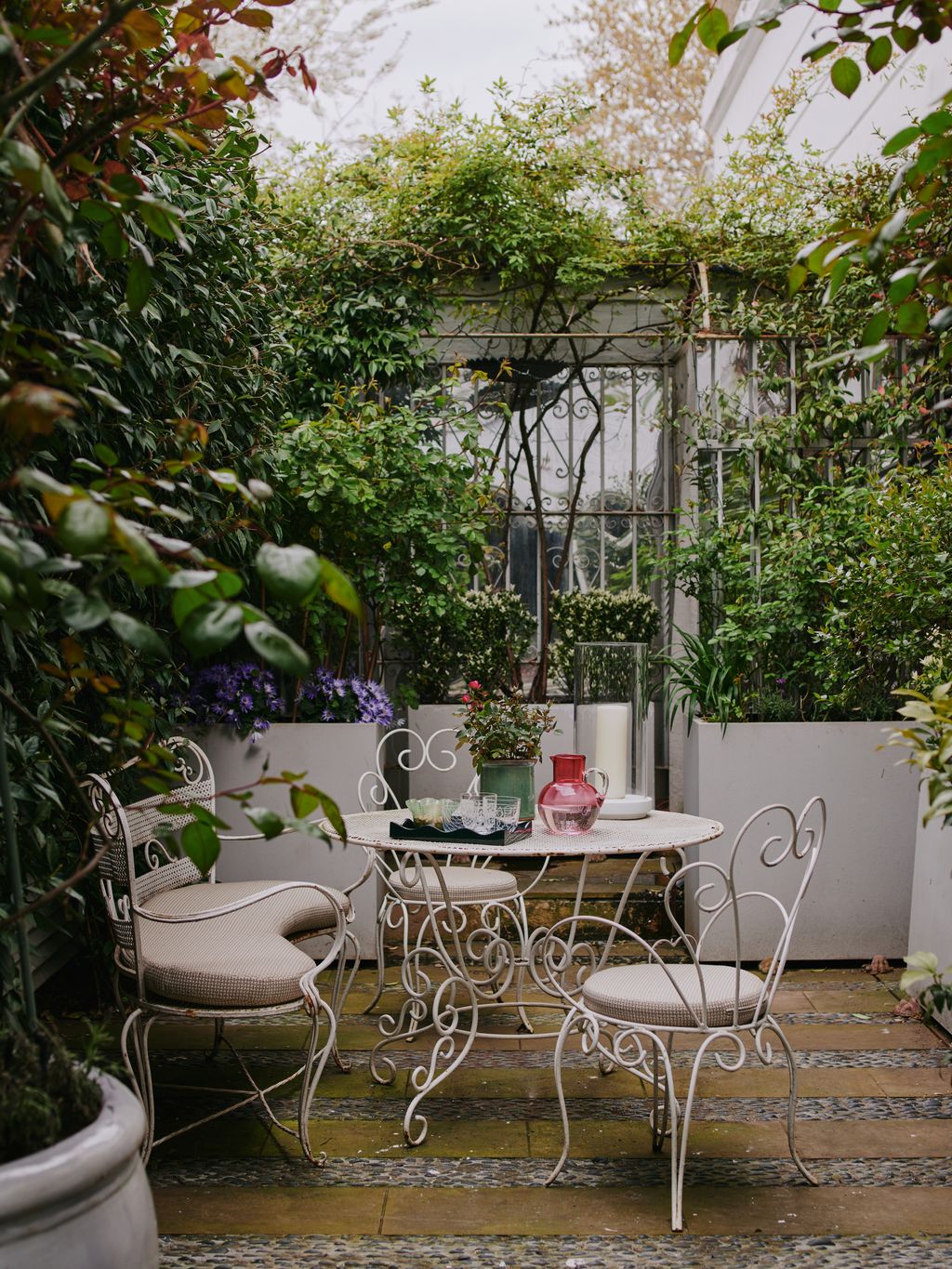
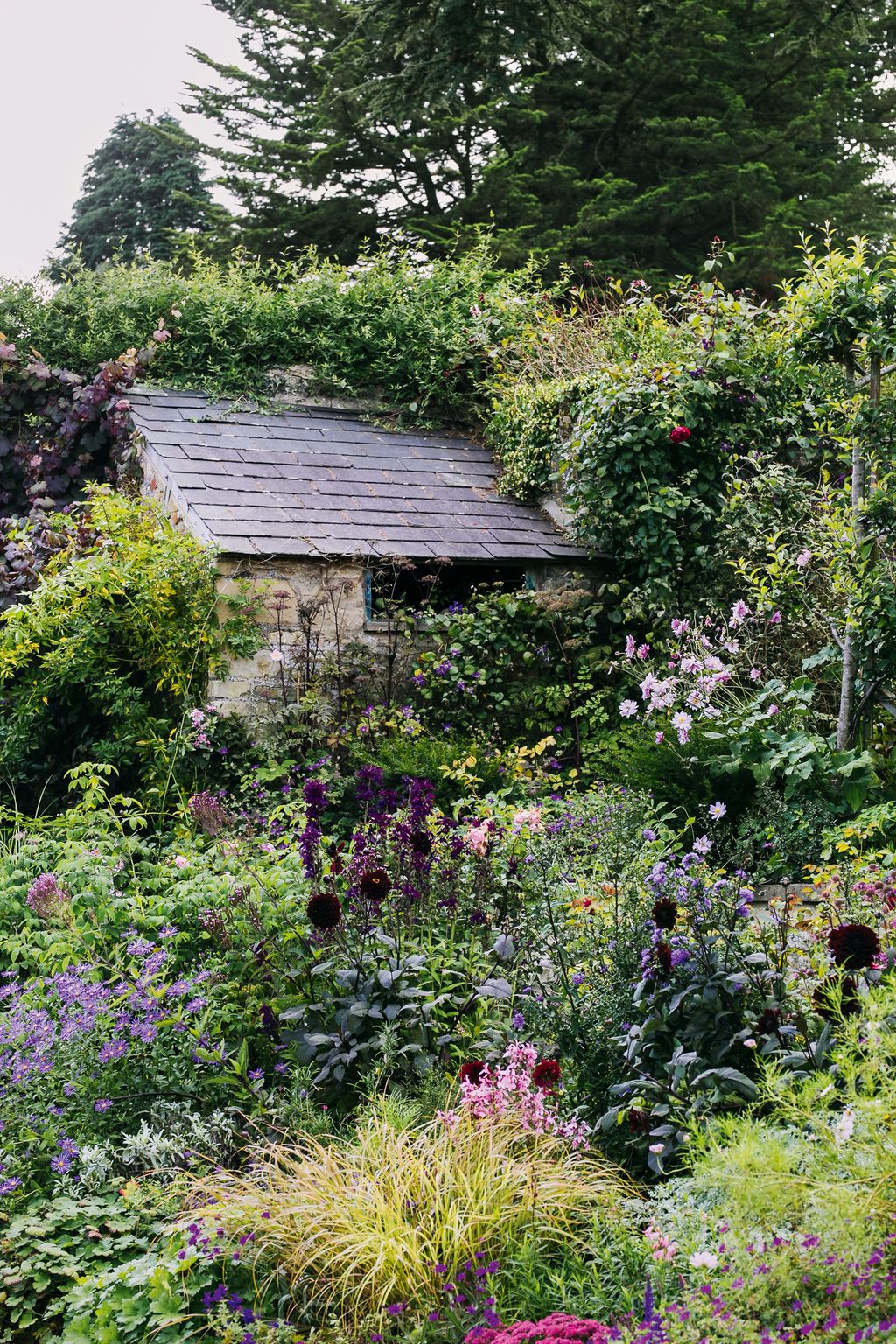
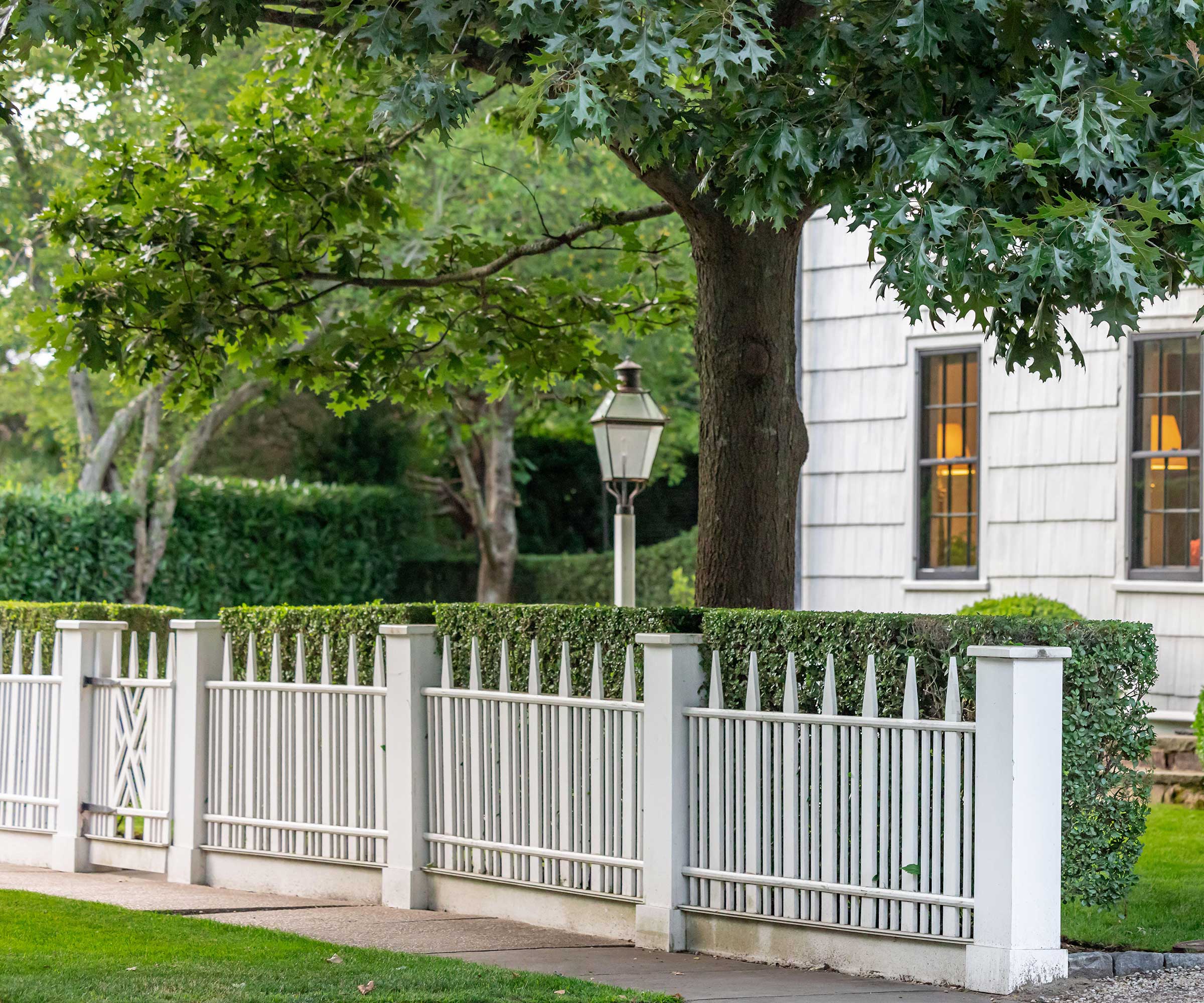
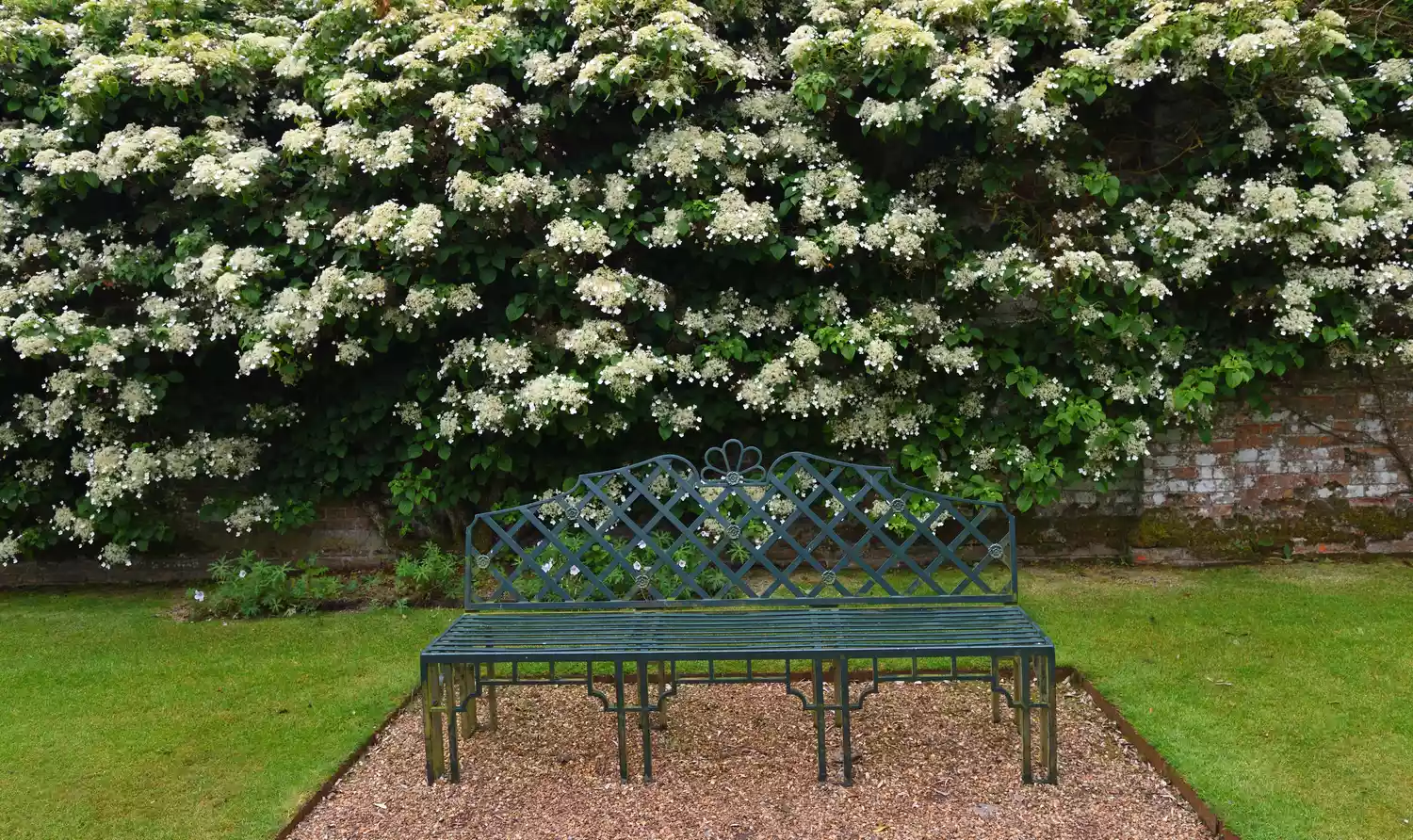
Natural screening methods are also thoroughly covered, starting with traditional hedging. The article recommends fast-growing hedges such as cherry laurel, privet, leylandii, and bamboo as alternatives to man-made fences, noting their noise reduction capabilities. Growing climbing plants along a trellis is another natural approach, with examples like sweet peas suggested for fragrance. Layering plants, where taller plants are placed behind shorter shrubs, is presented as an aesthetically pleasing way to create a natural screen, particularly effective for unconventionally shaped gardens. Chris from Hayter advises on plant selection for different layers, from tall evergreens to low-growing perennials.
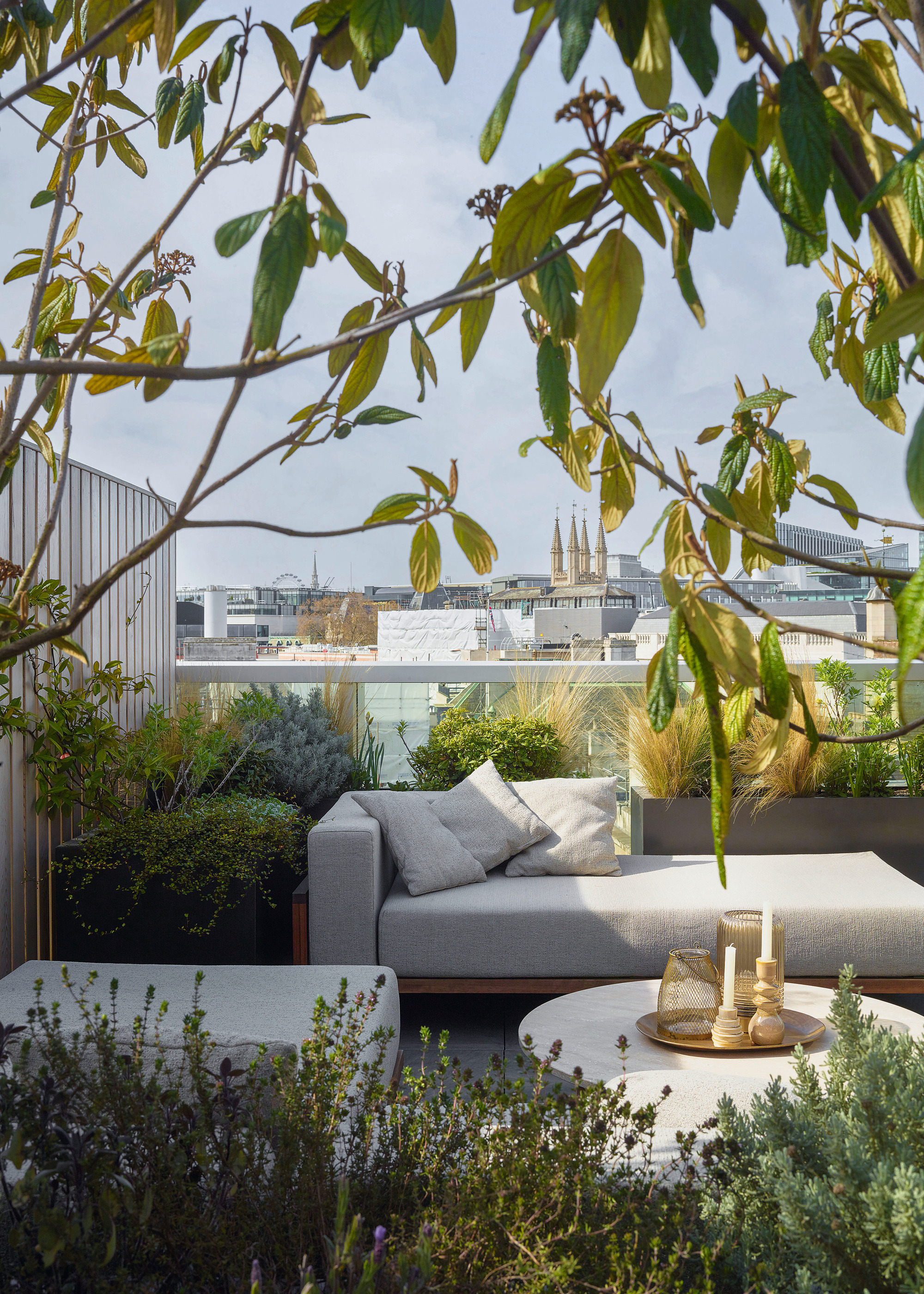
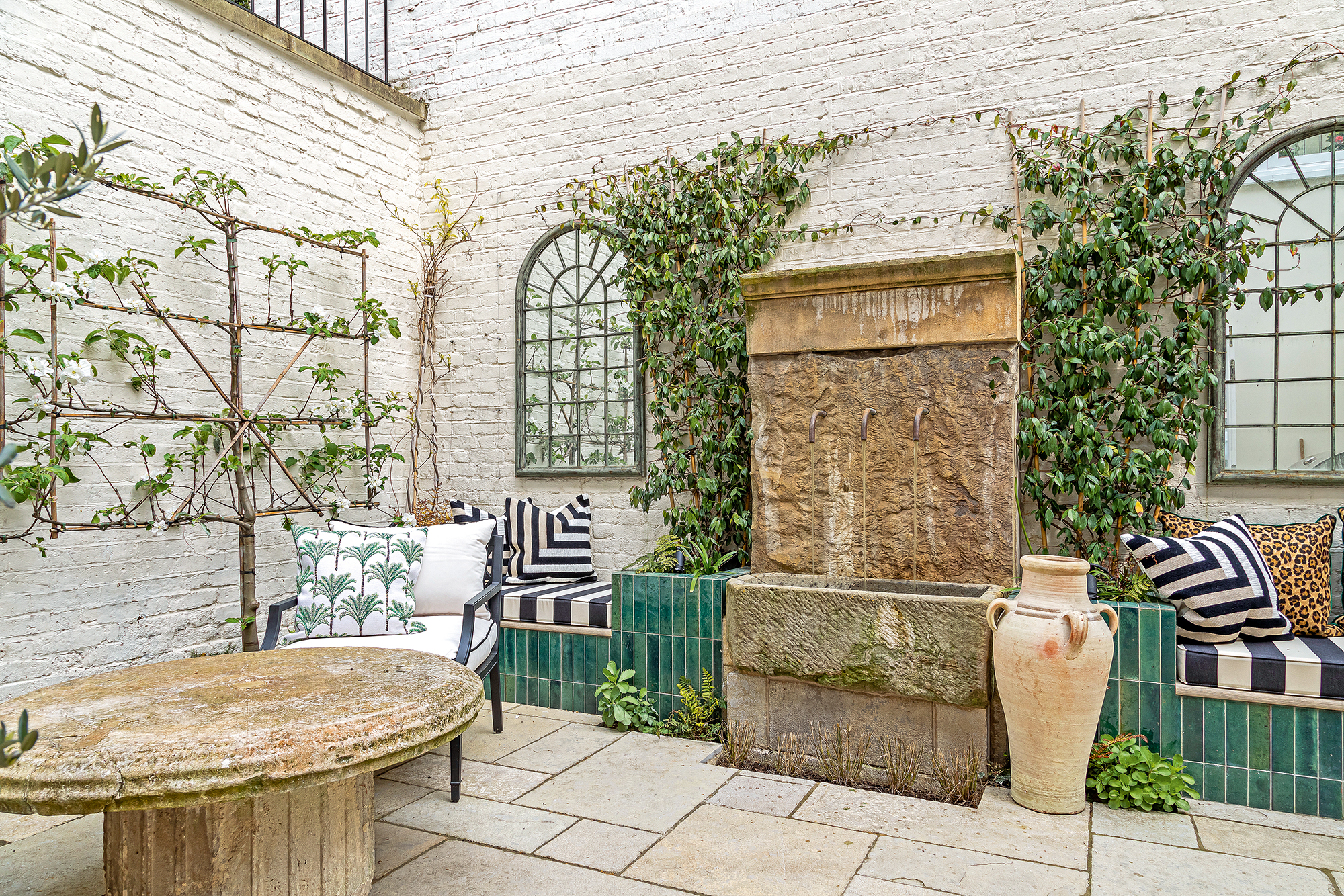
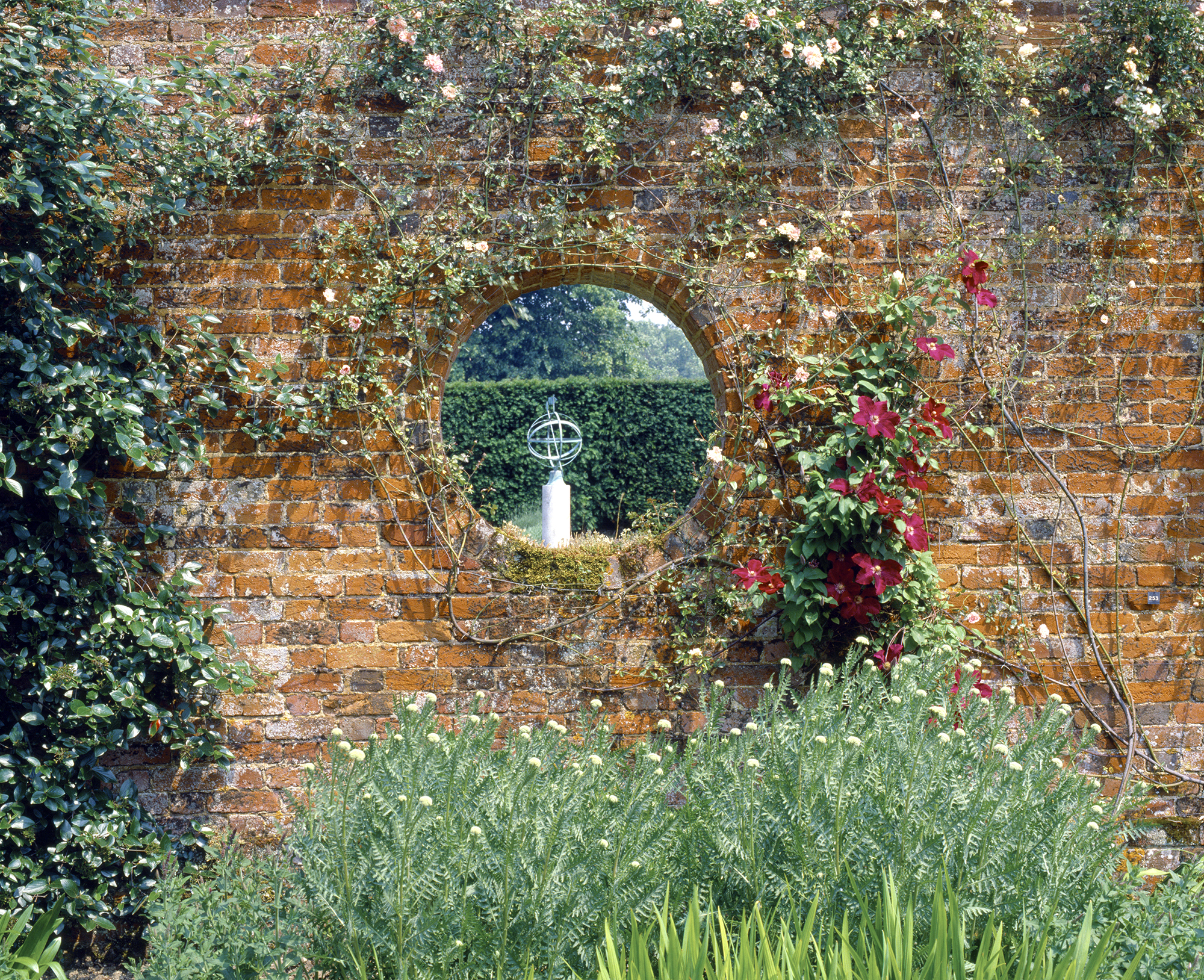
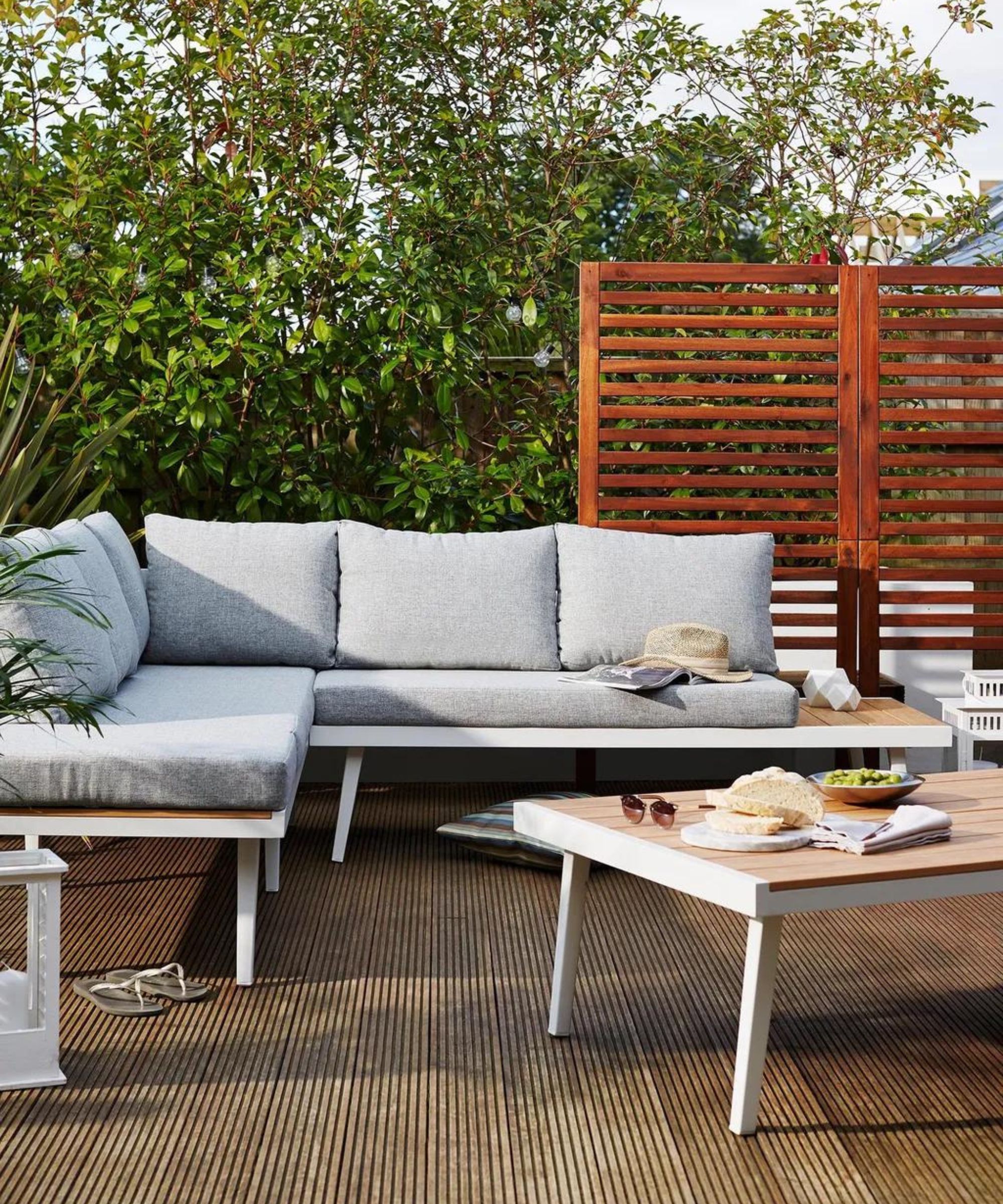
The article also explores how garden furniture can contribute to screening, suggesting high-backed seating arranged strategically to define areas. The concept of extending garden walls with wooden fences for added height and privacy is discussed, with a recommendation to soften the look with plants or integrate a trellis. Water features are introduced as a means to create a visual barrier and offer sensory benefits, with Georgina Read from Paving Superstore noting that the sound of running water can enhance a sense of seclusion.
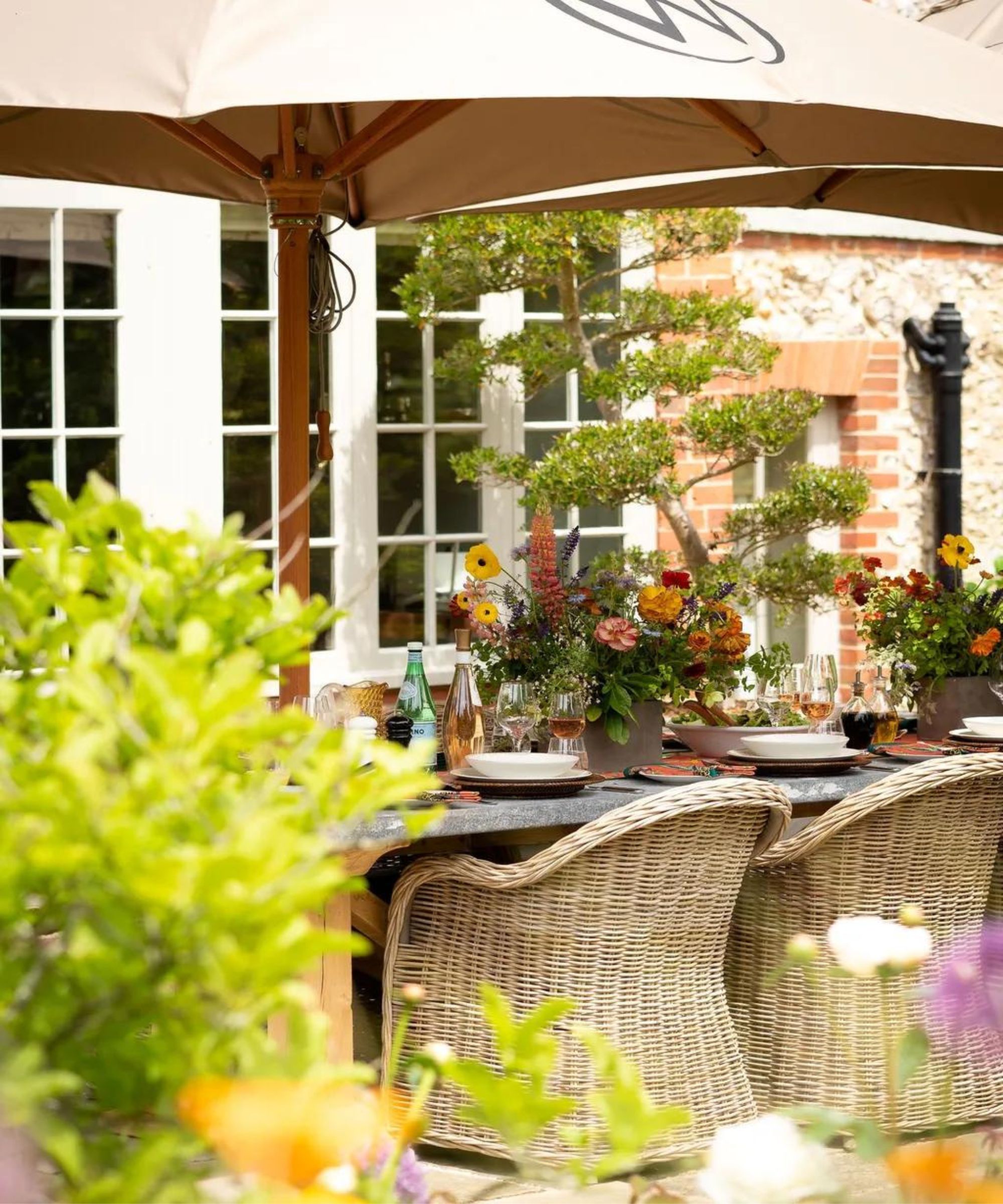
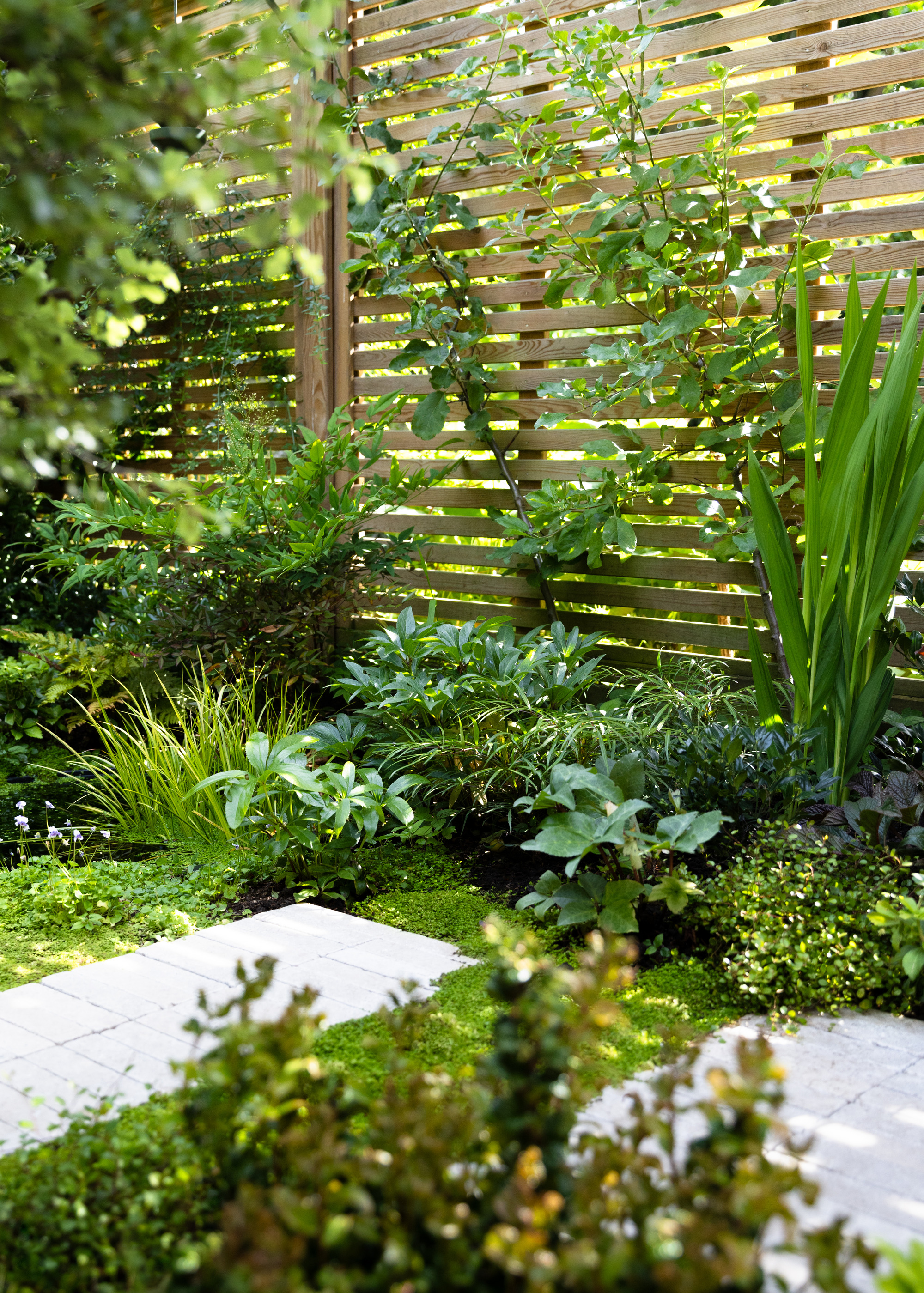
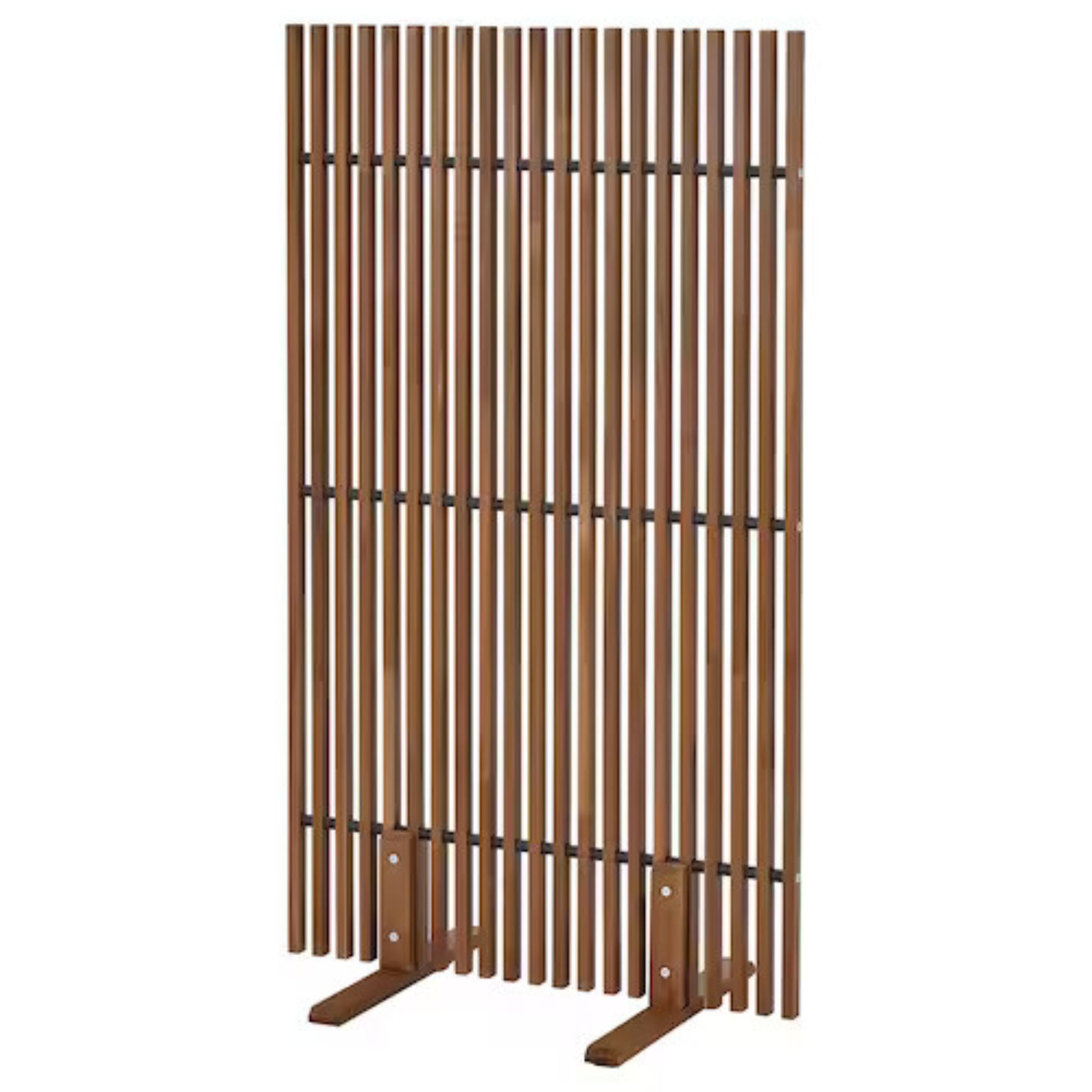
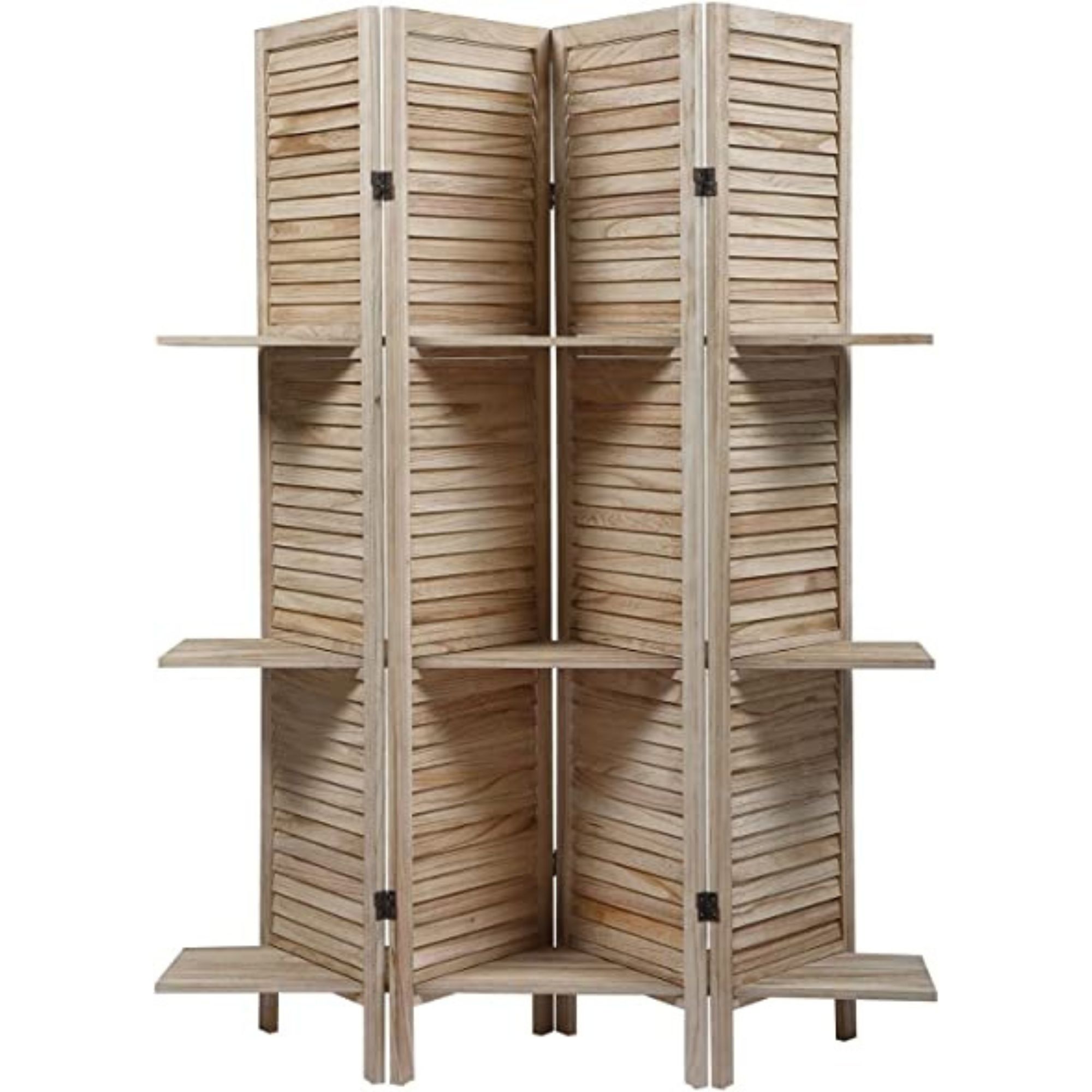
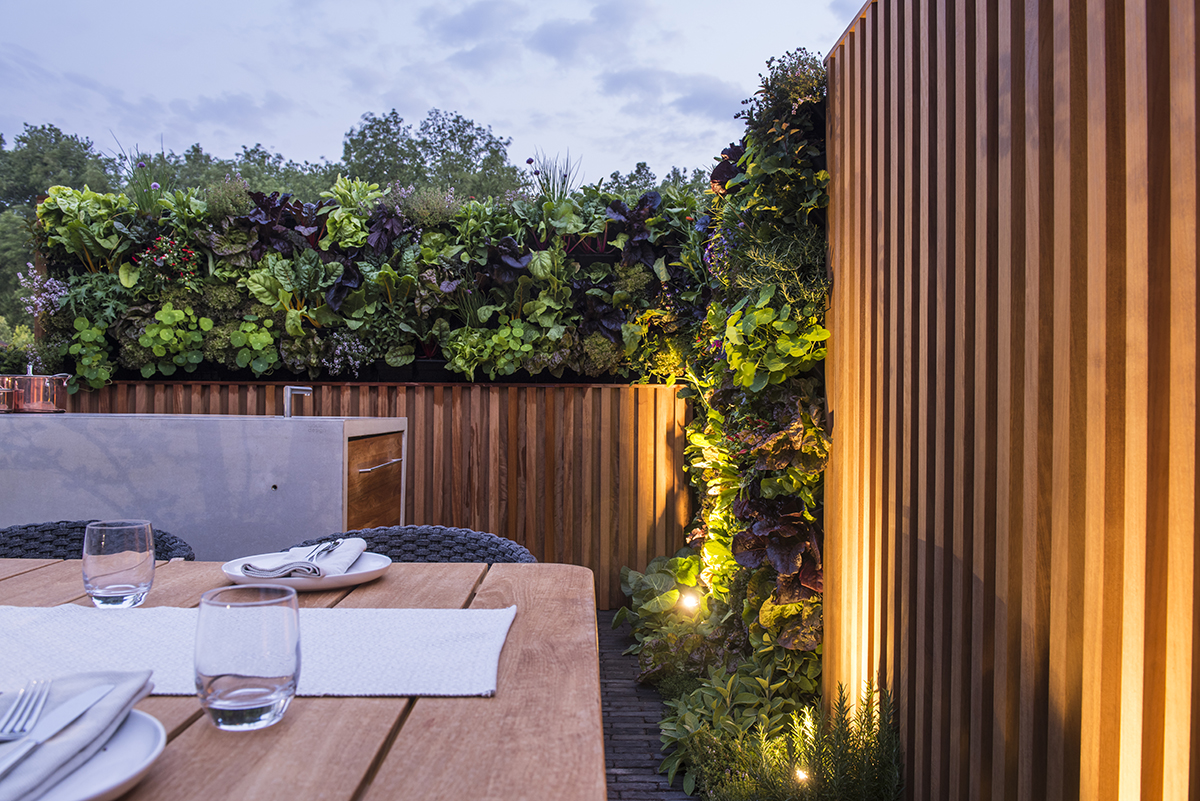
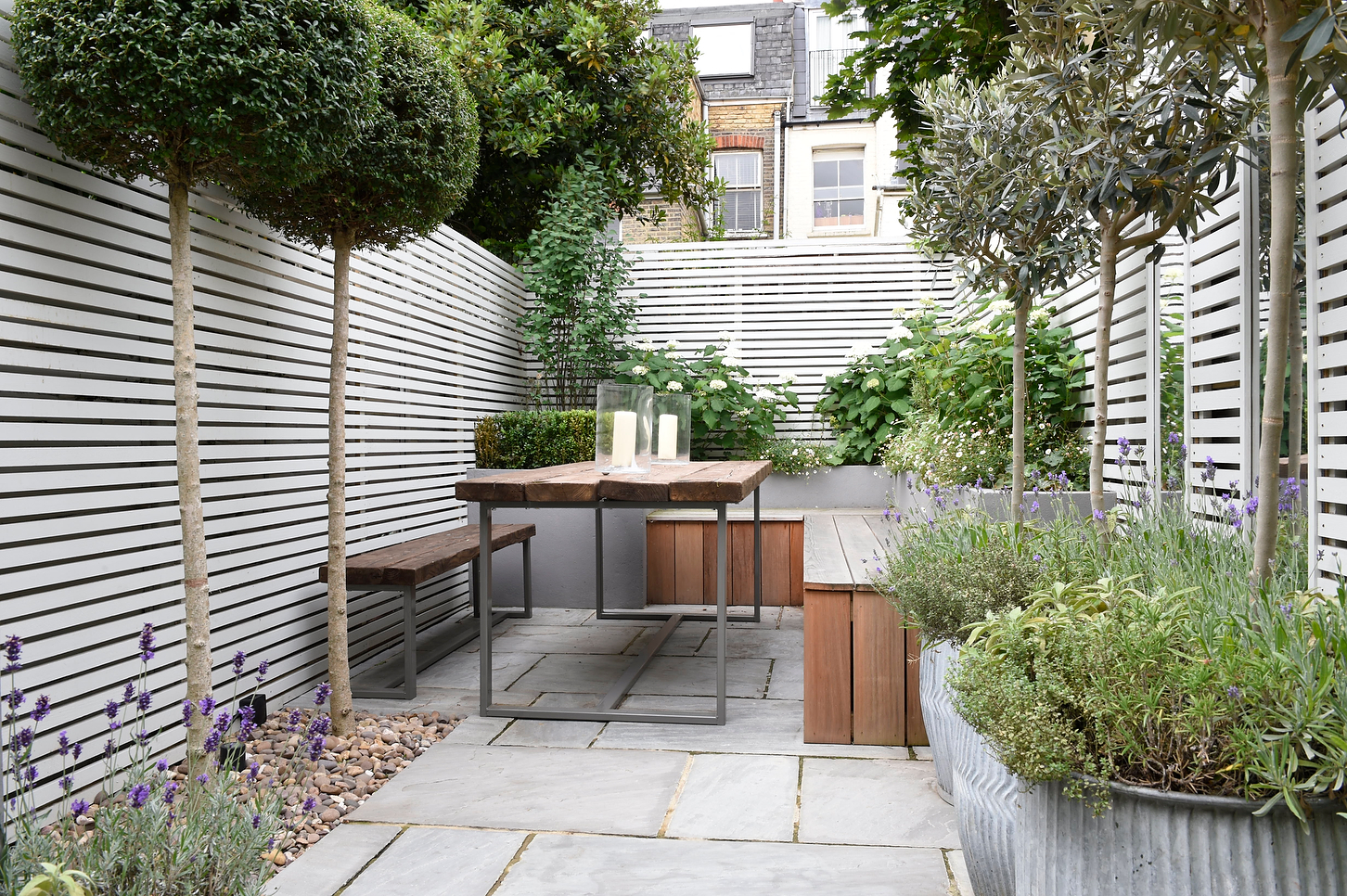
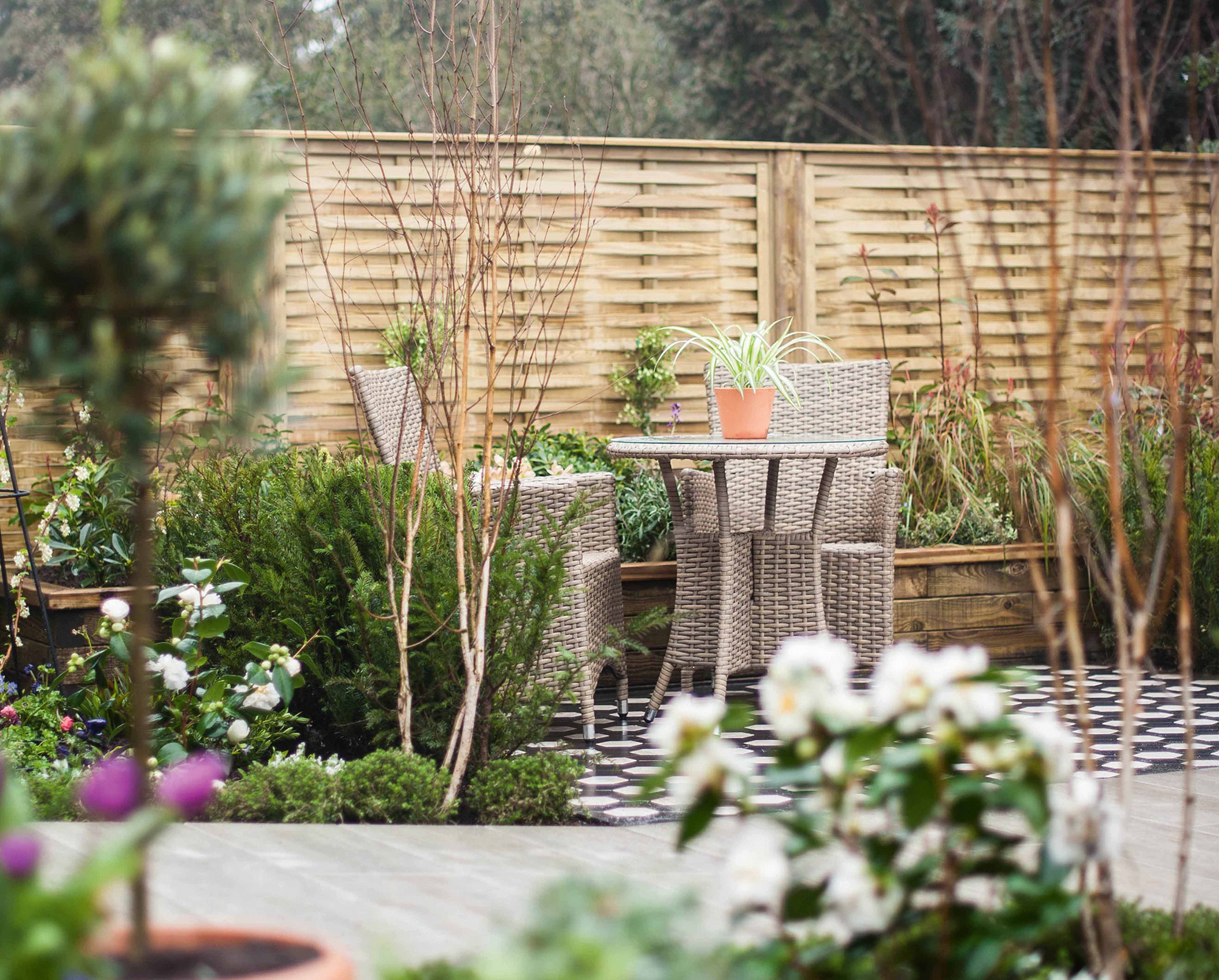
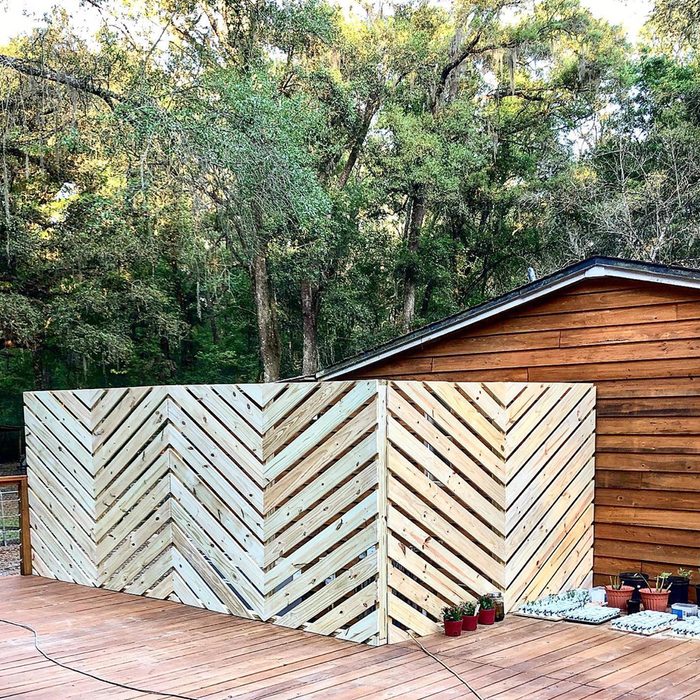
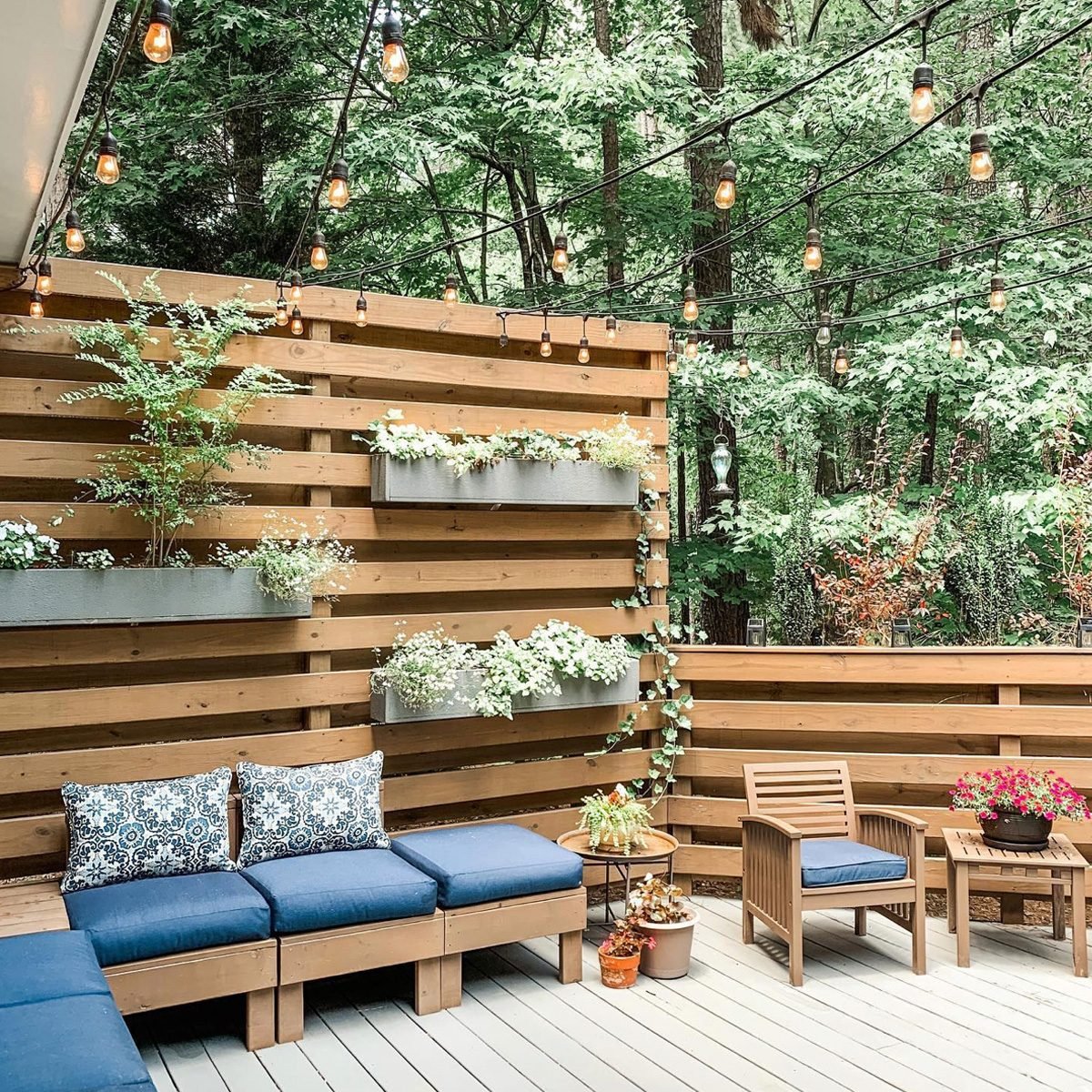
Further ideas include using simple wooden slatted fences to hide unsightly areas while allowing light, installing retractable awnings for shade and privacy from above, and employing movable screens like bamboo in planters on wheels for flexible screening. Living walls are highlighted as a natural and visually appealing option, allowing for a mix of foliage and floral varieties. Gabion cages, filled with decorative stones or other materials, are suggested for creating uniquely textured walls and additional height. For immediate results, faux foliage panels are recommended as a quick and impressive way to transform a fence. Turning a simple fence into a mini storage space by adding slats and hooks is presented as a multifunctional solution, especially for smaller spaces.
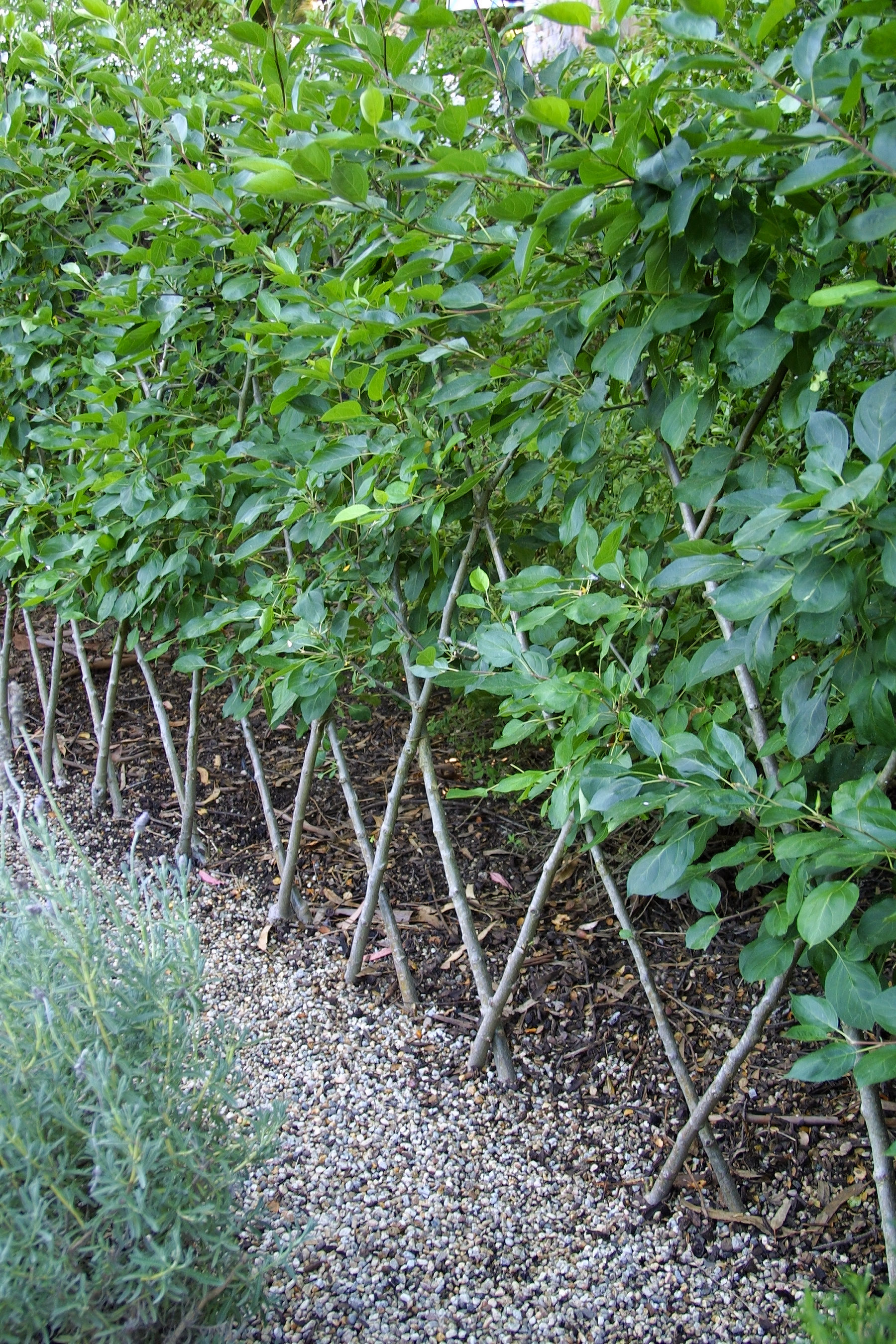
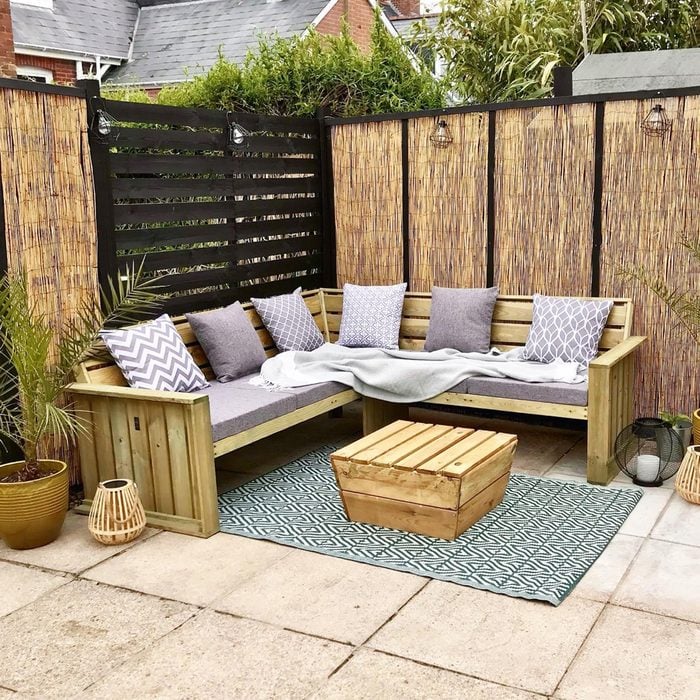
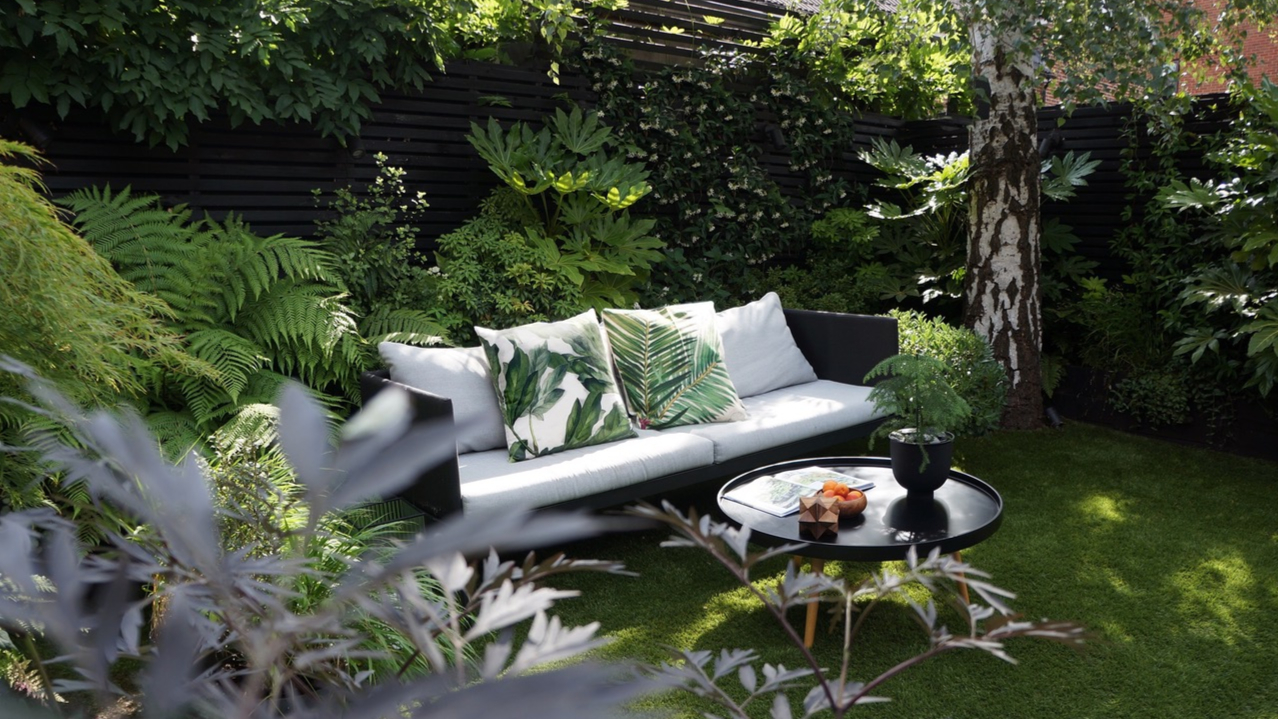
Other innovative ideas include erecting pergolas to screen from above, creating quiet enclosures with curtained gazebos, and utilizing tropical plants like palms and yuccas for a lush, green screen. Reed screening is introduced as a speedy, inexpensive, and eco-friendly option. The article also suggests making the fence a feature by opting for smart, contemporary designs in specific colors like grey, navy, or black, and adding decorative elements. Finally, woven panels, such as willow, are recommended for creating open zones where solid fencing might feel too harsh, offering an airy approach ideal for small gardens. The article concludes by addressing common questions regarding the durability and cost-effectiveness of bamboo versus willow screening and the cheapest methods for garden screening.
#GardenScreening #OutdoorPrivacy #GardenDesign #LandscapingIdeas #ModernGardens #NaturalScreening #PlantingIdeas #GardenFurniture #DIYGarden #GardenScreening #OutdoorPrivacy #GardenDesign #LandscapingIdeas #ModernGardens #NaturalScreening #PlantingIdeas #GardenFurniture #DIYGarden
0 commenti in totale
 Nessun commento ancora
Potresti anche gradire
25 garden screening ideas for more privacy in your garden this year

15 Urban Garden Ideas That Will Make Even Busy City Spaces Feel Like a Retreat

These 7 privacy screen ideas are pretty, practical, and perfect for creating a secluded outdoor space

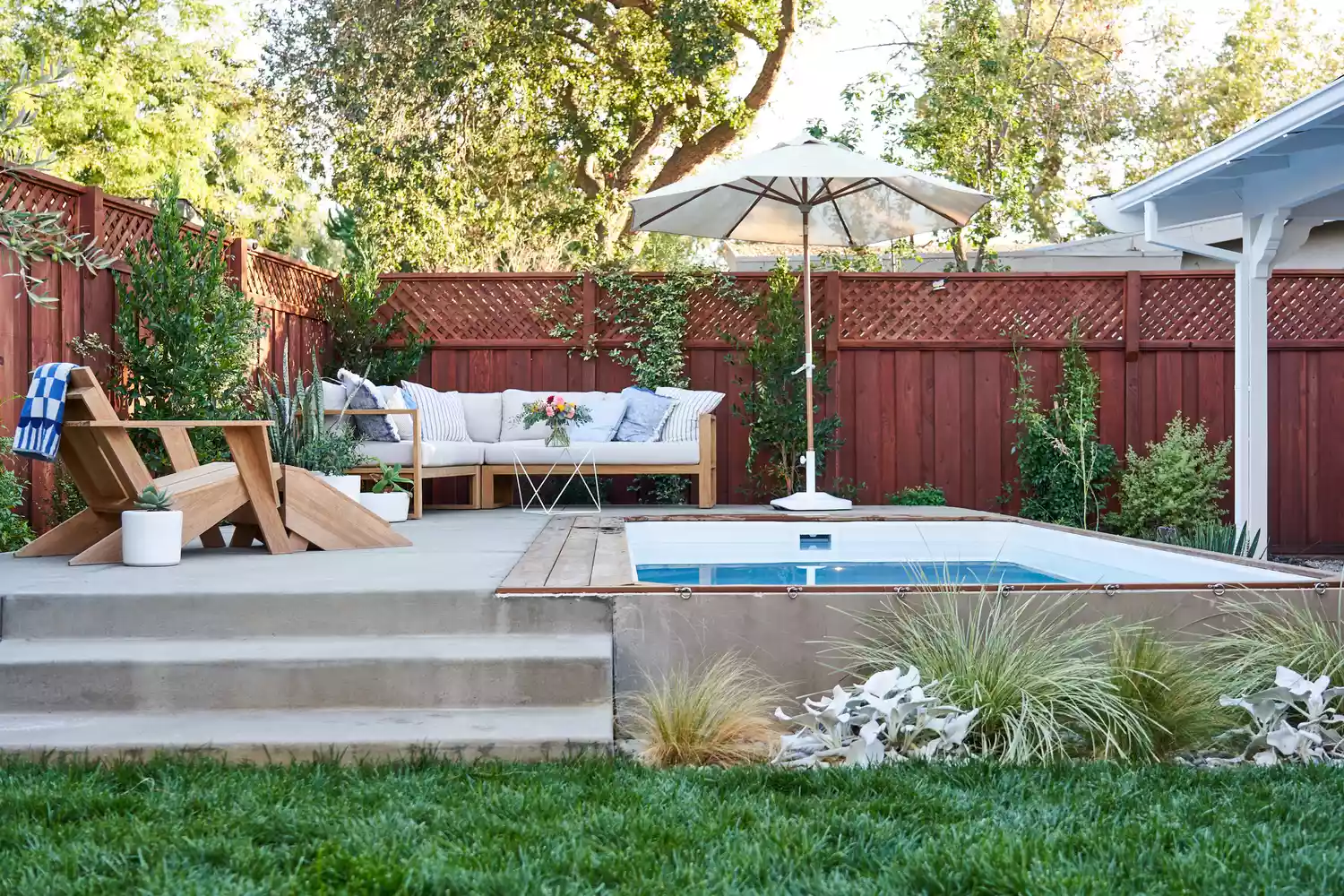
16 Easy Ways to Block a Neighbor's View of Your Yard

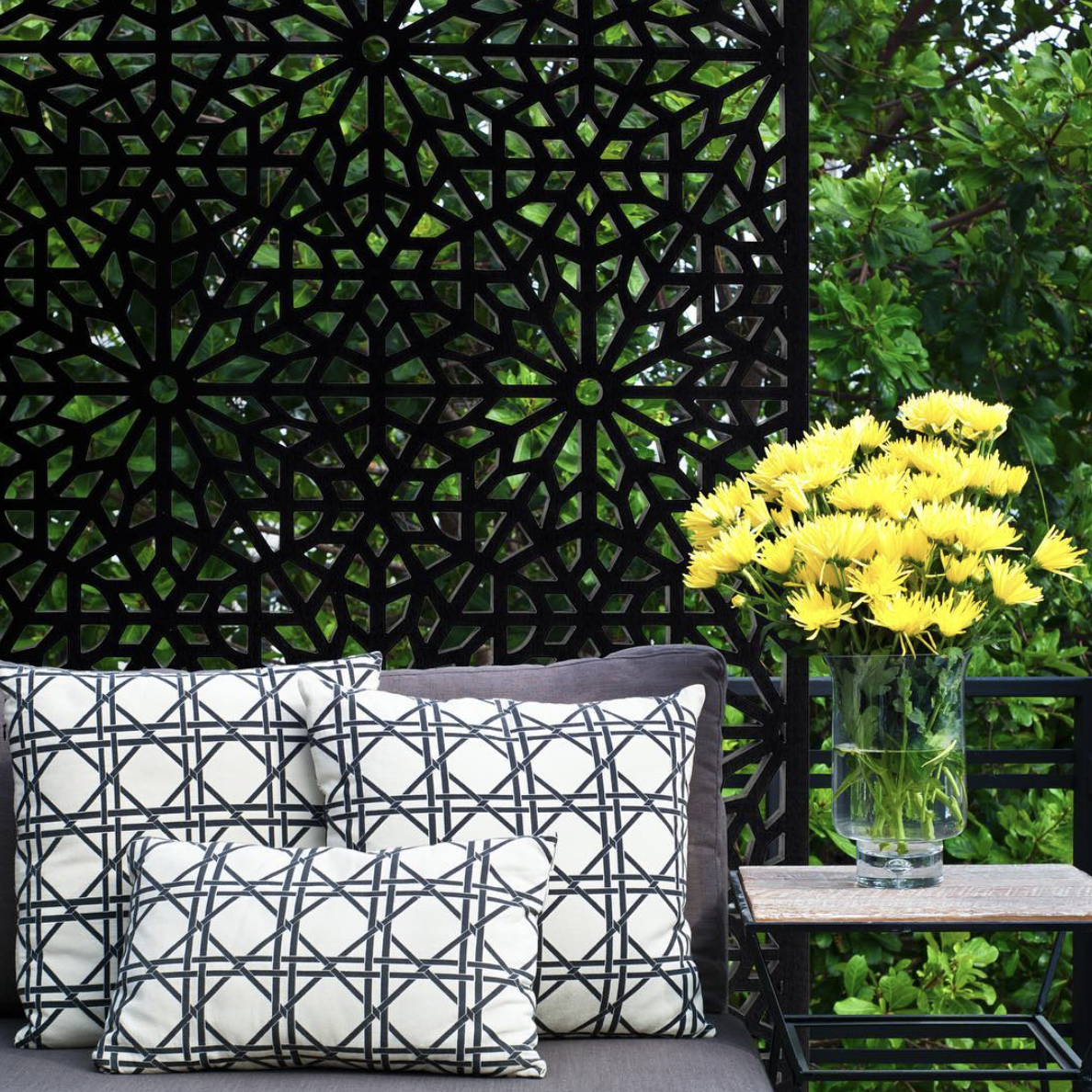
Garden screening ideas: 13 ways to create privacy in your garden

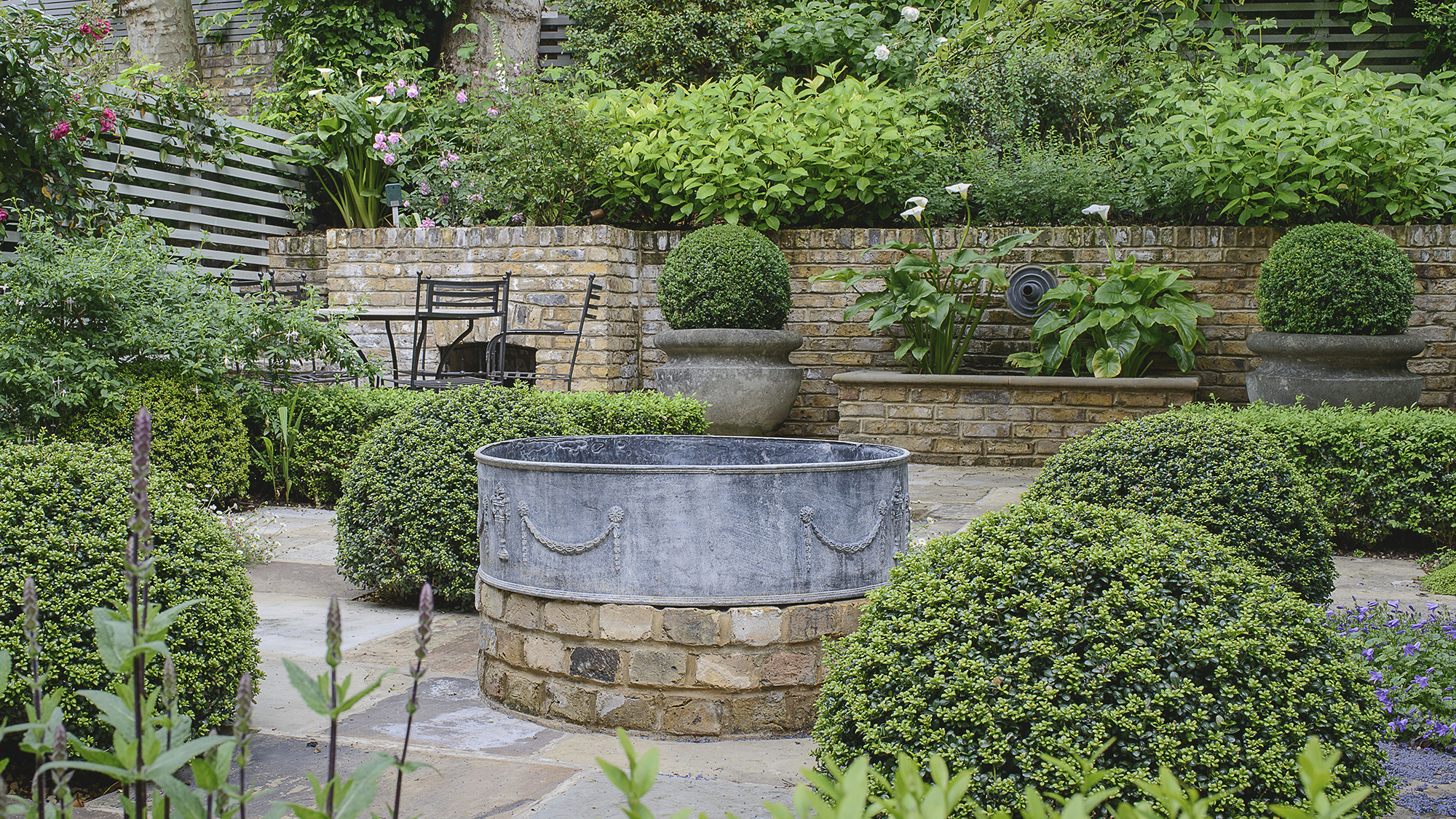
Garden wall ideas – 16 inspiring ways to define your boundaries

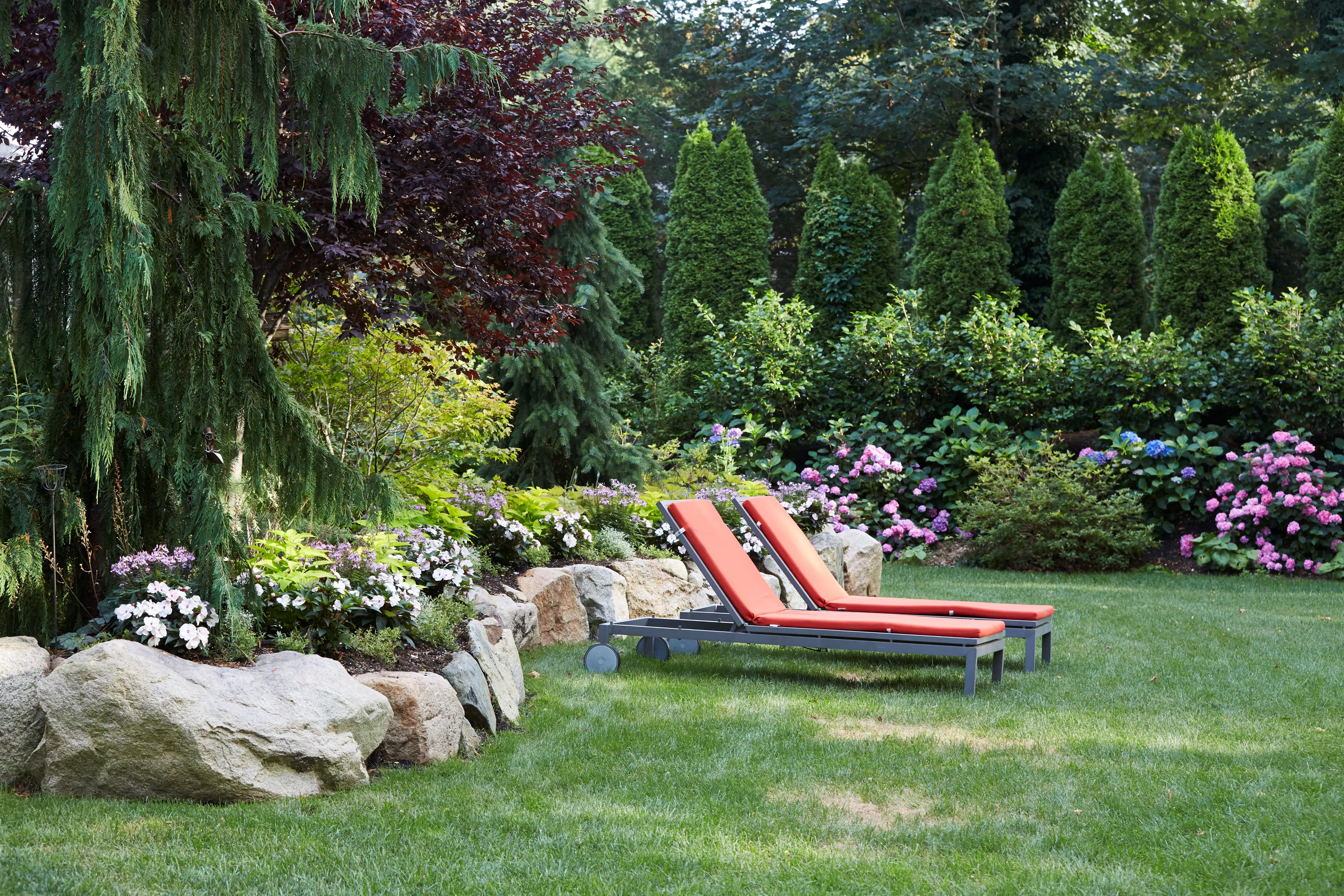
26 Best Evergreen Trees for Privacy and Year-Round Greenery
10 Privacy Fence Ideas for Your Yard

Garden Screening Ideas That Will Create Boundaries and Zones
18 Best Plants To Add Privacy To Your Yard
Small garden fence ideas – 9 ways to add style and structure to a small outdoor space
21 garden room ideas for year-round fun, entertainment and practicality
21 Landscape Plants That Pros Recommend for Adding Privacy

19 simple garden ideas for every style, size and budget
20 Beautiful Garden Design Ideas for Home In 2024
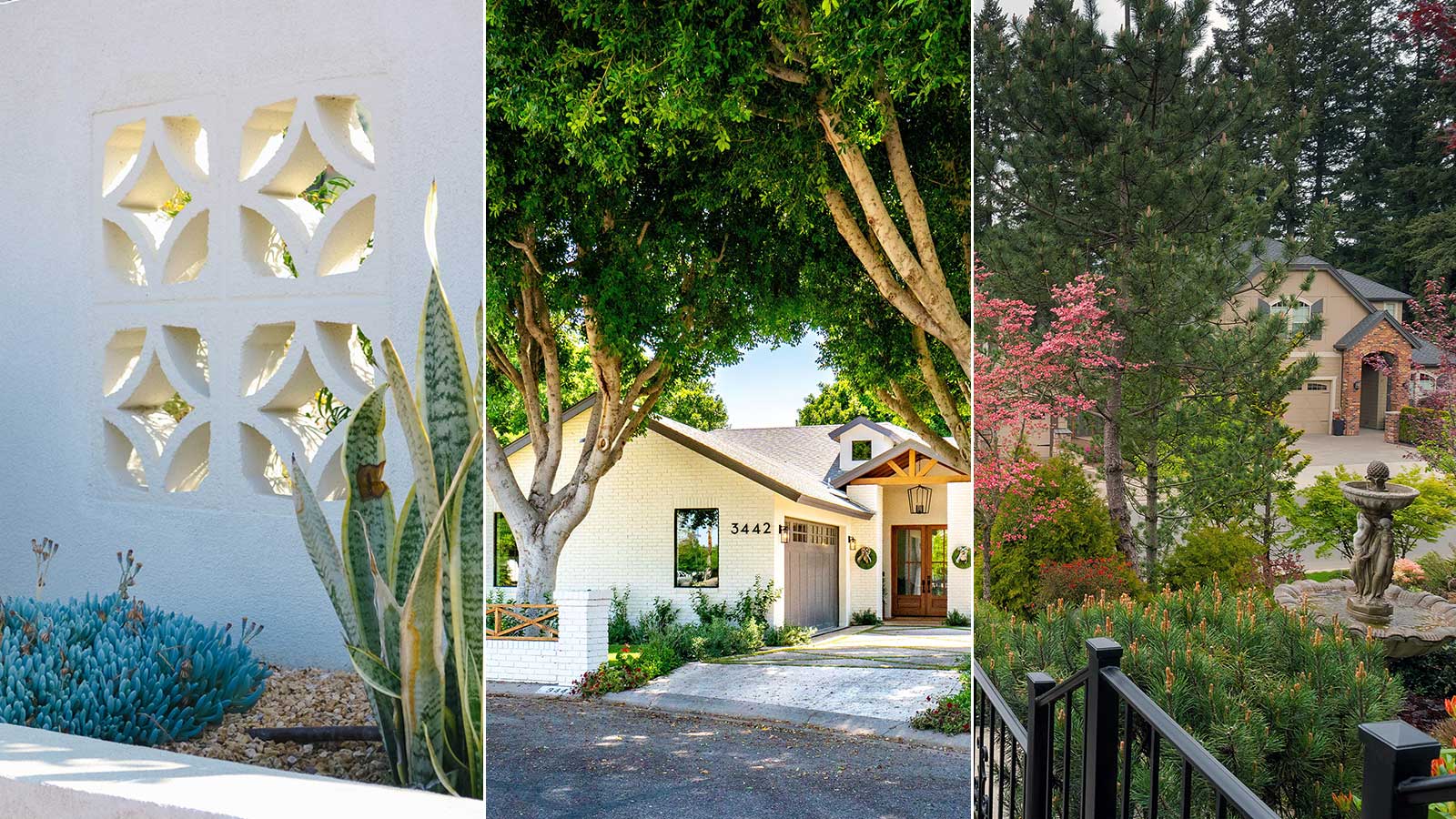
Front yard privacy ideas – 10 stylish ways to screen your home from the street
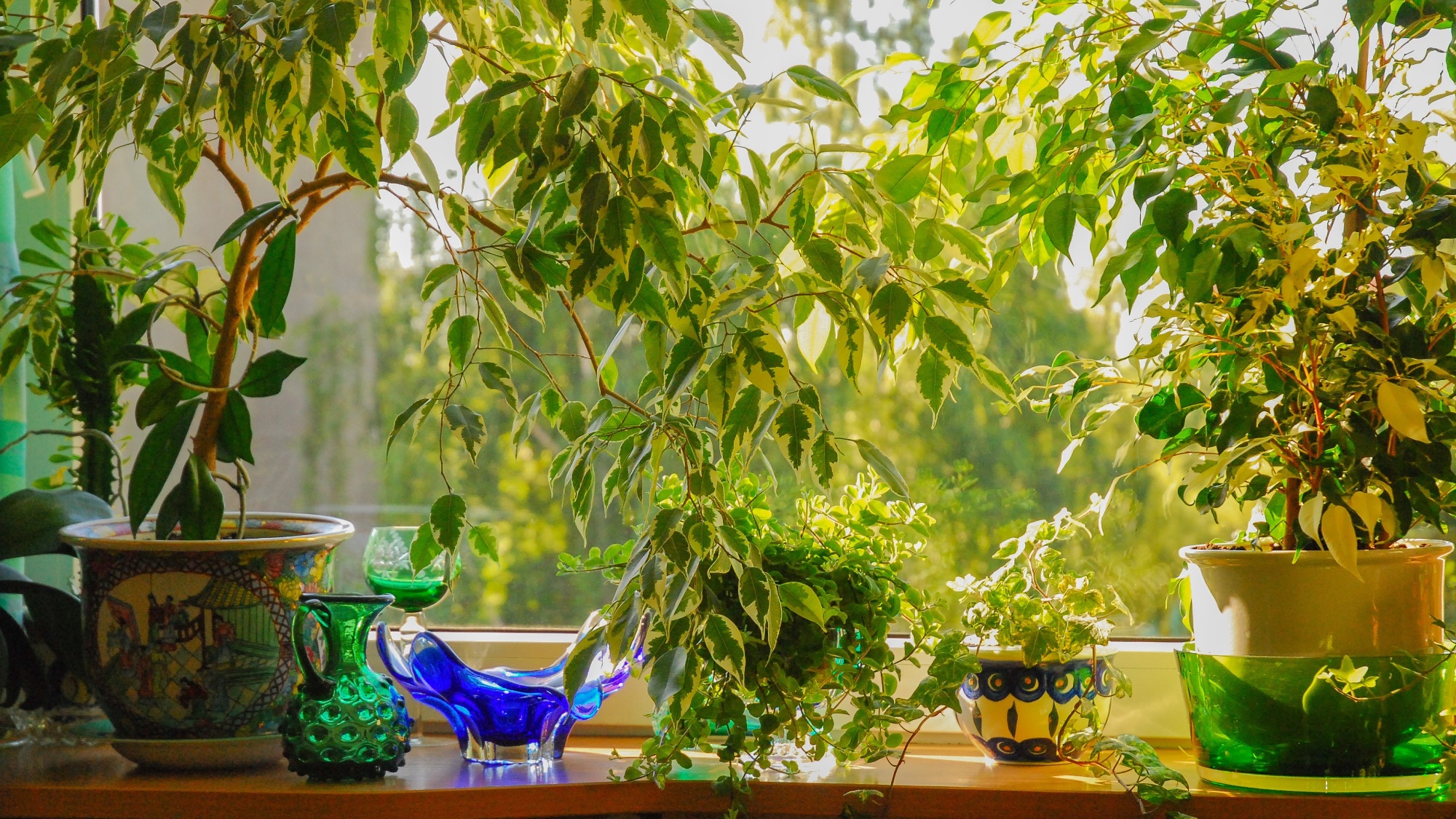
5 best indoor screening plants to protect your privacy

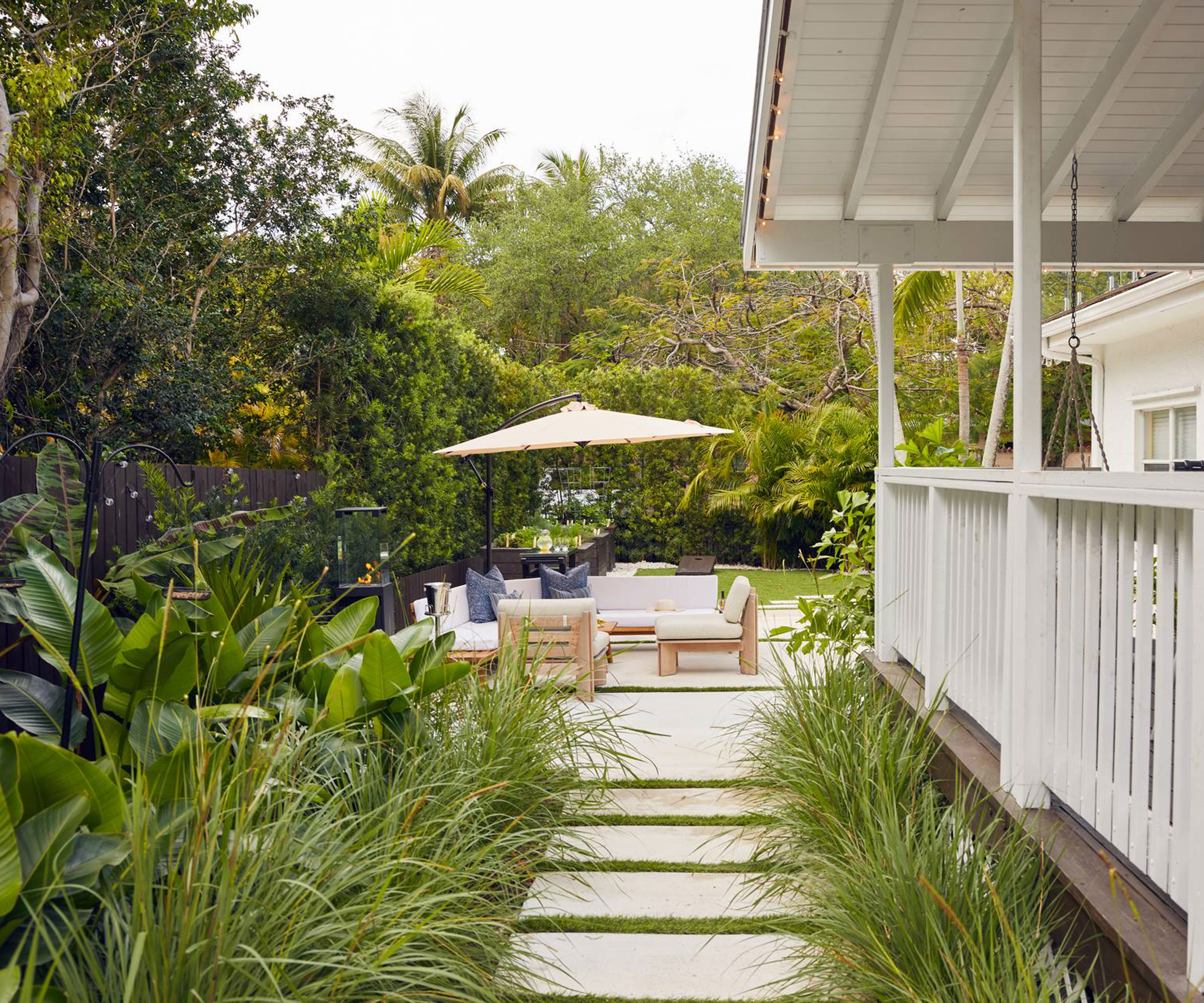
Townhouse backyard ideas – 10 designer-approved schemes to max out your space
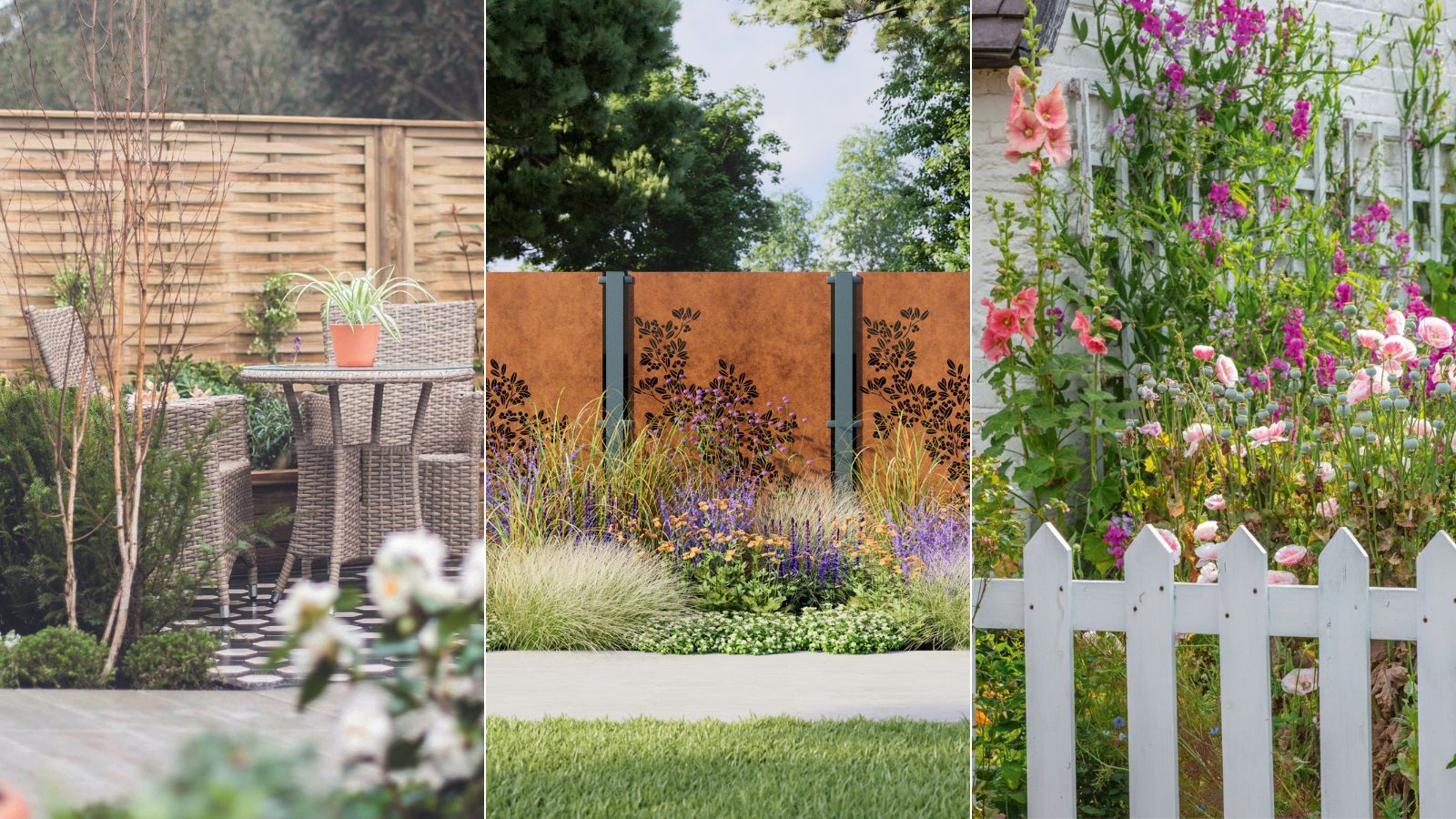
Garden fence ideas – 23 stylish ways to define your boundaries
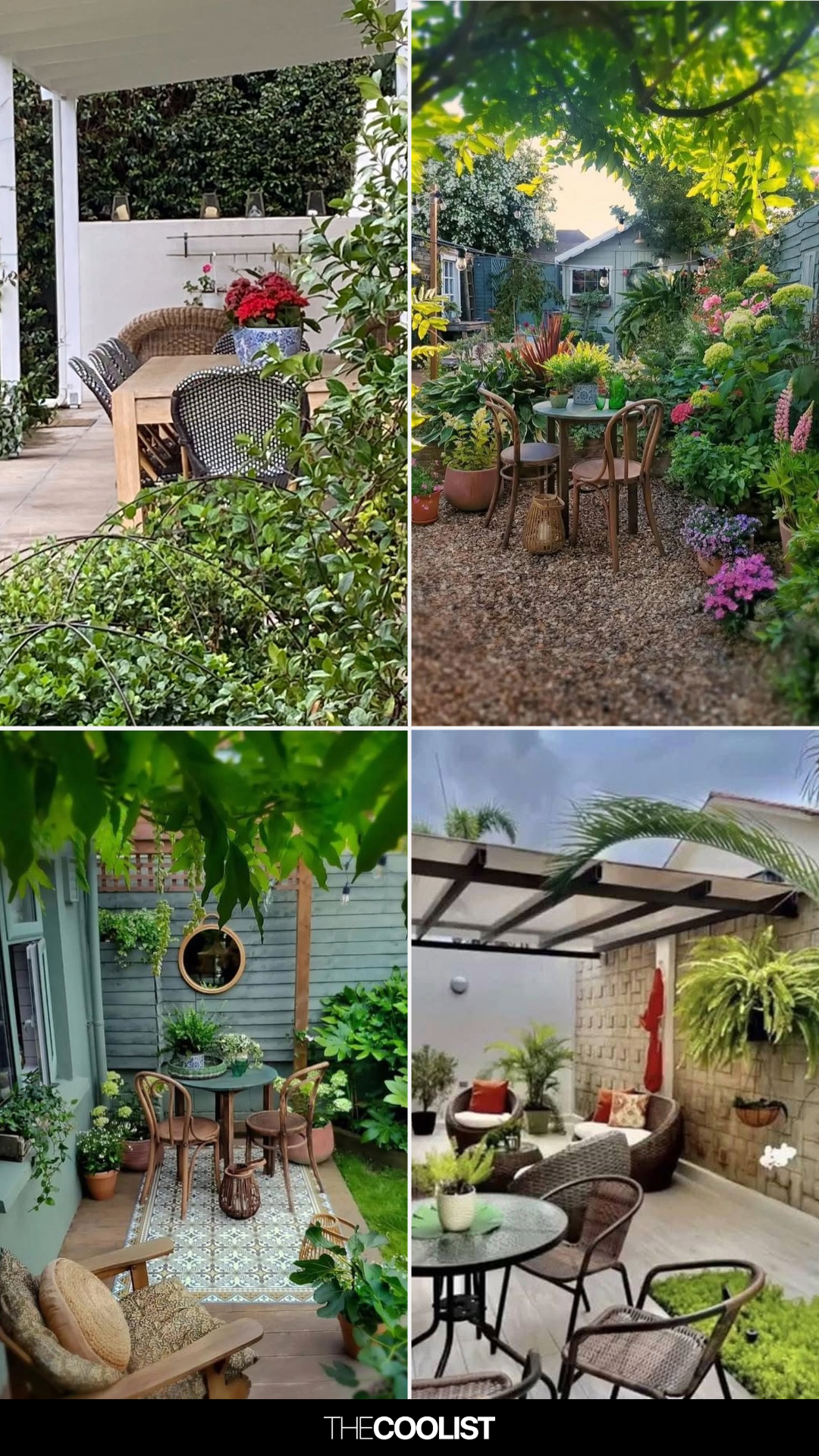
21 Designer-Level Outdoor Garden Room Ideas That Guests Won’t Believe Are Real