1/2
Furniture Care Part 3: How to Wax
Wax, once a primary finish for furniture, has evolved into a complementary treatment applied over other finishes or as a minimal, natural finish for specific wood items. This article explores the advantages and disadvantages of using wax for furniture care, provides guidance on selecting the appropriate wax, and outlines the application process for paste waxes.
Historically, wax served as the main protective layer for wood furniture. However, with advancements in finishing technology, more durable and protective options emerged, leading to wax being largely superseded. Today, wax primarily functions as a secondary layer, enhancing the richness and natural appearance of wood while offering an additional barrier. For raw wood items, such as turned bowls, it can still serve as a simple, natural finish.
Despite its limitations in terms of protection compared to modern finishes, wax offers several benefits. It creates a barrier against dust and airborne pollutants, is easy to apply and re-apply, and typically yields consistent results. Some waxes are also non-toxic and food-safe, making them suitable for various applications. Wax provides moderate water resistance, allowing time to clean up spills, and can be easily removed with solvents. Furthermore, its ability to be re-buffed helps to rejuvenate tired finishes and restore shine.
However, wax also has drawbacks. Maintaining its protective and aesthetic qualities requires frequent re-application, typically every 6 months to a year, depending on the item's usage. Exposure to heat can damage wax, leaving behind white rings. Over time, excessive wax buildup can lead to a dull appearance, diminishing the furniture's luster.
When choosing a wax, factors such as ease of application, durability, and toxicity should be considered. Quality, non-toxic, and locally sourced options are often preferred. For example, beeswax, specifically Claphams Beeswax made in British Columbia, is highlighted for meeting these criteria and its pleasant scent.
Proper preparation is crucial before applying wax. For re-application, simply wipe the surface with a damp cloth to remove dirt. If the existing wax is old and no longer buffs to a shine, it should be removed. Most waxes dissolve in mineral spirits or naphtha; a clean rag dipped in the appropriate solvent can be used to rub off the old wax. It is essential to allow adequate time (at least 30 minutes) for the solvent to evaporate before applying new wax. If the furniture has upholstery, it should be protected from solvents.
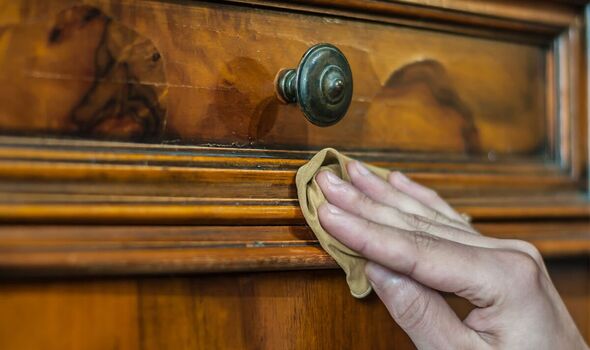
Applying paste waxes involves using a wax brush or a clean, lint-free rag. Any loose threads or torn edges on the rag should be folded inward to prevent snagging wood fibers or leaving lint. A small amount of wax is applied in a circular motion to ensure even coverage, aiming for a slightly wet or glossy appearance. Over-application should be avoided to prevent waste. After allowing the wax to set according to the manufacturer's instructions, the surface is buffed with a clean rag. Increased buffing enhances shine due to the friction generating heat, which melts and smooths the wax, leading to greater light reflection. Caution is advised when handling wax-soaked rags, as some paste waxes contain flammable solvents. To prevent spontaneous combustion, rags should be washed with water, opened up and laid on a non-flammable surface to dry, or stored in metal containers before disposal according to local bylaws.
#FurnitureCare #WoodFinishing #WaxApplication #HomeMaintenance #DIYFurniture #Beeswax #InteriorDesign #FurnitureRestoration #FurnitureCare #WoodFinishing #WaxApplication #HomeMaintenance #DIYFurniture #Beeswax #InteriorDesign #FurnitureRestoration
0 commenti in totale
 Nessun commento ancora
Potresti anche gradire
How to restore life of damaged wood furniture yourself

5 Common Sofa Cleaning Mistakes You Might Be Making

I Asked My Furniture-Maker Dad How to Remove Water Stains From Wood — These Are His 3 "Tried and Tested" Tricks

How To Clean Lacquer Furniture Without Stripping It, According To An Expert
The Right Way To Whitewash Wood Furniture

How to Clean Secondhand Furniture, According to Professional Upcyclers
Experts reveal 7 surprising ways you're ruining your furniture
Expert's clever olive oil hack to 'protect and rejuvenate' furniture
How to clean candle wax off upholstery and carpet - 3 easy steps to deal with festive tablescape disasters


7 Unexpected Ways You're Secretly Damaging Your Furniture, Designers Say
How to Clean a Couch, According to Experts | NBC Select
How to clean outdoor furniture – 3 simple steps for wood, metal, resin and rattan

How to Remove Wax Drips From Wood (Without Damaging the Finish)


Wood Dyes & Waxes | Wax for Unfinished Wood

How to Fall in Love with Your Furniture (Again)


How To Deep Clean a Couch: Expert Tips for Getting It To Look Like New

10 Best Furniture Polishes, Tested by Cleaning Experts
How to refinish wood furniture - easy ways to totally overhaul your decor
Are You Cleaning Your Couch Enough? Here's How to Do It the Right Way
You Can Use Oven Cleaner to Strip Wood Furniture