1/2
Create An Environmentally Friendly Rooftop Garden
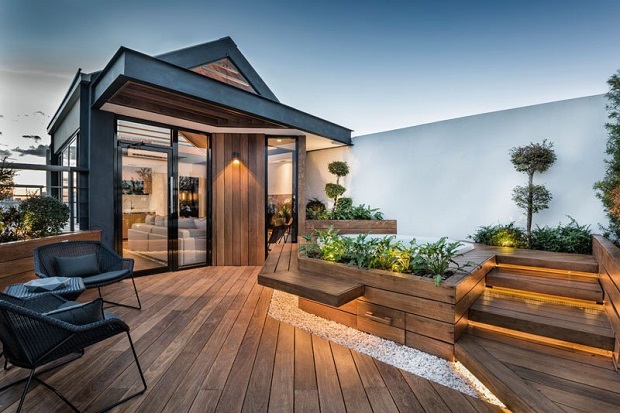
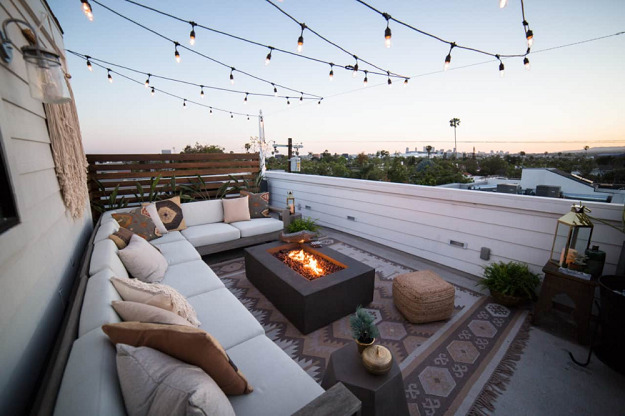
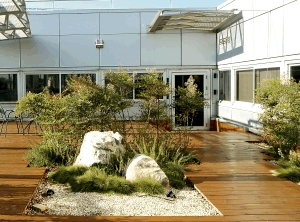
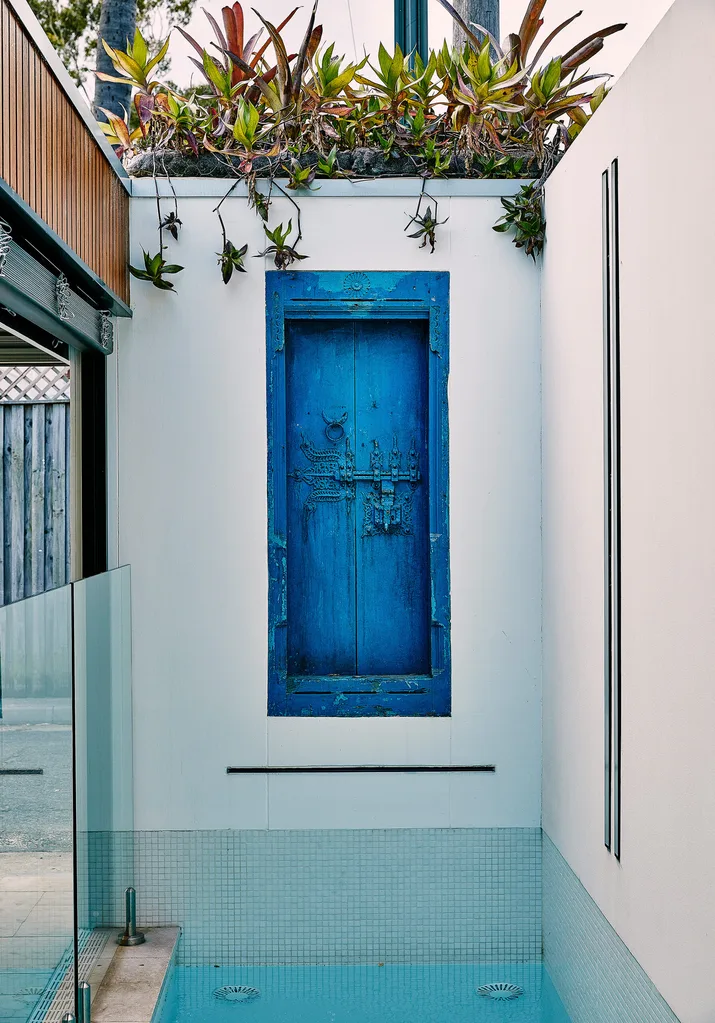
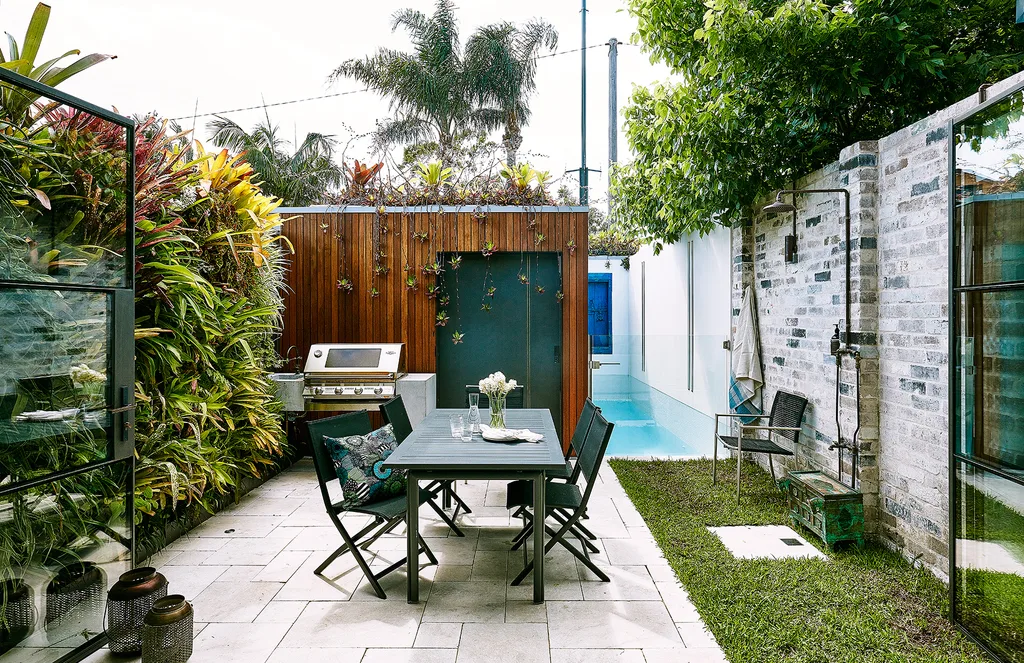
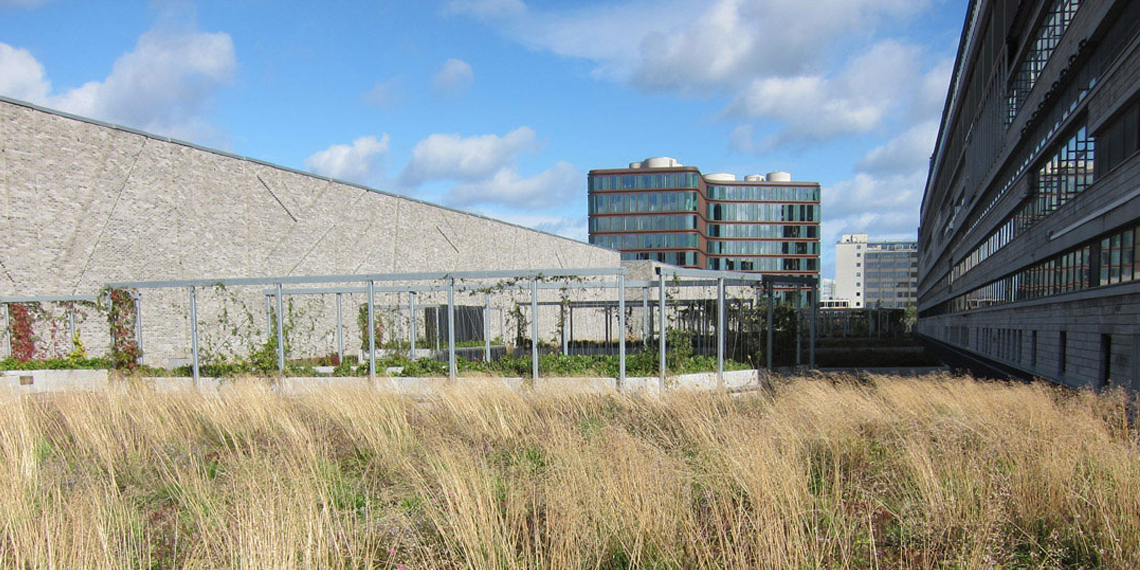
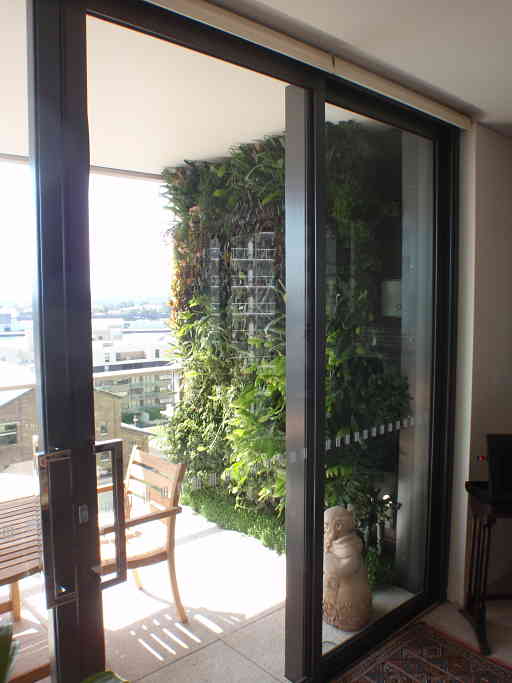
This article by landscape designer Matt Leacy provides comprehensive guidance for individuals seeking to establish a sustainable and low-cost rooftop garden, particularly in urban settings where traditional backyard spaces are often unavailable. The overarching goal is to transform underutilized rooftop areas into vibrant green sanctuaries. Before initiating any planting, a critical first step involves thoroughly assessing the structural integrity and condition of the rooftop. This includes verifying that the waterproof membrane is properly sealed, intact, and protected from potential damage. It's also essential to confirm the membrane's compatibility with various garden chemicals and organic compounds, such as fertilizers, composts, and plant leachate. Adequate drainage systems must be in place to prevent water accumulation, and the roof's weight-bearing capacity needs to be ascertained to ensure safety and prevent structural issues. For any large-scale installations, consulting with local councils or engineers for necessary approvals is strongly recommended.
Once the structural assessment is complete, the article delves into practical steps for creating the rooftop garden. One suggestion for an easy-to-maintain green surface is the installation of AstroTurf. While the initial investment might be higher, artificial turf offers a low-maintenance solution, eliminating the need for regular watering and mowing. It also drains effectively, conserves water, and boasts a long lifespan, leading to long-term savings in time and money. This option is particularly beneficial for dark, south-facing balconies where natural grass struggles to thrive and provides a clean play area for children and pets, free from mud.
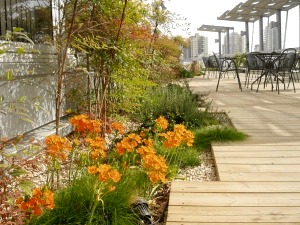
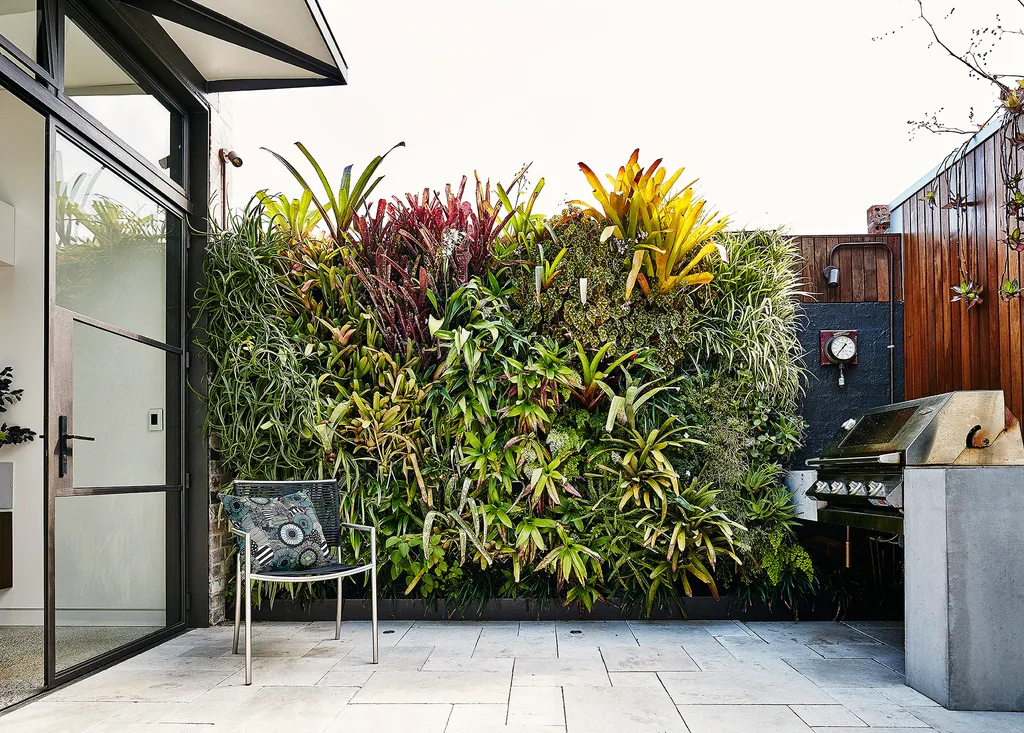
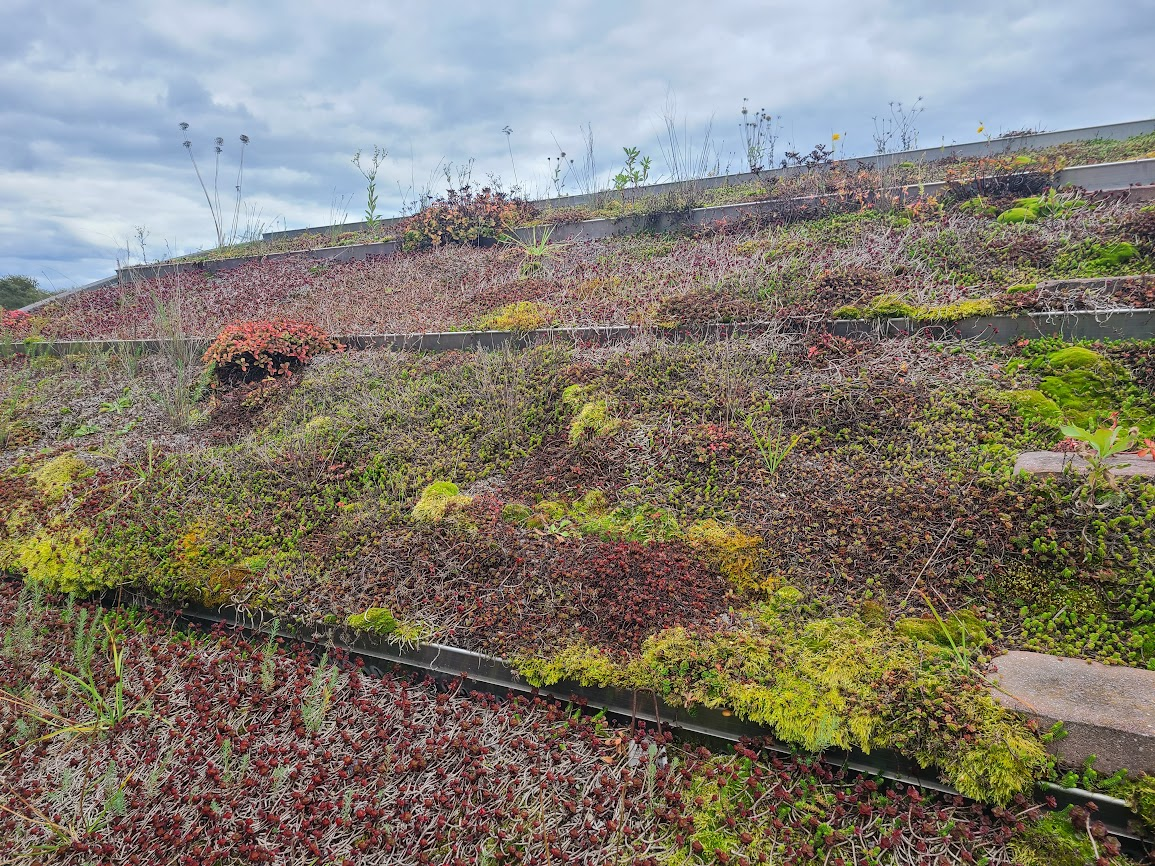
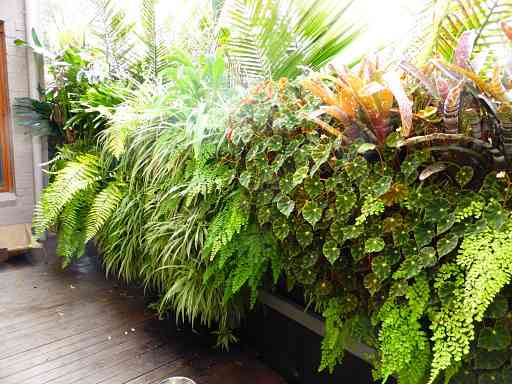
The selection of appropriate plants is another crucial aspect. Rooftops are typically exposed to harsh environmental conditions, including intense sunlight and strong winds. Therefore, plants chosen must be resilient and adaptable to these elements. Succulents, various grasses, and coastal species are highly recommended due to their ability to tolerate shallow soil, heat, and dry conditions. Specific examples include Aloe x spinosissima, known as the Spider Aloe, which features rosette-shaped succulent leaves and orange-red flowers, and Senecio mandraliscae, or Blue Chalk Sticks, characterized by silvery-blue cylindrical leaves and yellow daisy-like flowers. The article advises selecting dwarf-like plants and ensuring they are securely fastened to prevent them from being dislodged by storms or high winds.
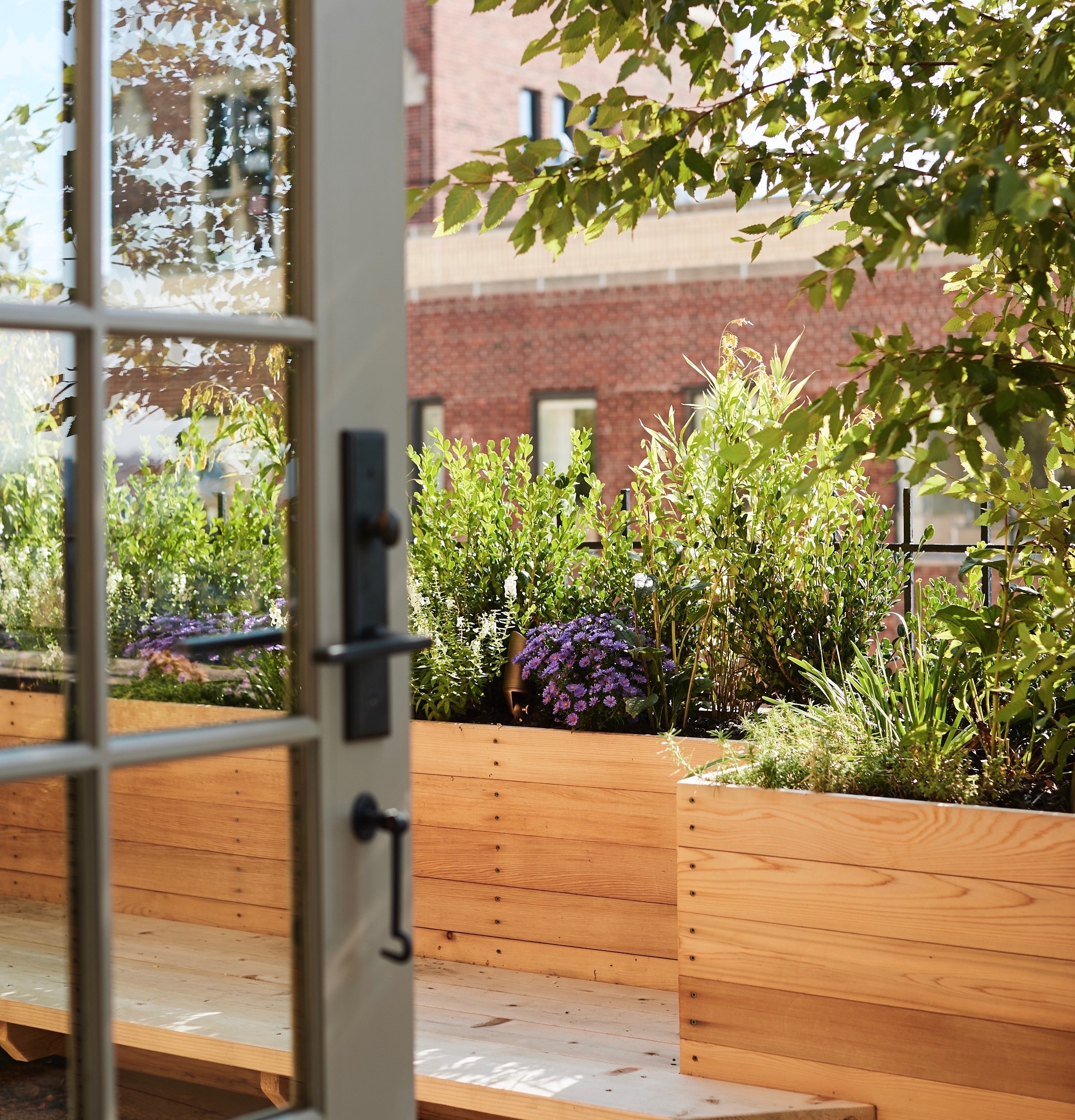
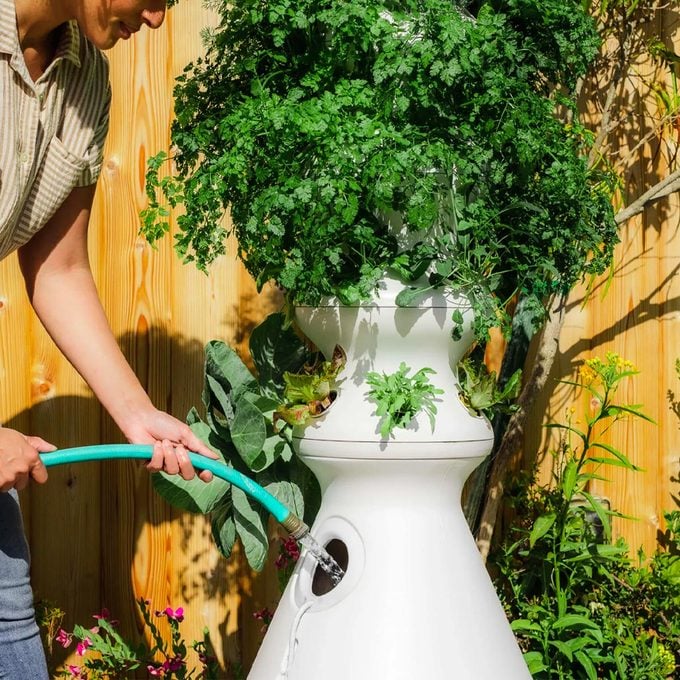
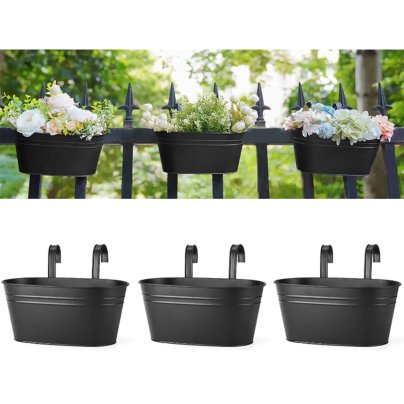
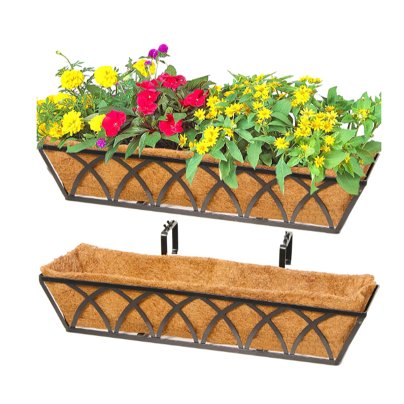
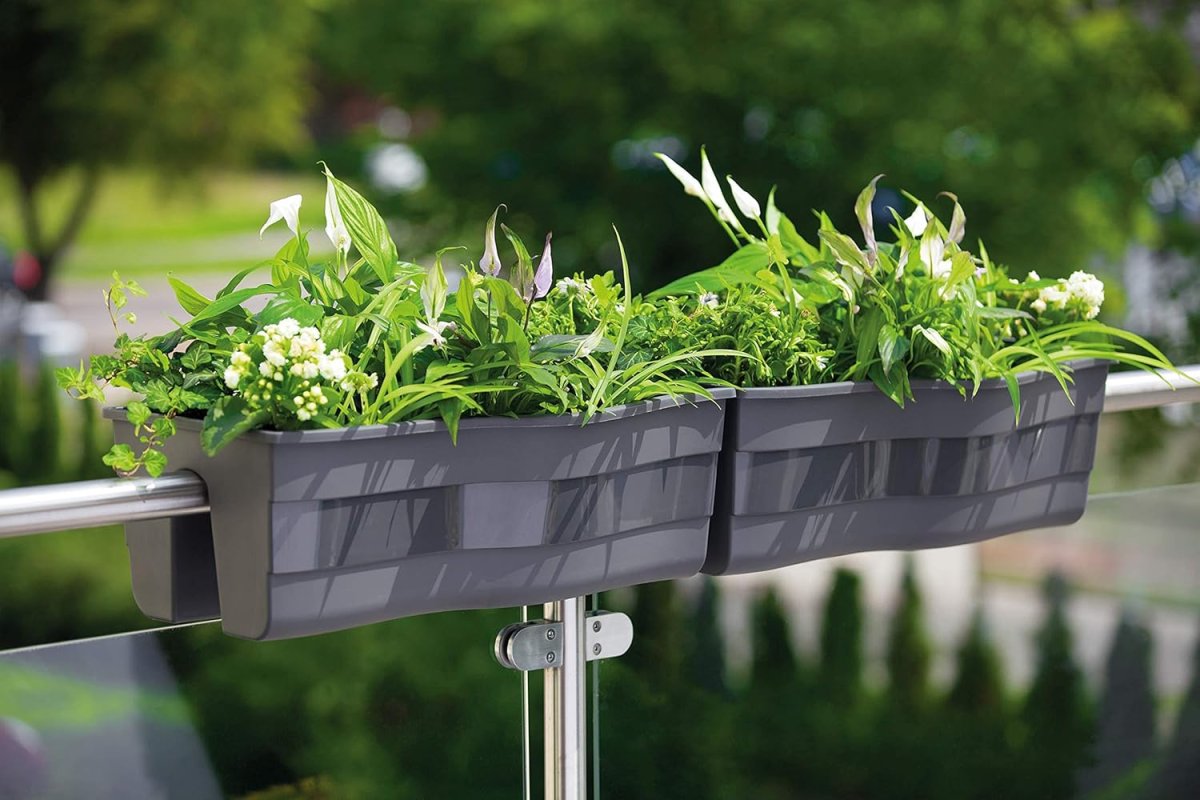
Beyond aesthetics, the article encourages incorporating functional gardening elements. Cultivating a herb garden on the rooftop can provide a beautifully scented space and a continuous supply of fresh herbs for cooking. Herbs like mint, parsley, thyme, rosemary, and chives are lightweight and relatively easy to grow, making them ideal for planter boxes. Furthermore, the creation of an organic vegetable patch is highlighted as a win-win solution. Growing vegetables on a green roof helps absorb sunlight and water while providing fresh, chemical-free produce for the household. It is important to use containers with good drainage to prevent plant roots from penetrating the roof membrane. Recommendations for a healthy year-round veggie patch include iceberg lettuce, snow peas, kale, spinach, zucchini, and cherry tomatoes, emphasizing the benefits of home-grown produce for clean eating.
#RooftopGarden #SustainableLiving #UrbanGardening #EcoFriendly #PlantSelection #HomeImprovement #DIYGarden #GreenSpace #OutdoorDecorating #RooftopGarden #SustainableLiving #UrbanGardening #EcoFriendly #PlantSelection #HomeImprovement #DIYGarden #GreenSpace #OutdoorDecorating
0 commenti in totale
 Nessun commento ancora
Potresti anche gradire
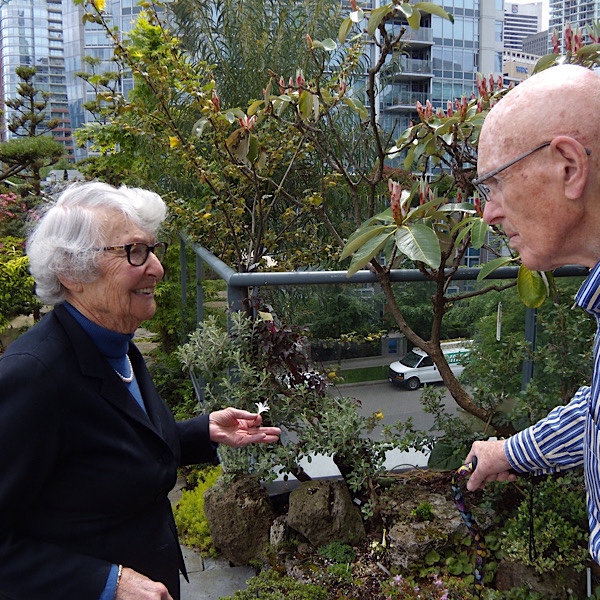
Three Vancouver Legends: Glen Patterson, Cornelia Oberlander & The Coal Harbour Rooftop Garden
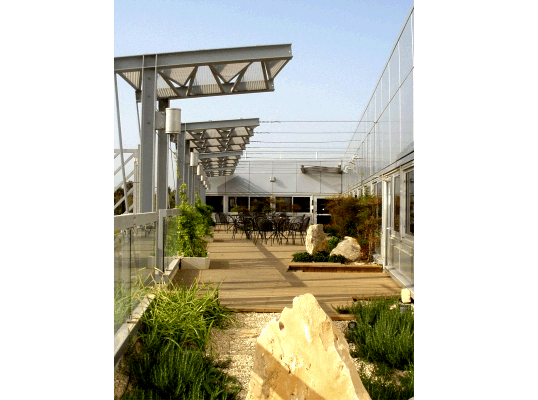
ROCH, Israel Roof Garden
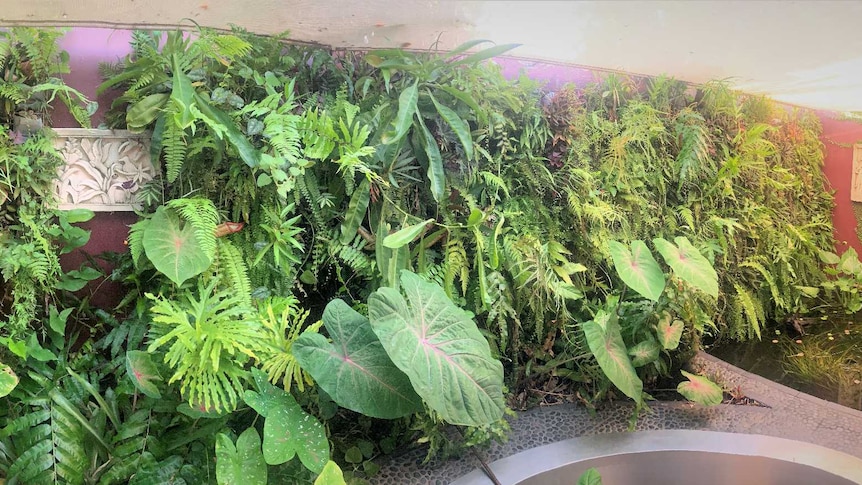
Graeme built this lush vertical garden from old fencing and milk bottles

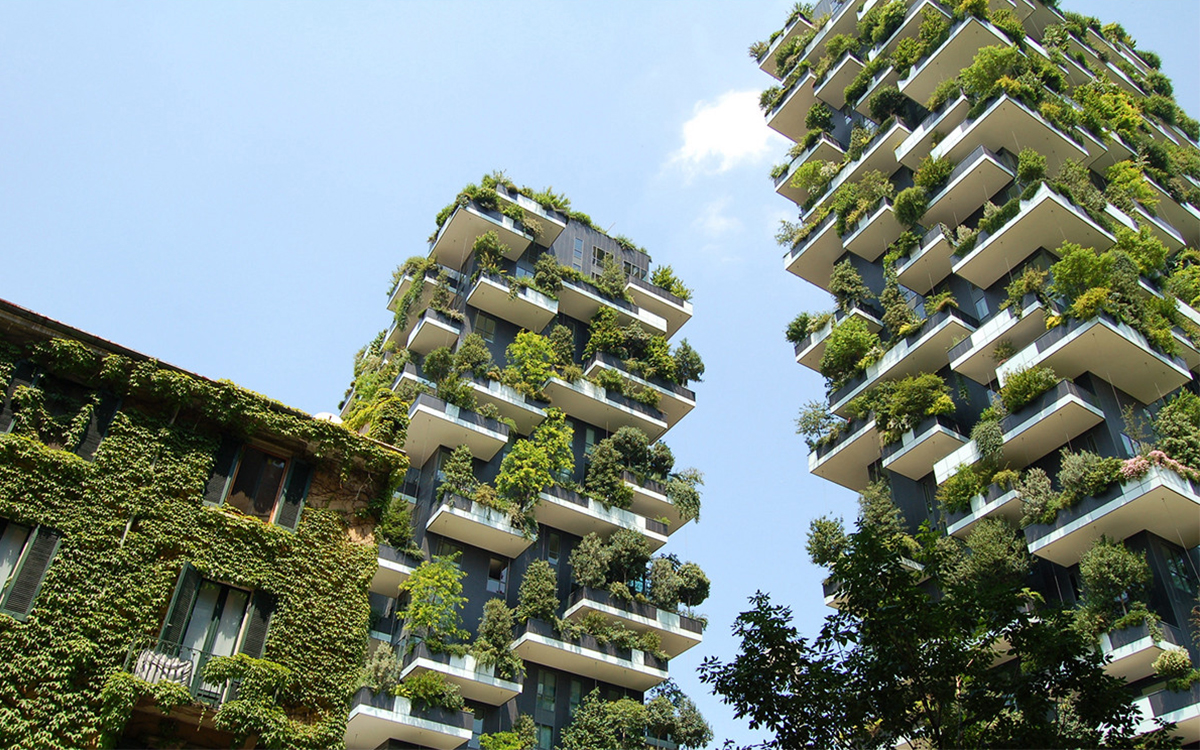
Vertical Gardening Is a Dead-Simple DIY Project That Any Space Can Handle


Urban Oasis: Rooftop Gardening in Pittsburgh

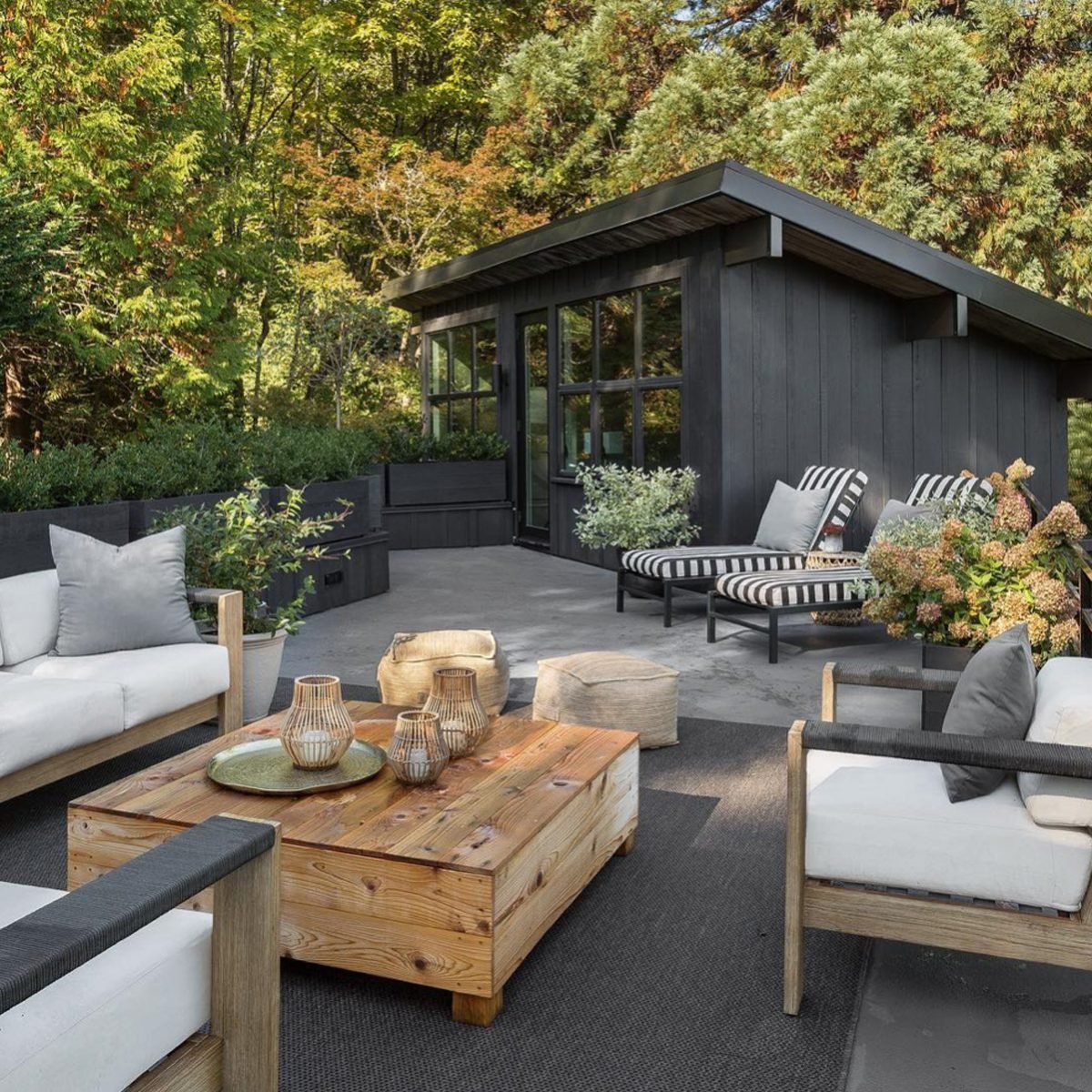
8 Inspiring Rooftop Deck Ideas For Your Outdoor Space

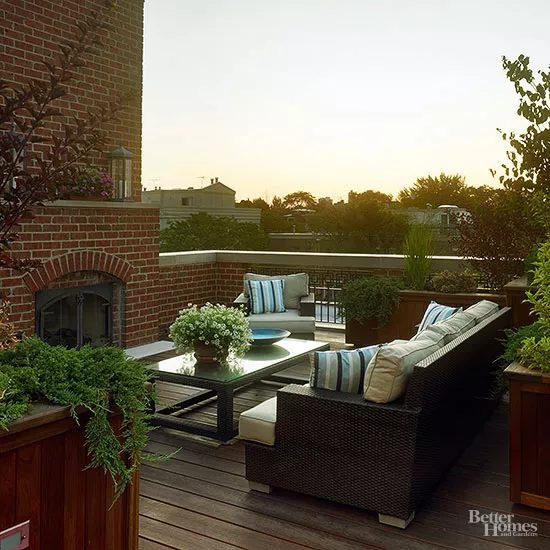
17 Creative Rooftop Deck Ideas for Big and Small Spaces

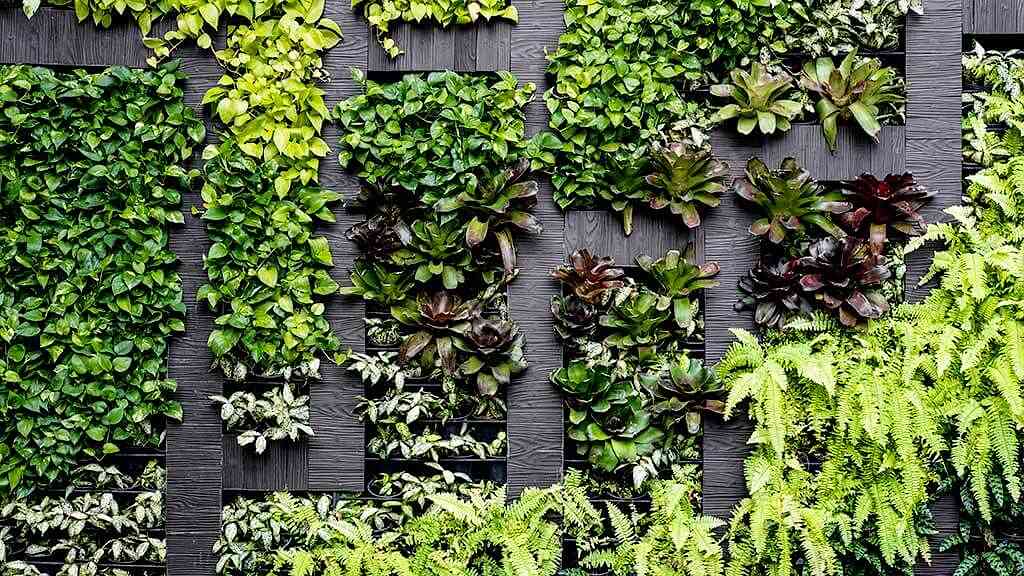
How to grow a vertical garden at home
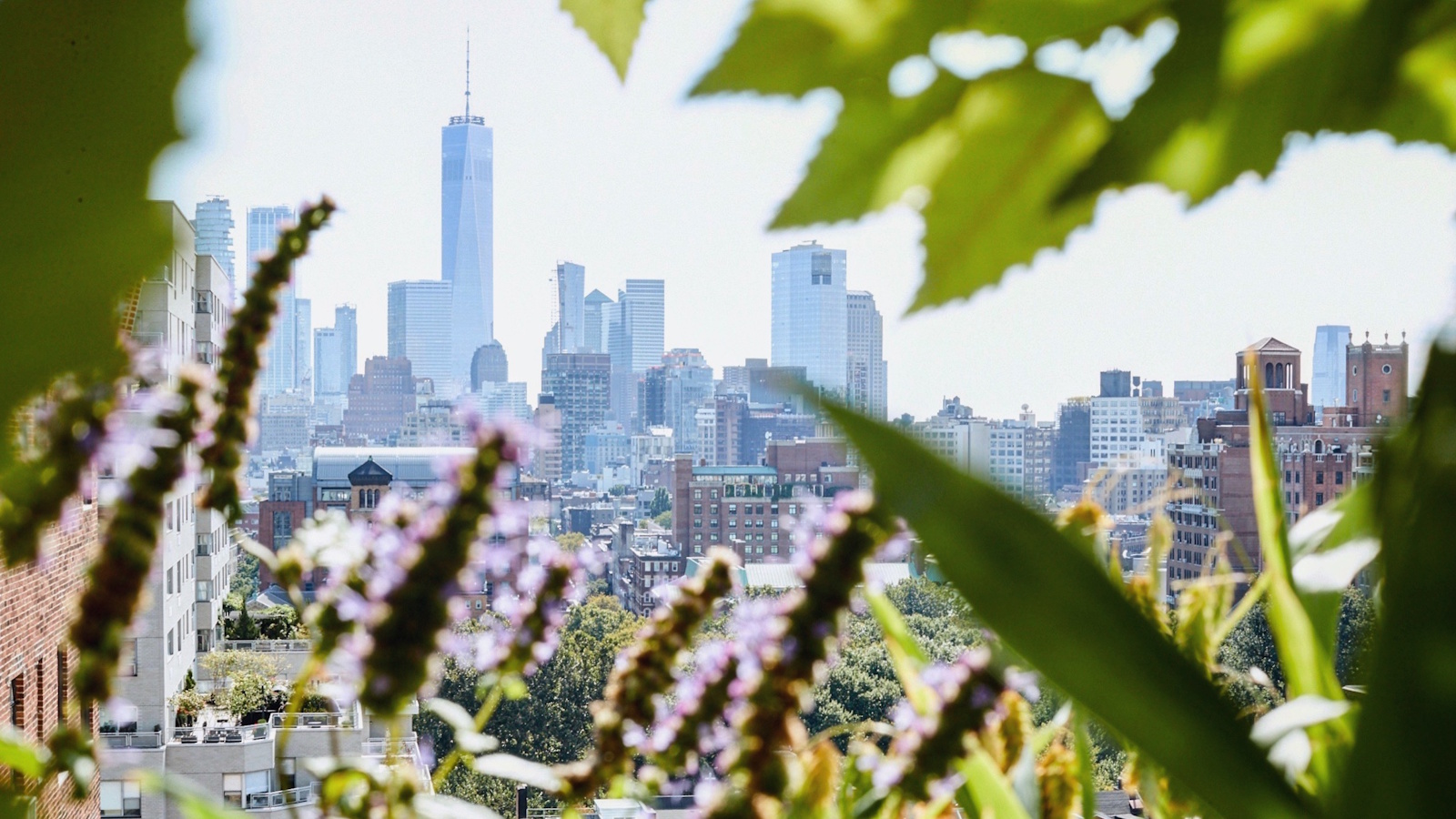
Sanctuaries in the city – NYC garden designer reveals how to transform urban rooftop gardens into green oases

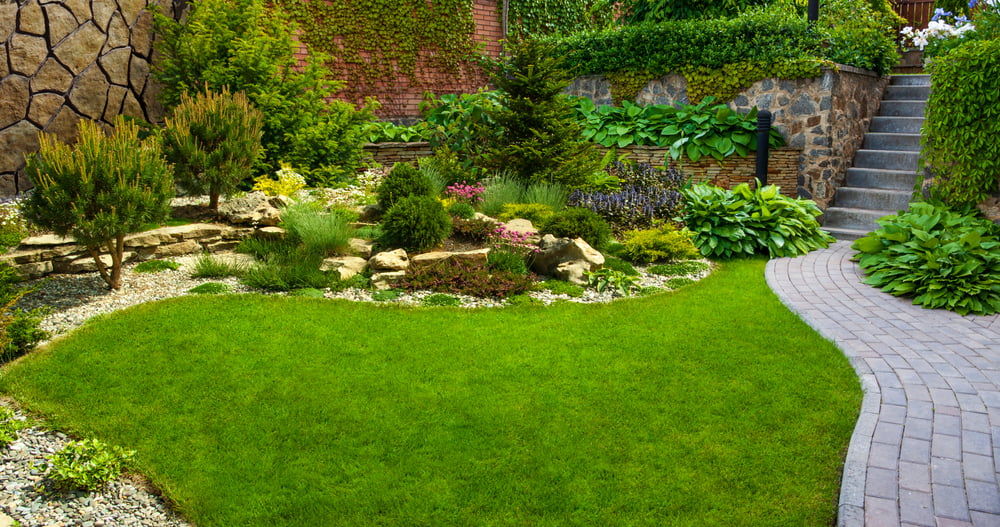
Create an Eco-Friendly Outdoor Space with Expert Garden Design

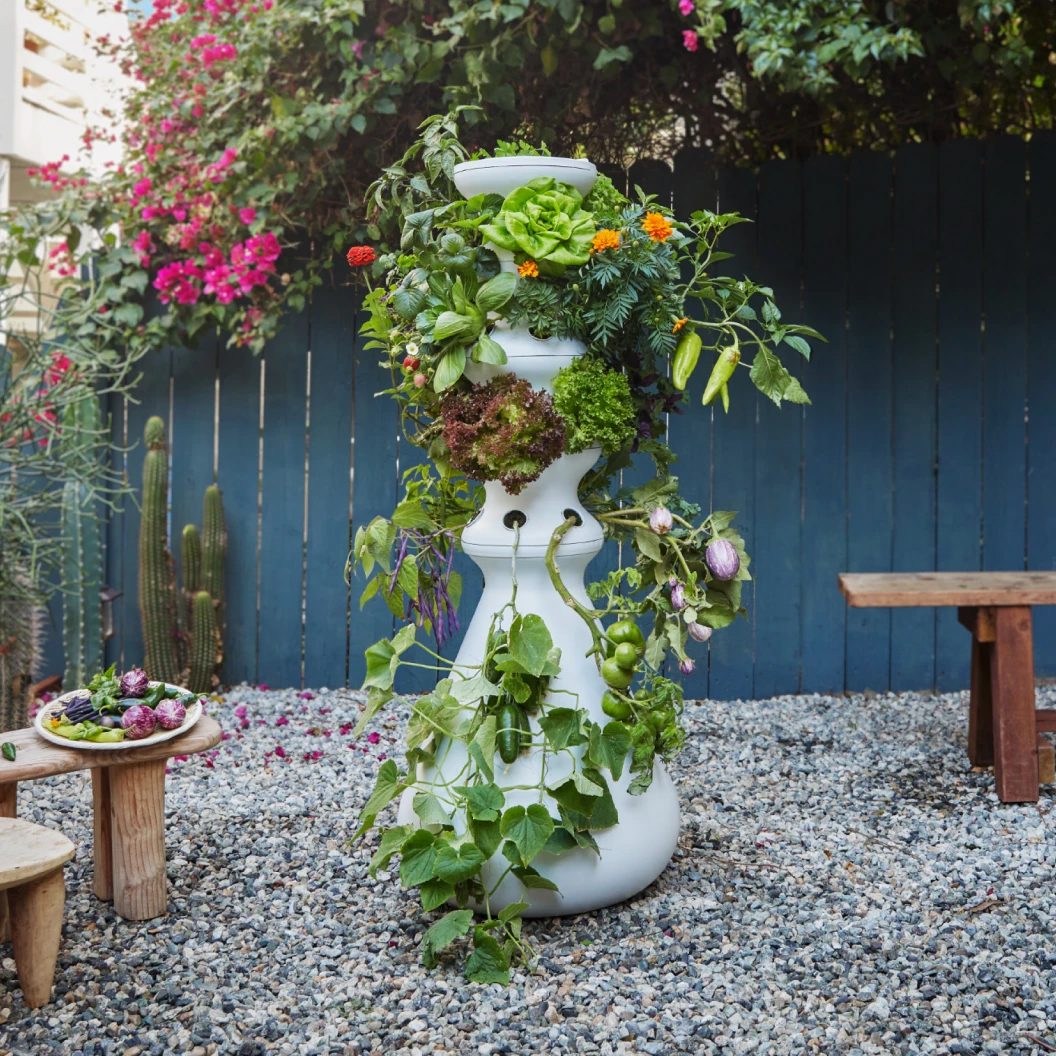
Lettuce Grow Farmstand Review: Is this Hydroponic Plant Stand Worth the Investment?
This Simple Upgrade Will Turn Your Deck or Balcony into a Garden Oasis

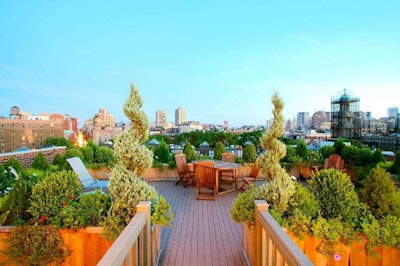
Make the most of your rooftop garden with these design tips

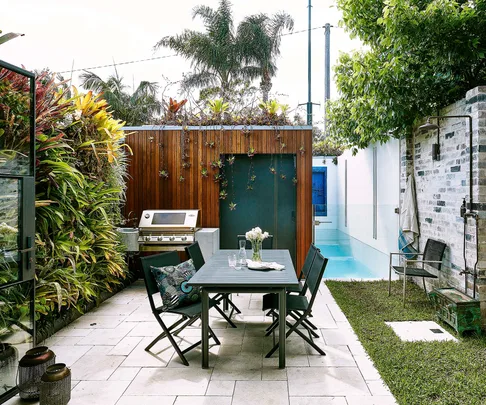
Efficient worker: courtyard landscape design

Danish National Archives Green Roof Garden (Rigsarkivets grønne taghave)
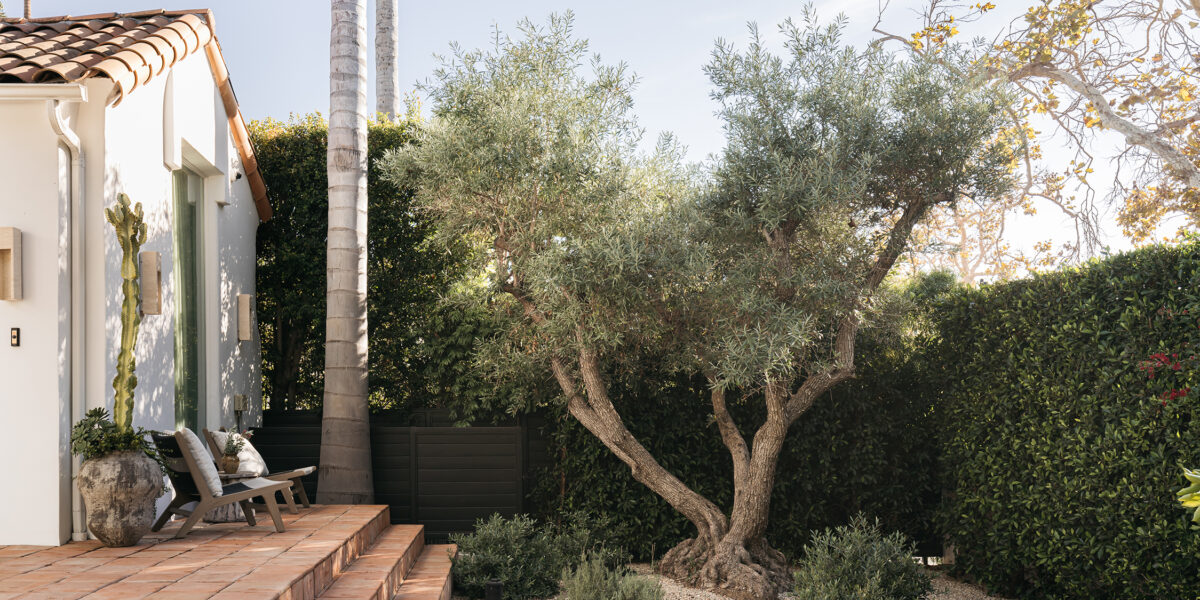
This Is Your Sign to Rip out Your Concrete Backyard and Turn It into a Lush Retreat
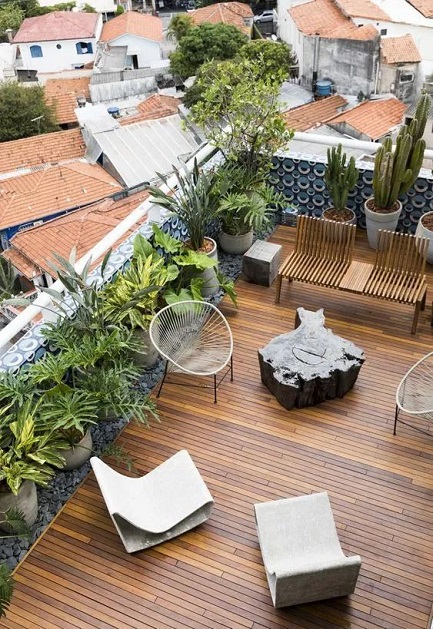
20 Beautiful Rooftop Design Ideas For Home 2024
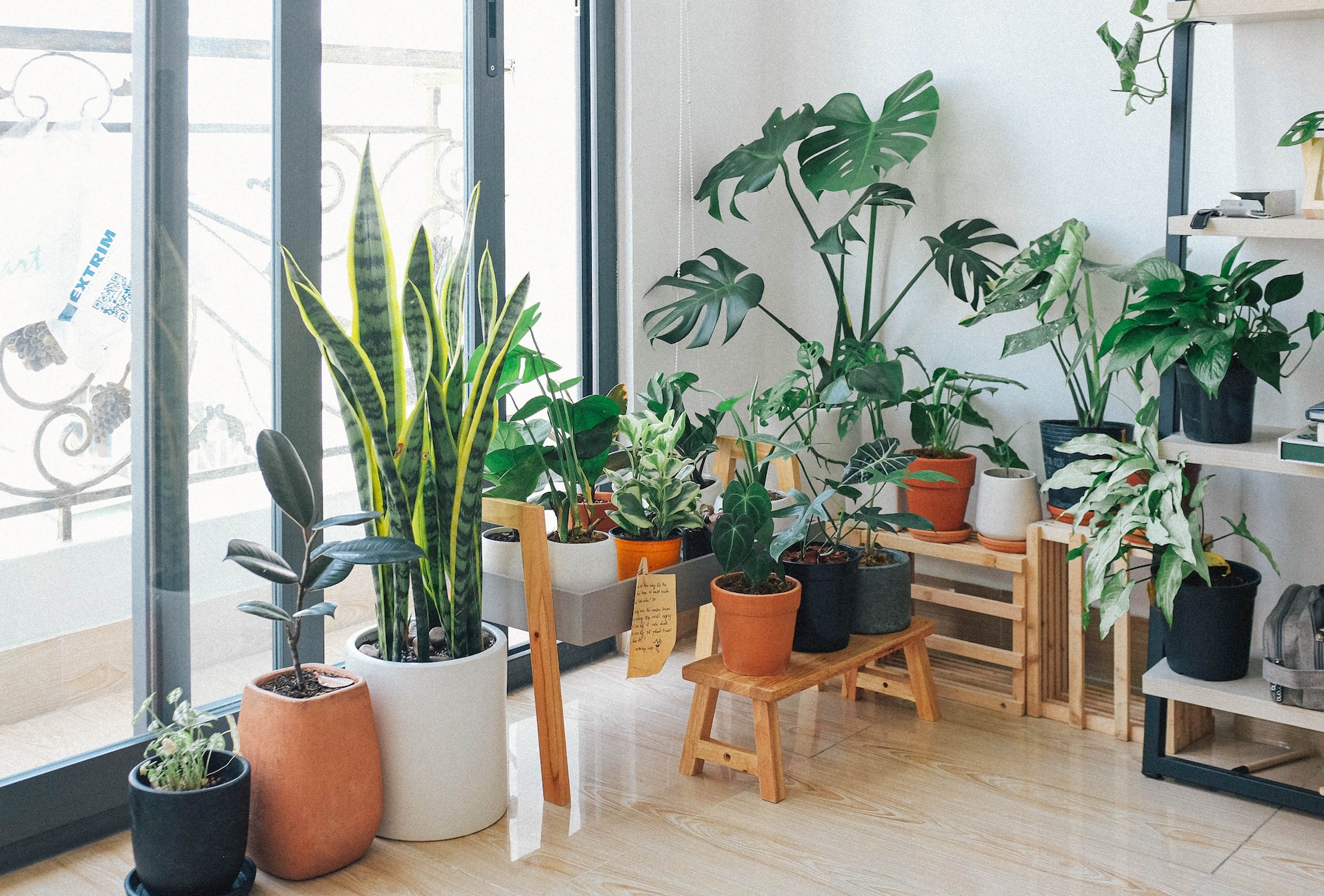
8 Incredible Indoor Garden Ideas

Ten Innovations in North America’s Green Roof and Wall Industry
Hydroponics gardener shares money-saving hack for building vertical gardens: 'This is so creative'