Why Consumers Want the Look & Feel of Natural Fibers at Home
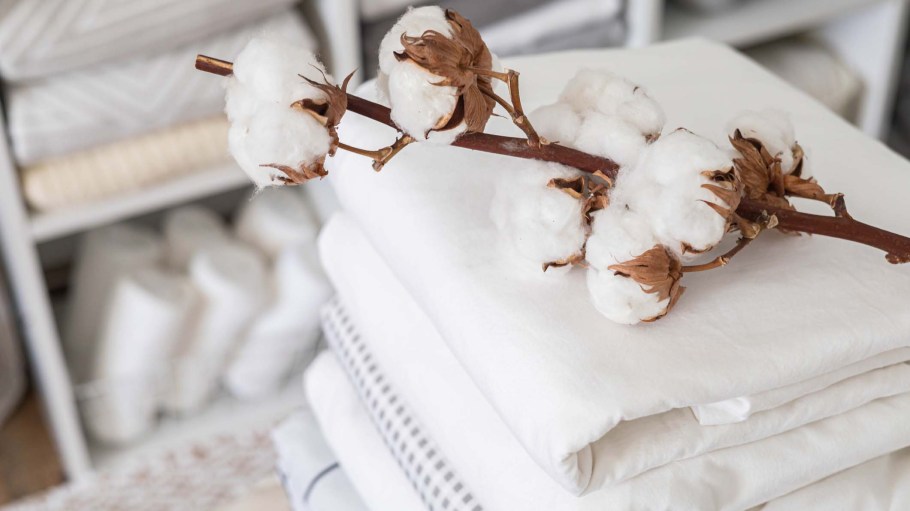
Consumers are increasingly prioritizing natural fibers in home textiles due to their perceived luxury, comfort, and sustainability benefits. Data from Cotton Incorporated's 2024 Lifestyle Monitor™ Survey reveals a strong preference for cotton across various home textile categories, including bath towels (89%), comforters (85%), and bed sheets (79%). This contrasts sharply with polyester, which garners significantly lower preference rates. The survey also indicates that a substantial majority of consumers (57%) consider it important to know the fiber content of their home textile products, with seven out of ten actively seeking items described as 100 percent cotton.
Transparency in product sourcing and composition is a growing demand among consumers, mirroring trends observed in the food industry. Anna Brakefield, co-founder of Red Land Cotton, highlights that brands targeting affluent markets must emphasize the positive attributes of sustainably grown and manufactured cotton home textiles. For these consumers, quality is the primary driver behind their interest in fiber content (56% for bath towels and sheets). Beyond quality, fiber content helps consumers assess comfort (51%), softness (50%), and temperature regulation (46%) in products like bed sheets.
Cotton's inherent qualities such as softness, breathability, and hypoallergenic properties align well with the rising trend of creating calm and restorative bedroom environments. Innovations like RESTech COTTON™ technology further enhance cotton's appeal by blending cool comfort, durability, and softness while maintaining sustainability. Laboratory studies show that RESTech COTTON™ dries 50% faster than rayon on skin contact and improves cotton's natural thermoregulating abilities, aiding in maintaining a cooler body temperature after falling asleep. This technology also demonstrates superior durability compared to polyester and rayon sheets and is 40% softer than untreated cotton, all while being made from 100% natural cotton fibers.
The demand for performance features in home textiles is also on the rise, with consumers willing to pay more for properties like temperature control (33%), odor resistance (30%), stain resistance (27%), moisture management (28%), and antimicrobial properties (24%), according to the 2023 Home Textiles Survey. The global home textile market is projected to grow from $124.7 billion in 2023 to $176.9 billion by 2030, with a significant driver being the shift towards sustainable and eco-friendly products. Consumers are actively seeking organic bedding, towels, and curtains made from sustainable materials and produced responsibly.
Awareness of the environmental and personal health harms associated with synthetic fabrics, particularly plastic and microplastics from materials like polyester, is influencing consumer choices. Educated consumers are increasingly willing to pay a premium for natural, home-grown products with transparent and traceable supply chains. This desire for knowledge about a product's origin and manufacturing process reflects a broader consumer valuing the care and attention behind natural and sustainable goods.
#NaturalFibers #HomeTextiles #Cotton #Sustainability #ConsumerDemand #RESTechCOTTON #TextileInnovation #EcoFriendly #NaturalFibers #HomeTextiles #Cotton #Sustainability #ConsumerDemand #RESTechCOTTON #TextileInnovation #EcoFriendly
0 commenti in totale
 Nessun commento ancora
Potresti anche gradire
10 reasons to make natural-fiber textiles your go-to fabrics

The 5 fabric trends ruling interiors now, according to the pros

Rugs as Woven Memory: How Origin and Materiality Shape Interiors

6 Carpet Trends for 2025 That Will Transform Every Room in Your Home

Does It Seem Like Everyone Has This Rug?
9 things you need to know before upholstering furniture
From Sisal to Jute, the Best Natural Fiber Rugs Are More Than Just a Seasonal Staple

The Best Upholstery Fabrics of 2025: Comfort, Durability, and Style

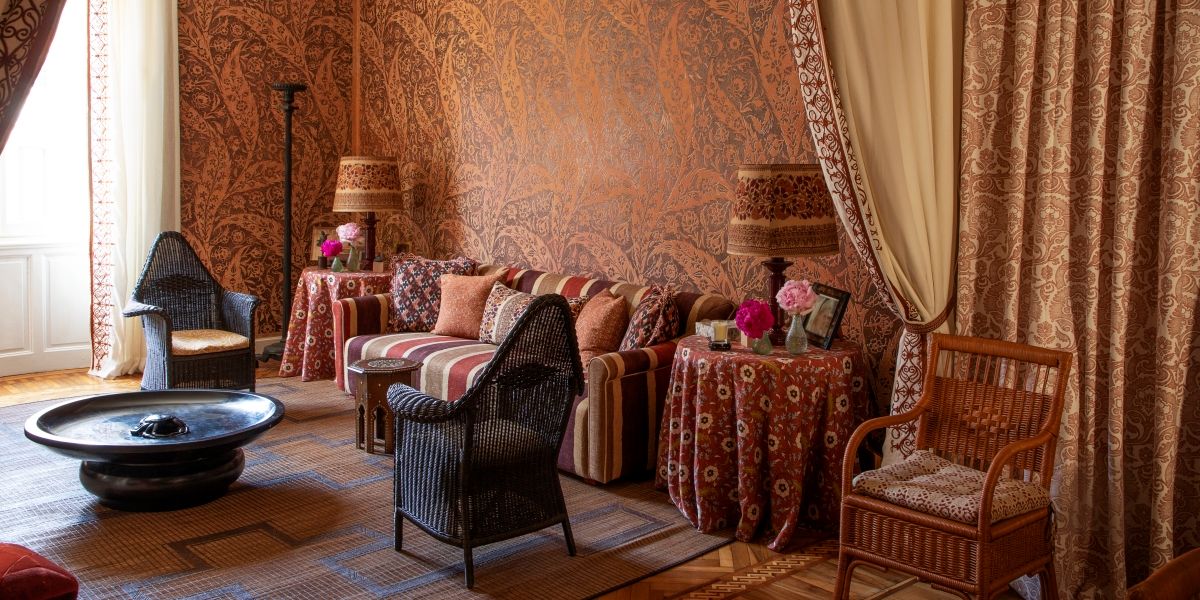
The 5 Fabric Trends Ruling Interiors Now, According to the Pros

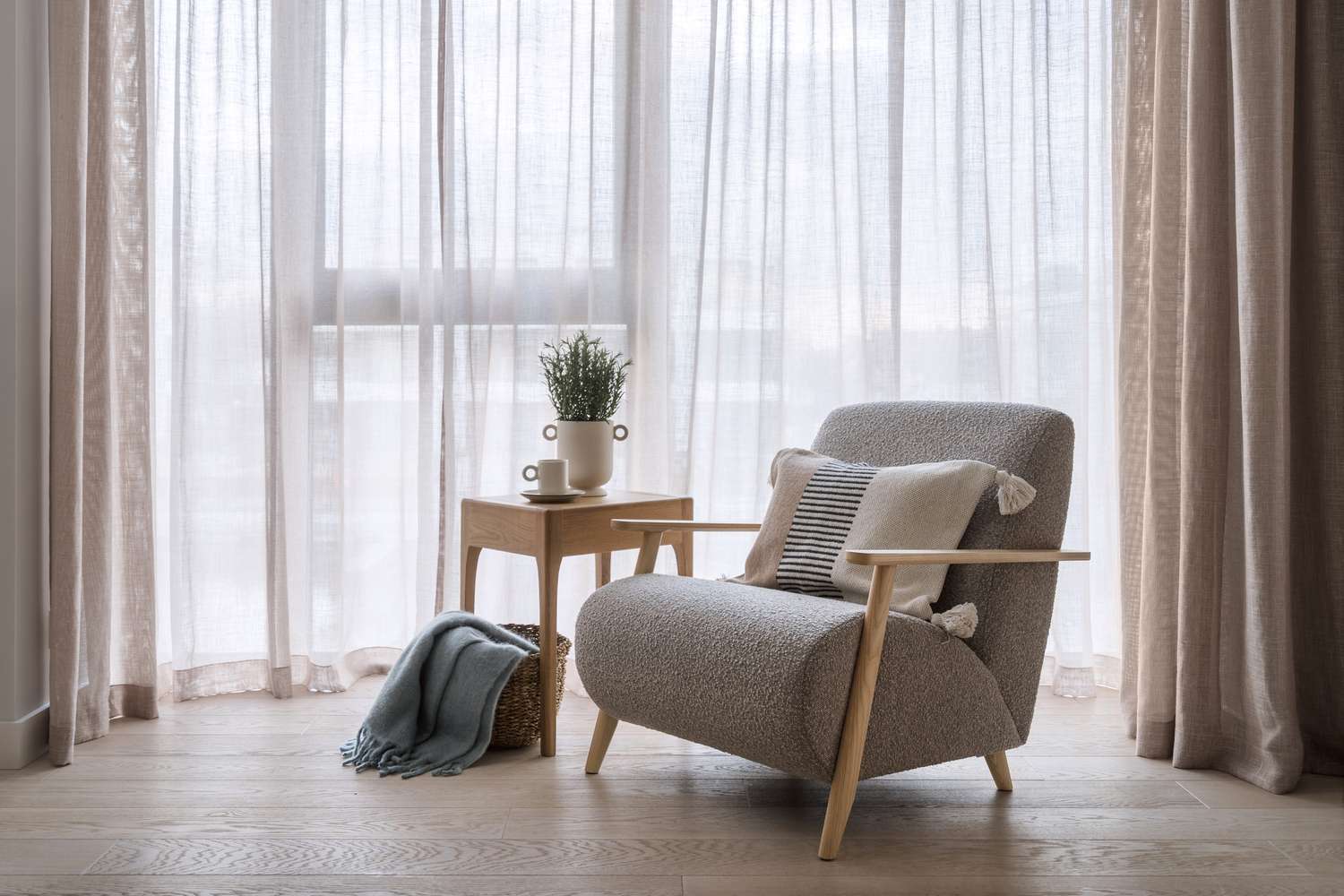
The Home Trend Interior Designers Hope Never Comes Back—and What to Do Instead
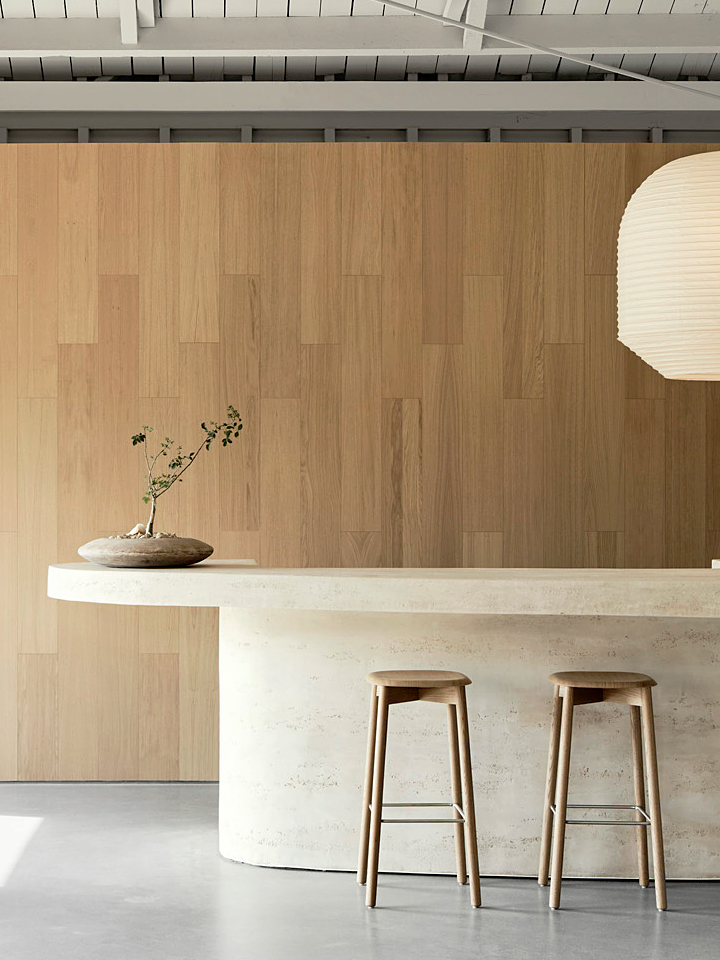
The Wood Paneling Trick That Makes Any Space Feel Instantly Homey

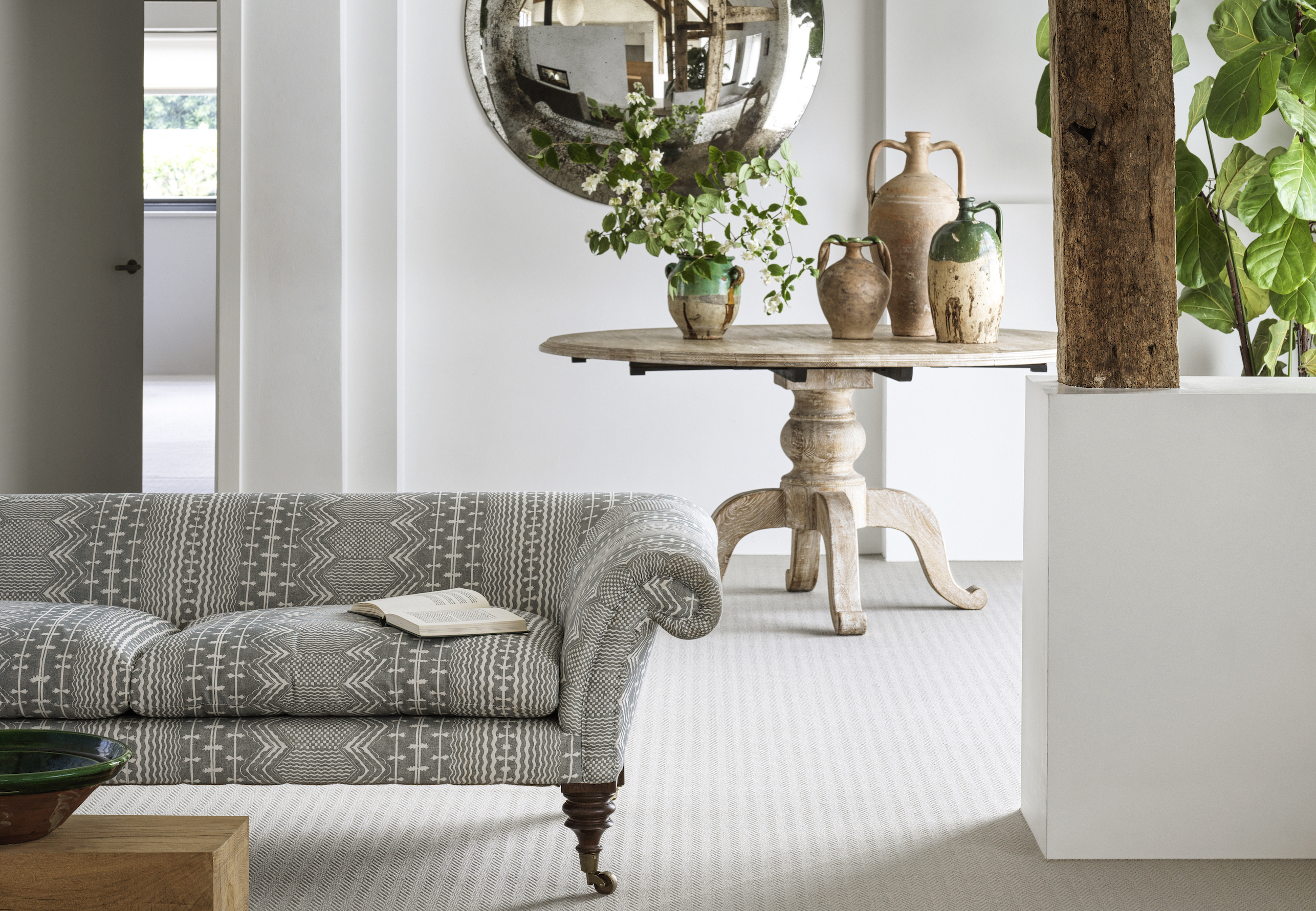
Carpet types – everything you need to know about how to choose this cozy flooring

The Interior Home Trend Designers Are Happy To Put Down, And Why It's For The Best
How to buy rugs for homes with lots of paws and foot traffic
What the heck is biophilic design?

I Just Found Out That Wall Finishes Can Reduce the Air Quality in Your Home — Here's 5 Options That Don't

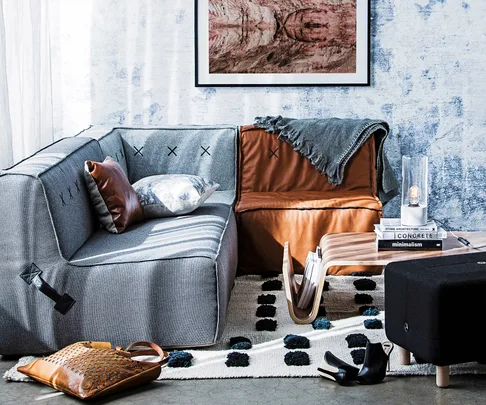
9 ways to add texture to your home
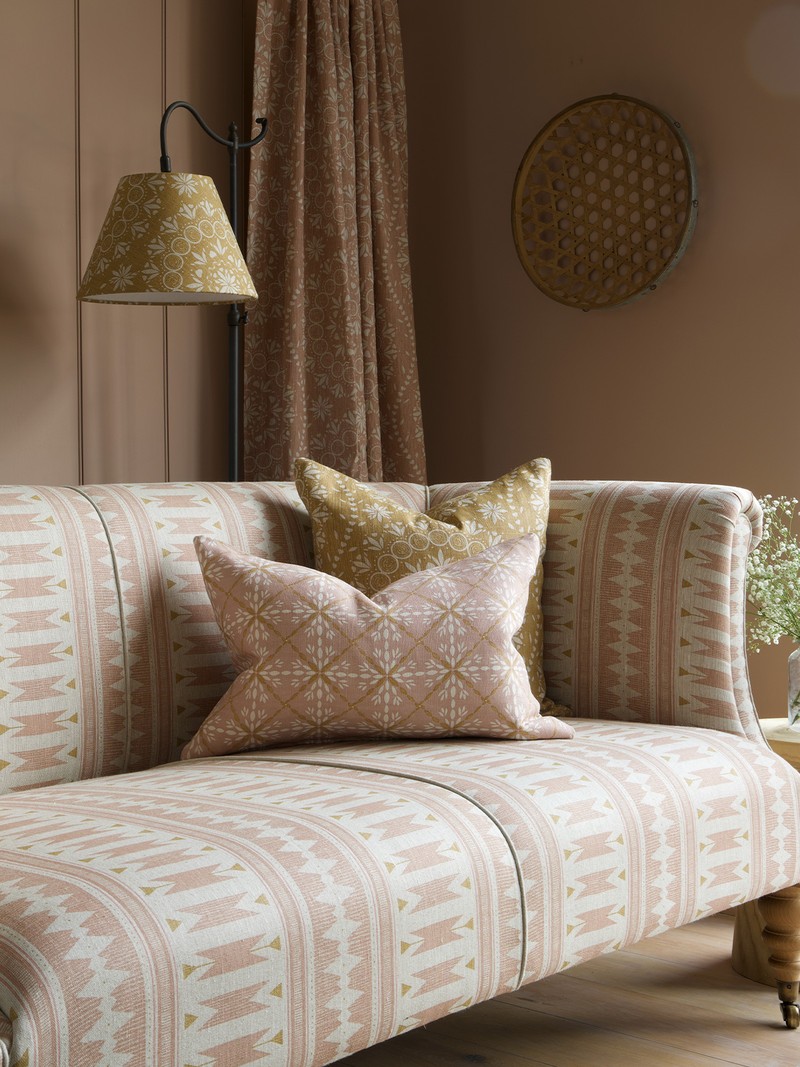
The New Fabric Launches Worth Knowing About
7 Innovative Home Decor Items With Sustainable Origins

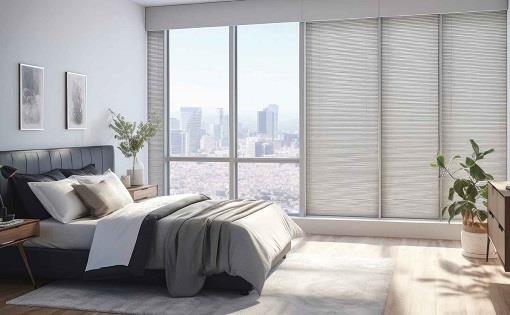
Transforming Home Comfort