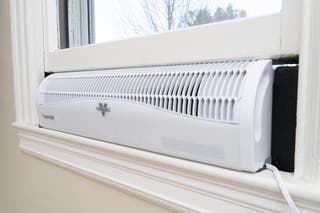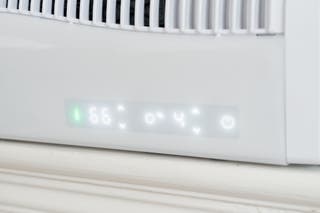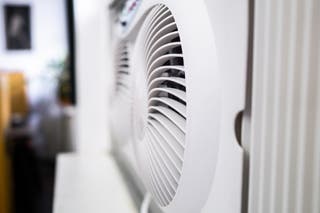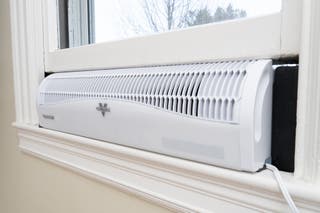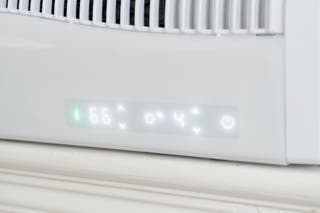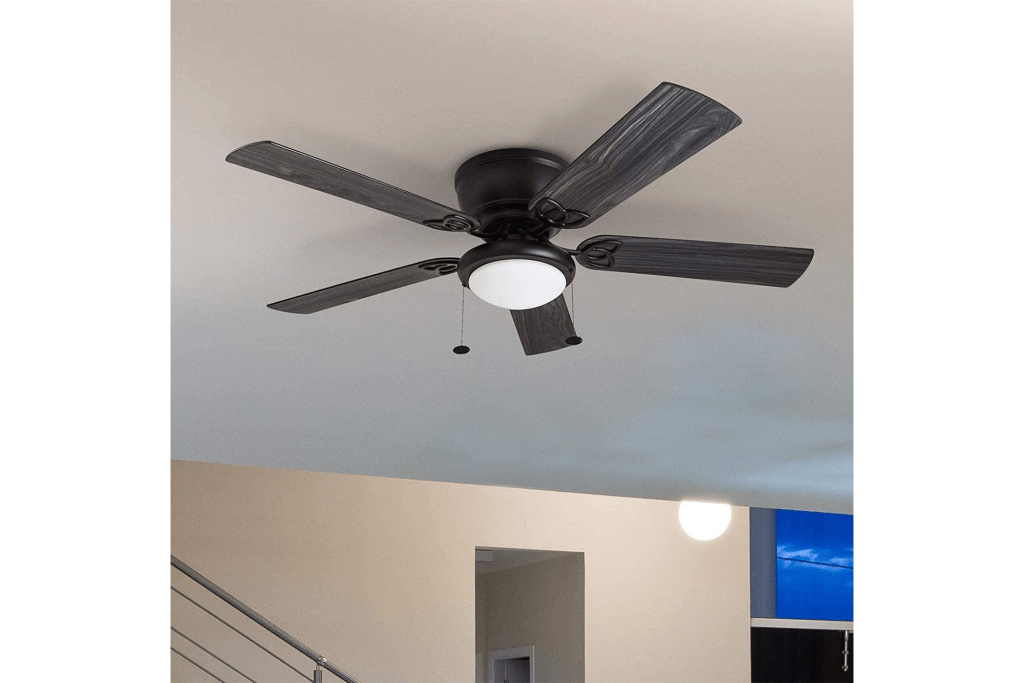
Your window fan is facing the wrong direction. Or not. Here's how to tell and save money.
As summer temperatures rise in Central Indiana, electricity bills often follow suit. One effective method to mitigate these costs is by utilizing window fans for home cooling. Window fans are recognized for their lower energy consumption compared to air conditioners, offering both financial savings and environmental benefits. However, the optimal direction for a window fan, whether to blow air in or out, depends on specific factors within the home.
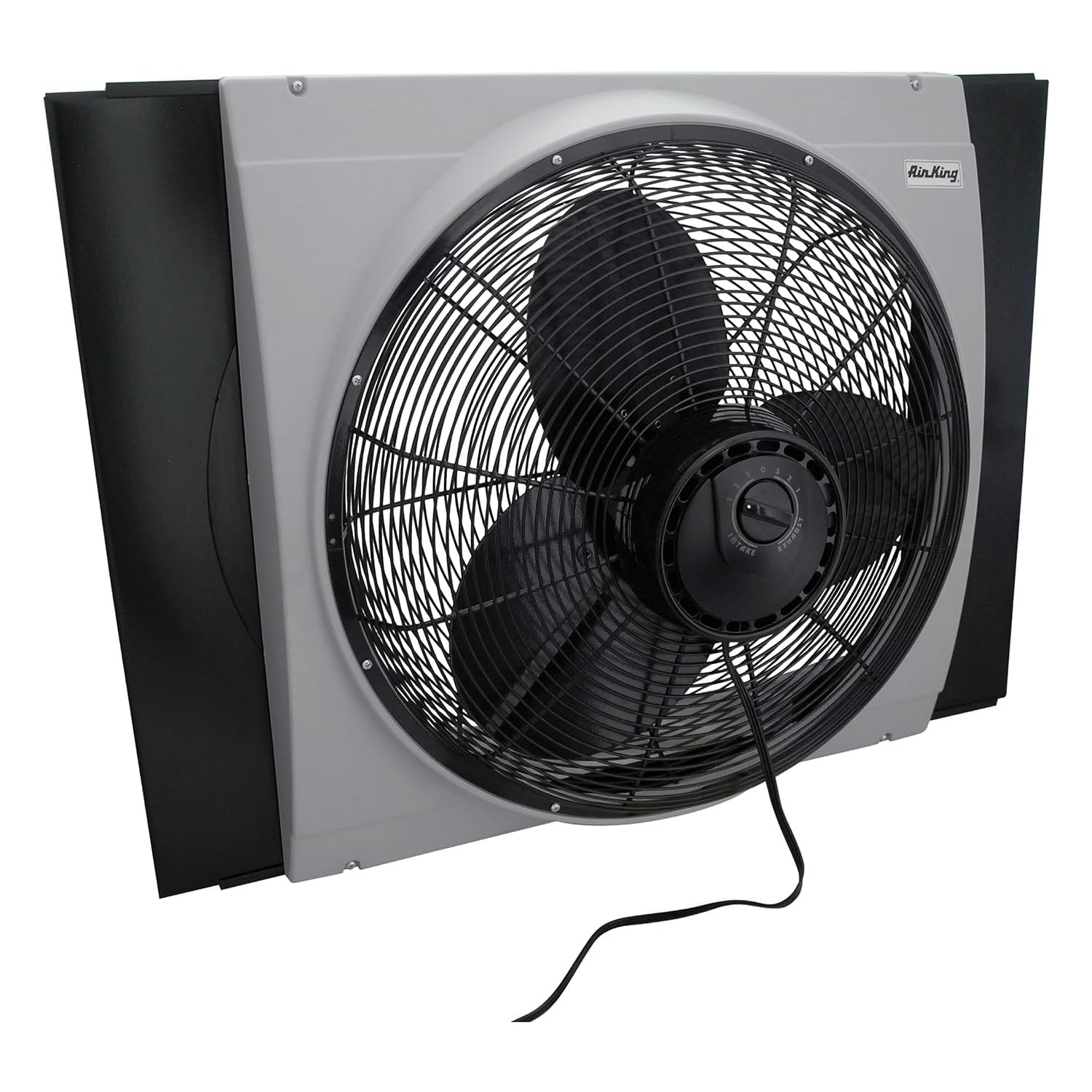
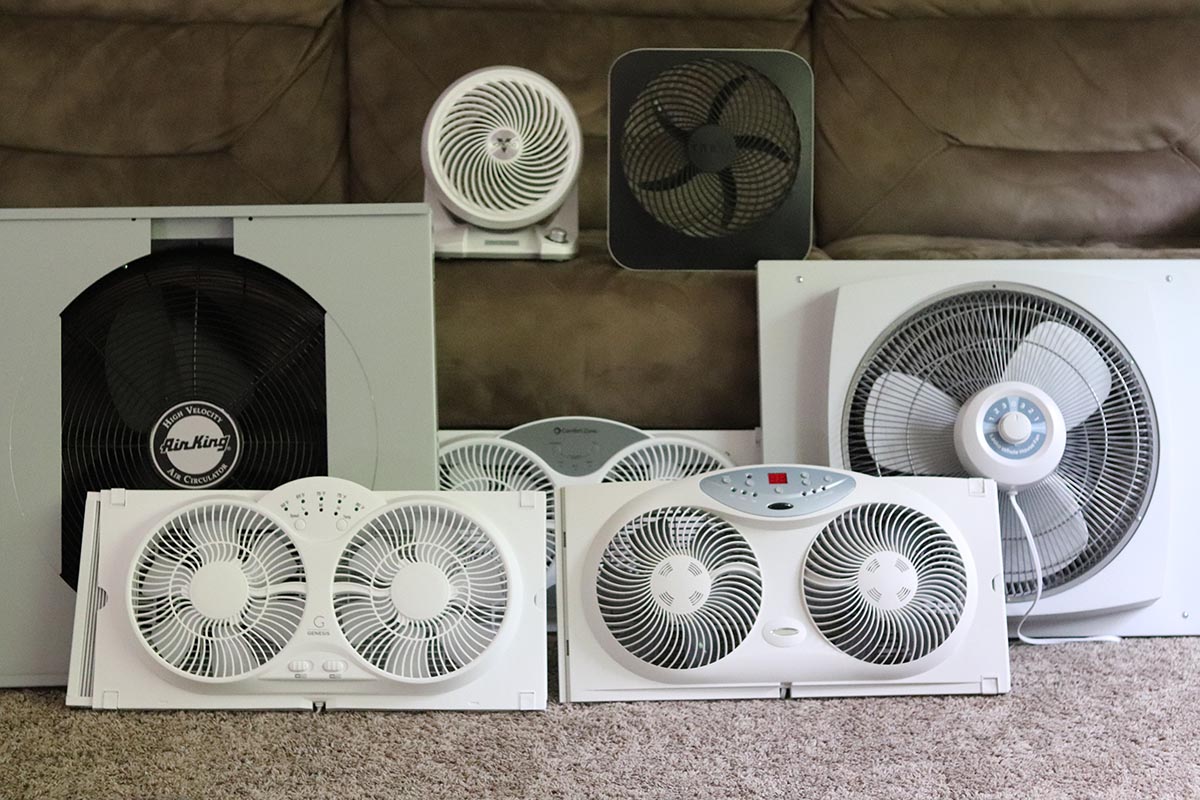
Experts suggest that box fans are particularly efficient at expelling hot air from a residence. To maximize their effectiveness, strategically place window fans that blow air into the home on the coolest side of the house. Windows located near shaded, cooler outdoor areas typically serve as the most suitable spots for air intake. Conversely, on the western or warmest side of the home, window fans should be oriented to blow air out. For multi-story homes, positioning an exhaust fan on the upper floor is often recommended, as indoor temperatures tend to be highest on these levels.
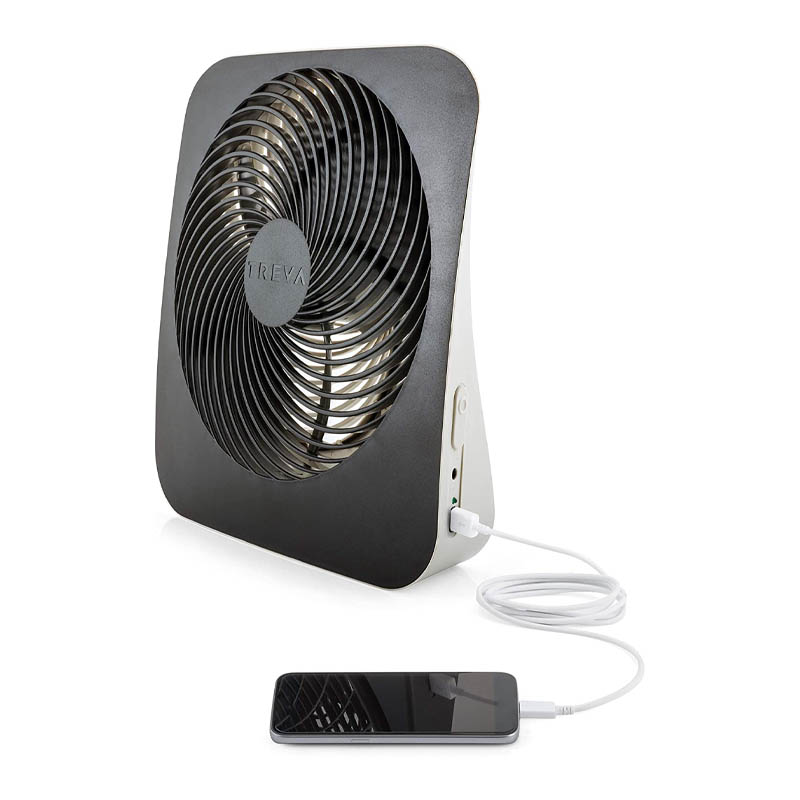
The energy efficiency of box fans is a key consideration for homeowners looking to save money. While most box fans consume between 50-100 watts of power per hour, a 20-inch model typically uses 50-75 watts per hour. This is about 50% more than a standard ceiling fan but significantly less than an air conditioner, which can draw anywhere from 500 to 5,000 watts. The affordability of box fans, often costing less than $25, further enhances their appeal as a cost-effective cooling solution.
To determine the operational cost of a box fan, a simple formula can be applied. For instance, running a 50-watt fan for 24 hours with an electricity price of $0.16/kWh (the average residential cost in Indiana in May 2023) would cost approximately $0.19 per day. This translates to less than $6 per month for a single box fan operating continuously. The general formula to calculate the hourly cost of any appliance is: Cost = (power in watts × time in hours) / 1000 × cost of one kilowatt-hour. This calculation provides homeowners with a clear understanding of the financial impact of using window and box fans as an alternative or supplement to air conditioning, helping them make informed decisions about their cooling strategies.
#WindowFans #EnergyEfficiency #HomeCooling #ElectricityBills #SummerSavings #BoxFanCost #HomeComfort #WindowFans #EnergyEfficiency #HomeCooling #ElectricityBills #SummerSavings #BoxFanCost #HomeComfort
0 commenti in totale
 Nessun commento ancora
Potresti anche gradire
The Best Window Fan

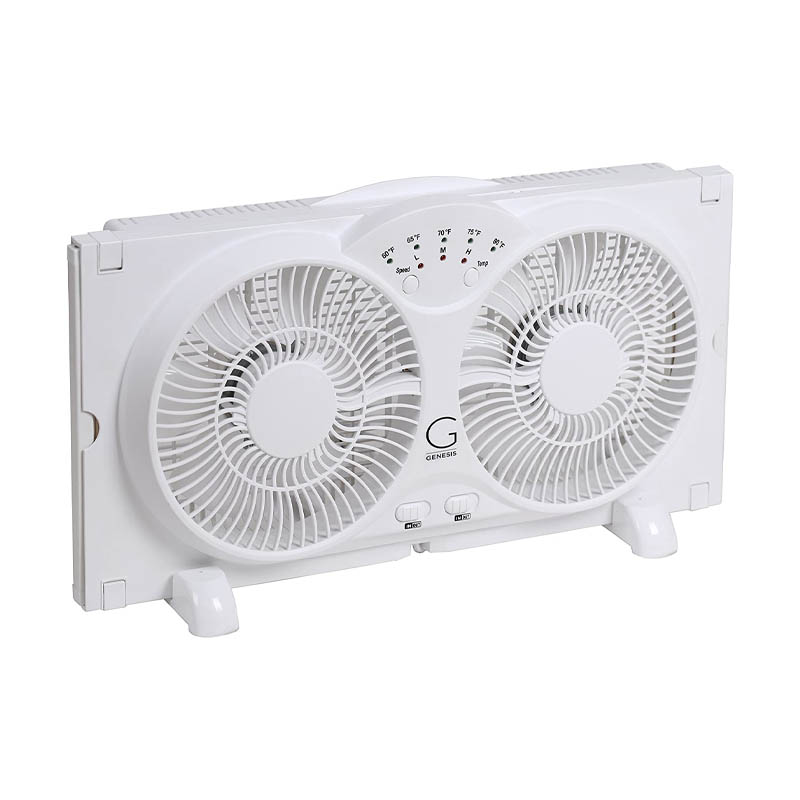
We Tested Several Window Fans—Our Favorite Made Warm Days More Bearable


The 16 best ceiling fans for extra airflow, plus expert tips

It's Time to Reverse Your Ceiling Fans

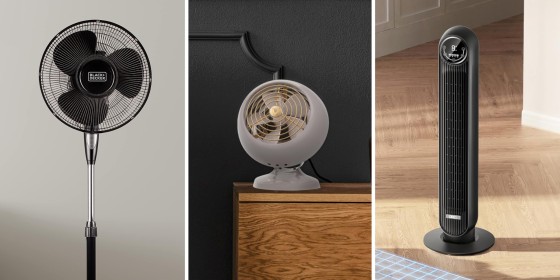
11 Best Fans to Keep You Cool in 2025

The 3 Best Window Fans in 2025 | Reviews by Wirecutter
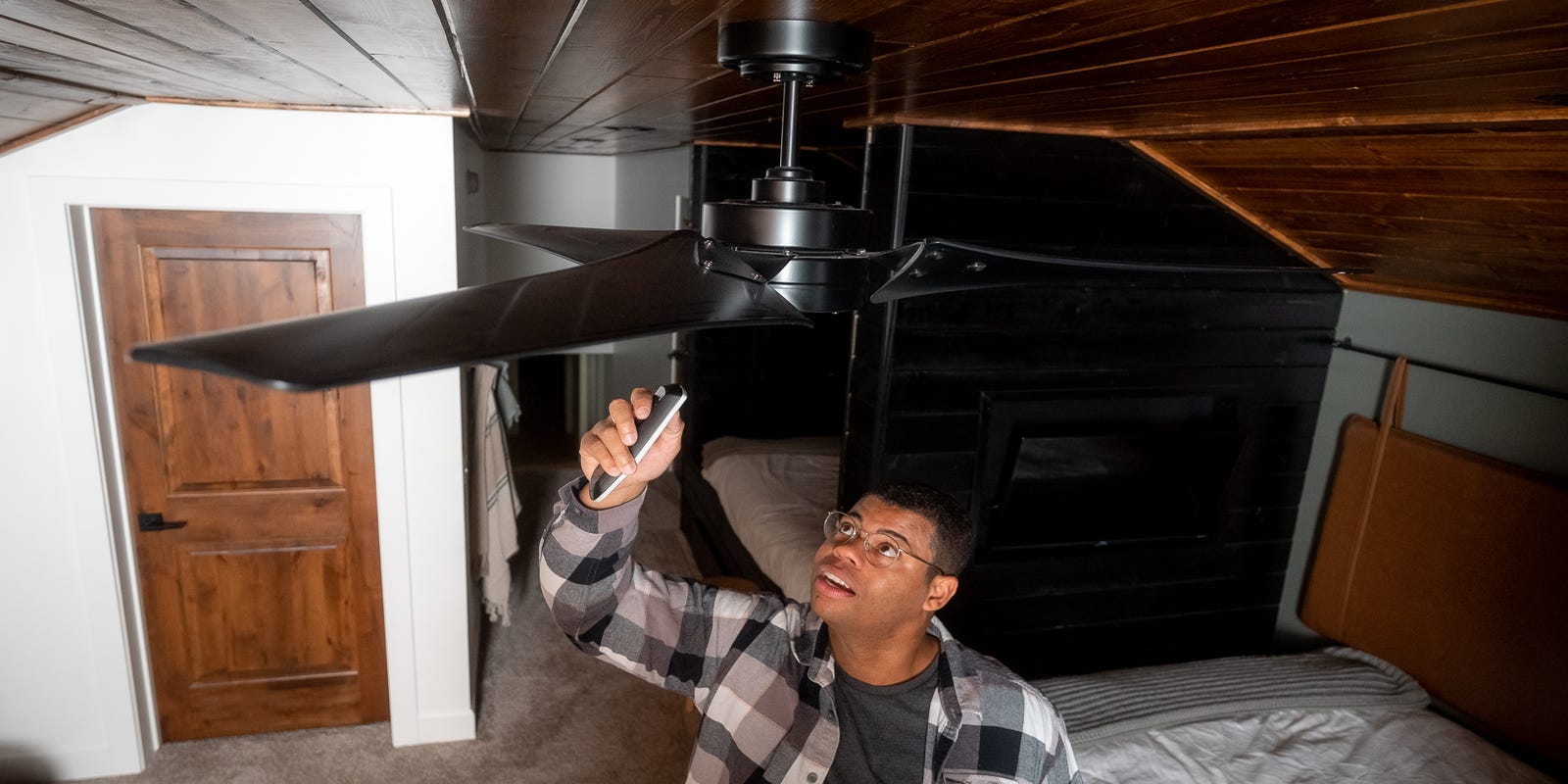
You should change the direction of your ceiling fan. This video shows you how

The Best Ceiling Fans for a Breezy, Comfortable Home

The Fan Mistake You’re Making That’s Making Your House Hotter

The Ceiling Fan Mistake That's Costing You Money Every Month
V-Guard Insight-G Review, Best BLDC Fan In India?
We Spent 1,200 Hours Testing Which Ceiling Fans Are the Most Cooling — These Are Our Winners
Are Your Return Air Vents Facing the Wrong Way? Here's How to Check

The 3 Best Window Fans in 2026 | Reviews by Wirecutter


How to choose the best ceiling fans for your home

Our Editor Recommendations for Ceiling Fans Can Supplement or Even Replace an A/C
Here’s what to look for when buying a new fan — from ceiling fans to handhelds

Ceiling fans 101: a guide to choosing the right one


The 16 best ceiling fans for extra airflow in 2023, plus expert tips

How This Switch on Your Ceiling Fan Can Save You Money This Indiana Winter