Dream house: Pargeter
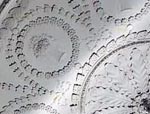
Pargeting, an ornamental plasterwork technique, holds a significant place in the architectural history of East Anglia, adorning both the exteriors and sometimes the interiors of buildings. This craft, a less detailed version of fine stucco work, is primarily concentrated in East Anglia due to historical circumstances. The region's scarcity of suitable building stone led to the rendering of many timber-framed structures, providing an ideal surface for pargeting. The practice did not experience a revival but rather a continuous survival. During the Jacobean period, East Anglia's wealth from the wool trade fostered a proliferation of elaborately pargeted buildings. When the style fell out of fashion, the region's subsequent economic decline meant these structures were not replaced, thus preserving the tradition.
Anna Kettle, a Norfolk-raised, Suffolk-based artisan, is among the few individuals actively perpetuating this craft. Her journey into pargeting was inspired by a Jacobean ceiling, prompting her to pursue a City and Guilds plaster course and subsequent work in plaster conservation. To further hone her skills in ornamental plasterwork, she secured a Queen Elizabeth Trust scholarship to study freehand modeling in Venice. Kettle's unique expertise lies in her dual capability as both a pargeter and a conservator, with approximately half of her commissions involving the restoration of historical plasterwork, such as a challenging ceiling repair in an Ipswich merchant's house that required steel support.
Her new projects predominantly involve rural buildings, often aiming to replicate the distinctive East Anglian vernacular style. Notably, she also undertook a commission for a ceiling at Birkhall, The Prince of Wales's residence in Scotland. Kettle specializes in figurative scenes, often incorporating local historical references, and frequently draws inspiration from church designs. The grapevine motif is a recurring request, which she endeavors to vary creatively. She expresses a desire to explore more modern designs within her work. Kettle characterizes pargeting as the artistic facet of plastering, traditionally performed by plasterers with an innate artistic inclination.
There are two primary grades of pargeting. The more common and less intricate method involves creating a 'scratch pattern' by 'combing' wet plaster panels. This technique generates a textured surface that interacts with sunlight, enhancing the building's character. The more demanding process, which Kettle predominantly practices, involves freehand modeling directly onto the surface, typically in low relief. She exclusively uses lime-putty mortar, purchased pre-mixed, and reinforces it with white goat hair to achieve tensile strength. Cement is deemed unsuitable due to its higher shear and inability to be molded into the desired curvilinear forms, though it can be utilized for scratch patterns.
Kettle's process begins with transferring a scale drawing of the design onto the wall, followed by 'keying up' the surface with a drill. She then meticulously models and builds up the mortar using a spatula and her fingers, working in sections and refining the details as she progresses, as the material cannot be reworked once it starts to set. The finished pargeting requires approximately three weeks to properly set, depending on weather conditions, before modern masonry paints can be applied. However, the traditional and recommended approach is limewashing, which can be done sooner. Kettle sometimes applies the limewash herself, emphasizing the importance of balancing the number of coats to avoid obscuring the intricate details of the plasterwork. For those interested in preserving pargeting, expert advice includes using line drawings for designs, regular limewashing for maintenance, and ensuring proper guttering to prevent water damage to laths and subsequent deterioration of the pargeting.
#Pargeting #EastAnglianArchitecture #OrnamentalPlasterwork #TraditionalCrafts #AnnaKettle #BuildingConservation #LimePuttyMortar #ArchitecturalHeritage #HomeDecoration #Pargeting #EastAnglianArchitecture #OrnamentalPlasterwork #TraditionalCrafts #AnnaKettle #BuildingConservation #LimePuttyMortar #ArchitecturalHeritage #HomeDecoration
0 commenti in totale
 Nessun commento ancora
Potresti anche gradire
These Homes Are a Cottagecore Dream

Model House
An Interior Designer Shows Us Her Dream Cottage
Home On The Ranch: The Primary Bedroom
Are these the ultimate fantasy homes?
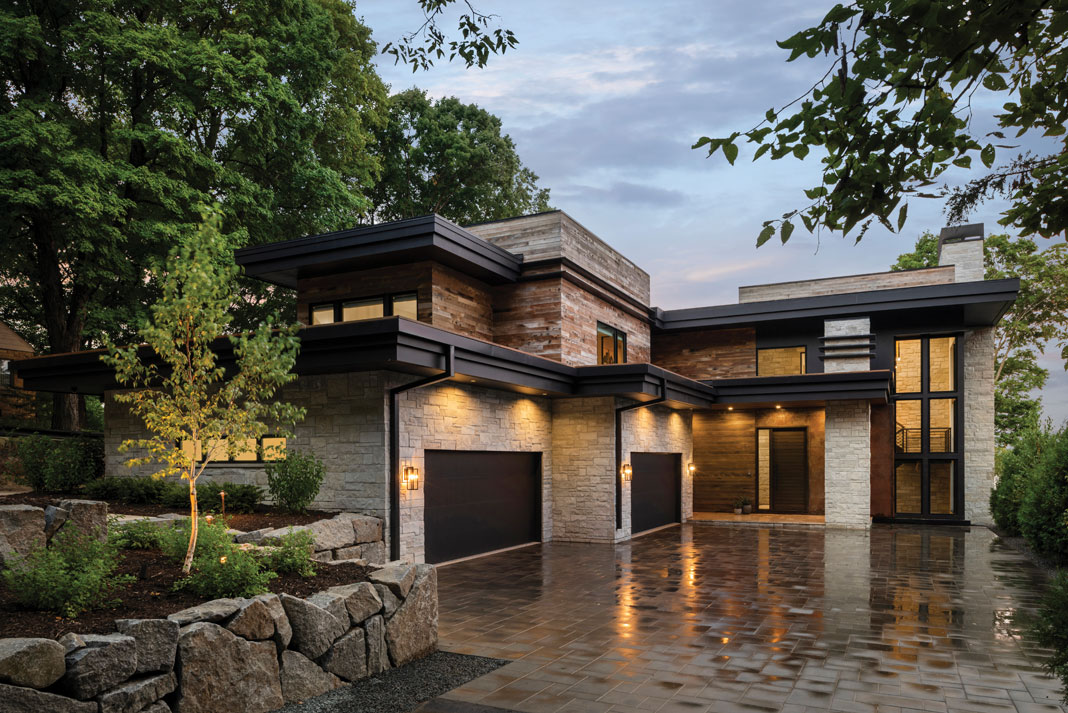
Lakeside Dream Home

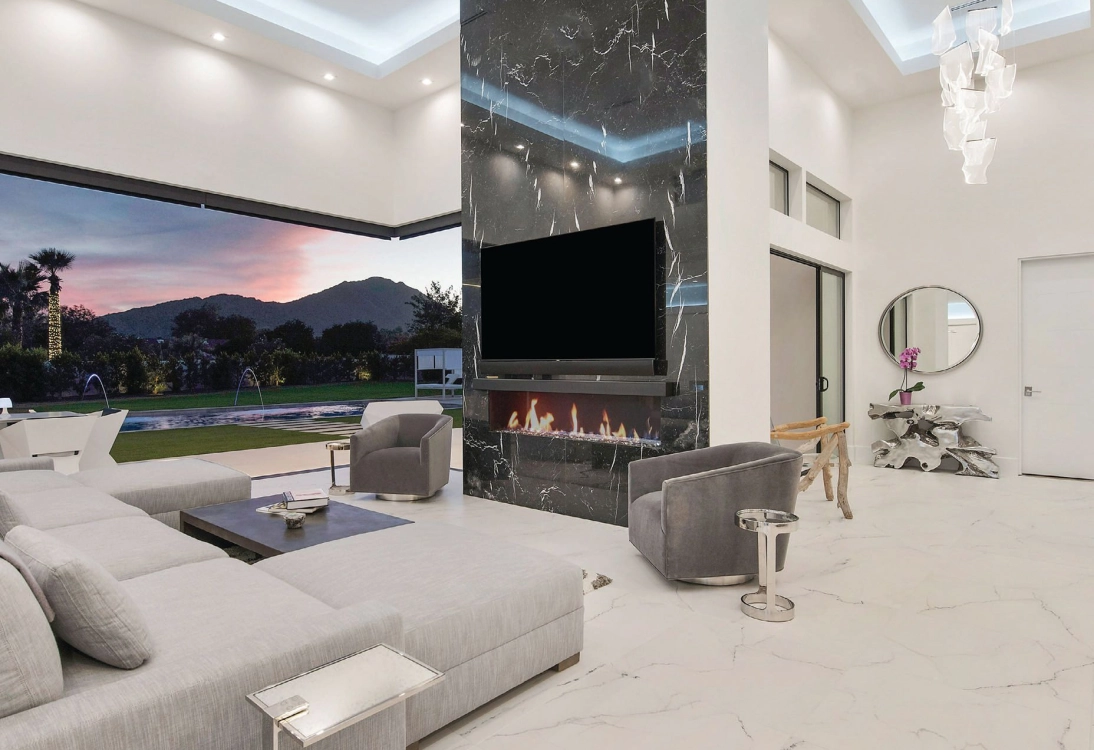
This Modern Paradise Valley Home Is An Entertainer's Dream
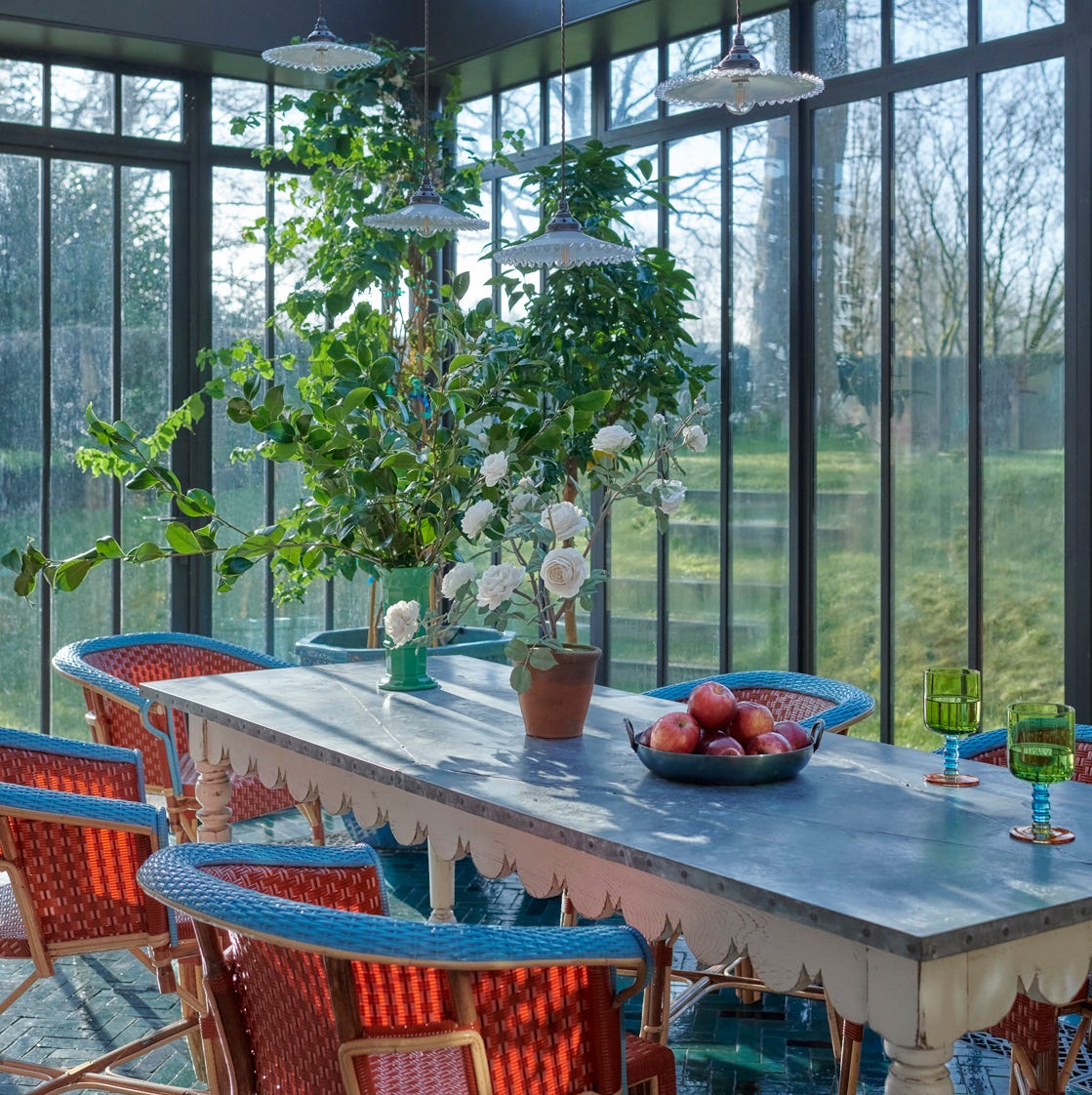
This Whimsical Georgian House Is Straight Out of a Fairytale


Hedgemoor Cottage Becomes Family's Dream Home

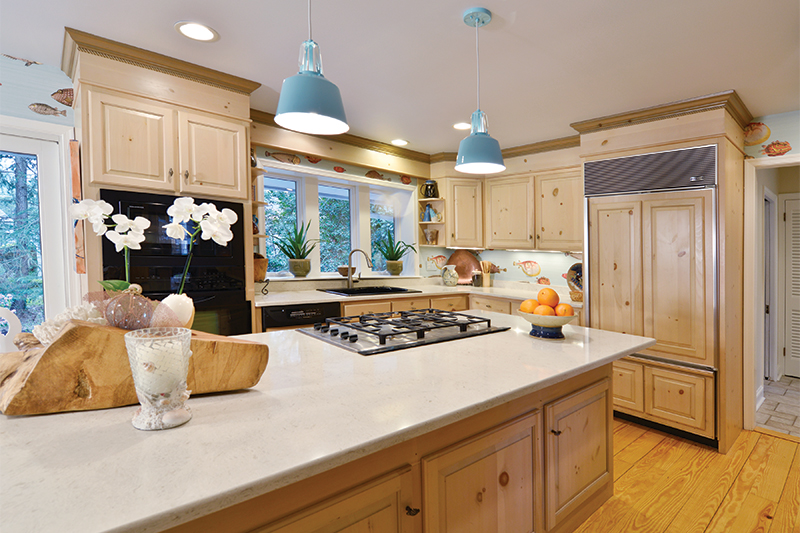
Peek Inside a Dreamy Designer Show House

Parachute’s First Foray Into Bedroom Furniture Is a Dream Come True

These 7 Fantasy Bedrooms Are Inspired by Wes Anderson, Peter Jackson and More Star Directors

Prairie home is a dream come true
This Harborside Cottage Is What Dreams are Made Of

Builder-Architect-Designer Team Transforms Dream Home

Edmund Ng: Composing a house for a couple’s great loves


Decorator's Dream

Parys House / Nadine Engelbrecht Architect

Preppy Chic
This Bedroom In Our 2025 Idea House Is A Lesson In Pattern Play