1/12
11 Best Ways to Heat a Garage In the Winter
Maintaining a warm garage during winter is essential not only for comfort during projects and hobbies but also for protecting water pipes and stored items like paint from freezing. Proper heating can also enhance a home's value and potential. However, heating a garage can be costly and potentially hazardous if not done correctly, making the selection of an appropriate heating system crucial. Factors such as the local climate, the garage's square footage, and the existing insulation level must be considered. Heater output is typically measured in BTUs (British Thermal Units), and determining the required BTU count involves assessing the space and desired temperature.
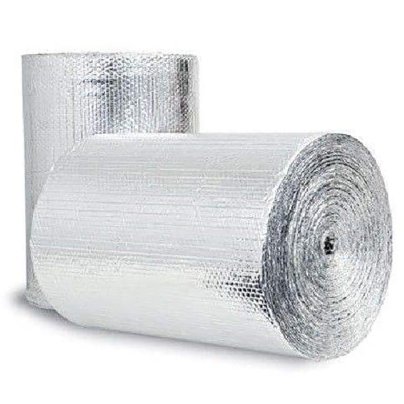
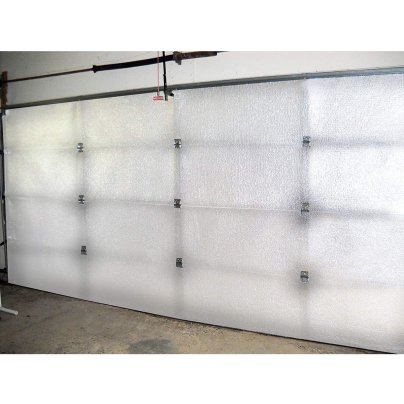
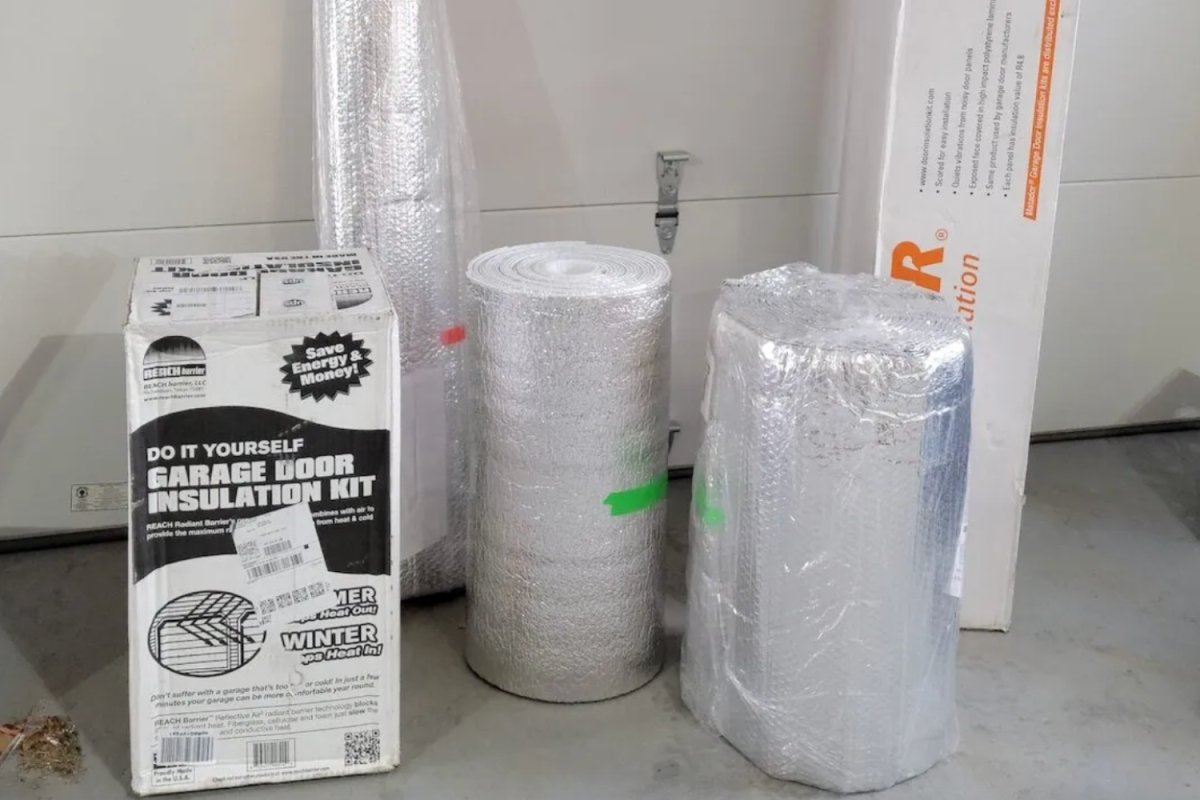
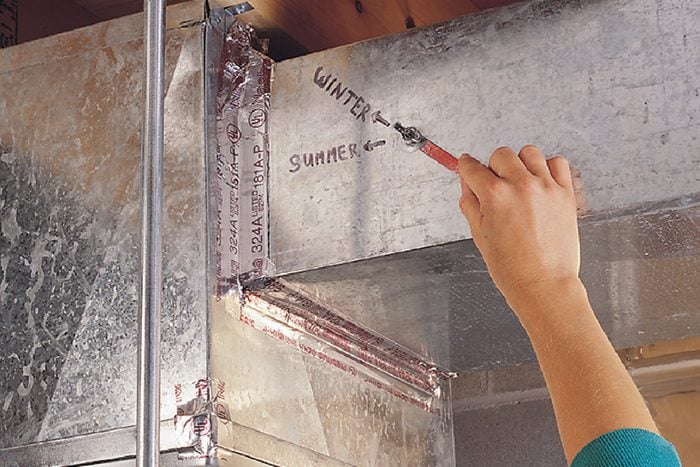
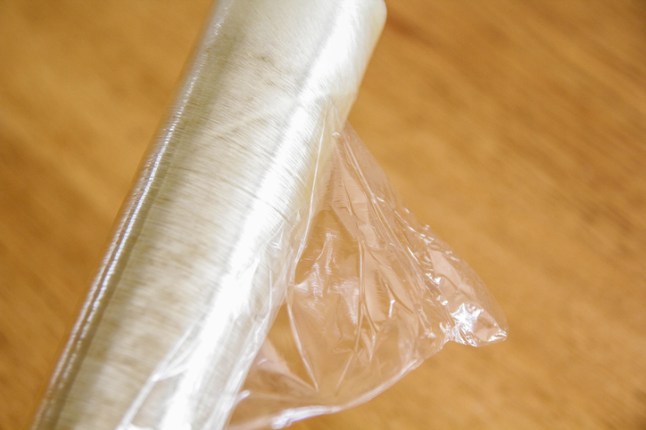
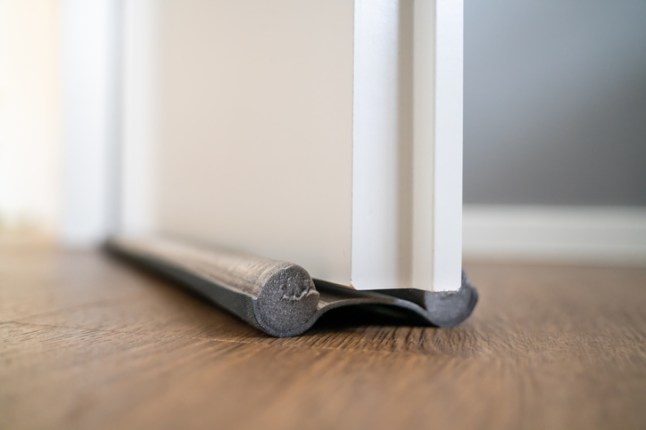
Before investing in any heating system, ensuring adequate insulation in the garage is paramount to prevent heat loss and wasted energy. Key areas for insulation include walls, ceilings, and the garage door. Insulating or replacing the garage door with an insulated model is recommended. Simple and inexpensive additions like clear plastic shrink film or bubble wrap on windows can provide extra protection. Sealing the floor with weatherstripping or foam insulation panels is also advised to block cold air entry, contributing to a warmer interior and energy savings by reducing the heating system's workload.
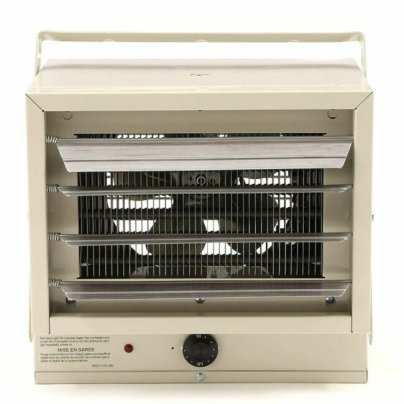
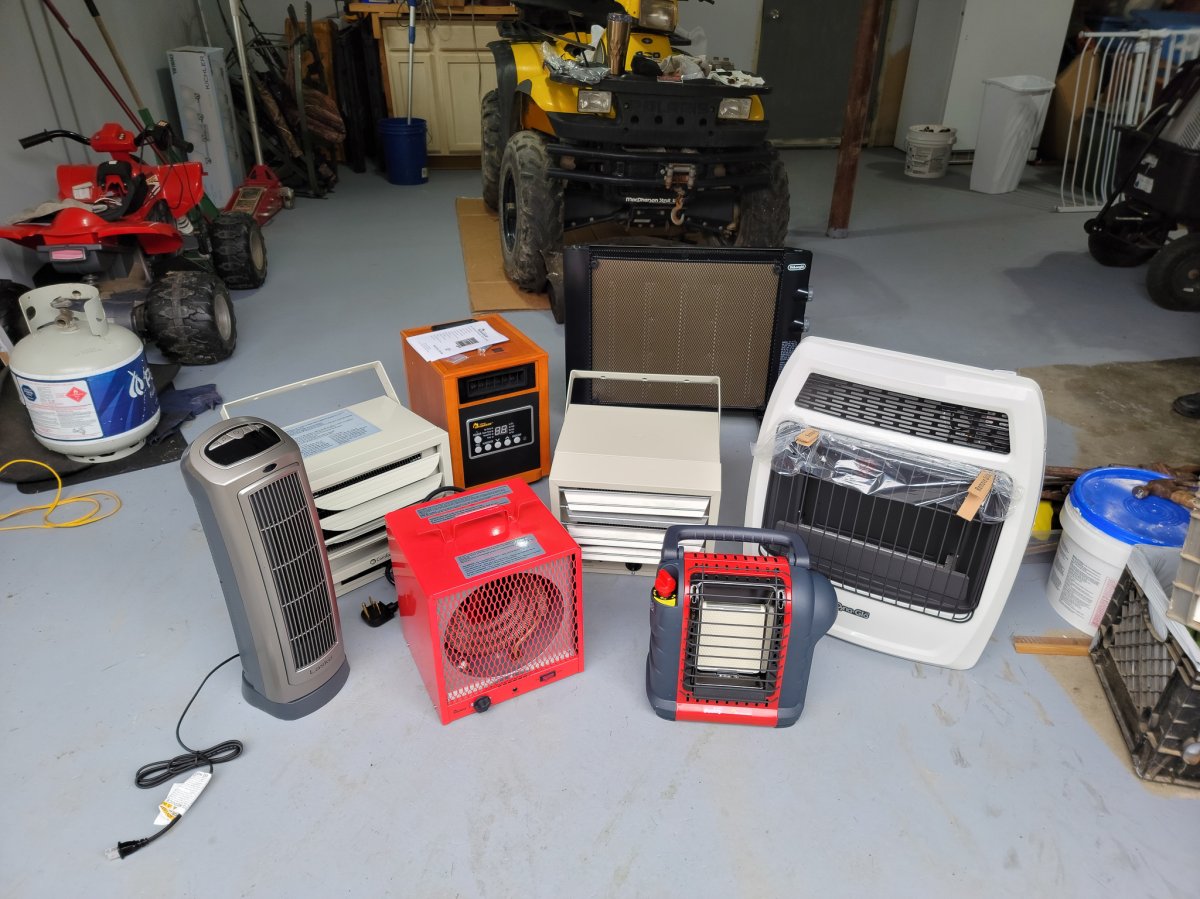
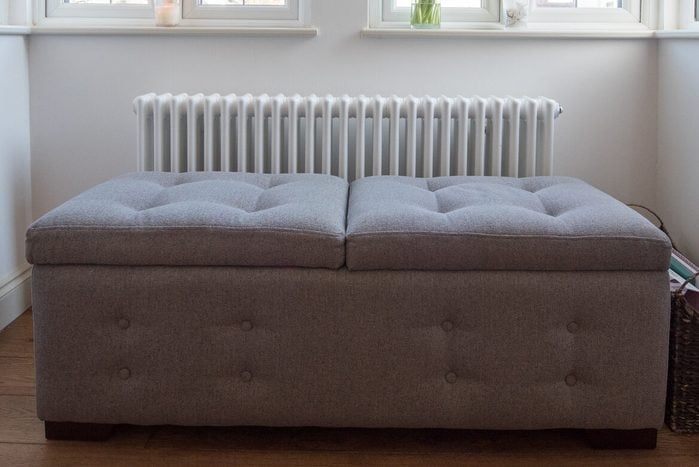
Various heating solutions are available. Forced-air heaters, which range in price and size, can quickly warm a space but may be noisy, stir up dust, and create uneven temperatures. This can be a drawback for activities like woodworking where dust and debris circulation is undesirable. Convection heaters offer a versatile alternative, powered by electricity, natural gas, or propane. They operate by circulating air across a heating element, providing more consistent and even heating, making them suitable for prolonged use. However, they take longer to heat a room and are less effective in poorly insulated spaces.
Ductless heating and cooling systems, also known as mini-splits, offer an energy-efficient and eco-friendly solution for year-round temperature regulation in garages, providing both heat in winter and cool air in summer. These systems are generally easier to install than traditional HVAC systems. In-floor heating systems provide luxurious warmth underfoot, ideal for mechanics or those spending extended periods on the garage floor, and can supplement other heating methods. Propane heaters are an affordable and portable option, offering instant warmth with various sizes to suit different needs, typically featuring automatic or manual ignition.
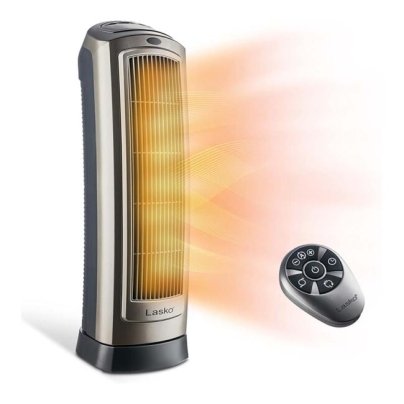
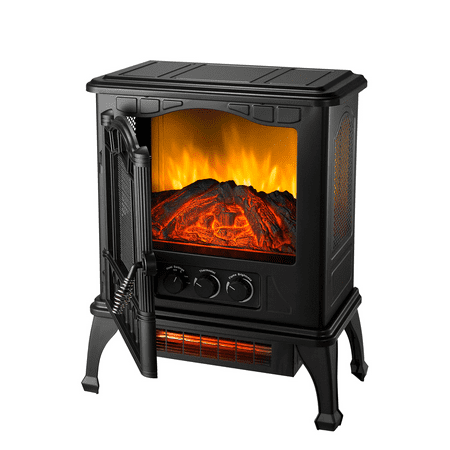
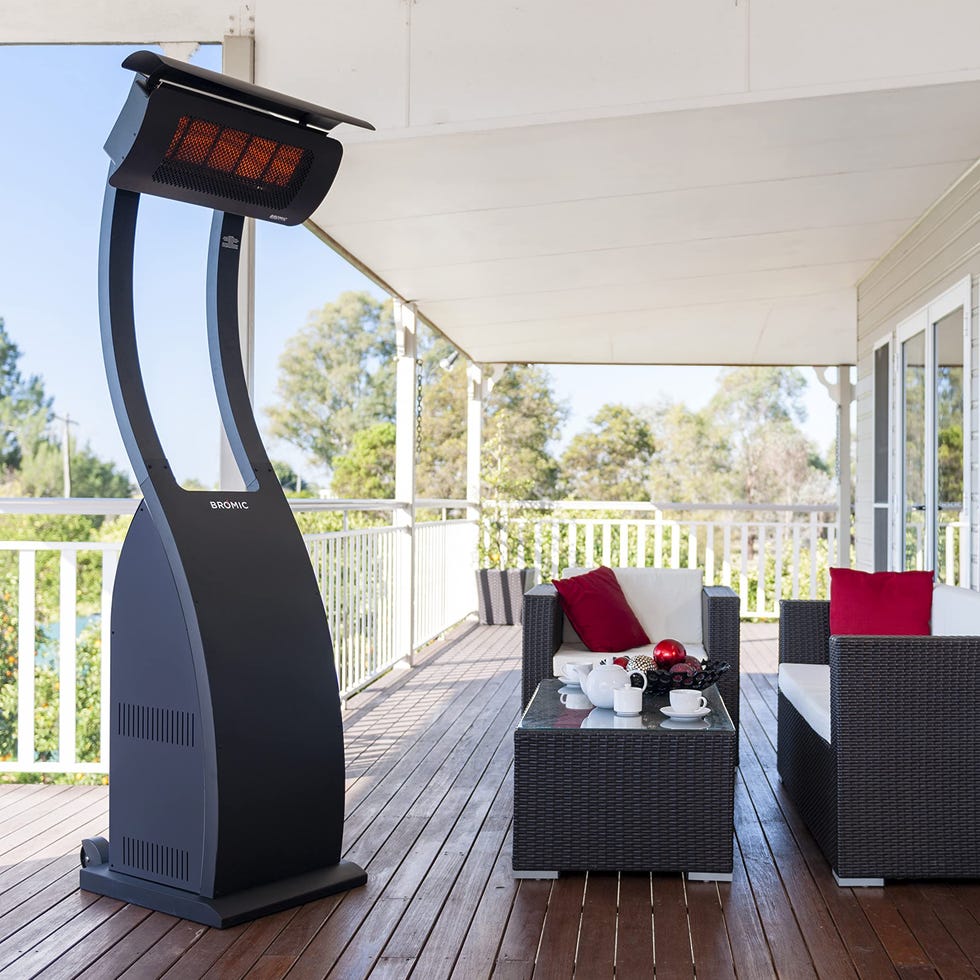
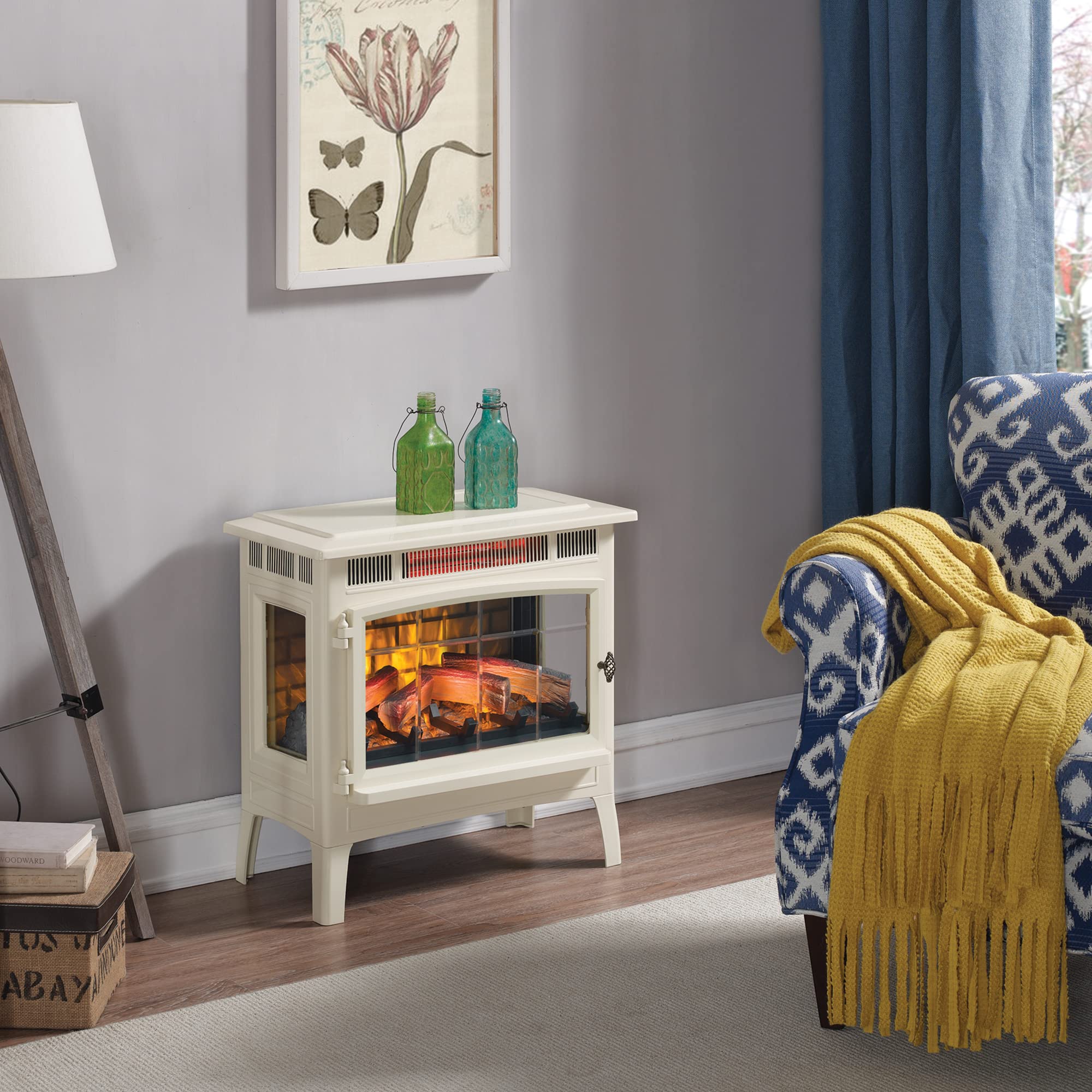
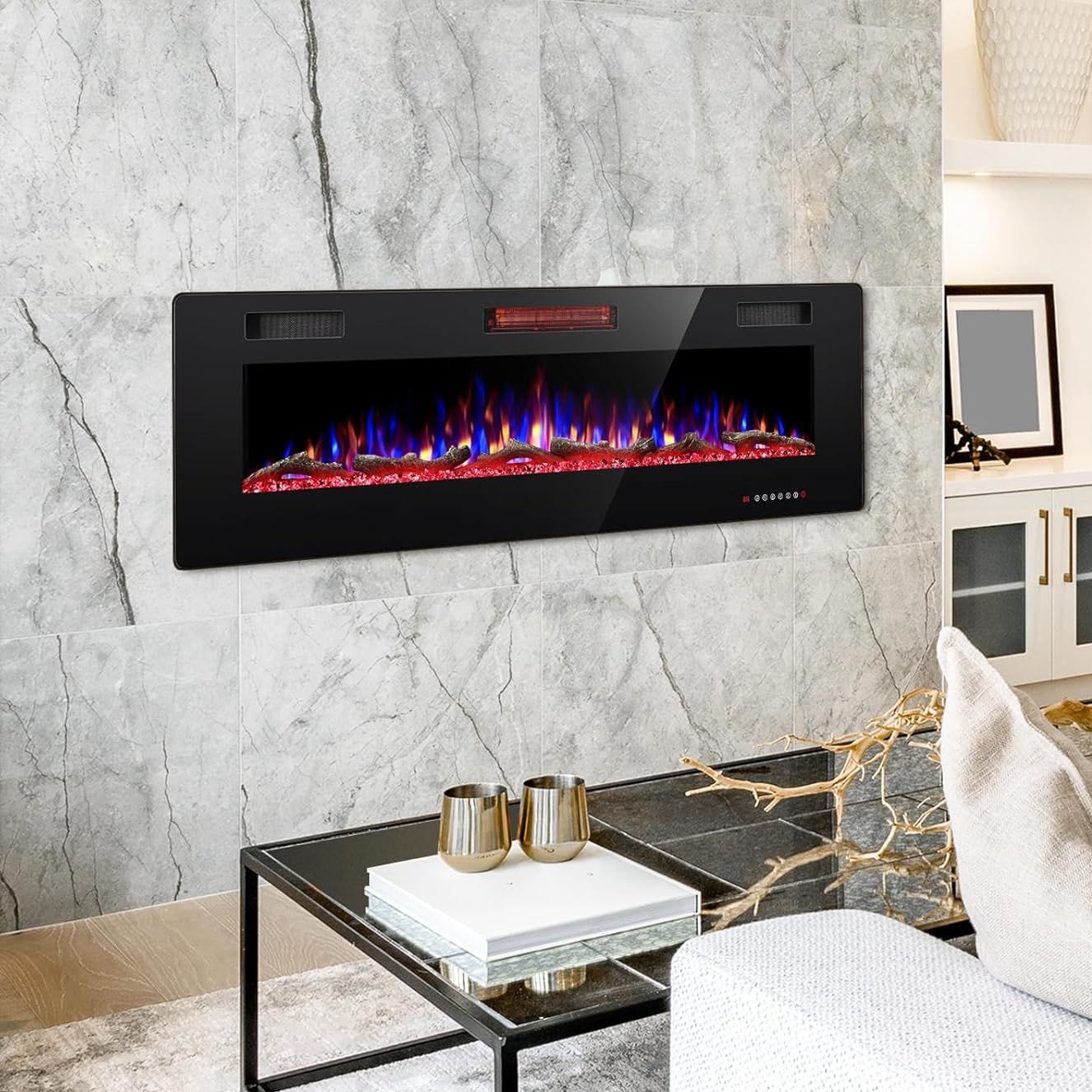
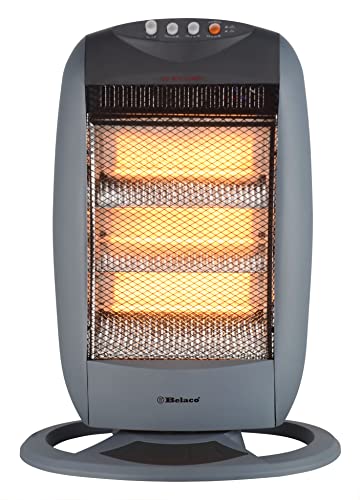
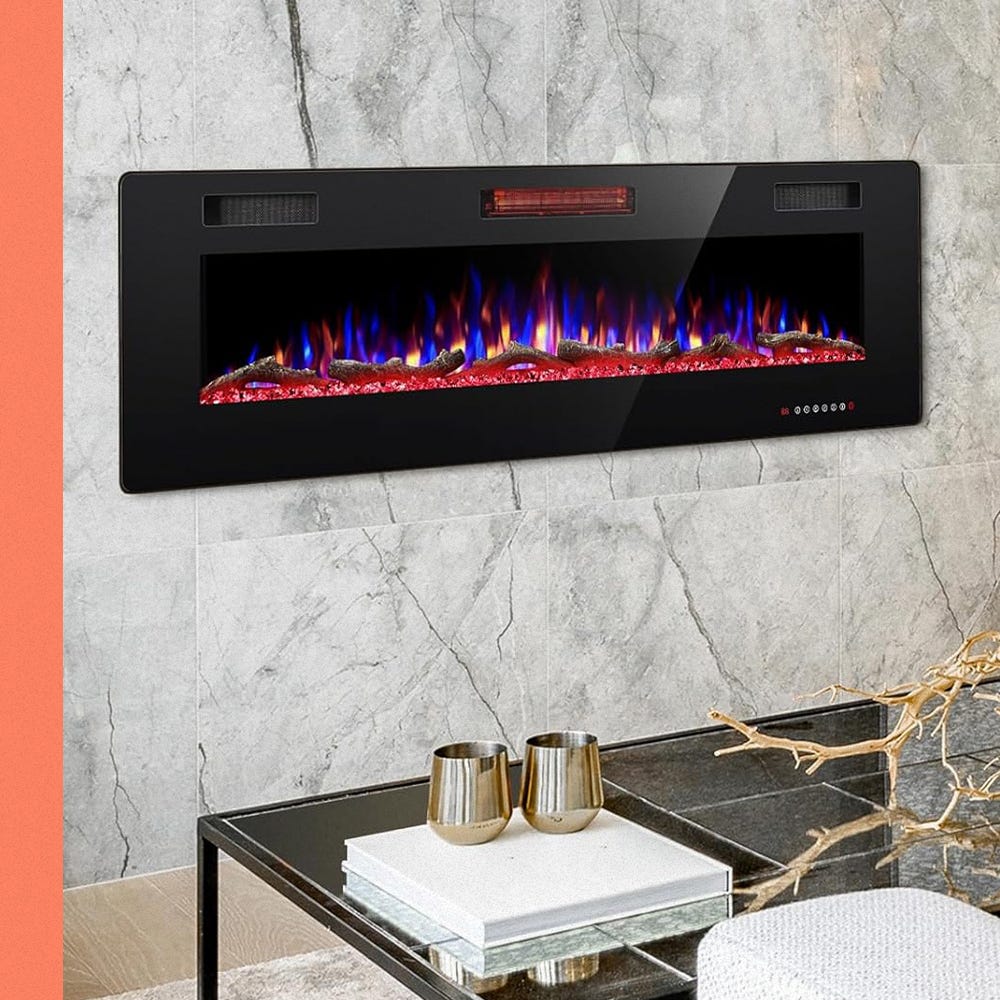
Electric ceiling panels, about one inch thick, can serve as an energy-efficient primary heating source, heating up and cooling down quickly while offering a sleek appearance. Wall-mounted electric heaters, larger than portable units, are hard-wired 240-volt systems that can be easier to install than forced-air systems. Portable space heaters offer a simple, budget-friendly way to supplement existing heat sources, available in various sizes, and are highly portable. Infrared tube heaters, which radiate heat to objects first and then people, provide effective warmth without blowing air, avoiding the dust circulation issue of forced-air units.
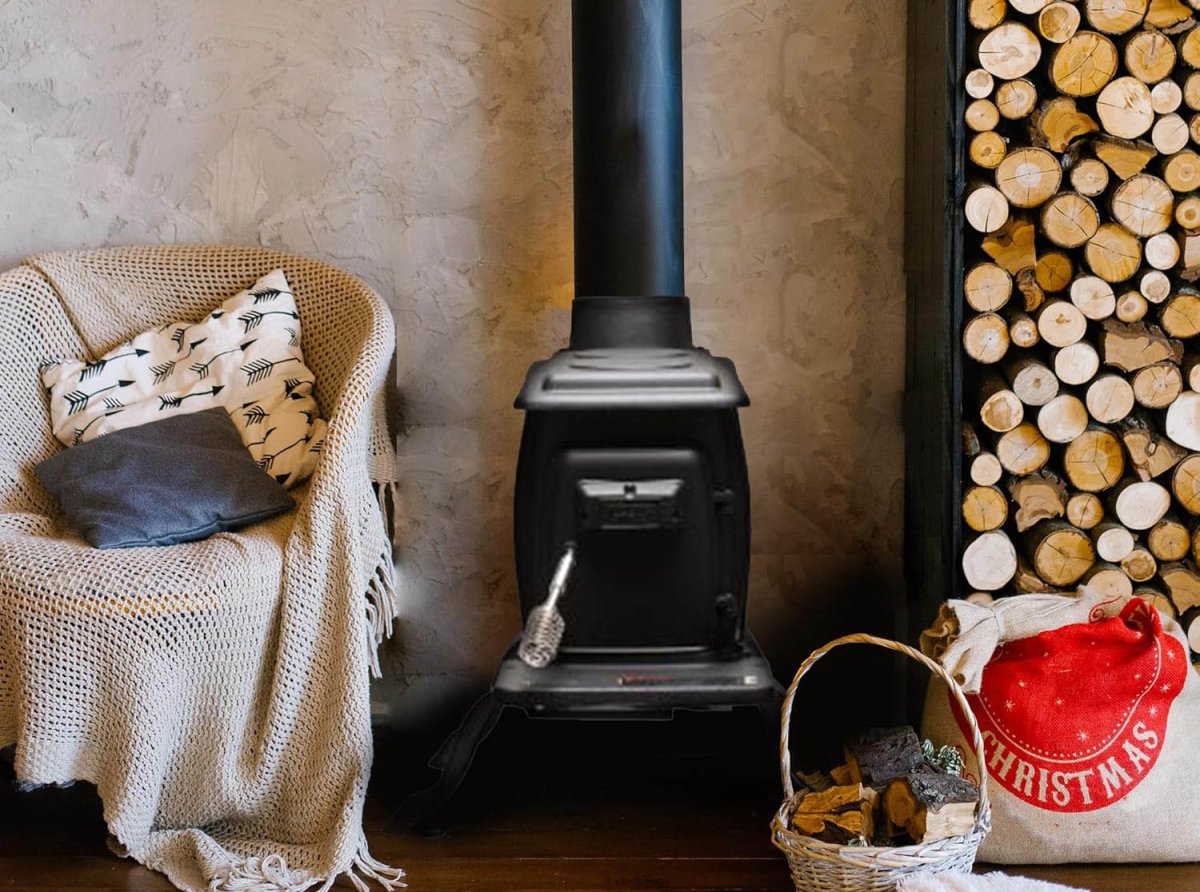
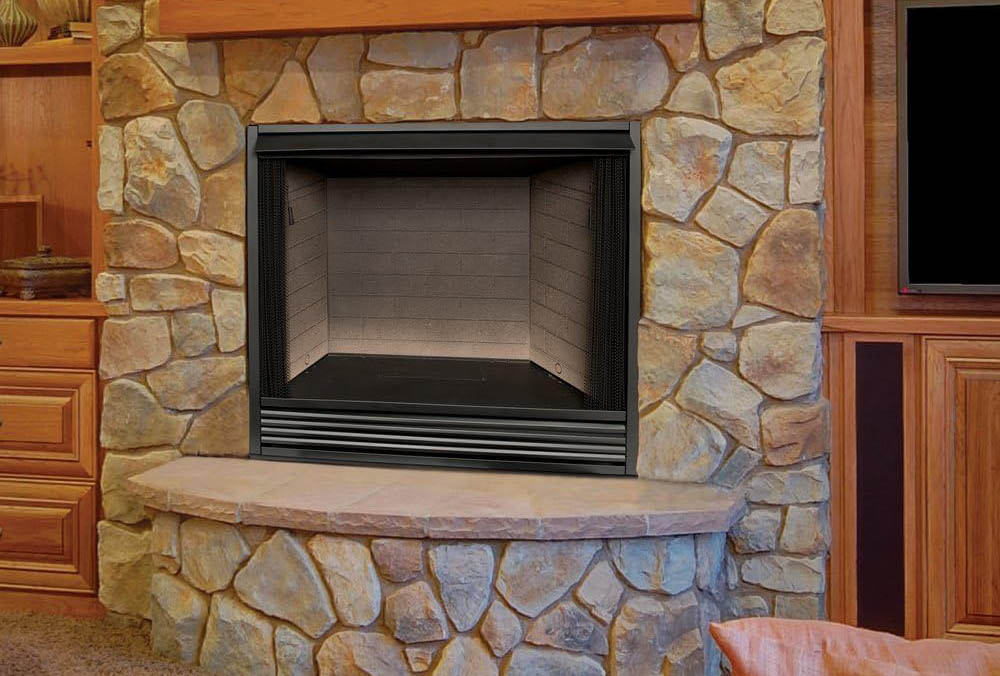
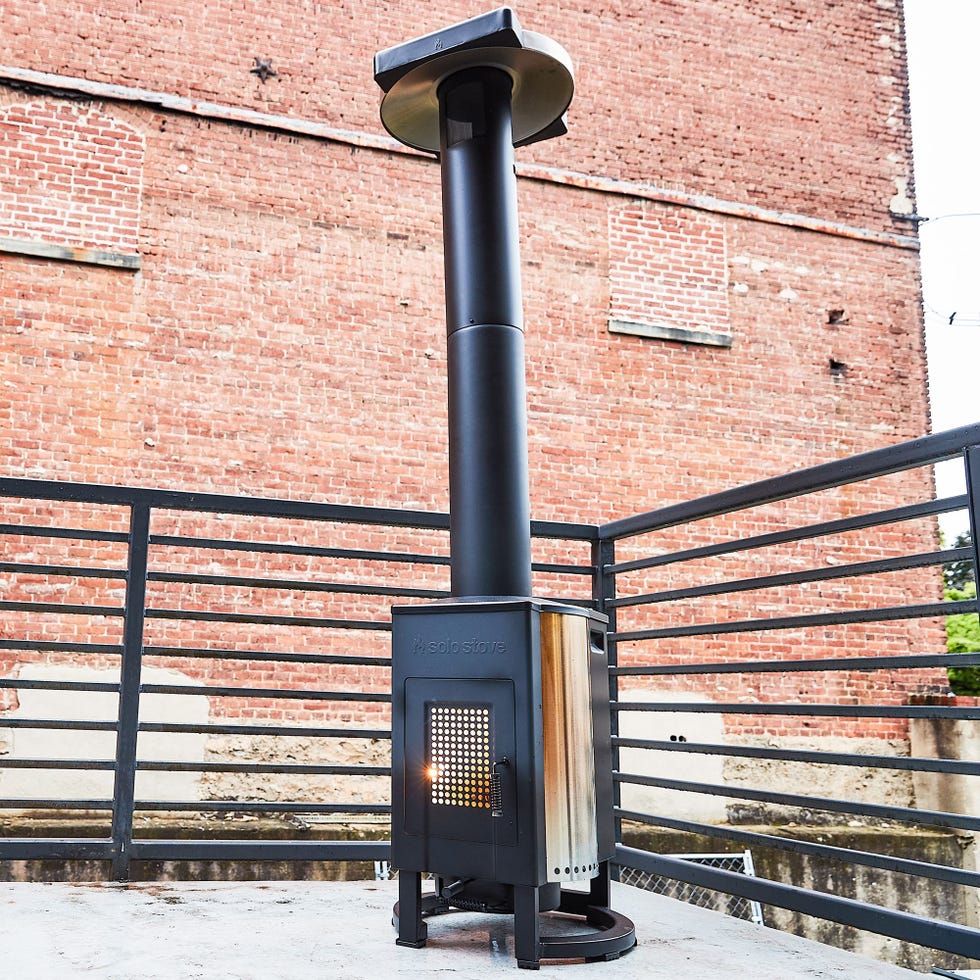
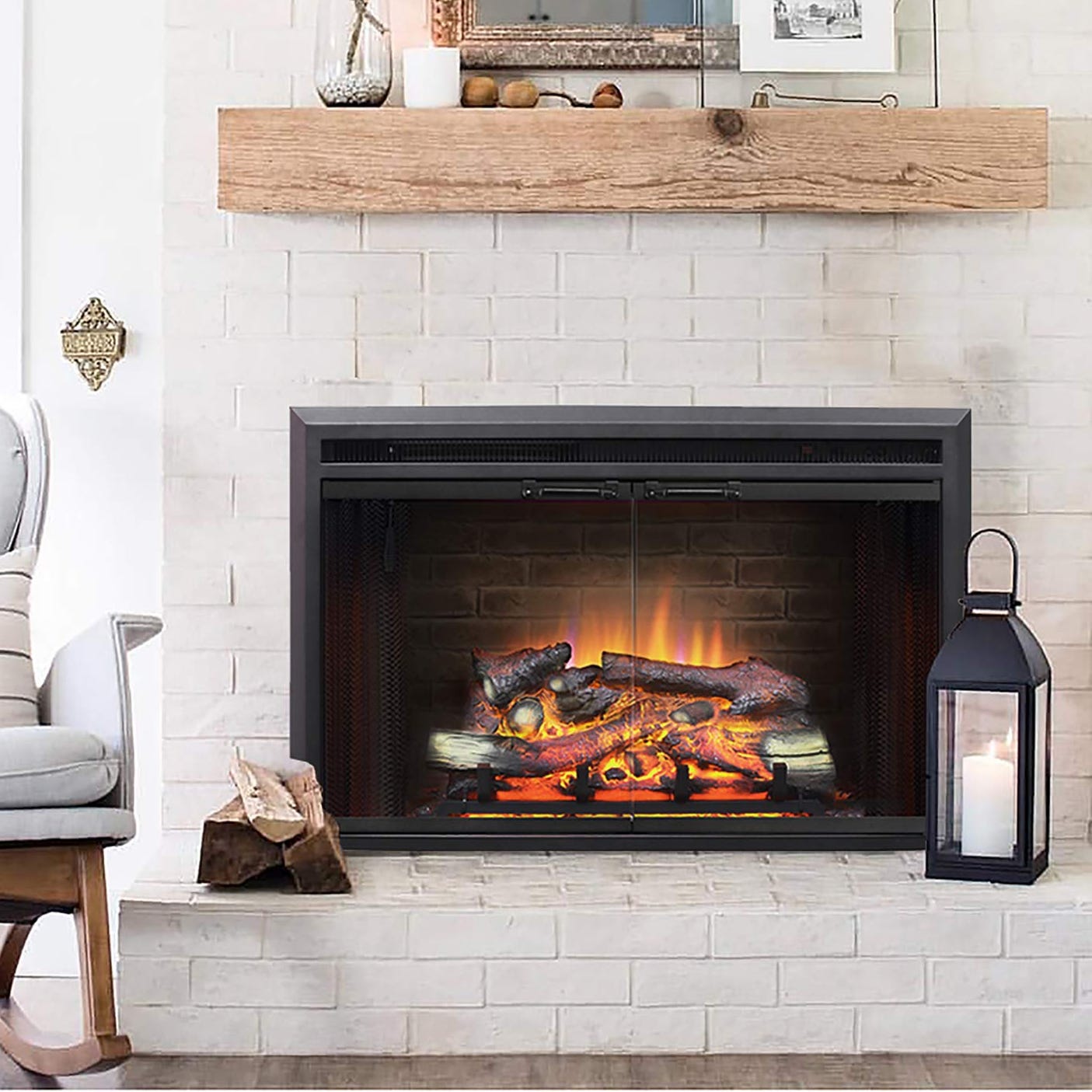
Finally, wood-burning stoves present an economical heating option, provided they are installed safely and legally. This involves checking local municipality requirements for permits and consulting with insurance providers to ensure compliance and avoid voiding homeowner policies. Regular chimney and flue cleaning, either DIY or by a professional, is crucial to prevent the buildup of toxic gases. Each heating method has its advantages and considerations regarding cost, efficiency, installation, and suitability for different garage environments and user needs, emphasizing the importance of choosing the right system for specific circumstances.
#GarageHeating #WinterPreparation #HomeImprovement #EnergyEfficiency #Insulation #ForcedAirHeater #ConvectionHeater #DuctlessSystem #InfraredHeater #WoodBurningStove #DIYProjects #GarageHeating #WinterPreparation #HomeImprovement #EnergyEfficiency #Insulation #ForcedAirHeater #ConvectionHeater #DuctlessSystem #InfraredHeater #WoodBurningStove #DIYProjects
0 commenti in totale
 Nessun commento ancora
Potresti anche gradire
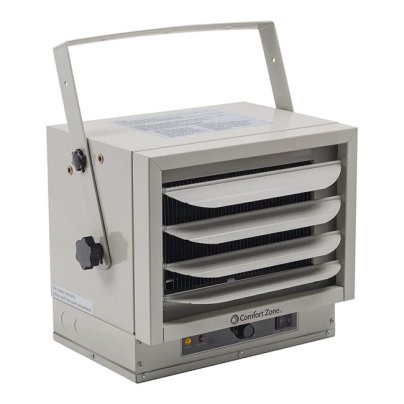
The Best Garage Heaters For Workshop Comfort, Tested


How to warm up your first floor – 7 expert tricks to hold heat downstairs for a cozy winter


How to keep an entryway warm and cozy in winter – without heating
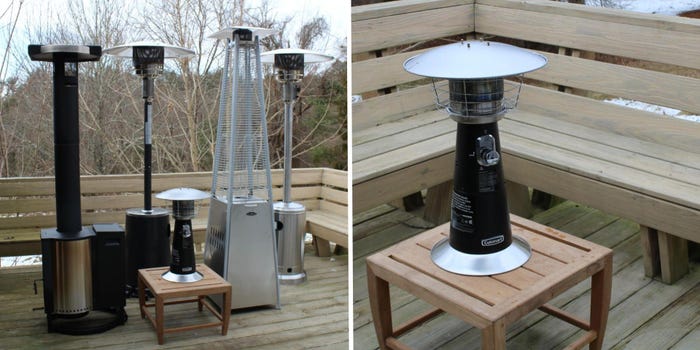
The best patio heaters keep you toasty, even in the dead of winter — these are our top picks

6 of the best heater ideas to warm up your home this winter


7 easy and efficient ways to keep your house warm this winter
Top 10 Winter Energy Saving Tips


How to keep your house warm in winter — 29 budget-friendly and easy ways to stay cosy
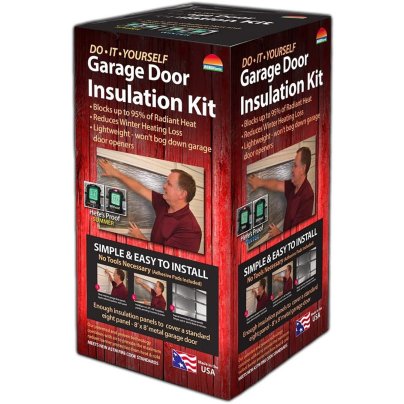
This Simple DIY Upgrade Keeps Your Garage Comfortable and Warm
These 5 Space Heaters Will Keep You Extra Toasty This Winter

The 12 Best Indoor Fireplaces for Cozying Up this Winter
See the Best Garage Fans for Beating the Heat

Heat your home efficiently this winter
9 cheap ways to heat your home this winter for under £10 each

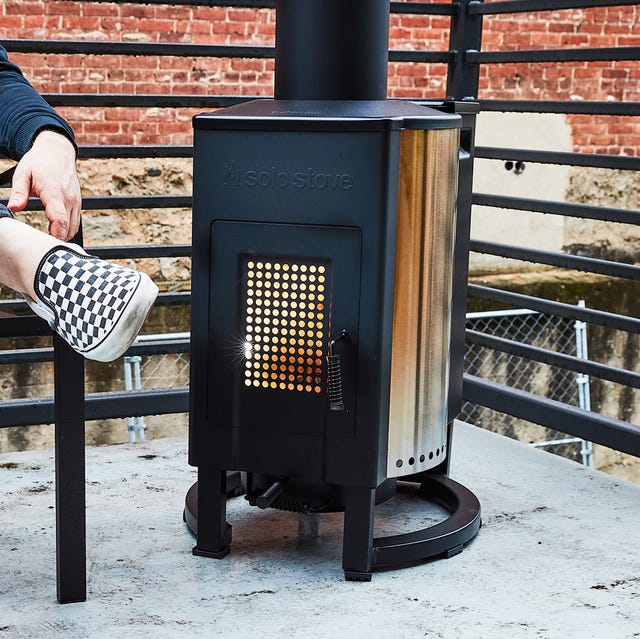
The Best Patio Heaters to Help You Enjoy Your Time Outdoors This Winter

7 fireplace ideas for the home this winter
17 Tips and Hacks to Help Keep Your House Warm This Winter
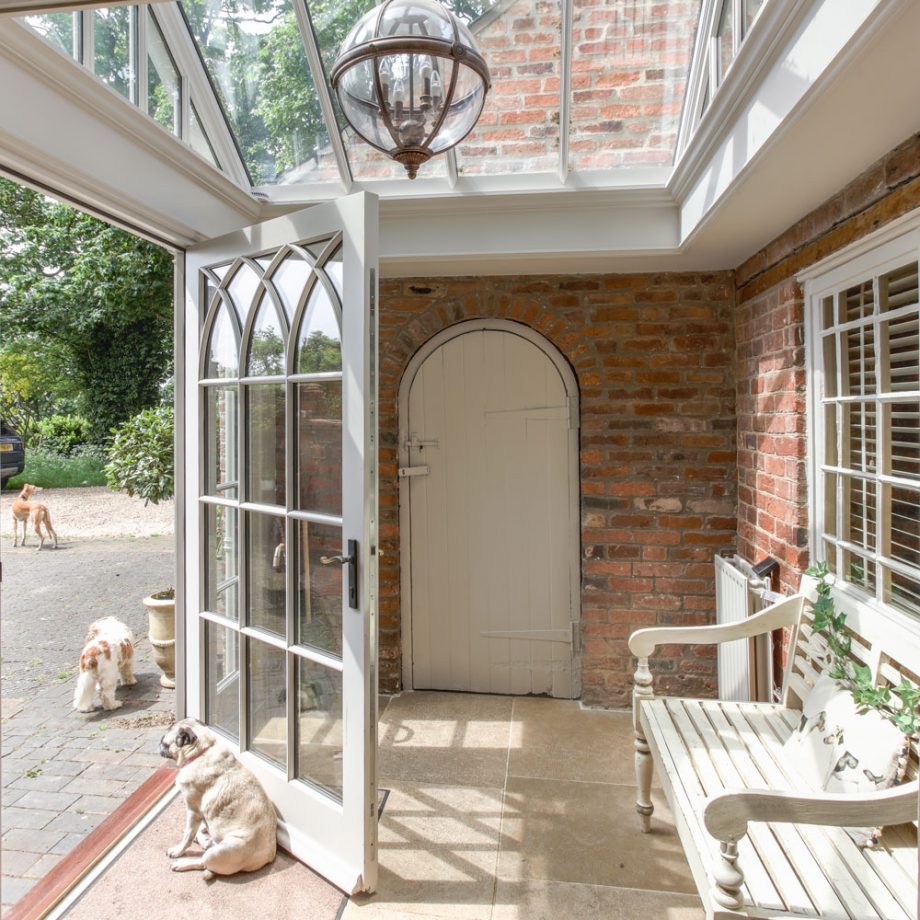
How to make a conservatory warmer - ways to heat and insulate for all-year round use
Turn Your Home Into a Cozy Winter Retreat With Our Favorite Electric Fireplaces

Mantel magic: 7 tips to make your hearth into a wintry respite