1/2
Two architects debate the best style for a country house
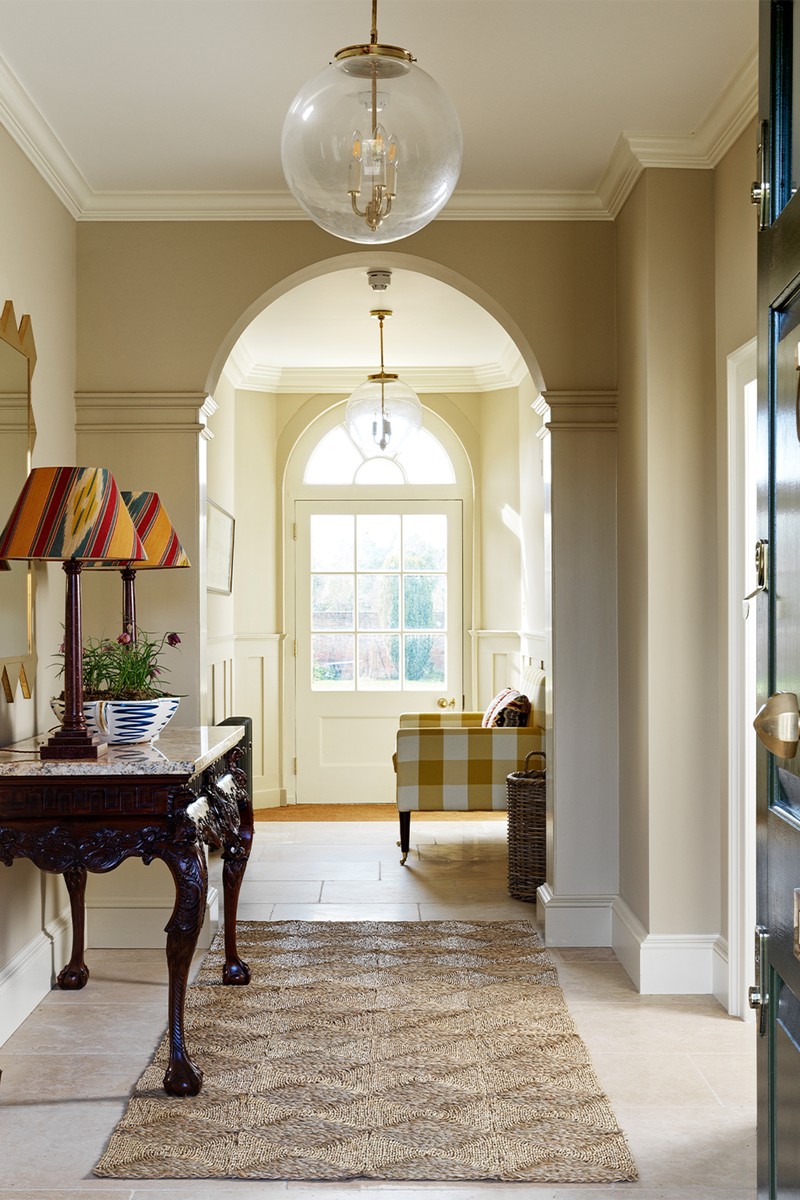
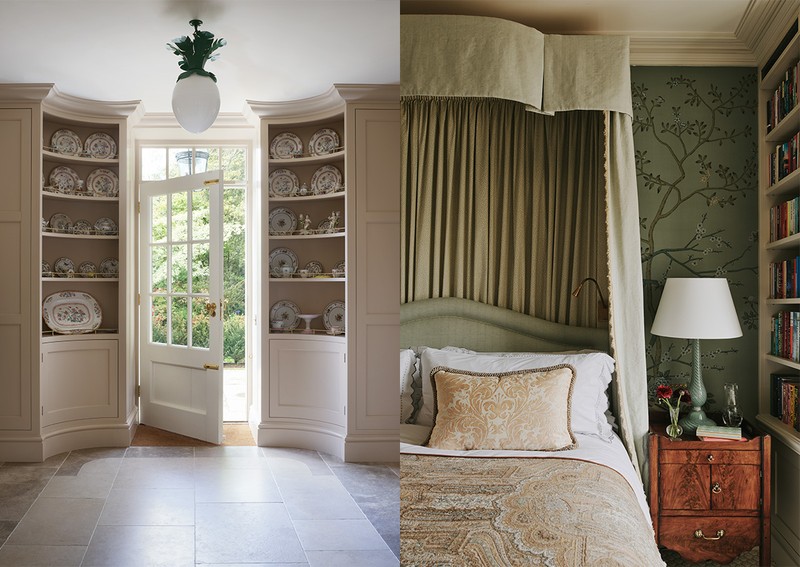
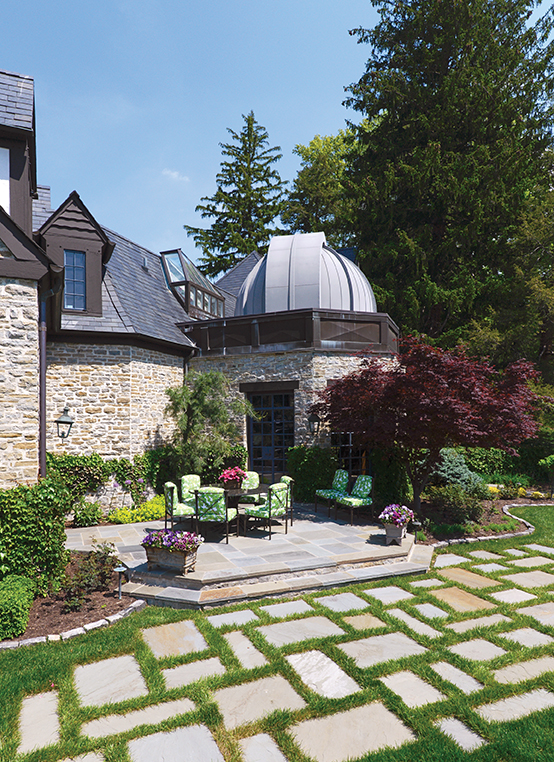
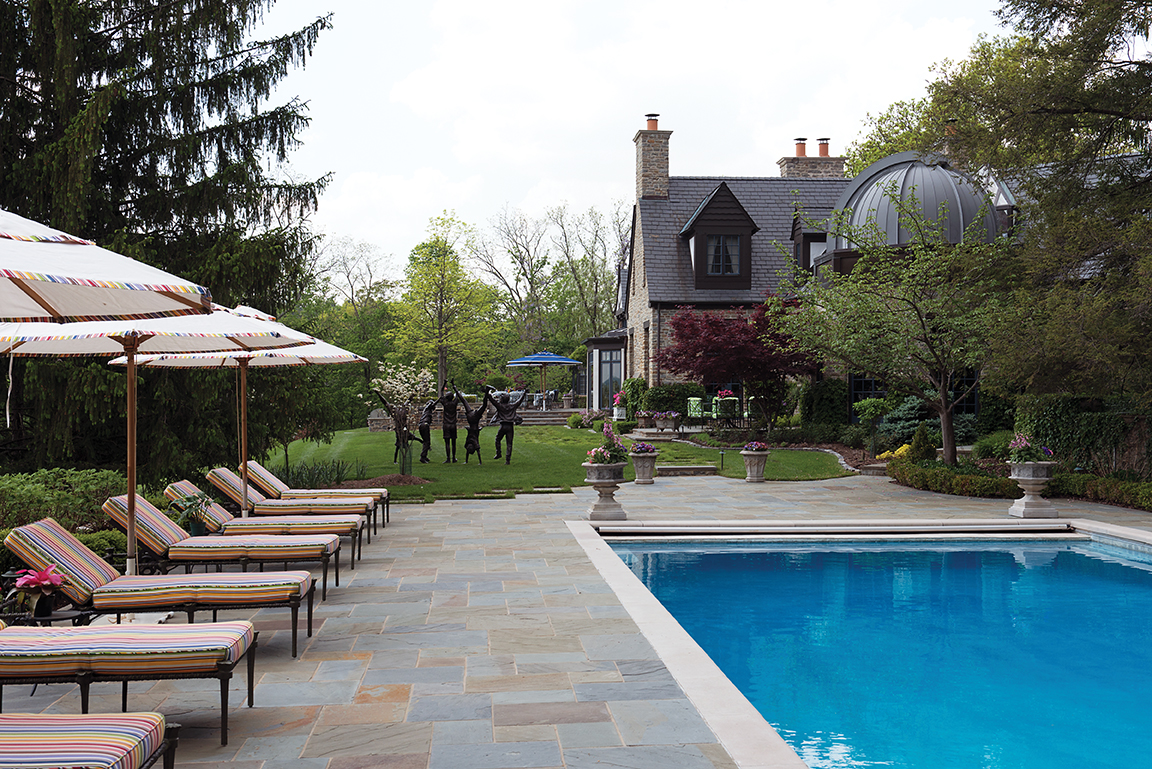
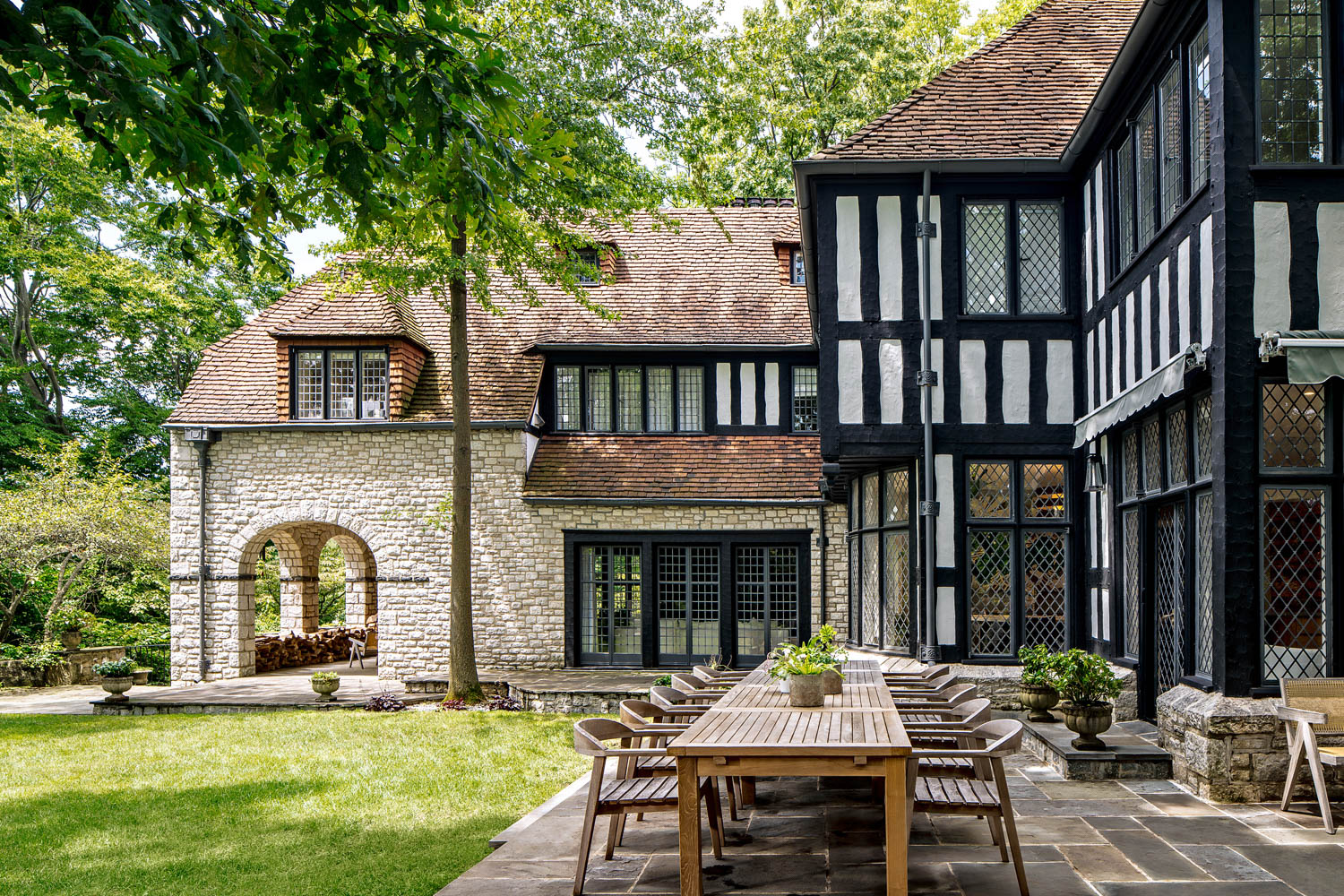
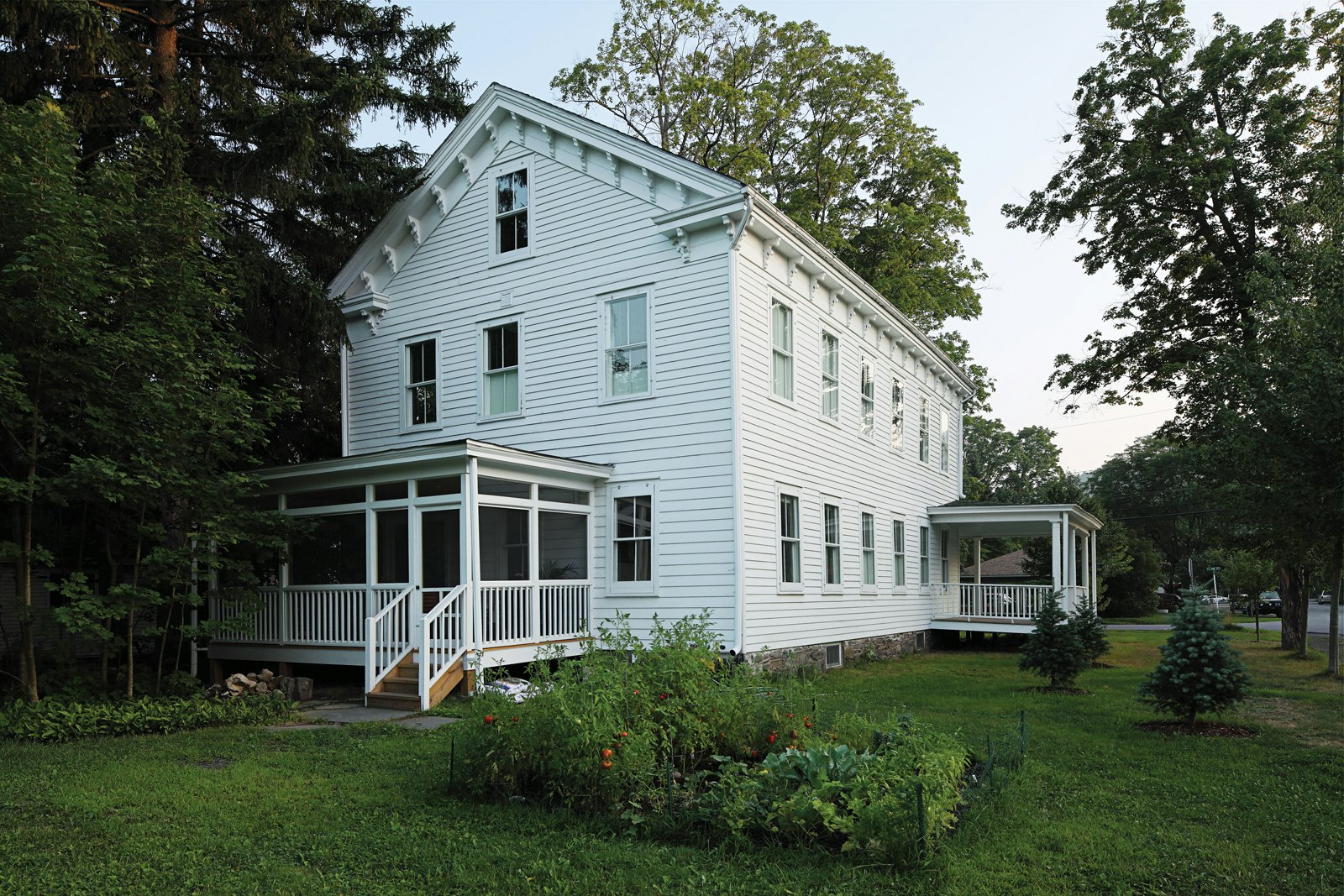
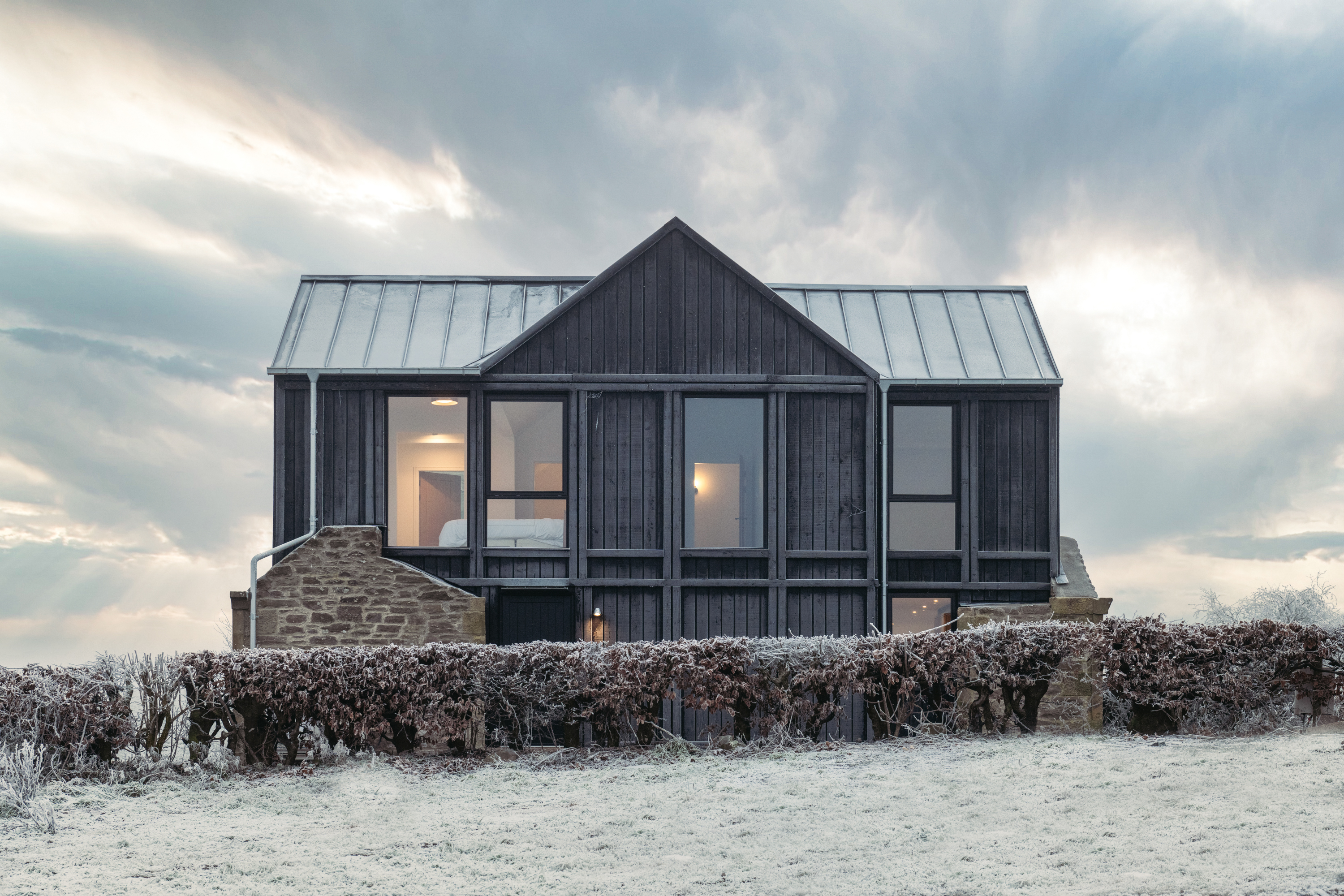
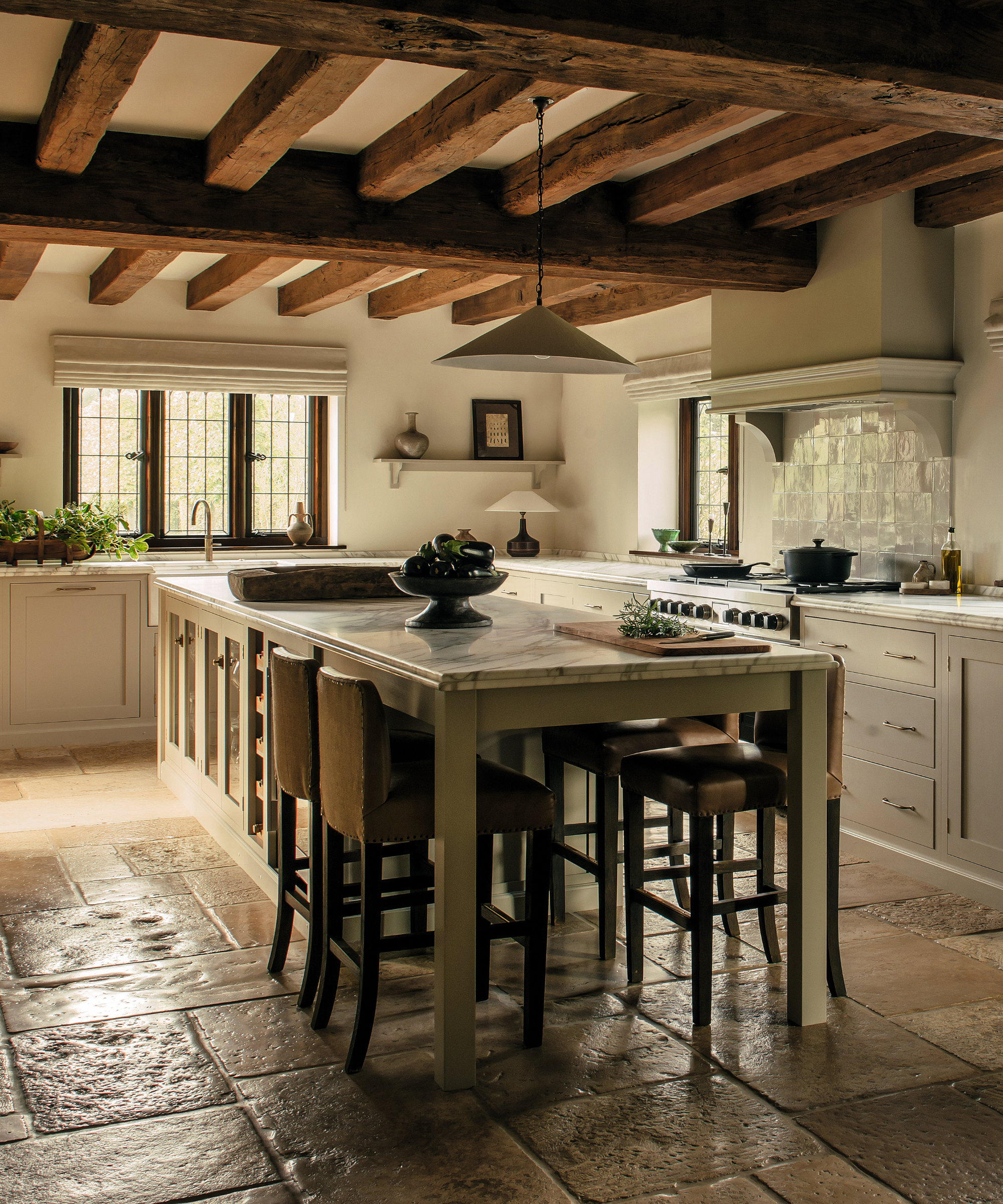
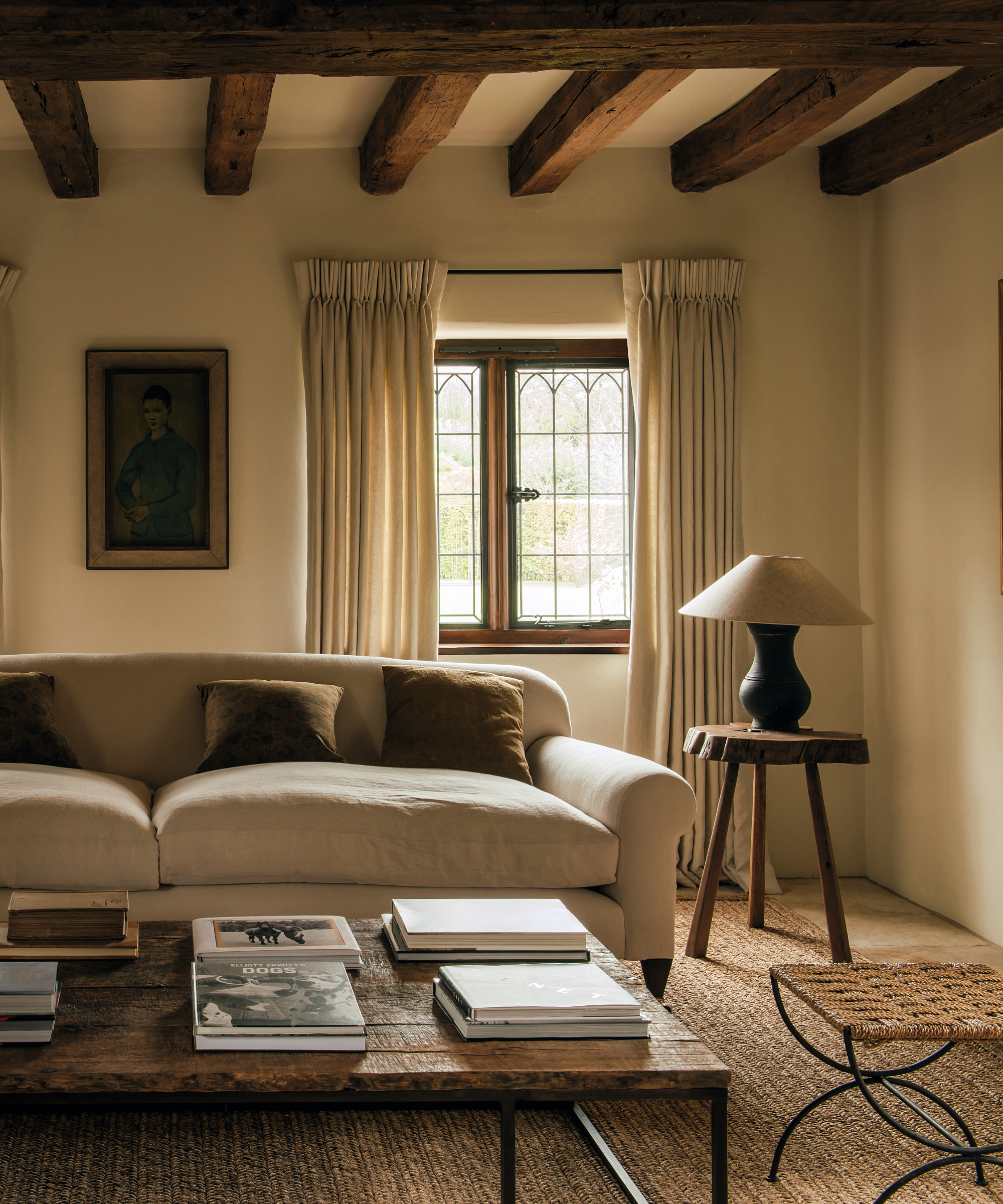
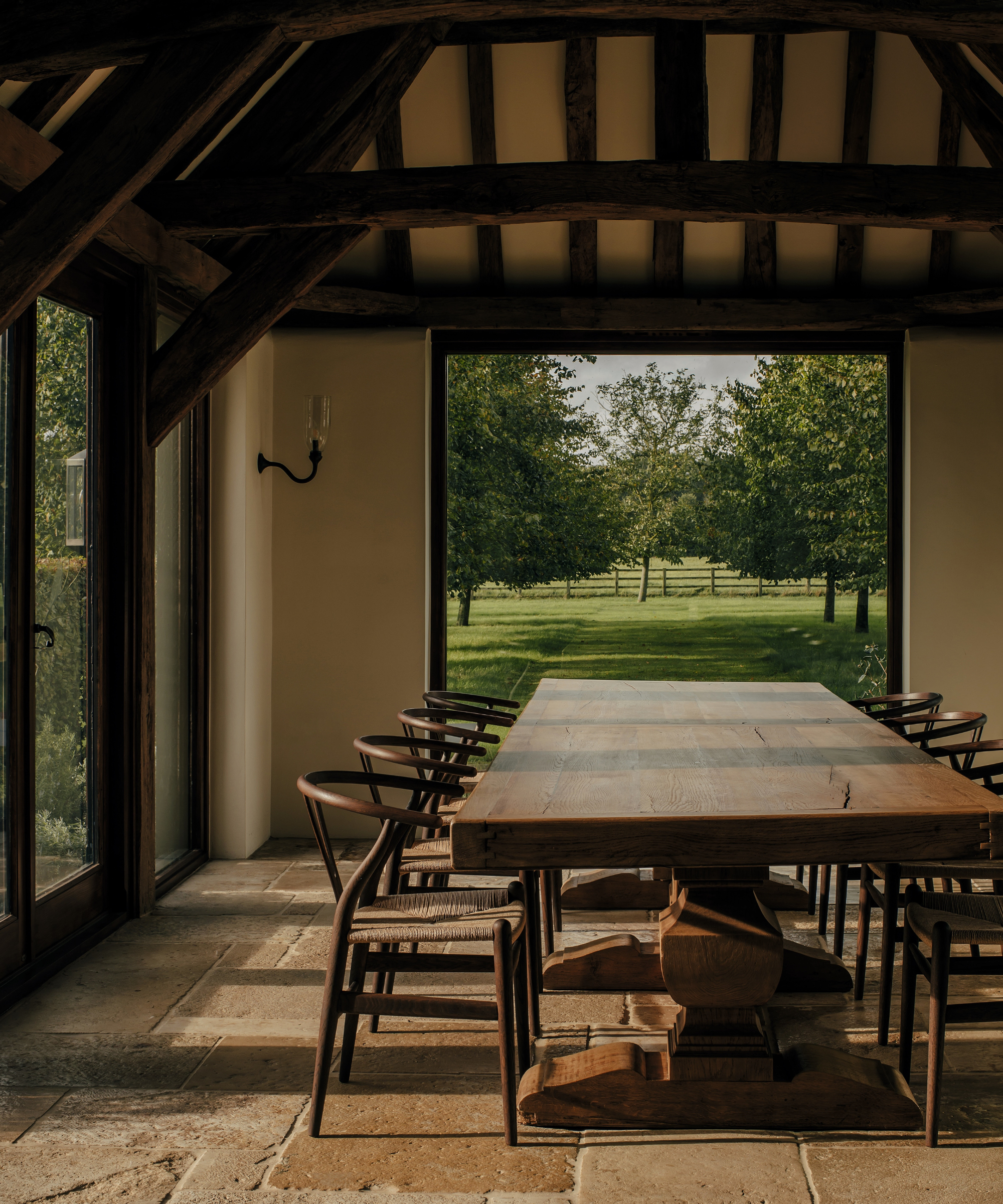
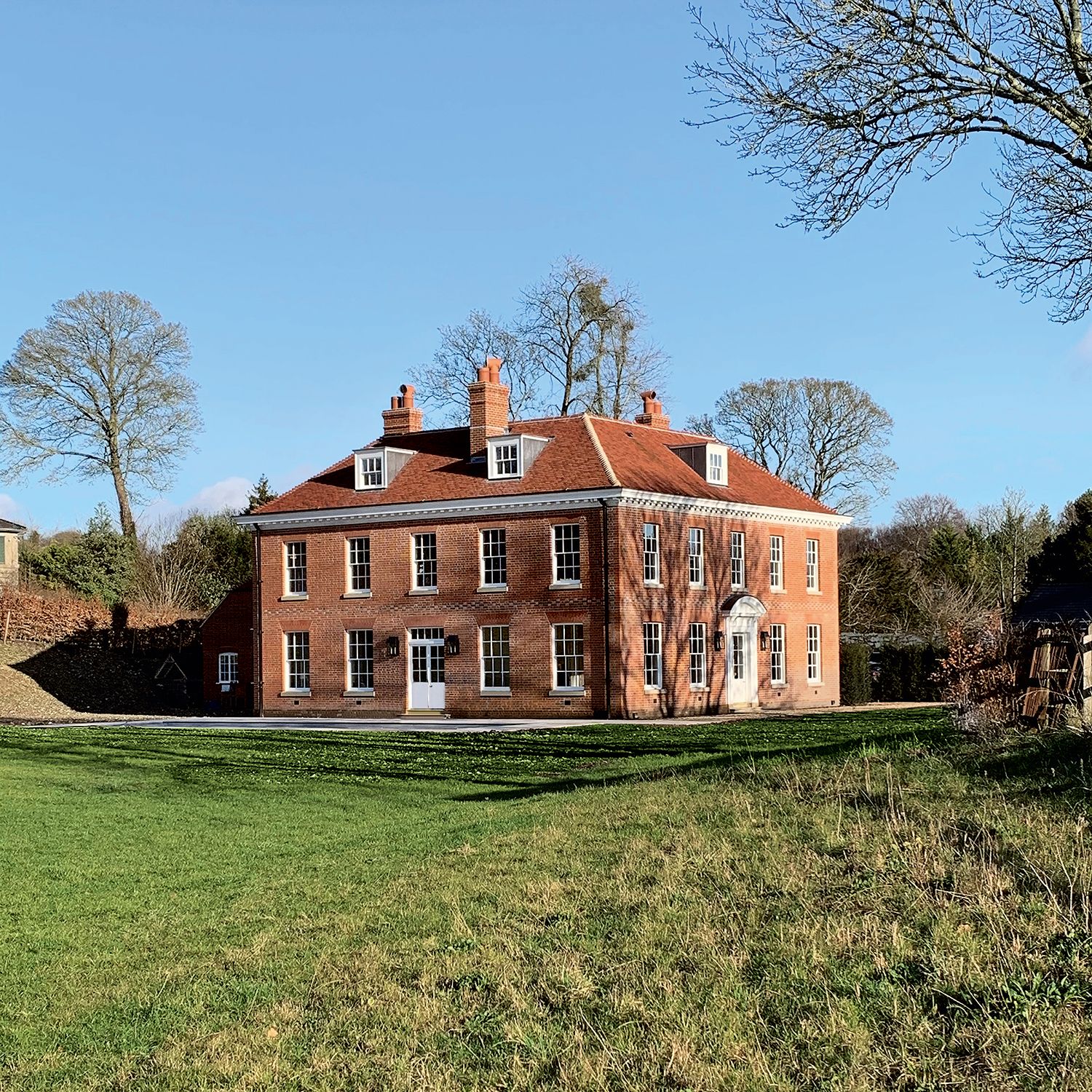
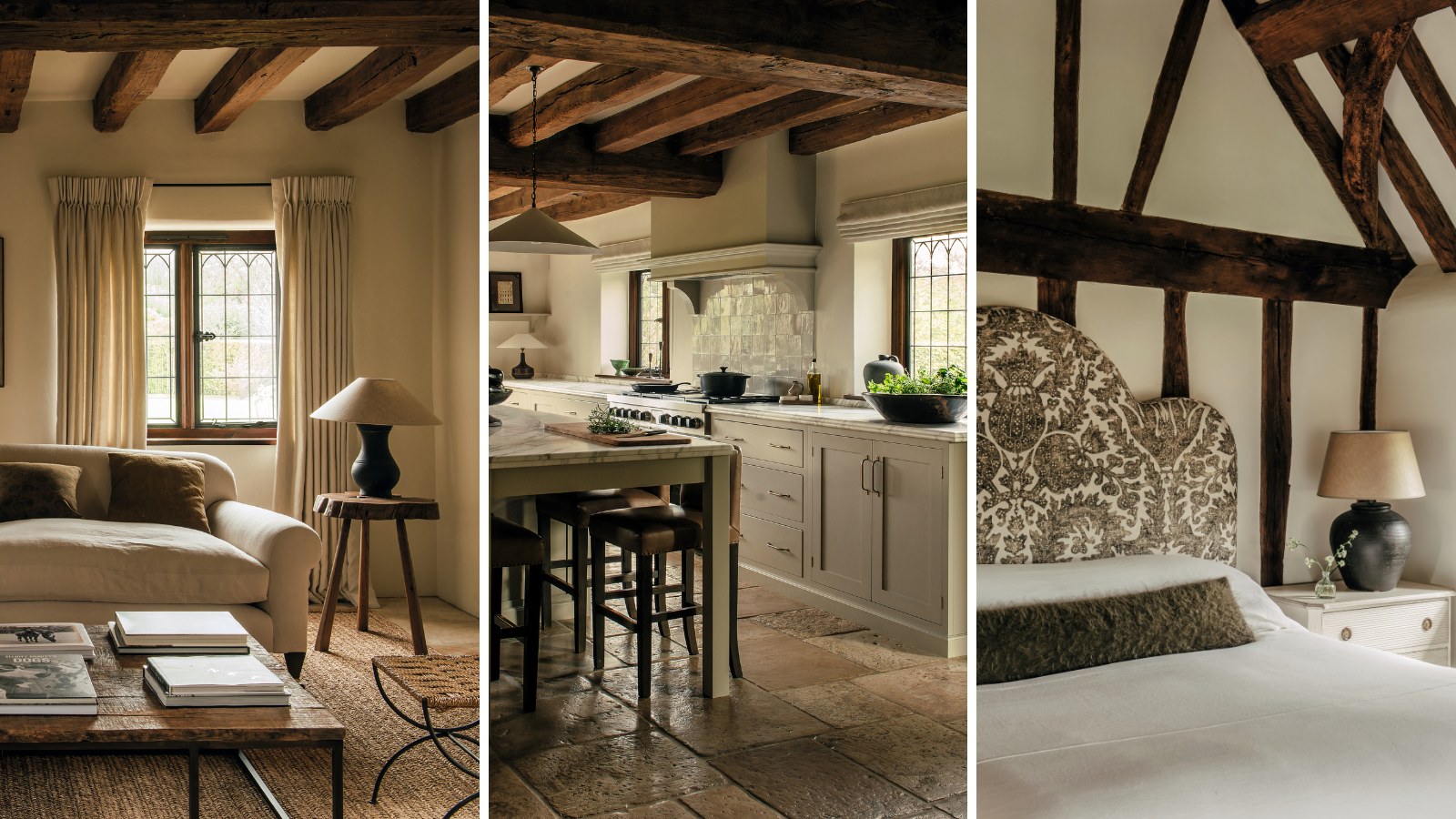
The discussion revolves around the architectural design of country houses, specifically contrasting traditional and contemporary styles, and considering their longevity, environmental impact, and relationship with nature. George Saumarez Smith, an architect specializing in traditional-style houses for over two decades, advocates for the enduring appeal and sustainability of traditional architecture. He highlights that while interior decorations can be altered, the fundamental structure of a house remains for decades, making durable and aesthetically pleasing construction crucial. Smith asserts that traditional houses, when built with natural, local materials, integrate harmoniously with their landscape. He emphasizes that traditional design should not merely replicate past structures but adapt to modern needs while maintaining a familiar architectural language. Innovation, including green technology, should be seamlessly incorporated to reduce energy demands, but without compromising the timeless design. For Smith, country houses are built for the long term, serving not just current but future generations, and embodying responsible stewardship of the countryside. He argues against prioritizing architectural style as a luxury in the face of climate change, given the environmental cost of demolishing and replacing structures built in the last 70 years that are no longer fit for purpose.
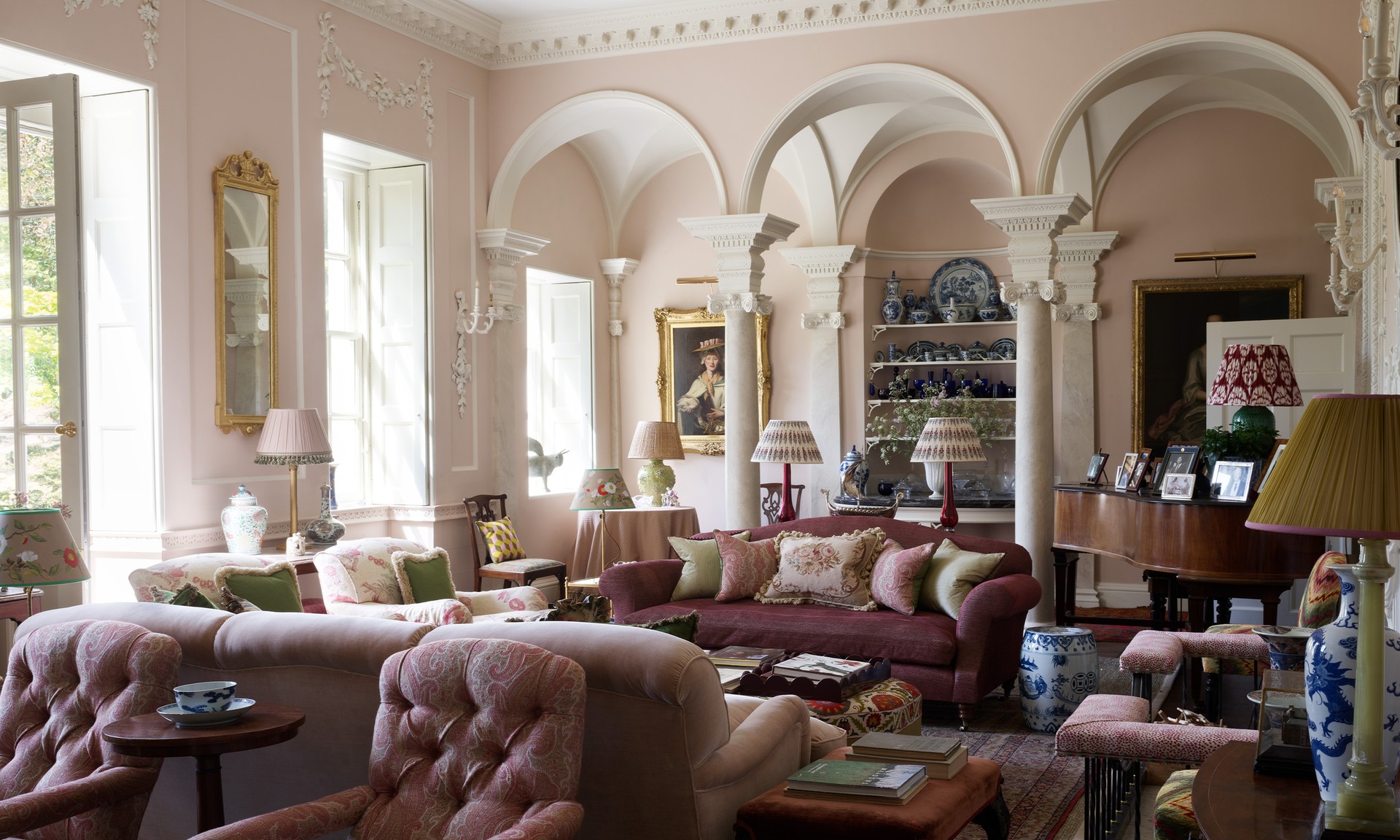
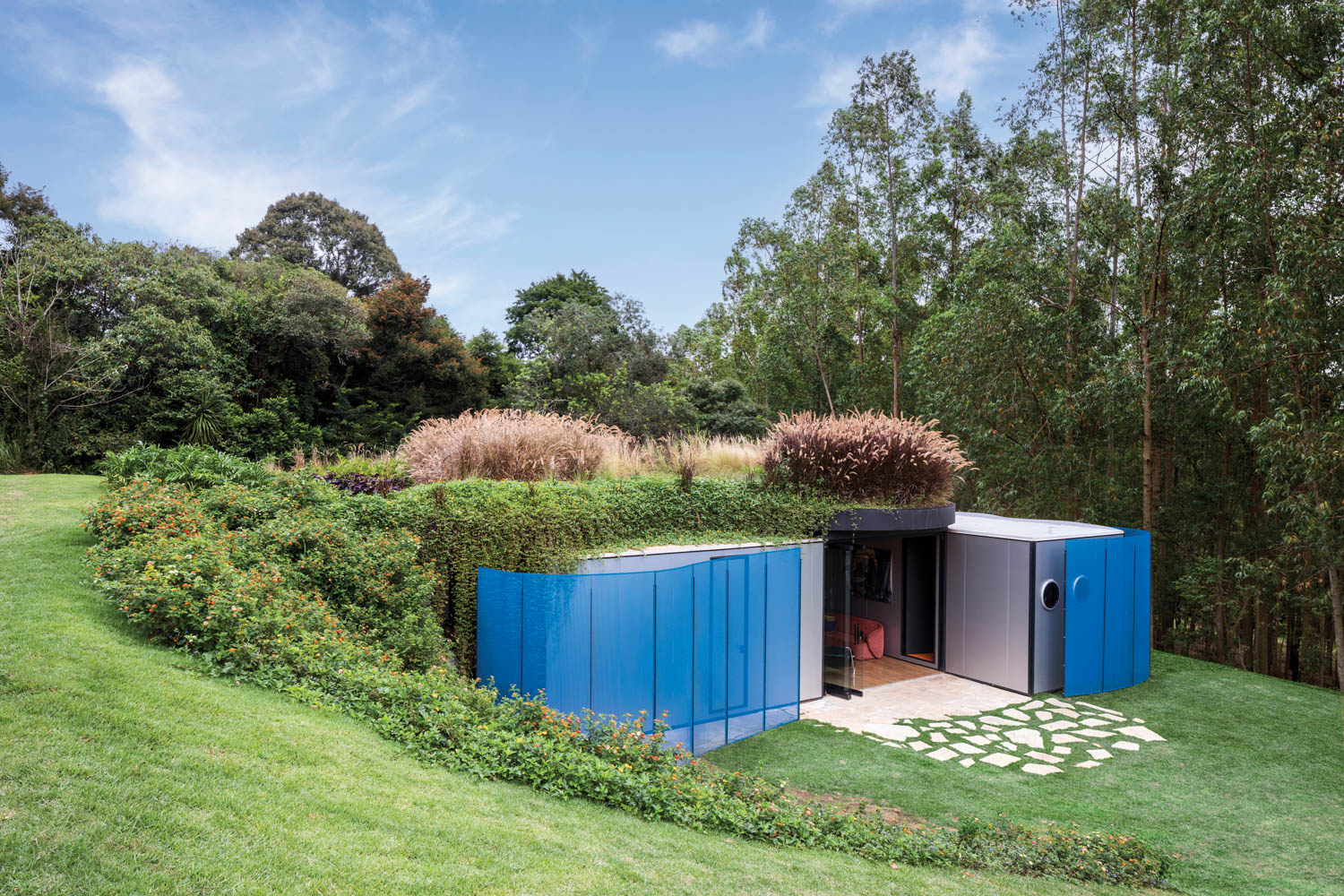
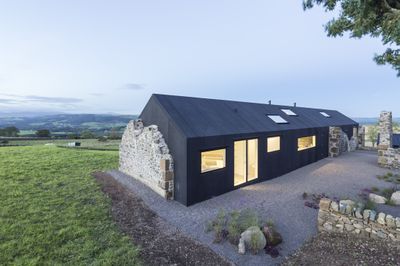
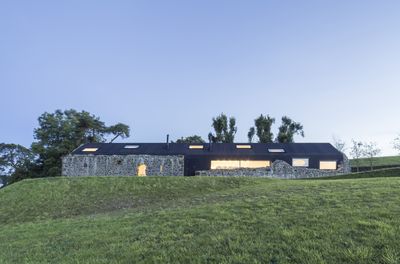
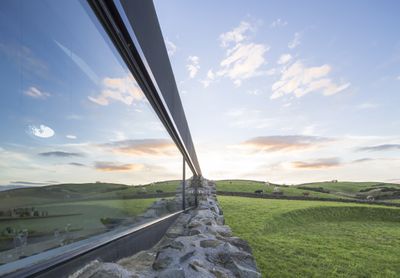
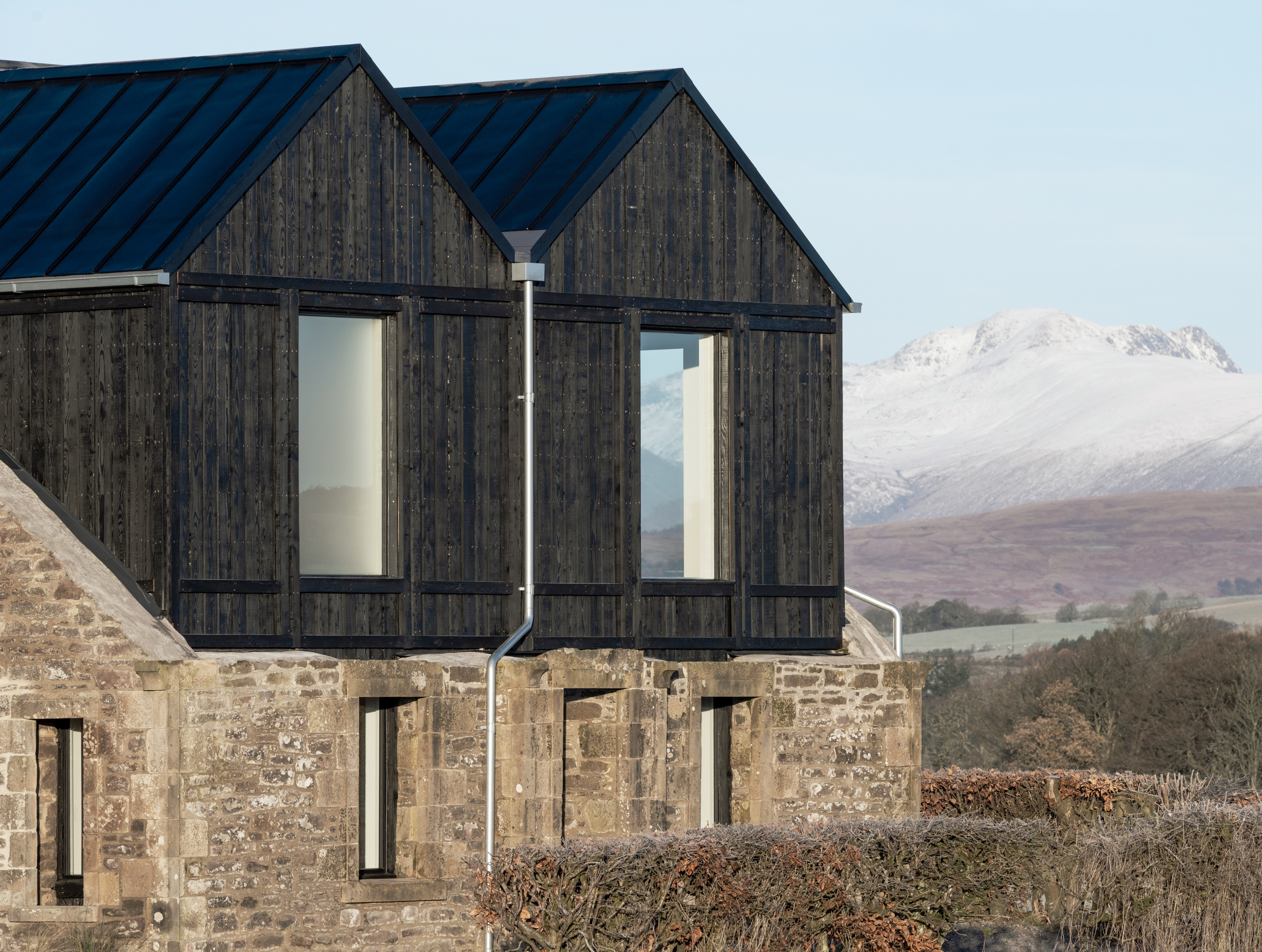
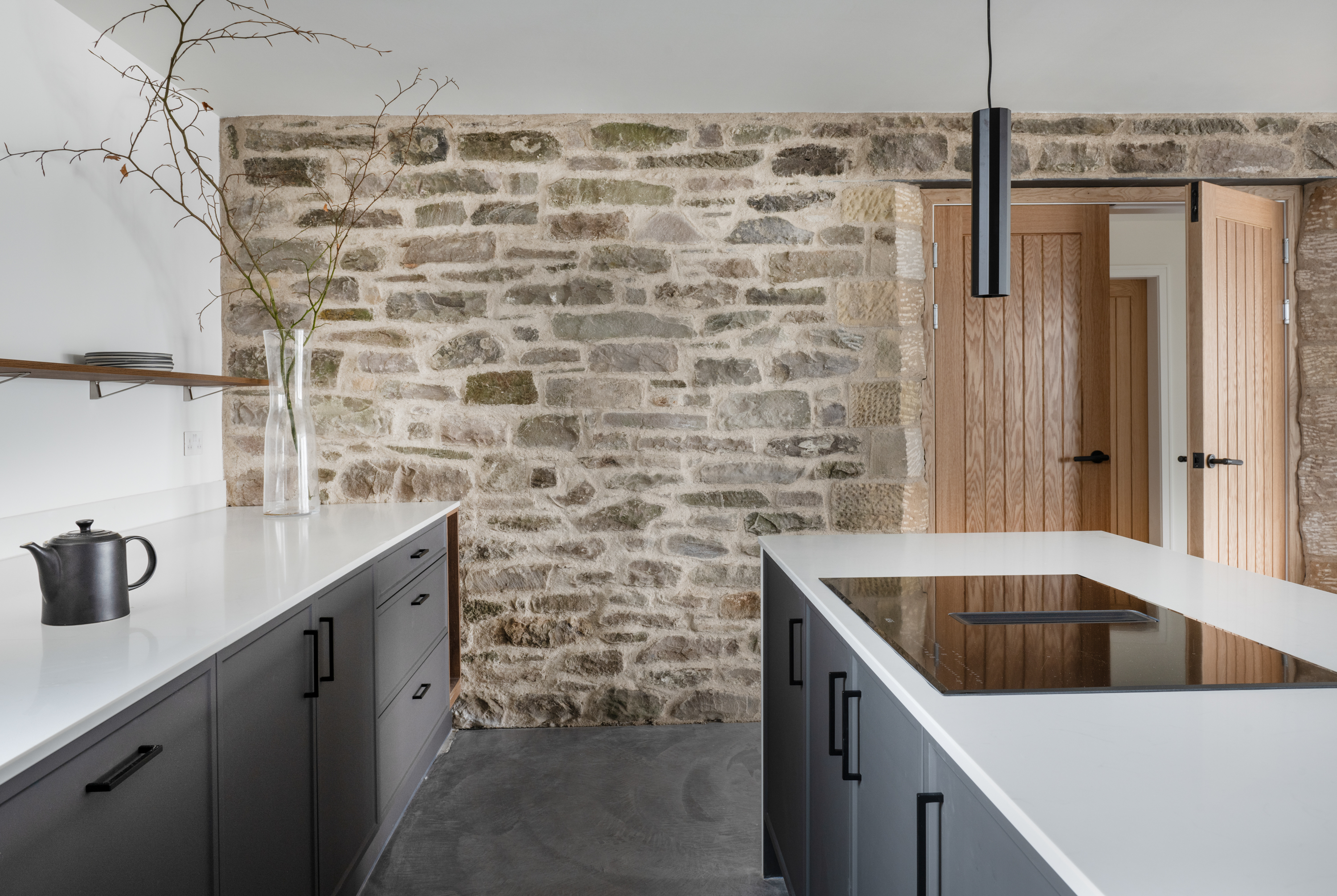
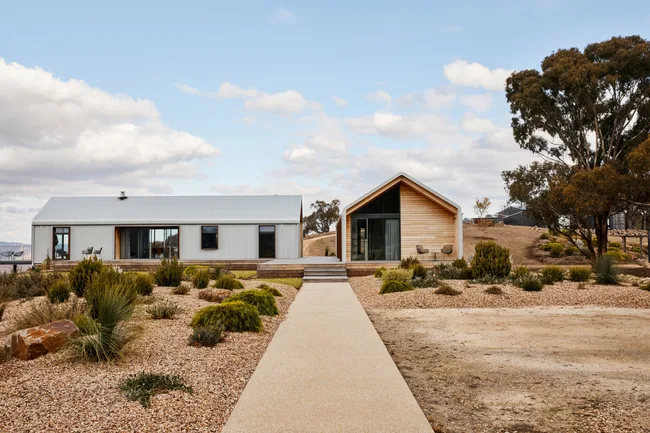
In contrast, Níall McLaughlin approaches house design from a more personal and intuitive perspective, viewing a house as a representation of identity and a connection to surroundings. He suggests that the choice between classical and modern styles reflects a broader worldview. McLaughlin traces the origin of classical country houses to Renaissance Italy, where landowners adopted pedimented loggias and porticos to signify their status, authority, and governance within their communities, asserting dominance over the landscape. Modern country houses, however, are characterized by their minimalist aesthetic, large glass windows, and an open interior that blurs the boundaries between the house and its natural environment. This design philosophy indicates a desire for a transcendent relationship with nature, where inhabitants become immersed in the landscape rather than controlling it. McLaughlin encourages prospective homeowners to pay close attention to their intuitions when building a house, treating the design process as a form of self-reflection. He likens pictures of houses to mirrors, prompting questions about how one wishes to be perceived, their genuine connection to their environment, and where they envision happiness for themselves and their loved ones. Both architects offer distinct yet compelling philosophies on the creation of country homes, underscoring different values and aspirations in architectural design.
#CountryHouseArchitecture #TraditionalArchitecture #ContemporaryArchitecture #SustainableDesign #ArchitecturalPhilosophy #HomeDesign #EnvironmentalConsciousness #IdentityInArchitecture #CountryHouseArchitecture #TraditionalArchitecture #ContemporaryArchitecture #SustainableDesign #ArchitecturalPhilosophy #HomeDesign #EnvironmentalConsciousness #IdentityInArchitecture
कुल 0 टिप्पणियाँ
 कोई टिप्पणी नहीं
आपको यह भी पसंद आ सकता है
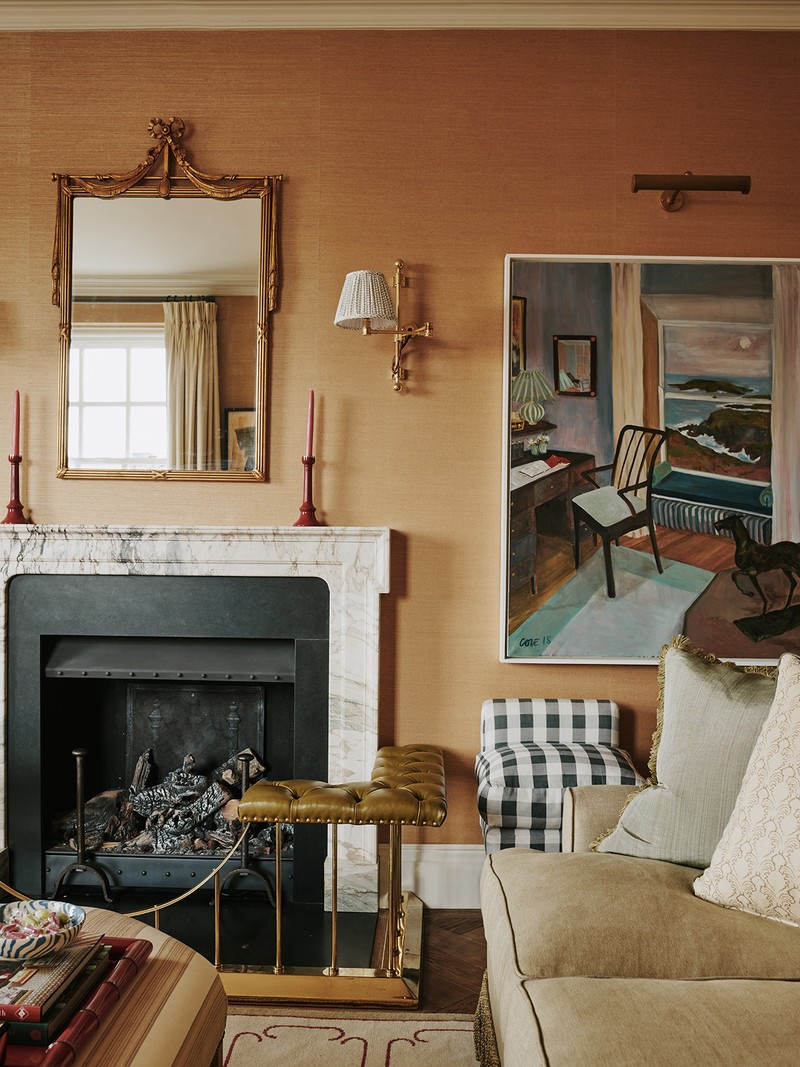
2 Interiors Designers Talk Style, Inspiration & The Concept Of ‘Future Heritage’
An ultra-modern home nestles inside this ancient ruined farmhouse

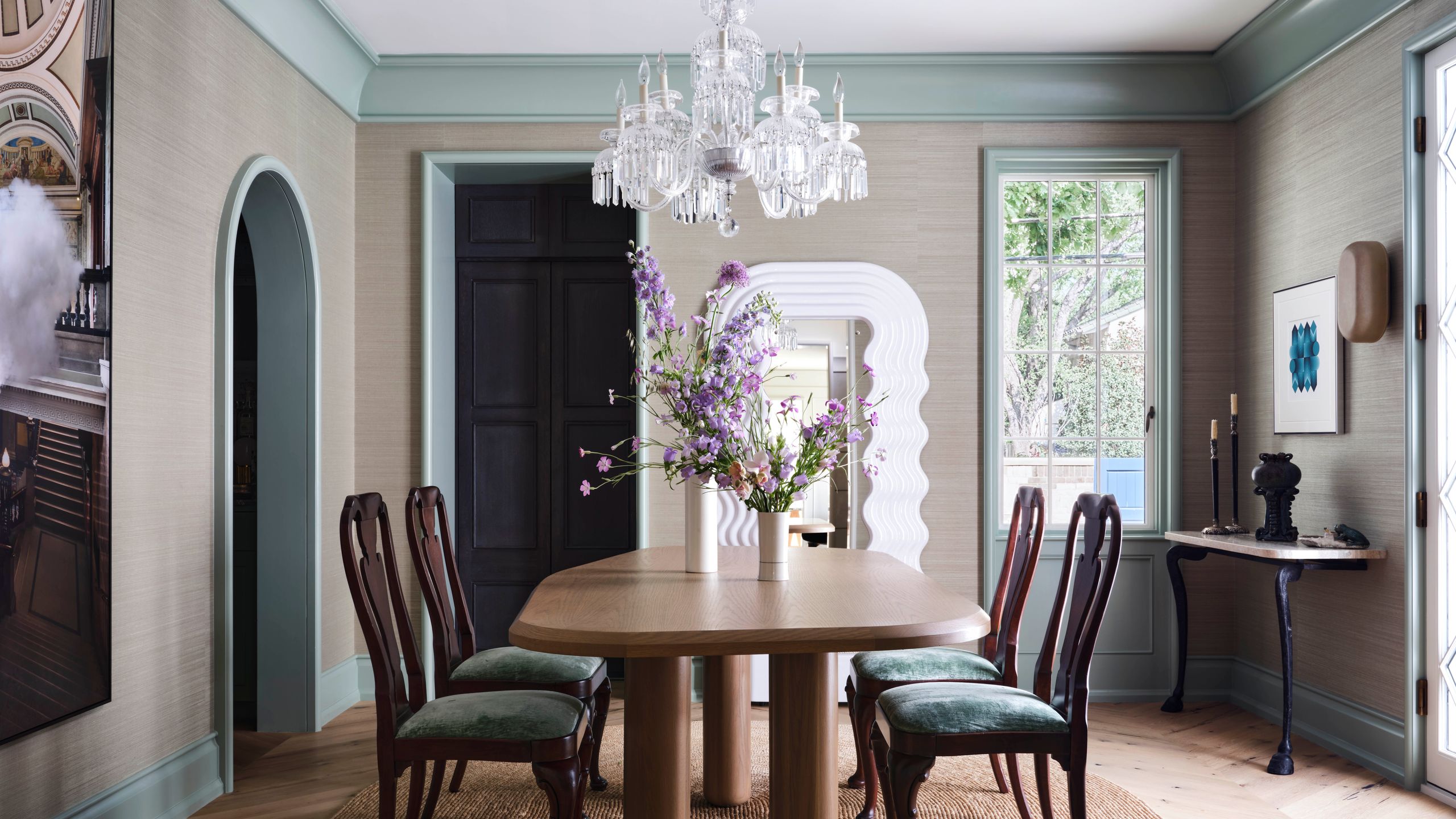
Inside 6 Homes That Prove Traditional Interior Design and Modern Style Really Do Go Together

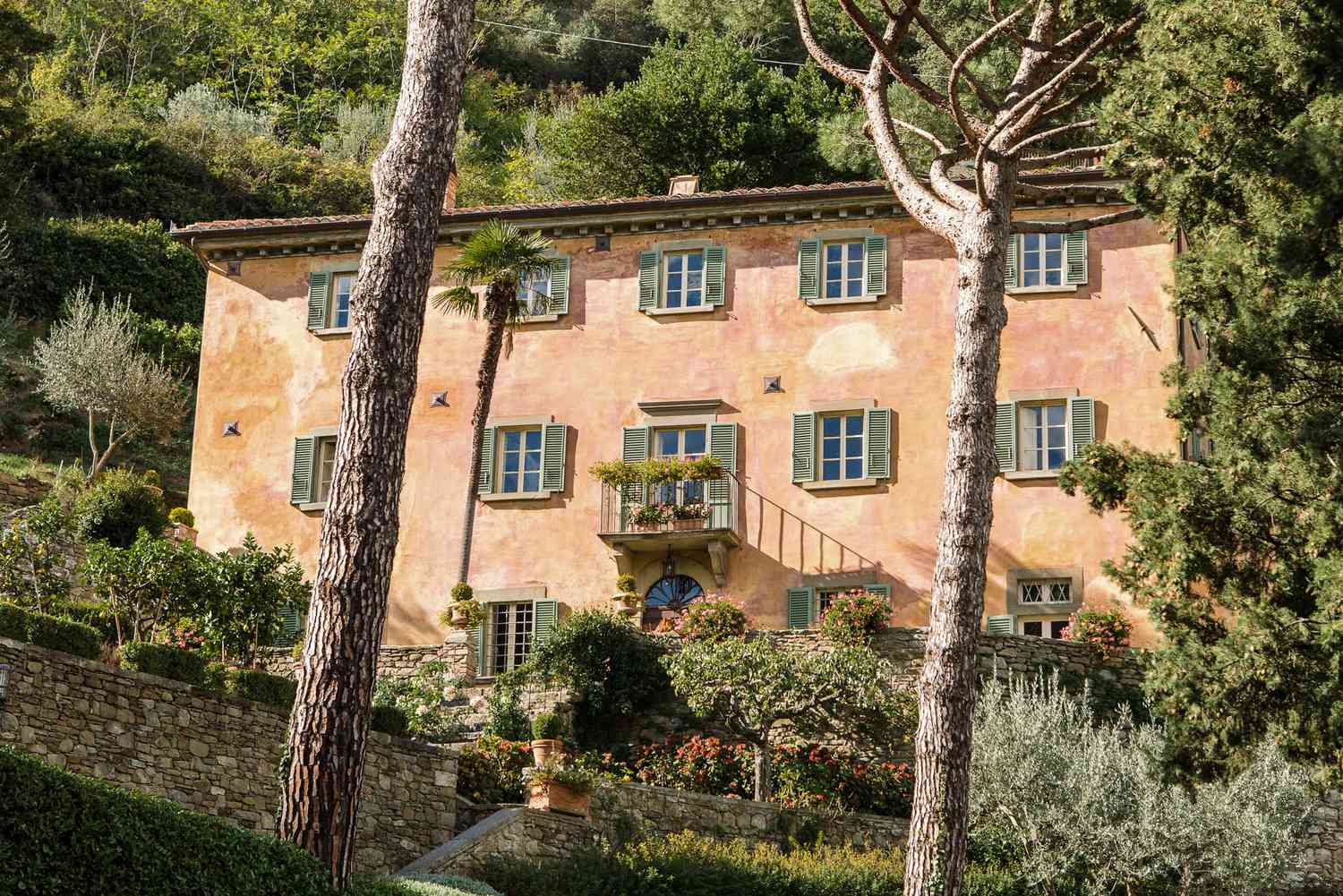
Looking to Buy a New Home? These Are the Most Popular House Styles to Know

The best interior designers in Britain
A Spotlight on 10 Traditional Homes with Modern Interiors

The home is more than just 'a machine for living in': how architects, interior designers and builders respect the past, embrace the present and define the future
These 26 barn-style houses are built for modern living

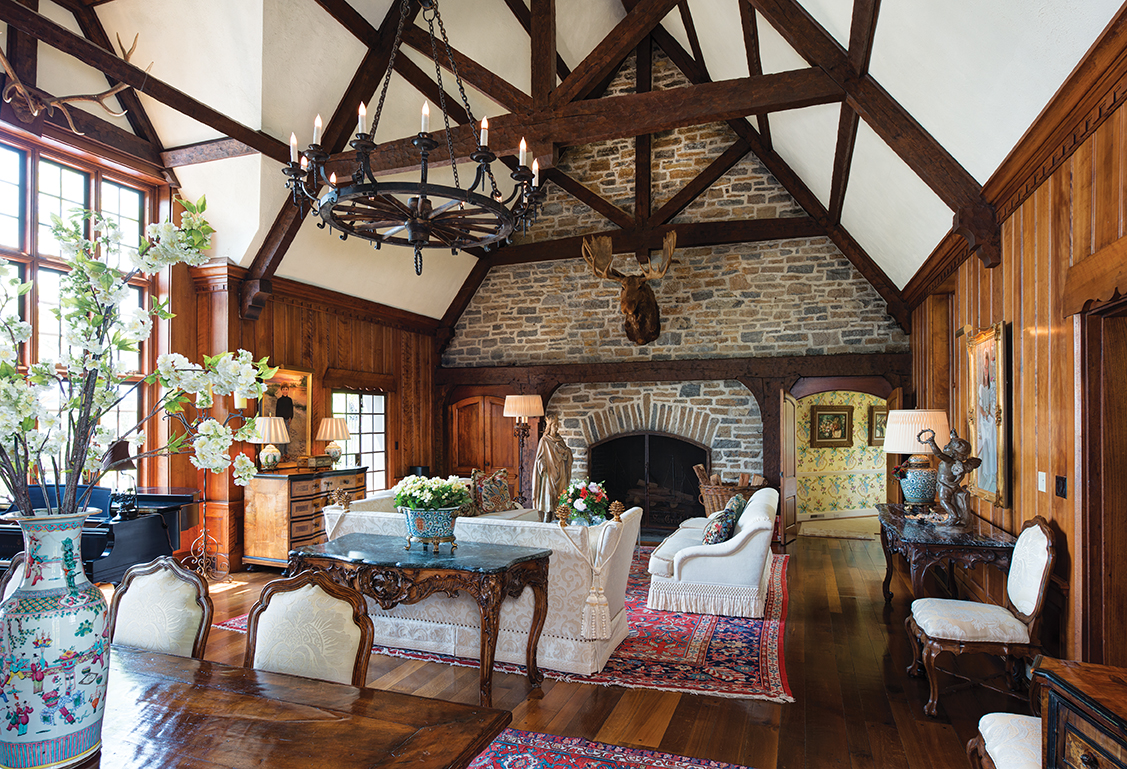
Traditional Comforts: A Former Hunting Lodge and the Memories Inside

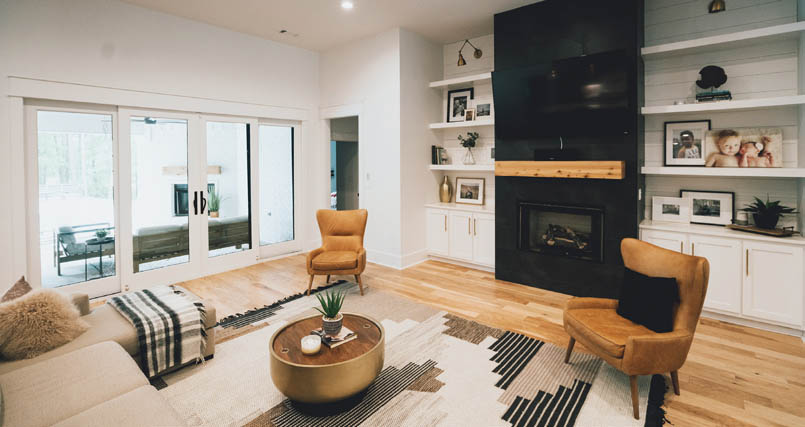
New construction: Couple enjoys home’s open design

Builder-Architect-Designer Team Transforms Dream Home
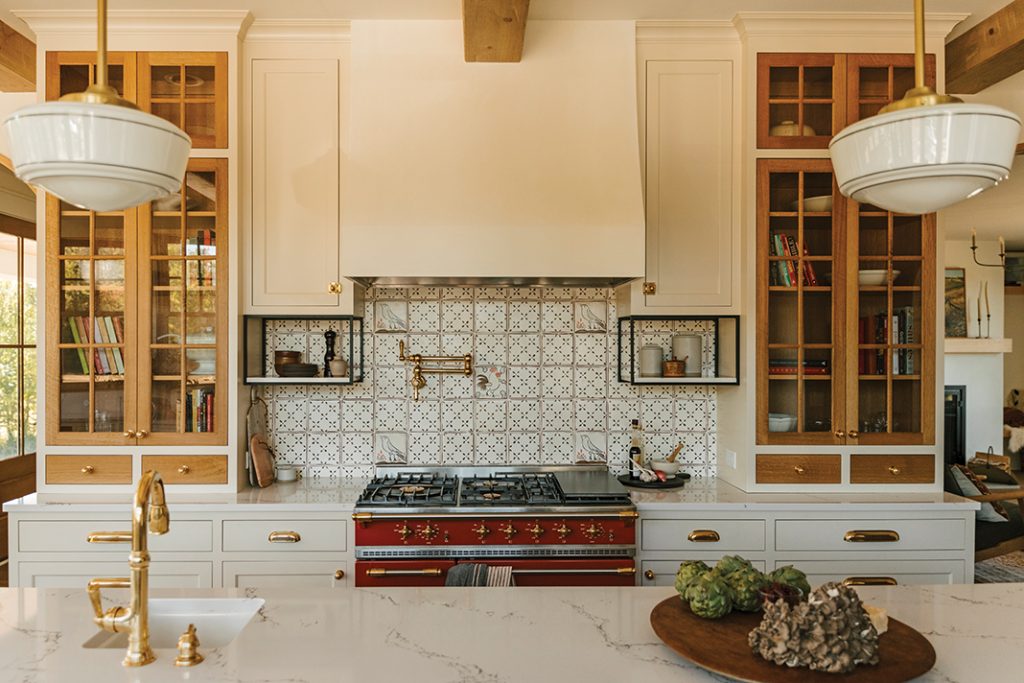
Chateau Margaux Fuses Farmhouse With Eclectic, Yet Classic Design

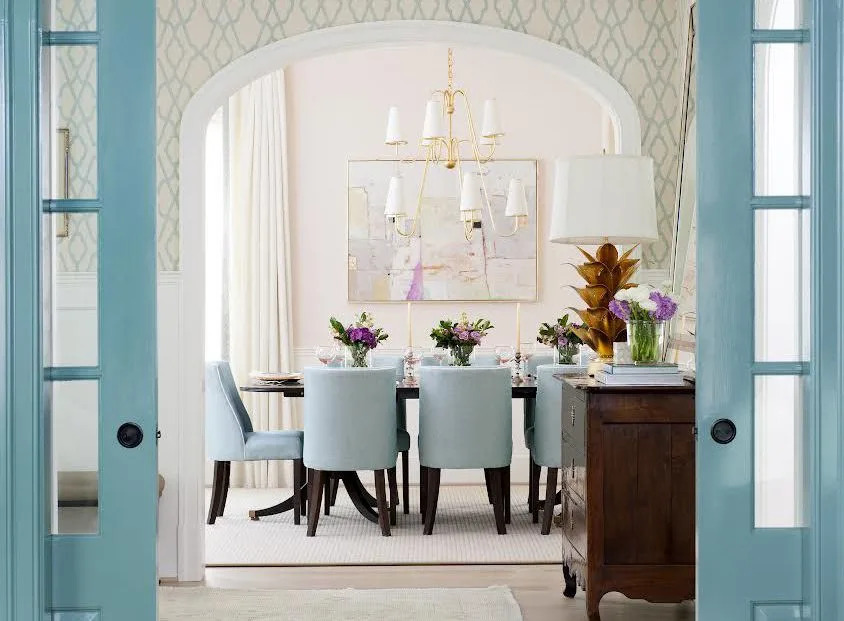
Should Your Home Have An Open Or Closed Floor Plan? 7 Designers Debate
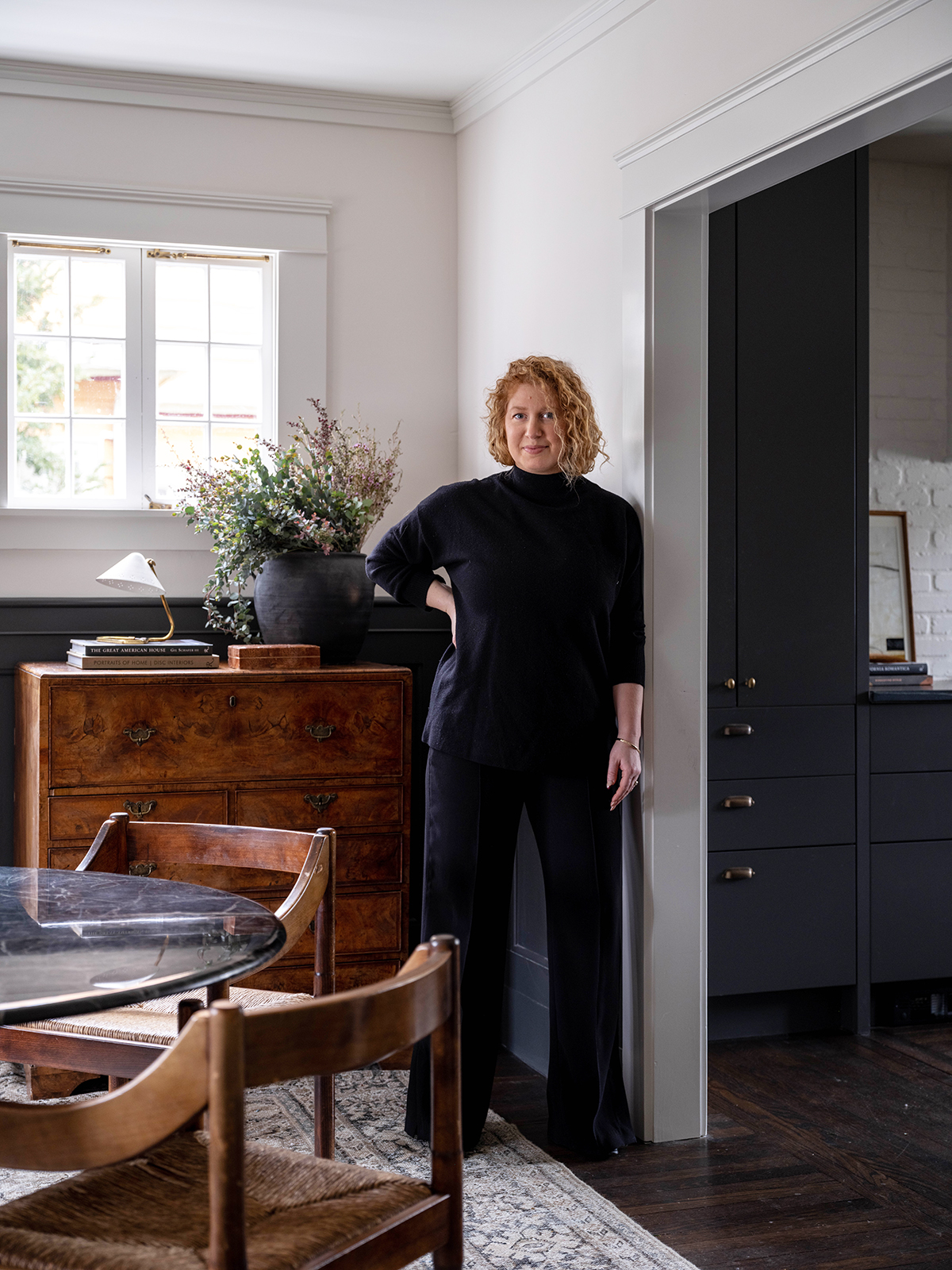
This Designer Brought Brick Back Into a Colonial in a Big (But Sneaky) Way

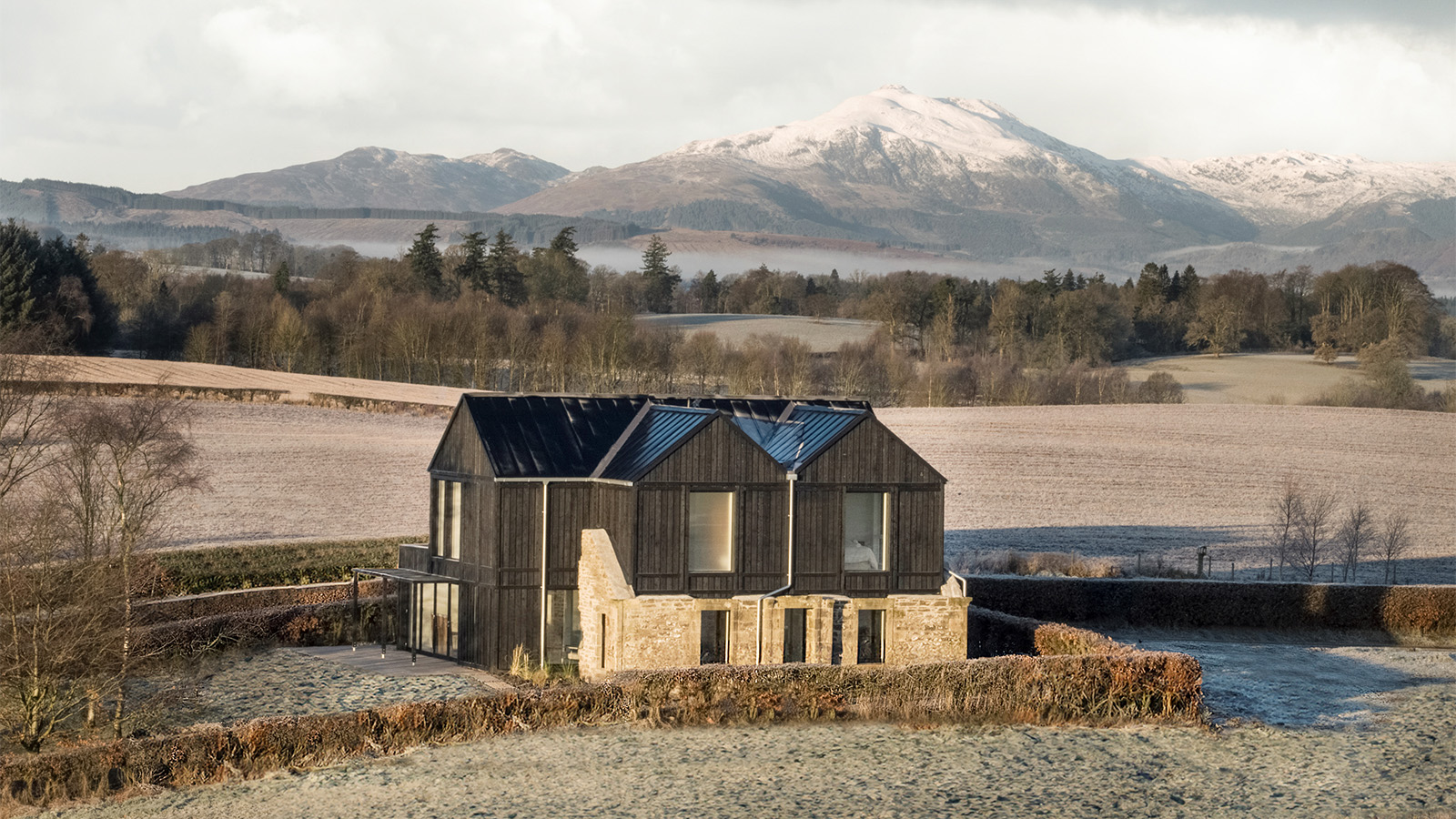
This dramatic Scottish home was once a derelict cottage


Interior Designer
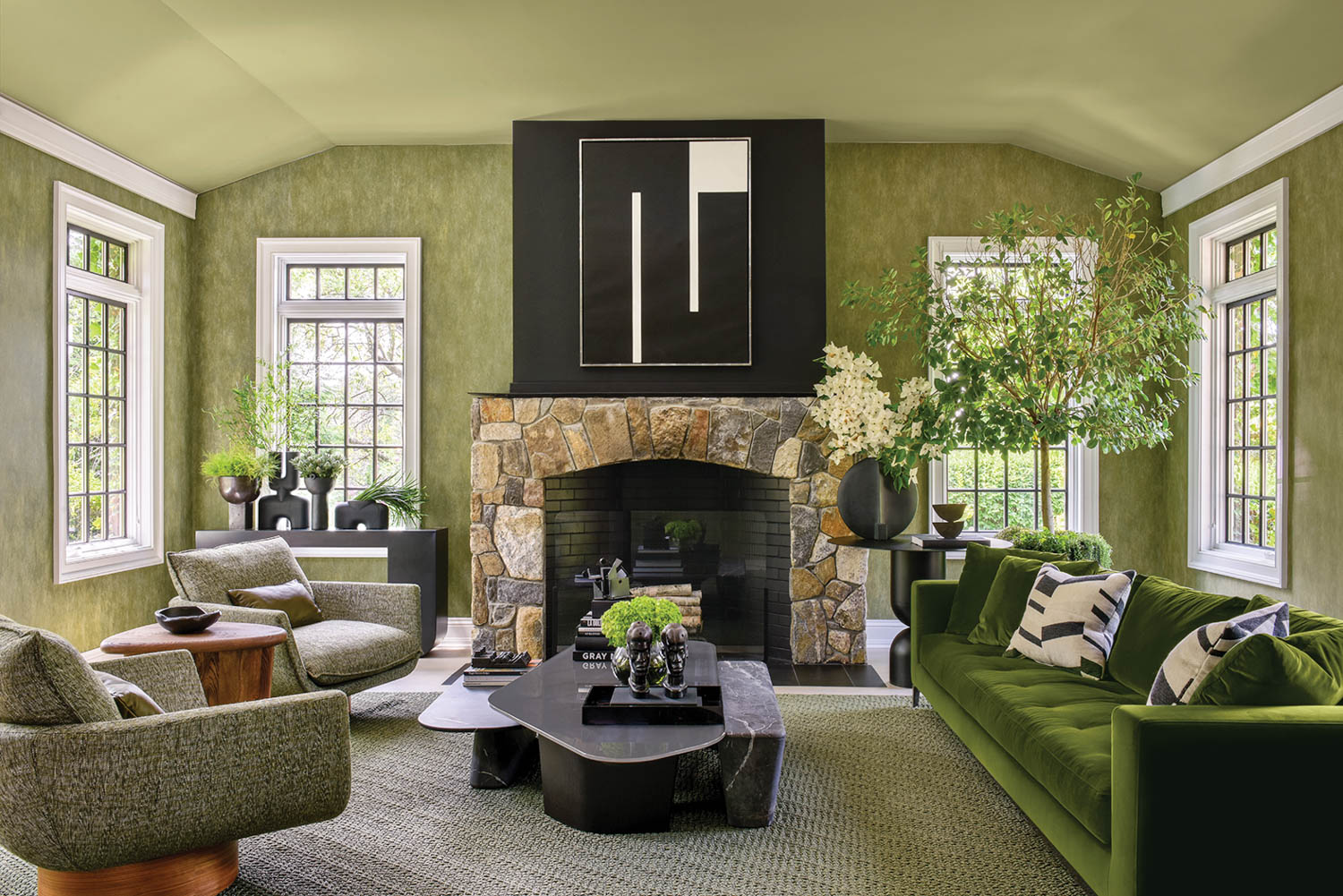
20 Modern Country Houses Designed for R&R

Home & Design | Conversation Piece
This sophisticated farmhouse is a convincing homage to Tudor architecture

I Wanted New Wall-to-Wall Carpet. He Wanted a New Sidewalk. 25 Years Later, We Have Neither