1/14
The Best Stud Finders of 2025, Tested and Reviewed
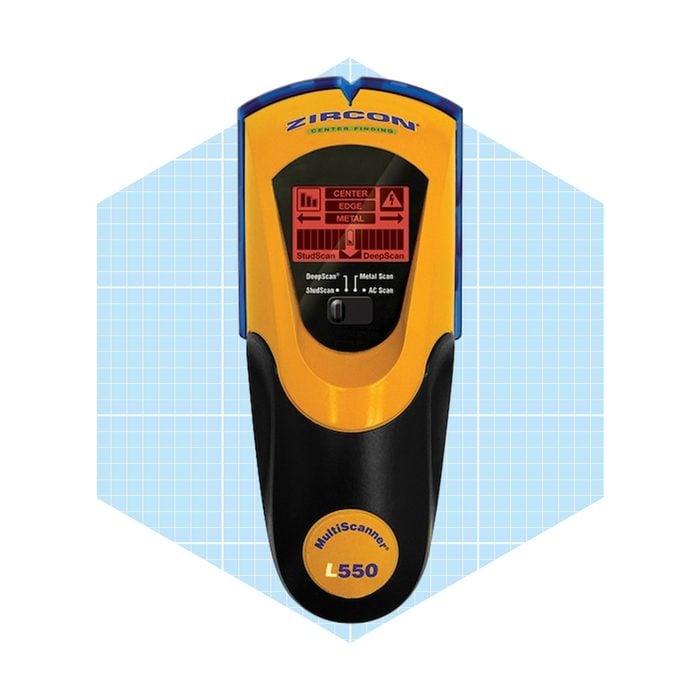
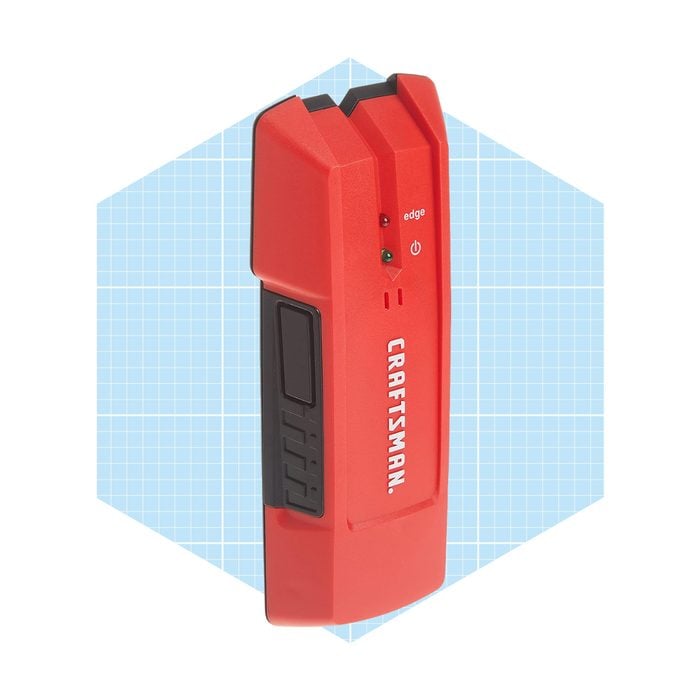
Successfully installing shelving or hanging picture frames often requires locating studs behind drywall, a task simplified by using a specialized tool: a stud finder. This article presents a comprehensive guide to understanding and navigating the available options, incorporating insights from John Mazzuca, a home builder with over 25 years of construction experience at Gambrick. Eight stud finders, encompassing both magnetic and electronic models, underwent rigorous testing across various wall types to evaluate their performance and reliability.
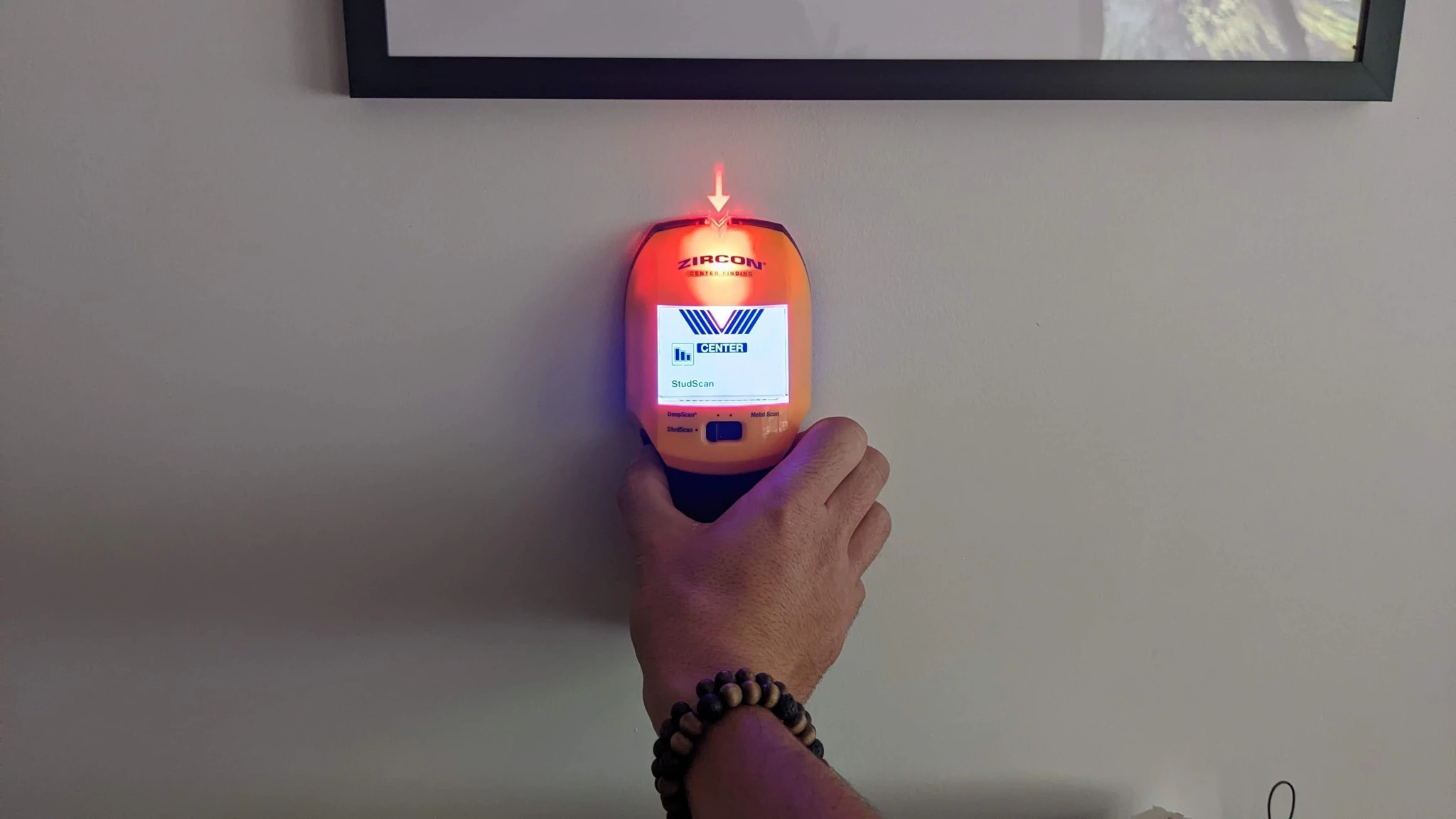
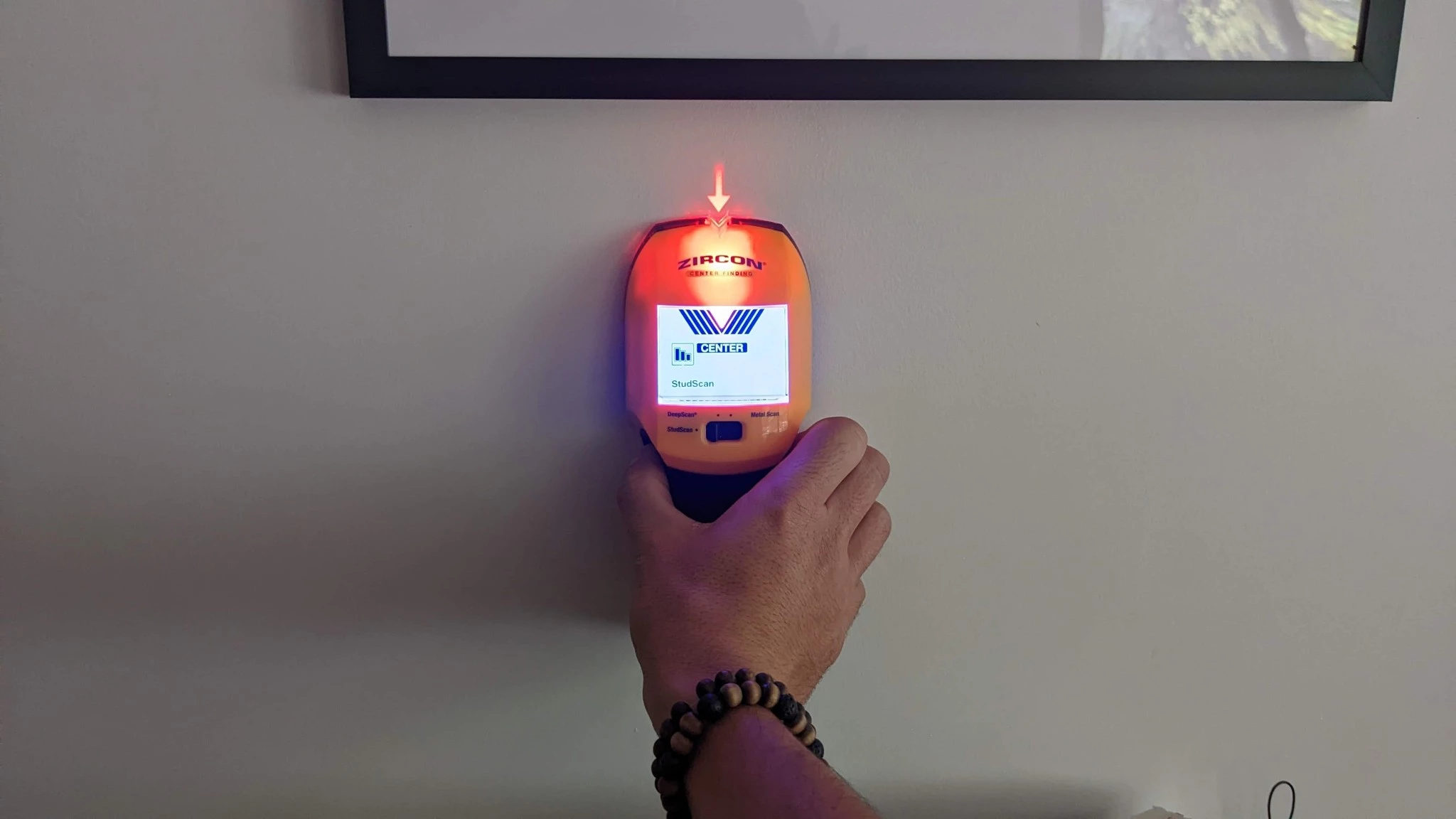
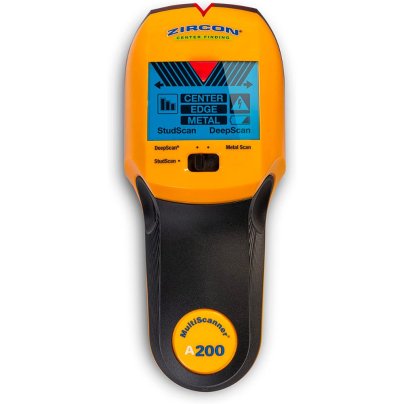
The Zircon MultiScanner A200 Stud Finder emerged as the top choice, an electronic device offering both center and edge detection, capable of identifying live wires, wood, and metal studs. Its large, easy-to-read LCD screen contributes to its user-friendliness. The testing process involved constructing a realistic stud wall to assess accuracy, and for wire-finding functions, stud finders were used on a section of a home wall known to contain electrical wiring. Each stud finder was scored on accuracy, ease of use, and screen visibility.
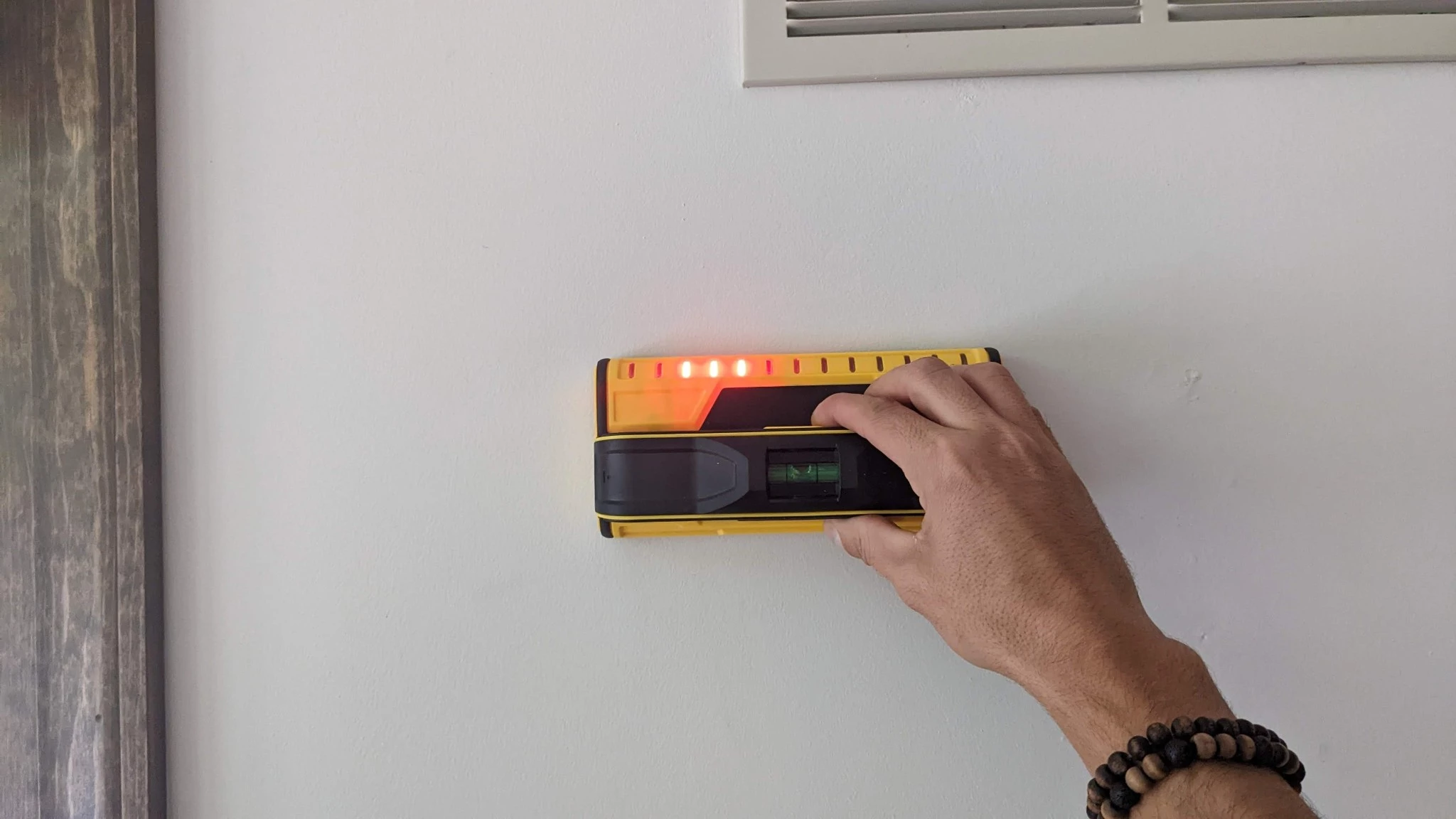
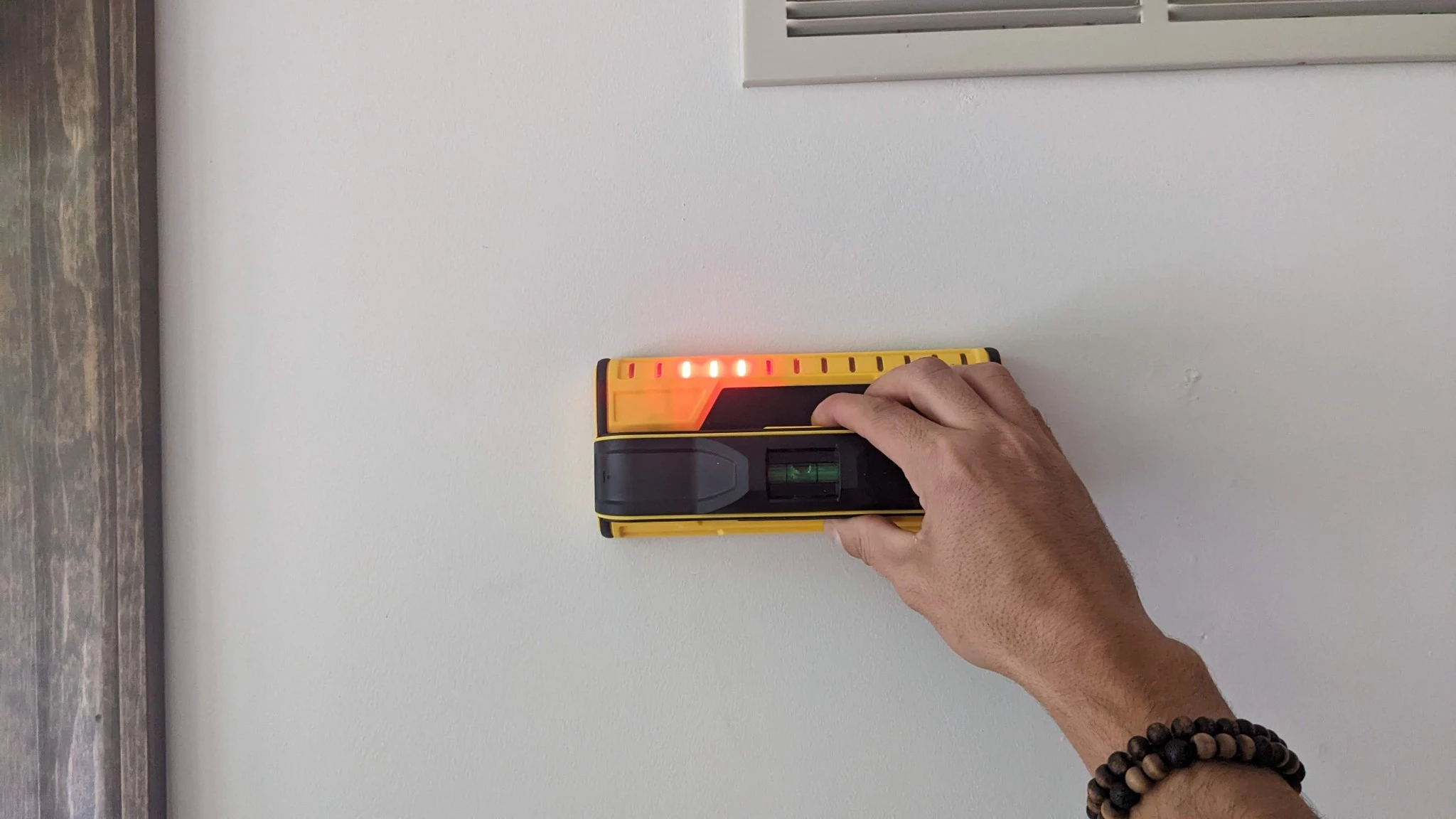
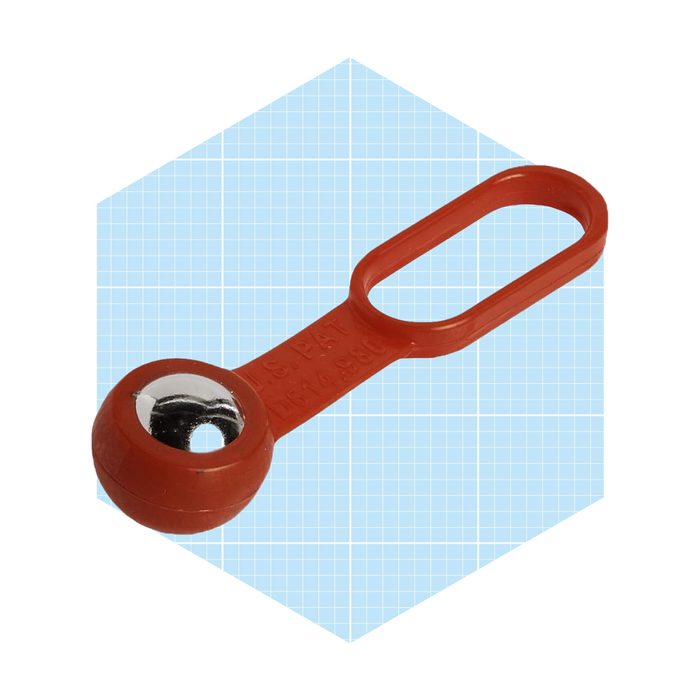
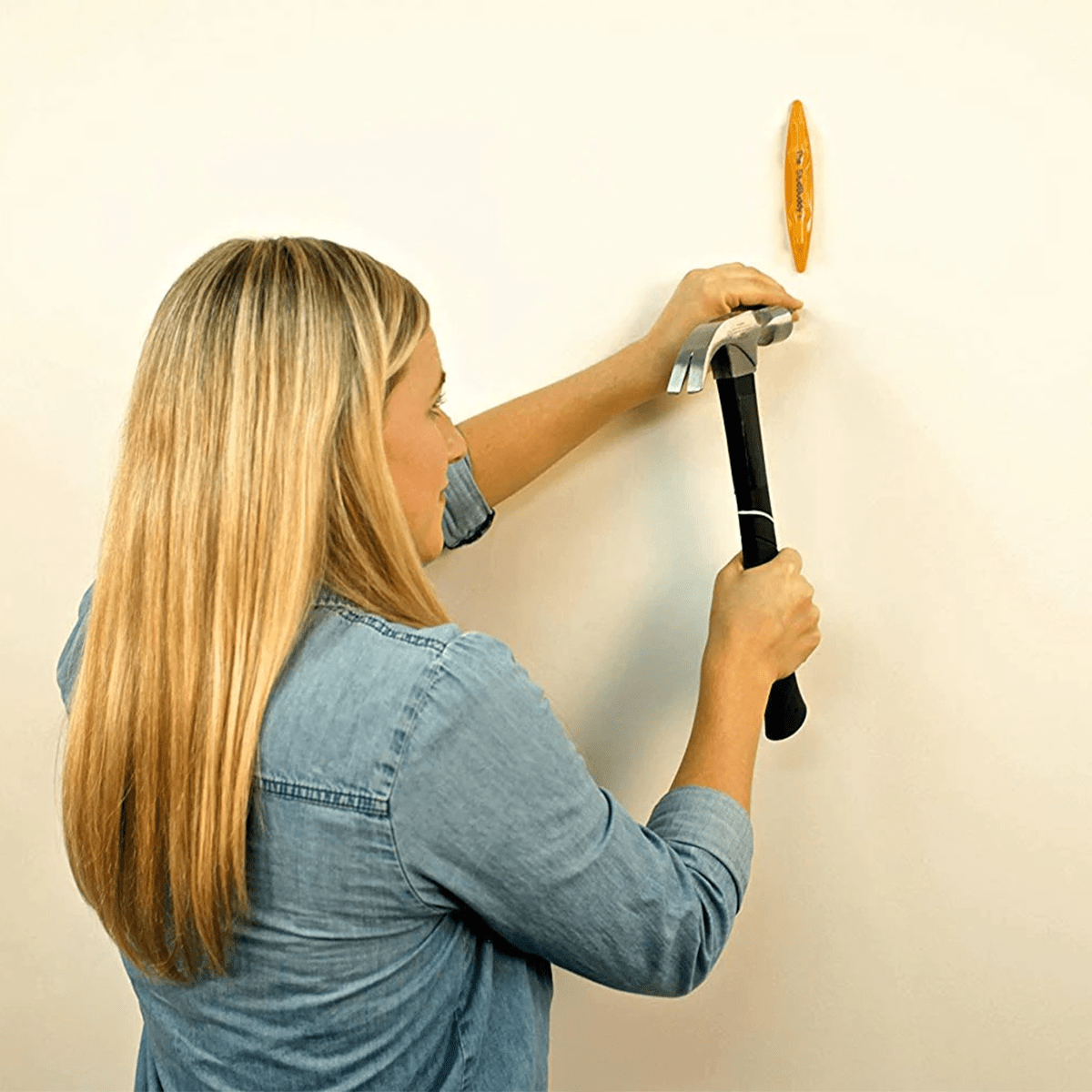
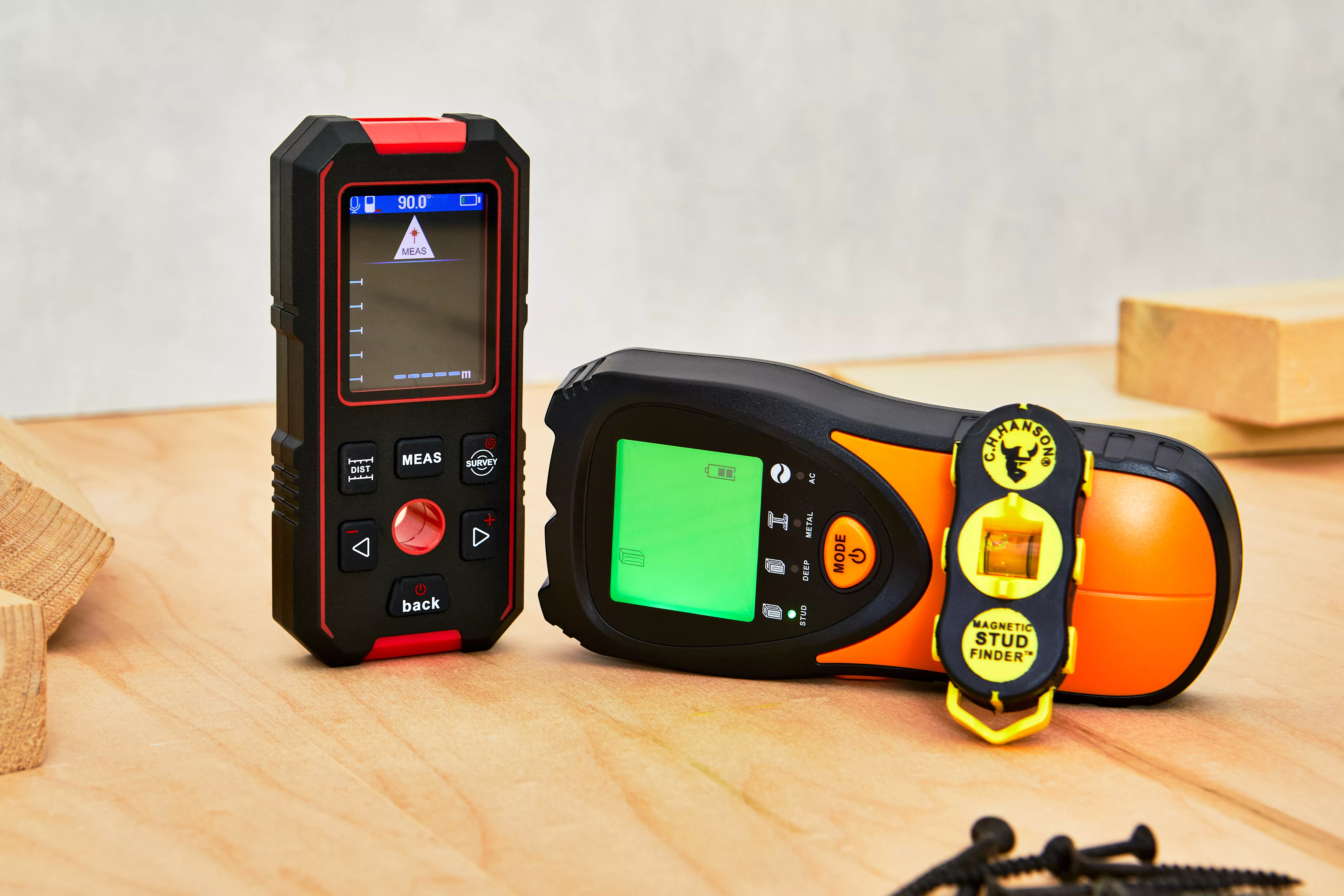
Key considerations when selecting a stud finder include its type (magnetic or electronic), the number and size of its sensors, and additional features. Magnetic stud finders are simple, battery-free, and detect metal fasteners within studs, suitable for basic DIY tasks. They are affordable and portable but may produce false positives due to other metal objects in walls. Electronic stud finders are generally more precise, detecting changes in wall density to locate studs, pipes, and wiring. They often feature LED screens or indicator lights for pinpoint accuracy and can detect deeper objects within walls, though they require batteries and are typically more expensive. Calibration may be necessary for precise results.
Modern electronic stud finders have evolved to include single or multiple sensors, with multi-sensor models offering greater precision by detecting both edges and the center of a stud. While sensor size can vary, most stud finders effectively pinpoint studs behind standard drywall. Additional features can enhance utility, such as built-in bubble levels or lasers for leveling, depth adjustment for detecting objects up to 1.5 inches deep, and multipurpose capabilities for identifying live electrical wires and plastic pipes. A 'center punch' feature can mark the optimal spot for fasteners, and varying visual displays offer user choice in how stud locations are presented. Battery indicators and ergonomic grips further improve user experience. Common questions addressed include stud finder effectiveness through ceramic tiles, standard stud spacing (typically 16 inches on-center), the meaning of stud finder beeps, the presence of outlets on studs, and detection depth capabilities. A rare-earth or neodymium magnet is recommended for magnetic stud finders to effectively locate fasteners.
#StudFinders #HomeImprovement #DIYTools #ElectronicStudFinders #MagneticStudFinders #WallDetection #Construction #HomeMaintenance #ToolReviews #StudFinders #HomeImprovement #DIYTools #ElectronicStudFinders #MagneticStudFinders #WallDetection #Construction #HomeMaintenance #ToolReviews
कुल 0 टिप्पणियाँ
 कोई टिप्पणी नहीं
आपको यह भी पसंद आ सकता है

The Best Stud Finders of 2025


The Best Stud Finder for Home Use | Reviews by Wirecutter

The 4 Best Hangers of 2025 | Reviews by Wirecutter

The Best Stud Finders


The Best Mattress Pads of 2025: Top Picks From the Test Lab

8 Best Vacuums of 2025, Lab-Tested and Reviewed
8 Best Stud Finders


Best Sheets of 2025

The 5 Best Stud Finders for Your Home DIY Projects

Best Storage Beds of 2026: Expert Evaluated


Best Sheets of 2025: Expert Tested

The 8 Best Sheets of 2025 | Reviews by Wirecutter