1/19
Pergola ideas – 19 ways a pergola can enhance your backyard design
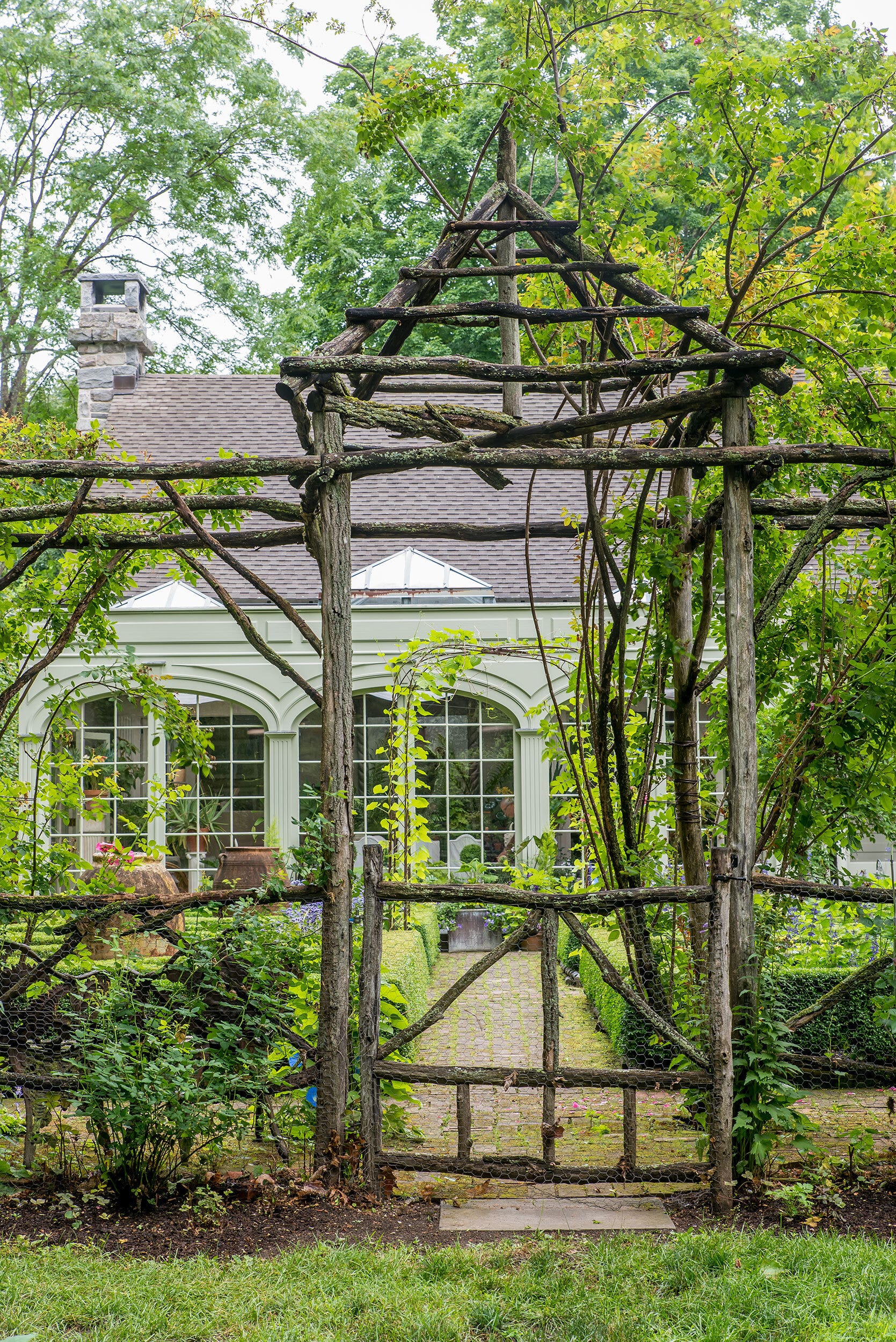
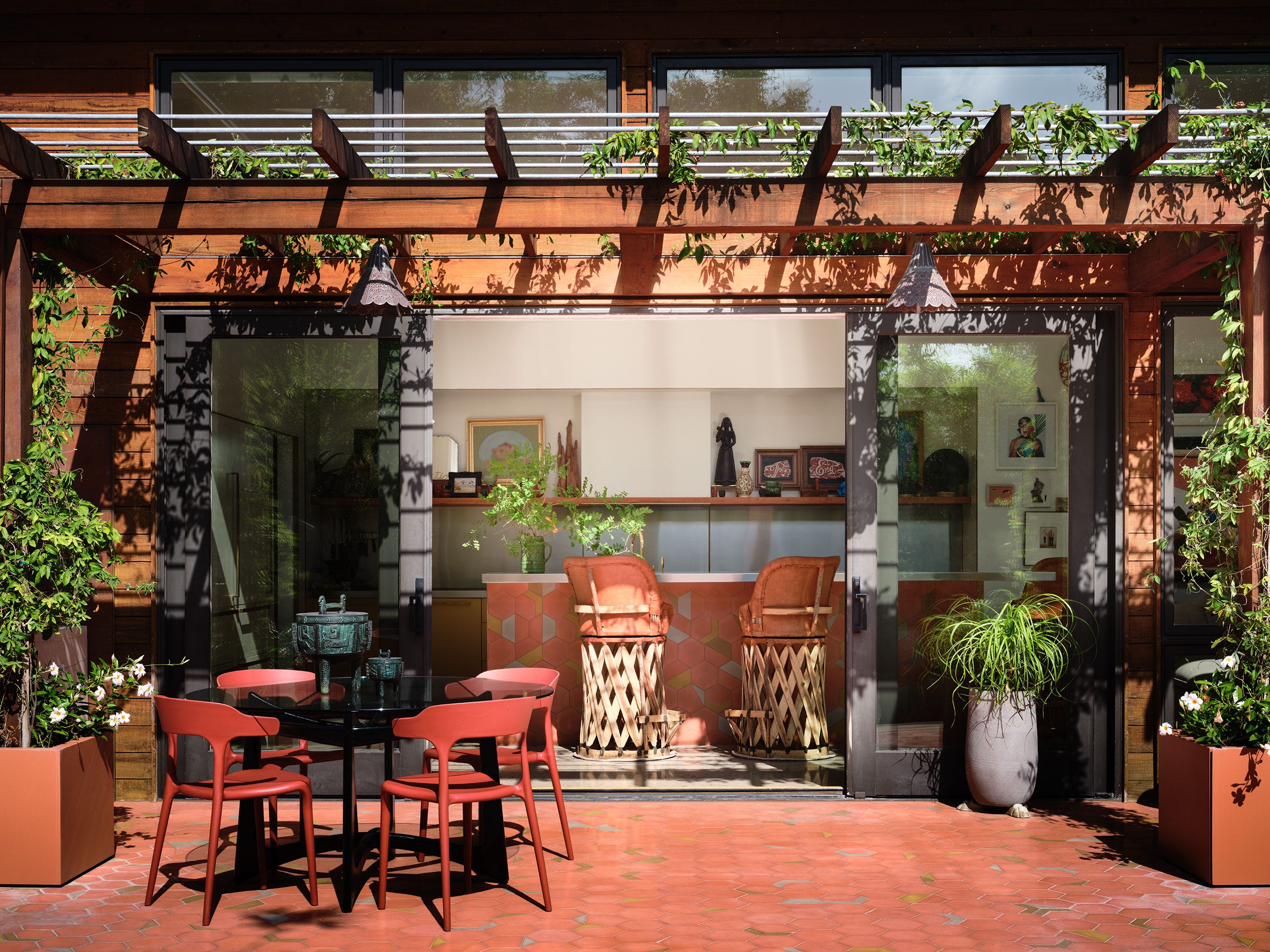
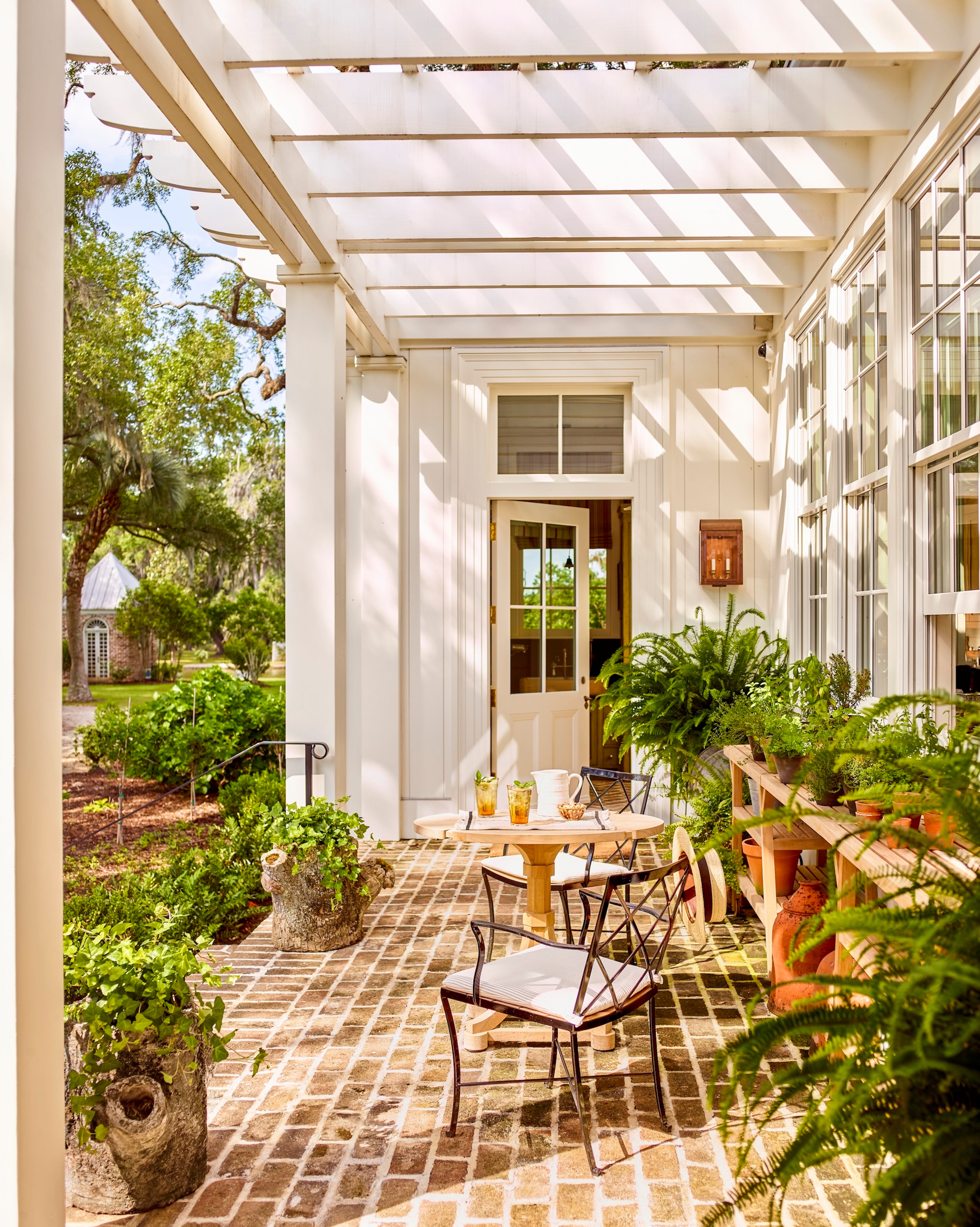
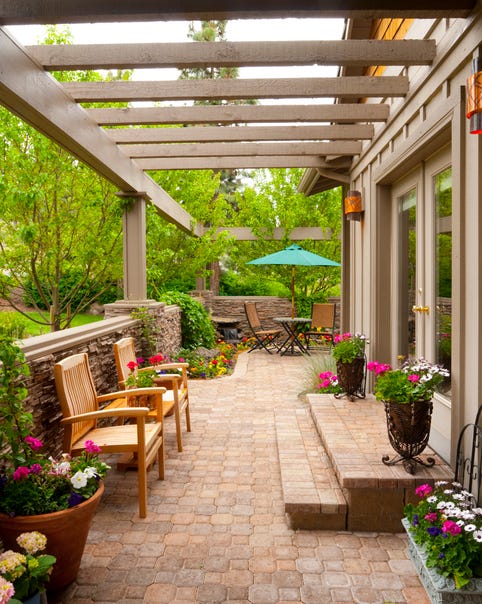
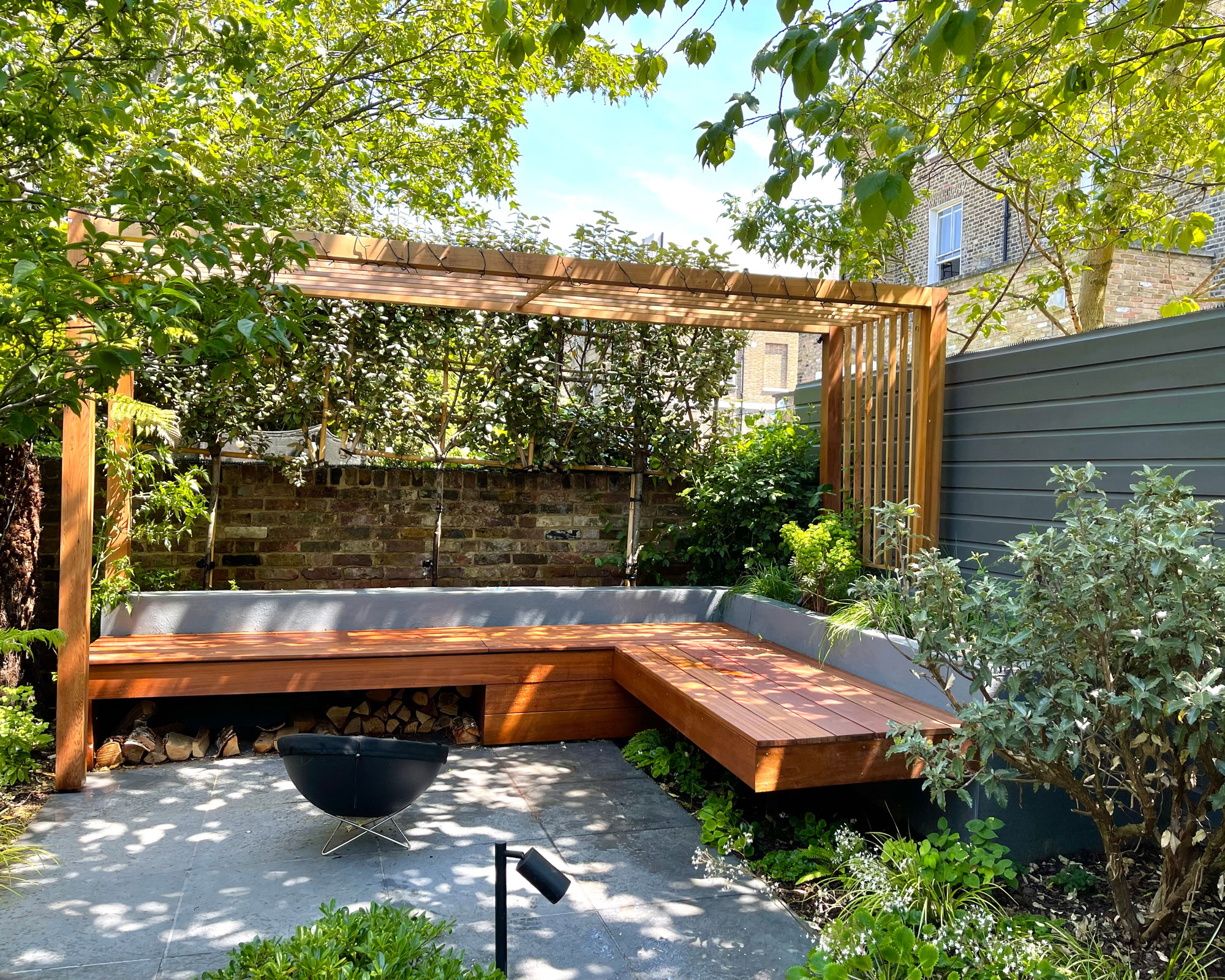
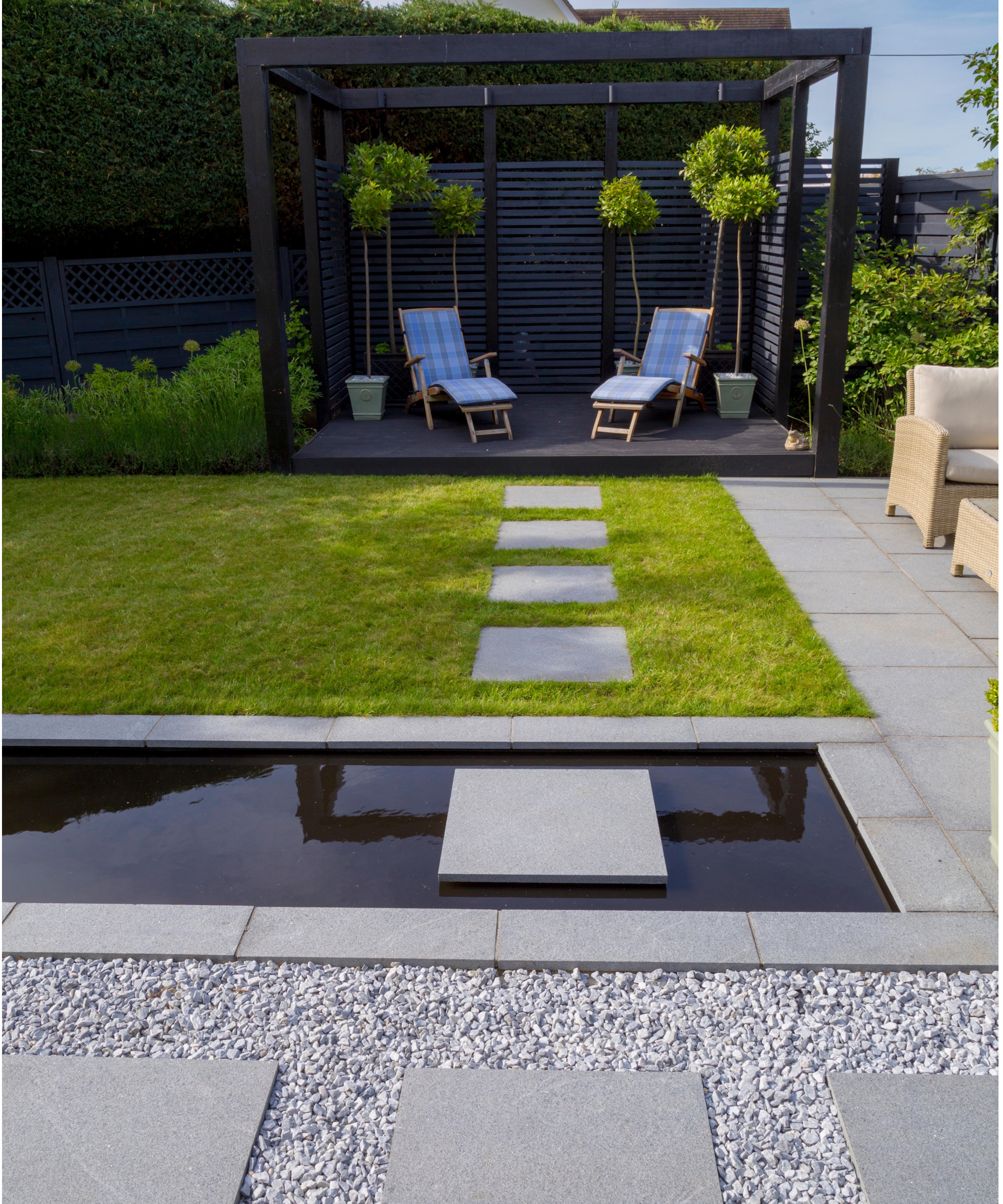
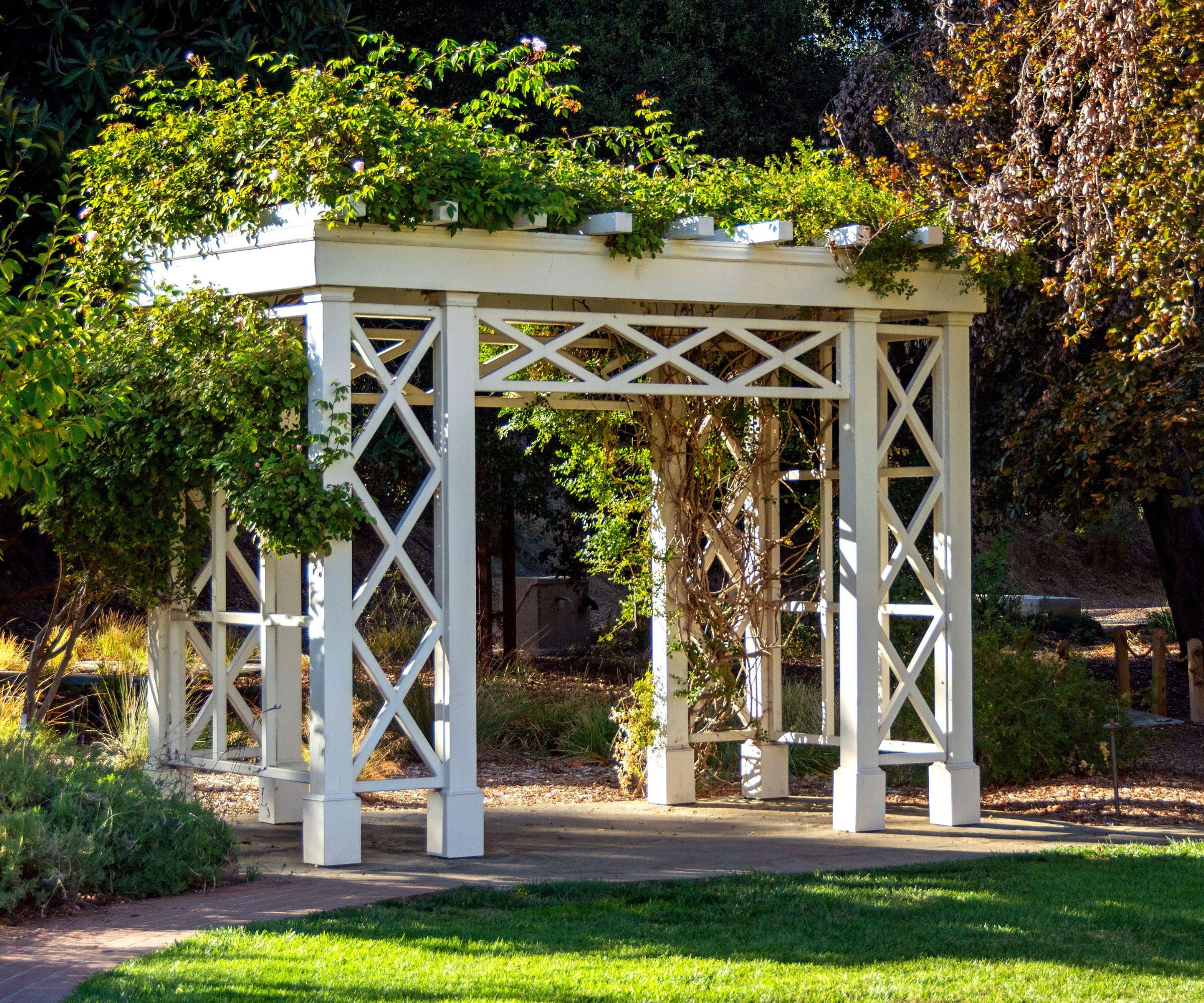
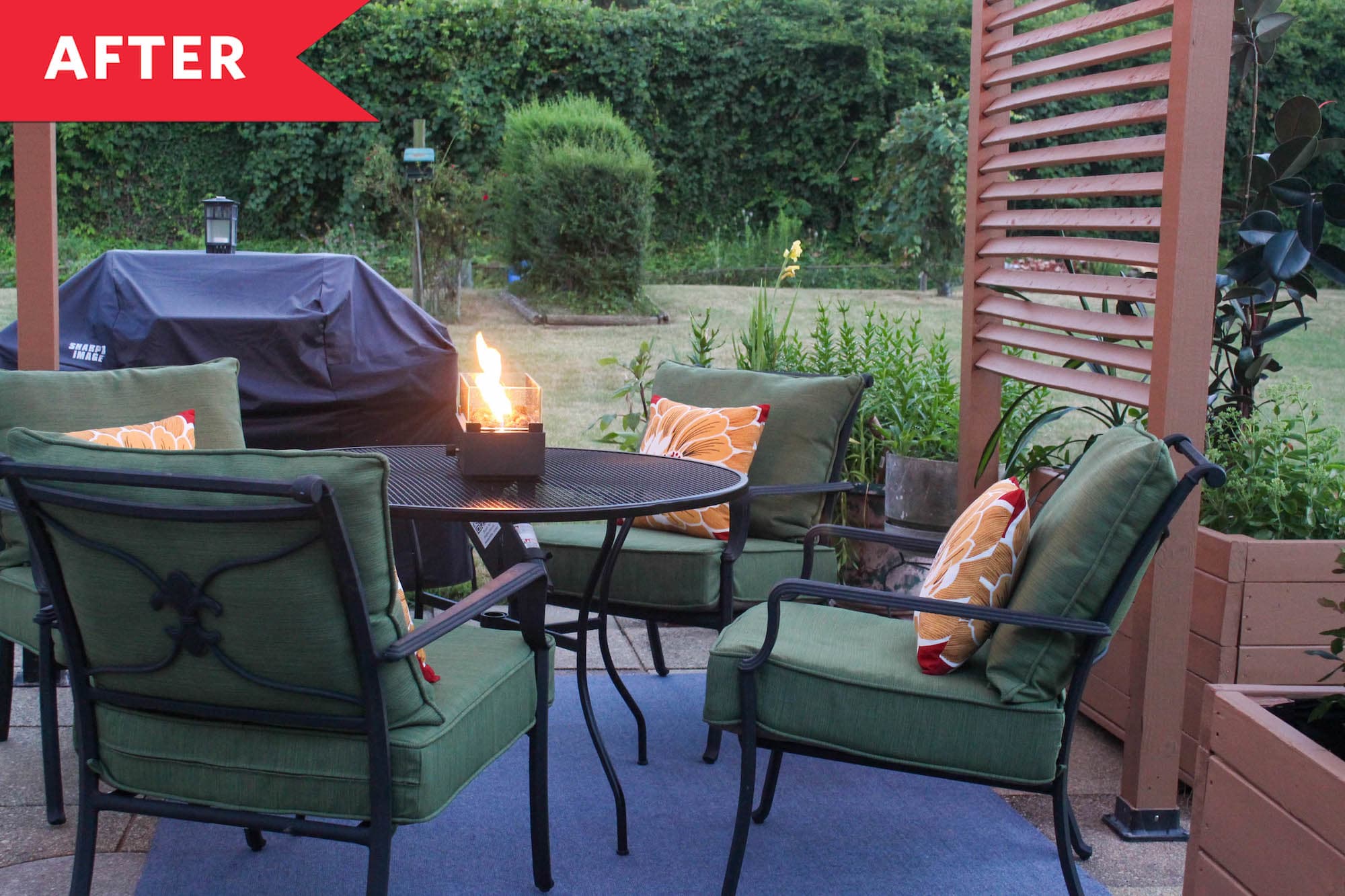
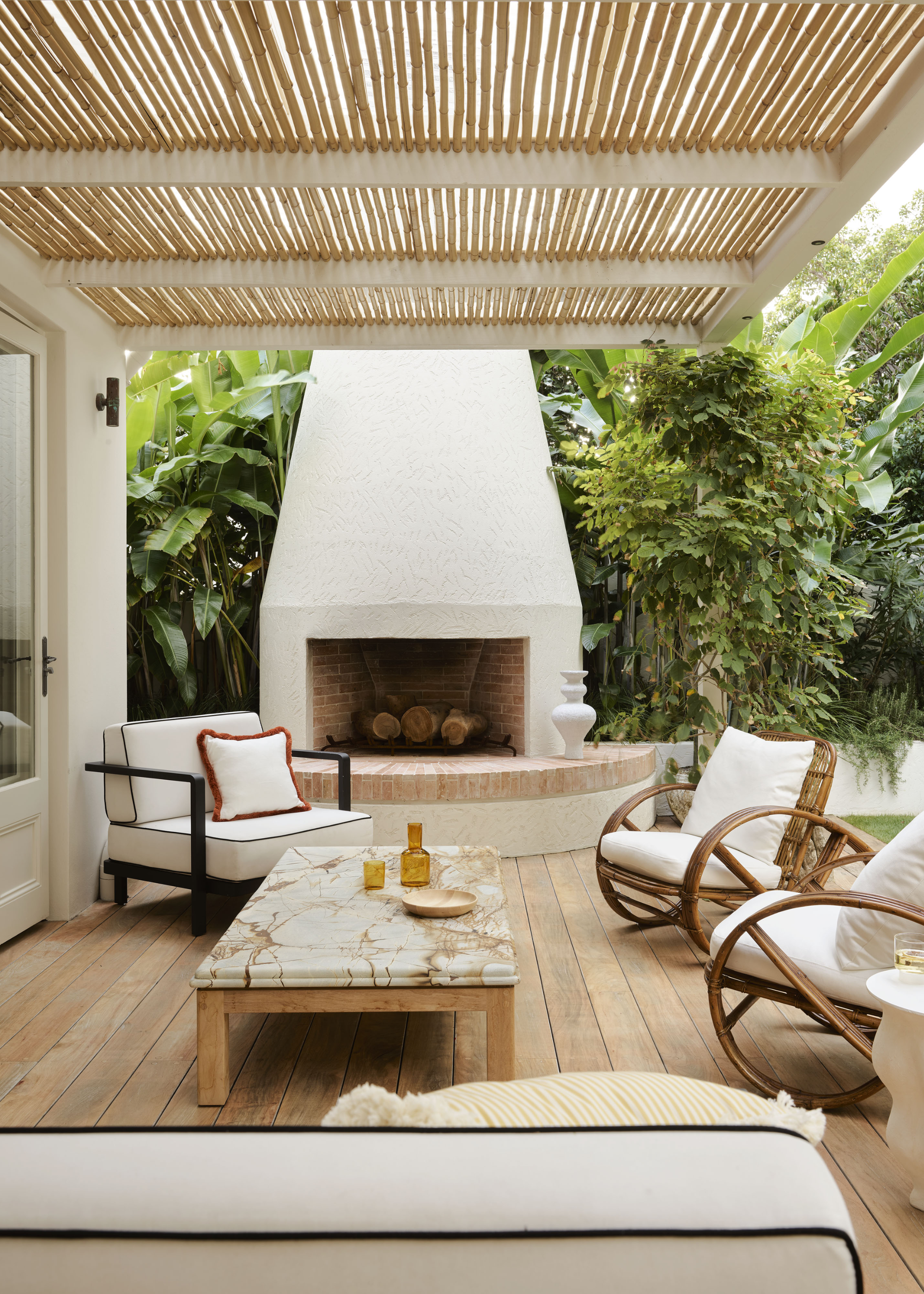
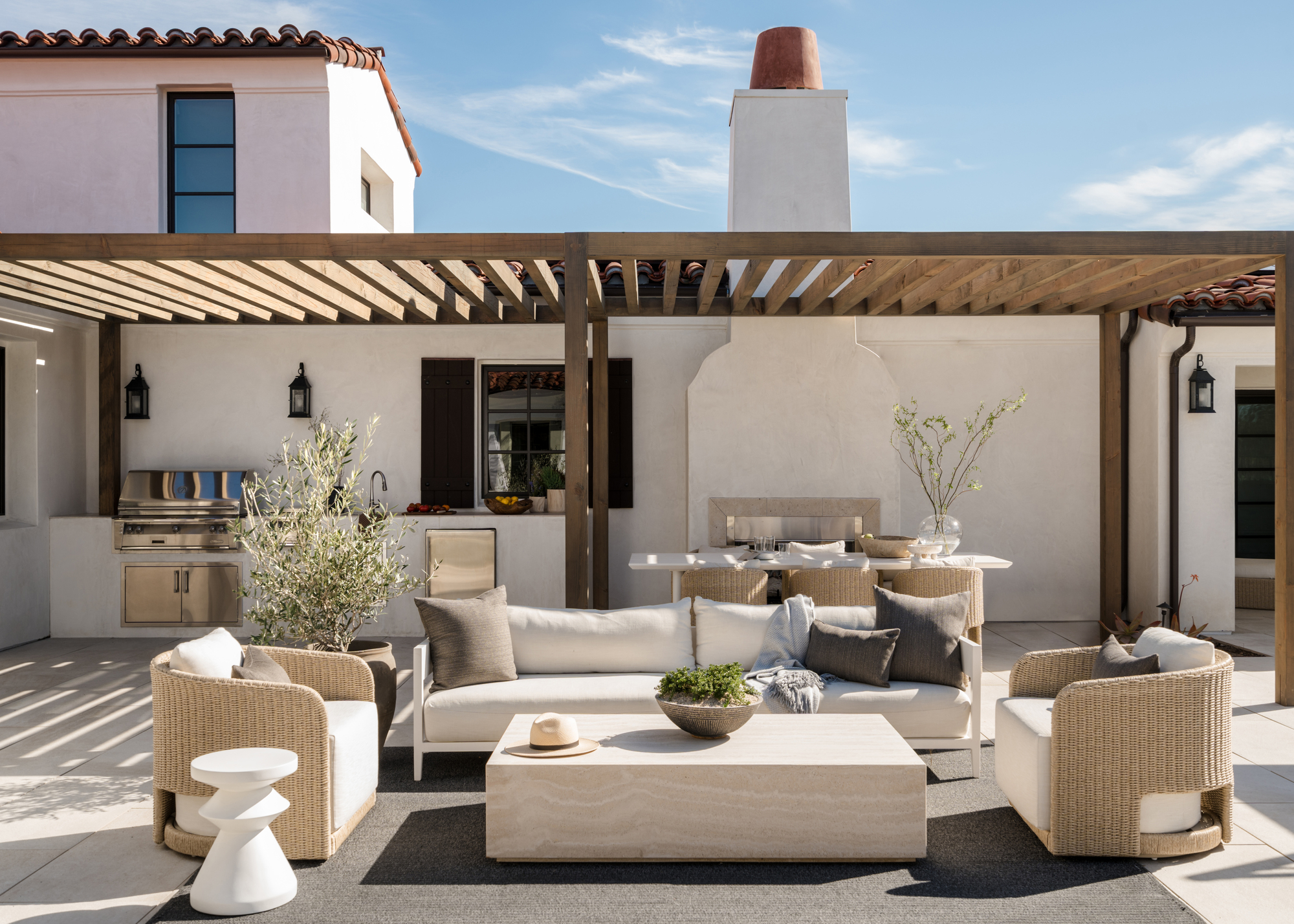
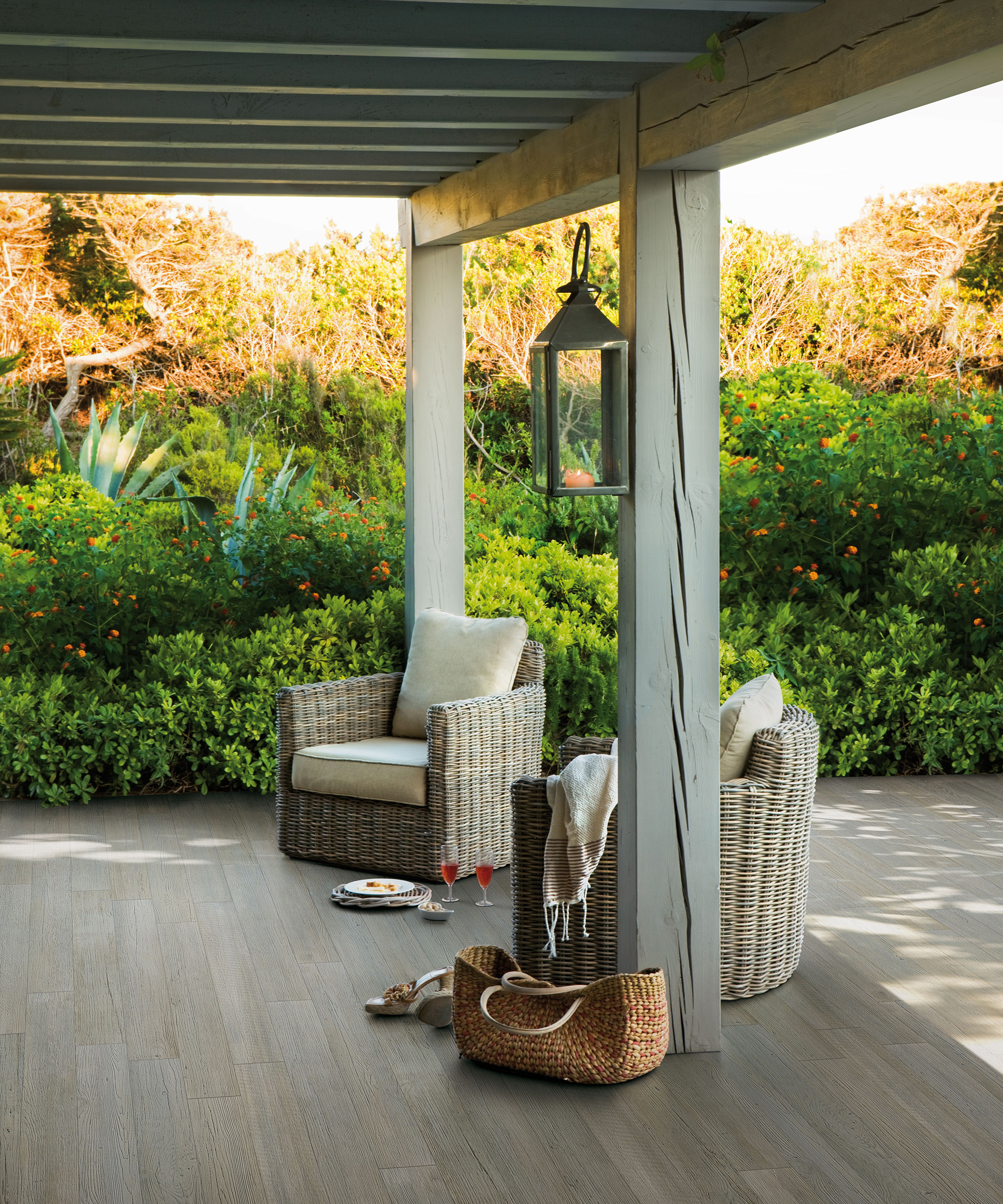
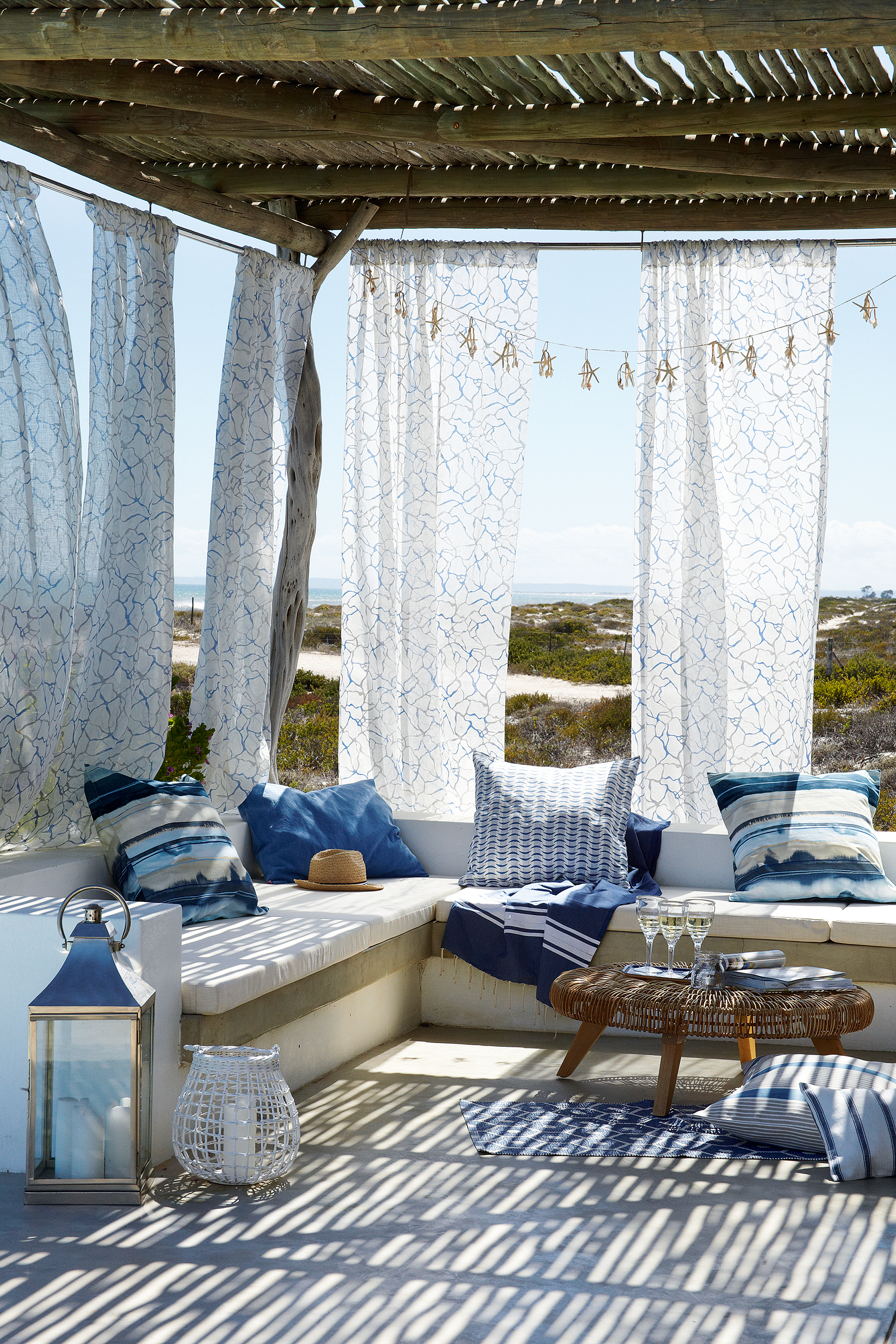
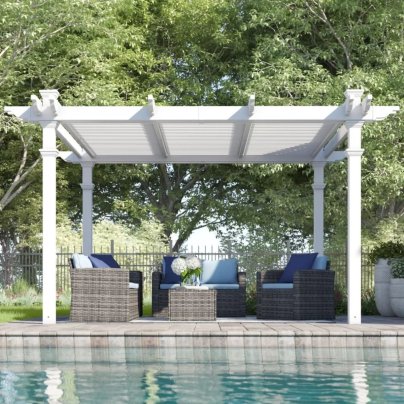
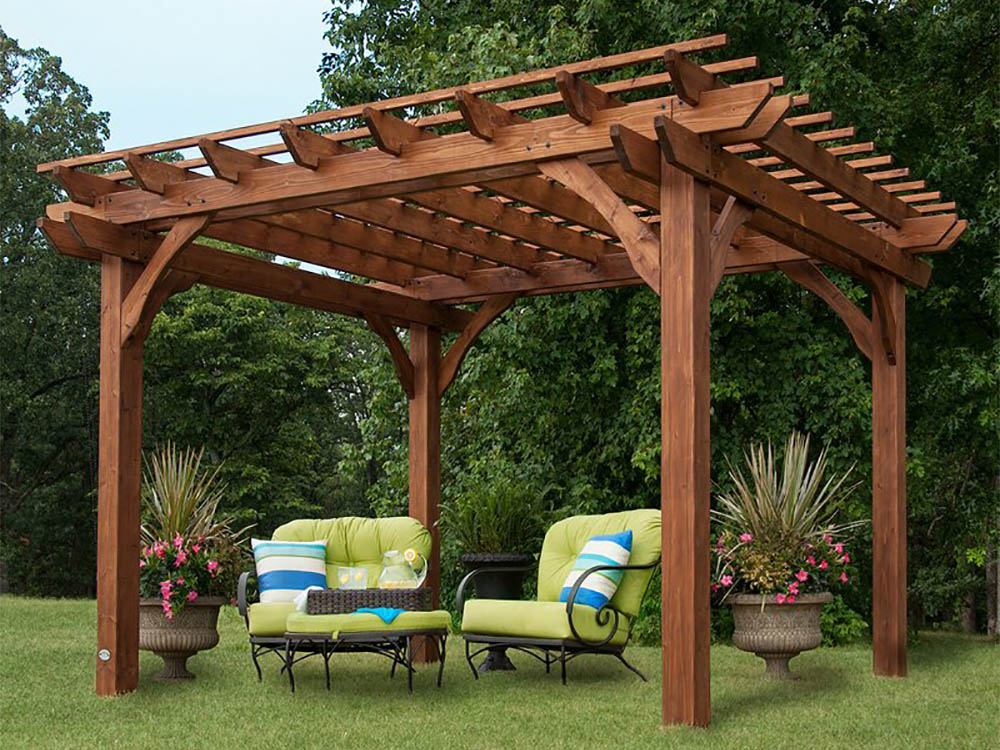
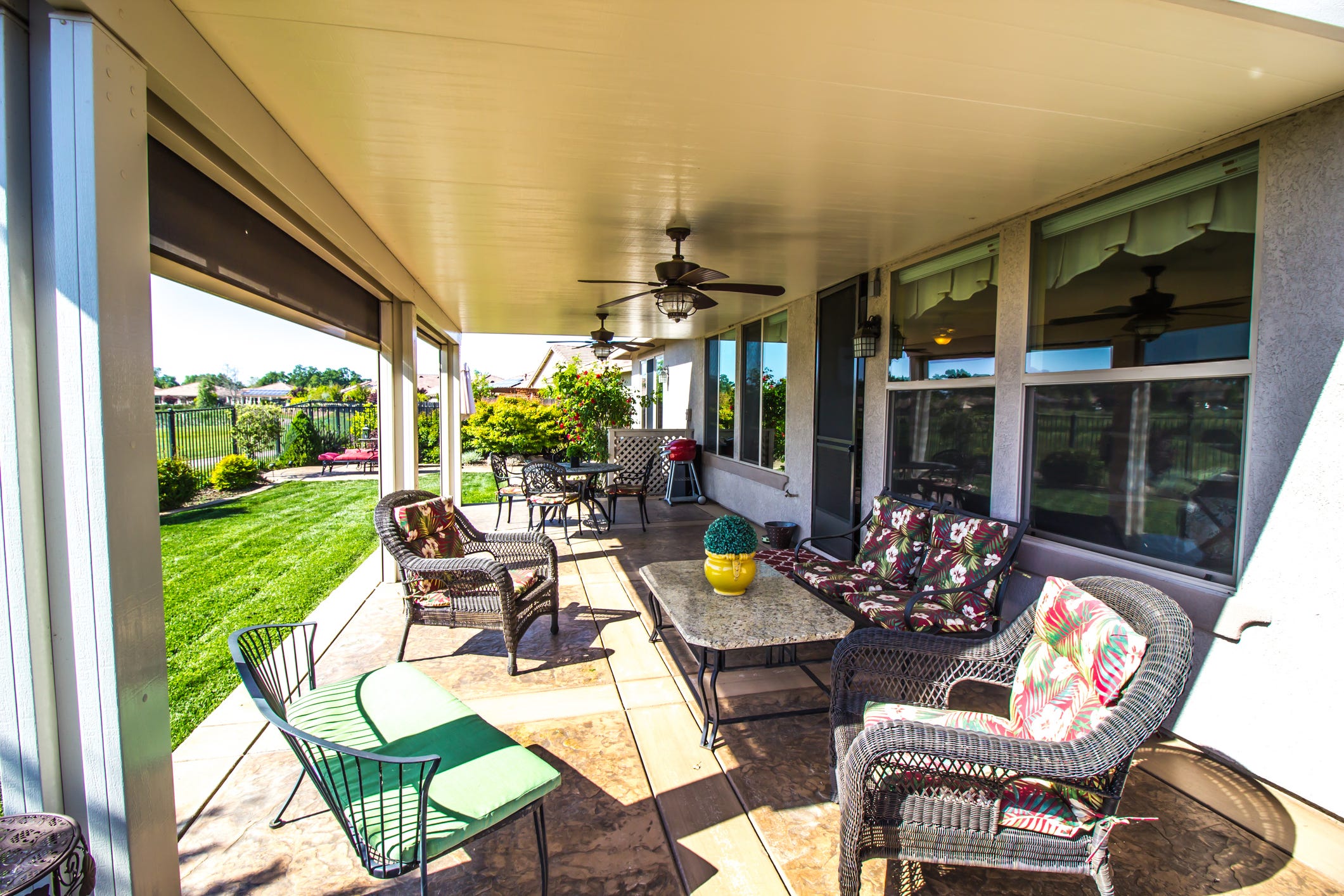
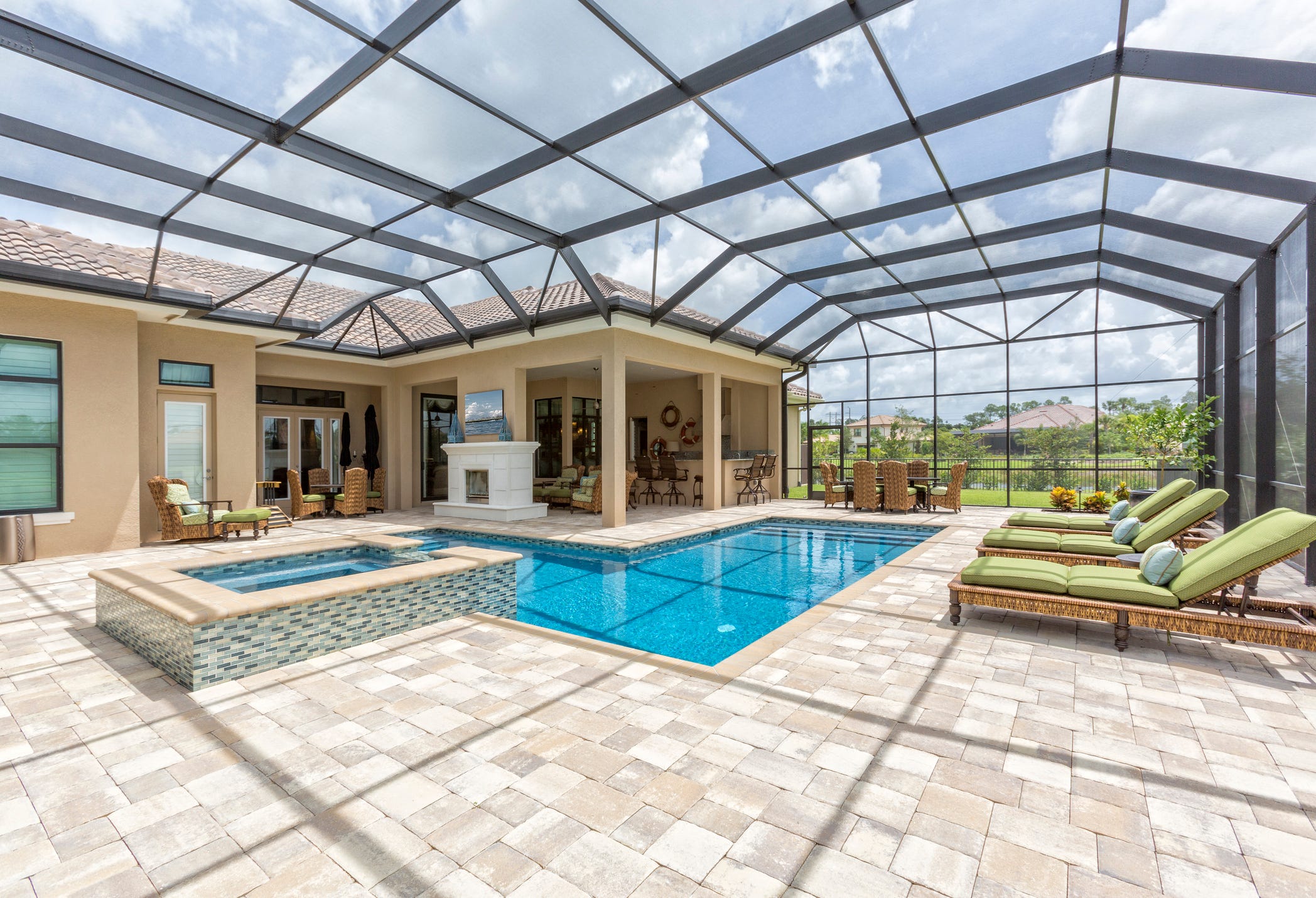
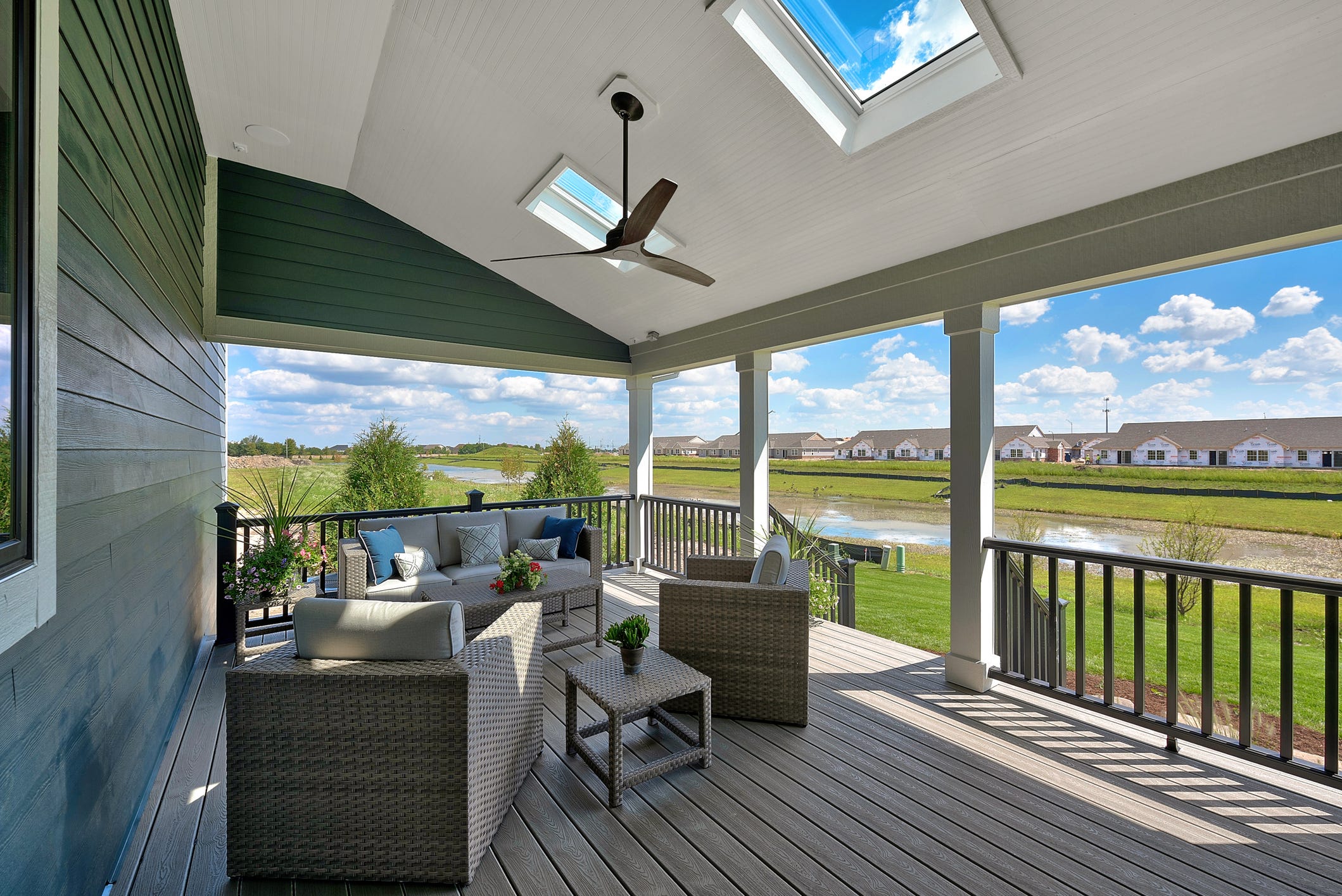
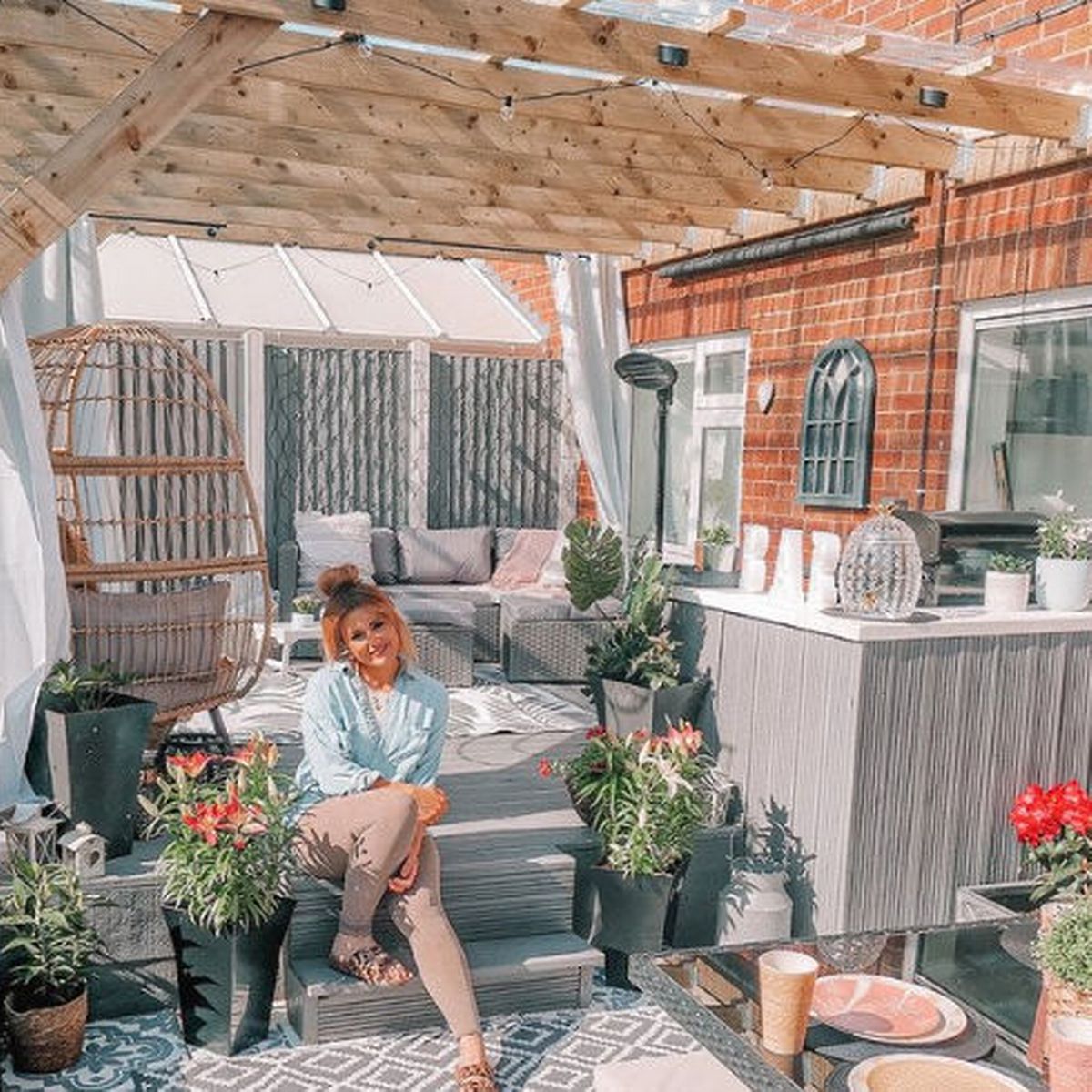
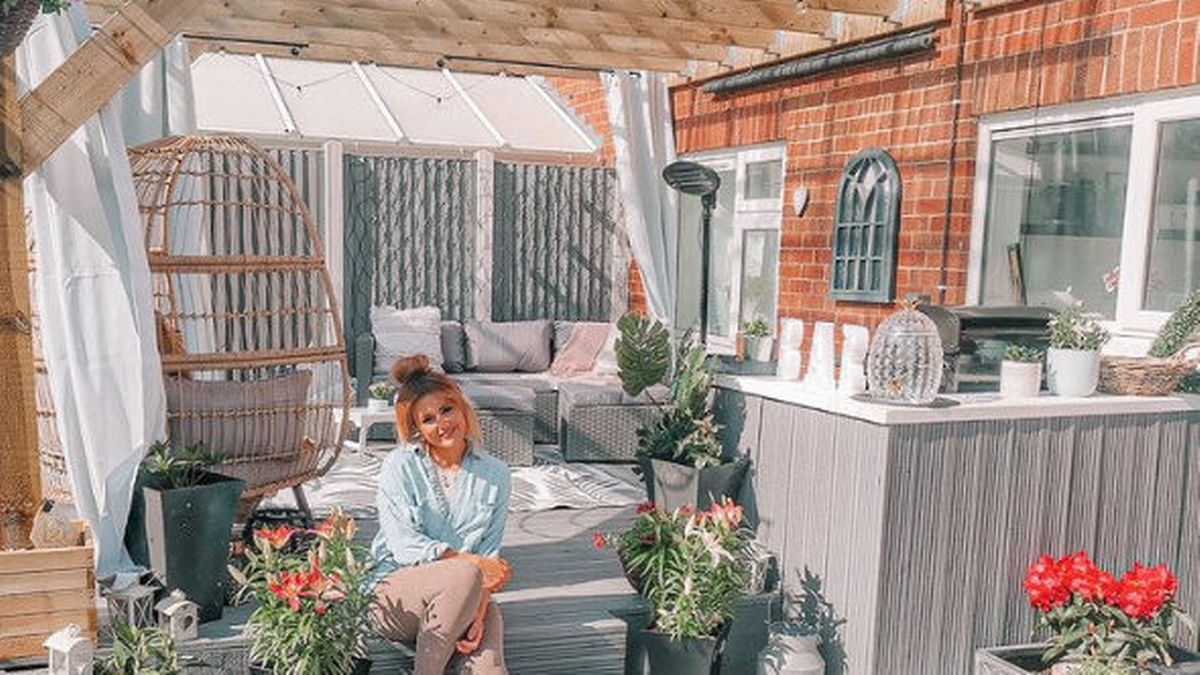
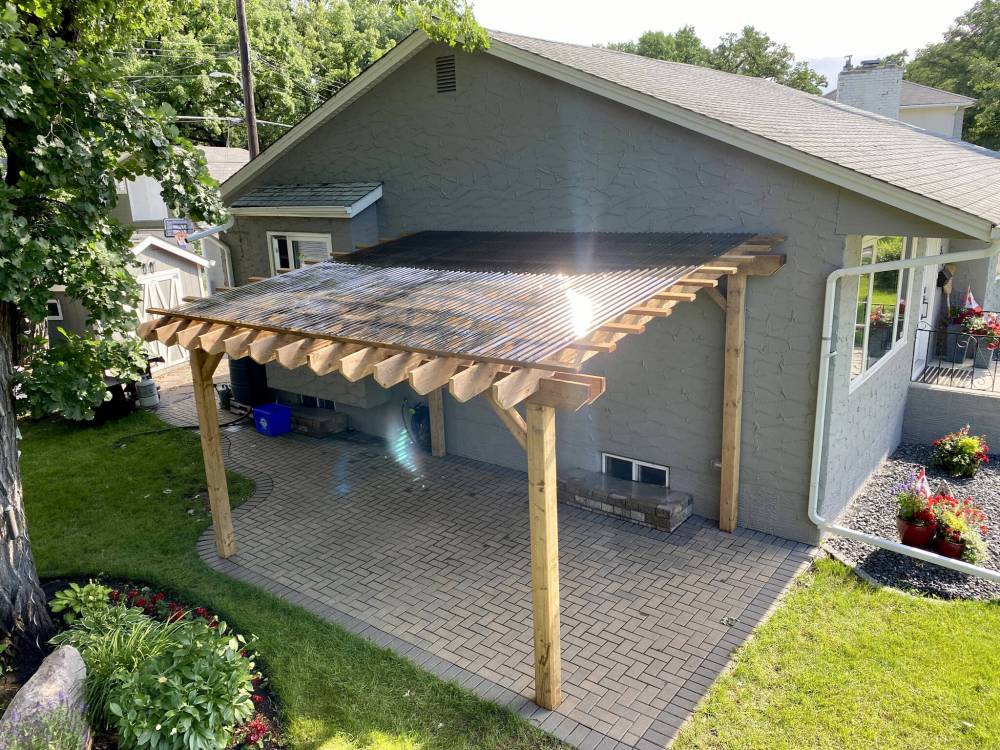
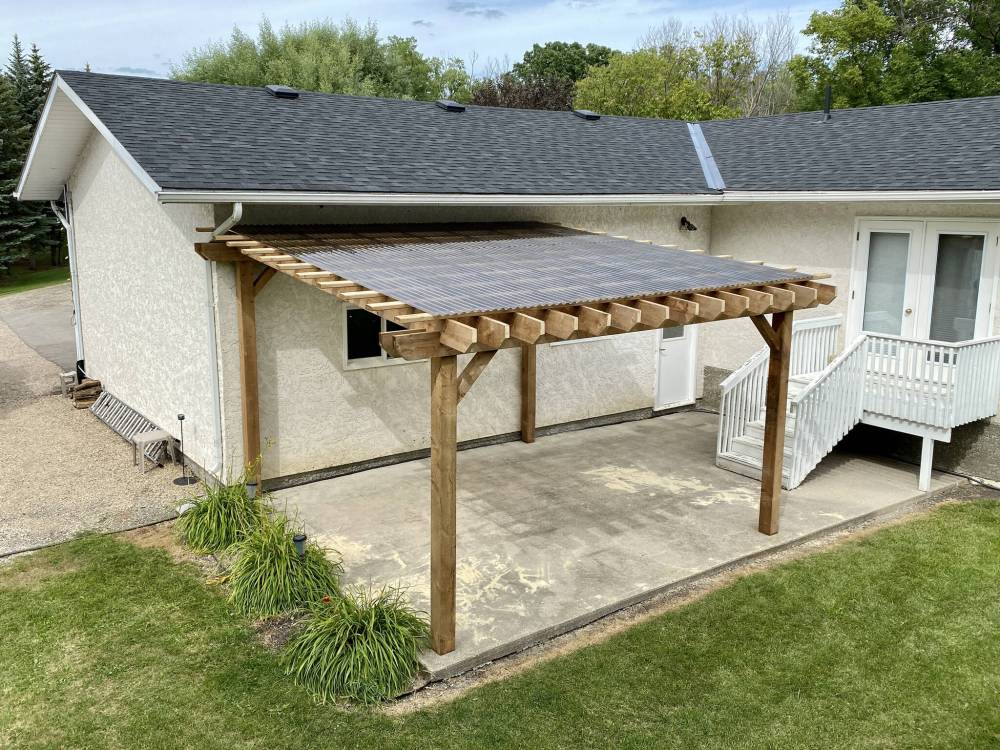
Pergolas offer a versatile solution for enhancing garden designs by providing shade, privacy, vertical interest, and zoning different outdoor spaces. The selection of a pergola should be carefully considered based on its intended purpose within the garden's layout. It can serve as a focal point, a transitional element, or a means to introduce verticality, especially when adorned with climbing plants. Pergolas are adaptable to various backyard sizes, from expansive country plots to smaller patio areas, offering both aesthetic and functional benefits.
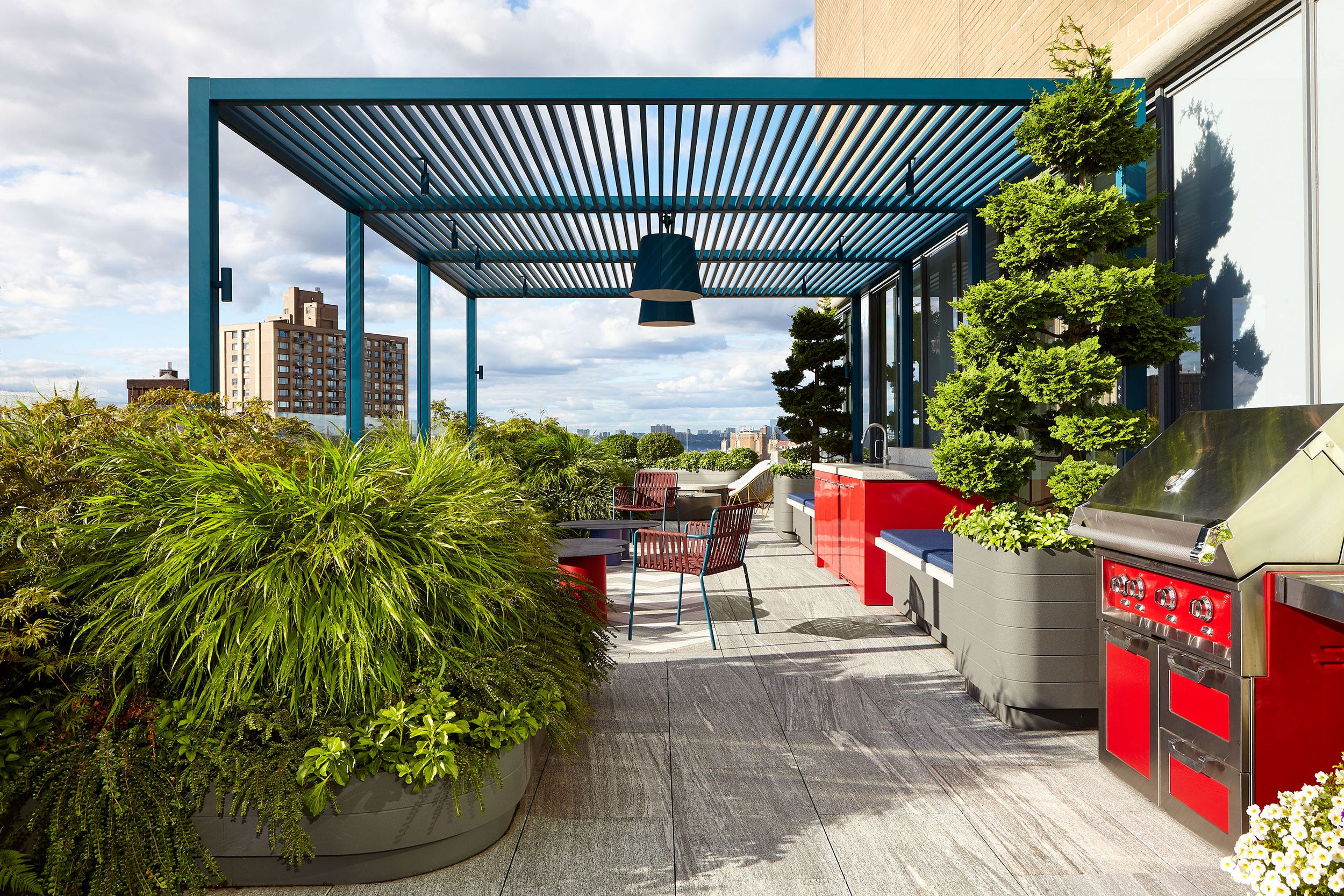
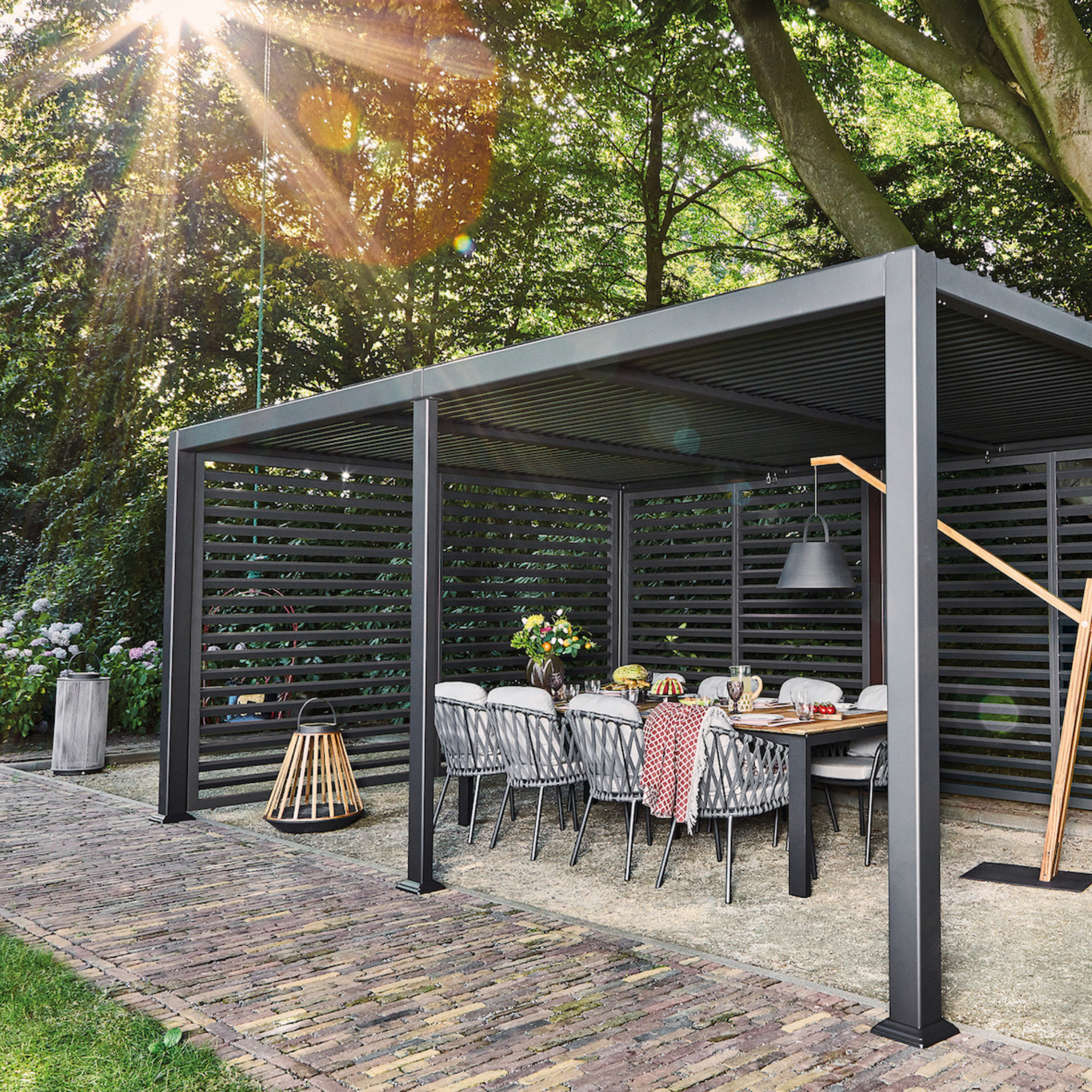
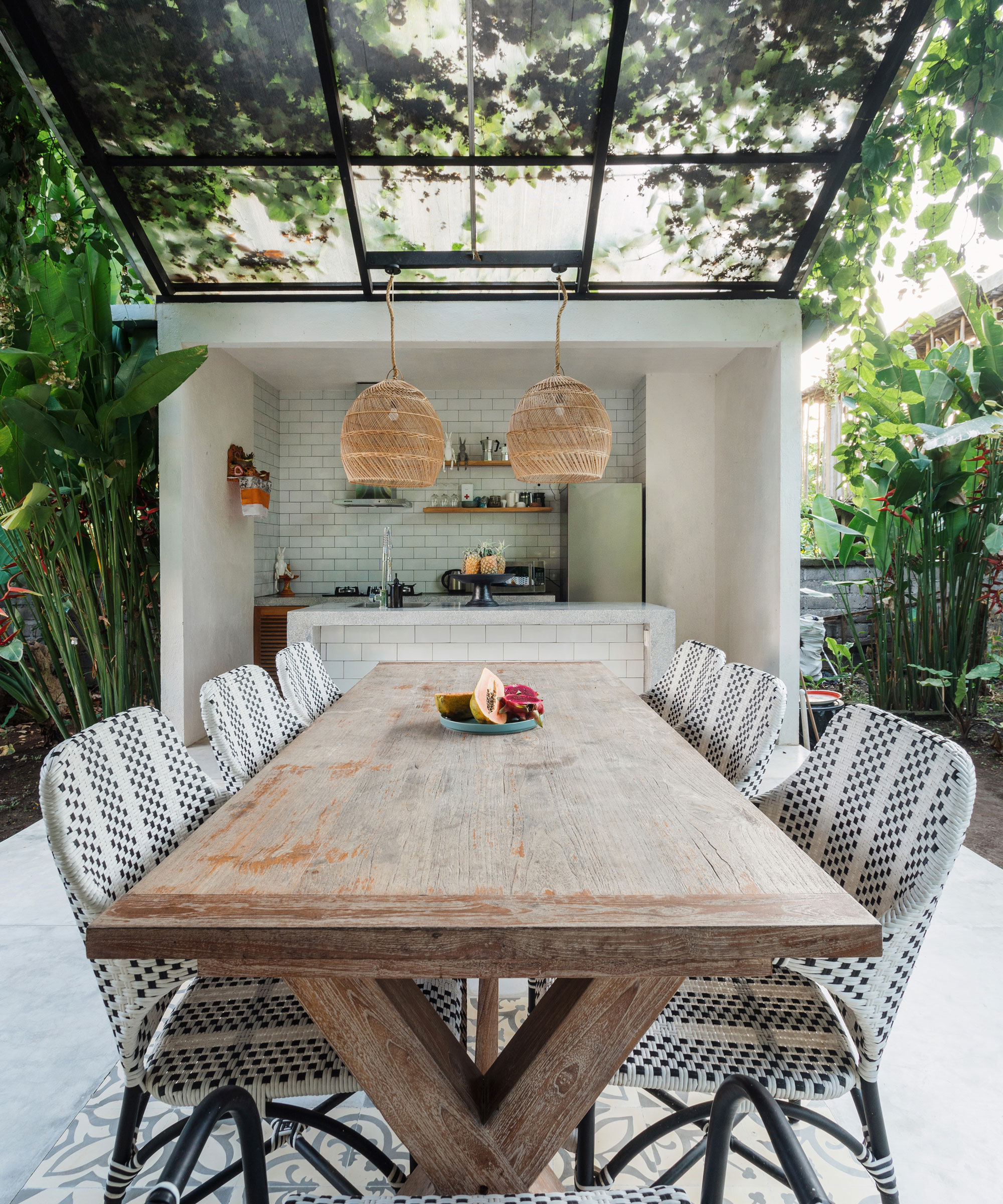
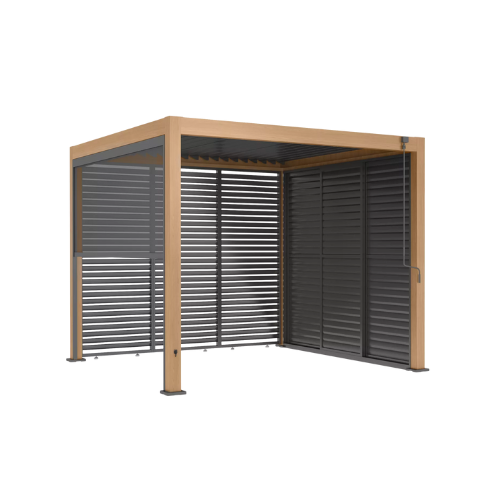
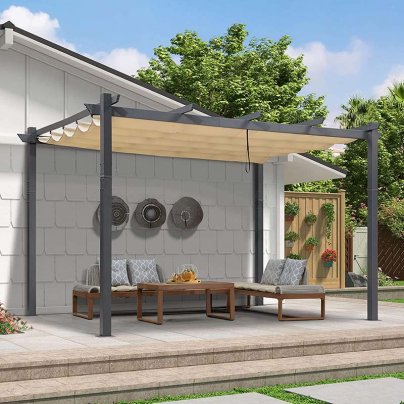
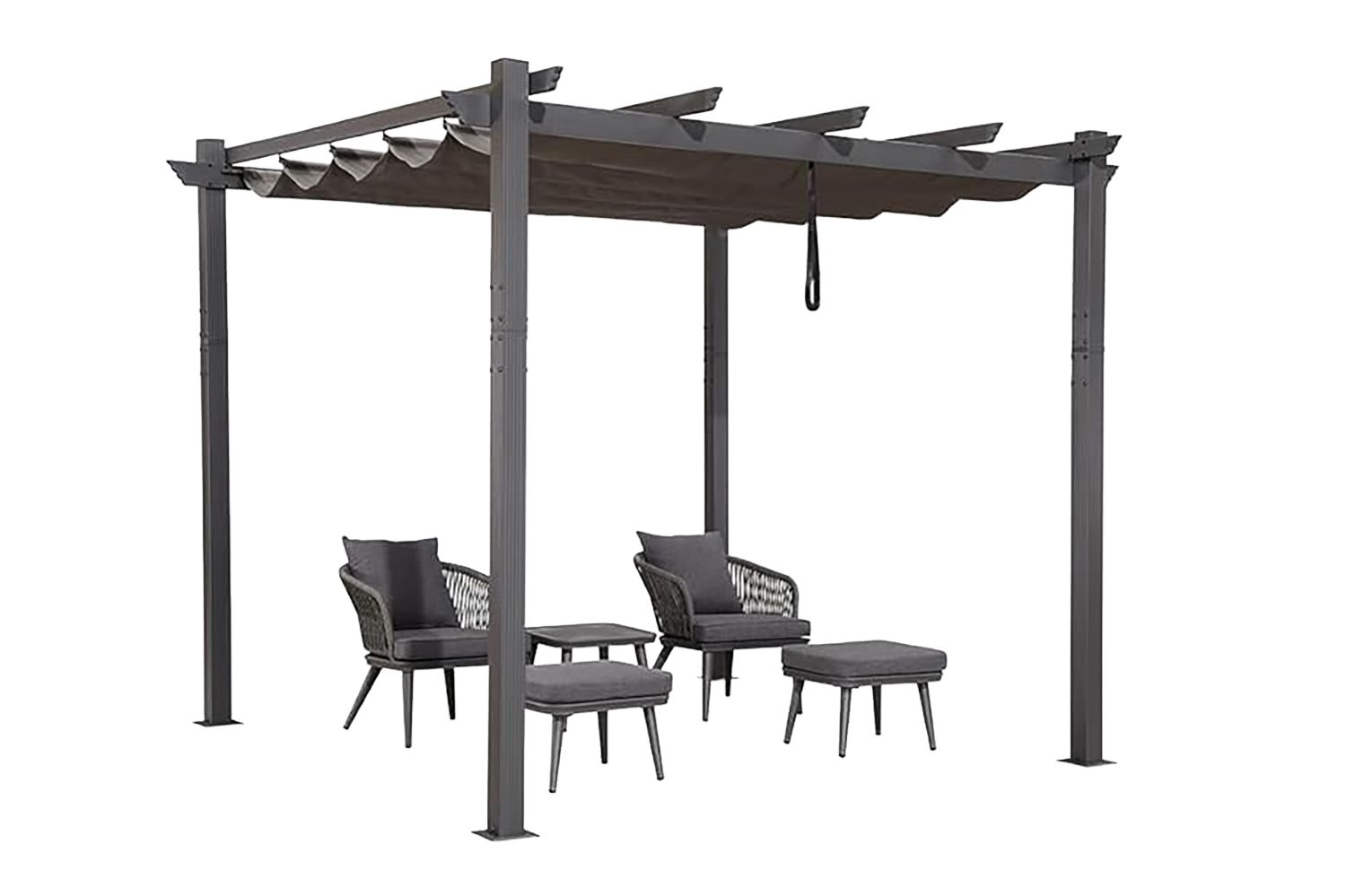
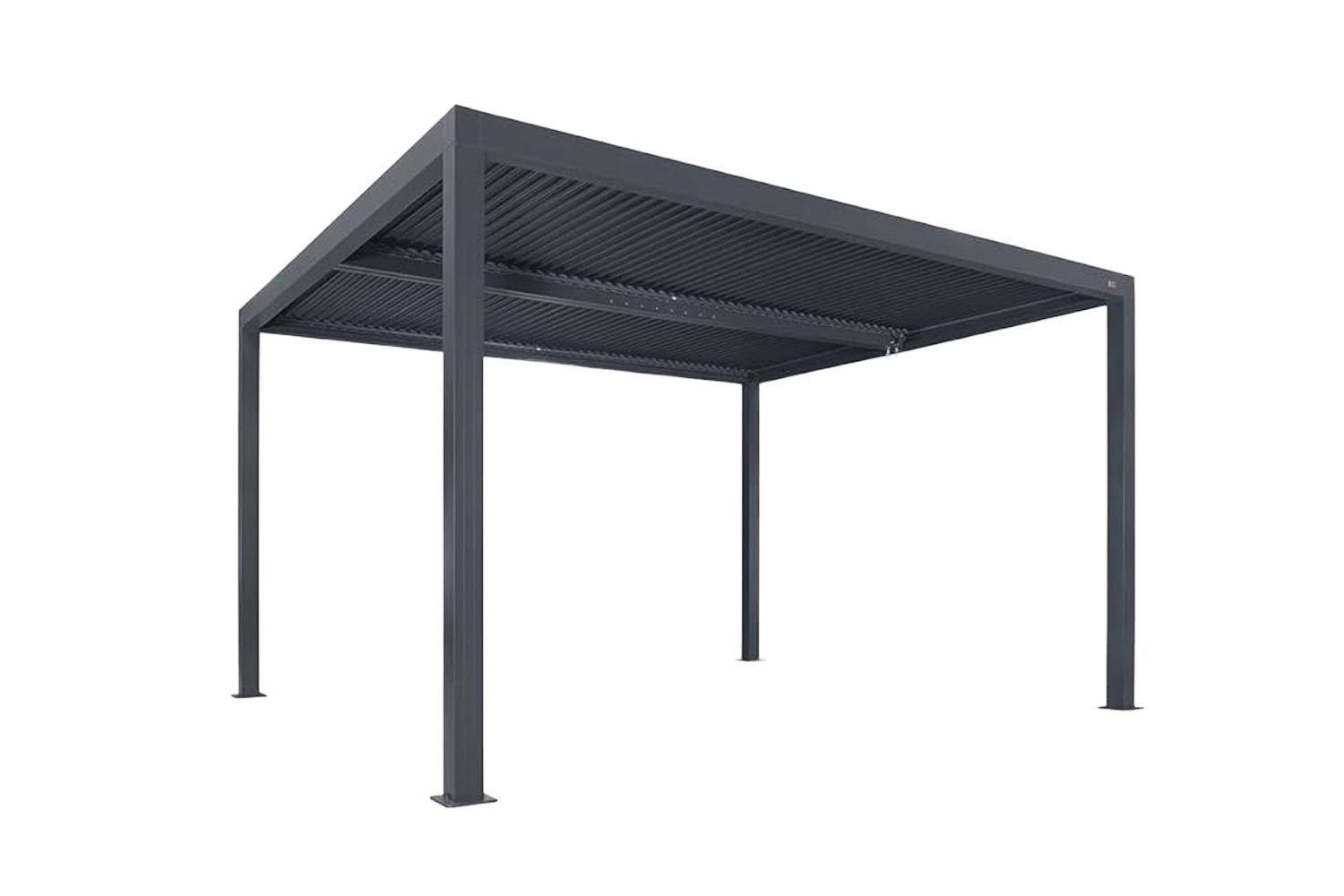
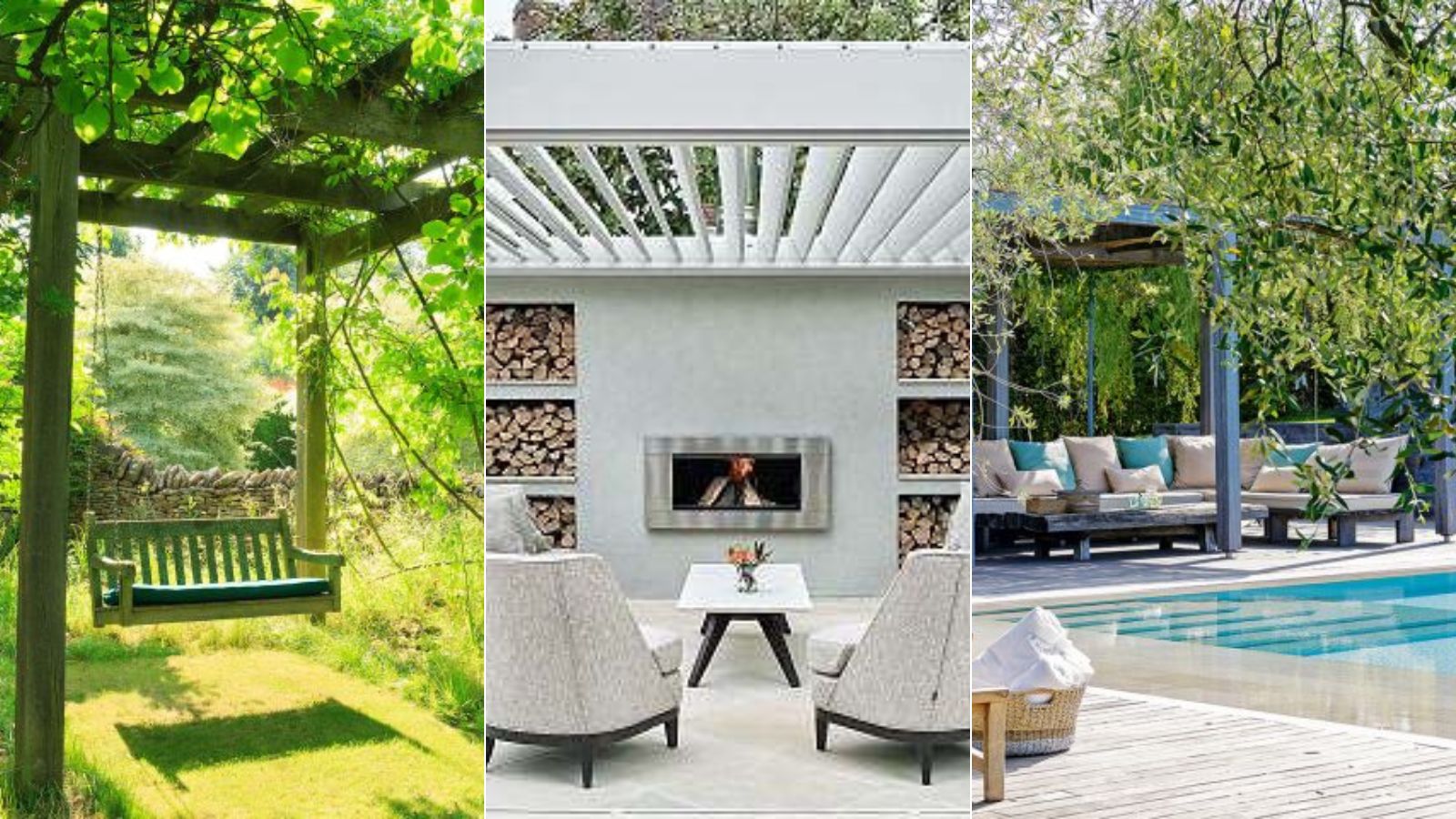
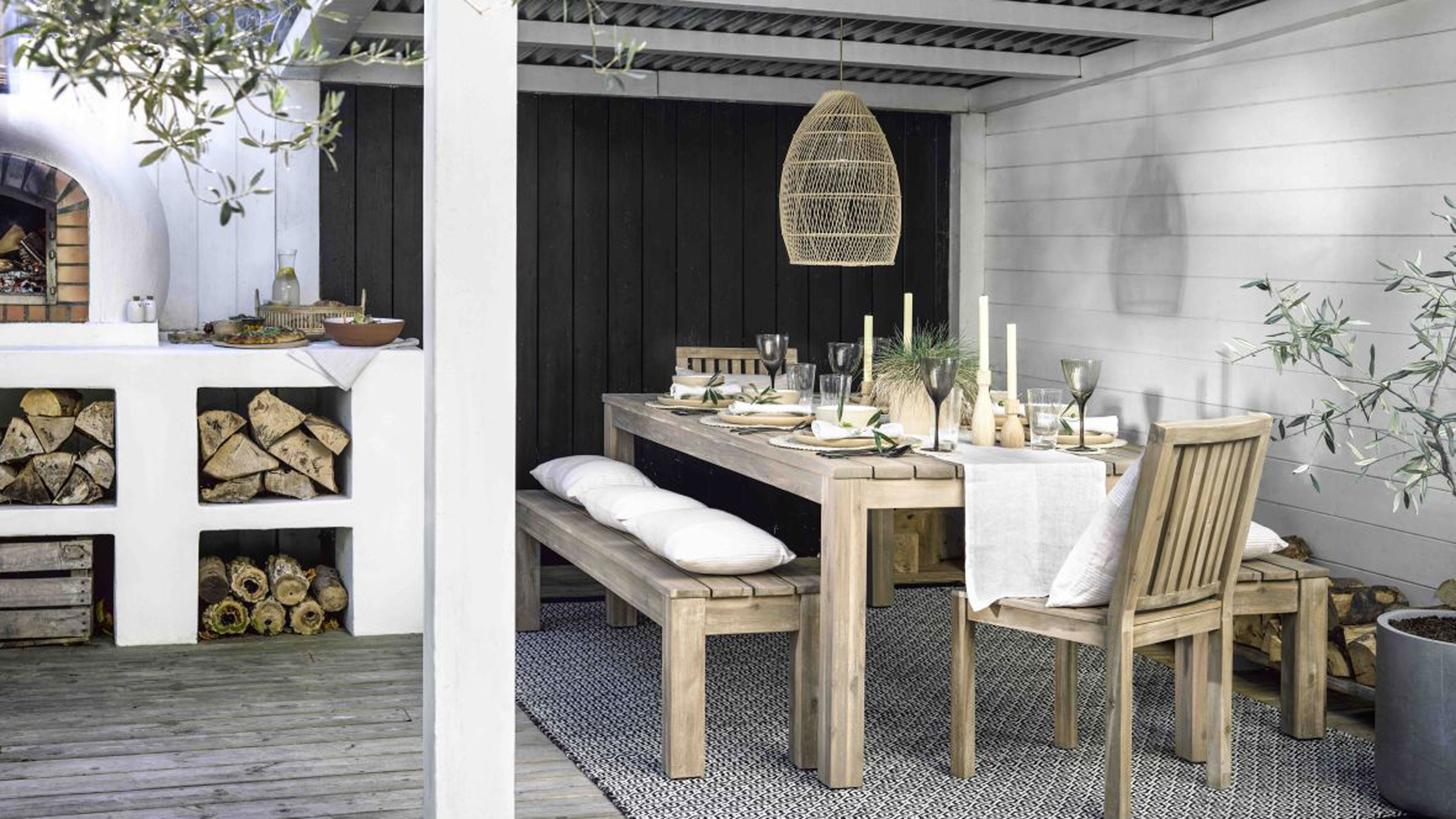
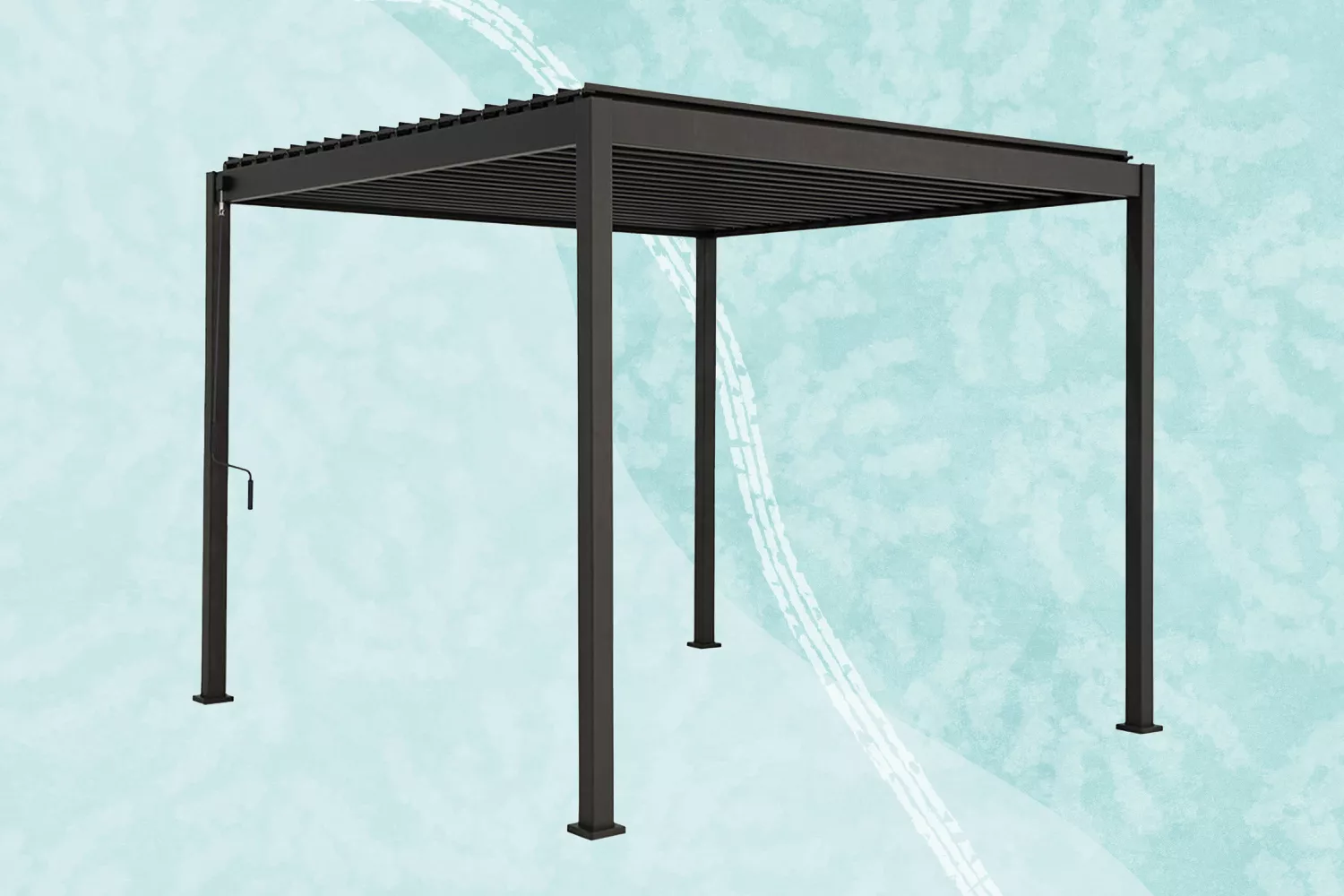
Integrating a pergola into a garden design involves several key considerations. One approach is installing a bioclimatic pergola, which features adjustable, motorized blades to adapt to weather conditions. This type of pergola, often equipped with lighting and comfortable furniture, transforms an outdoor area into a luxurious and functional space for dining or seating year-round. Alternatively, flexible pergola roofs, such as louvered or retractable canopies, provide control over sun exposure, allowing for both ample light and protective shade as needed. Beyond sun protection, pergolas can offer shelter from wind and rain, effectively extending the usability of outdoor areas into an “outdoor room” concept, especially when combined with plant cover or trellises.
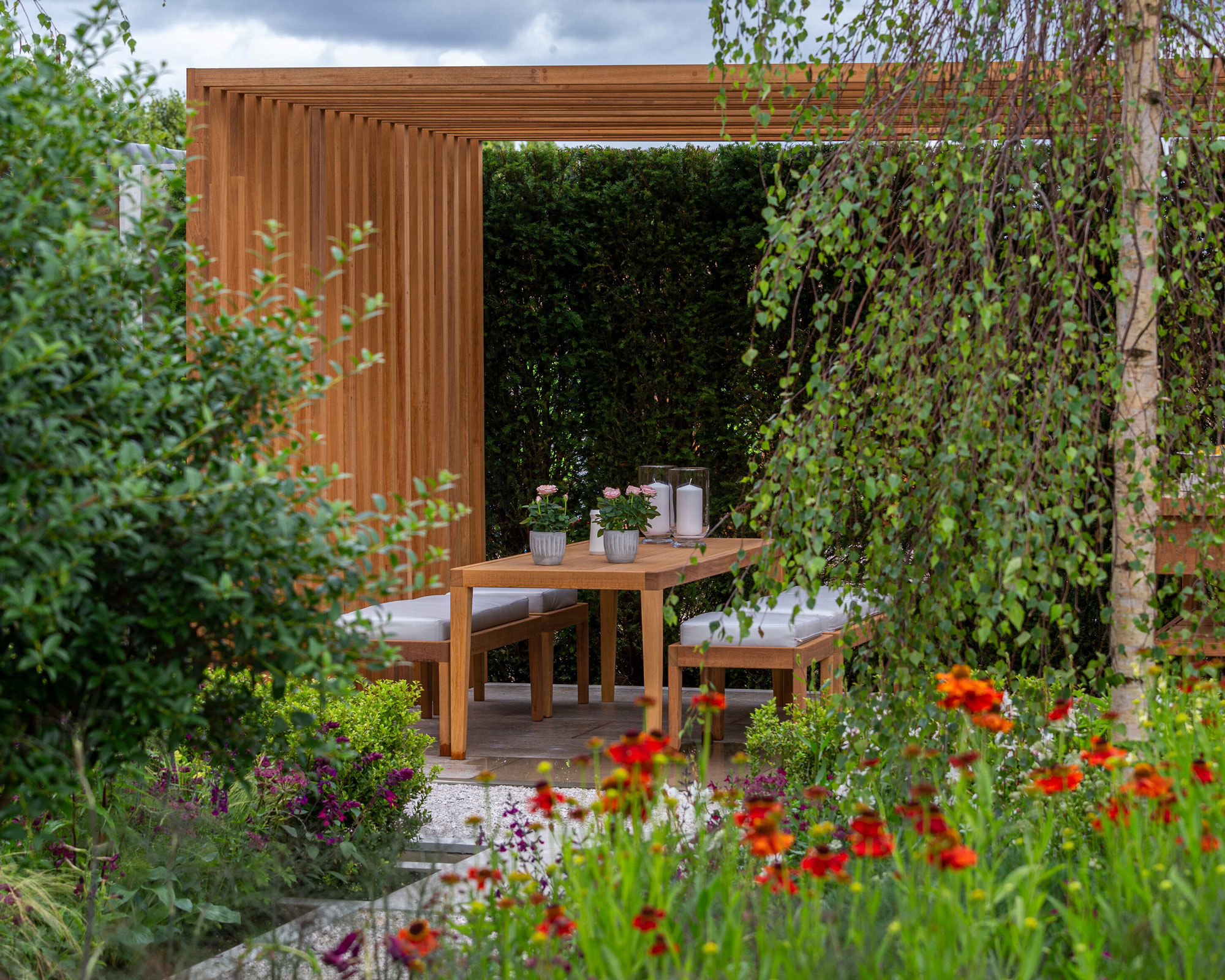
Pergolas are also effective for enhancing privacy, particularly in urban settings or on balconies and roof gardens. A pitched roof can offer more headroom and add architectural interest, while the overhead canopy, whether timber-slatted or covered with climbing plants, can screen views from neighboring properties. Strategically placed pergolas can frame views, direct the eye to specific garden features, or even create an illusion of a larger space by gradually narrowing. The size and proportions of a pergola are crucial; it should complement the garden without overwhelming it, and its construction materials and fixation methods must be robust enough to withstand weather and the weight of mature climbing plants.
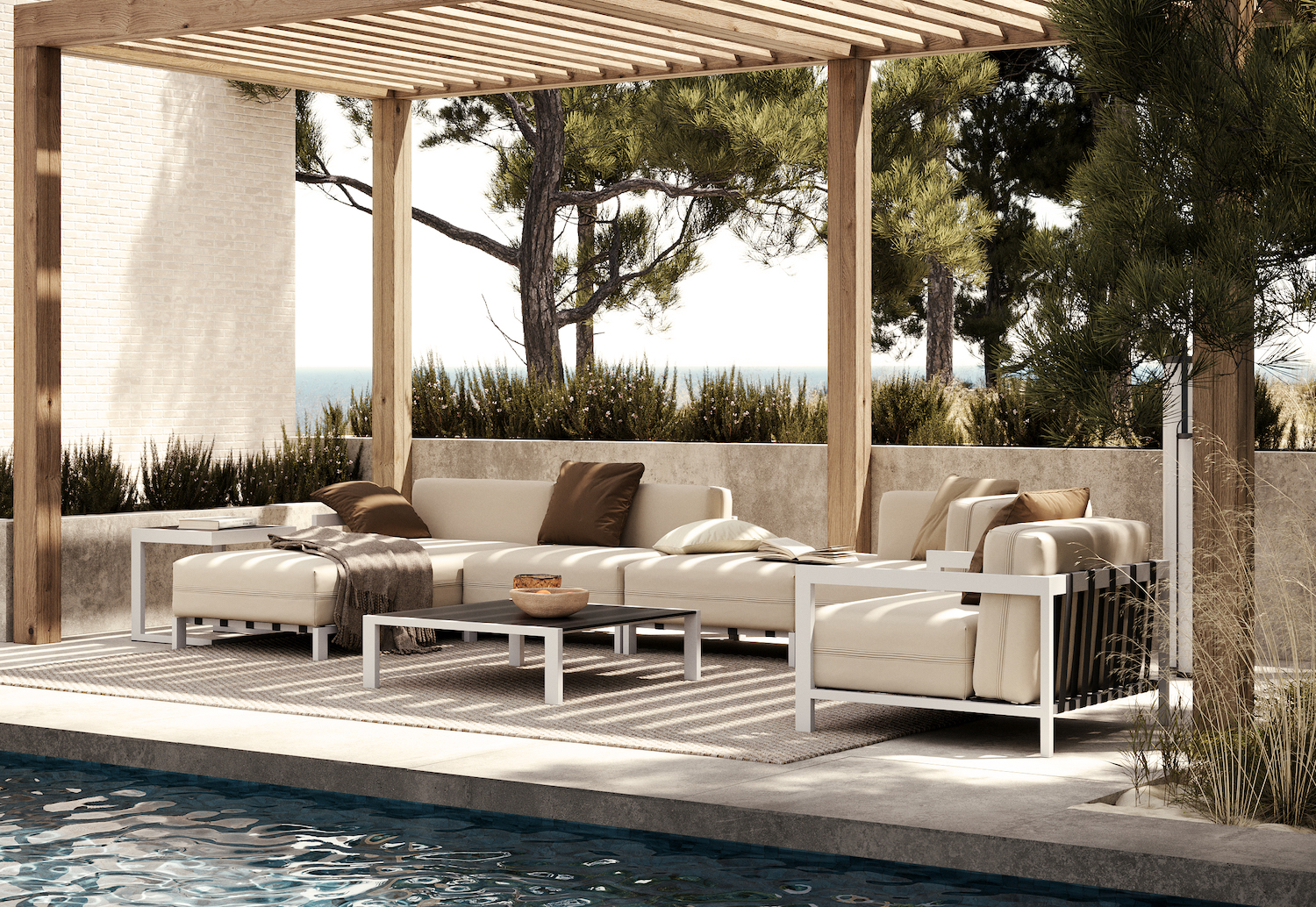
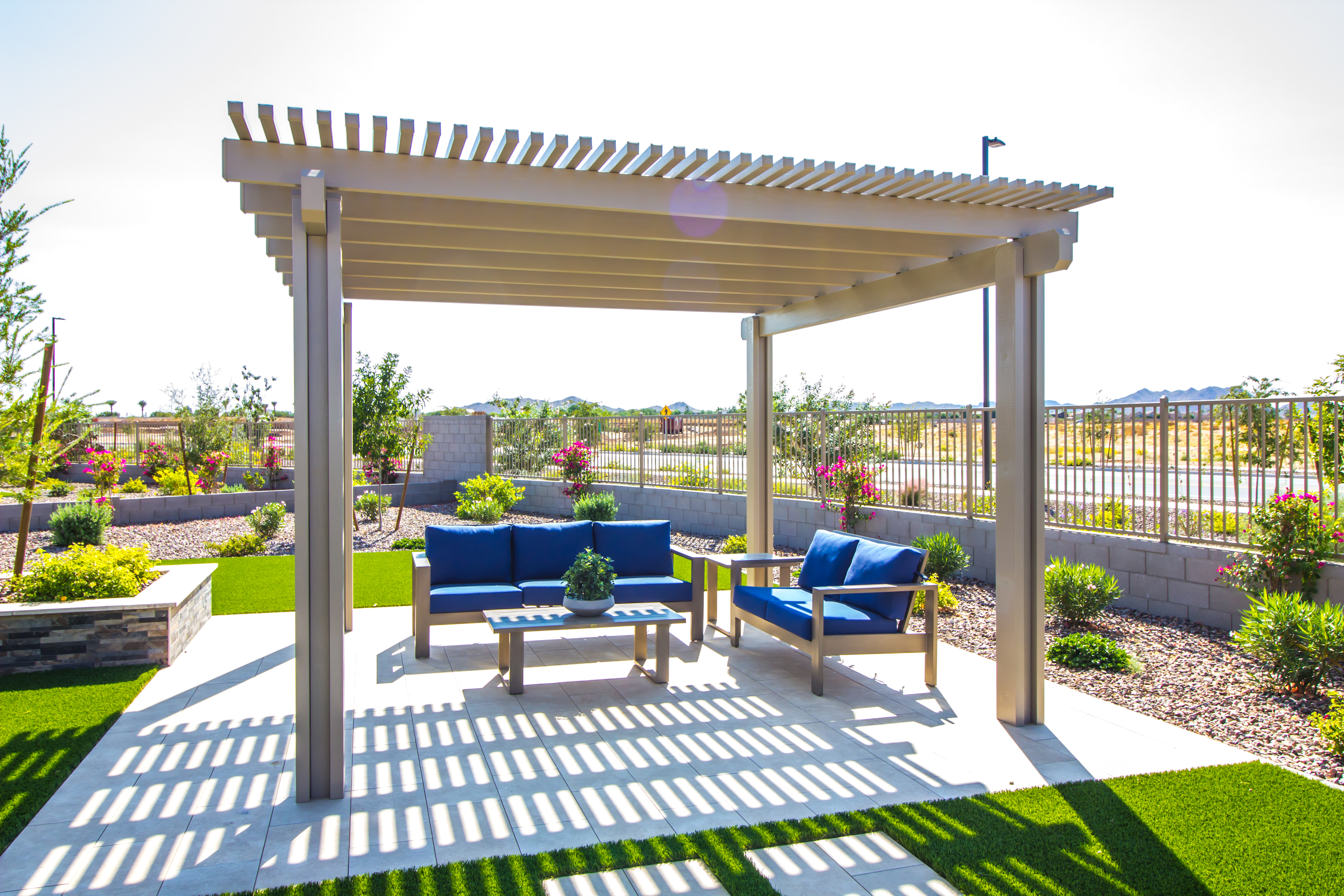
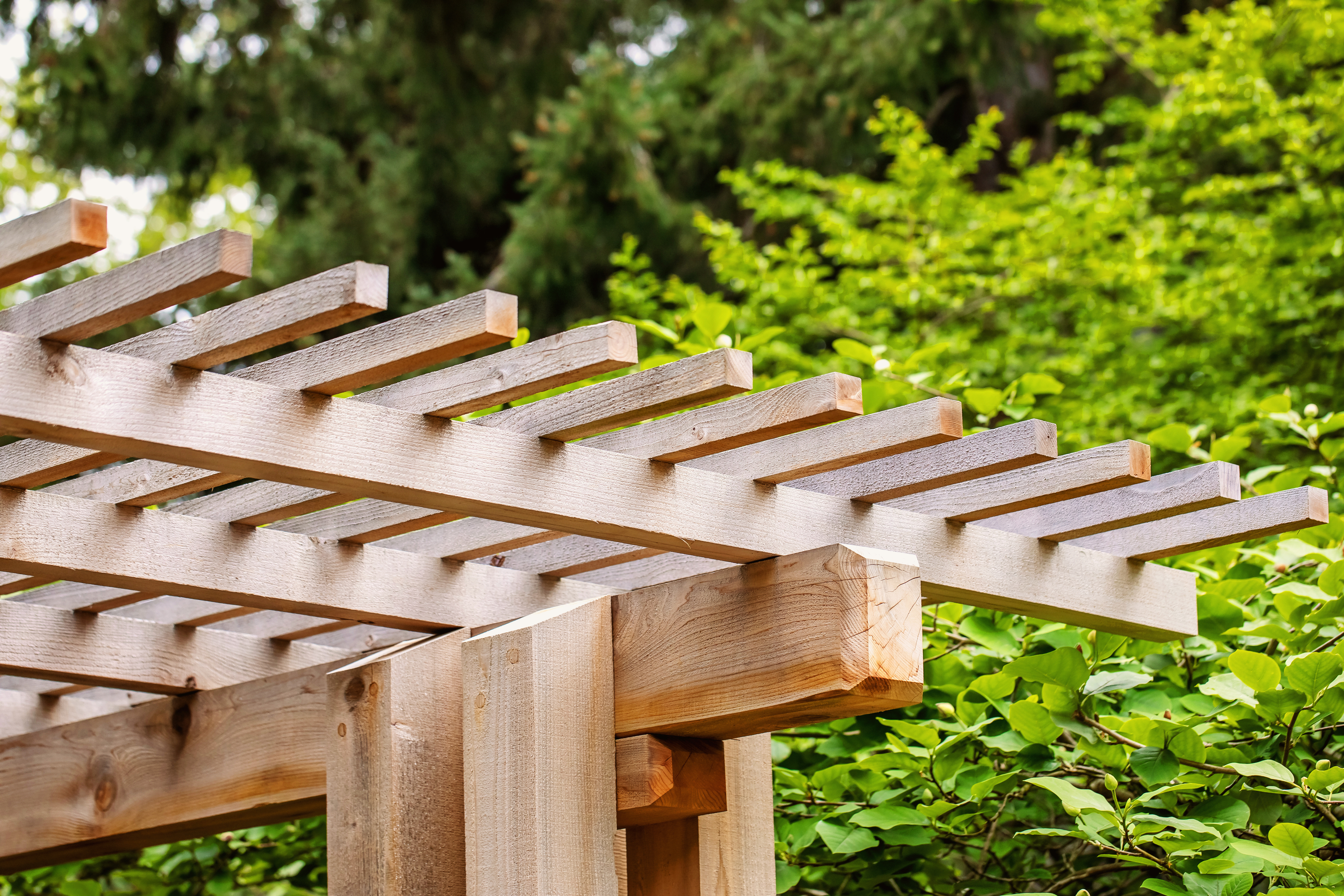
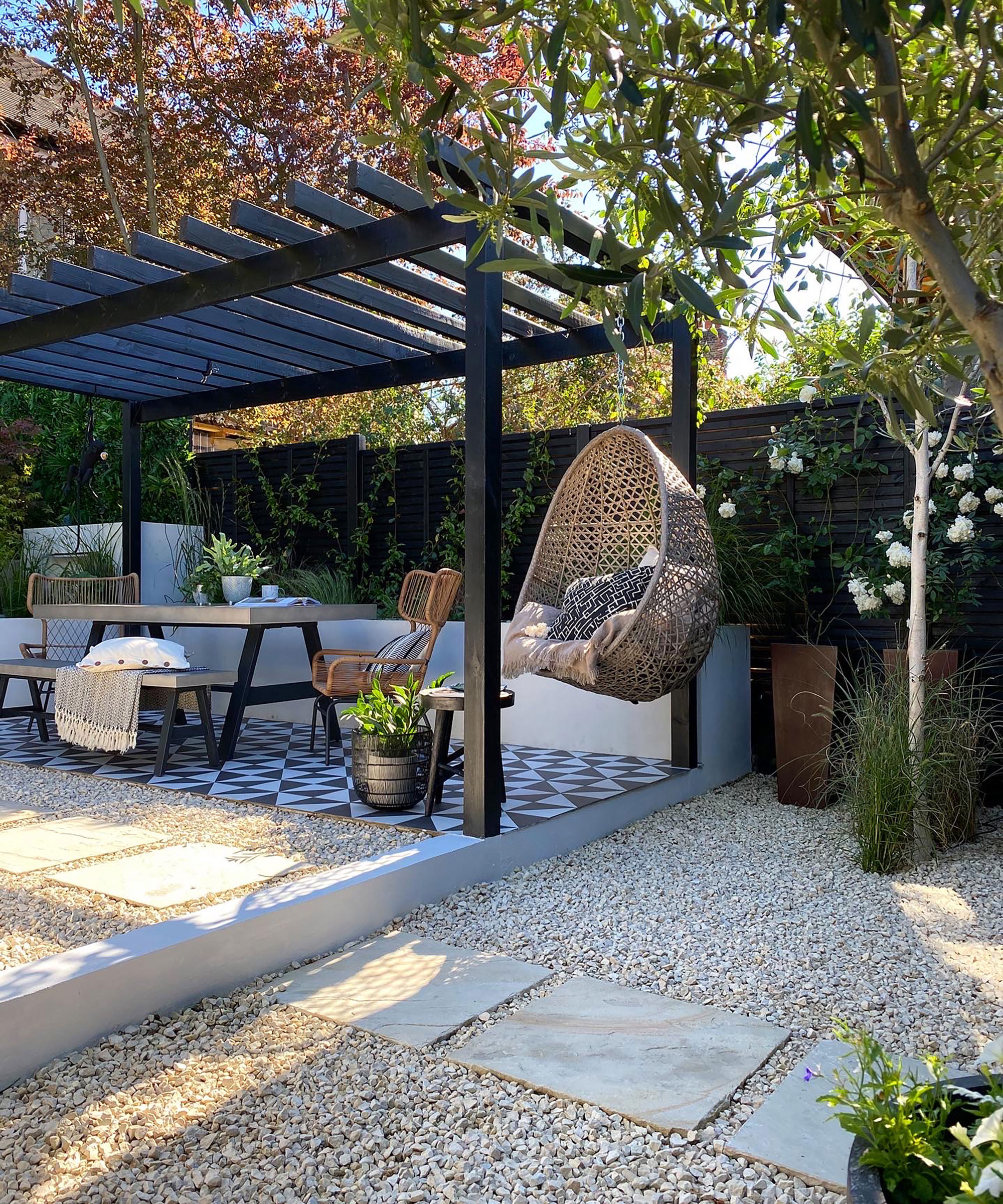
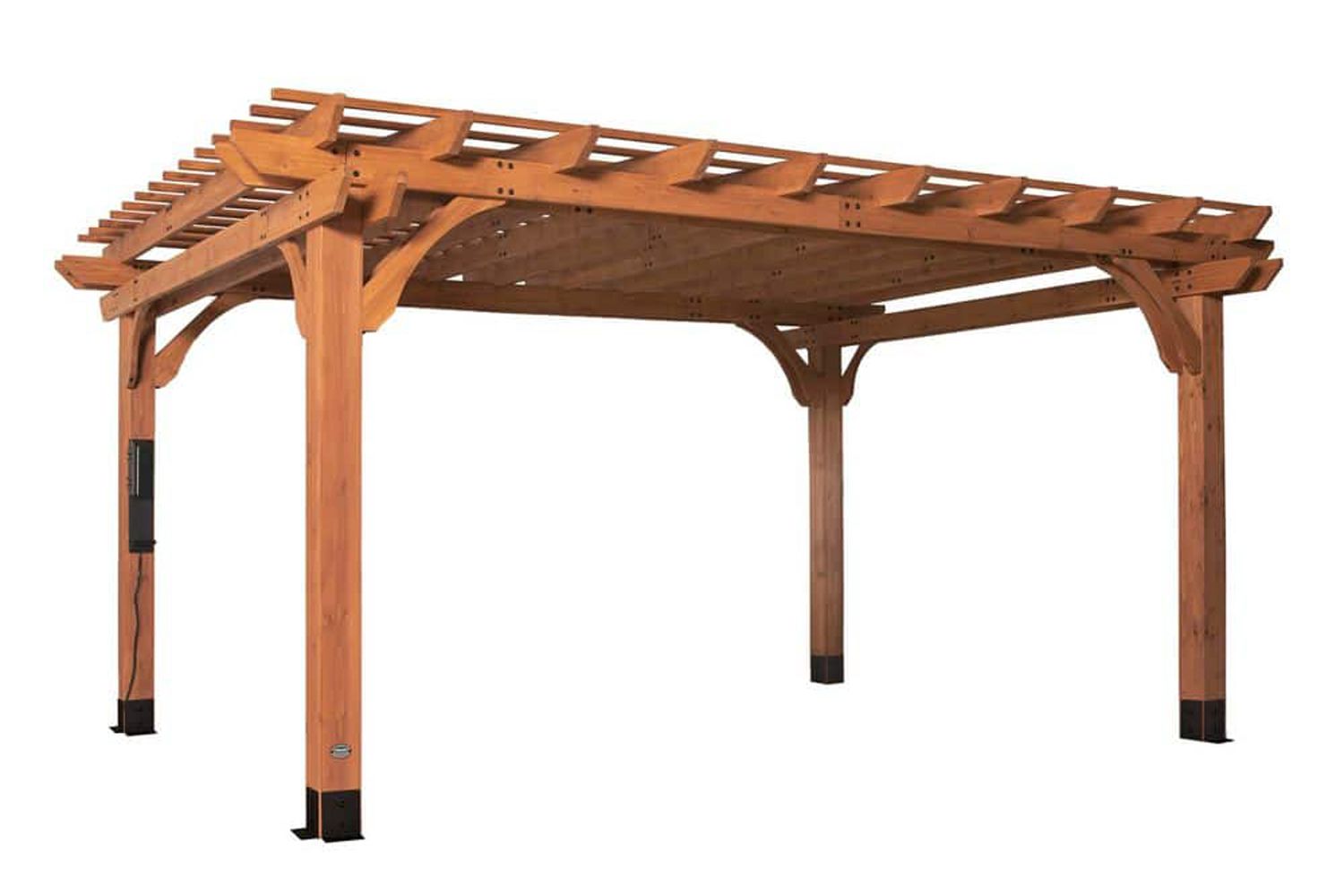
Placement is paramount for a pergola to integrate seamlessly into the garden's flow. It should ideally be situated in a spot conducive to relaxation, away from obstructing views, and in an area that benefits from its shade-providing capabilities. Pergolas can define distinct outdoor zones, transitioning between different areas like a patio and a lawn, or creating a sense of enclosure for dining areas. They can also serve as scented walkways when covered with fragrant climbing plants like wisteria, transforming a simple path into a romantic tunnel. Traditional wooden pergolas, often crafted from cedar or oak, are popular, but contemporary designs incorporating metal or charred wood are also gaining traction.
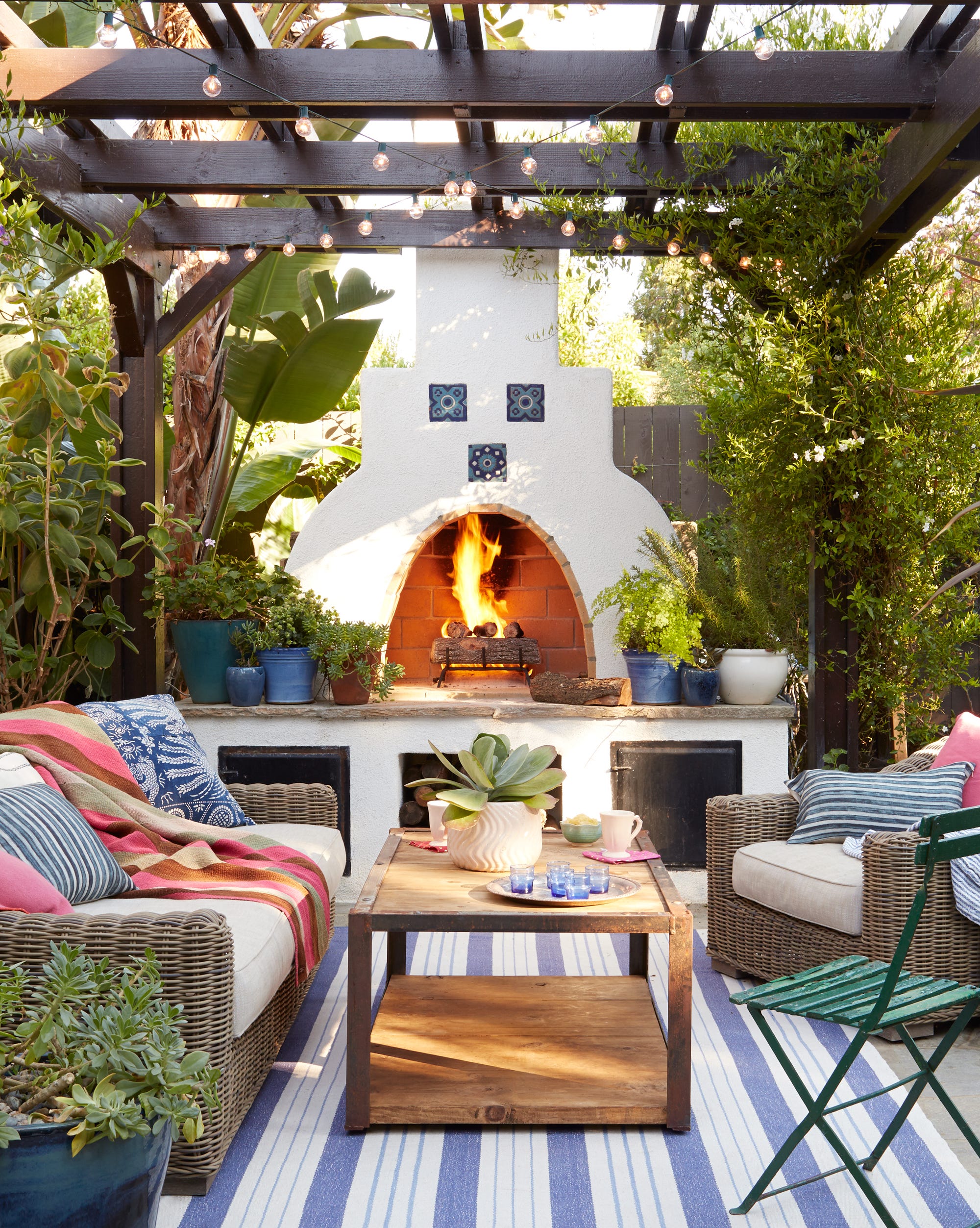
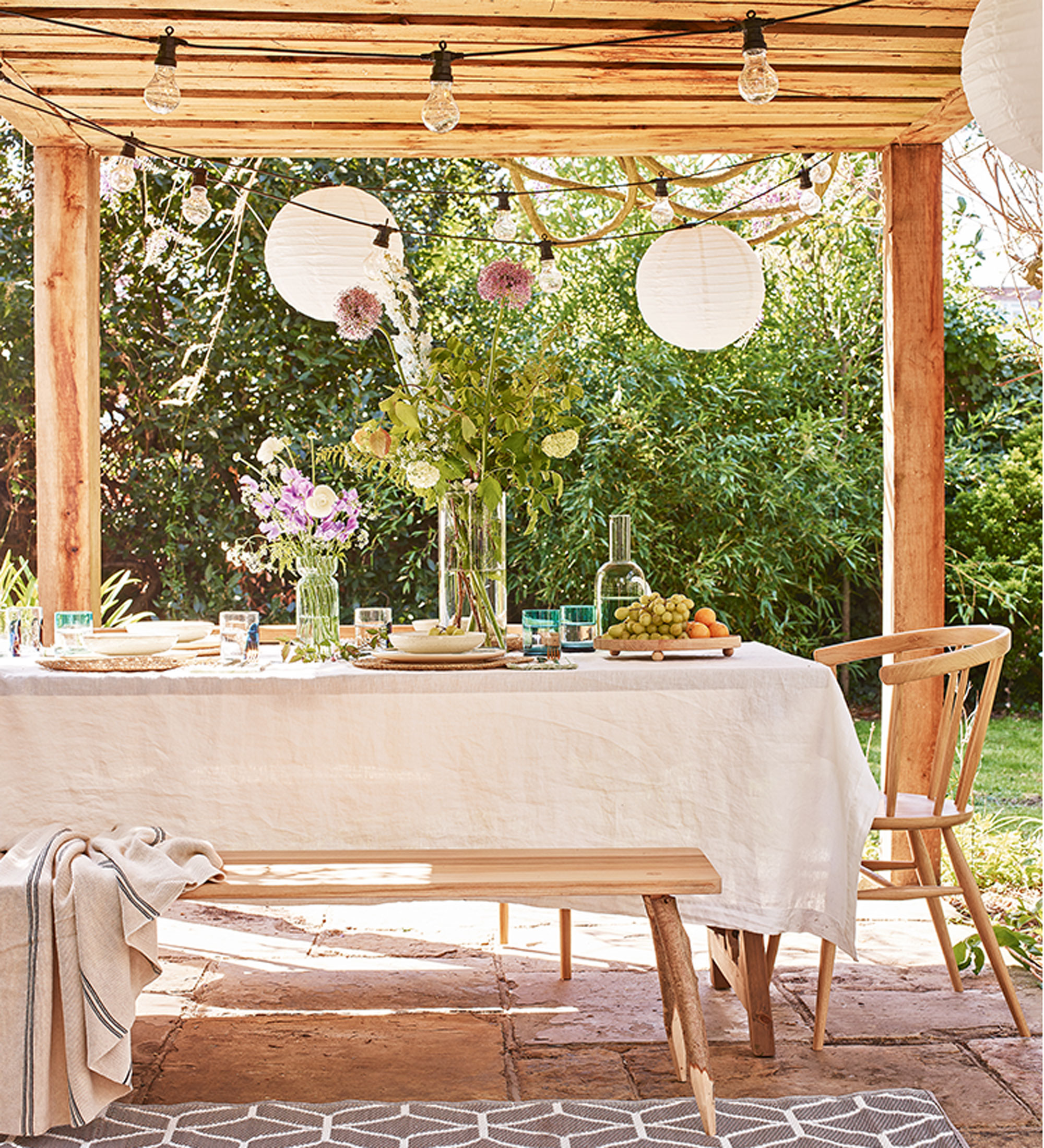
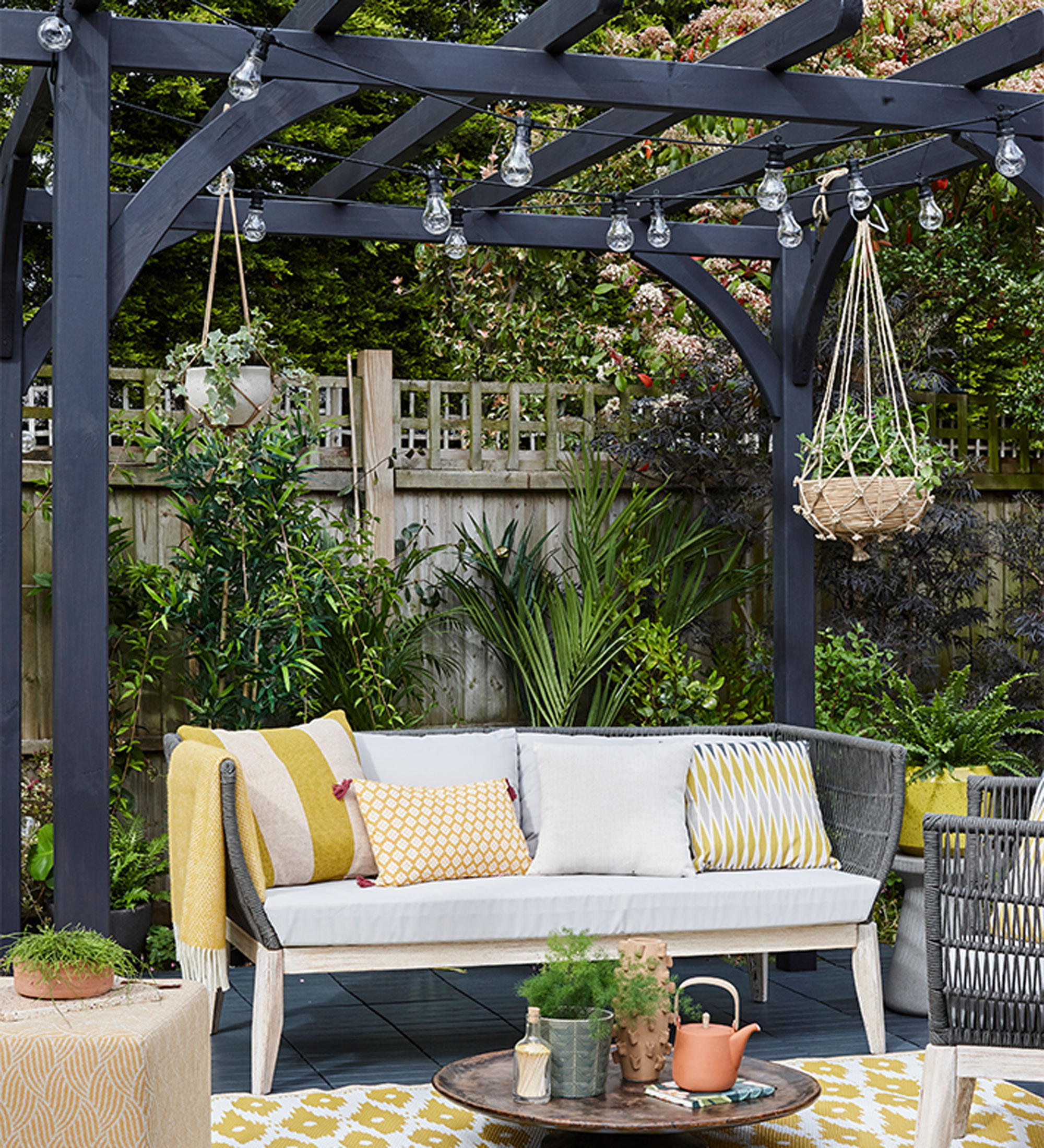
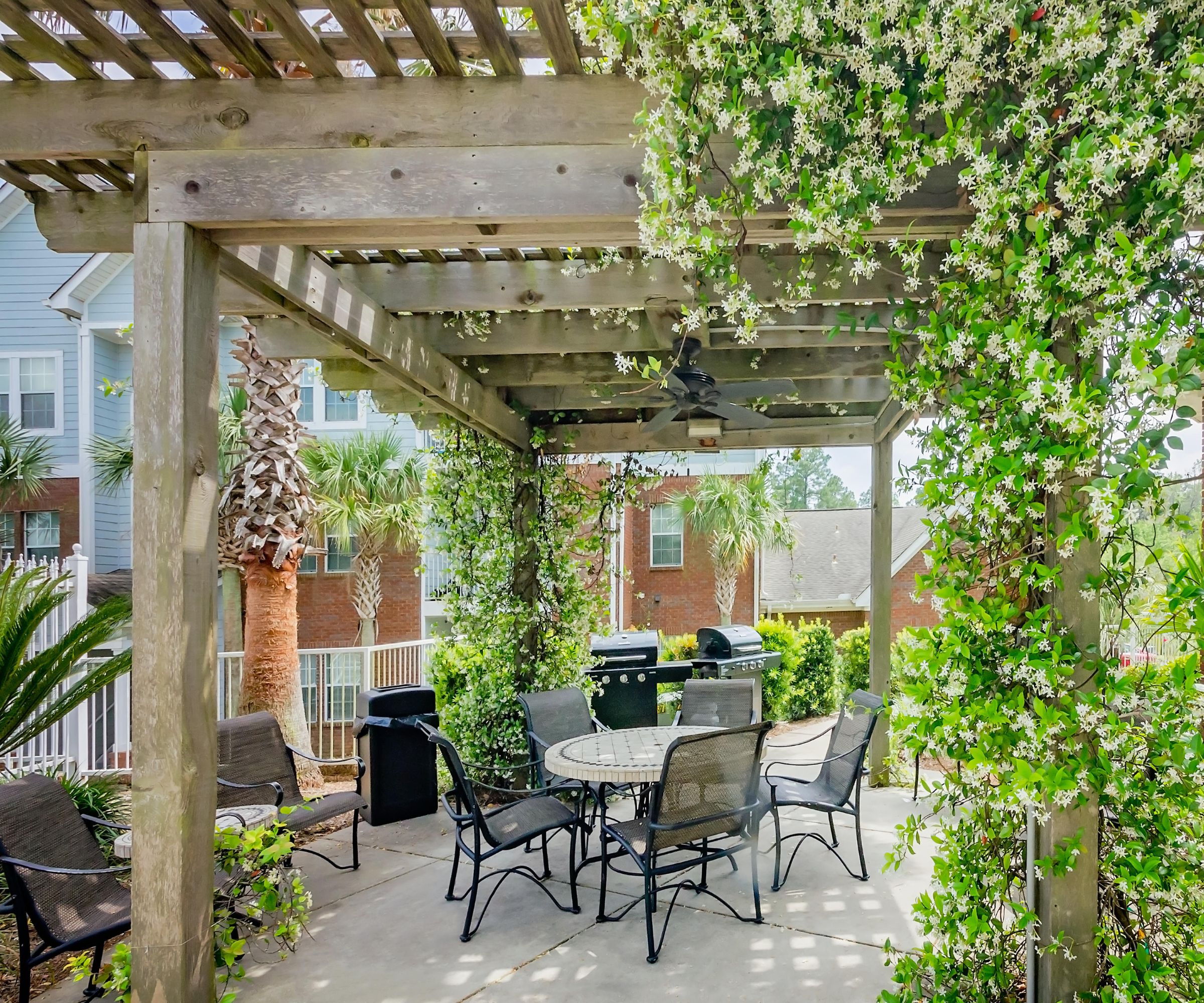
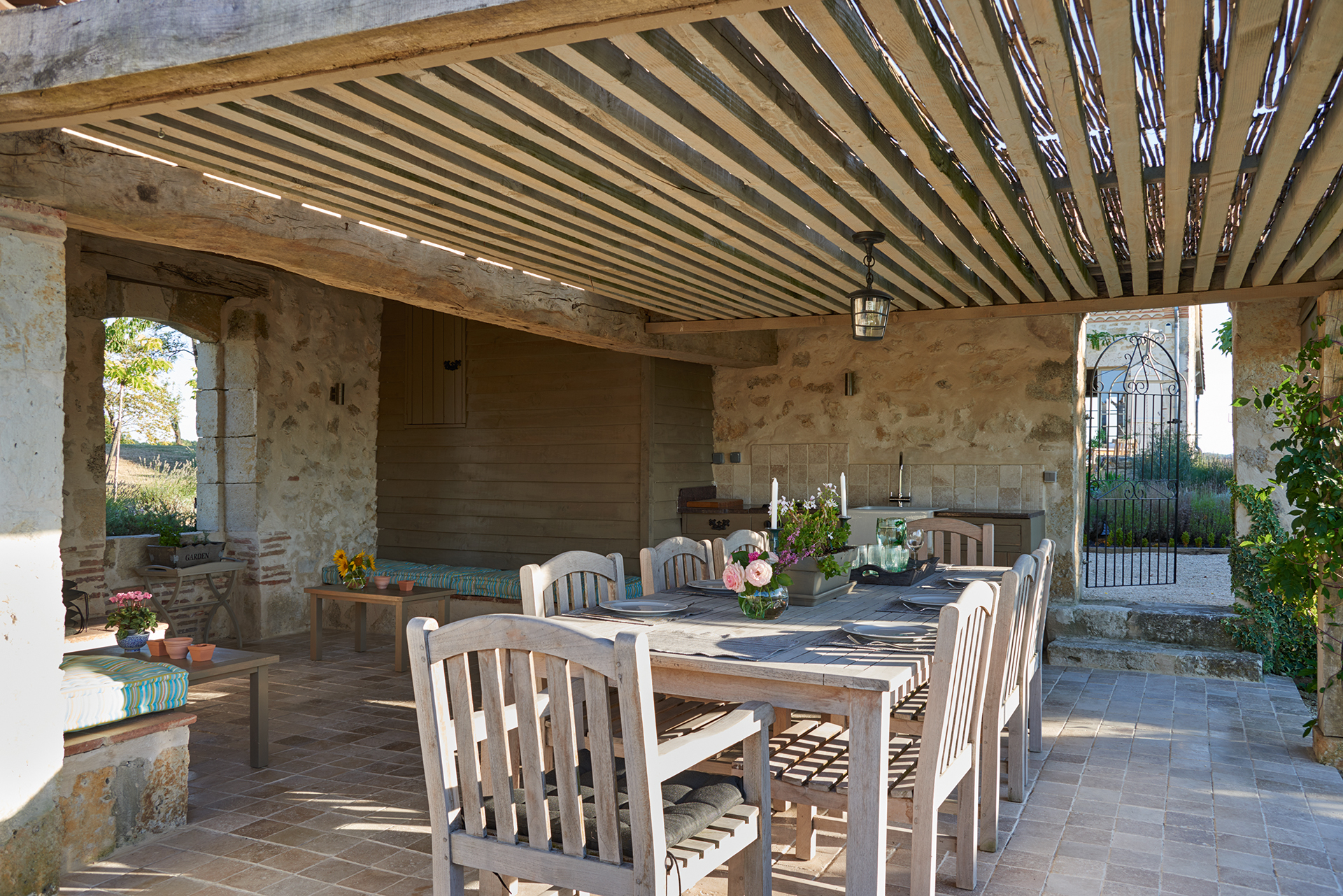
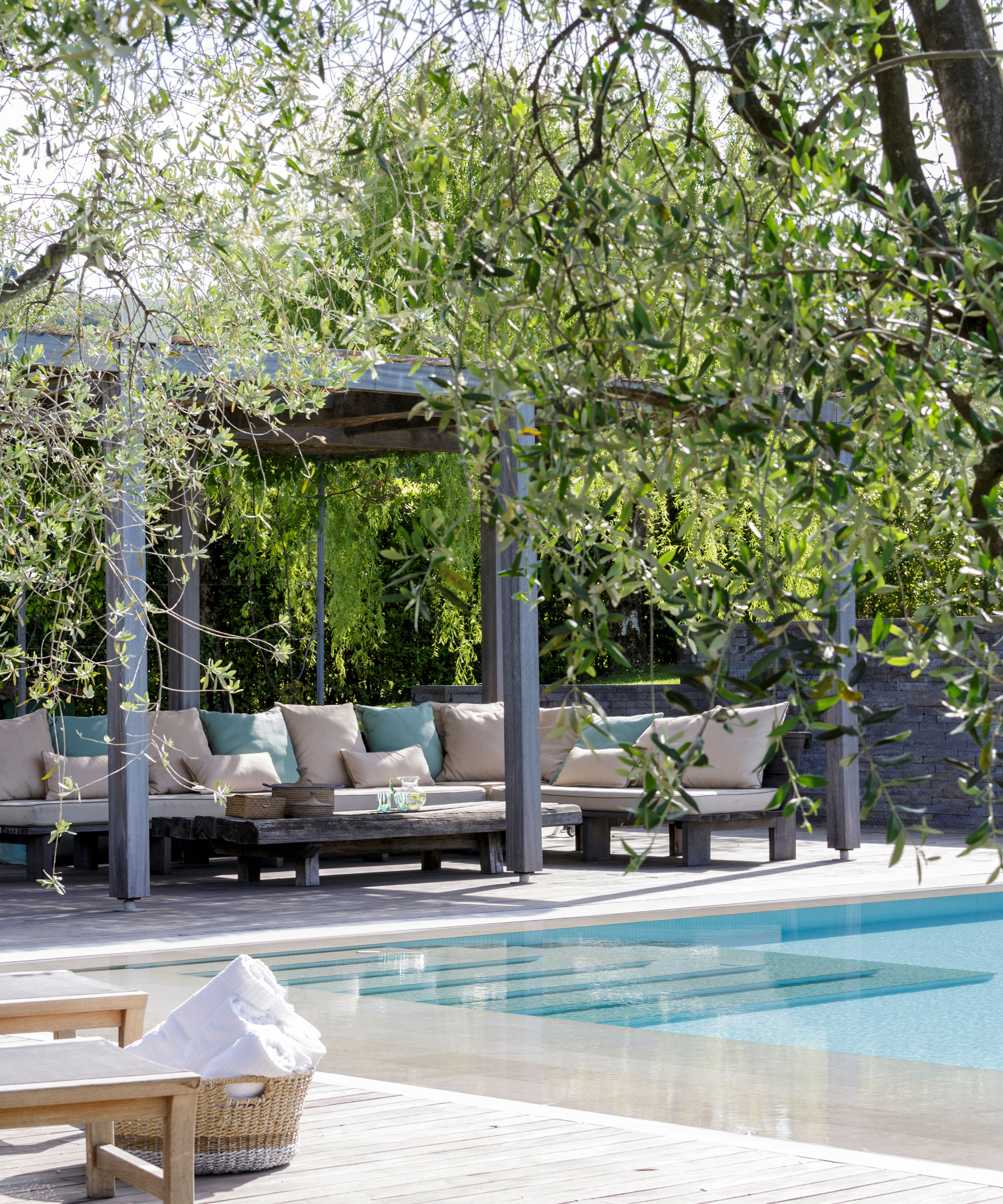
For outdoor cooking or dining, pergolas offer essential shade, which can be enhanced by growing wisteria or vines for dappled light or by adding sail-type screens for consistent shade. Incorporating a swing seat within a pergola can create a tranquil retreat, especially suitable for cottage gardens. Styling a pergola involves choosing appropriate furniture, soft furnishings, lighting, and suitable climbing plants to either complement a minimalist aesthetic or soften a traditional look. While prefabricated options exist, professional installation is recommended to ensure structural integrity and longevity. Ultimately, a pergola's purpose—be it for shade, privacy, or aesthetic enhancement—should guide its design and placement, transforming a backyard into a more functional and inviting extension of the home.
#PergolaDesign #GardenLandscaping #OutdoorLiving #BackyardIdeas #VerticalGardens #ShadeSolutions #PrivacyFeatures #GardenZoning #ClimbingPlants #PergolaDesign #GardenLandscaping #OutdoorLiving #BackyardIdeas #VerticalGardens #ShadeSolutions #PrivacyFeatures #GardenZoning #ClimbingPlants
कुल 0 टिप्पणियाँ
 कोई टिप्पणी नहीं
आपको यह भी पसंद आ सकता है
Want the Garden of Your Dreams? Check Out These 29 Enchanting Pergola Ideas

Pergola ideas - 10 ways expert landscapers switch up outdoor urban spaces

Pergola shade ideas – 10 ways to use a pergola for shade
Pergola ideas: 16 stunning garden structures for added style and shade
Add Shade to Your Backyard with a Pretty Pergola
Pergola mistakes: a pro reveals 9 common pergola errors
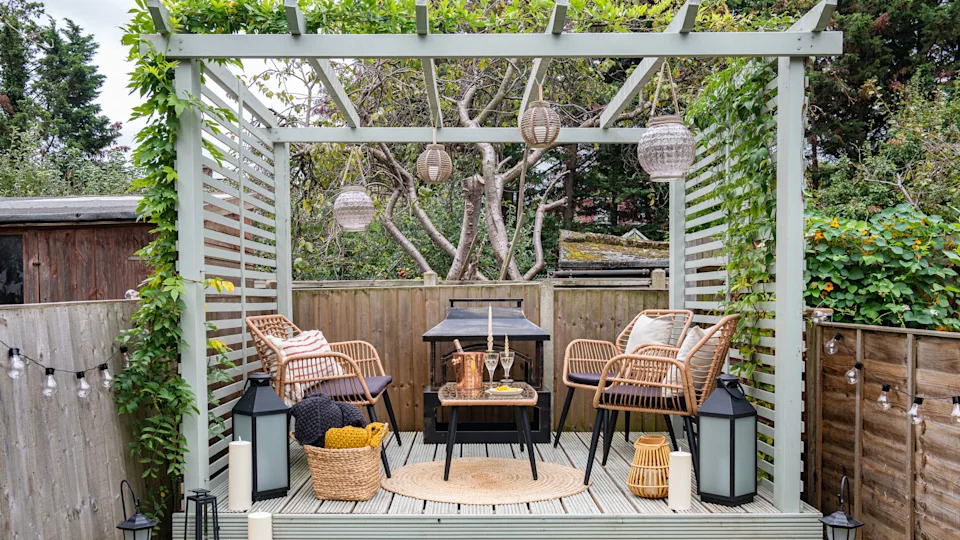
27 pergola ideas to add shade, privacy and style to your outside space

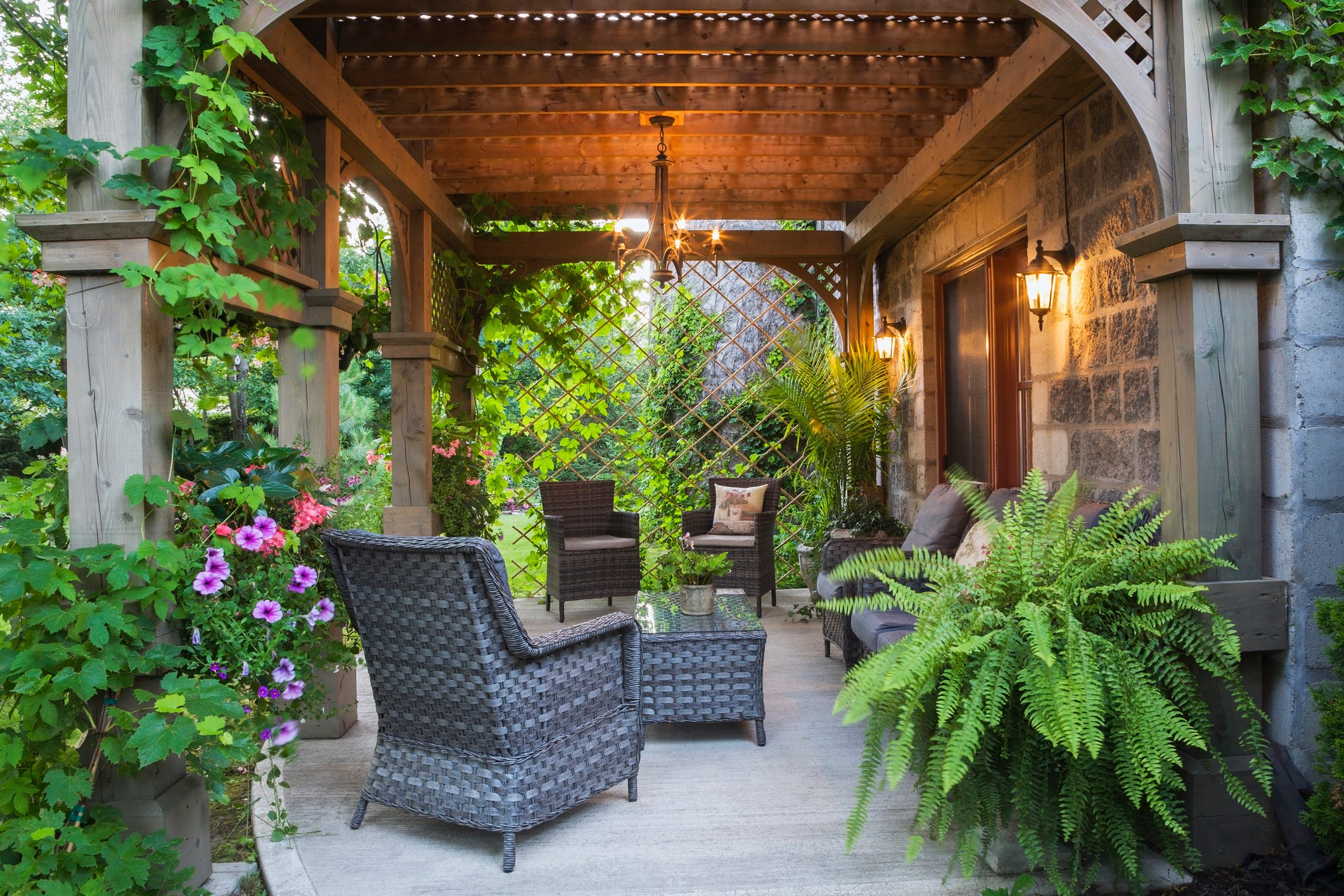
Try These DIY Patio Cover Ideas to Create Your Dream Outdoor Retreat

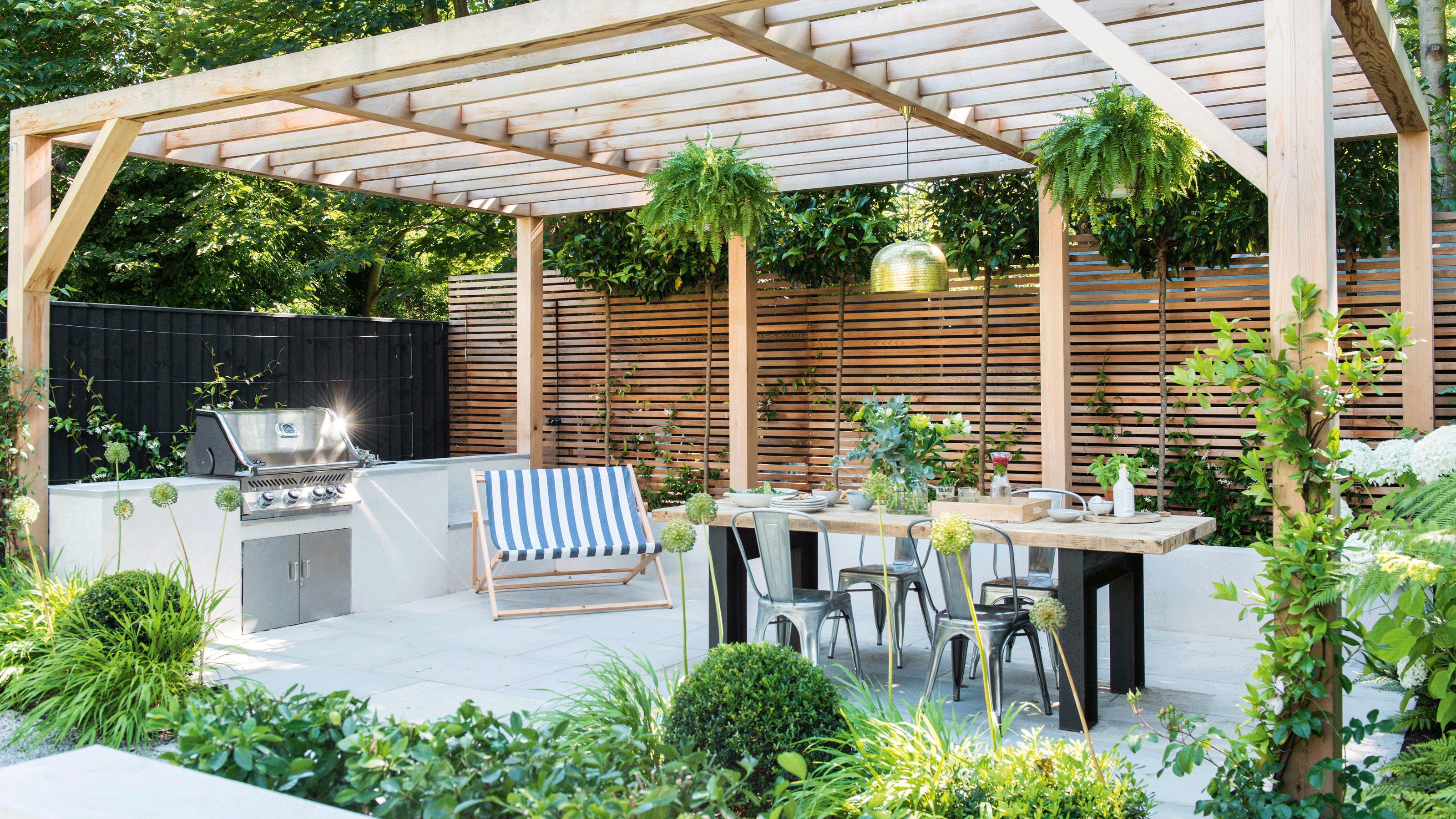
Pergola ideas - 14 gorgeous garden structures to add style and shade
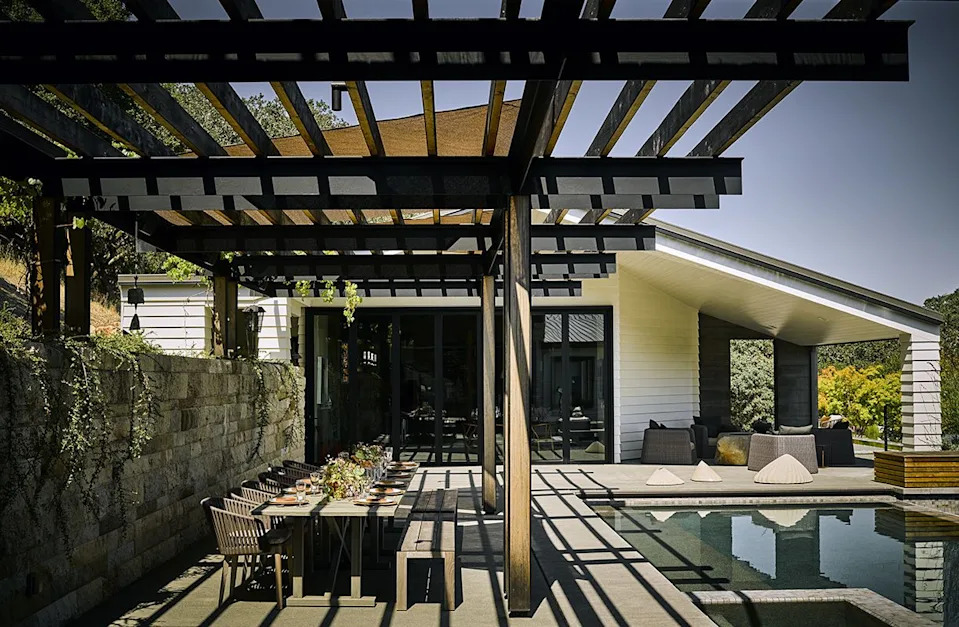
15 Pergola Ideas That'll Turn Any Outdoor Space Into a Majestic Escape
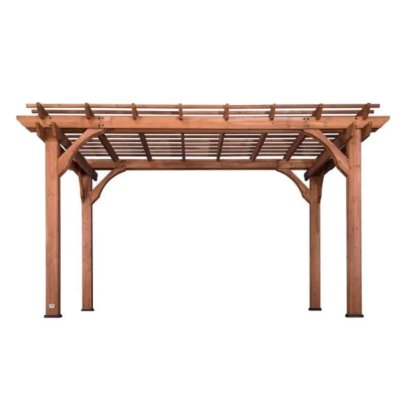
Pass Off Your DIY Skills As Those of a Pro With An Easy-To-Assemble Pergola Kit

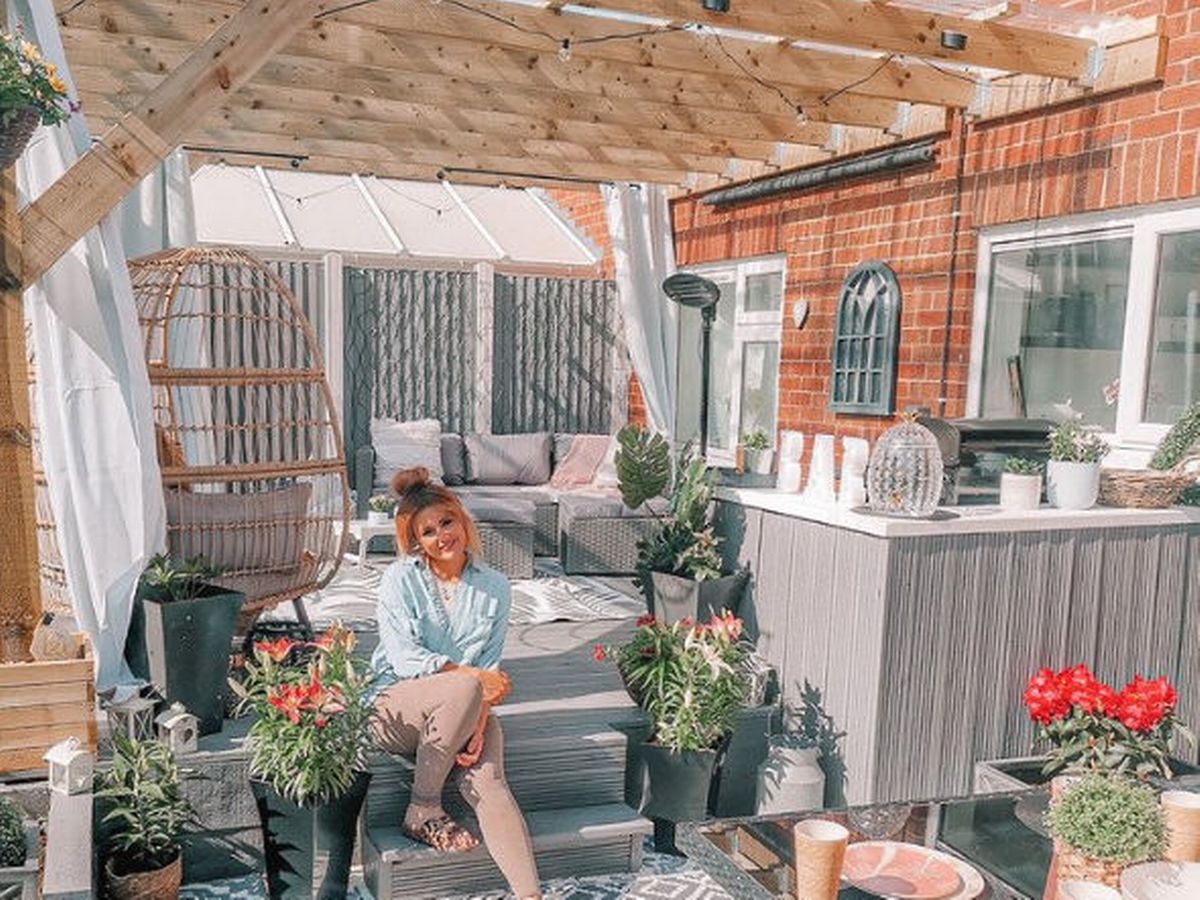
Couple turn 'awful' decking into stylish pergola using bargains from Dunelm, B&M, Aldi and Argos
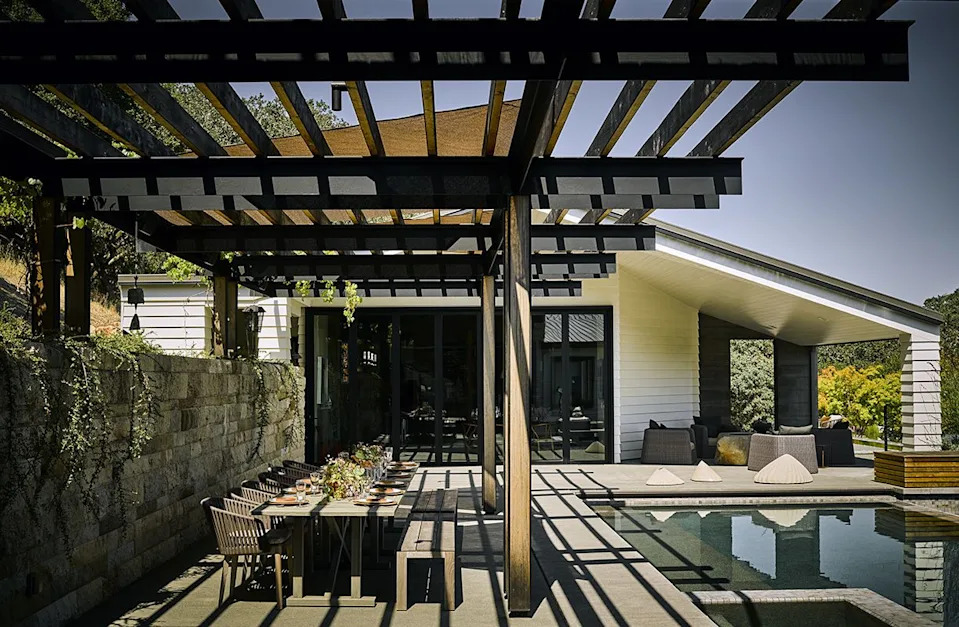
15 Pergola Ideas That'll Turn Any Outdoor Space Into a Majestic Escape

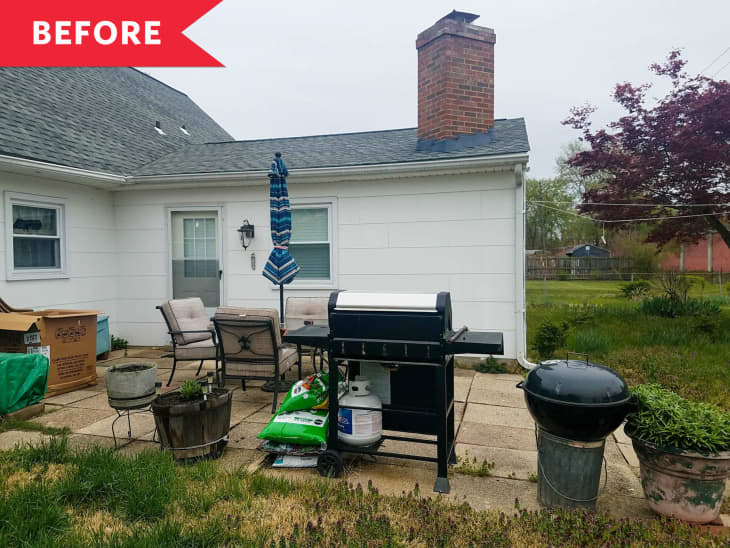
Before and After: A “Daunting” Patio Becomes a Peaceful, Pergola-Shaded Escape
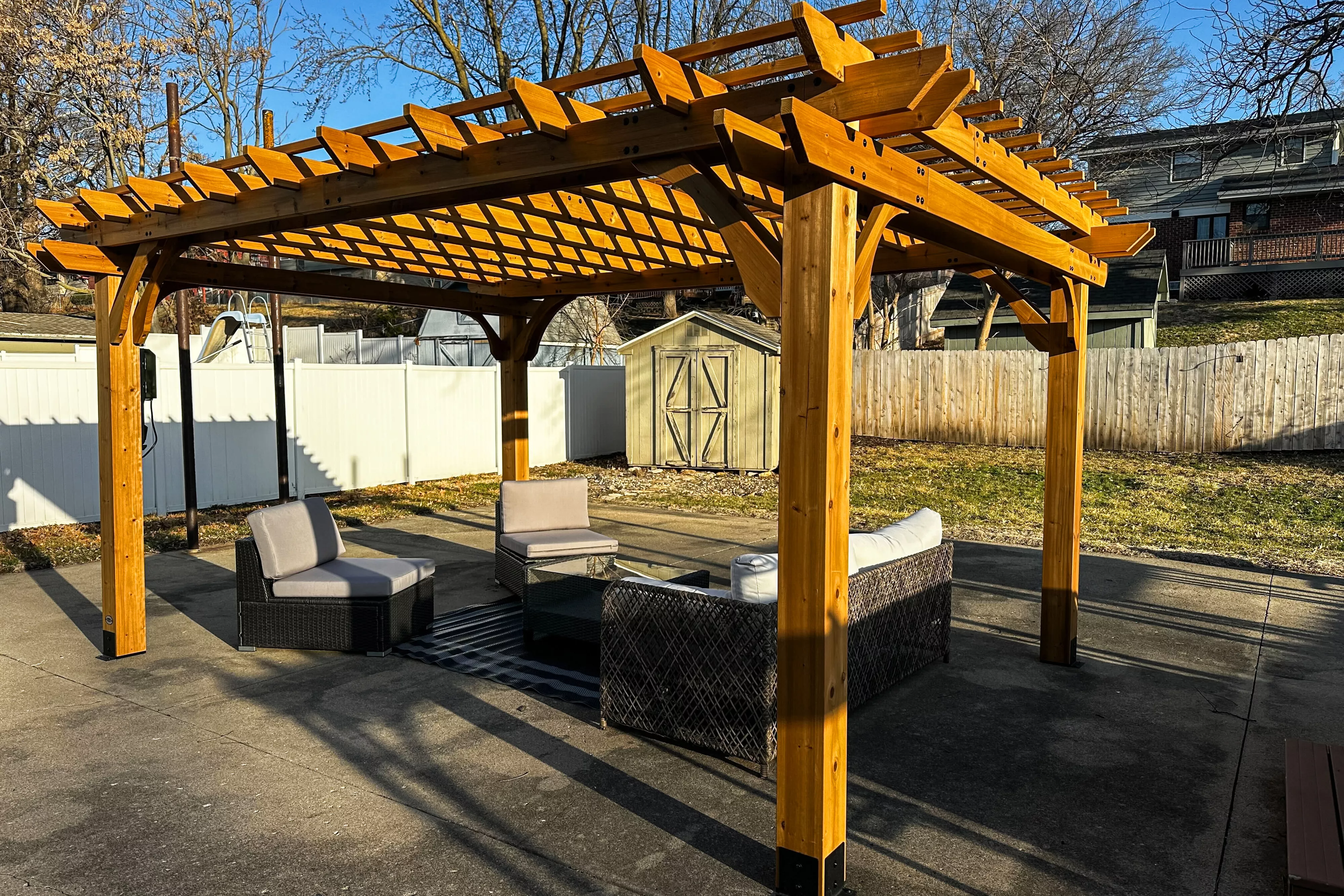
The 4 Best Pergola Kits, Tested by BHG

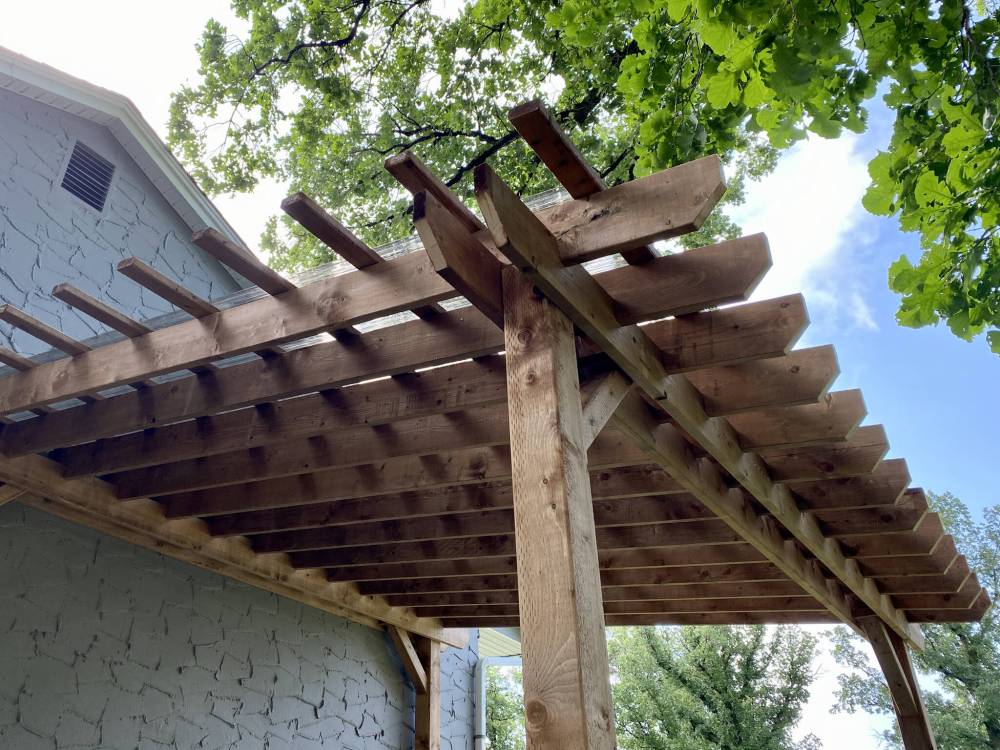
Nov 2022: The endless pergola summer

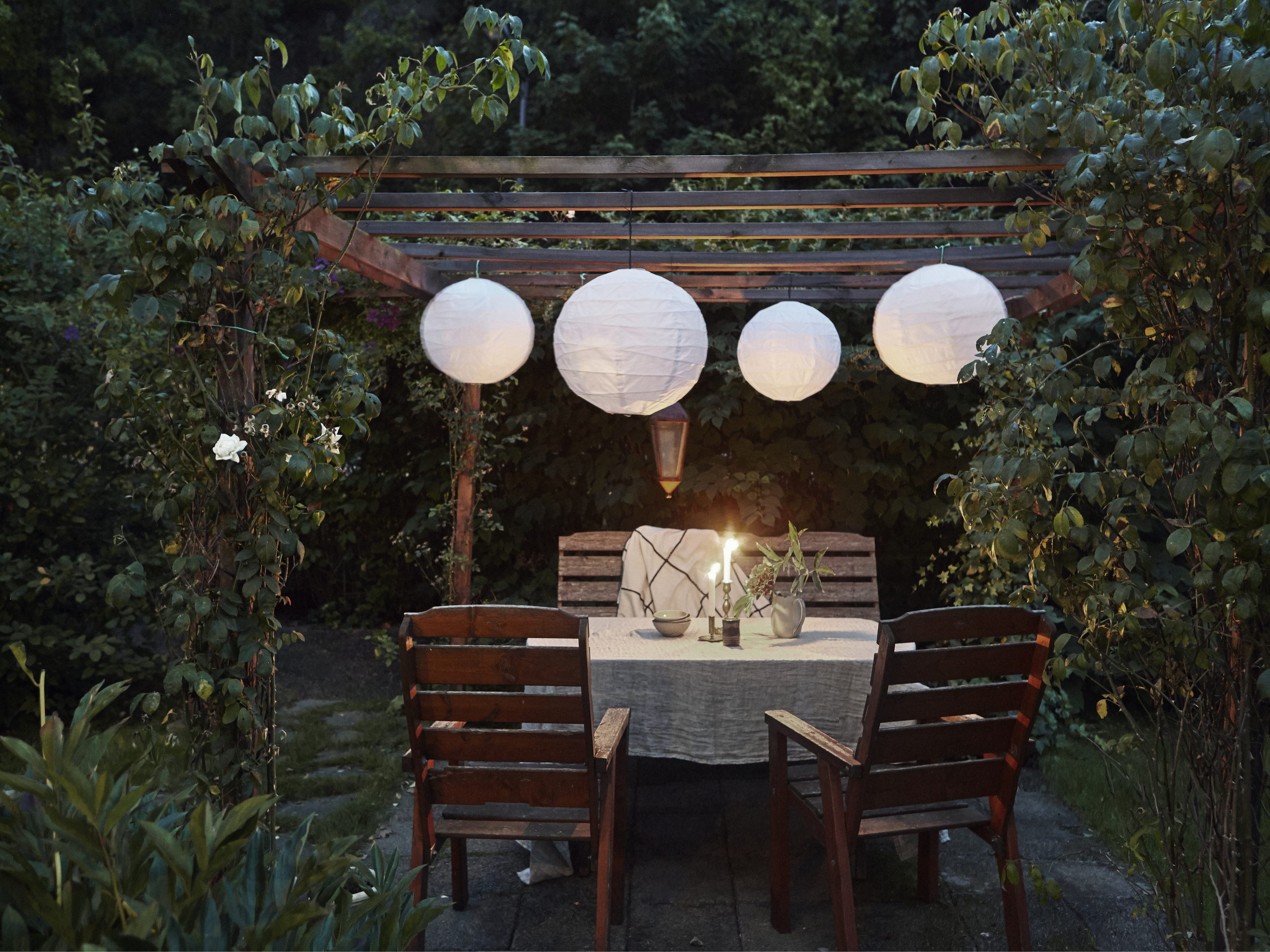
How do you build a pergola? Experts explains their methods so you can enjoy the best parts of open-air living
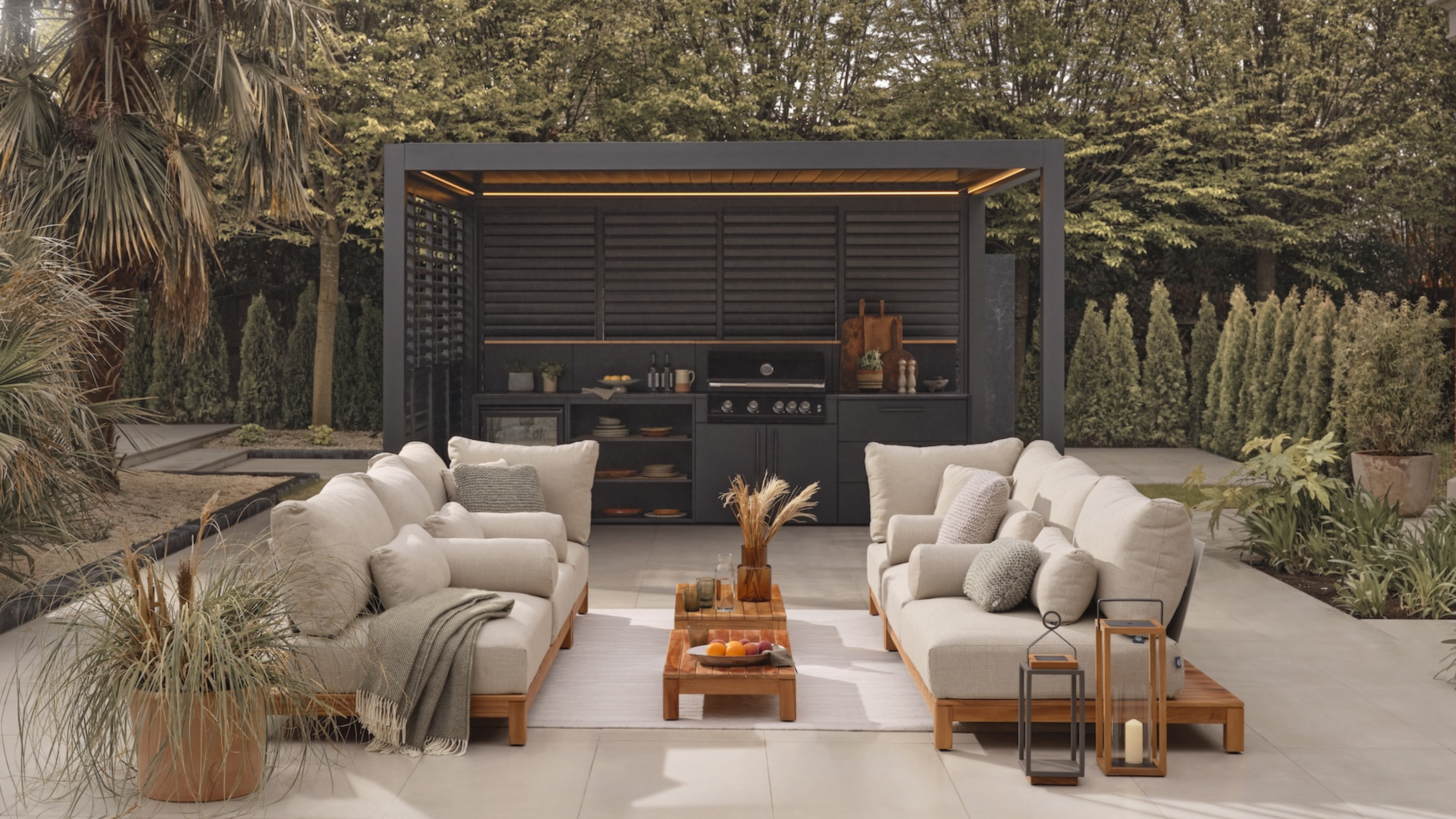
Is It Better to Buy or Build Your Own Pergola? Experts Discuss the Most Cost-Effective Way to Embrace Those Shady Summer Days
How to design an entertaining garden – expert ways to switch up your space

Don't Let Sunburn Stop You This Summer—These Pergola Kits Keep Things Made in the Shade