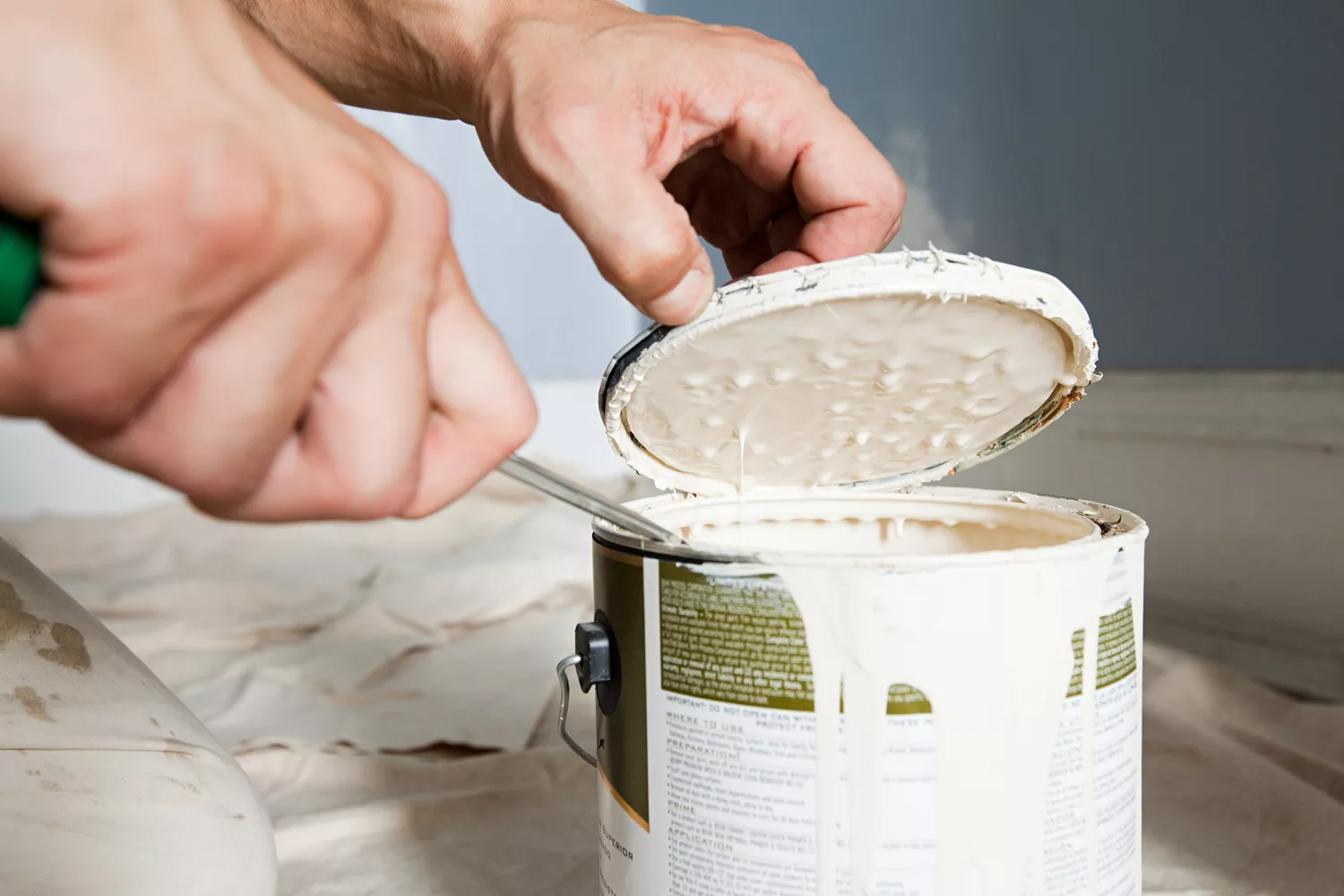
Is Your Can Of Paint Still Good? Here’s How To Tell According To Experts
While many household items seem to last indefinitely, paint, like spices or other consumables, does indeed have a shelf life. Understanding how long paint lasts, what factors influence its longevity, and how to properly store and dispose of it can save homeowners time and money, preventing ruined projects and ensuring optimal results. Paint's usability is not eternal; according to experts like C2 Paint President Tom Hill, paint can go bad, typically over several years, making it unusable.
The shelf life of paint is not uniform and depends on several key factors: the type of paint (oil-based or latex/water-based), whether the can has been opened or remains sealed, and the conditions under which it is stored. Unopened cans generally last longer than opened ones. For instance, unopened water-based paints, including acrylic and latex, can remain viable for up to 10 years when stored correctly, meaning they are kept away from extreme temperatures and have an intact seal. Oil-based paints boast an even longer shelf life, potentially lasting up to 15 years in an unopened state, attributed to their slow-drying nature and stable pigment.
Milk paint, often used for furniture and cabinetry, has a shorter lifespan. Premixed versions are usually recommended for use within a year, though unopened cans might last three to five years. If milk paint is mixed from powder or thinned with water, it should be discarded after use to prevent contamination. Once a can of paint has been opened, its shelf life significantly decreases to approximately two years. The amount of paint used from the can, which dictates the air space within, also plays a role; more air space can accelerate deterioration due to increased exposure to bacteria and oxygen. A poor seal on an opened can can cause paint to spoil within months.
Identifying expired paint is relatively straightforward. Key indicators include changes in consistency, color, and odor. Paint that appears lumpy, emits a sour smell, shows signs of mold, mildew, or rust, or has a thick, hardened skin under the lid is likely past its prime. Dennis Fiorilli, Director of Product Excellence at Sherwin-Williams, points out that a "cottage cheese-like consistency" indicates paint that has been previously frozen. As paint ages, it can also experience color shifts, reduced quality and coverage, diminished gloss, and altered viscosity and odor.
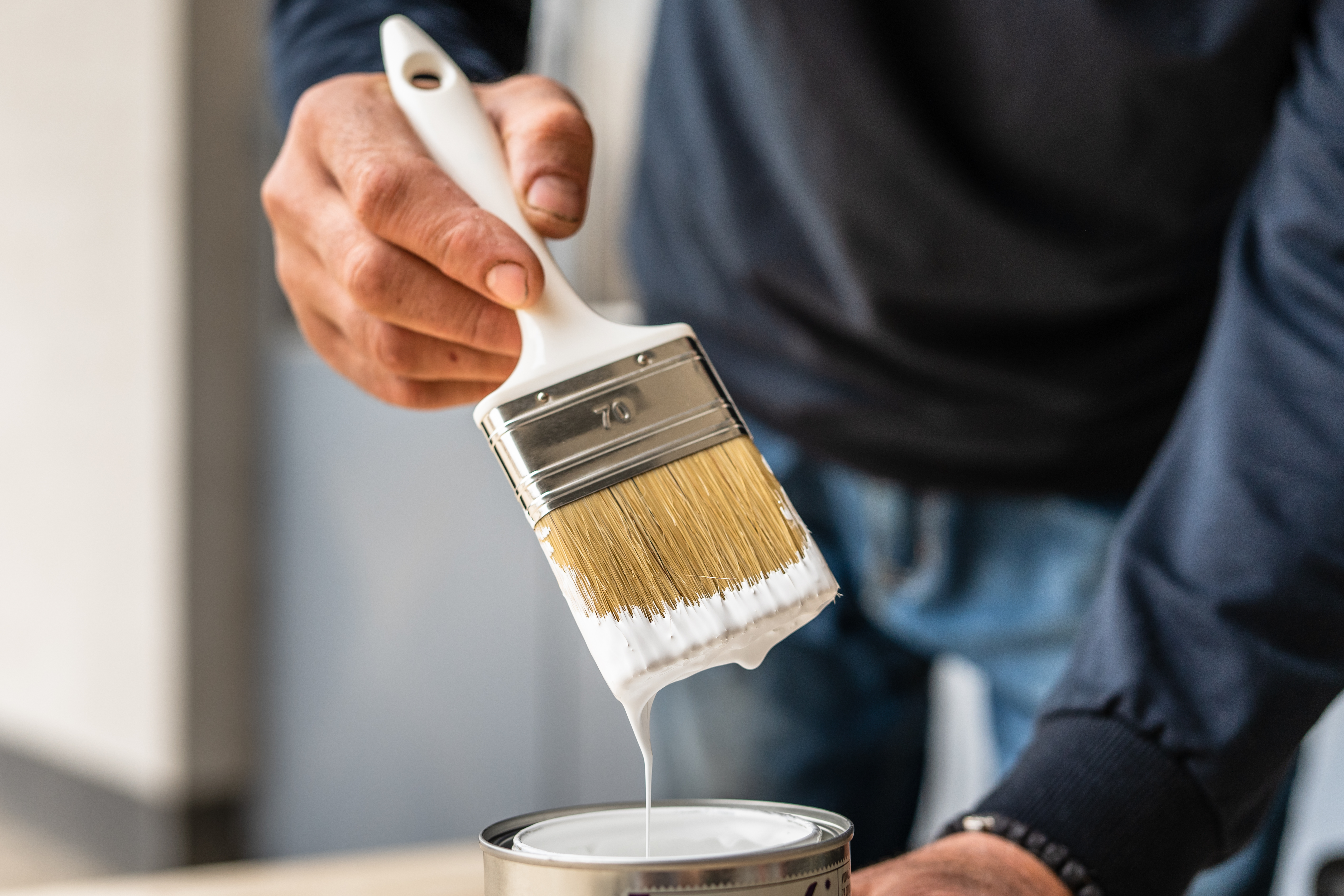
Proper storage is paramount to extending paint's life. This involves avoiding contamination and ensuring an airtight seal. Storing paint in a climate-controlled area, ideally between 60 and 80°F (15-27°C), is crucial, as major temperature fluctuations, especially freezing, can ruin it. Closets or basements are preferable to sheds or garages unless those spaces are temperature-regulated. Hill advises keeping paint in a cool, dry place, as hotter environments are more conducive to contamination. Additional storage practices include ensuring the lid is airtight, pouring paint into a separate container for use rather than dipping brushes directly into the original can, and thoroughly stirring the paint before reuse to counteract natural separation.
Disposing of expired or unwanted paint must be done responsibly to prevent environmental pollution. Dried latex paint can typically be thrown away with regular trash. However, oil-based paints are classified as hazardous waste and require disposal at a designated waste collection facility. Local recycling centers can provide further guidance and options for disposal or donation. Organizations like Habitat for Humanity may accept good, unused paint, offering a charitable alternative to disposal.
#PaintExpiration #PaintStorage #HomeImprovement #DIYPainting #PaintDisposal #HomeMaintenance #InteriorDesign #PaintTypes #PaintExpiration #PaintStorage #HomeImprovement #DIYPainting #PaintDisposal #HomeMaintenance #InteriorDesign #PaintTypes
कुल 0 टिप्पणियाँ
 कोई टिप्पणी नहीं
आपको यह भी पसंद आ सकता है
How to prolong the life of your paint job, according to painters and decorators

5 Designers Weigh In on the Best Brands of Paint for Kitchen Cabinets

10 Best Paints for Cabinets in 2025, Tested by Experts

When Should You Use Oil-Based vs. Water-Based Paint?

Understanding paint finishes

5 Designers Weigh In on the Best Brands of Paint for Kitchen Cabinets

Paint tips from a pro!

I’m a paint expert - the £1.25 buy pros swear by for a flawless finish on walls


These Master Tips Will Help You Avoid Choosing The Wrong Type Of Paint
Story from Arizona Painting Company: Avoid these 6 common mistakes when storing leftover paint
The best washable paint

Tip: Leave the Finish Alone
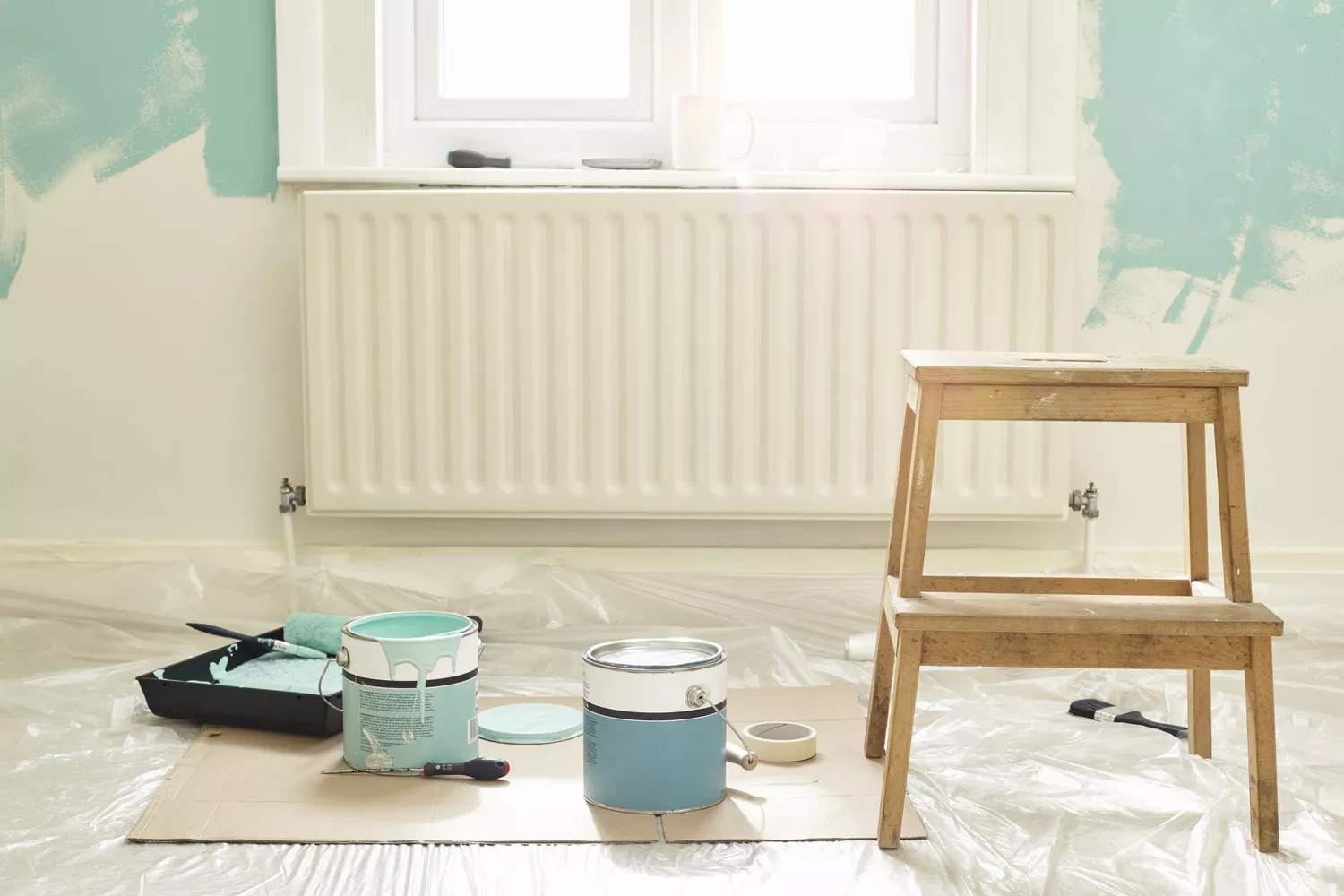
How Long Wall Paint Lasts—and How to Know If Yours Has Gone Bad, According to Painting Pros

6 Best Exterior Paints for Your Home, According to Experts
The Best Exterior Paints for Every Outdoor Surface


Paint finishes – a guide for every room
Paint finishes explained – an expert guide to choosing the perfect type of paint for your projects

5 Timeless Paint Colors That Will NEVER Go Out of Style, According to Designers

The Best Interior Paints, According to Expert Testing
Story from Arizona Painting Company: Making sense of labels: Tips for picking a quality paint for your home