1/5
I asked 6 interior designers what every stylish hallway needs, and these 4 things kept coming up
Hallways often receive insufficient attention during home decoration, despite being the first impression guests have of a home. Interior designers emphasize the importance of treating hallways as integral parts of the living space rather than mere transitional zones. By focusing on specific design elements, homeowners can transform their hallways into memorable and impactful areas.
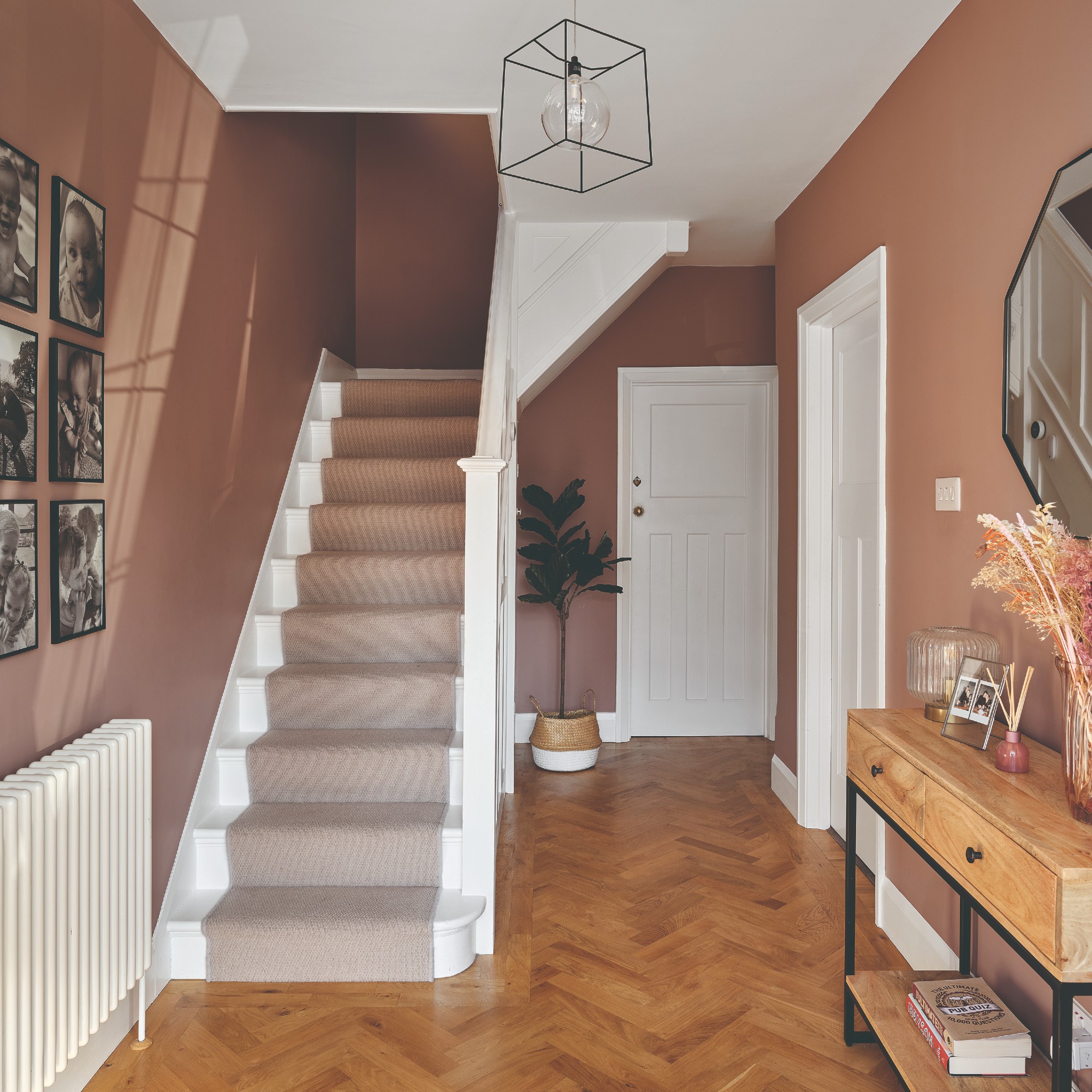
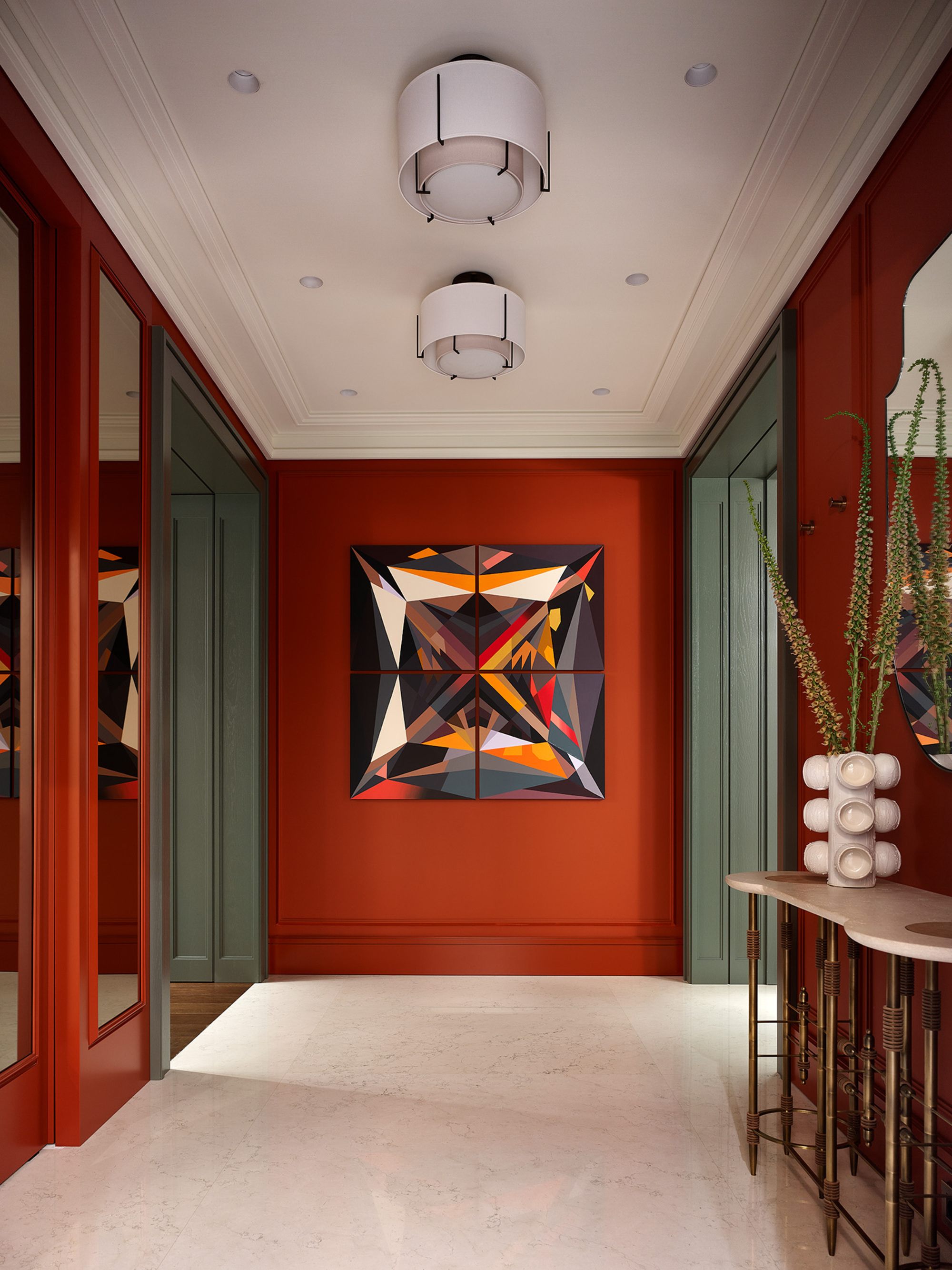
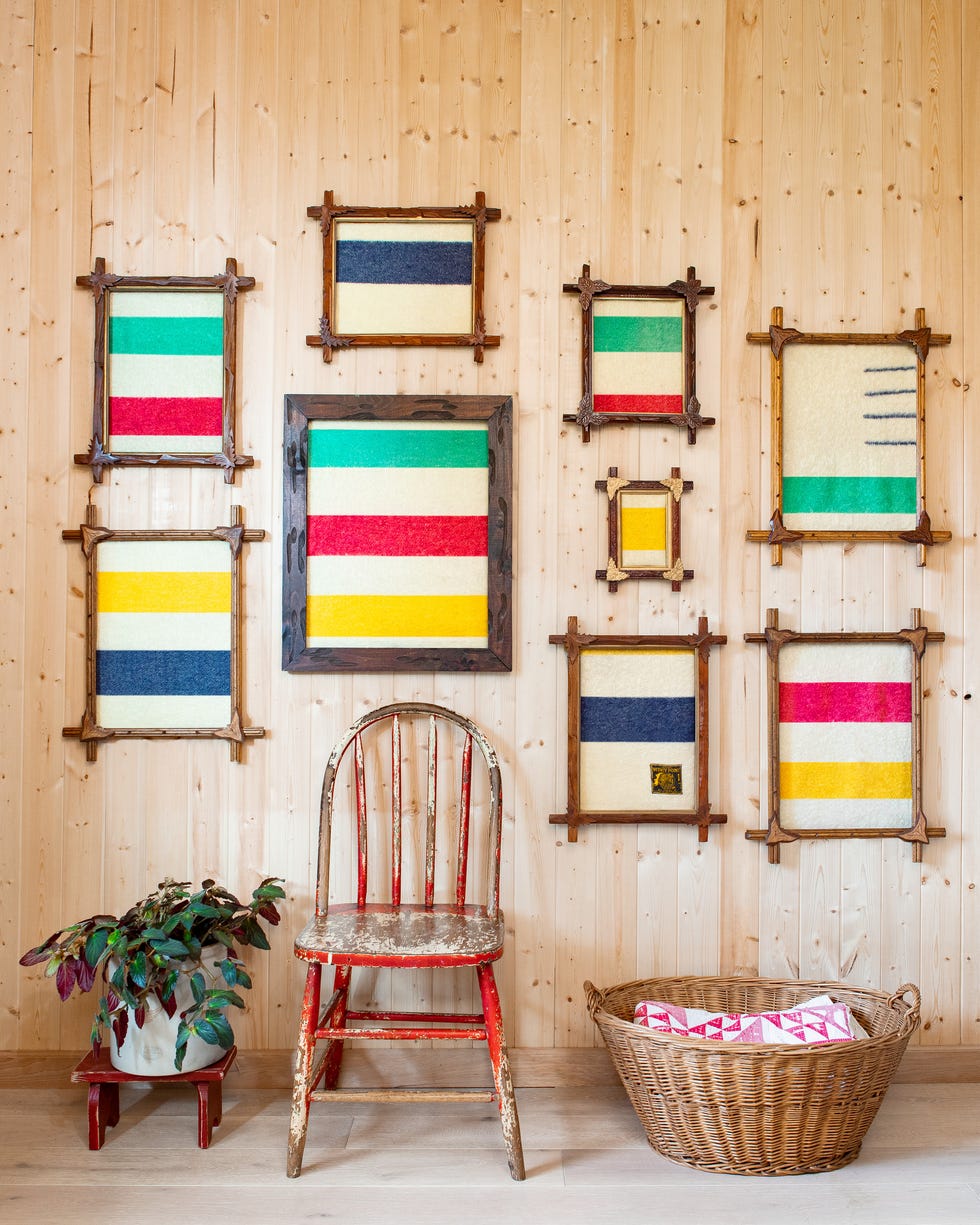
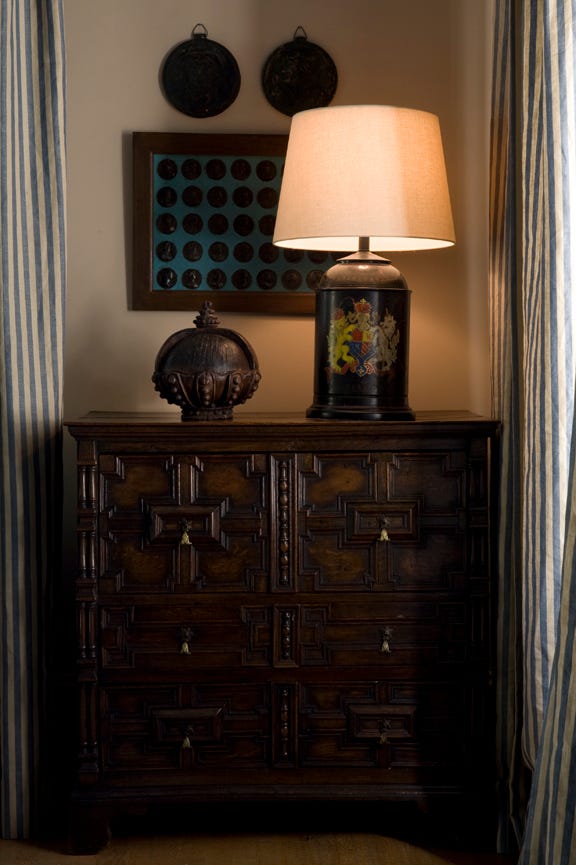
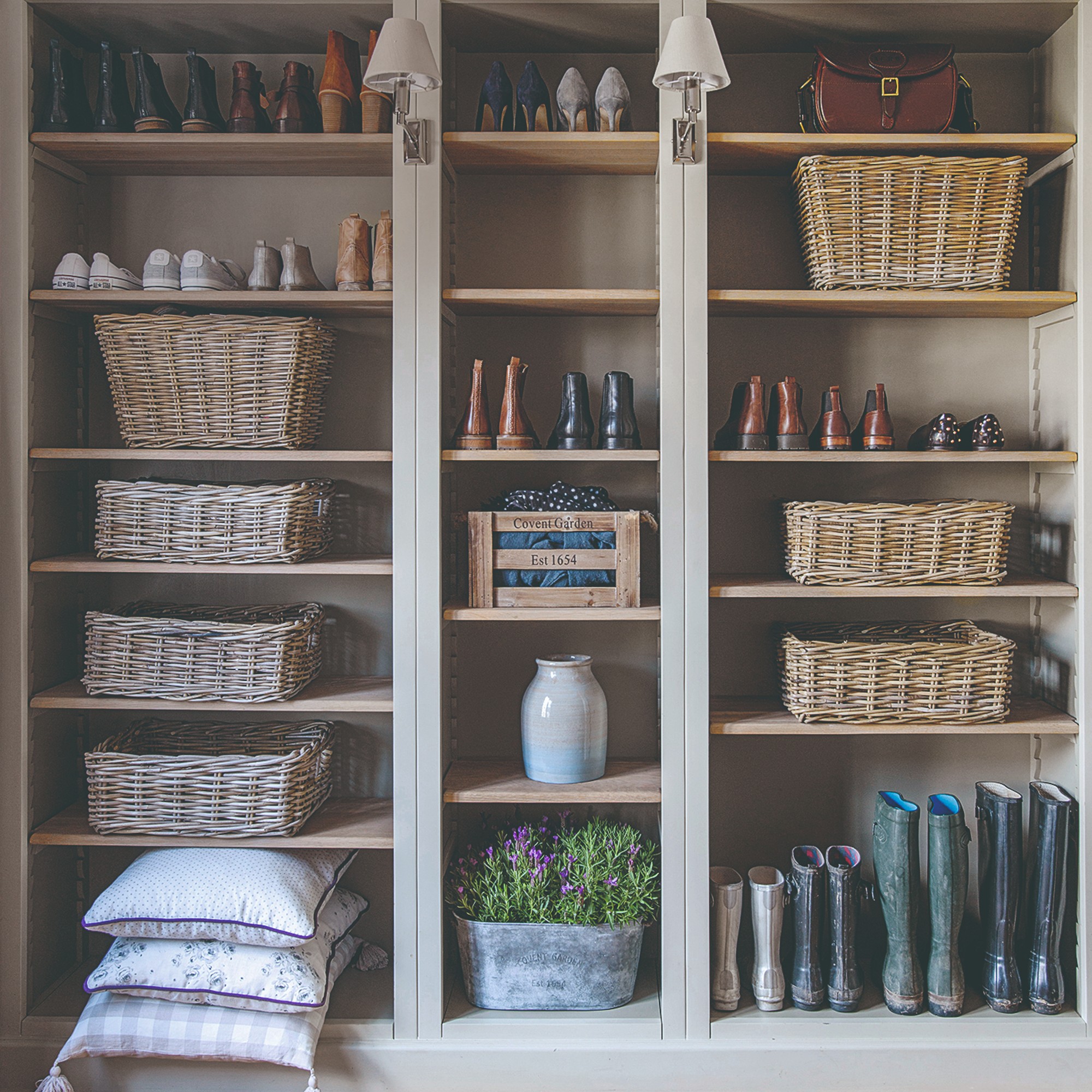
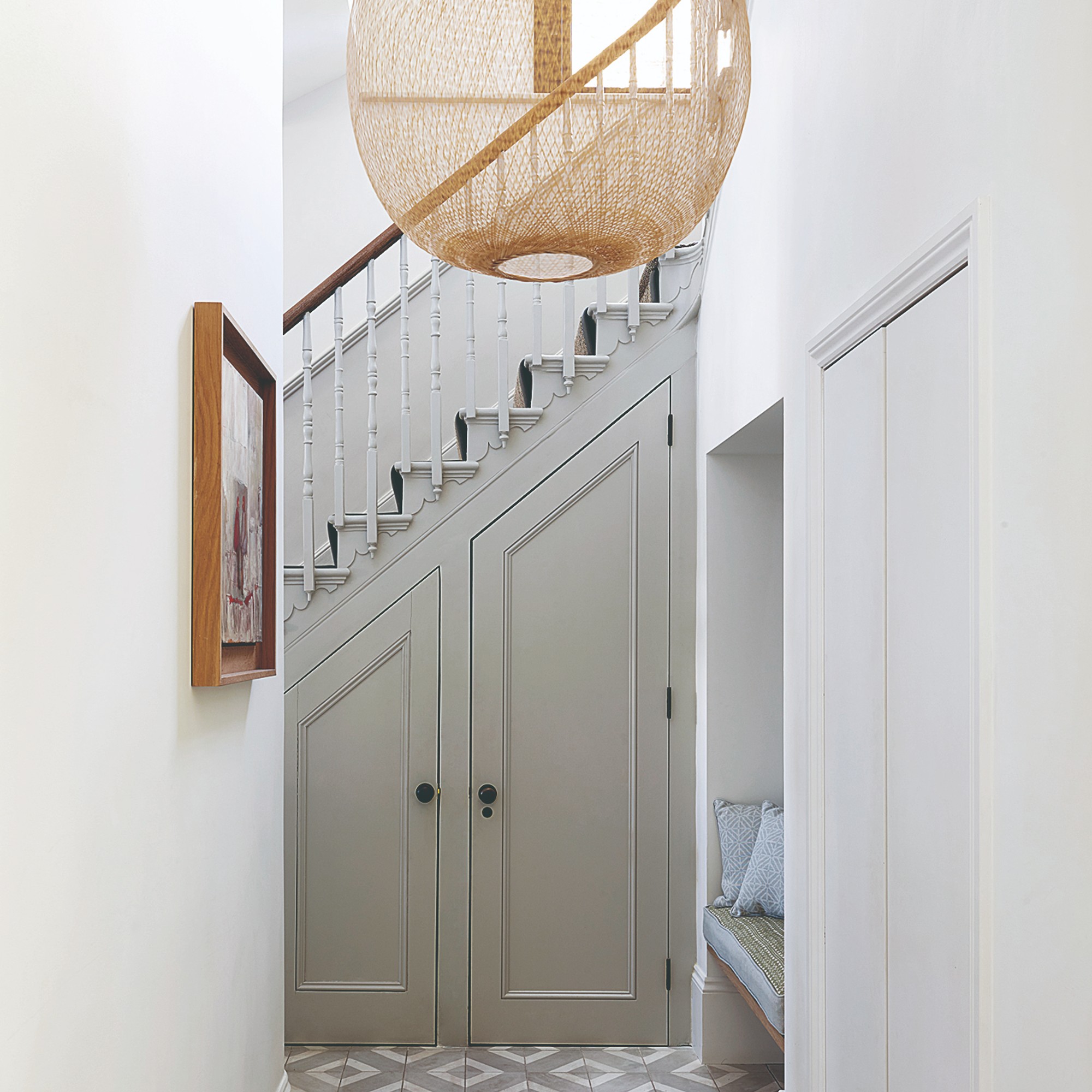
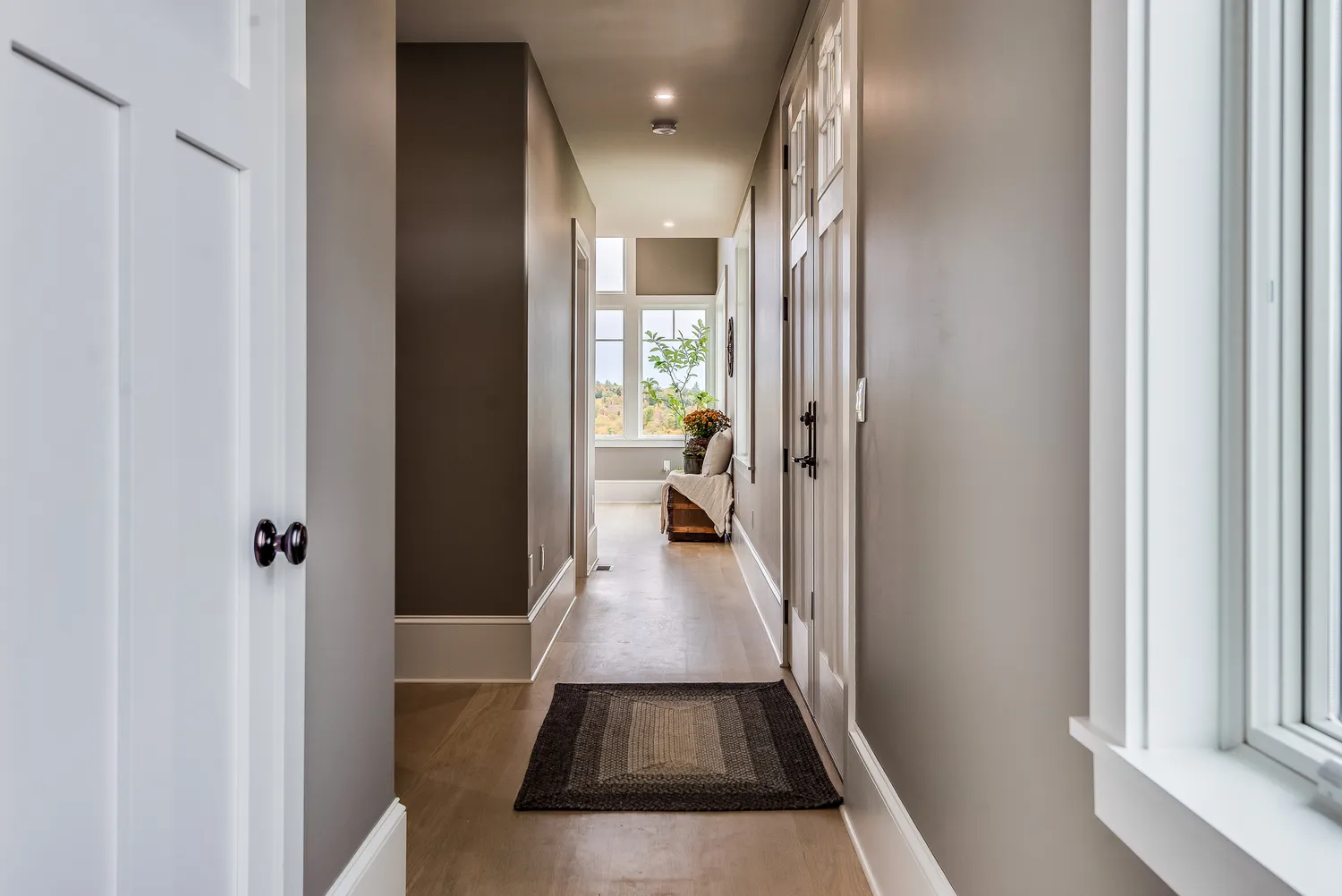
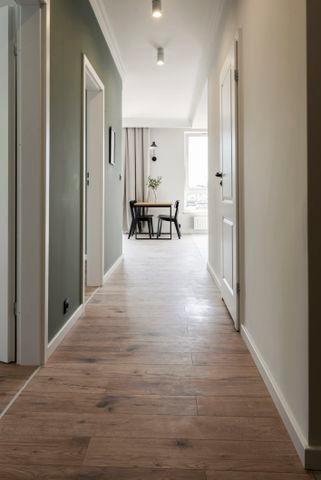
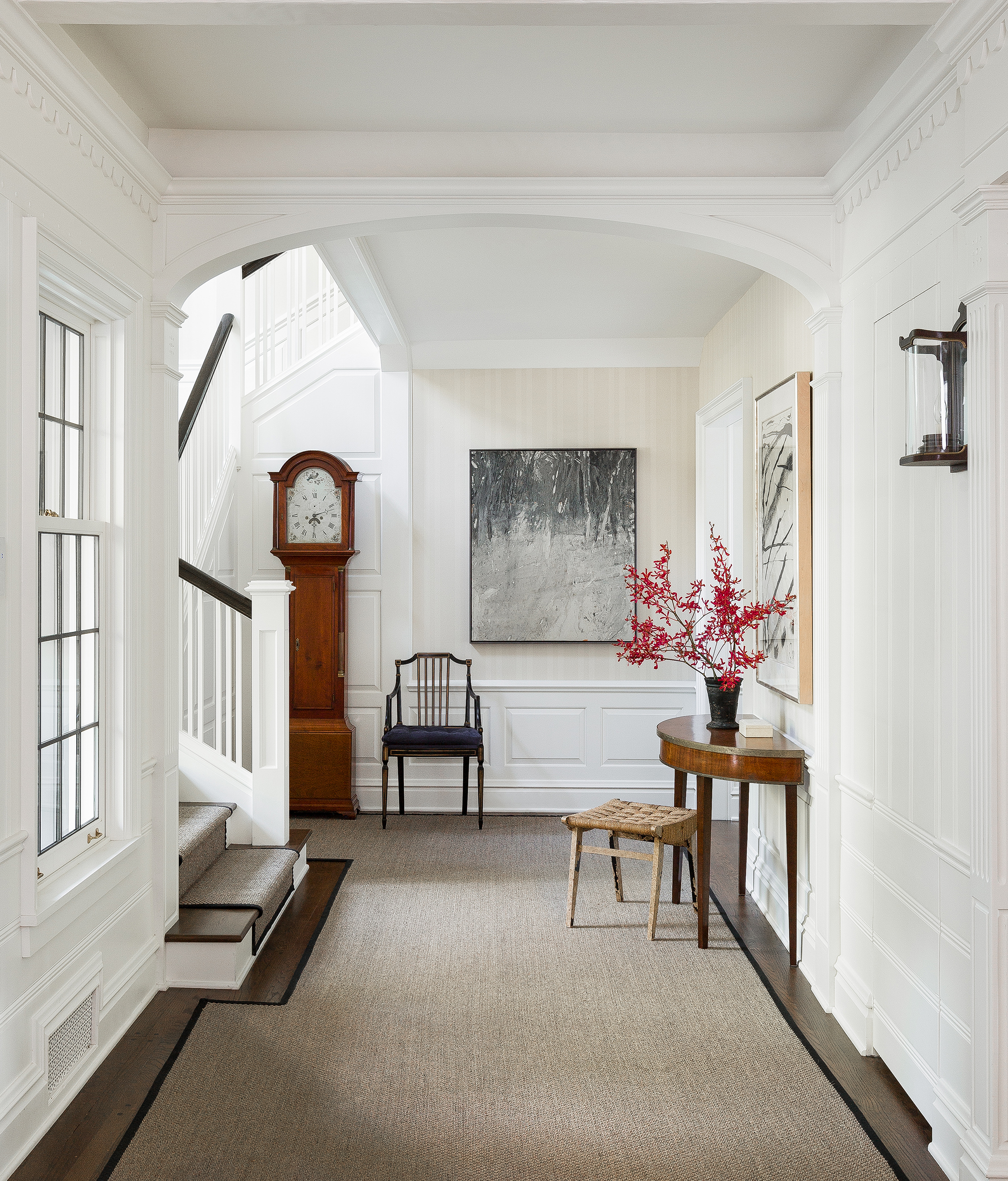
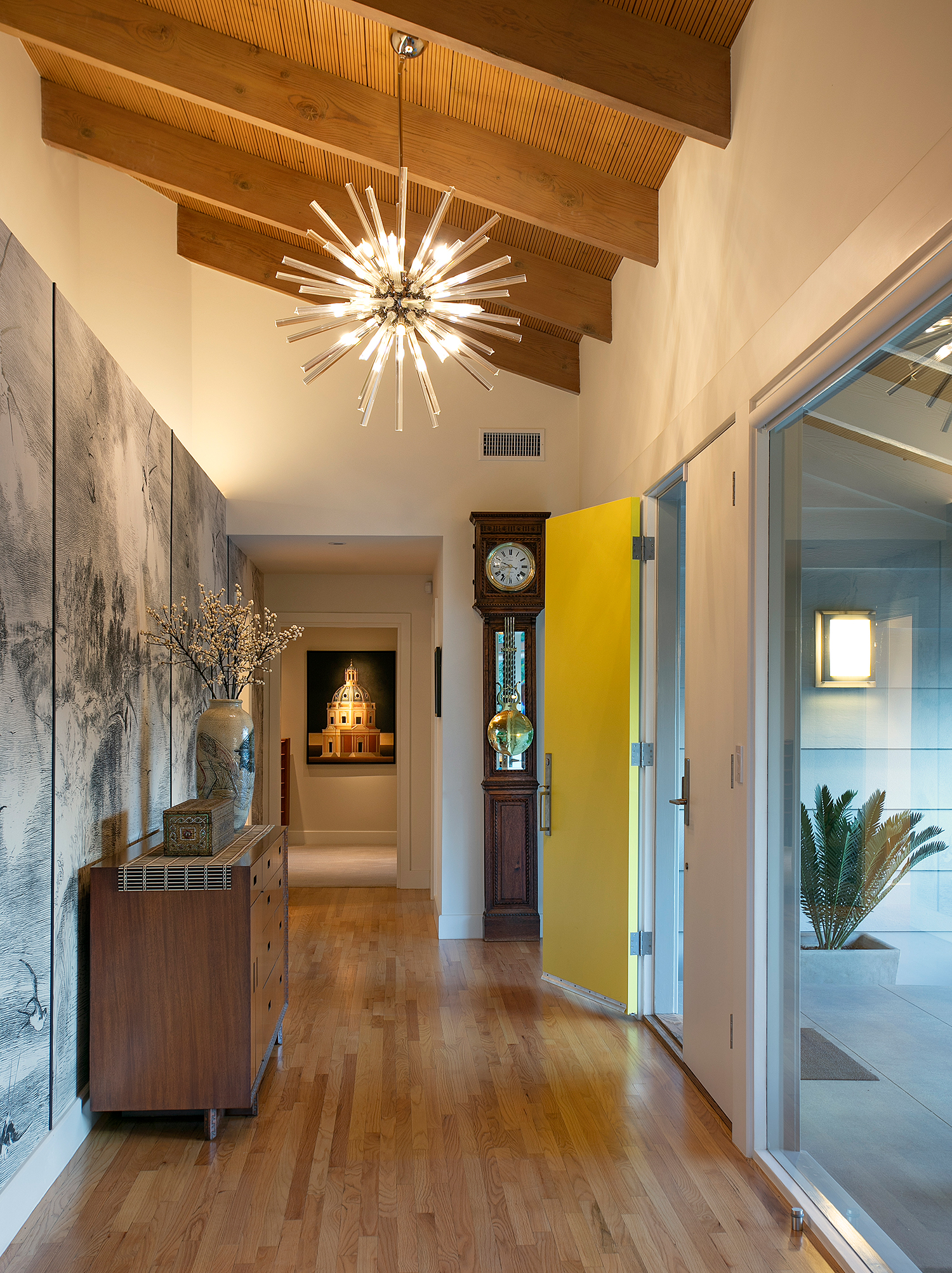
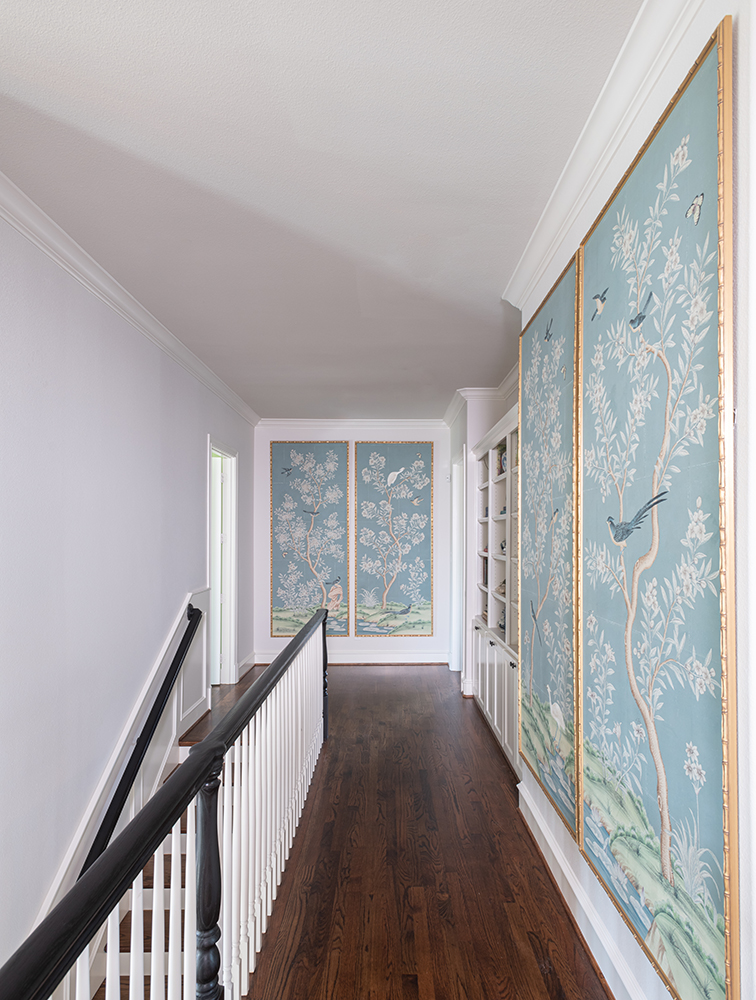
One crucial element is repetition. Hallways, typically being small and narrow, benefit significantly from consistent design choices. Implementing repetition in elements like lighting, such as multiple wall sconces or a series of flush mounts, creates a visual rhythm that guides the eye. Similarly, a gallery wall featuring identical frames or a series of harmoniously flowing art pieces provides structure and intention. The key is restraint; mixing too many styles can lead to visual clutter in an already confined space. Maintaining consistency in finish, scale, or style ensures a cohesive flow, making the hallway feel thoughtfully designed rather than neglected.
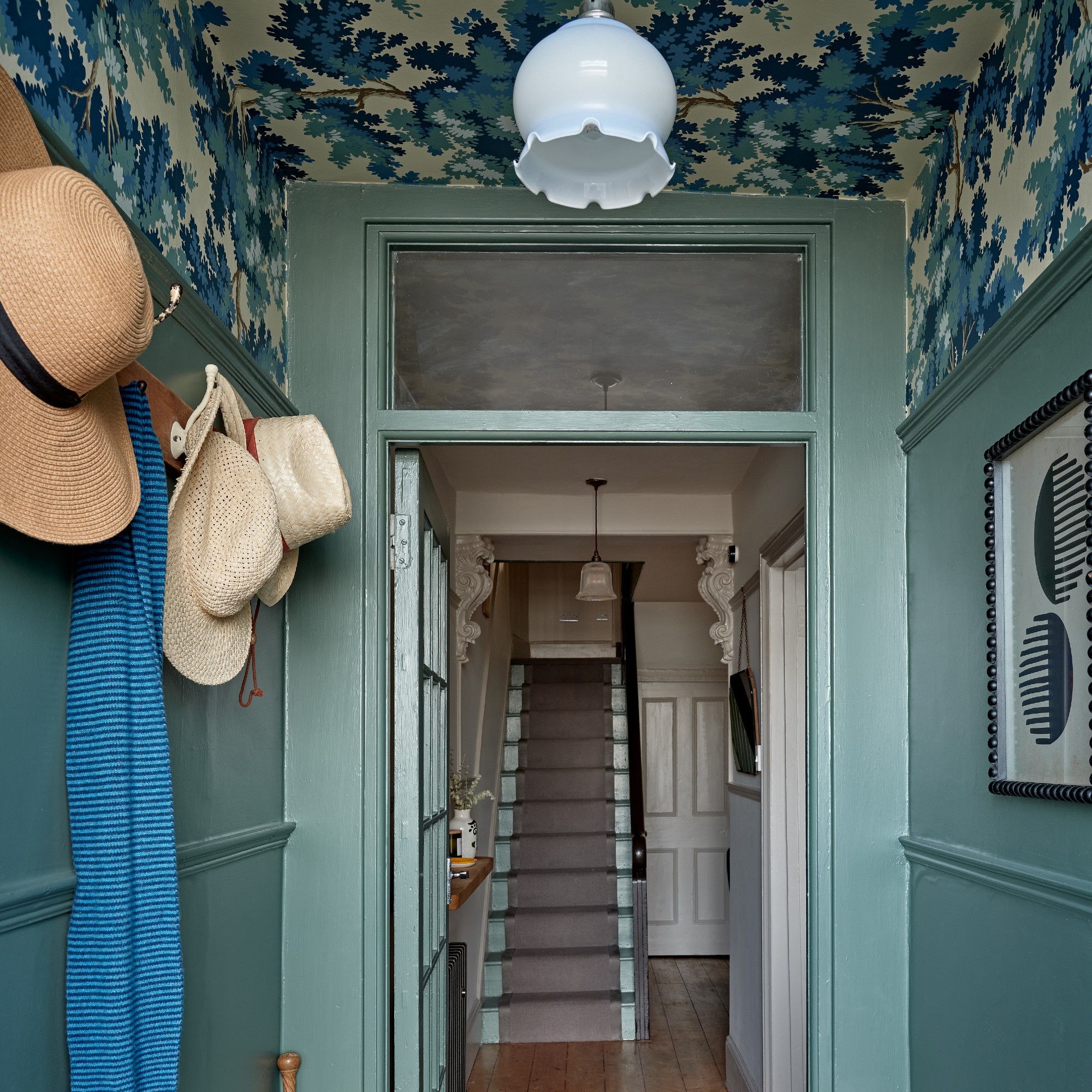
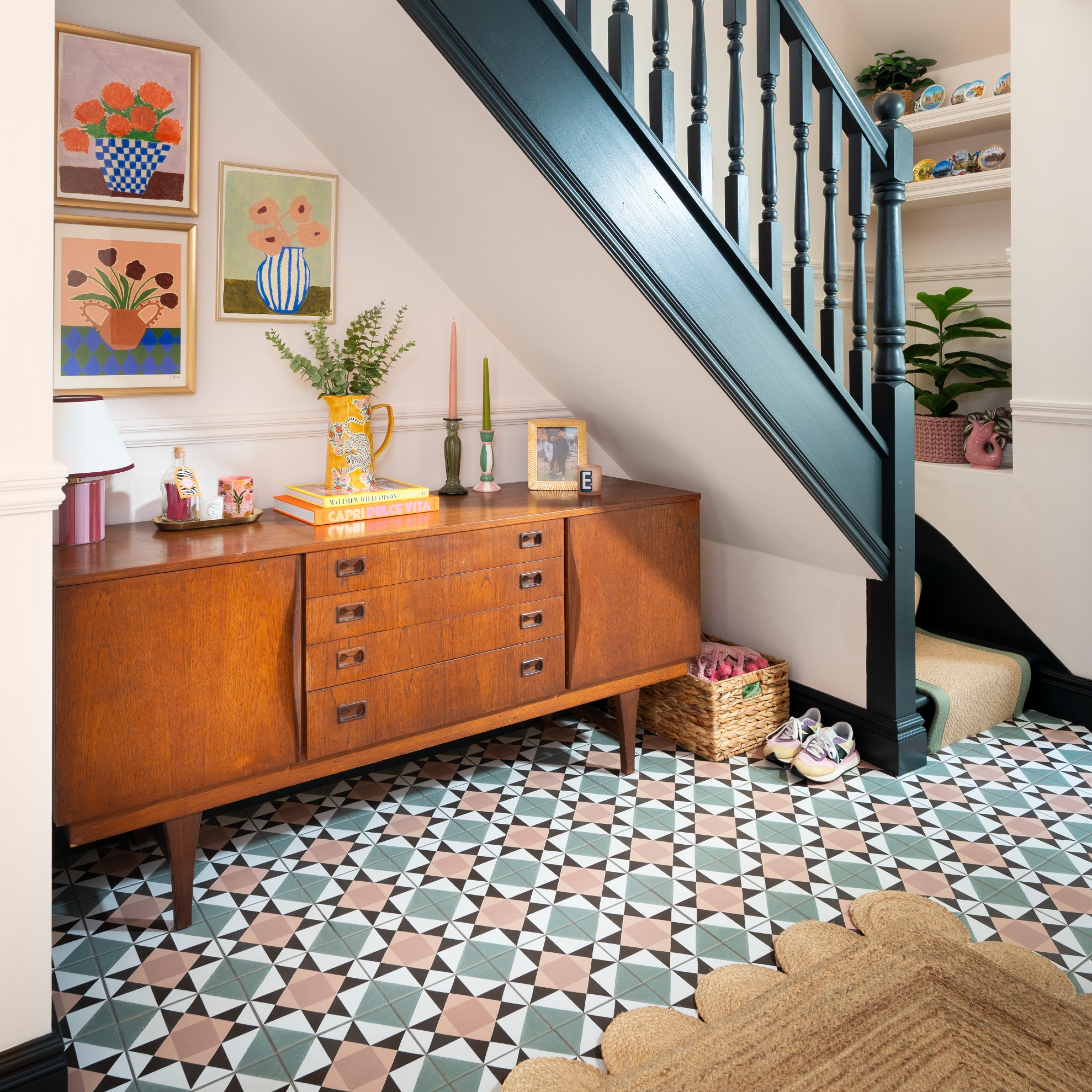
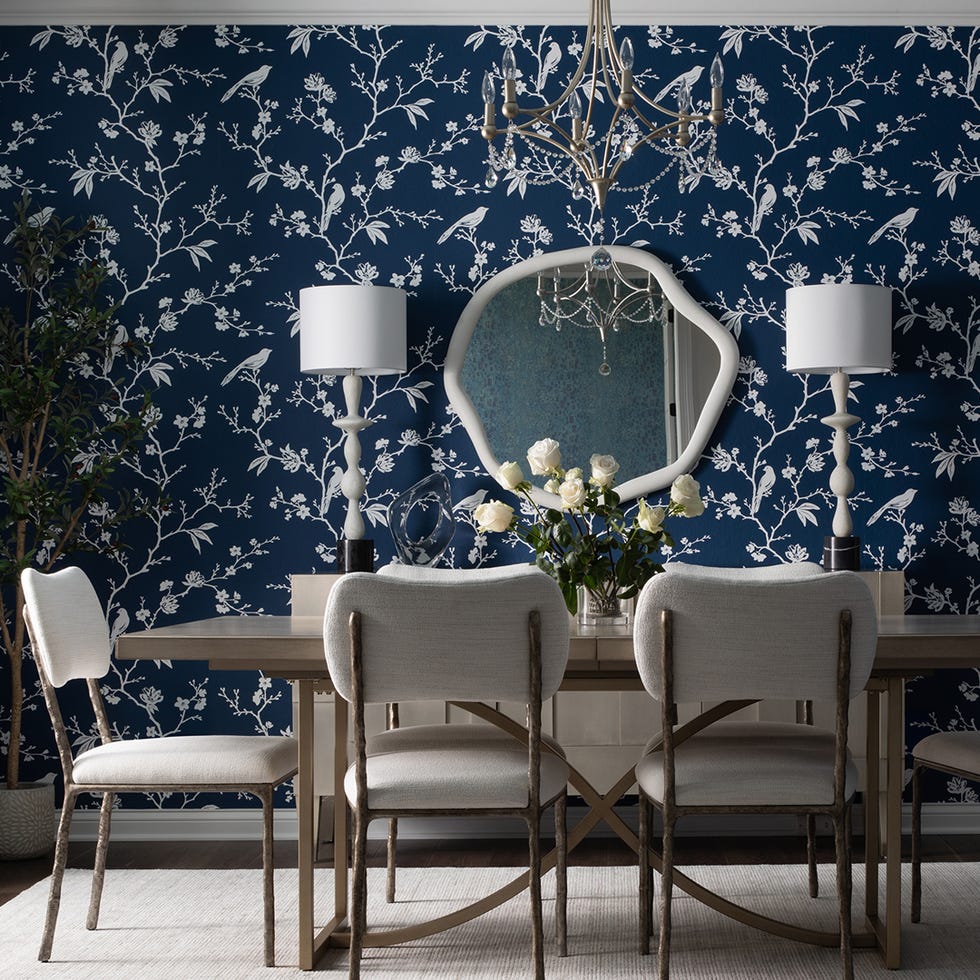
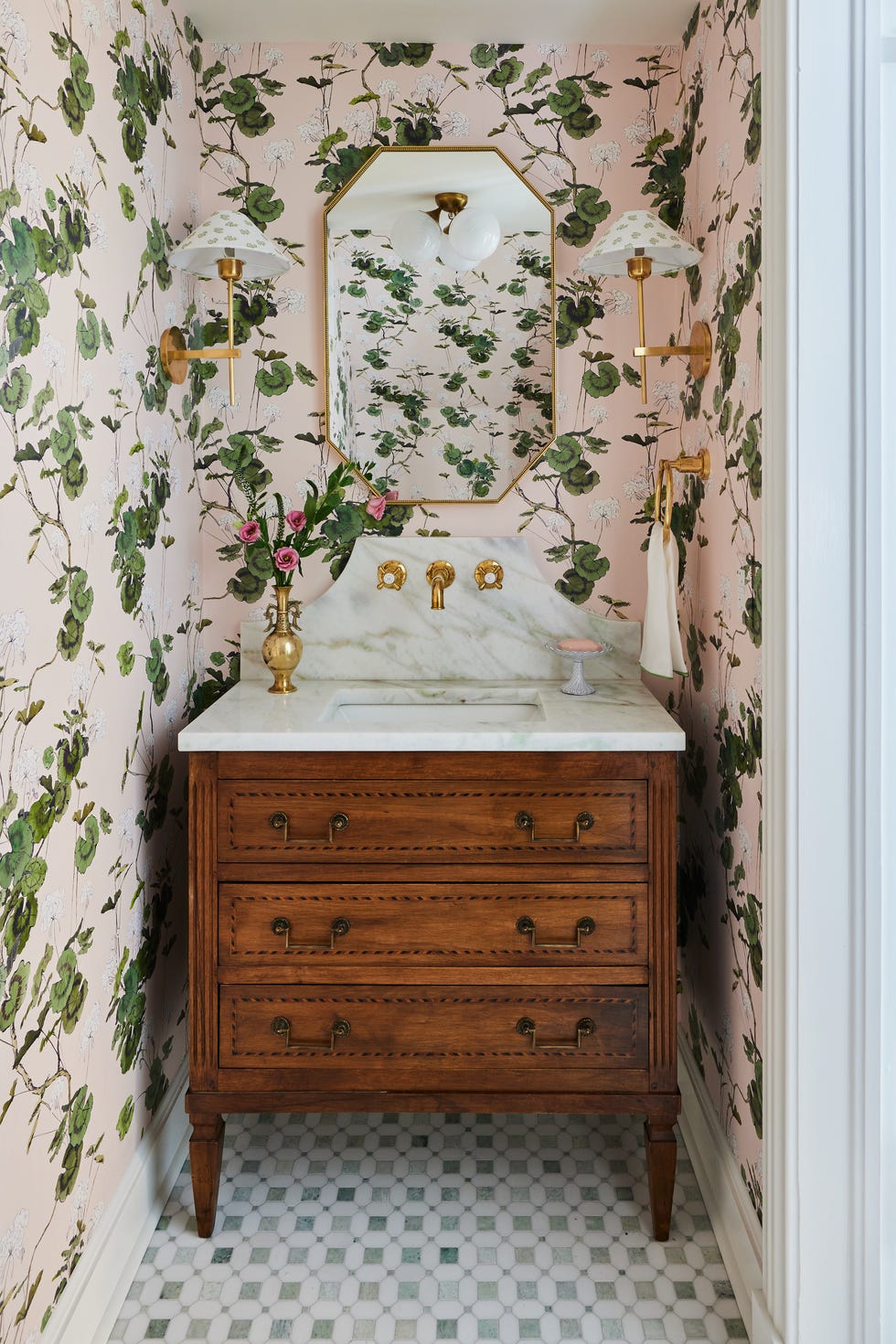
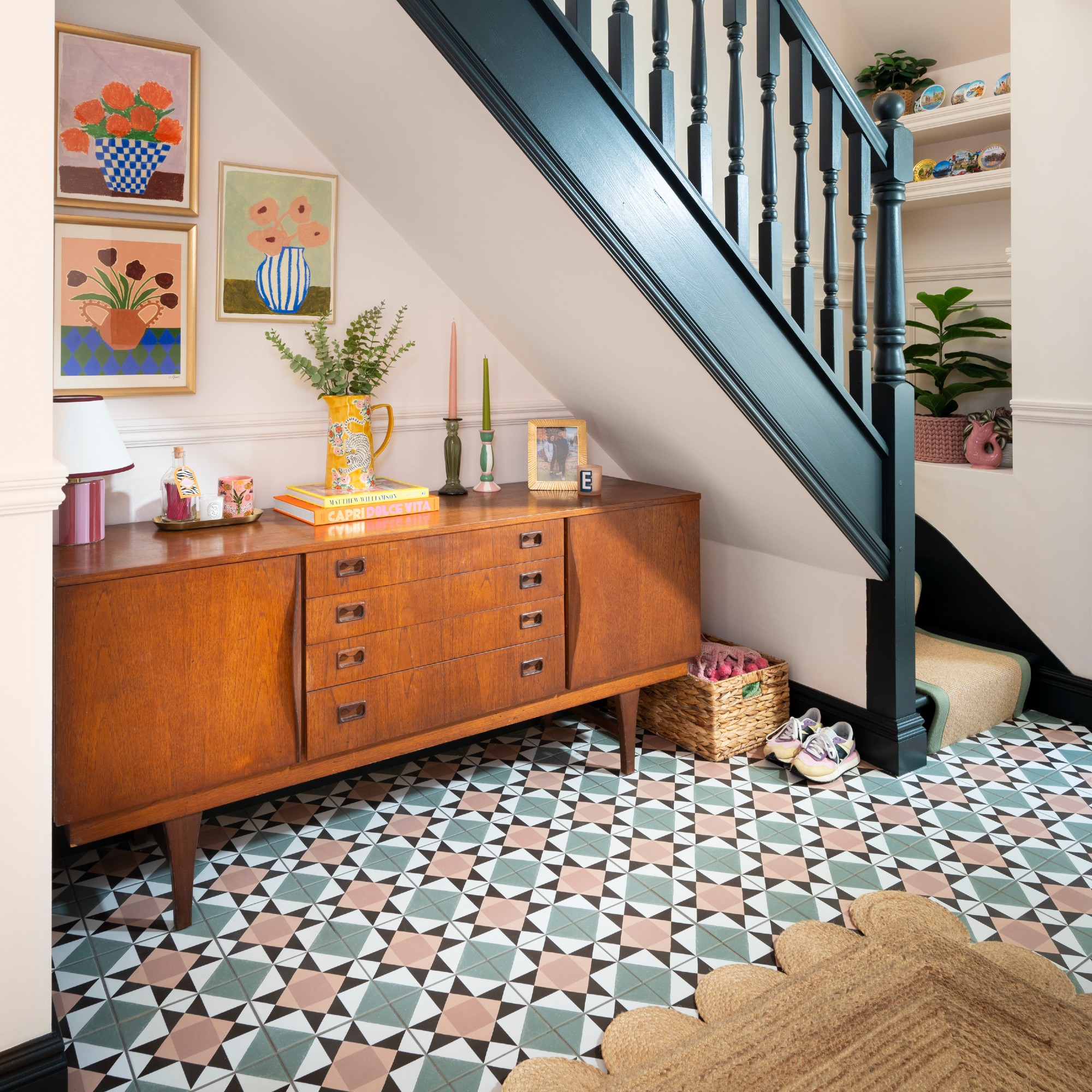
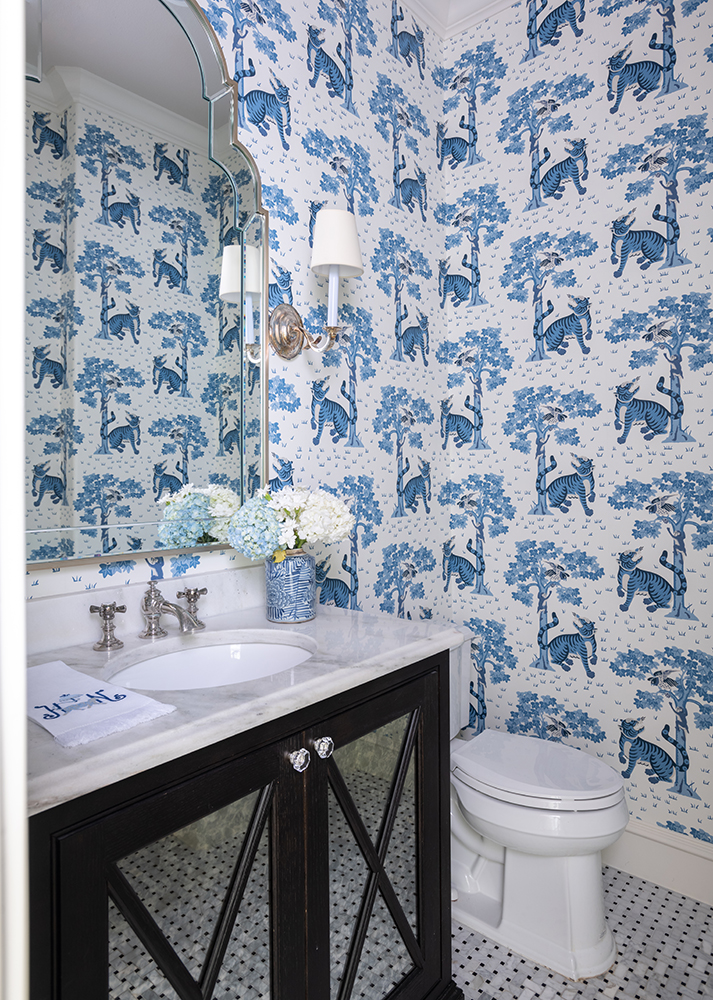
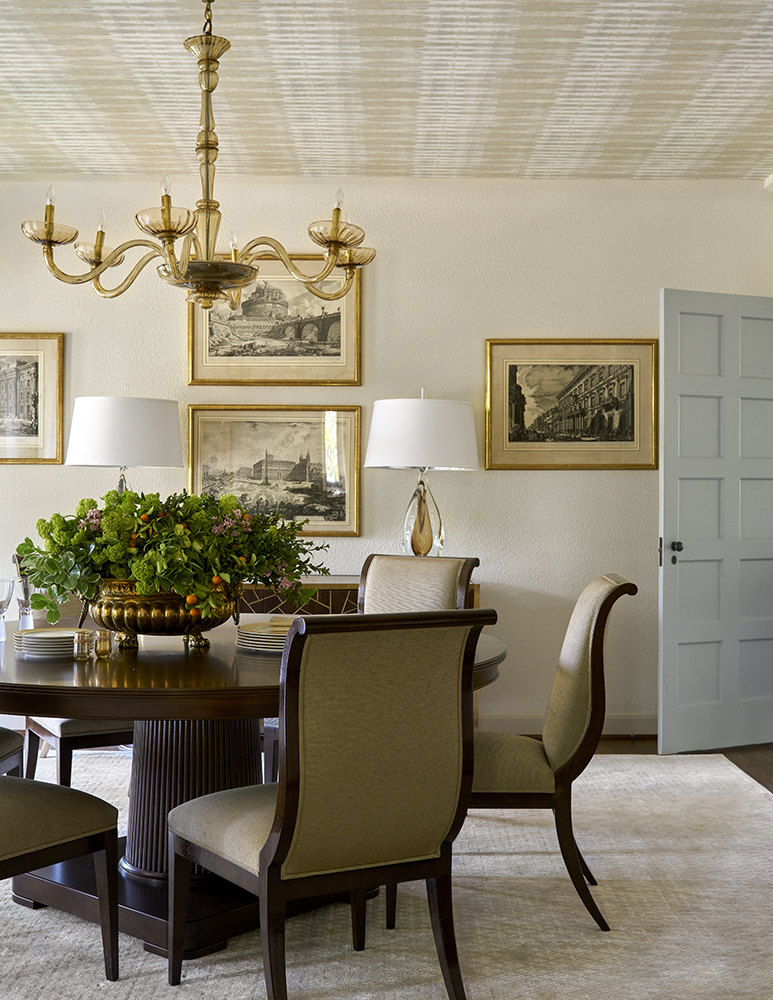
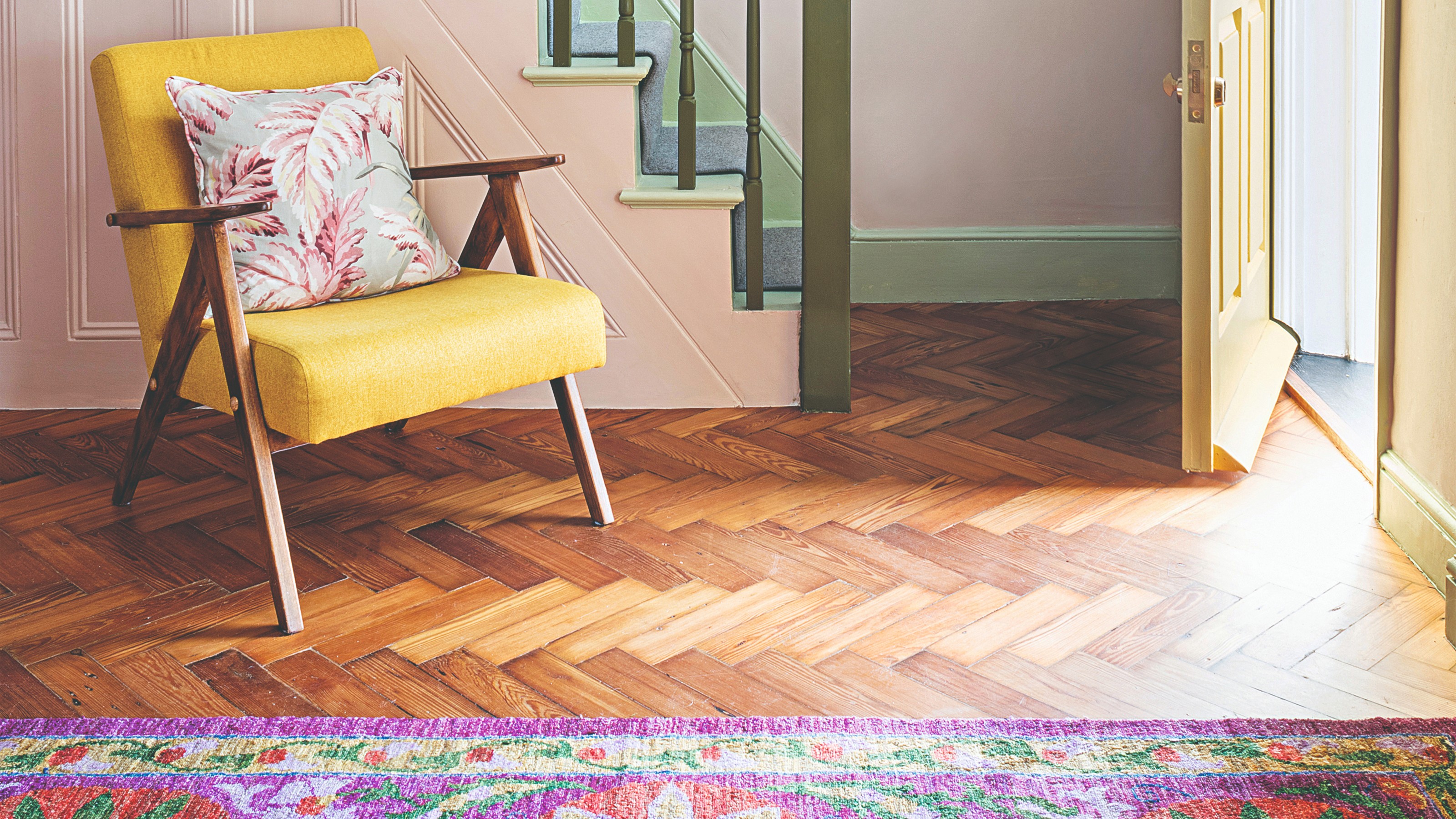
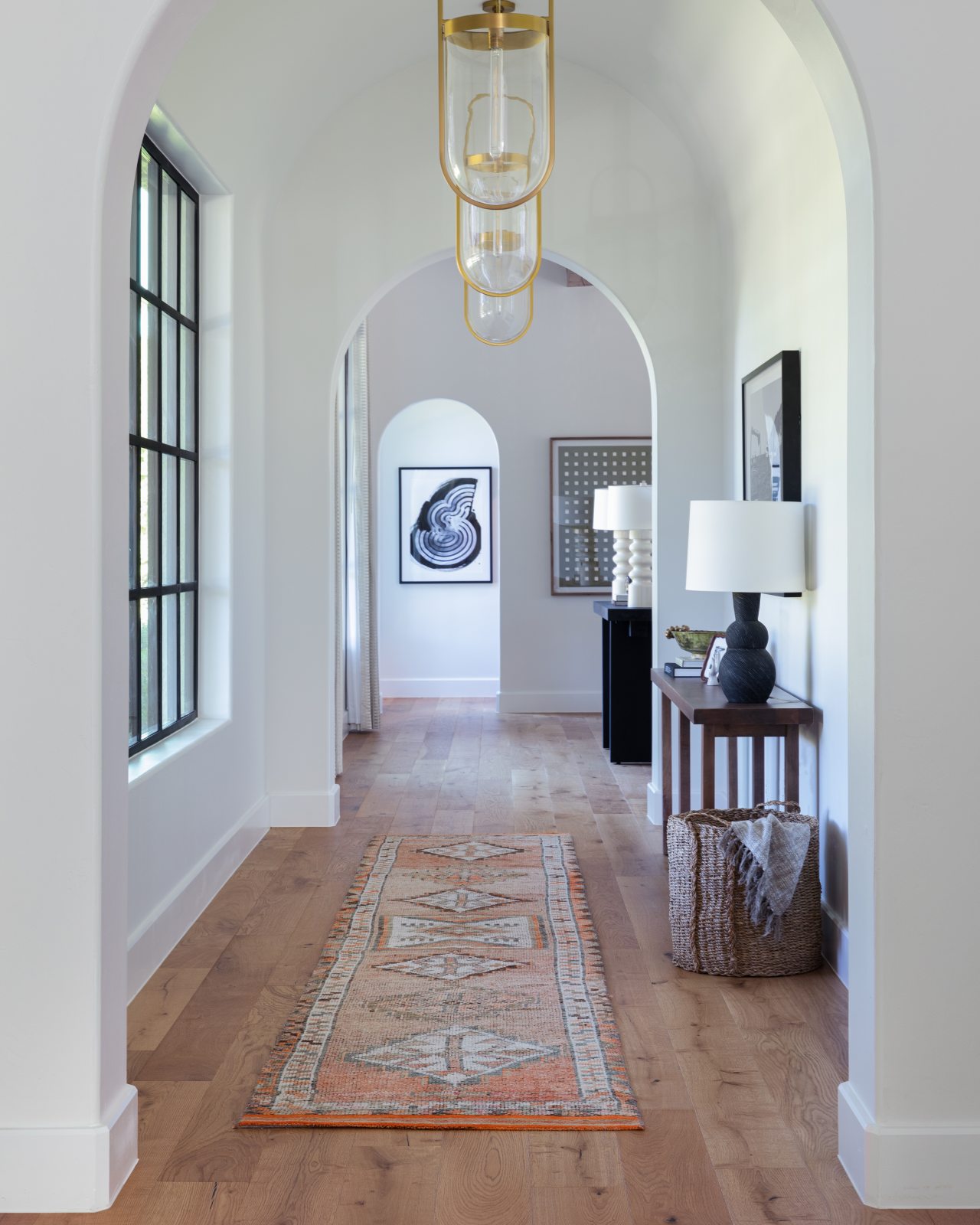
Another vital aspect is the strategic use of color and pattern. Many tend to avoid bold colors or elaborate patterns in small hallways, fearing they might overwhelm the space. However, due to the short time spent in a hallway, it presents an ideal opportunity for making a vibrant statement. Interior designers suggest embracing bold color-blocking and extending pattern to the ceiling, which can serve as an unexpected canvas for drama through stenciling, gold leaf, or wallpaper. Flooring should also be considered a design opportunity. Instead of plain surfaces, homeowners can highlight original Victorian tiles or use painted timber in stripes, checkerboards, or zig-zags. A bold patterned runner can elongate and energize narrow Victorian hallways, turning the floor into another expressive canvas.
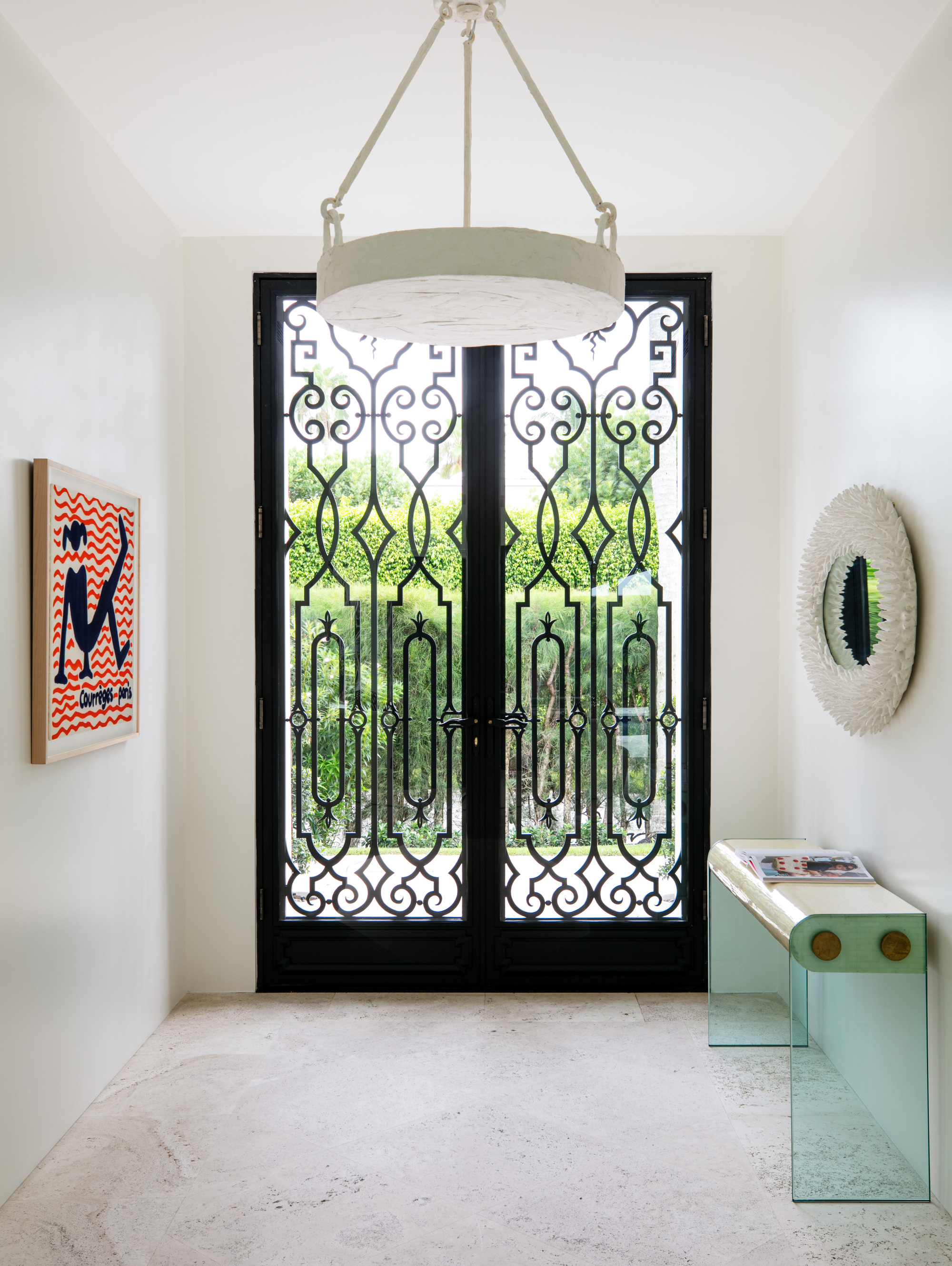
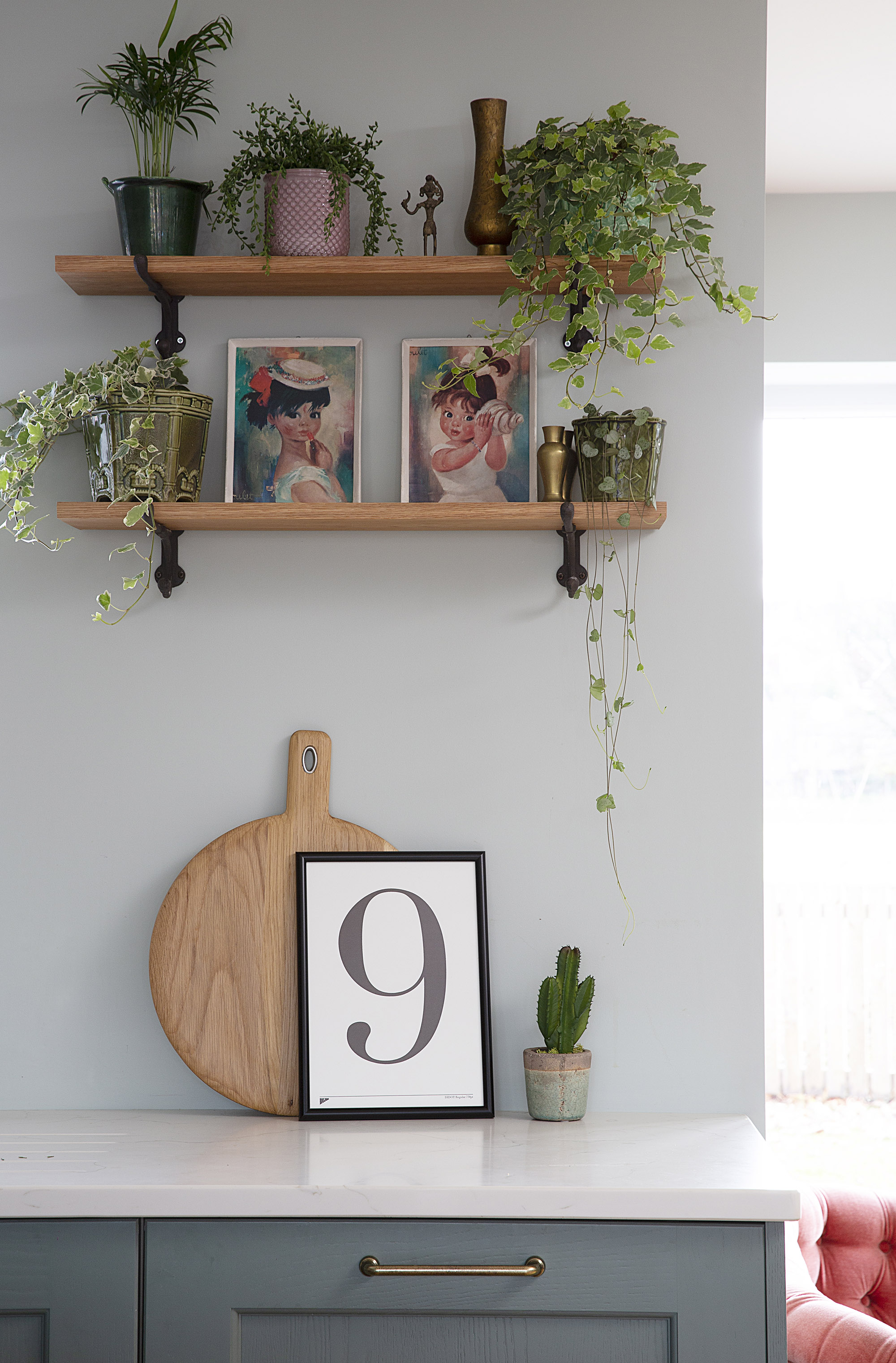
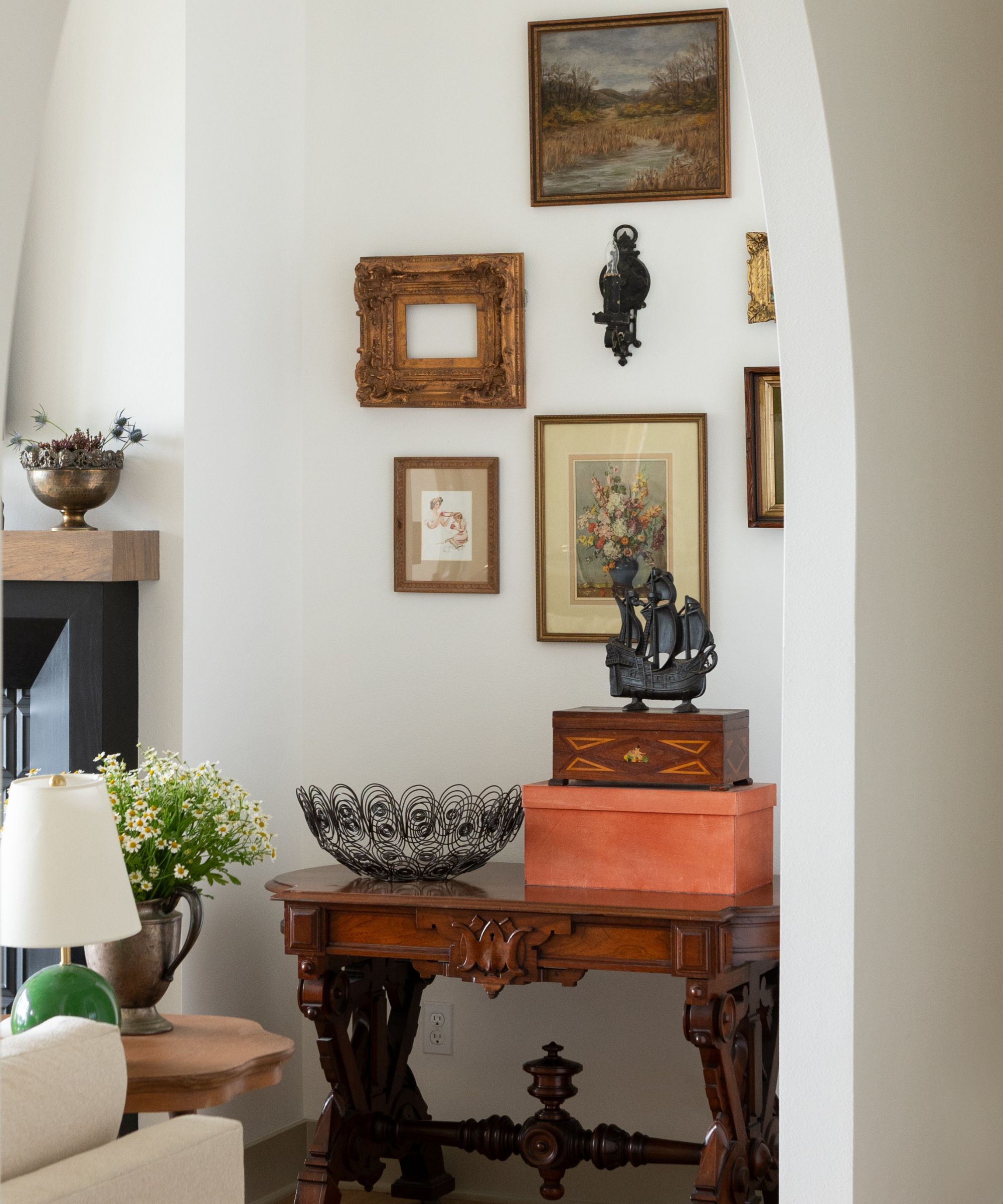
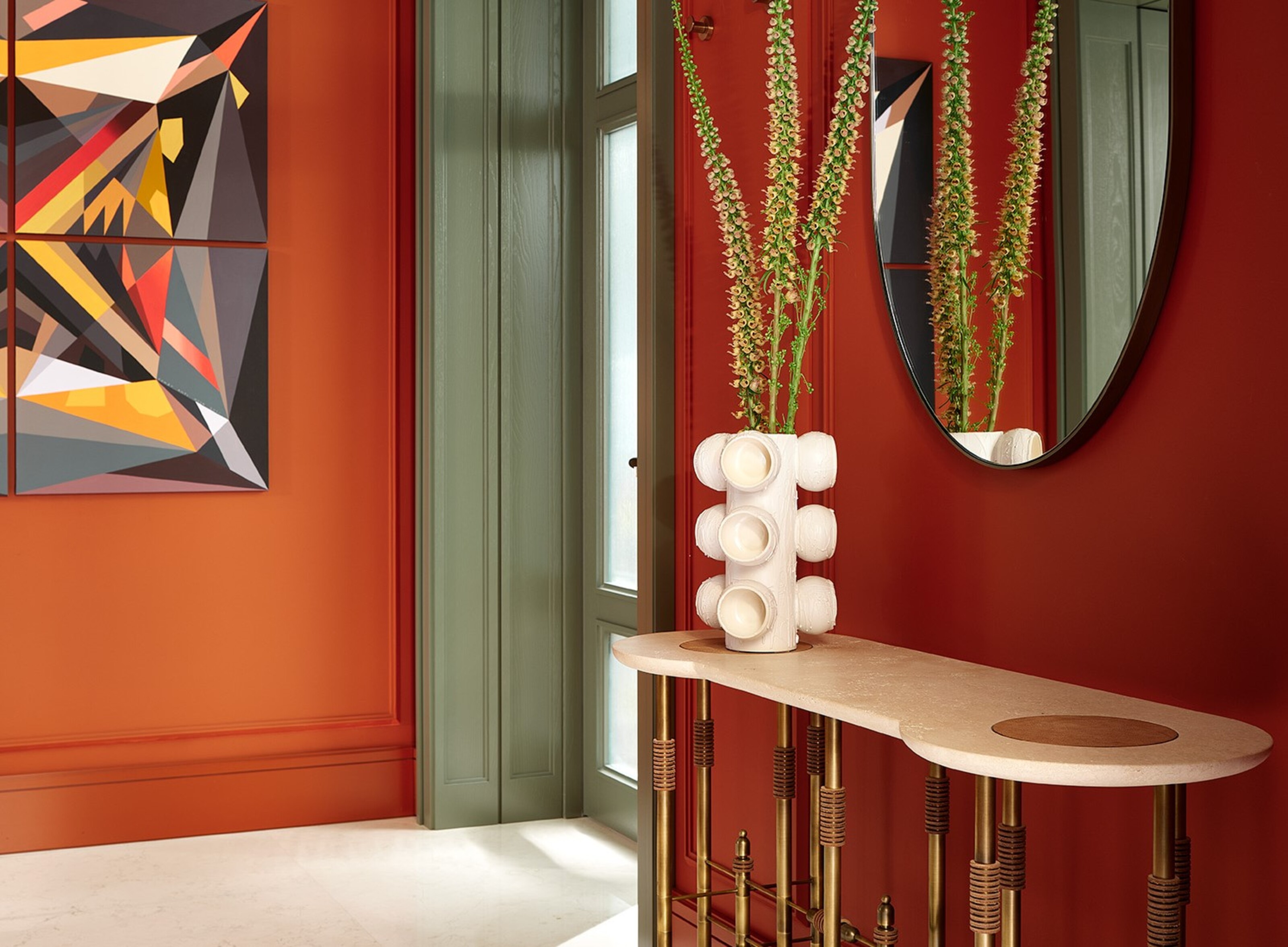
Art is a third powerful tool for elevating a hallway. Hanging artwork can instantly enhance the space and draw the eye. Large-scale pieces can act as striking focal points, anchoring the room. For more intimate areas, clusters of mixed media or varying scales of smaller works, such as gallery hangings of photographs, prints, or drawings, can add depth and character. The selection of art should be personal and loved by the homeowner, with an emphasis on balance in materials, textures, and tones to complement the hallway's architecture and furnishings.
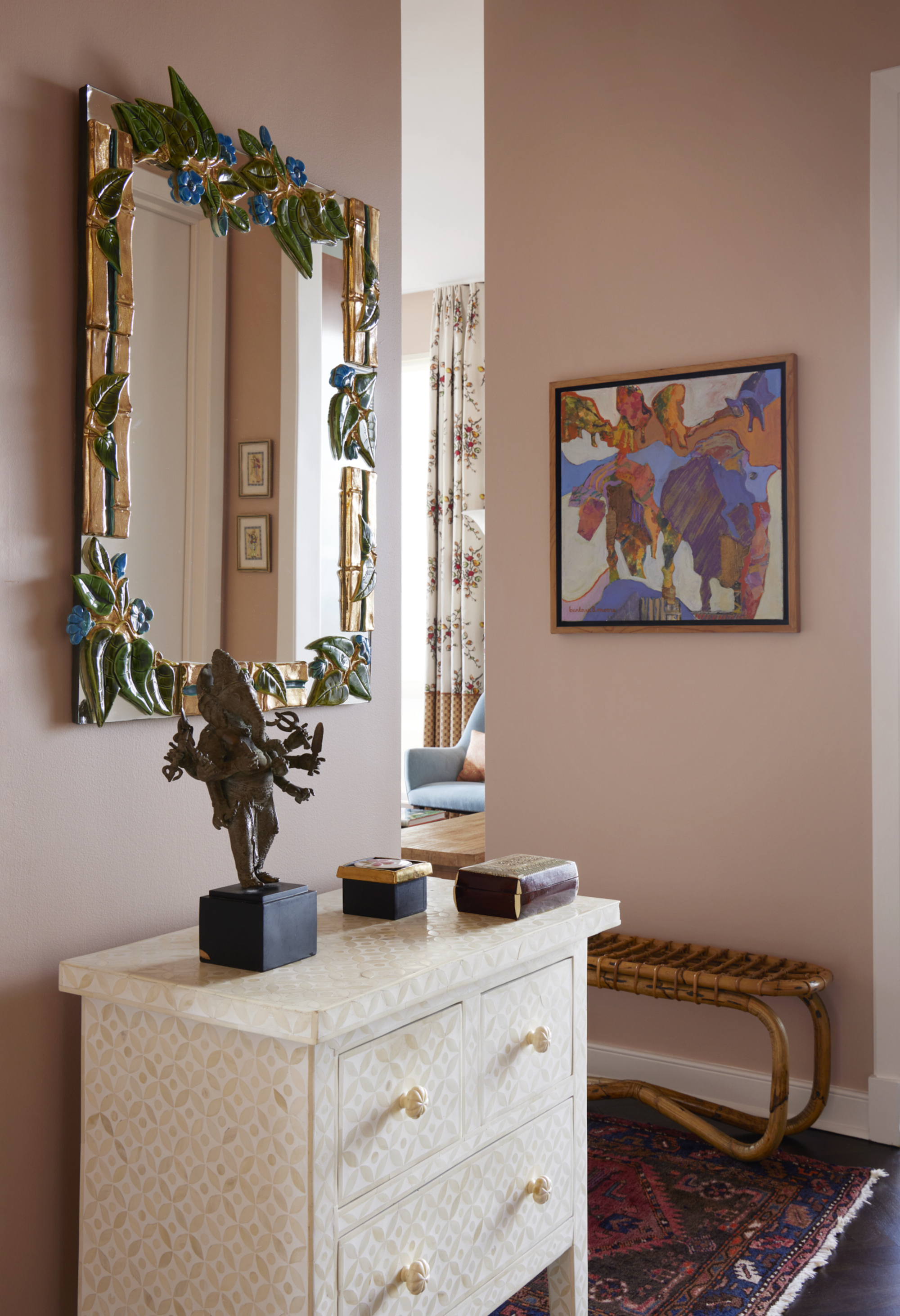
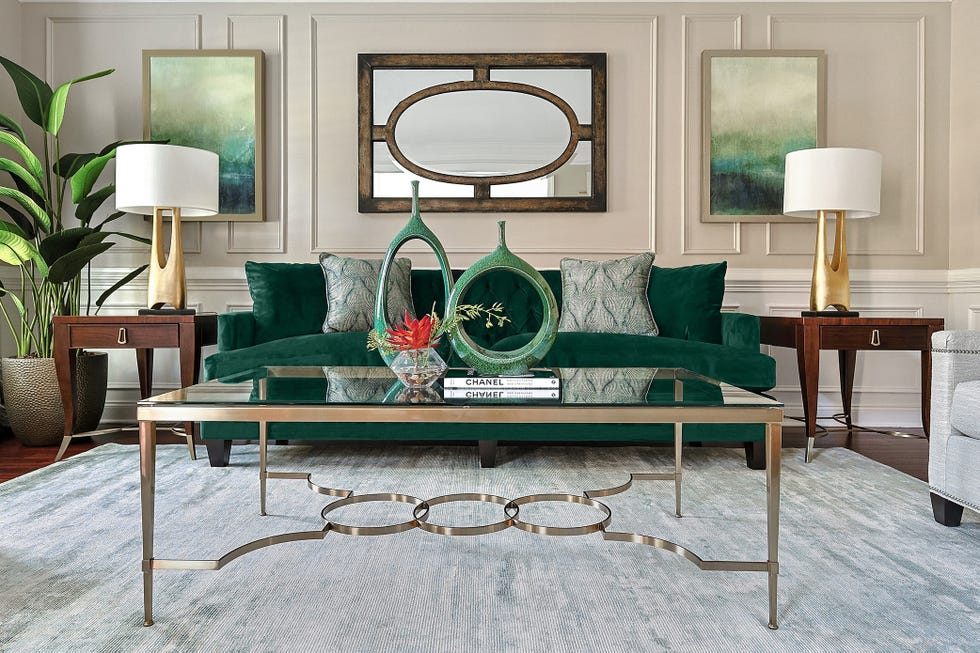
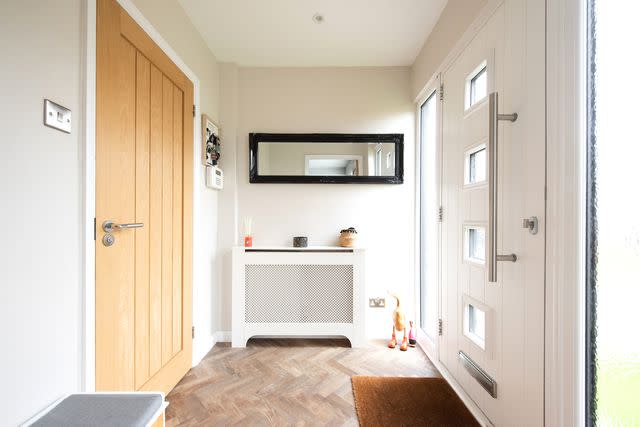
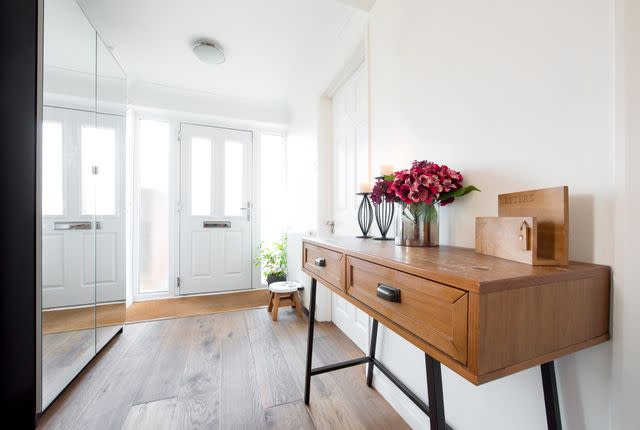
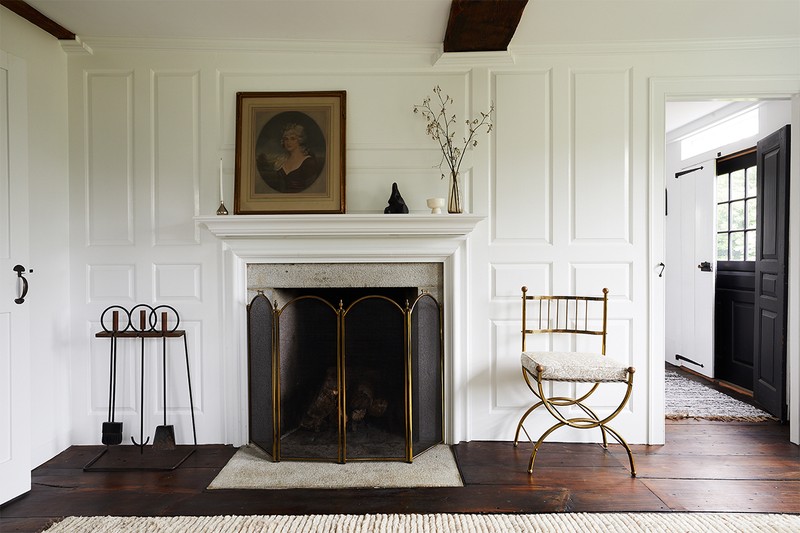
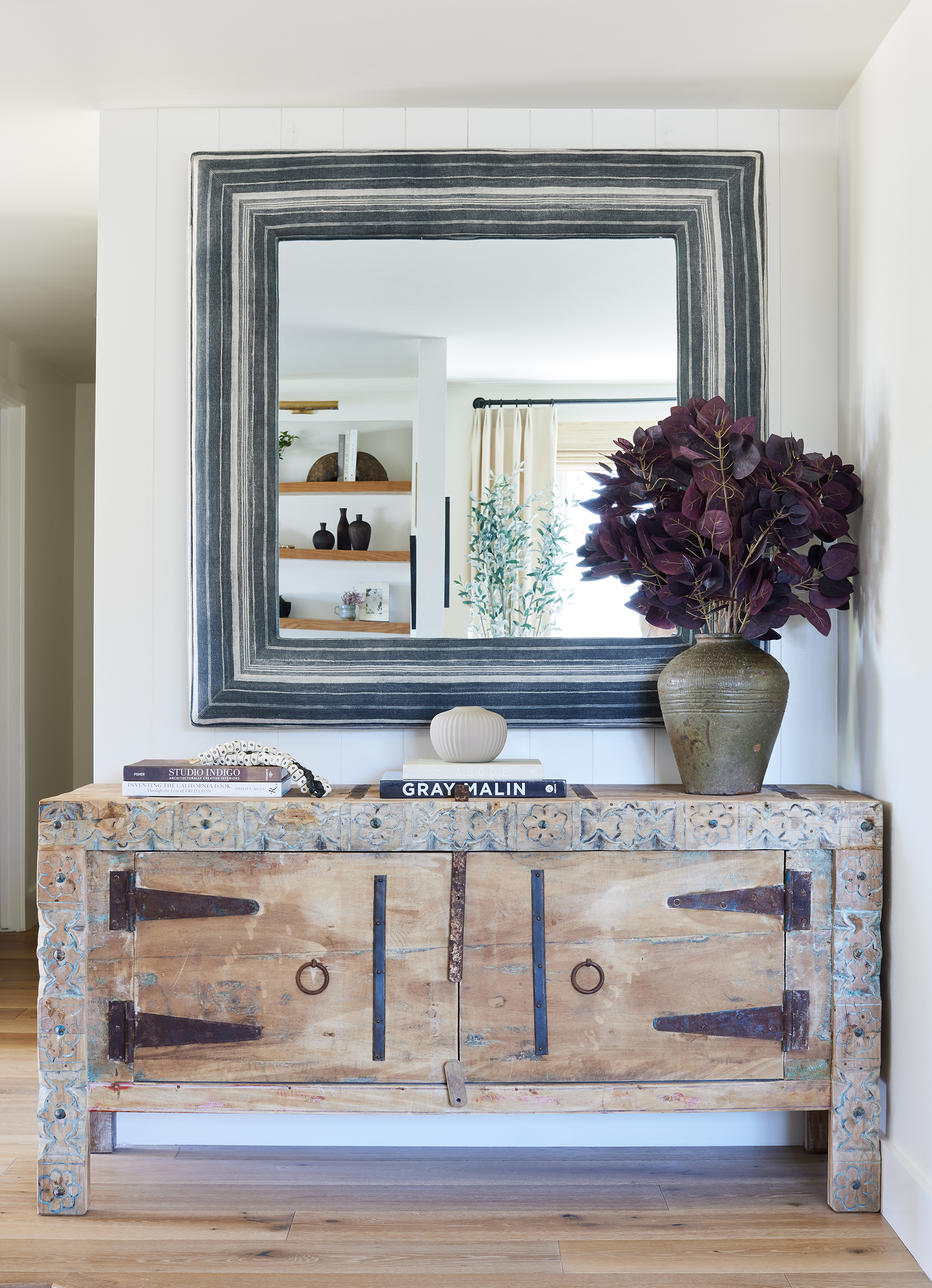
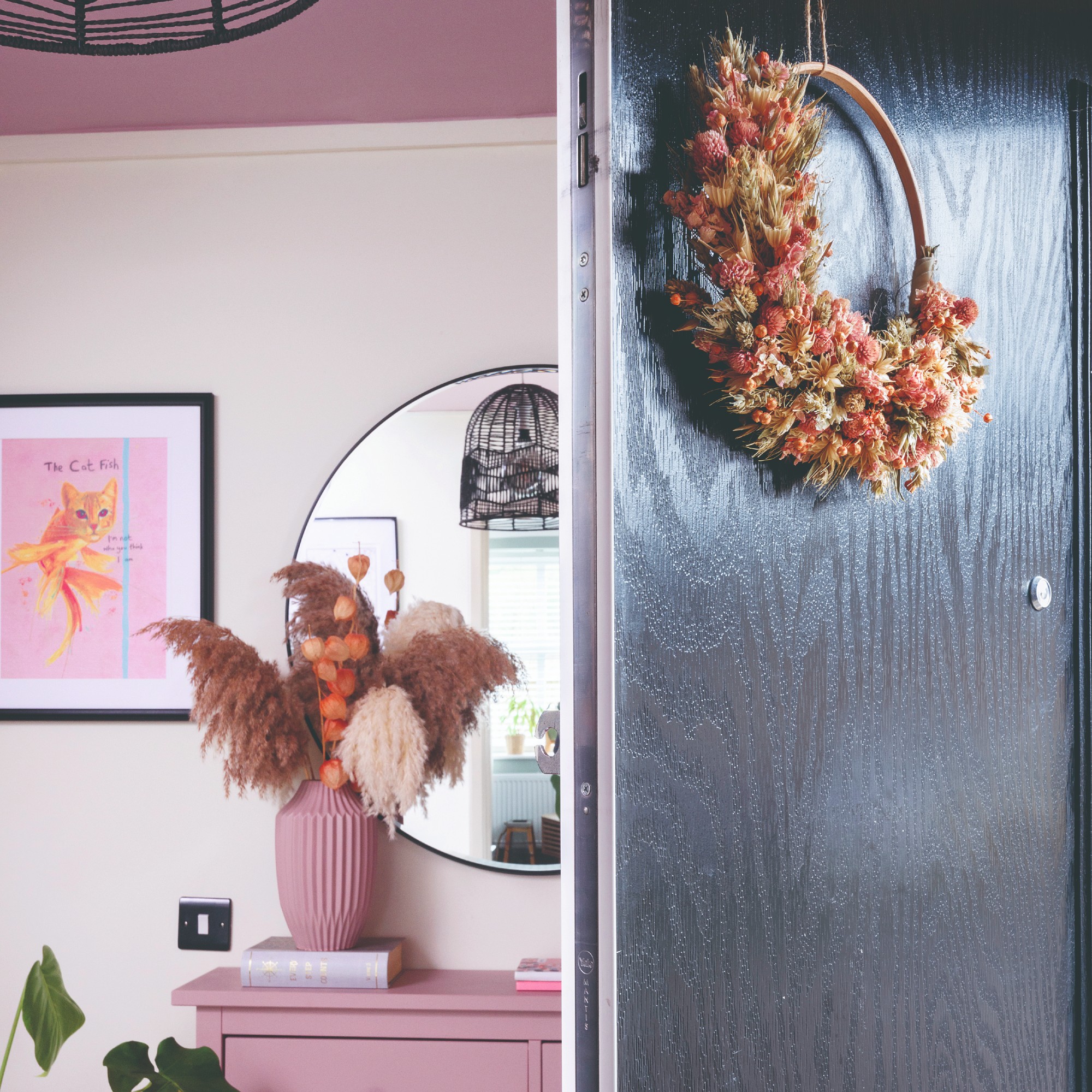
Finally, mirrors are highly recommended for hallway decor due to their practical and aesthetic benefits. They serve as excellent hero pieces that complete an entryway. Mirrors reflect light, making small hallways appear larger and brighter, and are useful for last-minute appearance checks before leaving the house. Placing a large, statement-making mirror above a console table, dado rail, or mantelpiece can amplify light, enhance the sense of scale, and add a touch of grandeur. Overall, treating the hallway as a visitor's initial introduction to the home, setting the tone, and reflecting personal style through careful accessorizing is essential to make it a cohesive and welcoming part of the home.
#HallwayDesign #InteriorDesignTips #HomeDecor #SmallSpaceSolutions #ColorAndPattern #ArtPlacement #MirrorDecor #EntrywayIdeas #HallwayDesign #InteriorDesignTips #HomeDecor #SmallSpaceSolutions #ColorAndPattern #ArtPlacement #MirrorDecor #EntrywayIdeas
कुल 0 टिप्पणियाँ
 कोई टिप्पणी नहीं
आपको यह भी पसंद आ सकता है
I asked 6 interior designers what every hallway needs, and they all agreed on these 4 things
We Asked 6 Interior Designers for the One Antique They Use in Every Home
6 Things That Always Make Your Hallway Feel Narrow, According to Designers

How to Avoid the 5 Worst Hallway Design Mistakes

5 things interior designers say are must-haves on your entryway walls – I've got 3, how many do you have?

4 things that people with an organised hallway always do – expert tips that guarantee a neat entranceway
6 Things in Your Living Room That Instantly Give Designers the Ick

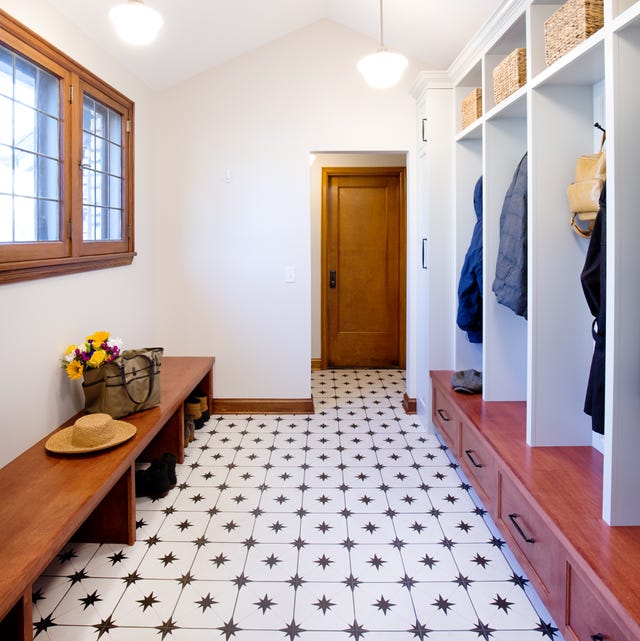
6 Things That Make Your Entryway Look TACKY, According to Designers

5 Things Interior Designers Wish You Would Do

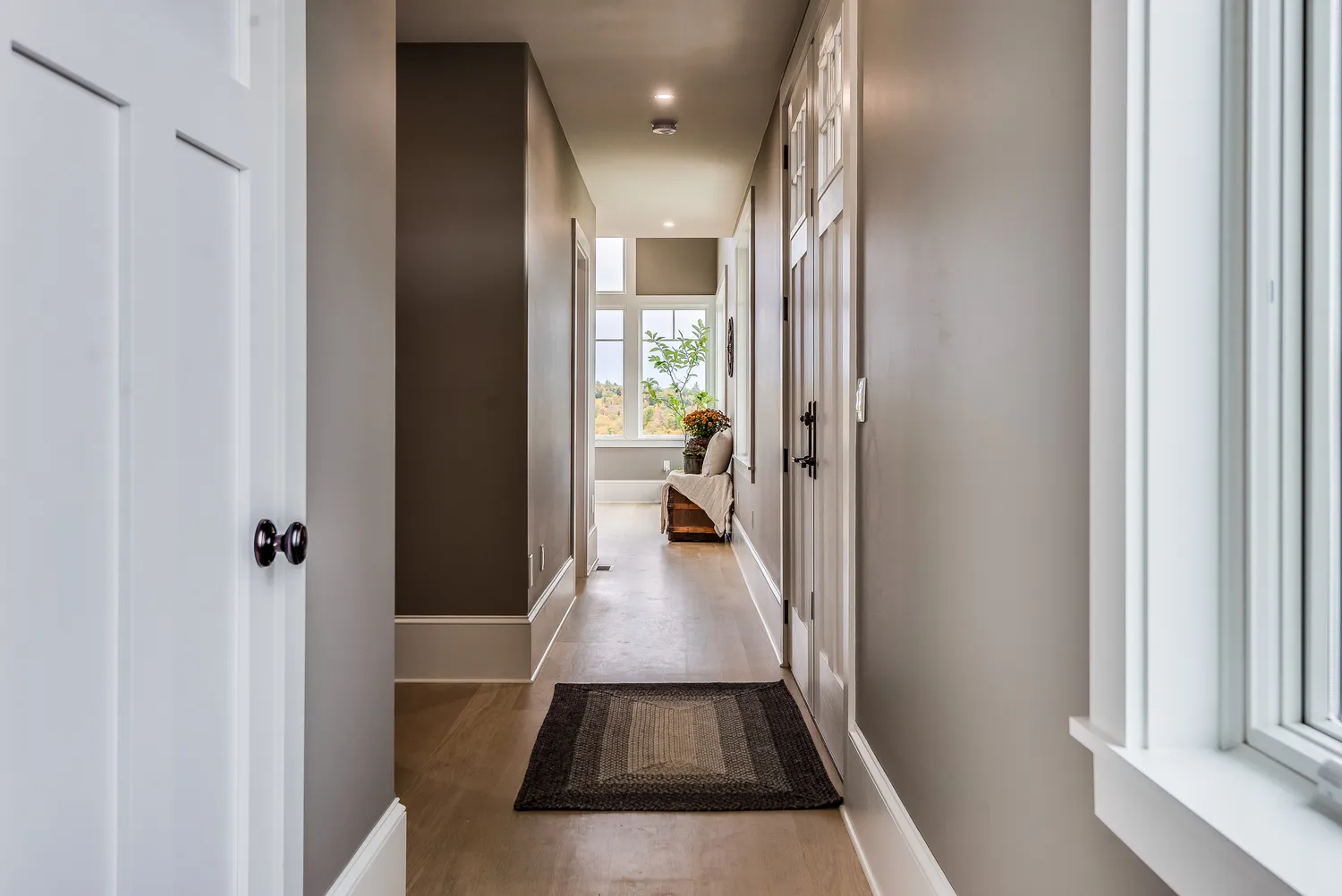
Designers Agree—These 6 Things Always Make Hallways Feel Narrow
19 Tips From A Top Interior Designer

Four Trends in Interior Design: Antiques, Brass, Color, Wallpaper
6 Things You Can Find in Every Stylish Room, According to Interior Designers
I asked an interior designer how to style shelves, and I learned 4 awesome tips

These Are the First Things Designers Will Always Notice in Your Entryway
4 interior stylists reveal the one thing they buy to give their hallway an instant autumnal makeover
5 things interior designers say every living room should have in it – are you missing any?
Is your room missing something? These are the 7 simple buys that designers always recommend to their clients to instantly pull a space together
5 interior designers on the styles they will love forever

These 6 Living Room Details Always Give Designers the Ick