How to Set Anchor Bolts in Concrete Piers
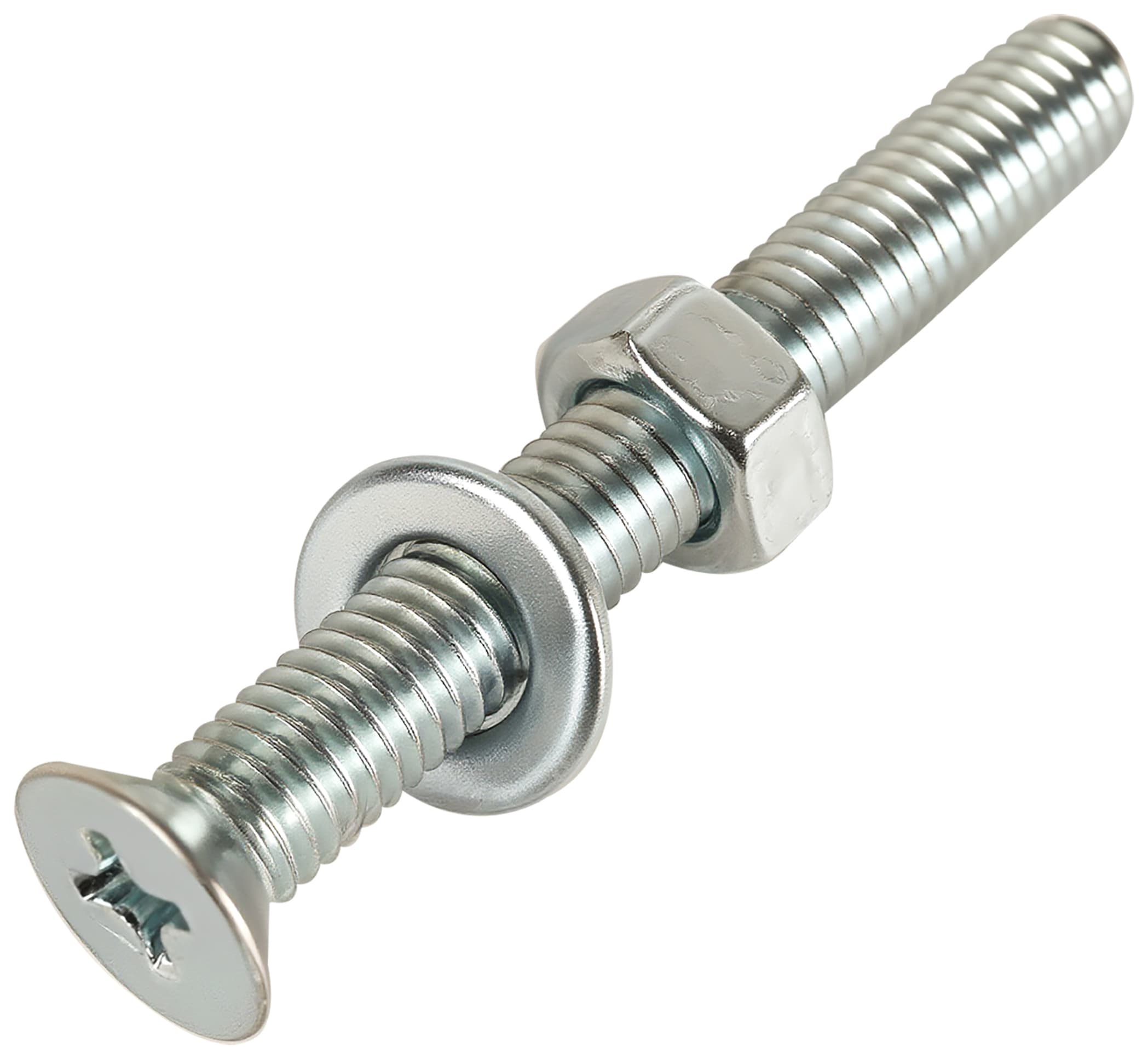
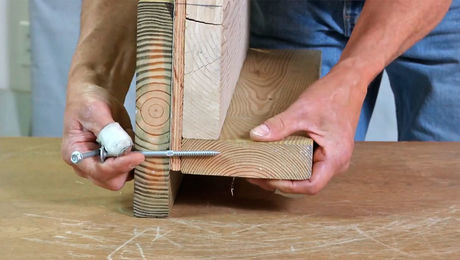
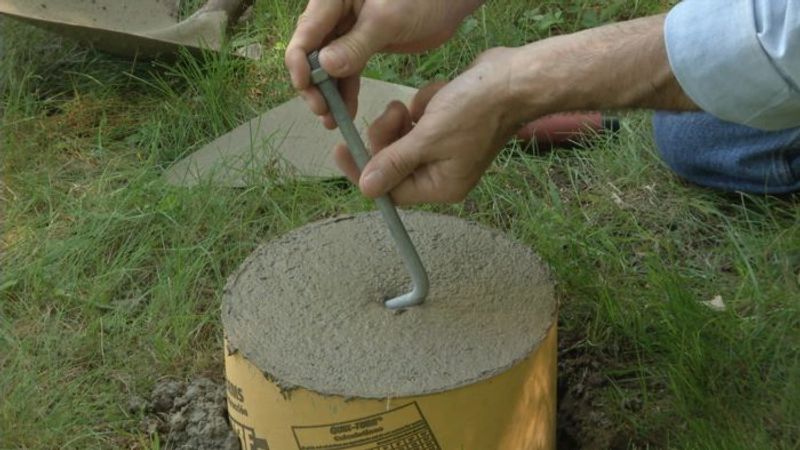
This article presents a practical tip for accurately setting anchor bolts in wet concrete for deck foundations. The common practice of simply placing anchor bolts into wet concrete and estimating their depth can lead to issues such as insufficient threading for nuts or the bolt protruding too far, potentially interfering with structural components like 6x6 post bases. To address this, the article introduces a method suggested by Chris Green, which involves threading the nut onto the anchor bolt *before* it is set into the concrete. This nut then acts as a reliable depth indicator, ensuring the correct amount of the bolt is exposed for proper attachment of the post base.
The process begins with preparing the concrete pier. Once the concrete is poured and still wet, the anchor bolt, with its depth-setting nut already threaded, is carefully inserted into the center of the pier. The author advises gently jiggling the bolt up and down to facilitate the flow of concrete around the bolt, preventing the formation of voids that could compromise the bolt's stability and the concrete's integrity. After setting the bolt, a trowel can be used for any necessary fine-tuning to ensure the bolt is plumb and correctly positioned before the concrete cures.
Several comments from readers offer additional perspectives and considerations. One reader highlights the benefit of threading the nut on first, noting that removing the nut later will clean the threads, making it easier to install the post base. Another query raises the possibility of adding a stainless steel fender washer under the nut, suggesting a potential enhancement for a solid, flat surface, though the author notes this is not a common practice. A more critical comment from a reader references the American Concrete Institute (ACI) recommendations, which generally do not advocate for "wet-setting" anchor bolts due to concerns about proper concrete consolidation. ACI prefers using a template to suspend bolts, allowing concrete to be placed and vibrated around them. This reader also points out the importance of shaping the top of the concrete pier to shed water, which helps minimize corrosion of even galvanized hardware over time.
Further discussion in the comments section delves into the realities of residential construction versus ideal code practices. One commenter acknowledges that wet-setting is widespread in residential building, often due to time constraints, and suggests that the proper water-to-concrete ratio during mixing is a more significant concern, observing that concrete is frequently mixed too wet for easier placement. This comment also cynically notes that many decks are built without proper permits, post bases, rebar, or footings, making wet-setting a minor issue in comparison. Countering this, a California-based builder emphasizes that wet-setting is explicitly disallowed in their jurisdiction for permitted decks over 30 inches above grade, and inspectors require anchor bolts to be in place *before* concrete is poured. This stricter enforcement highlights regional differences in construction standards and oversight, with the Californian example underscoring the risks of improperly set bolts, such as those hammered in after the concrete has hardened. Another commenter describes a more robust anchoring method involving two anchor bolts welded together with an "L" shape, further secured to a metal fence post pushed into the dirt, and integrated with rebar within the form, emphasizing the use of multiple anchor points for increased stability and safety.
#DeckBuilding #AnchorBolt #ConcreteFoundations #ConstructionTips #HomeImprovement #FineHomebuilding #DeckFootings #BuildingCodes #DeckBuilding #AnchorBolt #ConcreteFoundations #ConstructionTips #HomeImprovement #FineHomebuilding #DeckFootings #BuildingCodes
कुल 0 टिप्पणियाँ
 कोई टिप्पणी नहीं
आपको यह भी पसंद आ सकता है
What You Should Know About The 8 Types Of Drywall Anchors
Deck Railing Fasteners
How to hang a curtain pole


Roofing Bolts

The Pier

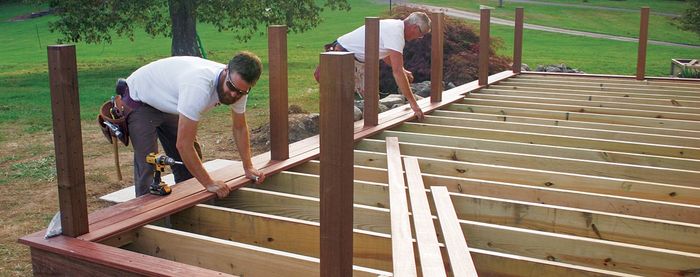
How to Notch Deck Posts with a Chainsaw
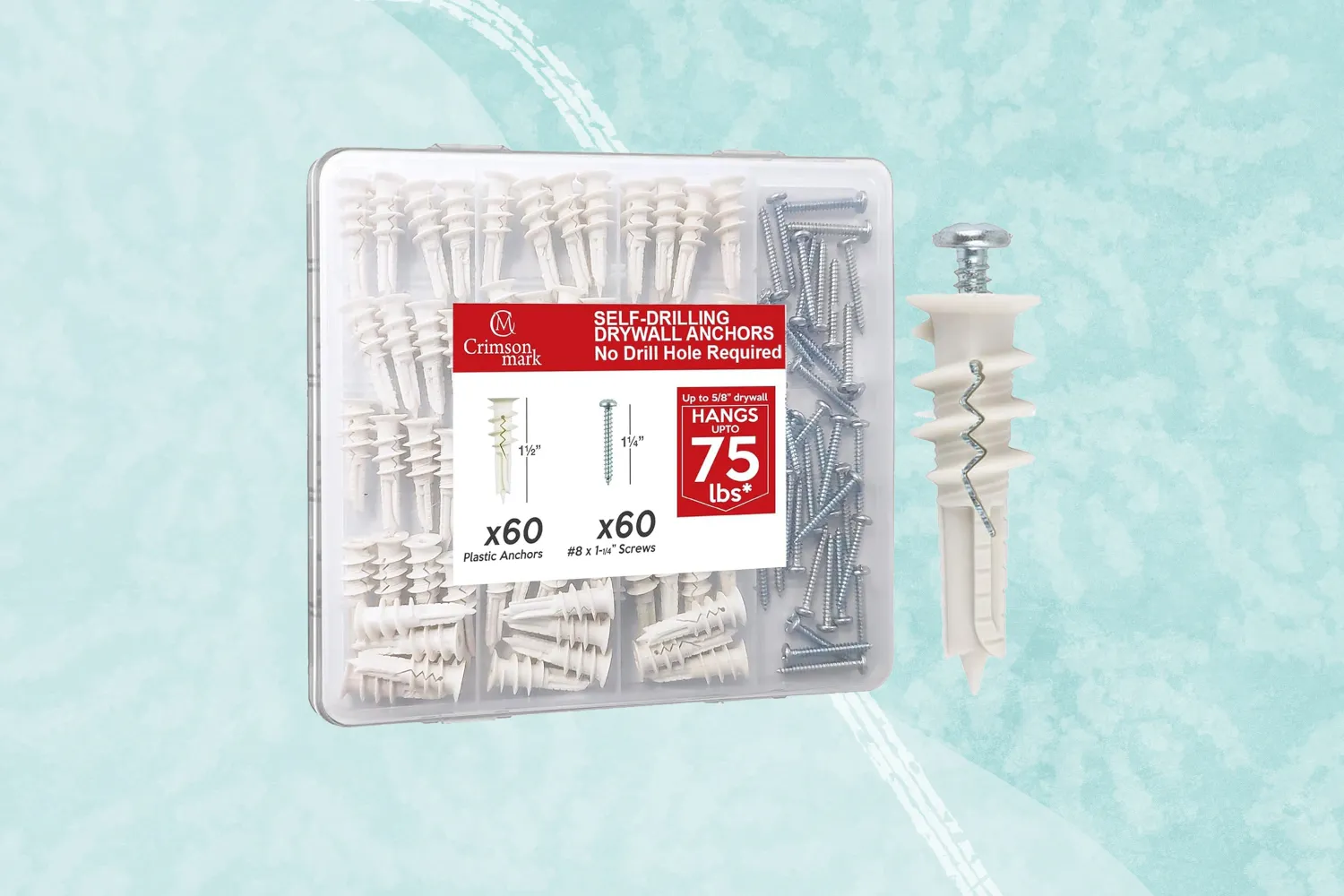
No Stud? No Problem! The 8 Best Drywall Anchors for Any Job

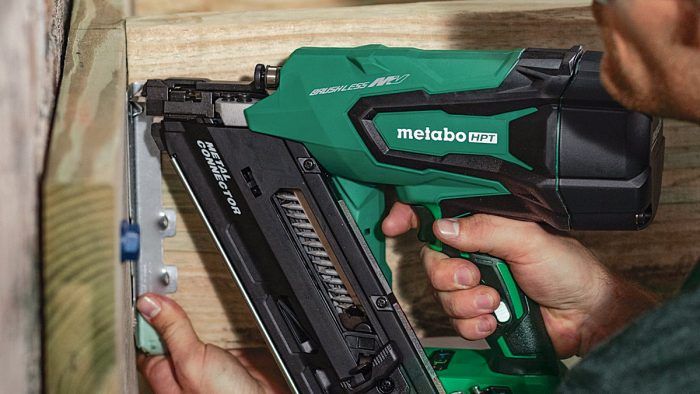
What Are the Right Nails for Metal Connectors? A Pro Answers
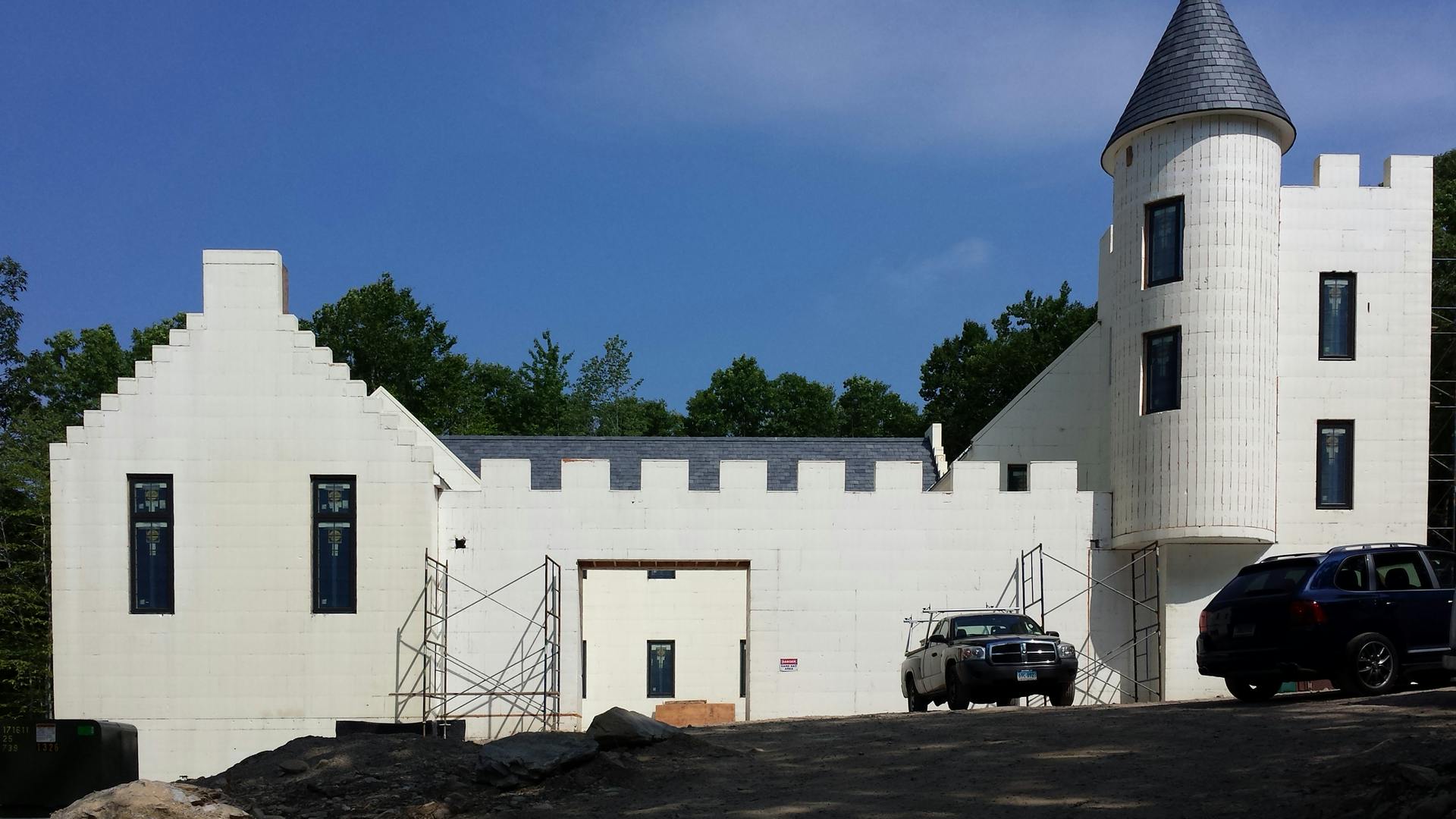
Building a Concrete Castle


8 Ways to Attach Things to Cinder Block Walls
Screws
Install a Mid-Span Rail Post
How to Install a Paver Patio Base


Roofing Nails
Installing Deck Joists