1/3
How To Easily Grow Lavender For An Endless Supply Of Dazzling Purple Flowers
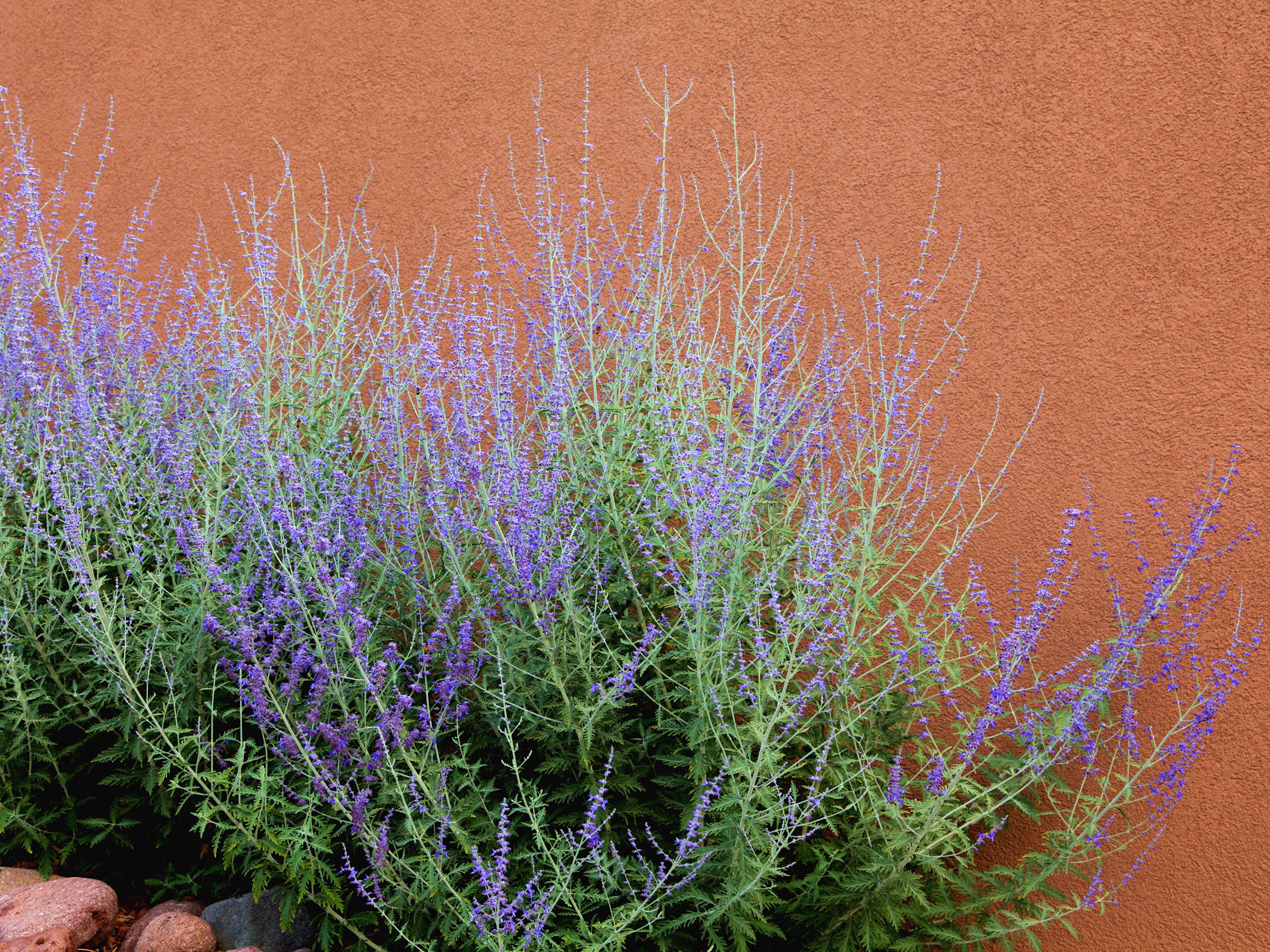
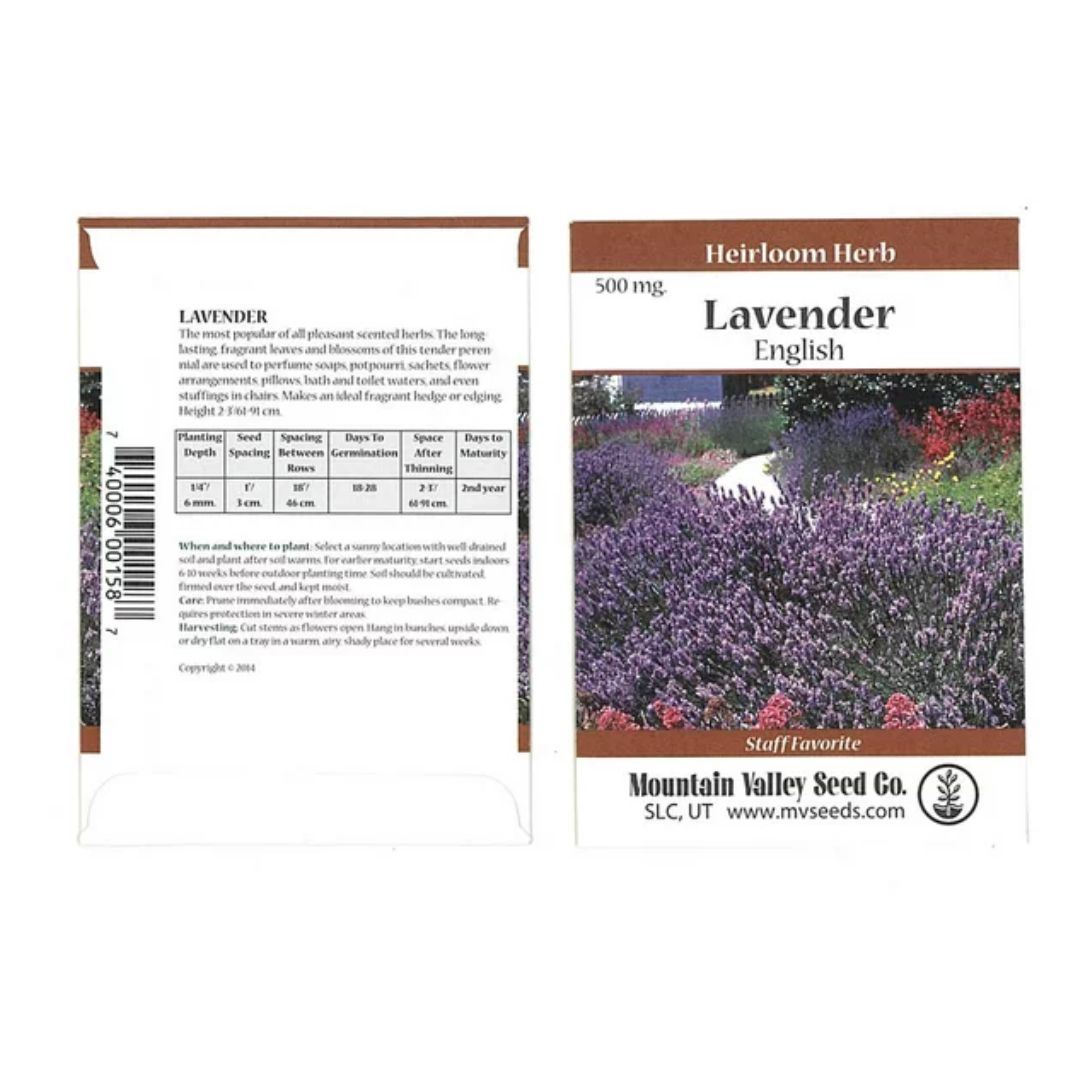
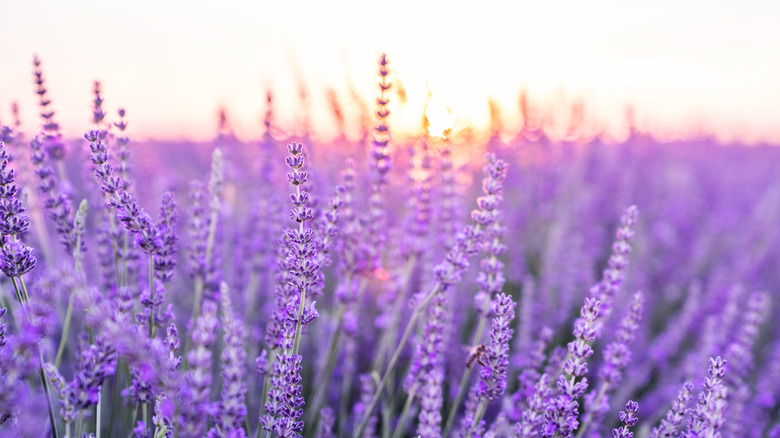
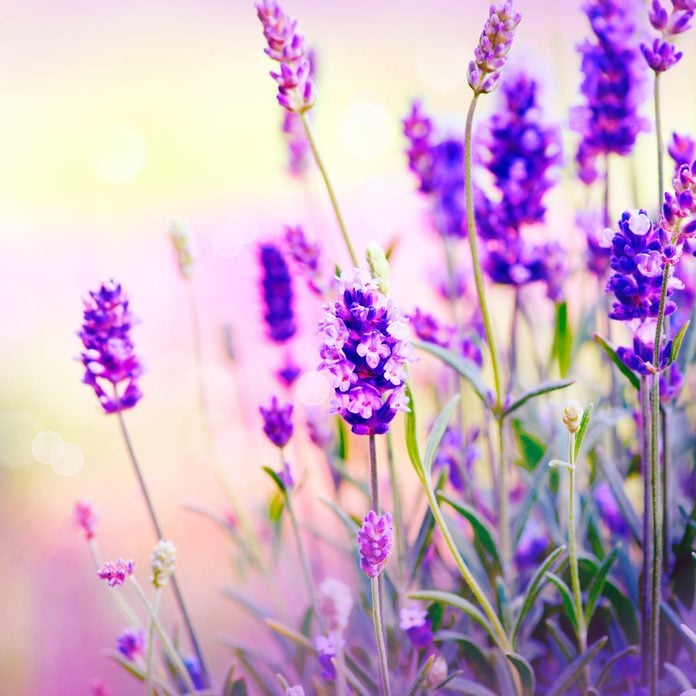
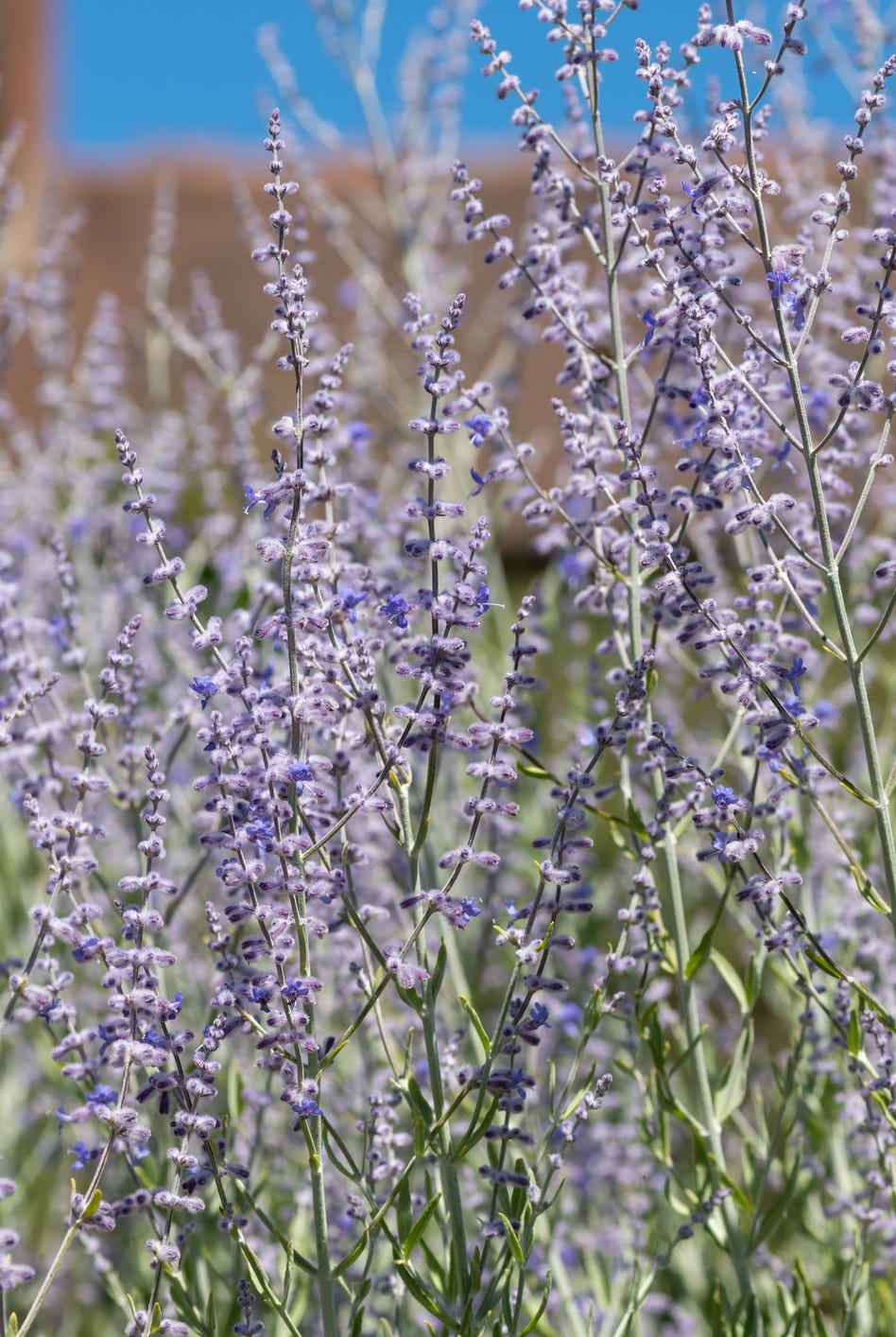
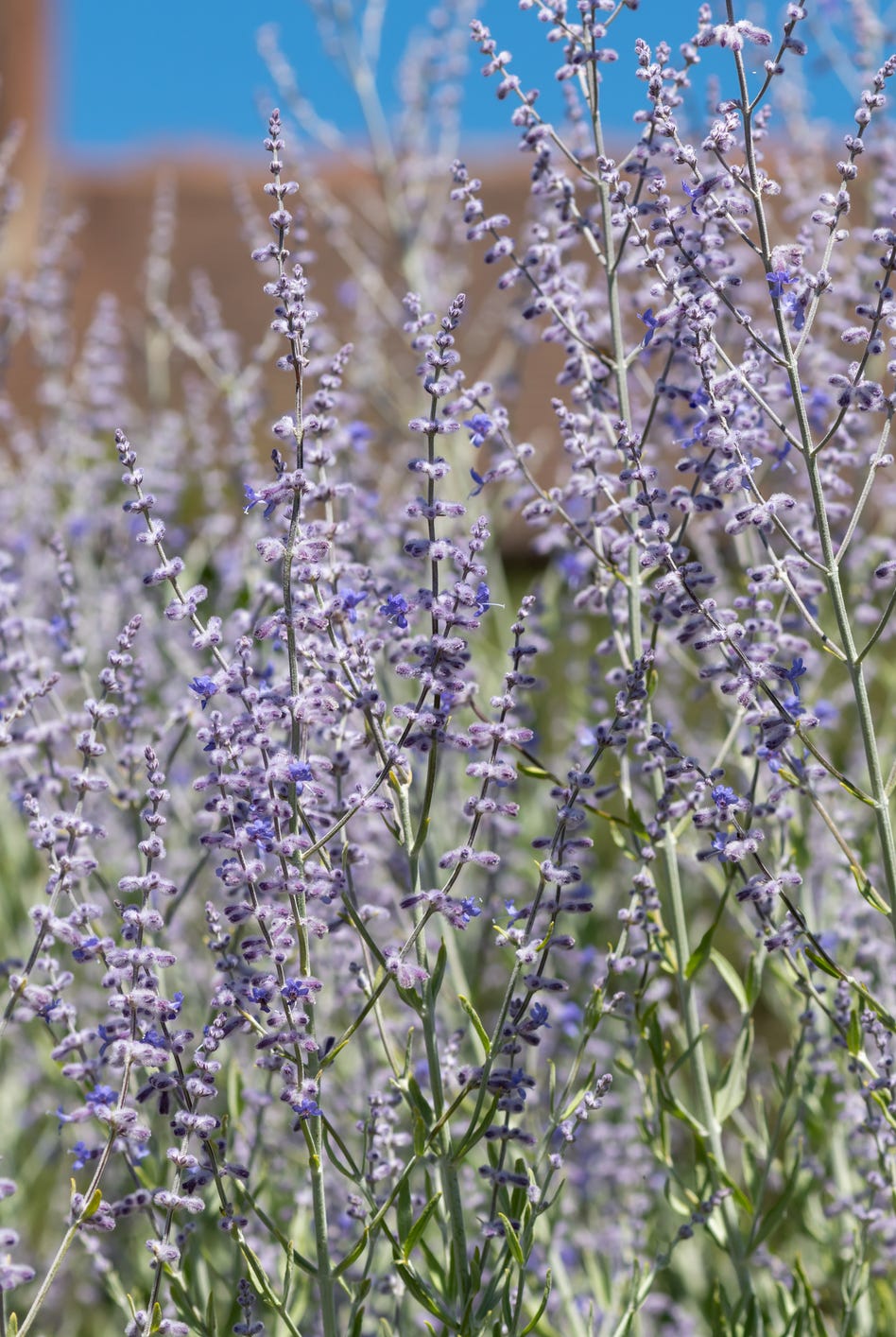
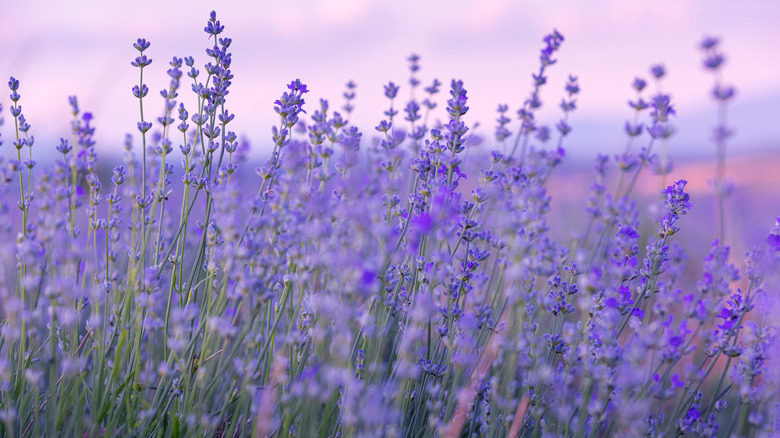
Lavender, known for its distinctive scent and beautiful purple flowers, is a versatile perennial shrub used in various products from oils and perfumes to culinary flavorings. It also serves as a natural pest repellent and a significant pollinator attractor. By strategically pairing different lavender varieties and employing proper pruning techniques, gardeners can enjoy continuous blooms from spring through fall. The plant belongs to the Lamiaceae (mint) family and is native to Mediterranean climates, where it has been cultivated for centuries for its medicinal, culinary, and cleansing properties. Its name, derived from the Latin “lavare” meaning “to wash,” highlights its historical use in soaps. While English lavender (Lavandula angustifolia) is widely used commercially, home gardeners can extend their blooming season by incorporating French lavender (Lavandula dentata), Spanish lavender (Lavandula stoechas), or lavandin (Lavandula x intermedia) varieties, which offer diverse blossom shapes and staggered growth periods.
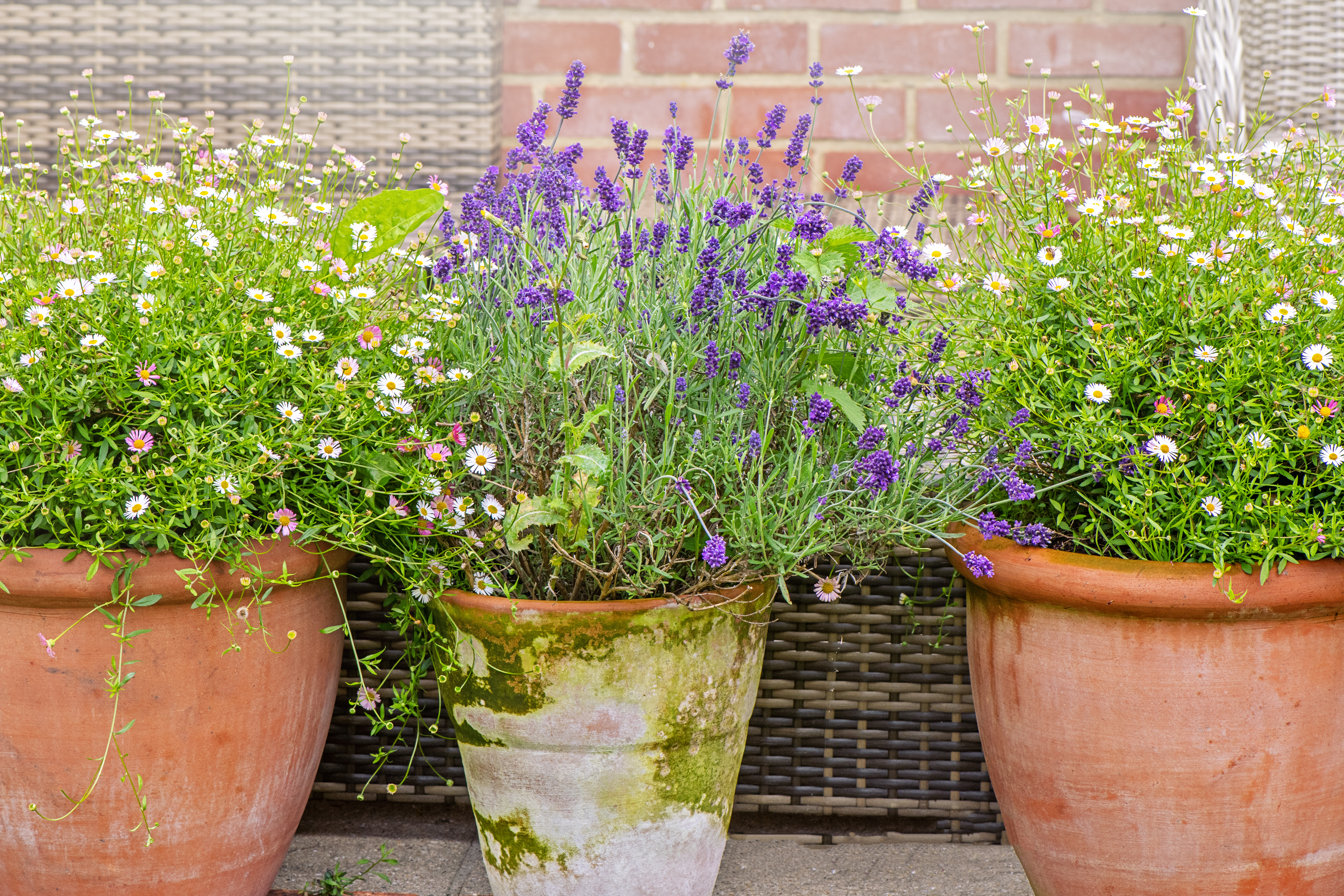
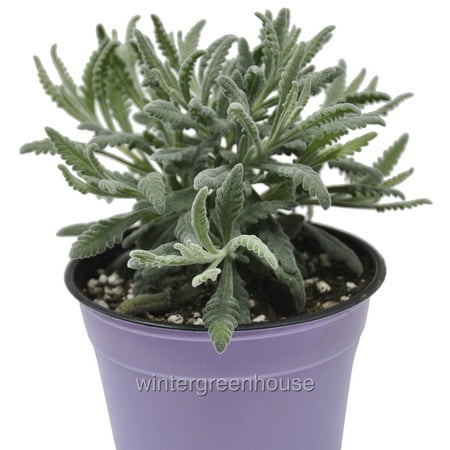
Lavender is generally easy to grow, with most English and lavandin varieties hardy in USDA Zones 5-9, maintaining an evergreen presence even through cold winters. French varieties thrive in warmer, drier climates (Zones 8-11), while Spanish lavender prefers Zones 8 and 9. All types require slightly dry, well-draining soil and are intolerant of dense clay or overly saturated conditions. Lavender exhibits significant drought tolerance and minimal fertilizer needs, making it a low-maintenance option for gardens. These plants typically grow 1 to 3 feet tall, including their blooms, and are suitable as mounding shrubs or border plants in perennial flower beds. Their woody stems support thin, silvery-green leaves, which can appear serrated or fern-like depending on the variety. Heat tolerance varies among species, with some blooming more quickly as temperatures rise.
To ensure a prolonged display of purple blossoms throughout the year, careful placement and timely pruning are essential. Layering different lavender varieties allows for continuous blooms due to their varied flowering schedules. English varieties provide early to mid-summer color, with some species potentially blooming twice in mild climates. Lavandin, a hybrid, typically blooms once in mid to late summer, complementing earlier-flowering English types. Spanish lavender, recognizable by its unique tufted blooms, is highly drought-tolerant and flowers throughout the summer, making it an excellent partner for spring-blooming English varieties. French lavender, preferring warmer conditions, tends to bloom later in summer or early fall, thus pairing well with English varieties to extend the flowering season. For those in colder regions where lavender is not hardy, winterizing techniques can protect the plants from harsh weather.
Regular pruning is crucial for the health and bloom production of lavender, regardless of whether the flowers are harvested. A general guideline is to prune plants back by about one-third after the fall blooms fade, being careful to avoid cutting into the woody stems, as this can severely damage or kill the plant. For English lavender, a light pruning of a few inches after the early spring blossoms can encourage a second flush of blooms later in the season. By understanding these care requirements and strategic planting methods, gardeners can cultivate a vibrant and continuous display of dazzling purple lavender flowers.
#LavenderGardening #FlowerCultivation #PerennialPlants #GardenDesign #PruningTechniques #DroughtTolerant #PollinatorMagnet #HomeGardening #LavenderGardening #FlowerCultivation #PerennialPlants #GardenDesign #PruningTechniques #DroughtTolerant #PollinatorMagnet #HomeGardening
कुल 0 टिप्पणियाँ
 कोई टिप्पणी नहीं
आपको यह भी पसंद आ सकता है

Lavender Alternatives — 6 Other Purple Flowers That Are Just as Beautiful (and Smell Just as Good)

15 Best Purple Plants For Your Flower Garden
These Low-Maintenance Perennial Flowers Bloom Every Season

The Drought-Tolerant And Low-Maintenance Perennial That Showcases Lovely Purple Blooms

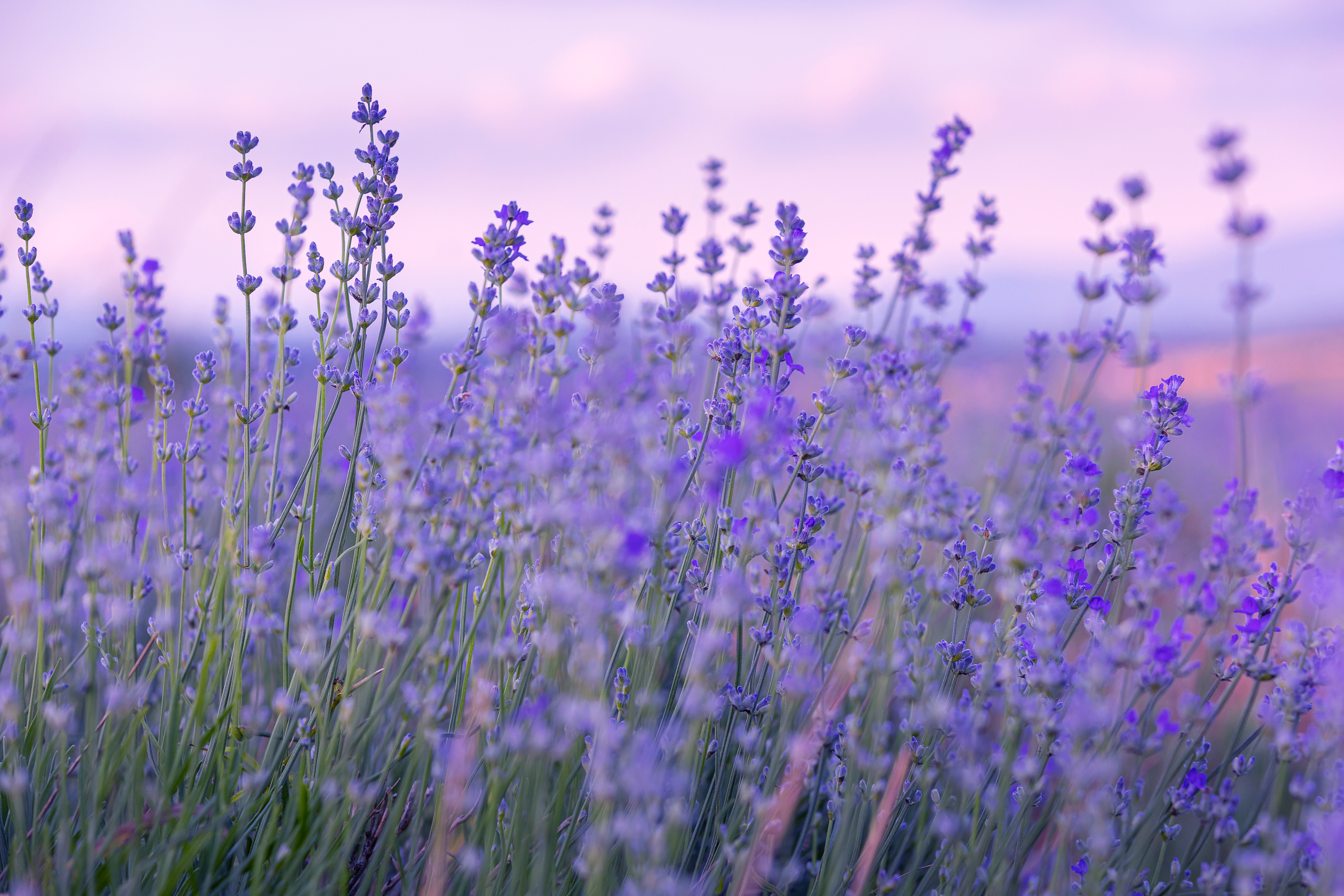
What Are the Different Types of Lavender? 5 of the Main Varieties That Look Best in a Modern Garden

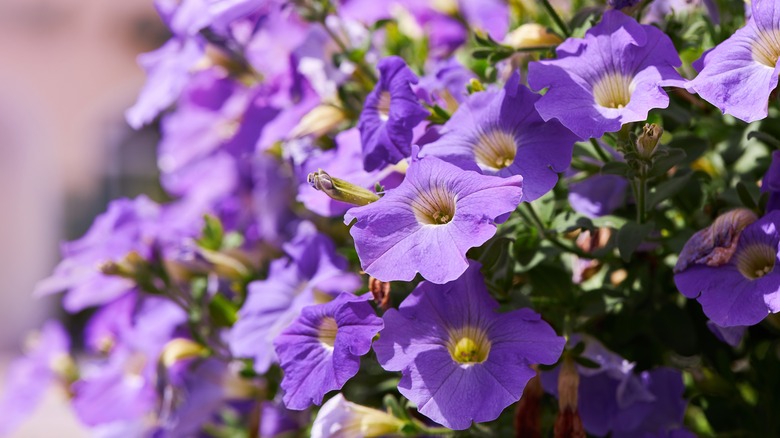
15 Annuals That Bloom With Bold Purple Flowers
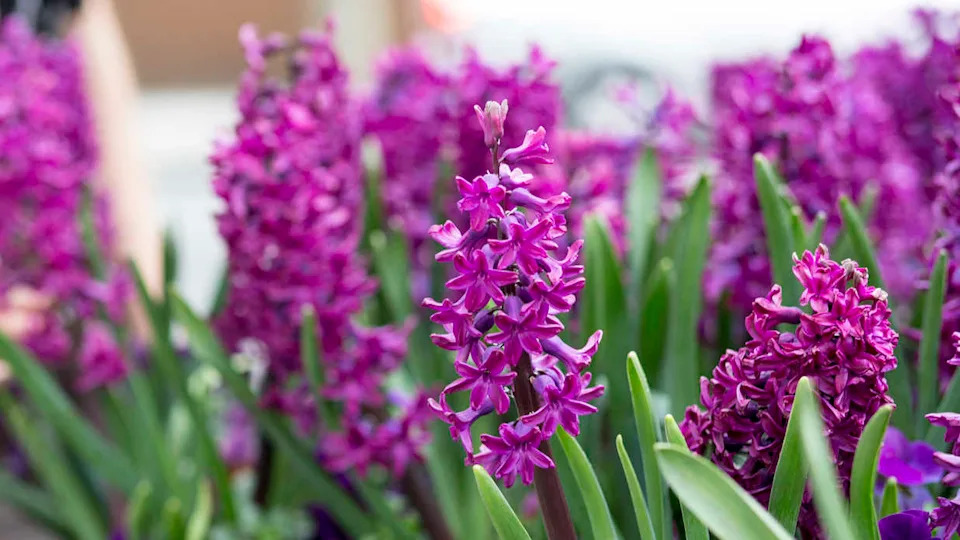
11 Pretty Purple Flowers to Plant in Your Garden

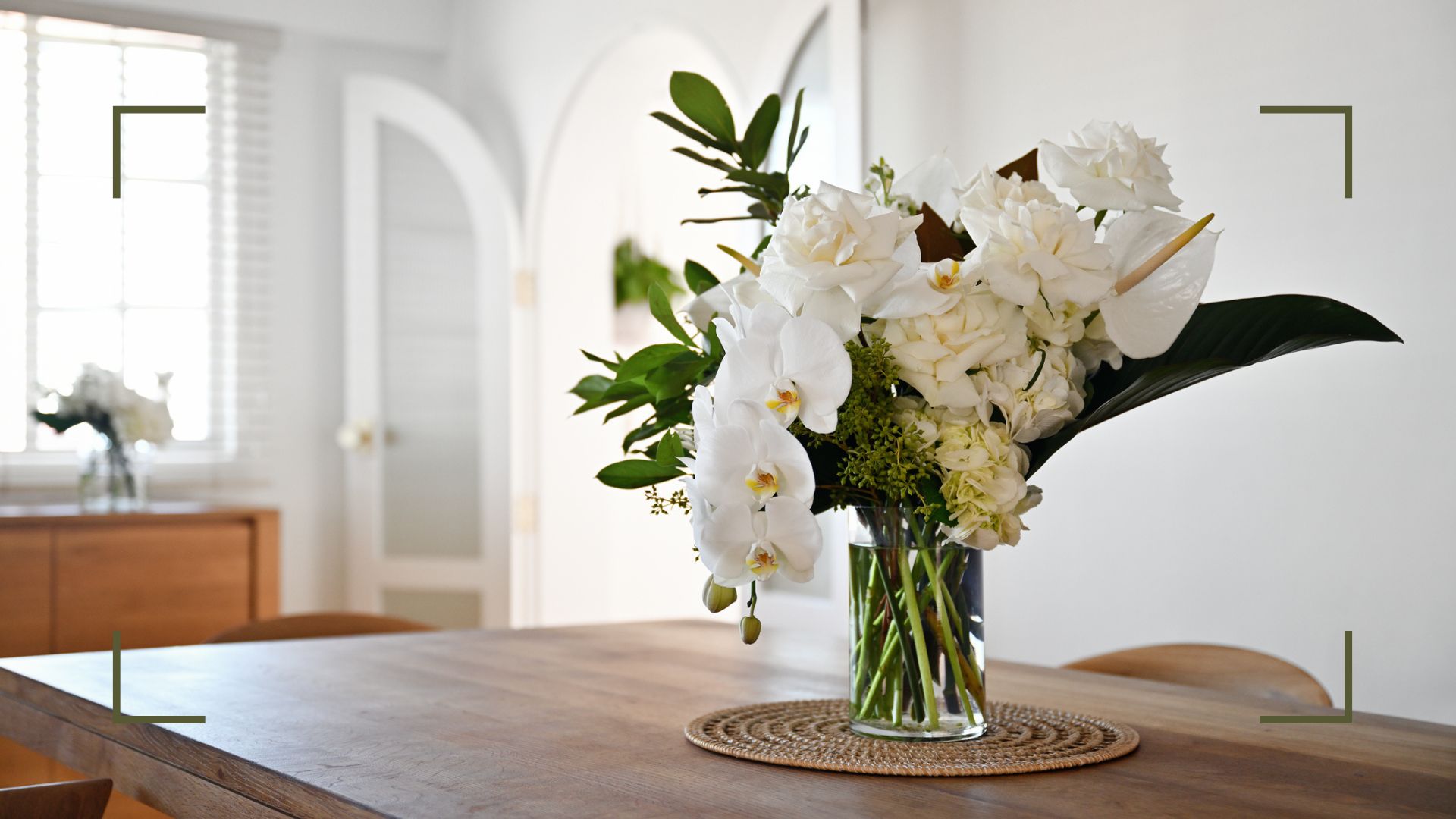
How to make cut flowers last longer – 7 expert tips for getting the most out of your bouquet

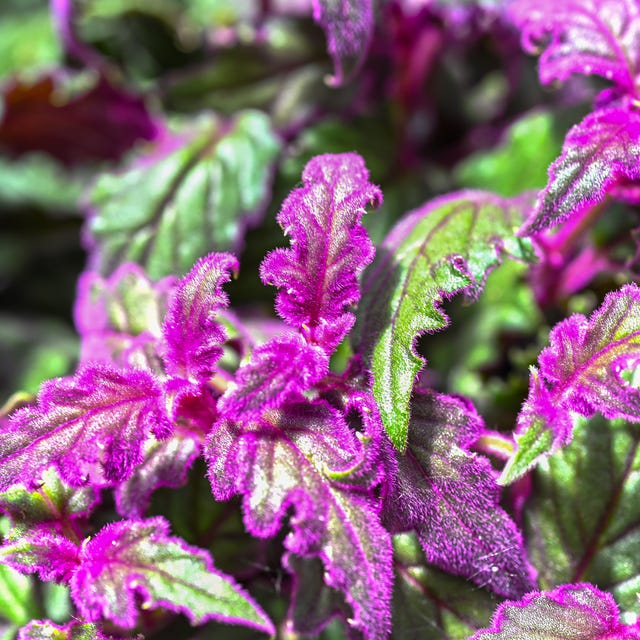
Not Only Is Purple Passion Plant Gorgeous, It's Easy to Grow

20 Colors That Will Always Pair Perfectly With Lavender

Purple plants – 5 best to choose for the perfect purple border
How to make your home bloom, plus 5 tips for the perfect floral display

23 Lavender Varieties for a Fragrant Garden

10 Pretty Purple Flowers That’ll Make Your Garden Pop

Gardeners, These Low-Maintenance Perennial Flowers Bloom Every Season
What Colors Go With Lavender? 13 Combinations for One of This Year's Most Trendy Colors
How to grow passion flowers – for a spectacular and other-worldly flowering climber
16 Best Fast-Growing Purple Plants For A Beautiful Shade Garden In No Time
Grow These Stunning Spring Flowers to Welcome in the Season

14 Fabulous Flowers That Are Easy to Grow From Seed