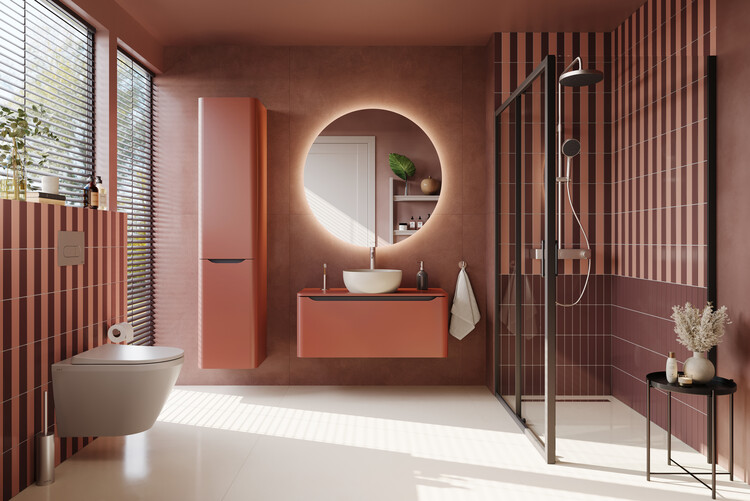
1/6
Exploring the Interplay of Body, Data, and Space in Contemporary Bathroom Design
The article explores the evolution of bathroom design from purely utilitarian spaces to intelligent environments that integrate technology, user-centered ergonomics, and sustainability. It highlights how contemporary bathrooms are considering physical, cognitive, and sensory parameters in their development. The article emphasizes that while high-end automation and digital controls are impressive, the most effective innovations are often subtle and intuitive, enhancing daily routines without overcomplicating them.
VitrA, a leading company in bathroom solutions, presented its "Design for Life" concept at ISH 2025 in Frankfurt, focusing on sustainability, modularity, and use-driven adaptability. Their innovations include modular systems for bathroom planning, technologies for hygiene, hydraulic efficiency, accessibility, and environmental impact assessment, reflecting a comprehensive approach to sanitary space design.
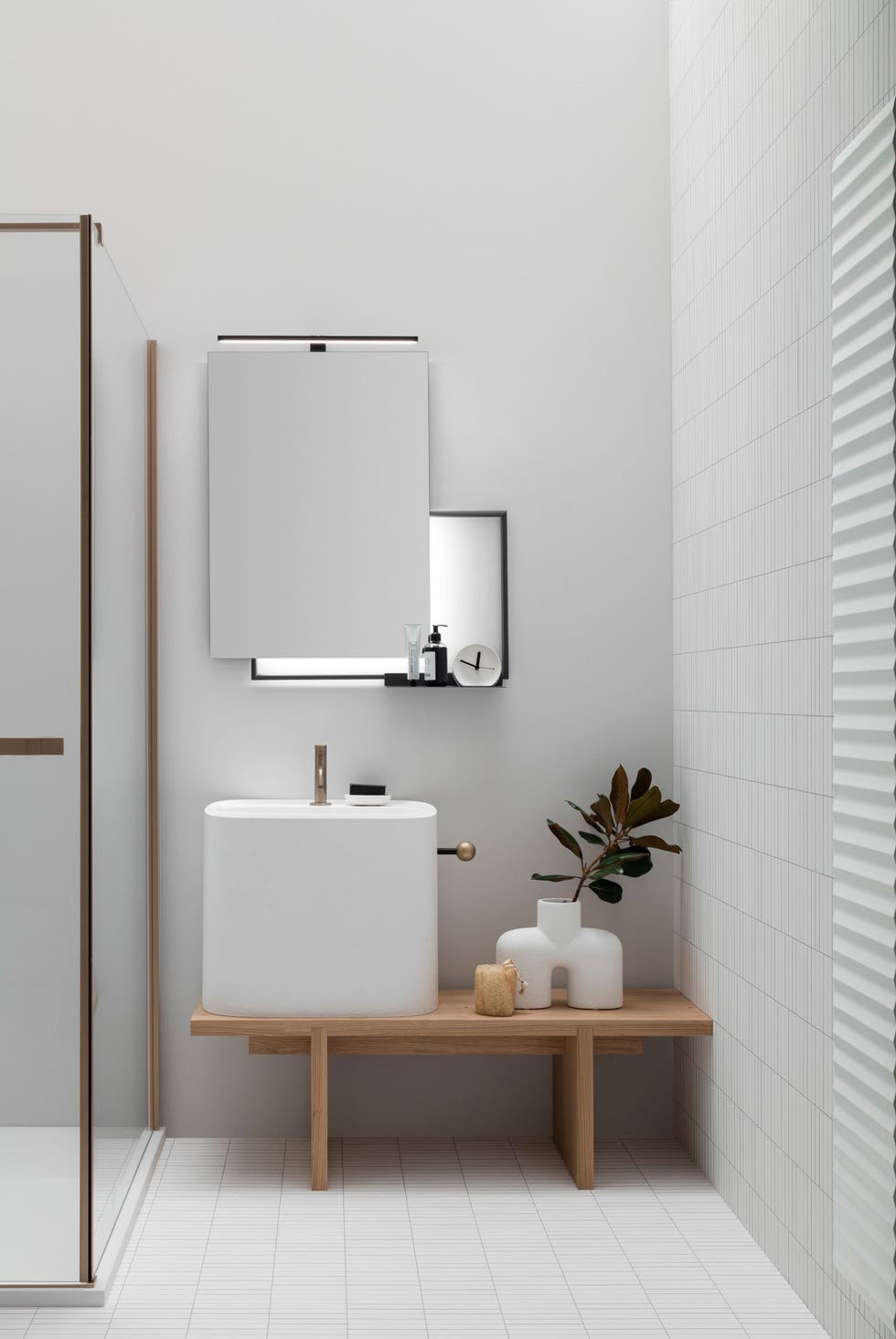
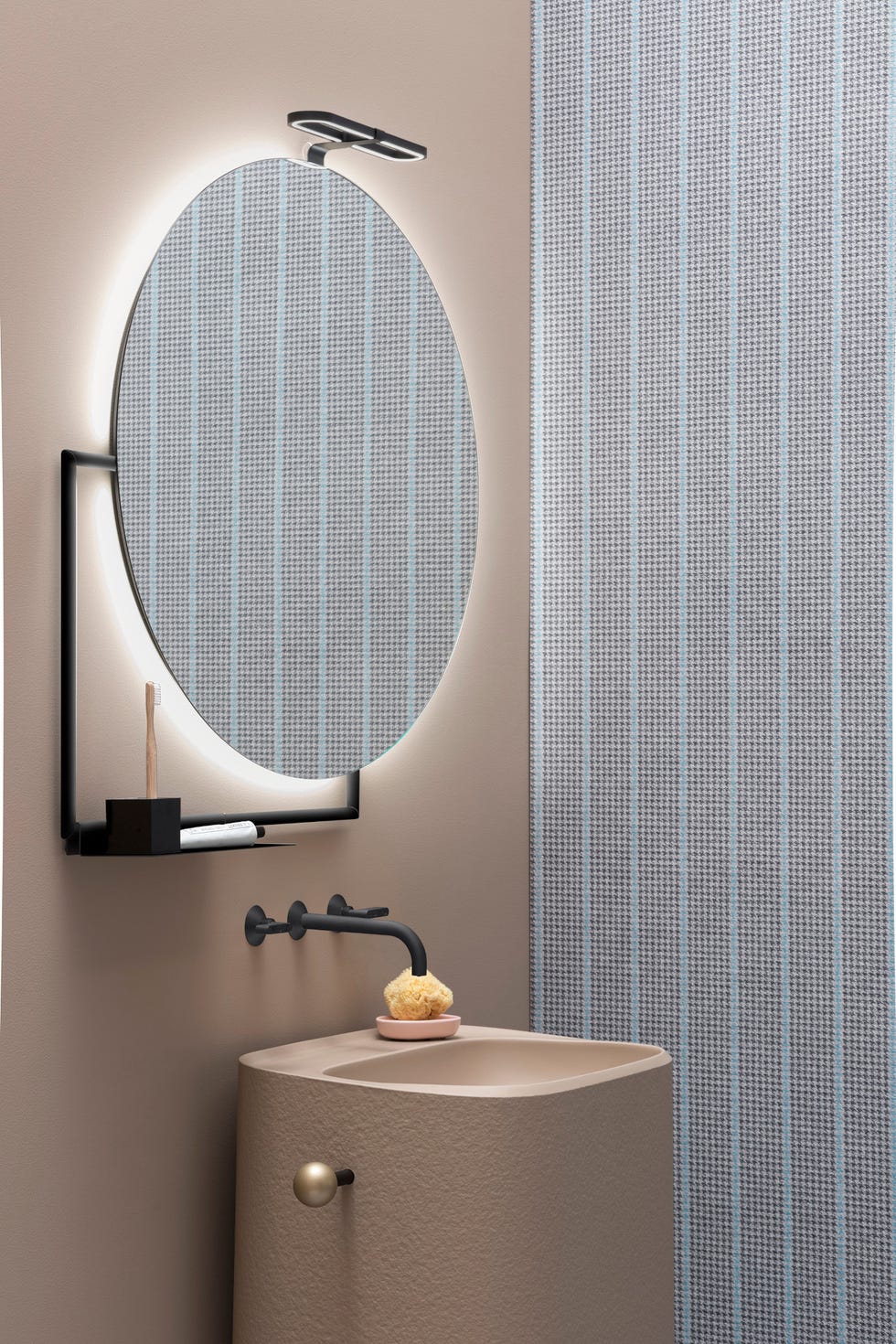
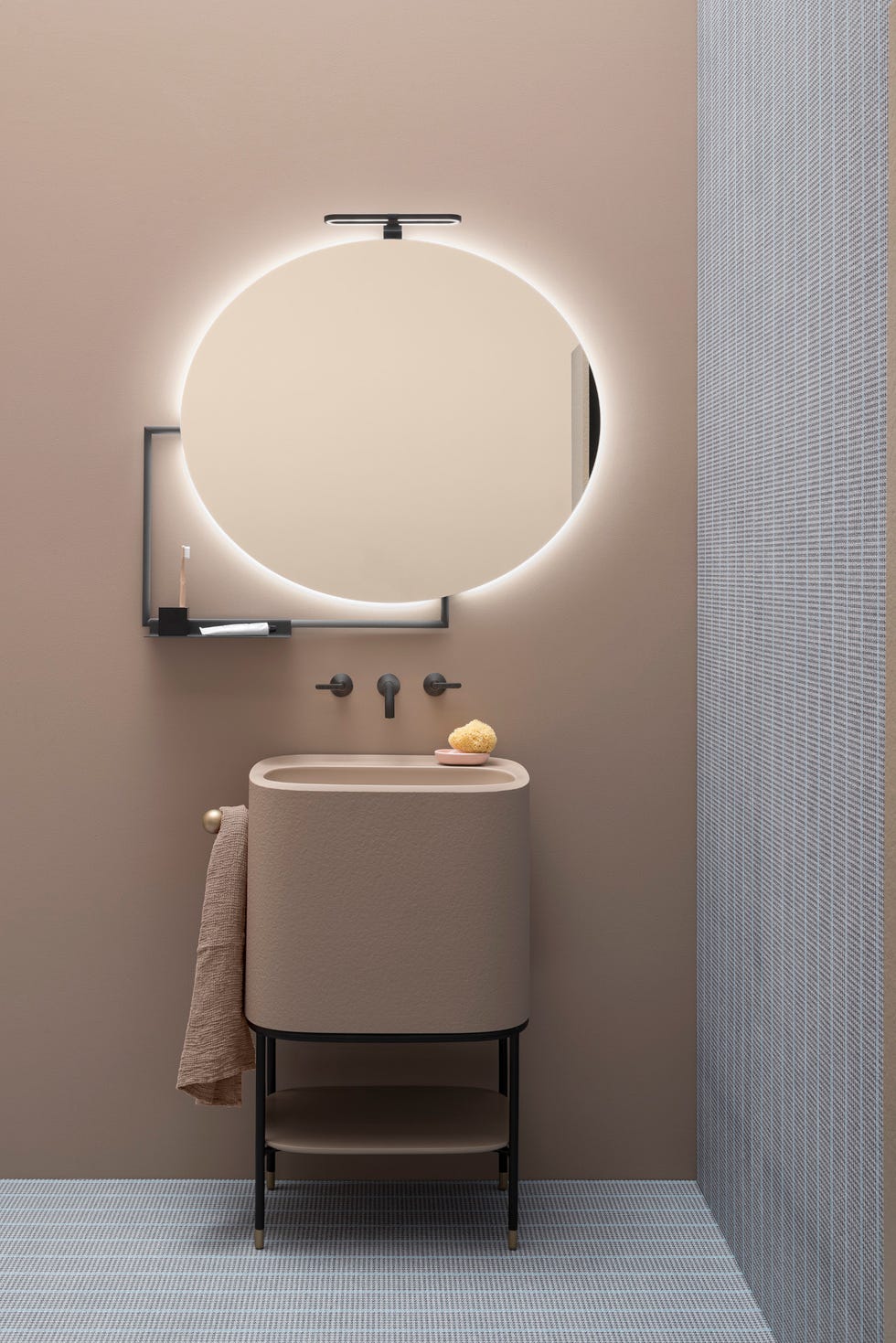
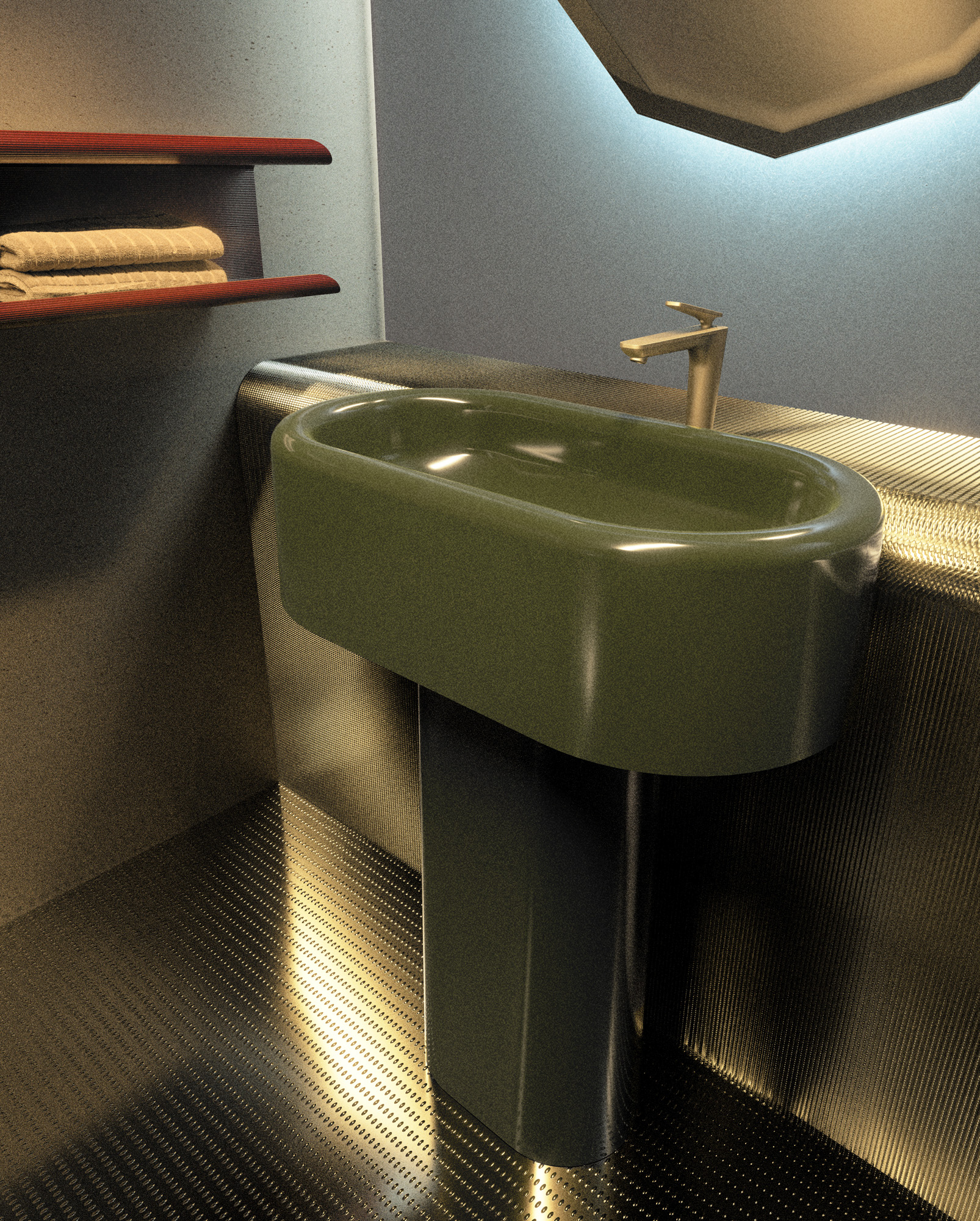
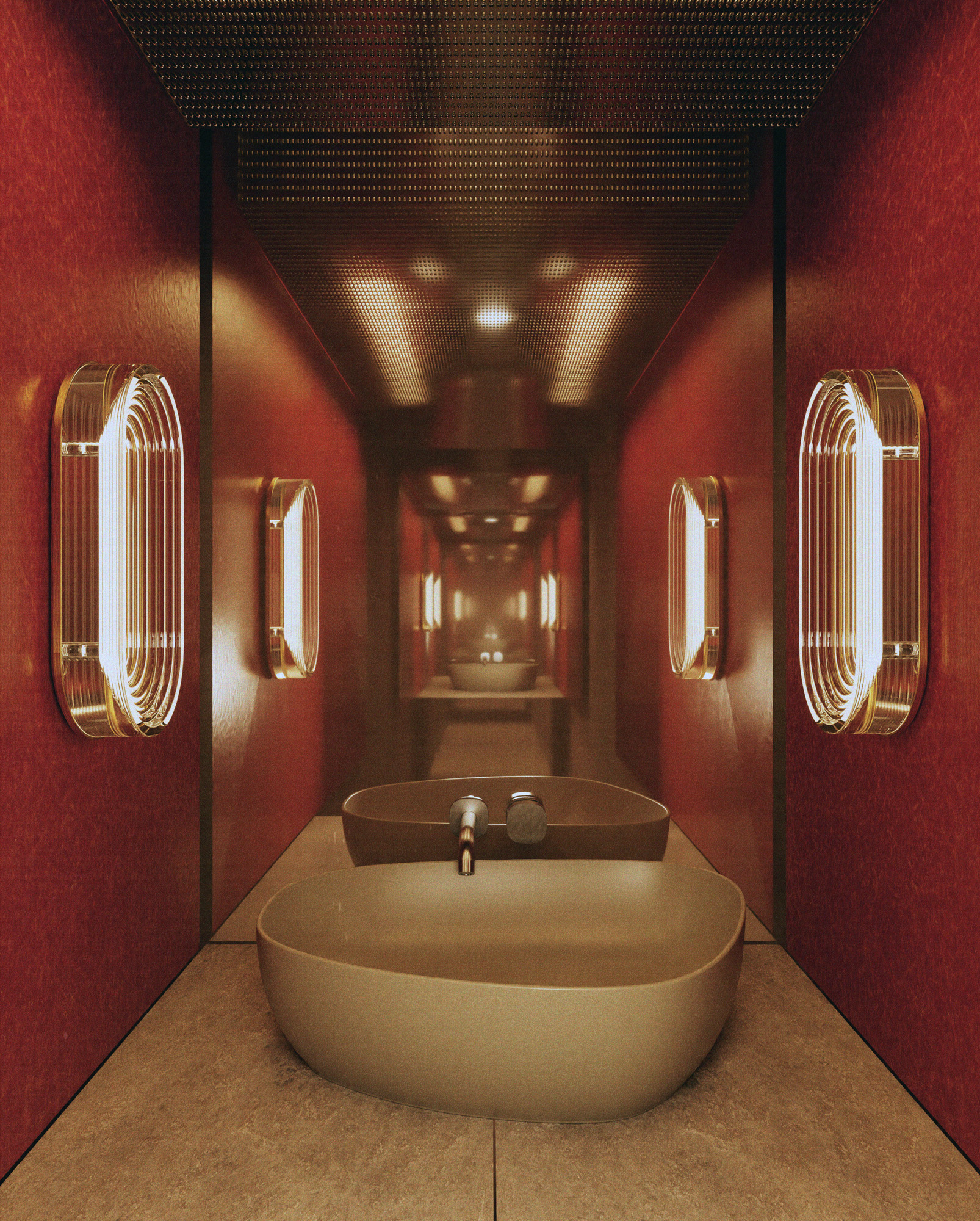
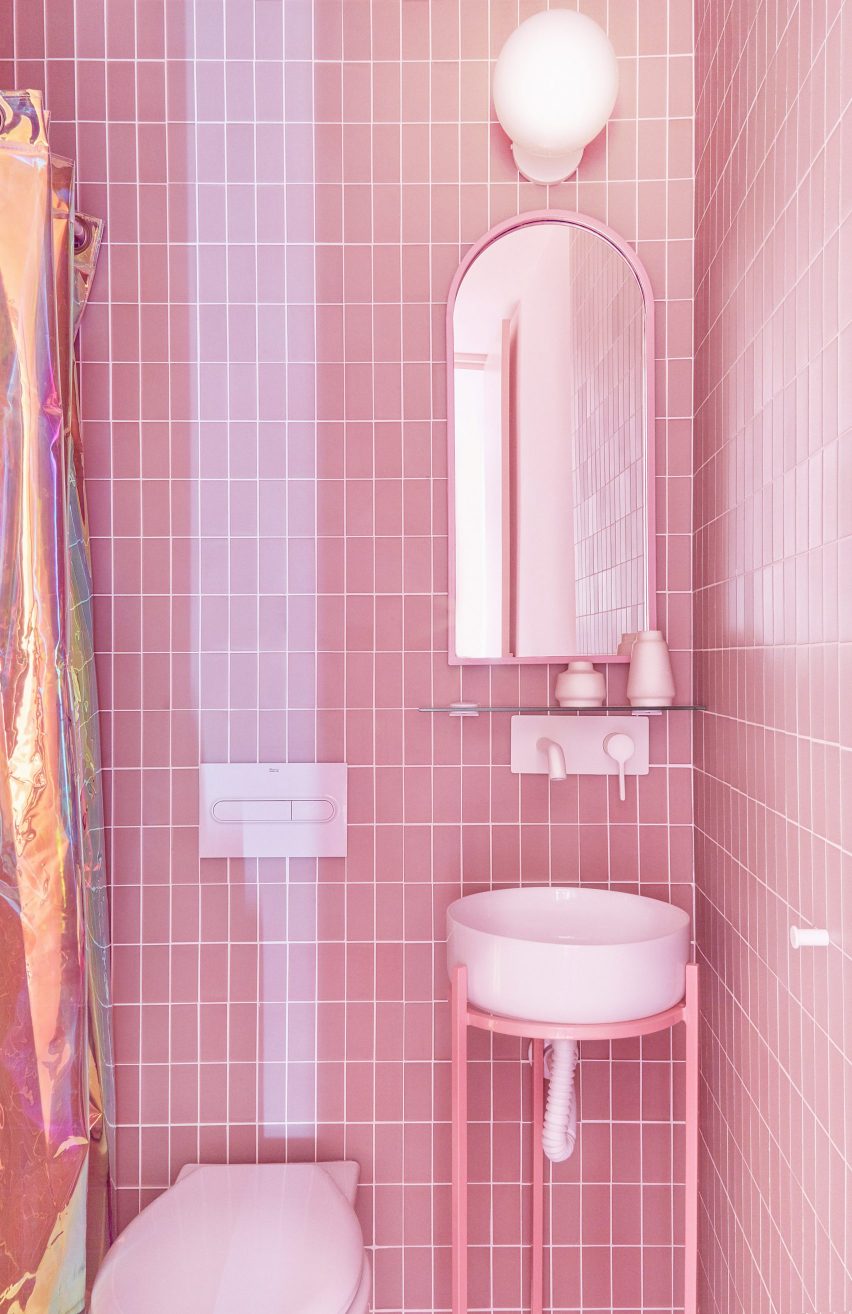
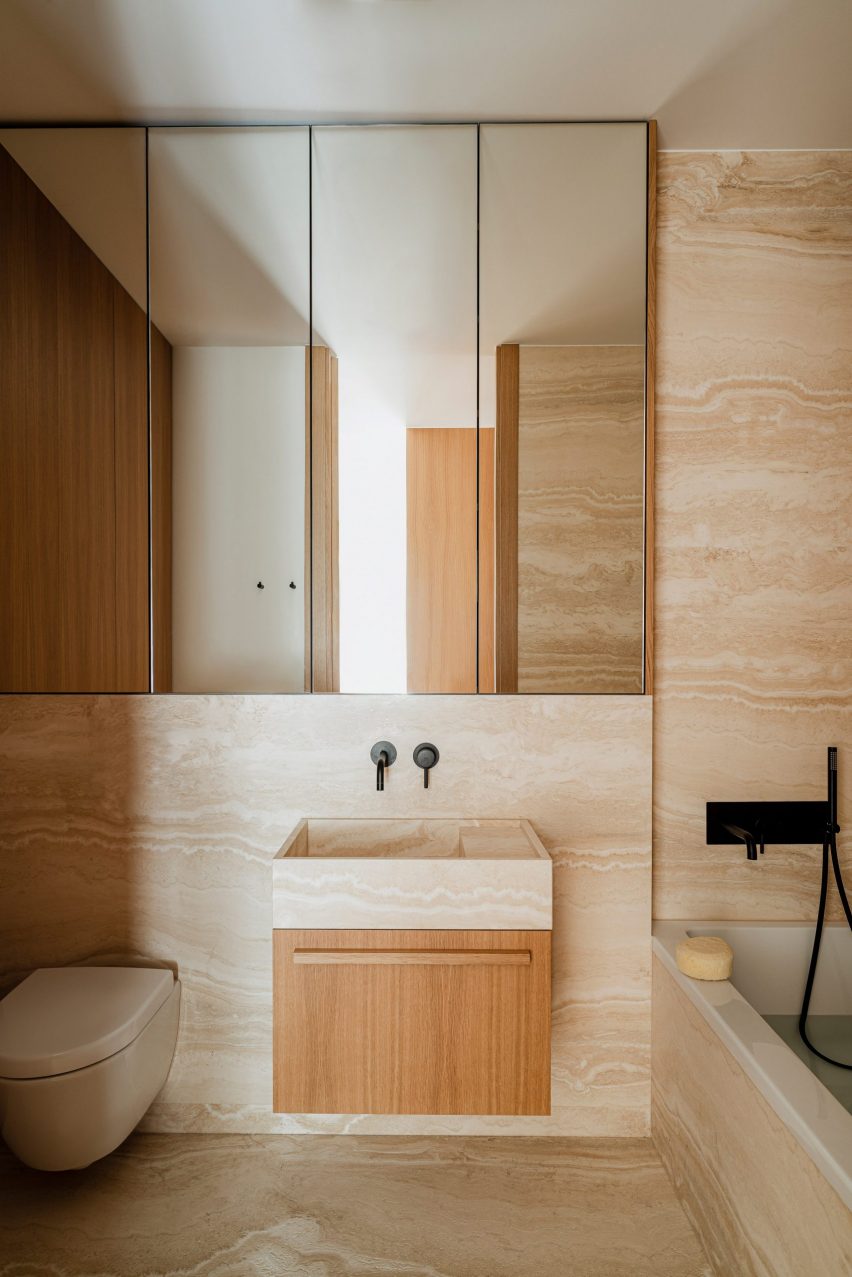
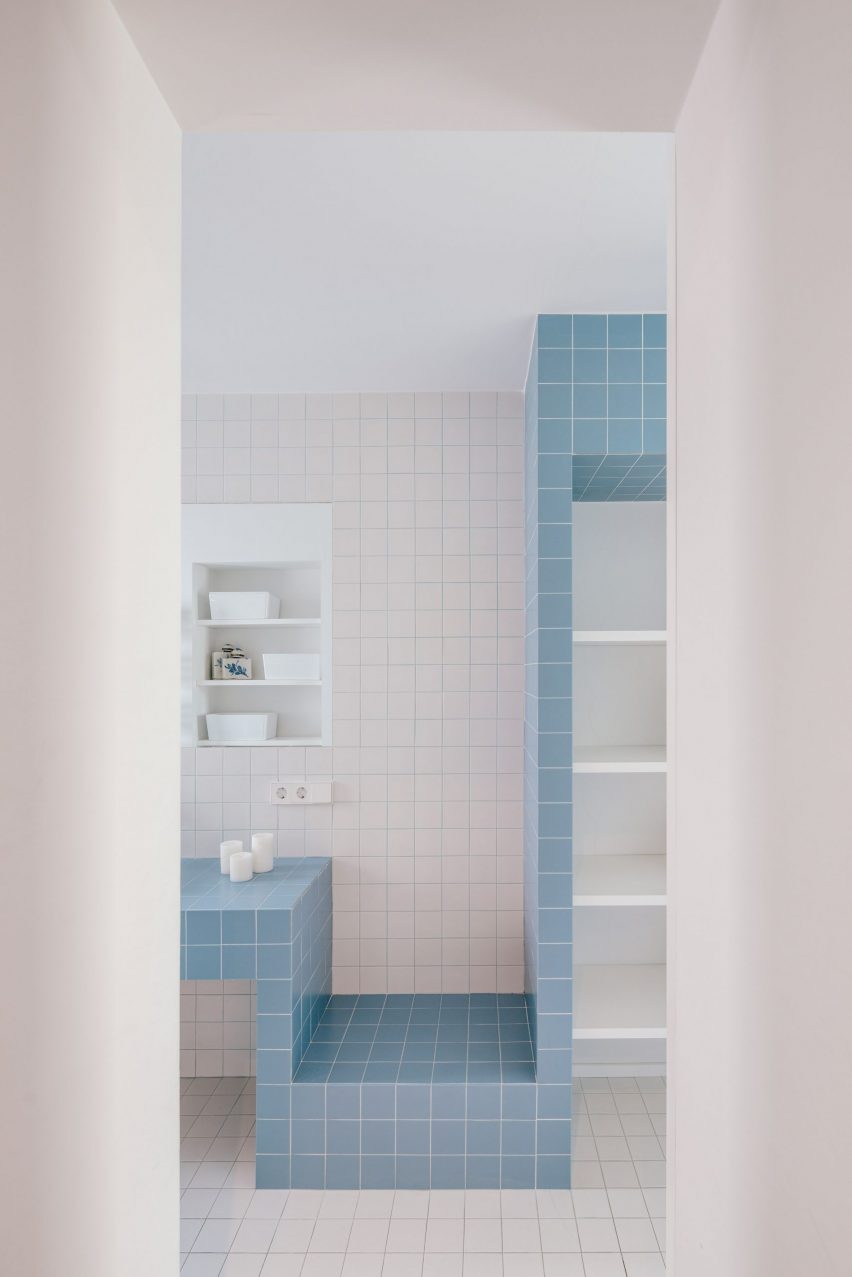
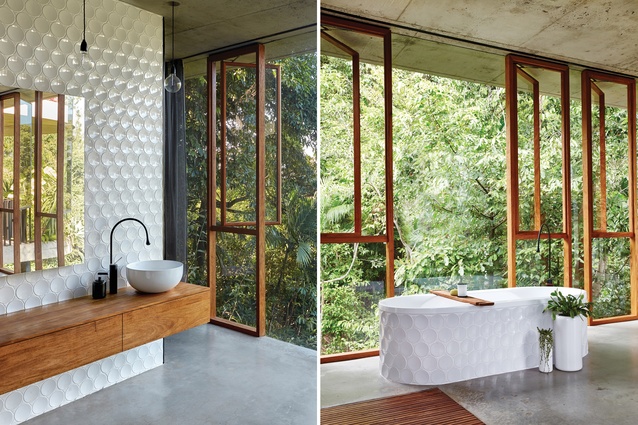
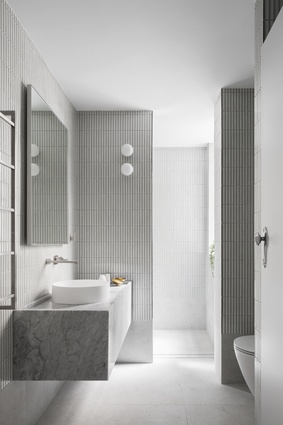
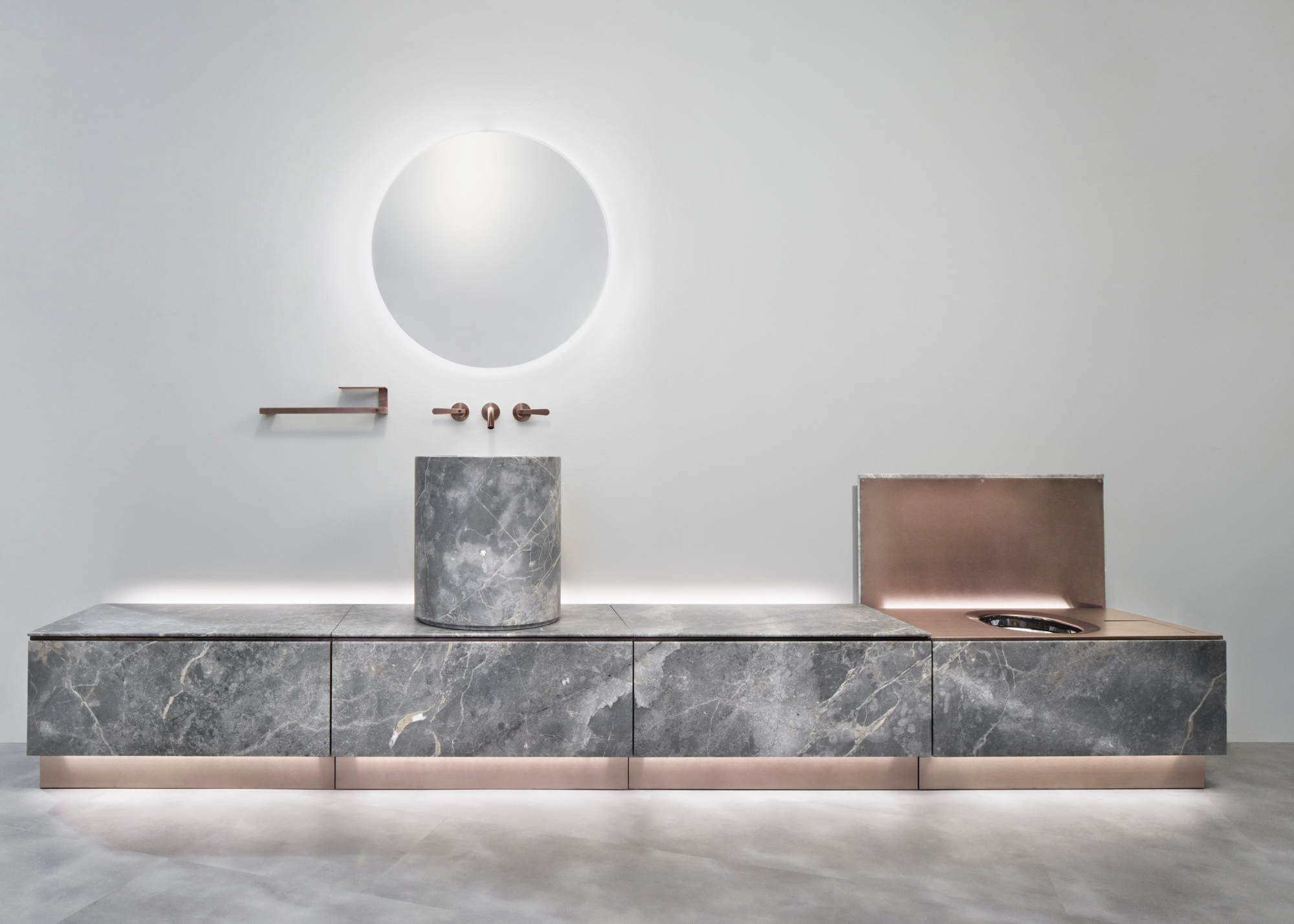
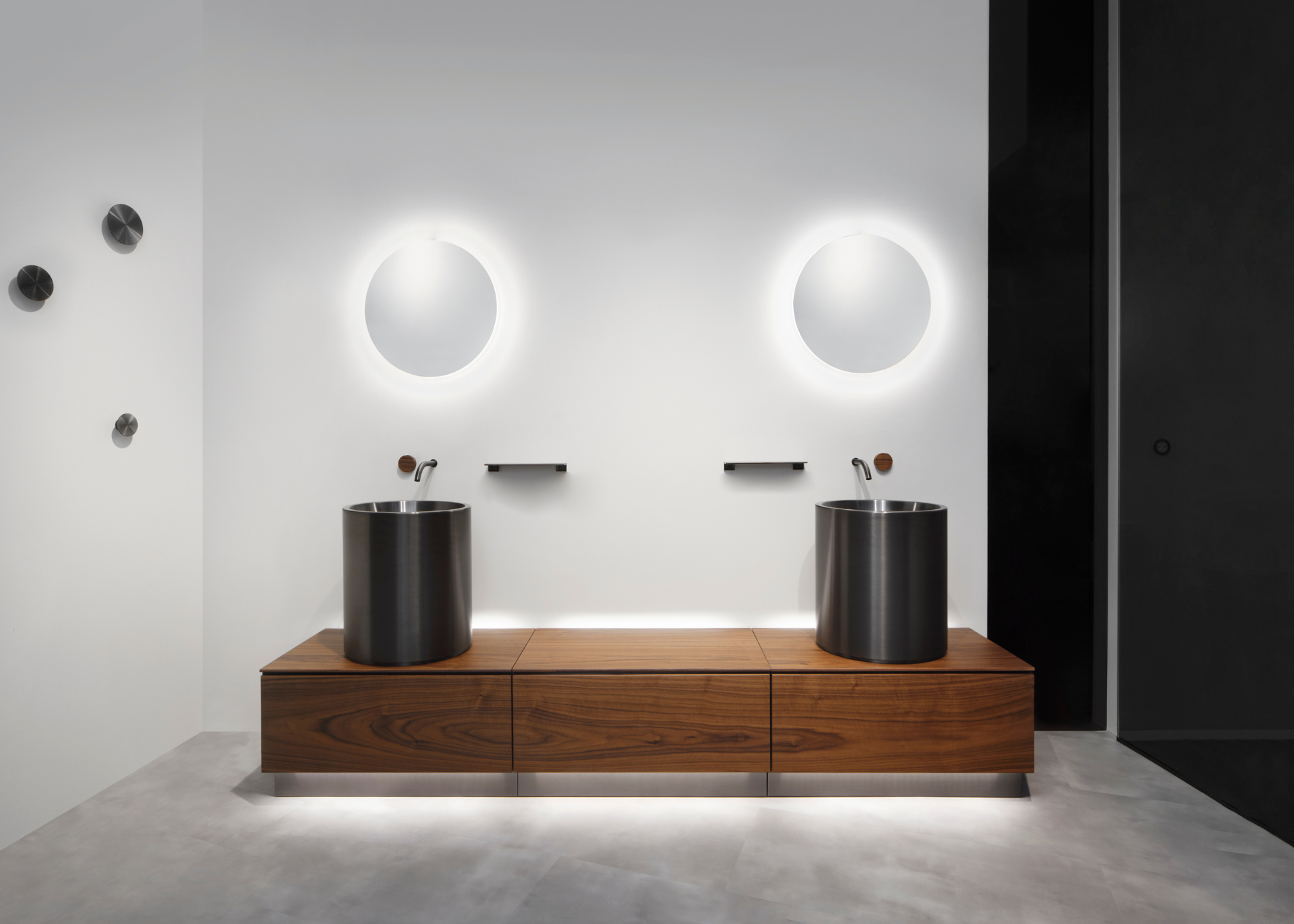
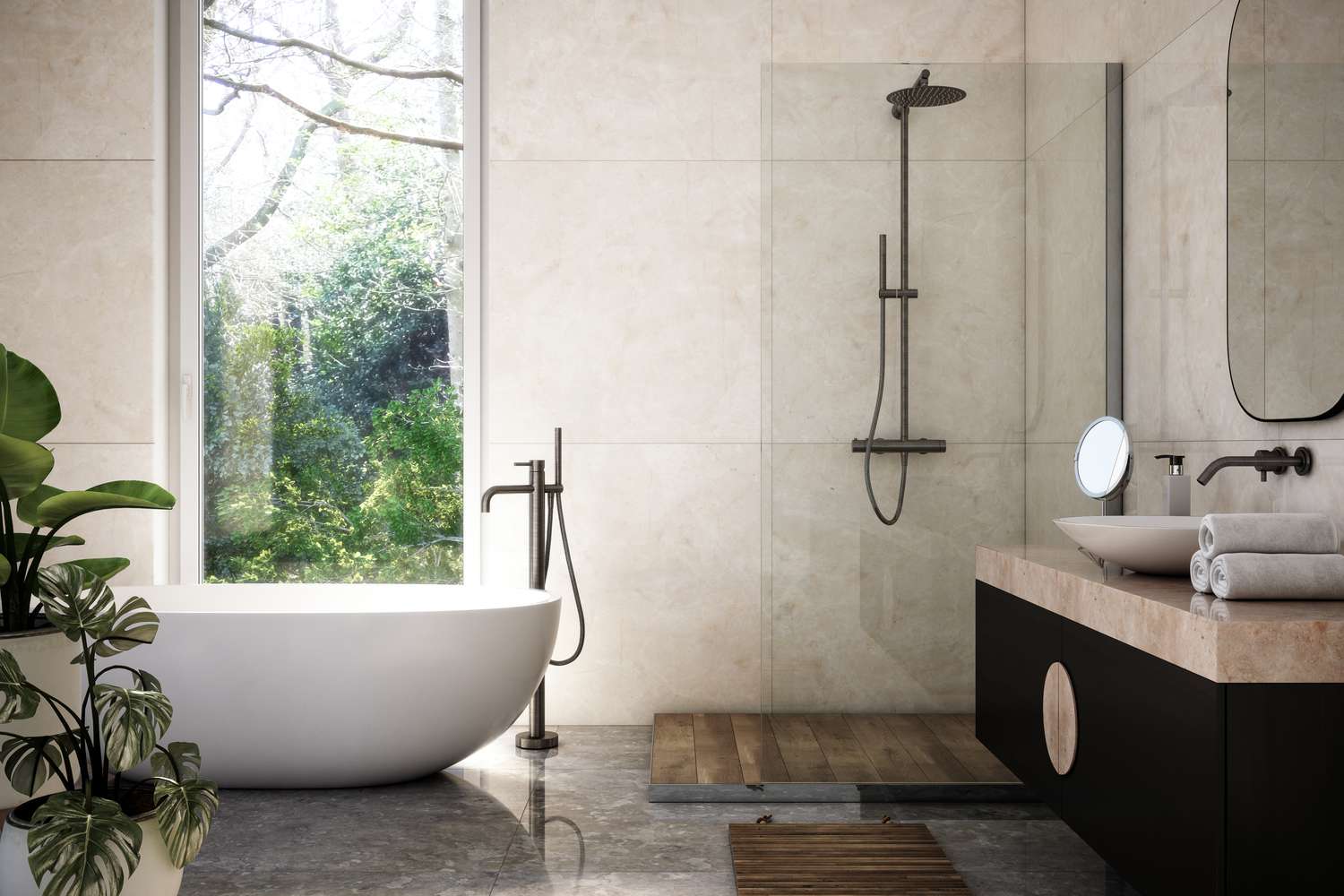
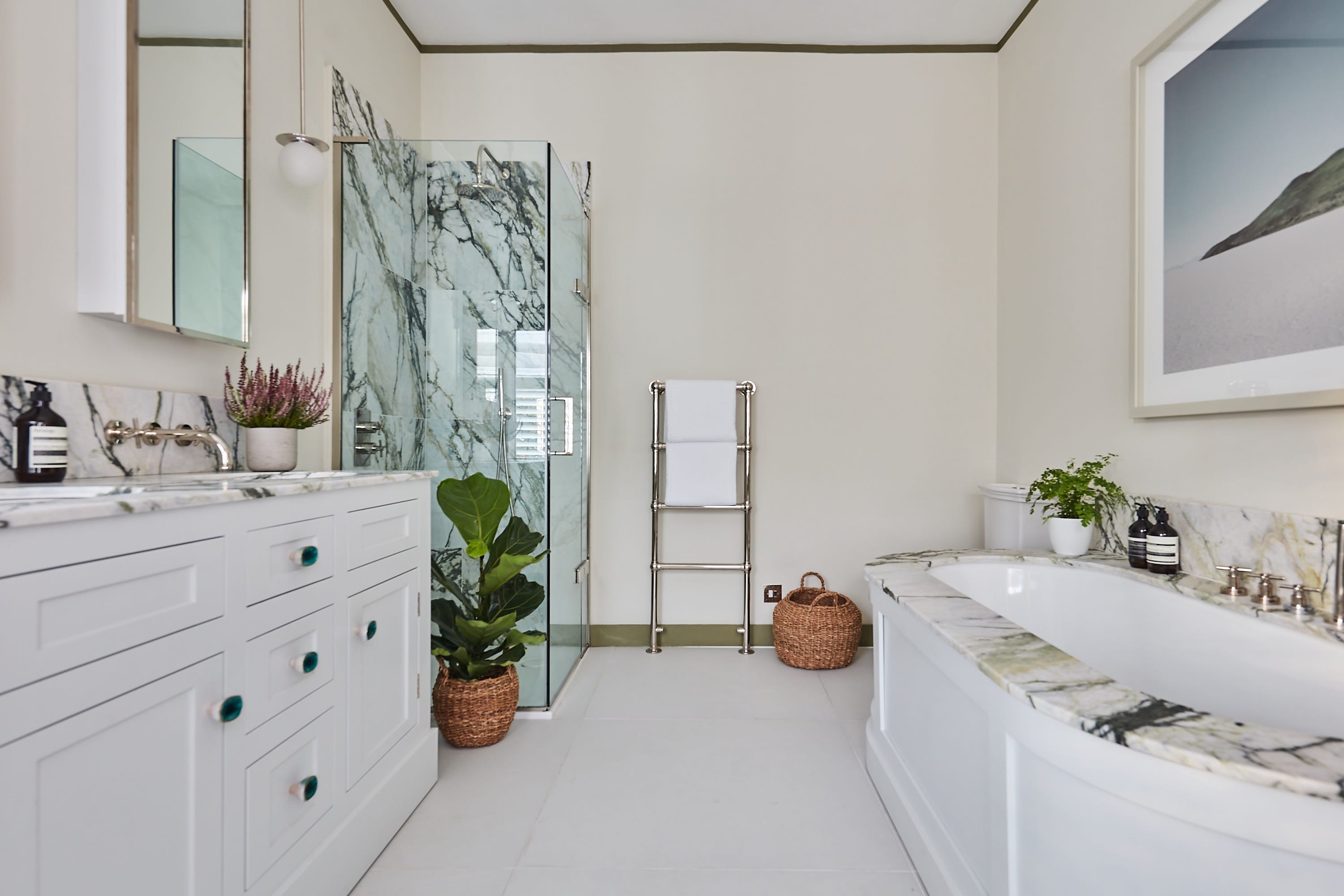
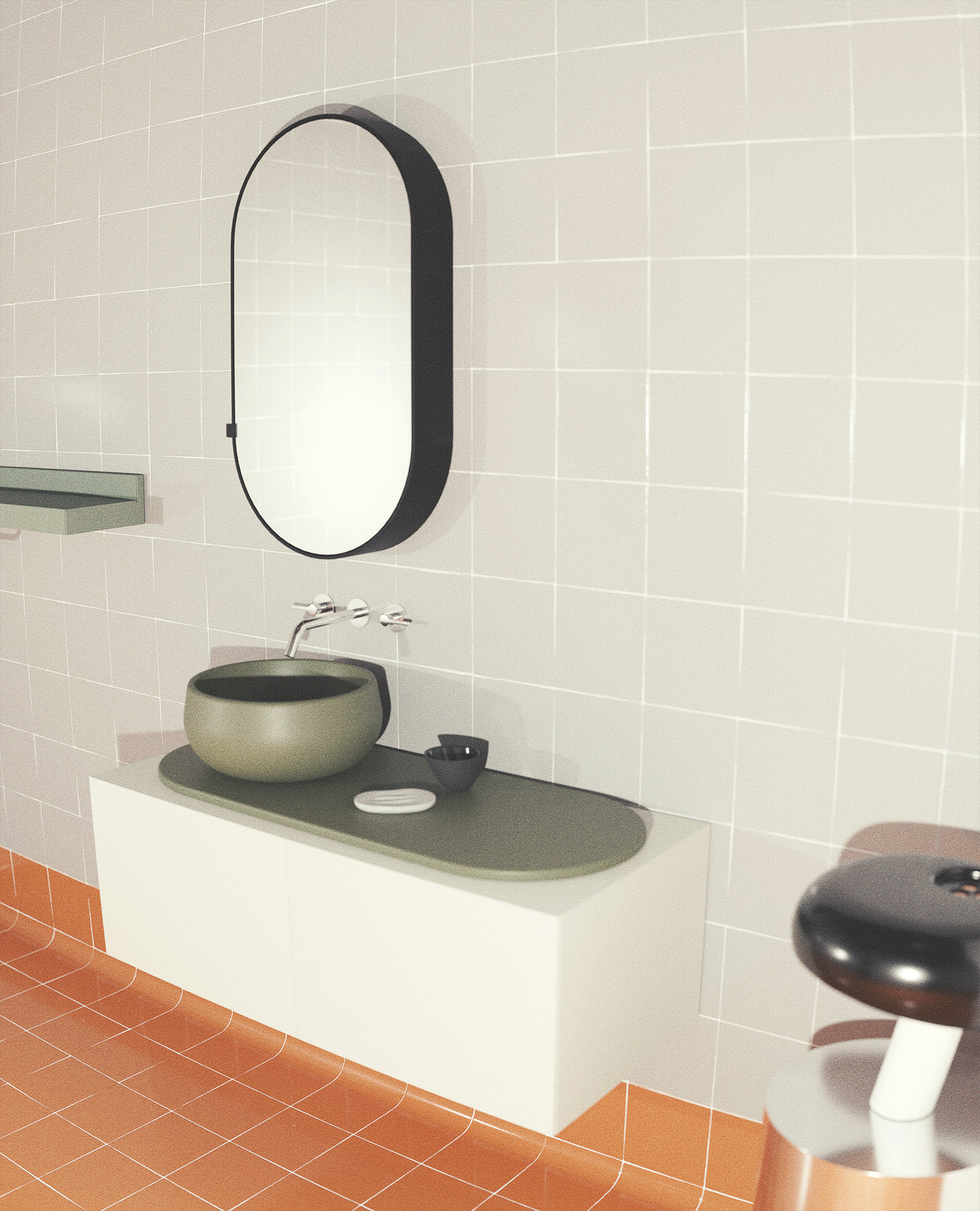
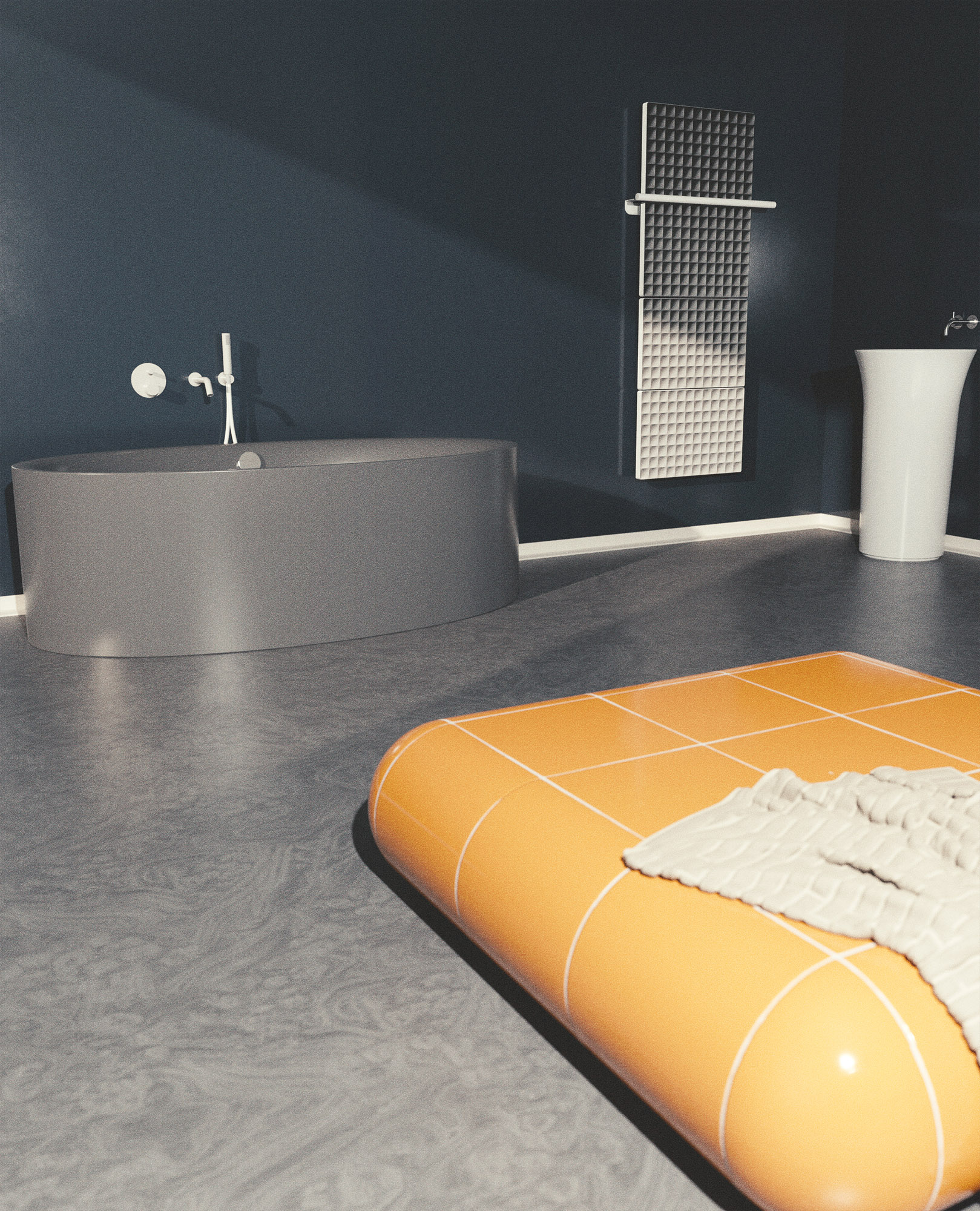
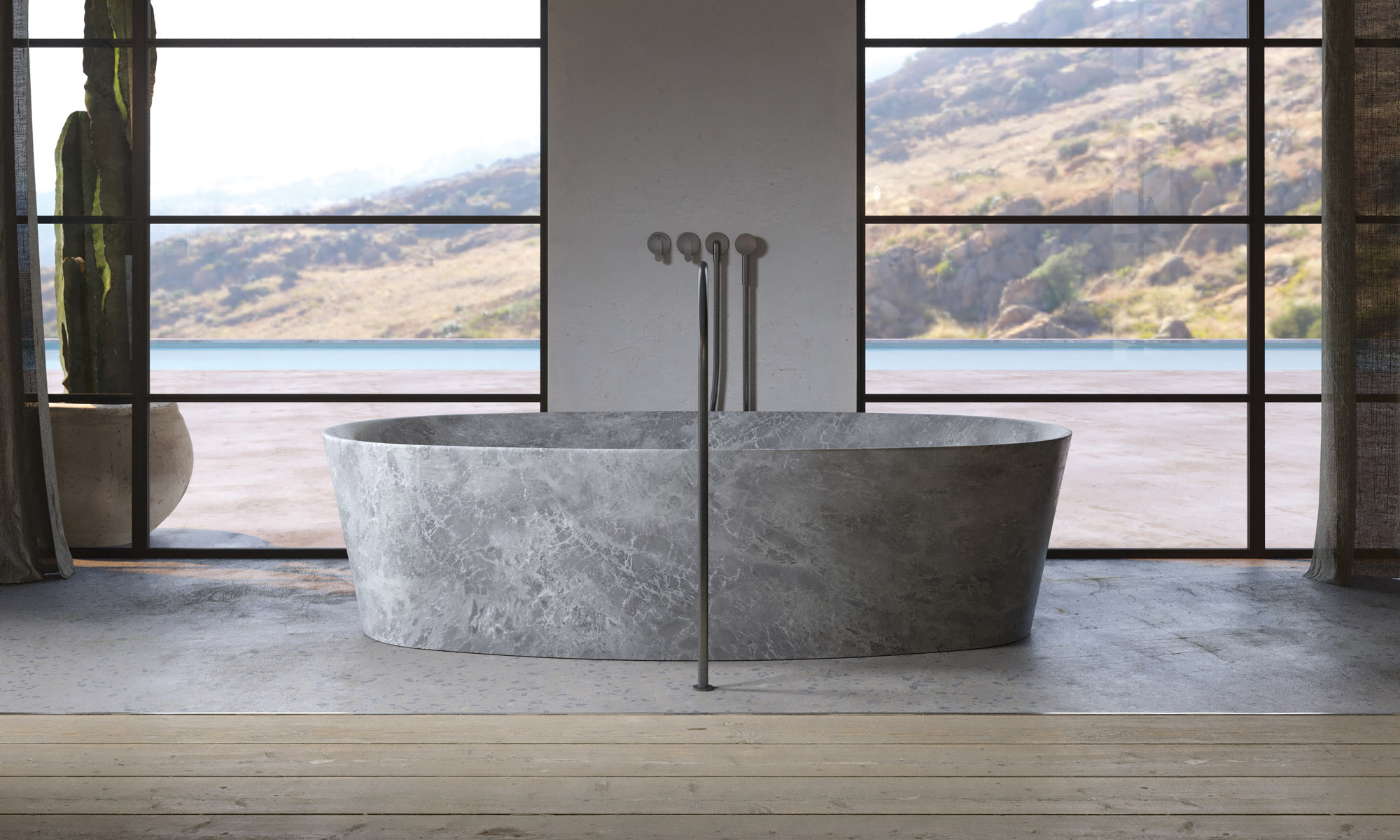
The discussion on bathroom layouts covers various configurations like corner layouts for compact spaces, one-wall bathrooms for efficiency in urban settings, and freestanding fixtures that add luxury and sculptural elements. VitrA Grid is introduced as a modular system that allows for flexible combinations of basins, frames, mirrors, lighting, cabinets, and accessories. This system caters to diverse spatial typologies while maintaining visual coherence. In line with circularity, VitrA also unveiled products made from recycled materials, such as a basin from nearly 100% recycled ceramic waste and a toilet seat with 92% recycled content, significantly reducing carbon emissions.
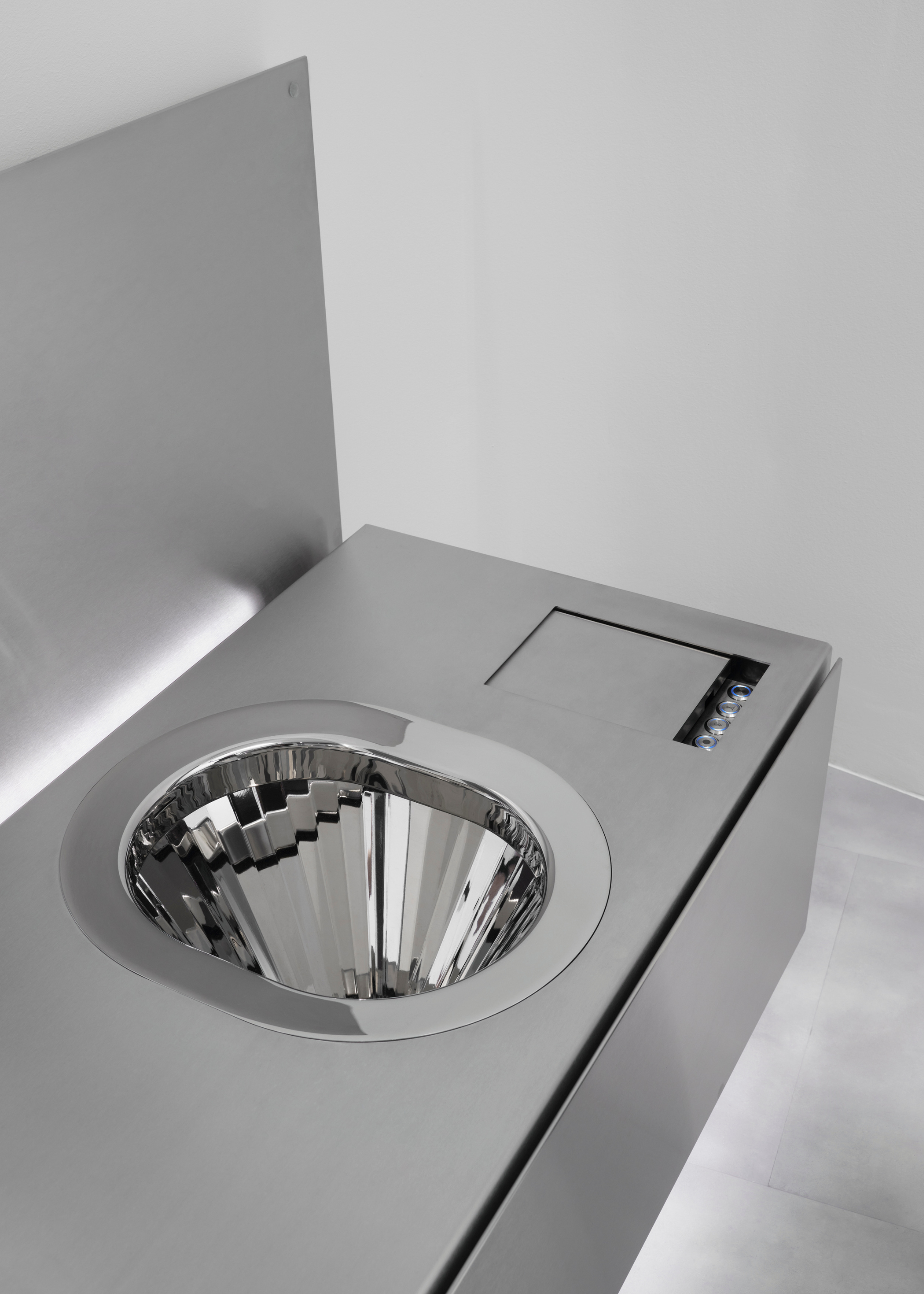
Ergonomics, hygiene, and automation are central to modern bathroom design. The V-Care 3 integrated bidet-toilet system, for instance, offers advanced features like rimless ceramic bowls for easy cleaning, adjustable water jets, temperature controls, UV sterilization, and a ceramic air filter. It comes in Comfort and Essential versions, both compatible with low-flow flush systems and featuring antimicrobial glaze. The design adheres to universal accessibility standards for multigenerational use.
Water management and movement are crucial in toilet design. QuantumFlush technology enhances toilet flush performance by applying fluid dynamics principles, converting turbulent discharge into laminar flow. This ensures uniform water distribution, reduces water volume needed for cleaning, and produces lower noise levels, certified with the Quiet Mark label. Effective splash control is also a technical benefit, particularly for containing bioaerosols.
Finally, the article touches upon SustaINdex, VitrA's internal evaluation methodology developed in collaboration with academic institutions. This system assesses the social and environmental impacts of products throughout their lifecycle, classifying them based on circularity, emissions, and in-use impact. This initiative provides a technical foundation for continuous improvement in product sustainability. The overall shift in bathroom design indicates a future where these spaces are not just functional but also perceptive, adaptive, and evolving with user needs. #BathroomDesign #SmartHome #Sustainability #ModularDesign #HygieneTechnology #WaterEfficiency #Ergonomics #ArchitecturalInnovation
कुल 0 टिप्पणियाँ
 कोई टिप्पणी नहीं
आपको यह भी पसंद आ सकता है
The modern bathroom, increasingly personalized between technology and sustainability

Bathroom Trends
This 'Invisible' Toilet Is the Future of Bathroom Design

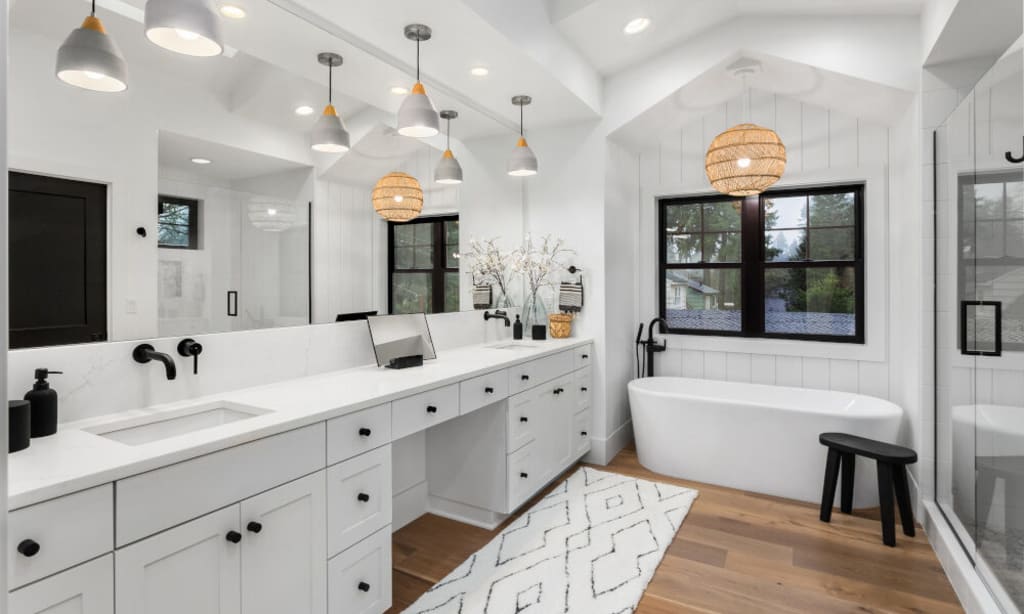
Top Bathroom Design Trends for 2025

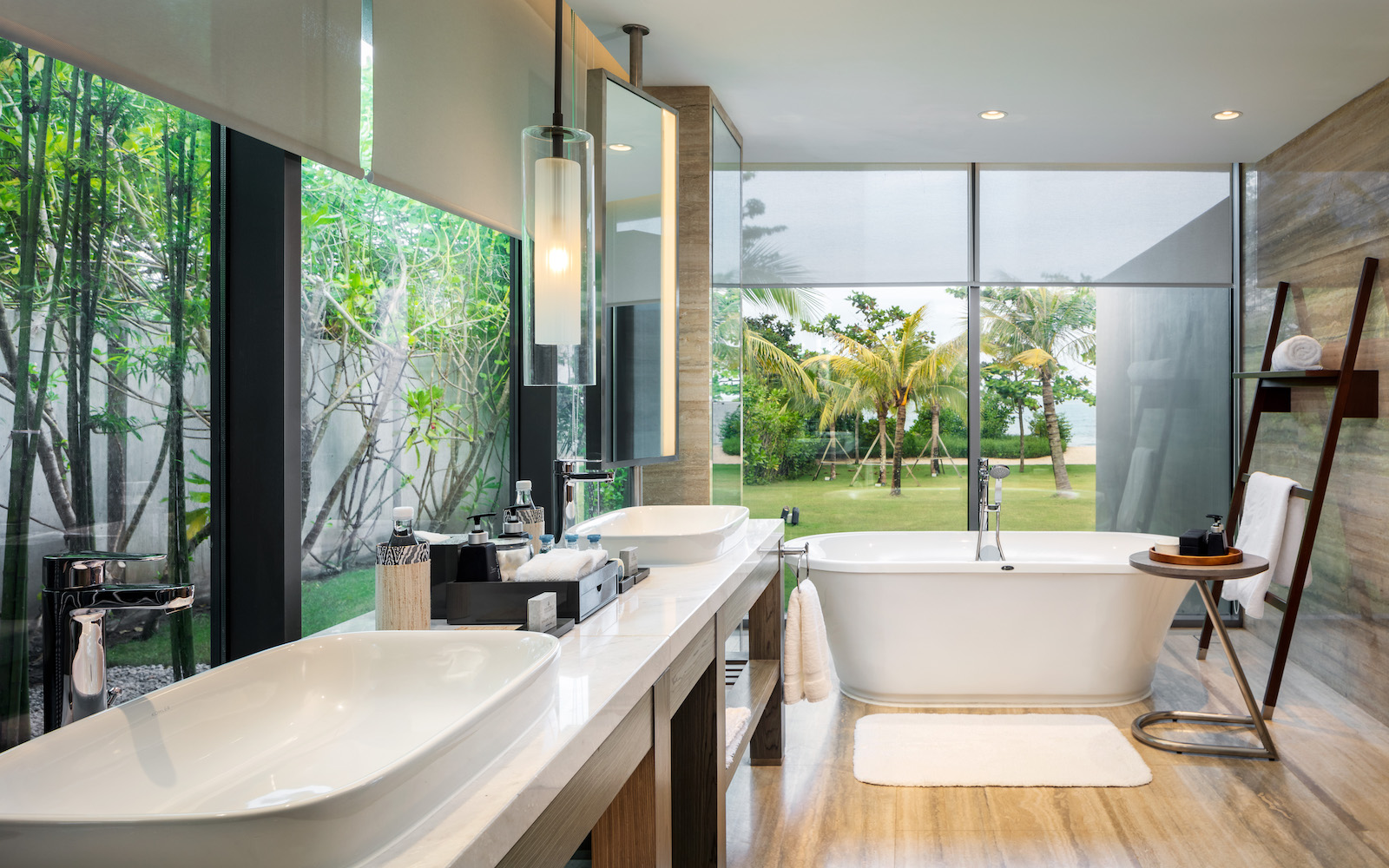
Roundtable: merging spaces & the future of bathroom design
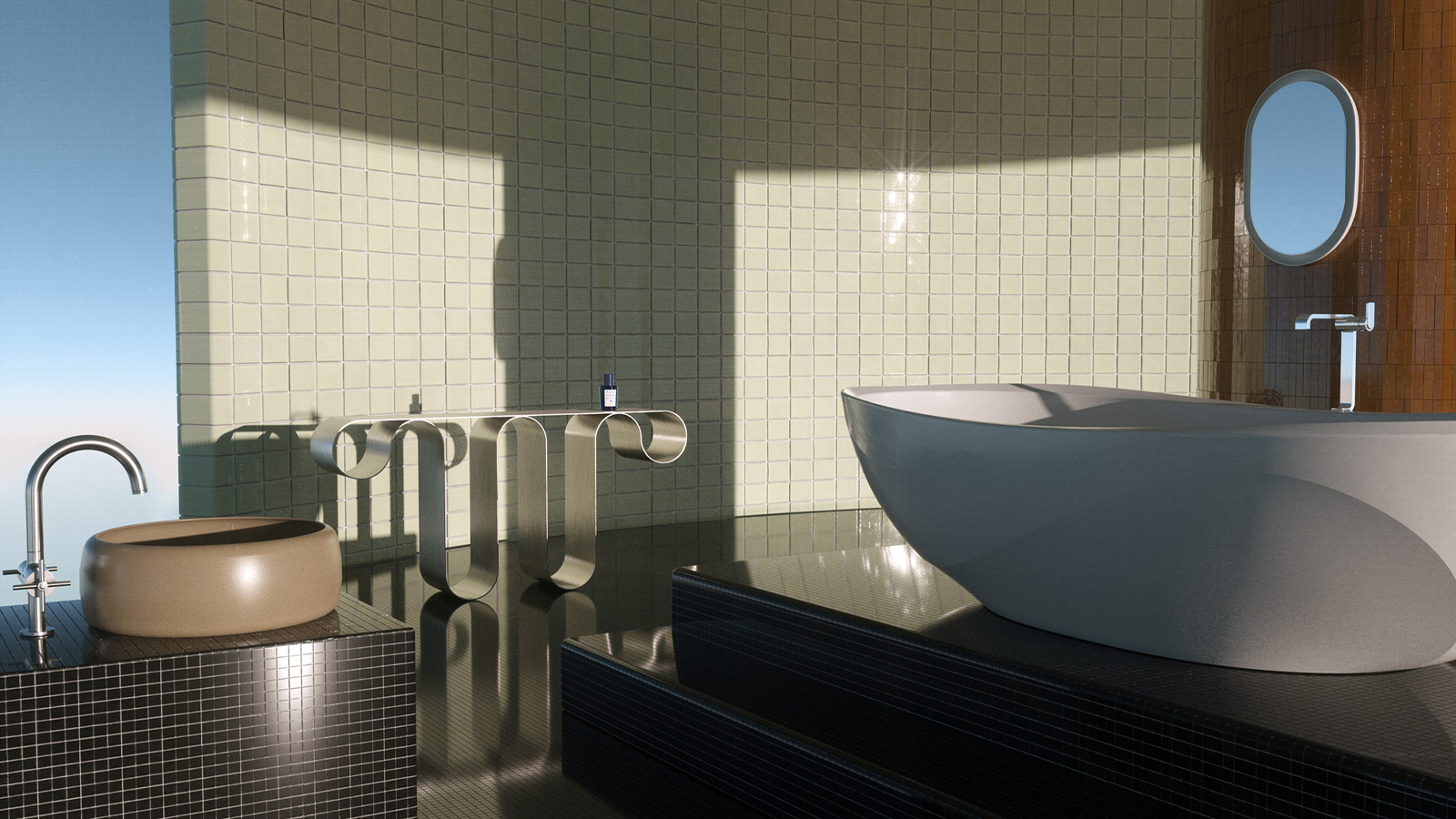
Scene-setting bathroom ideas: step into our dramatic, refined bathroom spaces

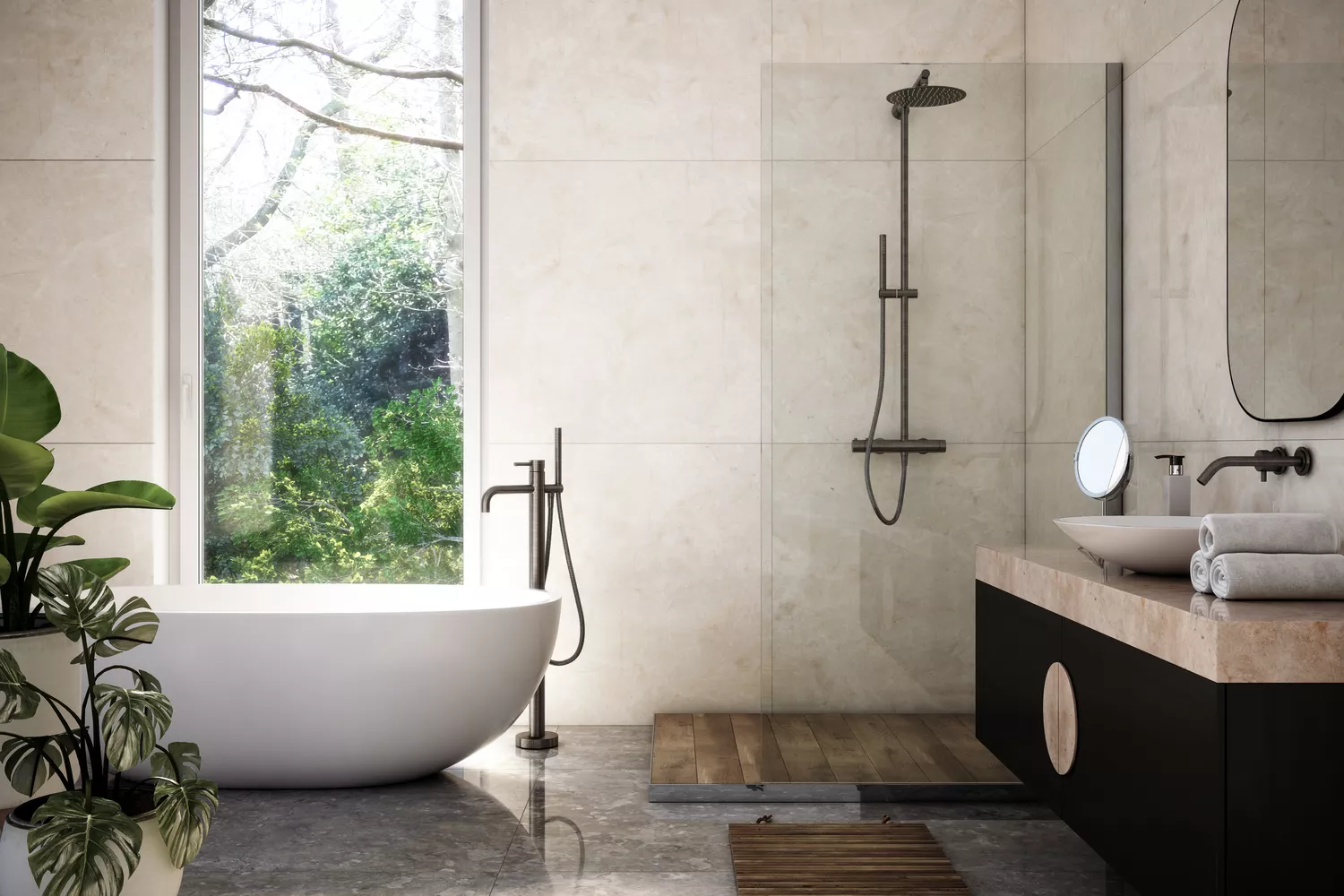
9 Beautiful Bathroom Ideas to Inspire Your Next Remodel, According to Designers
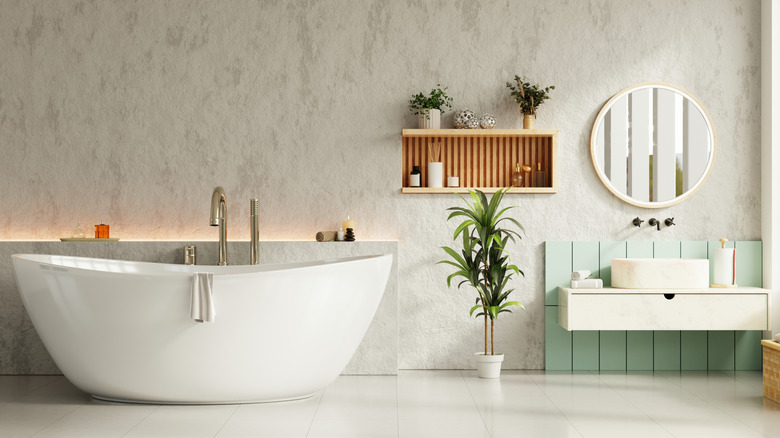
All The Bathroom Trends That Will Be Taking Over In 2026


The new bathroom experience: Design that celebrates the rich diversity of human experience
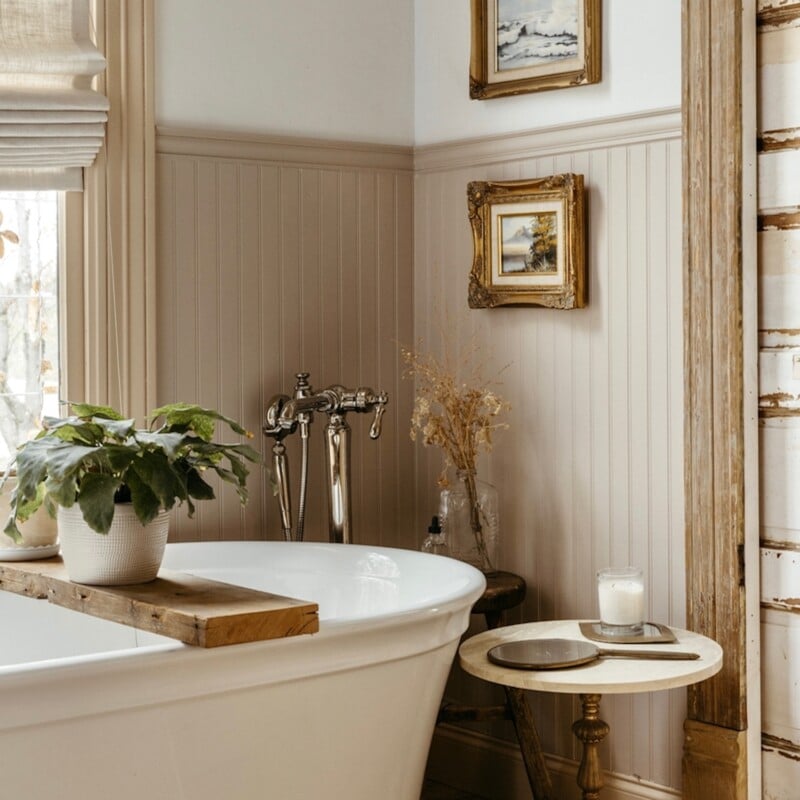
At-Home Spa? Yes, Please—Designers Share Their Bathroom Trend Forecast for 2024

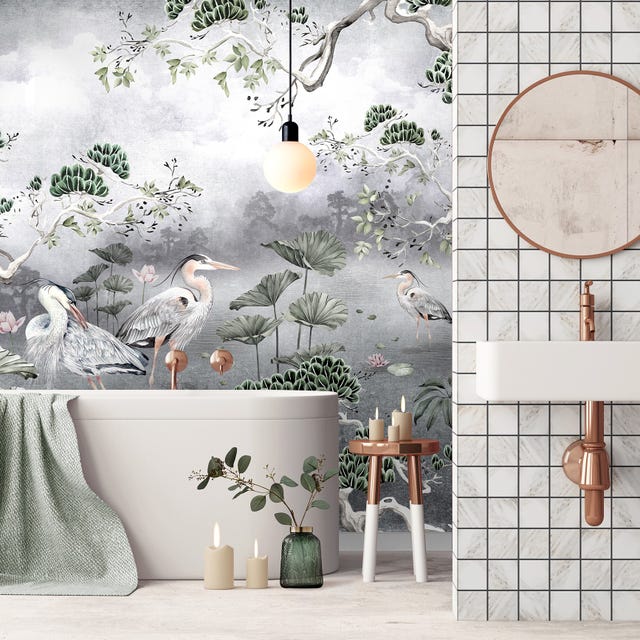
These Are the Bathroom Trends That Will Dominate in 2022

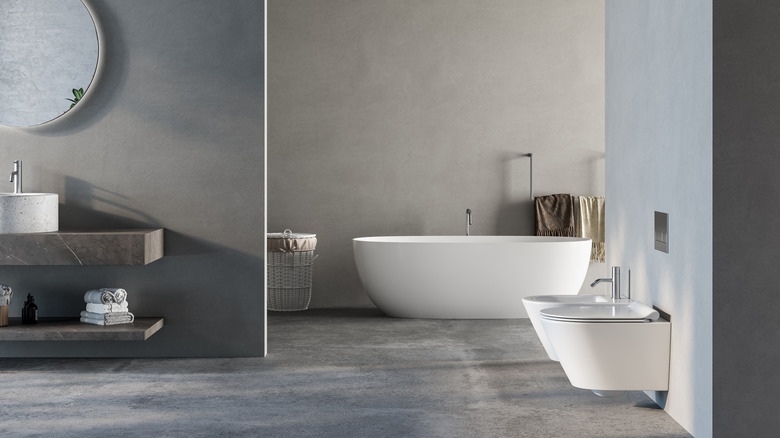
Say Goodbye To Traditional, Builder-Grade Bathrooms — These 12 Unique Features Are In
Six Wellness-Related Bathroom Design Trends For 2024

Thirty domestic bathrooms by architects including concrete, travertine and tiled designs

Make sure you know all these bathroom trends in 2024

Are medicine cabinets out of style for 2025?

Beautiful new bathroom trends for 2025 | loveproperty.com
2019 Bathroom focus: international trends
Breathtaking bathroom ideas (will you make a colour splash?)
7 Dated Bathroom Trends to Avoid in 2025, According to Designers