1/7
Experts explain how to install a basement extractor fan to remove damp and musty smells for good
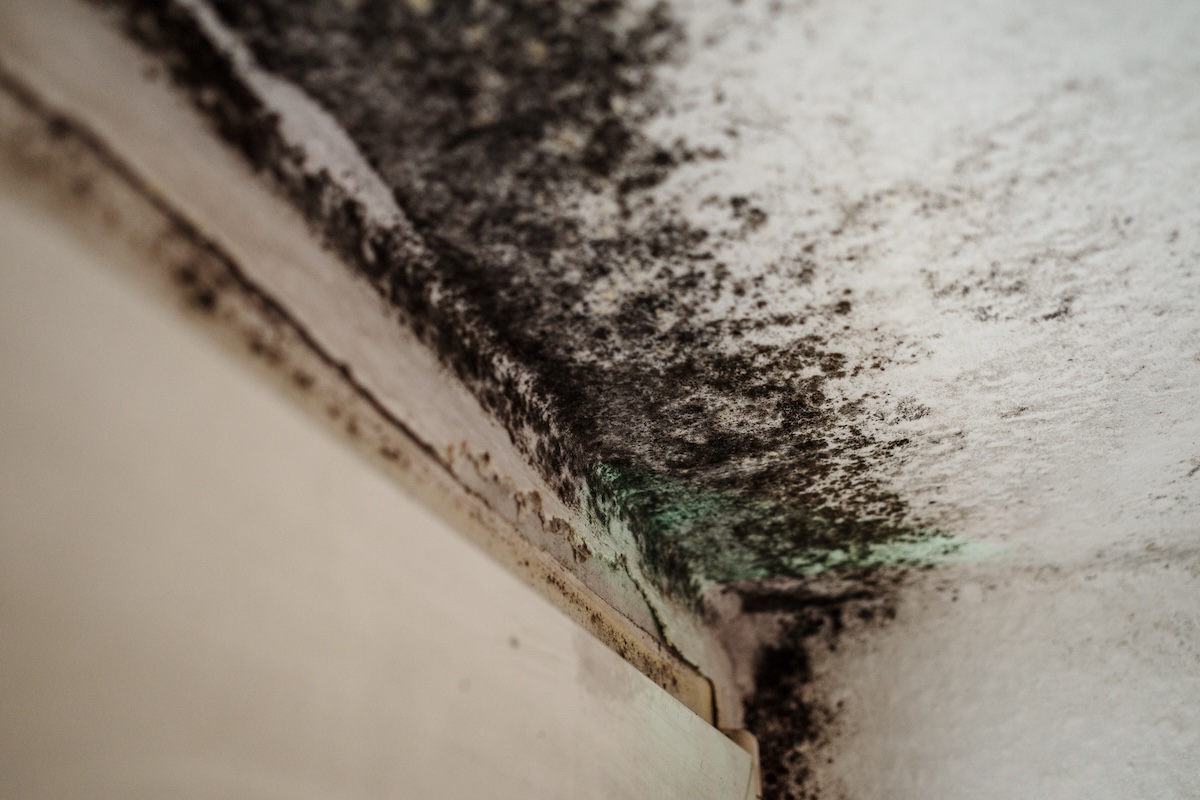
Basements often suffer from poor airflow, leading to dampness, musty odors, condensation, and mold growth. Installing a basement extractor fan is an effective solution to combat these issues, improving air quality and preventing structural damage. The process begins with recognizing the signs that a fan is needed, such as persistent dampness, visible mold, condensation on windows, and a heavy, humid atmosphere. Addressing these symptoms early can maintain a healthy living environment.
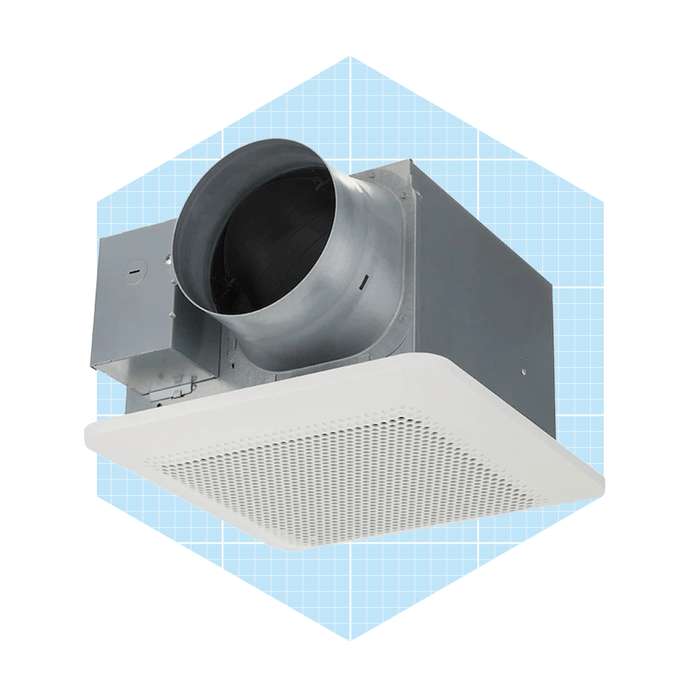
Optimal placement is crucial for the fan's effectiveness. Experts recommend installing a large fan high on an exterior wall, centrally located to ensure proper air circulation throughout the entire basement. Avoiding tucked-away spots or areas behind bulky furniture is essential, as these can obstruct airflow. Placing the fan near existing windows or vents helps it efficiently draw in fresh air while expelling stale, humid air.
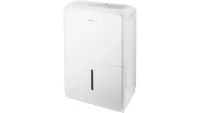
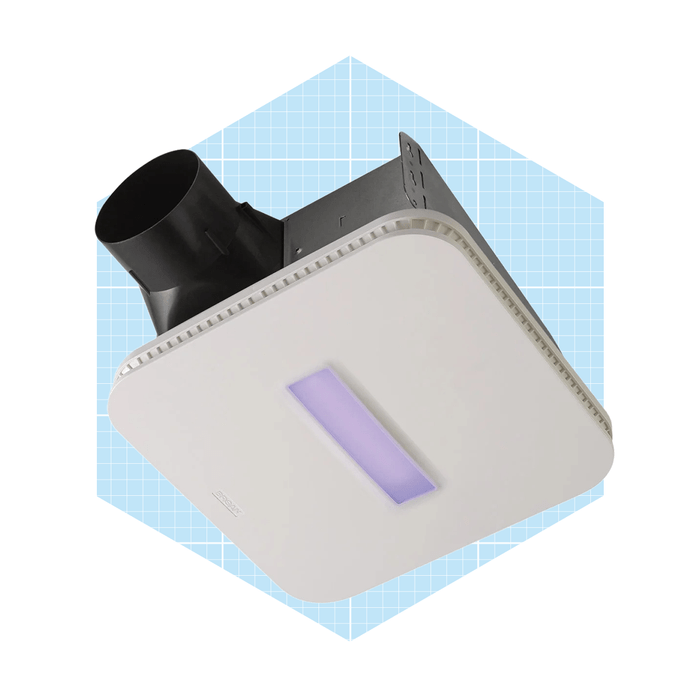
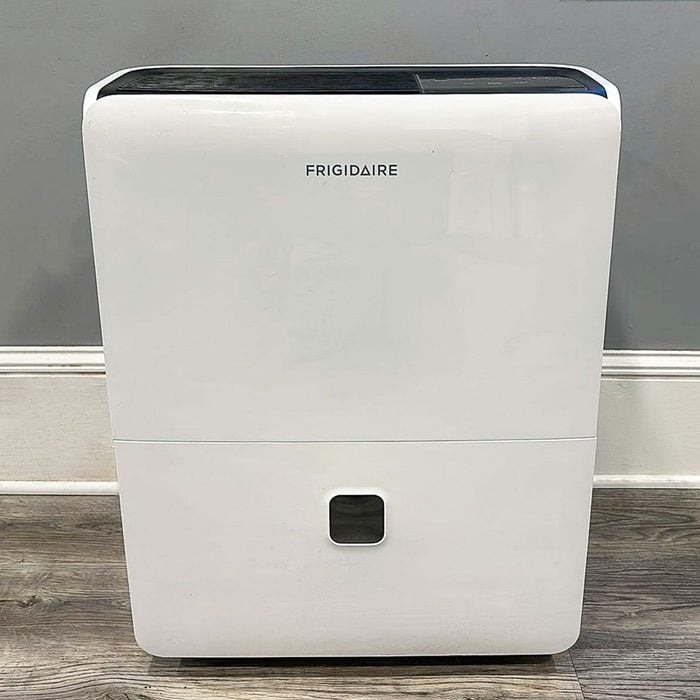
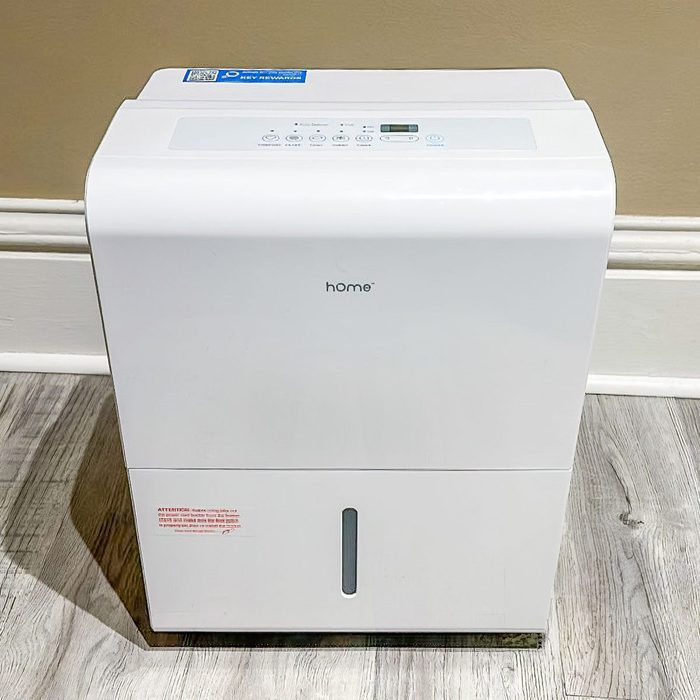
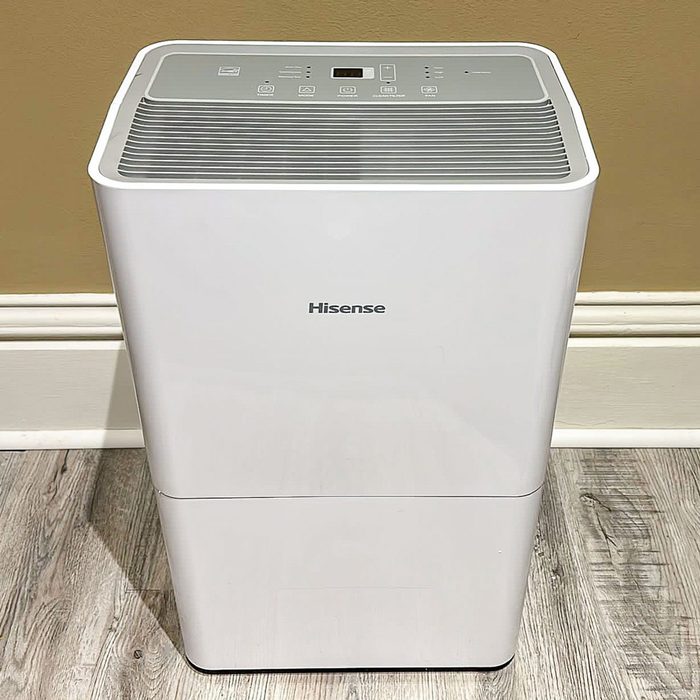
Several tools and materials are required for the installation. A suitable extractor fan should be chosen based on the basement's size, with a recommendation of at least 1 CFM (cubic feet per minute) per square foot. Other necessary items include a mounting template (often provided with the fan), a hole saw or jigsaw for cutting the opening, a high-quality drill, wood screws, wall plugs, and weatherproof sealant. If ductwork is involved, insulation for condensation prevention is also needed. For concrete or masonry walls, specialized equipment like a hammer drill and masonry bits, or professional assistance, might be necessary. Additionally, a dehumidifier can be beneficial before and after installation to manage excess moisture.
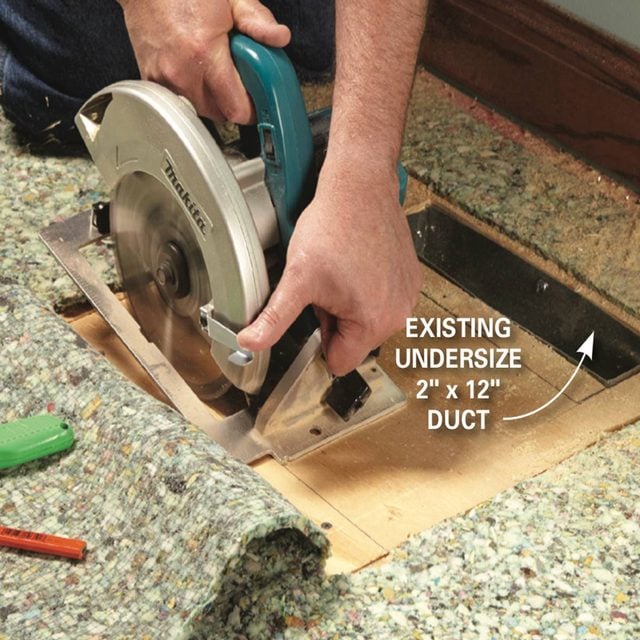
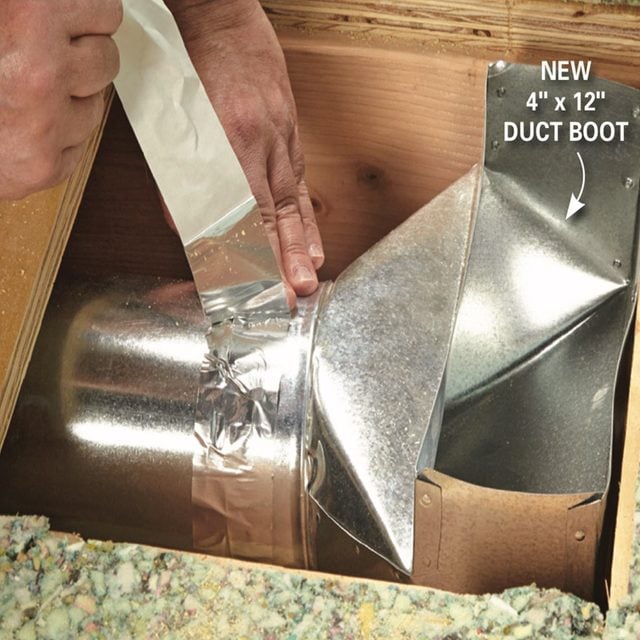
Step-by-step installation involves marking the fan's position using the template, checking for electrical wiring or plumbing behind the wall with a wall scanner, and then carefully cutting the opening. Once the hole is ready, the fan is fitted and secured with screws and wall plugs. Any ductwork should be properly connected, sealed, and insulated. A weatherproof sealant is applied around the fan's edges to prevent leaks. The fan is then connected to power; for hardwired units, an electrician should be consulted to ensure safety. Finally, the fan's airflow is tested, and regular maintenance, such as checking for dust buildup and unusual noises, is recommended to ensure its longevity. Fans typically need replacement every 3 to 5 years, with signs like increased noise or decreased airflow indicating the need for a new unit.
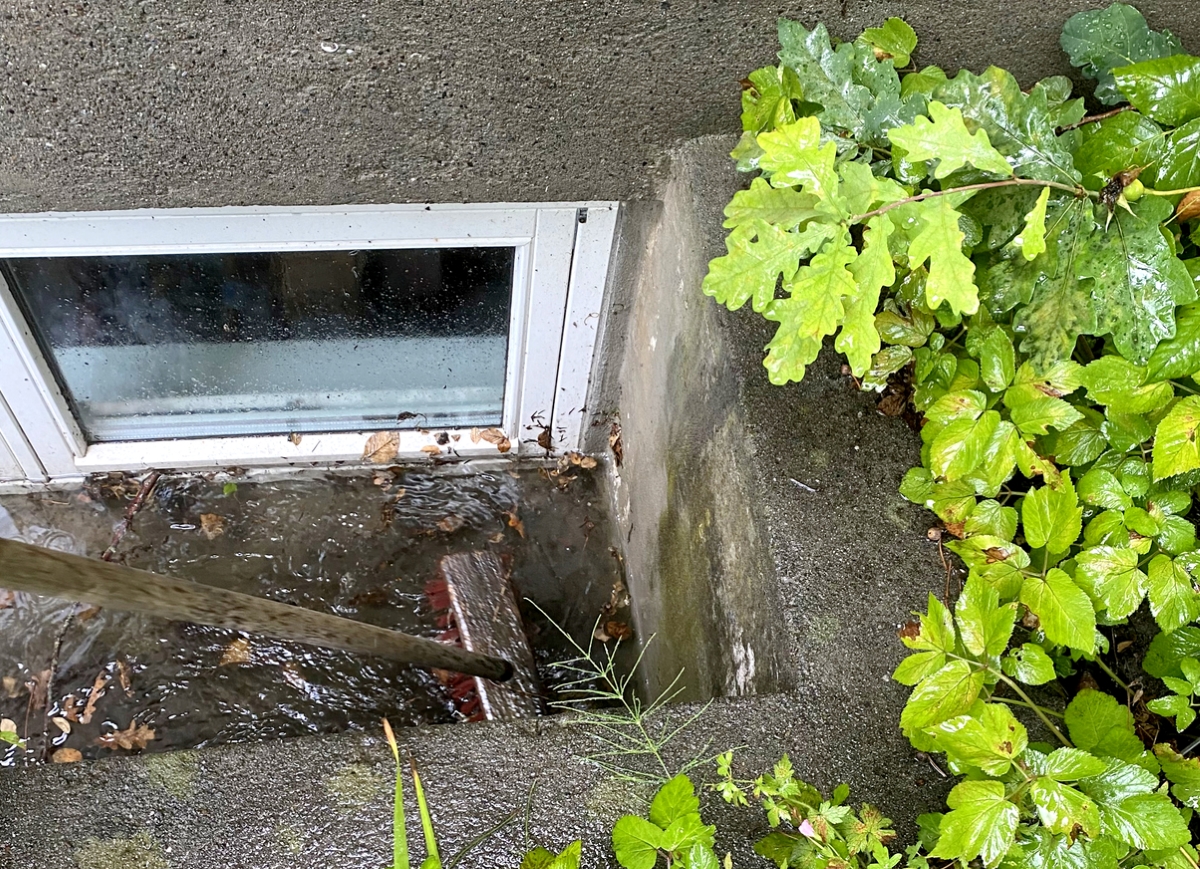
Common mistakes to avoid include using fans that are too small for the basement's area and improper placement in obstructed corners. While an extractor fan significantly improves air quality and moisture control, it is important to remember that it is not a standalone solution for underlying structural issues like leaks or foundation cracks. These problems must be resolved first, after which the fan can serve as a vital component in a comprehensive humidity and mold management strategy.
#BasementVentilation #ExtractorFan #DampnessControl #MoldPrevention #HomeMaintenance #AirQualityImprovement #DIYInstallation #HumidityControl #HomeImprovement #BasementVentilation #ExtractorFan #DampnessControl #MoldPrevention #HomeMaintenance #AirQualityImprovement #DIYInstallation #HumidityControl #HomeImprovement
कुल 0 टिप्पणियाँ
 कोई टिप्पणी नहीं
आपको यह भी पसंद आ सकता है

How to get rid of musty basement smells – 6 ways to combat odors and their causes


The 5 Best Basement Odor Eliminator Picks for Musty Cellars 2025


The 10 Best Air Purifiers for a Basement to Remove Dust, Allergens and Odors
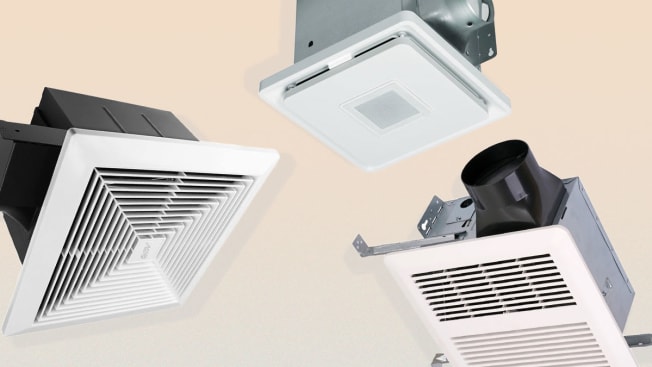
Best Bathroom Exhaust Fans of 2025

How to ventilate a basement – expert tips to reduce damp and mold
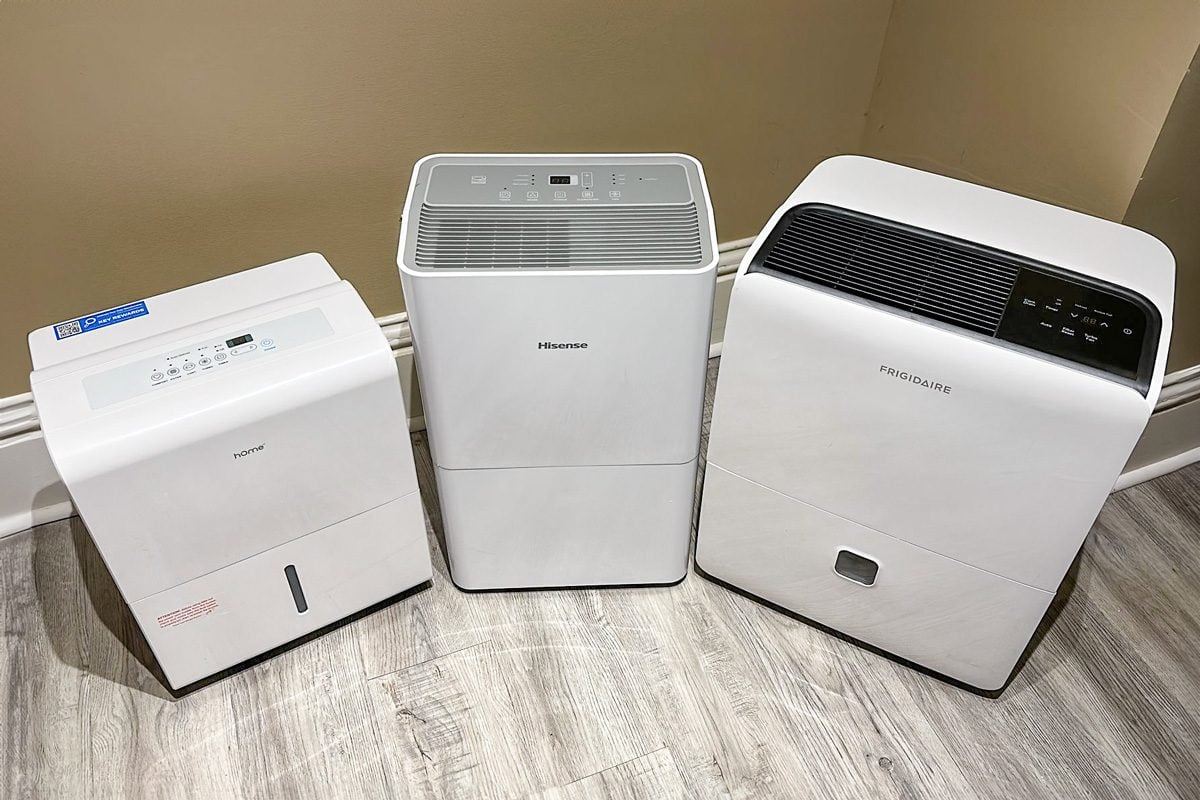
The 9 Best Dehumidifiers for Basements to Get Ahead of Moisture Issues

How to Clean a Ceiling Fan, From the Blades to the Motor

Do You Have a Musty-Smelling House? 6 Worrying Causes — And What You Should Do to Get Rid of Them

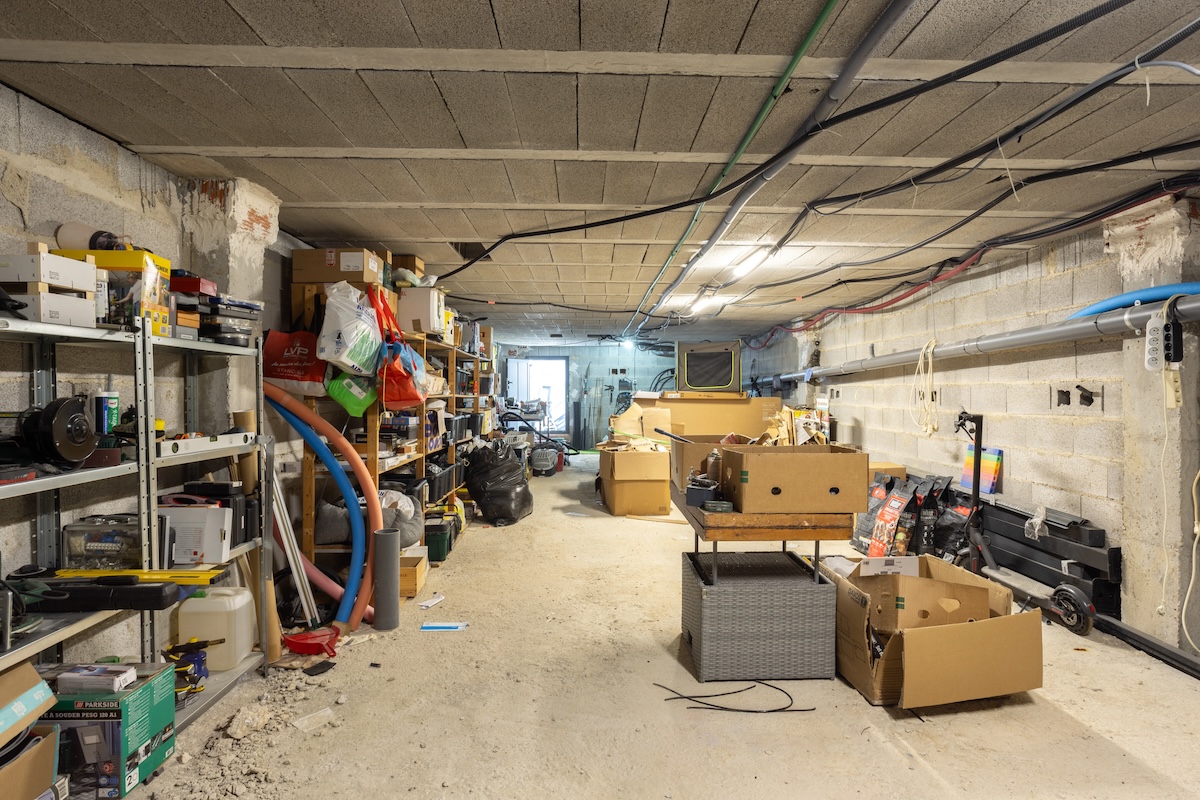
How to Get Rid of the Musty Smell in Your Basement

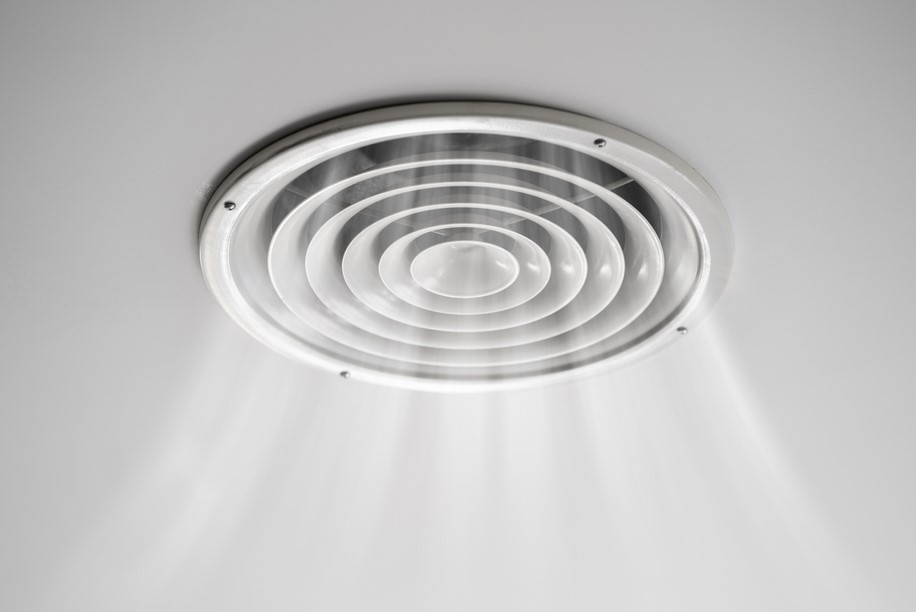
Recommendations for internal bathroom ceiling ventilation fan?


7 things people with nice-smelling basements never do

Your home stinks. Here's how to fix it, according to experts

How to Get Rid of That Musty Basement Smell, According to Experts


How to get rid of mould

How to stop damp in a bedroom - 10 foolproof ways to keep mould at bay
How to Install a Duct Booster Fan (DIY)

8 Best Bathroom Exhaust Fans of 2025

'If you can smell it, there's a problem in progress' – 5 expert-approved ways to get rid of musty smells in an attic

Mold and Mildew Cleaning and Repair

How to protect your home from damp, moisture and mould