1/2
Europe Gypsum Board Market Size, Share and Analysis, 2033
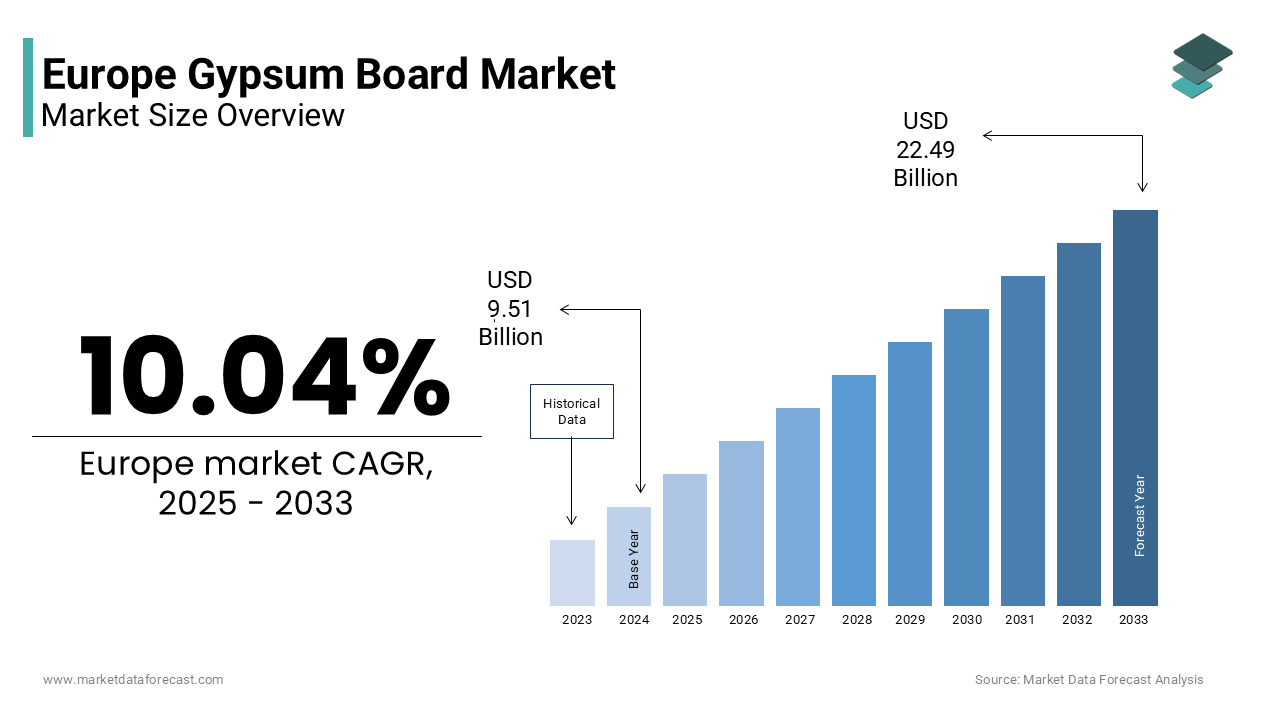
The Europe gypsum board market, valued at USD 9.51 billion in 2024, is projected to reach USD 22.49 billion by 2033, demonstrating a Compound Annual Growth Rate (CAGR) of 10.04%. Gypsum boards, also known as drywall or plasterboard, are fundamental building materials composed of a gypsum plaster and water core sandwiched between paper layers. They are widely utilized for lightweight, fire-resistant interior walls and ceilings in residential, commercial, and industrial construction due to their fire resistance, acoustic insulation, and ease of installation.
The European built environment is experiencing significant changes driven by energy efficiency directives and increasing urban density. A substantial number of existing buildings predate current energy standards, necessitating extensive upgrades to meet modern efficiency targets. Public and private investments in non-residential construction have risen, fueled by demand in the office, healthcare, and educational sectors. These transformations create a continuous need for interior finishing solutions that comply with sustainability codes, fire safety standards, and rapid construction timelines, thereby cementing the role of gypsum boards in Europe's evolving construction landscape.
Key market drivers include the implementation of the EU Renovation Wave Strategy, which mandates deep energy retrofits for millions of buildings. This initiative aims to accelerate energy-efficient building upgrades to achieve the EU's climate neutrality goals by 2050. Gypsum boards are integral to these retrofits due to their compatibility with insulation systems, vapor barriers, and low embodied carbon profiles. Additionally, the growth in non-residential construction projects, particularly in healthcare, education, and logistics infrastructure, significantly boosts demand for gypsum board systems in institutional and commercial settings. These projects prioritize execution speed, fire safety, and internal zoning, attributes readily provided by modern gypsum board assemblies.
However, the market faces restraints such as the volatility in raw material and energy costs. Fluctuations in prices for natural gypsum feedstock and natural gas, essential for calcination processes, put pressure on production economics. Environmental regulations and extraction policies increasingly constrain the procurement of raw materials. Moreover, stringent fire and acoustic performance regulations pose challenges, as evolving building codes demand increasingly complex performance, requiring manufacturers to maintain multiple product certifications and technical dossiers, which increases compliance costs and delays market entry.
Opportunities arise from the integration of recycled content and circular economy practices. Gypsum is inherently recyclable, and post-consumer waste can be reprocessed into new boards without performance loss, aligning with the European Commission’s Circular Economy Action Plan. The expansion of prefabricated and modular construction systems also presents a significant opportunity. The rapid adoption of off-site construction methods creates demand for specialized gypsum board solutions integrated into factory-built modules, which require lightweight, dimensionally stable interior linings capable of withstanding transportation and rapid on-site assembly.
Key market challenges include the fragmentation of building codes across member states, which hinders standardization and impedes pan-European product deployment for manufacturers. Significant discrepancies in fire resistance duration, acoustic insulation requirements, and vapor permeability thresholds necessitate multiple product certifications. Competition from alternative low-carbon interior materials, such as bio-based panels (mycelium, hemp lime, wood fiber boards), also poses a challenge. These alternatives, though not yet matching gypsum in fire safety and soundproofing, align more closely with net-zero construction goals and are supported by EU green building programs.
The market is segmented by product type, with wallboards dominating, holding a 62.6% share in 2024, driven by their foundational role in interior partitioning and extensive renovation activities. Pre-decorated gypsum boards are expected to exhibit the fastest CAGR of 7.2% from 2025 to 2033, owing to demand for time and labor-efficient finishing solutions. By end-user industry, the residential segment leads with a 48.7% share, propelled by urbanization, affordable housing initiatives, and renovation of aging housing stock. The institutional segment is projected to be the fastest-growing, with a CAGR of 6.8%, driven by public investment in education, healthcare, and civic infrastructure.
Regionally, Germany was the top performer in 2024 with a 22.6% share, attributed to its large construction economy and energy-efficient building standards. France followed with a 19.8% share, driven by urban development projects and housing policies. The UK saw steady growth due to housing agendas and institutional renewal programs, while Italy expanded due to renovation incentives. Spain is anticipated to grow significantly from 2025 to 2033, fueled by tourism-linked construction and urban regeneration. The competitive landscape is dominated by globally integrated manufacturers like Saint-Gobain, Knauf, and Etex Group, who focus on performance innovation, sustainability, and offering end-to-end solutions.
#GypsumBoardMarket #EuropeConstruction #RenovationWaveStrategy #SustainableBuilding #ModularConstruction #BuildingMaterials #InteriorDesign #EnergyEfficiency #NonResidentialConstruction #GypsumBoardMarket #EuropeConstruction #RenovationWaveStrategy #SustainableBuilding #ModularConstruction #BuildingMaterials #InteriorDesign #EnergyEfficiency #NonResidentialConstruction
 कोई टिप्पणी नहीं
![Modular Flooring Market Size & Forecast [Latest]](https://gstatic.ideal.house/news/images/88e7dffc81964dc0b0928f6aca821eed.jpg)
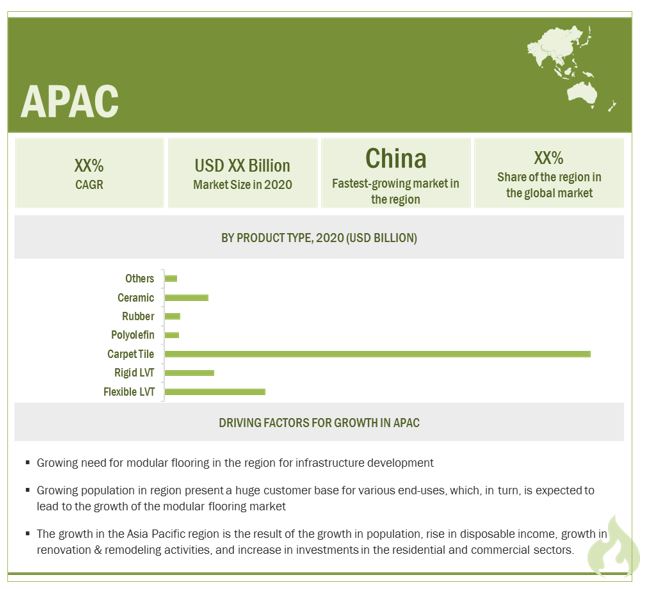
Modular Flooring Market Size & Forecast [Latest]

Global Plywood Market Size and Forecast 2025–2033

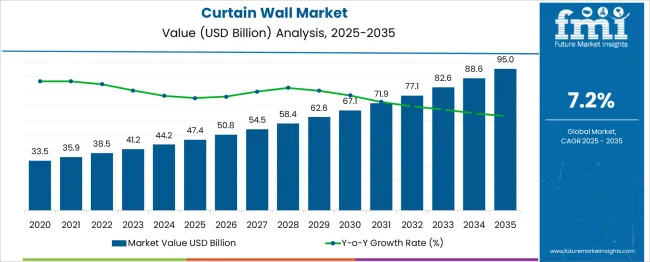
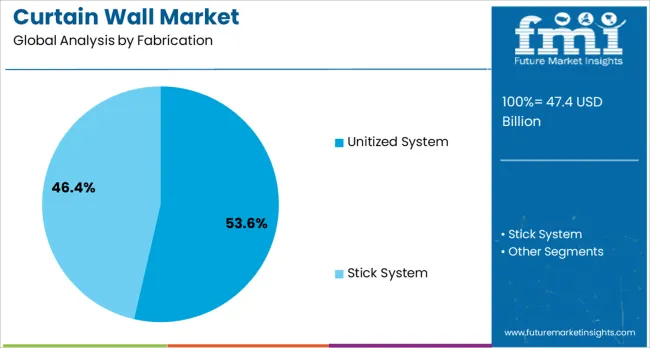
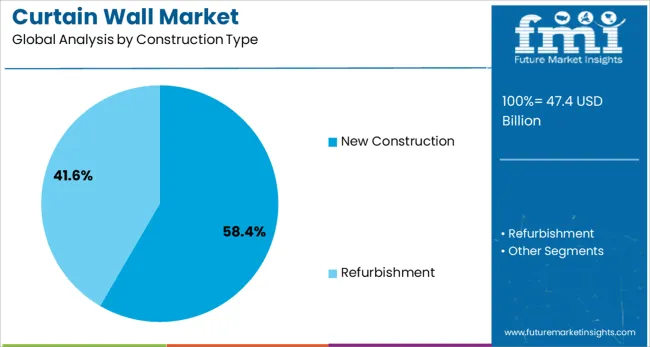
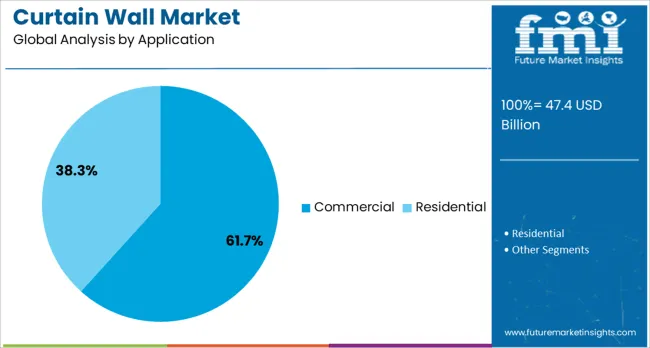
Curtain Wall Market | Global Market Analysis Report - 2035
Global Carpet Market Size and Forecast 2025–2033
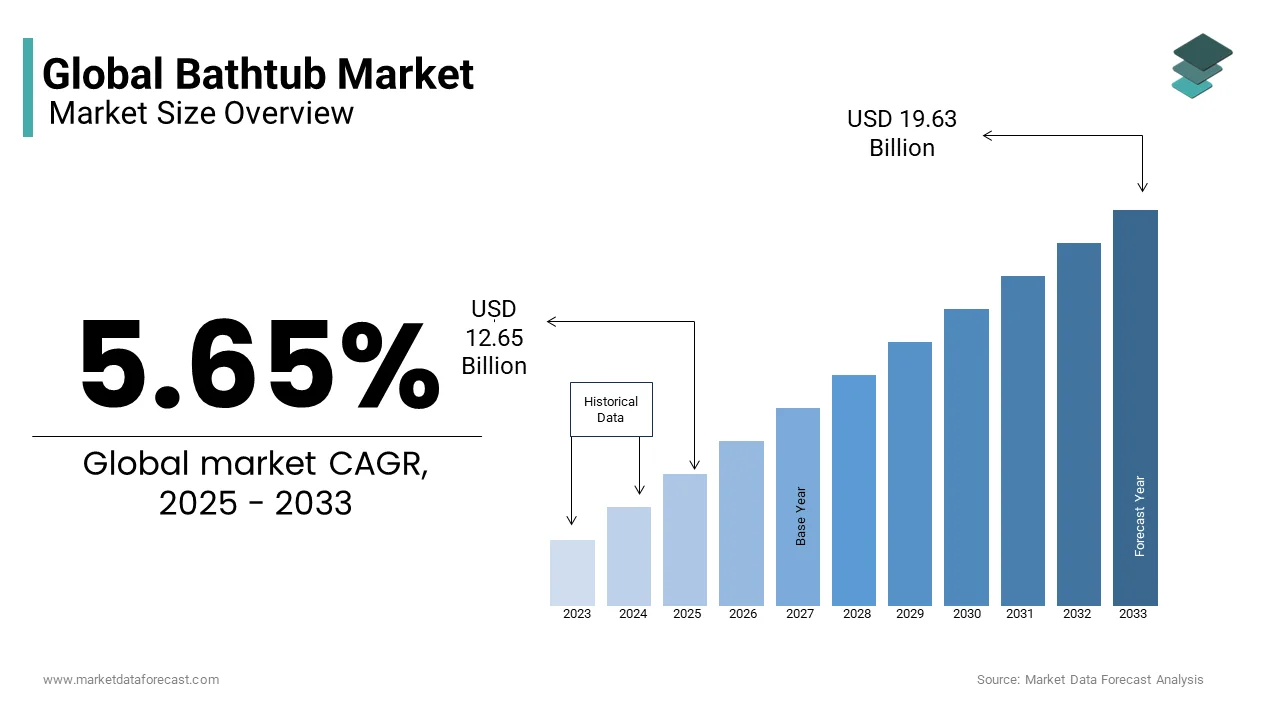
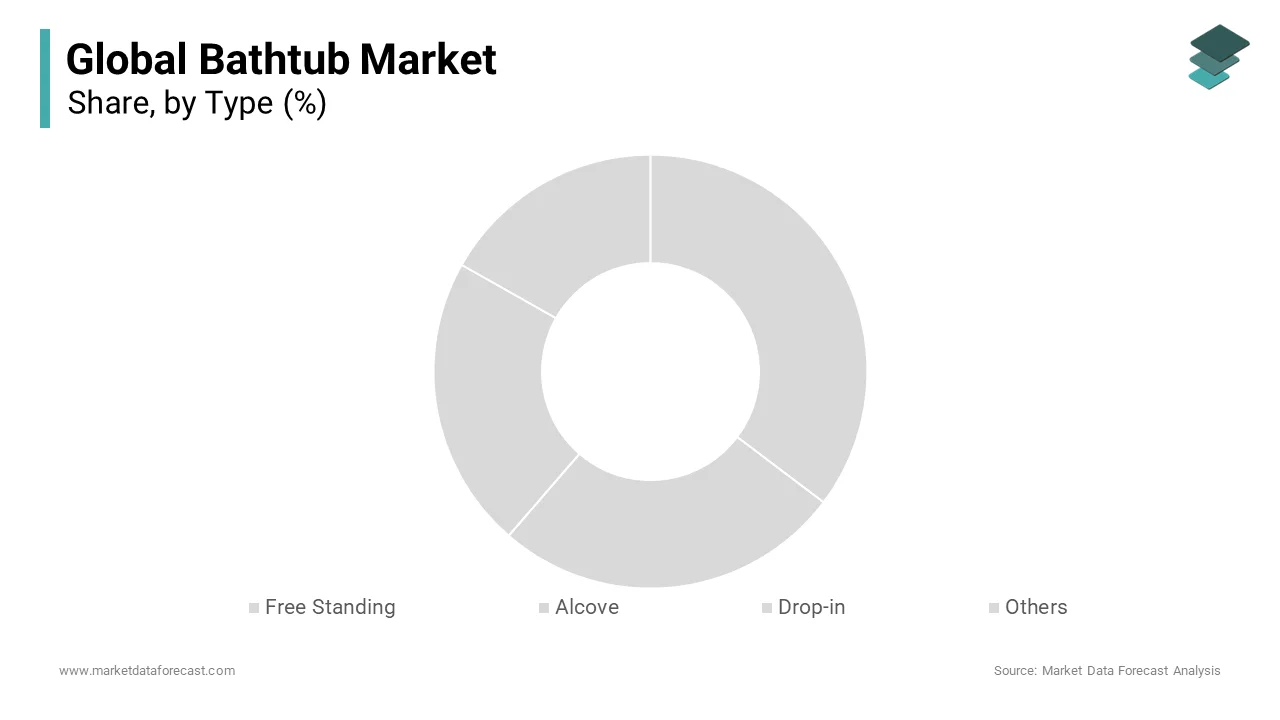
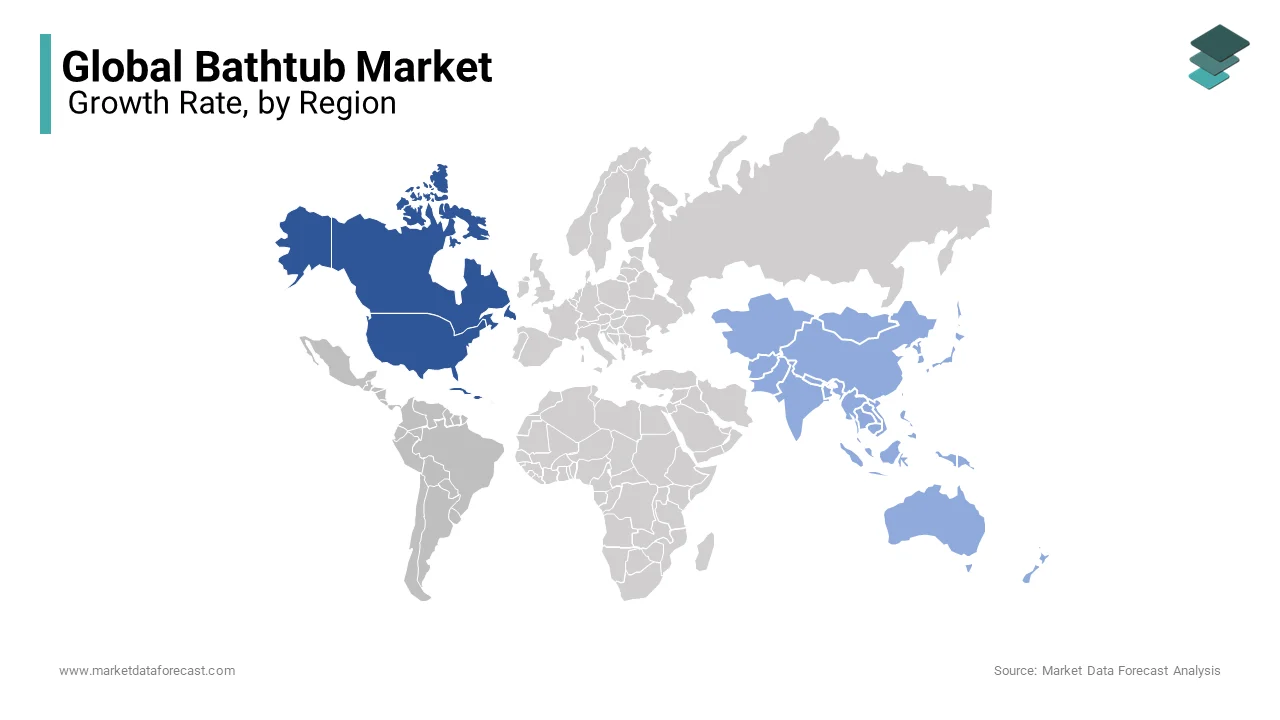
Bathtub Market Size, Share, Growth, Trends & Analysis 2033

Vinyl Flooring Market Size, Share, Trends, Growth Drivers and Forecast 2034
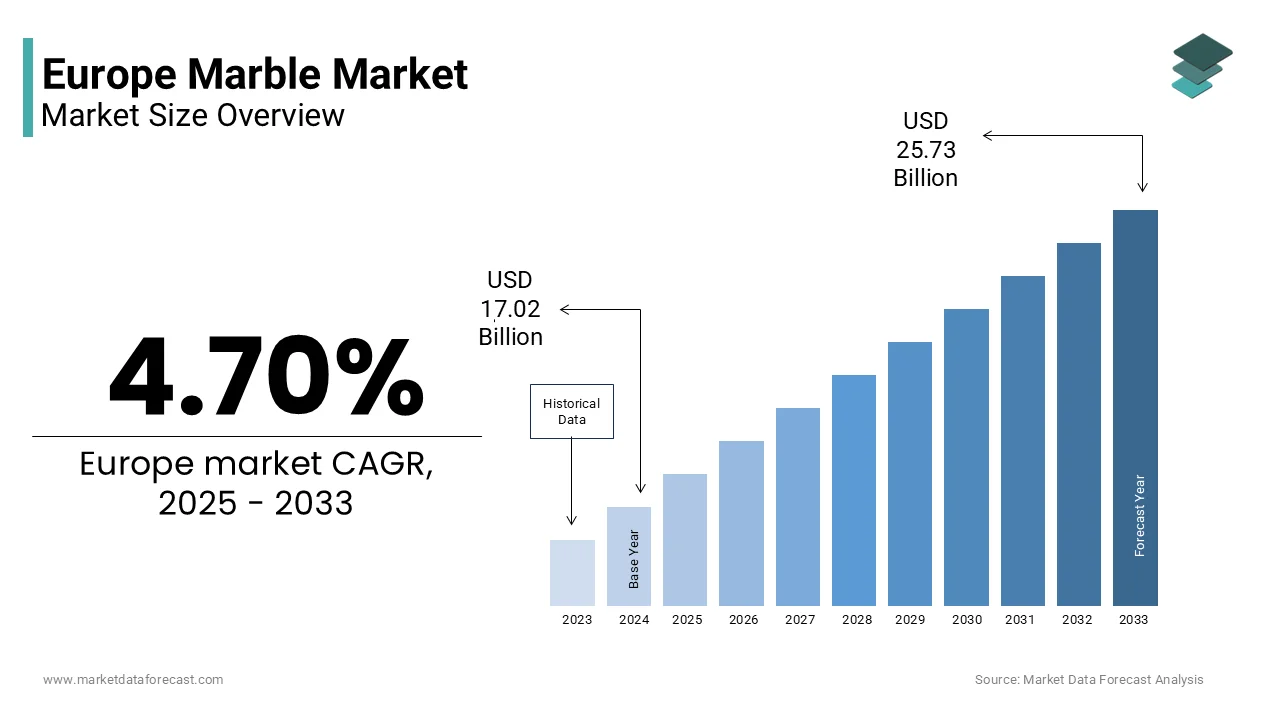
Europe Marble Market Size, Share, Trends and Analysis, 2033

Europe Smart Lighting Market: Size, Share, and Forecast 2025–2033
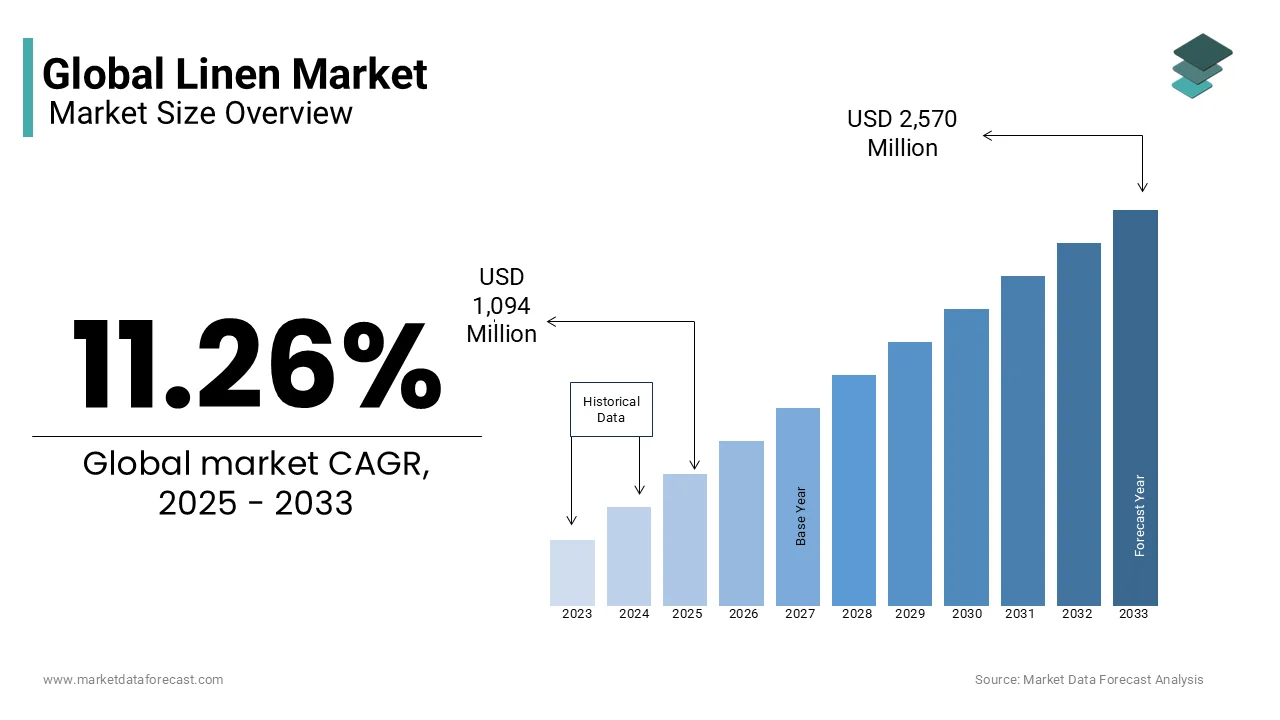
Linen Market Size, Share, Trends & Growth Report, 2033