1/3
Bathtub Market Size, Share, Growth, Trends & Analysis 2033
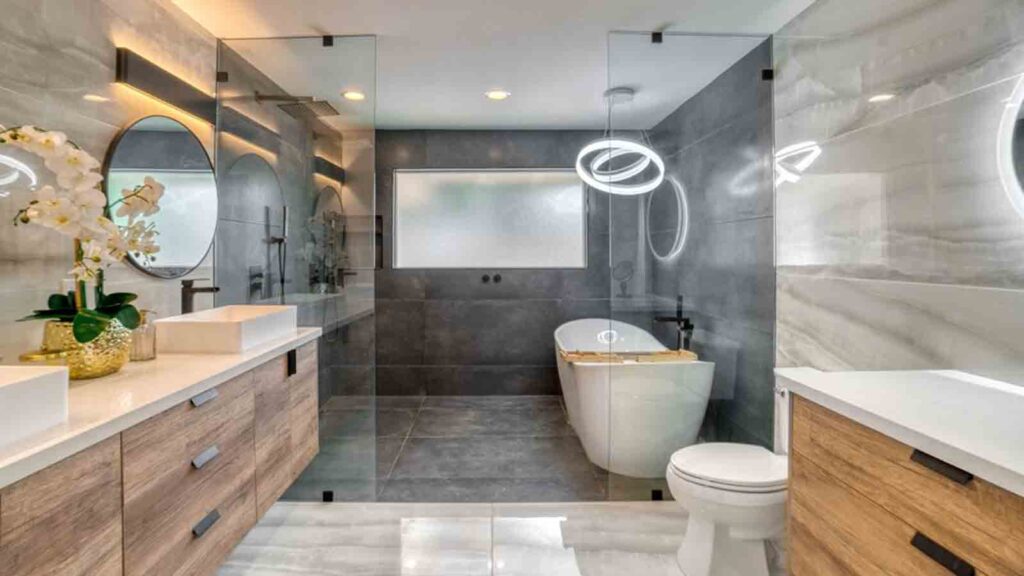
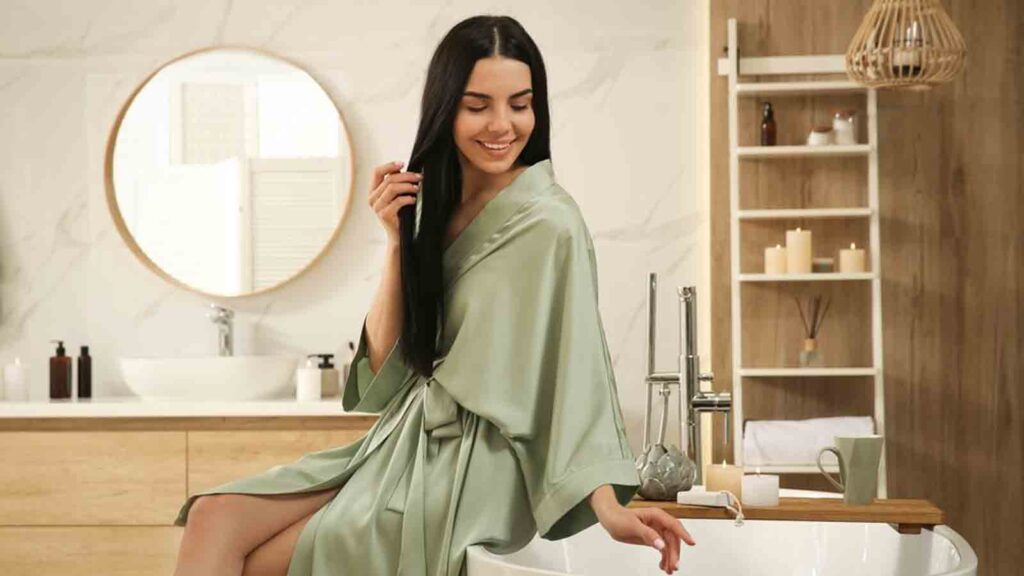
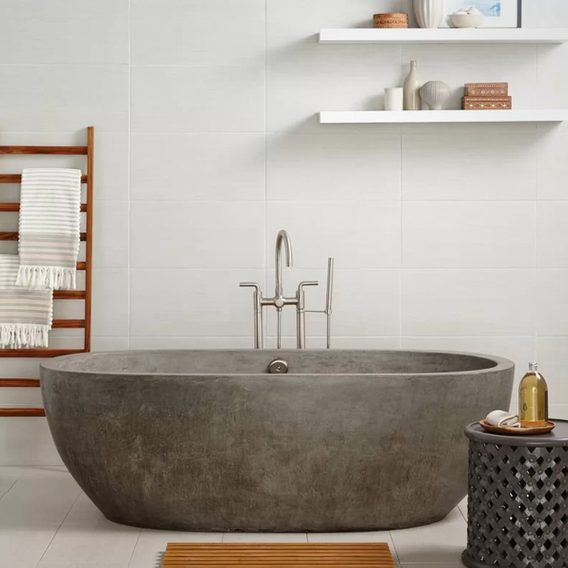
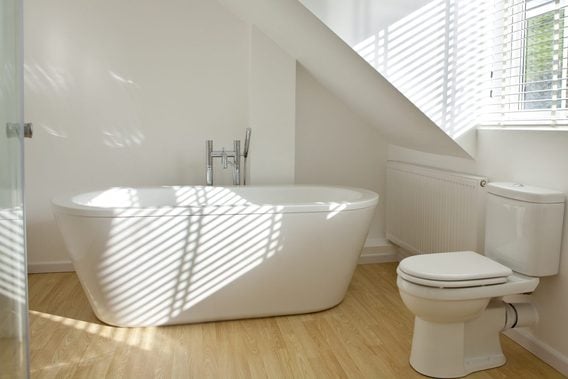
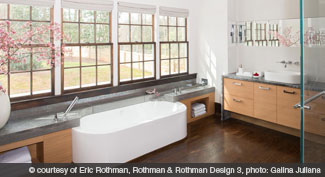
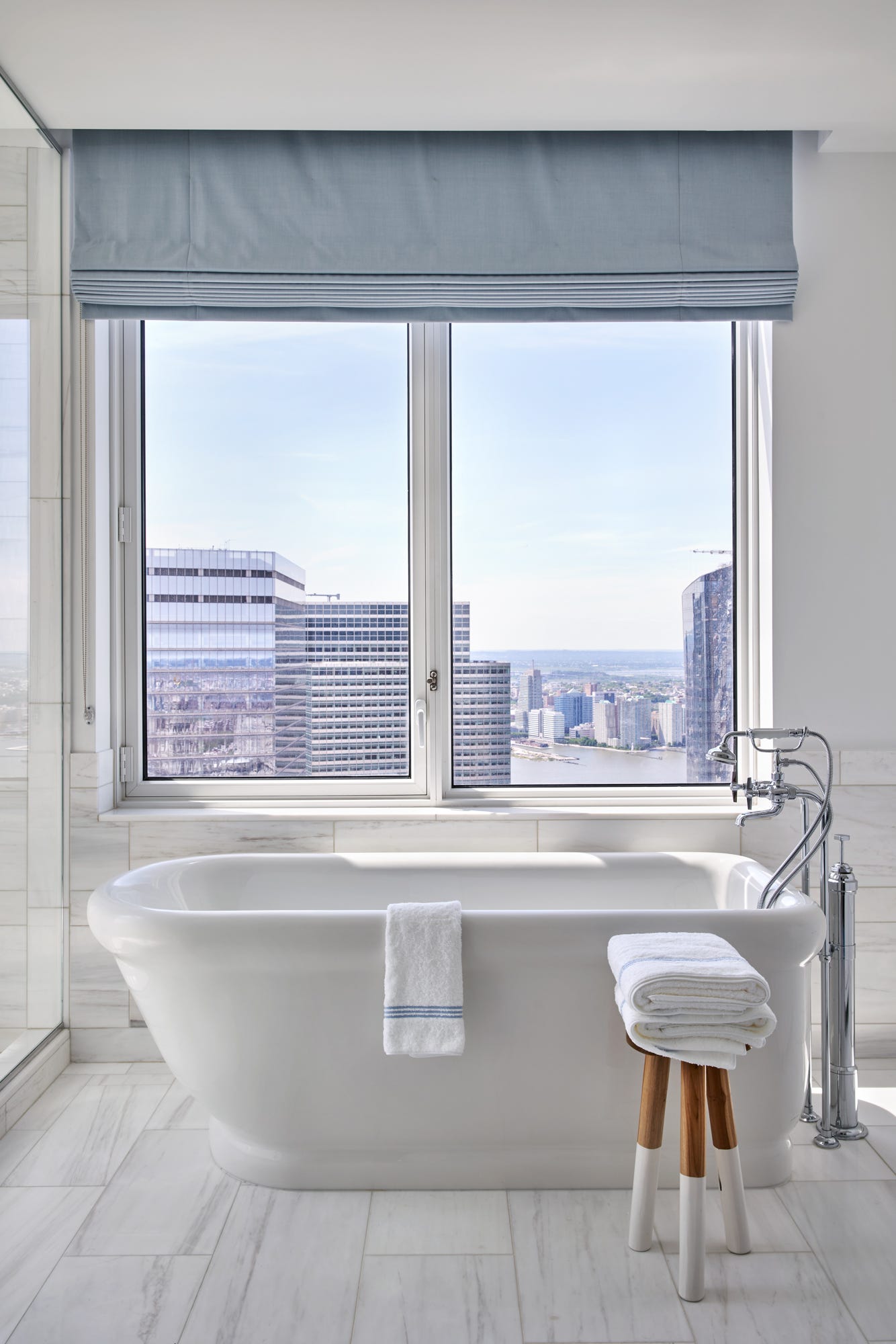
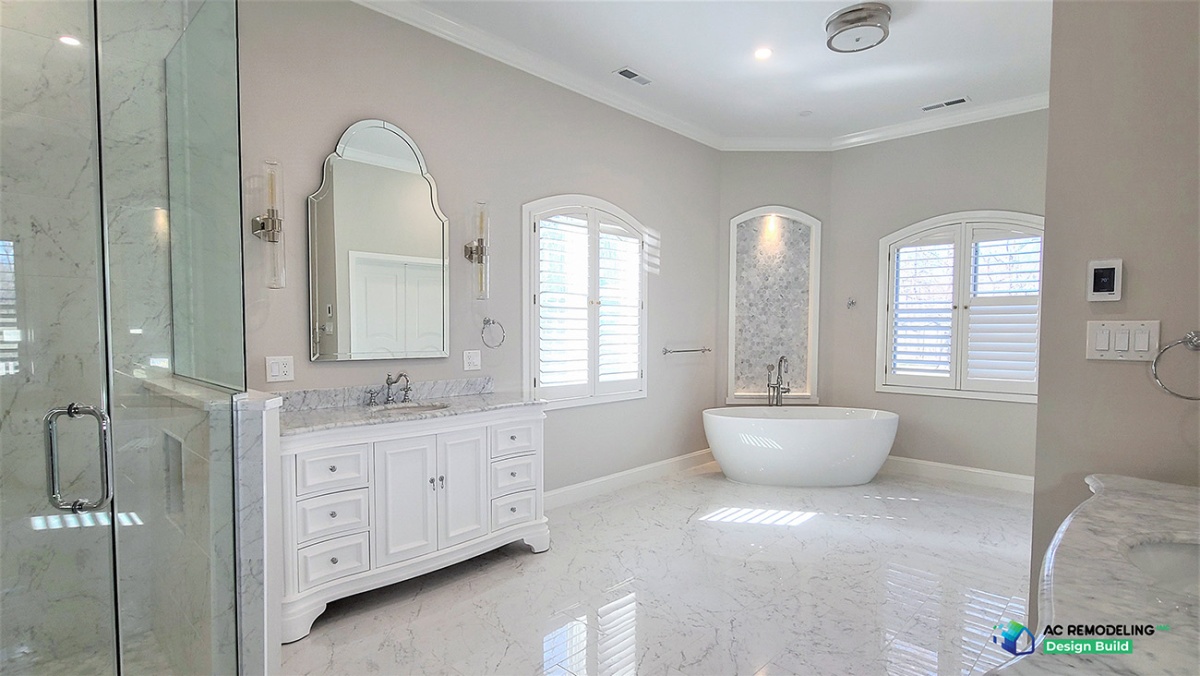
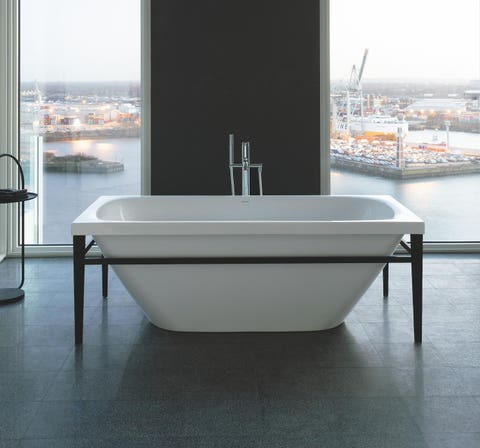
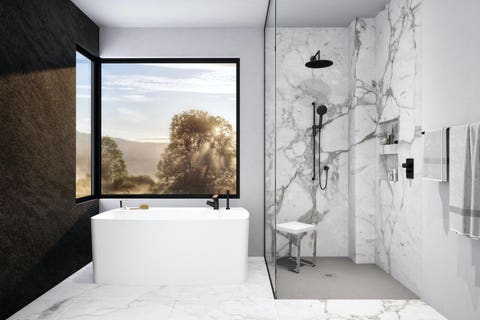
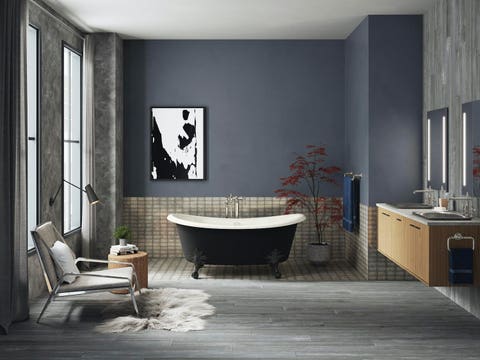
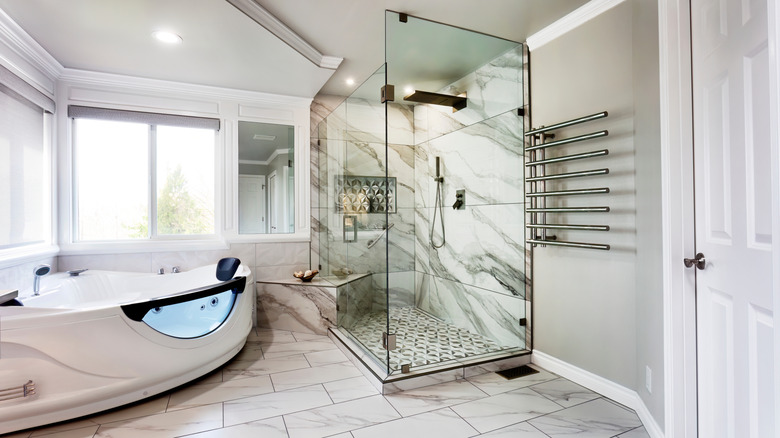
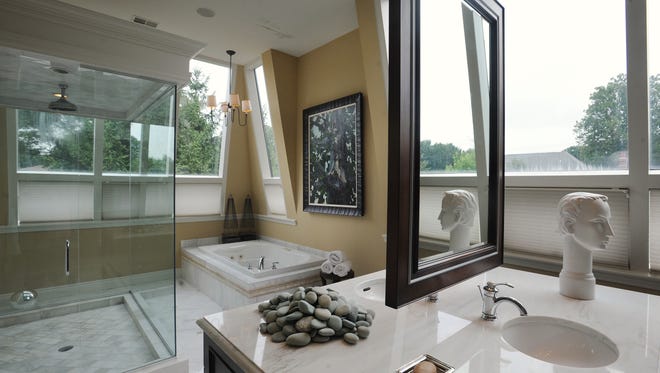
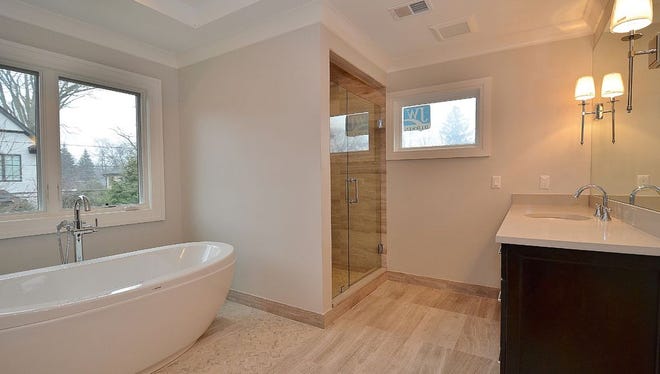
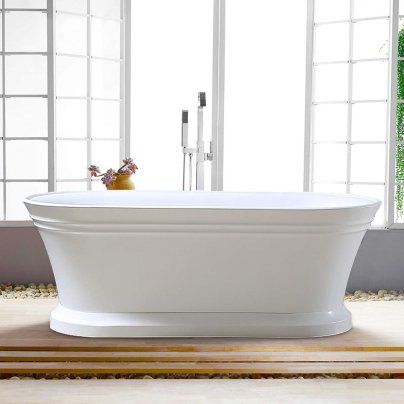
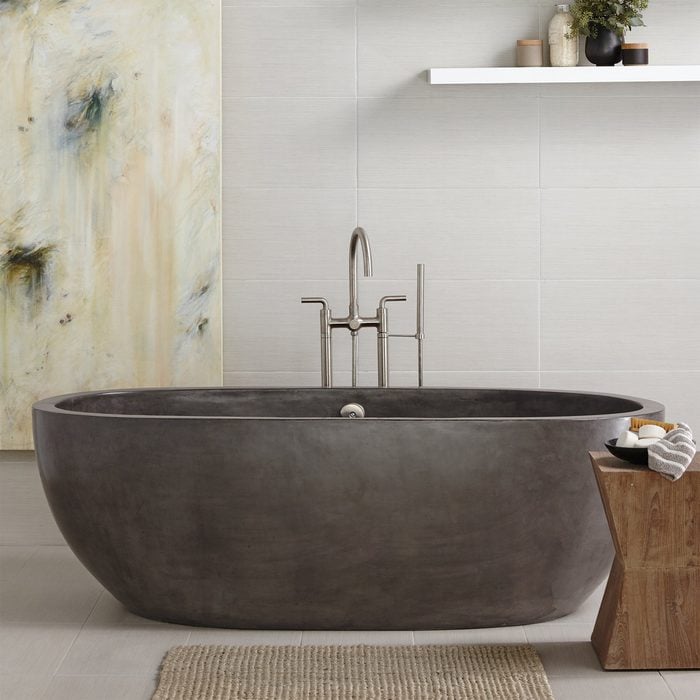
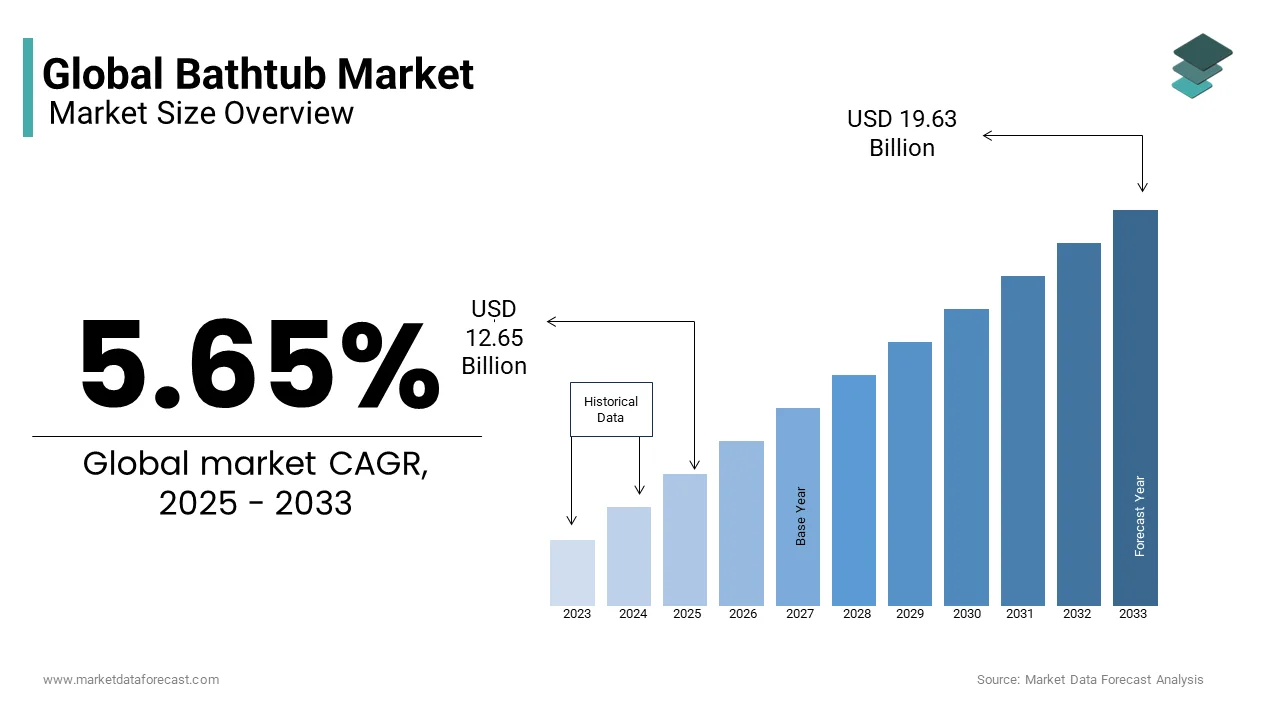
The global bathtub market, valued at USD 11.97 billion in 2024, is projected to reach USD 19.63 billion by 2033, demonstrating a compound annual growth rate (CAGR) of 5.65% from 2025 to 2033. This growth is largely influenced by bathtubs evolving from utilitarian fixtures into central elements of bathroom spaces, combining practicality with aesthetic appeal. Consumers increasingly seek designs that cater to their lifestyles, from minimalist freestanding tubs to therapeutic soaking options and space-saving corner models. The rising focus on creating spa-like environments within homes, driven by an increased awareness of mental health and self-care, is a significant factor in this shift. Surveys indicate that over 58% of homeowners prioritize bathtub upgrades during renovations, with comfort and style being key motivators, and luxury bathtubs are among the most requested features in high-end custom homes.
Key market drivers include rapid urbanization and infrastructure development, which increase demand for modern housing and high-quality bathroom fixtures. Government initiatives in developing countries, such as India's Pradhan Mantri Awas Yojana, have accelerated the inclusion of modern bathrooms with bathtubs in new homes. Additionally, a growing emphasis on wellness and self-care is transforming bathroom design. The global wellness economy's growth has made home wellness products, including bathtubs with hydrotherapy or deep-soaking features, essential for relaxation and stress relief. A significant percentage of homeowners prioritize spa-like bathrooms during renovations, underscoring this trend.
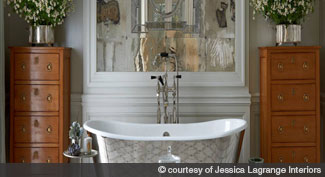
However, the market faces restraints such as the high cost of premium bathtubs, which can be prohibitive for middle-income households. Luxury options, like cast iron tubs or those with advanced features, often exceed $2,000, limiting their accessibility. Space constraints in urban housing also pose a challenge, as average home sizes shrink, making large fixtures less feasible. Many urban residents prefer showers due to their space-saving design, further impacting bathtub adoption in densely populated areas.
Opportunities for growth lie in the rising demand for sustainable and eco-friendly products. Consumers are increasingly prioritizing water-efficient fixtures and bathtubs made from recycled materials, driven by environmental concerns and regulatory standards. Manufacturers investing in sustainable materials and energy-efficient production processes are well-positioned to capitalize on this trend. Another significant opportunity is the expansion of smart home integration. Smart bathtubs with features like precise temperature control, voice activation, and automated water filling align with the growing demand for convenience and connectivity in modern homes, appealing to tech-savvy consumers seeking luxury and functionality.
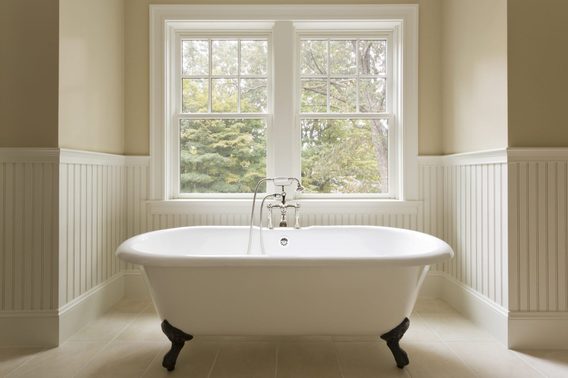
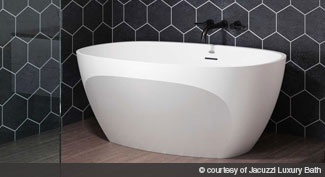
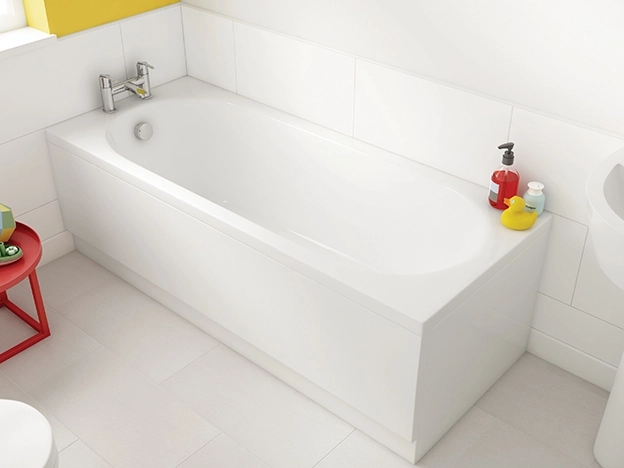
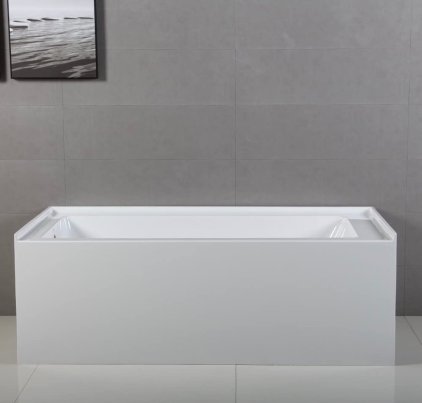
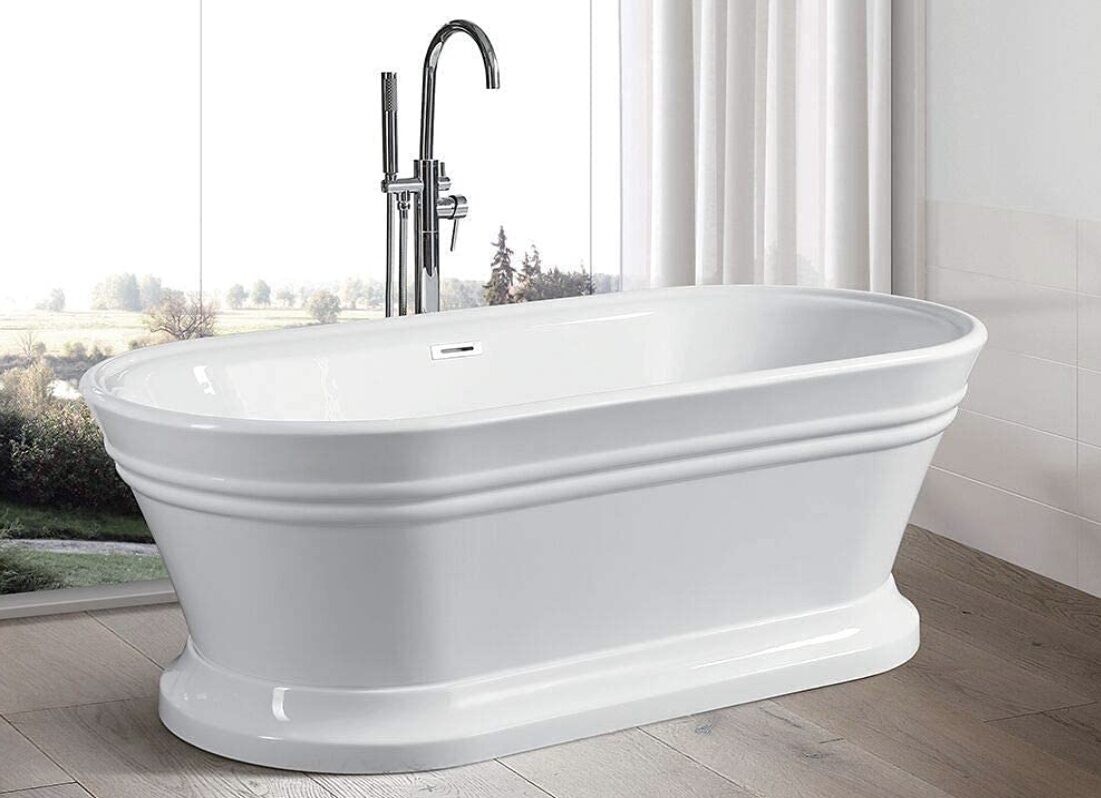
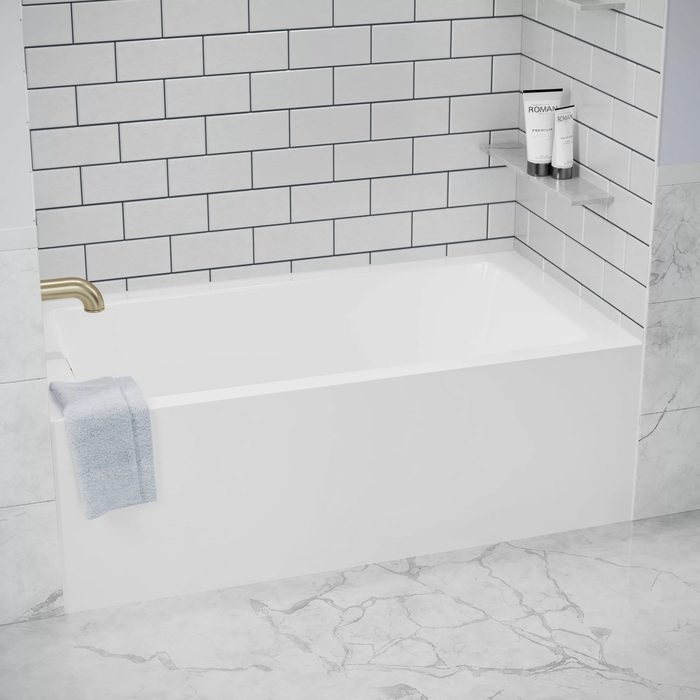
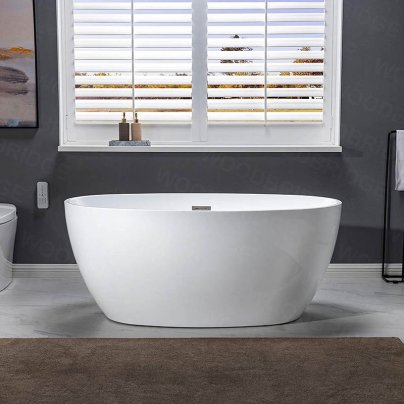
Challenges include stringent environmental regulations, particularly concerning volatile organic compounds (VOCs) and water efficiency standards, which require manufacturers to adopt cleaner technologies and incur significant upfront investments. Supply chain disruptions and material shortages, exacerbated by global uncertainties, also present difficulties, leading to increased costs for raw materials and logistical delays. These factors force manufacturers to manage higher expenses while striving to keep prices affordable. The market is segmented by type (alcove, freestanding, drop-in, others), application (residential, commercial), material type (acrylic, fiberglass, cast iron, others), and shape (rectangular, oval, square, others). Alcove bathtubs dominate the type segment due to their cost-effectiveness and suitability for standard layouts, while freestanding tubs are projected for rapid growth driven by luxury demand. The residential segment leads applications, supported by home remodeling trends, and the commercial segment is growing with investments in hospitality and healthcare. Acrylic is the leading material due to its lightweight nature and customizability, while fiberglass shows strong growth. Rectangular bathtubs hold the largest share by shape due to their versatility and space efficiency, with oval bathtubs being the fastest-growing segment, catering to luxury and ergonomic designs. North America holds the largest regional market share, driven by high disposable incomes and robust housing, while Asia-Pacific is the fastest-growing region due to urbanization and rising middle-class populations.
#BathtubMarket #BathroomDesign #HomeRenovation #WellnessTrends #SmartHomeIntegration #SustainableProducts #UrbanizationImpact #MarketForecast #LuxuryFixtures #BathtubMarket #BathroomDesign #HomeRenovation #WellnessTrends #SmartHomeIntegration #SustainableProducts #UrbanizationImpact #MarketForecast #LuxuryFixtures
0 comment in total
 No comments yet
You may also like
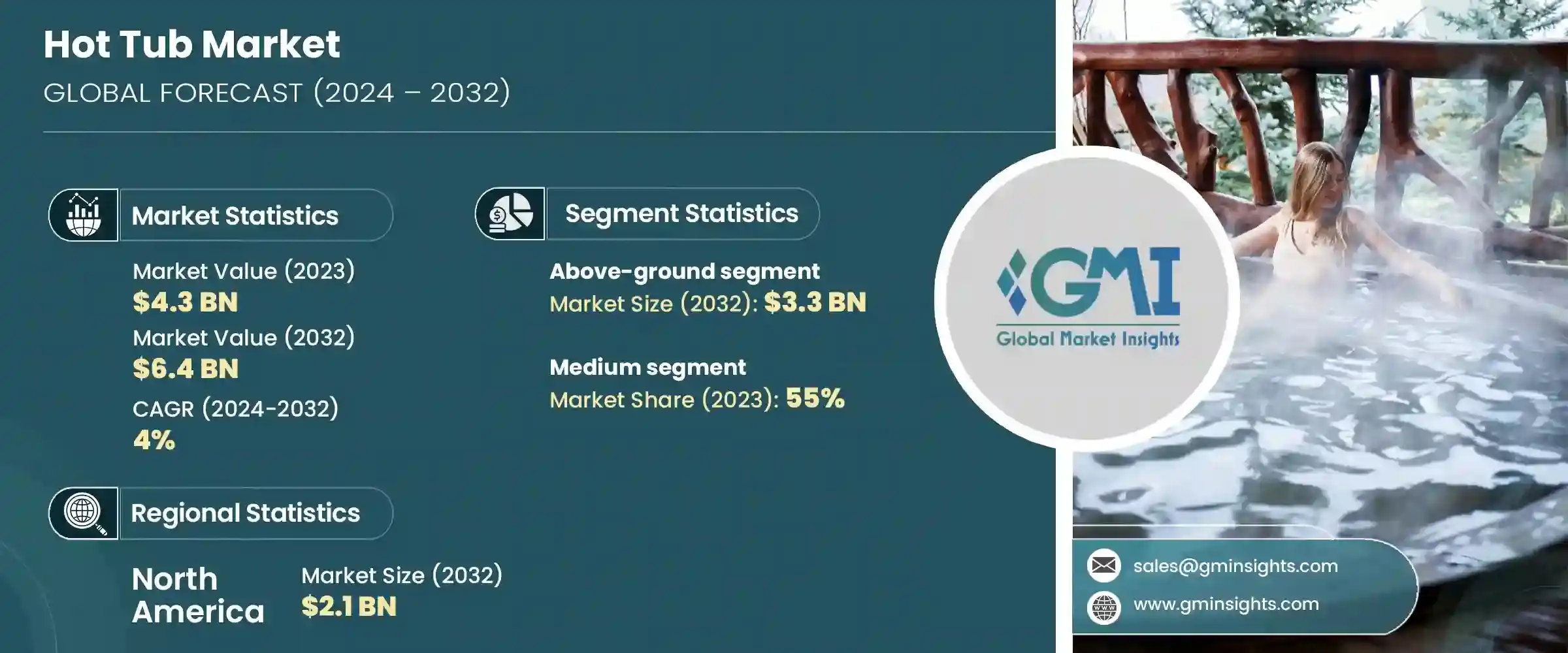
Hot Tub Market Size, Share & Analysis Report, 2024 – 2032
These 2020 Bathroom Trends Are Everything We Could Dream Of

2025 Best Bathroom Trends
Bathroom trends for today and tomorrow

Make sure you know all these bathroom trends in 2024

9 Shower Trends to Know for a 2025 Bathroom Reno


The Luxurious Bathroom Trend You Can Say Goodbye To In 2025
The 5 Biggest Bathroom Trends for 2023, According to Designers
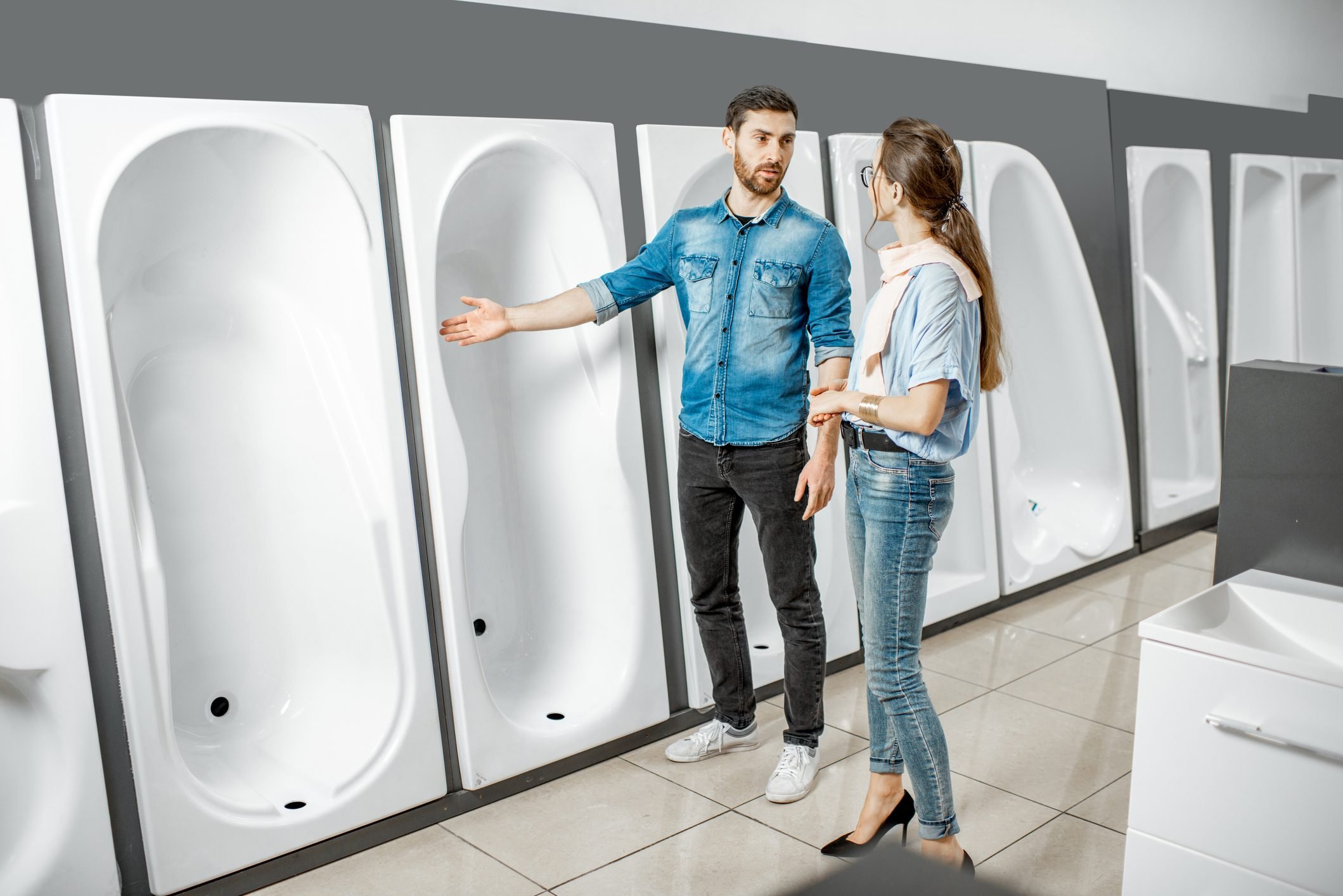
Bathtub Styles, Fixes and Cleaning

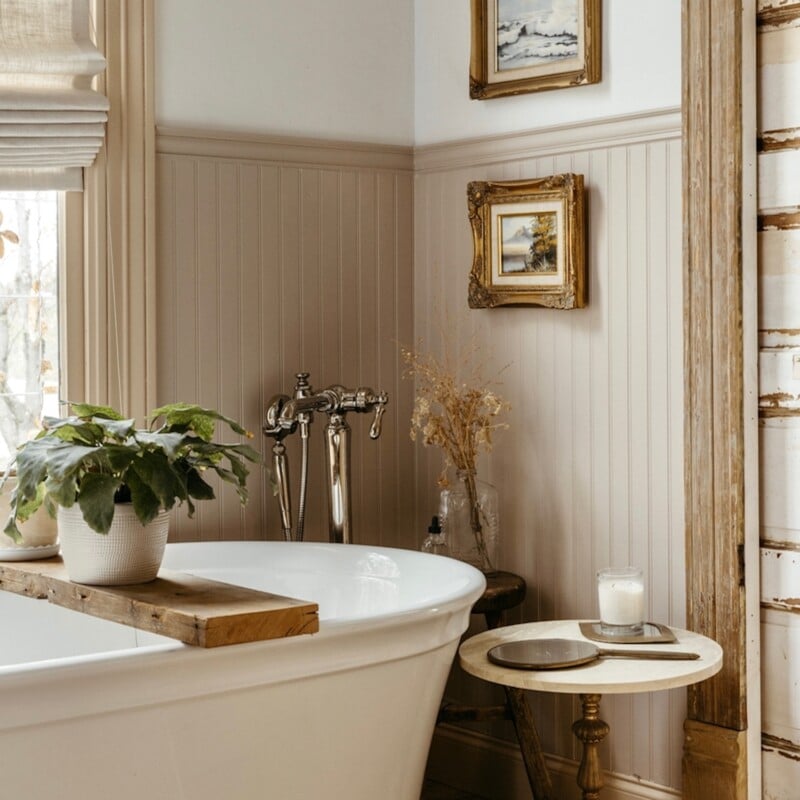
At-Home Spa? Yes, Please—Designers Share Their Bathroom Trend Forecast for 2024


Baths & Accessories

The bathroom trends set to dominate from now ’til the new year


Bathroom Cabinets Market Size, Share | CAGR of 6.3%
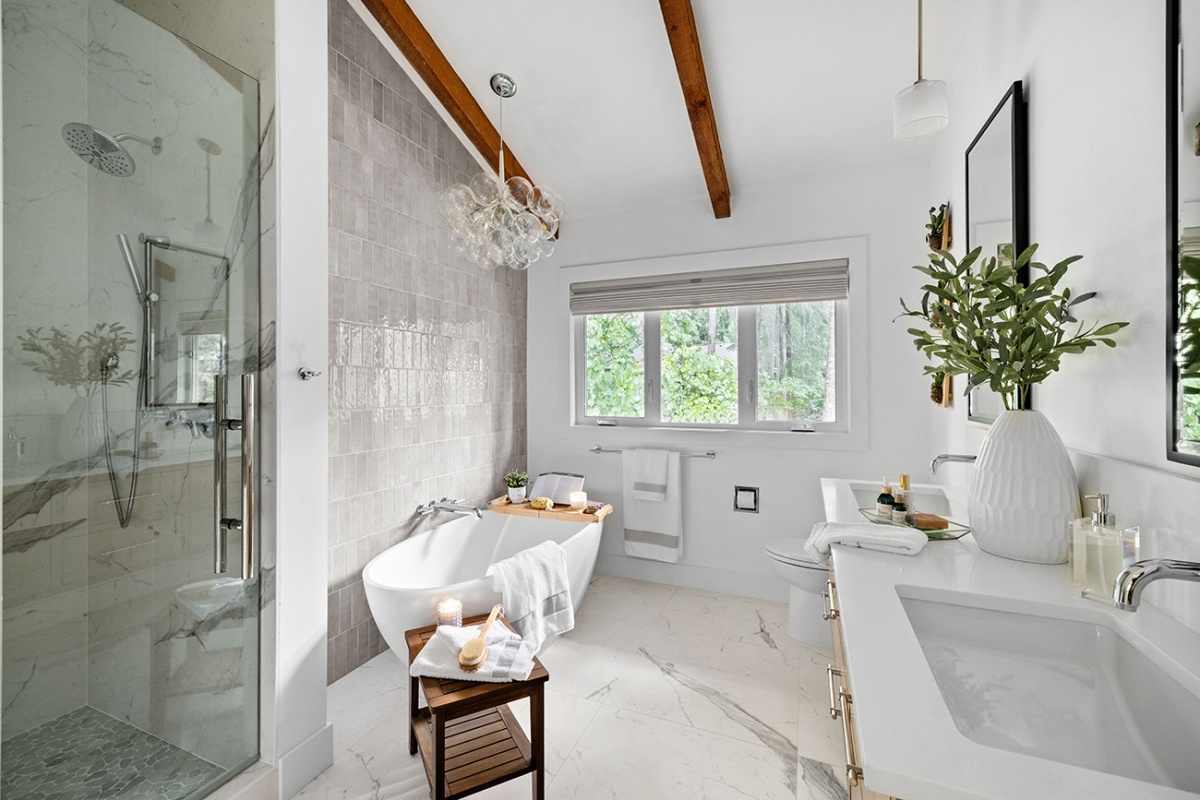
6 ‘Wellness’ Additions Taking Priority in Bathroom Updates
Bathroom Trends
The 8 Best Bathtubs for a Satisfying Soak
Just How Important Is a Bathtub for Resale?
The Growing Popularity Of The Elegant And Comfortable Free Standing Bathtub

The Best Bathtubs for Your Style and Budget, Vetted

26 Inspiring Bathroom Ideas for 2026 That Designers Use When Clients Say “I’m Bored”