1/11
Are outdoor rugs a good idea? Everything you need to know before buying one
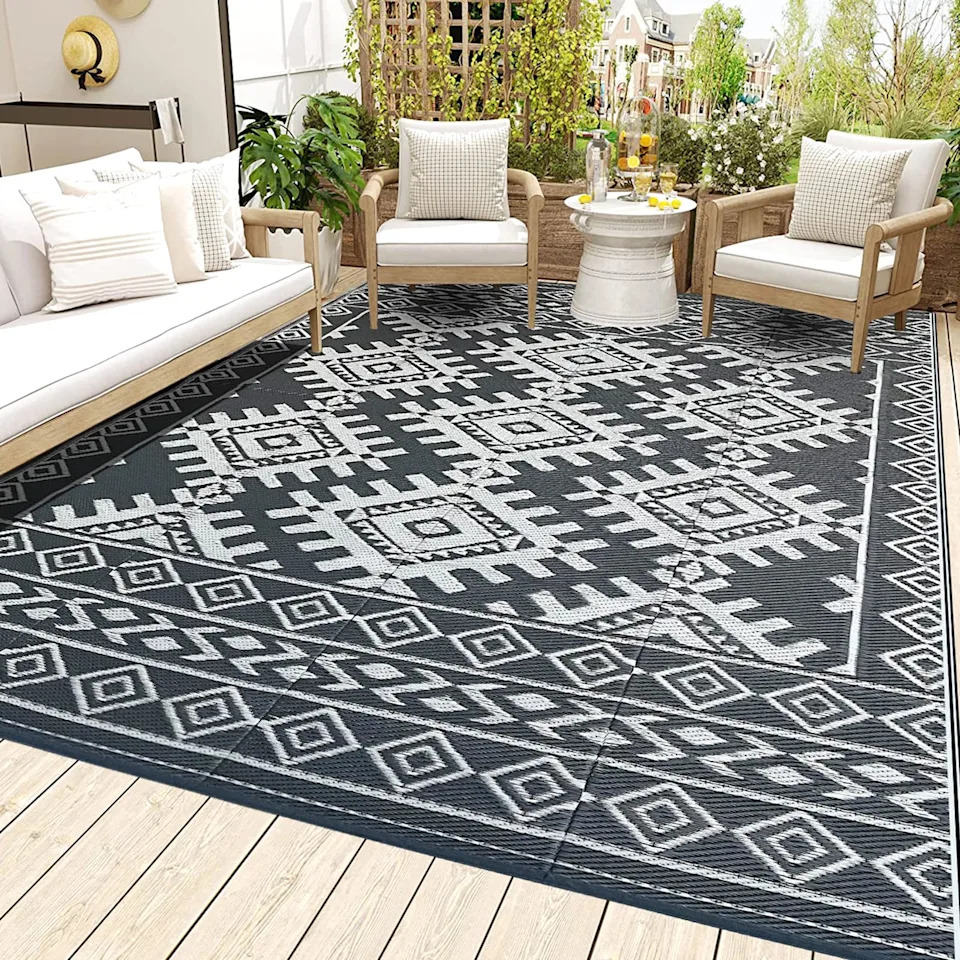
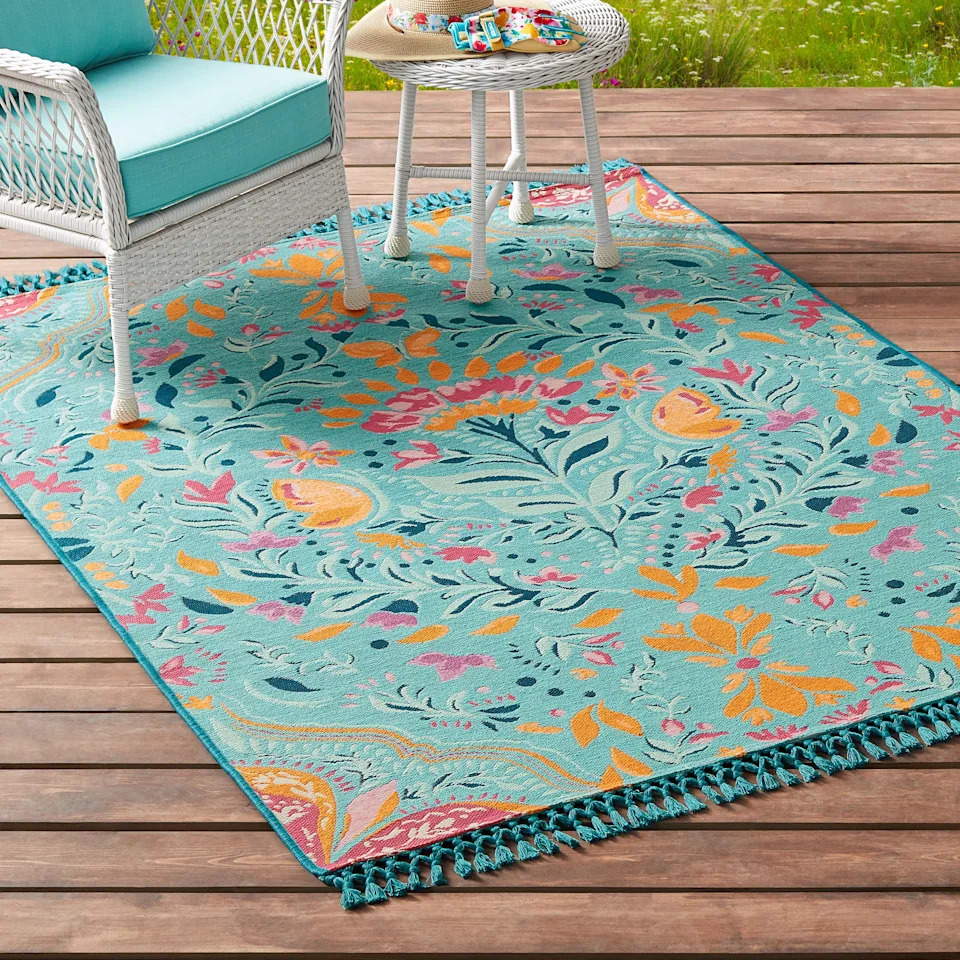
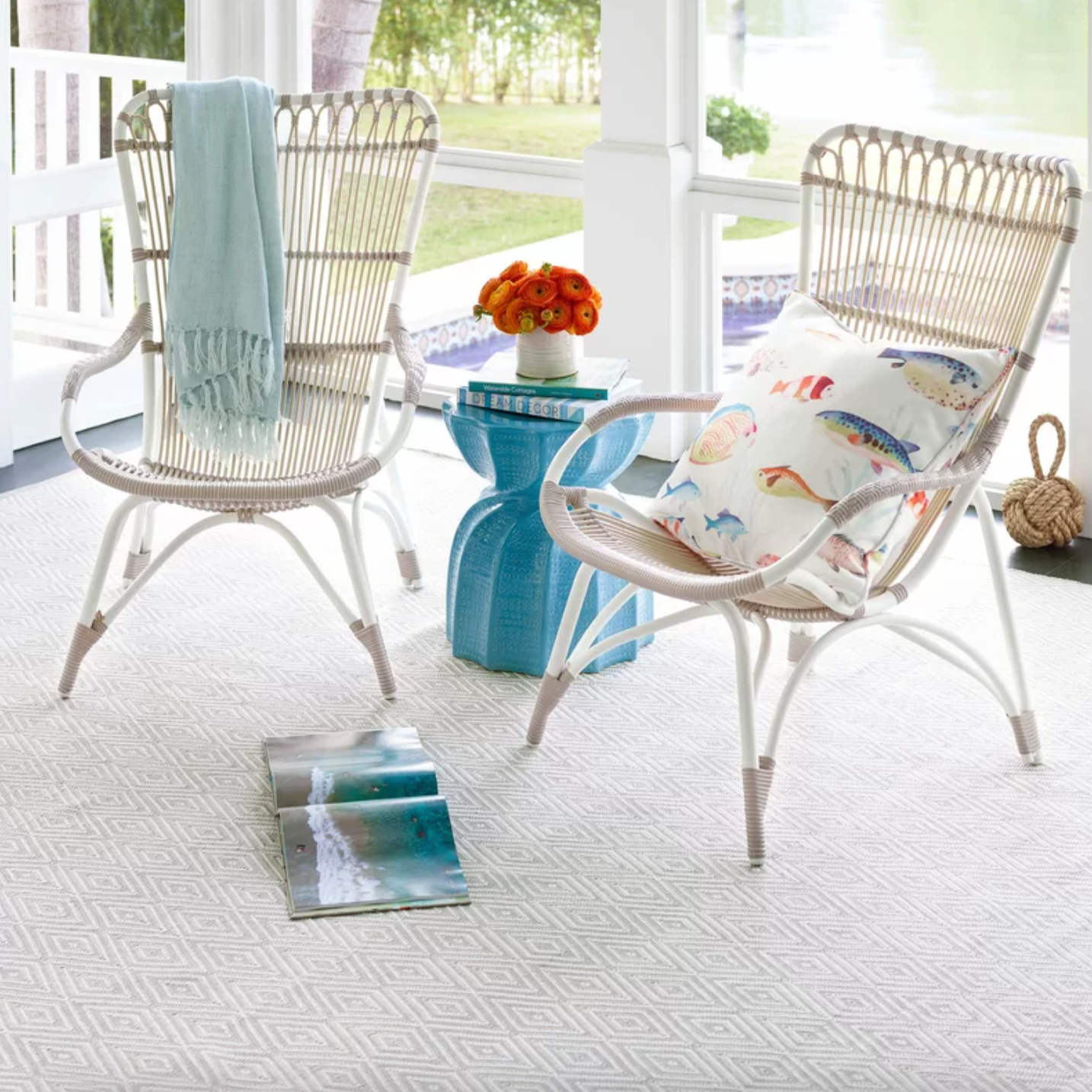
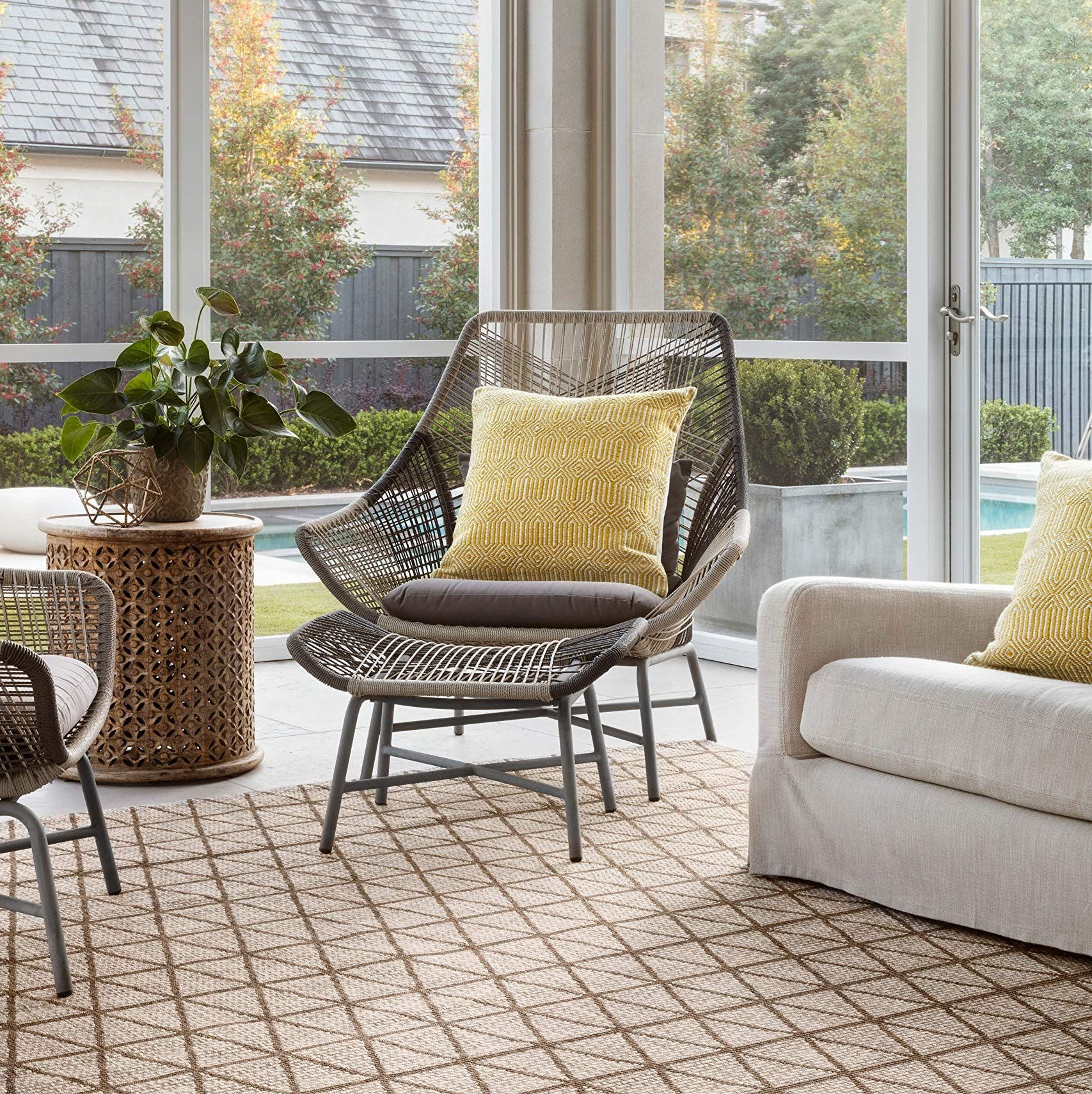
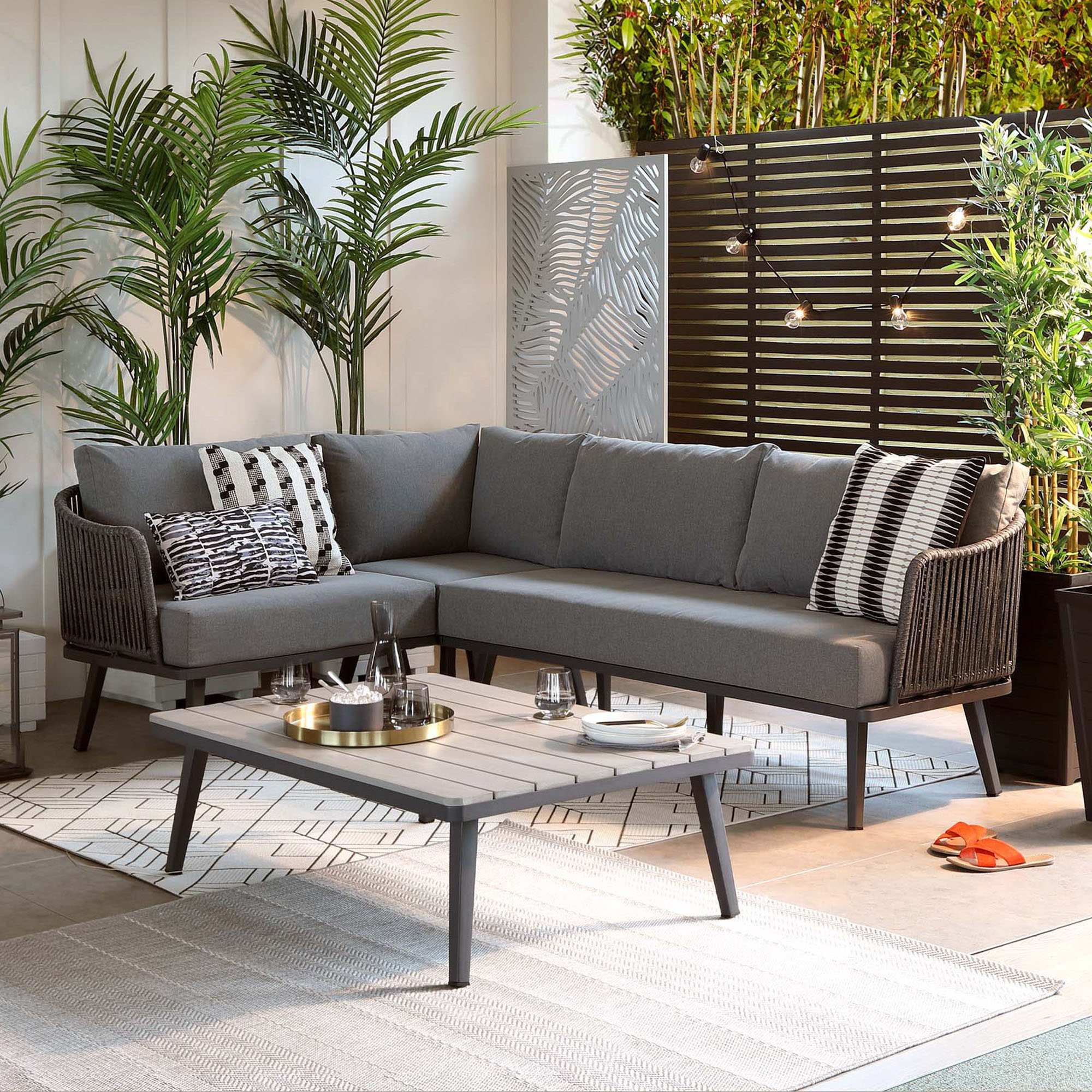
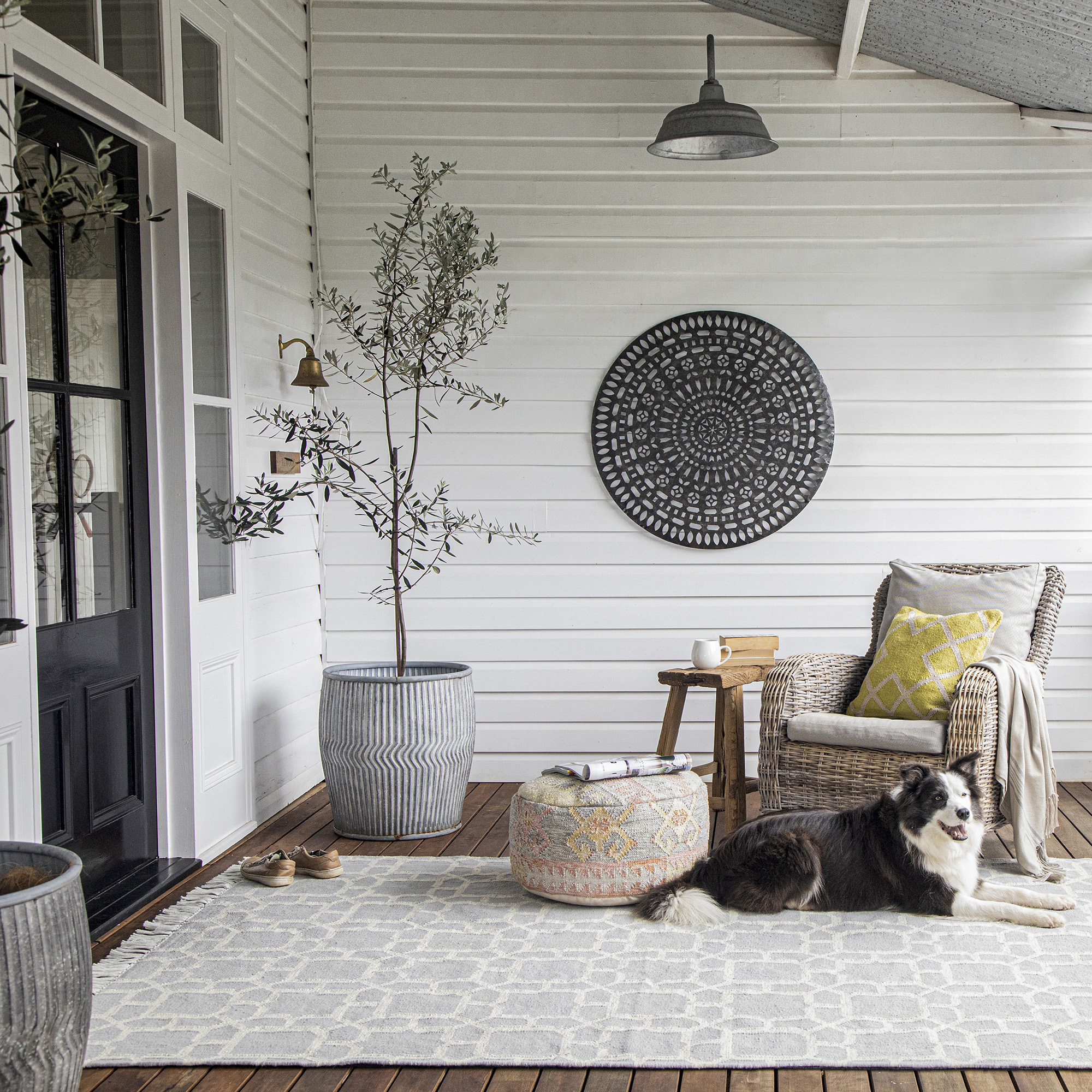
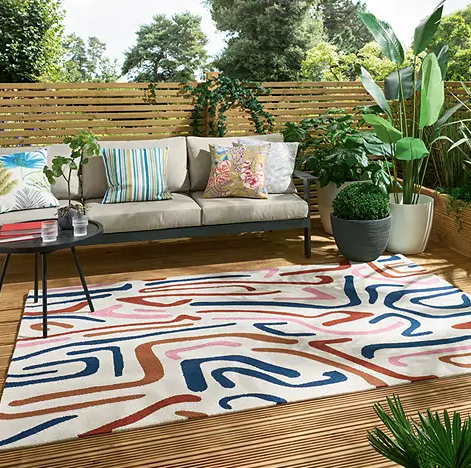
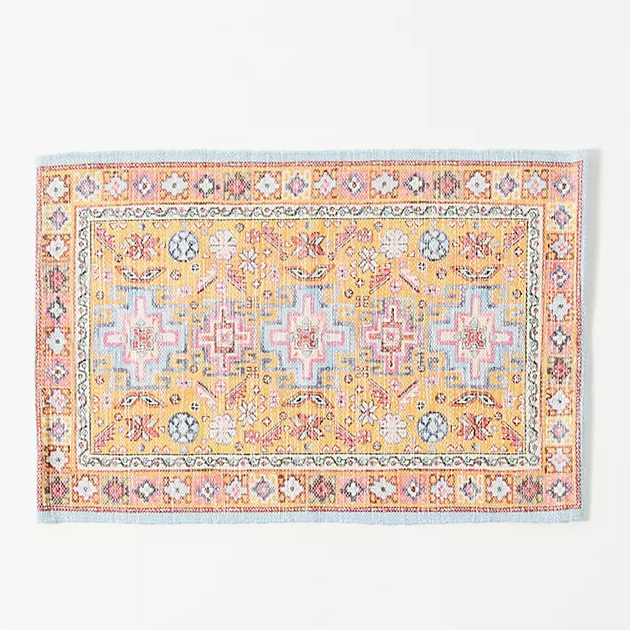
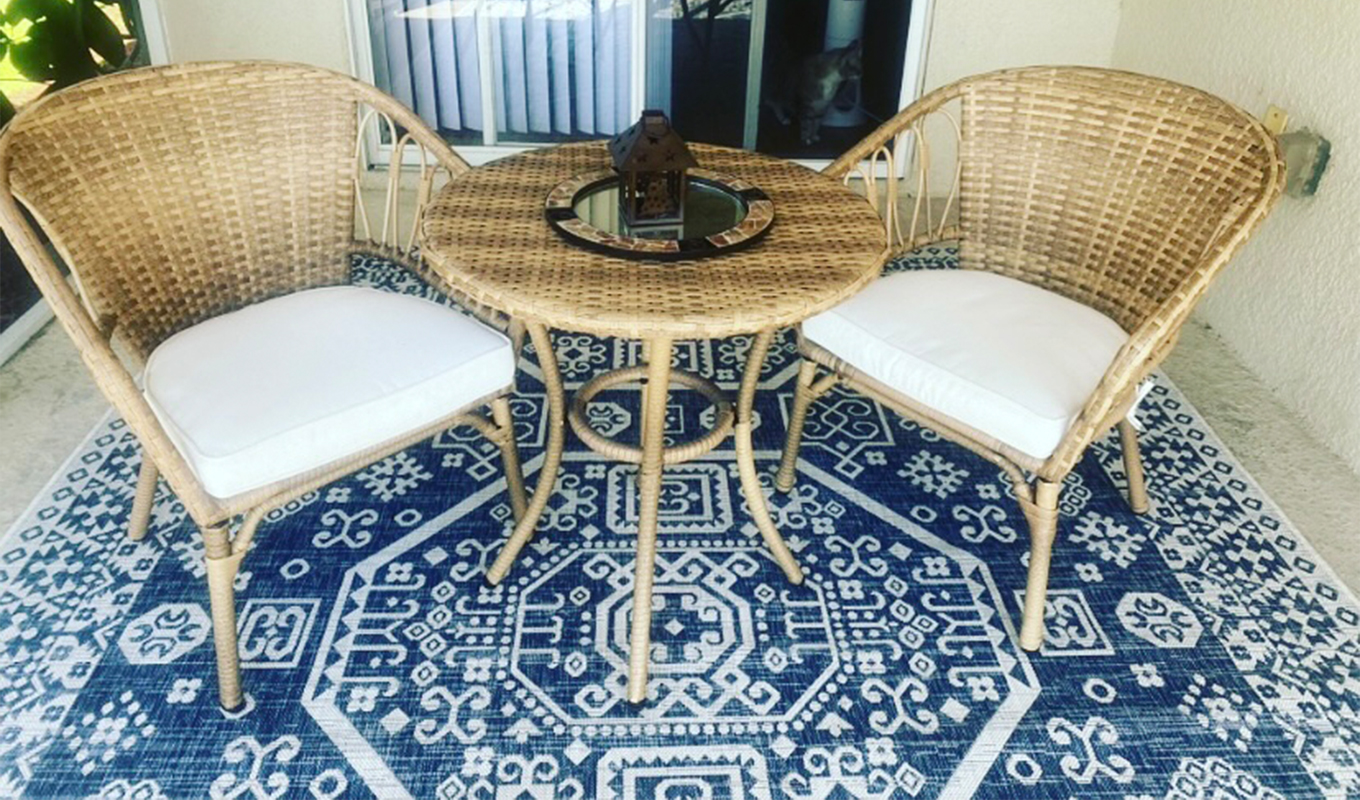
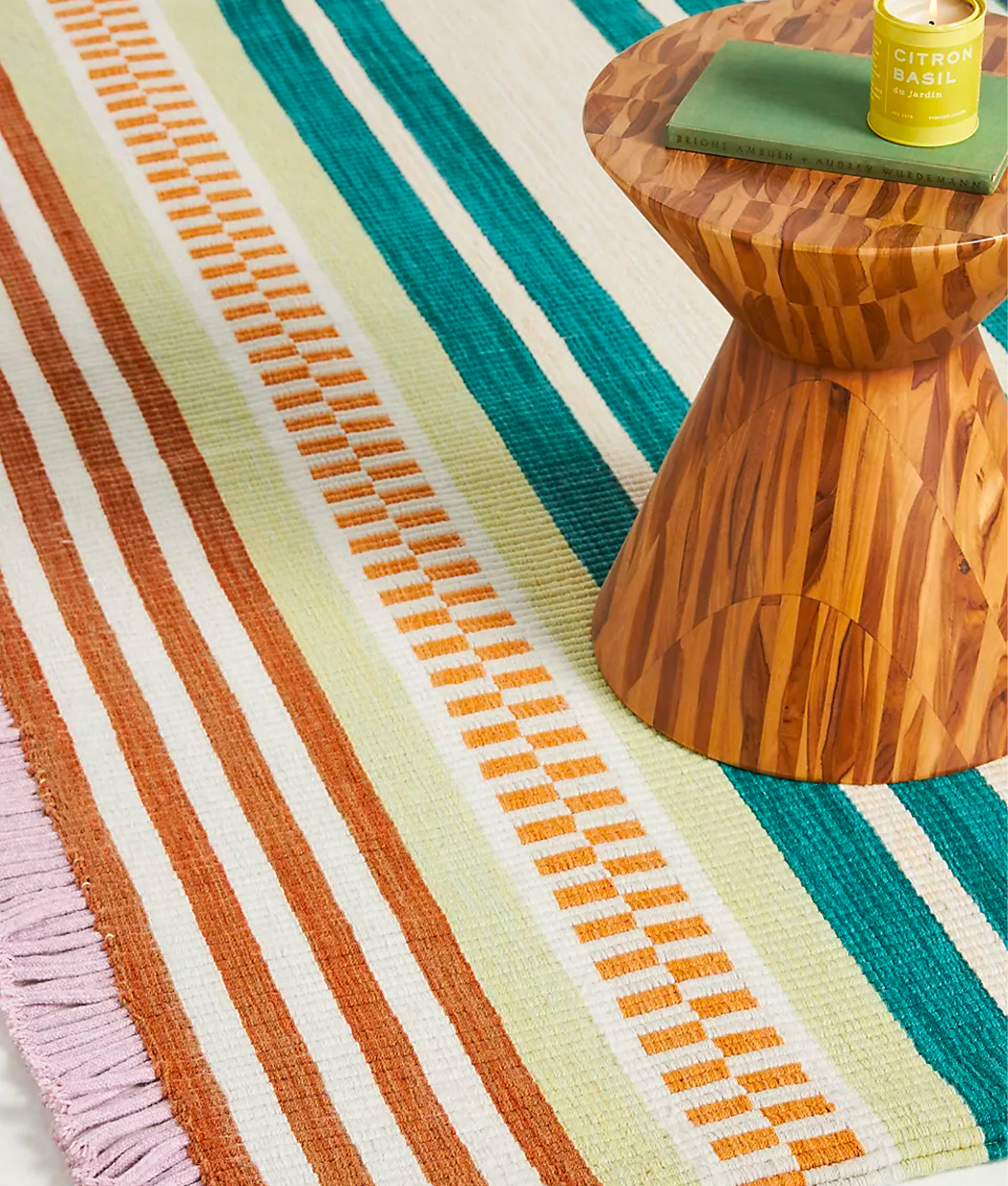
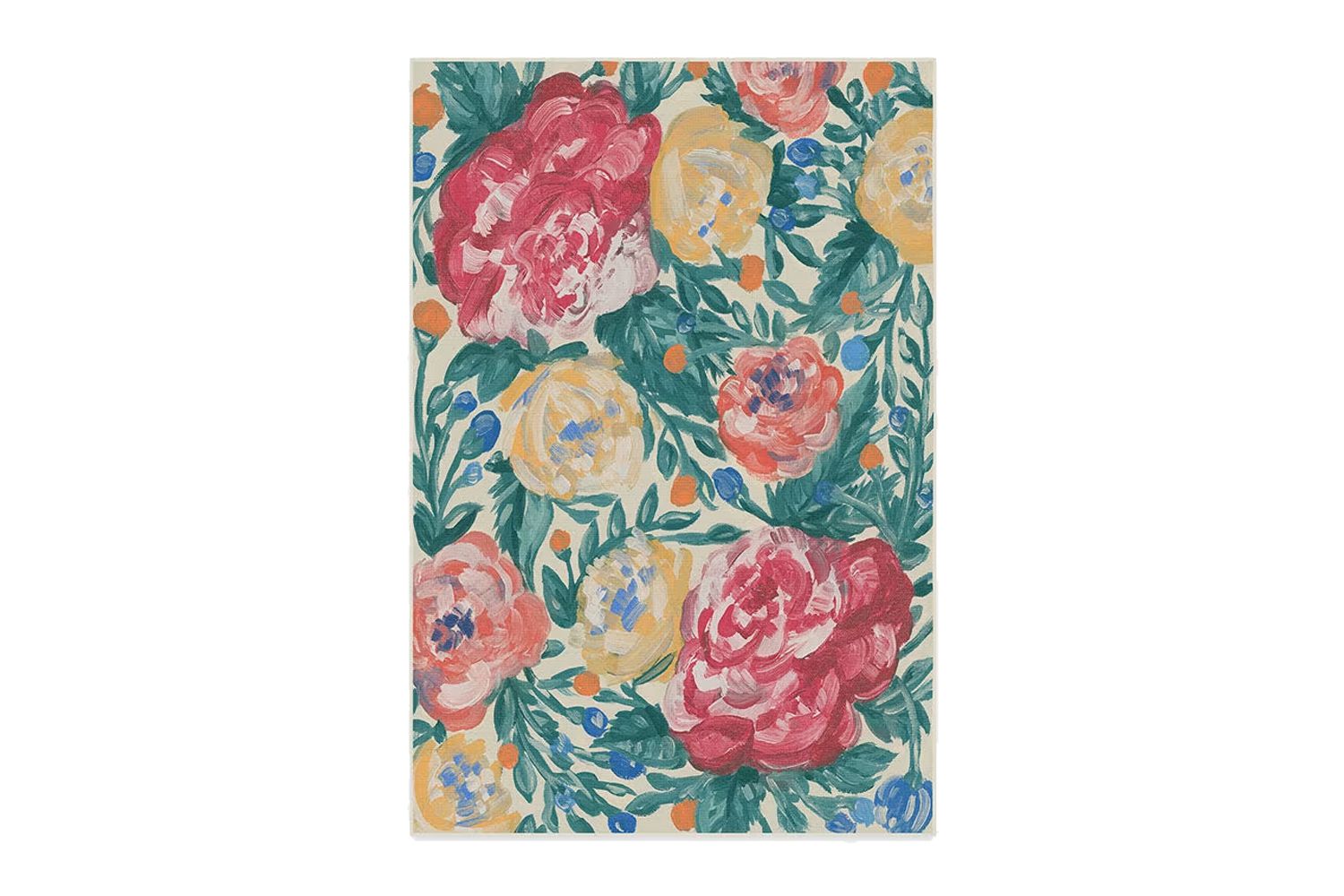
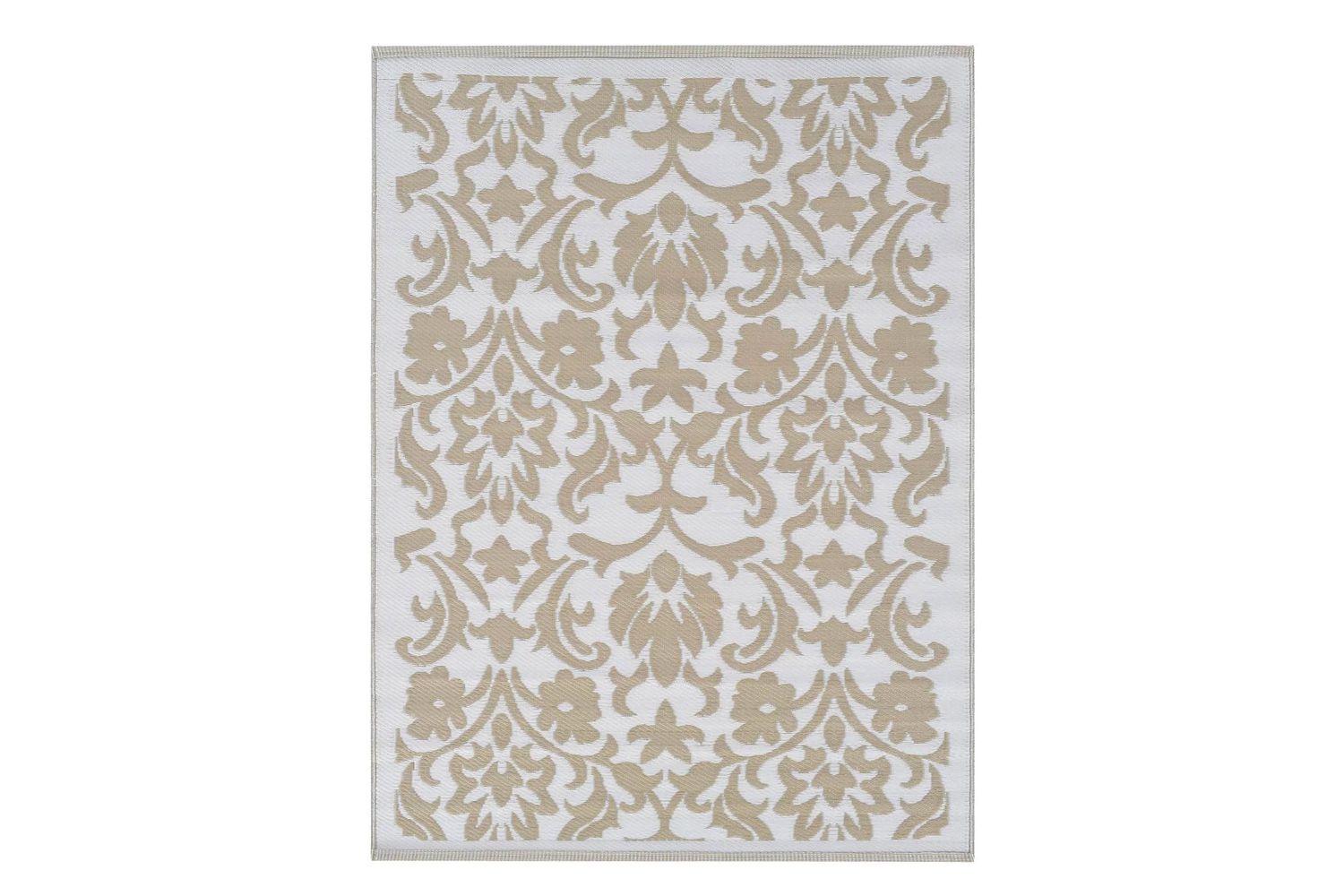
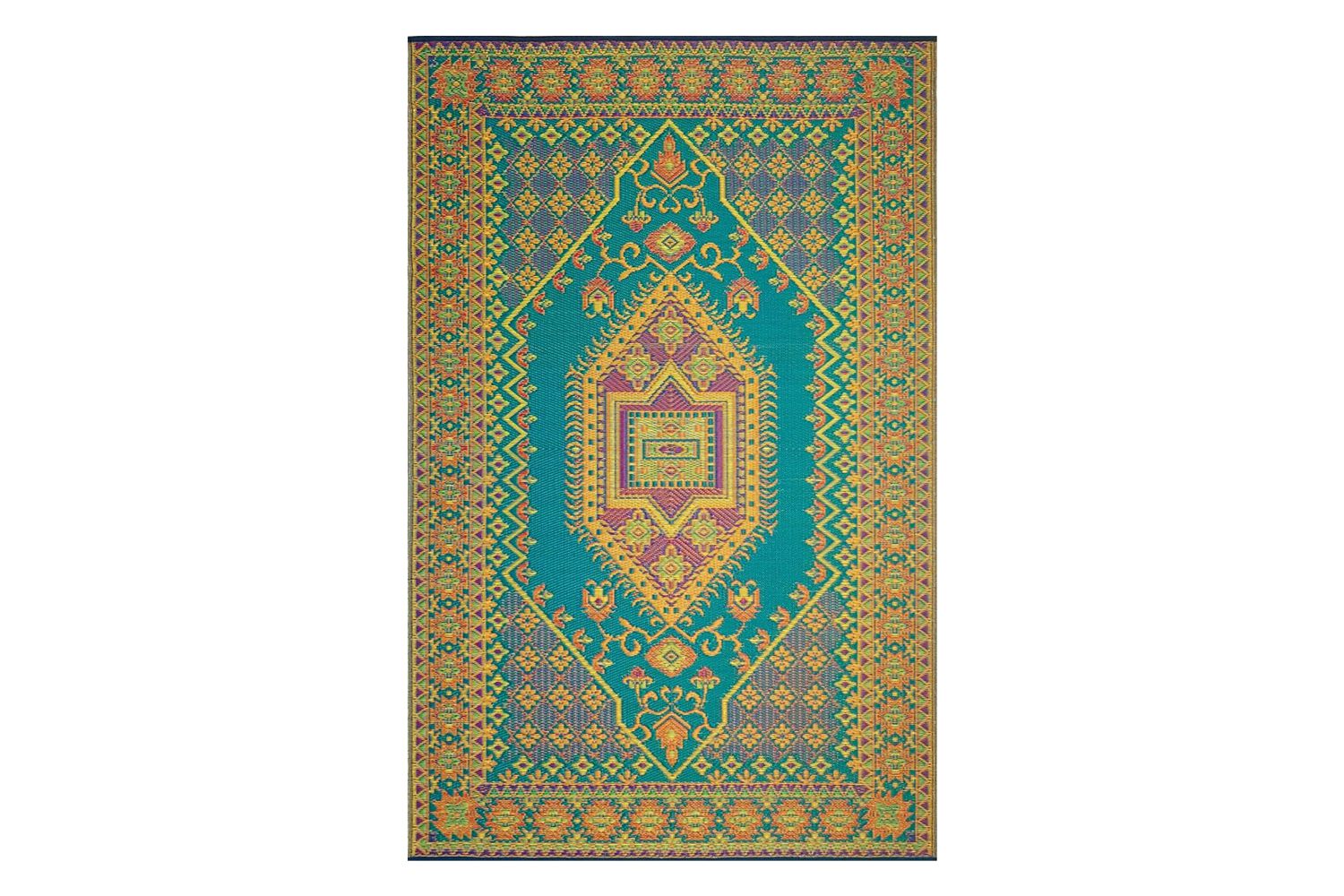
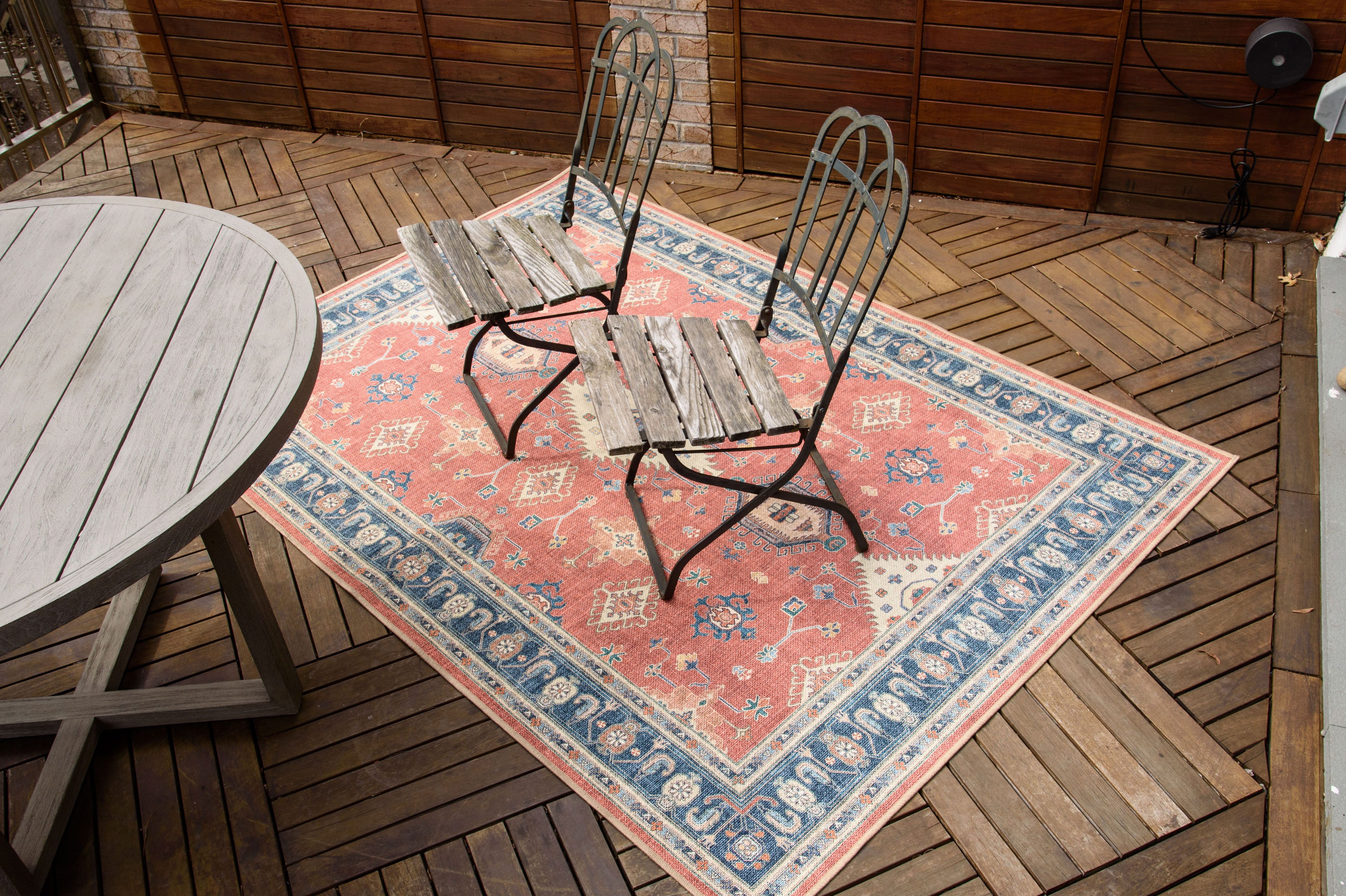
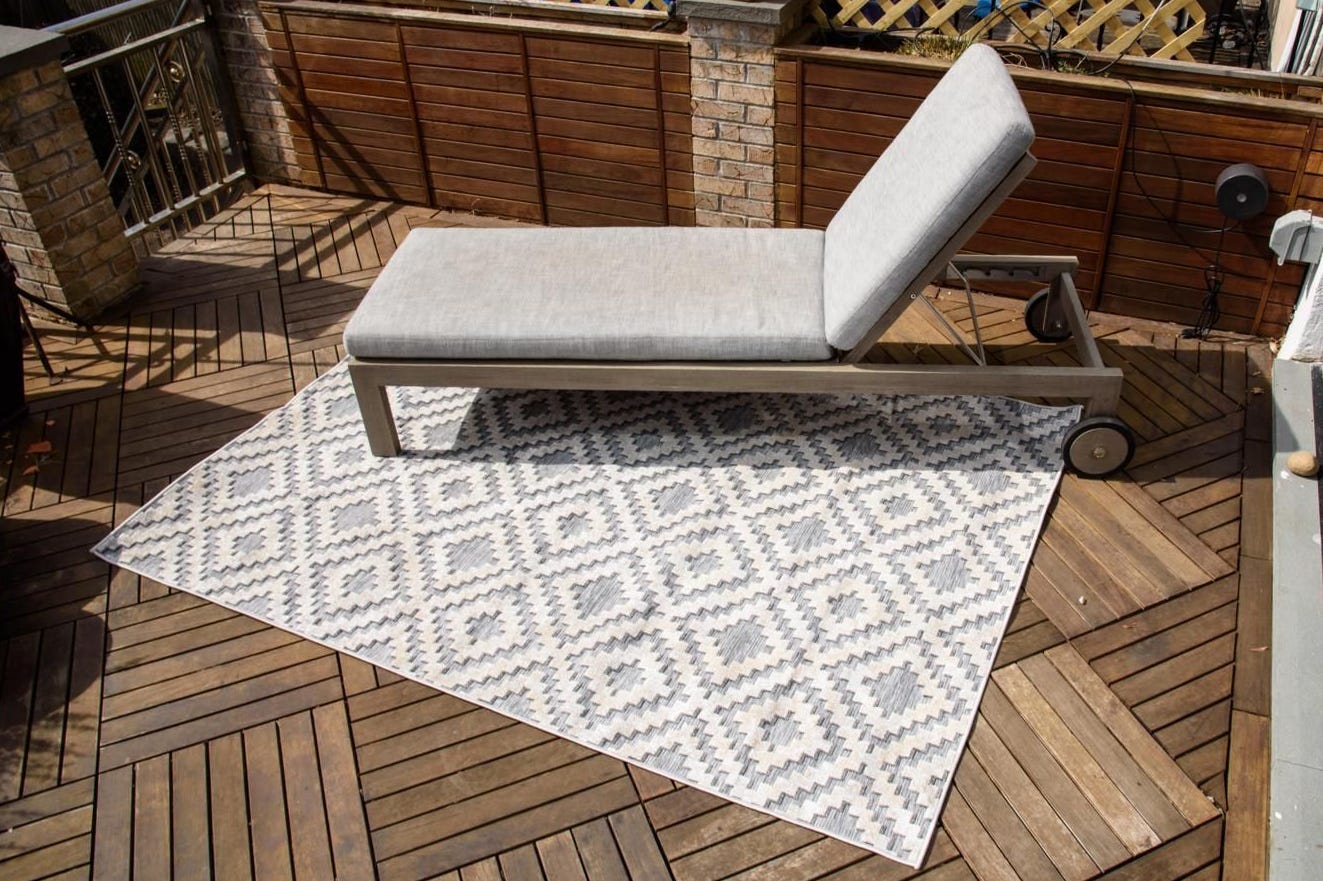
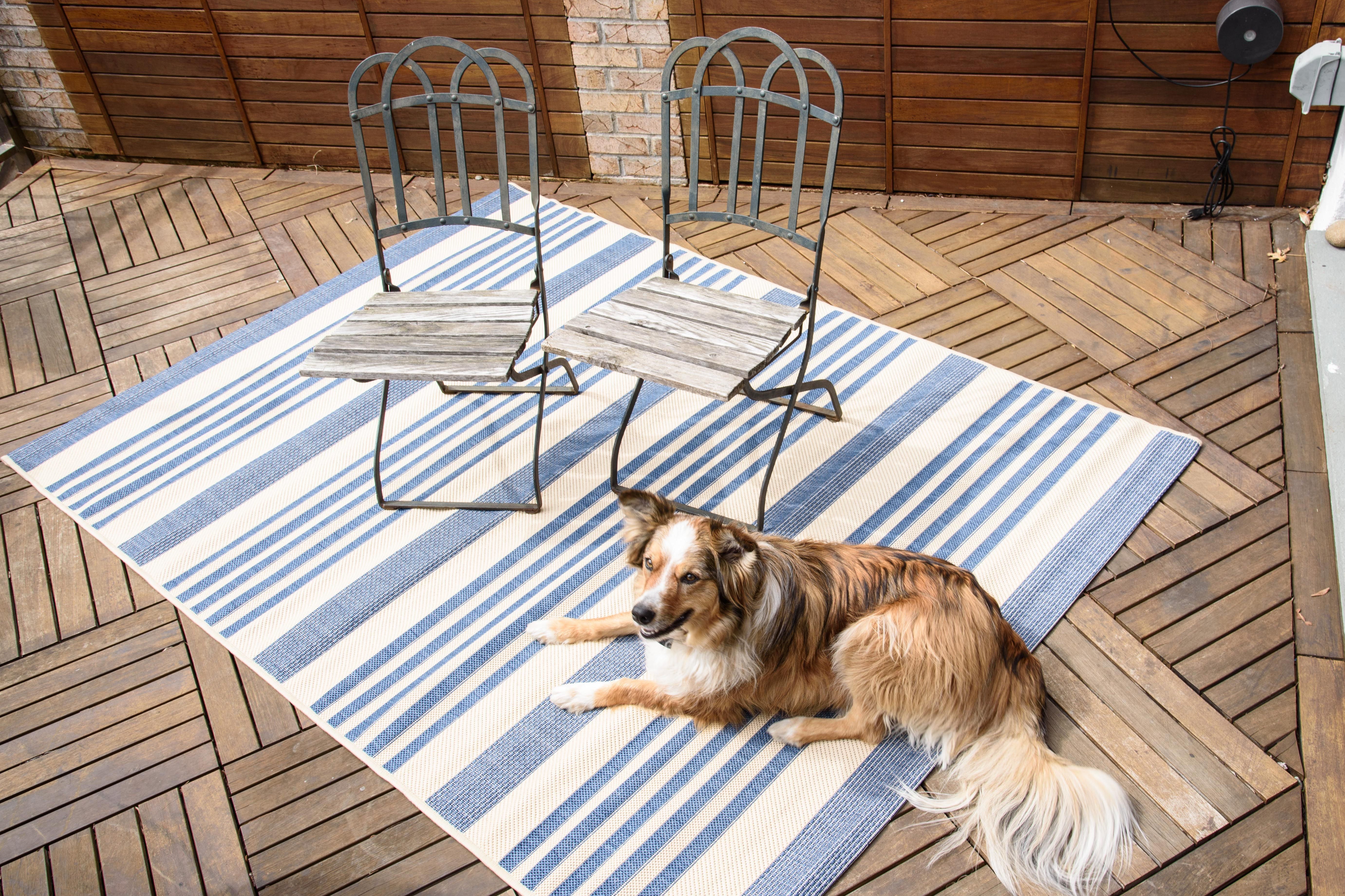
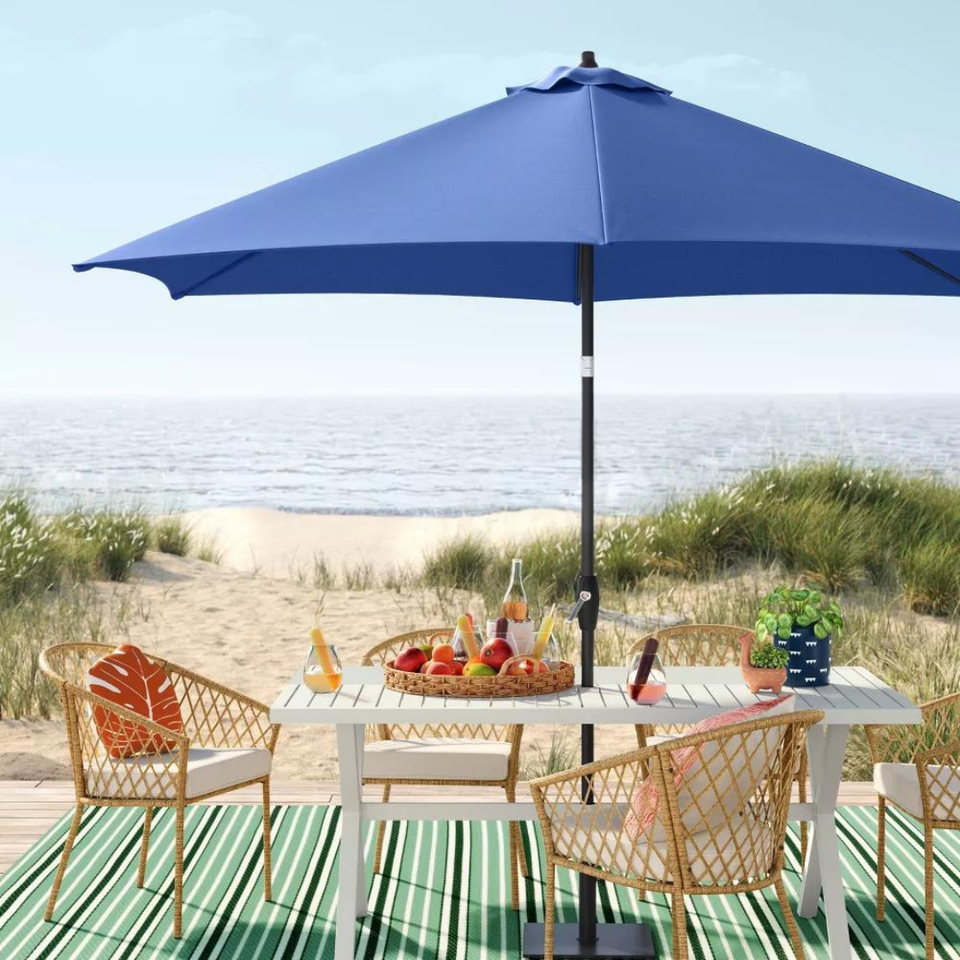
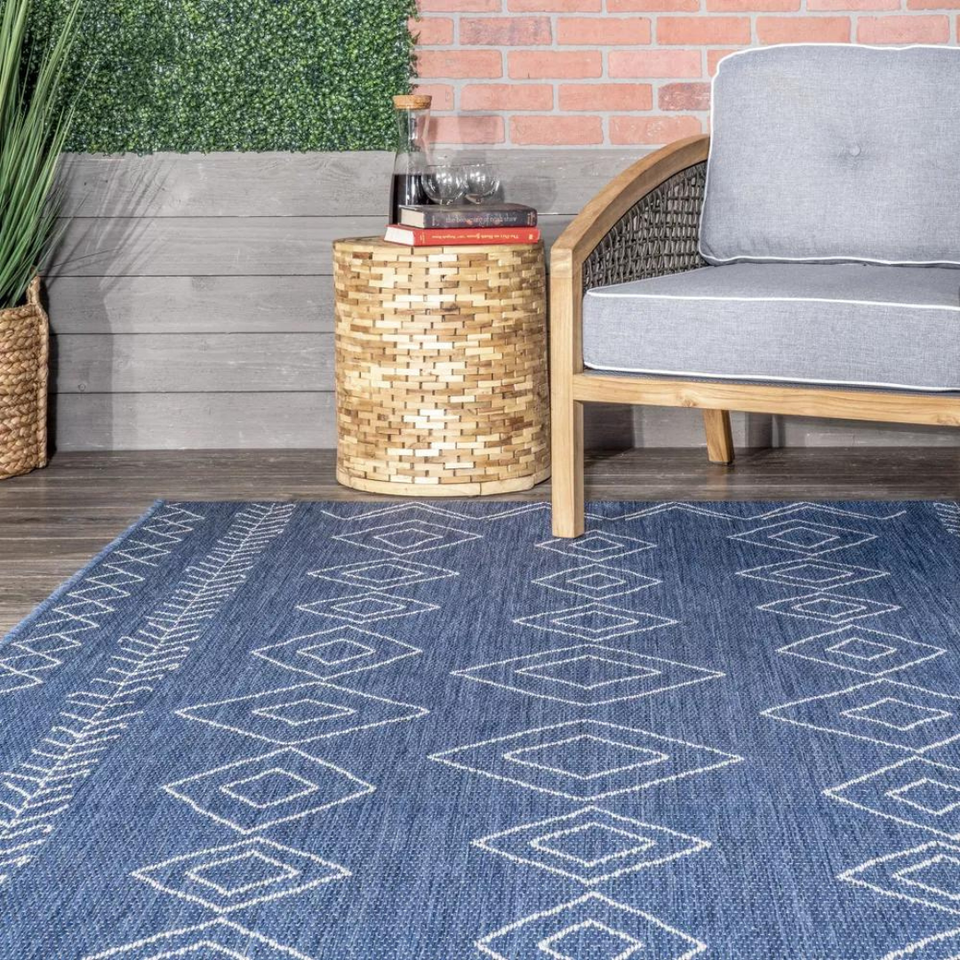
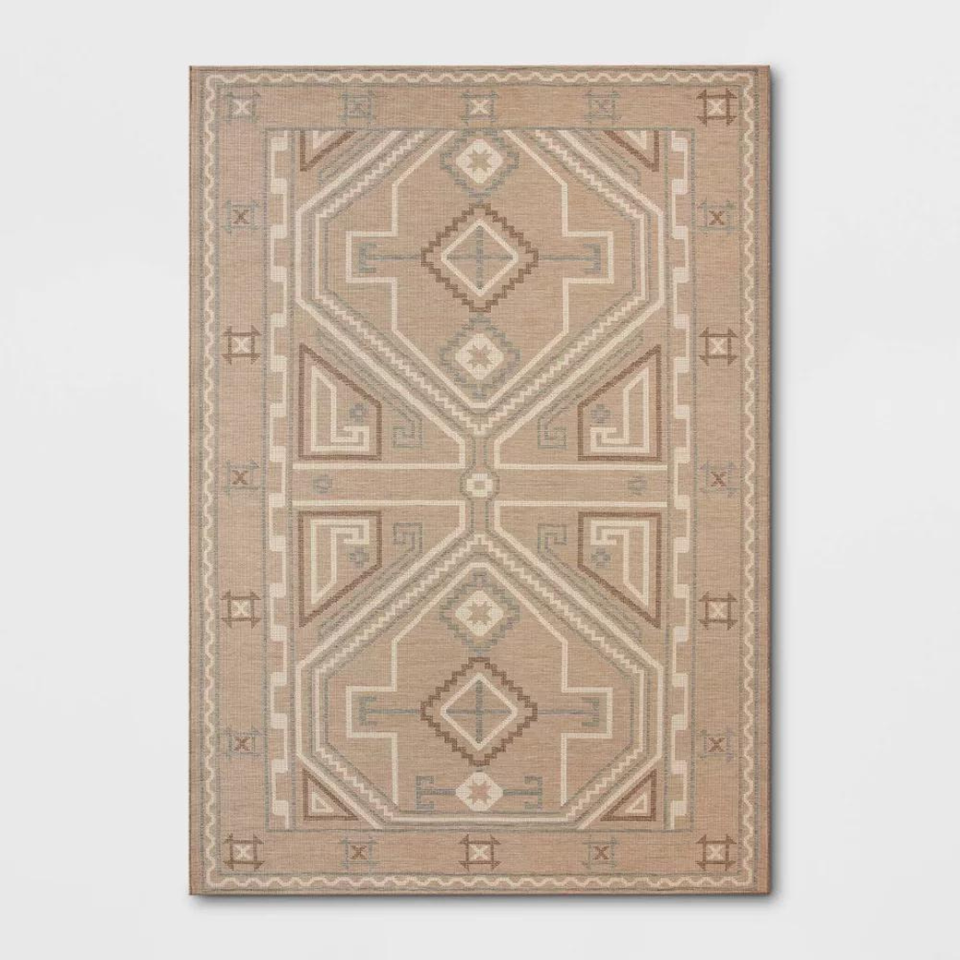
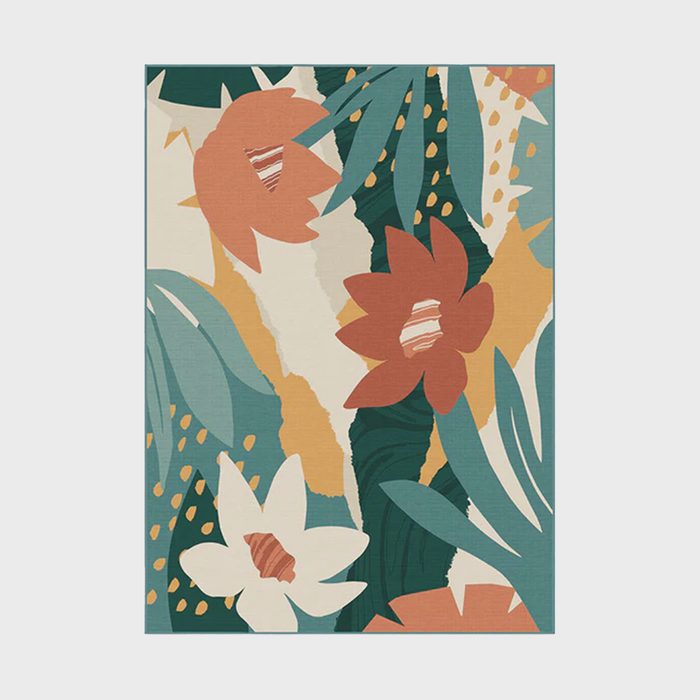
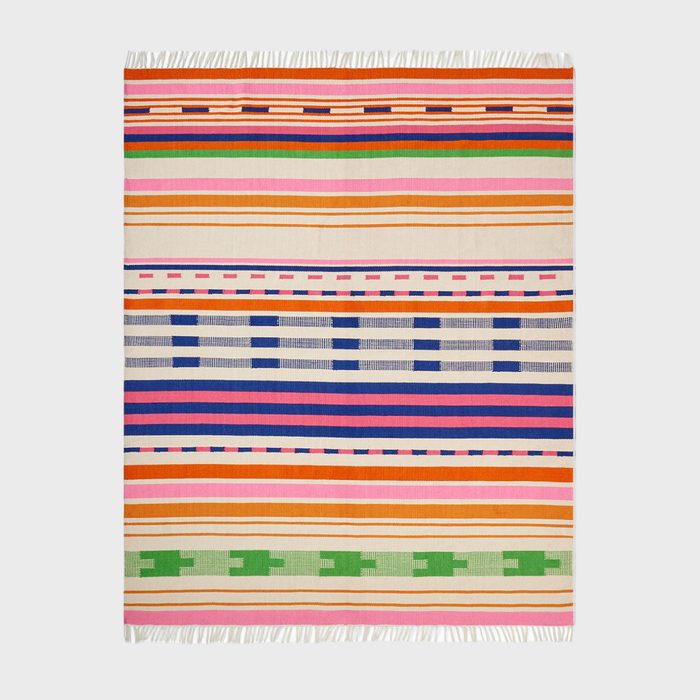
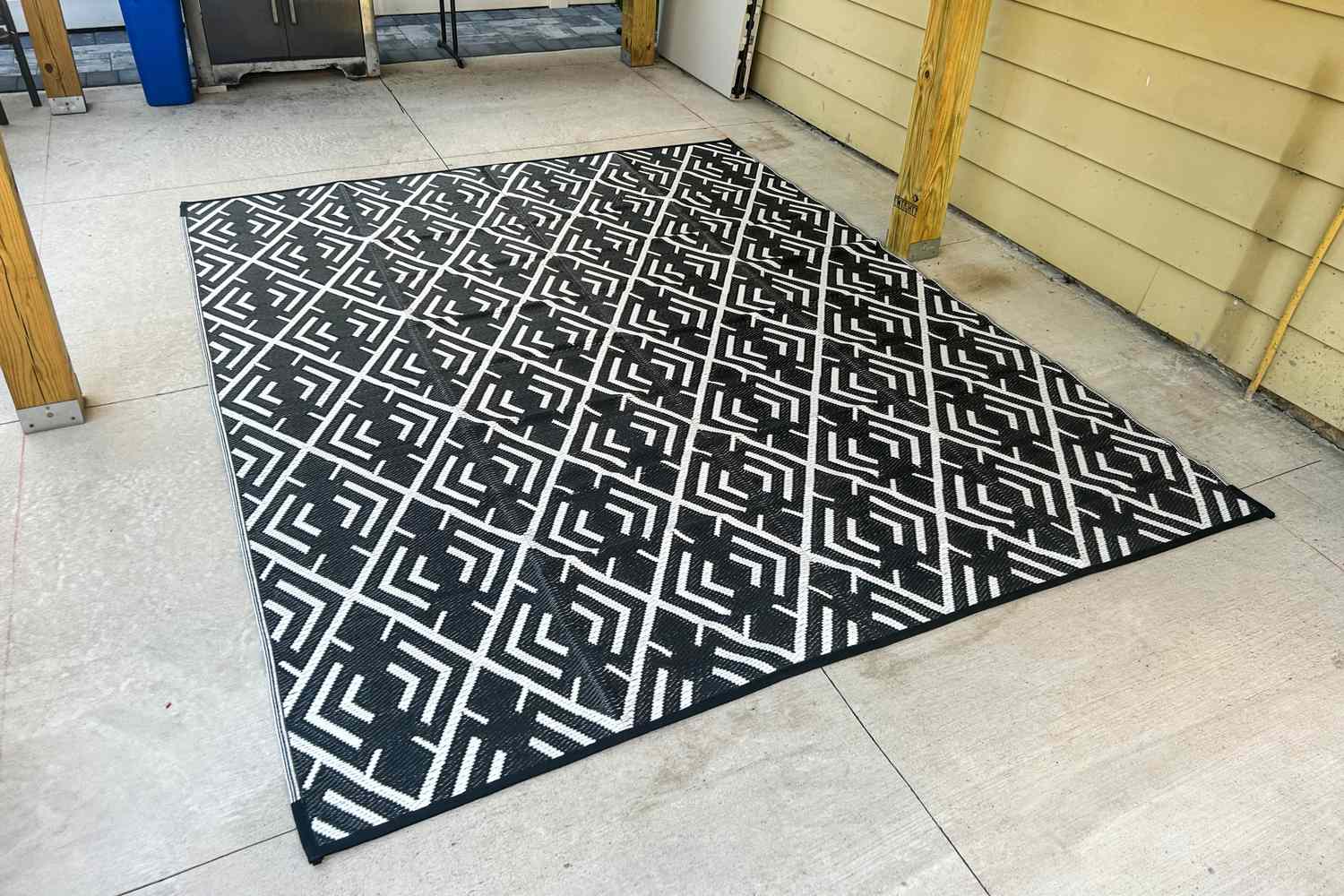
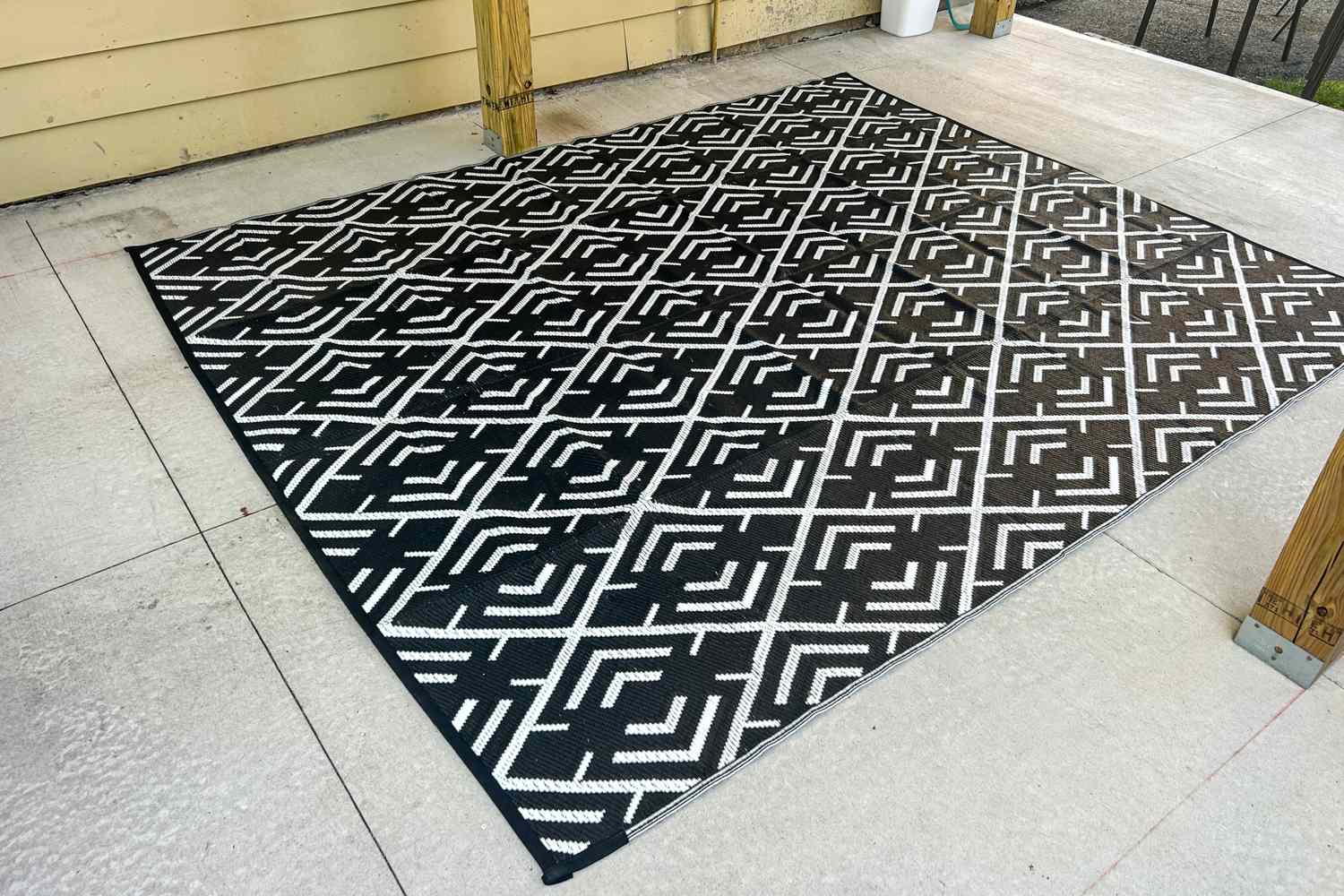
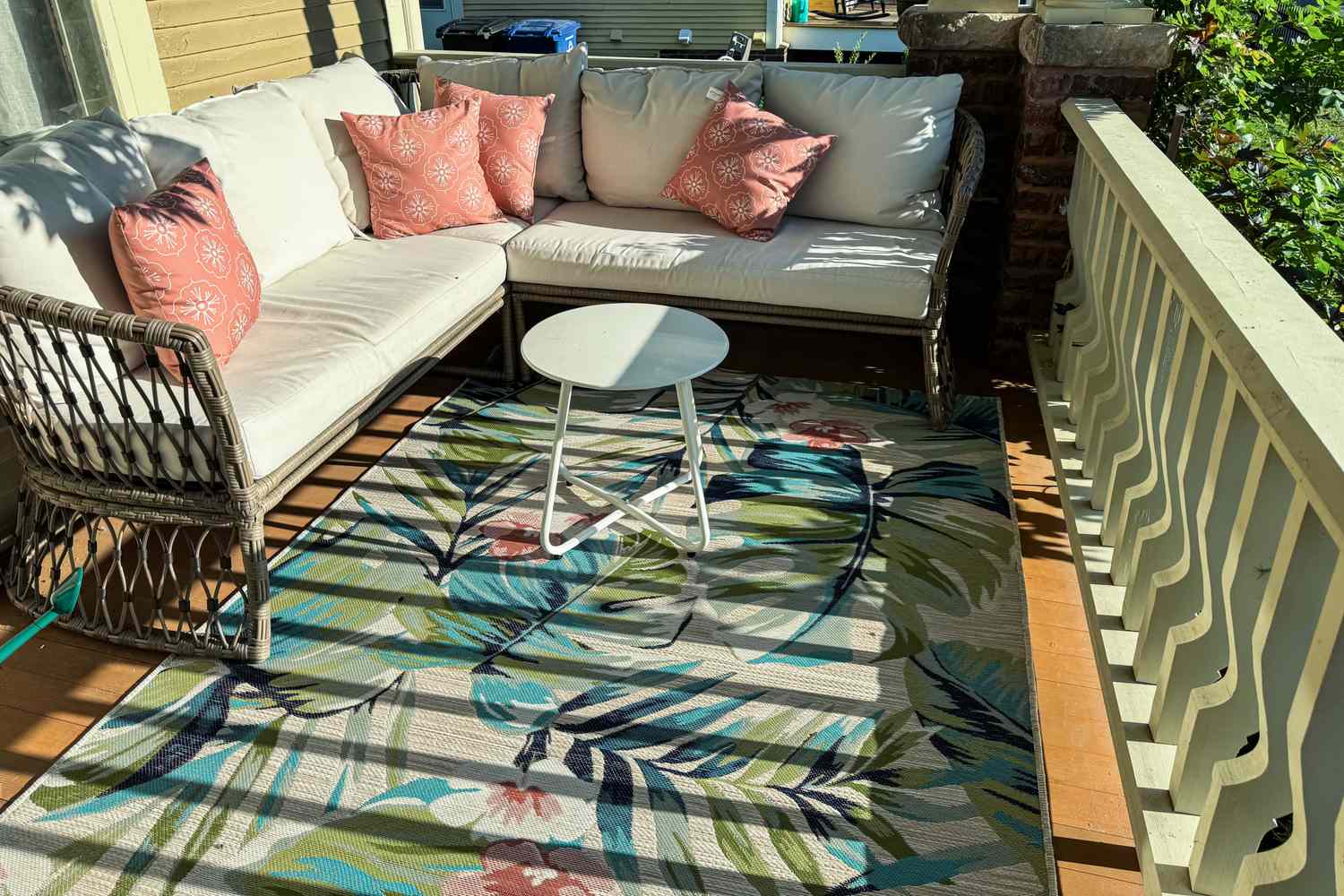
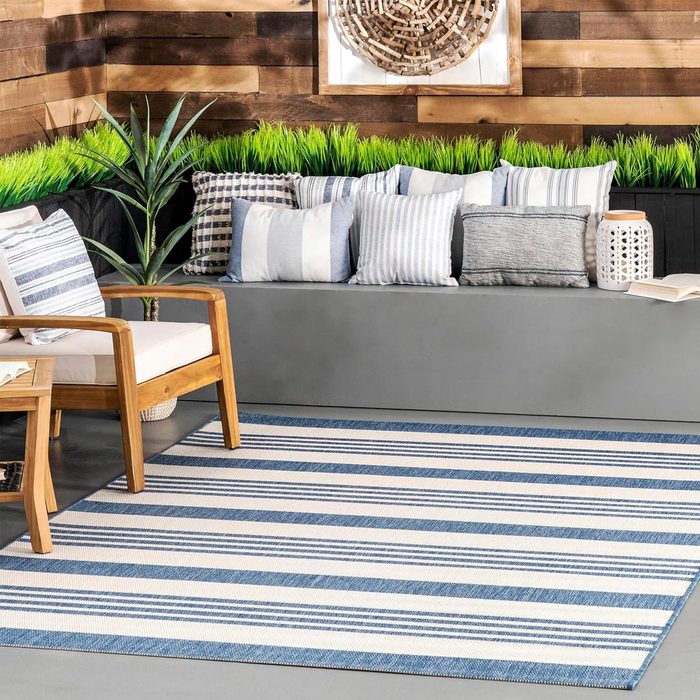
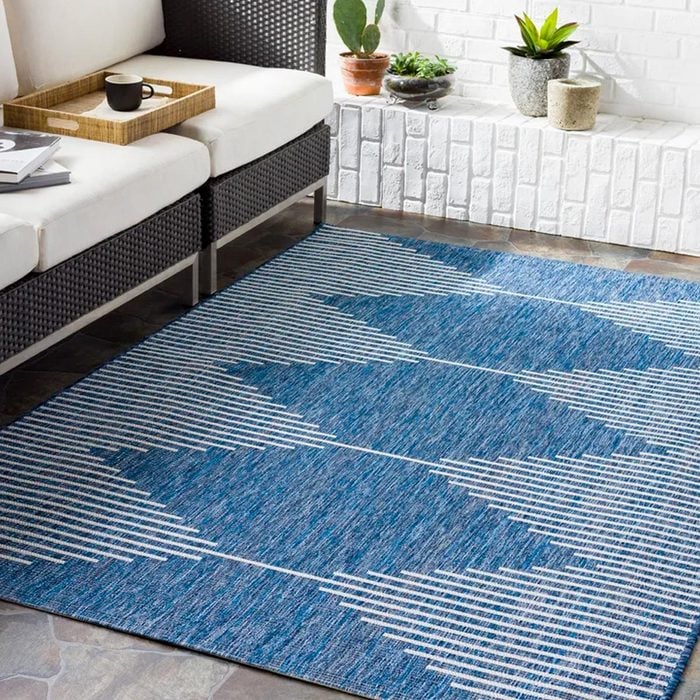
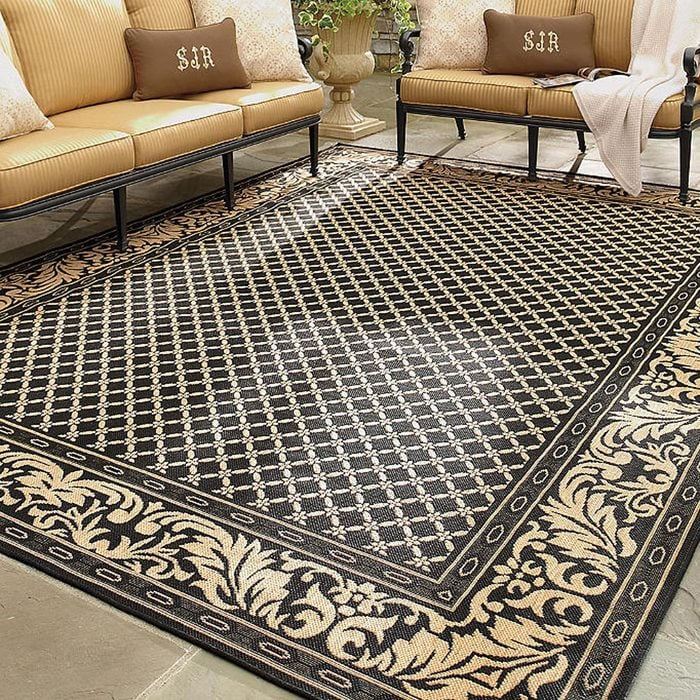
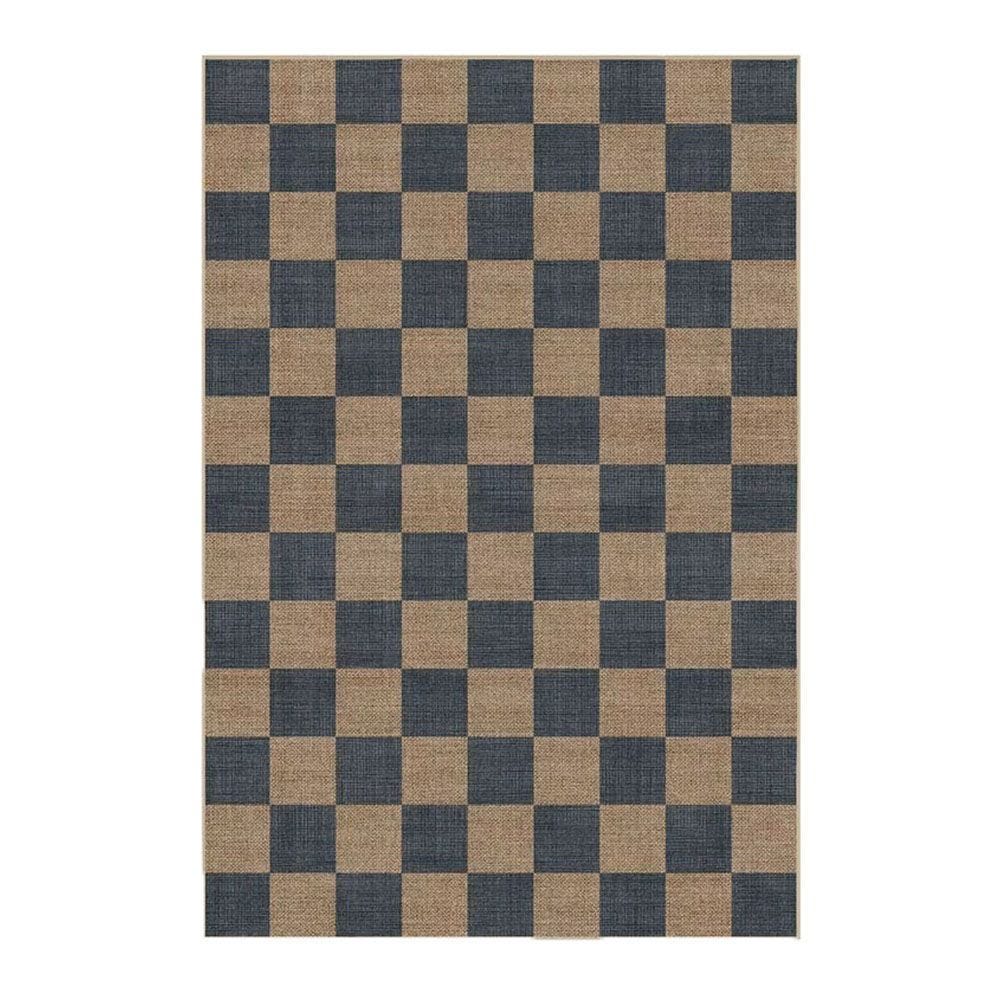
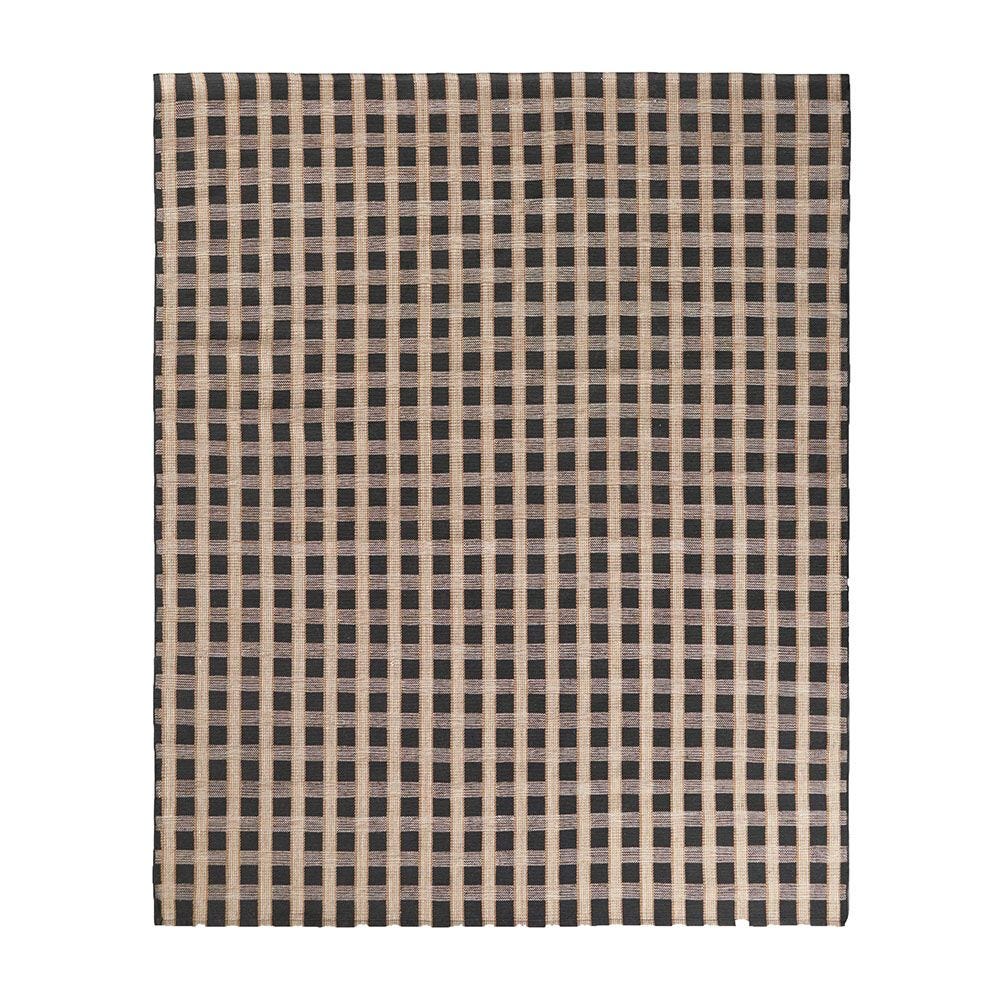
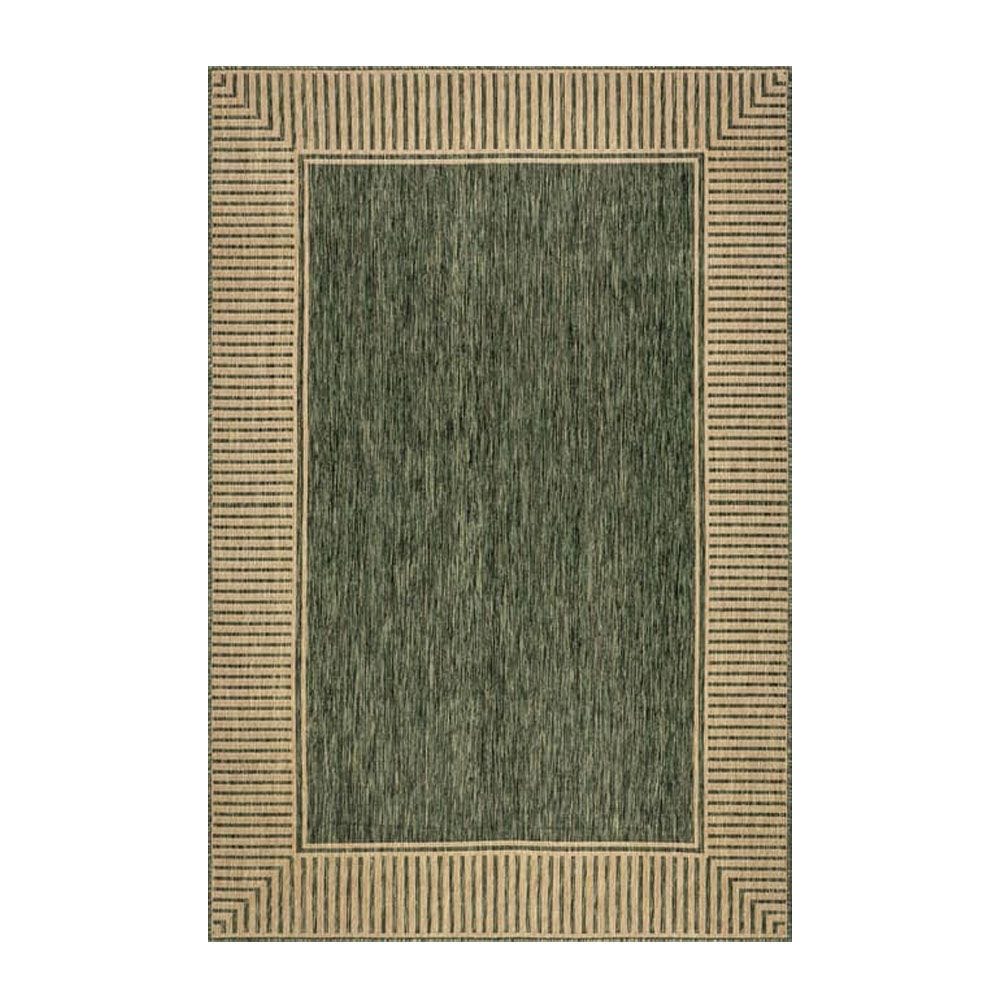
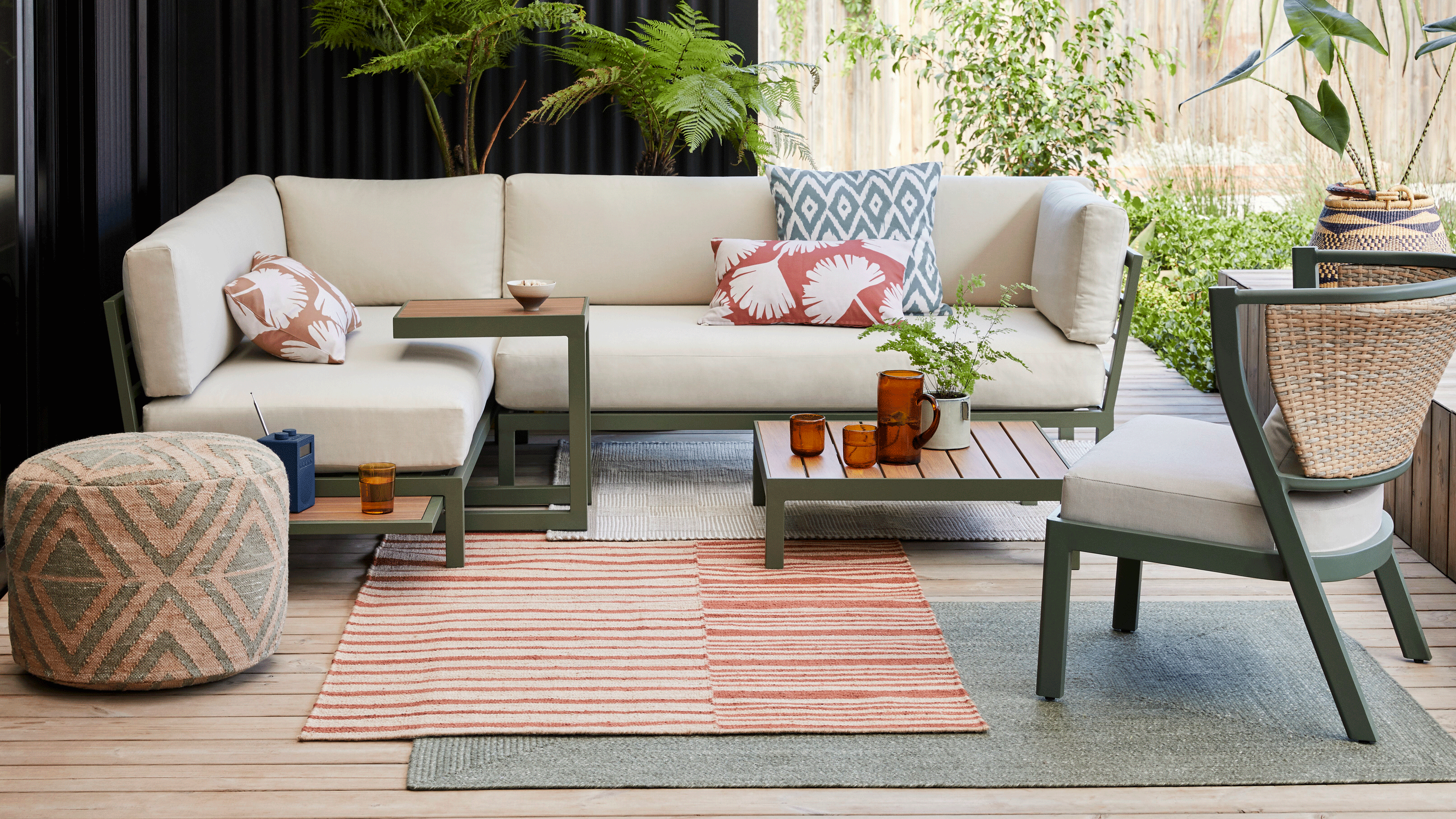
Outdoor rugs have seen a surge in popularity over the last three years, becoming a must-have garden accessory with an ever-expanding variety of colors, patterns, sizes, and shapes. The trends in outdoor rugs often mirror interior design, with geometrics giving way to bright colors, florals, and sustainable materials. These rugs offer a versatile way to extend interior design elements outdoors or to introduce bold new aesthetics to a garden space, with Mediterranean-inspired blues and whites, and vibrant reds and yellows being particularly popular.
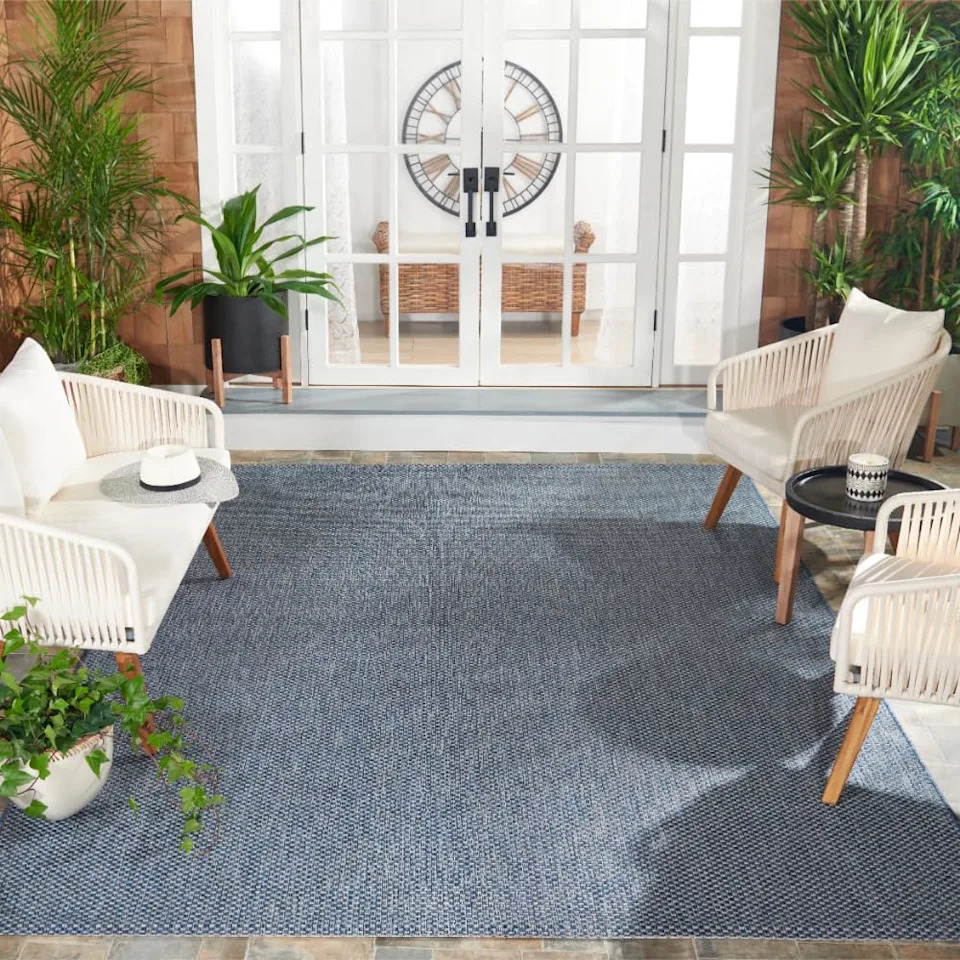
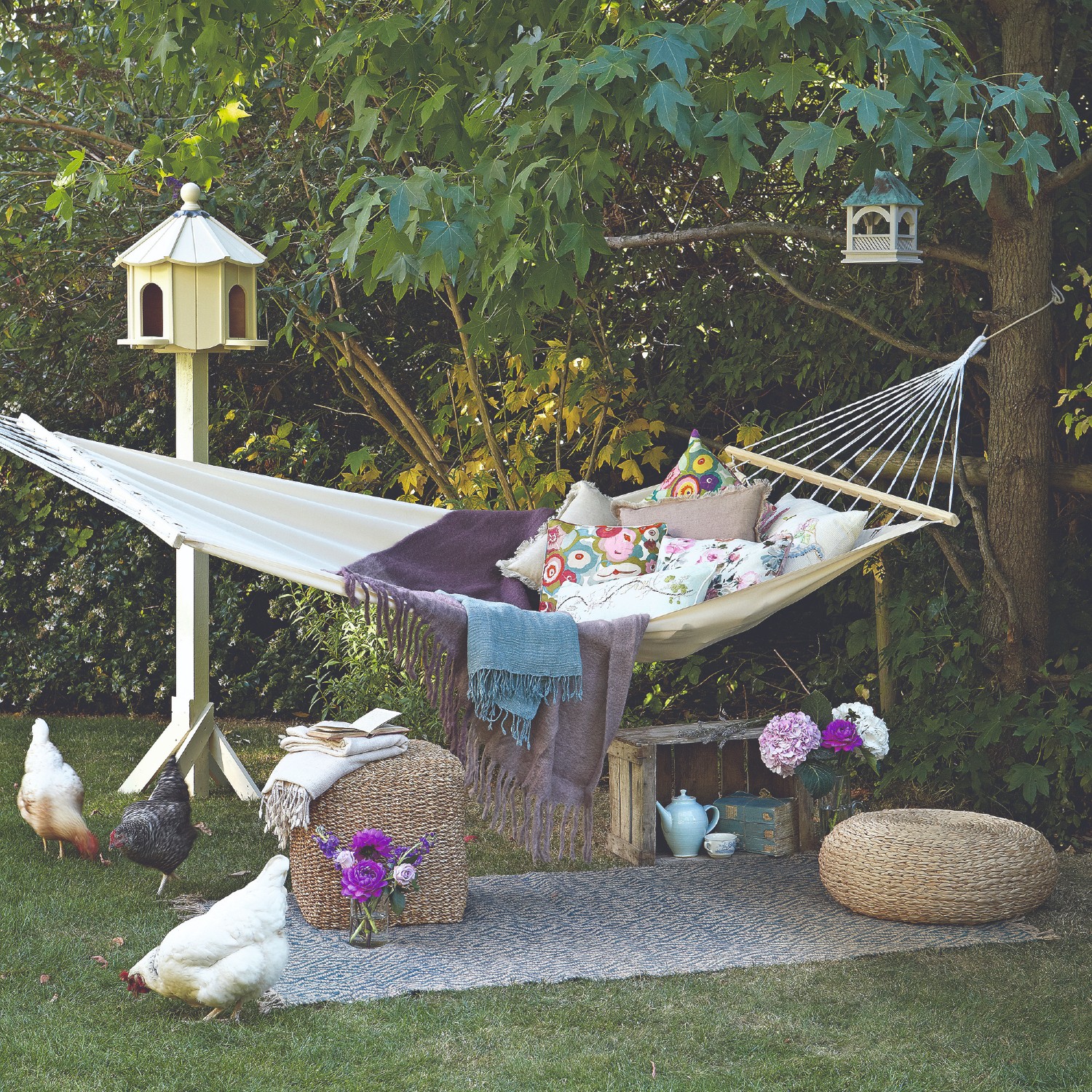
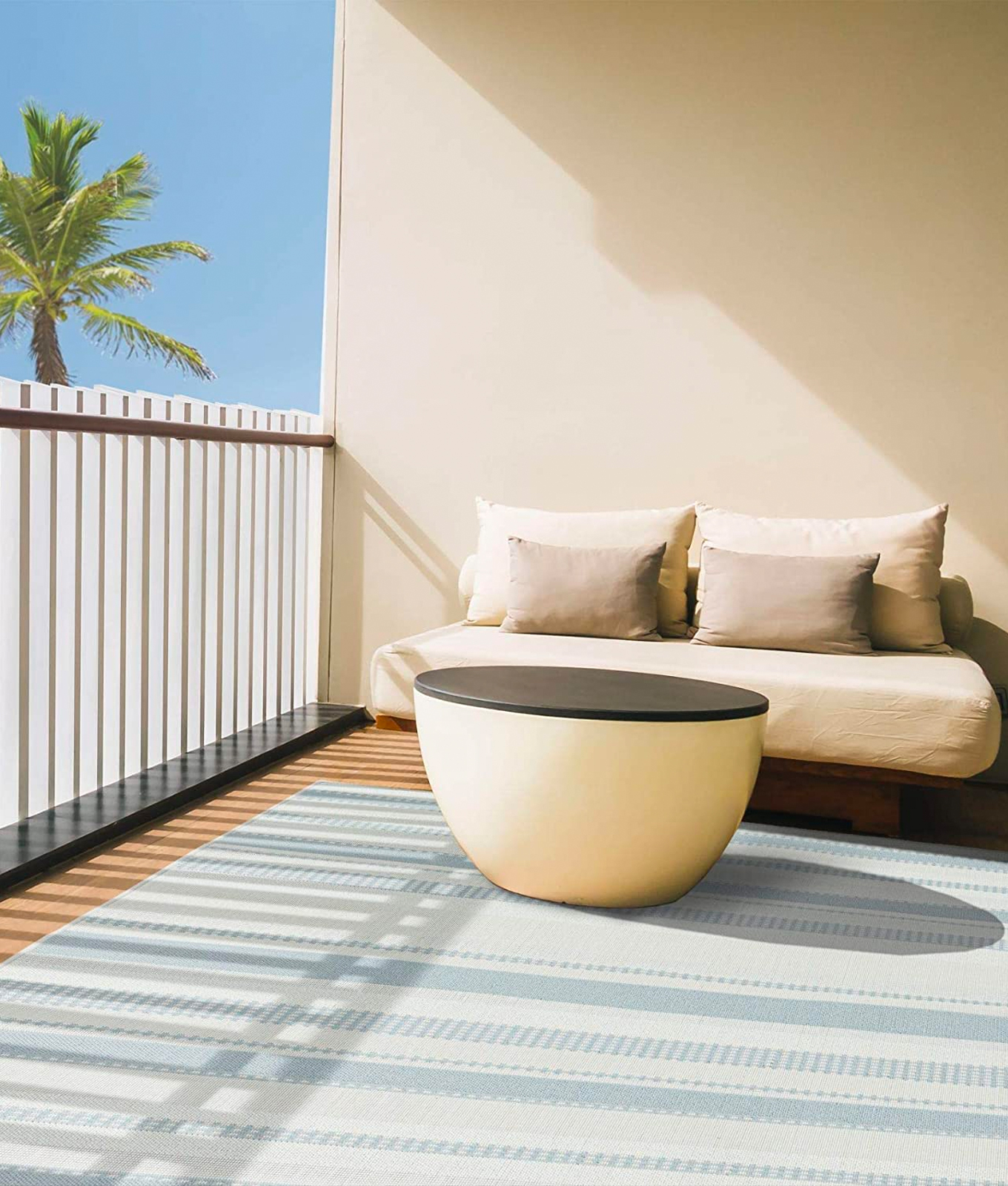
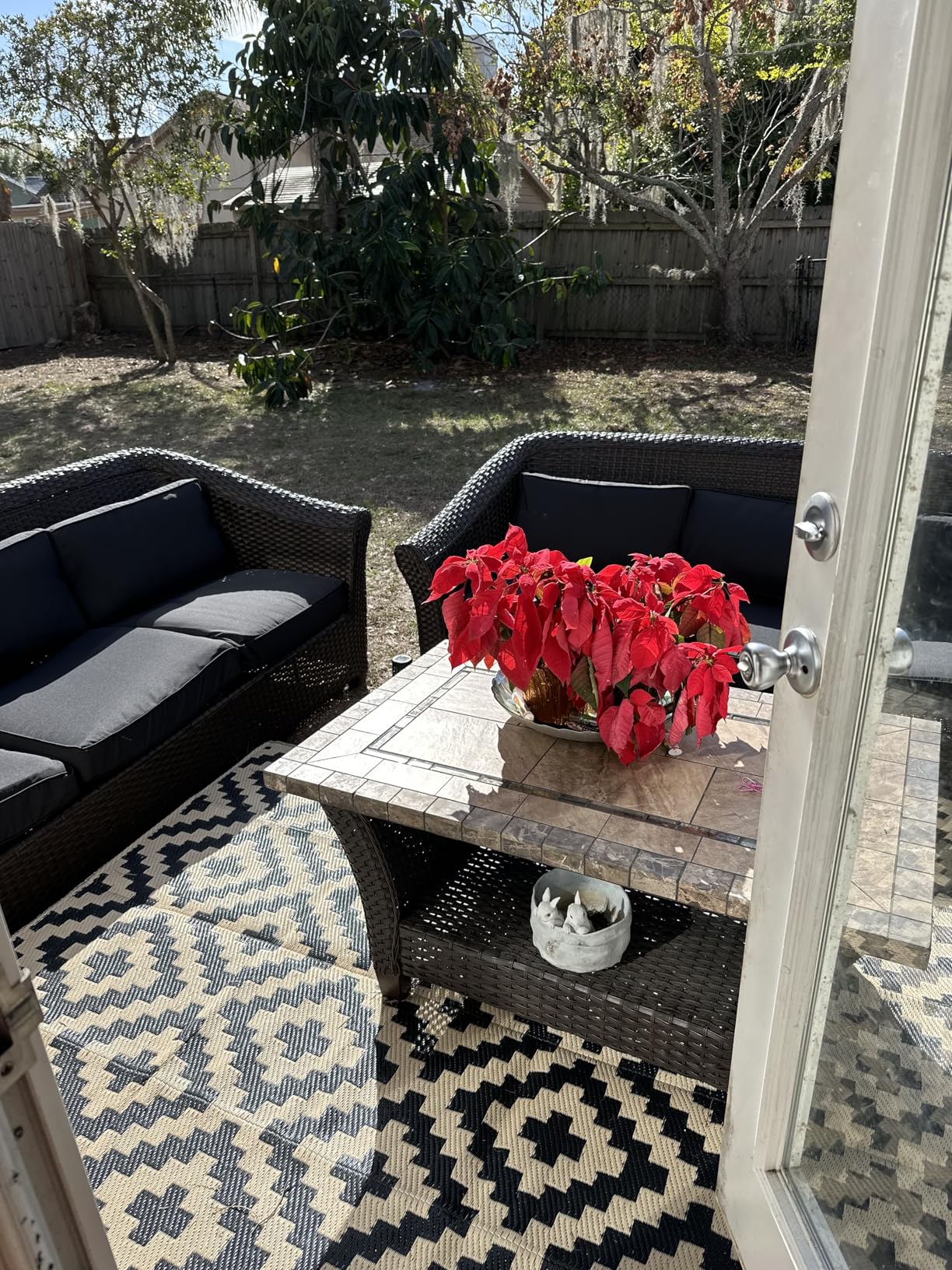
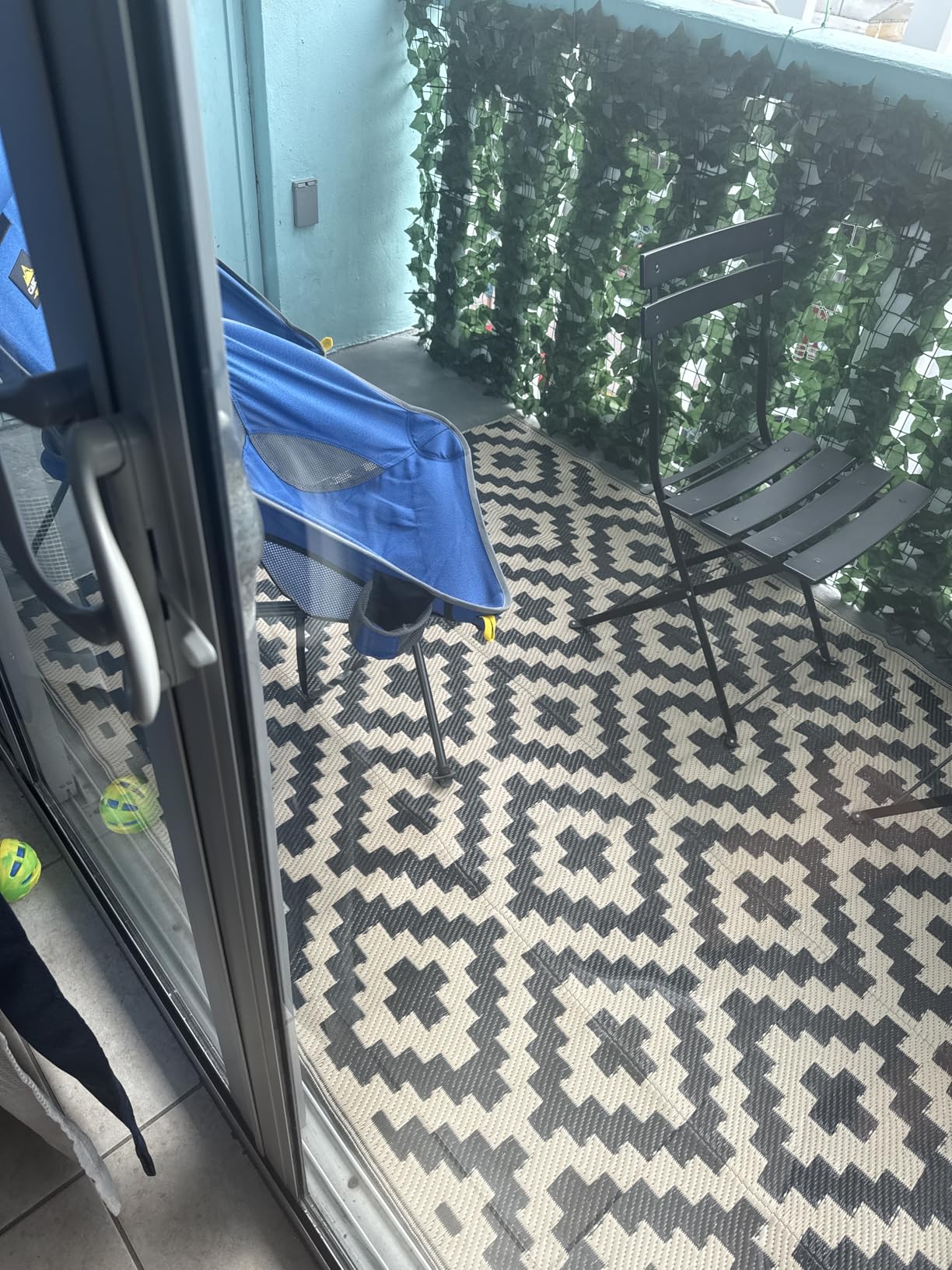
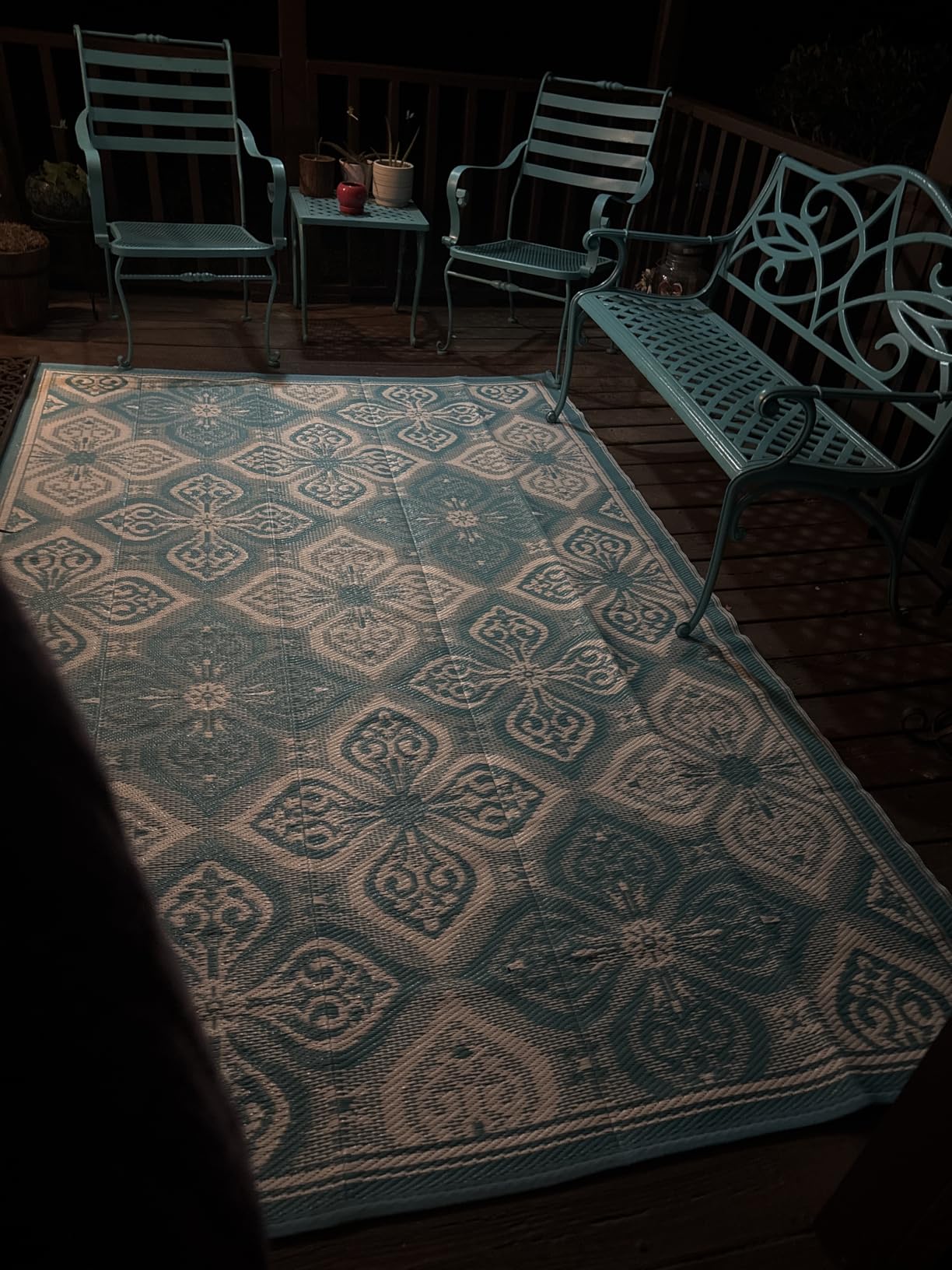
Beyond aesthetics, outdoor rugs serve practical purposes. They can revitalize a worn-out patio, conceal unsightly crazy paving, or define informal seating areas for gatherings like outdoor cinema nights, providing a more comfortable surface for children to play. Experts like Tasha Green from Weaver Green and Victoria Broomfield from John Lewis emphasize their ability to add style and a homely feel to outdoor spaces, making balconies and patios feel like extensions of indoor living areas. Daniel Prendergast of The Rug Seller notes that outdoor rugs can also bridge the gap between indoor and outdoor settings, creating a free-flowing design scheme. Their durability and ease of cleaning make them suitable for high-traffic areas, conservatories, or sunrooms, and placing one near patio doors can help prevent dirt from entering the house.
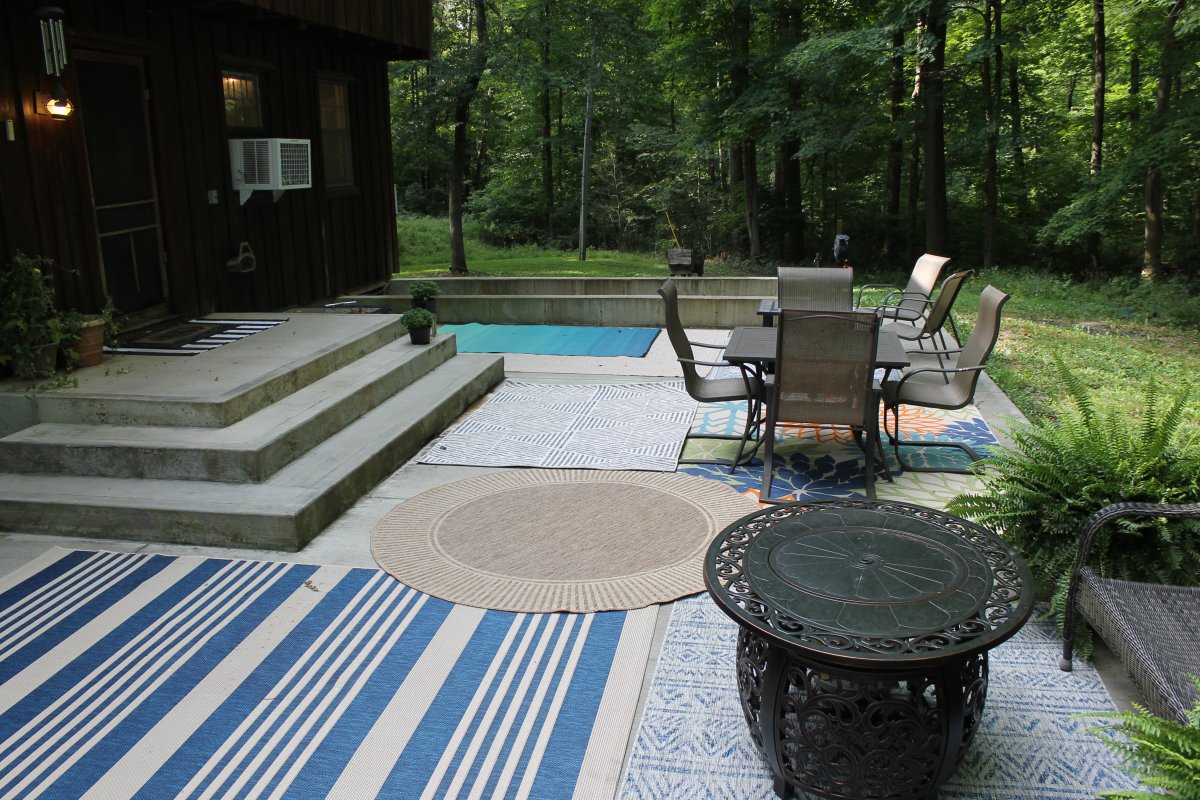
While outdoor rugs offer numerous benefits, potential disadvantages include increased wear and tear due to exposure to elements. However, rugs specifically designed for outdoor use are made from hard-wearing materials to withstand these conditions. The main drawback arises when using indoor rugs outside, as they are prone to fading, waterlogging, and rapid soiling. Some users, like garden landscape architect Victoria Wade, prefer to roll up their outdoor rugs when not in use, especially to protect them from prolonged exposure to harsh weather. Cleaning is generally straightforward, often requiring just a hose-down and sun-drying, with mild detergent for any stubborn mold or mildew spots. For larger areas, layering multiple rugs is a viable solution.
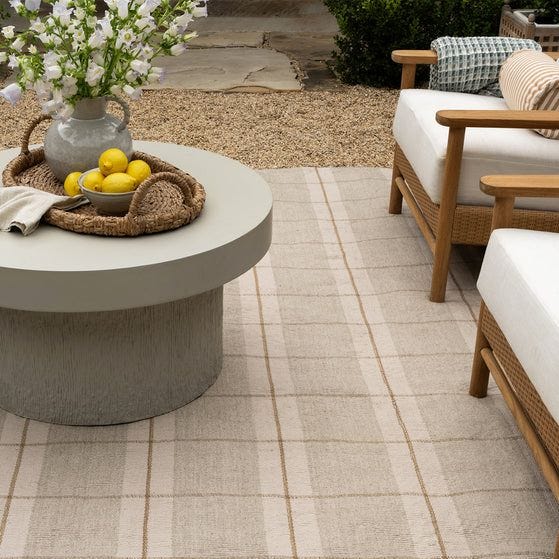
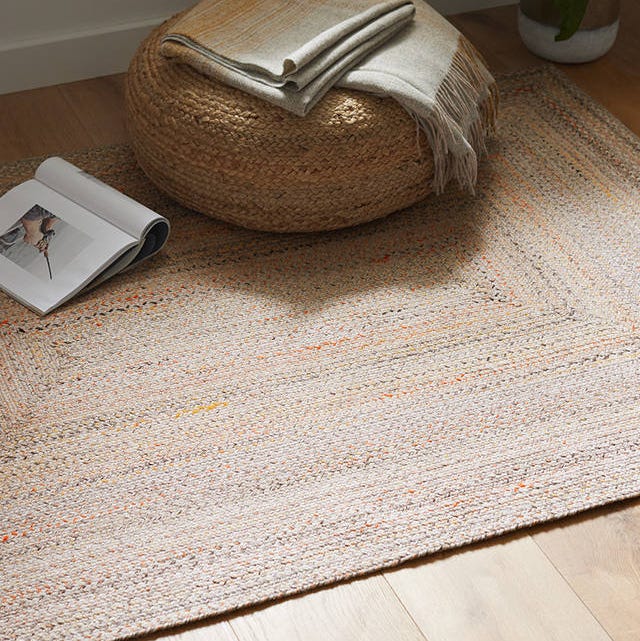
The choice of material is crucial for outdoor rugs. Polypropylene and polyester are affordable, stain-resistant, and low-maintenance options, with polypropylene offering a wide range of patterns. Nylon is a more expensive synthetic choice, known for its resilience in high-traffic areas, though it can stain more easily. Olefin combines the benefits of other synthetics with a softer feel. Many contemporary outdoor rugs, like those from Weaver Green, are made from recycled plastic bottles, rendering them water-resistant, UV stable, stain-resistant, and resistant to moths and bugs, suitable for year-round outdoor placement. Natural fibers like jute are also popular, particularly for covered porches or terraces, though they are not ideal for very humid climates. Sisal is another durable natural option but can be coarse. Unlike synthetic rugs, natural fibers are generally not resistant to prolonged moisture exposure, mold, or mildew. Brands like Ruggable offer machine-washable outdoor rugs for easy maintenance.
When selecting a size, it depends on the outdoor space; runners are good for smaller areas, while extra-large rugs make a statement in larger gardens. Victoria Broomfield suggests choosing the largest rug that budget and space allow. Daniel Prendergast highlights the increasing popularity of round and irregularly shaped rugs, which can add interest and help zone seating areas, especially in small gardens. However, it is strongly advised not to place outdoor rugs near fire pits or BBQs, especially those made from plastic, due to fire hazards from sparks and the risk of grease splatters. Alternatively, painted patio slabs can mimic the rug aesthetic in such zones. Outdoor rugs can typically be left outside, but natural fiber rugs may benefit from being brought undercover during extreme wet weather. Regular cleaning of the area beneath the rug is also recommended to prevent issues like mold. Overall, outdoor rugs are a practical and stylish addition to any garden, provided careful consideration is given to material and placement.
#OutdoorRugs #GardenDecor #OutdoorLiving #HomeDecor #PatioDesign #SustainableMaterials #OutdoorFurniture #GardenAccessories #HomeImprovement #OutdoorRugs #GardenDecor #OutdoorLiving #HomeDecor #PatioDesign #SustainableMaterials #OutdoorFurniture #GardenAccessories #HomeImprovement
कुल 0 टिप्पणियाँ
 कोई टिप्पणी नहीं
आपको यह भी पसंद आ सकता है
These Outdoor Rugs Are Top Picks for Size, Durability, and Budget

12 of the Best Outdoor Rugs to Zhuzh Up Your Backyard in a Hurry
Best outdoor rugs to jazz up your patio, tried and tested

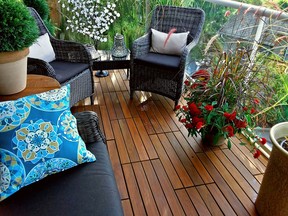
Give outdoor spaces a new life with tiles, colourful carpets and always-green grass
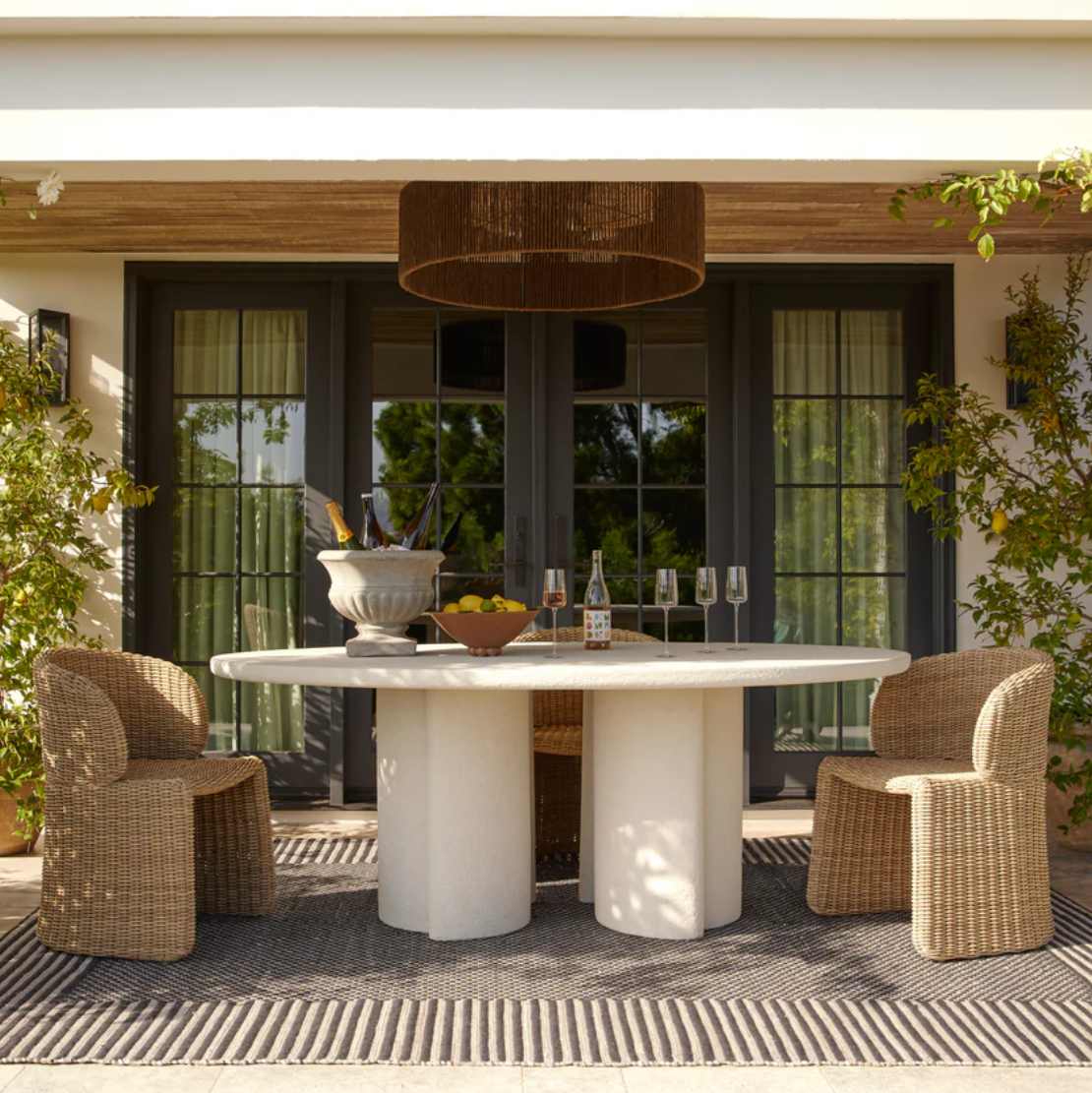
Shea McGee Reveals the Outdoor Rug She Absolutely Swears By

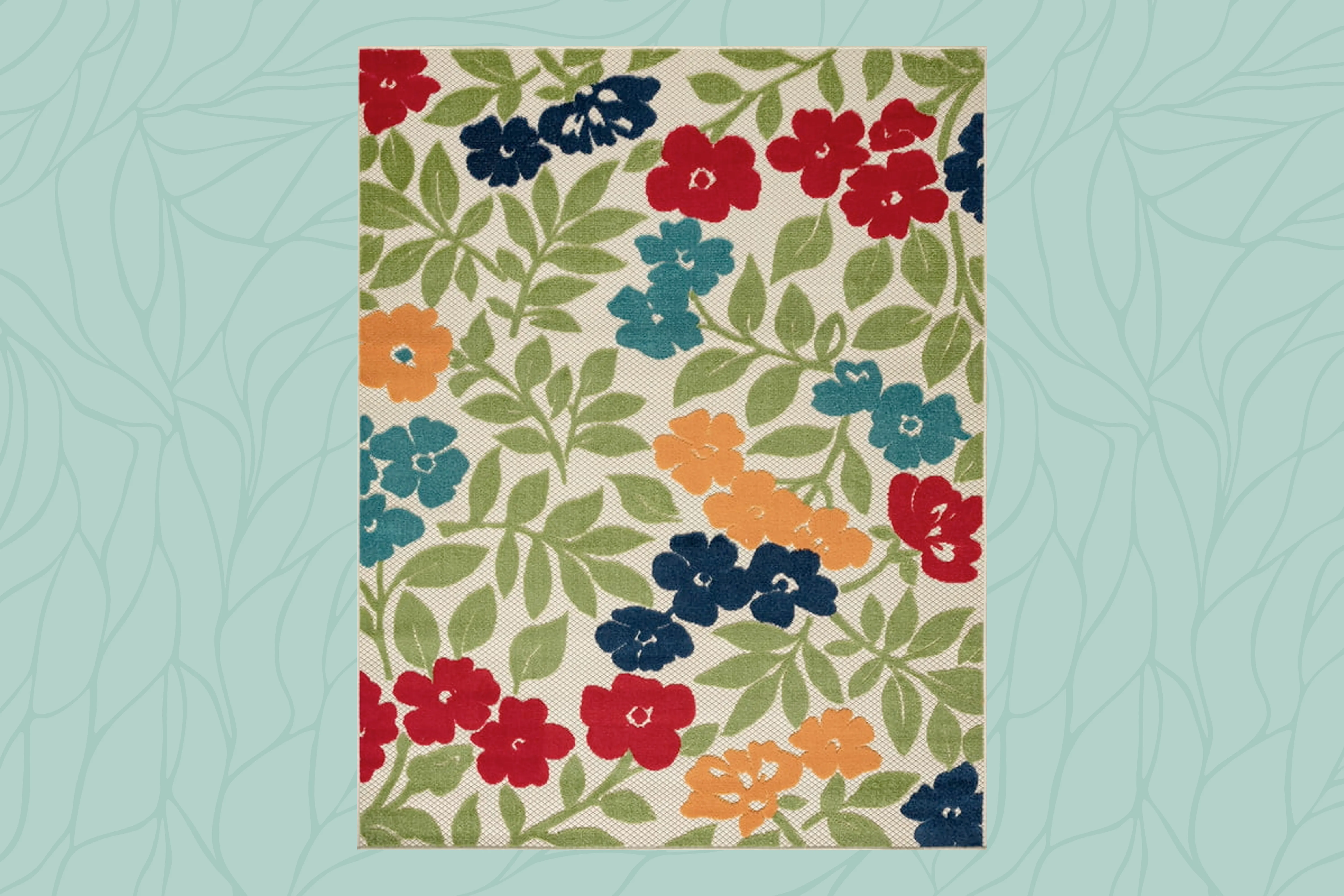
The 26 Best Outdoor Rugs of 2025 Our Editors Love

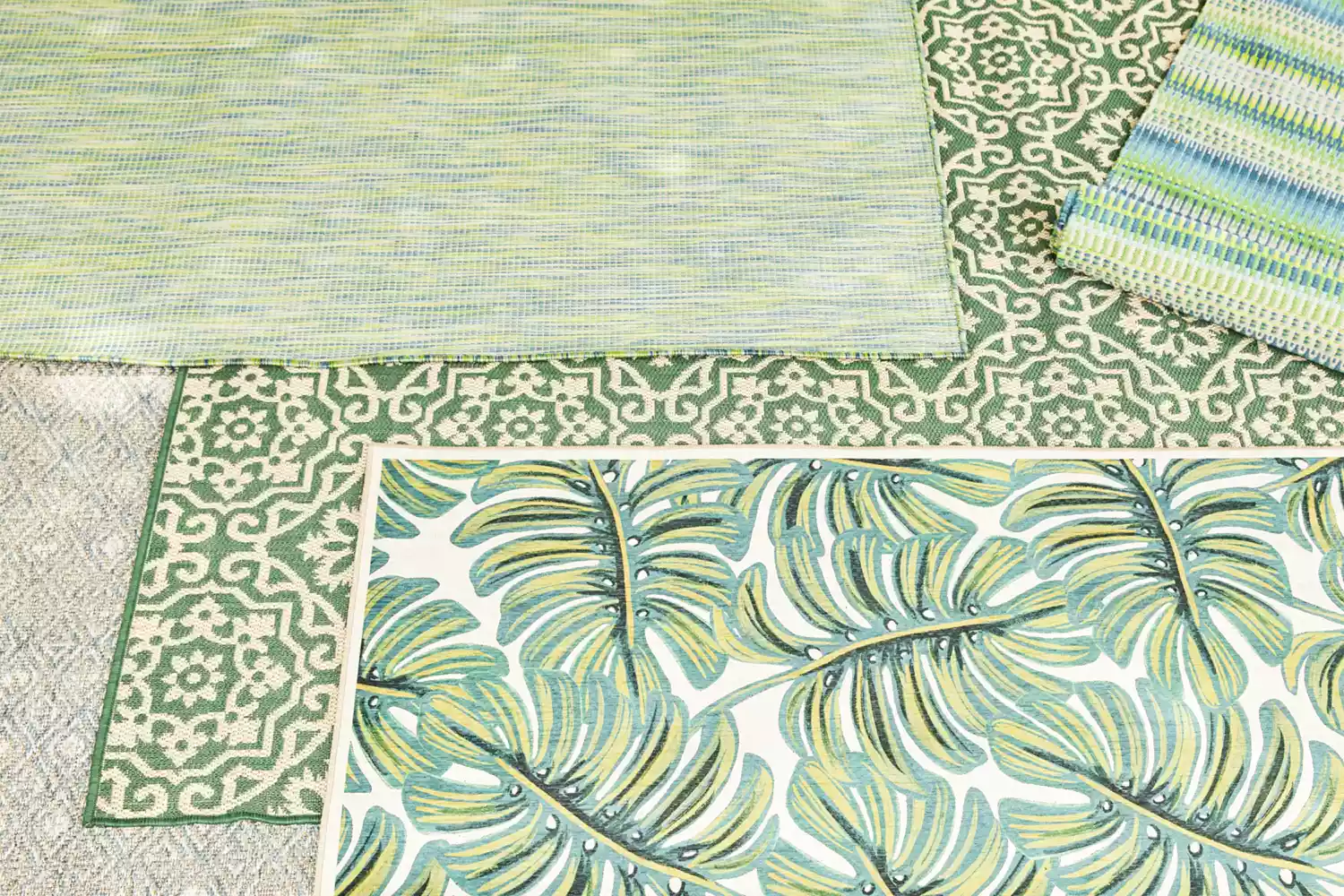
We Tested Over 30 Indoor-Outdoor Rugs—These Are the Best for Your Patio

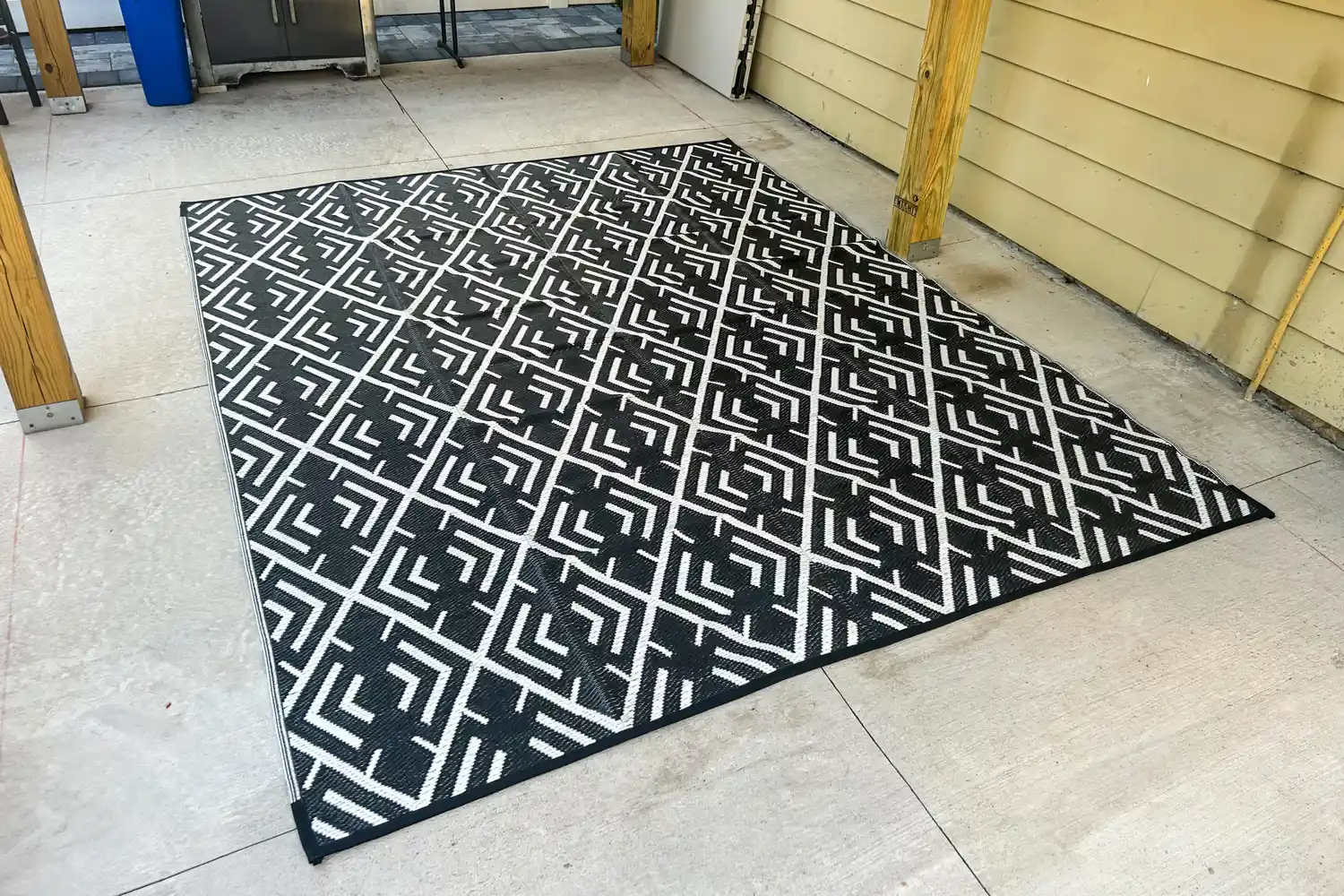
These Indoor-Outdoor Rugs Survived a New York Flood, a Backyard Barbecue, and Every Pet Mess

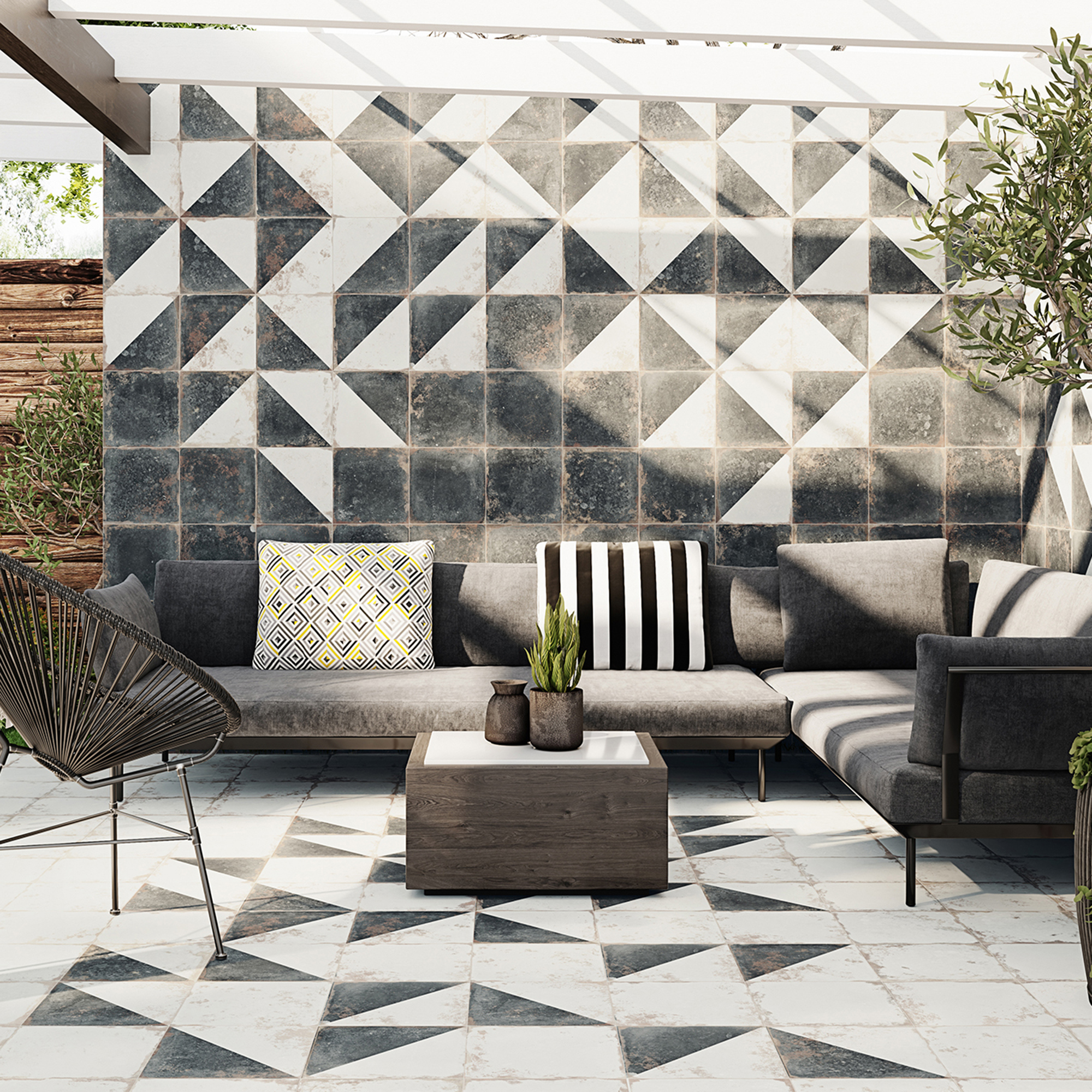
Outdoor rug ideas – 10 easy ways to revamp your outdoor space
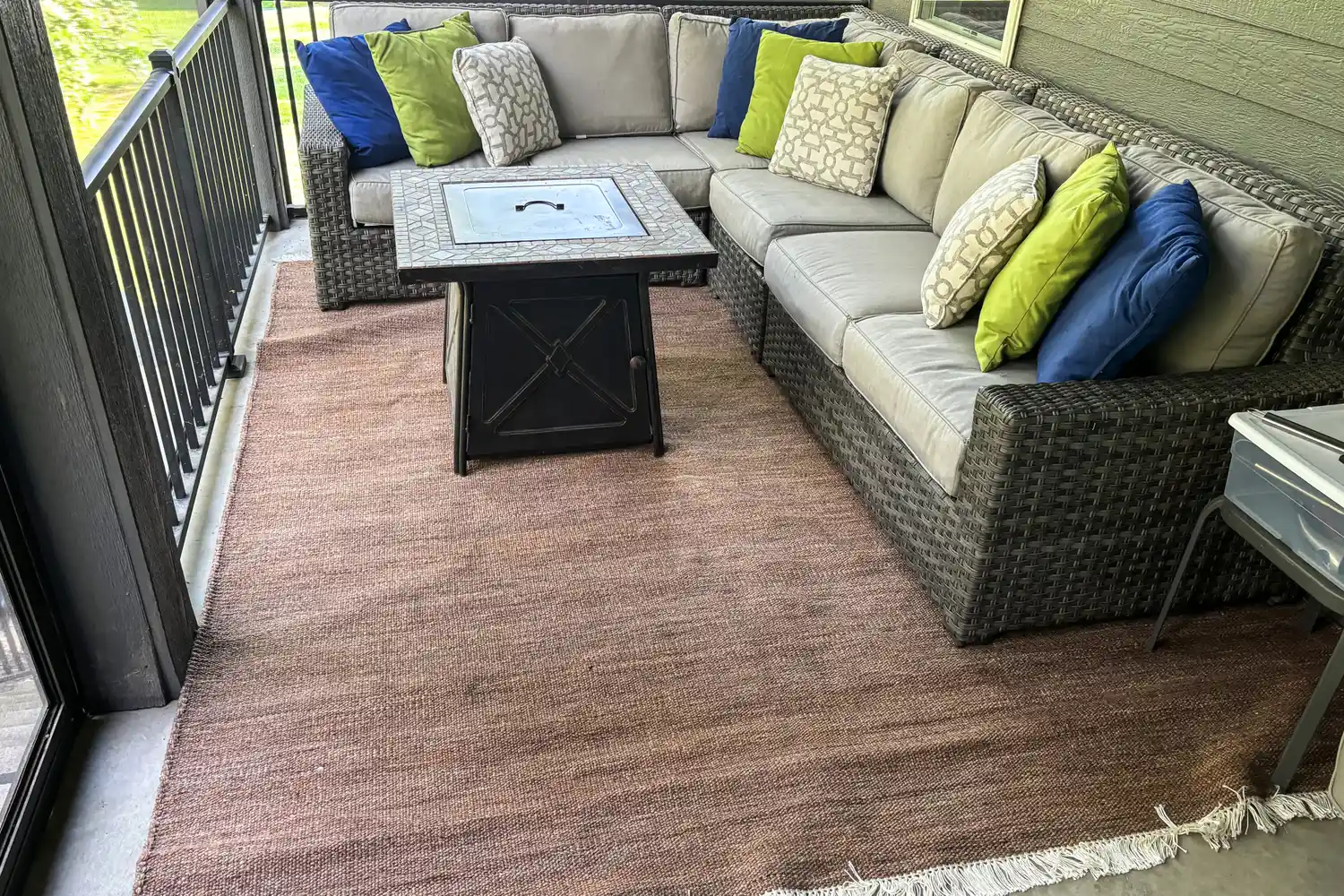
11 Outdoor Rugs We Tested That Add Style and Comfort to Your Backyard
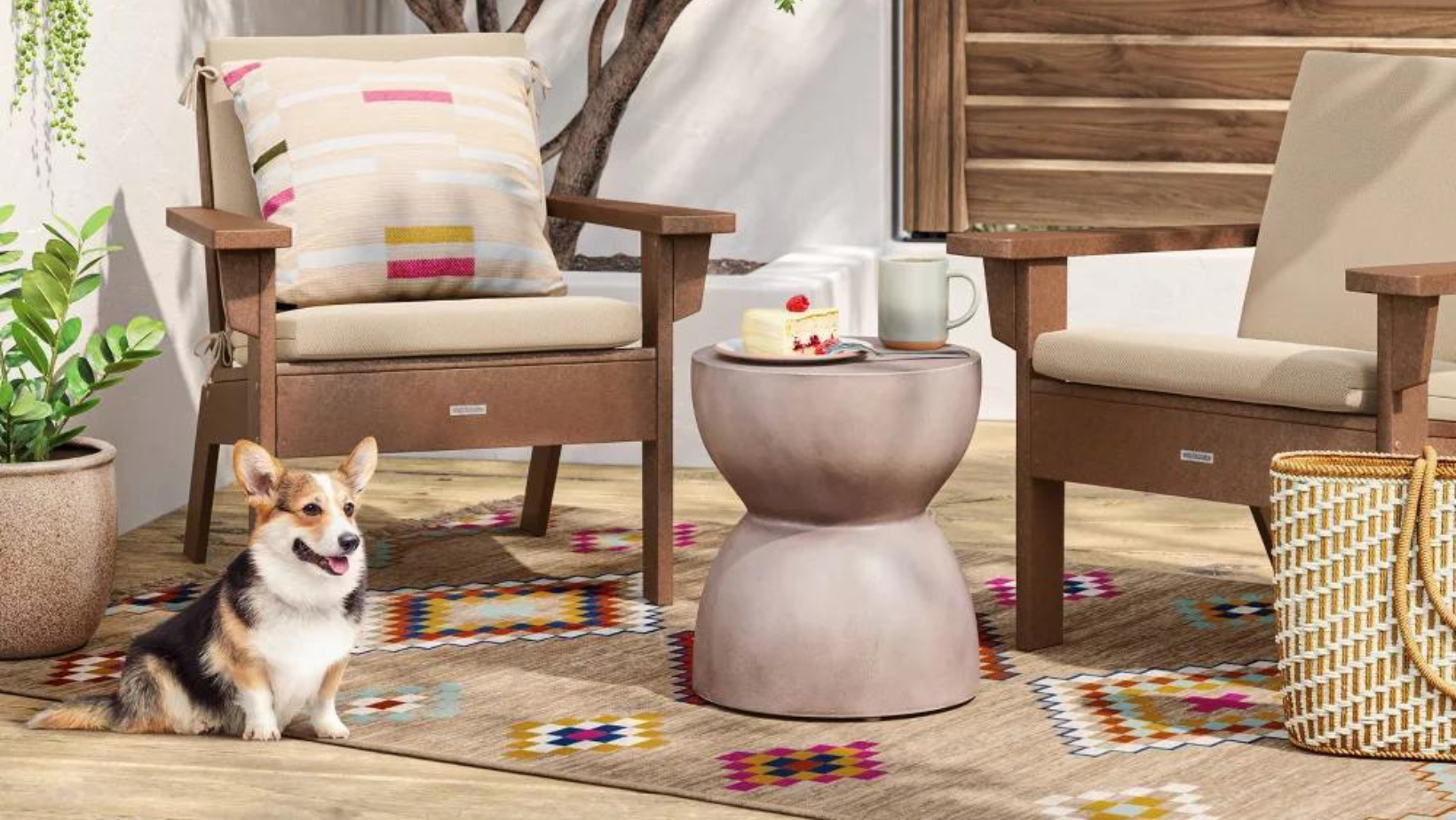
9 Extraordinarily Stylish Outdoor Rugs That You Can Get At Target
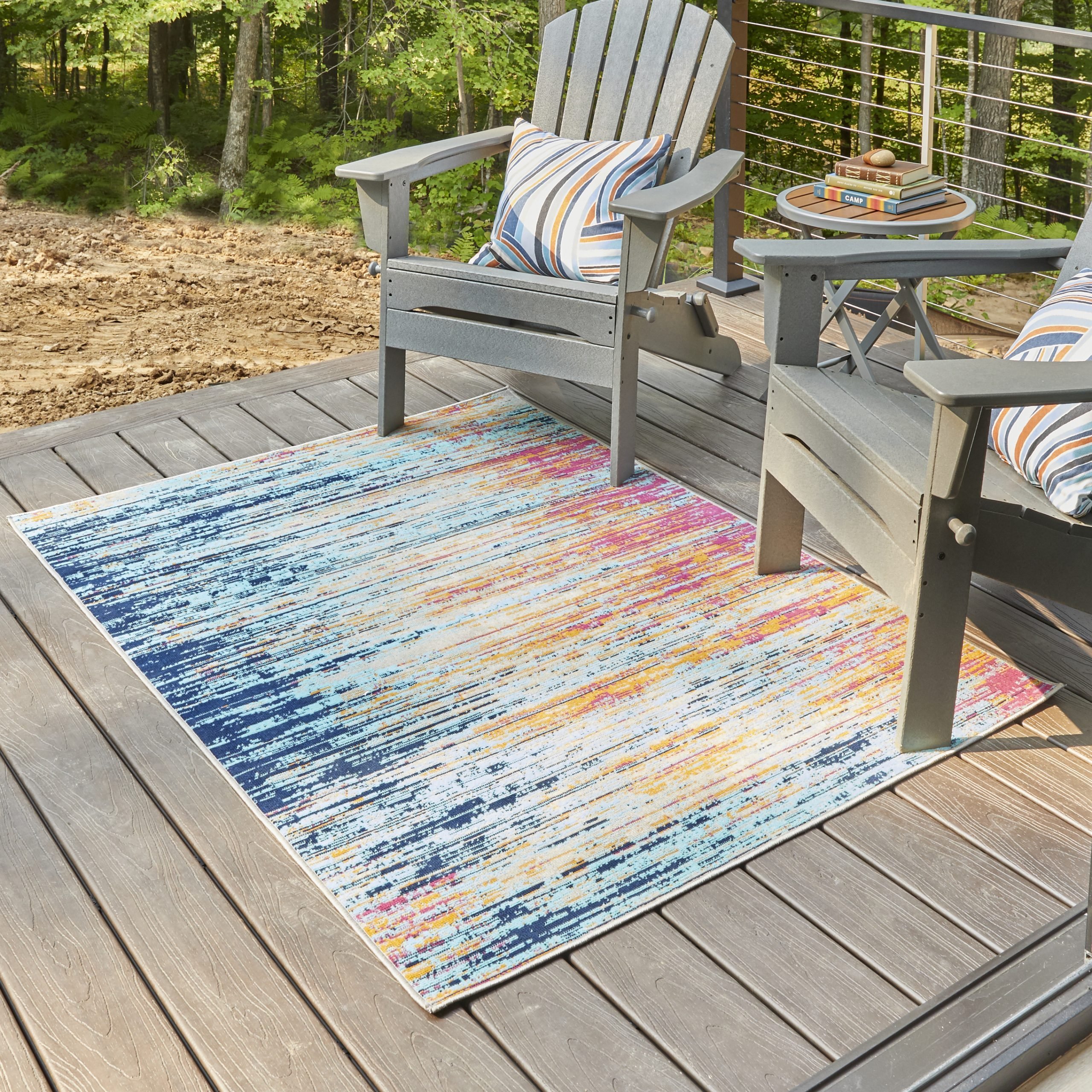
Top-Rated Quick-Dry Outdoor Rug Options for Decks & Patios

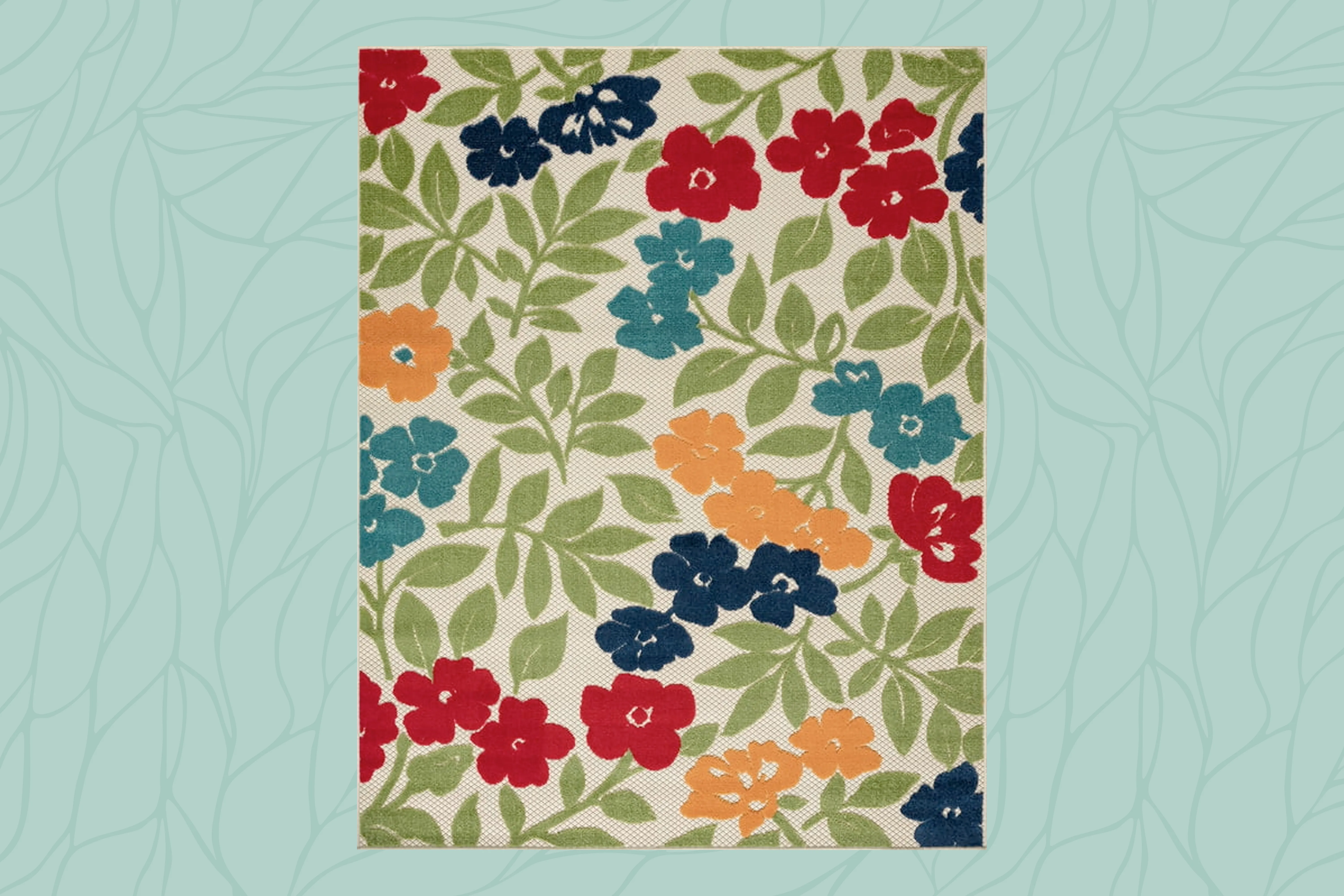
The 25 Best Outdoor Rugs of 2025 Our Editors Love
The Best Outdoor Rugs for the Deck and Patio, Tested

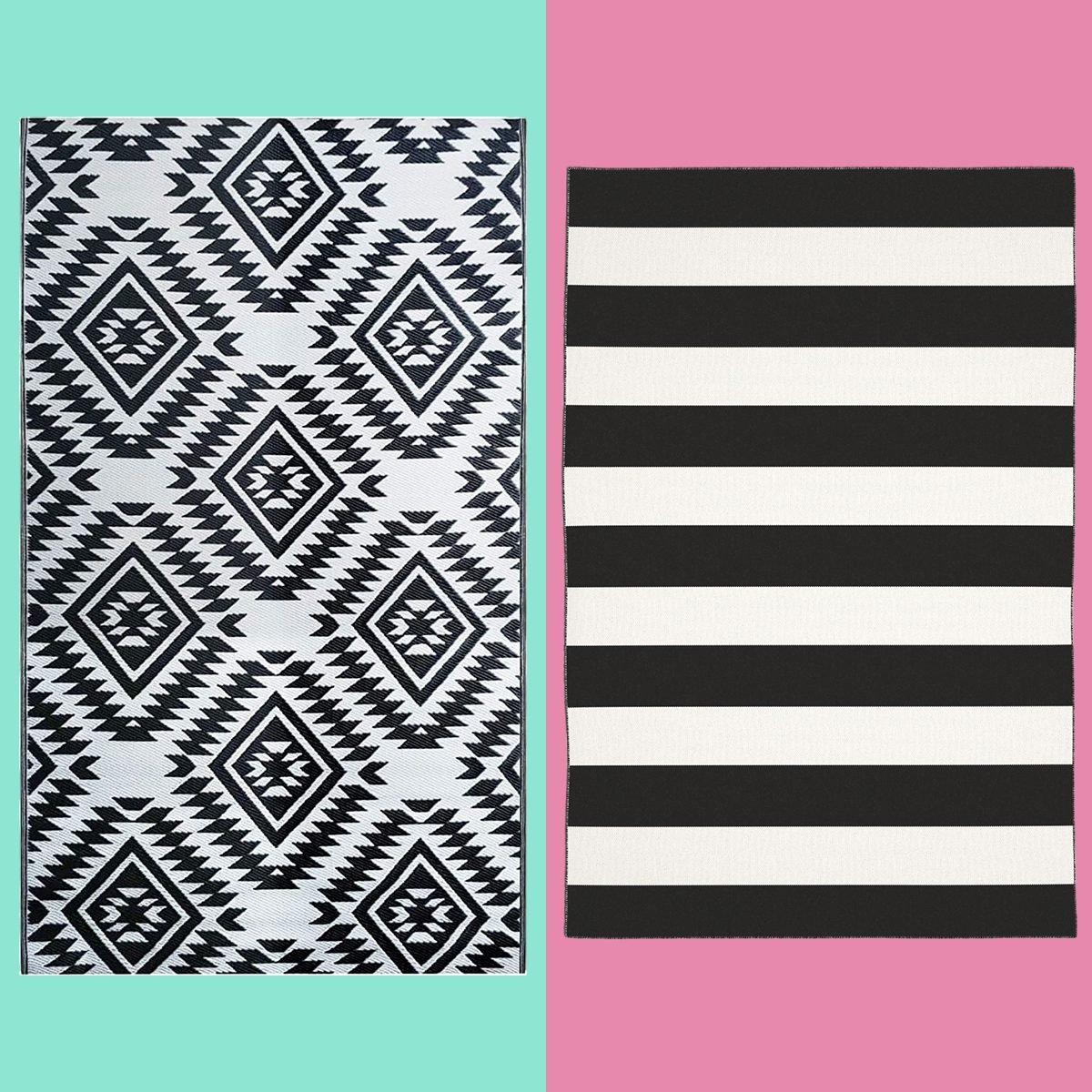
6 Best Outdoor Rugs for a Trendy Patio

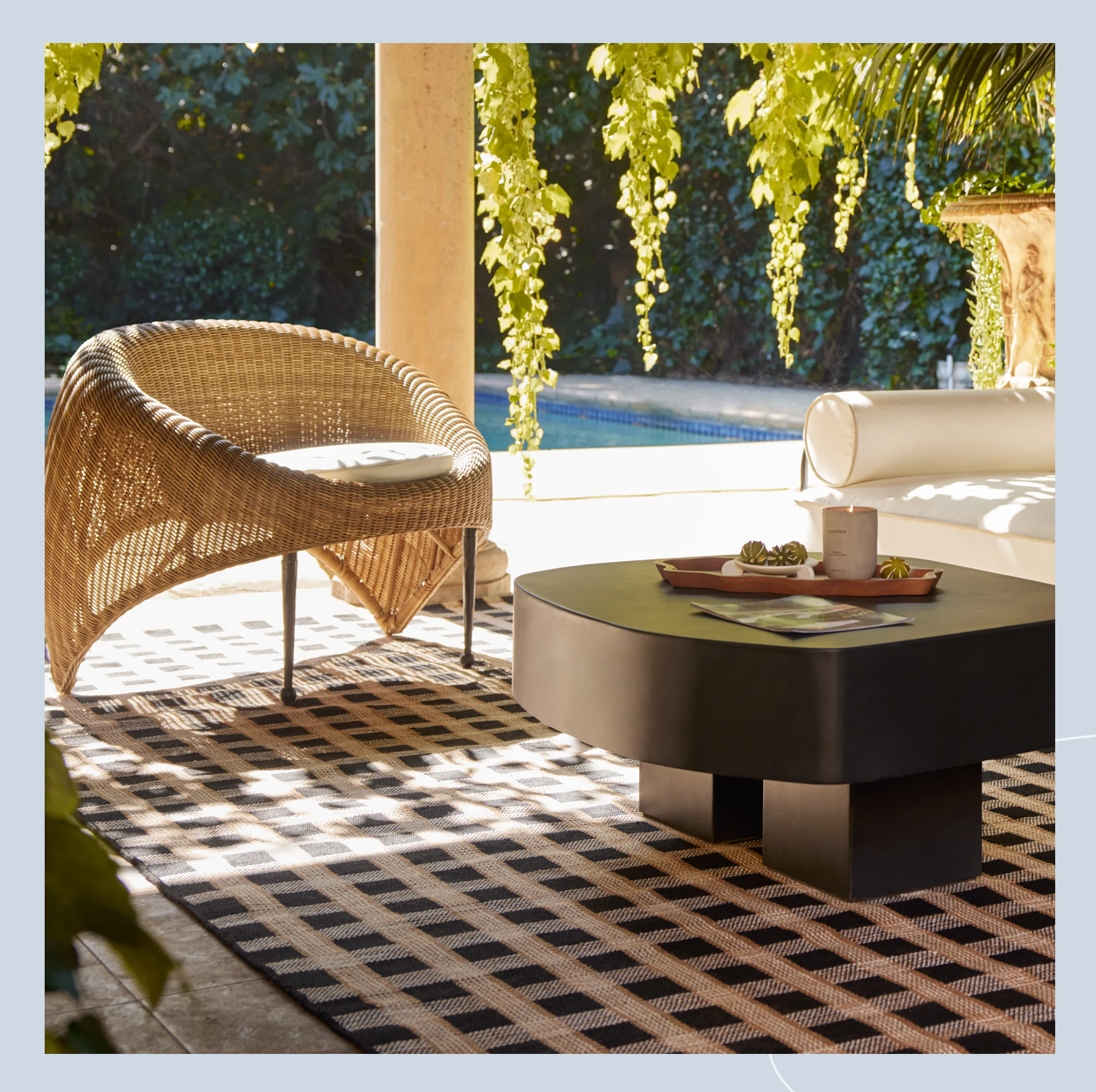
The 10 Best Outdoor Rugs to Transform Your Backyard
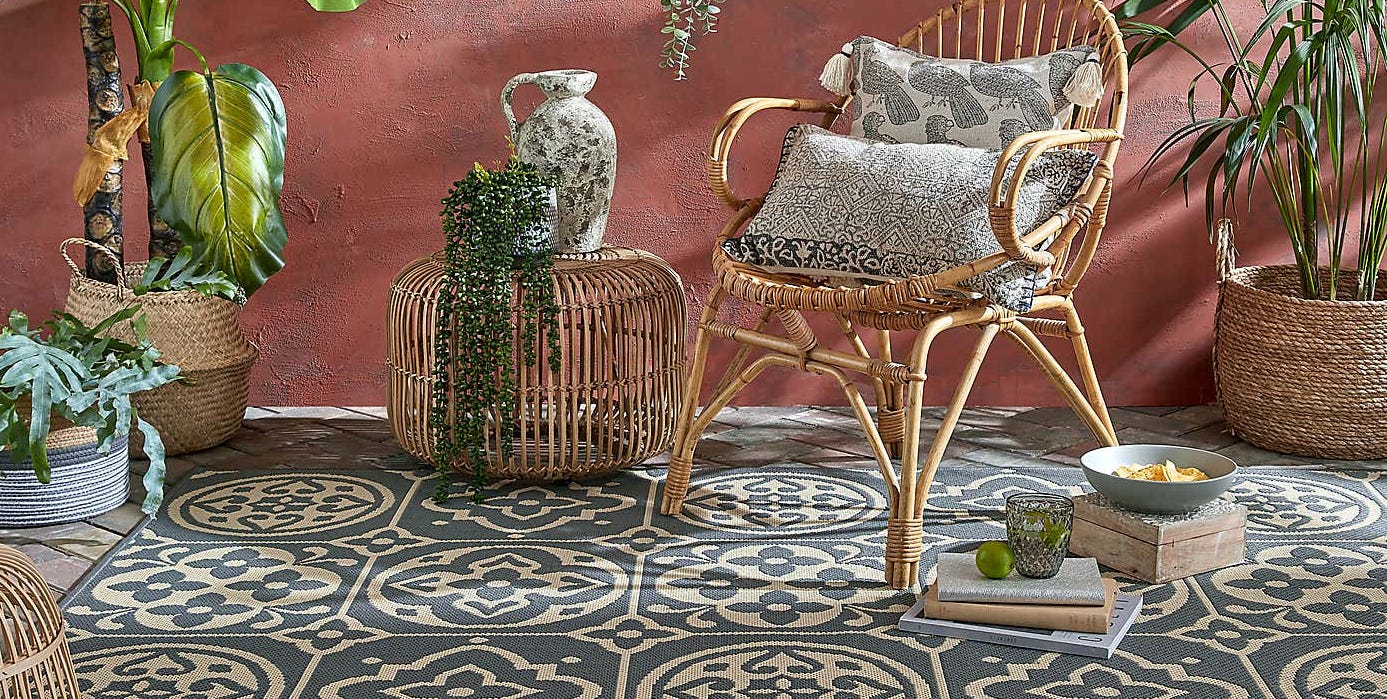
18 of the best outdoor rugs for your garden, balcony or patio
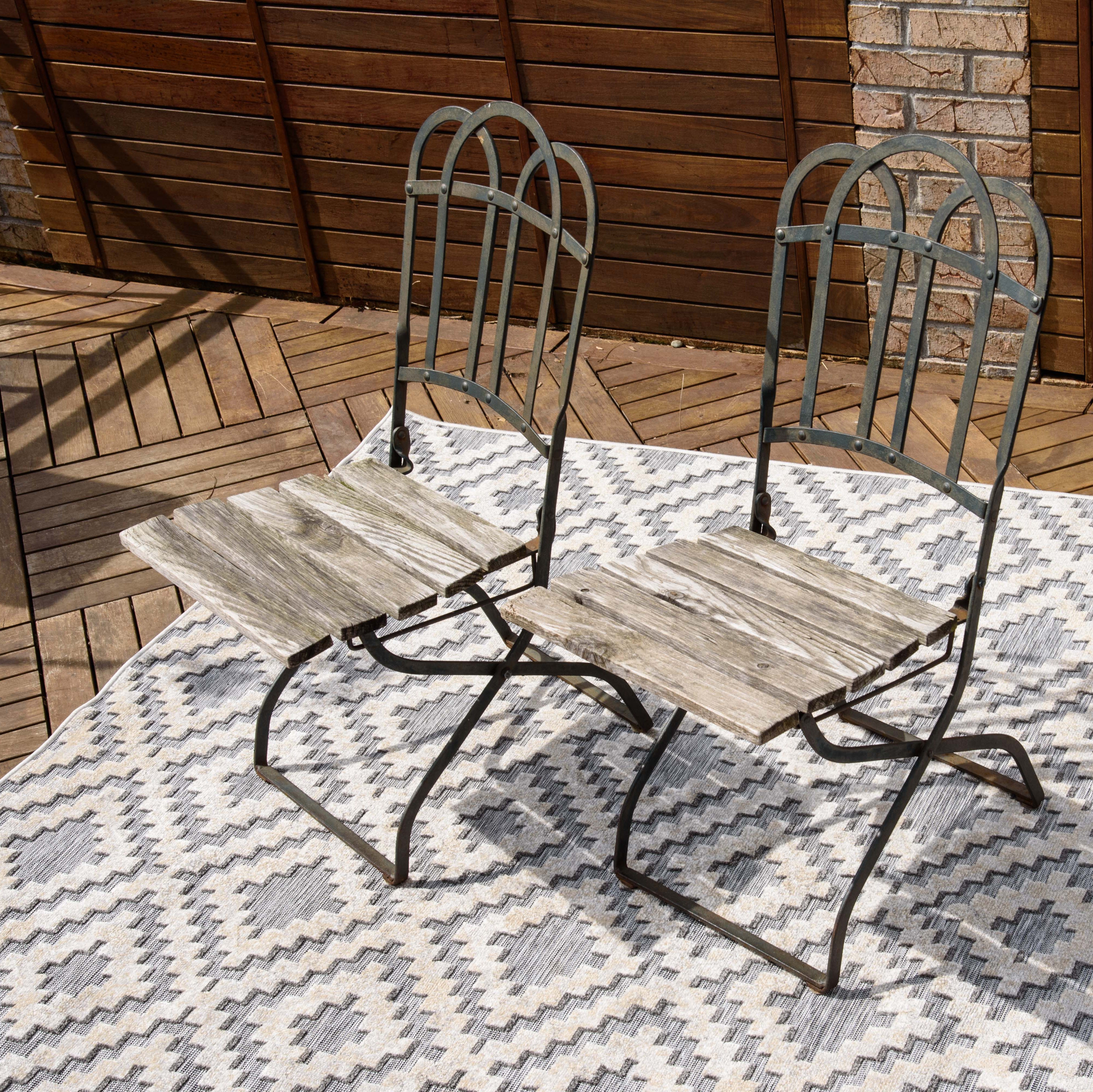
The Best Outdoor Rugs for Your Patio This Summer, According to Testing

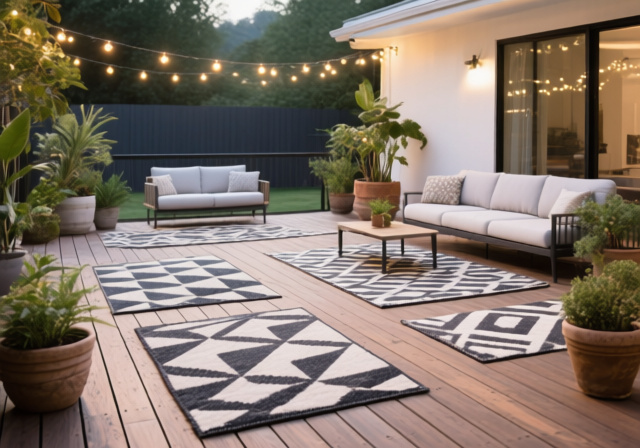
10 Best Outdoor Rugs for Patios in January 2026 (Durable & Weather-Resistant Options)


Rug FAQ: What’s the Best Rug Material?