1/5
A Savvy Use of Plaster Got This Entry Ready for Coats and Shoes
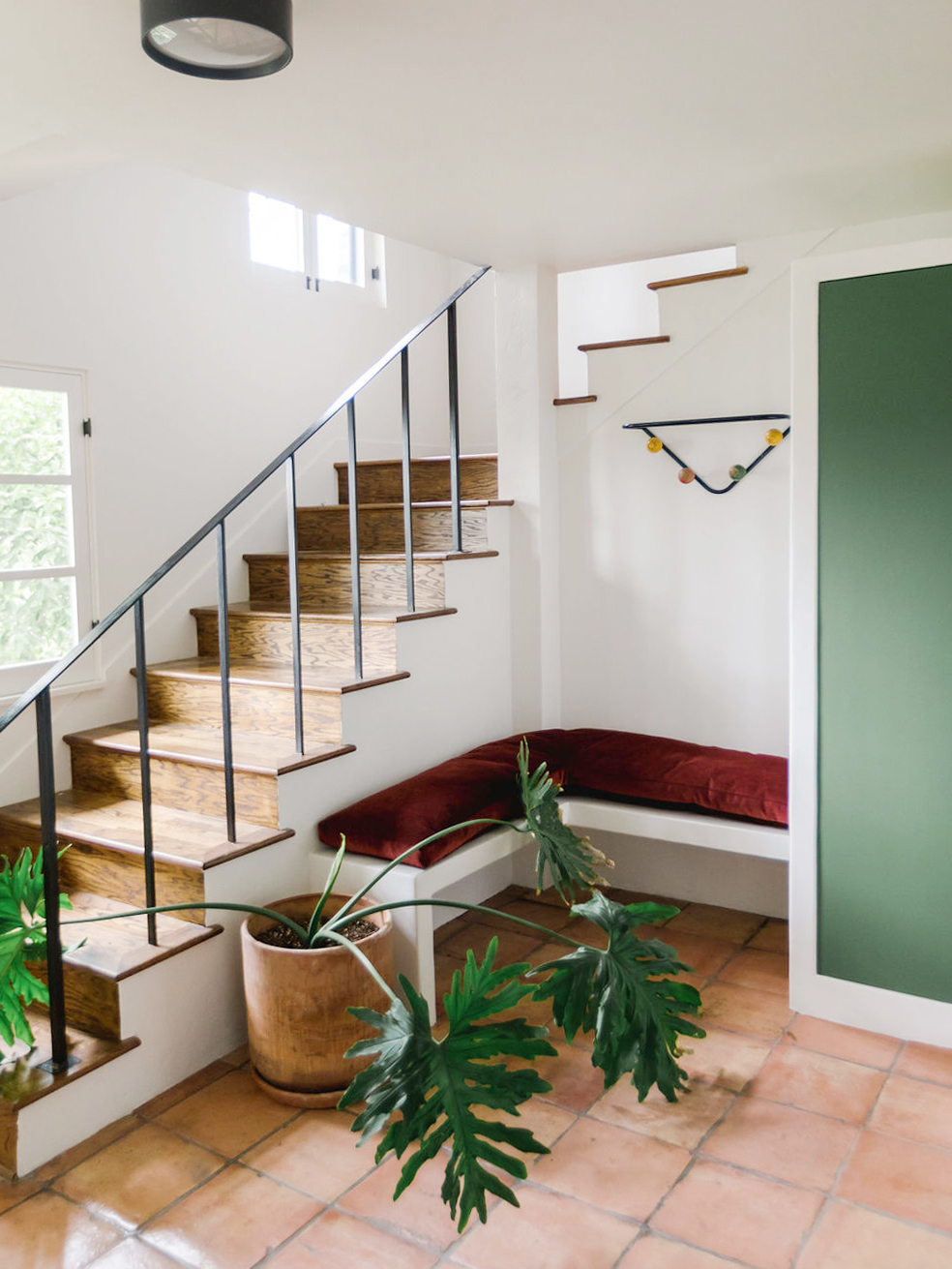
Jonathan and Jess Taylor undertook a renovation of a 1920s Spanish Colonial home in Los Angeles, focusing specifically on transforming their entryway. Inspired by Annie Kelly’s book “Casa Mexico” and its vibrant designs in Mérida and the Yucatán, they were particularly drawn to a specific shade of green for their new entryway cabinets. They meticulously color-matched this green, creating a custom hue they named “Mexican Door.” This custom color became the foundational element for the foyer’s aesthetic.
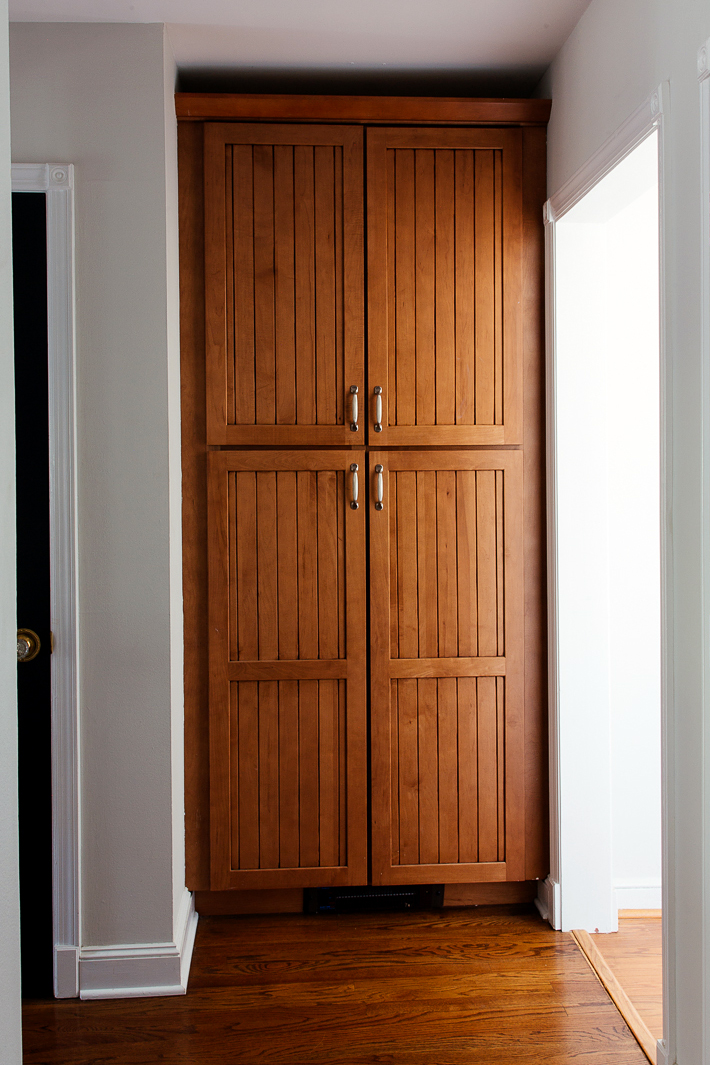
Addressing a significant practical need, the designers prioritized storage in the small hillside home, which lacked a garage or ample closet space. They conceived and installed substantial cupboards, with the two largest measuring two feet deep and seven feet high, specifically designed to accommodate items like boots. To integrate these cabinets seamlessly into the Spanish Colonial style and give them a less formal, more organic feel, they decided to coat the plywood boxes in plaster. This decision was a deliberate nod to Georgia O’Keeffe’s home in Abiquiú, New Mexico, known for its textured, integrated architectural elements. The cabinetmaker was tasked with both attaching and installing the framework, and matching green acrylic handles were added to complete the look. The choice of plaster treatment aimed to create the impression of an integrated wardrobe rather than a standard closet system.
While considering an integrated desk, the Taylors ultimately decided against it to avoid an 'overkill' of built-in elements. Instead, they introduced an antique table to provide balance and a sense of history, effectively mixing new and vintage pieces. This approach ensured that the new cupboards remained a substantial feature without dominating the entire space. The existing Saltillo tile floors, a characteristic feature of the home's architecture, had been covered with a glossy finish by a previous owner. This finish detracted from the natural, earthy texture of the peach-toned slabs, making them appear less authentic. Rather than removing and replacing the entire floor, which would have been wasteful, the designers opted for a restoration process. They hired specialists to strip and sand the floors, diligently working to clean them and restore their original appearance and texture.
Completing the entryway renovation, the designers incorporated a custom-built bench, addressing the practical requirement for a shoe-free household. This four-by-four-and-a-half-foot bench is designed to allow for easy slipping on and off of shoes and is high enough to store items underneath. A single, L-shaped cushion, upholstered in a wine-colored mohair fabric from Schumacher, provides comfort. The upholsterer secured the cushion to the plastered bench using metal clips to prevent it from shifting. This thoughtful addition transforms the entryway into a more inviting and functional space, encouraging residents and guests alike to pause and comfortably prepare before entering or exiting the home. The entire renovation showcases a blend of aesthetic inspiration, practical design solutions, and respect for the home's historical character.
#EntrywayDesign #SpanishColonial #HomeRenovation #CustomCabinetry #PlasterFinish #ColorMatching #StorageSolutions #InteriorDesign #BeforeAndAfter #EntrywayDesign #SpanishColonial #HomeRenovation #CustomCabinetry #PlasterFinish #ColorMatching #StorageSolutions #InteriorDesign #BeforeAndAfter
कुल 0 टिप्पणियाँ
 कोई टिप्पणी नहीं
आपको यह भी पसंद आ सकता है
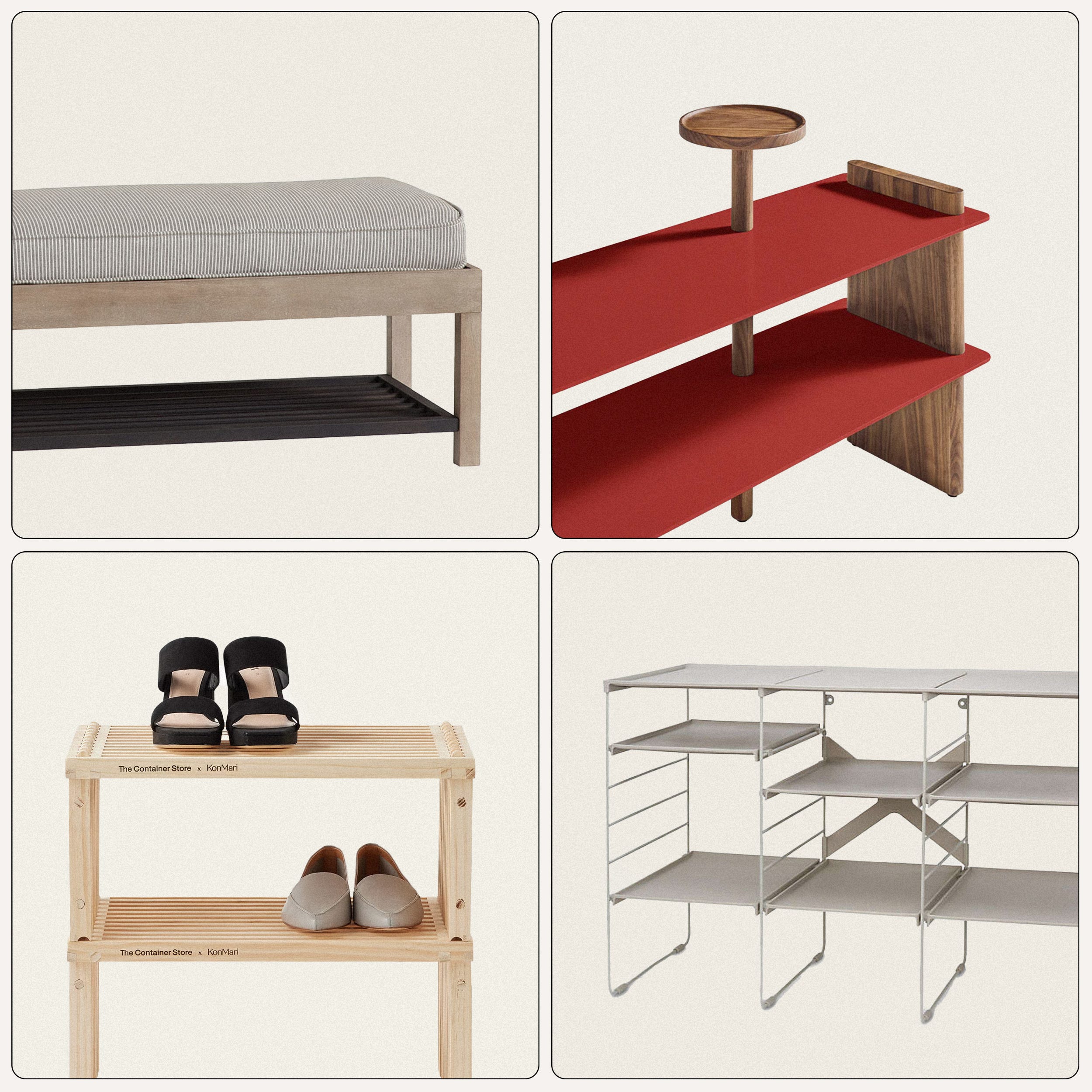
11 Best and Stylish Shoe Racks 2025

9 Target closet organizers shoppers always snap up to fix overflowing wardrobes

Eye-catching butler’s pantries create inviting spaces for entertaining

7 Shoe Racks We Use to Avoid Clutter and Muddy Footprints

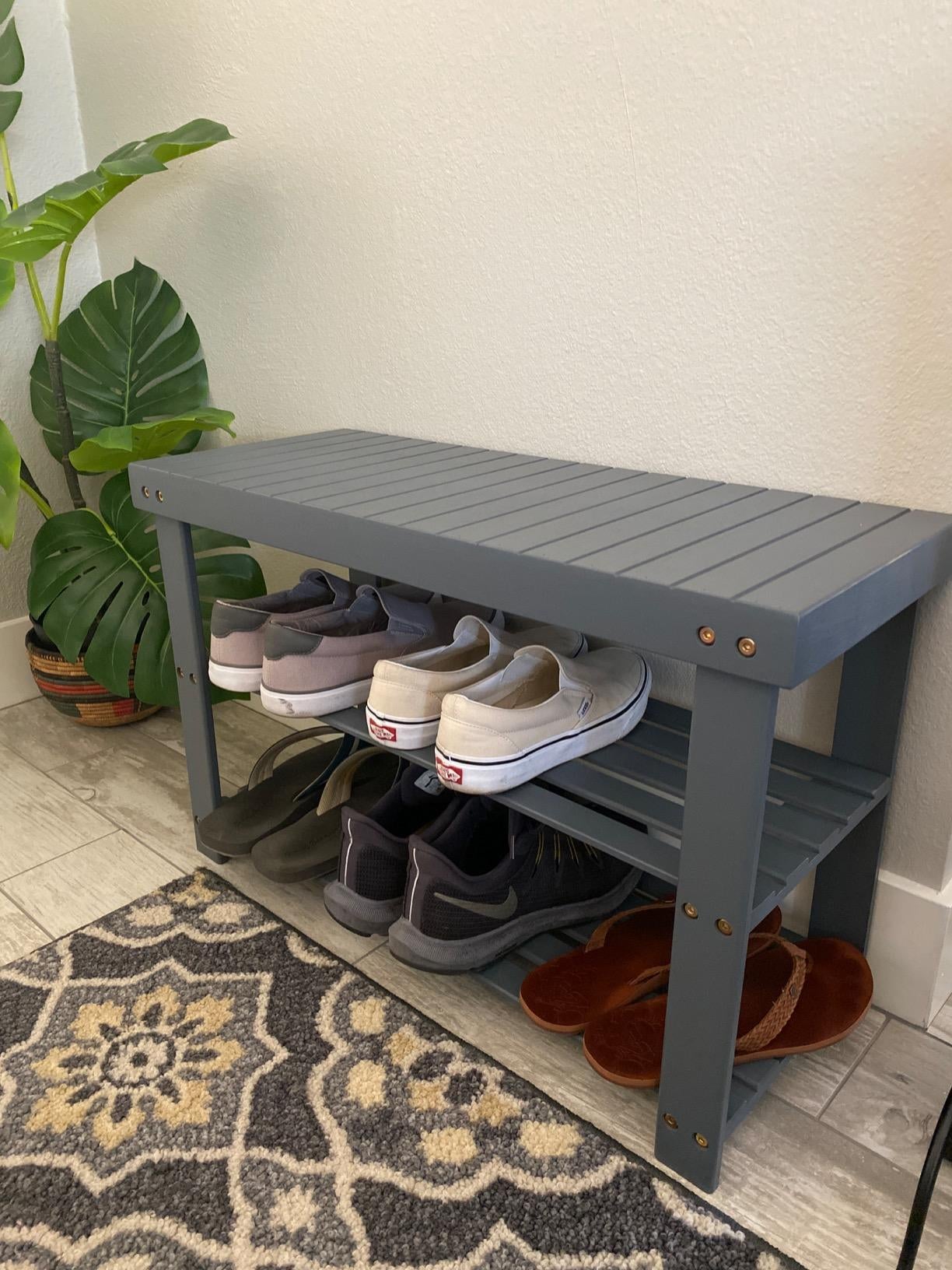
We Solved Our Entryway Shoe Pile with a Simple Storage Swap
These Stylish and Functional Shoe Storage Benches Will Spiff Up Your Entryway

These Are the Best Shoe Racks for Every Type of Living Situation

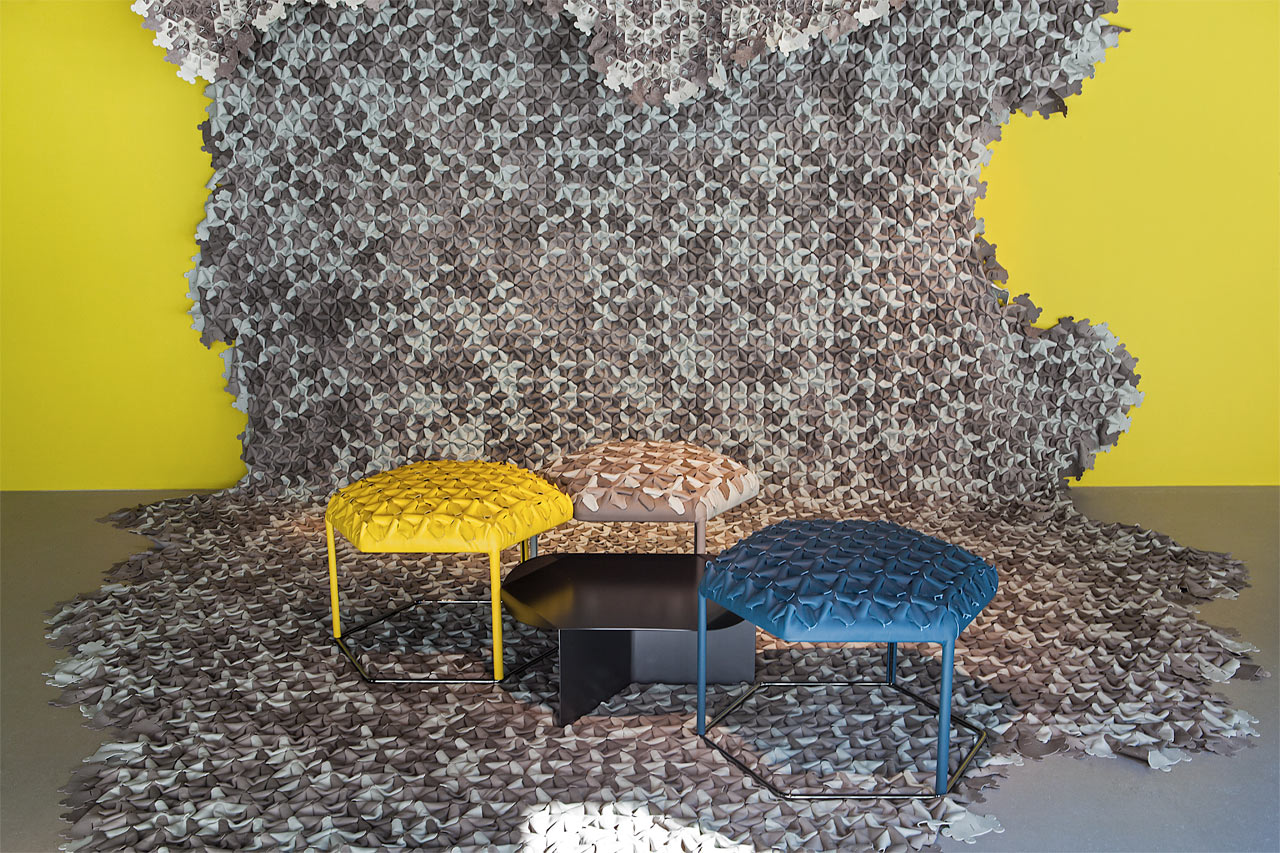
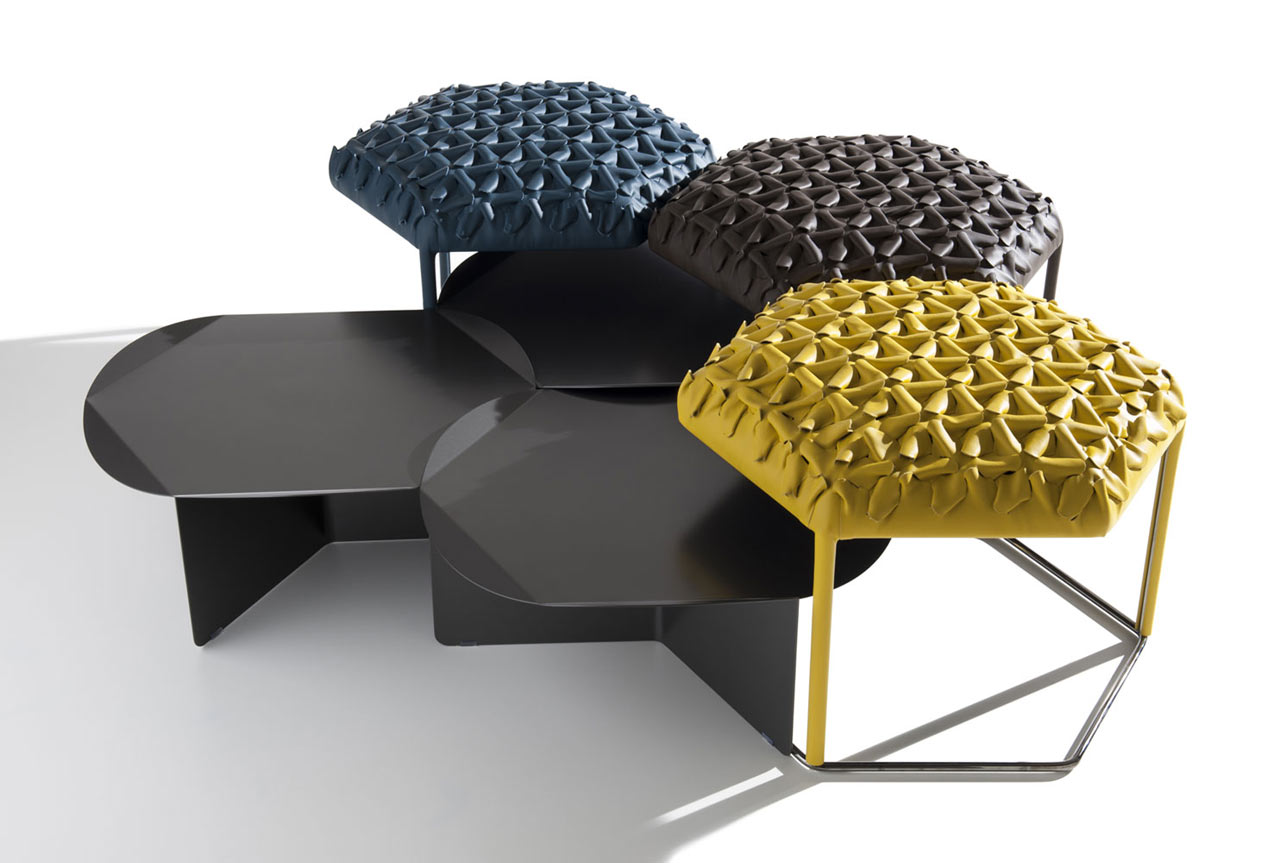
Hive: Leather Patches Create 3D Upholstery Textiles

This DIYer Repurposed Over-The-Door Shoe Storage for All of Her Cleaning Supplies

Open Spaces’ Shoe Rack Is on Sale Just in Time for Spring Cleaning
Fashion-forward woman injects runway style into new décor

38 Of The Best Entryway Shoe Storage Options For All Your Footwear Needs
Clear Up Closet Clutter With A Shoe Organizer That Has Many Benefits
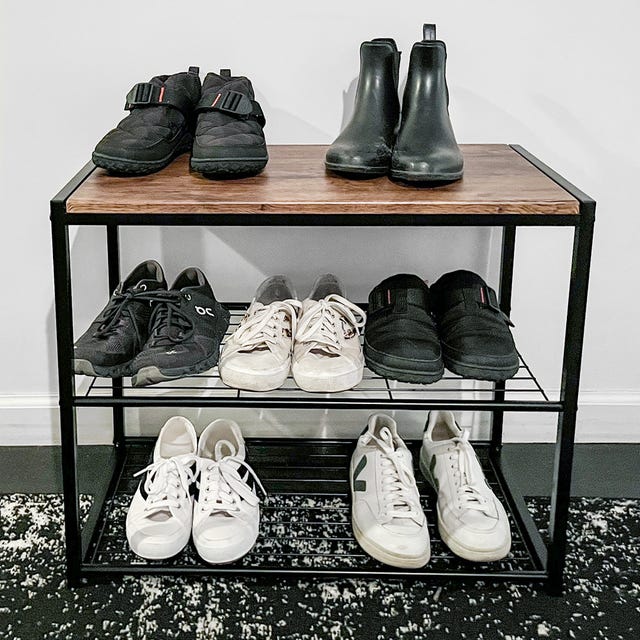
These Affordable Shoe Racks Are the Solution to Clutter-Free Floors
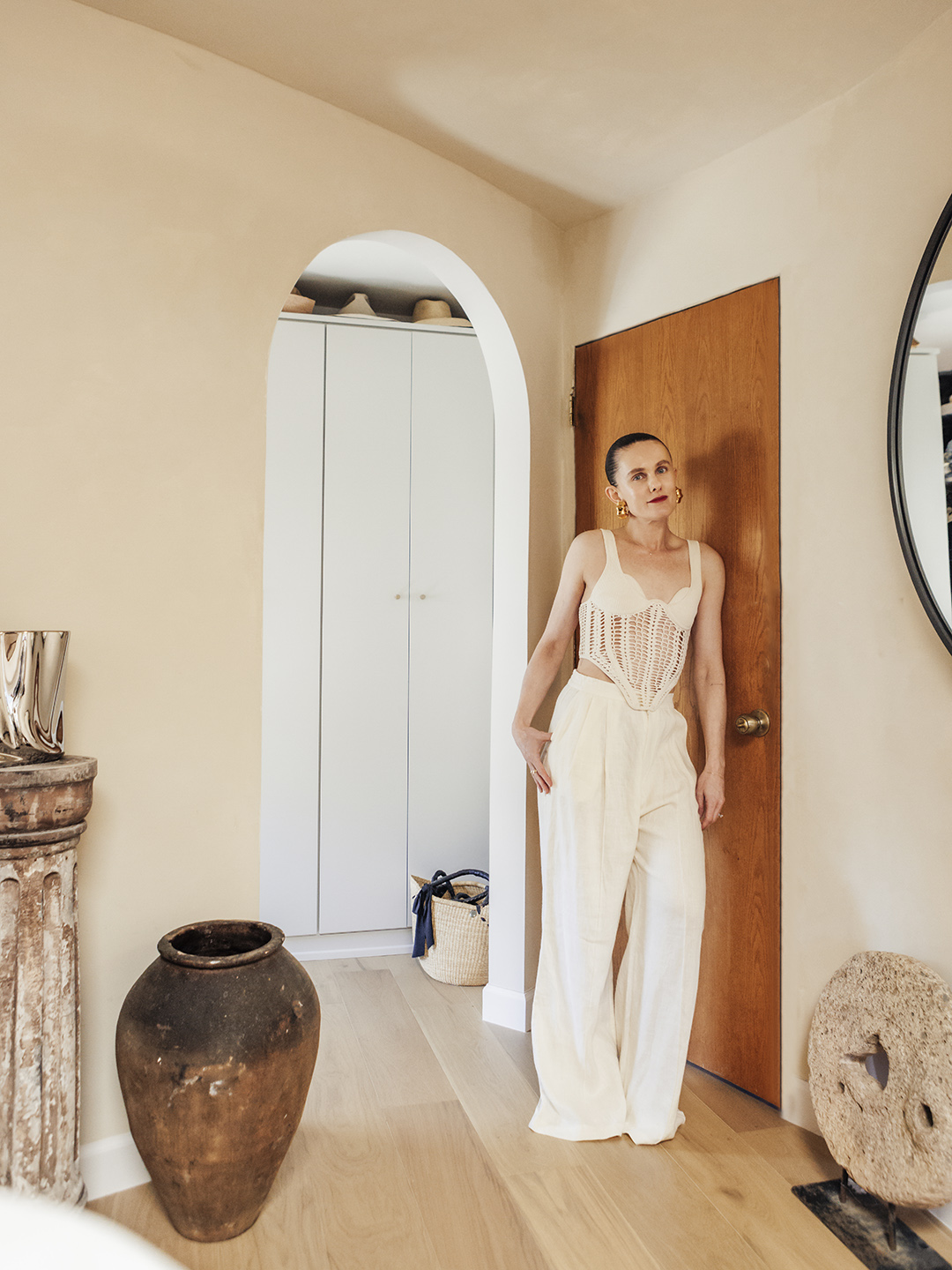
How an Editor and a Denim Designer Built a Closet That Just Perfectly Holds All Their Stuff
Urban Outfitters teams up with COAT Paints for a stylishly bold paint collection
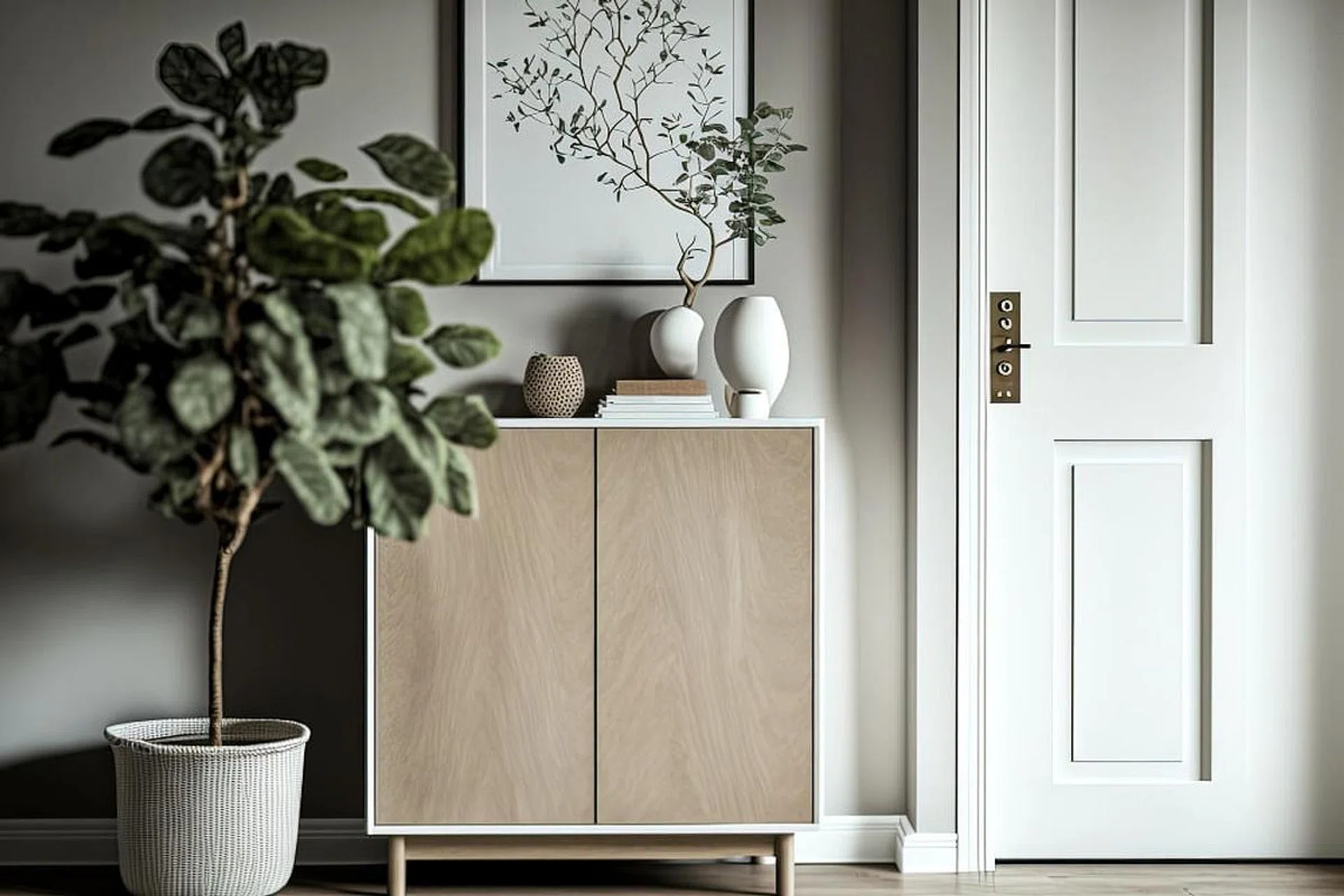
10 Best Shoe Storage Cabinet: With seat & doors under $600 (2023 Reviews)
Clever storage solutions turned this retro hallway into a maximalist’s delight
Finishing Touches
This Clever IKEA Hack Turns Shoe Clutter Into Chic Built-In Storage