1/6
A boutique experience at home | Produced by Seattle Times Marketing
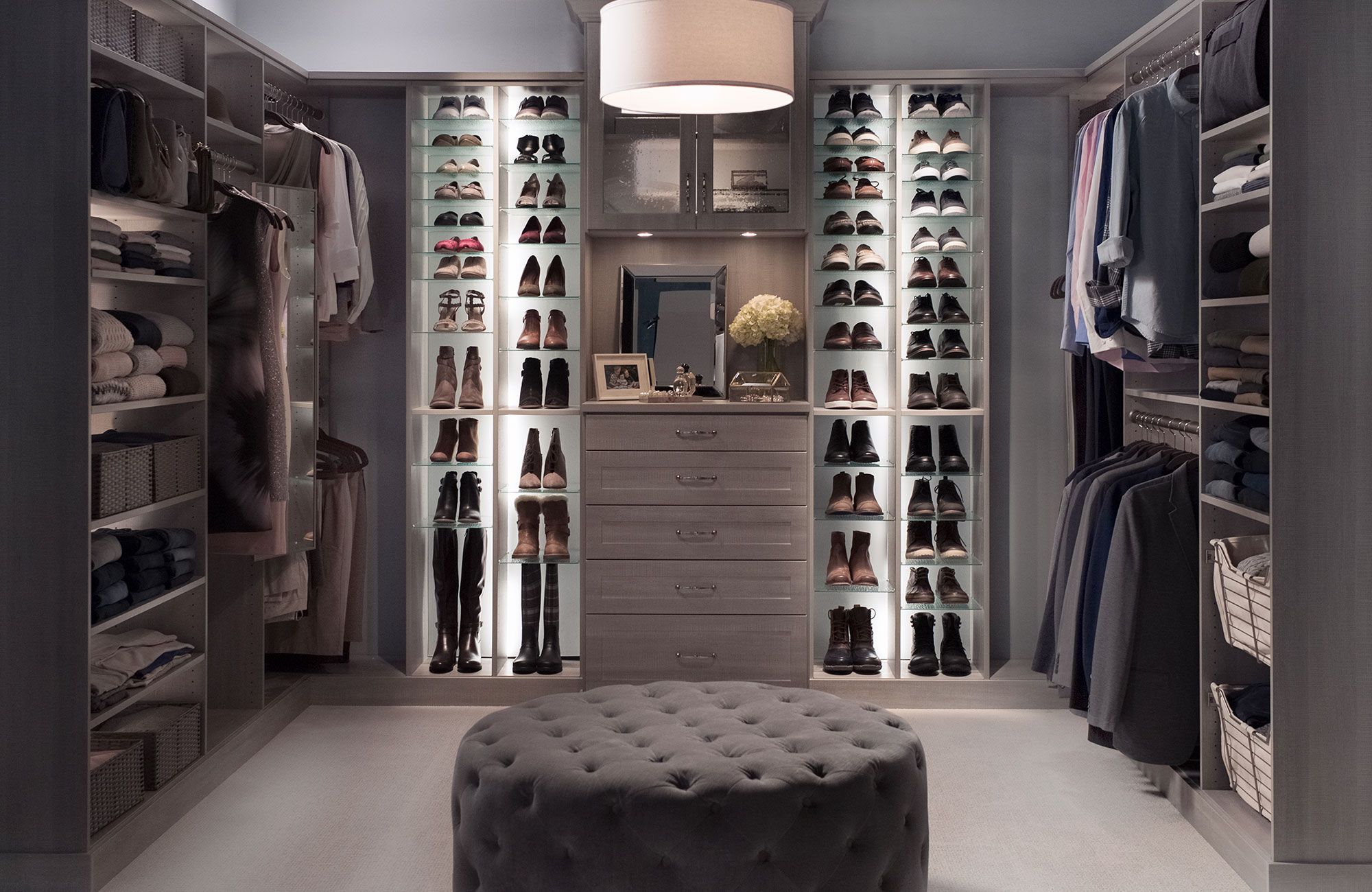
The concept of a boutique-style closet is gaining traction, transforming ordinary storage spaces into personalized dressing rooms. This trend is driven by a desire for both aesthetics and practicality, making the daily routine of choosing an outfit a more enjoyable experience. The article highlights that achieving this look is not exclusive to high-budget renovations but can also be realized in smaller spaces and on a tighter budget.
The inspiration for this trend often comes from individuals who have ingeniously repurposed existing spaces. For example, one individual transformed a small bedroom closet into a stylish nook by incorporating a comfortable chair, a curated clothing rack, and a table with magazines, elevating the act of getting dressed. Similarly, personal experiences with limited closet space in new homes have led to creative solutions, such as utilizing built-in storage chests, vanities, and decorative elements like vintage posters, alongside functional items like spiral clothing racks, to create a personalized, boutique-like atmosphere for displaying seasonal attire.
Experts in interior design emphasize that the boutique closet experience is achievable through a combination of thoughtful design and organization. Yunhyun Park, a Seattle-based interior designer, explains that creating a boutique feel involves blending aesthetics with practicality, focusing on details like cohesive, luxurious looks. She suggests using gold hardware, soft neutrals, and warm lighting to add glamour, along with quality hangers and matching finishes. For instance, she transformed a challenging triangle-shaped closet into a luxurious, boutique-style walk-in for a young client with an extensive wardrobe by expanding the room, relocating the entry, and enhancing lighting.
Organization is a foundational step in creating a boutique closet, as advised by Carrie Powell, a professional organizer. She stresses the importance of decluttering to achieve a minimalist, boutique experience. According to Powell, people typically wear only about 20% of their wardrobe regularly, and excessive clutter hinders the ability to see and utilize what is available. Her recommendations include removing unworn items and storing off-season clothes elsewhere, making seasonal closet swaps a ritual to maintain order and freshness. This organized approach ensures that the space functions efficiently and looks appealing.
Lighting is another critical element in transforming a closet. Jessica Dorling, a principal designer, notes that lighting can dramatically alter any space. Options range from under-cabinet lights for racks and motion-sensored lights in drawers to specialized light-up rods that improve visibility. Statement lighting can further elevate the space, though careful planning for power outlets is necessary. Beyond lighting, Dorling suggests diversifying materials by incorporating two-tone designs, wood accents, and different materials for walk-in closet islands to add color, texture, and personalization. Using glass doors instead of solid ones for clothing storage can also enhance visibility and aesthetic appeal.
For those on a budget, quick fixes can still achieve a boutique feel. Upgrading hardware with options like satin, nickel, brushed gold, or black can instantly elevate the space. Treating the closet as a piece of furniture, adding wallpaper or contrasting paint, and using an area rug are simple yet effective methods. Powell also recommends uniform hangers for a polished look and keeping dresser tops clear, using drawer dividers and jewelry inserts to maintain organization and minimize clutter.
Custom-built closet systems are highlighted as a significant investment that pays dividends in organization and functionality. Michael Danes, a design and sales manager for a custom closet company, emphasizes that a boutique experience is rooted in function, ensuring everything has a designated place. Custom systems can incorporate features like deeper wardrobe-depth units for better balance, boutique closet islands with integrated seating, and tunable lighting that changes color. Other luxurious additions include real wood, dovetailed drawer boxes with soft-close mechanisms, and leather-wrapped drawer inserts for items like wallets and keys, preventing clashing sounds.
Specific accessories are recommended to enhance the boutique closet experience. A valet rod, which extends for hanging and steaming clothes, is practical for planning outfits. Jewelry storage cabinets and rotating corner shoe racks are useful for maximizing space and organizing accessories. Retractable pants racks offer seamless access, while a closet steamer can function as a personal dry-cleaning machine. Ultimately, the goal is to create a comfortable and functional space that allows individuals to effortlessly shop their own wardrobe daily, making the process enjoyable and efficient.
#ClosetDesign #HomeOrganization #InteriorDesign #BoutiqueCloset #SpaceMaximization #HomeDecor #CustomClosets #StorageSolutions #LuxuryLiving #ClosetDesign #HomeOrganization #InteriorDesign #BoutiqueCloset #SpaceMaximization #HomeDecor #CustomClosets #StorageSolutions #LuxuryLiving
कुल 0 टिप्पणियाँ
 कोई टिप्पणी नहीं
आपको यह भी पसंद आ सकता है
8 Boutique Decorating Ideas To Elevate Your Retail Space

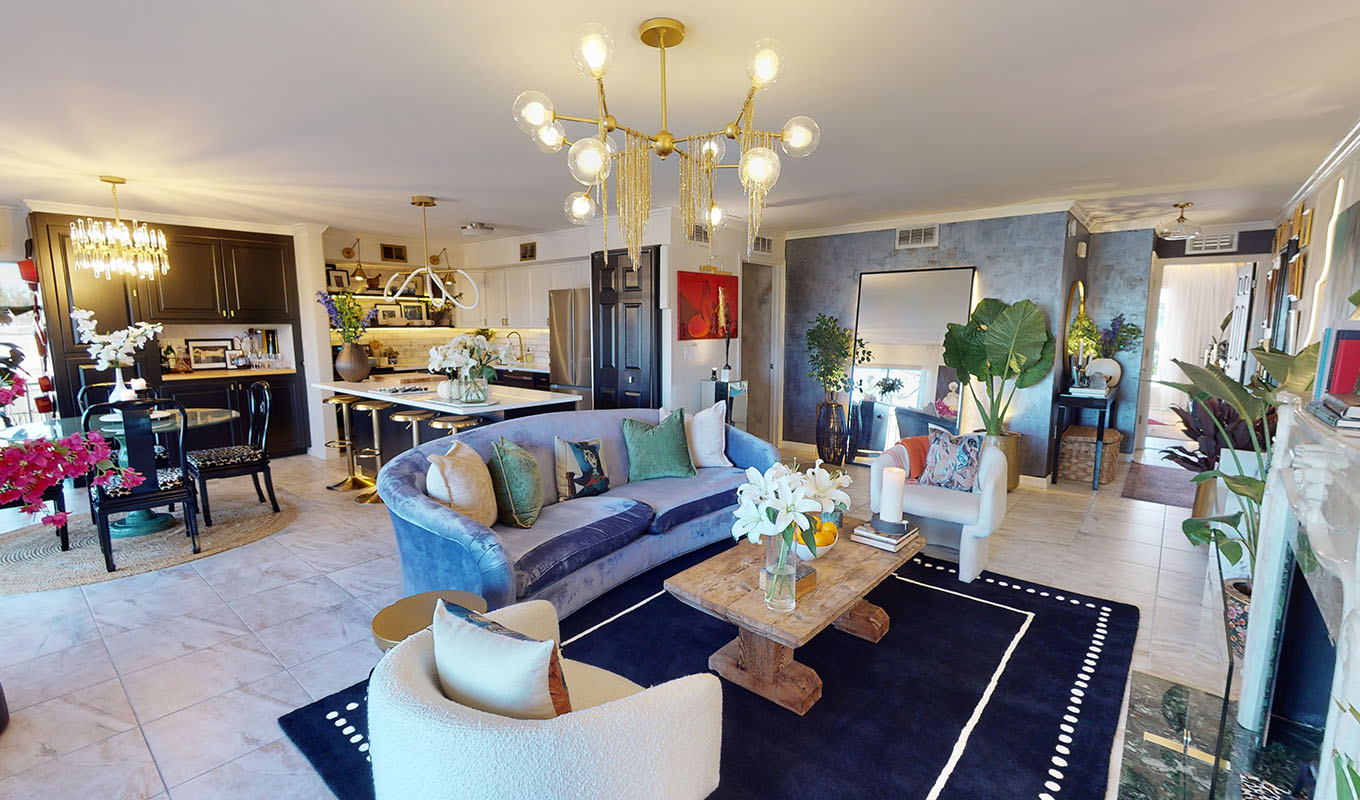
Take a (Virtual) Step Inside This Influencer’s Eclectic Condo and Shop Her Fashionable Finds
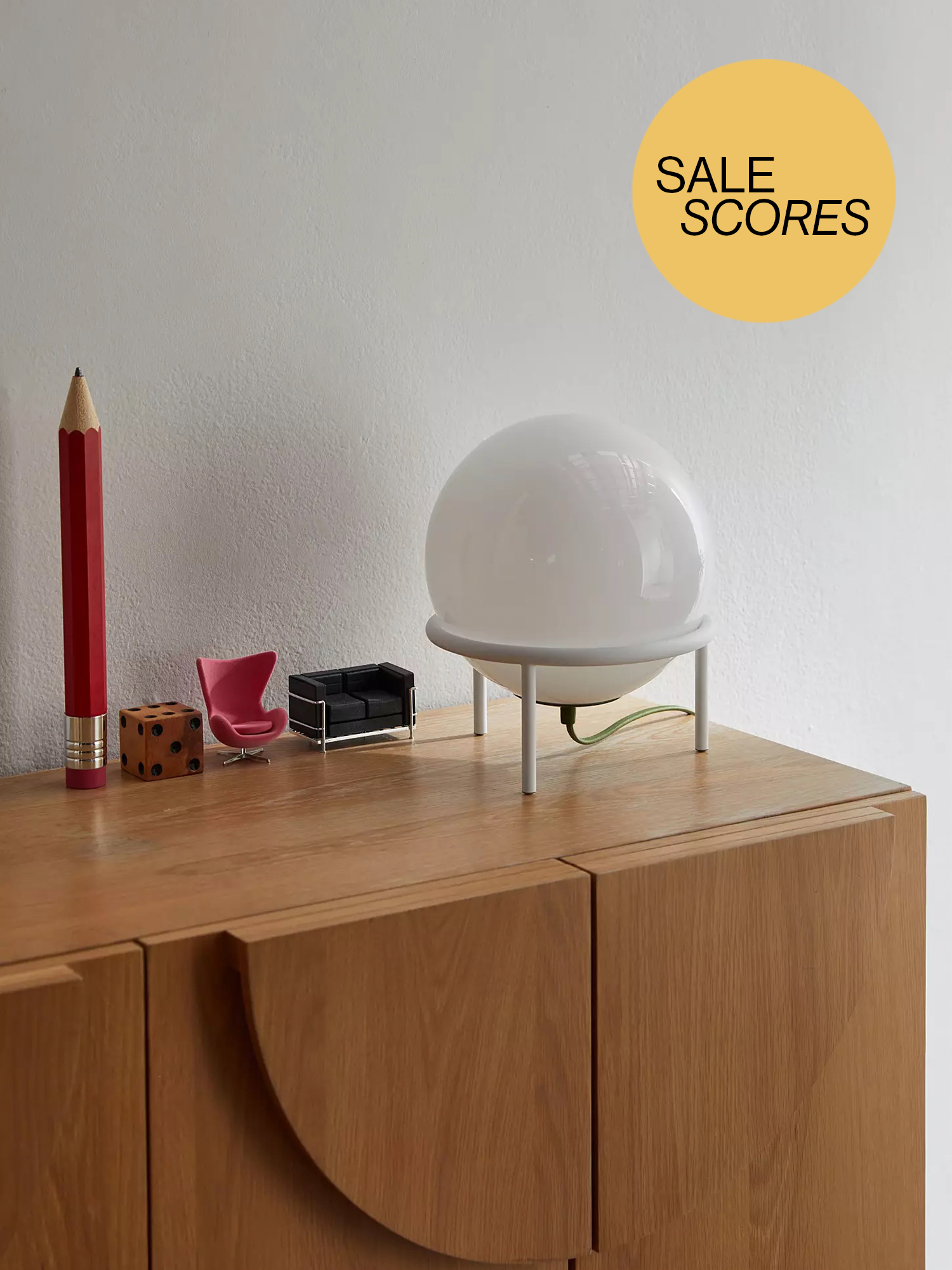
Urban Outfitters’s Home Sale Is Flush With Wavy Table Lamps and Chic Sconces

Inside Rufous & Co.: How a Neighborhood Boutique Is Transforming Interior Design with Transparency and Care

50 of the best online homeware and furniture stores
Mytheresa Expands Into the Home with a New Luxury Design Shopping Destination


Promotion: Meet the local flooring business turning houses into homes

Products

Modern Home Decor Takes Centerstage at a New York Pop-Up from Maiden Home
This Charlotte shop owner wishes customers would give navy blue a rest
Stone House Collective Is a New Home Design Hub in Shorewood
Swarovski’s next level store design doesn’t compromise

The Art of Staging

Lost & Found OōEli Store / B.L.U.E Architecture Studio

The best debuts at High Point Market this fall

Why This Acclaimed Architectural Firm Just Designed An "Energetic Experience" In SoHo
60 online homeware & furniture stores we love to browse

How 10 Creative Jewelry Retailers Make the Most of Blank Walls

9 New Places to Shop for Home Decor and Furniture Around DC