24 Photos Of Early '00s Home Decor Features That've Become Obsolete In Only 20 Short, Short Years
Home decor trends from the early 2000s, though once popular, have largely fallen out of fashion within two decades. Many of these styles, which were ubiquitous in homes across the country, now appear dated due to shifts in design preferences and advancements in home technology. This article highlights 24 specific examples of early '00s home decor that are considered obsolete today.
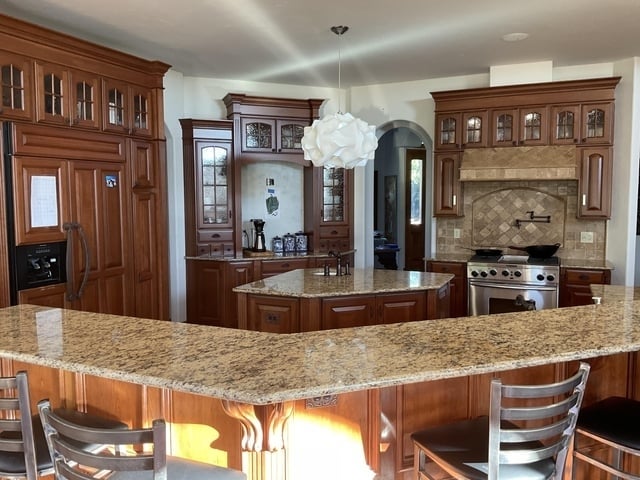
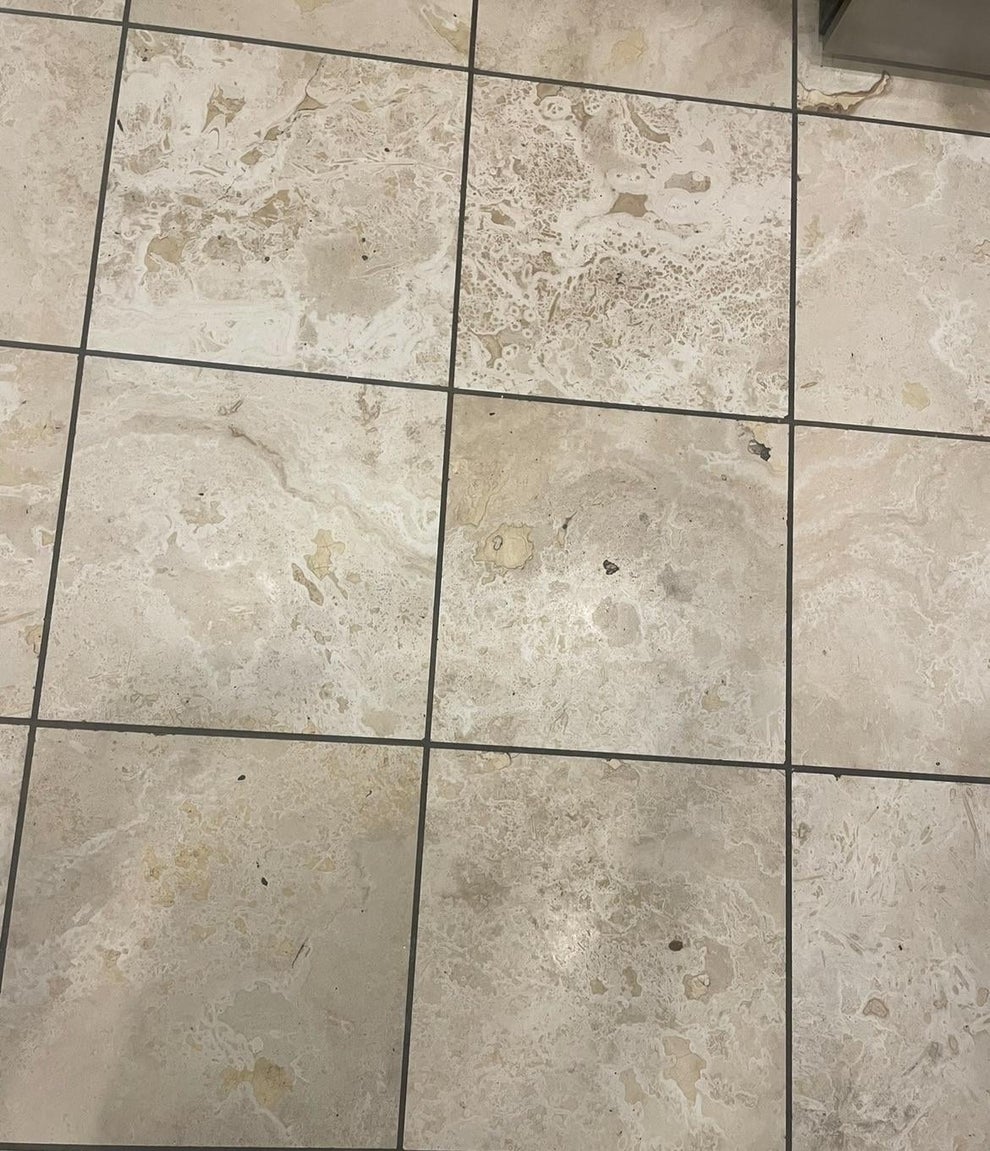
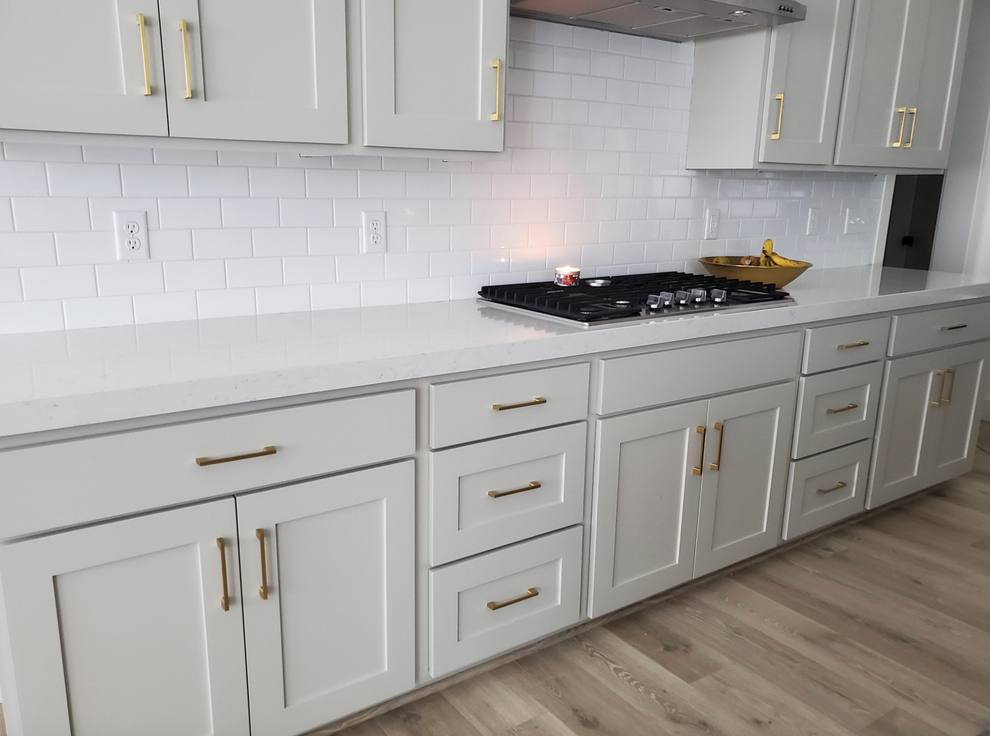
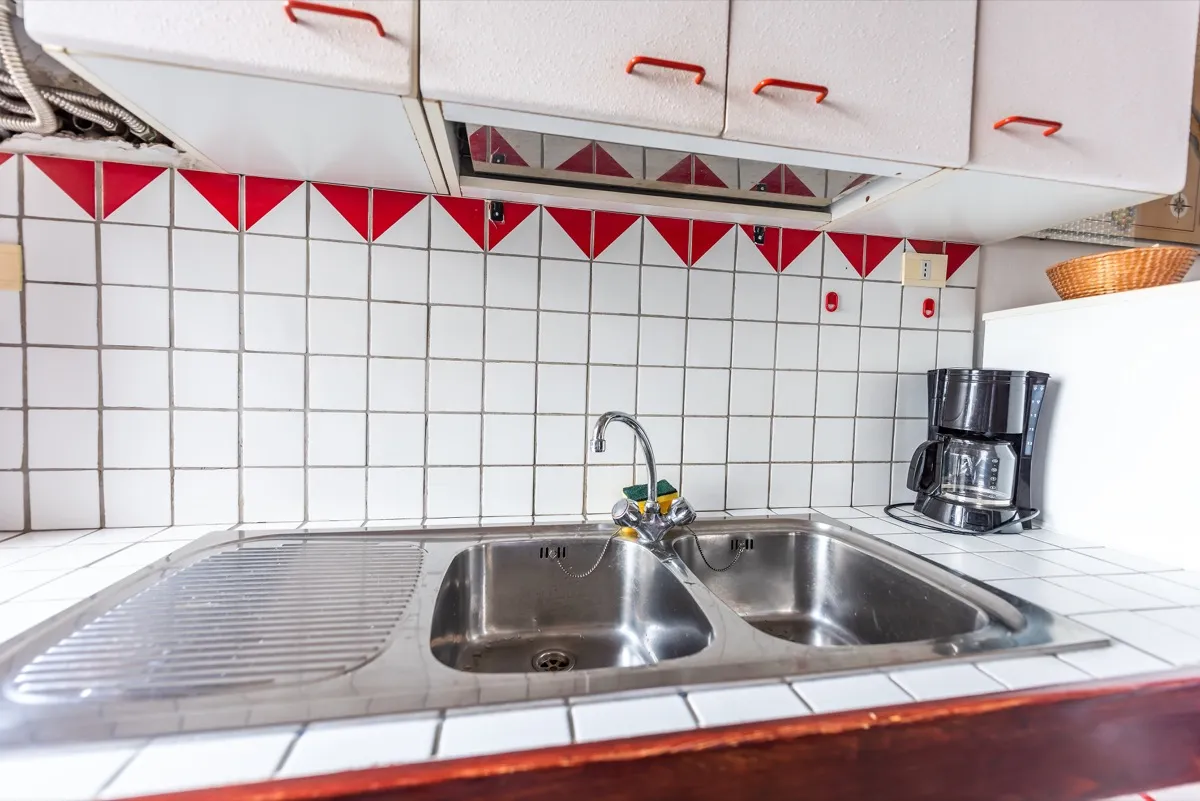
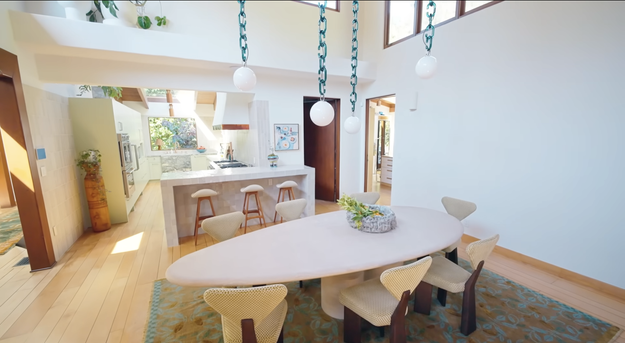
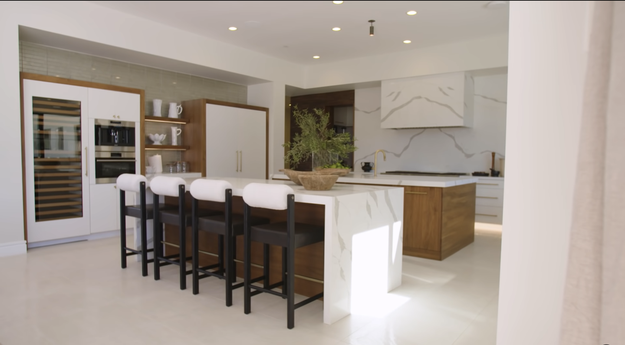
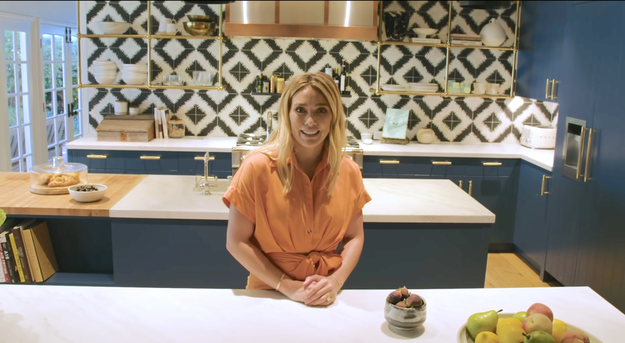
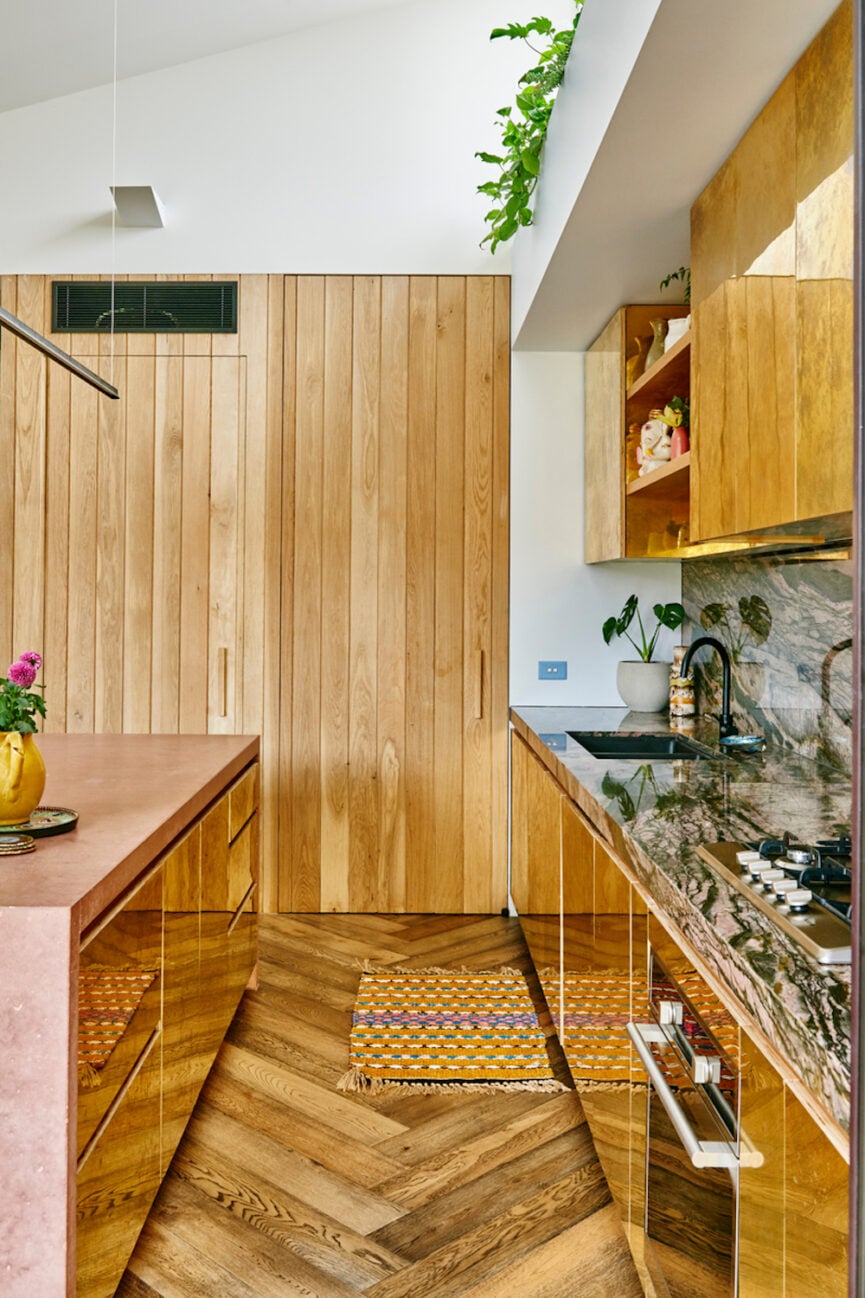
Among the prominent features discussed are "Tuscan kitchens," characterized by their warm, rustic, and often heavily ornamented aesthetics. These kitchens typically featured dark wood cabinetry, intricate wrought iron details, distressed finishes, and earthy color palettes with accents of deep red, gold, and olive green. While they aimed to evoke a sense of Old World charm, modern kitchen design favors cleaner lines, lighter colors, and more minimalist approaches. Similarly, the use of mosaic tiles, especially those in earth tones or with elaborate patterns, was common. These were often seen on backsplashes, countertops, and even as decorative inserts on floors, but contemporary trends lean towards subway tiles, large-format tiles, or solid slab backsplashes for a more sleek and understated look.
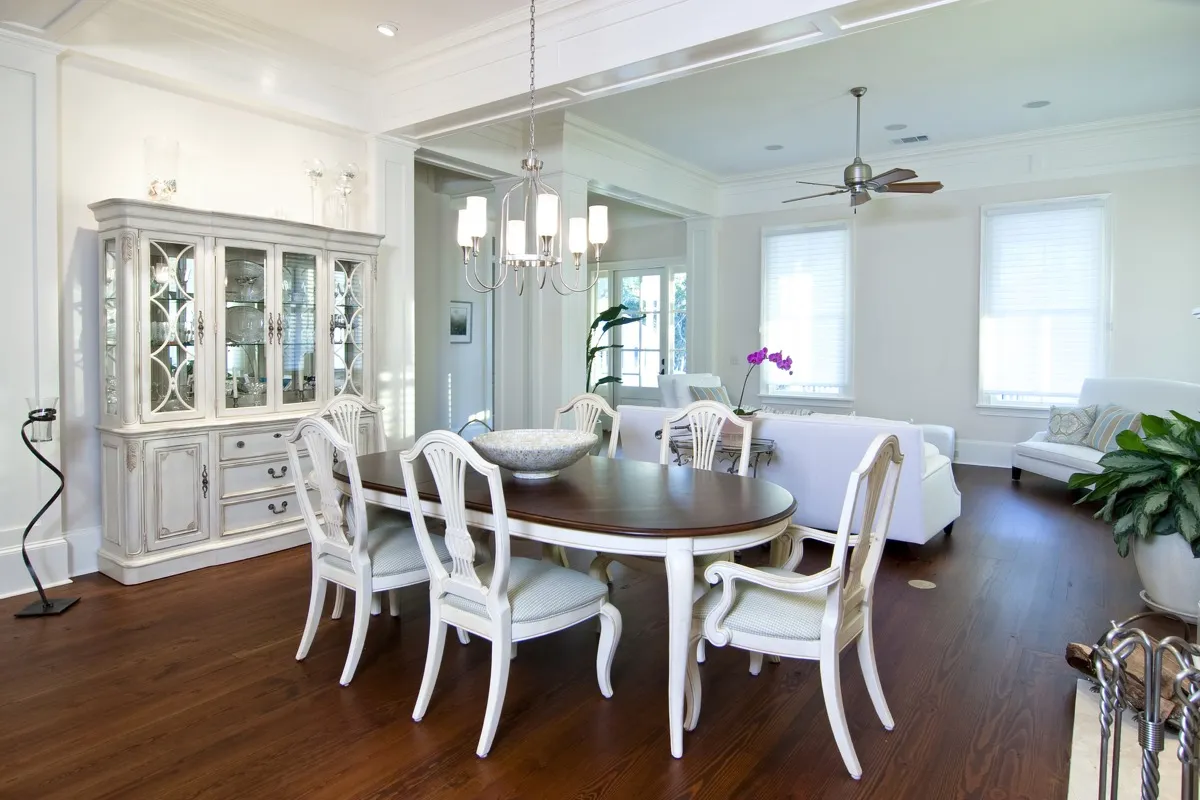
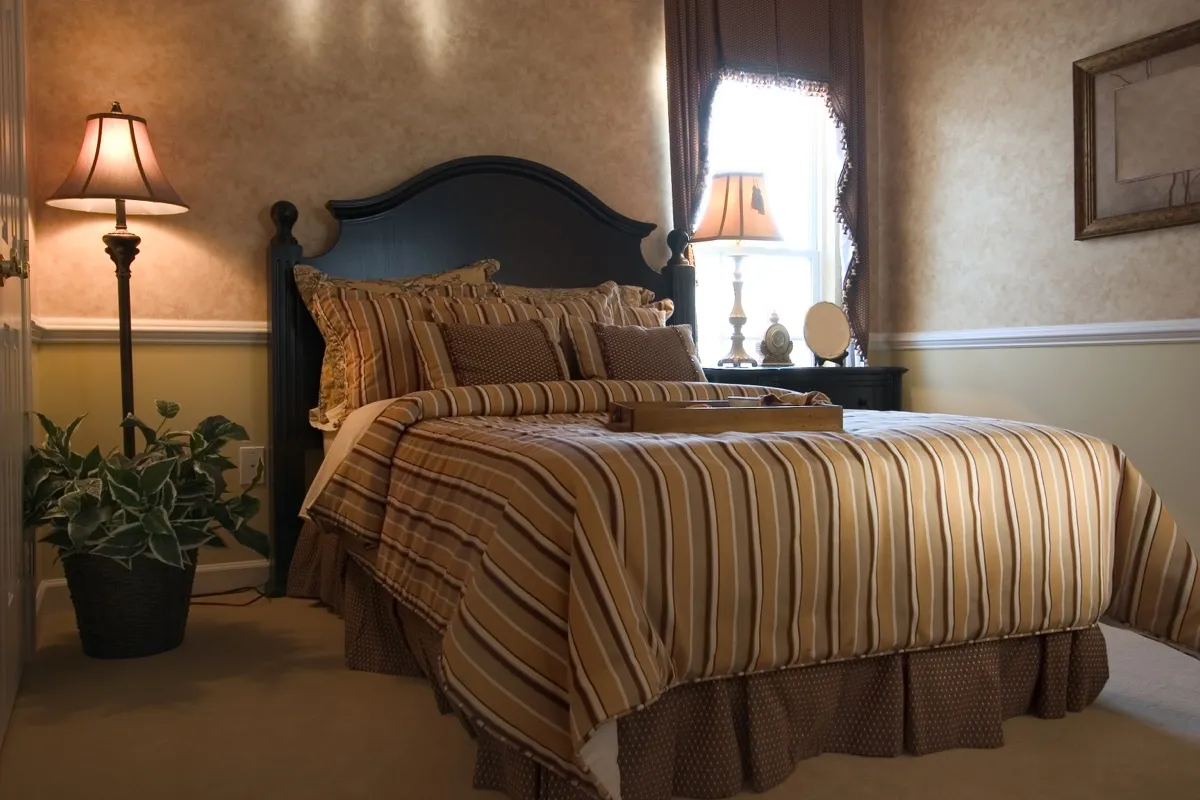
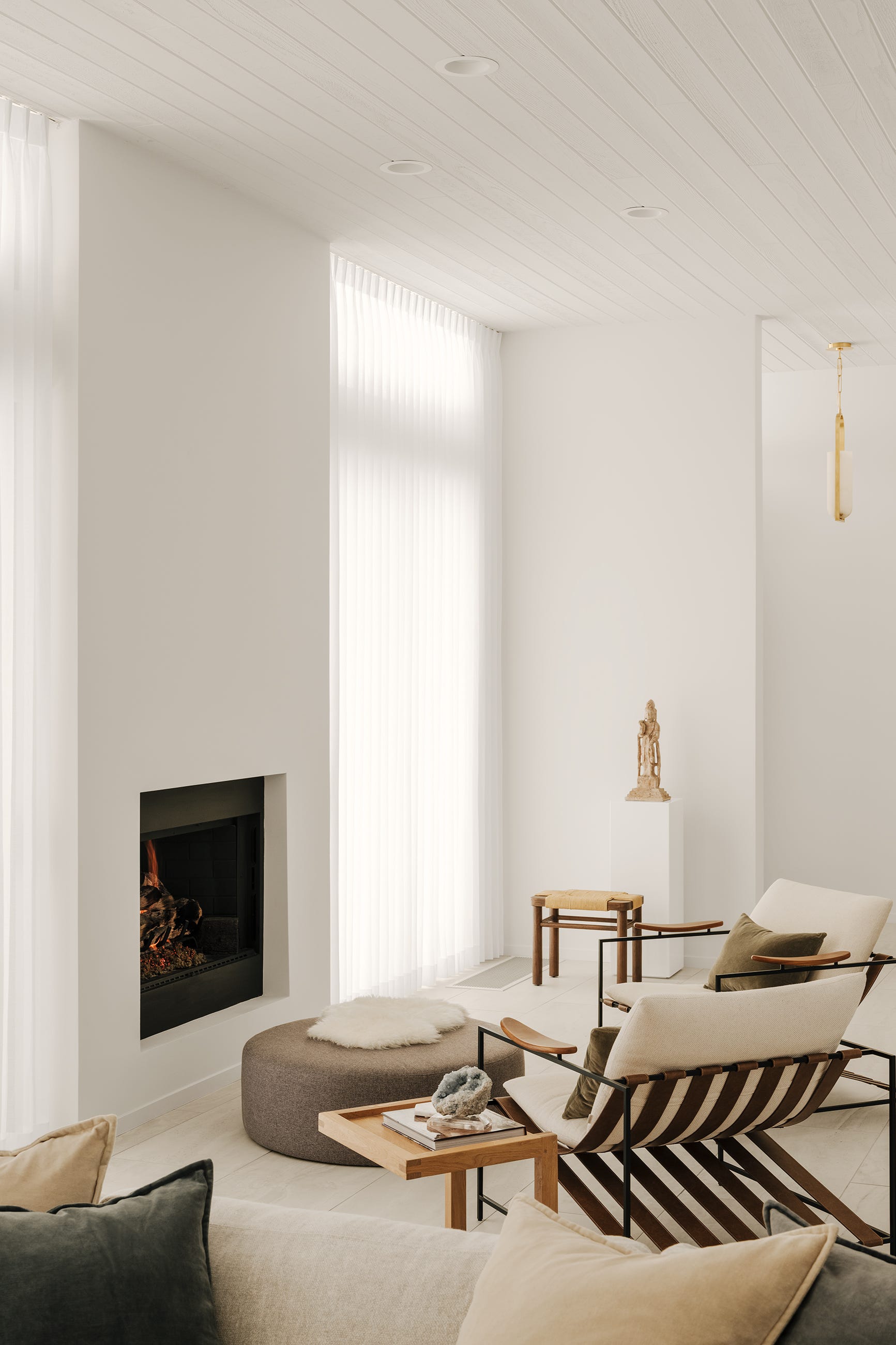
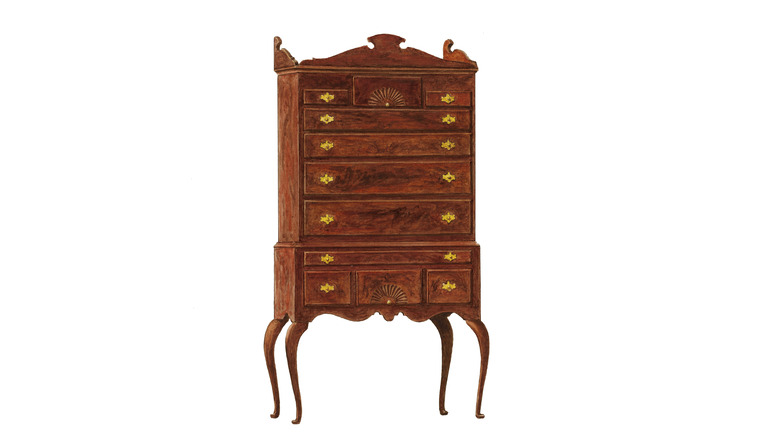
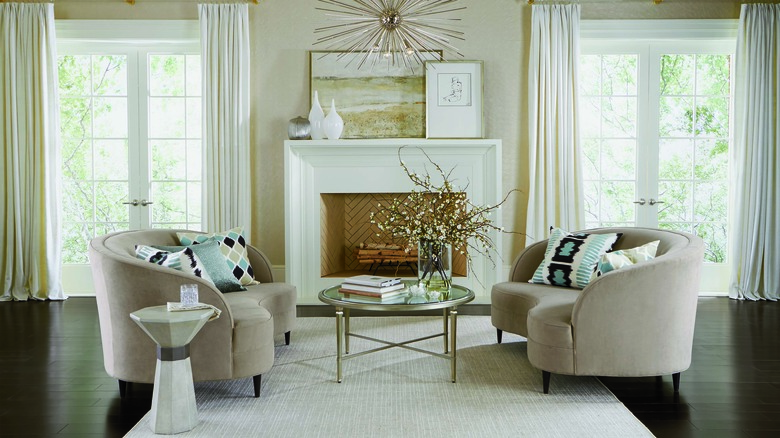
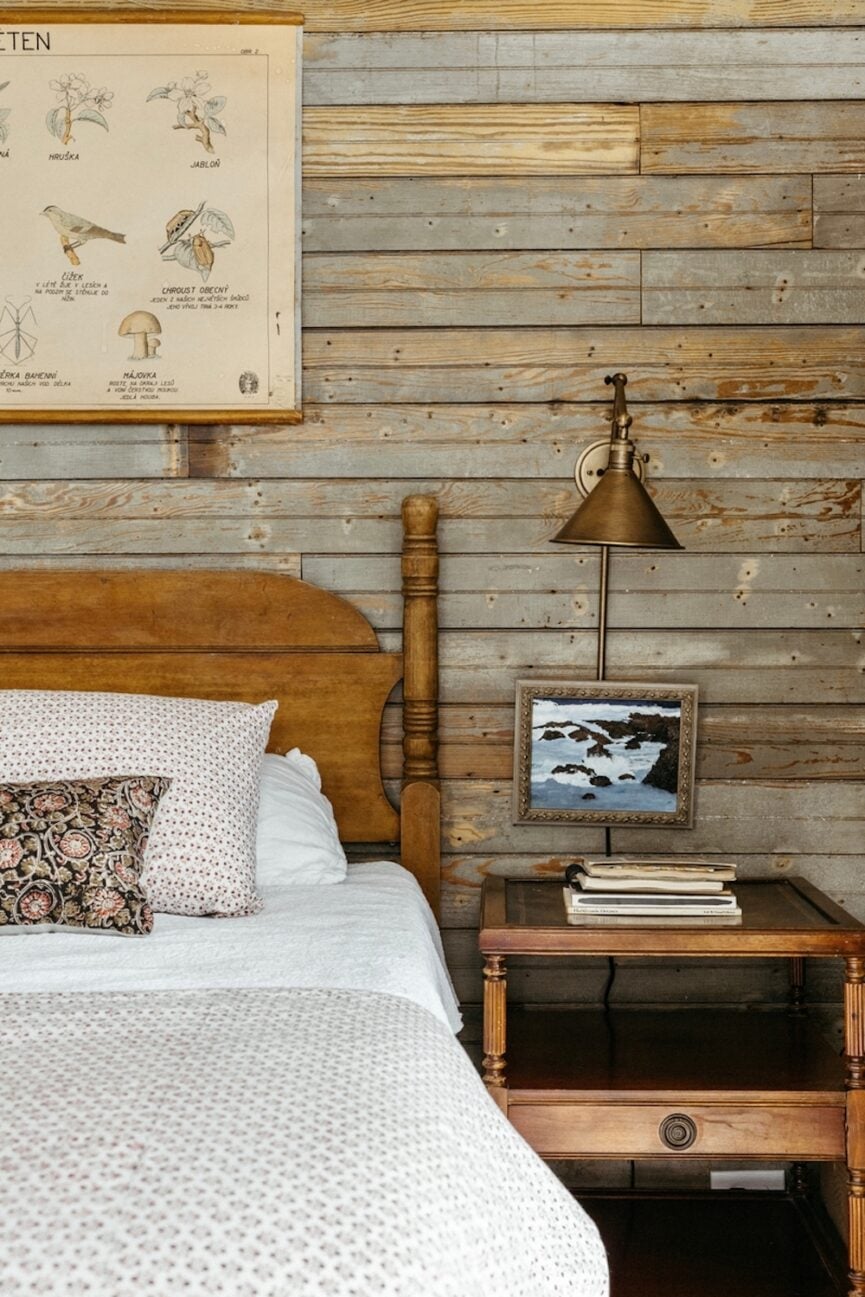
Another distinctive element from this era was the presence of overly distressed furniture. Pieces designed to look antique or worn, often featuring heavy artificial aging, were popular. This contrasted with the growing appreciation for genuine vintage finds or new furniture with subtle, authentic character. Curtains and drapes from the early 2000s frequently involved heavy fabrics, multiple layers, and elaborate valances or tie-backs. The current preference is for simpler window treatments, such as sheer panels, blinds, or minimalist drapes, which allow more natural light and create a less cluttered appearance.
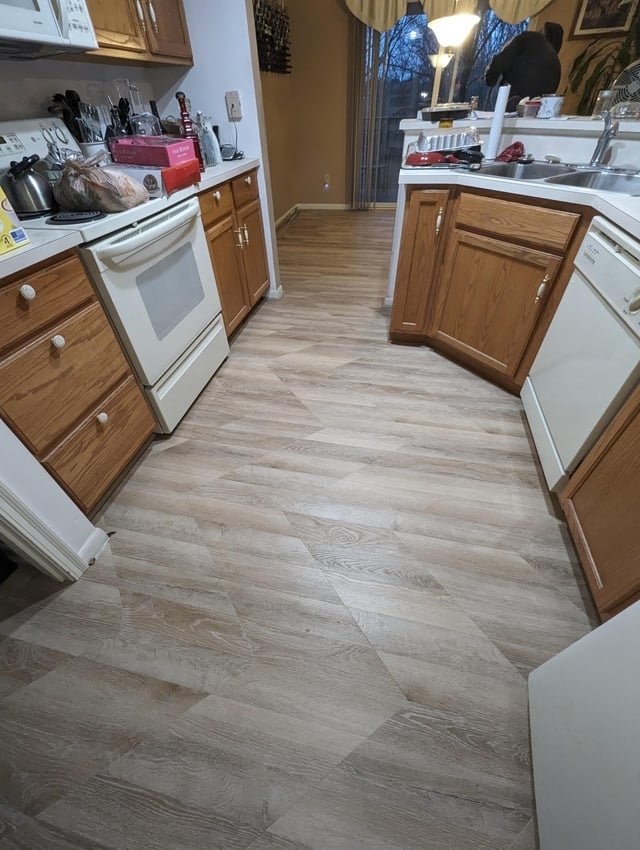
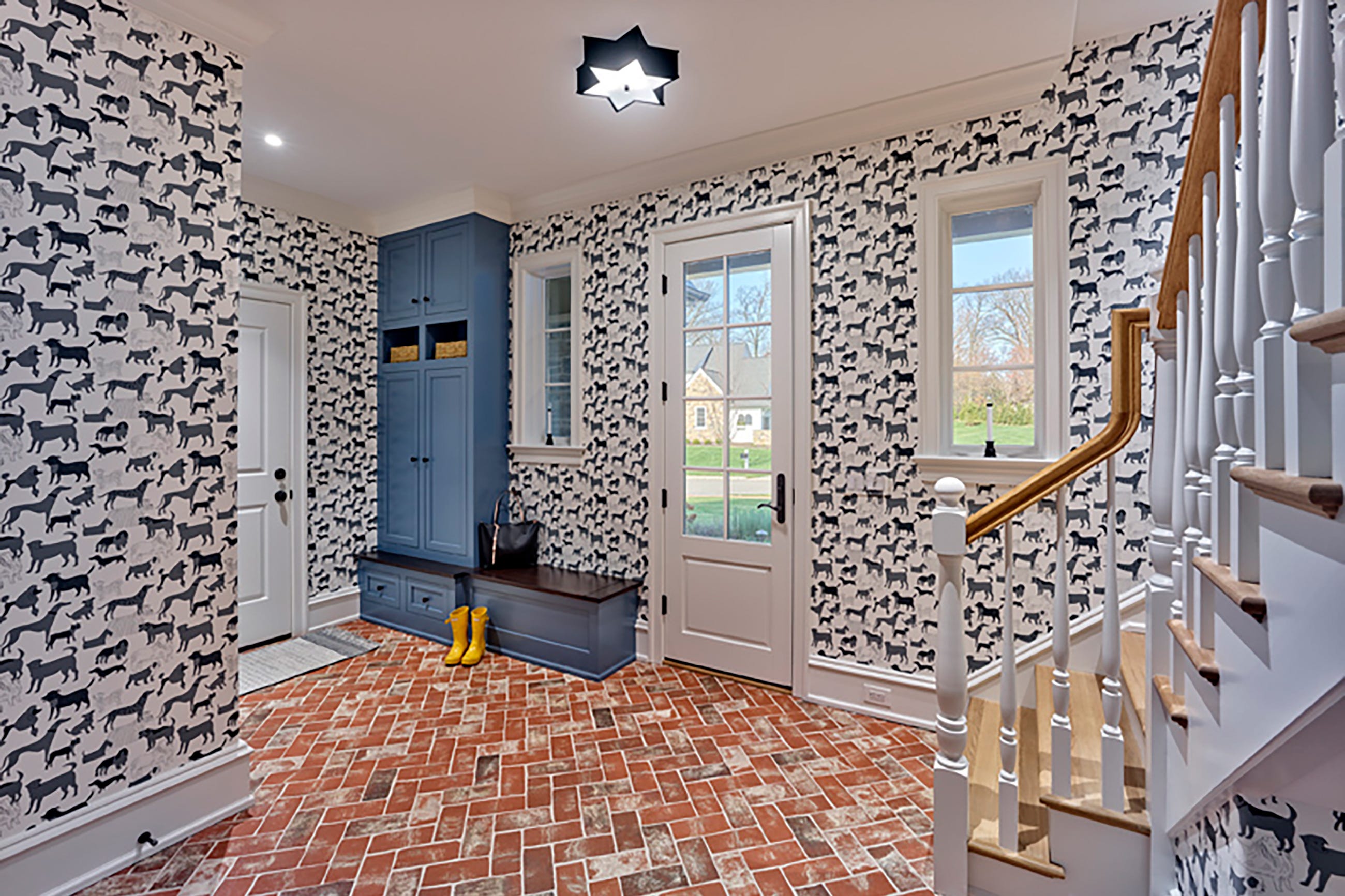
Wall-to-wall carpeting, particularly in plush, thick varieties and often in neutral or pastel shades, was a staple in many homes. This has largely been replaced by hardwood flooring, laminate, or luxury vinyl planking, which are perceived as more durable, easier to clean, and conducive to a modern aesthetic. Faux finishes, such as sponge painting, rag rolling, or textured walls, were also a common way to add visual interest. These techniques, once considered artistic, have given way to smooth, monochromatic walls or the use of sophisticated wallpapers with subtle patterns.
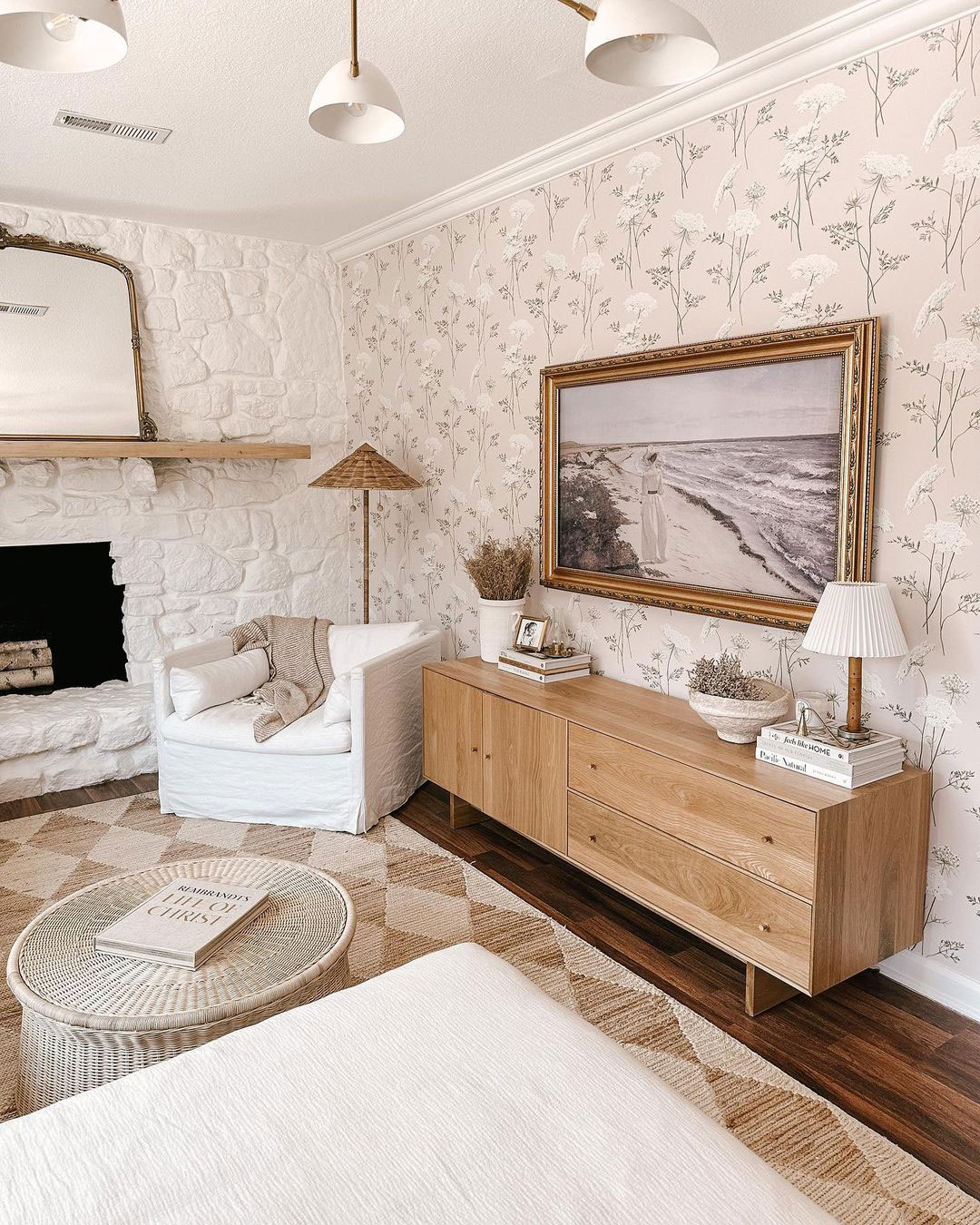
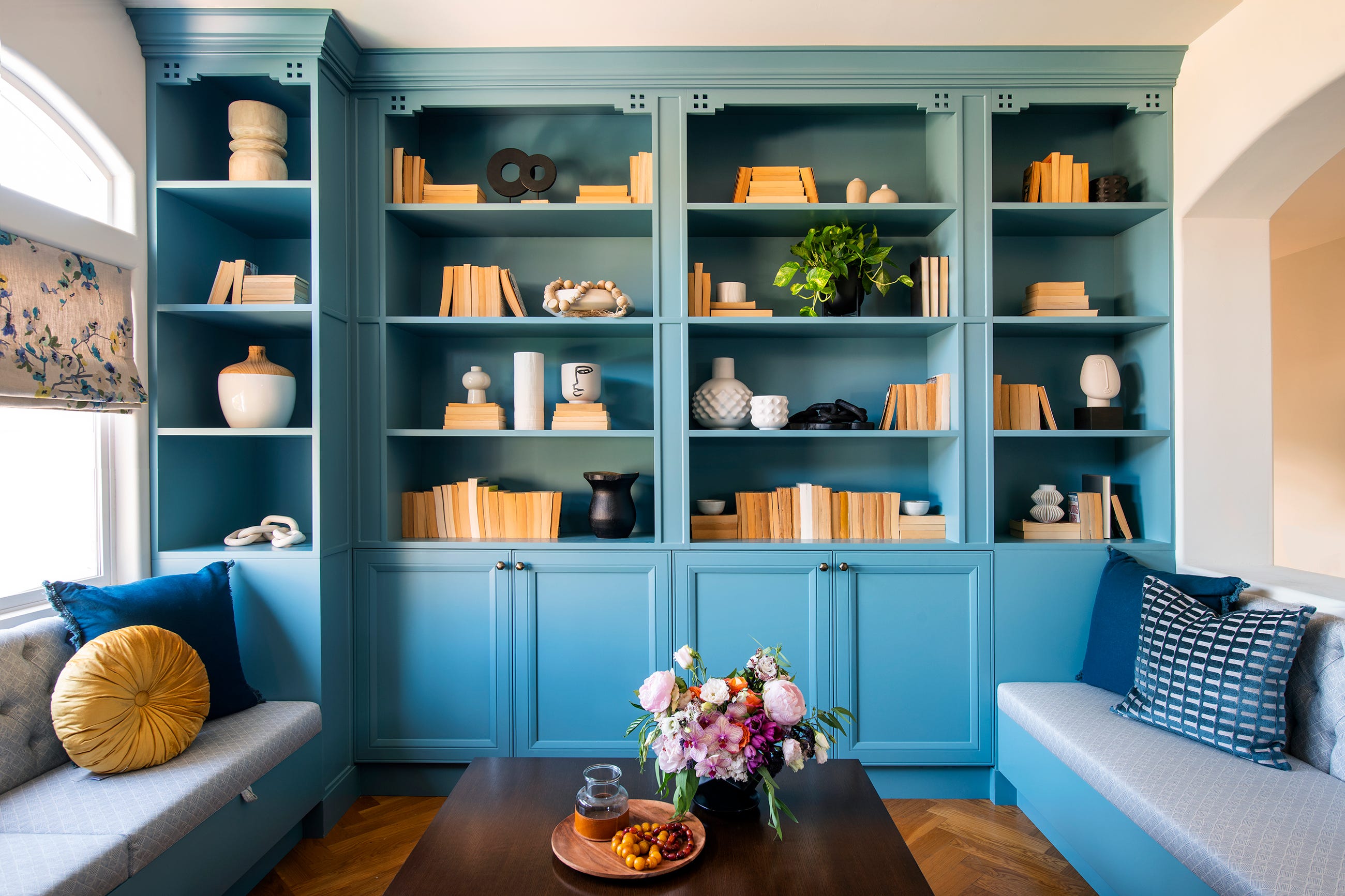
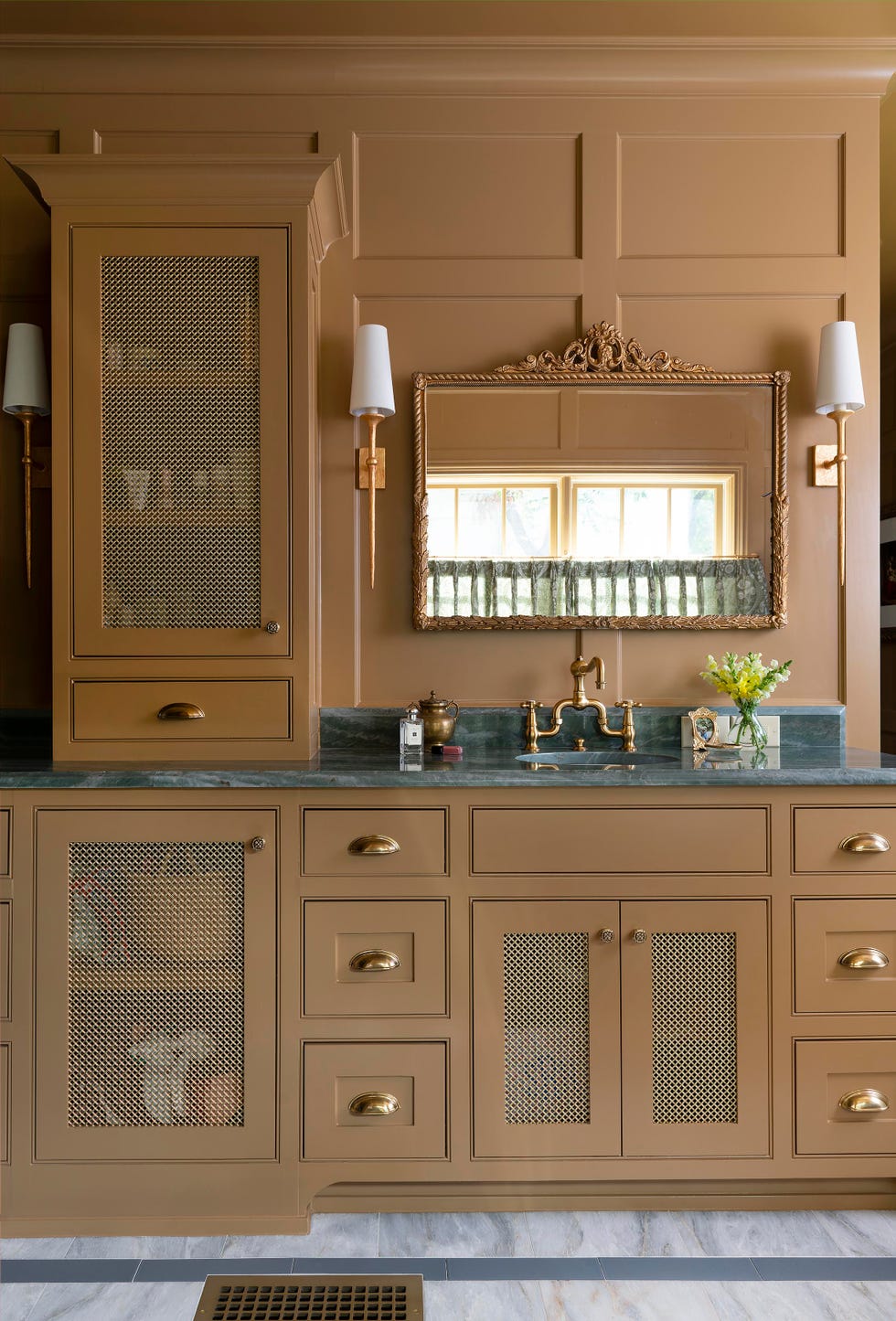
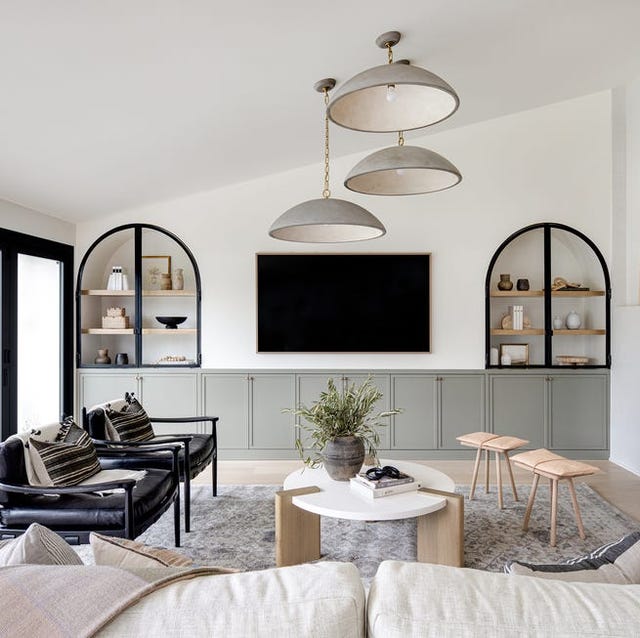
The widespread use of large, ornate mirrors with heavy, gilded frames was another hallmark. While mirrors remain a design element, modern choices tend towards simpler frames, geometric shapes, or frameless designs. Overstuffed furniture, often upholstered in busy patterns or bold colors, provided comfort but contributed to a heavy, sometimes crowded look. Contemporary furniture emphasizes streamlined silhouettes, neutral fabrics, and functional design. Built-in entertainment centers, designed to house bulky CRT televisions and various media components, became obsolete with the advent of flat-screen TVs and digital streaming. These have been replaced by wall-mounted televisions and minimalist media consoles.
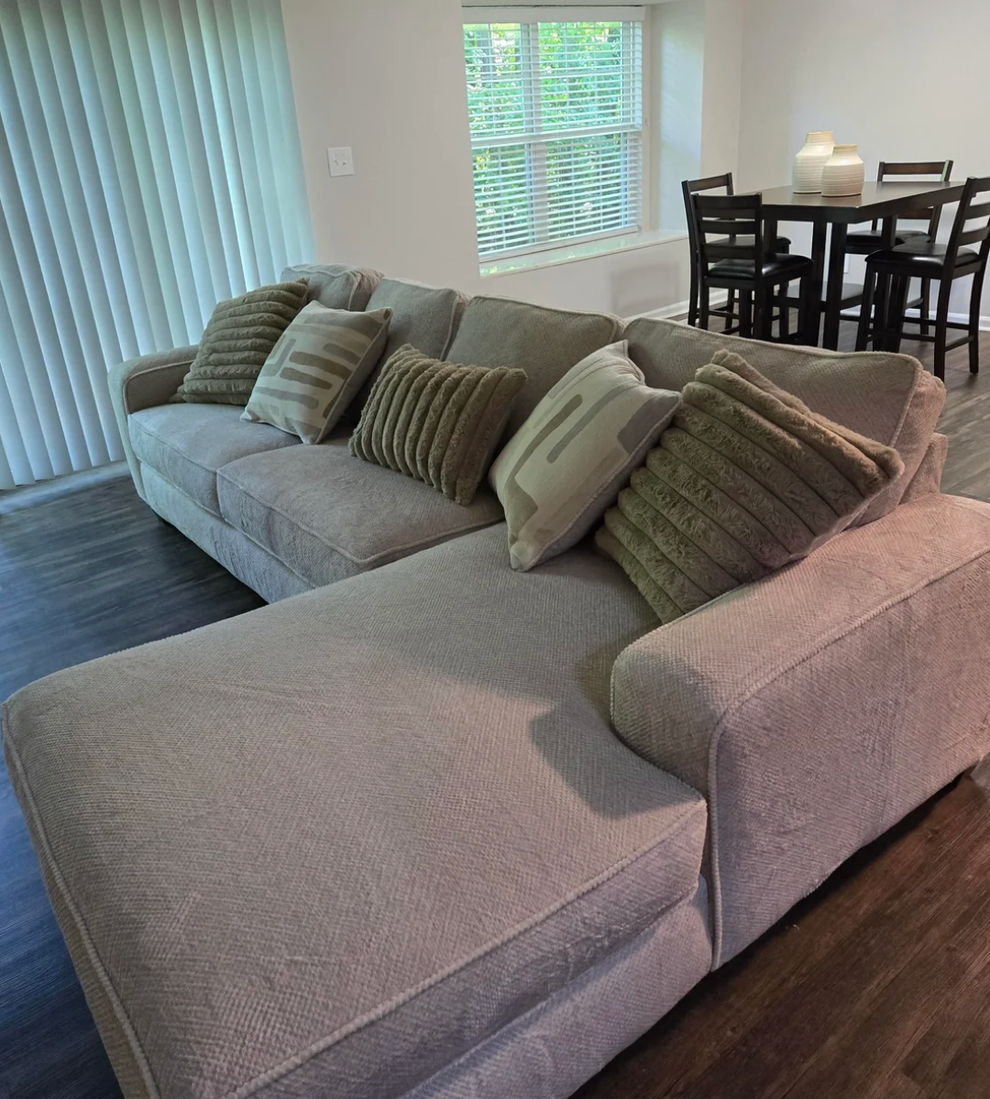
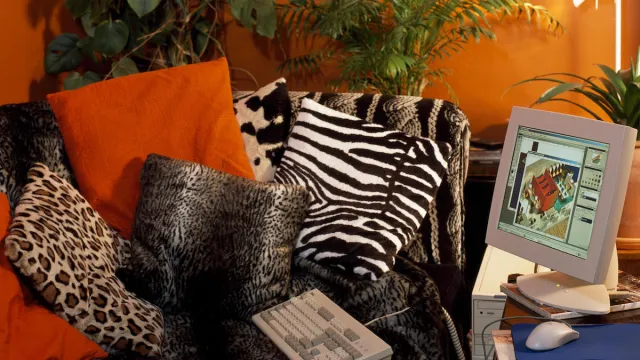
Popcorn ceilings, which were a cost-effective solution for sound dampening and concealing imperfections, are now widely considered an outdated feature and are often removed during renovations. Track lighting, particularly in designs with multiple directional heads, was once a popular option for accent lighting. However, it has been largely superseded by recessed lighting, pendant lights, and more integrated lighting solutions. The prevalence of vertical blinds, especially on sliding glass doors, offered privacy and light control but are now often replaced by more aesthetic options like cellular shades, roller blinds, or curtains. Lastly, the article points out the trend of themed decor, where an entire room might be dedicated to a specific motif, such as nautical, safari, or Southwestern. Modern decor tends to be more eclectic, mixing styles and eras rather than adhering strictly to a single theme.
#HomeDecorTrends #Early2000s #ObsoleteDecor #TuscanKitchens #InteriorDesign #HomeRenovation #DesignEvolution #ArchitecturalStyle #HomeDecorTrends #Early2000s #ObsoleteDecor #TuscanKitchens #InteriorDesign #HomeRenovation #DesignEvolution #ArchitecturalStyle
कुल 0 टिप्पणियाँ
 कोई टिप्पणी नहीं
आपको यह भी पसंद आ सकता है
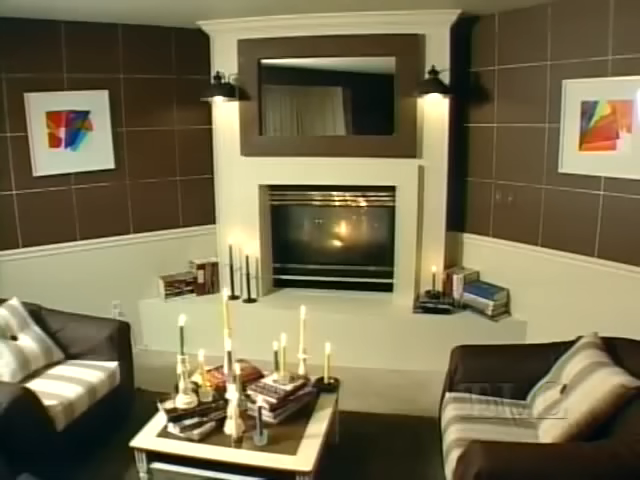
24 Photos Of Early '00s Home Decor Features That've Become Obsolete In Only 20 Short, Short Years


20 Old House Styles No Longer Built Today
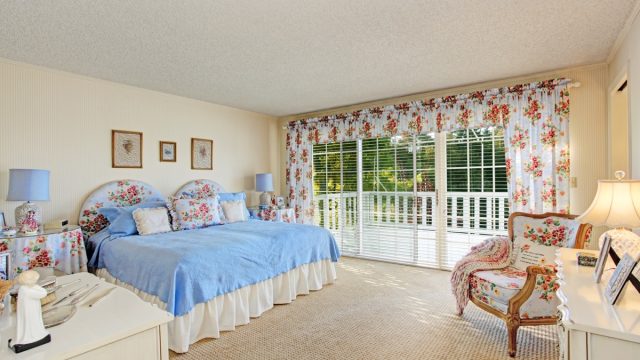
20 Unfortunate Ways Your Home Looks Super Dated, According to Experts

11 "Outdated" Home Decor Trends Making A Surprising Comeback In 2025
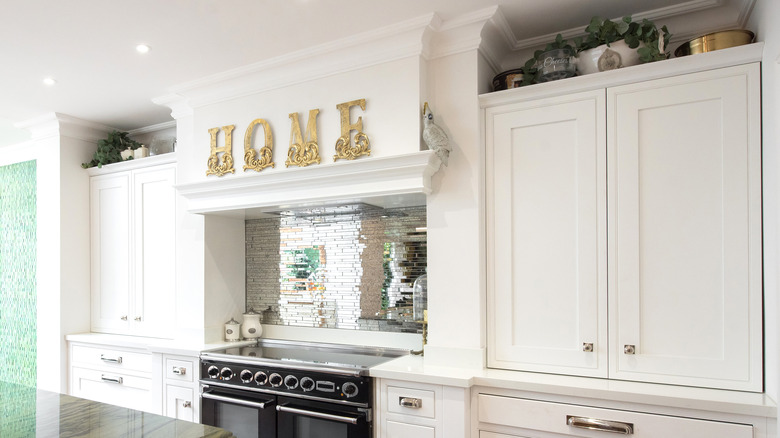
10 Outdated Decor Items That Don't Belong In Your Kitchen In 2025

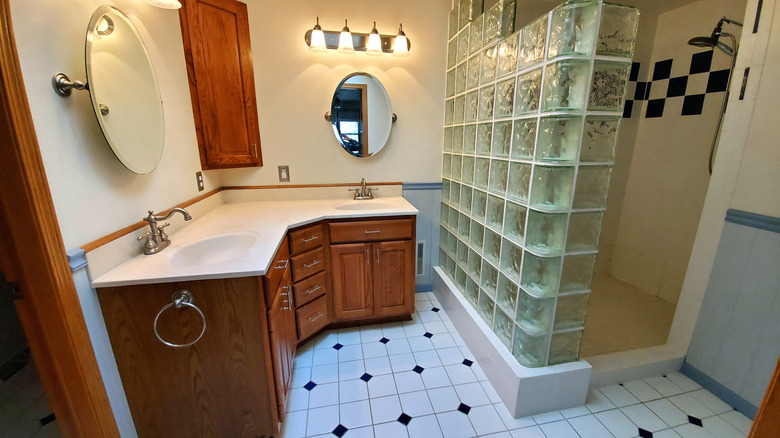
Bathroom Decor Items That Will Look Severely Outdated In 2025
18 "Outdated" Furniture Trends That Need To Go In 2025

Outdated Furniture Pieces That Are Having A Comeback

21 "Outdated" Home Design Trends That Are Sooo Much Better Than Modern-Day Trends
10 Furniture Styles That Instantly Make Your Home Look Outdated

These 20 Interior Design Trends Are Too Good to Overlook

Interior Designers are Ditching These Home Trends in 2024
20 Photos of 1990s Home Décor to Overwhelm You With Nostalgia
This Furniture Trend From the 1920s Is Officially Back

20 Millennial Home Trends That We'll All Be Cringing At In 20 Years
Interior Designers Say the 1990s Are Back—Here’s How to Capture the Look
These 20 Architectural Styles Were Once Popular But Suddenly Disappeared

5 outdated home decor trends interior designers want you to kiss goodbye in 2024, and what to do instead

7 Vintage Home Decor Features That Designers Want to See EVERYWHERE in 2026
6 Decor Mistakes That Were Making My Apartment Look Totally Outdated