Your Kitchen Cabinets Deserve Better—Here’s How to Clean Them the Right Way
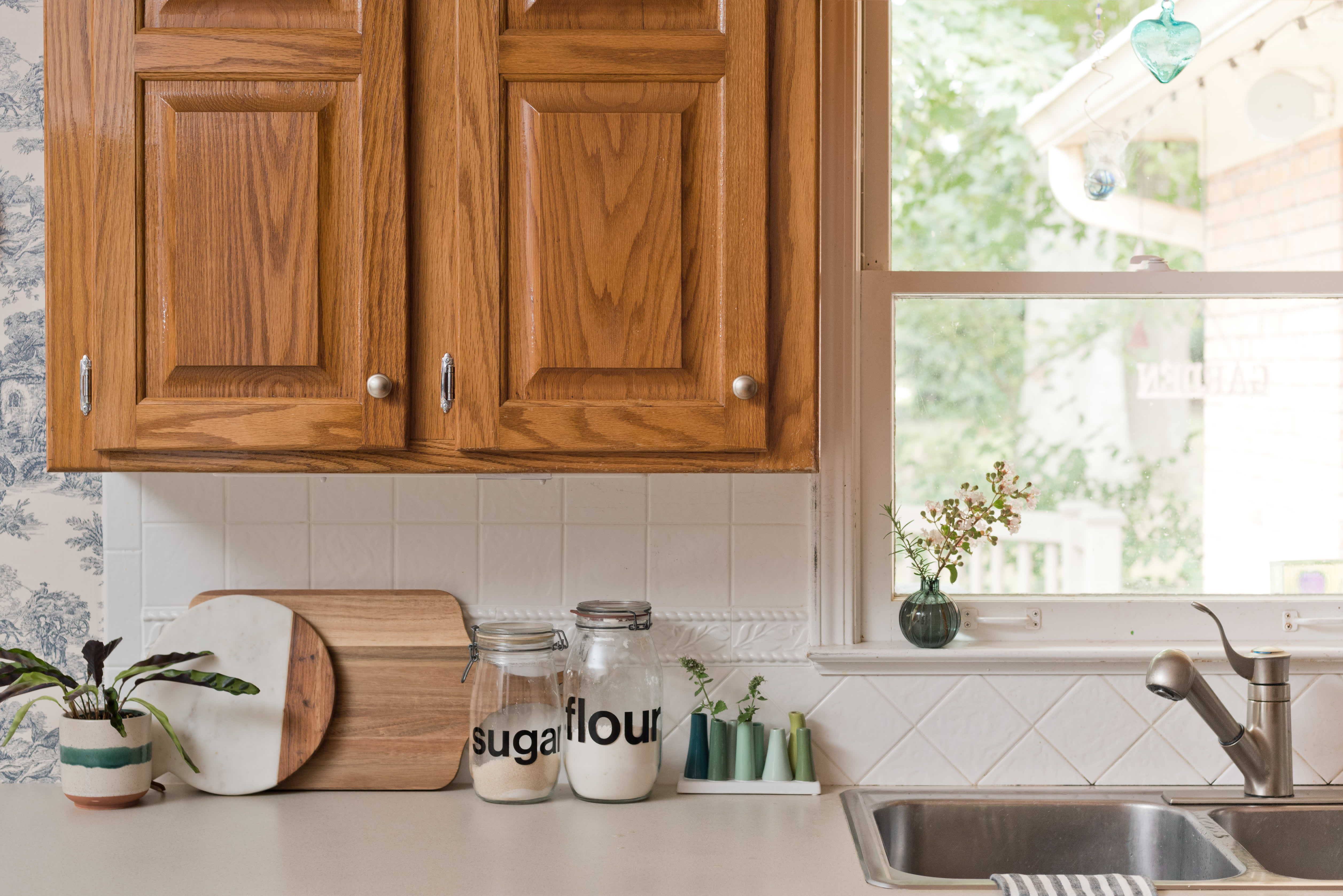
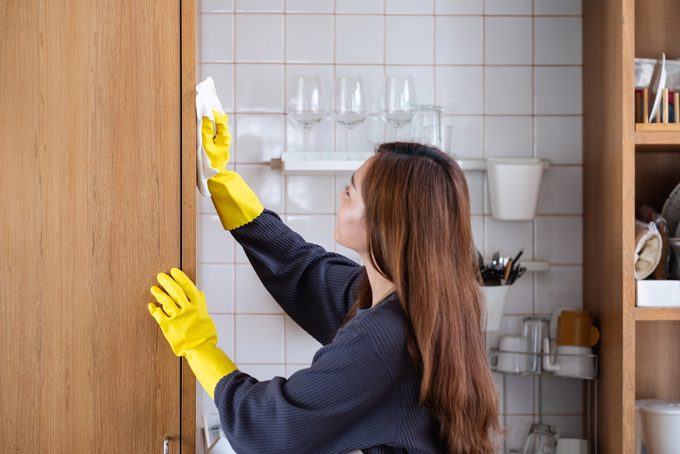
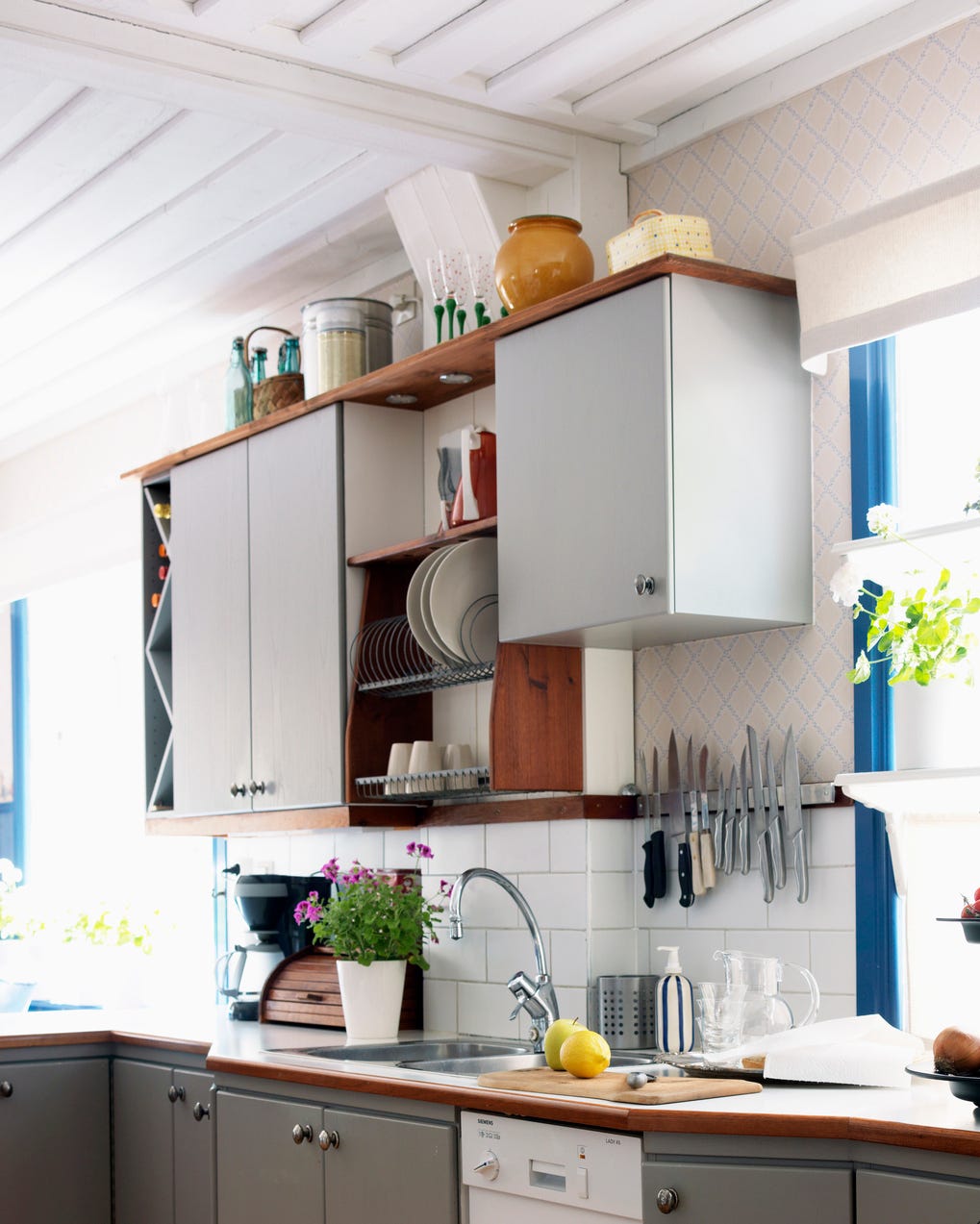
Greasy kitchen cabinets are a common household issue resulting from airborne oil particles and animal fats released during cooking. Unlike water, which evaporates as gas, cooking oils form microscopic droplets that travel on warm air currents and settle on nearby surfaces like cabinets, walls, and appliances. Over time, this grease accumulates and mixes with dust, creating a sticky, stubborn film that is challenging to remove. Additionally, fingerprints on handles and cabinet faces contribute to this grime.
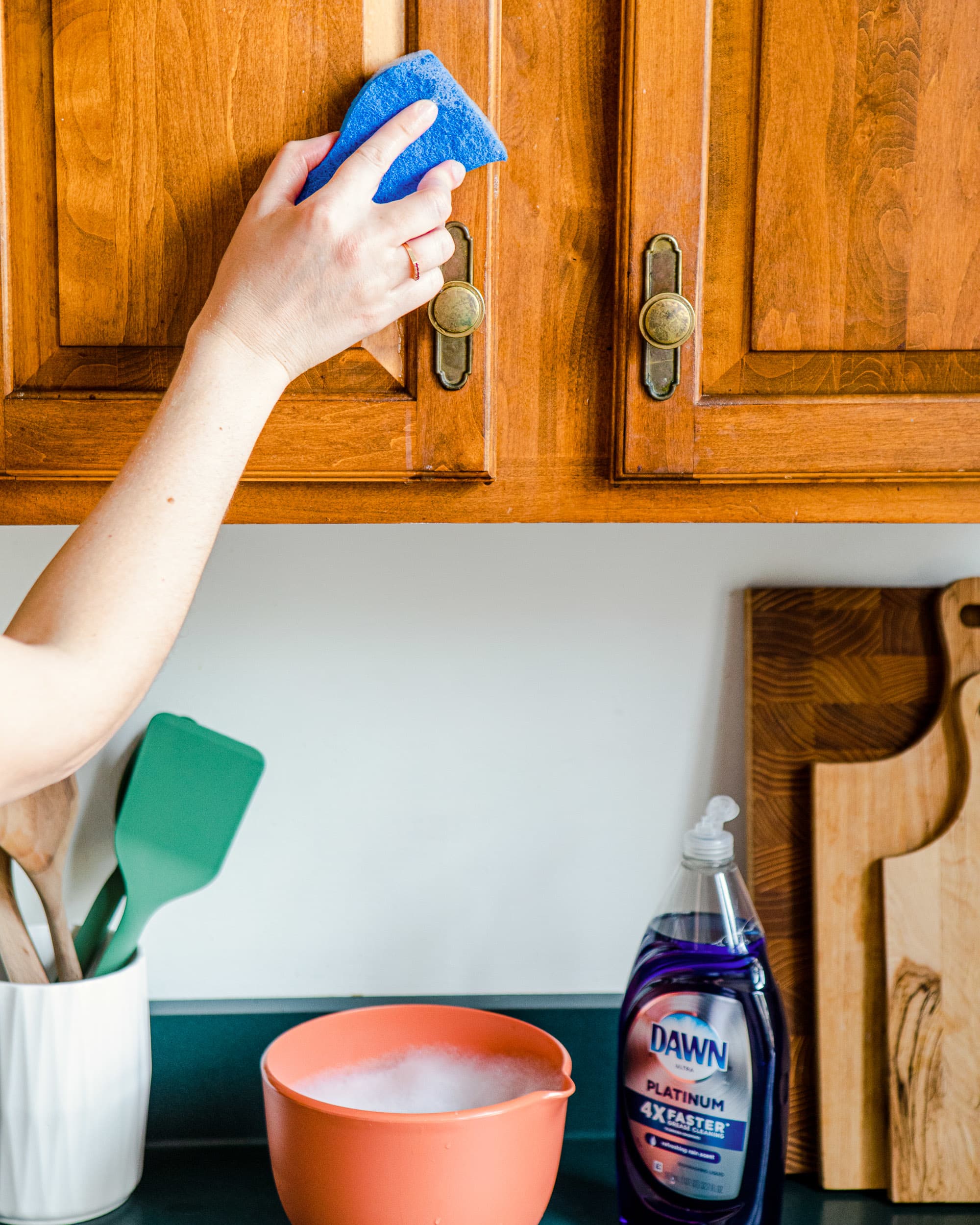
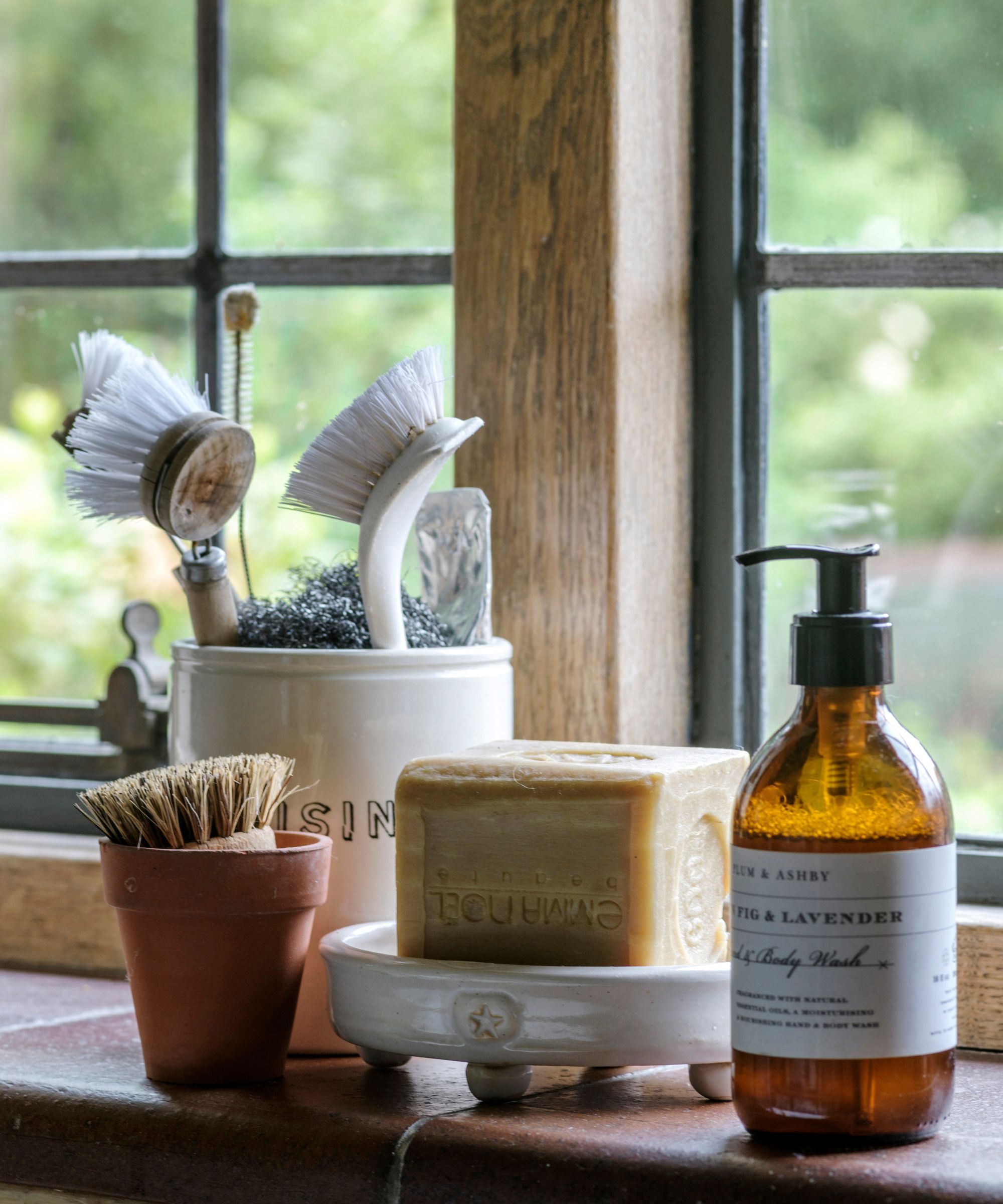
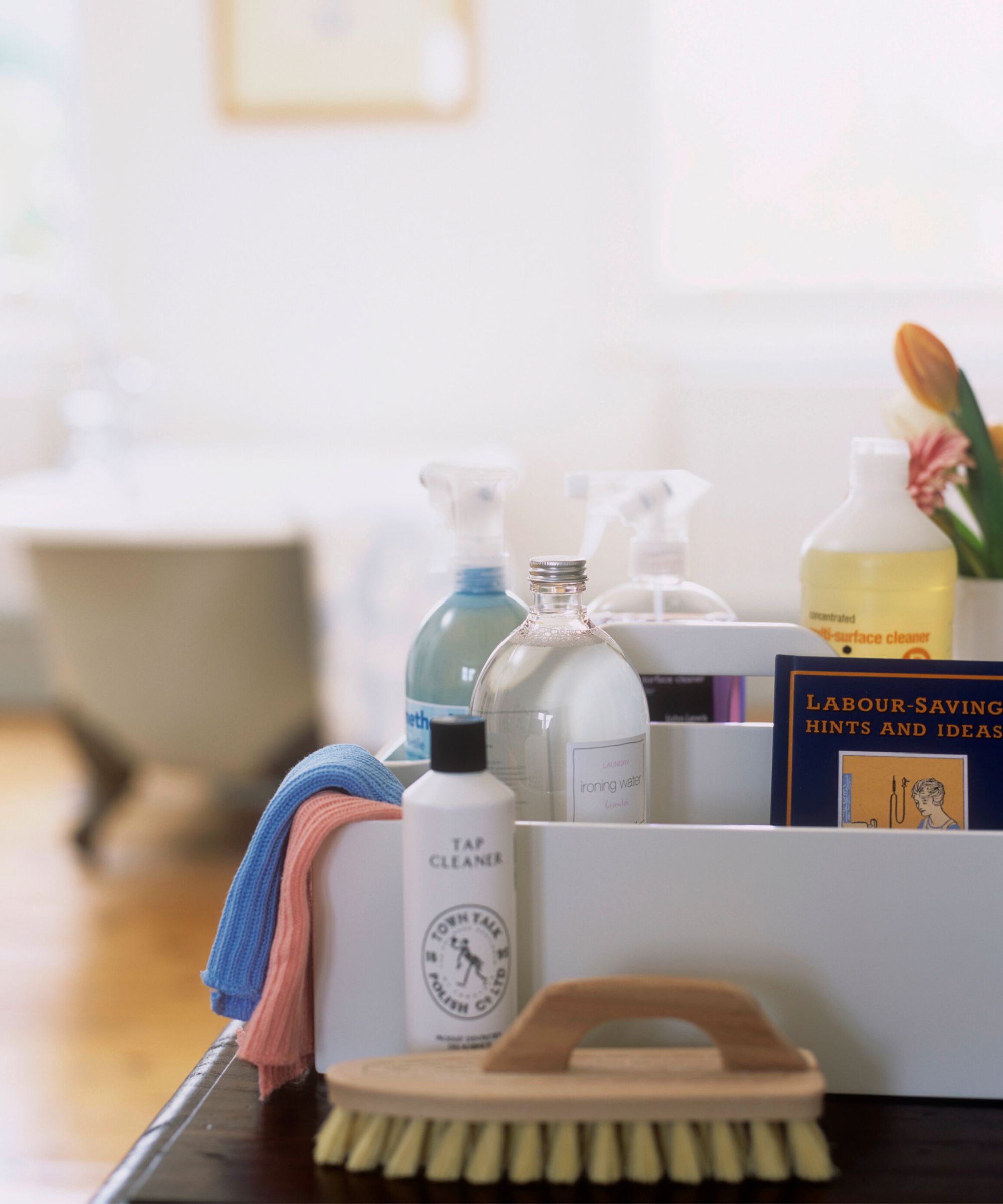
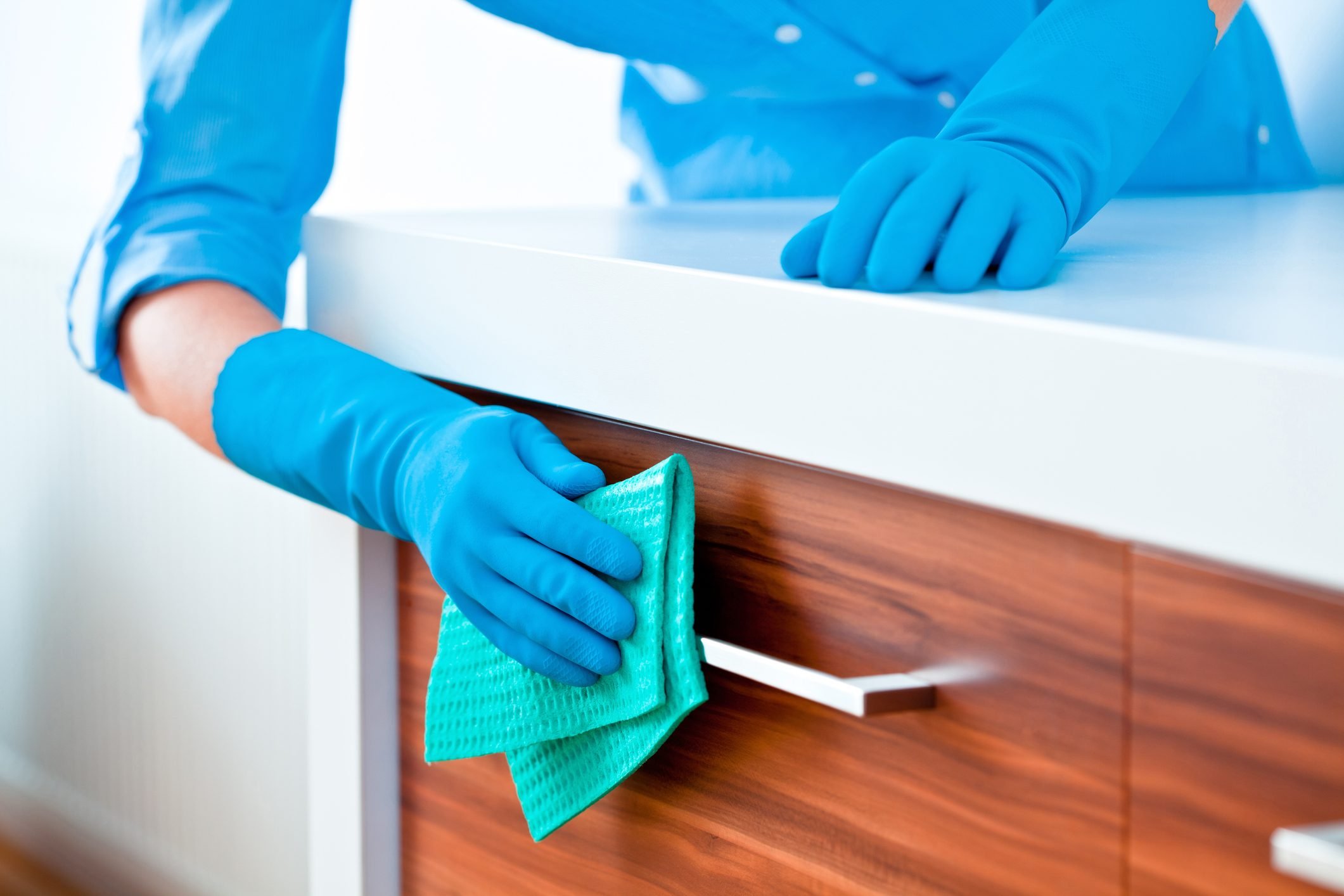
Experts recommend a simple yet effective method for cleaning greasy cabinets: a solution of warm water and dish soap. Dish soaps, particularly those containing surfactants like Dawn, are highly effective in breaking down and lifting away oil. Surfactants reduce the surface tension between water and oil, allowing the grease to dissolve and be easily wiped away. For those preferring natural alternatives, coconut-based surfactants found in brands like Seventh Generation can also achieve similar results. Before applying any cleaning product, it's crucial to gently remove any loose dust or debris using a microfiber cloth or dry sponge.
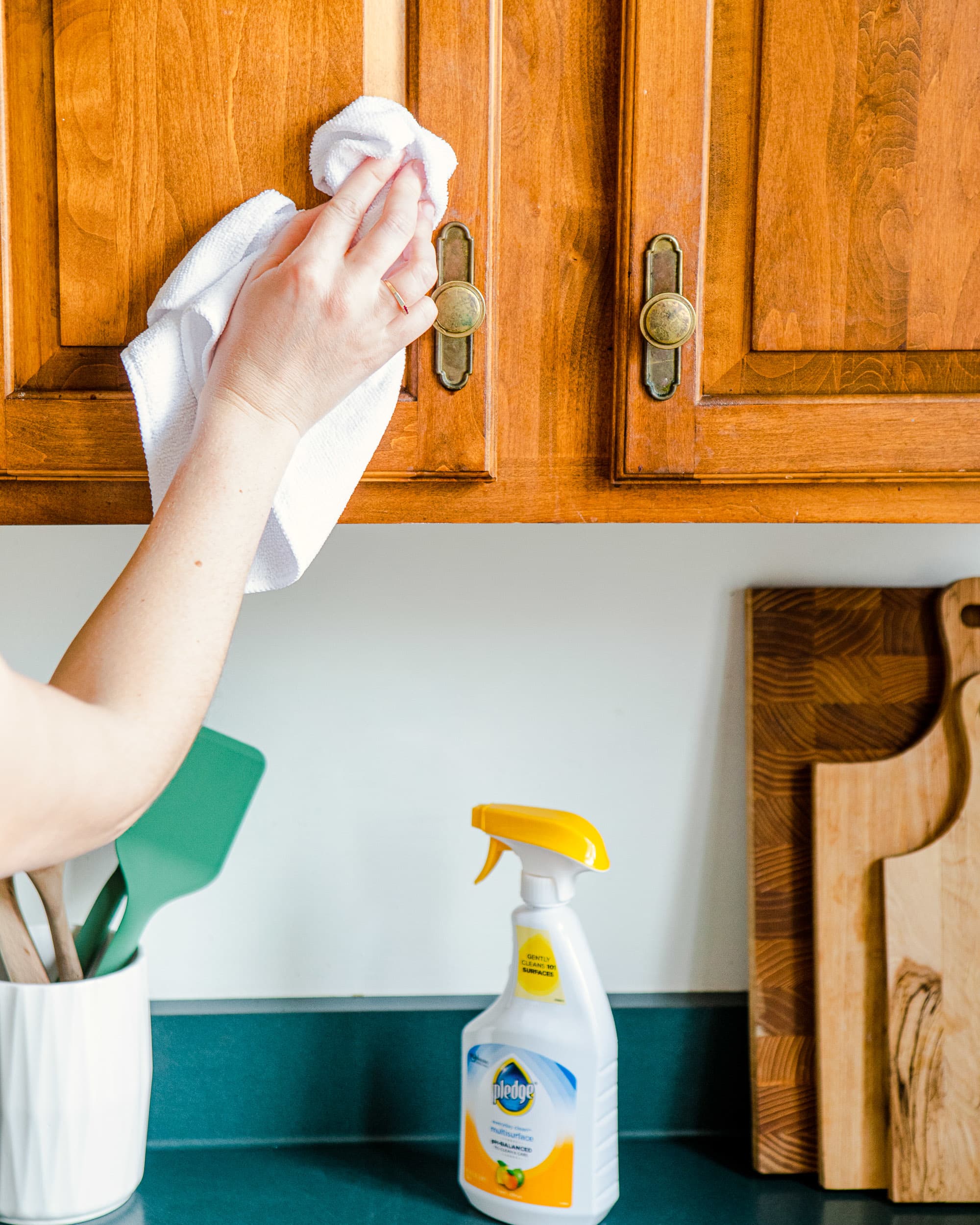
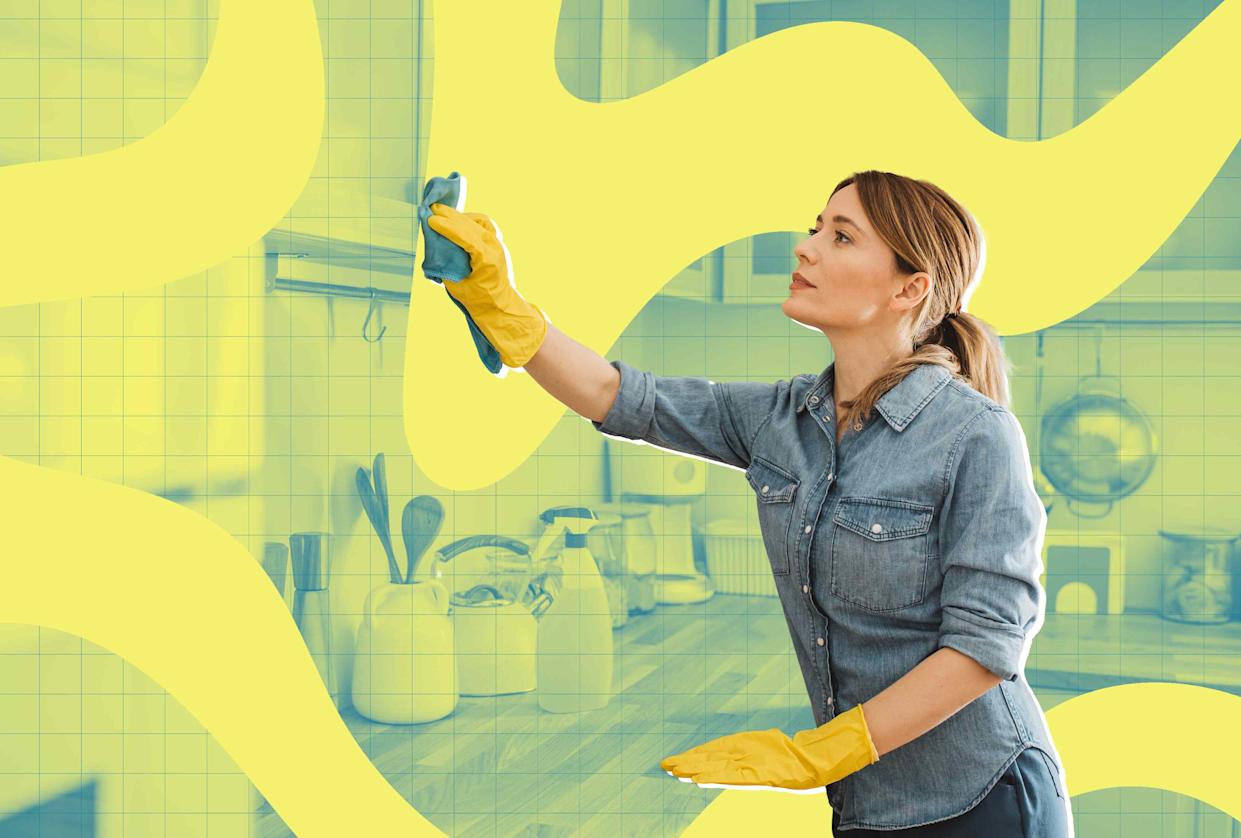
The cleaning process involves mixing 1 to 2 tablespoons of dish soap with 1 cup of warm water. This solution is then gently applied to the greasy cabinet surfaces using a microfiber cloth or non-scratch sponge. Allowing the mixture a few minutes to penetrate and break down the oils is key to its effectiveness. After the solution has had time to work, a clean, damp cloth should be used to wipe away any residue. It is important to avoid aggressive scrubbing or using abrasive tools, as these can damage or remove the cabinet's finish. Harsh scrubbing tools like scrub brushes, blue scrub pads, and especially Magic Erasers should be avoided, as they can strip the finish along with the grease.
For more stubborn grease build-up, several specialized products can be considered, including Murphy Original Formula Oil Soap (specifically for wood), Krud Kutter Cleaner & Degreaser, or diluted Simple Green. Before using any of these stronger cleaners, it is essential to perform a patch test on an inconspicuous area of the cabinet, such as the inside of a door, to ensure it does not cause damage or discoloration. A simple DIY alternative for tough grease stains, though not suitable for delicate or finished surfaces, is a paste made from baking soda and water, as baking soda acts as an abrasive.
The frequency of cabinet cleaning depends on how often cooking occurs, but a general guideline is every one to three months. Cabinets closer to the stovetop may require more frequent attention. Regular, light wipe-downs can prevent heavy grease accumulation, reducing the need for intensive cleaning. To minimize airborne grease, using a kitchen hood fan during cooking is recommended, and promptly wiping up any spills or splashes is crucial. By following these methods, kitchen cabinets can be effectively cleaned and maintained, preventing the unsightly and unsanitary build-up of grease and dust.
#KitchenCabinets #GreaseRemoval #CabinetCleaning #HomeMaintenance #DIYCleaning #DishSoap #MicrofiberCloth #KitchenCare #CleaningTips #KitchenCabinets #GreaseRemoval #CabinetCleaning #HomeMaintenance #DIYCleaning #DishSoap #MicrofiberCloth #KitchenCare #CleaningTips
0 commentaire au total
 Aucun commentaire pour le moment
Vous aimerez aussi
Follow These DIY Steps to Remove and Refresh Your Kitchen Cabinets

How to organize cleaning supplies – 12 tips to clean up your cleaning cabinet

25 Smart Ways to Organize Your Kitchen Cabinets


The Secret to Cleaning Your Kitchen Cabinets Is Hiding Inside of Them
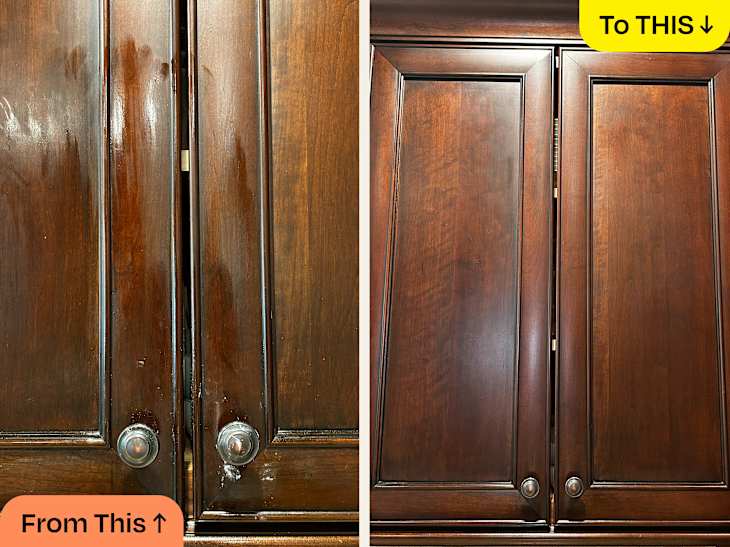
I Just Discovered a Brilliant 2-Minute Cabinet Cleaning Trick (It Was Hiding in My Pantry!)
Finally, An Expert Guide on How to Organize Your Kitchen Cabinets

The Best Way to Clean the Cabinet Knobs and Pulls in Your Kitchen
This Organization Hack Will Make Your Kitchen Cabinets Feel Like They're Twice the Size

How to organise kitchen cupboards – 23 expert tricks to keep kitchen cabinets tidy
How to Clean Kitchen Cabinets Inside and Out

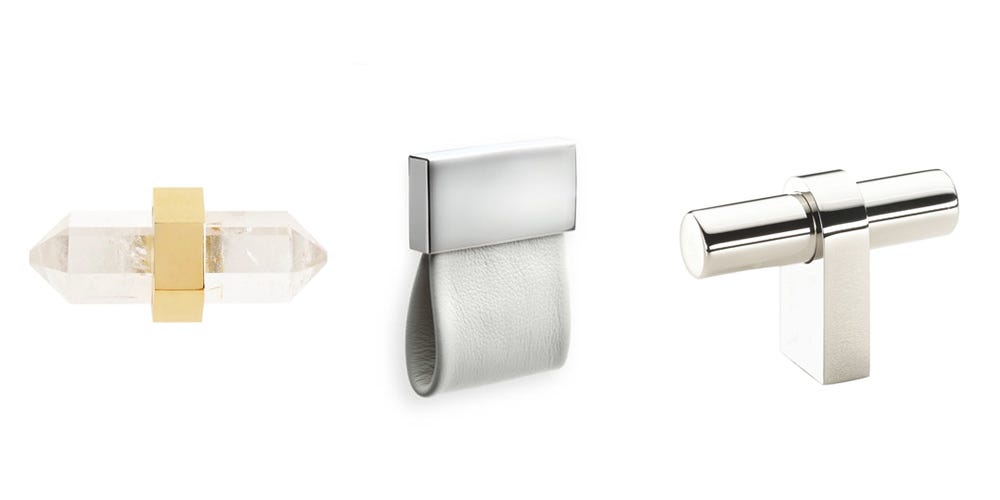
34 Chic Ways To Upgrade Your Kitchen And Bathroom Cabinets

16 Things In Your Kitchen You NEED To Clean More Often, According To Experts
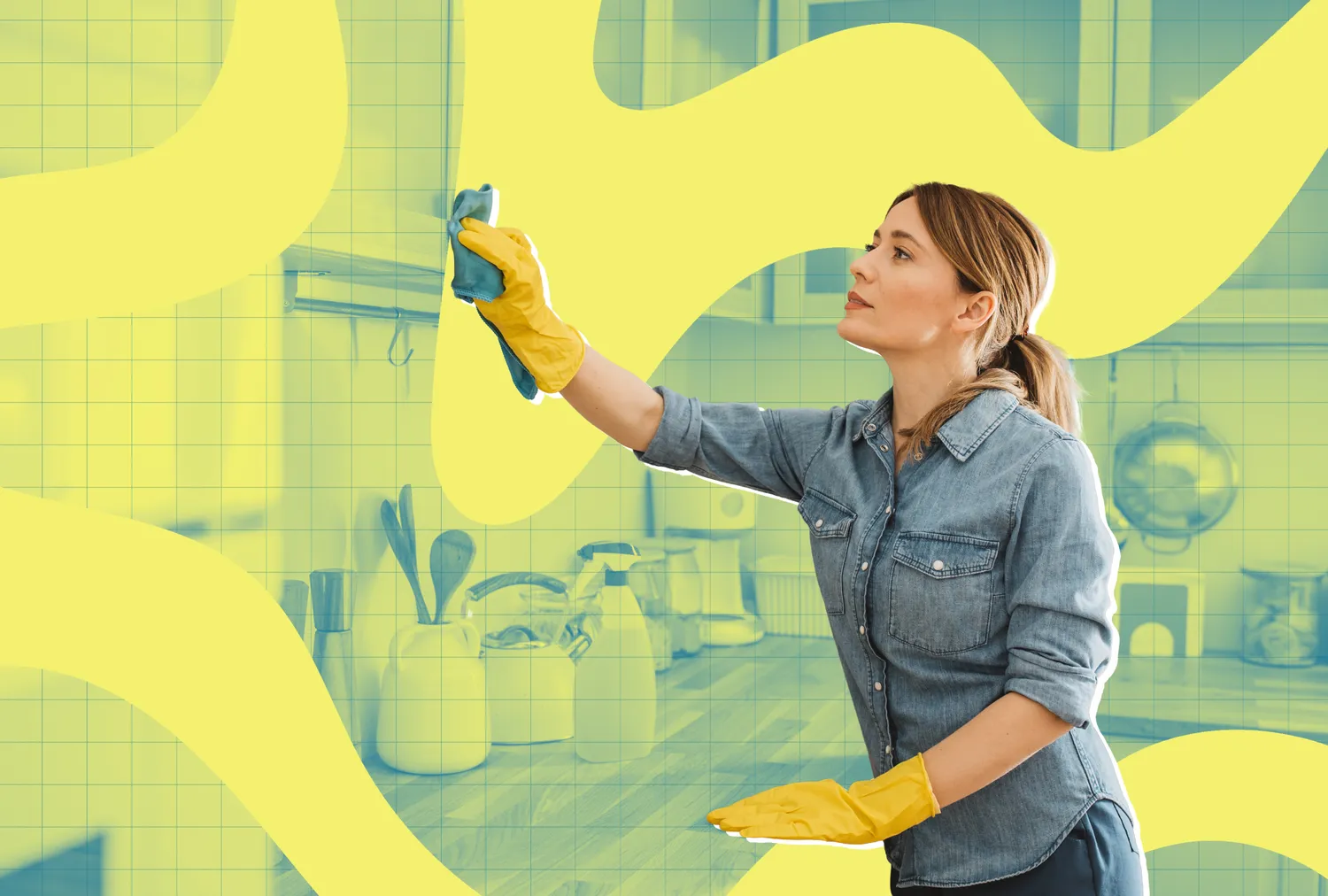
Your Kitchen Cabinets Deserve Better—Here’s How to Clean Them the Right Way
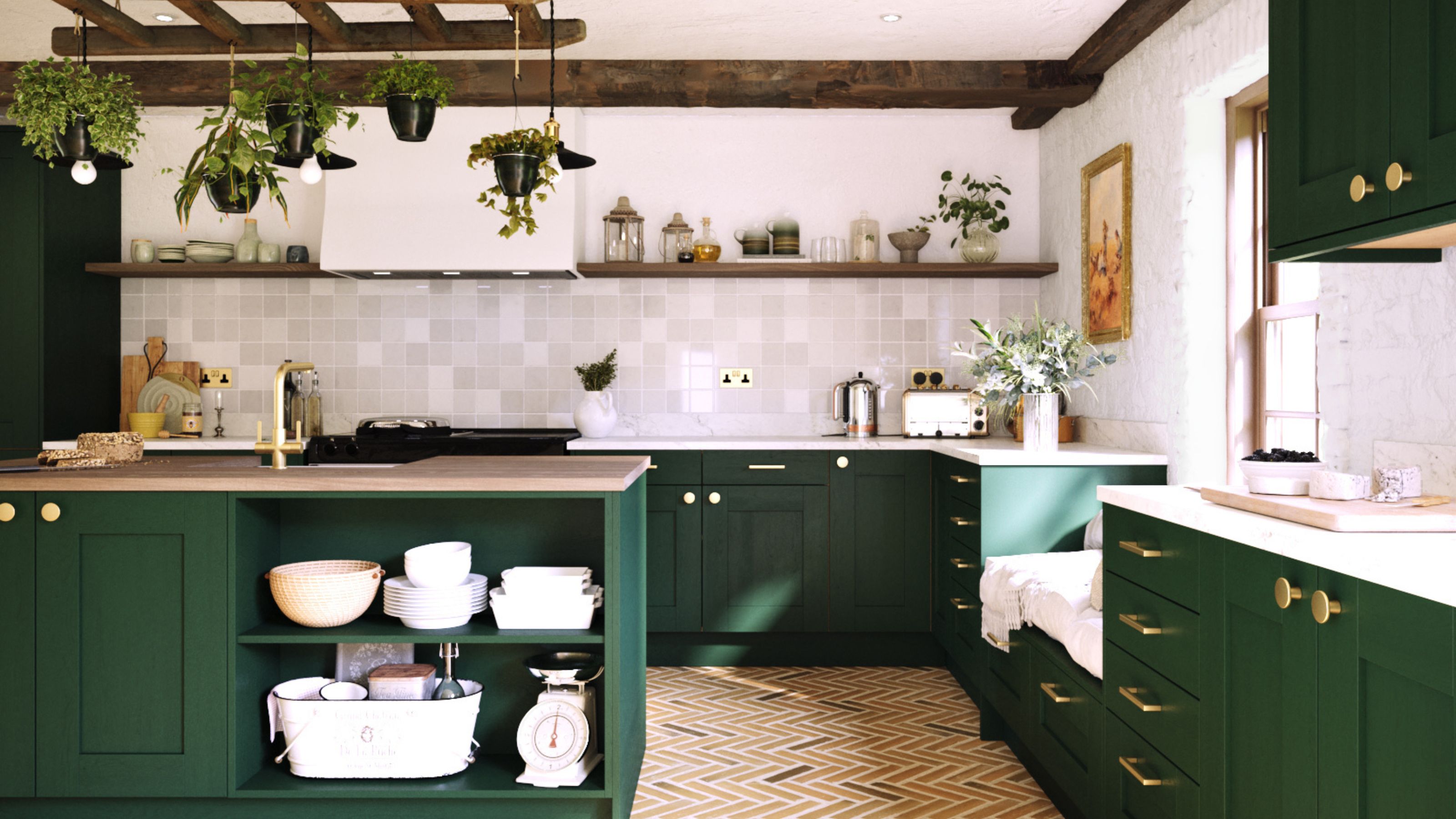
These are the 7 things to get rid of first in your kitchen cabinets, according to cleaning pros

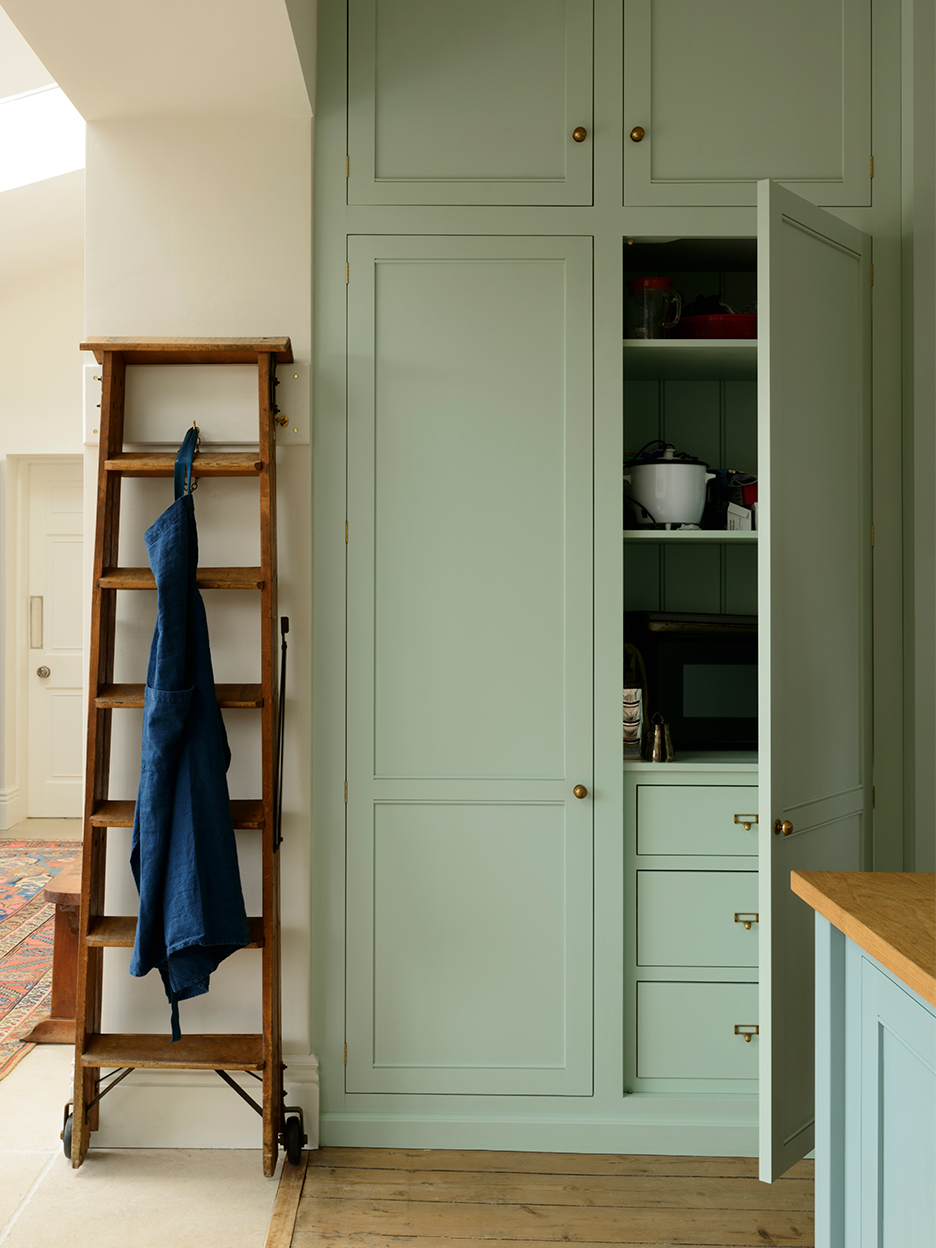
These 13 Kitchens Prove That Sageing Your Cabinets Is the Ultimate Design Cleanse


How to paint kitchen cabinets: an expert, step-by-step guide

What are the most low-maintenance kitchen cabinets? Experts say these styles will look better for longer

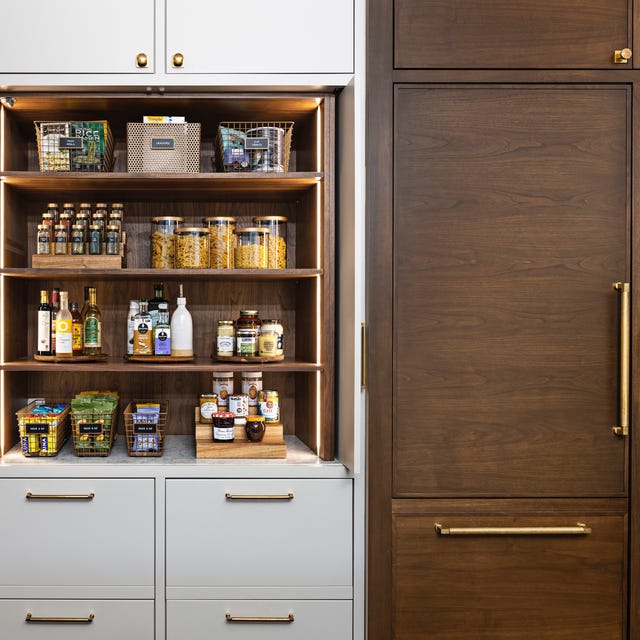
Decluttering Experts Share Their Best Kitchen Cabinet Organization Ideas


What to put in high kitchen cabinets –according to professional organizers and designers
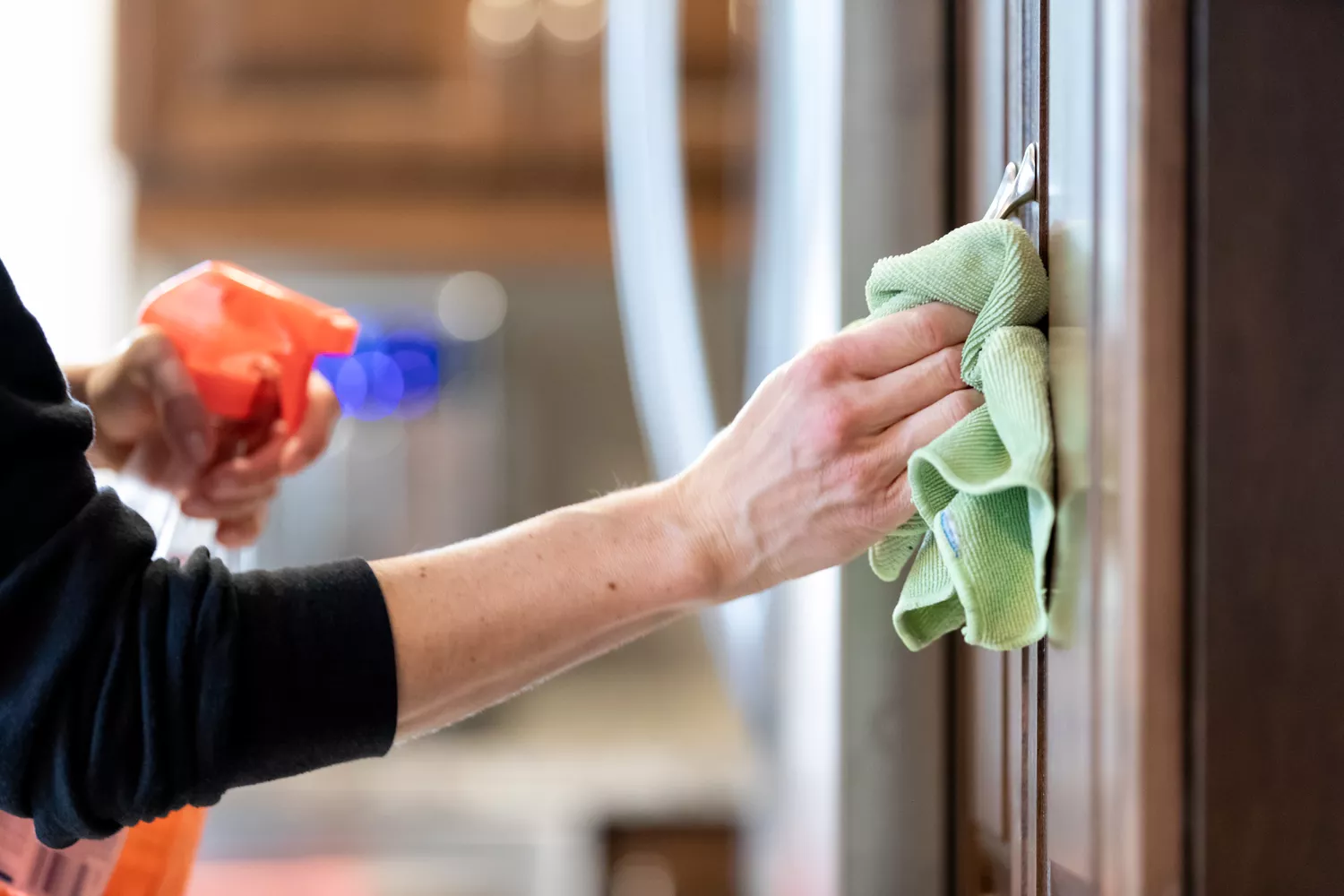
How To Clean Wood Cabinets To Remove Grease And Renew Shine