Will Reversing Your Ceiling Fan Actually Save You Money This Winter?
Adjusting the direction of your home's ceiling fans in winter can significantly improve indoor comfort and reduce heating costs. This often-overlooked task ensures better air circulation, preventing warm air from accumulating near the ceiling and making your heating system work harder than necessary. Experts from Mr. Handyman, Wolcott, ArDan Construction, and Power Home Remodeling highlight the importance of this simple adjustment.
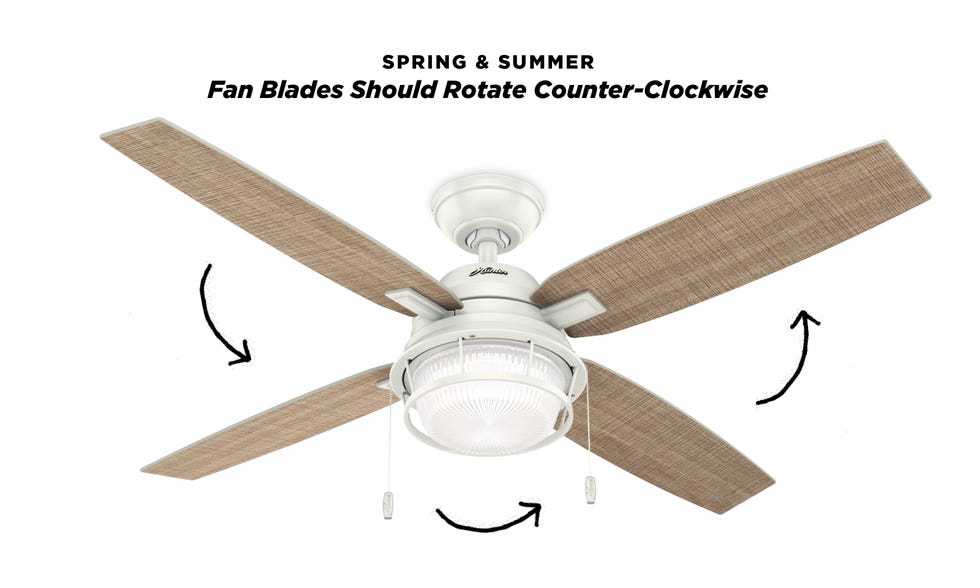
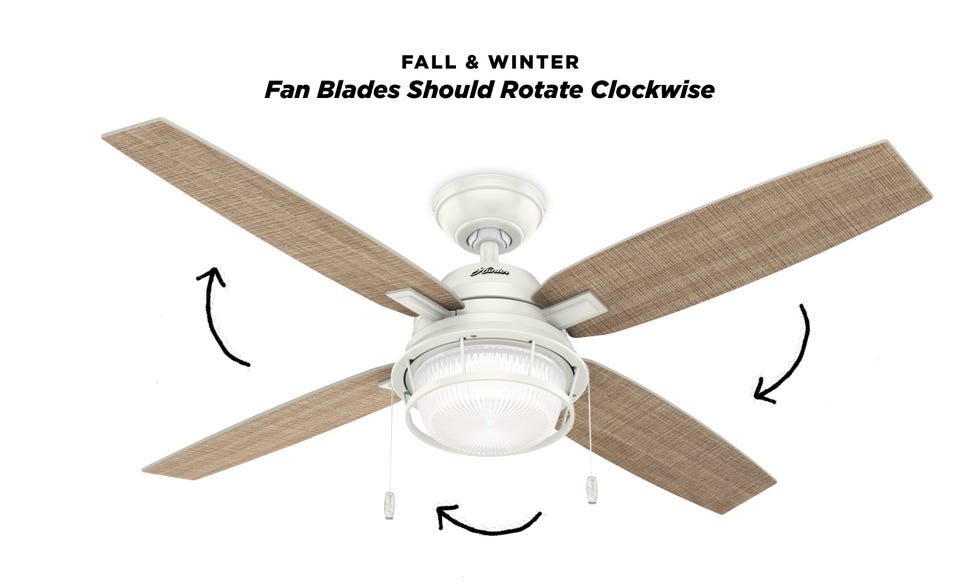
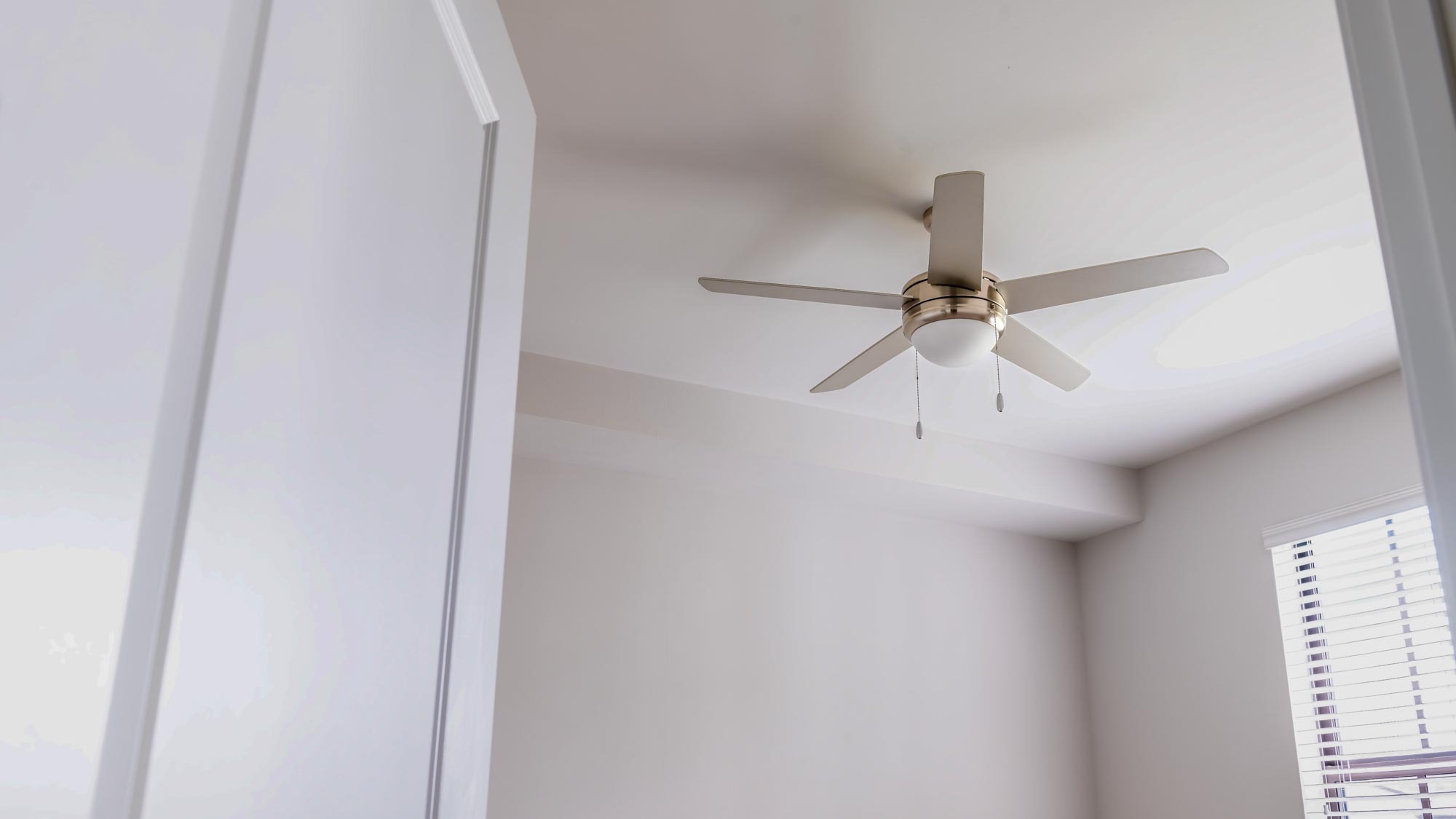
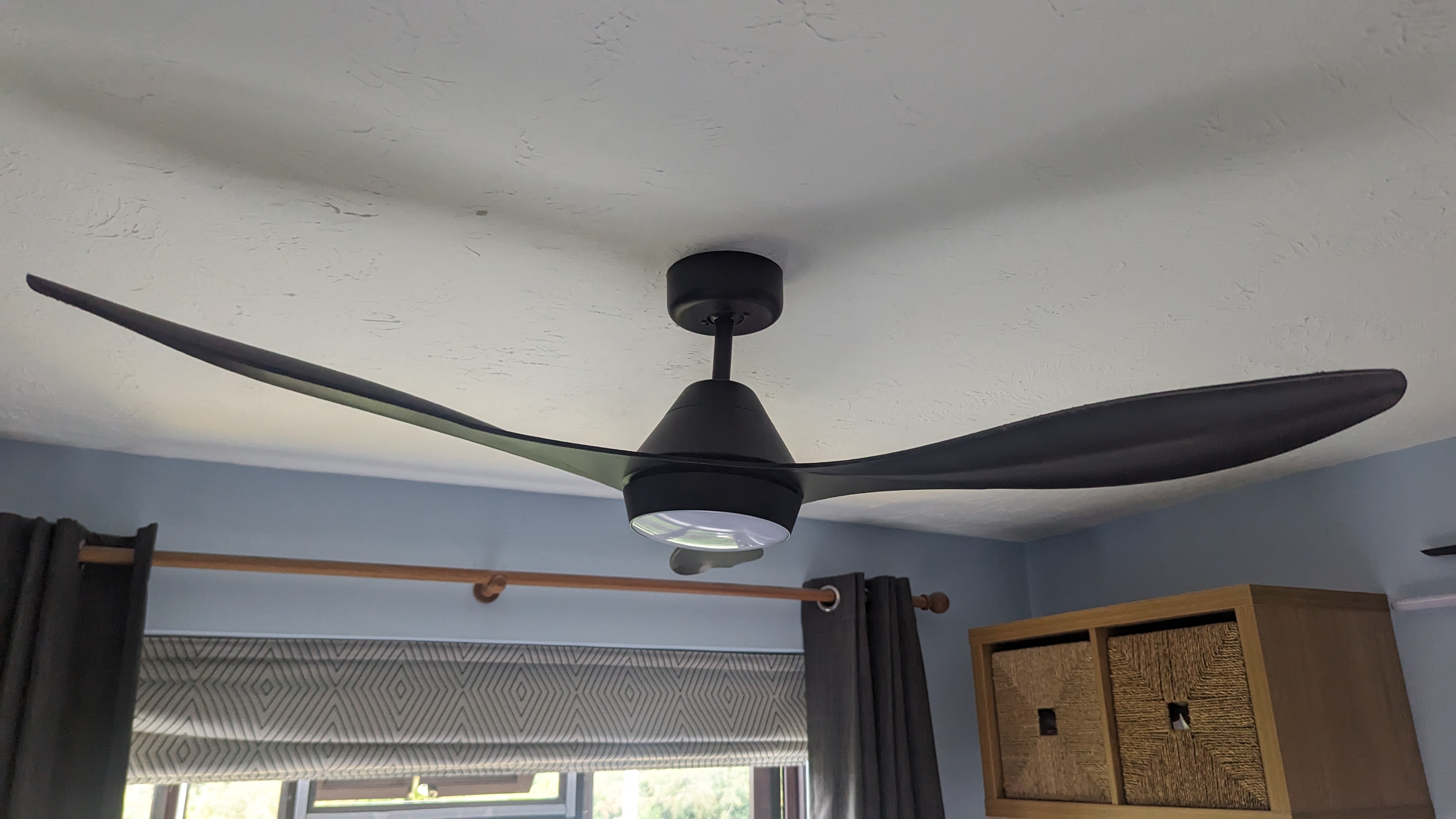
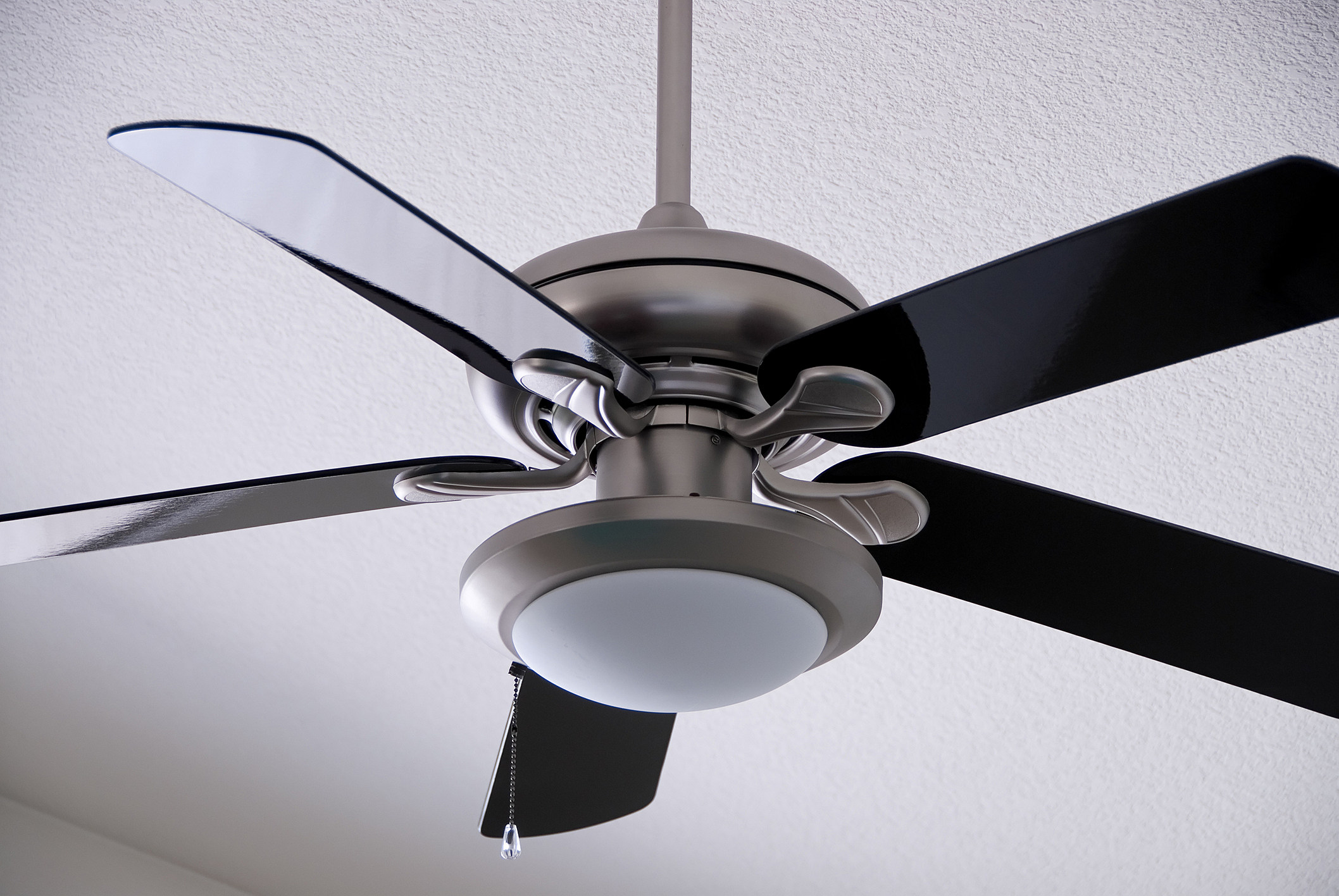
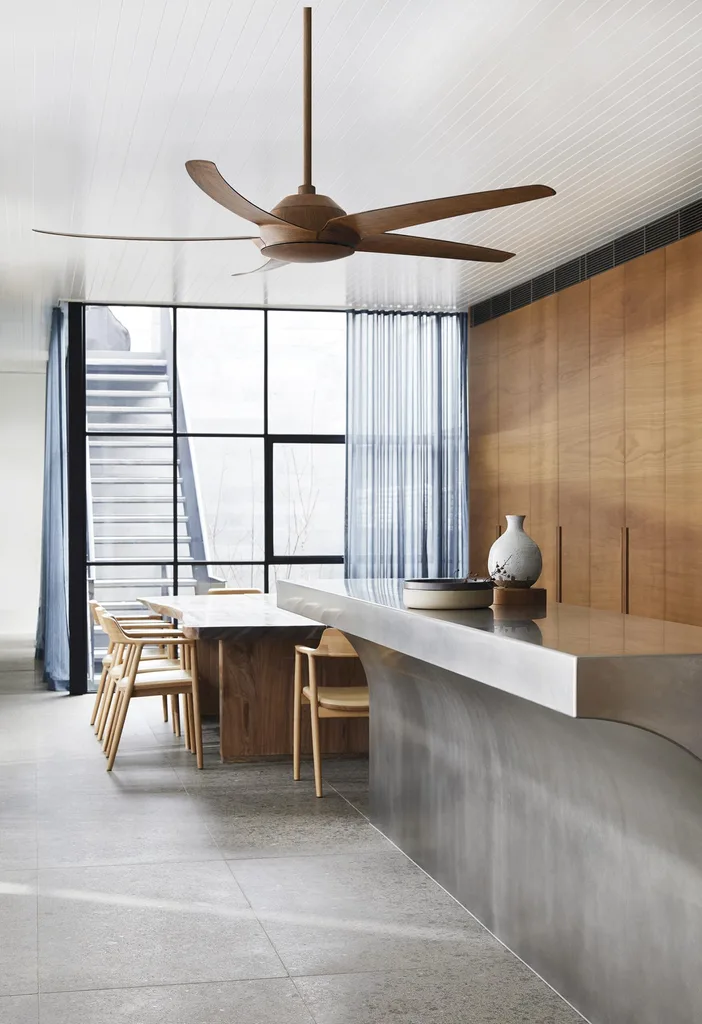
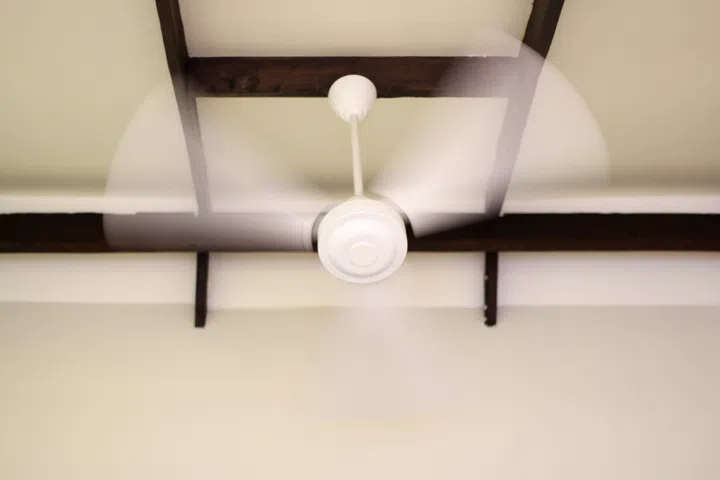
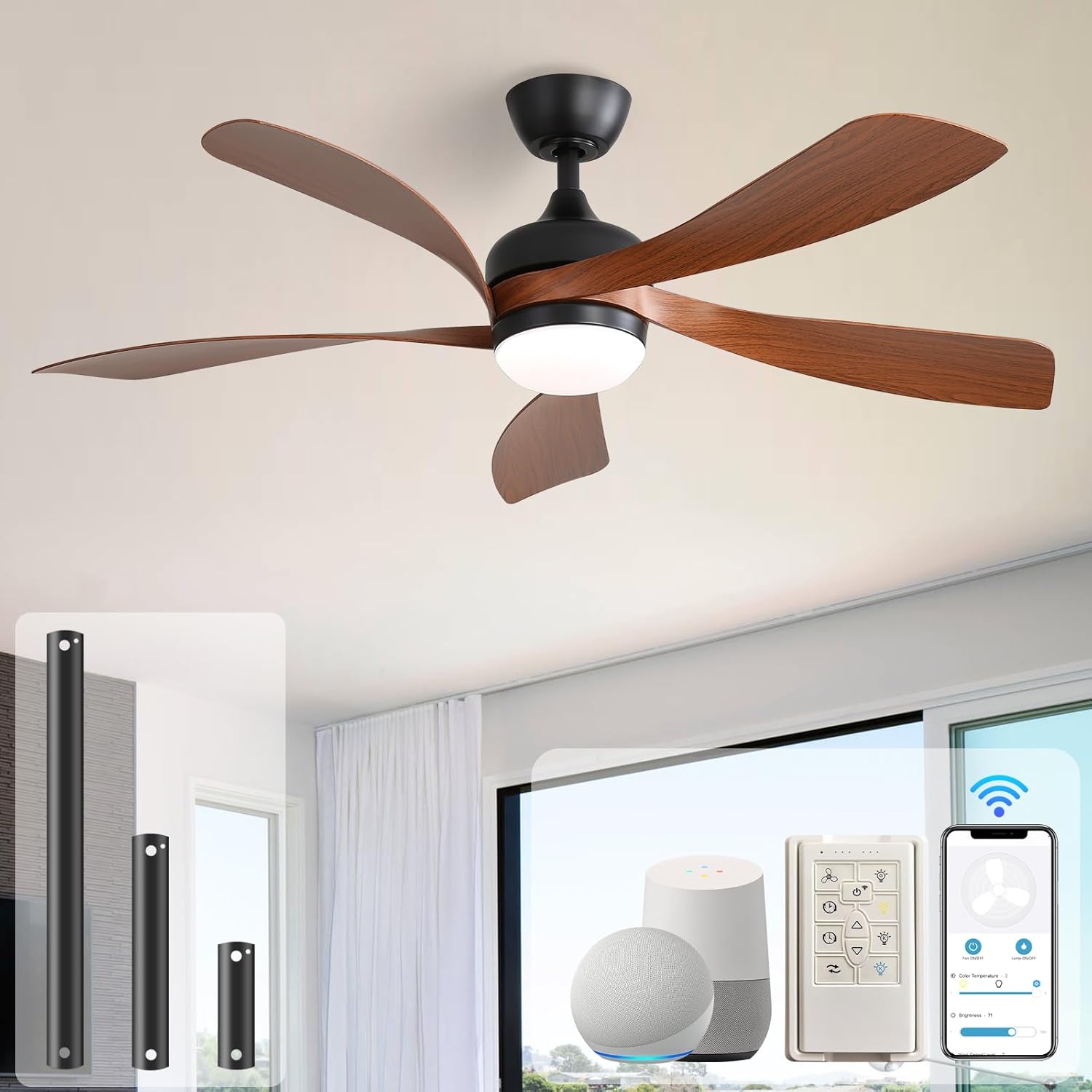
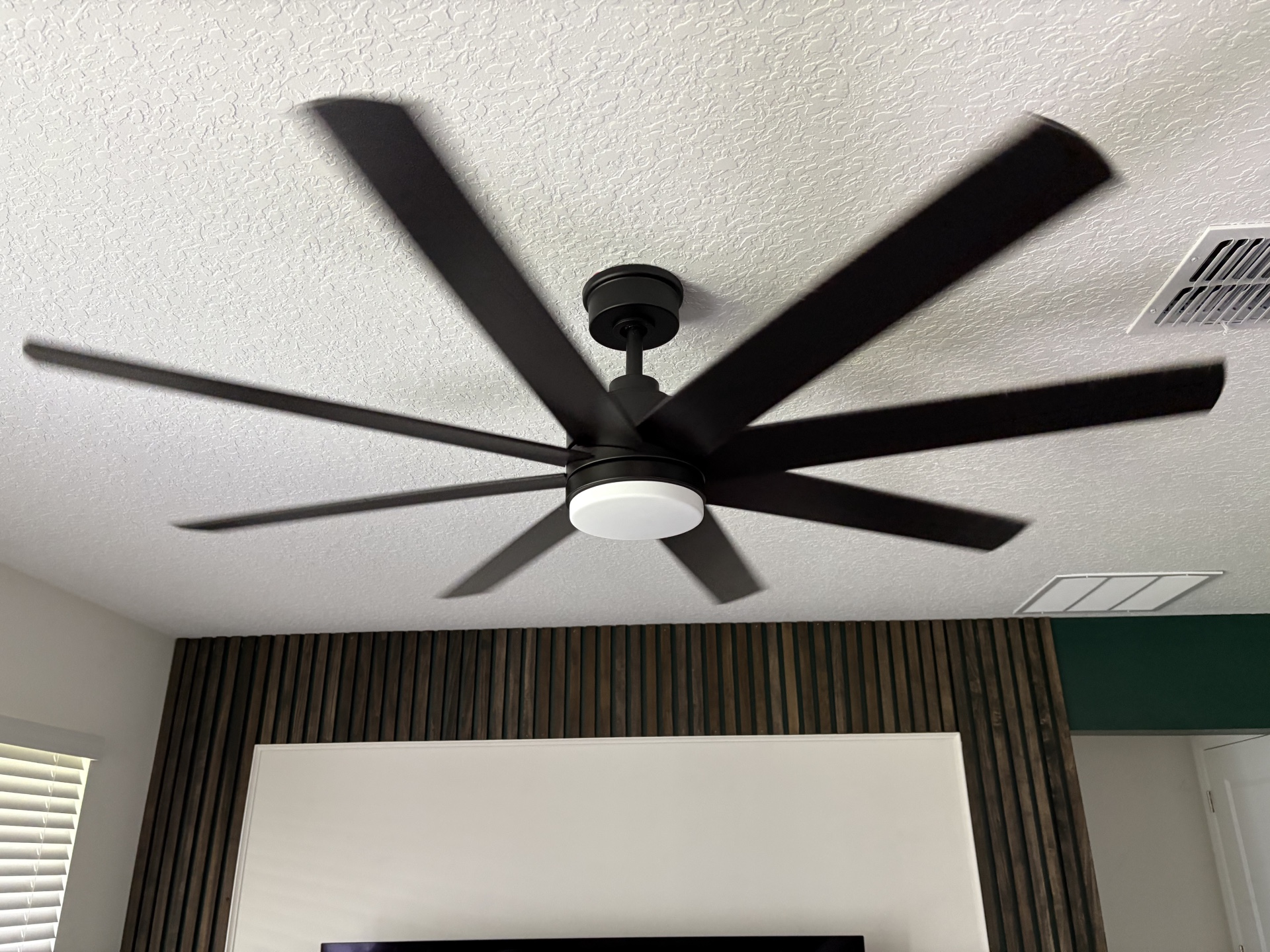
During winter, warm air naturally rises and collects at the ceiling. By reversing ceiling fan blades to rotate clockwise, an updraft is created. This action pulls cooler air from the floor upwards while pushing the warm air that has accumulated near the ceiling down and outwards, effectively recirculating heat throughout the room. This contrasts with summer operation, where fans rotate counter-clockwise to create a downdraft that pushes cool air directly onto occupants.
The immediate benefits of this adjustment include improved air circulation and enhanced comfort. Rooms, especially those with high ceilings, can experience significant temperature stratification, with warmer air at the top and cooler air near the floor. A clockwise-rotating ceiling fan helps to even out these temperature gradients, making the entire room feel more consistently warm and preventing the 'stuffy' sensation that can occur when furnaces run for extended periods. This redistribution means your heating system doesn't need to operate as frequently or intensely to maintain desired temperatures.
Beyond comfort, proper ceiling fan direction contributes to design longevity. Concentrated heat pockets near light fixtures or drywall seams can lead to uneven paint degradation or potential mold growth in humid environments. By spreading heat more evenly, ceiling fans help protect the interior finishes of a home. Furthermore, the improved efficiency translates directly into lower energy bills, with potential savings of up to 30 percent. This reduction in demand also extends the lifespan of your HVAC system, as it operates less strenuously. Rooms with ceilings over nine feet particularly benefit, as they are prone to significant temperature differences (up to 20 degrees Fahrenheit) between floor and ceiling, which a fan can quickly equalize.
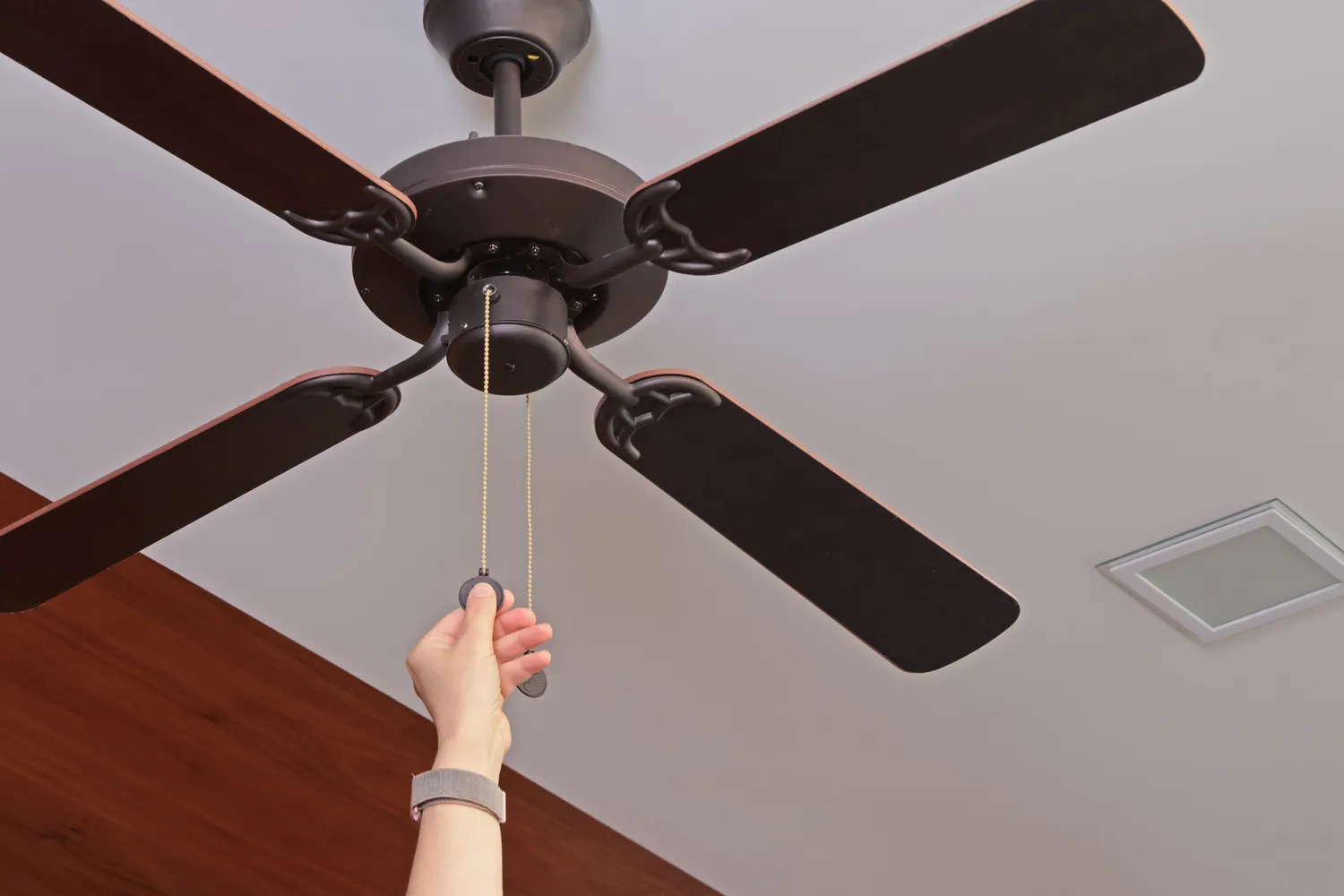
When reversing a ceiling fan, several safety and maintenance steps are crucial. Always cut power to the fan at the circuit breaker before making any adjustments to prevent electrical injuries. After changing the direction, set the fan to a low speed to verify proper winter mode operation by feeling for an updraft. It is important not to stop a fan while it is spinning, as this can disrupt its balance and cause long-term damage. Regular cleaning of fan blades, using a compressed air duster for the motor and a pillowcase to capture dust from the blades, is recommended to maintain air quality and fan efficiency. Finally, avoid attaching additional pull chains or decorative items, as these can pull the fan off-center and lead to damage. Instead, gently pull the chain to adjust speed. Periodically check for wobble and tighten blade screws and mounting brackets, as a loose or unbalanced fan can cause significant damage to the ceiling over time, potentially leading to costly repairs.
#EnergyEfficiency #CeilingFan #WinterHeating #HomeMaintenance #HVACTips #EnergySavings #AirCirculation #HomeComfort #EnergyEfficiency #CeilingFan #WinterHeating #HomeMaintenance #HVACTips #EnergySavings #AirCirculation #HomeComfort
0 commentaire au total
 Aucun commentaire pour le moment
Vous aimerez aussi

The Fan Mistake You’re Making That’s Making Your House Hotter
Ceiling fans 101: a guide to choosing the right one

The Best Ceiling Fans for a Breezy, Comfortable Home

The Ceiling Fan Mistake That's Costing You Money Every Month

Ceiling fans: A new spin on cooling your home | Home and Garden | Life

How to choose the best ceiling fans for your home
The 1 Super-Quick Thing You Should Do To Your Ceiling Fan In The Winter
11 Ceiling Fans in Singapore with Lights, Smart Tech, Bladeless and Small Options (2025)
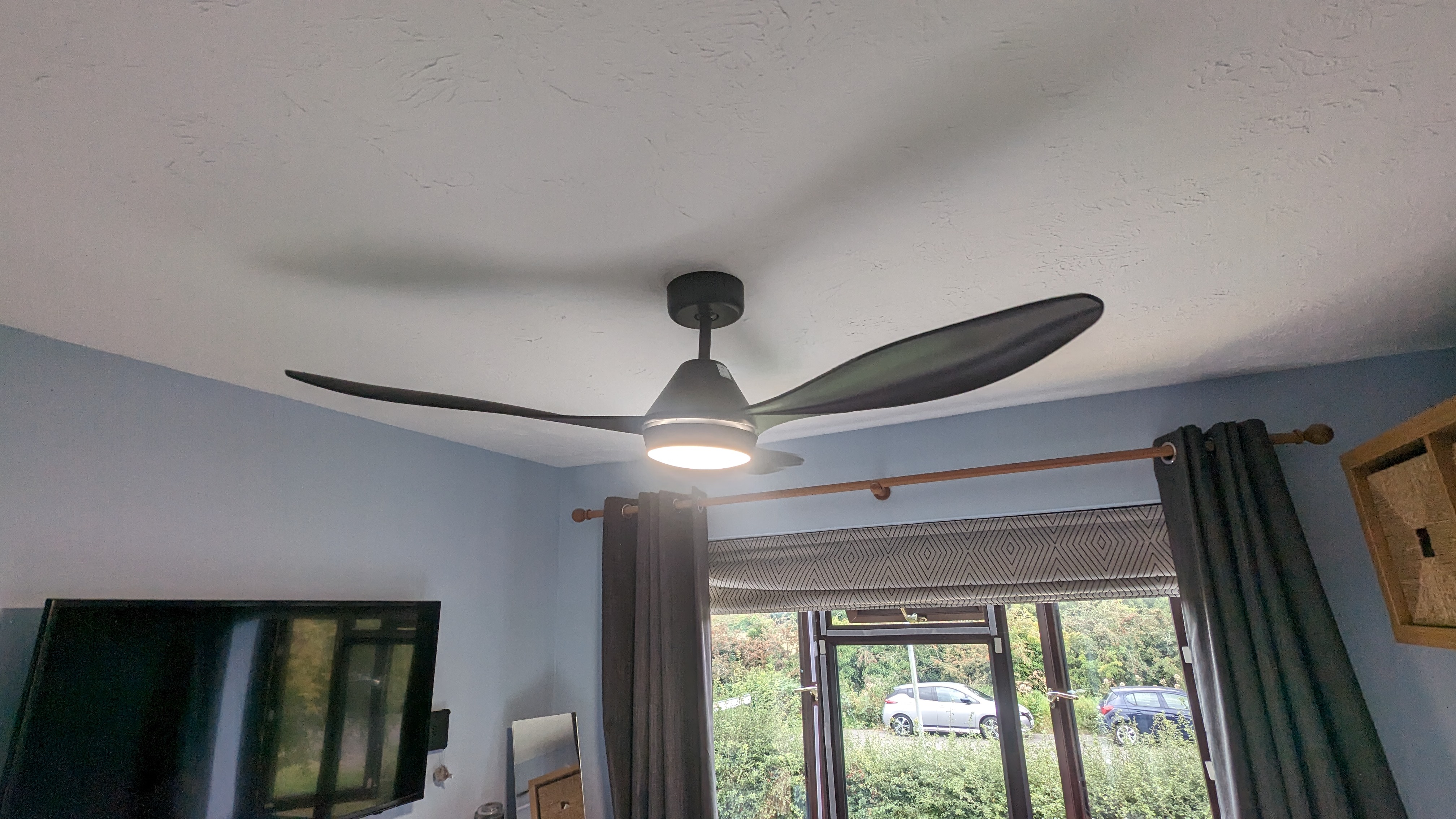
I ditched my air conditioner and installed a ceiling fan — and I’m not going back

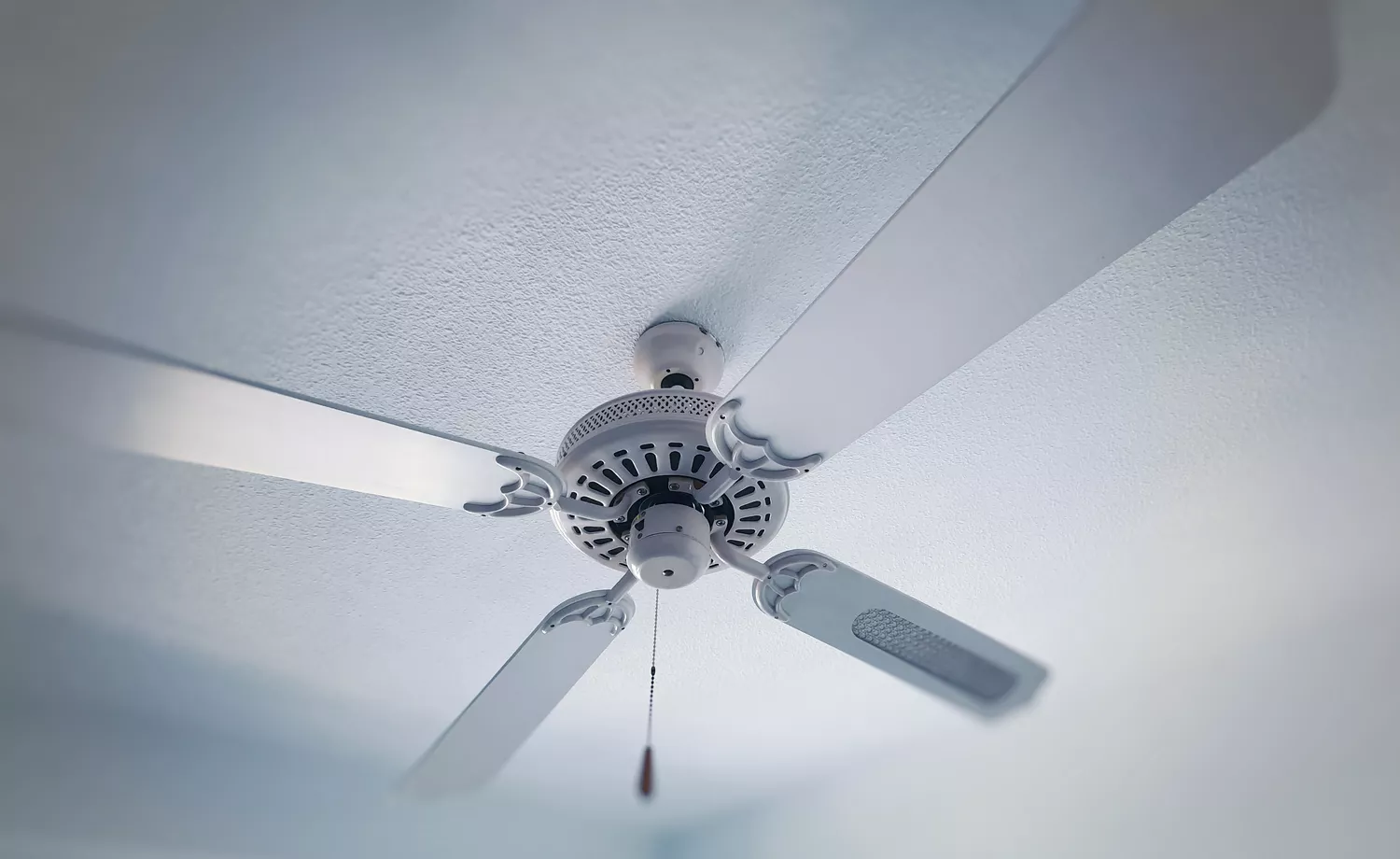
Which Way Should A Ceiling Fan Turn In The Winter? Experts Explain

The Best Ceiling Fans to Keep You Cool All Year Round

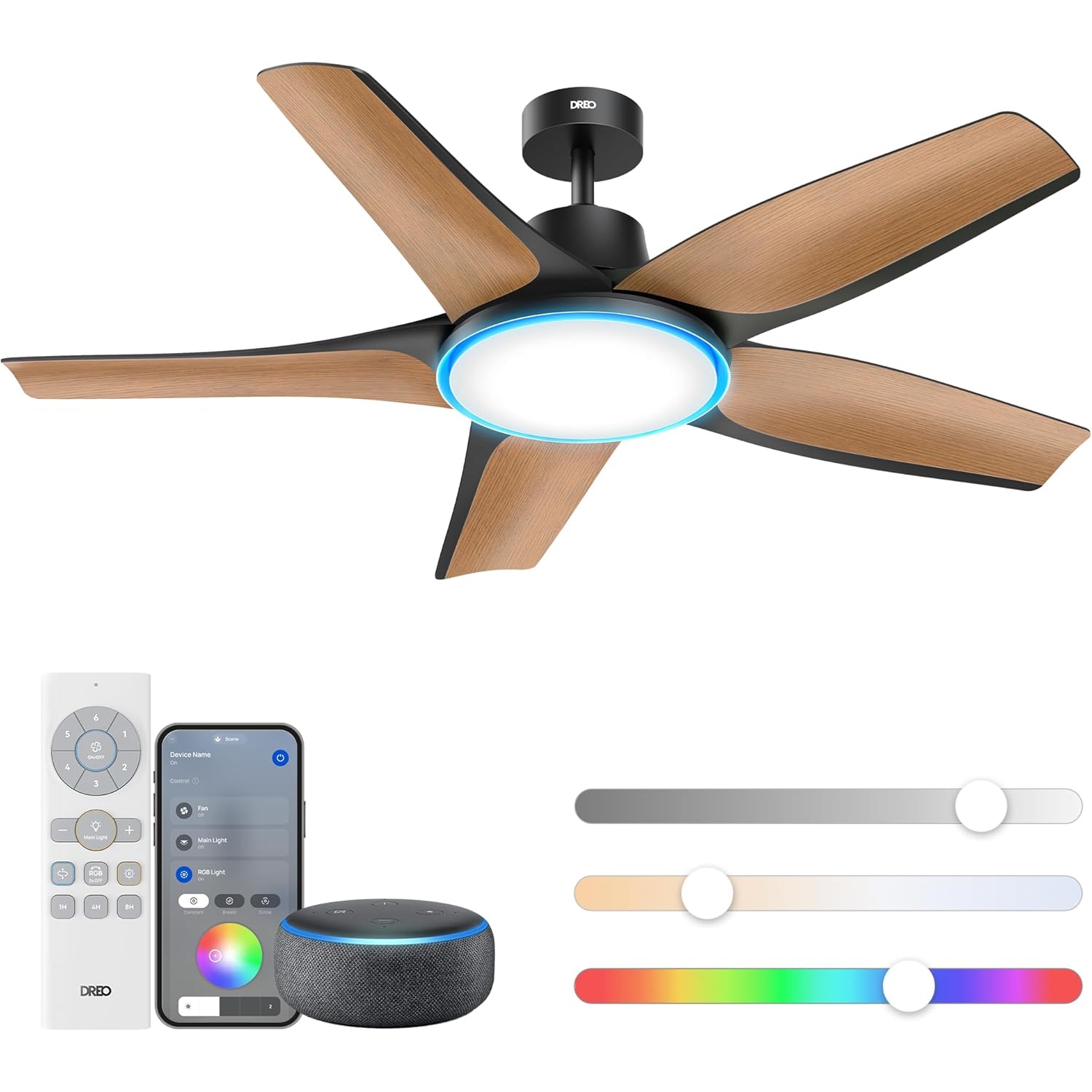
Spin Smarter, Not Harder: Our Favorite Smart Ceiling Fans

How This Switch on Your Ceiling Fan Can Save You Money This Indiana Winter

We Spent 1,200 Hours Testing Which Ceiling Fans Are the Most Cooling — These Are Our Winners
15 top-rated Home Depot ceiling fans to keep your home cool

Cool Down Your Home Without Paying Up Using These Top-Rated Pedestal Fans

Our Editor Recommendations for Ceiling Fans Can Supplement or Even Replace an A/C

7 easy and efficient ways to keep your house warm this winter
10 Best Ceiling Fans in Singapore
Yes, You Should Run Your Ceiling Fan in the Winter—Here's How It Actually Keeps You Cozier