Want to use reclaimed materials and appliances for a renovation? Here's what you should know
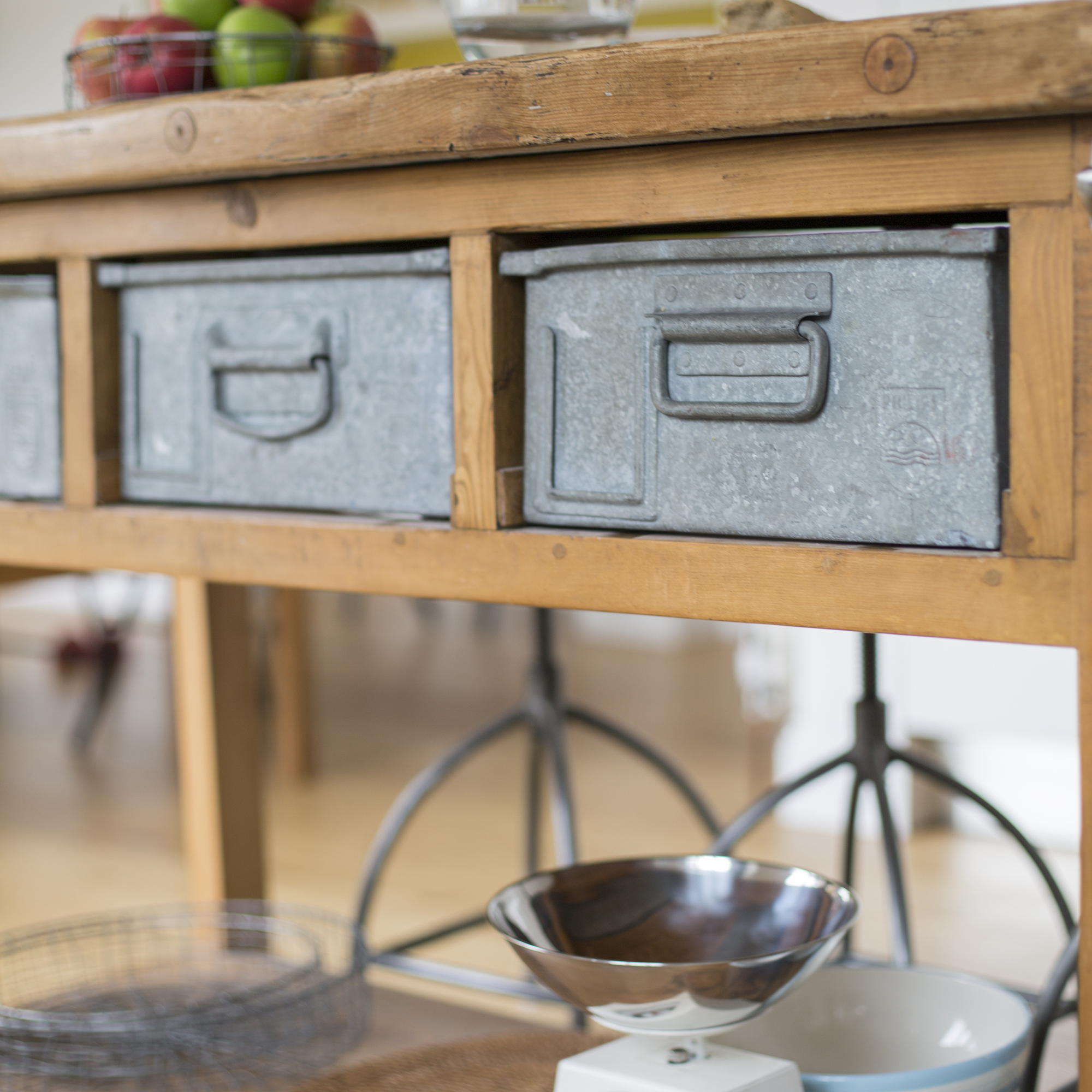
Renovating a New York City apartment or house offers an opportunity to incorporate reclaimed building materials and design elements, commonly known as architectural salvage. This approach, increasingly popular thanks to home improvement shows, provides numerous benefits. Utilizing reclaimed materials is a sustainable practice, as it diverts usable items from landfills and conserves natural resources, making it an environmentally conscious choice. For those restoring historic properties, salvaged items can authentically reintroduce period details to turn-of-the-century townhouses or prewar apartments. Additionally, these materials can often be more cost-effective than new ones, with experts noting significant savings on items that are currently expensive to purchase new, while also offering superior durability. Beyond practicality, reclaimed materials introduce unique character and history into a space, allowing for creative reuse, such as transforming a bank vault door or crafting a headboard from plaster cornices. The current scarcity of new materials further highlights the value of retrofitting salvaged items, despite potential labor intensiveness.
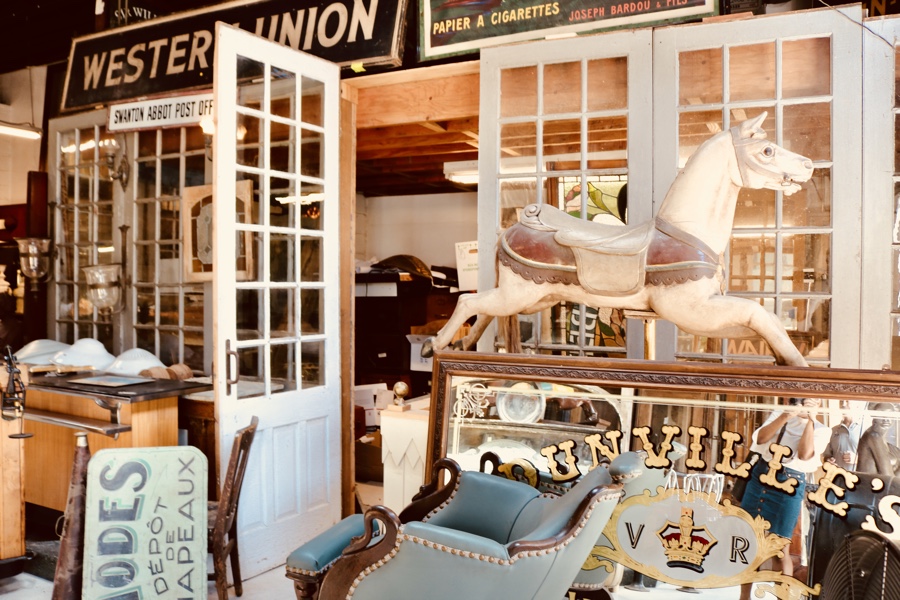
New York City presents a wealth of resources for architectural salvage, catering to various budgets. Prominent local sources include BigReuse in Gowanus, known for its diverse collection of castoffs. The Demolition Depot in Harlem maintains a vast inventory from numerous deconstructions, offering a fraction of its holdings online. For those outside the city, Historic Houseparts in Rochester, NY, provides an extensive online catalog. Olde Good Things, with three NYC locations, is highly regarded by designers for its collection of salvaged hardware and lighting, often sourced from iconic city landmarks and high-end residences. Artists and architects, like Randy Polumbo, frequently collaborate with such establishments to find unique pieces for adaptive reuse, transforming industrial items into functional home elements.
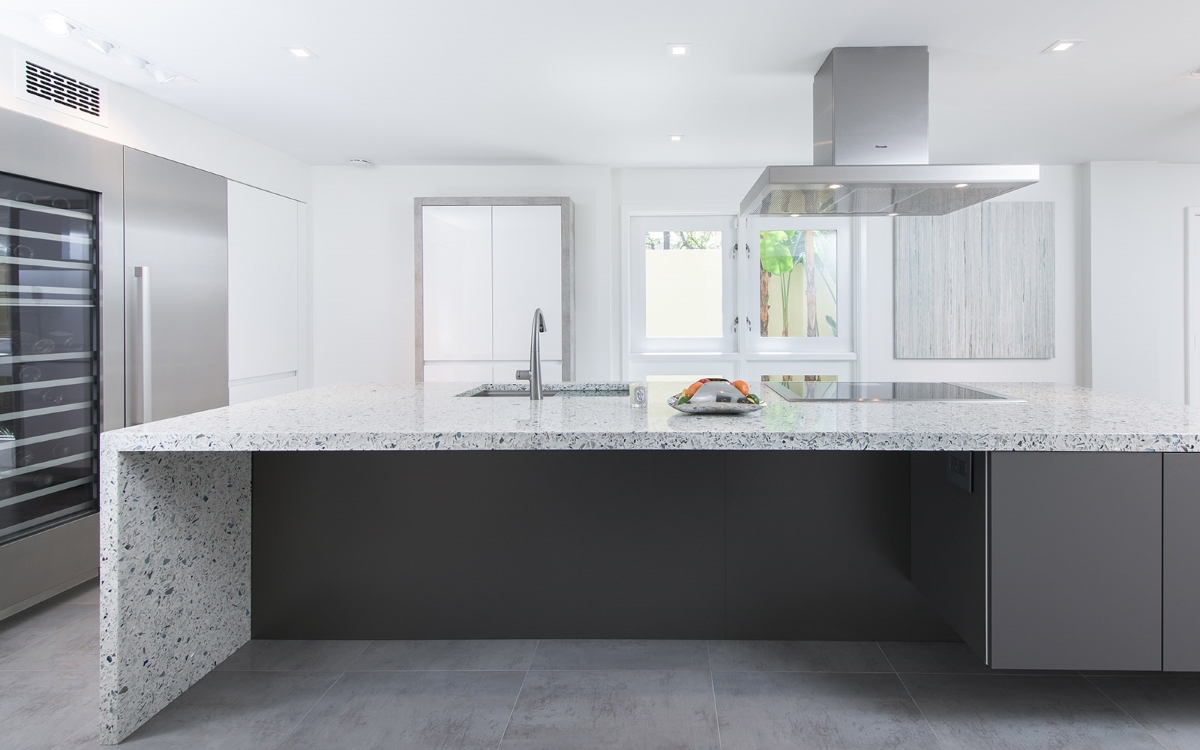
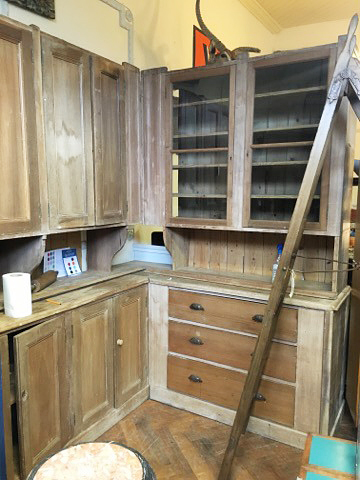
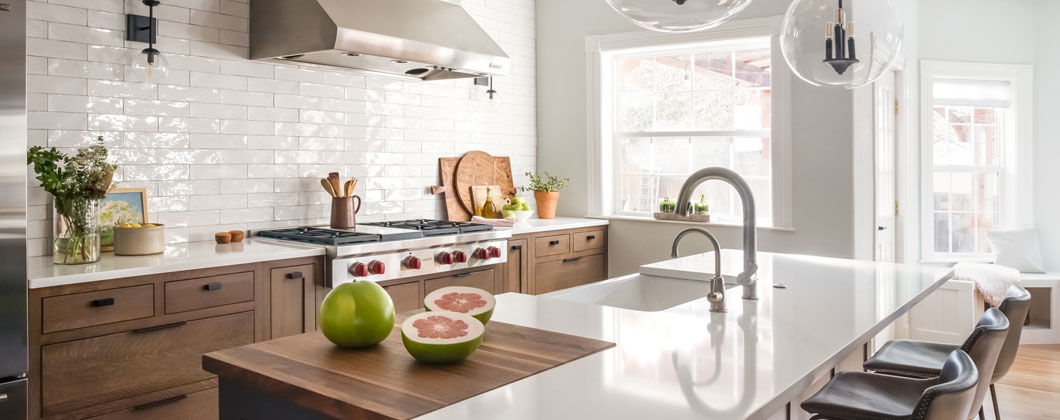
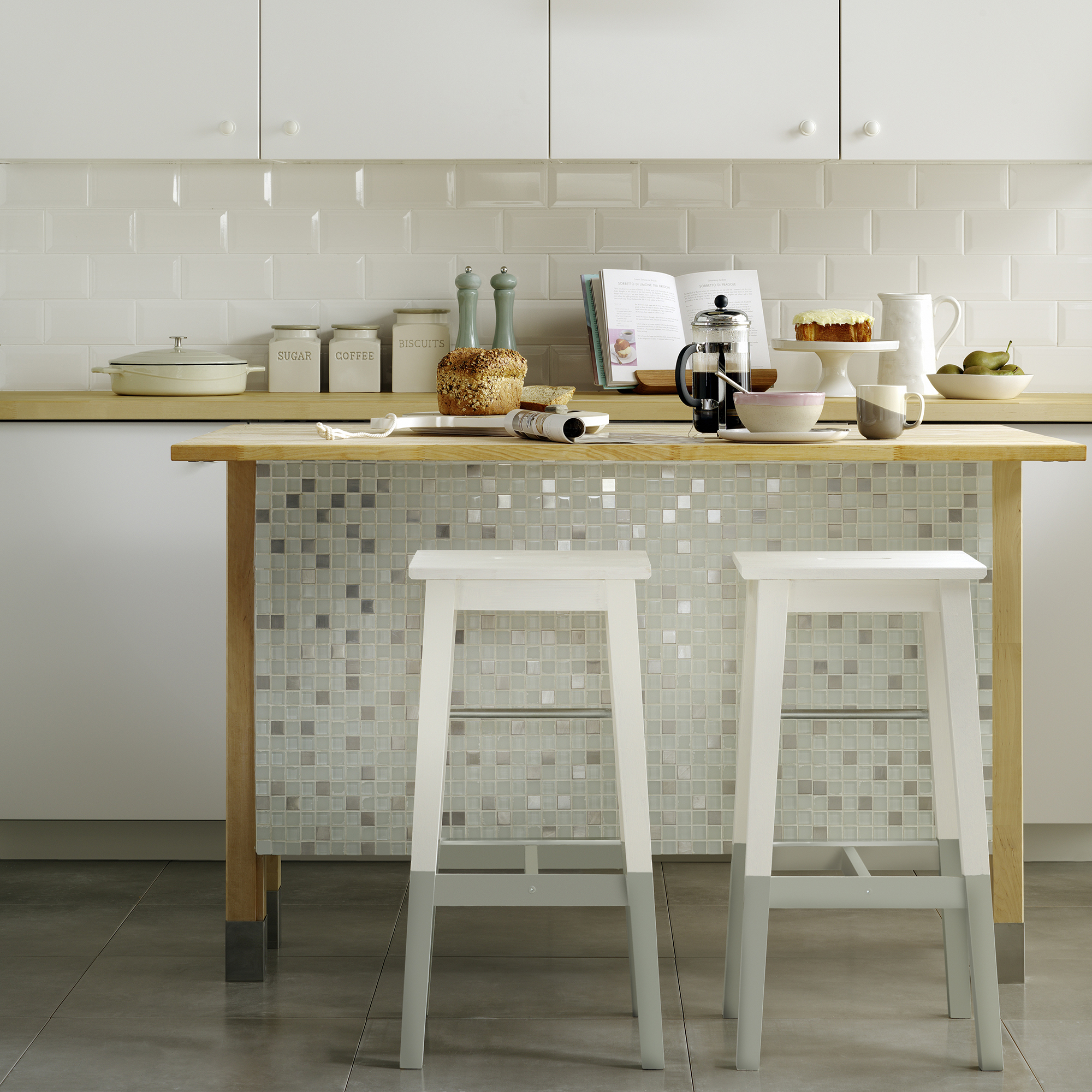
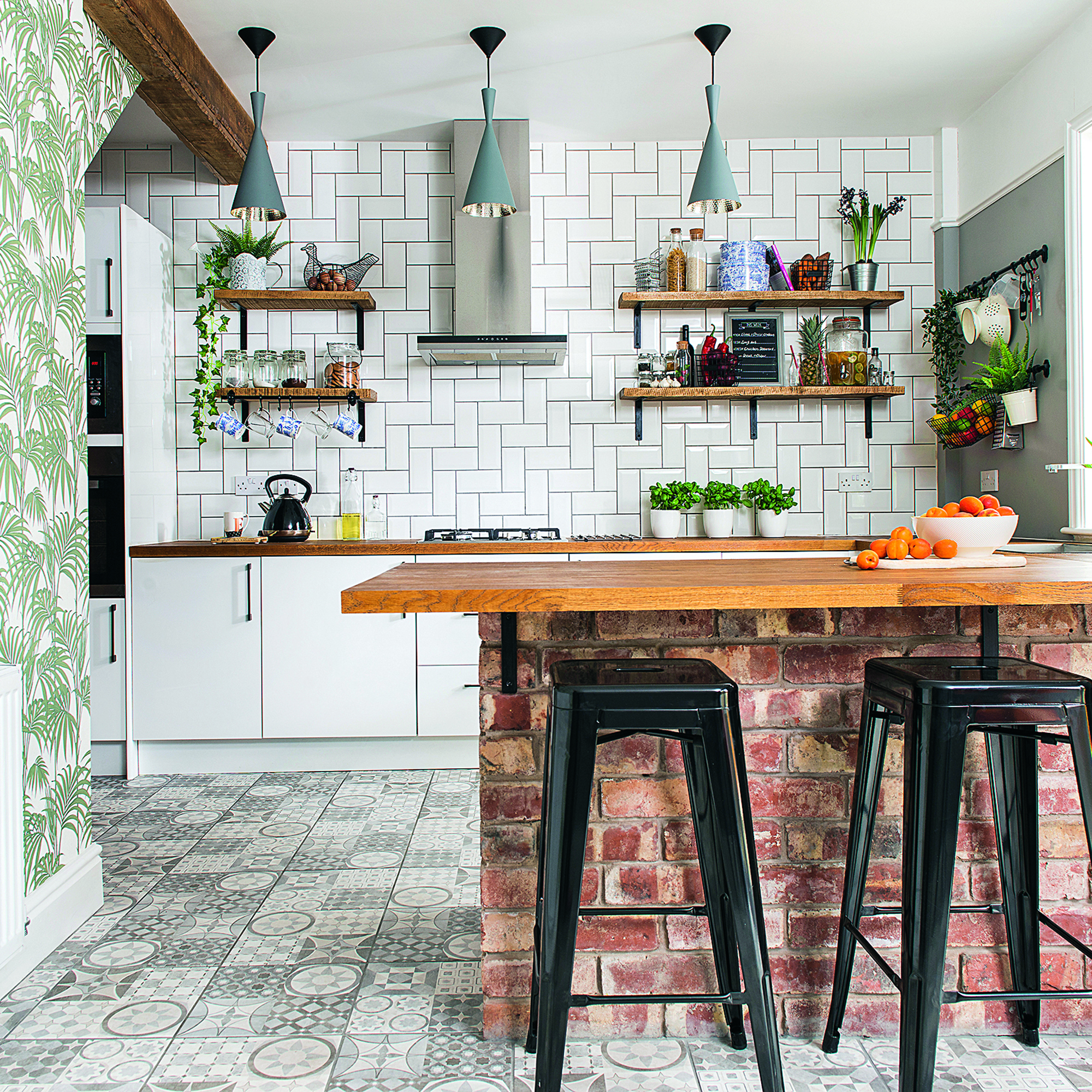
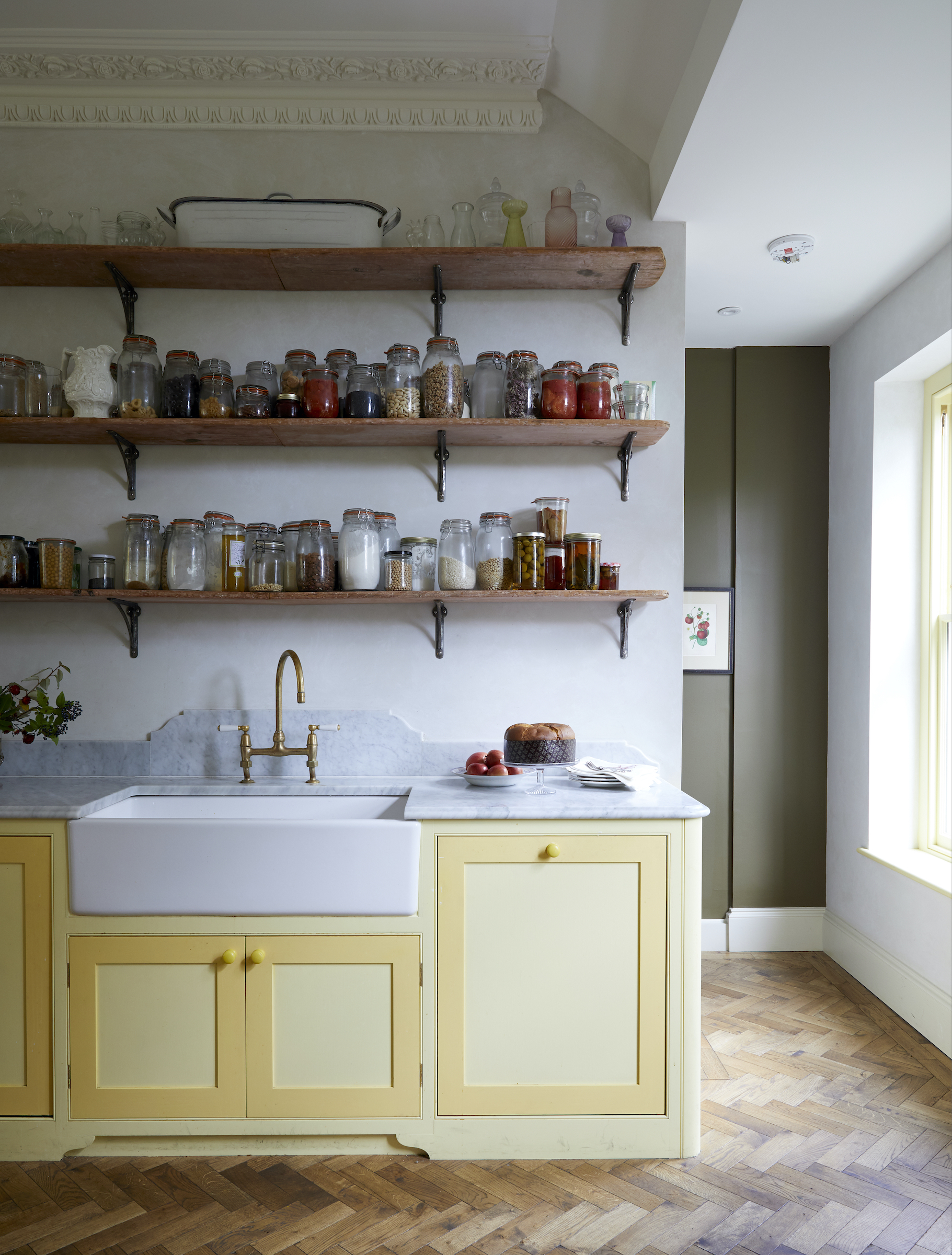
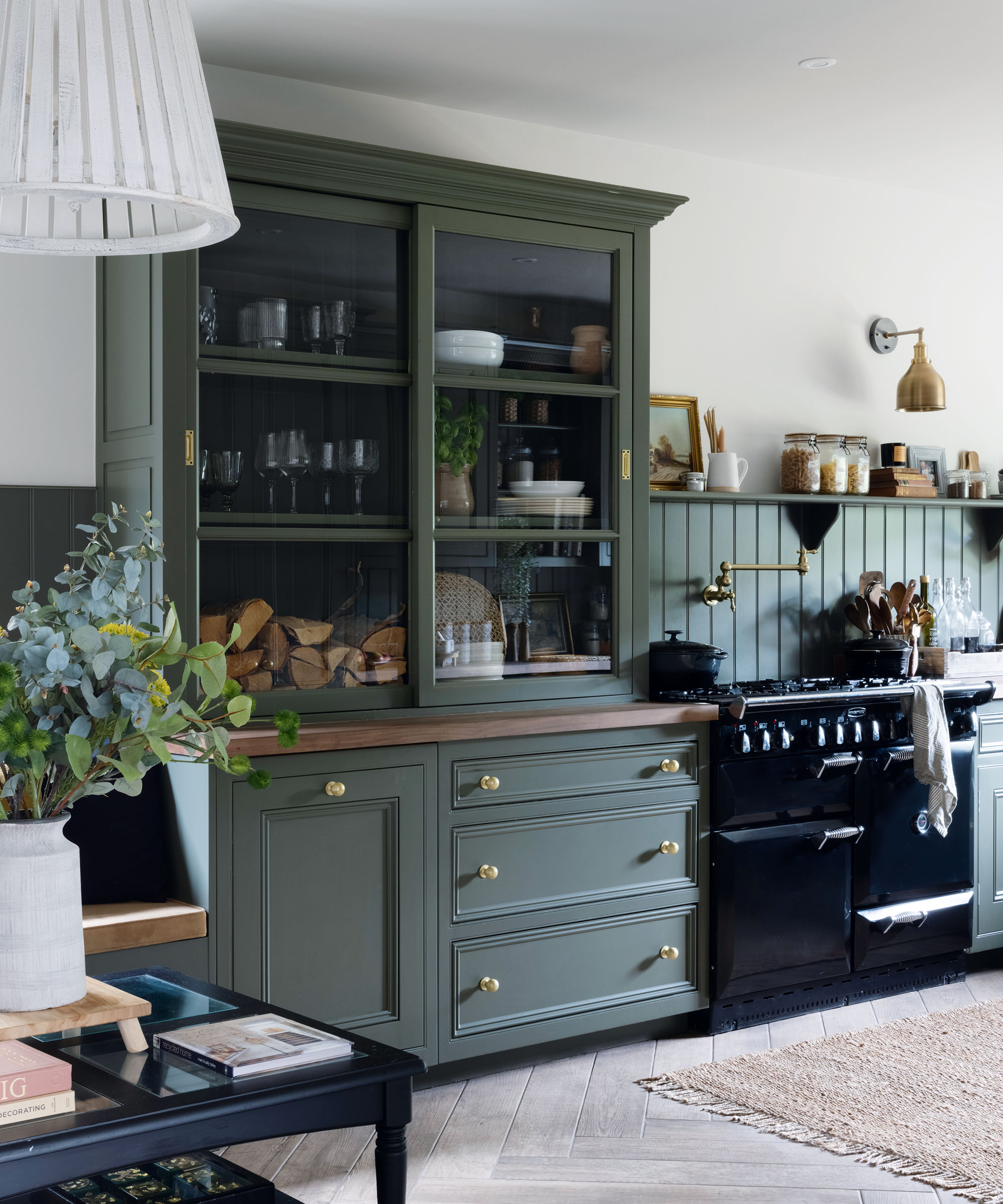
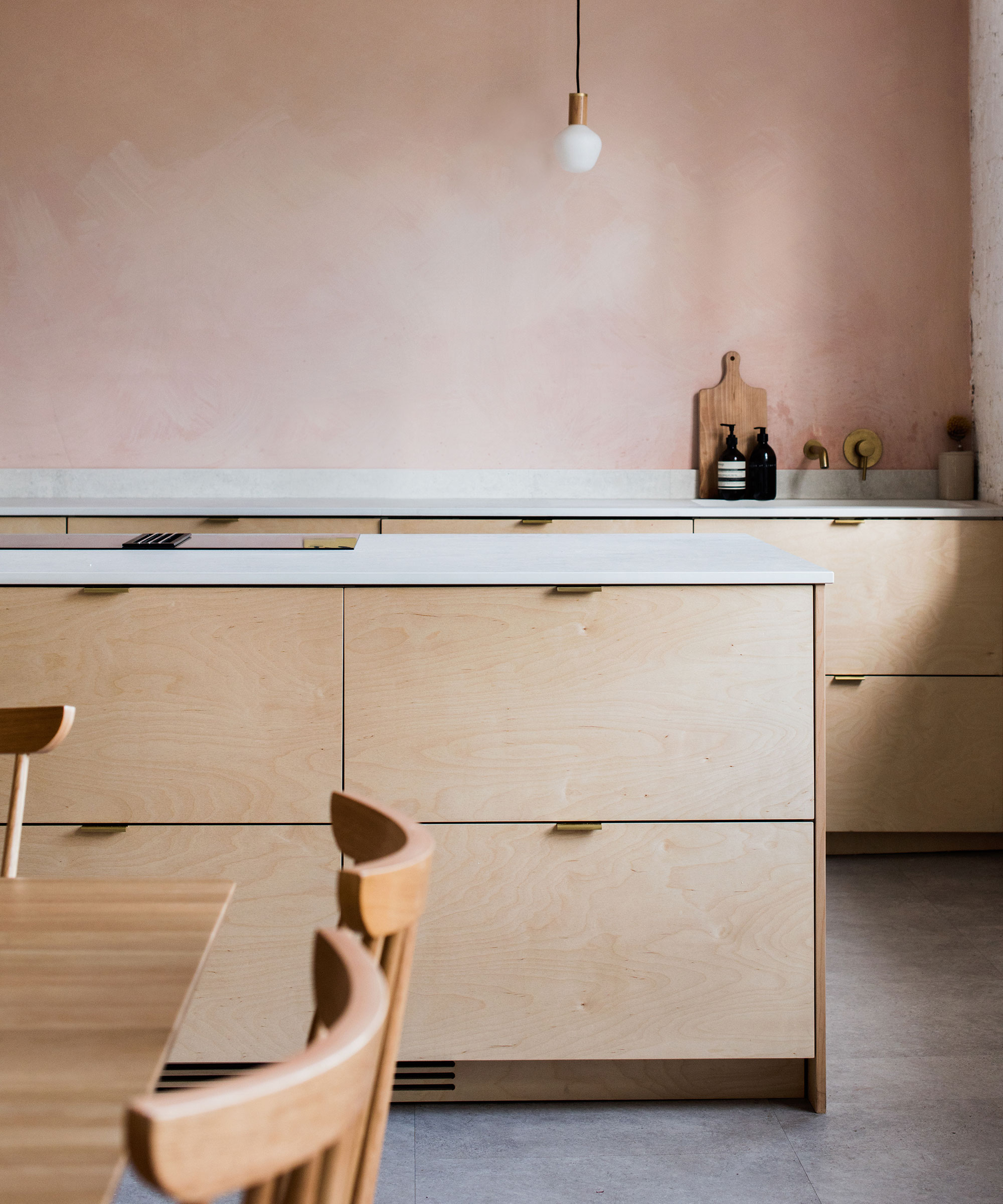
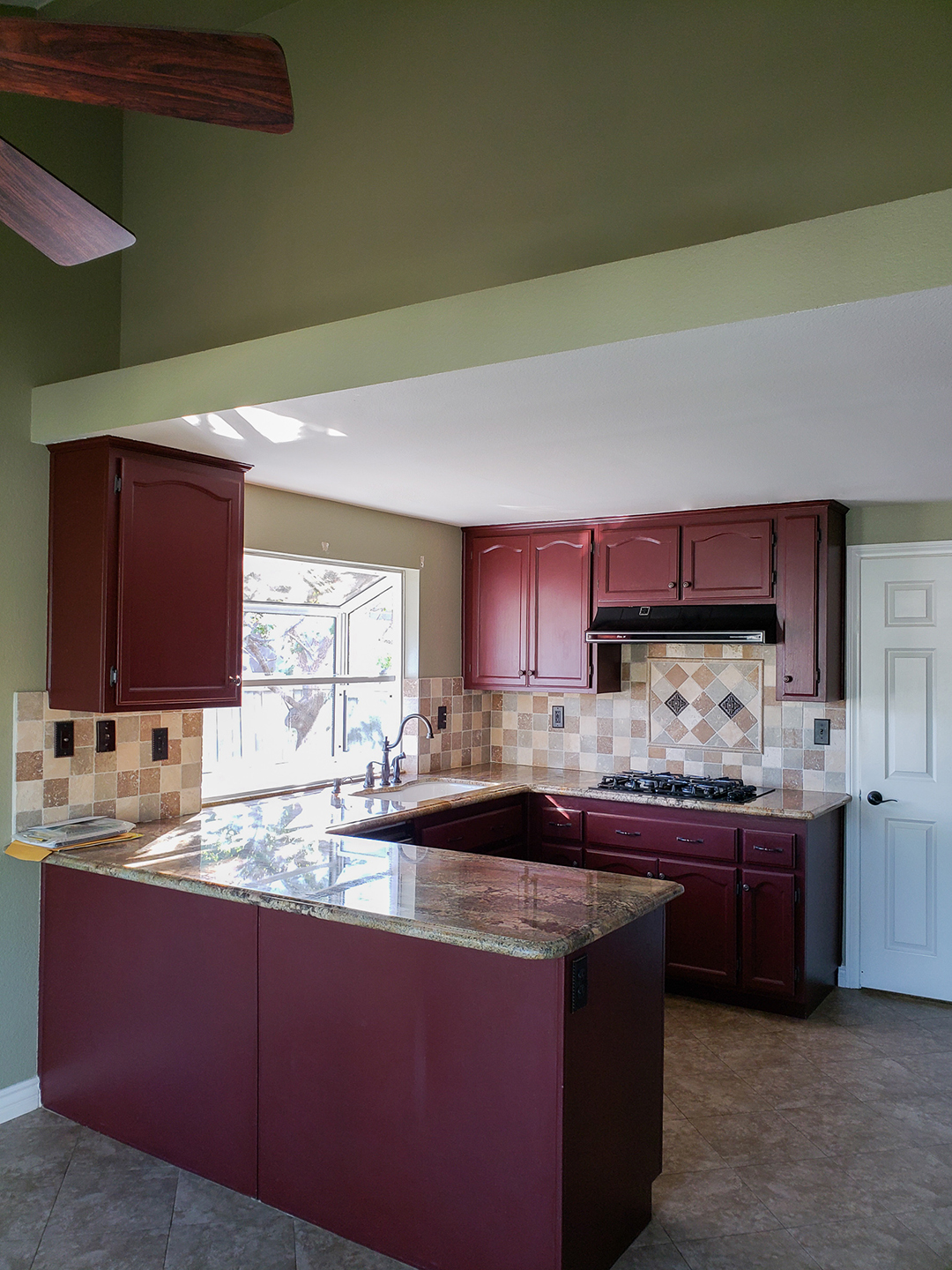
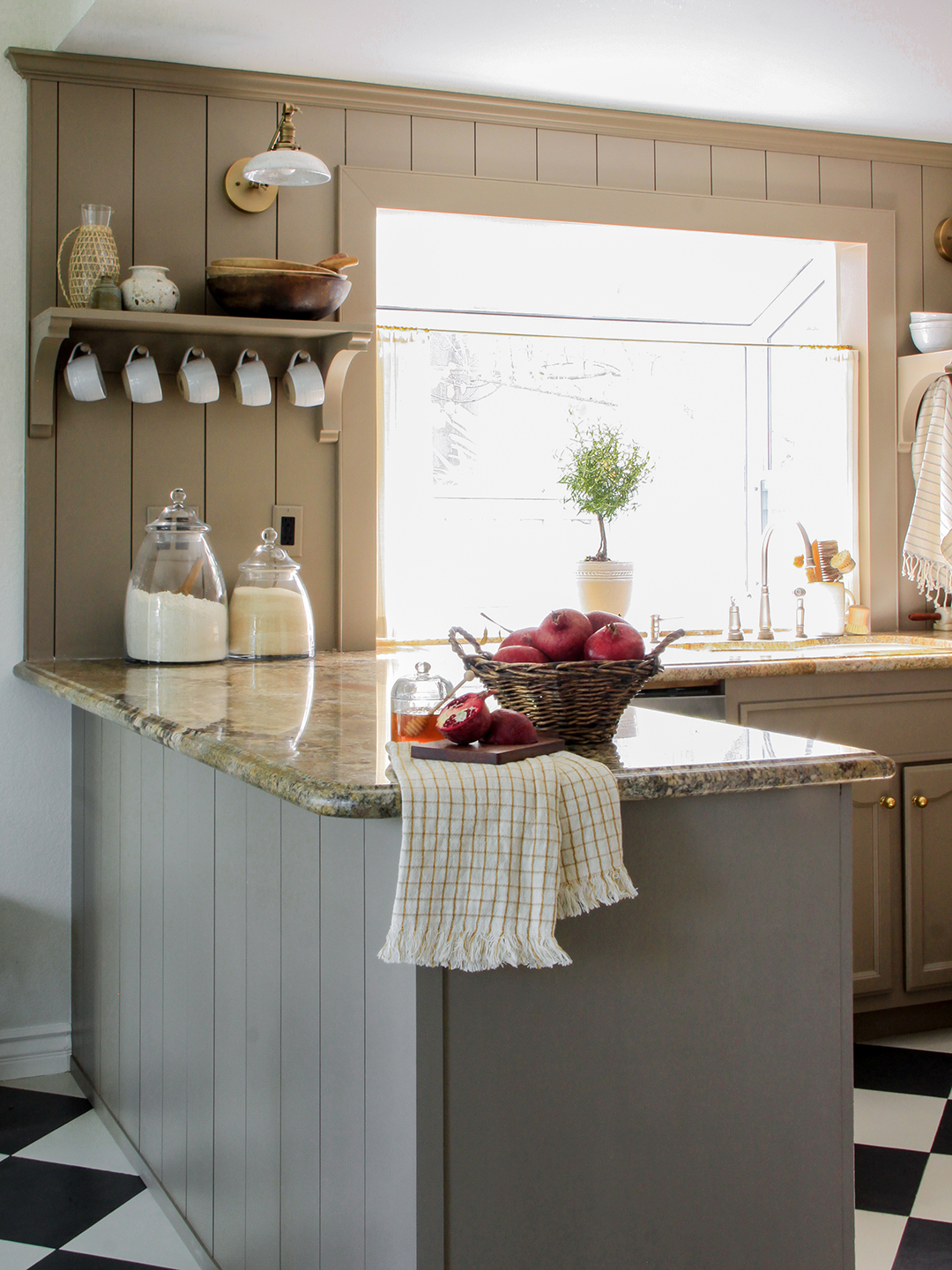
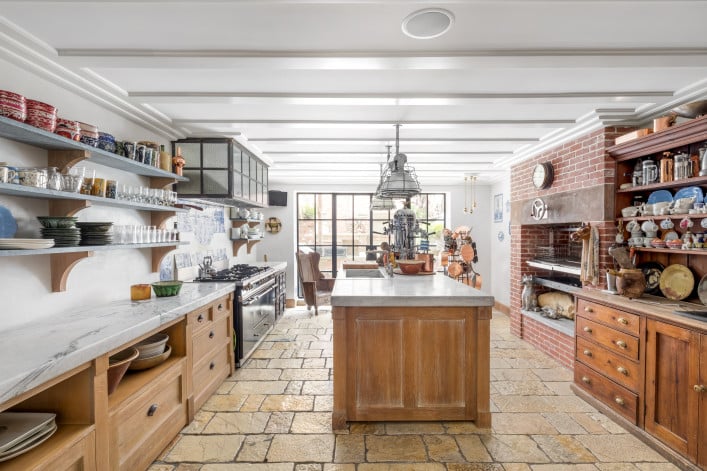
Reclaimed kitchens are also a viable option. Architects often advise clients to donate existing kitchens to organizations like Renovation Angels, a non-profit that recycles luxury kitchens. This service includes free removal, saving demolition costs, and offers tax write-offs. For those seeking a pre-owned kitchen, Renovation Angels provides options at a fraction of the cost of new installations, sometimes including open-box appliances. The cost savings associated with reclaimed materials vary. While the initial purchase price for pre-owned appliances might be lower, the absence of extended warranties could lead to future repair expenses. For high-end renovations, clients may prioritize the unique character of salvaged materials over cost savings, investing significantly in one-of-a-kind pieces like antique light fixtures or period mantels. However, items such as salvaged doors and hardware can offer substantial savings compared to their new counterparts.
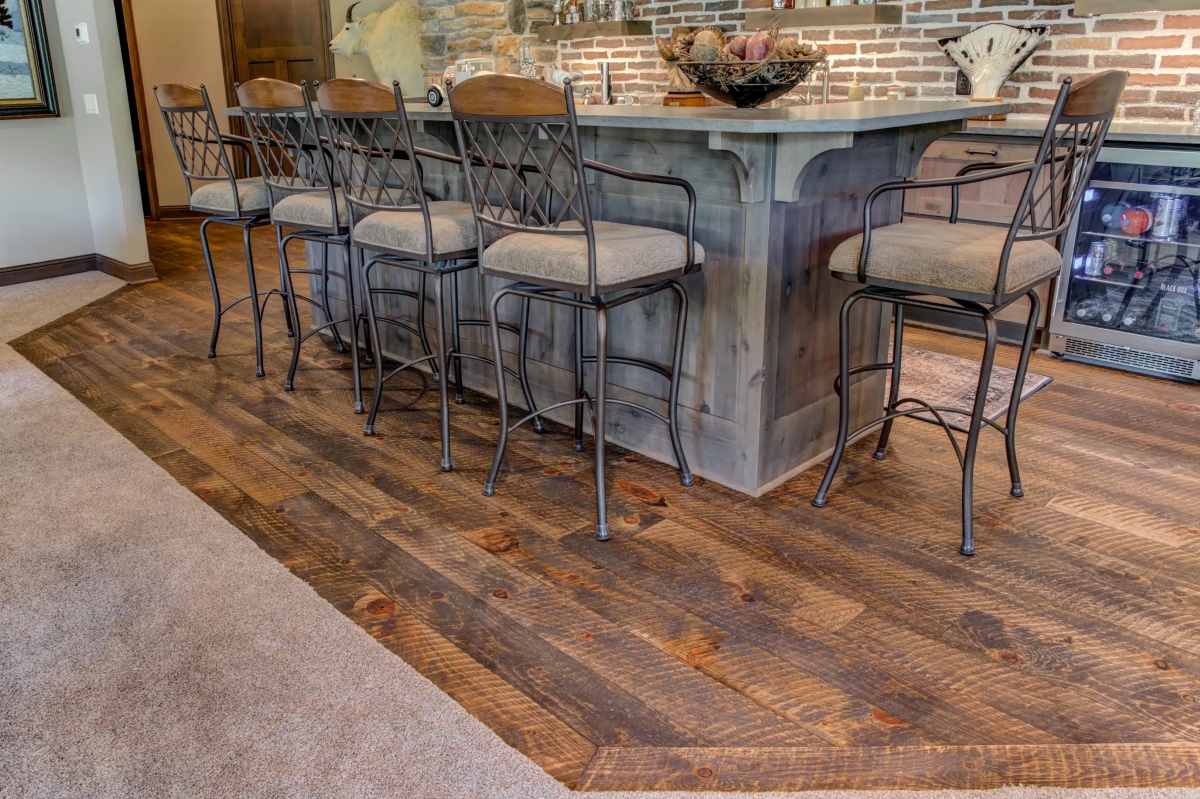
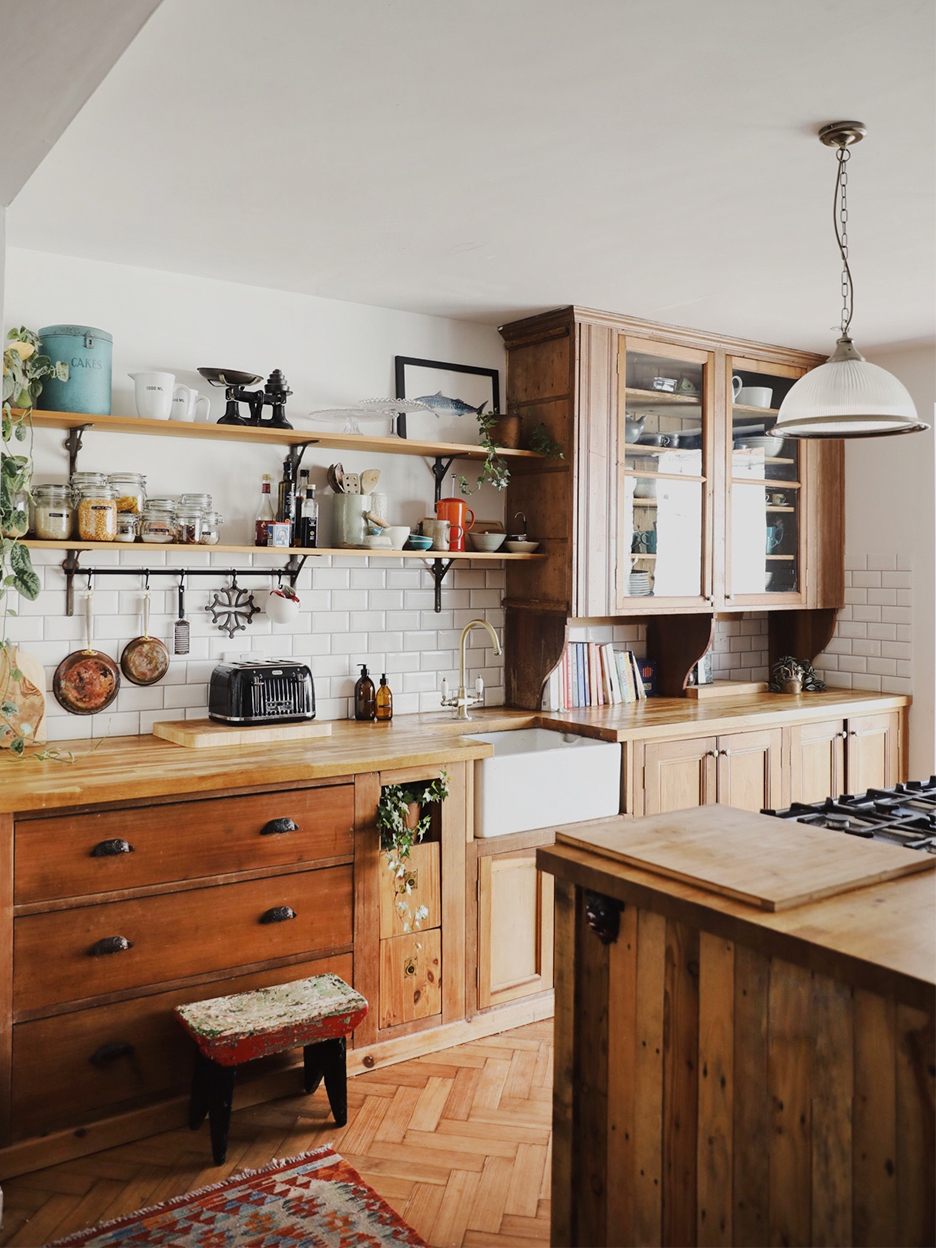
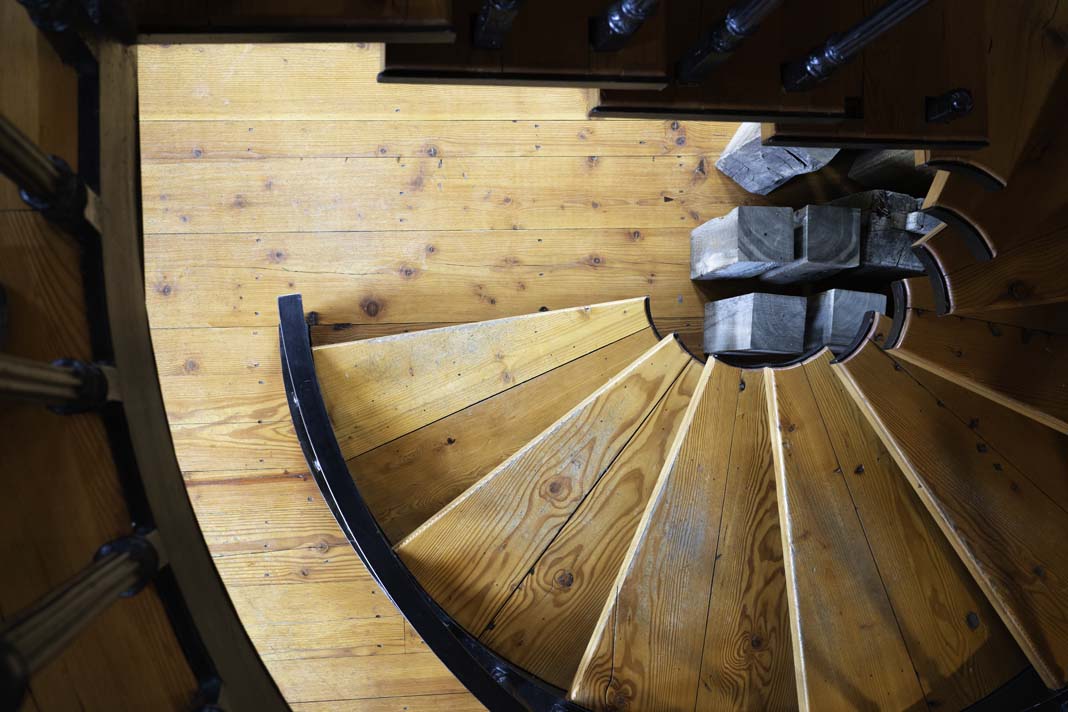
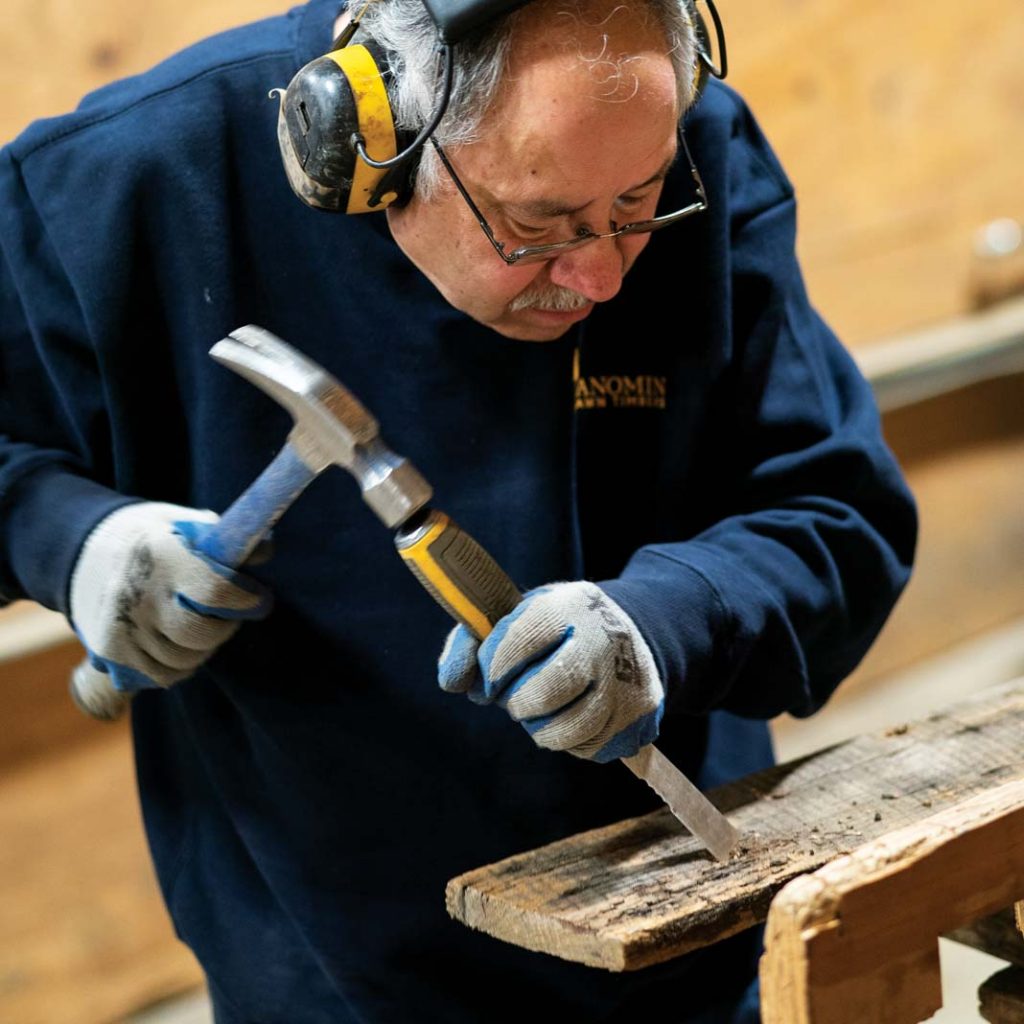
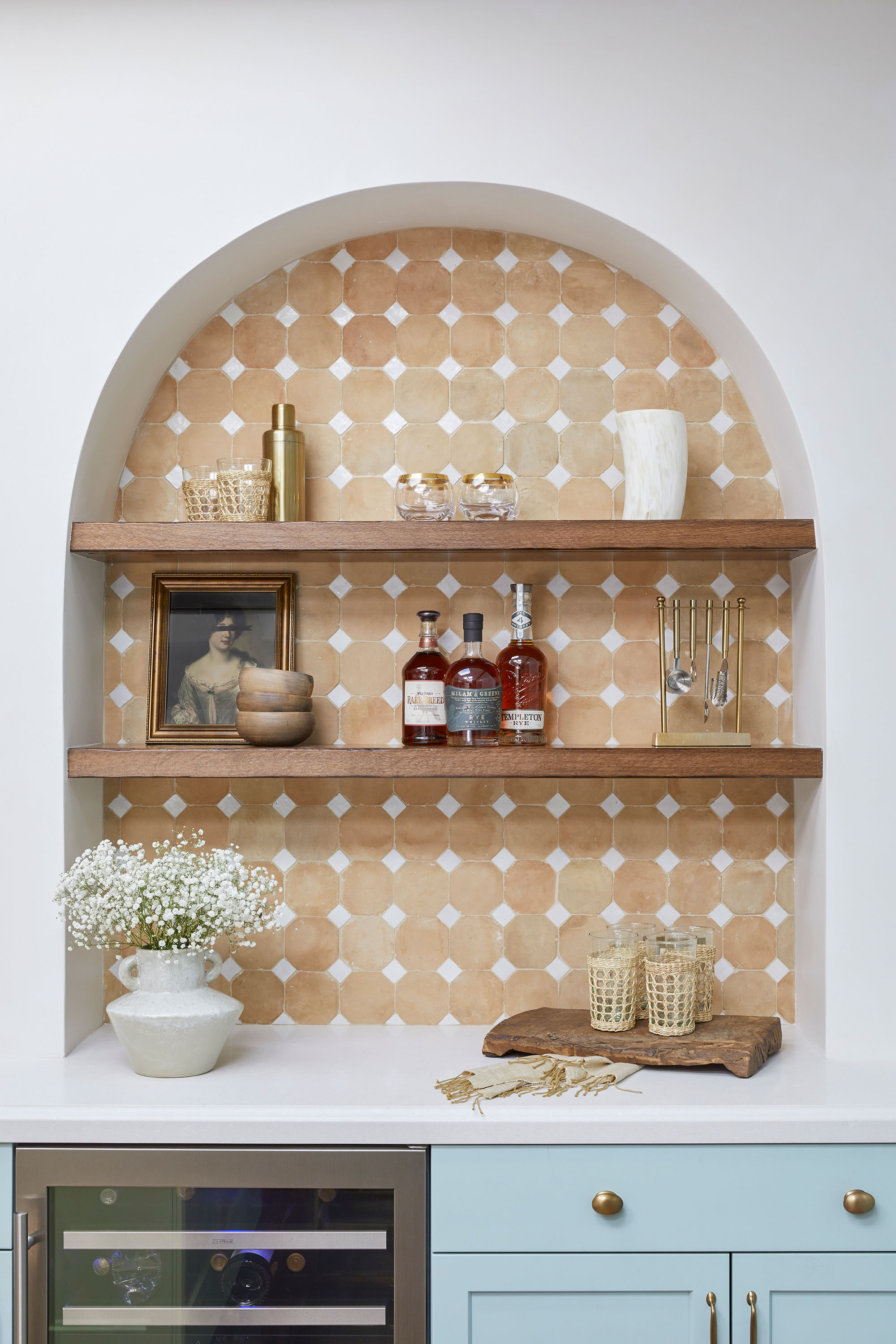
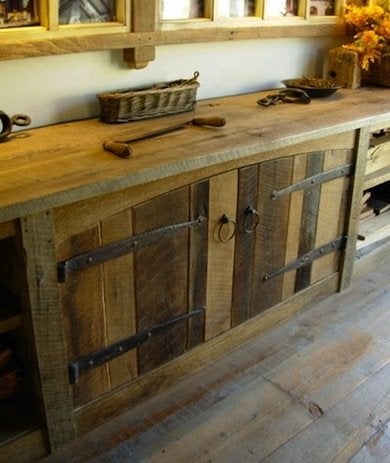
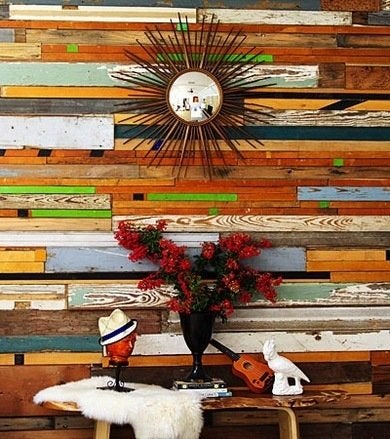
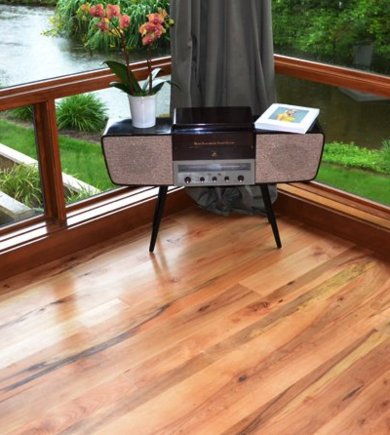
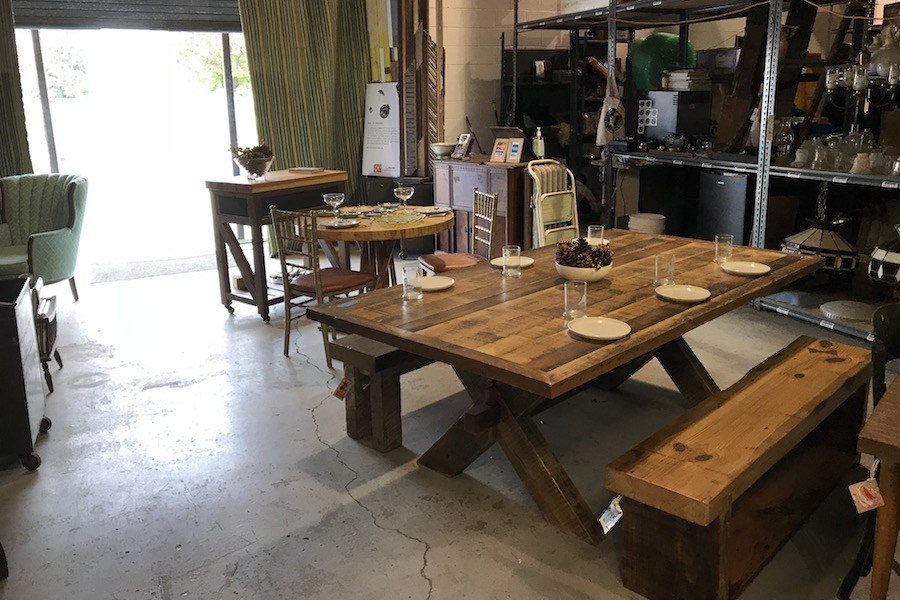
Reclaimed wood, in particular, is gaining traction due to lumber supply shortages and price increases. Although often more expensive than new raw wood, it offers immediate availability, bypassing supply-chain delays. Reclaimed wood from old-growth trees possesses unique grain patterns, nail holes, and a history that new wood cannot replicate. Many suppliers of reclaimed wood also offer fabrication services, providing a comprehensive solution that can save time and labor costs. Architects frequently repurpose structural elements from demolition sites, such as ceiling joists, transforming them into shelving or milling them for other uses. Floor joists can be given new life as ceiling cladding or even as finished flooring, embracing the character of existing materials.
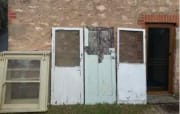
Integrating reclaimed materials can introduce complexities into a renovation project. While some items, like doors, are relatively straightforward to incorporate, others, such as windows, require specialized restoration, which can be more expensive than replacement and may not achieve the same thermal efficiency. Designers find that working with salvaged cabinet fronts or installing reclaimed wood flooring is comparable to using new materials. Even retrofitting a kitchen can be simplified with the help of design staff who can adapt layouts. The availability of unique salvaged items can inspire and shape the design direction, allowing for highly personalized and distinctive spaces. Collaborating with a contractor and architect who are open to working with discovered or client-sourced salvaged materials is crucial. This approach requires more communication and flexibility but results in projects with unique narratives and sustainable outcomes, appealing to clients and adhering to increasing sustainability standards set by co-op boards.
#ArchitecturalSalvage #ReclaimedMaterials #SustainableRenovation #NYCRealEstate #HomeImprovement #InteriorDesign #EcoFriendlyDesign #RenovationCosts #DesignAndArchitecture #ArchitecturalSalvage #ReclaimedMaterials #SustainableRenovation #NYCRealEstate #HomeImprovement #InteriorDesign #EcoFriendlyDesign #RenovationCosts #DesignAndArchitecture
0 commentaire au total
 Aucun commentaire pour le moment
Vous aimerez aussi

10 Ways to Use Recycled Materials in Your Home Reno

Fine Homebuilding Online Archive

Eight interiors that feature reclaimed and recycled materials

Home Help: 3 ways to turn discarded wood into beautiful home decor
For These Designers and Homebuilders, the Best Materials Are Ones That Have Already Been Used


Manomin Resawn Timbers Reclaims History—One Plank at a Time

Need a Reclaimed Wood Table? Here's 7 Philly Architectural Salvage Companies That'll Transform Your Space

7 DIY projects that will elevate your home
After Finding Victorian Cabinets in an Antiques Shop, Everything Fell Into Place


Home renovation trends to watch: What homeowners need to know
15 Ways to Use Salvaged Wood in Your Home

Sustainable kitchen ideas – 19 ways to design an eco-friendly cook space

Save Money and Cut Waste With These 8 Reno Materials You Didn't Know You Could Reuse

6 clever ways to upcycle leftover decorating materials: to save money and be more eco-friendly
11 genius DIY kitchen island ideas and upcycling tips
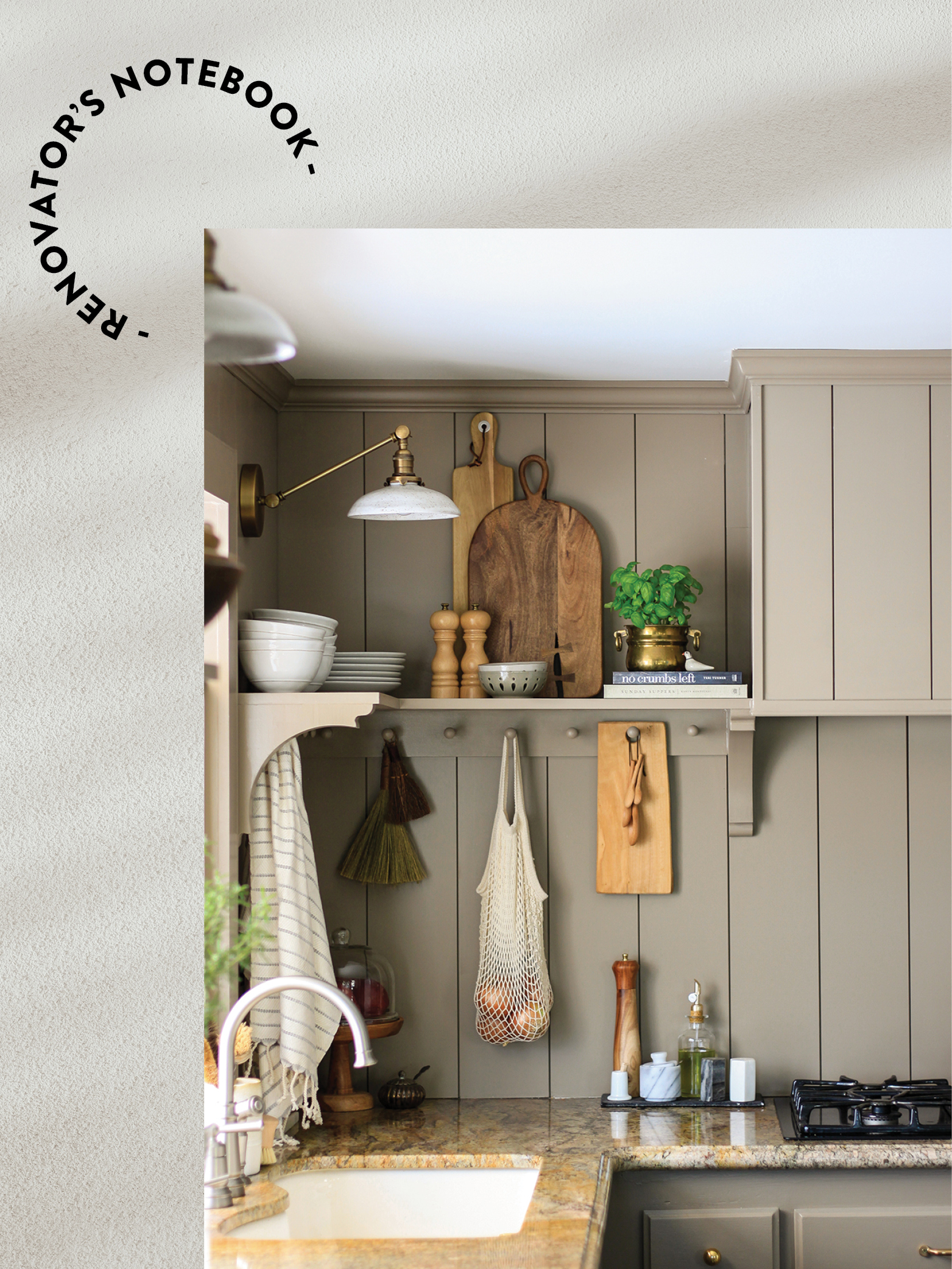
I Chose Materials for My $4K Kitchen Reno That I Can Reuse When I Eventually Do a Big Gut

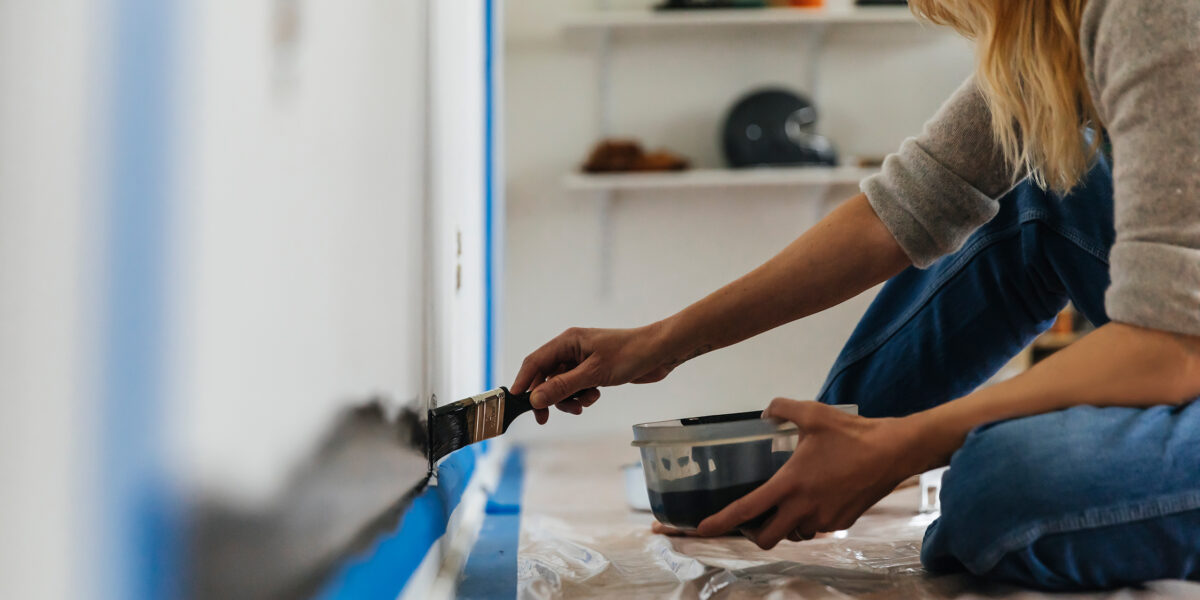
9 Things You Need to Know Before Renovating Your Home, According to Experts
More and More People Are Putting 'His and Hers' Bathrooms In Their Homes

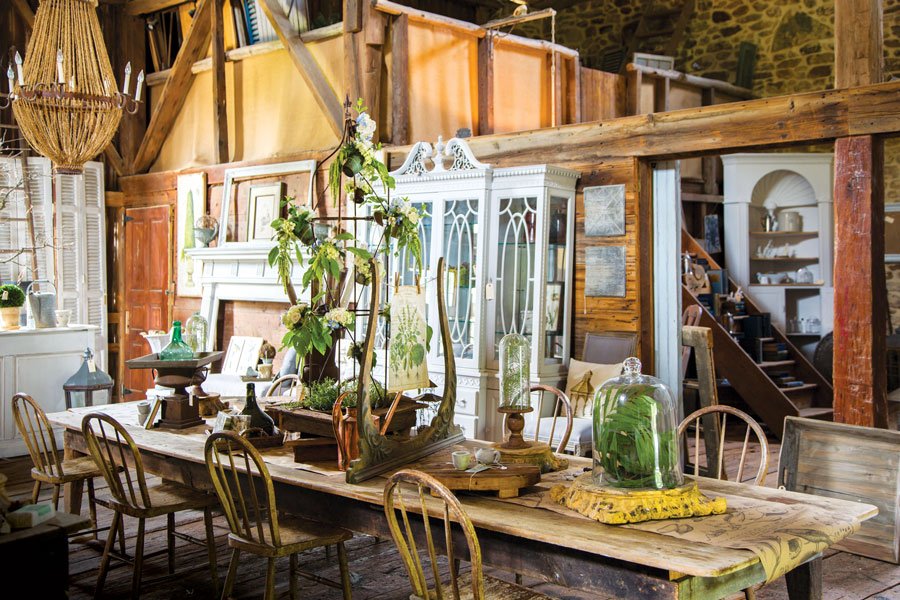
6 Architectural Salvage Stores That Can Fill Your Philly Home With Historic Charm

5 things that can be used in home upcycling projects