1/6
This Hexagonal Ceiling Tile System Rethinks Office Air
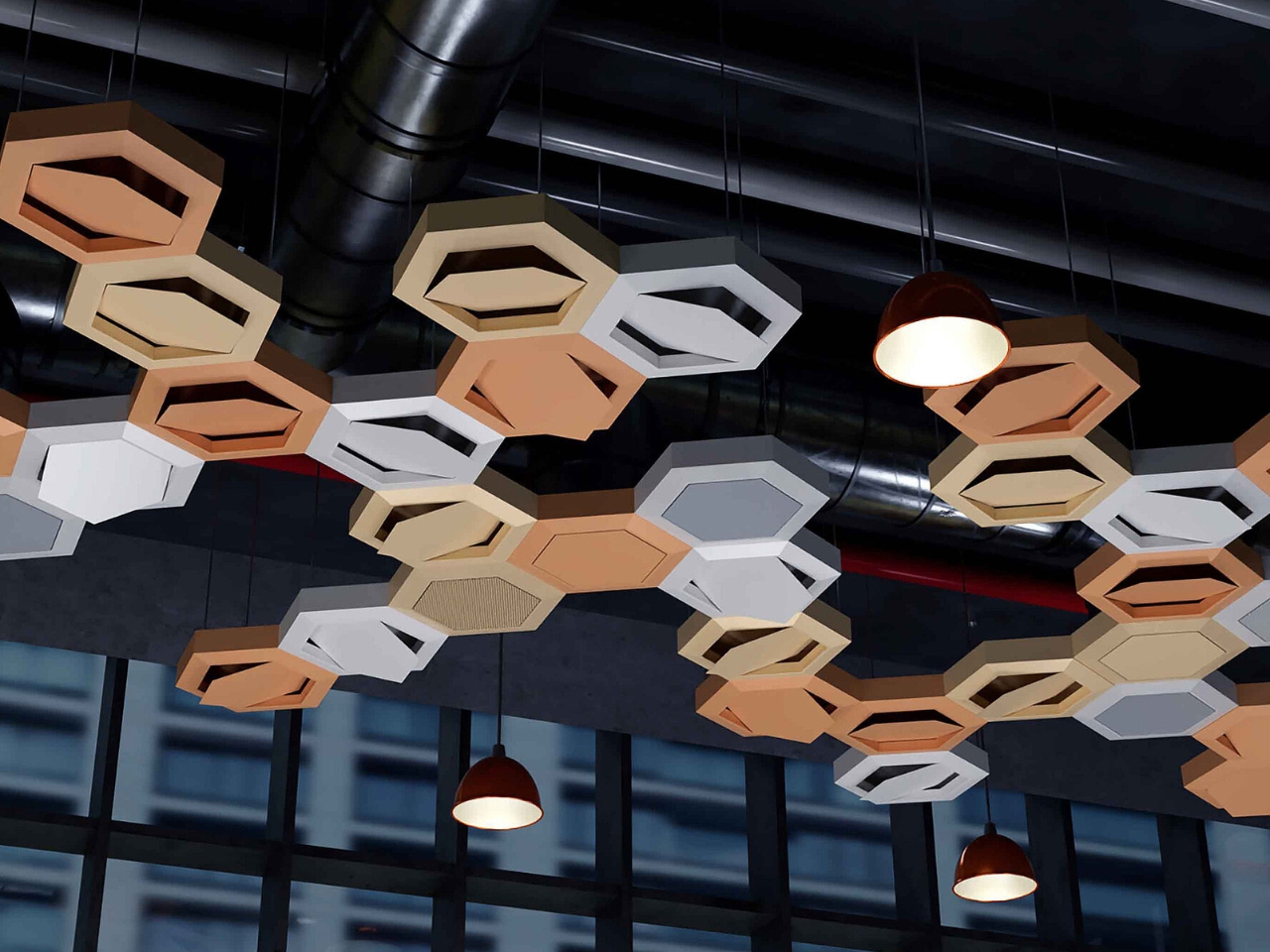
The AirHive system, a recipient of the Red Dot Design Concept 2025 award, proposes a novel approach to commercial HVAC systems. Developed by a team of seven designers including Luis Reyes, Yiman Yuan, Ravi Anand, Liu Yang, Wan Kee Lee, Miguel Kuri, and Hang Yu, AirHive moves away from traditional, bulky air conditioning units by integrating heating, ventilation, and air conditioning functionalities into an array of modular hexagonal ceiling tiles.
Each tile within the AirHive system is designed for a specific function, such as cooling, heating, ventilation, or air purification. Additionally, some tiles are equipped with sensors to continuously monitor indoor air quality. This modularity allows for a distributed and specialized approach to air management within a building, as opposed to a single, centralized system. The system operates under the guidance of a central smart control unit that dynamically adjusts the functions of individual tiles based on the real-time environmental conditions and specific needs of different areas within the building. For instance, if a conference room requires additional cooling due to increased occupancy, the system can adapt by activating the relevant tiles in that specific zone.
A key advantage highlighted by lead designer Luis Reyes is the system's inherent flexibility and scalability. AirHive can be expanded to new rooms or reconfigured to suit changing office layouts without requiring extensive and costly renovations or complete system overhauls. This adaptability makes it suitable for evolving commercial spaces, offering a future-proof solution for environmental control.
The design of AirHive also addresses the critical issue of indoor air quality in office environments. Poor air quality has known negative impacts on productivity, comfort, and employee health, including reduced concentration and increased instances of sick days. By providing precise and localized air management, AirHive aims to create healthier and more conducive working environments. Furthermore, the system transforms the typically utilitarian and often concealed HVAC components into an aesthetically integrated architectural feature. The hexagonal tiles form a sculptural pattern on the ceiling, enhancing the interior design rather than detracting from it, thus demonstrating that functional design can also be visually appealing.
AirHive signifies a broader trend towards integrating building systems seamlessly with design from the initial stages. Beyond its aesthetic and functional benefits, the system also holds potential for significant energy savings. By precisely regulating air flow and conditioning only where and when needed, it can operate more efficiently than conventional systems that often run at a constant, less optimized capacity. While still a concept, its recognition at the Red Dot Design Concept awards indicates a growing demand for innovative and integrated HVAC solutions that prioritize aesthetics, adaptability, and environmental performance in commercial architecture.
#HVACSystem #RedDotDesignConcept #OfficeDesign #ModularDesign #IndoorAirQuality #SustainableDesign #SmartBuilding #CommercialArchitecture #ProductivityEnhancement #HVACSystem #RedDotDesignConcept #OfficeDesign #ModularDesign #IndoorAirQuality #SustainableDesign #SmartBuilding #CommercialArchitecture #ProductivityEnhancement
0 commentaire au total
 Aucun commentaire pour le moment
Vous aimerez aussi
Ceiling Carrier System - Combi-Line from Hunter Douglas Architectural (Europe)

20+ Elegant POP Ceiling Designs for a Luxurious Hall 2025

Designers Are in Love With "Unexpected Ceilings" — This Creative Trend is Elevating Modern Spaces

assemble studio features geometric origami ceiling
The Only Thing Better Than This Office’s Wallpapered Ceiling Is the Wavy Window Trim
10 Modern Ceiling Design Ideas for Shops in 2025

Decorative and architectural ceiling solutions

A ceiling to remember: How six brands are reimagining overhead elegance

The Only Thing Better Than This Office’s Wallpapered Ceiling Is the Wavy Window Trim

36 Beautiful and Timeless Bathrooms With Hexagon Tile Floors

Color Blocking Defines This Gaming Office’s Long Floor Plan
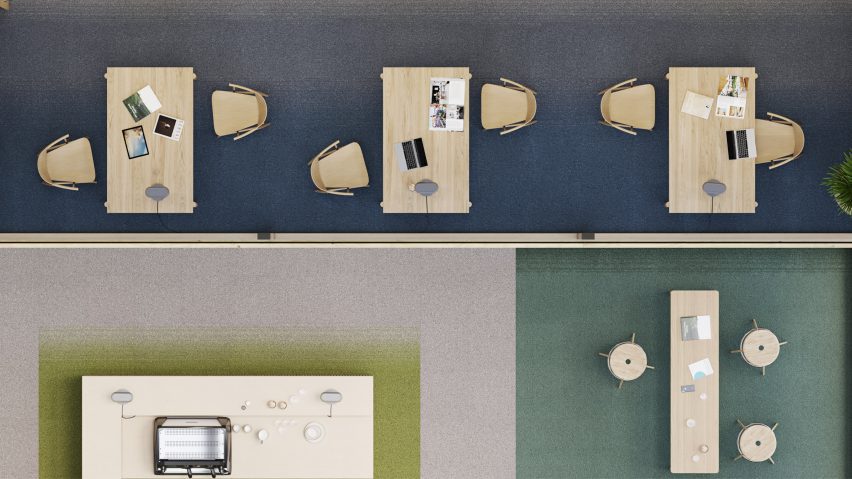
Six surfaces and tiles designed to enhance floors in interiors
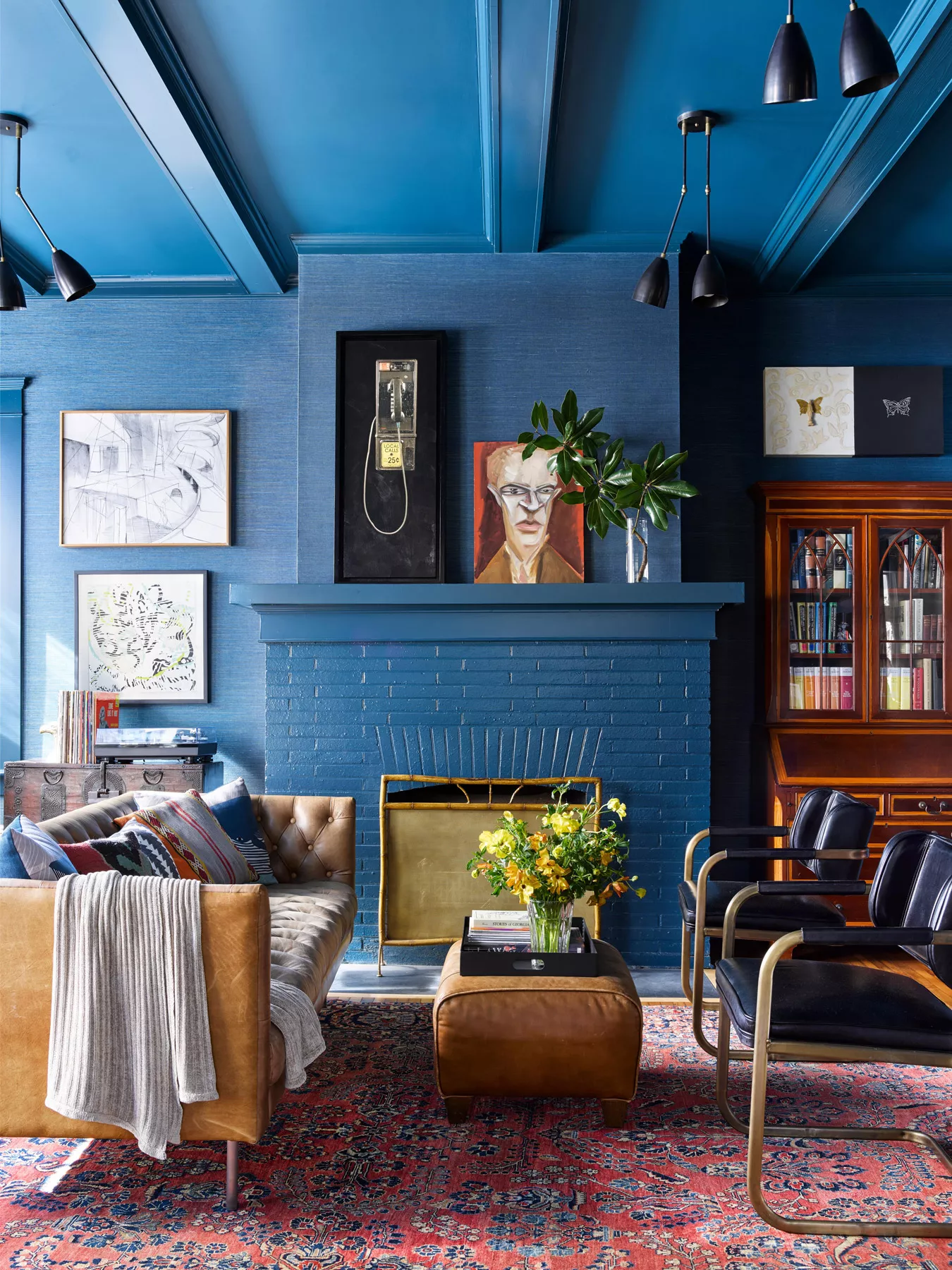
Breathe New Life into Any Space with a Statement Ceiling


12 Stunning Ceiling Design Ideas That Will Have You Looking Up All Day Long

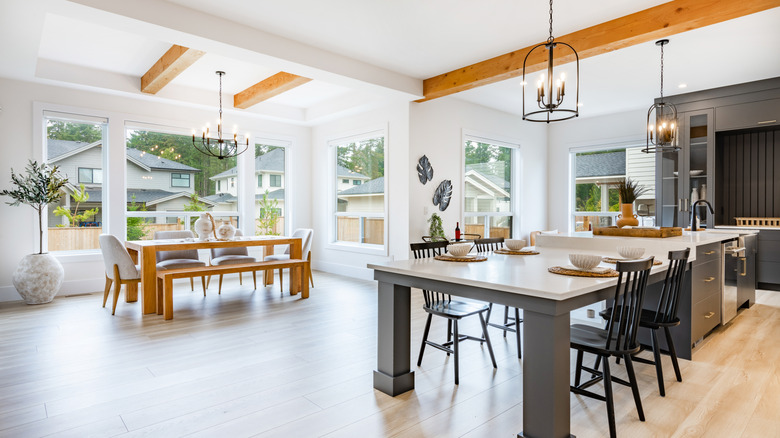
Top Ceiling Trends You Can Expect To See More Of In 2025
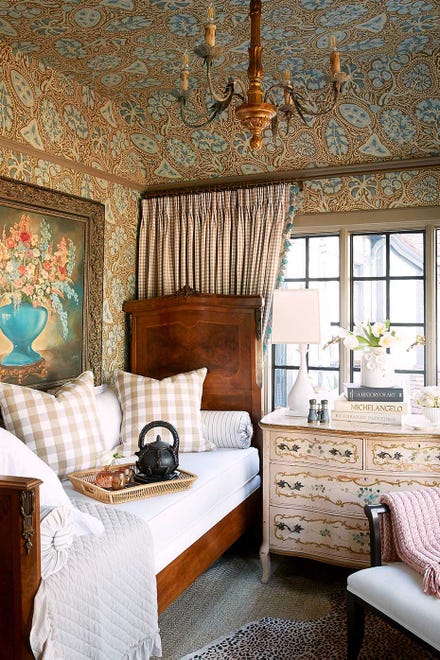
Homestyle: Ceilings are where it's at
Tile company installs confusing optical illusion floor

How to make your ceiling light up the room

Bye-Bye, Accent Walls! Designers Say THIS Is Now the Hottest Decorating Feature

Put this ceiling to work: Special treatments are the finishing touches that supercharge a room's ambiance