1/12
These 6 Home Decor Hobbies Can Actually Relieve Stress and Make You Happier
The article explores six home décor hobbies that not only enhance personal living spaces but also offer significant stress-relieving and meditative benefits. It highlights how engaging in creative activities can contribute to overall well-being and a sense of accomplishment. The author, Robin Sutton Anders, emphasizes that these hobbies allow for a blend of personal expression and aesthetic improvement within the home.
One of the highlighted hobbies is calligraphy, exemplified by Joyce Teta from Winston-Salem, North Carolina. Teta describes calligraphy as a harmonious and rhythmic art form, comparing it to music. She integrates her calligraphic works, including framed pieces and intricately labeled items, into her home décor, demonstrating how a hobby can become a natural extension of one's living environment. This practice offers a meditative 'flow' state, where the creator becomes absorbed in the activity.
Flower pressing is another featured hobby, known for its calming effects and connection to nature. Spending time outdoors, collecting natural forms, and then preserving them in art can reduce stress. London flower artist Kate Cadbury's method of using heavy books and wax paper for pressing flowers is discussed, along with suggestions for displaying the dried flowers as framed art or on note cards. The hobby offers a way to bring the tranquility of nature indoors.
Origami, the ancient Japanese art of paper folding, is presented as a peaceful and meditative activity. Samuel Tsang, in 'The Book of Mindful Origami,' notes that it combines art, craft, science, and meditation. The act of precisely folding paper without relying on scissors or glue can help practitioners let go of perfectionism. Finished origami pieces, such as cranes, stars, or animals, can be strung together to create decorative garlands for various spaces within the home, serving as mindful reminders.
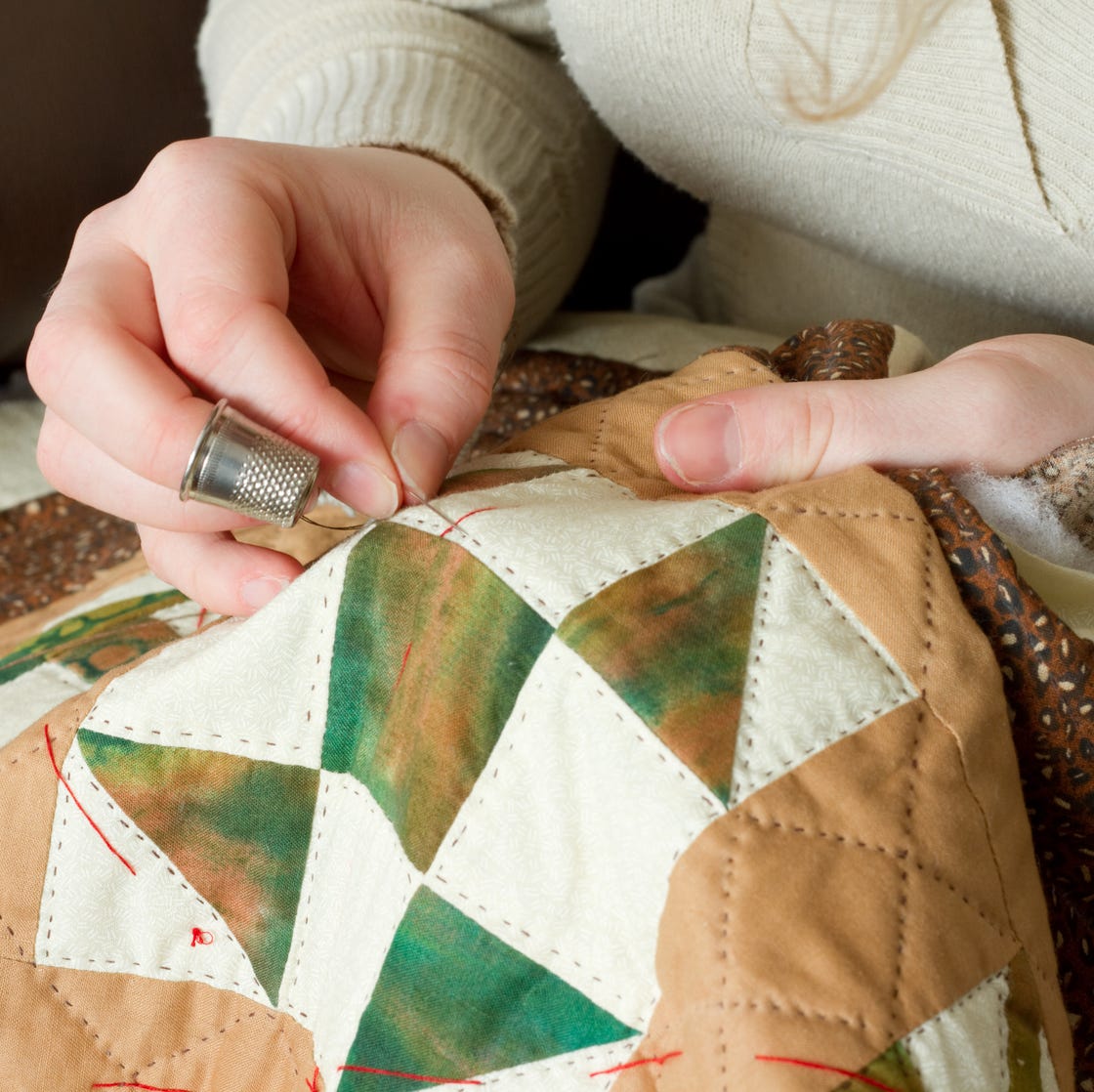
Embroidery is described as an accessible starter project for those interested in needlework. It involves stitching patterns on fabric or canvas, ranging from simple repetitive stitches to more intricate designs that create varied textures. Completed embroidery works can be framed, made into pillows, used as ornaments, or even integrated into furniture like dining chair backs, transforming them into functional art pieces.
Ceramics, an art form that involves shaping clay, is introduced through the work of Appalachian potter Andrea Freeman. Freeman's functional art, including handcrafted plates, mugs, and vases, often features whimsical illustrations. She describes pottery as a physically engaging and creative outlet that combines movement with artistic expression. The repetitive nature of working with clay and the flow state it induces are noted as beneficial aspects of the hobby.
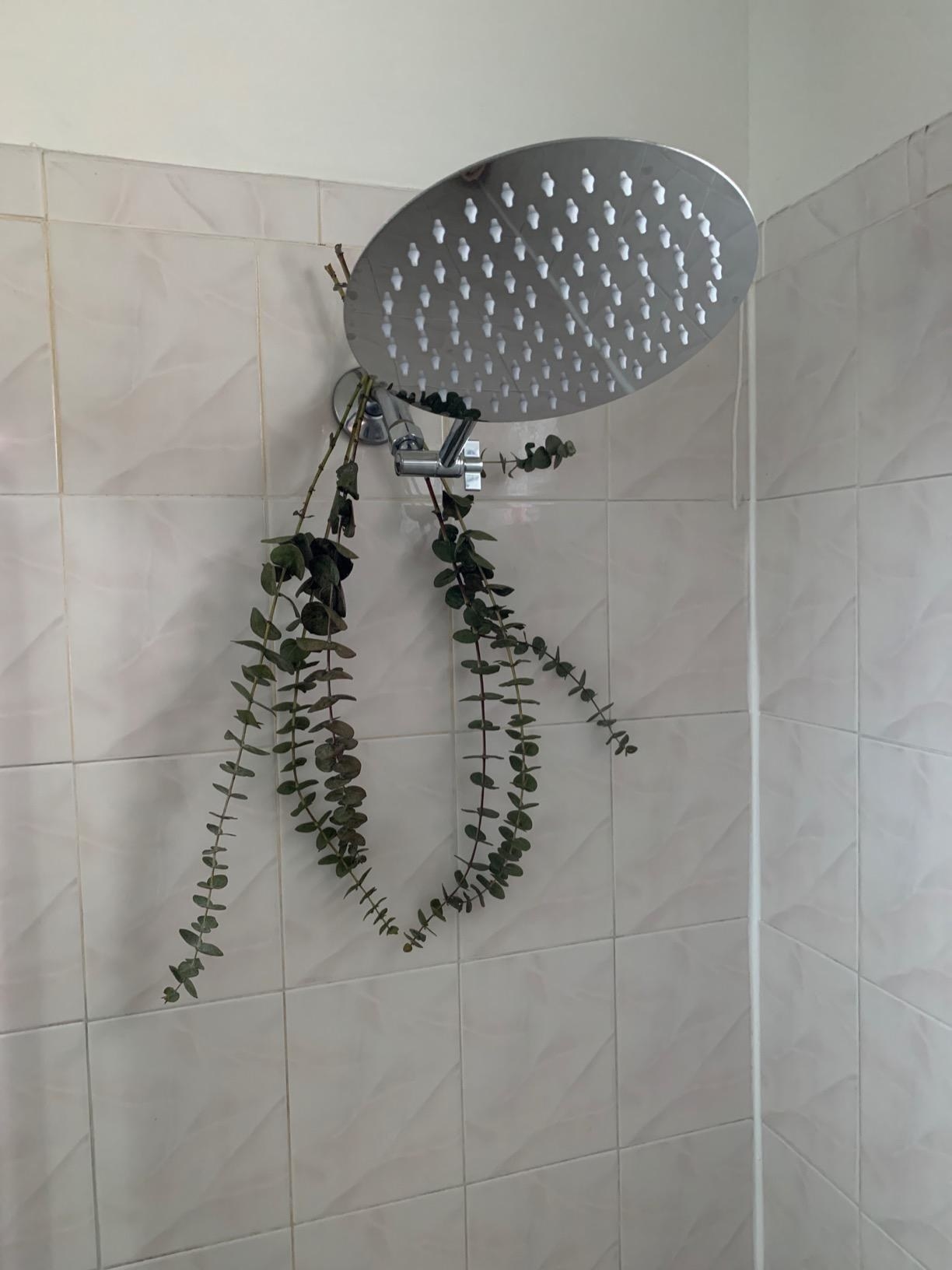
Finally, plant propagation aligns with the growing trend of biophilic design, which seeks to integrate natural elements into indoor spaces to improve health and wellness. Bringing houseplants into the home can lower stress levels and enhance overall well-being. Plant propagation, the process of taking cuttings from existing plants to grow new ones, allows individuals to expand their plant collection with minimal effort, requiring only a cutting, a suitable container, and patience. This hobby connects individuals with nature's growth cycles and enriches the home environment.
#HomeDecor #Hobbies #StressRelief #CreativeActivities #Calligraphy #FlowerPressing #Origami #Embroidery #Ceramics #PlantPropagation #Mindfulness #DIY #HomeDecor #Hobbies #StressRelief #CreativeActivities #Calligraphy #FlowerPressing #Origami #Embroidery #Ceramics #PlantPropagation #Mindfulness #DIY
0 commentaire au total
 Aucun commentaire pour le moment
Vous aimerez aussi
Yes, Your Home Decor Can Actually Make You Happier — Here's How

How to pretend you’re leaving the house (when you’re not)

I Just Saved You Hours Of Amazon Searching By Finding These 25 Home Decor Items
The Best Smile-Inducing New Furniture and Home Accessories

From clutter-free zen to cosy comfort: The mental health benefits of home decor | Hindustan Times

Sleep experts helped organize my bedroom for better sleep
'Comfort decorating' is all about making your home a sanctuary : Life Kit
How to hang wall perfectly: Use a fork

Interior Designer Says Adding This to Your Home Will "Bring a Sense of Calm"
8 Ways to Create a Stress-Free Bedroom for Better Sleep

If You're Looking For Products That'll Make Your Home Cozier, Look No Further Than This List
6 Home Office Design Ideas to Fuel Productivity and Keeps Spirits Lifted

15 Soothing Decor Ideas to Help You Relax and Unwind at Home
27 best living room accessories to brighten up your mood
6 ways to create a calm living space, according to the experts

Home Remedies Inspires Living Areas That Are Lasting and Loved
Our Homes Have A Lot To Do With Mental Health — This Architect Is Sharing Ways To Make Yours Less Stressful

These DIY Home Decor Projects Are Way Easier Than They Look
What is biophilic decluttering? This 'return to nature mandate' will transform chaos to calm at home

How These Interior Designers Are Staying Cozy (and Sane) at Home