The Future Of HVAC
The Heating, Ventilation, and Air Conditioning (HVAC) industry is currently undergoing a significant transformation driven by advancements in technology, increasing environmental concerns, and evolving regulatory landscapes. The primary focus of this evolution is sustainability, customer-centric services, and the seamless integration of smart technologies. These changes are reshaping how HVAC systems are designed, operated, and maintained, leading to more efficient and environmentally friendly solutions.
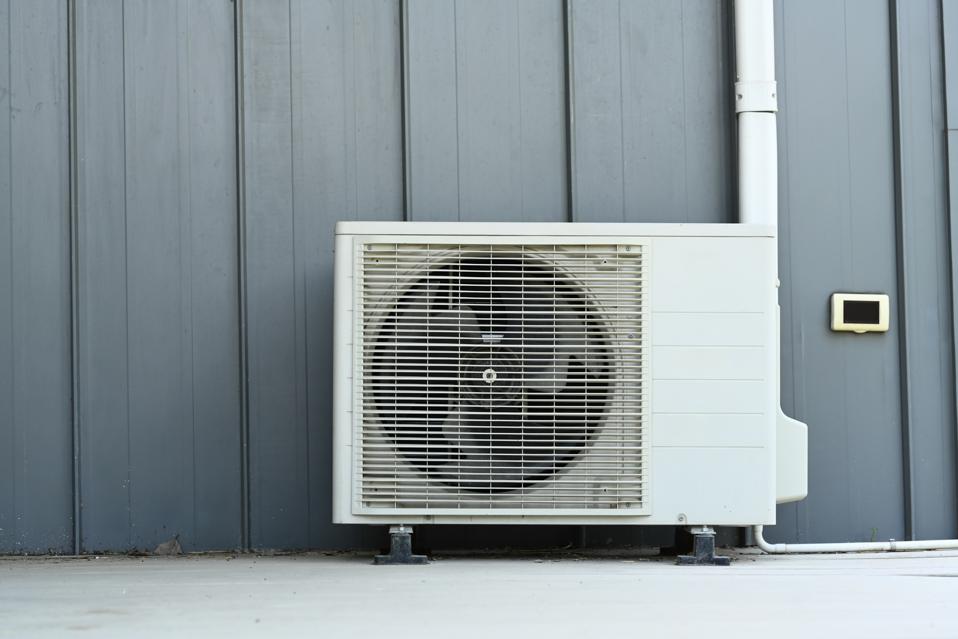
One of the most pressing issues in the HVAC industry is the shift towards environmentally friendly refrigerants. The U.S. Environmental Protection Agency (EPA) is actively phasing down the production and consumption of high global warming potential hydrofluorocarbon (HFC) coolants, aiming for an 85% reduction by 2036. This regulatory push is prompting the industry to explore and adopt alternatives such as hydrofluoroolefins (HFOs) and natural refrigerants like carbon dioxide (CO2) and ammonia. This transition is critical given that air conditioning alone accounts for a substantial 10% of total U.S. energy consumption, making the environmental impact of refrigerants a significant concern.
Property owners, particularly those managing multifamily properties, face increasing regulatory pressure to comply with new energy efficiency standards and emission controls. Staying informed about these rapidly evolving requirements is crucial. Compliance often involves investing in energy-efficient HVAC equipment, implementing smart building technologies, and optimizing insulation. Additionally, property owners may need to monitor and report emission levels regularly and consider integrating renewable energy sources, such as solar power, into their HVAC systems to meet renewable energy targets. Retrofitting older properties with modern, energy-efficient heating and cooling systems is becoming a necessity, requiring close collaboration with HVAC specialists and contractors to balance occupant comfort, system performance, and regulatory compliance.
The rapid technological developments in the HVAC sector are also necessitating a shift in traditional business models. The industry is moving away from one-off sales towards subscription-based services, offering recurring revenue streams. This transformation is supported by the adoption of Internet of Things (IoT) platforms, which enable proactive maintenance and repair scheduling, reduce downtime, and enhance the effectiveness of service calls. Subscription models can encompass various services, including preventative maintenance, data analysis dashboards, and high-end equipment rental, providing more flexible and comprehensive solutions to customers.
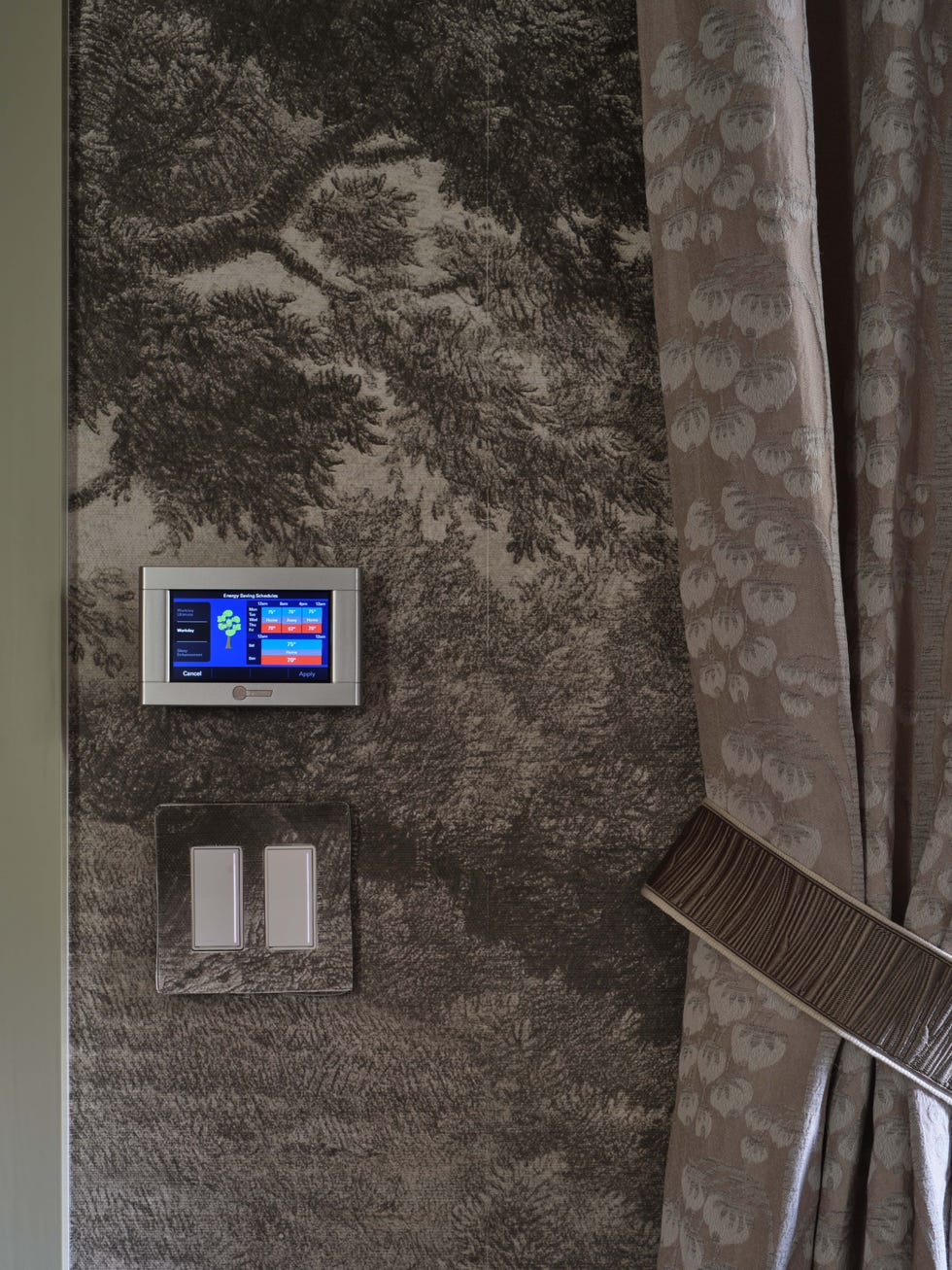
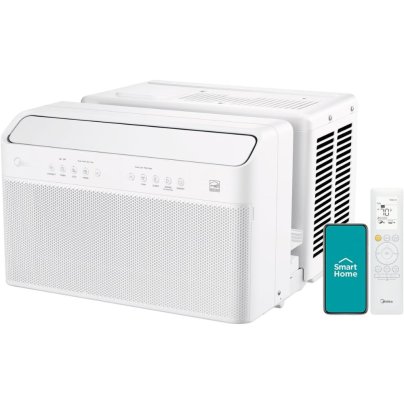
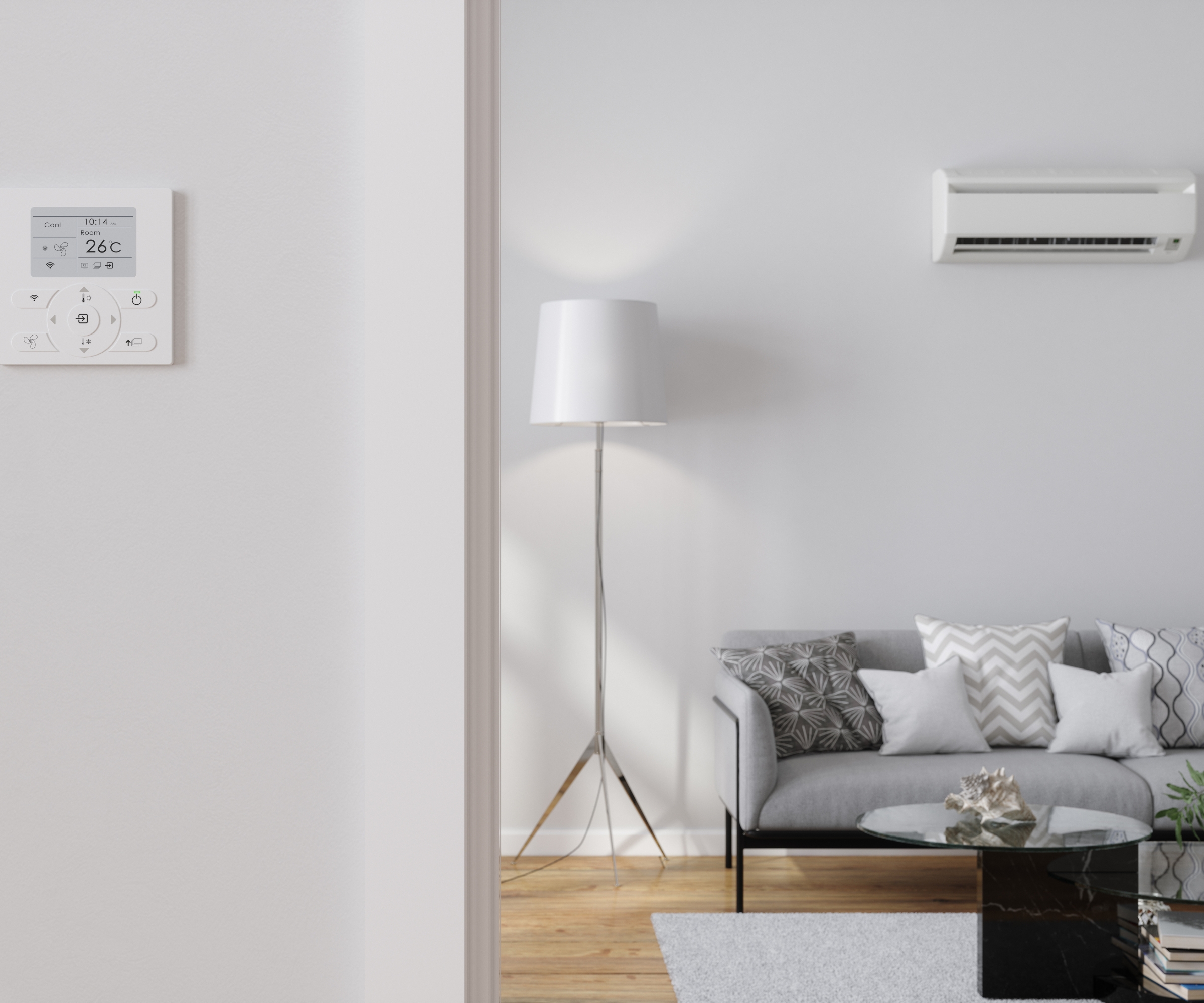
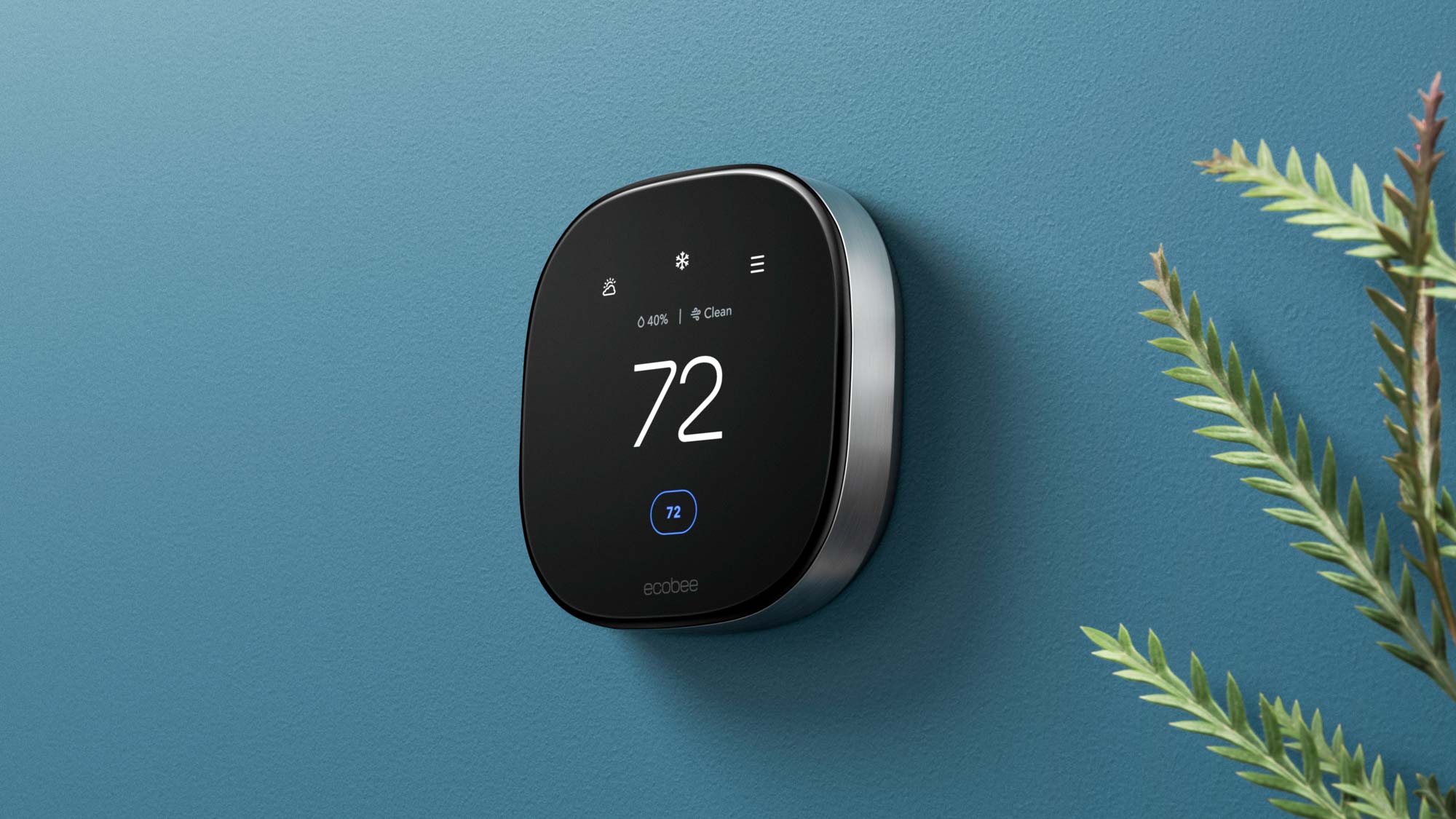
Automation and IoT play a pivotal role in the future of HVAC. Advancements in automation allow for highly efficient booking systems, leading to faster response times and improved service delivery. Smart thermostats and motion-activated systems are becoming more common, offering optimized climate control based on occupancy and usage patterns. These technologies not only enhance convenience for users but also contribute significantly to energy savings by minimizing unnecessary cooling. The increasing user-friendliness and proven cost and energy benefits of these automated systems are driving their widespread adoption, even among consumers who might typically be resistant to new technologies.
Moreover, IoT platforms are powerful tools for aggregating comprehensive HVAC usage data. This data provides valuable insights for building managers, allowing them to use innovative software to select the most cost-effective HVAC configurations when planning system replacements. Data analysis also facilitates proactive troubleshooting and alerts, enabling timely repairs and replacements, which ultimately leads to significant savings and better compliance with regulations. The initial installation costs of these smart technologies are often outweighed by the long-term operational efficiencies and environmental benefits they provide. The HVAC industry's commitment to environmental preservation, coupled with innovative business strategies and advanced automation, is paving the way for a more efficient and eco-conscious air conditioning experience for all users.
#HVACFuture #Sustainability #SmartTechnology #EnergyEfficiency #IoT #RegulationCompliance #BusinessModels #RefrigerantAlternatives #PropertyManagement #HVACFuture #Sustainability #SmartTechnology #EnergyEfficiency #IoT #RegulationCompliance #BusinessModels #RefrigerantAlternatives #PropertyManagement
0 commentaire au total
 Aucun commentaire pour le moment
Vous aimerez aussi
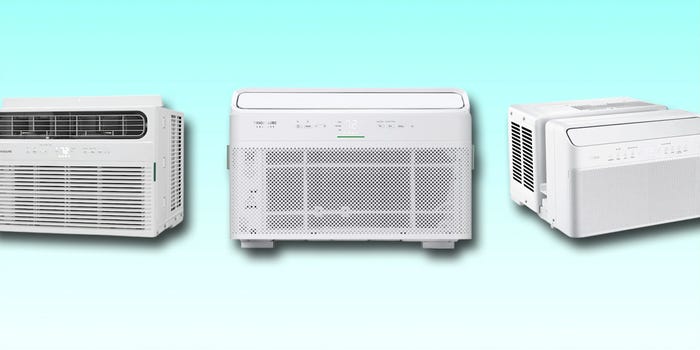
The best air conditioners, and why we still recommend the Midea U

Reimagining Air Conditioning: Traditional Cooling Methods for the Future


Comfort: Heating & Cooling

Are Your Return Air Vents Facing the Wrong Way? They Could Be Making Your Home Hotter

Whole house ducted HVAC: The end is near?
HVAC Buying Guide: What to Know When You're Shopping

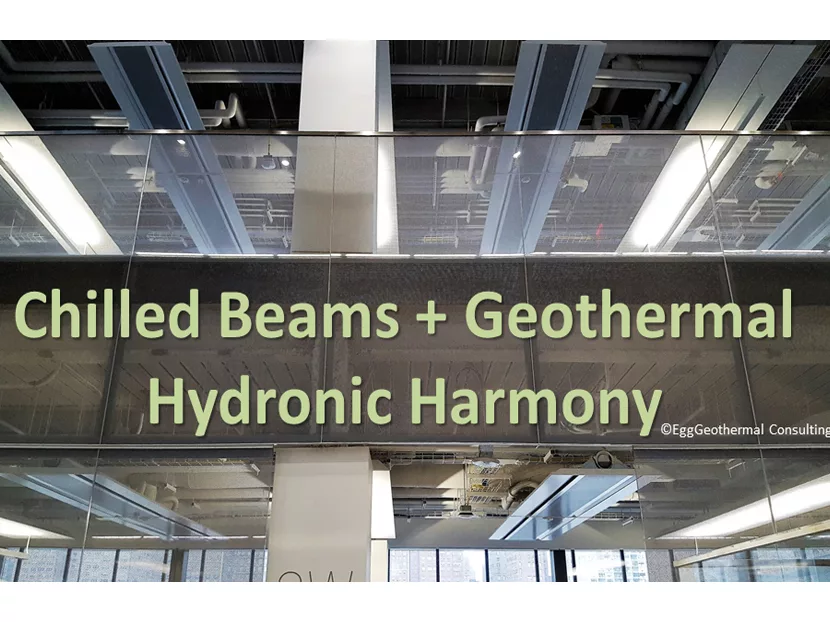
Radiant Floors and Ceilings Make Geothermal Even Better

The Best Heating & Air Conditioning Companies in Midland, MI

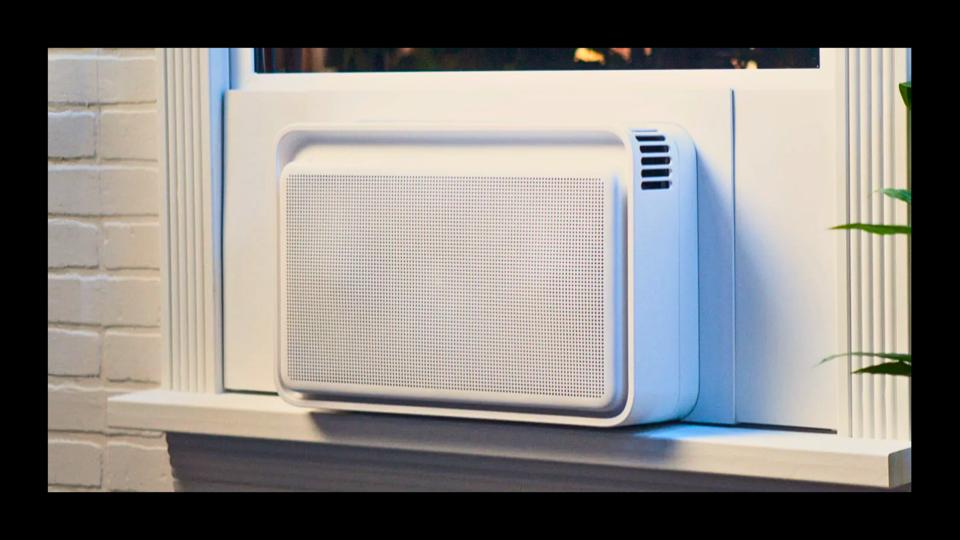
The 6 Best Window Air Conditioners Of 2025: Our Top Energy-Efficient Picks

Updating And Maintaining Your Workplace’s HVAC System

The Best HVAC Service Companies in America

Hydronic radiant wall heating, still the greatest trade secret in the U.S.

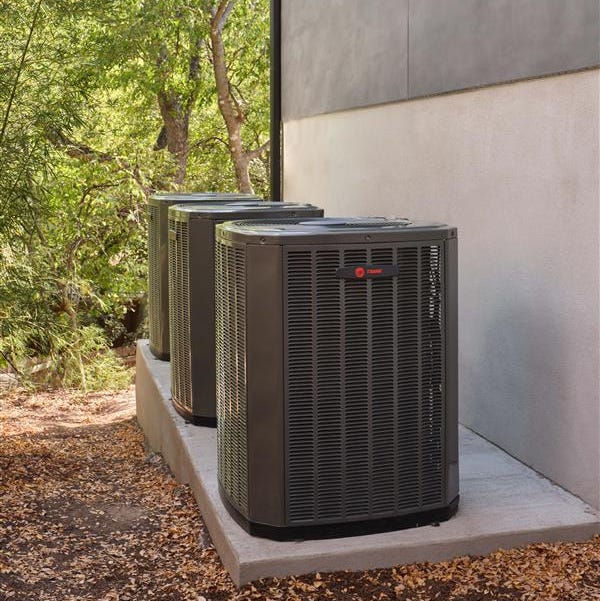
Meet the HVAC System Customizing Comfort in Our 2025 Whole Home

We Installed 5 U-Shaped Air Conditioners to Find the Best for Quiet, Efficient Cooling

Why is my upstairs always hot even with AC on? Experts reveal why and how to fix it


I Thought I'd Found a $99 Fix for My Balky Air Conditioning. I Was Wrong. | Reviews by Wirecutter

There’s a New Generation of Window AC Units. We Found the Best Ones.
HVAC pros reveal if you should close vents in unused rooms – the answer feels counter-intuitive but it's true


This Hexagonal Ceiling Tile System Rethinks Office Air


Story from Advantage Heating & Air Conditioning: 5 dark truths about the HVAC industry and how they can cost money