The Designer Trick for Choosing the Right Living Room Rug Color
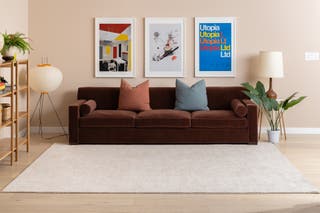
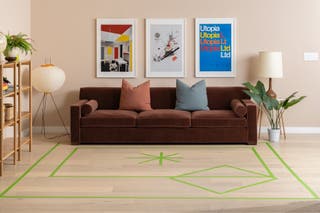
Choosing the right area rug for a living room is a critical design decision, often underestimated in its impact on a space's overall aesthetic and emotional feel. Designers emphasize that a rug carries significant visual and emotional weight, influencing the entire atmosphere of a room. Many homeowners tend to either play it safe with neutral colors or attempt to match everything too closely, which can inadvertently lead to a rigid and uninviting environment rather than a relaxed one.
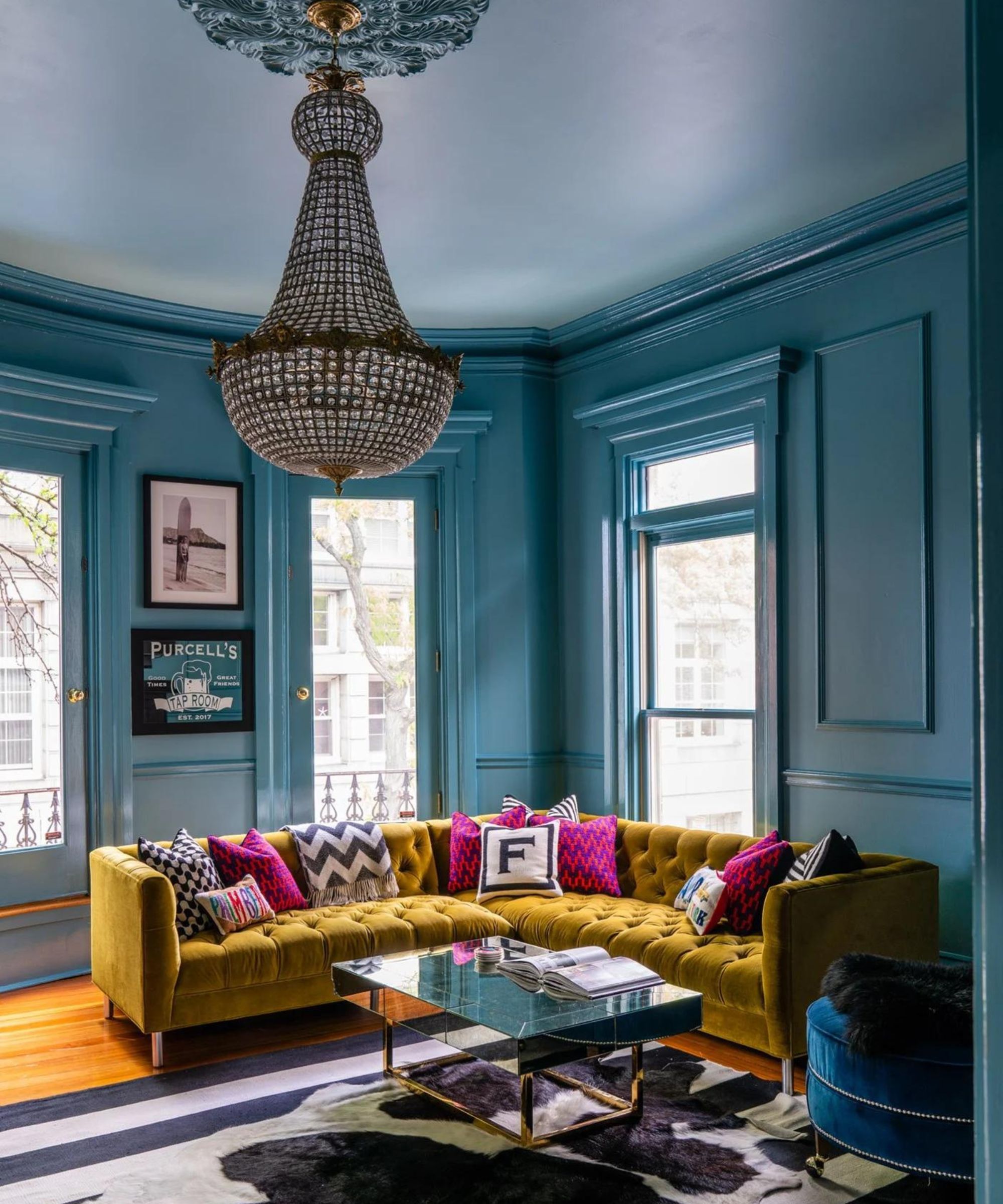
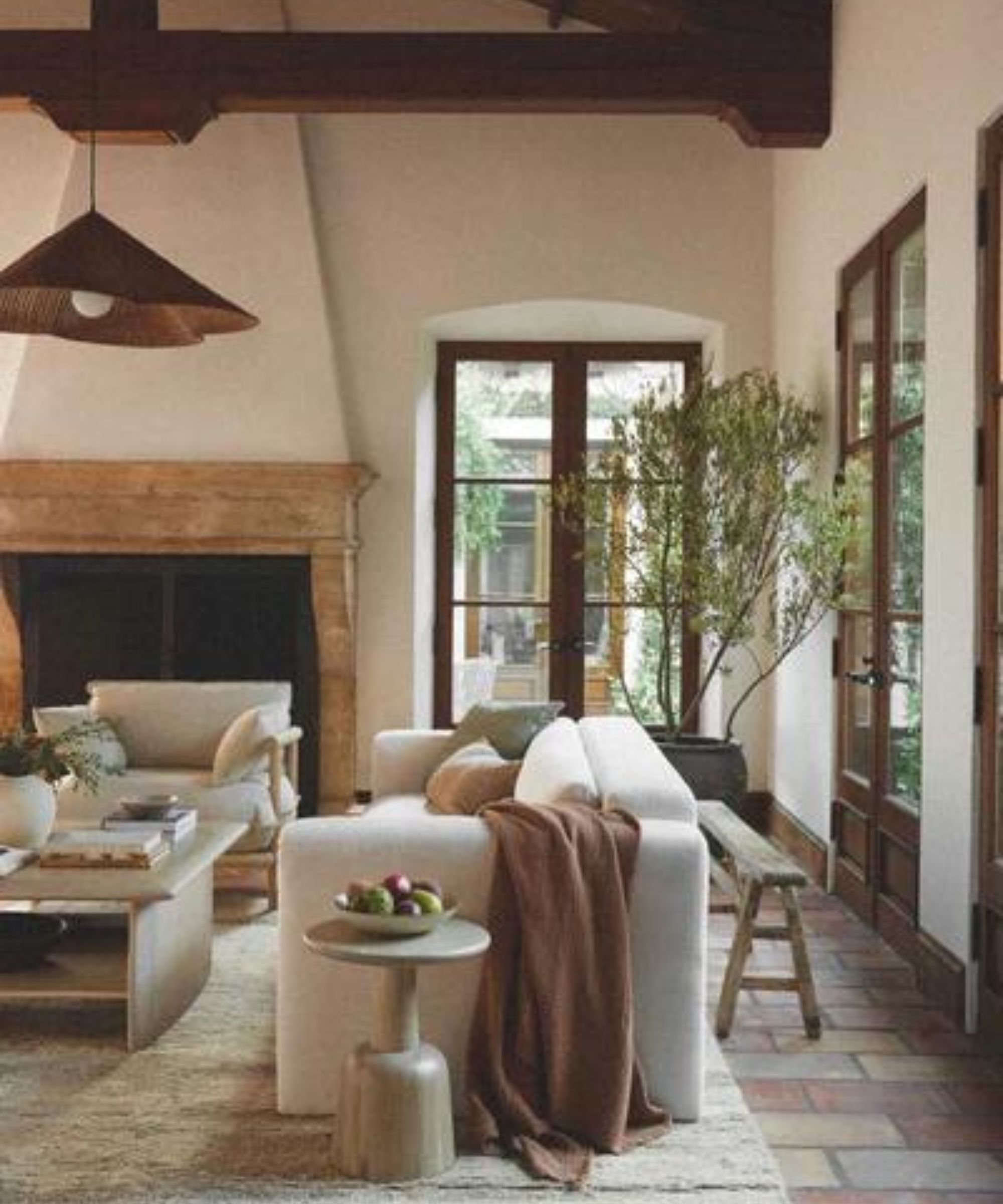
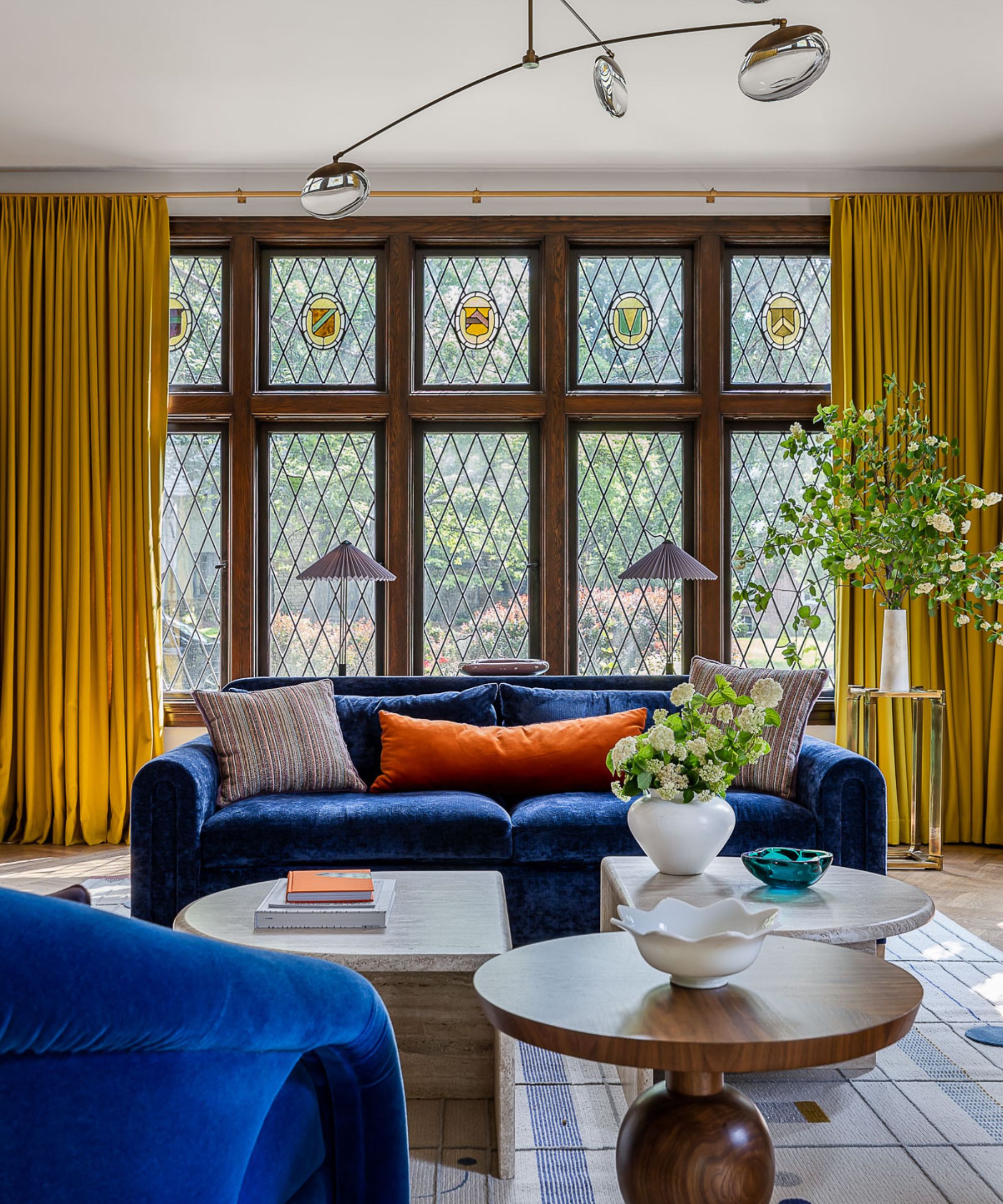
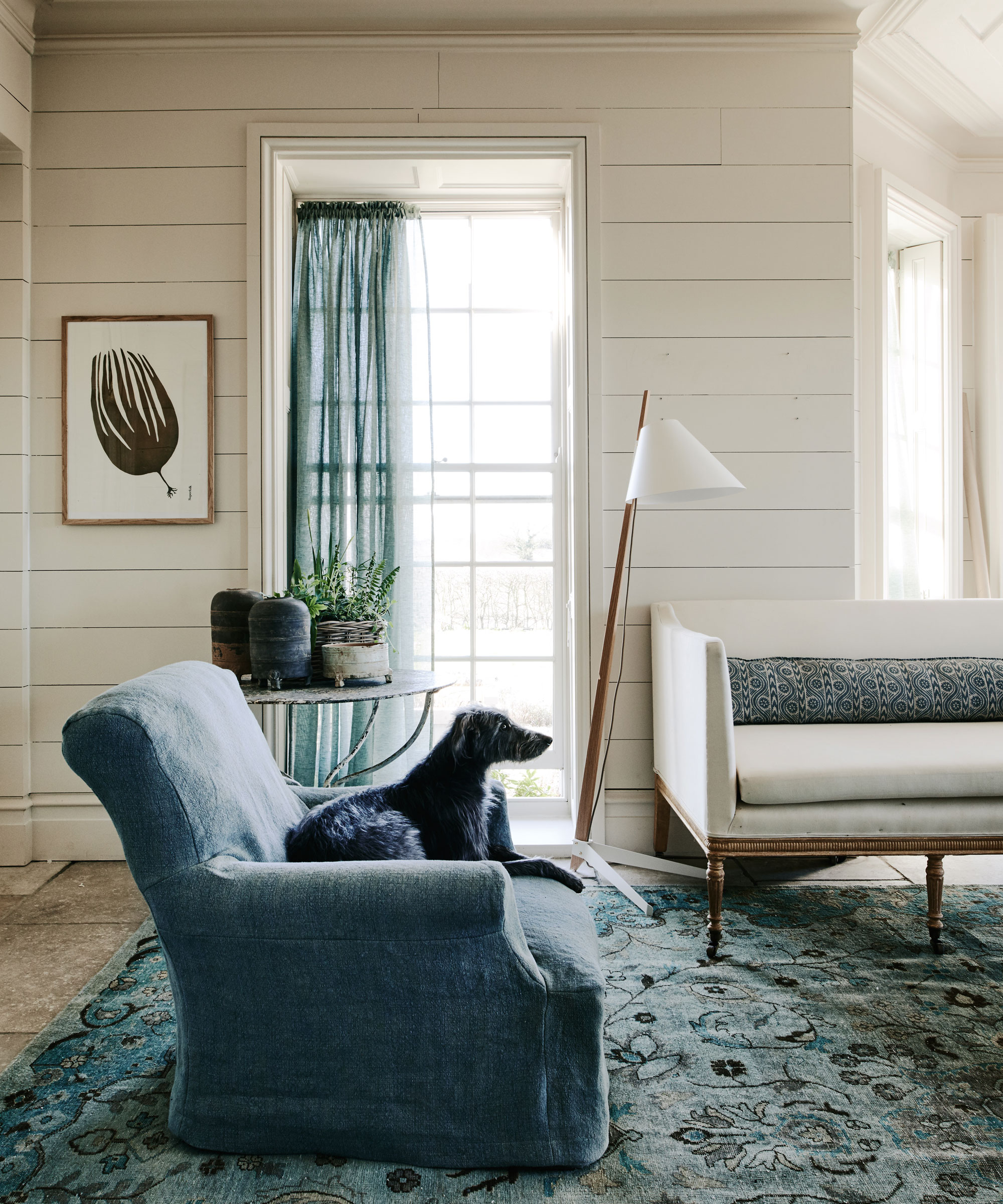
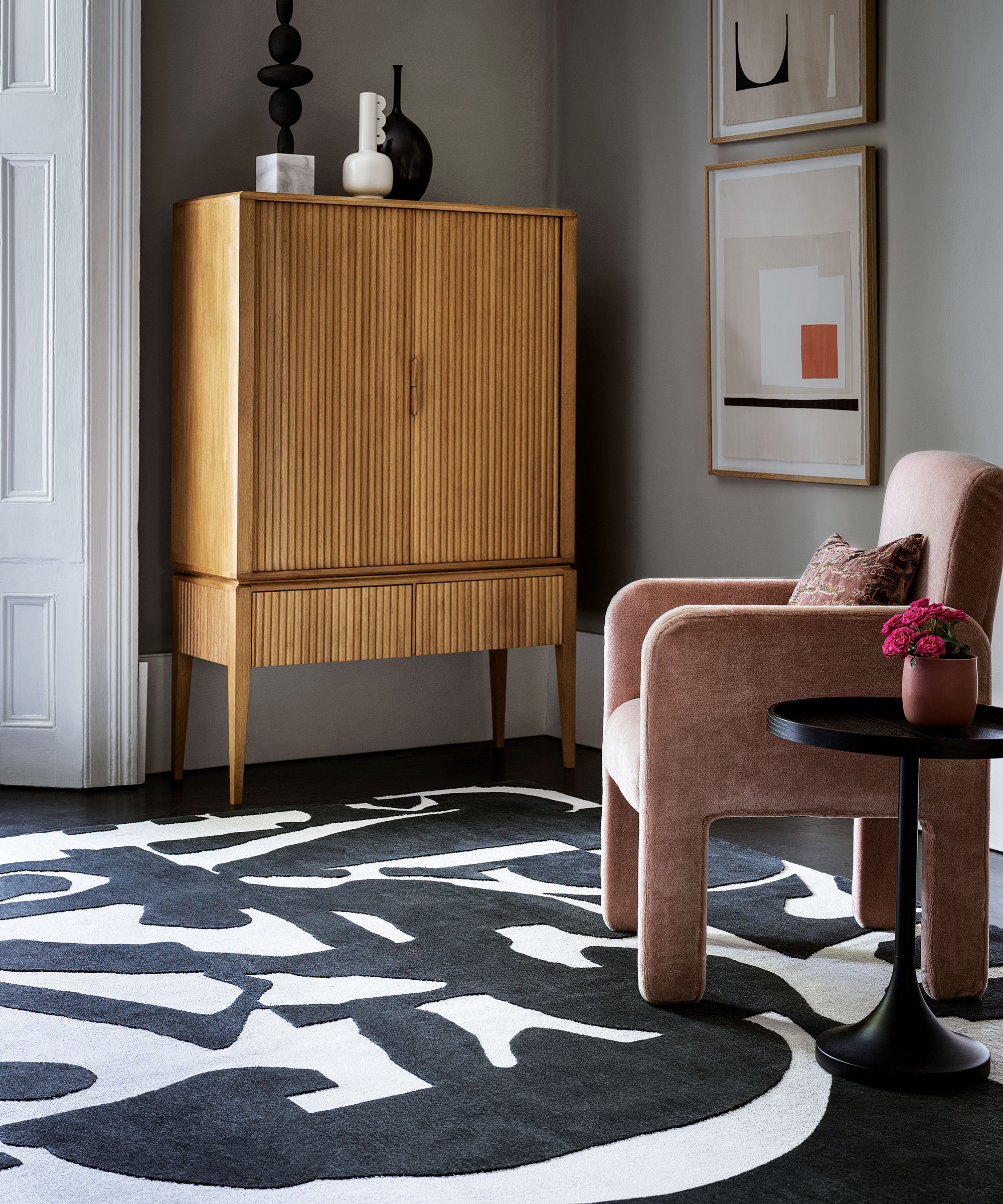
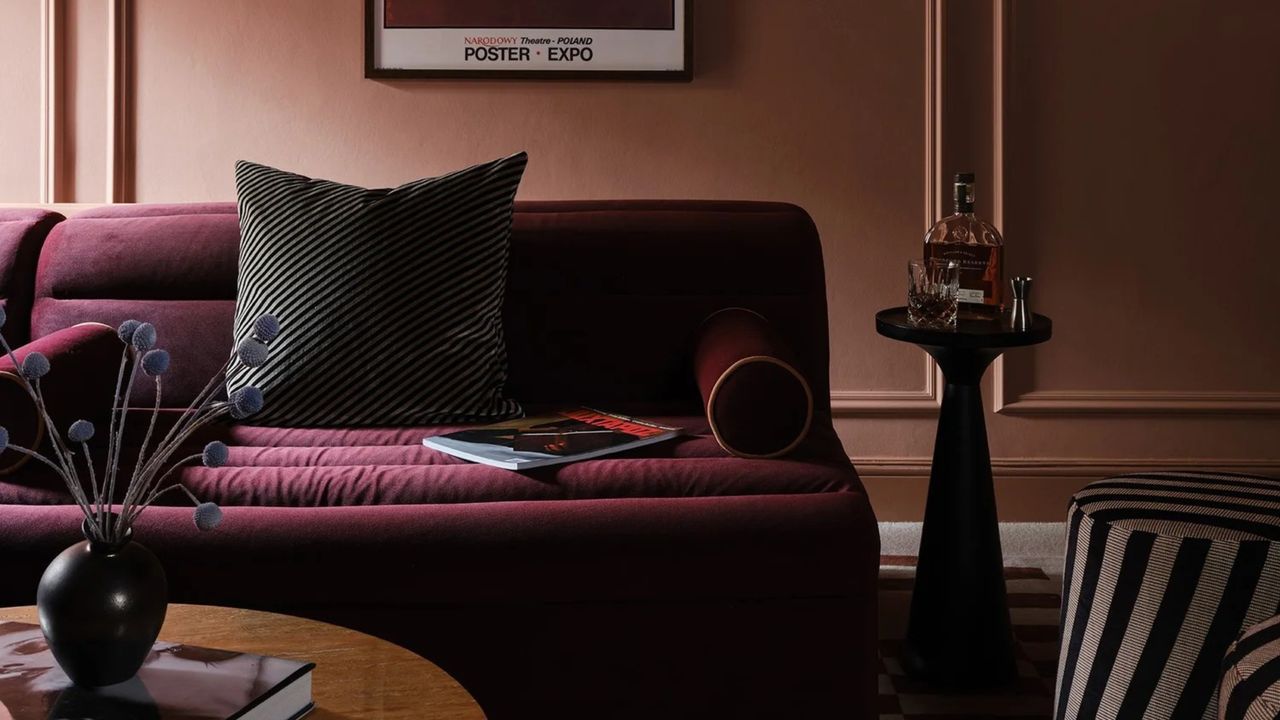
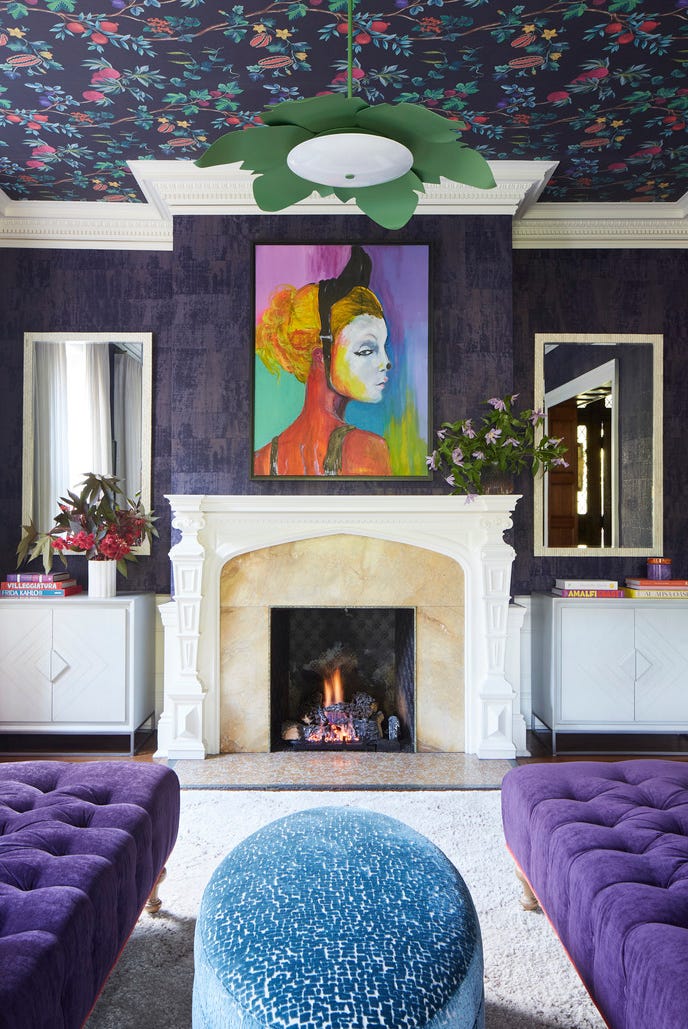
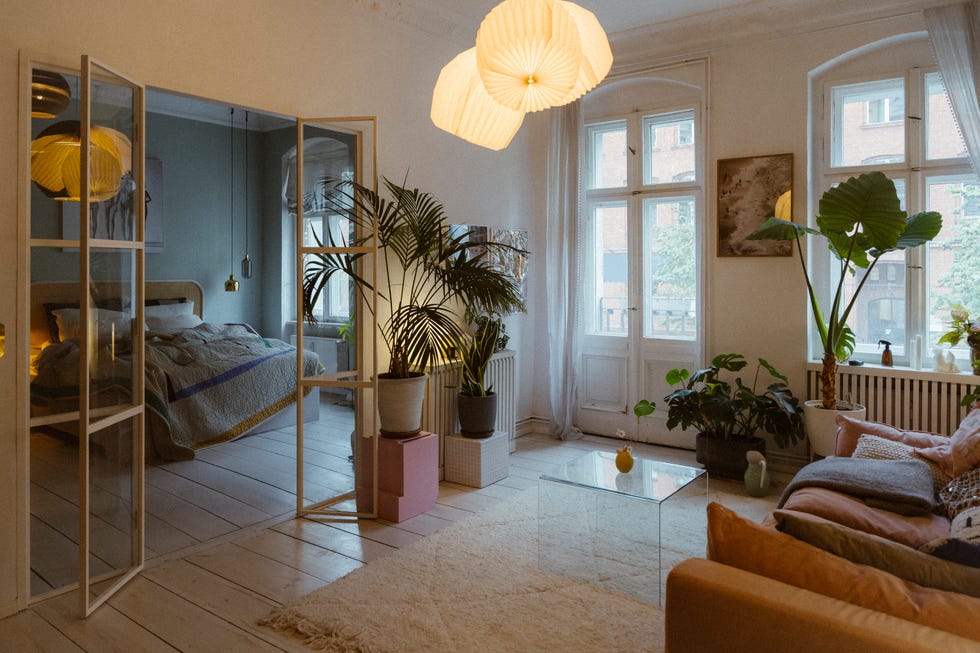
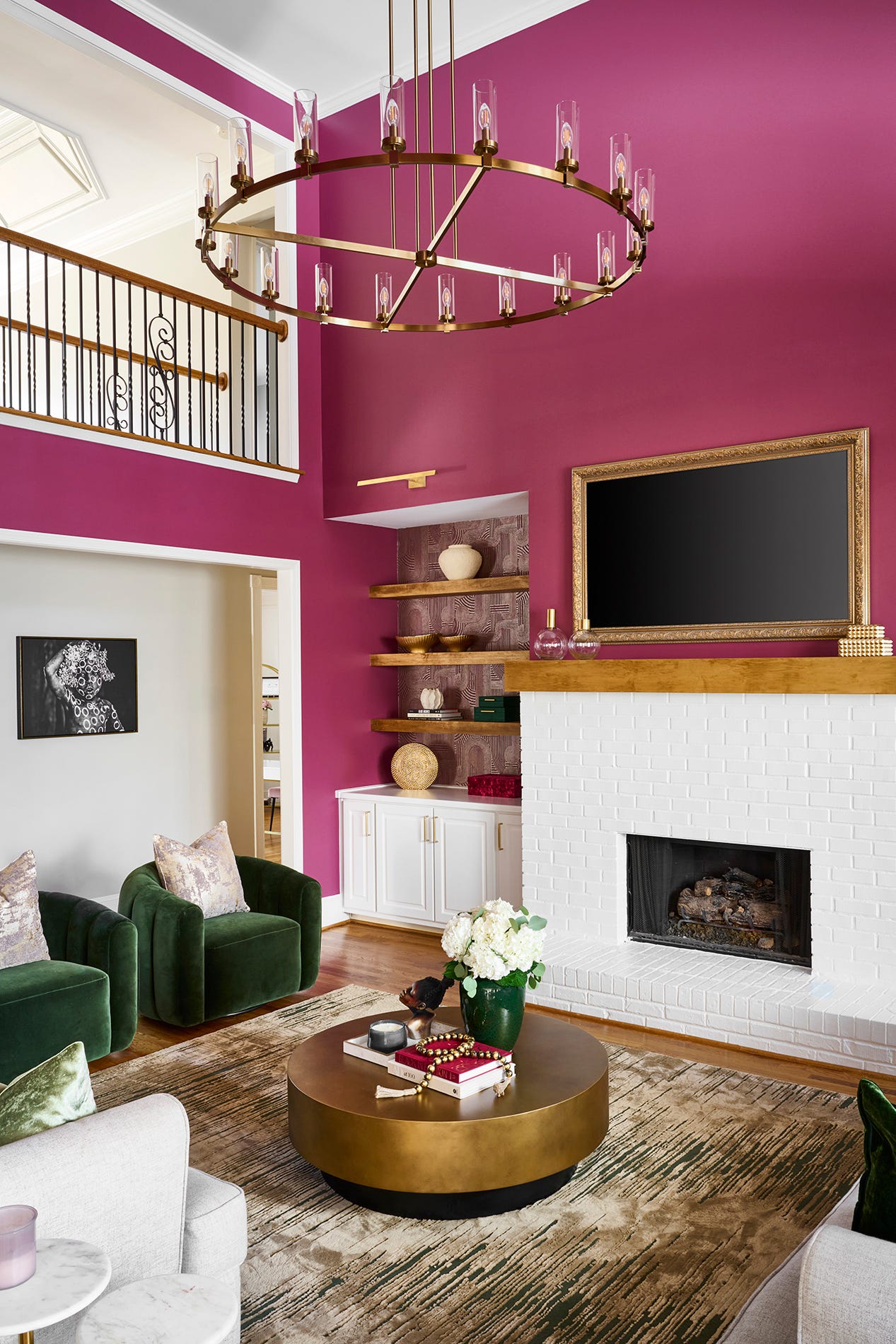
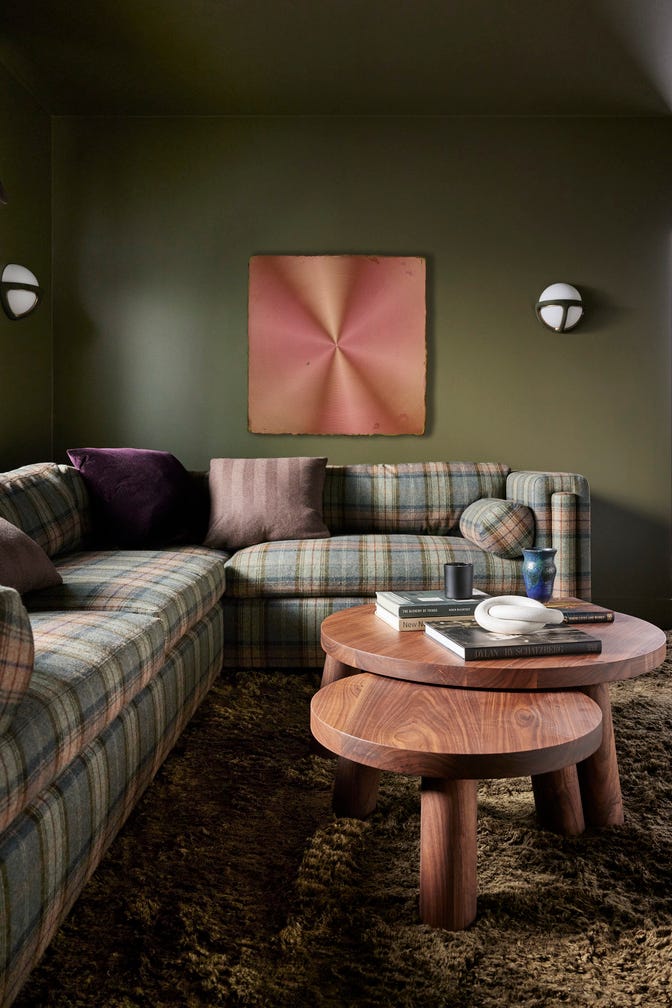
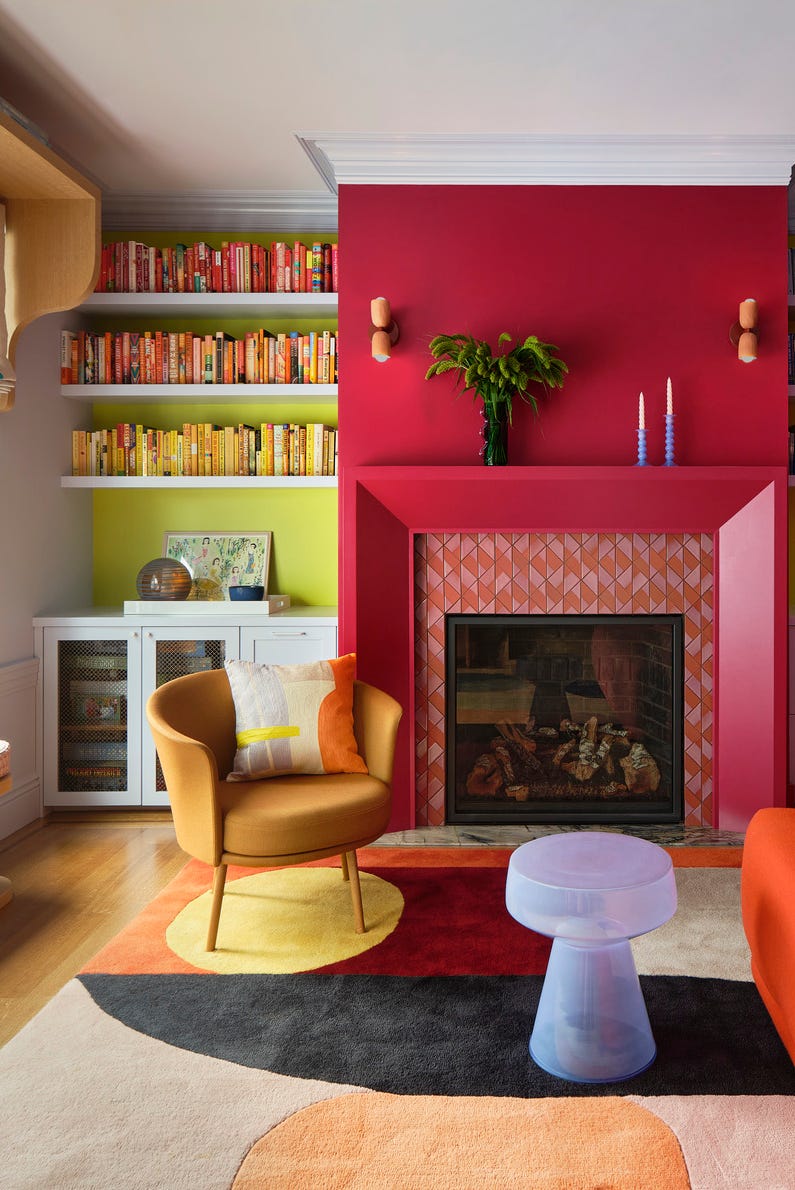
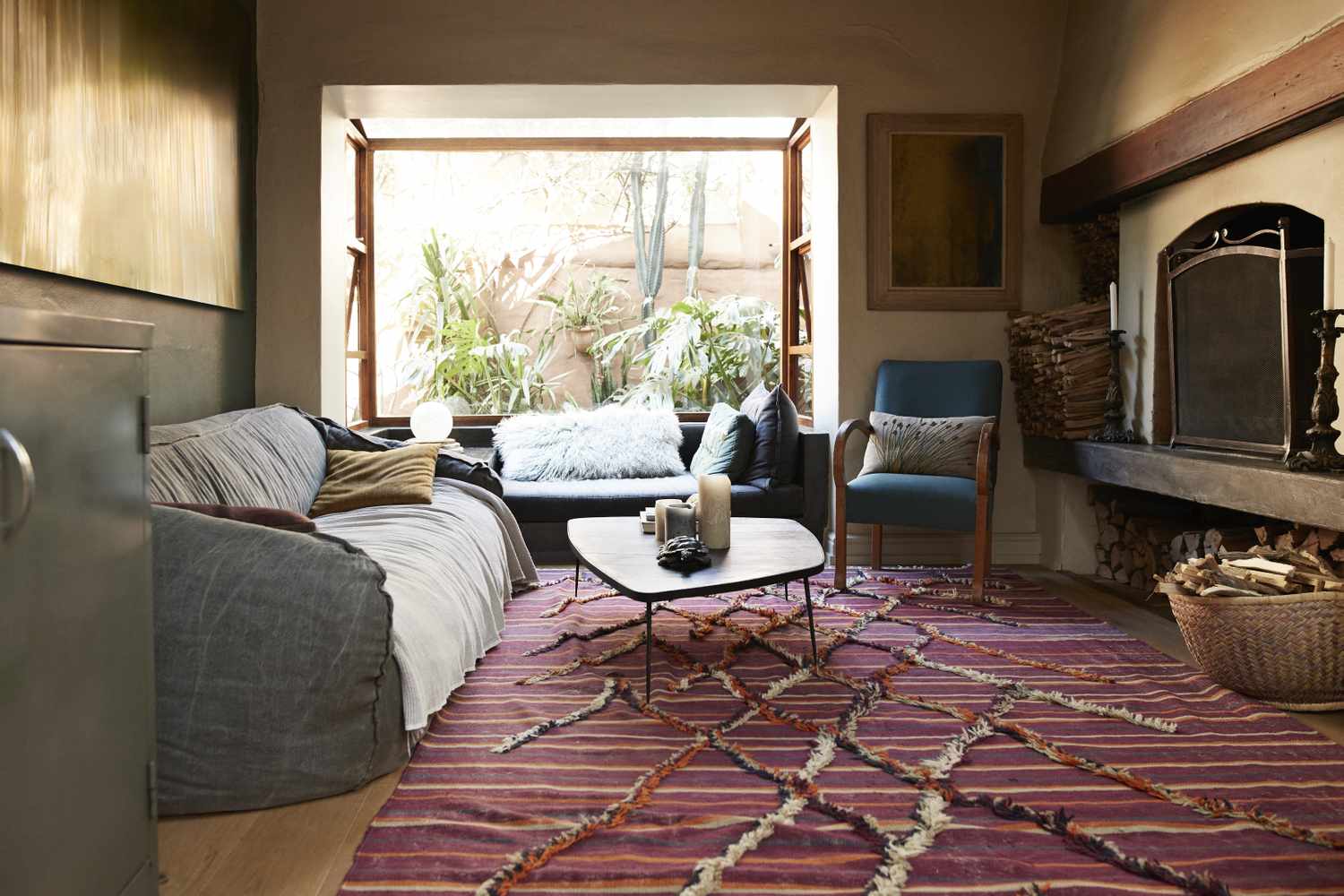
The primary consideration when selecting a living room rug color, according to experts like Katherine Boone, director of design at Corador, and Malorie Goldberg, a partner at Noa Blake Design, is to think about the desired feeling for the room. Color is not merely visual; it evokes emotions. Homeowners should ask themselves whether they want the space to feel cozy, calm, or grounded, which would suggest leaning towards tonal, earthy shades. Conversely, if the goal is to create an energetic or expressive ambiance, a rug with a richer or unexpected hue that still harmonizes with the existing decor would be more appropriate. These emotional descriptions can serve as keywords to guide the shopping process.
Once initial options are narrowed down, designers strongly recommend ordering samples. Swatches allow homeowners to observe how different rug colors interact with their living room's unique lighting and other elements, helping to solidify a decision based on a 'gut feeling.' While rugs represent a significant investment, often coming with a substantial price tag, designers advise against defaulting to the most basic option solely to save money. A well-chosen rug is an integral piece that can tie all elements of a room together, making the investment worthwhile if the perfect option is found.
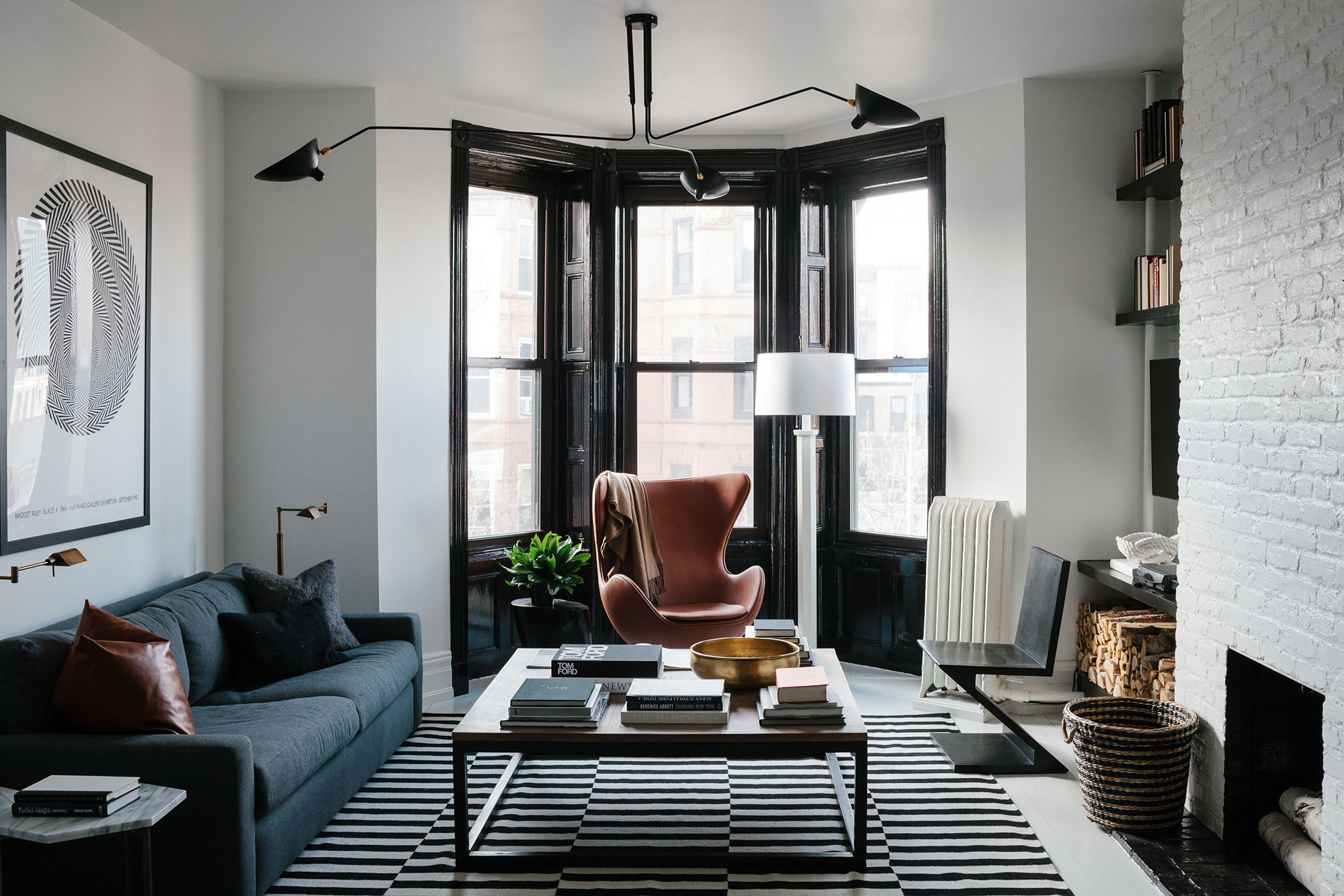
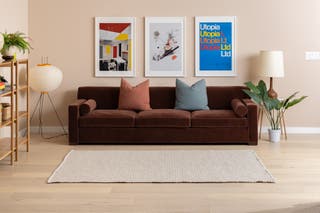
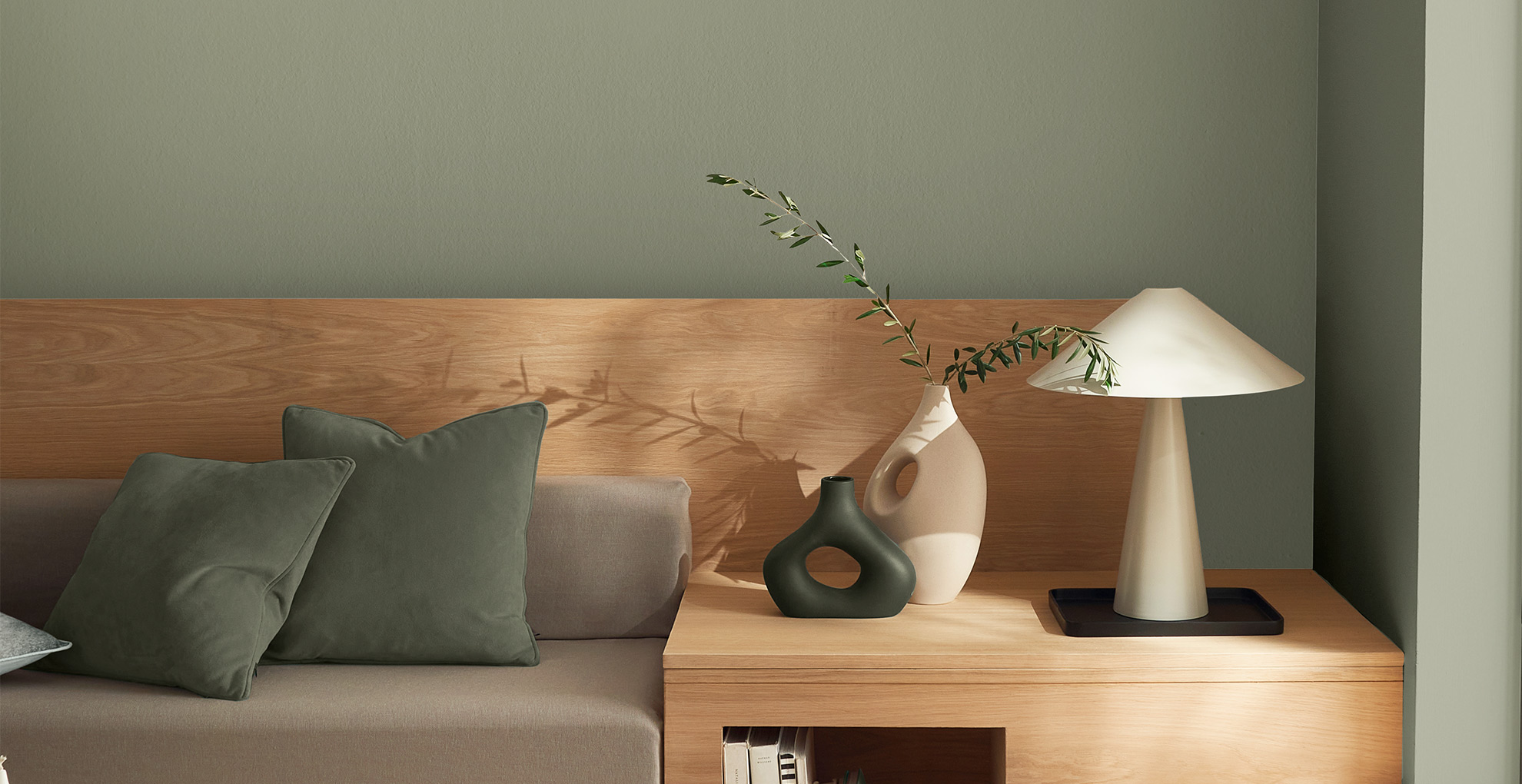
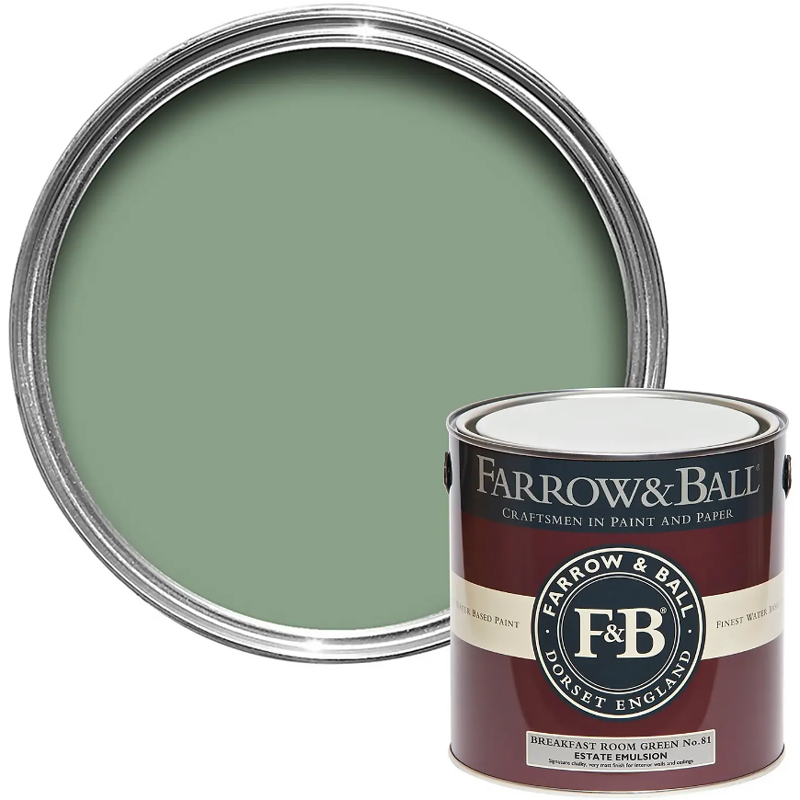
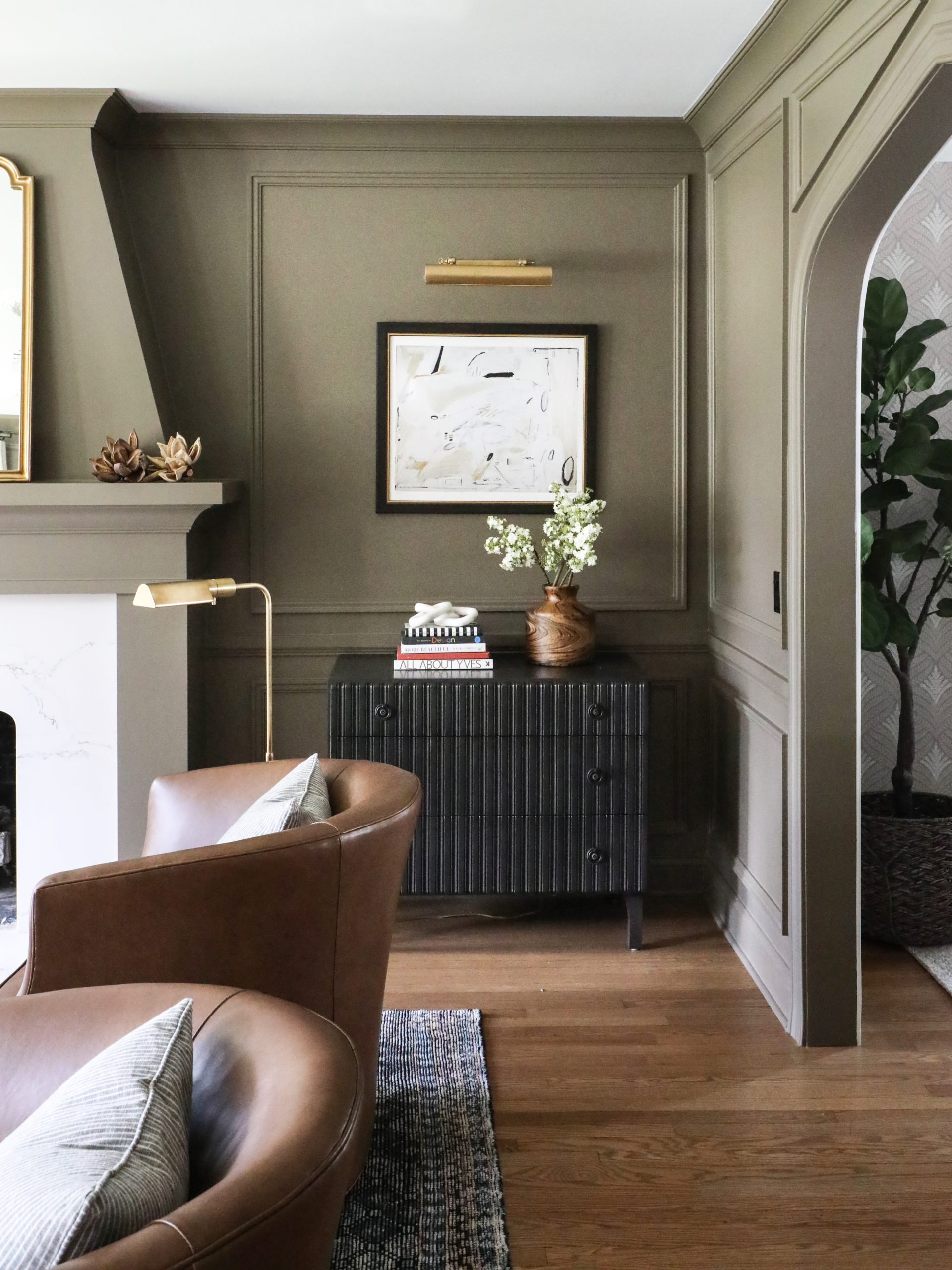
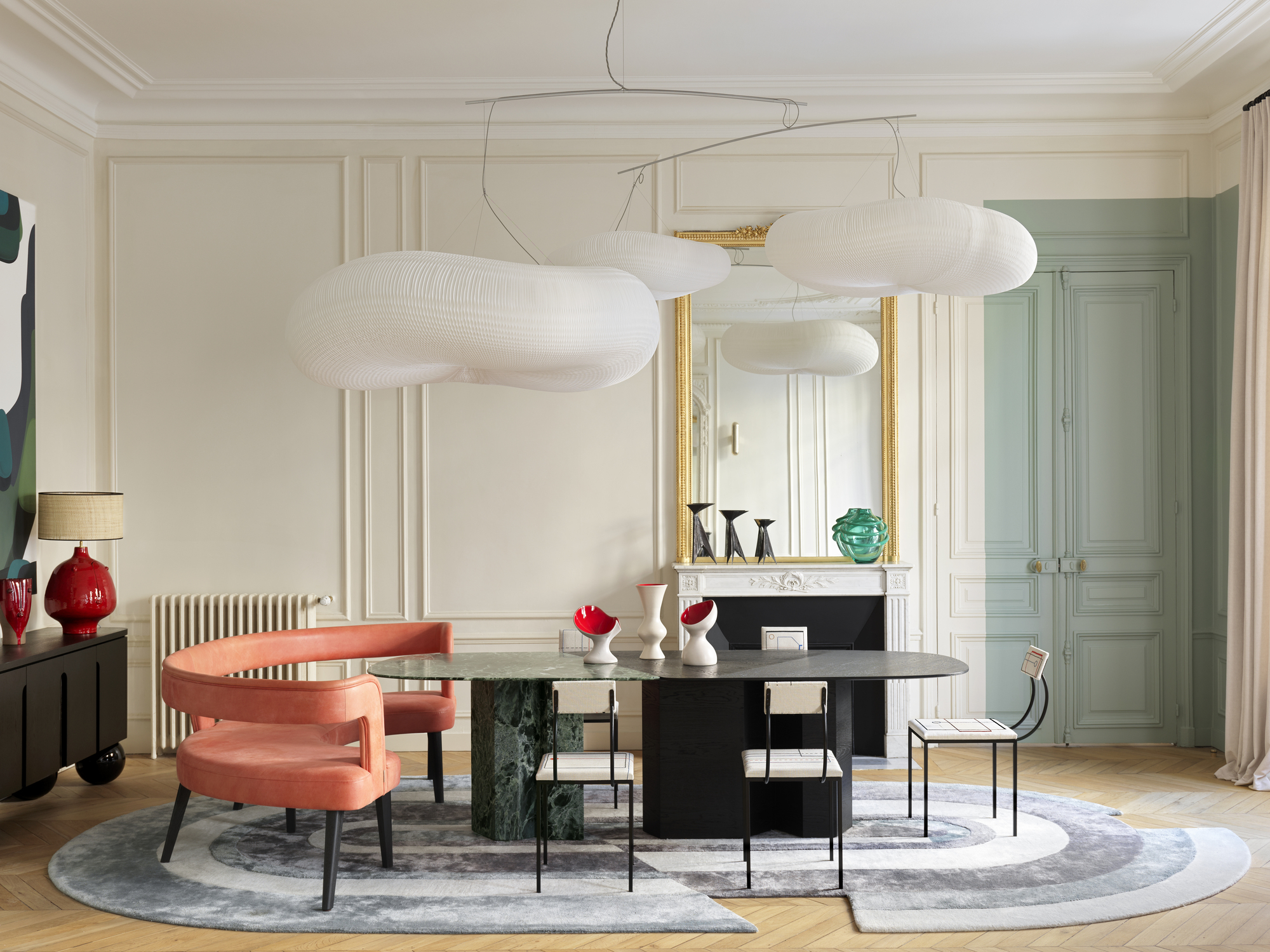
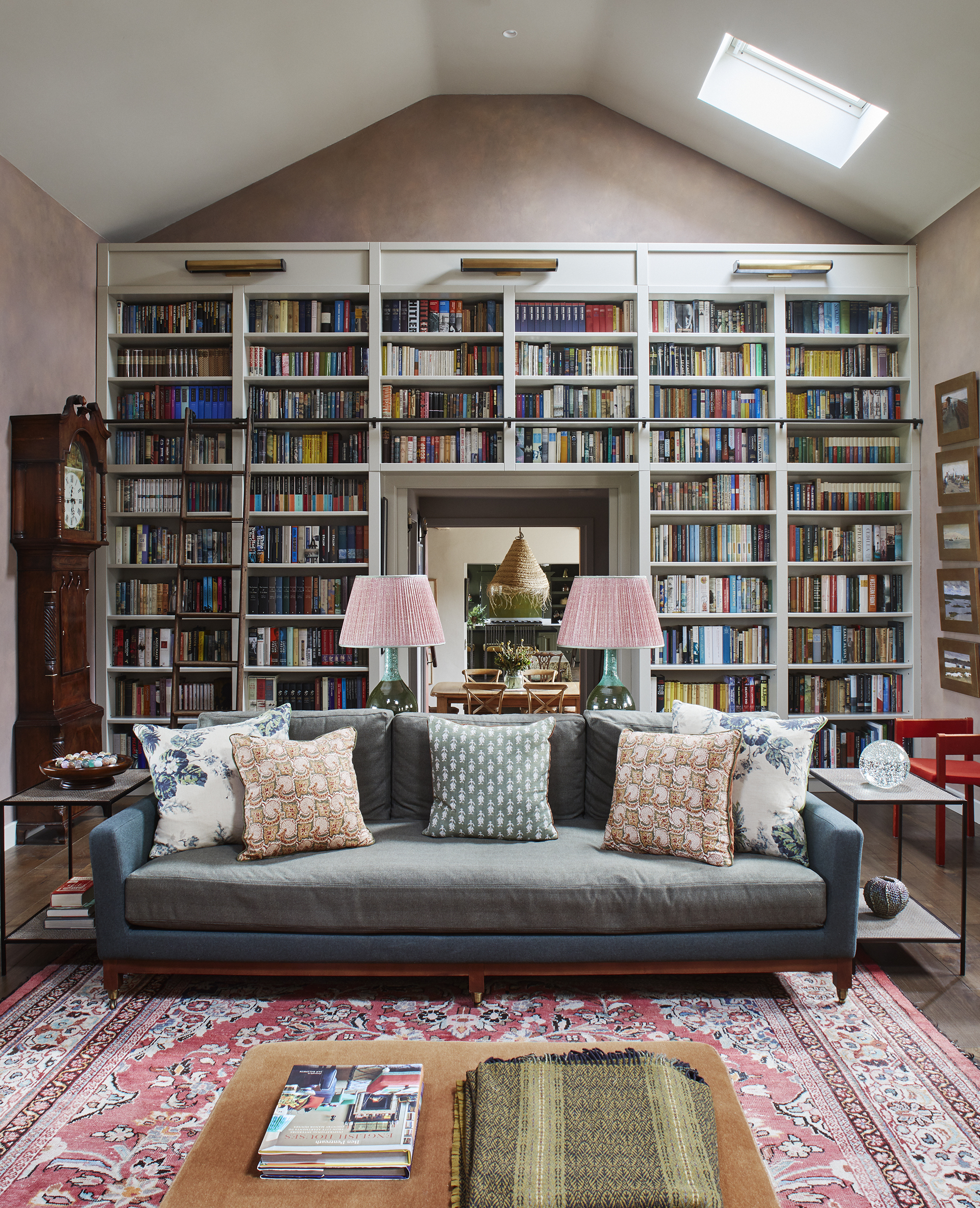
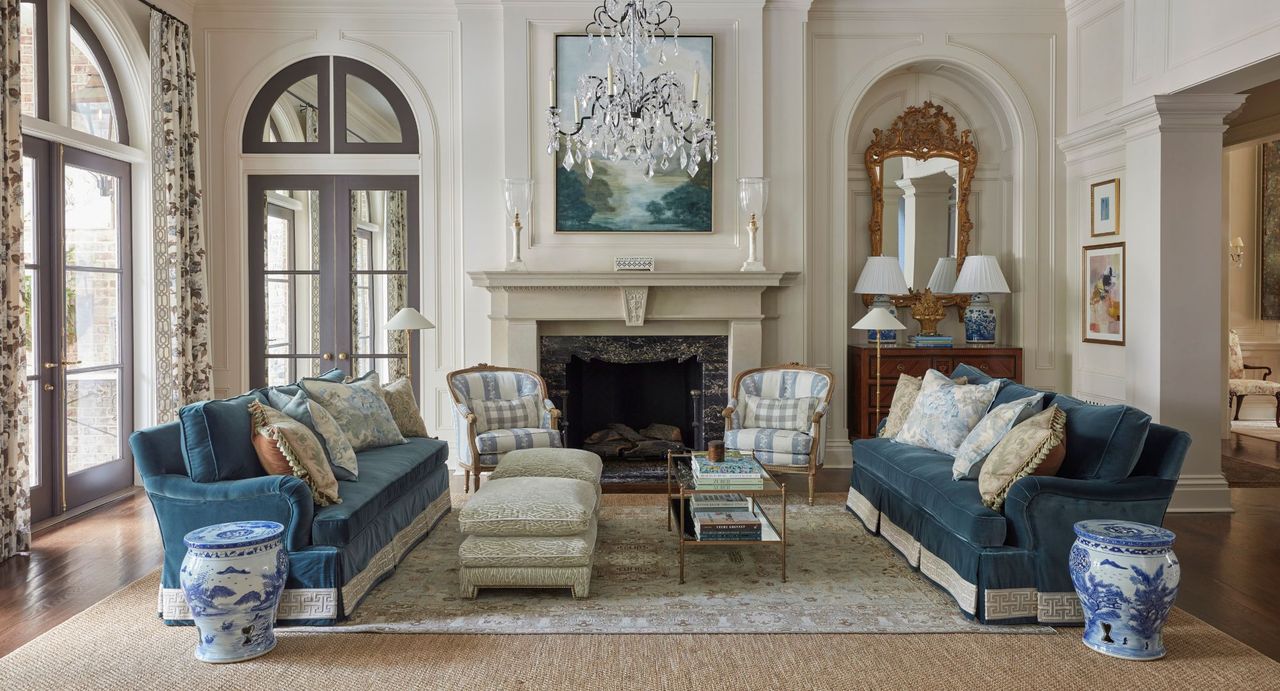
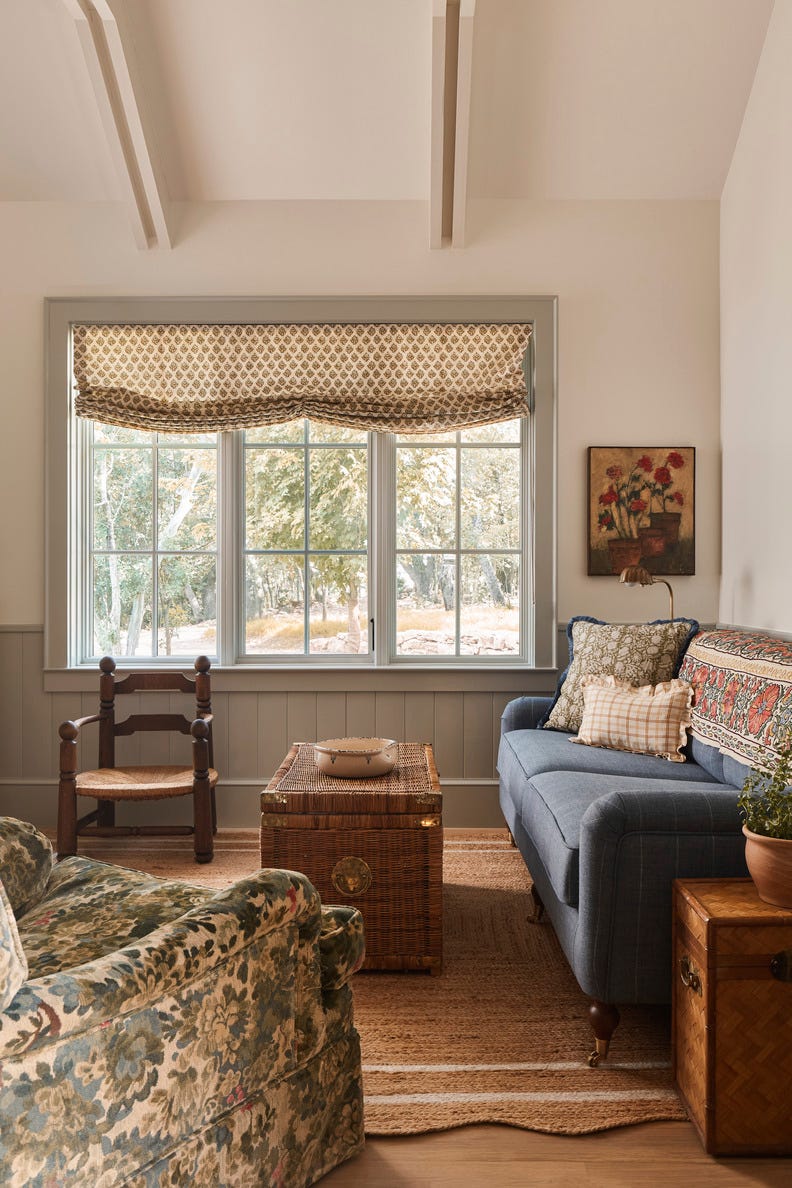
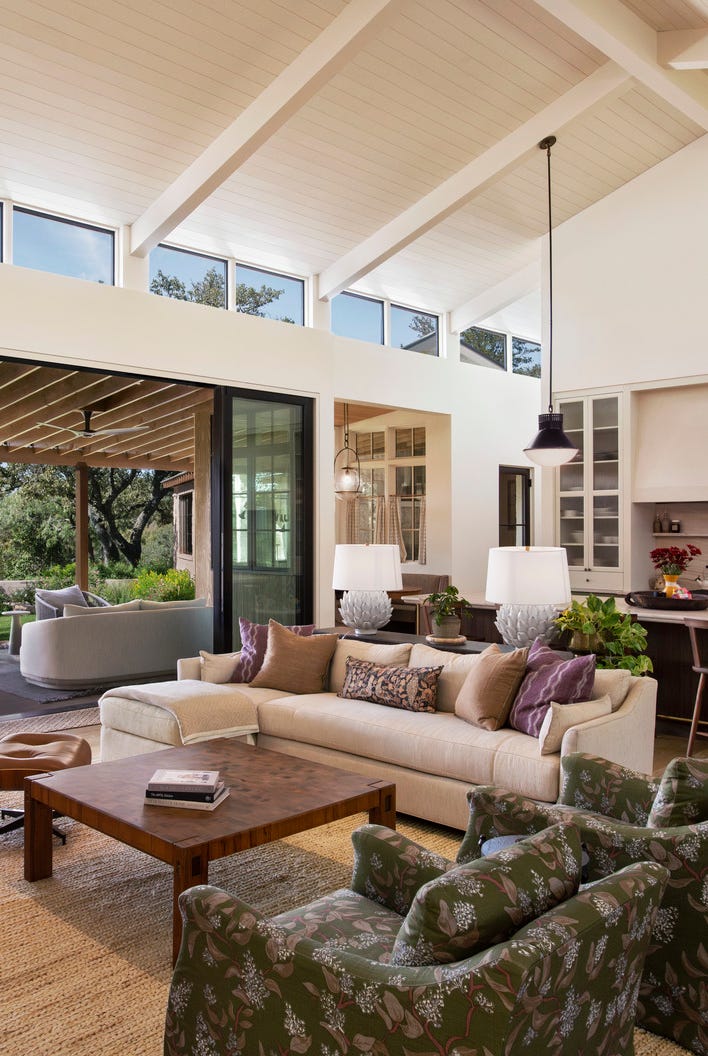
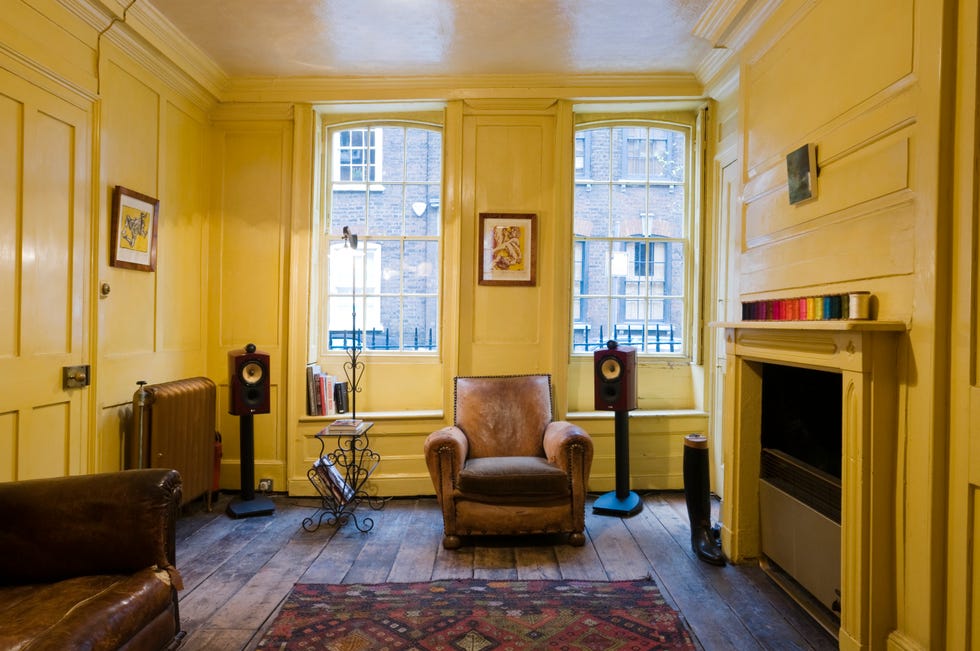
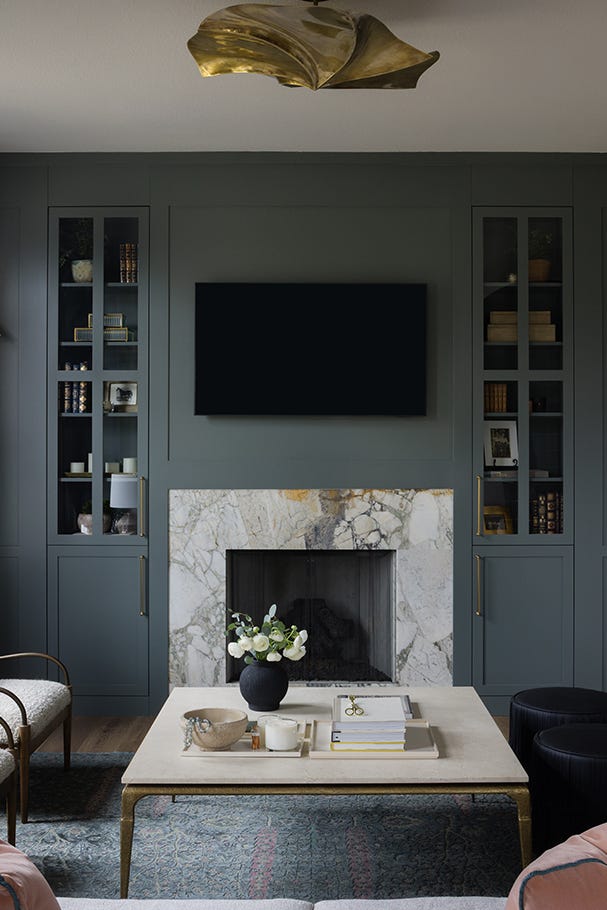
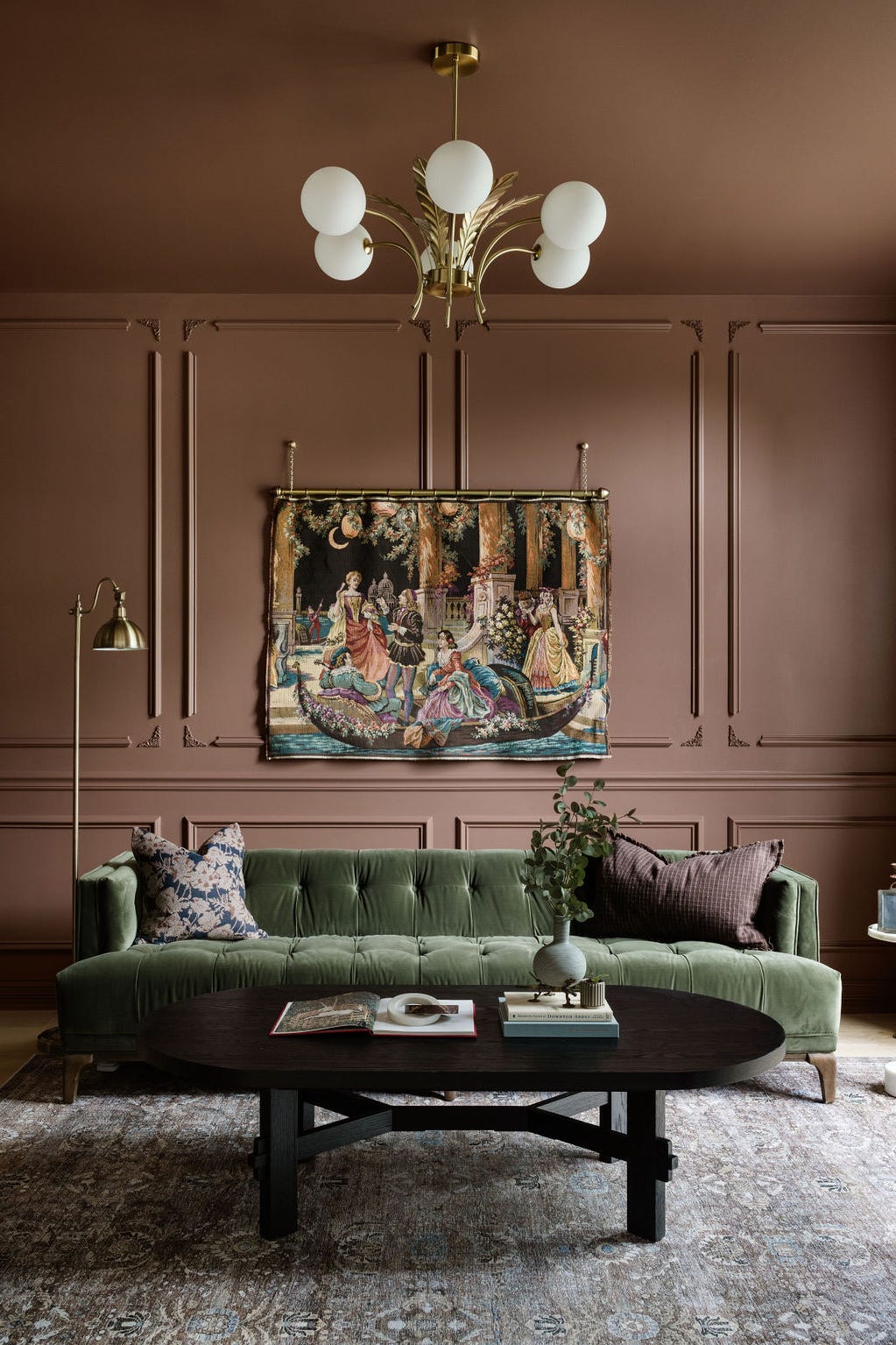
Addressing common dilemmas, designers offer guidance on whether a rug should complement or contrast the room. A complementary rug can foster a cohesive and calm atmosphere, while a contrasting one can inject personality and a sense of intentional layering. Boone suggests aiming for harmony with a touch of surprise, connecting elements without being overly matchy. Regarding wall color, Goldberg highlights the importance of a rug’s undertone, especially for neutral rugs (white, off-white, grey), which are particularly susceptible to undertone variations. Matching undertones ensures the rug feels like a natural fit. Generally, a rug darker than the walls is preferred to help ground the furniture.
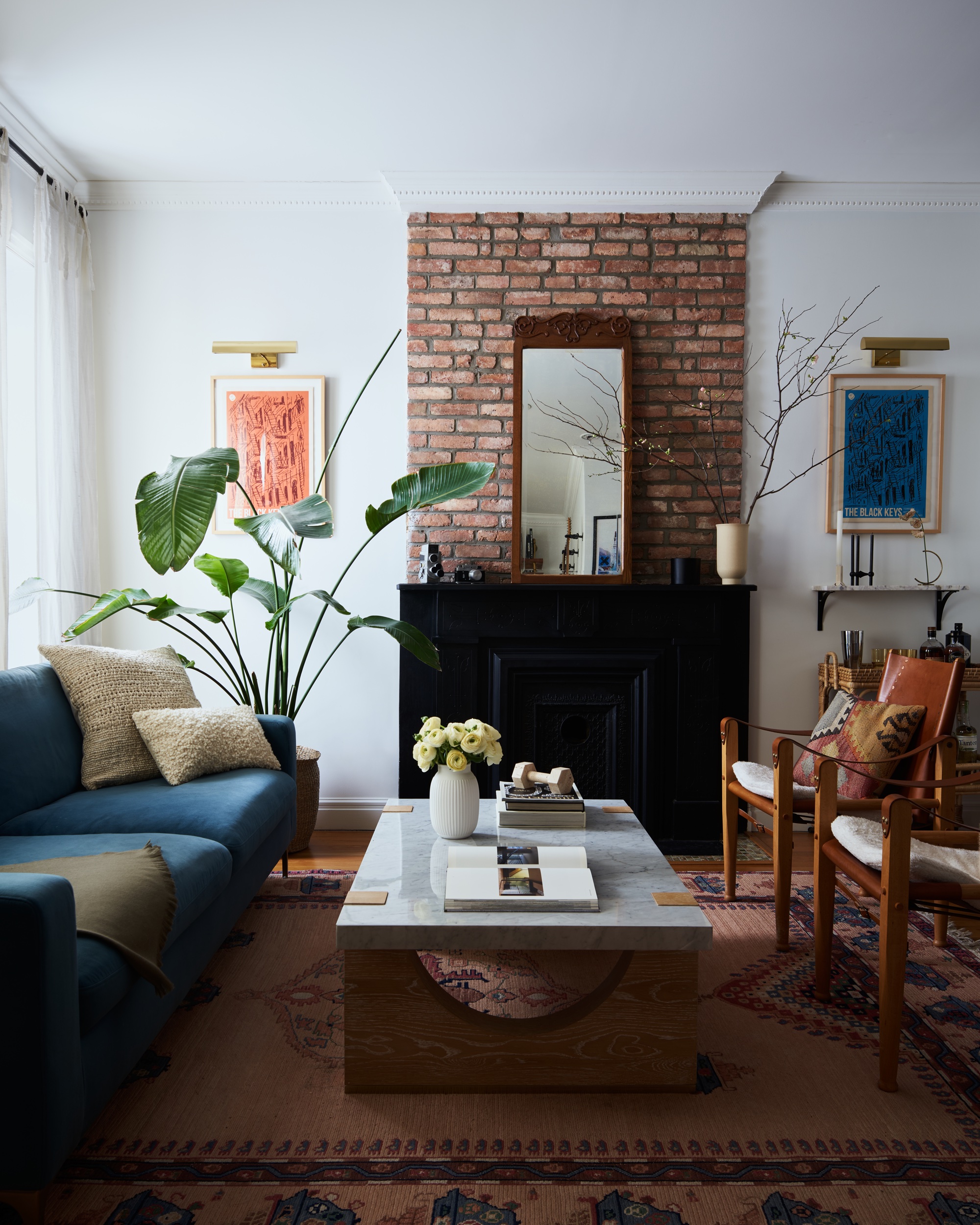
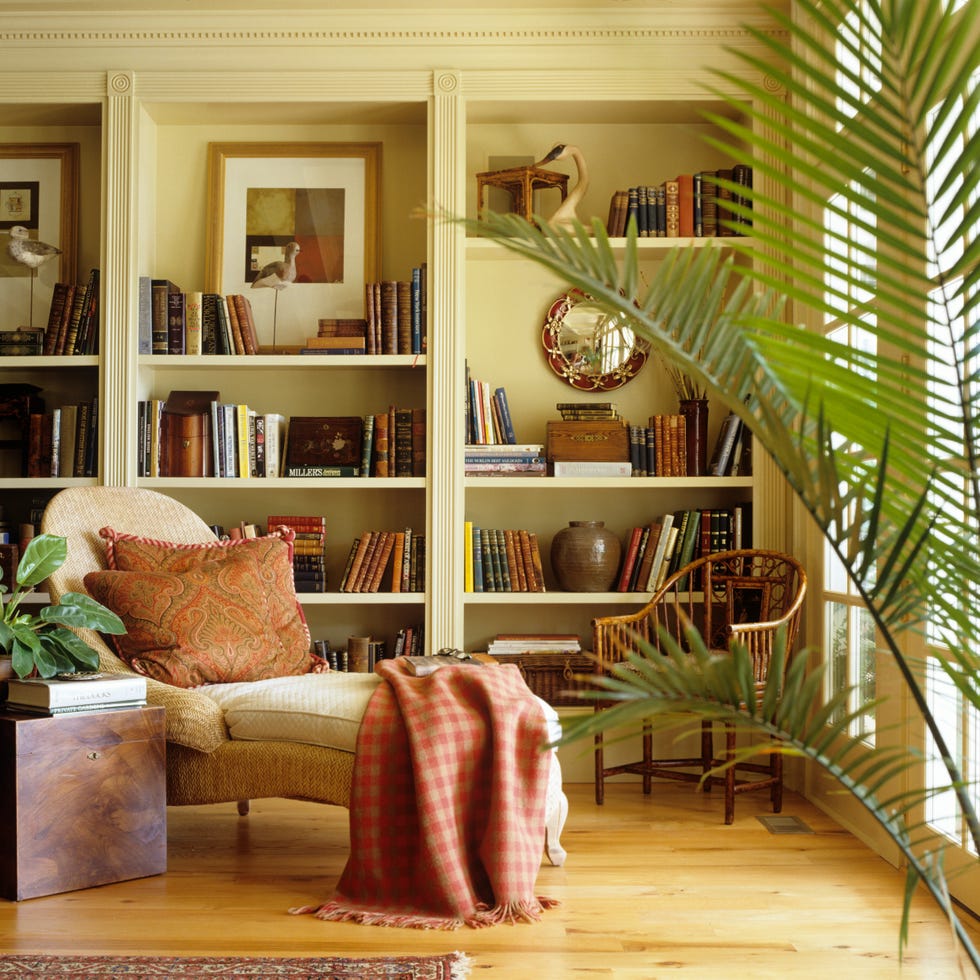
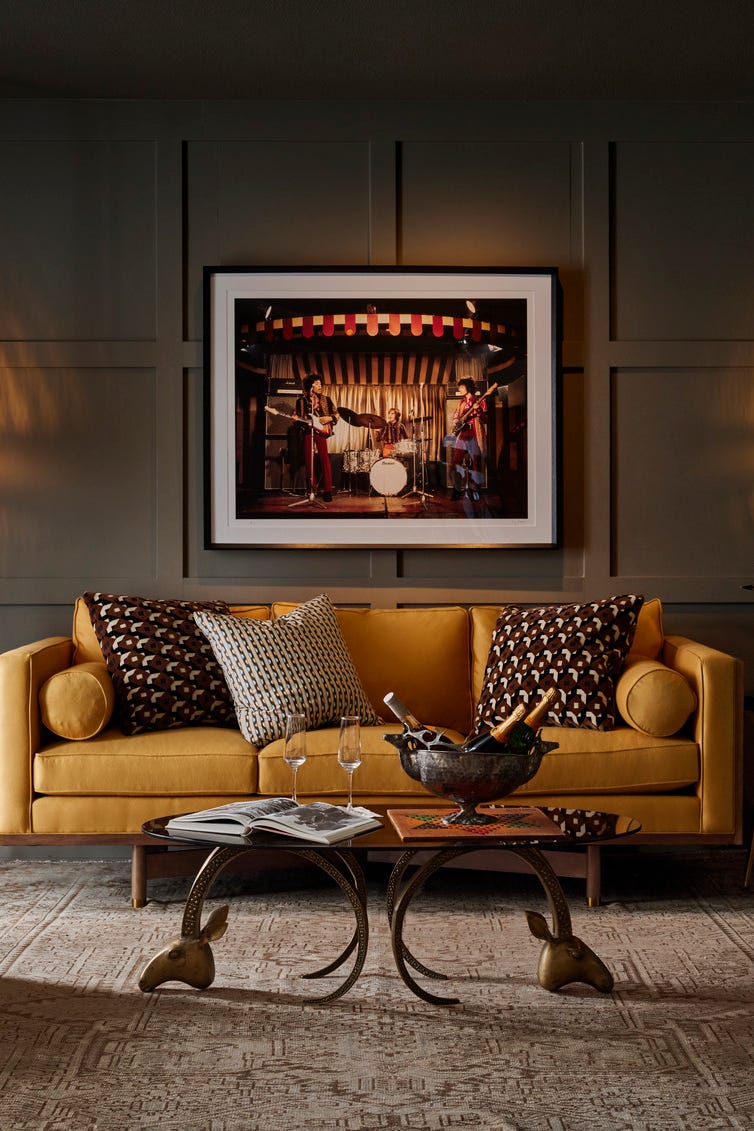
Finally, the relationship between the rug and accessories is also important. Accessories, including books, ceramics, pillows, and art, often reflect the homeowner's personality. While a rug doesn't need to explicitly match these items, it should 'speak the same language,' even if with a different 'accent.' This subtle connection helps create a layered and lived-in feel, contributing to a thoughtfully designed and inviting living space.
#LivingRoomDecor #RugSelection #InteriorDesign #ColorPsychology #HomeDecorating #DesignTips #HomeStyling #LivingRoomDecor #RugSelection #InteriorDesign #ColorPsychology #HomeDecorating #DesignTips #HomeStyling
0 commentaire au total
 Aucun commentaire pour le moment
Vous aimerez aussi
5 rug colors to avoid – the hues designers think you should veer away from on floors, plus how to make them work


Room Feel Snug? It Might Be Your Rug. | Reviews by Wirecutter
The ideal area rug sizes for a living room – 5 expert rules to follow

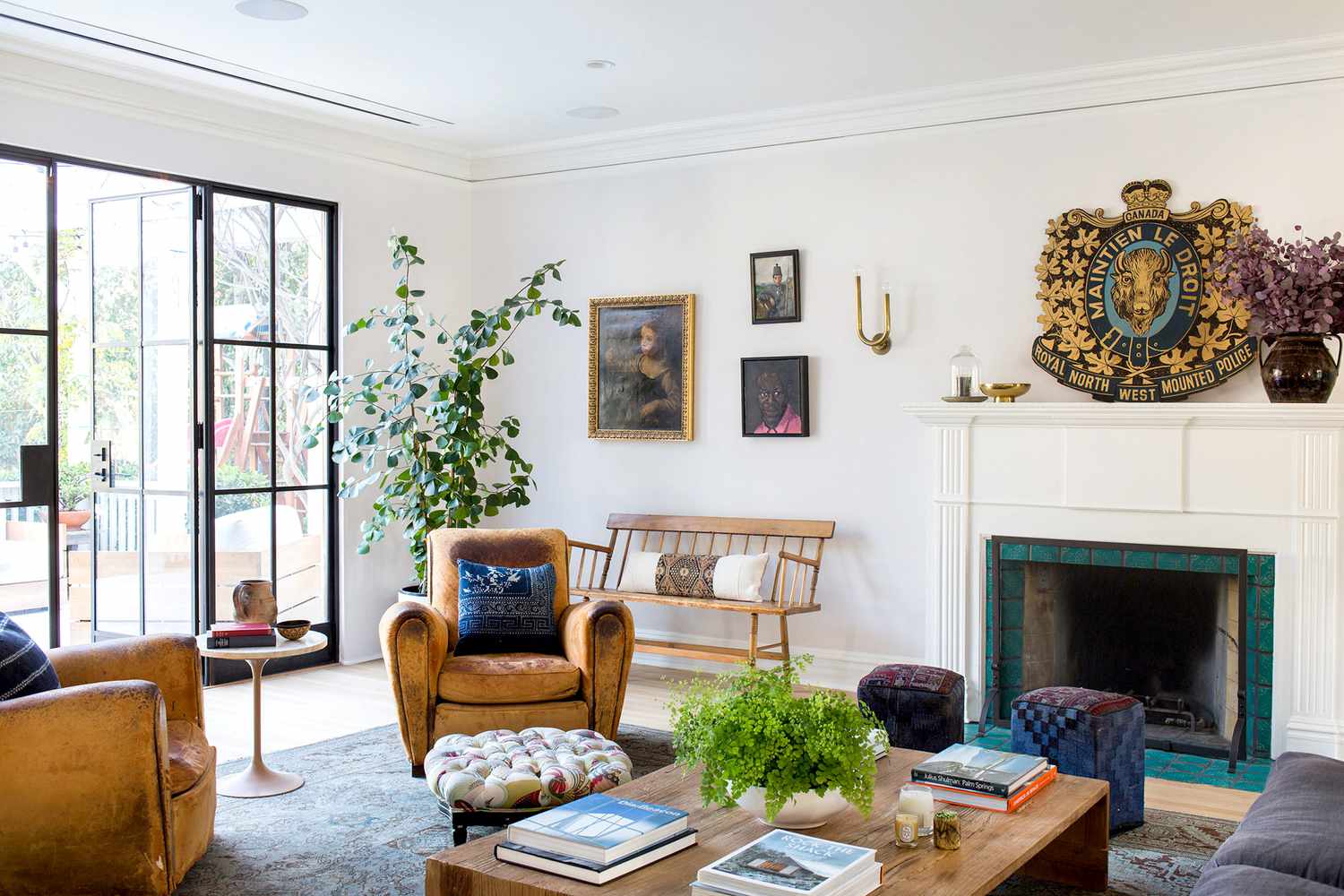
How to Decorate a Living Room From Start to Finish, According to Interior Designers

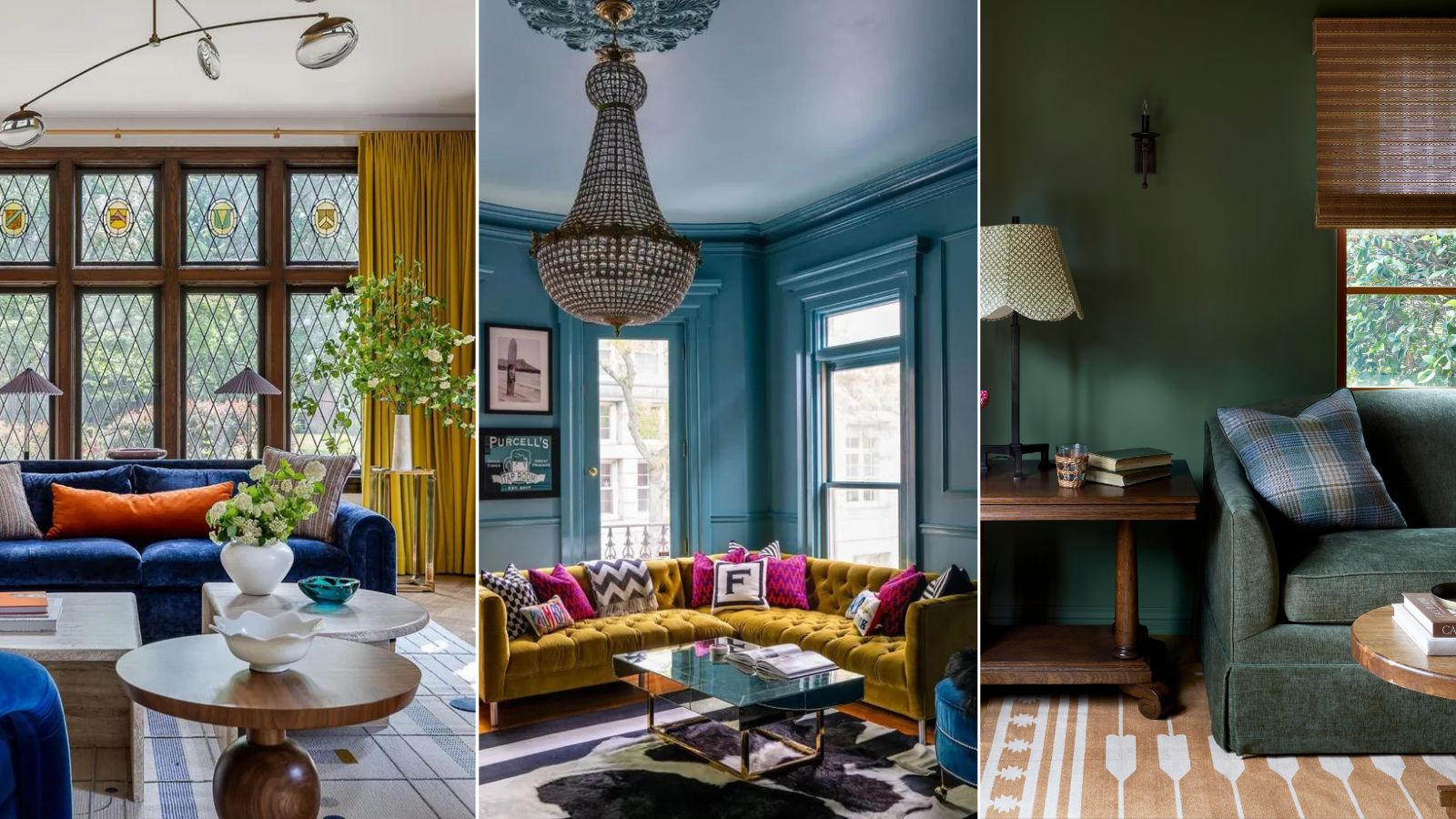
How do you choose the best couch color? 7 tips from designers to find to perfect shade
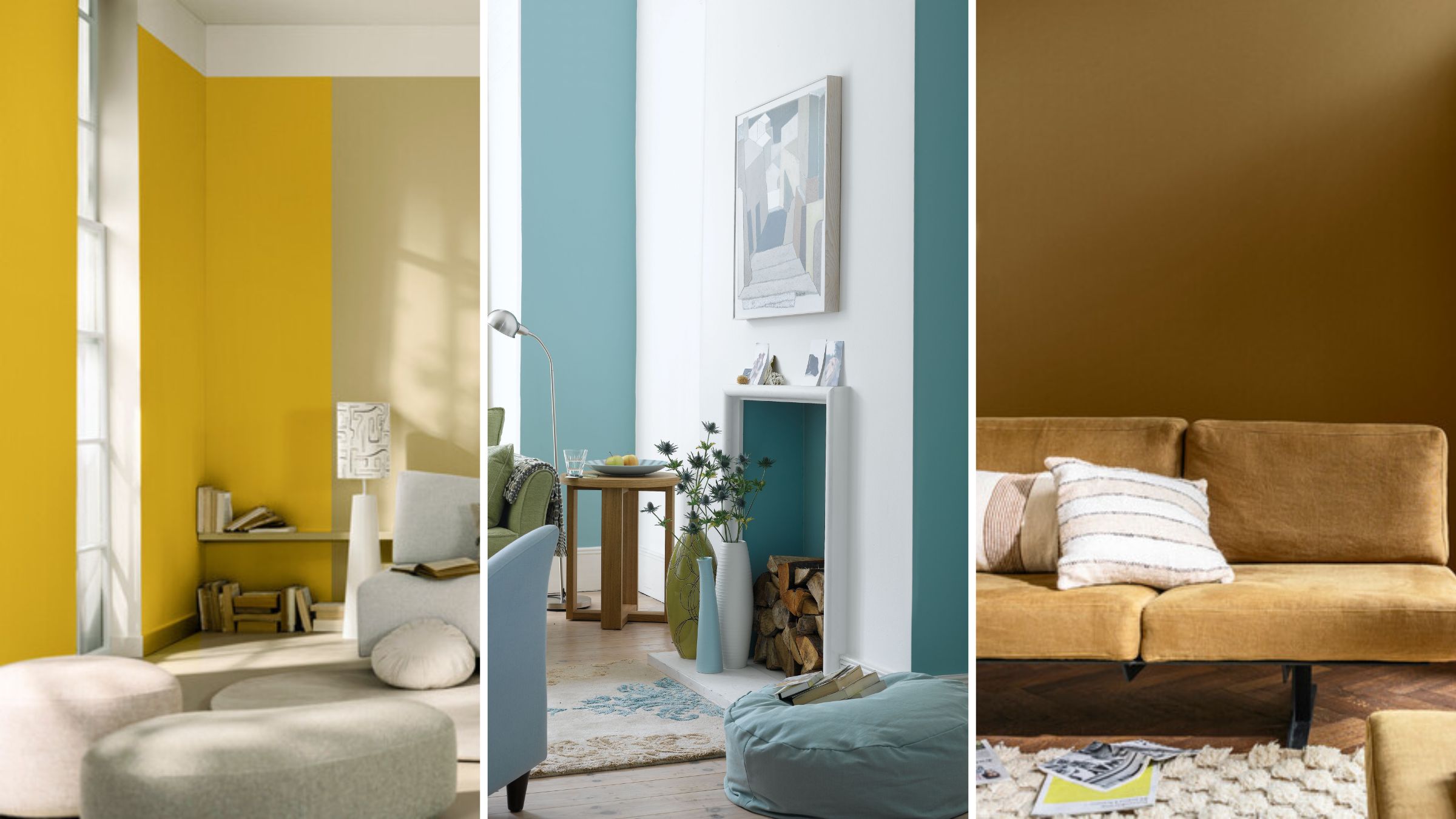
Experts reveal the best living room paint colours to transform every space

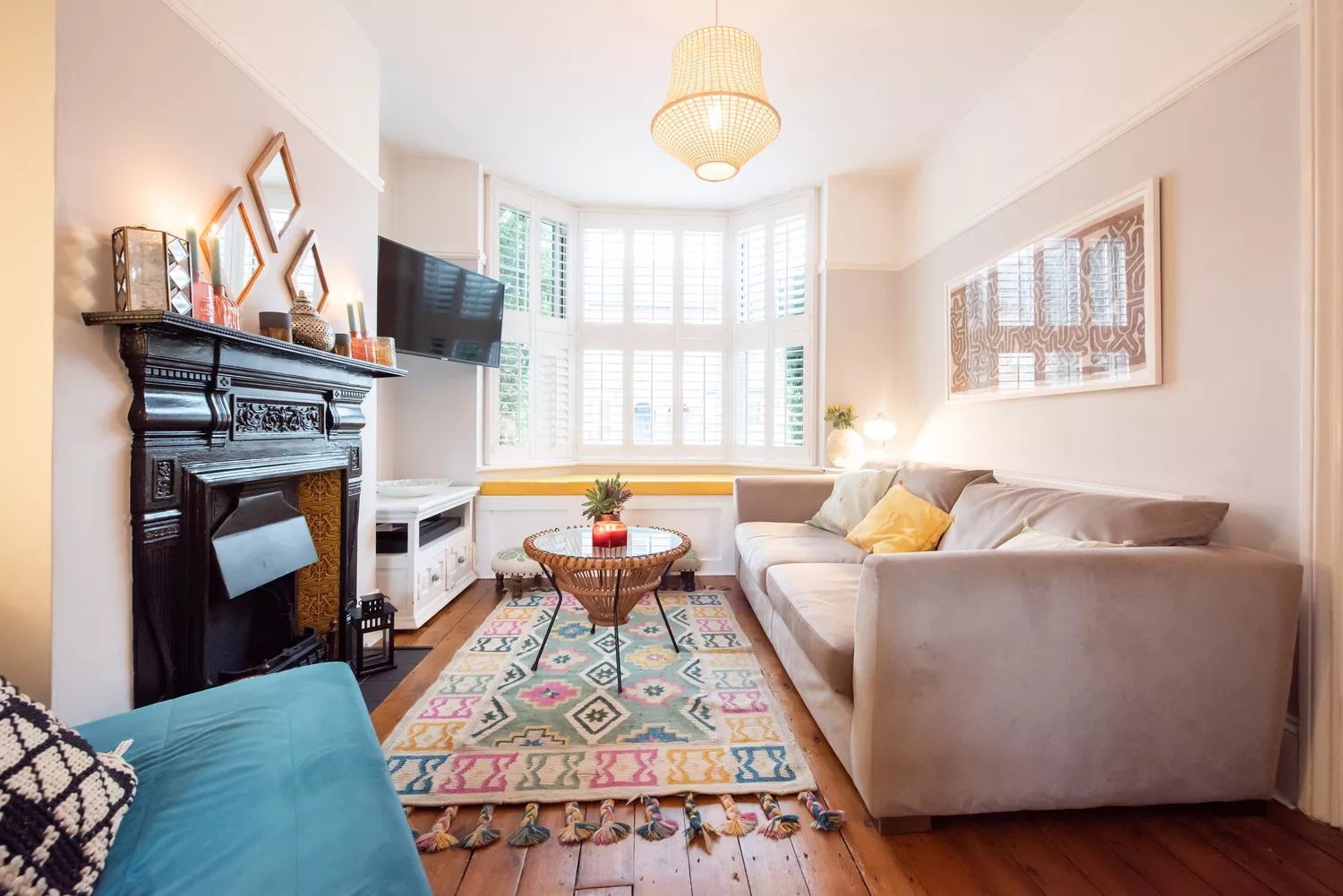
6 Things in Your Living Room That Instantly Give Designers the Ick

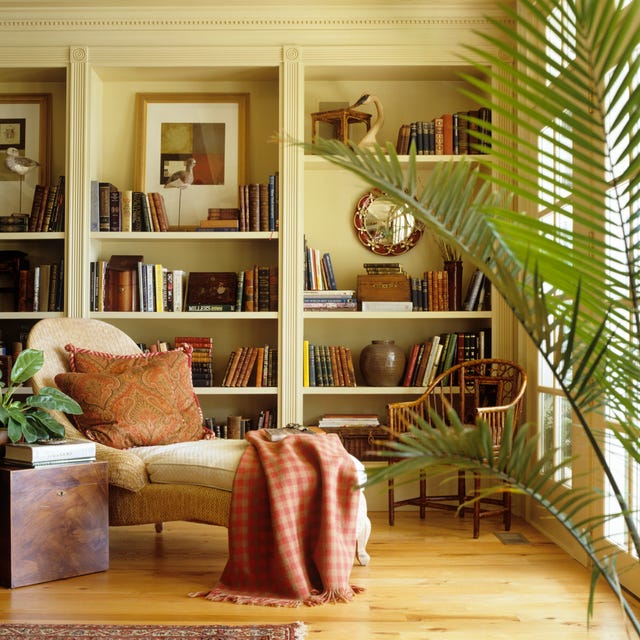
Designers Share 4 Common "Mistakes" You're Making in Your Living Room—and How to Correct Them

How to Pick the Perfect Rug for Your Space

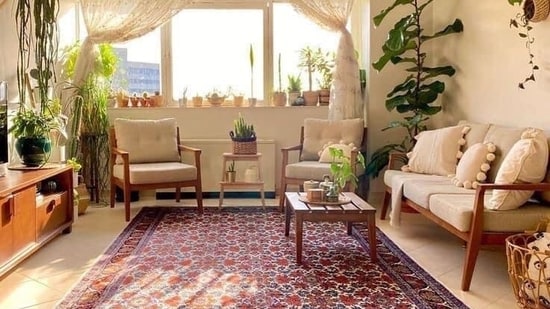
Home decor tips to choose perfect rug for your room's centerpiece | Hindustan Times

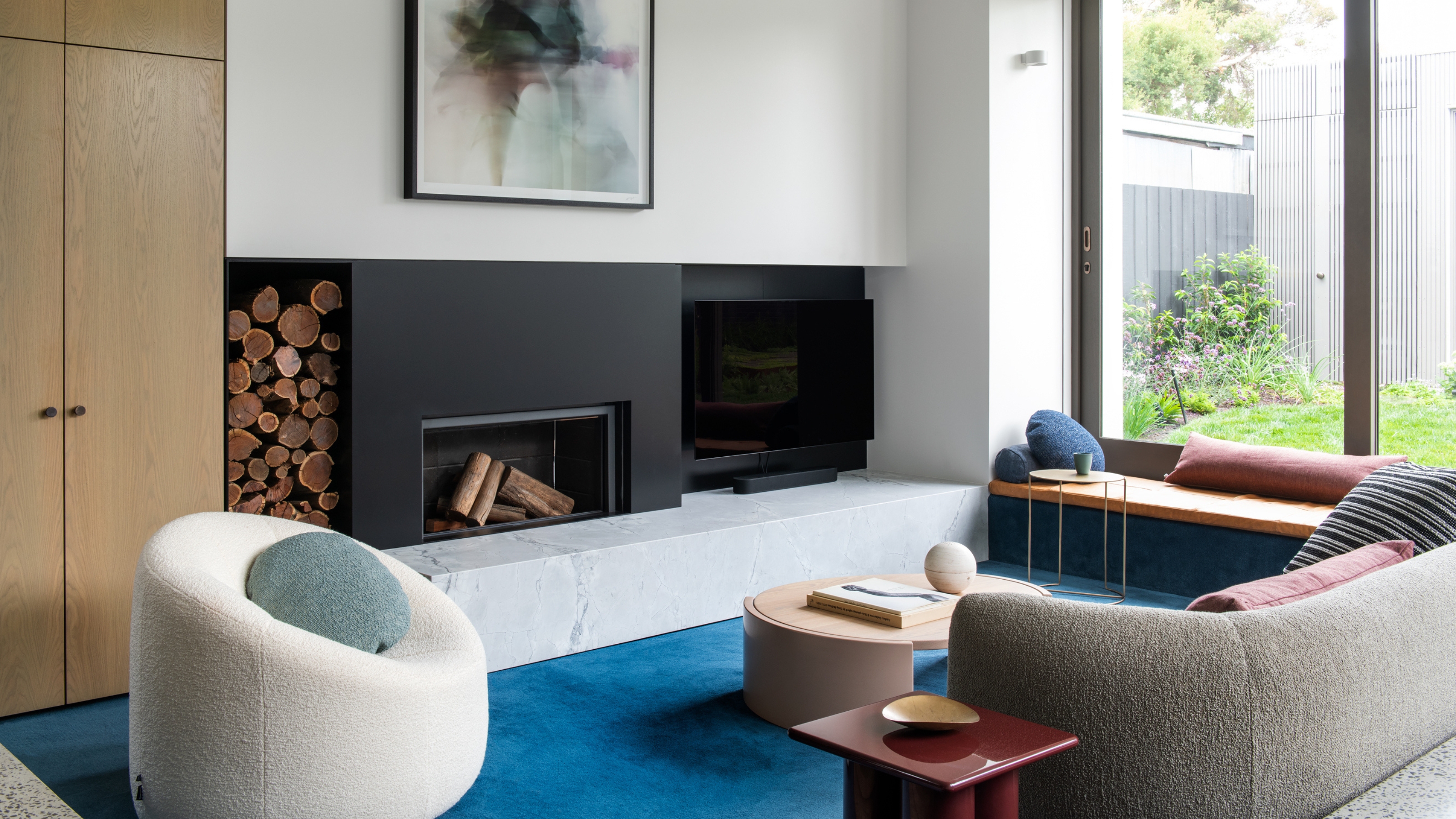
Should Your Carpet Be A Darker Color Than Your Walls? How to Make This Bold Look Work
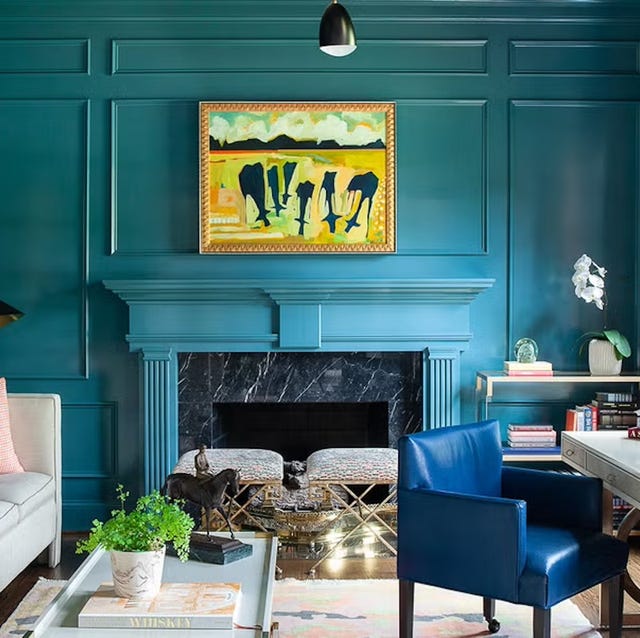
Listen Up: These Are the Best Paint Colors for Your Living Room

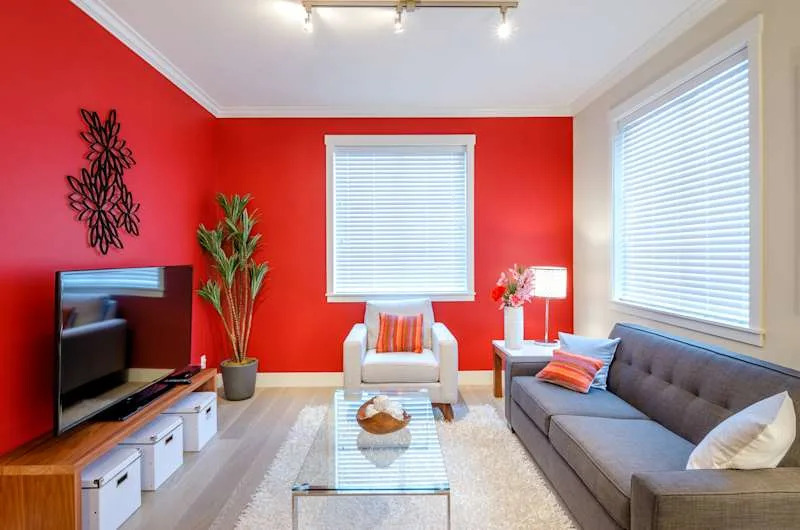
The 3 All-Time Worst Living-Room Paint Colors, According to Designers

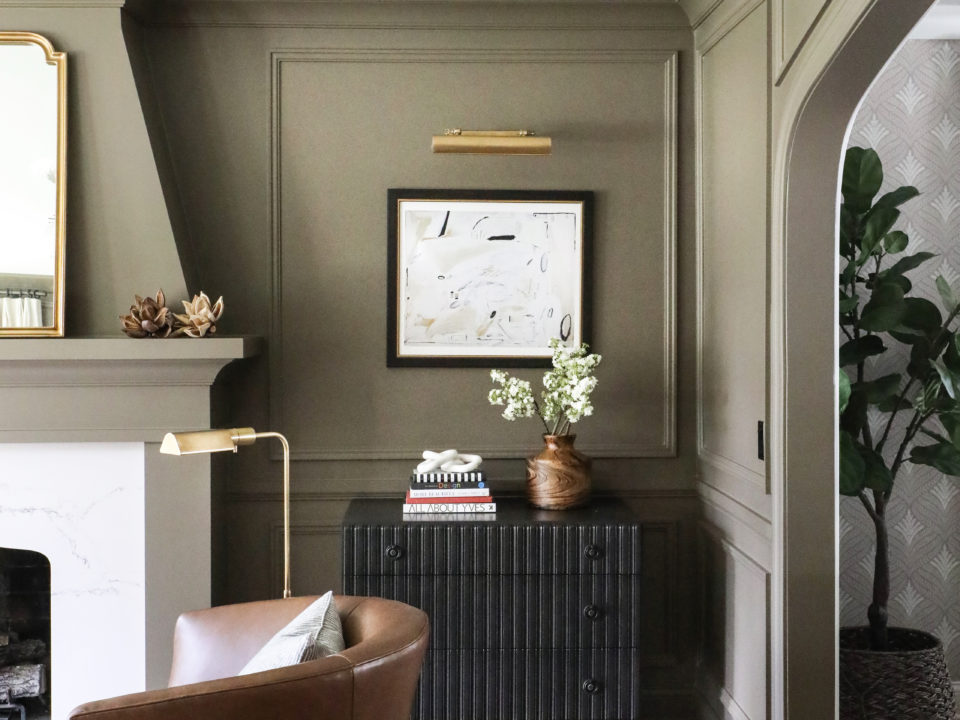
How to Pick the Best Paint Colors for Every Space in Your Home

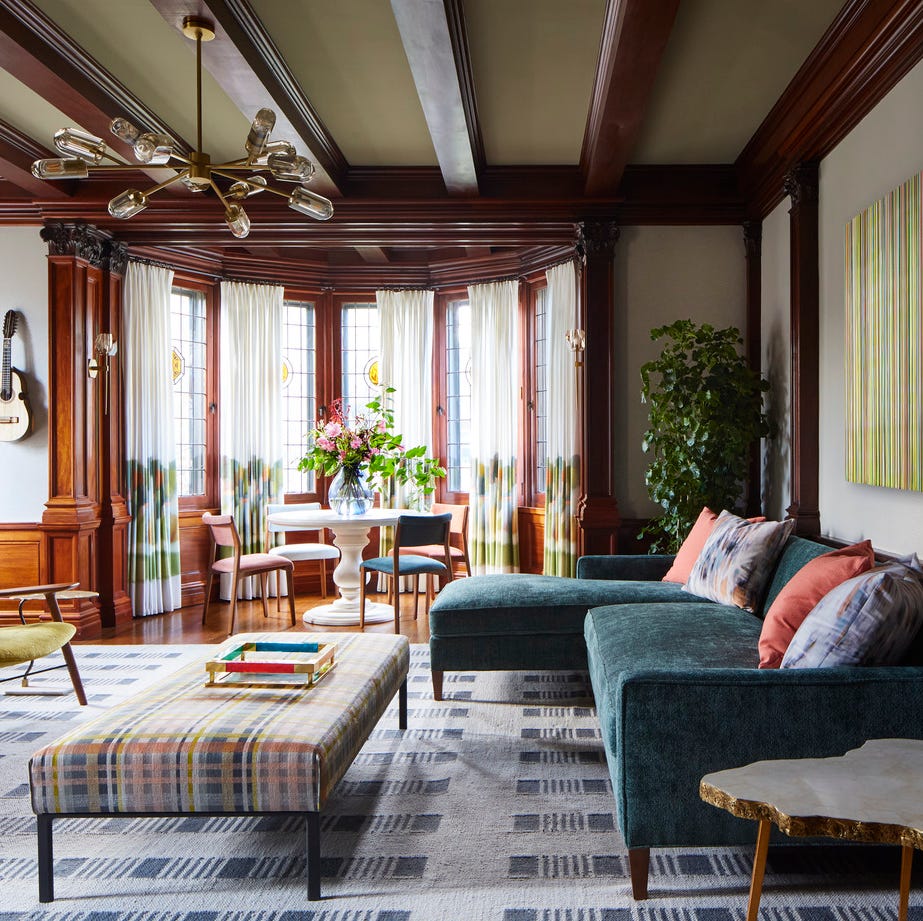
Easy Ways to Transform Your Living Room Into a Space You LOVE
Designer-Approved Living Room Colors That'll Make You Feel Happier
How to choose the best paint color for any room in your house
'They're not for every room' – designers say they'll never use a round rug in these 5 spaces, and neither should you

How Much Should You Spend on an Area Rug?
7 Living Room Decorating Mistakes You Should Never Make